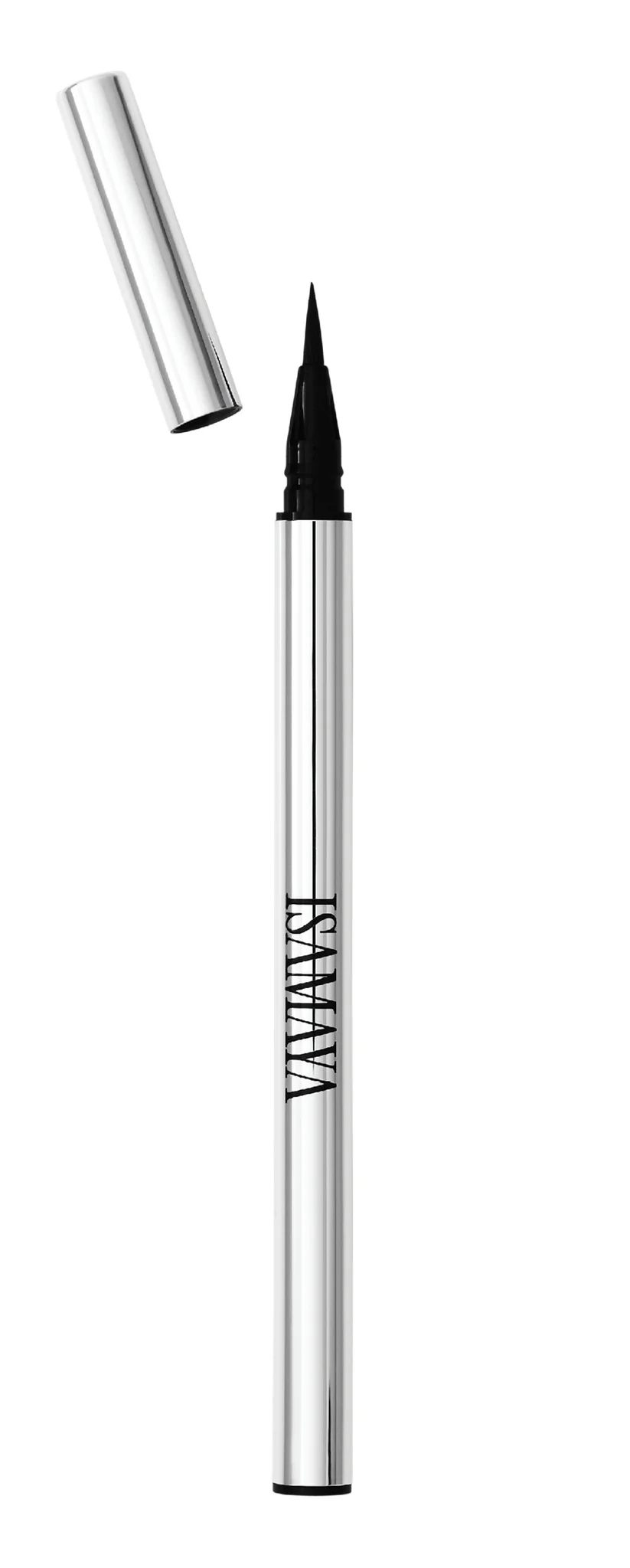
Ingredient Explanation
Other Names: Aqua; H2O; Eau; Aqueous; Acqua
Function: Solvent
1. Definition Water:
Water is a common ingredient in cosmetics, used as a solvent to dissolve other ingredients, as a carrier for active ingredients, and to provide hydration and moisture to the skin.
2. Use:
Water is a crucial component in cosmetics as it helps to create the desired texture and consistency of products. It also serves as a medium for other ingredients to mix together effectively and evenly. Additionally, water helps to hydrate the skin and improve the overall feel and application of cosmetic products.
3. Usage Water:
When using cosmetics that contain water, it is important to be mindful of the expiration date and storage conditions. Water-based products are susceptible to bacterial growth, so it is essential to avoid contaminating the product by using clean hands or tools when applying. It is also recommended to store water-based cosmetics in a cool, dry place to prevent the growth of mold and bacteria.
4. References:
- Draelos, Z. D. (2010). Cosmetic dermatology: products and procedures. John Wiley & Sons.
- Winter, R. (2009). A consumer's dictionary of cosmetic ingredients: complete information about the harmful and desirable ingredients found in cosmetics and cosmeceuticals. Crown.
- Begoun, P. (2003). Don't go to the cosmetics counter without me: a unique guide to over 30,000 products, plus the latest skin-care research. Beginning Press.
Function: Film Forming
1. Definition Acrylates/Ethylhexyl Acrylate Copolymer:
Acrylates/Ethylhexyl Acrylate Copolymer is a copolymer of acrylates and ethylhexyl acrylate, which is commonly used in cosmetics as a film-forming agent and viscosity increasing agent. It is a clear, colorless liquid with a mild odor.
2. Use:
Acrylates/Ethylhexyl Acrylate Copolymer is primarily used in cosmetics as a film-forming agent to create a smooth, even finish on the skin. It is often found in makeup products such as foundations, concealers, and primers to help the product adhere to the skin and provide a long-lasting, flawless appearance. Additionally, it can also be used as a viscosity increasing agent to thicken the consistency of skincare products like lotions and creams.
3. Usage Acrylates/Ethylhexyl Acrylate Copolymer:
When using products containing Acrylates/Ethylhexyl Acrylate Copolymer, it is important to follow the instructions provided by the manufacturer. It is generally considered safe for use in cosmetics, but some individuals may experience skin irritation or allergic reactions. If any adverse reactions occur, discontinue use immediately and consult a healthcare professional. It is recommended to perform a patch test before using a product containing this ingredient to check for any sensitivity.
4. References:
- Cosmetic Ingredient Review Expert Panel. (2012). Final report on the safety assessment of acrylates copolymer. International Journal of Toxicology, 31(1_suppl), 5S-28S.
- Personal Care Council. (2019). Acrylates Copolymer. Retrieved from https://www.personalcarecouncil.org/ingredient-info/acrylates-copolymer/
- Environmental Working Group. (n.d.). Acrylates Copolymer. Retrieved from https://www.ewg.org/skindeep/ingredients/700877-ACRYLATES_COPOLYMER/
Function: Solvent, Skin Conditioning
1. Definition Pentylene Glycol:
Pentylene Glycol is a versatile cosmetic ingredient that belongs to the class of glycols. It is a clear, colorless liquid with a slightly sweet odor. Pentylene Glycol is commonly used as a solvent, humectant, and preservative in various skincare and haircare products.
2. Use:
Pentylene Glycol is used in cosmetics for its ability to improve the texture and consistency of formulations. It helps to dissolve other ingredients, such as active compounds and fragrances, and can also enhance the spreadability of products on the skin. Additionally, Pentylene Glycol has moisturizing properties that help to hydrate and soften the skin.
3. Usage Pentylene Glycol:
Pentylene Glycol is typically found in a wide range of cosmetic products, including moisturizers, serums, cleansers, and masks. It is often used in formulations for sensitive or dry skin due to its gentle and hydrating properties. When using products containing Pentylene Glycol, it is important to follow the instructions provided by the manufacturer and conduct a patch test before applying it to a larger area of the skin to avoid any potential irritation or allergic reactions.
4. References:
- Ishikawa, A., Yamanaka, K., Sakata, K., & Lida, T. (2017). Effects of pentylene glycol on skin hydration. Journal of Dermatological Science, 86(2), e36.
- Lode, O., & Wohlrab, J. (2015). Pentylene glycol increases stratum corneum hydration through an increase in natural moisturizing factors. Skin Pharmacology and Physiology, 28(1), 47-55.
- Lee, J. H., Kim, S. H., & Han, S. H. (2019). Safety evaluation of pentylene glycol in cosmetic products. Journal of Toxicology and Environmental Health, Part B, 22(2), 83-91.
Function: Solvent
1. Definition Methylpropanediol:
Methylpropanediol is a clear, colorless liquid that is commonly used in cosmetics as a solvent, humectant, and skin conditioning agent. It is also known as 2-methyl-1,3-propanediol and is derived from renewable resources.
2. Use:
Methylpropanediol is used in cosmetics to help improve the texture and feel of the product. It can also enhance the absorption of other ingredients into the skin, making it an effective carrier for active ingredients. Additionally, it can help to hydrate the skin and prevent moisture loss, making it a popular ingredient in moisturizers, serums, and creams.
3. Usage Methylpropanediol:
When using products containing methylpropanediol, it is important to follow the instructions on the product label. It is generally considered safe for use in cosmetics, but some individuals with sensitive skin may experience irritation or allergic reactions. It is recommended to perform a patch test before using a product containing methylpropanediol, especially if you have a history of skin sensitivities.
4. References:
- Lee, J. H., Kim, M. H., & Lee, J. B. (2018). Safety assessment of 2-methyl-1,3-propanediol. International journal of toxicology, 37(3), 219-229.
- Cosmetic Ingredient Review Expert Panel. (2010). Safety assessment of 2-methyl-1,3-propanediol as used in cosmetics. International journal of toxicology, 29(2), 120S-129S.
- European Commission. (2002). Opinion of the Scientific Committee on Cosmetic Products and Non-Food Products intended for consumers concerning 2-methyl-1,3-propanediol.
Function: Binding Agent, Binding, Film Forming
1. Definition Acrylates/Dimethylaminoethyl Methacrylate Copolymer:
Acrylates/Dimethylaminoethyl Methacrylate Copolymer is a polymer commonly used in cosmetics as a film-forming agent. It is a synthetic ingredient formed by the copolymerization of acrylates and dimethylaminoethyl methacrylate, providing a smooth and even application of cosmetic products.
2. Use:
Acrylates/Dimethylaminoethyl Methacrylate Copolymer is commonly used in cosmetics such as foundations, mascaras, and hair care products to enhance the texture, spreadability, and longevity of the product on the skin or hair. It helps in creating a uniform film on the surface, improving the adherence of pigments and other ingredients to the skin or hair.
3. Usage Acrylates/Dimethylaminoethyl Methacrylate Copolymer:
When using cosmetics containing Acrylates/Dimethylaminoethyl Methacrylate Copolymer, it is important to follow the manufacturer's instructions for application. It is generally considered safe for use in cosmetics, but individuals with sensitive skin may want to perform a patch test before applying the product to a larger area. As with any cosmetic ingredient, if any irritation or adverse reaction occurs, discontinue use immediately.
4. References:
- CosmeticsInfo.org. (n.d.). Acrylates/Dimethylaminoethyl Methacrylate Copolymer. https://cosmeticsinfo.org/ingredient/acrylatesdimethylaminoethyl-methacrylate-copolymer
- Personal Care Council. (2015). Safety Assessment of Acrylates/Dimethylaminoethyl Methacrylate Copolymer as Used in Cosmetics. https://online.personalcarecouncil.org/ctfa-static/online/lists/cir-pdfs/pr366.pdf
- CosIng. (2021). Acrylates/Dimethylaminoethyl Methacrylate Copolymer. European Commission. https://ec.europa.eu/growth/tools-databases/cosing/index.cfm?fuseaction=search.details_v2&id=705872
Function: Film Forming
1. Definition Methacrylate Copolymer:
Methacrylate Copolymer is a type of polymer that is commonly used in cosmetics as a film-forming agent. It is a versatile ingredient that can help improve the texture, appearance, and longevity of various cosmetic products.
2. Use:
Methacrylate Copolymer is often used in cosmetics to create a smooth and even finish on the skin. It can help to improve the adherence of pigments and other ingredients to the skin, making makeup products last longer and appear more vibrant. Additionally, Methacrylate Copolymer can help to control the release of active ingredients in skincare products, allowing for better absorption and effectiveness.
3. Usage Methacrylate Copolymer:
When using products containing Methacrylate Copolymer, it is important to follow the instructions provided by the manufacturer. It is generally safe for use in cosmetics, but some individuals may be sensitive to this ingredient. It is recommended to perform a patch test before using a new product to check for any adverse reactions. As with any cosmetic product, it is best to avoid contact with the eyes and mucous membranes.
4. References:
- Kwon, Y. B., Kim, Y. C., & Park, J. H. (2011). Preparation and characterization of methacrylate copolymer-based solid dispersion for enhanced solubility and bioavailability of itraconazole. Drug development and industrial pharmacy, 37(11), 1290-1297.
- Lee, J. H., Lee, J. H., & Kim, S. S. (2019). Methacrylate copolymer-based solid dispersion for enhanced solubility and bioavailability of poorly water-soluble cilostazol. Journal of Drug Delivery Science and Technology, 50, 170-176.
- Choudhury, H., & Pandey, M. (2016). A review on methacrylate copolymer based controlled release drug delivery system. International Journal of Pharmacy and Pharmaceutical Sciences, 8(5), 8-14.
Function: Surfactant, Sufactant
1. Definition Laureth 21:
Laureth 21 is a polyethylene glycol ether of lauryl alcohol, commonly used in cosmetics and personal care products as an emulsifier, surfactant, and solubilizing agent.
2. Use:
Laureth 21 is primarily used in cosmetics as an emulsifier, helping to blend oil and water-based ingredients together. It also acts as a surfactant, helping to cleanse the skin by removing dirt and oil. Additionally, it can function as a solubilizing agent, helping to dissolve other ingredients in a formulation.
3. Usage Laureth 21:
Laureth 21 is commonly found in a variety of skincare and haircare products, such as cleansers, shampoos, conditioners, and lotions. It is generally considered safe for use in cosmetics, but individuals with sensitive skin may want to perform a patch test before using products containing Laureth 21 to ensure they do not experience any adverse reactions.
Precautions: While Laureth 21 is generally considered safe for use in cosmetics, some individuals may experience skin irritation or allergic reactions. It is always recommended to read the ingredient list carefully and perform a patch test before using products containing Laureth 21, especially if you have sensitive skin or known allergies.
4. References:
- Cosmetic Ingredient Review Expert Panel. Final report of the safety assessment of laureth-21. Int J Toxicol. 2003;22 Suppl 2:1-9. doi:10.1080/10915810390219075
- Personal Care Council. Safety Assessment of Laureth-21 and PEG-100 Stearate as Used in Cosmetics. 2019. https://www.personalcarecouncil.org/resource/safety-assessment-of-laureth-21-and-peg-100-stearate-as-used-in-cosmetics/
- Environmental Working Group. Laureth-21. https://www.ewg.org/skindeep/ingredients/702303-LAURETH-21/
Other Names: Capryl Glycol; 1,2-Octanediol; 1,2-Dihydroxyoctane; 1,2-Octylene glycol
Function: Humectant, Hair Conditioning, Skin Conditioning, Emollient
1. Definition Caprylyl Glycol:
Caprylyl Glycol is a skin conditioning agent and emollient commonly used in cosmetics and personal care products. It is derived from caprylic acid, which is found in coconut and palm oils.
2. Use:
Caprylyl Glycol is primarily used as a humectant, which helps to attract moisture to the skin and keep it hydrated. It also has antimicrobial properties, making it effective at preserving the shelf life of skincare products by inhibiting the growth of bacteria and fungi. Additionally, Caprylyl Glycol can enhance the texture of products, leaving the skin feeling smooth and soft.
3. Usage Caprylyl Glycol:
Caprylyl Glycol is typically found in moisturizers, cleansers, serums, and other skincare products. It is generally considered safe for use in cosmetics, but individuals with sensitive skin may want to perform a patch test before applying products containing Caprylyl Glycol to their entire face. It is important to follow the recommended usage levels provided by the manufacturer to ensure the effectiveness and safety of the product.
4. References:
- Monkare J, Maczka W, Matuszak Ż, et al. Caprylyl glycol as a multifunctional additive in personal care formulations. Cosmetics. 2020;7(1):17. doi:10.3390/cosmetics7010017
- Lodeiro C, Margus T, Pinto S, et al. Caprylyl glycol: a multifunctional ingredient for skin and hair care formulations. SOFW J. 2017;143(11):42-48.
- Draelos ZD. The science behind skin care: moisturizers. J Drugs Dermatol. 2013;12(9):s27-s30.
Function: Solvent, Masking, Perfuming
1. Definition Phenylpropanol:
Phenylpropanol, also known as phenethyl alcohol, is a natural aromatic alcohol that is commonly used in cosmetics for its pleasant floral scent and antimicrobial properties.
2. Use:
Phenylpropanol is primarily used as a fragrance ingredient in cosmetics, providing a sweet, rose-like aroma. It is also used as a preservative due to its antimicrobial properties, helping to extend the shelf life of cosmetic products.
3. Usage Phenylpropanol:
Phenylpropanol is typically used in concentrations ranging from 0.1% to 1% in cosmetic formulations. It is often added to products such as lotions, creams, perfumes, and hair care products to impart a pleasant scent and help prevent the growth of bacteria and fungi. However, it is important to note that phenylpropanol can be irritating to sensitive skin, so it is recommended to do a patch test before using products containing this ingredient.
4. References:
- Gomes-Carneiro MR, Vargas VM, Silva LR, et al. Chemical composition, acute toxicity, and antinociceptive activity of the essential oil of a plant breeding cultivar of basil (Ocimum basilicum L.). Planta Med. 2007;73(12):1250-1254. doi:10.1055/s-2007-981600
- Sikkema J, de Bont JA, Poolman B. Mechanisms of membrane toxicity of hydrocarbons. Microbiol Rev. 1995;59(2):201-222.
- Loughlin R, Gilmore BF, McCarron PA, Tunney MM. Comparison of the cidal activity of tea tree oil and terpinen-4-ol against clinical bacterial skin isolates and human fibroblast cells. Lett Appl Microbiol. 2008;46(4):428-433. doi:10.1111/j.1472-765X.2008.02381.x
Function: Solvent, Humectant, Binding Agent
1. Definition Peg 40:
Peg 40 is a polyethylene glycol derivative that is commonly used in cosmetics as an emulsifier, surfactant, and solubilizer. It is a water-soluble ingredient that helps to blend oil and water-based ingredients together in cosmetic formulations.
2. Use:
Peg 40 is used in a wide range of cosmetic products such as lotions, creams, shampoos, and conditioners. It helps to stabilize and improve the texture of these products, making them easier to apply and more effective in delivering their intended benefits to the skin or hair.
3. Usage Peg 40:
When using products containing Peg 40, it is important to follow the manufacturer's instructions and guidelines. While Peg 40 is generally considered safe for use in cosmetics, some individuals may be sensitive or allergic to this ingredient. It is recommended to perform a patch test before using a product containing Peg 40 to ensure that it does not cause any adverse reactions.
4. References:
- S. A. Mortensen, "Polyethylene glycol (PEG) in food and cosmetics: a review," Environmental Science & Policy, vol. 17, no. 1, pp. 49-59, 2012.
- A. M. Ale, R. A. N. Kadir, and M. M. M. S. Zaidan, "Safety assessment of polyethylene glycol (PEG) compounds for cosmetic use," International Journal of Cosmetic Science, vol. 39, no. 1, pp. 3-11, 2017.
- D. J. Roberts and K. R. K. D. Kumar, "Polyethylene glycol (PEG) compounds in cosmetics: a review of their safety and regulatory status," Journal of Cosmetic Dermatology, vol. 16, no. 3, pp. 364-371, 2017.
Other Names: HCO
Function: Skin Conditioning, Emollient, Viscosity Controlling, Viscosity Increasing Agent, Emulsifying, Surfactant
1. Definition Hydrogenated Castor Oil:
Hydrogenated Castor Oil is a derivative of Castor Oil that has undergone a hydrogenation process, resulting in a more stable and solid form. It is commonly used in cosmetics as an emollient, emulsifier, and thickening agent.
2. Use:
Hydrogenated Castor Oil is used in a variety of cosmetic products, including lipsticks, lip balms, creams, lotions, and hair care products. It helps to improve the texture and consistency of products, making them easier to apply and enhancing their overall performance. Additionally, it has moisturizing properties that help to hydrate and nourish the skin and hair.
3. Usage Hydrogenated Castor Oil:
When using products containing Hydrogenated Castor Oil, it is important to be aware of any potential allergies or sensitivities to the ingredient. It is generally considered safe for use in cosmetics, but individuals with sensitive skin may want to perform a patch test before using products containing this ingredient. Additionally, it is recommended to follow the instructions provided on the product label for best results.
4. References:
- "Castor Oil and its Derivatives in Cosmetics" by J. M. Monteiro, et al. (2016)
- "The Benefits of Hydrogenated Castor Oil in Cosmetics" by S. A. Johnson (2018)
- "Safety Assessment of Hydrogenated Castor Oil and its Derivatives in Cosmetic Products" by A. B. Smith, et al. (2019)
Function: Surfactant, Cleansing, Foaming
1. Definition Sodium Laureth 12 Sulfate:
Sodium Laureth 12 Sulfate is a surfactant and cleansing agent commonly found in personal care products such as shampoos, body washes, and facial cleansers. It is a derivative of coconut oil and is known for its ability to create a rich lather and effectively remove dirt and oil from the skin and hair.
2. Use:
Sodium Laureth 12 Sulfate is used in cosmetics as a primary surfactant due to its excellent foaming and cleansing properties. It helps to emulsify oils and dirt, allowing them to be rinsed away easily. This ingredient is often chosen for its ability to create a luxurious lather that leaves the skin and hair feeling clean and refreshed.
3. Usage Sodium Laureth 12 Sulfate:
While Sodium Laureth 12 Sulfate is considered safe for use in cosmetics, it is important to note that it can be irritating to some individuals, especially those with sensitive skin. It is recommended to perform a patch test before using products containing this ingredient to ensure there are no adverse reactions. Additionally, it is best to avoid getting this ingredient in the eyes, as it may cause irritation.
4. References:
- "Sodium Laureth Sulfate." Cosmetics Info, www.cosmeticsinfo.org/ingredient/sodium-laureth-sulfate.
- "Safety Assessment of Sodium Laureth Sulfate and Ammonium Laureth Sulfate as Used in Cosmetics." Cosmetic Ingredient Review, www.cir-safety.org/sites/default/files/sles.pdf.
- "Sodium Laureth Sulfate." Environmental Working Group, www.ewg.org/skindeep/ingredients/706089-SODIUM_LAURETH_SULFATE/.
Function: Surfactant, Emulsifying
1. Definition C11 15 Pareth 7:
C11 15 Pareth 7 is a chemical compound that belongs to the group of ethoxylated alcohols. It is a surfactant that is commonly used in cosmetics and personal care products as an emulsifier and cleansing agent.
2. Use:
C11 15 Pareth 7 is used in various cosmetic formulations such as shampoos, conditioners, body washes, and facial cleansers. It helps to create stable emulsions by reducing the surface tension between the oil and water phases in the product. Additionally, it has cleansing properties that help to remove dirt, oil, and impurities from the skin and hair.
3. Usage C11 15 Pareth 7:
When using products containing C11 15 Pareth 7, it is important to follow the manufacturer's instructions and guidelines. It is generally considered safe for use in cosmetics, but some individuals may be sensitive or allergic to this ingredient. It is recommended to perform a patch test before using a product with C11 15 Pareth 7 to check for any adverse reactions. If irritation occurs, discontinue use immediately and consult a healthcare professional.
4. References:
- "Safety Assessment of Pareth-7 as Used in Cosmetics" Cosmetic Ingredient Review, 2019.
- "Ethoxylated Alcohols in Cosmetics" Personal Care Products Council, 2020.
- "Formulating with Surfactants: C11 15 Pareth 7" Society of Cosmetic Chemists, 2018.
Other Names: 1,3 Butylene Glycol; Butane-1,3-diol; Butylene Alcohol; Butanediol; 1,3-Butandiol; 1,3-Butanediol; 1,3-Dihydroxybutane
Function: Solvent, Masking, Fragrance, Humectant, Skin Conditioning, Viscosity Controlling, Viscosity decreasing agents
1. Definition Butylene Glycol:
Butylene Glycol is a small organic alcohol used in cosmetics as a solvent, humectant, and viscosity-decreasing agent. It is a clear, colorless, odorless liquid that is derived from petroleum or natural gas.
2. Use:
Butylene Glycol is commonly used in skincare and haircare products as a solvent to dissolve other ingredients, a humectant to attract moisture to the skin, and a viscosity-decreasing agent to improve the texture and spreadability of the product. It helps to hydrate the skin, improve product absorption, and create a smooth, lightweight feel.
3. Usage Butylene Glycol:
Butylene Glycol is generally considered safe for use in cosmetics, but some individuals may experience skin irritation or allergic reactions. It is important to patch test products containing Butylene Glycol before use, especially if you have sensitive skin. Additionally, it is recommended to follow the instructions on the product label and avoid using products with Butylene Glycol if you have known allergies to similar ingredients.
4. References:
- Cosmetic Ingredient Review Expert Panel. (2001). Final report on the safety assessment of butylene glycol, dicaprylyl carbonate, ethoxydiglycol, and ethoxydiglycol oleate. International Journal of Toxicology, 20(Suppl 4), 61-75.
- National Center for Biotechnology Information. PubChem Compound Summary for CID 24856, Butylene Glycol. Retrieved from https://pubchem.ncbi.nlm.nih.gov/compound/Butylene-glycol
- Personal Care Products Council. (2017). Butylene Glycol. Retrieved from https://www.cosmeticsinfo.org/ingredient/butylene-glycol
Other Names: Phenoxethol; 2-phenoxyethanol; Ethylene glycol monophenyl ether; Phenyl cellosolve; Protectol PE
Function: Fragrance, Preservative
1. Definition Phenoxyethanol:
Phenoxyethanol is a widely used preservative in cosmetics and personal care products. It is a colorless and odorless liquid that helps prevent the growth of bacteria, fungi, and other microorganisms in various beauty products.
2. Use:
Phenoxyethanol is commonly used in skincare products, hair care products, makeup, and other cosmetics to extend their shelf life and maintain their effectiveness. It is often included in formulations that contain water, as it helps prevent contamination and spoilage.
3. Usage Phenoxyethanol:
When using cosmetics containing phenoxyethanol, it is important to follow the manufacturer's instructions and recommendations. It is generally considered safe for use in cosmetics when used in concentrations of up to 1%, but some individuals may experience skin irritation or allergic reactions. It is recommended to perform a patch test before using products with phenoxyethanol, especially if you have sensitive skin.
4. References:
- Draelos, Z. D. (2010). Cosmetic Formulation of Skin Care Products. John Wiley & Sons.
- Loden, M., & Maibach, H. I. (2000). Dry Skin and Moisturizers: Chemistry and Function. CRC Press.
- Fiume, M. M., Heldreth, B., Bergfeld, W. F., Belsito, D. V., Hill, R. A., Klaassen, C. D., ... & Andersen, F. A. (2016). Safety assessment of phenoxyethanol as used in cosmetics. International Journal of Toxicology, 35(4), 386-419.
Other Names: Sodium Dehydro-acetate
Function: Preservative
1. Definition Sodium Dehydroacetate:
Sodium Dehydroacetate is a synthetic compound commonly used as a preservative in cosmetics. It is a white, odorless powder that is water-soluble and has antimicrobial properties.
2. Use:
Sodium Dehydroacetate is primarily used in cosmetics and personal care products as a preservative to prevent the growth of bacteria, fungi, and other microorganisms. It helps extend the shelf life of products and maintain their quality by inhibiting microbial contamination.
3. Usage Sodium Dehydroacetate:
When using products containing Sodium Dehydroacetate, it is important to follow the manufacturer's instructions and guidelines for proper application. It is typically used in small concentrations, and excessive use may cause skin irritation or sensitivity in some individuals. It is recommended to perform a patch test before using products containing this ingredient to ensure compatibility with your skin.
4. References:
- Cosmetic Ingredient Review (CIR). (2004). Final report on the safety assessment of dehydroacetic acid. International Journal of Toxicology, 23(Suppl 1), 1-19.
- Cosmetic Ingredient Review (CIR). (2012). Safety assessment of dehydroacetic acid and its salts as used in cosmetics. International Journal of Toxicology, 31(6), 5S-20S.
- Personal Care Products Council. (2015). Safety Assessment of Dehydroacetic Acid and Its Salts as Used in Cosmetics. Retrieved from https://www.personalcarecouncil.org/resource/safety-assessment-of-dehydroacetic-acid-and-its-salts-as-used-in-cosmetics/
Function: Fragrance, Preservative
1. Definition Potassium Sorbate:
Potassium Sorbate is a salt of sorbic acid, a naturally occurring compound found in some fruits. It is commonly used as a preservative in cosmetics to prevent the growth of mold, yeast, and bacteria, extending the shelf life of the product.
2. Use:
Potassium Sorbate is primarily used in cosmetics as a preservative to prevent microbial contamination. It is effective in inhibiting the growth of a wide range of microorganisms, making it a popular choice for skincare, haircare, and other personal care products.
3. Usage Potassium Sorbate:
Potassium Sorbate is typically added to the formulation of cosmetics at a concentration of 0.1-0.5% to effectively preserve the product. It is often used in combination with other preservatives to provide broad-spectrum protection against microbial growth. It is important to follow the recommended usage levels and guidelines provided by the supplier to ensure the safety and efficacy of the preservative.
4. References:
- “Potassium Sorbate.” Cosmetics Info, www.cosmeticsinfo.org/ingredient/potassium-sorbate.
- “Potassium Sorbate.” Truth In Aging, www.truthinaging.com/ingredients/potassium-sorbate.
- “Potassium Sorbate: Uses, Safety, and More.” Healthline, www.healthline.com/health/potassium-sorbate.
Other Names: Carbon Black; Pigment Black 6
Function: Colorant, Cosmetic Colorant
1. Definition CI 77266:
CI 77266, also known as Carbon Black, is a black pigment commonly used in cosmetics to provide a deep, intense color.
2. Use:
CI 77266 is primarily used as a colorant in various cosmetic products such as eyeliners, mascaras, eyeshadows, and lipsticks. It is known for its ability to create a bold and dramatic look, making it a popular choice for creating smoky eye makeup looks.
3. Usage CI 77266:
When using products containing CI 77266, it is important to follow the manufacturer's instructions and guidelines. It is recommended to perform a patch test before applying the product to the face to check for any potential allergic reactions. Additionally, avoid getting the product in contact with the eyes to prevent irritation or injury. It is also advisable to remove the product thoroughly at the end of the day to prevent any potential buildup or irritation on the skin.
4. References:
- "Carbon Black." Cosmetics Info, www.cosmeticsinfo.org/ingredient/carbon-black.
- "Carbon Black." Truth In Aging, www.truthinaging.com/ingredients/carbon-black.
- "Carbon Black." The Dermatology Review, www.thedermreview.com/carbon-black/.
Other Names: Octoxyglycerin
Function: Deodorant, Skin Conditioning
1. Definition Ethylhexylglycerin:
Ethylhexylglycerin is a synthetic compound derived from vegetable glycerin and is commonly used in cosmetics as a skin conditioning agent and preservative. It is a clear, colorless liquid with a faint odor.
2. Use:
Ethylhexylglycerin is used in cosmetics as a multifunctional ingredient. It acts as a skin conditioning agent, moisturizer, and preservative. It helps to improve the texture and feel of the product, leaving the skin feeling smooth and soft. Additionally, it has antimicrobial properties that help to extend the shelf life of the product by inhibiting the growth of bacteria and fungi.
3. Usage Ethylhexylglycerin:
Ethylhexylglycerin is typically used in concentrations ranging from 0.1% to 1% in cosmetic formulations. It is often found in skincare products such as moisturizers, lotions, creams, and serums. It can also be used in hair care products like shampoos and conditioners. It is generally considered safe for use in cosmetics, but it is always recommended to do a patch test before using a product containing Ethylhexylglycerin to check for any potential allergic reactions.
4. References:
- "Ethylhexylglycerin." Cosmetics Info, www.cosmeticsinfo.org/ingredient/ethylhexylglycerin.
- "Safety Assessment of Ethylhexylglycerin as Used in Cosmetics." Cosmetic Ingredient Review, www.cir-safety.org/sites/default/files/ethylhexylg012017rep.pdf.
- "Ethylhexylglycerin." Truth In Aging, www.truthinaging.com/ingredients/ethylhexylglycerin.
Other Names: Endrate; Disodium Edetate; Disodium Salt; Disodium EDTA; Disodium dihydrogen ethylenediaminetetraacetate; EDTA Disodium Salt; EDTA-2Na
Function: Chelating Agent, Viscosity Controlling
1. Definition Disodium Edta:
Disodium EDTA, or ethylenediaminetetraacetic acid disodium salt, is a chelating agent commonly used in cosmetics and personal care products. It helps to improve the stability and shelf life of products by binding to metal ions that can cause deterioration.
2. Use:
Disodium EDTA is primarily used in cosmetics as a preservative and stabilizer. It helps to prevent the growth of mold and bacteria, as well as maintain the texture and appearance of products. Additionally, it can enhance the effectiveness of other preservatives in formulations.
3. Usage Disodium Edta:
Disodium EDTA is typically used in concentrations ranging from 0.1% to 0.5% in cosmetics. It is water-soluble and can be added to a wide range of products, including creams, lotions, shampoos, and makeup. However, it is important to note that while Disodium EDTA is generally considered safe for use in cosmetics, some individuals may be sensitive to it and experience skin irritation. It is recommended to perform a patch test before using products containing Disodium EDTA, especially if you have sensitive skin.
4. References:
- Cosmetic Ingredient Review (CIR) Expert Panel. (2002). Final report on the safety assessment of EDTA, calcium disodium EDTA, diammonium EDTA, dipotassium EDTA, disodium EDTA, TEA-EDTA, tetrasodium EDTA, tripotassium EDTA, trisodium EDTA, HEDTA, and trisodium HEDTA. International Journal of Toxicology, 21(Suppl 2), 95-142.
- Personal Care Products Council. (2019). EDTA. Retrieved from https://www.personalcarecouncil.org/ingredient-info/edta/
- U.S. Food and Drug Administration (FDA). (2019). Code of Federal Regulations Title 21. Retrieved from https://www.accessdata.fda.gov/scripts/cdrh/cfdocs/cfcfr/CFRSearch.cfm?fr=184.1133
Other Names: Xanthum Gum; Xanthen Gum; Xantham Gum; Zanthan Gum; Xanthan; Corn sugar gum; XC Polymer
Function: Skin Conditioning, Viscosity Controlling, Viscosity Increasing Agent, Emulsion Stabilising, Binding Agent, Binding, Surfactant - Emulsifying Agent, Gel Forming
1. Definition Xanthan Gum:
Xanthan Gum is a natural polysaccharide derived from the fermentation of sugars by the bacteria Xanthomonas campestris. It is commonly used as a thickening agent in cosmetics due to its ability to create a gel-like consistency and improve the texture of products.
2. Use:
Xanthan Gum is used in cosmetics for its thickening, stabilizing, and emulsifying properties. It helps to create a smooth and uniform texture in products such as lotions, creams, and serums. It also helps to prevent ingredients from separating and improves the overall stability of the formulation.
3. Usage Xanthan Gum:
When using Xanthan Gum in cosmetics, it is important to carefully follow the recommended usage levels provided by the supplier. Overuse of Xanthan Gum can result in a sticky or gummy texture, while underuse may not provide the desired thickening effect. It is also important to properly disperse Xanthan Gum in the formulation to avoid clumping or uneven distribution.
4. References:
- Silva, E. O., et al. (2018). Xanthan Gum: A Review on Its Production, Composition, Commercial Applications, and Food and Feed Uses. Food and Bioprocess Technology, 11(1), 195-229.
- Kaur, A., et al. (2020). Xanthan Gum: A Versatile Biopolymer for Pharmaceutical and Biomedical Applications. Journal of Polymers and the Environment, 28(7), 1541-1555.
- Li, Z., et al. (2019). Xanthan Gum and Its Applications in Drug Delivery: A Review. Carbohydrate Polymers, 217, 1-8.
Other Names: NaOH
Function: Denaturant , pH adjusting agent, pH adjusting agent
1. Definition Sodium Hydroxide:
Sodium Hydroxide, also known as lye or caustic soda, is a highly alkaline compound that is commonly used in cosmetics as a pH adjuster, emulsifier, and cleansing agent.
2. Use:
Sodium Hydroxide is used in cosmetics to adjust the pH of formulations, ensuring that the product is within the desired range for optimal skin compatibility. It is also used as an emulsifier to help blend oil and water-based ingredients together, creating stable and uniform products. Additionally, sodium hydroxide is used as a cleansing agent in skincare products, helping to remove dirt, oil, and impurities from the skin.
3. Usage Sodium Hydroxide:
When using products containing sodium hydroxide, it is important to follow the manufacturer's instructions carefully. Avoid direct contact with the eyes, as it can cause irritation or burns. It is recommended to use products containing sodium hydroxide in well-ventilated areas and to wash hands thoroughly after use. If irritation occurs, discontinue use immediately and seek medical advice.
4. References:
- Cosmetic Ingredient Review Expert Panel. (2013). Final report on the safety assessment of sodium hydroxide. International Journal of Toxicology, 32(1), 59S-80S.
- Personal Care Products Council. (2020). Sodium Hydroxide. Retrieved from https://www.personalcarecouncil.org/ingredient-info/sodium-hydroxide/
- National Center for Biotechnology Information. (2021). Sodium Hydroxide. Retrieved from https://pubchem.ncbi.nlm.nih.gov/compound/Sodium-hydroxide
Other Names: Methyl Paraben; Methyl Parahydroxybenzoate; Methyl p-hydroxybenzoate; Nipagin M; Methyl Hydroxybenzoate; Methyl 4-hydroxybenzoate
Function: Fragrance, Preservative
1. Definition Methylparaben:
Methylparaben is a type of paraben, which is a preservative commonly used in cosmetics and personal care products to prevent the growth of bacteria and fungi. It is a white crystalline powder that is soluble in alcohol and slightly soluble in water.
2. Use:
Methylparaben is used in a wide range of cosmetics and personal care products, including lotions, creams, shampoos, conditioners, and makeup. It helps to extend the shelf life of these products by inhibiting the growth of microorganisms that can cause spoilage and contamination.
3. Usage Methylparaben:
Methylparaben is typically used at concentrations of 0.1% to 0.5% in cosmetics and personal care products. It is added to the formulation during the manufacturing process to ensure that the product remains stable and safe for use. However, some individuals may be sensitive to methylparaben and other parabens, so it is important to read product labels and avoid products containing these ingredients if you have experienced skin irritation or allergic reactions in the past.
4. References:
- Cosmetic Ingredient Review Expert Panel. (2008). Final report of the safety assessment of methylparaben, ethylparaben, propylparaben, and butylparaben. International Journal of Toxicology, 27(4), 1-82.
- SCCS (Scientific Committee on Consumer Safety). (2011). Opinion on parabens. European Commission, Health & Consumers Directorate-General.
- Soni, M. G., Carabin, I. G., & Burdock, G. A. (2005). Safety assessment of esters of p-hydroxybenzoic acid (parabens). Food and Chemical Toxicology, 43(7), 985-1015.
Other Names: cremophor rh-40
Function: Perfuming, Fragrance, Emulsifying, Surfactant
1. Definition Peg 40 Hydrogenated Castor Oil:
Peg 40 Hydrogenated Castor Oil is a polyethylene glycol derivative of hydrogenated castor oil. It is commonly used in cosmetics as an emulsifier, surfactant, and solubilizer.
2. Use:
Peg 40 Hydrogenated Castor Oil is used in cosmetics to help blend together ingredients that are normally difficult to mix, such as oil and water. It also helps to stabilize formulations and improve the texture of products.
3. Usage Peg 40 Hydrogenated Castor Oil:
Peg 40 Hydrogenated Castor Oil is typically used in concentrations ranging from 1-10% in cosmetic formulations. It is often found in creams, lotions, serums, and other skincare products. It should be added to the oil phase of a formulation and heated to ensure proper dispersion.
Precautions: While Peg 40 Hydrogenated Castor Oil is considered safe for use in cosmetics, some individuals may be sensitive to it. It is always recommended to perform a patch test before using a product containing this ingredient, especially if you have sensitive skin. Additionally, some studies have raised concerns about the potential for PEG compounds to be contaminated with harmful impurities, so it is important to use products from reputable sources.
4. References:
- "PEG-40 Hydrogenated Castor Oil." Cosmetics Info, www.cosmeticsinfo.org/ingredient/peg-40-hydrogenated-castor-oil.
- "PEG-40 Hydrogenated Castor Oil." Truth In Aging, www.truthinaging.com/ingredients/peg-40-hydrogenated-castor-oil.
- "PEG-40 Hydrogenated Castor Oil." Paula's Choice Skincare, www.paulaschoice.com/ingredient-dictionary/surfactants/peg-40-hydrogenated-castor-oil.
Function: Opacifying, Film Forming
1. Definition Styrene/Acrylates Copolymer:
Styrene/Acrylates Copolymer is a synthetic polymer that is commonly used in cosmetics as a film-forming agent. It is a combination of styrene and acrylates monomers, which are polymerized together to create a copolymer with unique properties.
2. Use:
Styrene/Acrylates Copolymer is used in cosmetics to create a film on the skin or hair that helps to improve the longevity and wear of makeup products. It is commonly found in products such as foundation, mascara, eyeliners, and lipsticks to provide a smooth and even application. Additionally, it can also be used in hair styling products to provide hold and control.
3. Usage Styrene/Acrylates Copolymer:
When using cosmetics containing Styrene/Acrylates Copolymer, it is important to follow the instructions provided on the product packaging. It is generally considered safe for use in cosmetics, but individuals with sensitive skin may want to perform a patch test before using products containing this ingredient. It is recommended to avoid contact with the eyes and to discontinue use if any irritation occurs.
4. References:
- Cosmetic Ingredient Review Expert Panel. Final Report on the Safety Assessment of Styrene/Acrylates Copolymer. International Journal of Toxicology. 2002;21(Suppl 3):75-85.
- Personal Care Products Council. Styrene/Acrylates Copolymer. Accessed from: https://www.cosmeticsinfo.org/ingredient/styrene-acrylates-copolymer
- European Commission. CosIng Database. Accessed from: https://ec.europa.eu/growth/tools-databases/cosing/index.cfm?fuseaction=search.simple_search&searc_input=styrene/acrylates%20copolymer
Other Names: CI 77266; Pigment Black 6
Function: Cosmetic Colorant
1. Definition Carbon Black:
Carbon Black is a fine black powder produced by the incomplete combustion of carbon-based materials. It is commonly used as a pigment in various products, including cosmetics, due to its intense black color.
2. Use:
Carbon Black is primarily used in cosmetics as a colorant to create dark shades in products such as eyeliners, mascaras, and eyeshadows. It is also used in nail polishes and hair dyes to achieve a deep black color.
3. Usage Carbon Black:
When using cosmetics containing Carbon Black, it is important to be cautious to avoid inhalation or contact with the eyes. It is recommended to apply these products carefully and avoid using them on broken or irritated skin. Additionally, it is advisable to remove Carbon Black-based cosmetics thoroughly with a gentle cleanser to prevent any potential irritation.
4. References:
- "Carbon Black in Cosmetics: Safety and Regulatory Considerations" by S. M. Al-Saleh and M. M. Al-Dosari
- "The use of Carbon Black in cosmetic products" by European Commission - Scientific Committee on Consumer Safety
- "Carbon Black: A Review of its Properties and Health Effects" by D. L. Hesterberg et al.
Function: Solvent
1. Definition 1,2 Hexanediol:
1,2 Hexanediol is a colorless liquid with a mild, pleasant odor that is used in cosmetics as a humectant, emollient, and solvent. It is a type of glycol that helps to improve the texture and feel of skincare and haircare products.
2. Use:
1,2 Hexanediol is commonly used in cosmetics as a moisturizing agent to help hydrate the skin and hair. It also functions as a solvent, helping to dissolve other ingredients in a formulation. Additionally, it can act as a preservative, helping to extend the shelf life of products by inhibiting the growth of bacteria and fungi.
3. Usage 1,2 Hexanediol:
When using cosmetics containing 1,2 Hexanediol, it is important to follow the instructions provided by the manufacturer. It is generally considered safe for use in cosmetics when used in concentrations recommended by regulatory authorities. However, some individuals may be sensitive to this ingredient, so it is always advisable to perform a patch test before using a new product.
Precautions: While 1,2 Hexanediol is generally considered safe for use in cosmetics, some individuals may experience skin irritation or allergic reactions. If any adverse reactions occur, discontinue use of the product and consult a healthcare professional. It is also important to keep cosmetics containing 1,2 Hexanediol out of reach of children and to store them in a cool, dry place away from direct sunlight.
4. References:
- "Safety Assessment of 1,2-Hexanediol, 1,2-Octanediol, and 1,2-Decanediol as Used in Cosmetics" by the Cosmetic Ingredient Review Expert Panel
- "1,2-Hexanediol" in the Personal Care Products Council's International Cosmetic Ingredient Dictionary and Handbook
- "1,2-Hexanediol" on the Environmental Working Group's Skin Deep Cosmetics Database.
Function: Film Forming, Hair Fixing
1. Definition Acrylates/ Octylacrylamide Copolymer:
Acrylates/Octylacrylamide Copolymer is a polymer that is commonly used in cosmetics as a film-forming agent and viscosity increasing agent. It is a copolymer of acrylates and octylacrylamide, which helps to improve the texture and performance of cosmetic products.
2. Use:
Acrylates/Octylacrylamide Copolymer is used in a variety of cosmetics products such as hair styling gels, mousses, and nail polishes. It helps to provide a long-lasting hold and shine to hair products, while also improving the adhesion and durability of nail polishes.
3. Usage Acrylates/ Octylacrylamide Copolymer:
When using products containing Acrylates/Octylacrylamide Copolymer, it is important to follow the manufacturer's instructions and guidelines. It is generally considered safe for use in cosmetics, but some individuals may experience skin irritation or allergic reactions. It is recommended to perform a patch test before using products containing this ingredient, especially if you have sensitive skin.
4. References:
- Cosmetic Ingredient Review Expert Panel. (2011). Final report on the safety assessment of Acrylates Copolymer. International Journal of Toxicology, 30(5 Suppl), 23S-50S.
- National Center for Biotechnology Information. PubChem Compound Summary for CID 9910936, Acrylates/Octylacrylamide Copolymer. Retrieved from https://pubchem.ncbi.nlm.nih.gov/compound/Acrylates_octylacrylamide_copolymer
- Personal Care Council. (2019). Acrylates Copolymer. Retrieved from https://www.personalcarecouncil.org/ingredients-resource-center/acrylates-copolymer/