


- Home
- Compare product
- Comparison result
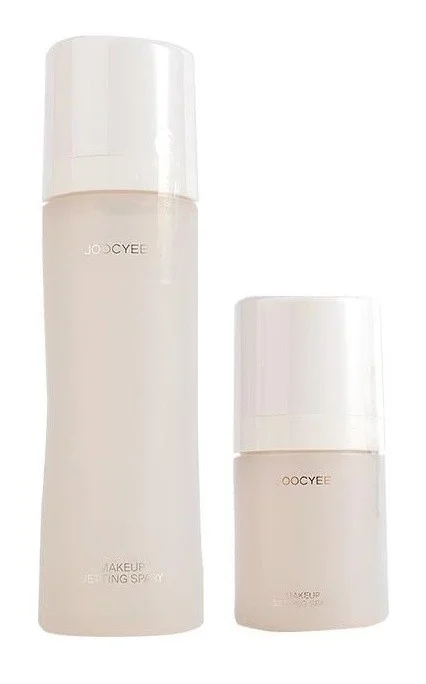
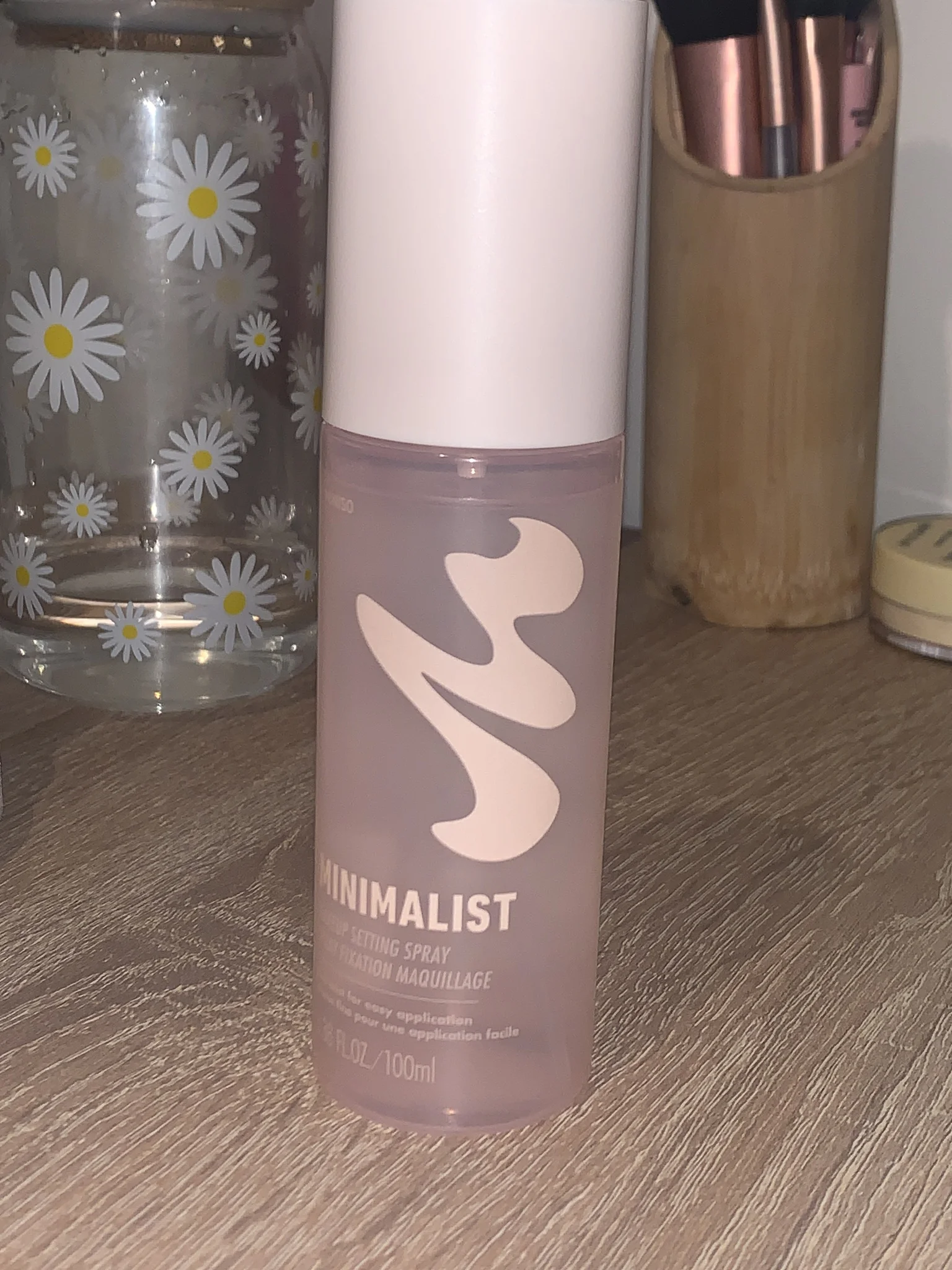




| EWG | CIR | Ingredient Name & Cosmetic Function | Notes |
|---|---|---|---|
| - | - | Aqua(Water) | |
| 1 | - | (Film Forming, Hair Fixing) | |
| 1 | - | (Binding Agent, Binding, Film Forming, Hair Fixing) | |
| 2 4 | A | (Fragrance, Preservative) | |

| EWG | CIR | Ingredient Name & Cosmetic Function | Notes |
|---|---|---|---|
| 1 | - | (Solvent) | |
| 2 | - | (Solvent, Viscosity Decreasing Agent, Viscosity Controlling) | |
| 1 | A | (Hair Conditioning, Skin Conditioning, Smoothing) | |
| 1 | - | (Solvent, Humectant, Viscosity Controlling, Viscosity Decreasing Agent) | |

Aqua(Water)
Ingredient data is being updated. Please check back later.
Acrylates/ Lauryl Acrylate/ Stearyl Acrylate/ Ethylamine Oxide Methacrylate Copolymer
1. Definition Acrylates/ Lauryl Acrylate/ Stearyl Acrylate/ Ethylamine Oxide Methacrylate Copolymer:
Acrylates/ Lauryl Acrylate/ Stearyl Acrylate/ Ethylamine Oxide Methacrylate Copolymer is a polymer that is commonly used in cosmetics as a film-forming agent. It is a combination of different acrylate monomers that work together to create a smooth and uniform film on the skin.2. Use:
Acrylates/ Lauryl Acrylate/ Stearyl Acrylate/ Ethylamine Oxide Methacrylate Copolymer is primarily used in cosmetics as a film-forming agent. It helps to create a smooth and even finish on the skin, making it ideal for use in products such as foundations, concealers, and primers. It also helps to improve the wear time of makeup products, ensuring that they stay in place throughout the day.3. Usage Acrylates/ Lauryl Acrylate/ Stearyl Acrylate/ Ethylamine Oxide Methacrylate Copolymer:
When using products containing Acrylates/ Lauryl Acrylate/ Stearyl Acrylate/ Ethylamine Oxide Methacrylate Copolymer, it is important to follow the instructions provided by the manufacturer. It is generally safe for use in cosmetics, but some individuals may experience sensitivity or irritation to the ingredient. If any irritation occurs, it is recommended to discontinue use of the product.4. References:
- Cosmetic Ingredient Review Expert Panel. Final report of the safety assessment of acrylates copolymer and 33 related cosmetic ingredients. International Journal of Toxicology. 2002; 21:1-50.
- Personal Care Products Council. Safety Assessment of Acrylates Copolymer as Used in Cosmetics. 2012.
- U.S. Food and Drug Administration. Code of Federal Regulations Title 21, Volume 7, Part 73 - Listing of Color Additives Exempt from Certification. Accessed online: https://www.accessdata.fda.gov/scripts/cdrh/cfdocs/cfcfr/CFRSearch.cfm?fr=73.1325
Polyurethane 1
1. Definition Polyurethane 1:
Polyurethane 1 is a type of polymer commonly used in cosmetics as a film-forming agent. It is a versatile ingredient that can provide a smooth and even finish to makeup products.2. Use:
Polyurethane 1 is primarily used in cosmetics to improve the texture and longevity of makeup products. It helps to create a smooth and even application, while also providing a long-lasting finish. In addition, polyurethane 1 can help to control shine and oiliness, making it a popular choice for products such as foundations, primers, and setting sprays.3. Usage Polyurethane 1:
When using cosmetics containing polyurethane 1, it is important to follow the instructions provided on the product packaging. It is recommended to apply the product evenly to clean, moisturized skin, using a makeup brush or sponge for best results. It is also important to remove the product at the end of the day using a gentle makeup remover to prevent any potential buildup on the skin.4. References:
- "Polyurethane in cosmetics: Is it safe?" by The Derm Review
- "Polyurethane in cosmetics: What you need to know" by Cosmetics Info
- "Polyurethane 1: A versatile ingredient in cosmetics" by Beautylish
Phenoxyethanol
1. Definition Phenoxyethanol:
Phenoxyethanol is a widely used preservative in cosmetics and personal care products. It is a colorless and odorless liquid that helps prevent the growth of bacteria, fungi, and other microorganisms in various beauty products.2. Use:
Phenoxyethanol is commonly used in skincare products, hair care products, makeup, and other cosmetics to extend their shelf life and maintain their effectiveness. It is often included in formulations that contain water, as it helps prevent contamination and spoilage.3. Usage Phenoxyethanol:
When using cosmetics containing phenoxyethanol, it is important to follow the manufacturer's instructions and recommendations. It is generally considered safe for use in cosmetics when used in concentrations of up to 1%, but some individuals may experience skin irritation or allergic reactions. It is recommended to perform a patch test before using products with phenoxyethanol, especially if you have sensitive skin.4. References:
- Draelos, Z. D. (2010). Cosmetic Formulation of Skin Care Products. John Wiley & Sons.
- Loden, M., & Maibach, H. I. (2000). Dry Skin and Moisturizers: Chemistry and Function. CRC Press.
- Fiume, M. M., Heldreth, B., Bergfeld, W. F., Belsito, D. V., Hill, R. A., Klaassen, C. D., ... & Andersen, F. A. (2016). Safety assessment of phenoxyethanol as used in cosmetics. International Journal of Toxicology, 35(4), 386-419.







