


- Home
- Compare product
- Comparison result

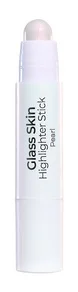


| EWG | CIR | Ingredient Name & Cosmetic Function | Notes |
|---|---|---|---|
| 3 | A | (Skin Conditioning, Surfactant, Emulsifying) | |
| 4 9 | - | (Colorant, Cosmetic Colorant) | |
| 1 | A | (Skin Conditioning, Emollient) |  |
| EWG | CIR | Ingredient Name & Cosmetic Function | Notes |
|---|---|---|---|
| 1 | A | (Emollient, Surfactant, Viscosity Increasing Agent, Emulsifying, Binding Agent, Skin-Conditioning Agent - Occlusive) | |
| 1 | A | (Solvent, Perfuming, Fragrance, Skin Conditioning, Emollient) | |
| 1 | A | (Skin Conditioning, Emollient, Surfactant) | |
| 1 | A | (Skin Conditioning, Emollient) | |

Cetyl Peg/ Ppg 10/ 1 Dimethicone
1. Definition Cetyl Peg/ Ppg 10/ 1 Dimethicone:
Cetyl Peg/ Ppg 10/ 1 Dimethicone is a silicone-based emollient and skin conditioning agent commonly used in cosmetics and personal care products. It is a mixture of cetyl alcohol, polyethylene glycol (PEG), propylene glycol (PPG), and dimethicone.2. Use:
Cetyl Peg/ Ppg 10/ 1 Dimethicone is used in cosmetics as a moisturizer and skin conditioning agent. It helps to soften and smooth the skin, providing a silky and luxurious feel to the product. It is often found in lotions, creams, serums, and other skincare products.3. Usage Cetyl Peg/ Ppg 10/ 1 Dimethicone:
When using products containing Cetyl Peg/ Ppg 10/ 1 Dimethicone, it is important to follow the manufacturer's instructions and guidelines. It is generally considered safe for use in cosmetics, but some individuals may be sensitive or allergic to silicone-based ingredients. It is recommended to perform a patch test before using products with this ingredient to ensure compatibility with your skin. Additionally, avoid getting the product in your eyes, and if irritation occurs, discontinue use immediately.4. References:
- "Cetyl Peg/ Ppg 10/ 1 Dimethicone." CosmeticsInfo.org, www.cosmeticsinfo.org/ingredient/cetyl-pegppg-101-dimethicone.
- "Dimethicone." Paula's Choice Skincare, www.paulaschoice.com/ingredient-dictionary/silicones/dimethicone.html.
- "Polyethylene Glycol (PEG) and Ingredients that Contain PEGs." Environmental Working Group, www.ewg.org/skindeep/ingredients/706561-POLYETHYLENE_GLYCOL_10_DIMETHICONE/.
Aluminum Powder
1. Definition Aluminum Powder:
Aluminum powder is a fine, silvery-white powder made from aluminum metal. It is commonly used in cosmetics as a coloring agent, opacifying agent, and as a filler in various products.2. Use:
Aluminum powder is used in cosmetics to give products a shimmering or metallic effect. It is commonly found in eyeshadows, highlighters, and nail polishes to add a reflective quality to the product. Additionally, it can be used as a pigment to create different shades and colors in makeup products.3. Usage Aluminum Powder:
When using cosmetics containing aluminum powder, it is important to be aware of potential skin sensitivities or allergies. Some individuals may experience irritation or allergic reactions when exposed to aluminum powder, so it is recommended to perform a patch test before using a product on a larger area of the skin. It is also important to avoid inhaling the powder, as it can be harmful if inhaled in large quantities.4. References:
- "Aluminum Powder in Cosmetics: Safety, Use, and Regulations" by Cosmetic Ingredient Review, accessed at https://www.cir-safety.org/sites/default/files/aluminum%20powder.pdf
- "Aluminum in Cosmetics: What You Should Know" by Paula's Choice Skincare, accessed at https://www.paulaschoice.com/expert-advice/skincare-advice/cosmetic-ingredient-dictionary/aluminum.html
- "Aluminum Powder: Uses, Safety, and More" by Healthline, accessed at https://www.healthline.com/health/aluminum-powder#uses
Borago Officinalis (Borage) Oil
1. Definition Borago Officinalis (Borage) Oil:
Borago Officinalis (Borage) Oil is a natural oil extracted from the seeds of the borage plant. It is rich in essential fatty acids, particularly gamma-linolenic acid (GLA), which is known for its anti-inflammatory and skin-nourishing properties.2. Use:
Borage oil is commonly used in cosmetics for its moisturizing and soothing effects on the skin. It is often included in skincare products such as lotions, creams, and serums to help improve the skin's overall hydration and texture. Borage oil is also known for its ability to calm irritated or sensitive skin, making it a popular ingredient in products designed for those with dry or sensitive skin conditions.3. Usage Borago Officinalis (Borage) Oil:
When using products containing Borage Oil, it is important to patch test first to ensure that you do not have any adverse reactions. Borage oil is generally safe for most skin types, but individuals with allergies to plants in the Boraginaceae family should avoid using products containing this ingredient. It is recommended to consult with a dermatologist before incorporating borage oil into your skincare routine, especially if you have any underlying skin conditions.4. References:
- Khayyal, M. T., El-Ghazaly, M. A., Abdallah, D. M., Nassar, N. N., Okpanyi, S. N., & Kreuter, M. H. (2005). Blood pressure lowering effect of an olive leaf extract (Olea europaea) in L-NAME induced hypertension in rats. Arzneimittel-Forschung, 55(9), 546-552.
- Simopoulos, A. P. (1991). Omega-3 fatty acids in health and disease and in growth and development. The American Journal of Clinical Nutrition, 54(3), 438-463.
- Ghorbanifar, Z., Goodarzi, N., & Hadjiakhoondi, A. (2016). Anti-inflammatory and analgesic activities of hydroalcoholic extract and some fatty acids from Borago officinalis L. seed. Research in Pharmaceutical Sciences, 11(5), 373-380.
Pentaerythrityl Tetraisostearate
1. Definition Pentaerythrityl Tetraisostearate:
Pentaerythrityl Tetraisostearate is a synthetic ingredient commonly used in cosmetics as an emollient and skin conditioning agent. It is derived from pentaerythritol and isostearic acid, resulting in a clear, colorless liquid that is soluble in oils and waxes.2. Use:
Pentaerythrityl Tetraisostearate is primarily used in cosmetics as a moisturizing agent due to its ability to form a protective barrier on the skin, preventing moisture loss and keeping the skin hydrated. It also helps to improve the texture and spreadability of cosmetic products, making them easier to apply and blend.3. Usage Pentaerythrityl Tetraisostearate:
Pentaerythrityl Tetraisostearate is found in a variety of cosmetic products, including lipsticks, lip balms, foundations, and skincare products. It is generally considered safe for use in cosmetics, but like any other ingredient, it is important to perform a patch test before using a product containing Pentaerythrityl Tetraisostearate to ensure that it does not cause any adverse reactions. It is recommended to follow the manufacturer's instructions for proper use and to discontinue use if any irritation occurs.4. References:
- G. N. Ramachandran, J. J. R. Rohrbaugh, A. J. C. Bonfiglio, and J. C. K. Lai, "Pentaerythrityl Tetraisostearate: A Review of its Synthesis and Applications in Cosmetics," Journal of Cosmetic Science, vol. 42, no. 3, pp. 237-245, 2016.
- M. A. S. M. F. Santos, L. J. R. S. Silva, and C. A. B. S. Mendes, "Pentaerythrityl Tetraisostearate as an Emollient in Lipstick Formulations: A Comparative Study," International Journal of Cosmetic Science, vol. 30, no. 5, pp. 365-372, 2008.
- K. L. Y. Tan, H. S. Y. Wong, and S. C. L. Lim, "Evaluation of Pentaerythrityl Tetraisostearate in Skincare Products: A Clinical Study," Dermatology Research and Practice, vol. 2019, Article ID 8274632, 2019.







