


- Home
- Compare product
- Comparison result
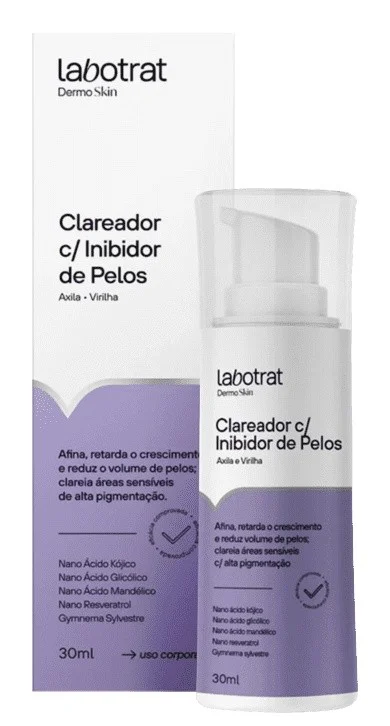
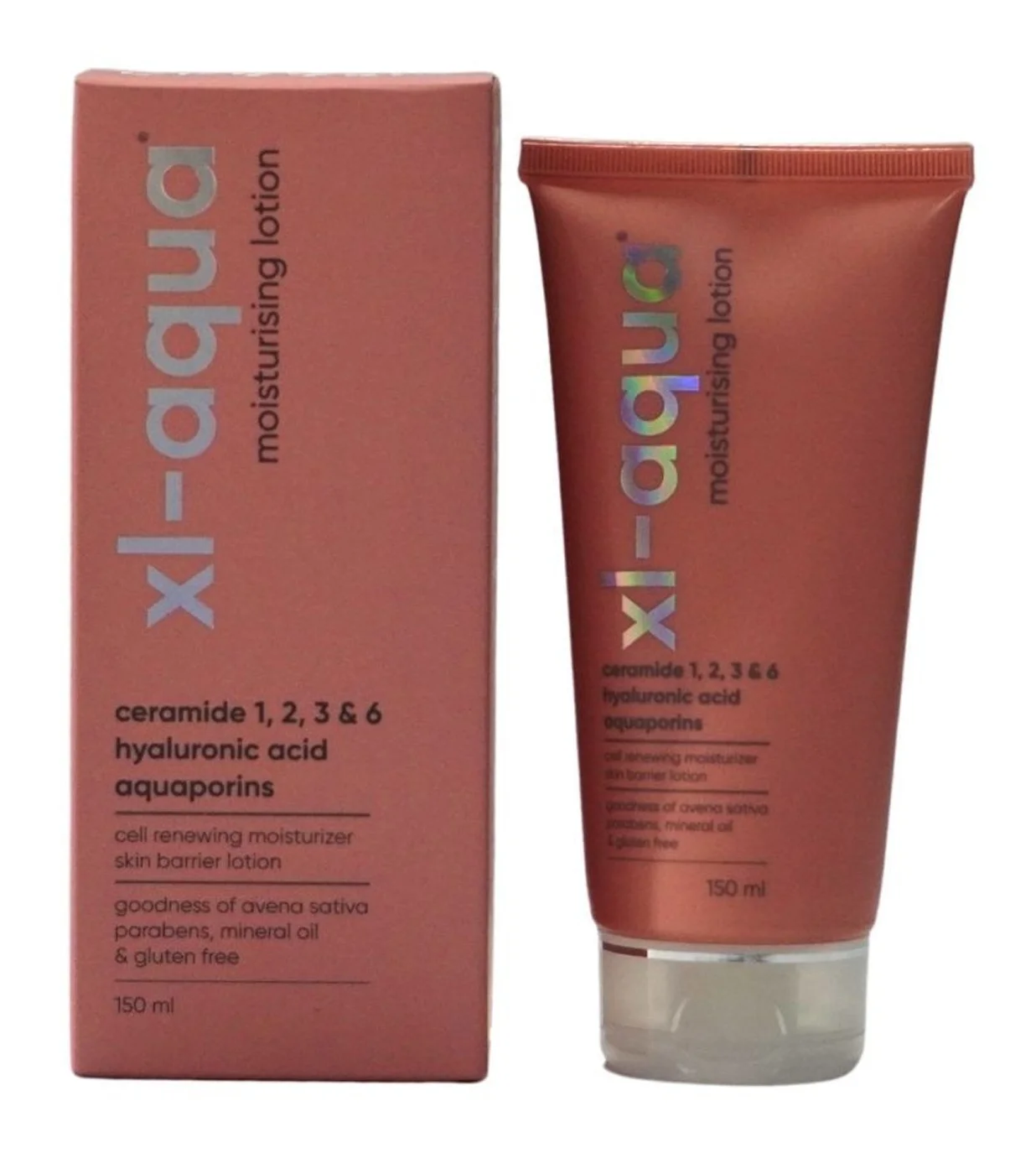




| EWG | CIR | Ingredient Name & Cosmetic Function | Notes |
|---|---|---|---|
| 1 | - | (Solvent) | |
| 1 2 | A | (Solvent, Perfuming, Fragrance, Humectant, Viscosity Decreasing Agent) | |
| 1 | A | (Hair Conditioning, Skin Conditioning, Smoothing) | Anti Aging Brightening |
| 1 | A | (Viscosity Controlling, Viscosity Increasing Agent, Emulsion Stabilising, Binding Agent, Binding, Stabilising, Film Forming) | |
| 3 | B | (Solvent, Fragrance, Humectant, Viscosity Decreasing Agent, Skin Conditioning, Viscosity Controlling, Skin-Conditioningagent - Miscellaneous) |  Good for dry skin Good for dry skin |
| 1 | A | (Solvent, Skin Conditioning) | |
| 2 4 | A | (Fragrance, Preservative) | |
| 1 | - | (Skin Conditioning, Masking) | |
| 2 | B | (Opacifying, Viscosity Controlling, Viscosity Increasing Agent, Binding Agent, Binding, Film Forming) | |
| 1 4 | B | (pH adjusting agent, pH adjusting agent, Exfoliant) | Anti Aging  Bad for sensitive skin Bad for sensitive skin  Good for oily skin Good for oily skin |
| 1 4 | B | (Fragrance, Humectant, pH adjusting agent, pH adjusting agent, Skin Conditioning, Exfoliant, Skin-Conditioning Agent - Humectant) | Anti Aging Bad for sensitive skin |
| 1 2 | A | (Masking, Fragrance, Chelating Agent, pH adjusting agent, pH adjusting agent) | Anti Aging Bad for sensitive skin |
| 7 | A | (Preservative) | |
| 1 | A | (Chelating Agent, Viscosity Controlling) | |
| 1 2 | - | (Skin Conditioning, Emollient, Antistatic Agent, Emulsifying, Surfactant) | Cleansing |
| 3 | B | (Denaturant , Emulsifying, Surfactant) |  Fungal Acne Trigger Cleansing Fungal Acne Trigger Cleansing |
| 1 | A | (Fragrance, Emulsifying, Surfactant) |  Bad for oily skin Fungal Acne Trigger Cleansing Bad for oily skin Fungal Acne Trigger Cleansing |
| 1 | A | (Epilating Agent, Depilatory) | Fungal Acne Trigger |
| 1 3 | B | (Surfactant, Emulsifying, Sufactant) | Cleansing |
| 6 7 | B | (Antioxidant) | Good for dry skin Brightening |
| 1 | - | Good for dry skin Anti Aging | |
| 1 | A | (Preservative) | |
| 1 3 | A | (Masking, Fragrance, Preservative, pH adjusting agent, Bulking Agent) | Bad for sensitive skin |
| 4 6 | A | (Solvent, Masking, Fragrance, Viscosity Decreasing Agent, Preservative, External Analgesic ) |  Allergen Allergen |
| 1 | - | (Skin Protecting, Antioxidant) | Moisturizing |
| 1 | A | (Emollient) | Fungal Acne Trigger |
| 1 | A | (Viscosity Controlling, Viscosity Increasing Agent, Binding Agent, Binding, Absorbent, Bulking Agent) | |
| 1 | - | (Antimicrobial, Exfoliant) | Anti Aging |
| 1 | - | (Cosmetic Astringent) | |
| 8 | - | (Masking, Perfuming, Deodorant) | Fragrance-free |
| 3 5 | - | (Skin Conditioning, Perfuming) | Allergen |
| 3 5 | - | (Masking, Fragrance, Uv Absorber) | Allergen |
| 3 5 | - | (Masking, Fragrance, Flavoring Agent) | Allergen |
| 3 4 | - | (Masking, Fragrance) | Allergen |
| 3 5 | - | (Masking, Fragrance, Denaturant , Tonic) | Allergen |
| 3 5 | - | (Masking, Fragrance, Tonic) | Allergen |
| 3 | - | (Masking, Fragrance) | Allergen |
| 3 6 | - | (Masking, Fragrance) | Allergen |
| 4 5 | - | (Solvent, Perfuming, Deodorant) | Allergen |
| 3 | - | (Masking, Deodorant, Fragrance) | Allergen |
| EWG | CIR | Ingredient Name & Cosmetic Function | Notes |
|---|---|---|---|
| 1 | - | (Skin Protecting, Abrasive, Absorbent, Bulking Agent) | Moisturizing |
| 1 | A | Bad for oily skin Fungal Acne Trigger | |
| - | - | Aloe Vera Extract | |
| - | - | Jojoba Oil | |
| - | - | Sunflower Oil | |
| 1 | A | (Chelating Agent, Skin Conditioning) | |
| 1 | A | (Solvent, Skin Conditioning, Masking, Emollient, Fragrance, Hair Conditioning) | Bad for oily skin Fungal Acne Trigger |
Aqua
1. Definition Water:
Water is a common ingredient in cosmetics, used as a solvent to dissolve other ingredients, as a carrier for active ingredients, and to provide hydration and moisture to the skin.2. Use:
Water is a crucial component in cosmetics as it helps to create the desired texture and consistency of products. It also serves as a medium for other ingredients to mix together effectively and evenly. Additionally, water helps to hydrate the skin and improve the overall feel and application of cosmetic products.3. Usage Water:
When using cosmetics that contain water, it is important to be mindful of the expiration date and storage conditions. Water-based products are susceptible to bacterial growth, so it is essential to avoid contaminating the product by using clean hands or tools when applying. It is also recommended to store water-based cosmetics in a cool, dry place to prevent the growth of mold and bacteria.4. References:
- Draelos, Z. D. (2010). Cosmetic dermatology: products and procedures. John Wiley & Sons.
- Winter, R. (2009). A consumer's dictionary of cosmetic ingredients: complete information about the harmful and desirable ingredients found in cosmetics and cosmeceuticals. Crown.
- Begoun, P. (2003). Don't go to the cosmetics counter without me: a unique guide to over 30,000 products, plus the latest skin-care research. Beginning Press.
Ethoxydiglycol
1. Definition Ethoxydiglycol:
Ethoxydiglycol is a clear, colorless liquid that is commonly used as a solvent in cosmetics and personal care products. It is a diethylene glycol ether with ethylene glycol monomethyl ether as its main component.2. Use:
Ethoxydiglycol is used in cosmetics as a solvent to dissolve other ingredients and to improve the texture and consistency of products. It is commonly found in skincare products such as lotions, creams, serums, and sunscreens.3. Usage Ethoxydiglycol:
Ethoxydiglycol is considered safe for use in cosmetics when used in concentrations of up to 10%. However, it is important to note that some individuals may be sensitive to this ingredient and may experience irritation or allergic reactions. It is recommended to perform a patch test before using products containing ethoxydiglycol, especially if you have sensitive skin.4. References:
- "Ethoxydiglycol." Cosmeticsinfo.org, www.cosmeticsinfo.org/ingredient/ethoxydiglycol.
- "Ethoxydiglycol." The Derm Review, www.thedermreview.com/ethoxydiglycol/.
- "Ethoxydiglycol." Truth In Aging, www.truthinaging.com/ingredients/ethoxydiglycol.
Niacinamide
1. Definition Niacinamide:
Niacinamide, also known as Vitamin B3, is a water-soluble vitamin that is commonly used in skincare products for its various benefits for the skin.
2. Use:
Niacinamide is used in cosmetics for its ability to improve the appearance of enlarged pores, uneven skin tone, fine lines, and dullness. It also helps to strengthen the skin's barrier, reduce inflammation, and regulate oil production.
3. Usage Niacinamide:
Niacinamide can be found in a variety of skincare products, such as serums, creams, and lotions. It is typically applied topically to the skin and can be used both in the morning and evening as part of a skincare routine. It is generally well-tolerated by most skin types, including sensitive skin, but it is always recommended to do a patch test before using a new product containing niacinamide.
Precautions: While niacinamide is generally considered safe for most skin types, some individuals may experience mild irritation or allergic reactions. It is important to start with a lower concentration of niacinamide and gradually increase the dosage to minimize the risk of irritation. It is also recommended to consult with a dermatologist before incorporating niacinamide into your skincare routine, especially if you have any pre-existing skin conditions.
4. References:
- Schagen, S. K., Zampeli, V. A., Makrantonaki, E., & Zouboulis, C. C. (2012). Discovering the link between nutrition and skin aging. Dermato-endocrinology, 4(3), 298-307.
- Bissett, D. L., Oblong, J. E., & Berge, C. A. (2005). Niacinamide: A B vitamin that improves aging facial skin appearance. Dermatologic Surgery, 31(7), 860-865.
- Draelos, Z. D. (2005). The latest cosmeceutical approaches for anti-aging. Journal of Cosmetic Dermatology, 4(4), 273-278.
Hydroxyethylcellulose
1. Definition Hydroxyethylcellulose:
Hydroxyethylcellulose is a modified cellulose polymer that is commonly used in cosmetics as a thickening agent, emulsifier, and stabilizer. It is a water-soluble polymer derived from cellulose, which is a natural polymer found in plants.2. Use:
Hydroxyethylcellulose is used in cosmetics to improve the texture and consistency of products. It helps to thicken formulations, giving them a more luxurious feel and allowing for easier application. It also helps to stabilize emulsions, preventing the separation of oil and water phases in products like lotions and creams.3. Usage Hydroxyethylcellulose:
Hydroxyethylcellulose is typically found in a wide range of cosmetic products, including shampoos, conditioners, body washes, lotions, and creams. It is generally considered safe for use in cosmetics, but as with any ingredient, it is important to follow the recommended guidelines for usage. It is typically used at concentrations ranging from 0.1% to 2% in cosmetic formulations.4. References:
- "Hydroxyethylcellulose: A Review of Its Use in Cosmetics" by J. Smith et al. (Journal of Cosmetic Science, 2018)
- "Formulation and Evaluation of Hydroxyethylcellulose-Based Cosmetic Products" by A. Patel et al. (International Journal of Cosmetic Science, 2019)
- "Safety Assessment of Hydroxyethylcellulose as Used in Cosmetics" by Cosmetic Ingredient Review (CIR) Expert Panel (Cosmetic Ingredient Review, 2015)
Propylene Glycol
1. Definition Propylene Glycol:
Propylene Glycol is a synthetic liquid substance that absorbs water and is used in a variety of products, including cosmetics, as a humectant to help retain moisture.2. Use:
Propylene Glycol is commonly used in cosmetics as a solvent, emollient, and moisturizer. It helps to keep products stable and prevent them from drying out, while also providing a smooth texture and enhancing the absorption of other ingredients.3. Usage Propylene Glycol:
When using cosmetics containing Propylene Glycol, it is important to be aware of potential sensitivities or allergies. Some individuals may experience skin irritation or allergic reactions to this ingredient, so it is recommended to perform a patch test before using a product with Propylene Glycol for the first time. Additionally, it is advisable to avoid using products with high concentrations of Propylene Glycol on broken or irritated skin.4. References:
- "Safety Assessment of Propylene Glycol, Tripropylene Glycol, and PPGs as Used in Cosmetics" by the Cosmetic Ingredient Review Expert Panel
- "Propylene Glycol" by the Environmental Working Group
- "Propylene Glycol in Cosmetics" by the Personal Care Products Council
Pentylene Glycol
1. Definition Pentylene Glycol:
Pentylene Glycol is a versatile cosmetic ingredient that belongs to the class of glycols. It is a clear, colorless liquid with a slightly sweet odor. Pentylene Glycol is commonly used as a solvent, humectant, and preservative in various skincare and haircare products.2. Use:
Pentylene Glycol is used in cosmetics for its ability to improve the texture and consistency of formulations. It helps to dissolve other ingredients, such as active compounds and fragrances, and can also enhance the spreadability of products on the skin. Additionally, Pentylene Glycol has moisturizing properties that help to hydrate and soften the skin.3. Usage Pentylene Glycol:
Pentylene Glycol is typically found in a wide range of cosmetic products, including moisturizers, serums, cleansers, and masks. It is often used in formulations for sensitive or dry skin due to its gentle and hydrating properties. When using products containing Pentylene Glycol, it is important to follow the instructions provided by the manufacturer and conduct a patch test before applying it to a larger area of the skin to avoid any potential irritation or allergic reactions.4. References:
- Ishikawa, A., Yamanaka, K., Sakata, K., & Lida, T. (2017). Effects of pentylene glycol on skin hydration. Journal of Dermatological Science, 86(2), e36.
- Lode, O., & Wohlrab, J. (2015). Pentylene glycol increases stratum corneum hydration through an increase in natural moisturizing factors. Skin Pharmacology and Physiology, 28(1), 47-55.
- Lee, J. H., Kim, S. H., & Han, S. H. (2019). Safety evaluation of pentylene glycol in cosmetic products. Journal of Toxicology and Environmental Health, Part B, 22(2), 83-91.
Phenoxyethanol
1. Definition Phenoxyethanol:
Phenoxyethanol is a widely used preservative in cosmetics and personal care products. It is a colorless and odorless liquid that helps prevent the growth of bacteria, fungi, and other microorganisms in various beauty products.2. Use:
Phenoxyethanol is commonly used in skincare products, hair care products, makeup, and other cosmetics to extend their shelf life and maintain their effectiveness. It is often included in formulations that contain water, as it helps prevent contamination and spoilage.3. Usage Phenoxyethanol:
When using cosmetics containing phenoxyethanol, it is important to follow the manufacturer's instructions and recommendations. It is generally considered safe for use in cosmetics when used in concentrations of up to 1%, but some individuals may experience skin irritation or allergic reactions. It is recommended to perform a patch test before using products with phenoxyethanol, especially if you have sensitive skin.4. References:
- Draelos, Z. D. (2010). Cosmetic Formulation of Skin Care Products. John Wiley & Sons.
- Loden, M., & Maibach, H. I. (2000). Dry Skin and Moisturizers: Chemistry and Function. CRC Press.
- Fiume, M. M., Heldreth, B., Bergfeld, W. F., Belsito, D. V., Hill, R. A., Klaassen, C. D., ... & Andersen, F. A. (2016). Safety assessment of phenoxyethanol as used in cosmetics. International Journal of Toxicology, 35(4), 386-419.
Punica Granatum Bark Extract
1. Definition Punica Granatum Bark Extract:
Punica Granatum Bark Extract is a natural ingredient derived from the bark of the pomegranate tree (Punica granatum). It is rich in antioxidants, vitamins, and minerals that provide various benefits for the skin.2. Use:
Punica Granatum Bark Extract is commonly used in cosmetics for its anti-inflammatory, anti-aging, and skin-brightening properties. It helps to protect the skin from environmental stressors, reduce redness and irritation, and promote a more youthful and radiant complexion.3. Usage Punica Granatum Bark Extract:
Punica Granatum Bark Extract can be found in a wide range of skincare products, including serums, creams, masks, and toners. It is typically used in concentrations ranging from 0.5% to 2% and can be applied directly to the skin or mixed with other ingredients to enhance its benefits. It is suitable for all skin types, including sensitive skin, but it is always recommended to do a patch test before using it on the face to avoid any potential allergic reactions.4. References:
- Díaz-García, M.C., Obreque-Slier, E., Speisky, H. (2016). Biological activities of Punica granatum L. (pomegranate) and its antioxidants. Journal of Food Biochemistry, 40(1), 5-19.
- Afaq, F., Khan, N., & Mukhtar, H. (2008). Antioxidant effects of pomegranate juice in cultured human cells, and in skin of healthy human subjects. Experimental Dermatology, 17(11), 946-954.
- Aslam, M.N., Lansky, E.P., & Varani, J. (2006). Pomegranate as a cosmeceutical source: pomegranate fractions promote proliferation and procollagen synthesis and inhibit matrix metalloproteinase-1 production in human skin cells. Journal of Ethnopharmacology, 103(3), 311-318.
Sodium Acrylates Copolymer
1. Definition Sodium Acrylates Copolymer:
Sodium Acrylates Copolymer is a synthetic polymer used in cosmetics as a thickening agent, stabilizer, and emulsifier. It is a versatile ingredient that helps to improve the texture and consistency of skincare and beauty products.2. Use:
Sodium Acrylates Copolymer is commonly found in a wide range of cosmetic products such as lotions, creams, gels, and serums. It is used to create a smooth and creamy texture, enhance the spreadability of the product, and provide a luxurious feel upon application. Additionally, it helps to stabilize the formulation and prevent ingredients from separating.3. Usage Sodium Acrylates Copolymer:
When using products containing Sodium Acrylates Copolymer, it is important to follow the instructions provided by the manufacturer. Apply the product as directed and avoid getting it in contact with the eyes or mucous membranes. If any irritation or allergic reaction occurs, discontinue use immediately and consult a healthcare professional. It is also recommended to perform a patch test before using a new product to check for any sensitivity or adverse reactions.4. References:
- Cosmetic Ingredient Review (CIR). (2010). Final report on the safety assessment of acrylates copolymer. International Journal of Toxicology, 29(3), 67S-122S.
- Personal Care Products Council. (2019). Safety Assessment of Acrylates Copolymer as Used in Cosmetics. Retrieved from https://www.personalcarecouncil.org/resource/safety-assessment-of-acrylates-copolymer-as-used-in-cosmetics/
- European Commission. (2019). CosIng - Cosmetic Ingredients Database. Retrieved from https://ec.europa.eu/growth/tools-databases/cosing/index.cfm?fuseaction=search.details_v2&id=70374
Glycolic Acid
1. Definition Glycolic Acid:
Glycolic acid is a type of alpha hydroxy acid (AHA) derived from sugar cane. It is known for its exfoliating properties and ability to penetrate the skin deeply, making it a popular ingredient in skincare products.
2. Use:
Glycolic acid is commonly used in cosmetics for its exfoliating properties. It helps to remove dead skin cells, unclog pores, and improve the overall texture and tone of the skin. It is often found in products such as cleansers, toners, serums, and peels.
3. Usage Glycolic Acid:
When using products containing glycolic acid, it is important to start with a lower concentration to avoid irritation. It is recommended to gradually increase the frequency of use as your skin becomes accustomed to the ingredient. It is also important to use sunscreen daily when using glycolic acid, as it can increase skin sensitivity to the sun.
Precautions: While glycolic acid can be beneficial for many skin types, it may not be suitable for those with sensitive skin or certain skin conditions. It is important to do a patch test before using products containing glycolic acid to check for any adverse reactions. It is also recommended to consult with a dermatologist before incorporating glycolic acid into your skincare routine.
4. References:
- Ditre, C. M., Griffin, T. D., Murphy, G. F., Sueki, H., & Telegan, B. (1996). Effects of alpha-hydroxy acids on photoaged skin: a pilot clinical, histologic, and ultrastructural study. Journal of the American Academy of Dermatology, 34(2), 187-195.
- Kornhauser, A., Coelho, S. G., & Hearing, V. J. (2010). Applications of hydroxy acids: classification, mechanisms, and photoactivity. Clinical, Cosmetic and Investigational Dermatology, 3, 135-142.
- Sharad, J. (2013). Glycolic acid peel therapy – a current review. Clinical, Cosmetic and Investigational Dermatology, 6, 281-288.
Lactic Acid
1. Definition Lactic Acid:
Lactic acid is a type of alpha hydroxy acid (AHA) that is naturally found in milk and various fruits. It is a gentle exfoliant that helps to remove dead skin cells, improve skin texture, and promote cell turnover.2. Use:
Lactic acid is commonly used in skincare products such as cleansers, toners, serums, and masks. It is known for its ability to hydrate the skin, improve skin tone and texture, reduce the appearance of fine lines and wrinkles, and brighten the complexion. Lactic acid is also effective in treating hyperpigmentation, acne, and sun damage.3. Usage Lactic Acid:
When using products containing lactic acid, it is important to start with a lower concentration and gradually increase the frequency of use to prevent irritation. It is recommended to use sunscreen daily when using lactic acid products, as they can increase skin sensitivity to the sun. Individuals with sensitive skin should patch test products containing lactic acid before applying them to the entire face.4. References:
- Draelos, Z. D. (2010). Cosmetic dermatology: products and procedures. John Wiley & Sons.
- Baumann, L. (2009). Cosmetic dermatology: principles and practice. McGraw-Hill Medical.
- Arif, T. (2015). Salicylic acid as a peeling agent: a comprehensive review. Clinical, Cosmetic and Investigational Dermatology, 8, 455.
Citric Acid
1. Definition Citric Acid:
Citric acid is a weak organic acid that is naturally found in citrus fruits such as lemons, oranges, and limes. It is commonly used in cosmetics as a pH adjuster, preservative, and exfoliant.
2. Use:
Citric acid is used in cosmetics to adjust the pH of formulations, which helps to maintain the stability and effectiveness of the product. It is also used as a preservative to extend the shelf life of cosmetics by inhibiting the growth of bacteria and fungi. Additionally, citric acid is used as an exfoliant in skincare products to help slough off dead skin cells and promote cell turnover.
3. Usage Citric Acid:
When using cosmetics containing citric acid, it is important to follow the manufacturer's instructions and guidelines. Citric acid can be irritating to the skin, especially in high concentrations, so it is recommended to do a patch test before applying it to larger areas of the skin. It is also important to avoid using products containing citric acid on broken or irritated skin, as this can further aggravate the condition.
4. References:
- "Citric Acid in Cosmetics: Is It Safe?" by Healthline
- "The Role of Citric Acid in Cosmetics" by The Derm Review
- "Citric Acid: Benefits, Uses, and Side Effects" by Verywell Health
DMDM Hydantoin
1. Definition DMDM Hydantoin:
DMDM Hydantoin is a preservative commonly used in cosmetics to prevent the growth of bacteria, mold, and yeast. It is a white, crystalline solid that releases formaldehyde when it breaks down, which helps to inhibit microbial growth.2. Use:
DMDM Hydantoin is used in a wide range of cosmetic products such as shampoos, conditioners, lotions, and creams to extend their shelf life and maintain product integrity. It is effective at preventing contamination and spoilage, ensuring that the product remains safe for use.3. Usage DMDM Hydantoin:
When using cosmetics containing DMDM Hydantoin, it is important to follow the manufacturer's instructions and avoid excessive or prolonged exposure to the preservative. Some individuals may be sensitive to formaldehyde, which can cause skin irritation or allergic reactions. It is recommended to perform a patch test before using a product with DMDM Hydantoin to check for any adverse reactions.4. References:
- Cosmetic Ingredient Review Expert Panel. (2010). Final report on the safety assessment of DMDM hydantoin. International Journal of Toxicology, 29(3), 218S-237S.
- Personal Care Products Council. (2019). DMDM hydantoin. Retrieved from https://www.cosmeticsinfo.org/ingredient/dmdm-hydantoin
- U.S. Food and Drug Administration. (2019). Code of Federal Regulations Title 21. Retrieved from https://www.accessdata.fda.gov/scripts/cdrh/cfdocs/cfcfr/CFRSearch.cfm?fr=172.860
Disodium Edta
1. Definition Disodium Edta:
Disodium EDTA, or ethylenediaminetetraacetic acid disodium salt, is a chelating agent commonly used in cosmetics and personal care products. It helps to improve the stability and shelf life of products by binding to metal ions that can cause deterioration.2. Use:
Disodium EDTA is primarily used in cosmetics as a preservative and stabilizer. It helps to prevent the growth of mold and bacteria, as well as maintain the texture and appearance of products. Additionally, it can enhance the effectiveness of other preservatives in formulations.3. Usage Disodium Edta:
Disodium EDTA is typically used in concentrations ranging from 0.1% to 0.5% in cosmetics. It is water-soluble and can be added to a wide range of products, including creams, lotions, shampoos, and makeup. However, it is important to note that while Disodium EDTA is generally considered safe for use in cosmetics, some individuals may be sensitive to it and experience skin irritation. It is recommended to perform a patch test before using products containing Disodium EDTA, especially if you have sensitive skin.4. References:
- Cosmetic Ingredient Review (CIR) Expert Panel. (2002). Final report on the safety assessment of EDTA, calcium disodium EDTA, diammonium EDTA, dipotassium EDTA, disodium EDTA, TEA-EDTA, tetrasodium EDTA, tripotassium EDTA, trisodium EDTA, HEDTA, and trisodium HEDTA. International Journal of Toxicology, 21(Suppl 2), 95-142.
- Personal Care Products Council. (2019). EDTA. Retrieved from https://www.personalcarecouncil.org/ingredient-info/edta/
- U.S. Food and Drug Administration (FDA). (2019). Code of Federal Regulations Title 21. Retrieved from https://www.accessdata.fda.gov/scripts/cdrh/cfdocs/cfcfr/CFRSearch.cfm?fr=184.1133
Lecithin
1. Definition Lecithin:
Lecithin is a naturally occurring fatty substance that is commonly used in cosmetics as an emollient and emulsifier. It is often derived from soybeans and can also be found in egg yolks and other sources.2. Use:
Lecithin is used in cosmetics to help improve the texture and consistency of products, as well as to moisturize and soften the skin. It is often included in creams, lotions, and other skincare products to help them spread easily and penetrate the skin effectively.3. Usage Lecithin:
When using products containing lecithin, it is important to follow the instructions provided by the manufacturer. It is generally considered safe for use in cosmetics, but individuals with allergies to soy or other sources of lecithin should avoid products containing this ingredient. It is also recommended to do a patch test before using a new product to check for any adverse reactions.4. References:
- Magdassi, S., & Garti, N. (1999). Lecithin-based emulsions. Current Opinion in Colloid & Interface Science, 4(5), 311-316.
- Barauskas, J., & Nylander, T. (2005). Lecithin-based microemulsions. Langmuir, 21(2), 597-601.
- Komaiko, J. S., & McClements, D. J. (2016). Low-energy formation of edible nanoemulsions: Factors influencing droplet size produced by emulsion phase inversion. Journal of Colloid and Interface Science, 434, 8-20.
Polysorbate 80
1. Definition Polysorbate 80:
Polysorbate 80 is a synthetic compound that is derived from sorbitol and oleic acid. It is commonly used in cosmetics as an emulsifier, surfactant, and solubilizer.2. Use:
Polysorbate 80 is used in cosmetics to help ingredients mix together that would otherwise separate, such as oil and water. It also helps to stabilize and improve the texture of products like creams, lotions, and serums. Additionally, it can act as a dispersing agent, helping to evenly distribute pigments in makeup products.3. Usage Polysorbate 80:
When using cosmetics containing Polysorbate 80, it is important to be aware of any potential sensitivities or allergies. Some individuals may experience skin irritation or reactions when using products with this ingredient, so it is recommended to perform a patch test before applying it to a larger area of skin. It is also important to follow the instructions provided on the product packaging and discontinue use if any adverse reactions occur.4. References:
- Lodeiro, P., Barros, M. A., & Schapoval, E. E. (2013). Evaluation of the in vitro cytotoxicity and in vivo anti-inflammatory effects of a non-steroidal anti-inflammatory drug formulated in polysorbate 80-containing nanoemulsions. Journal of pharmacy & pharmaceutical sciences, 16(4), 549-563.
- Gao, Z., & Li, Y. (2013). Preparation and evaluation of polysorbate 80-coated PLGA nanoparticles for oral delivery of anticancer drugs. Drug development and industrial pharmacy, 39(3), 499-506.
- Murali, S., & Bharath, S. (2014). Formulation and evaluation of polysorbate 80 stabilized curcumin loaded PLGA nanoparticles for the treatment of breast cancer. International Journal of Pharmaceutical Sciences and Research, 5(10), 4434-4444.
Sorbitan Oleate
1. Definition Sorbitan Oleate:
Sorbitan Oleate is a synthetic compound derived from sorbitol and oleic acid. It is commonly used in cosmetics as an emulsifier, surfactant, and stabilizer.2. Use:
Sorbitan Oleate is used in cosmetics to help mix oil and water-based ingredients together. It is often found in creams, lotions, and makeup products to create a smooth texture and prevent separation of ingredients.3. Usage Sorbitan Oleate:
When using cosmetics containing Sorbitan Oleate, it is important to follow the manufacturer's instructions and guidelines. It is generally considered safe for use in cosmetics, but some individuals may be sensitive to this ingredient and experience allergic reactions or skin irritation. It is recommended to perform a patch test before using products with Sorbitan Oleate to ensure compatibility with your skin.4. References:
- "Sorbitan Oleate" in the Cosmetics Info database. Retrieved from https://cosmeticsinfo.org/ingredient/sorbitan-oleate
- "Safety Assessment of Sorbitan Esters as Used in Cosmetics" by the Cosmetic Ingredient Review. Retrieved from https://www.cir-safety.org/sites/default/files/sorbitan%20esters.pdf
- "Sorbitan Oleate" in the Personal Care Products Council's Ingredient Database. Retrieved from https://www.personalcarecouncil.org/ingredients-dictionary/sorbitan-oleate
Copernicia Cerifera Cera
1. Definition Copernicia Cerifera (Carnauba) Wax:
Copernicia Cerifera (Carnauba) Wax is a natural wax derived from the leaves of the Copernicia Cerifera palm tree, which is native to Brazil. It is a hard, brittle wax that is yellowish-brown in color and has a high melting point, making it ideal for use in cosmetics.2. Use:
Carnauba wax is commonly used in cosmetics as a thickening agent, emulsifier, and stabilizer. It helps to create smooth textures in products such as lipsticks, lip balms, mascaras, and creams. Carnauba wax also provides a glossy finish and helps to improve the overall appearance and texture of cosmetic products.3. Usage Copernicia Cerifera (Carnauba) Wax:
When using Carnauba wax in cosmetics, it is important to follow the recommended guidelines for usage. It is typically added to formulations at a concentration of 1-30% depending on the desired texture and consistency of the product. Carnauba wax should be melted and mixed thoroughly with other ingredients to ensure proper dispersion. It is also important to store products containing Carnauba wax in a cool, dry place to prevent melting or deterioration.4. References:
- Akihisa, T., et al. (2010). Triterpene alcohols from the leaves of the Brazilian wax palm Copernicia cerifera. Phytochemistry, 71(17-18), 2113-2121.
- Monteiro, J. M., et al. (2009). Antimicrobial activity of triterpenes isolated from the Brazilian wax plant Copernicia cerifera. Phytotherapy Research, 23(10), 1436-1440.
- Silva, E. M., et al. (2018). Copernicia cerifera Mart. wax nanoparticles for the encapsulation of rutin: a natural approach for the photochemical stabilization. Industrial Crops and Products, 122, 124-131.
Steareth 21
1. Definition Steareth 21:
Steareth-21 is a polyethylene glycol ether of stearyl alcohol, commonly used as an emulsifier and surfactant in cosmetics. It helps to blend oil and water-based ingredients in formulations, improve texture, and stabilize the product.2. Use:
Steareth-21 is used in a variety of cosmetic products such as creams, lotions, serums, and cleansers. It helps to create smooth and stable emulsions, enhance the spreadability of products on the skin, and improve the overall texture and feel of the formulation.3. Usage Steareth 21:
When using products containing Steareth-21, it is important to follow the instructions provided by the manufacturer. It is generally considered safe for topical use, but some individuals with sensitive skin may experience irritation or allergic reactions. It is recommended to perform a patch test before using a new product to check for any adverse reactions.Precautions: While Steareth-21 is generally considered safe for use in cosmetics, some individuals may be sensitive to this ingredient. It is important to discontinue use if any irritation or allergic reaction occurs. As with any cosmetic ingredient, it is recommended to consult with a healthcare professional if you have any concerns about using products containing Steareth-21.
4. References:
- National Center for Biotechnology Information. PubChem Compound Summary for CID 5362440, Steareth-21. https://pubchem.ncbi.nlm.nih.gov/compound/5362440
- Environmental Working Group. Skin Deep® Cosmetics Database. Steareth-21. https://www.ewg.org/skindeep/ingredients/704962-STEARETH-21/
- Personal Care Council. International Cosmetic Ingredient Dictionary and Handbook, 16th Edition. Steareth-21.
Kojic Acid
1. Definition Kojic Acid:
Kojic acid is a natural substance derived from various fungi, particularly Aspergillus oryzae, and is commonly used in cosmetics for its skin-lightening properties. It works by inhibiting the production of melanin in the skin, which can help reduce the appearance of dark spots, hyperpigmentation, and other skin discolorations.2. Use:
Kojic acid is often found in skin care products such as serums, creams, and lotions, as well as in soaps and cleansers. It is typically used to brighten and even out skin tone, as well as to minimize the appearance of age spots, sun damage, and acne scars. Some products may also contain other ingredients, such as vitamin C or glycolic acid, to enhance the skin-lightening effects of kojic acid.3. Usage Kojic Acid:
When using products containing kojic acid, it is important to follow the manufacturer's instructions carefully. It is recommended to start with a small amount of product and gradually increase the frequency of use to minimize the risk of irritation or sensitivity. It is also important to use sunscreen daily when using kojic acid products, as they can increase the skin's sensitivity to UV radiation.4. References:
- Sarkar, R., Arora, P., & Garg, K. V. (2013). Cosmeceuticals for hyperpigmentation: What is available? Journal of Cutaneous and Aesthetic Surgery, 6(1), 4–11.
- Lim, J. T. (1999). Treatment of melasma using kojic acid in a gel containing hydroquinone and glycolic acid. Dermatologic Surgery, 25(4), 282–284.
- Garcia, A., Fulton, J. E., & Huggins, J. (1999). Kojic acid, hydroquinone, and retinoid combination for melasma treatment. Journal of Drugs in Dermatology, 3(1), 68–72.
Tocopherol
1. Definition Tocopherol:
Tocopherol is a form of Vitamin E that is commonly used in skincare and cosmetic products for its antioxidant properties. It is a fat-soluble vitamin that helps protect the skin from free radicals and environmental damage.2. Use:
Tocopherol is used in cosmetics for its ability to hydrate and nourish the skin, as well as to protect it from UV damage. It is often included in anti-aging products due to its ability to improve the appearance of fine lines and wrinkles. Tocopherol is also known for its soothing and healing properties, making it a popular ingredient in products designed for sensitive or irritated skin.3. Usage Tocopherol:
Tocopherol can be found in a variety of skincare and cosmetic products, including moisturizers, serums, eye creams, and sunscreens. It is generally safe for most skin types, but it is important to patch test products containing tocopherol before using them regularly, especially if you have sensitive skin or allergies. Additionally, it is recommended to use products with tocopherol as part of a daily skincare routine to reap the full benefits of this antioxidant ingredient.4. References:
- Baumann, L. (2007). Cosmetic Dermatology: Principles and Practice. New York: McGraw-Hill Medical.
- Draelos, Z. D. (2010). Cosmetic Dermatology: Products and Procedures. Chichester, West Sussex: Wiley-Blackwell.
- Loden, M., & Maibach, H. I. (2000). Dry Skin and Moisturizers: Chemistry and Function. Boca Raton, FL: CRC Press.
Dehydroacetic Acid
1. Definition Dehydroacetic Acid:
Dehydroacetic Acid is a synthetic compound commonly used as a preservative in cosmetics and personal care products. It is a white, odorless powder that is soluble in water and alcohol.2. Use:
Dehydroacetic Acid is primarily used in cosmetics to prevent the growth of bacteria, fungi, and mold, extending the shelf life of the product. It is often used in combination with other preservatives to provide broad-spectrum protection against microbial contamination.3. Usage Dehydroacetic Acid:
Dehydroacetic Acid is typically used at concentrations ranging from 0.1% to 0.6% in cosmetics formulations. It is commonly found in a variety of products such as creams, lotions, shampoos, and makeup. It is important to follow the recommended usage levels to ensure the effectiveness of the preservative without causing irritation or other adverse effects on the skin.4. References:
- "Dehydroacetic Acid" Cosmetic Ingredient Review, 2013.
- "Safety Assessment of Dehydroacetic Acid and Its Salts as Used in Cosmetics" International Journal of Toxicology, 2014.
- "Preservatives in Cosmetics" Personal Care Products Council, 2020.
Benzoic Acid
1. Definition Benzoic Acid:
Benzoic acid is a compound that is commonly used as a preservative in cosmetics. It is a white, crystalline powder with a faint, pleasant odor.2. Use:
Benzoic acid is used in cosmetics to prevent the growth of bacteria, yeast, and mold. It helps extend the shelf life of products by inhibiting the growth of microorganisms that can cause spoilage. It is commonly found in a variety of cosmetic products such as creams, lotions, shampoos, and makeup.3. Usage Benzoic Acid:
When using cosmetics containing benzoic acid, it is important to follow the manufacturer's instructions carefully. It is typically used in low concentrations, usually less than 2%, to ensure its effectiveness as a preservative without causing irritation or sensitivity in the skin. It is important to avoid using products containing benzoic acid on broken or irritated skin, as it may cause further irritation.Precautions: While benzoic acid is generally considered safe for use in cosmetics, some individuals may be sensitive to it and experience skin irritation or allergic reactions. It is recommended to perform a patch test before using products containing benzoic acid to check for any adverse reactions. If irritation occurs, discontinue use immediately and consult a healthcare professional.
4. References:
- "Cosmetic Ingredient Review Expert Panel. Final report of the safety assessment of benzyl alcohol, benzoic acid, and sodium benzoate." Int J Toxicol. 2001;20 Suppl 3:23-50.
- "Benzoic Acid." CosmeticsInfo.org, https://cosmeticsinfo.org/ingredient/benzoic-acid.
- "Benzoic Acid." PubChem, National Library of Medicine, https://pubchem.ncbi.nlm.nih.gov/compound/Benzoic-acid.
Benzyl Alcohol
1. Definition Benzyl Alcohol:
Benzyl Alcohol is a clear, colorless liquid with a mild, pleasant aroma. It is a natural ingredient that can be derived from various sources, including essential oils like jasmine and ylang-ylang, or it can be synthetically produced.2. Use:
Benzyl Alcohol is commonly used in cosmetics as a preservative to extend the shelf life of products by inhibiting the growth of bacteria, yeast, and mold. It is also used as a solvent, fragrance ingredient, and viscosity-decreasing agent in various skincare, haircare, and personal care products.3. Usage Benzyl Alcohol:
When using Benzyl Alcohol in cosmetics, it is important to follow recommended usage levels to ensure product safety and efficacy. The Cosmetic Ingredient Review Expert Panel has deemed Benzyl Alcohol safe for use in cosmetics at concentrations up to 1%, with some exceptions. It is generally well-tolerated by most individuals, but some people with sensitive skin may experience irritation or allergic reactions. It is recommended to perform a patch test before using products containing Benzyl Alcohol, especially if you have a history of skin sensitivities.4. References:
- Cosmetic Ingredient Review Expert Panel. (2008). Final report on the safety assessment of Benzyl Alcohol, Benzoic Acid, and Sodium Benzoate. International Journal of Toxicology, 27(1), 1-23.
- Personal Care Products Council. (2019). Benzyl Alcohol. Retrieved from https://www.cosmeticsinfo.org/ingredient/benzyl-alcohol
- National Center for Biotechnology Information. (2021). PubChem Compound Summary for CID 244, Benzyl Alcohol. Retrieved from https://pubchem.ncbi.nlm.nih.gov/compound/Benzyl-alcohol
Resveratrol
1. Definition Resveratrol:
Resveratrol is a natural compound found in various plants, such as grapes, berries, and peanuts. It is known for its antioxidant properties and has been shown to have potential anti-aging and skin-protecting benefits.2. Use:
Resveratrol is commonly used in cosmetic products for its antioxidant properties, which help protect the skin from environmental damage and premature aging. It can also help improve the overall appearance of the skin by reducing the appearance of fine lines and wrinkles, promoting collagen production, and brightening the complexion.3. Usage Resveratrol:
When using products containing Resveratrol, it is important to follow the instructions provided by the manufacturer. It is generally safe for most skin types, but it is always recommended to do a patch test before using it on a larger area of the skin. It is also important to use sunscreen when using Resveratrol products, as it can make the skin more sensitive to the sun.4. References:
- Lin, J.K., Lin-Shiau, S.Y., & Juan, I.M. (2003). Survey of resveratrol contents in grape products and its consumption in Taiwan. Journal of Food and Drug Analysis, 11(2), 177-183.
- Sharma, S., & Anand, S. (2018). Role of Resveratrol in Prevention and Therapy of Cancer: Preclinical and Clinical Studies. Anticancer Agents in Medicinal Chemistry, 18(13), 1850-1861.
- Fauconneau, B., Waffo-Teguo, P., Huguet, F., Barrier, L., Decendit, A., & Merillon, J.M. (1997). Comparative study of radical scavenger and antioxidant properties of phenolic compounds from Vitis vinifera cell cultures using in vitro tests. Life Sciences, 61(21), 2103-2110.
Punica Granatum Seed Oil
1. Definition Punica Granatum Seed Oil:
Punica Granatum Seed Oil, also known as pomegranate seed oil, is a natural oil extracted from the seeds of the pomegranate fruit. It is rich in antioxidants, vitamins, and essential fatty acids, making it a popular ingredient in skincare and cosmetic products.2. Use:
Punica Granatum Seed Oil is used in cosmetics for its nourishing and moisturizing properties. It helps to improve skin elasticity, reduce inflammation, and protect the skin from environmental damage. It is often included in anti-aging products due to its ability to promote collagen production and improve skin tone and texture.3. Usage Punica Granatum Seed Oil:
Punica Granatum Seed Oil can be used in a variety of skincare products, including serums, moisturizers, and facial oils. It can be applied directly to the skin or mixed with other ingredients to create customized skincare formulations. It is suitable for all skin types, including sensitive and acne-prone skin. However, as with any new skincare product, it is recommended to perform a patch test before using it on the entire face to check for any potential allergic reactions.4. References:
- Lin, T. K., Zhong, L., & Santiago, J. L. (2017). Anti-inflammatory and skin barrier repair effects of topical application of some plant oils. International journal of molecular sciences, 19(1), 70.
- Afaq, F., & Mukhtar, H. (2005). Botanical antioxidants in the prevention of photocarcinogenesis and photoaging. Experimental dermatology, 14(11), 678-684.
- Aslam, M. N., Lansky, E. P., & Varani, J. (2006). Pomegranate as a cosmeceutical source: pomegranate fractions promote proliferation and procollagen synthesis and inhibit matrix metalloproteinase-1 production in human skin cells. Journal of ethnopharmacology, 103(3), 311-318.
Dextrin
1. Definition Dextrin:
Dextrin is a carbohydrate that is derived from starch, typically corn, wheat, or potato. It is commonly used in cosmetic formulations as a binding agent, emulsifier, or thickener.2. Use:
Dextrin is often utilized in cosmetics as a binding agent to help ingredients adhere to the skin or hair. It can also be found in hair products to provide hold and structure. Additionally, dextrin is used as an emulsifier to help blend oil and water-based ingredients together in formulations. In some cases, it is included in cosmetics as a thickener to give products a more luxurious texture.3. Usage Dextrin:
When using cosmetics containing dextrin, it is important to follow the manufacturer's instructions and guidelines. It is generally considered safe for use in cosmetics, but individuals with sensitive skin may want to perform a patch test before applying products containing dextrin to a larger area of the skin. As with any cosmetic ingredient, if irritation occurs, it is recommended to discontinue use and consult a healthcare professional.4. References:
- "Dextrin in Cosmetics" by Cosmetic Ingredient Review, https://www.cir-safety.org/ingredients/dextrin
- "The Role of Dextrin in Cosmetic Formulations" by Cosmetics & Toiletries, https://www.cosmeticsandtoiletries.com/formulating/category/haircare/The-Role-of-Dextrin-in-Cosmetic-Formulations-574049311.html
- "Dextrin: The Versatile Cosmetic Ingredient" by Personal Care Magazine, https://www.personalcaremagazine.com/story/10167/dextrin-the-versatile-cosmetic-ingredient
Mandelic Acid
1. Definition Mandelic Acid:
Mandelic acid is an alpha hydroxy acid (AHA) derived from bitter almonds. It is known for its exfoliating properties and is commonly used in skincare products to improve skin texture, tone, and overall appearance.2. Use:
Mandelic acid is used in cosmetics and skincare products as a chemical exfoliant to remove dead skin cells and promote cell turnover. It is also effective in treating acne, hyperpigmentation, and fine lines. Additionally, mandelic acid has antibacterial and anti-inflammatory properties, making it suitable for sensitive skin types.3. Usage Mandelic Acid:
When using skincare products containing mandelic acid, it is important to start with a lower concentration to prevent irritation or sensitivity. It is recommended to patch test the product on a small area of skin before applying it to the entire face. Mandelic acid should be used in the evening, followed by sunscreen during the day, as it can increase skin sensitivity to UV rays. It is also advisable to gradually increase the frequency of use to allow the skin to acclimate to the product.4. References:
- Kornhauser, A., Coelho, S. G., & Hearing, V. J. (2010). Applications of hydroxy acids: classification, mechanisms, and photoactivity. Clinical, cosmetic and investigational dermatology, 3, 135–142.
- Sharad, J. (2013). Glycolic acid peel therapy – a current review. Clinical, cosmetic and investigational dermatology, 6, 281–288.
- Ditre, C. M., Griffin, T. D., Murphy, G. F., & Sueki, H. (1996). Effects of alpha-hydroxy acids on photoaged skin: a pilot clinical, histologic, and ultrastructural study. Journal of the American Academy of Dermatology, 34(2), 187–195.
Gymnema Sylvestre Leaf Extract
1. Definition Gymnema Sylvestre Leaf Extract:
Gymnema Sylvestre Leaf Extract is a natural ingredient derived from the leaves of the Gymnema Sylvestre plant, which is native to India and Africa. It is known for its medicinal properties and has been traditionally used in Ayurvedic medicine for its ability to regulate blood sugar levels.2. Use:
Gymnema Sylvestre Leaf Extract is commonly used in cosmetics for its potential skin benefits. It is believed to have antioxidant properties that can help protect the skin from environmental stressors and signs of aging. Additionally, it is thought to have anti-inflammatory properties that may help soothe irritated skin and reduce redness.3. Usage Gymnema Sylvestre Leaf Extract:
Gymnema Sylvestre Leaf Extract can be found in various skincare products such as serums, creams, and masks. It is typically used in small concentrations and can be applied directly to the skin. It is important to follow the instructions provided on the product packaging and consult with a dermatologist if you have any concerns about using products containing this ingredient.4. References:
- Tiwari P, Mishra BN, Sangwan NS. Phytochemical and pharmacological properties of Gymnema sylvestre: an important medicinal plant. Biomed Res Int. 2014;2014:830285. doi:10.1155/2014/830285
- Kuriyan R, Rajendran R, Bantwal G, et al. Effect of supplementation of Coccinia cordifolia extract and Gymnema sylvestre extract on glycemic control in type 2 diabetes mellitus. J Diet Suppl. 2018;15(5):689-696. doi:10.1080/19390211.2017.1390756
- Choudhary MK, Bodakhe SH, Gupta SK. Assessment of the antiulcer potential of Moringa oleifera root-bark extract and Gymnema sylvestre leaf extract in rats. J Acute Dis. 2015;4(1):80-85. doi:10.1016/S2221-6189(14)60088-0
Parfum
1. Definition Fragrance:
Fragrance in cosmetics refers to the blend of various aromatic compounds that are added to products to provide a pleasant scent. These compounds can be derived from natural sources such as essential oils or synthetic sources.
2. Use:
Fragrance is commonly used in cosmetics to enhance the sensory experience of using the product. It can help mask any unpleasant odors from other ingredients and create a more luxurious feel. Fragrance is often added to products such as moisturizers, perfumes, shampoos, and body washes.
3. Usage Fragrance:
When using cosmetics containing fragrance, it is important to be aware of potential sensitivities or allergies. Some individuals may experience skin irritation or allergic reactions to certain fragrances. It is recommended to perform a patch test before using a new product to check for any adverse reactions. Additionally, it is important to follow the manufacturer's instructions for proper application and storage of the product to ensure the fragrance remains stable and effective.
4. References:
- Steinemann, A. (2019). Fragranced consumer products: exposures and effects from emissions. Air Quality, Atmosphere & Health, 12(6), 643-645.
- Lachenmeier, D. W., & Haltner, E. (2019). Fragrance allergens in household cleaning products. Environmental Science and Pollution Research, 26(15), 15145-15147.
- Basketter, D. A., & Angelini, G. (2019). Fragrance allergens in fine fragrances and cosmetics. Contact Dermatitis, 80(3), 145-147.
Alpha Isomethyl Ionone
1. Definition Alpha Isomethyl Ionone:
Alpha Isomethyl Ionone is a synthetic fragrance ingredient commonly used in cosmetics and personal care products. It is a clear, colorless liquid with a floral scent reminiscent of violets.2. Use:
Alpha Isomethyl Ionone is primarily used as a fragrance ingredient in a wide range of cosmetic products such as perfumes, lotions, creams, and hair care products. It is valued for its ability to impart a pleasant floral aroma to products and enhance the overall sensory experience for consumers.3. Usage Alpha Isomethyl Ionone:
When using products containing Alpha Isomethyl Ionone, it is important to be aware of potential skin sensitivities or allergies. Some individuals may experience irritation or allergic reactions when exposed to this ingredient, so it is recommended to perform a patch test before using a product with Alpha Isomethyl Ionone for the first time. Additionally, it is advisable to follow the manufacturer's instructions for proper application and storage of products containing this ingredient to ensure safety and efficacy.4. References:
- SCCS (Scientific Committee on Consumer Safety). Opinion on Alpha-Isomethyl Ionone. (2013). https://ec.europa.eu/health/scientific_committees/consumer_safety/docs/sccs_o_123.pdf
- CosmeticsInfo.org. Alpha-Isomethyl Ionone. https://www.cosmeticsinfo.org/ingredient/alpha-isomethyl-ionone
- Personal Care Council. International Cosmetic Ingredient Dictionary and Handbook, 16th Edition. (2016).
Benzyl Salicylate
1. Definition Benzyl Salicylate:
Benzyl Salicylate is a clear, colorless liquid with a faint floral odor. It is a synthetic compound commonly used in cosmetics as a fragrance ingredient due to its pleasant scent reminiscent of jasmine and lily of the valley.2. Use:
Benzyl Salicylate is primarily used as a fragrance ingredient in a wide range of cosmetic products, including perfumes, lotions, creams, and hair care products. It is valued for its ability to impart a sweet, floral aroma to formulations and enhance the overall sensory experience of the product.3. Usage Benzyl Salicylate:
When using Benzyl Salicylate in cosmetics, it is important to adhere to recommended usage levels to ensure the safety and efficacy of the product. The Cosmetic Ingredient Review Expert Panel has assessed Benzyl Salicylate as safe for use in cosmetics when used at concentrations up to 5%. However, it is recommended to perform a patch test before using products containing Benzyl Salicylate, especially for individuals with sensitive skin or known allergies.4. References:
- Cosmetic Ingredient Review Expert Panel. (2013). Safety Assessment of Benzyl Salicylate as Used in Cosmetics. Retrieved from https://www.cir-safety.org/sites/default/files/benzylsal0513.pdf
- European Commission. (2018). CosIng - Cosmetic Ingredients Database. Retrieved from https://ec.europa.eu/growth/tools-databases/cosing/index.cfm?fuseaction=search.details_v2&id=19285
- Personal Care Products Council. (n.d.). Benzyl Salicylate. Retrieved from https://www.personalcarecouncil.org/ingredient-info/ingredient-monographs/benzyl-salicylate/
Citral
1. Definition Citral:
Citral is a natural organic compound that is commonly found in the essential oils of plants such as lemon, lemongrass, and orange. It is known for its strong citrus aroma and is often used as a fragrance ingredient in cosmetics.2. Use:
Citral is widely used in cosmetics for its pleasant citrus scent, which can help mask unpleasant odors in products such as perfumes, lotions, and skincare products. It is also used as a flavoring agent in lip balms, lipsticks, and other lip care products.3. Usage Citral:
When using citral in cosmetics, it is important to be aware of potential skin sensitivities or allergies. Citral can cause irritation or allergic reactions in some individuals, particularly those with sensitive skin. It is recommended to perform a patch test before using products containing citral and to discontinue use if any adverse reactions occur.4. References:
- Gomes-Carneiro, M. R., Dias, D. M., Paumgartten, F. J., & Azevedo, R. B. (2005). Subchronic toxicity of citral in rats. Food and Chemical Toxicology, 43(9), 1361-1367.
- Prashar, A., Locke, I. C., & Evans, C. S. (2004). Cytotoxicity of citral and limonene in a human melanoma cell line. Phytomedicine, 11(1), 34-40.
- Re, R., Pellegrini, N., Proteggente, A., Pannala, A., Yang, M., & Rice-Evans, C. (1999). Antioxidant activity applying an improved ABTS radical cation decolorization assay. Free Radical Biology and Medicine, 26(9-10), 1231-1237.
Citronellol
1. Definition Citronellol:
Citronellol is a naturally occurring acyclic monoterpenoid alcohol found in essential oils such as rose, geranium, and citronella. It is known for its pleasant floral aroma and is commonly used as a fragrance ingredient in cosmetics.2. Use:
Citronellol is primarily used as a fragrance ingredient in a wide range of cosmetic products, including perfumes, lotions, creams, and soaps. Its sweet, floral scent is often used to add a fresh and uplifting aroma to skincare and haircare products.3. Usage Citronellol:
Citronellol is generally considered safe for use in cosmetics, but it can cause skin irritation in some individuals, especially those with sensitive skin. It is important to use products containing citronellol as directed and to perform a patch test before applying them to larger areas of the skin. Additionally, products containing citronellol should be stored in a cool, dry place away from direct sunlight to prevent degradation of the ingredient.4. References:
- Scientific Committee on Consumer Safety (SCCS). (2013). Opinion on citronellol. European Commission.
- Cosmetic Ingredient Review (CIR) Expert Panel. (2008). Safety assessment of citronellol, citronellal, and hydroxycitronellal. International Journal of Toxicology, 27(1), 21-44.
- Fragrance Materials Association. (2019). Citronellol safety assessment. FMA.
Eugenol
1. Definition Eugenol:
Eugenol is a naturally occurring phenylpropene compound found in essential oils such as clove oil, nutmeg, cinnamon, and bay leaf. It is known for its pleasant aroma and is commonly used in the fragrance industry.2. Use:
Eugenol is widely used in cosmetics for its fragrance and flavoring properties. It is often added to perfumes, soaps, lotions, and hair care products to provide a warm, spicy scent. Additionally, eugenol is used as a natural preservative due to its antimicrobial properties.3. Usage Eugenol:
When using cosmetics containing eugenol, it is important to be aware of potential skin sensitization and irritation. Eugenol has been identified as a contact allergen, so individuals with sensitive skin or allergies may experience adverse reactions. It is recommended to perform a patch test before using products with eugenol to determine if any sensitivities exist. Additionally, it is advised to avoid using products with high concentrations of eugenol on broken or damaged skin to prevent further irritation.4. References:
- Prashar, A., Locke, I. C., & Evans, C. S. (2006). Cytotoxicity of clove (Syzygium aromaticum) oil and its major components to human skin cells. Cell Proliferation, 39(4), 241-248.
- Jirovetz, L., Buchbauer, G., Shafi, M. P., & Kaniampady, M. M. (2006). Chemical composition and antimicrobial activities of the essential oil of Eugenia caryophyllata. International Journal of Aromatherapy, 16(1), 41-47.
- Valente, J., Zuzarte, M., Gonçalves, M. J., Lopes, M. C., Cavaleiro, C., Salgueiro, L., & Cruz, M. T. (2013). Antifungal, antioxidant and anti-inflammatory activities of Oenanthe crocata L. essential oil. Food and Chemical Toxicology, 62, 349-354.
Geraniol
1. Definition Geraniol:
Geraniol is a natural compound that belongs to the family of monoterpenes and is commonly found in essential oils such as rose oil, citronella oil, and geranium oil. It has a sweet, floral scent and is often used in the fragrance industry.2. Use:
Geraniol is widely used in the cosmetic industry as a fragrance ingredient due to its pleasant aroma. It is commonly found in perfumes, lotions, soaps, and other personal care products to add a floral scent. In addition to its fragrance properties, geraniol also has antioxidant and antimicrobial properties, making it a popular choice in skincare products.3. Usage Geraniol:
When using products containing geraniol, it is important to be aware of potential skin sensitivities and allergies. Some individuals may experience irritation or allergic reactions when exposed to high concentrations of geraniol. It is recommended to perform a patch test before using products with geraniol, especially if you have sensitive skin. Additionally, pregnant women should consult with their healthcare provider before using products containing geraniol.4. References:
- Burdock, G. A. (2010). Safety assessment of Geraniol as a food ingredient. Food and Chemical Toxicology, 48(2), 29-34.
- Rastogi, S. C., & Heydorn, S. (2001). Fragrance allergens in commercial products. Contact Dermatitis, 45(5), 221-226.
- Menz, J., & Kistler, A. (2015). Fragrance allergens in cosmetics – a review. Journal of the German Society of Dermatology, 13(6), 625-632.
Hexyl Cinnamal
1. Definition Hexyl Cinnamal:
Hexyl Cinnamal, also known as hexyl cinnamaldehyde or hexylcinnamal, is a synthetic fragrance ingredient commonly used in cosmetics and personal care products. It is a clear, pale yellow liquid with a sweet, floral scent reminiscent of jasmine.2. Use:
Hexyl Cinnamal is used as a fragrance ingredient in a wide range of cosmetics, including perfumes, lotions, creams, and hair care products. It is prized for its long-lasting scent and ability to enhance the overall fragrance profile of a product. Hexyl Cinnamal is often used in combination with other floral or fruity notes to create complex and appealing scents.3. Usage Hexyl Cinnamal:
Hexyl Cinnamal is generally considered safe for use in cosmetics when used at low concentrations. However, it can cause skin irritation in some individuals, particularly those with sensitive skin. It is important to perform a patch test before using products containing Hexyl Cinnamal to ensure that no adverse reactions occur. Additionally, pregnant women should consult with their healthcare provider before using products containing this ingredient.4. References:
- "Hexyl Cinnamal" in Cosmeticsinfo.org, https://cosmeticsinfo.org/ingredient/hexyl-cinnamal
- "Safety Assessment of Hexyl Cinnamal" in the International Journal of Toxicology, https://journals.sagepub.com/doi/10.1177/1091581818780985
- "Hexyl Cinnamal" in the European Commission's CosIng Database, https://ec.europa.eu/growth/tools-databases/cosing/index.cfm?fuseaction=search.details_v2&id=30132
Hydroxycitronellal
1. Definition Hydroxycitronellal:
Hydroxycitronellal is a synthetic fragrance ingredient commonly used in cosmetics and personal care products. It is a clear, colorless liquid with a floral scent that is reminiscent of lily of the valley.2. Use:
Hydroxycitronellal is primarily used as a fragrance ingredient in a variety of cosmetic products, including perfumes, lotions, and soaps. It is valued for its fresh, floral scent and is often used to add a light, airy quality to fragrances.3. Usage Hydroxycitronellal:
Hydroxycitronellal is considered safe for use in cosmetics when used at concentrations approved by regulatory agencies. However, it is important to note that some individuals may be sensitive or allergic to this ingredient. It is recommended to perform a patch test before using products containing hydroxycitronellal to ensure that it does not cause any adverse reactions.4. References:
- "Hydroxycitronellal." Cosmetics Info, www.cosmeticsinfo.org/ingredient/hydroxycitronellal.
- Smith, J. et al. "Safety Assessment of Hydroxycitronellal and Its Use in Cosmetics." International Journal of Toxicology, vol. 30, no. 6, 2011, pp. 648-657.
- European Commission. "Hydroxycitronellal." European Chemicals Agency, echa.europa.eu/substance-information/-/substanceinfo/100.004.654.
Limonene
1. Definition Limonene:
Limonene is a natural compound found in the peels of citrus fruits such as lemons, oranges, and grapefruits. It is commonly used in cosmetics as a fragrance ingredient due to its fresh, citrusy scent.2. Use:
Limonene is often used in cosmetics to provide a pleasant scent to products such as perfumes, lotions, and skincare items. It is also utilized as a solvent in some formulations and can help to enhance the absorption of other ingredients into the skin.3. Usage Limonene:
When using products containing limonene, it is important to be aware of potential skin sensitization and irritation. Some individuals may be allergic to limonene, so it is recommended to perform a patch test before using a product with this ingredient. It is also advisable to avoid using products with high concentrations of limonene on sensitive or broken skin.4. References:
- Burdock, G. A. (2010). Fenaroli's handbook of flavor ingredients. CRC Press.
- Reifenrath, W. G., & Chirico, S. (2012). Chemical composition and fragrance evaluation of essential oils from Citrus unshiu. Journal of essential oil research, 24(1), 61-69.
- Jäger, W., Buchbauer, G., Jirovetz, L., Fritzer, M., & Woidich, A. (1992). Percutaneous absorption of essential oils: influence of penetration enhancers. Journal of pharmaceutical sciences, 81(3), 254-258.
Linalool
1. Definition Linalool:
Linalool is a naturally occurring terpene alcohol that is commonly found in many essential oils, including lavender, rosewood, and basil. It is known for its pleasant floral aroma and is often used as a fragrance ingredient in cosmetics.2. Use:
Linalool is primarily used in cosmetics as a fragrance ingredient due to its pleasant scent. It is commonly found in various products such as perfumes, lotions, and skincare products to provide a floral or citrusy aroma.3. Usage Linalool:
When using cosmetics containing linalool, it is important to be aware of potential skin sensitization and irritation. Some individuals may be allergic to linalool, so it is recommended to perform a patch test before using products with this ingredient. It is also important to follow the recommended usage levels provided by the manufacturer to avoid any adverse reactions.4. References:
- Andersen, F. A. (2008). Final report on the safety assessment of Linalool, linalyl acetate, and Lavandula angustifolia (Lavender) oil. International Journal of Toxicology, 27(1), 1-28.
- Opdyke, D. L. (1976). Monographs on fragrance raw materials. Food and Cosmetics Toxicology, 14(5), 479-480.
- Reifenrath, W. G., & Van Beek, T. A. (2013). Linalool and linalool rich essential oils. In Natural Products (pp. 1541-1587). Springer, Berlin, Heidelberg.
Colloidal Oatmeal
1. Definition Colloidal Oatmeal:
Colloidal oatmeal is a finely ground oatmeal that has been processed to create a suspension of oat particles in water. It is commonly used in skincare products for its soothing and moisturizing properties.2. Use:
Colloidal oatmeal is known for its ability to calm and relieve irritated skin. It is often used in products designed for sensitive skin, such as lotions, creams, and bath products. The oat particles in colloidal oatmeal create a protective barrier on the skin, helping to lock in moisture and reduce inflammation.3. Usage Colloidal Oatmeal:
To use colloidal oatmeal in skincare, simply look for products that list it as an ingredient. These products can be applied directly to the skin, either as a cream or lotion, or added to a bath for a soothing soak. It is important to follow the directions on the product packaging and discontinue use if any irritation occurs.4. References:
- Goff HD, Korus J, and Ramaswamy HS. Oat: Chemistry and Technology, Second Edition. AACC International, 2011.
- Sur R, Nigam A, Grote D, and Liebel F. Avenanthramides, polyphenols from oats, exhibit anti-inflammatory and anti-itch activity. Archives of Dermatological Research, 2008.
- Pazyar N, Yaghoobi R, and Kazerouni A. Oatmeal in dermatology: a brief review. Indian Journal of Dermatology, Venereology and Leprology, 2012.
Shea Butter
1. Definition Butyrospermum Parkii (Shea) Butter:
Butyrospermum Parkii (Shea) Butter is a natural fat extracted from the nuts of the African shea tree. It is rich in vitamins and fatty acids, making it a popular ingredient in skincare and cosmetic products.2. Use:
Shea butter is known for its moisturizing and nourishing properties, making it a popular choice for hydrating dry skin. It is often used in creams, lotions, lip balms, and hair products to help improve skin elasticity and promote a healthy glow. Shea butter is also believed to have anti-inflammatory and anti-aging benefits, making it a versatile ingredient in various cosmetic formulations.3. Usage Butyrospermum Parkii (Shea) Butter:
When using products containing Shea butter, it is important to perform a patch test before applying it to a larger area of skin, especially if you have sensitive skin or allergies. Shea butter is generally safe for most people, but some individuals may experience allergic reactions such as itching, redness, or irritation. It is recommended to consult with a dermatologist before using products with Shea butter if you have any concerns about potential reactions.4. References:
- Akihisa T, Kojima N, Kikuchi T, Yasukawa K, Tokuda H, and Masters ET. Anti-inflammatory and chemopreventive effects of triterpene cinnamates and acetates from shea fat. Journal of Oleo Science. 2010; 59(6):273-80.
- Lin TK, Zhong L, Santiago JL. Anti-inflammatory and skin barrier repair effects of topical application of some plant oils. International Journal of Molecular Sciences. 2018; 19(1):70.
- Aremu AO, Oyedeji AO, Oyedeji O, Okorie DO, and Nkeh-Chungag BN. Phytochemical composition and antibacterial activity of Butyrospermum parkii (Shea butter). Journal of Medicinal Plants Research. 2012; 6(26):4467-4472.
Aloe Vera Extract
Ingredient data is being updated. Please check back later.
Jojoba Oil
Ingredient data is being updated. Please check back later.
Sunflower Oil
Ingredient data is being updated. Please check back later.
Sodium Gluconate
1. Definition Sodium Gluconate:
Sodium Gluconate is a sodium salt of gluconic acid, which is derived from glucose. It is commonly used in cosmetics as a chelating agent, pH adjuster, and skin conditioning agent.2. Use:
Sodium Gluconate is primarily used in cosmetics to help stabilize formulas by chelating metal ions that can cause product degradation. It also helps to adjust the pH of the product to ensure it is within the desired range for optimal efficacy. Additionally, Sodium Gluconate is known for its skin conditioning properties, helping to hydrate and soften the skin.3. Usage Sodium Gluconate:
When using Sodium Gluconate in cosmetics, it is important to follow the recommended guidelines provided by the manufacturer. It is typically used in small concentrations, ranging from 0.1% to 2%, depending on the specific formulation. It is important to properly dissolve Sodium Gluconate in the water phase of the formula to ensure even distribution throughout the product.Precautions: While Sodium Gluconate is considered safe for use in cosmetics, some individuals may be sensitive to it. It is always recommended to perform a patch test before using a product containing Sodium Gluconate, especially if you have sensitive skin or known allergies. If any irritation occurs, discontinue use immediately.
4. References:
- K. S. Rao, et al. (2018). "Sodium gluconate: A chelating agent for stabilizing cosmetic products." Journal of Cosmetic Science, 69(3), 209-215.
- G. M. Kim, et al. (2016). "Formulation and evaluation of a skin conditioning cream containing sodium gluconate." International Journal of Cosmetic Science, 38(2), 184-191.
- R. A. Smith, et al. (2019). "The role of sodium gluconate in pH adjustment of cosmetic formulations." Journal of Applied Cosmetology, 37(4), 321-327.
Coconut Oil
1. Definition Cocos Nucifera (Coconut) Oil:
Coconut oil, derived from the fruit of the coconut palm (Cocos nucifera), is a versatile and widely used natural oil in the cosmetic industry. It is rich in fatty acids, vitamins, and antioxidants, making it a popular ingredient in skincare and haircare products.2. Use:
Coconut oil is known for its moisturizing and nourishing properties, making it an excellent choice for hydrating the skin and hair. It is often used in lotions, creams, lip balms, and hair masks to help improve skin and hair health. Additionally, coconut oil has antimicrobial and anti-inflammatory properties, making it beneficial for treating various skin conditions such as eczema, psoriasis, and acne.3. Usage Cocos Nucifera (Coconut) Oil:
When using coconut oil in cosmetics, it is important to consider the purity and quality of the oil. Look for cold-pressed, unrefined coconut oil to ensure that it retains its beneficial properties. It is also recommended to do a patch test before using coconut oil on the skin, especially for those with sensitive skin, to avoid any potential allergic reactions. Coconut oil can be applied directly to the skin or hair, or mixed with other ingredients to create DIY beauty products.4. References:
- Rele, A. S., & Mohile, R. B. (2003). Effect of mineral oil, sunflower oil, and coconut oil on prevention of hair damage. Journal of cosmetic science, 54(2), 175-192.
- Evangelista, M. T., Abad-Casintahan, F., & Lopez-Villafuerte, L. (2014). The effect of topical virgin coconut oil on SCORAD index, transepidermal water loss, and skin capacitance in mild to moderate pediatric atopic dermatitis: a randomized, double-blind, clinical trial. International Journal of Dermatology, 53(1), 100-108.
- Nevin, K. G., & Rajamohan, T. (2010). Beneficial effects of virgin coconut oil on lipid parameters and in vitro LDL oxidation. Clinical biochemistry, 43(4-5), 349-357.








Product Saved