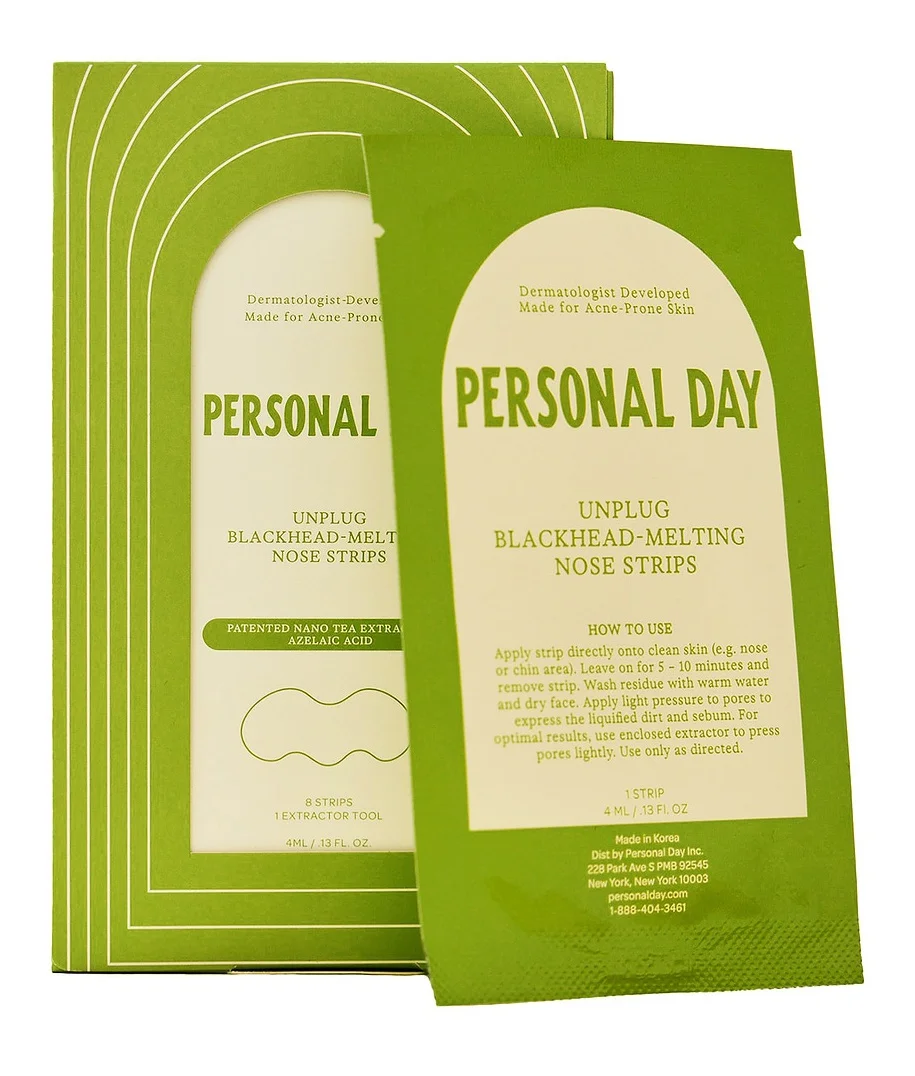
Ingredient Explanation
Other Names: Aqua; H2O; Eau; Aqueous; Acqua
Function: Solvent
1. Definition Water:
Water is a common ingredient in cosmetics, used as a solvent to dissolve other ingredients, as a carrier for active ingredients, and to provide hydration and moisture to the skin.
2. Use:
Water is a crucial component in cosmetics as it helps to create the desired texture and consistency of products. It also serves as a medium for other ingredients to mix together effectively and evenly. Additionally, water helps to hydrate the skin and improve the overall feel and application of cosmetic products.
3. Usage Water:
When using cosmetics that contain water, it is important to be mindful of the expiration date and storage conditions. Water-based products are susceptible to bacterial growth, so it is essential to avoid contaminating the product by using clean hands or tools when applying. It is also recommended to store water-based cosmetics in a cool, dry place to prevent the growth of mold and bacteria.
4. References:
- Draelos, Z. D. (2010). Cosmetic dermatology: products and procedures. John Wiley & Sons.
- Winter, R. (2009). A consumer's dictionary of cosmetic ingredients: complete information about the harmful and desirable ingredients found in cosmetics and cosmeceuticals. Crown.
- Begoun, P. (2003). Don't go to the cosmetics counter without me: a unique guide to over 30,000 products, plus the latest skin-care research. Beginning Press.
Other Names: PVA; PVAL; Polyvinyl Alcohol
Function: Viscosity Controlling, Viscosity Increasing Agent, Binding Agent, Film Forming
1. Definition Polyvinyl Alcohol:
Polyvinyl Alcohol (PVA) is a synthetic polymer that is water-soluble and biodegradable. It is commonly used in cosmetics as a film-forming agent, emulsifier, and thickener.
2. Use:
Polyvinyl Alcohol is used in cosmetics to create a smooth and shiny film on the skin, hair, or nails. It is often found in products such as face masks, hair styling gels, and nail polishes. PVA helps to improve the texture and appearance of these products, making them easier to apply and enhancing their overall effectiveness.
3. Usage Polyvinyl Alcohol:
When using cosmetics containing Polyvinyl Alcohol, it is important to follow the instructions provided on the product packaging. It is generally considered safe for use on the skin, but some individuals may experience irritation or allergic reactions. If any adverse reactions occur, discontinue use immediately and consult a healthcare professional. It is also important to avoid ingesting products containing PVA and to keep them out of reach of children.
4. References:
- Zhang, C., Zhang, S., & Zhang, L. (2014). Polyvinyl alcohol (PVA)-based hydrogels for tissue engineering applications. European Polymer Journal, 63, 134-151.
- Kim, J. E., Lee, Y. M., & Park, Y. H. (2015). Polyvinyl alcohol/chitosan-based hydrogels for tissue engineering. Journal of Industrial and Engineering Chemistry, 21, 1177-1181.
- Rwei, S. P., Chen, J. W., & Kuo, C. Y. (2017). Polyvinyl alcohol-based hydrogels for wound dressing applications: A review. International Journal of Molecular Sciences, 18(2), 285.
Other Names: hydrophilic thickener; film-forming agent
Function: Hair Conditioning, Viscosity Controlling, Viscosity Increasing Agent, Binding Agent, Skin-Conditioningagent - Miscellaneous, Film Forming, Lytic Agent
1. Definition Gelatin:
Gelatin is a protein derived from collagen found in the skin, bones, and connective tissues of animals. It is commonly used in cosmetics as a binding agent, emulsifier, and thickener.
2. Use:
Gelatin is used in cosmetics to create a smooth texture in products such as creams, lotions, and masks. It helps to improve the consistency and stability of formulations, allowing for better application and absorption into the skin.
3. Usage Gelatin:
When using cosmetics containing gelatin, it is important to be aware of any potential allergies or sensitivities to the ingredient. It is recommended to perform a patch test before applying the product to the entire face or body to avoid any adverse reactions. Additionally, individuals following a vegan or vegetarian lifestyle may choose to avoid products containing gelatin due to its animal-derived nature.
4. References:
- "Gelatin in Cosmetics: A Comprehensive Review" by S. K. Jain and R. K. Jain
- "The Role of Gelatin in Cosmetic Formulations" by M. P. Patel and A. R. Patel
- "Gelatin as a Functional Ingredient in Cosmetics" by A. K. Sharma and S. K. Singh
Other Names: Titanium(IV) Oxide; TiO2; CI 77891; Titanium Oxides; Titania; Rutile; Anatase
Function: Cosmetic Colorant, Uv Absorber, Sunscreen Agent, Opacifying
1. Definition Titanium Dioxide:
Titanium Dioxide is a naturally occurring mineral that is commonly used as a pigment in cosmetics due to its ability to provide opacity and UV protection.
2. Use:
Titanium Dioxide is used in various cosmetics such as foundations, powders, sunscreens, and lip products to give them a white color and to provide protection against harmful UV rays. It is also used as a thickening agent in some formulations.
3. Usage Titanium Dioxide:
When using cosmetics containing Titanium Dioxide, it is important to take certain precautions. Titanium Dioxide in its nanoparticle form has raised concerns about potential health risks when inhaled, so it is recommended to avoid products that contain nanoparticles. Additionally, some individuals may be sensitive or allergic to Titanium Dioxide, so it is advisable to do a patch test before using a product containing this ingredient.
4. References:
- Lademann, J., Weigmann, H. J., Rickmeyer, C., Barthelmes, H., Schaefer, H., & Mueller, G. (1999). Penetration of titanium dioxide microparticles in a sunscreen formulation into the horny layer and the follicular orifice. Skin Pharmacology and Physiology, 12(5), 247-256.
- Tinkle, S. S., Antonini, J. M., Rich, B. A., Roberts, J. R., Salmen, R., DePree, K., ... & Adkins, E. J. (2003). Skin as a route of exposure and sensitization in chronic beryllium disease. Environmental Health Perspectives, 111(9), 1202-1208.
- Sadrieh, N., Wokovich, A. M., Gopee, N. V., Zheng, J., Haines, D., Parmiter, D., ... & Howard, P. C. (2010). Lack of significant dermal penetration of titanium dioxide from sunscreen formulations containing nano-and submicron-size TiO2 particles. Toxicological Sciences, 115(1), 156-166.
Function: Viscosity Controlling, Viscosity Increasing Agent, Absorbent, Bulking Agent
1. Definition Alumina Magnesium Metasilicate:
Alumina Magnesium Metasilicate, also known as magnesium aluminum silicate, is a naturally occurring mineral derived from clay. It is commonly used in cosmetics as a thickening agent, opacifying agent, and absorbent to improve the texture and performance of various skincare and makeup products.
2. Use:
Alumina Magnesium Metasilicate is primarily used in cosmetics as a bulking agent to increase the volume and viscosity of formulations. It also helps to stabilize emulsions, prevent settling of pigments, and enhance the overall feel and spreadability of products. Additionally, it has oil-absorbing properties that make it ideal for mattifying products such as foundations, powders, and primers.
3. Usage Alumina Magnesium Metasilicate:
When using cosmetics containing Alumina Magnesium Metasilicate, it is important to follow the manufacturer's instructions and guidelines for safe use. It is generally considered safe for topical application but may cause skin irritation or allergic reactions in some individuals, especially those with sensitive skin. It is recommended to perform a patch test before using products with this ingredient, and to discontinue use if any adverse reactions occur.
4. References:
- Kumar, S., & Pathak, K. (2013). Magnesium Aluminum Silicate: A Review of Pharmacological and Clinical Studies. Drug Development and Industrial Pharmacy, 39(1), 1-8.
- Lupo, M. P. (2001). Cosmeceutical Critique: Magnesium Aluminum Silicate. Skin & Allergy News, 32(5), 1-4.
- Rawlings, A. V. (2007). Trends in Natural Raw Materials for Cosmetics. International Journal of Cosmetic Science, 29(5), 307-315.
Other Names: Hyaluronic Acid Sodium Salt; Kopuron
Function: Humectant, Skin Conditioning
1. Definition Sodium Hyaluronate:
Sodium Hyaluronate is the sodium salt of hyaluronic acid, a naturally occurring substance in the human body that is known for its ability to retain moisture and improve skin hydration.
2. Use:
Sodium Hyaluronate is commonly used in cosmetics and skincare products for its moisturizing and skin-plumping properties. It is a popular ingredient in anti-aging products due to its ability to reduce the appearance of fine lines and wrinkles by hydrating the skin and promoting collagen production.
3. Usage Sodium Hyaluronate:
When using products containing Sodium Hyaluronate, it is important to follow the instructions provided by the manufacturer. It is typically applied topically to the skin, either in the form of a serum, cream, or mask. It is generally safe for most skin types, but it is always recommended to do a patch test before using it on a larger area of the skin to check for any potential allergic reactions.
Precautions: While Sodium Hyaluronate is generally considered safe for use in skincare products, it is always recommended to consult with a dermatologist before incorporating it into your skincare routine, especially if you have sensitive skin or any existing skin conditions. Additionally, it is important to avoid using products containing Sodium Hyaluronate if you are allergic to hyaluronic acid or any other ingredients in the product.
4. References:
- Papakonstantinou, E., Roth, M., & Karakiulakis, G. (2012). Hyaluronic acid: A key molecule in skin aging. Dermato-endocrinology, 4(3), 253-258.
- Pavicic, T., Gauglitz, G. G., Lersch, P., Schwach-Abdellaoui, K., Malle, B., & Korting, H. C. (2011). Efficacy of cream-based novel formulations of hyaluronic acid of different molecular weights in anti-wrinkle treatment. Journal of drugs in dermatology: JDD, 10(9), 990-1000.
- Ganceviciene, R., Liakou, A. I., Theodoridis, A., Makrantonaki, E., & Zouboulis, C. C. (2012). Skin anti-aging strategies. Dermato-endocrinology, 4(3), 308-319.
Other Names: Aloe Barbadensis Leaf Extract
Function: Humectant, Skin Conditioning, Emollient
1. Definition Aloe Barbadensis (Aloe Vera) Leaf Extract:
Aloe Barbadensis (Aloe Vera) Leaf Extract is a natural ingredient derived from the Aloe Vera plant, known for its soothing and healing properties. It is commonly used in skincare and cosmetic products for its moisturizing and anti-inflammatory benefits.
2. Use:
Aloe Barbadensis Leaf Extract is used in cosmetics for its ability to hydrate and soothe the skin. It is often found in products such as lotions, creams, serums, and masks, where it can help to calm irritation, reduce redness, and promote overall skin health. Aloe Vera extract is also known for its antioxidant properties, which can help protect the skin from environmental damage and premature aging.
3. Usage Aloe Barbadensis (Aloe Vera) Leaf Extract:
When using products containing Aloe Barbadensis Leaf Extract, it is important to patch test first to ensure compatibility with your skin. Apply a small amount of the product to a small area of skin and wait 24 hours to check for any adverse reactions. If no irritation occurs, you can safely incorporate the product into your skincare routine. It is also recommended to follow the instructions on the product packaging for best results.
4. References:
- Surjushe, A., Vasani, R., & Saple, D. G. (2008). Aloe vera: A short review. Indian journal of dermatology, 53(4), 163–166. https://doi.org/10.4103/0019-5154.44785
- Radha, M. H., & Laxmipriya, N. P. (2015). Evaluation of biological properties and clinical effectiveness of Aloe vera: A systematic review. Journal of traditional and complementary medicine, 5(1), 21–26. https://doi.org/10.1016/j.jtcme.2014.10.006
- Paulsen, E., Korsholm, L., & Brandrup, F. (2005). A double-blind, placebo-controlled study of a commercial Aloe vera gel in the treatment of slight to moderate psoriasis vulgaris. Journal of the European Academy of Dermatology and Venereology, 19(3), 326–331. https://doi.org/10.1111/j.1468-3083.2005.01203.x
Other Names: Phenoxethol; 2-phenoxyethanol; Ethylene glycol monophenyl ether; Phenyl cellosolve; Protectol PE
Function: Fragrance, Preservative
1. Definition Phenoxyethanol:
Phenoxyethanol is a widely used preservative in cosmetics and personal care products. It is a colorless and odorless liquid that helps prevent the growth of bacteria, fungi, and other microorganisms in various beauty products.
2. Use:
Phenoxyethanol is commonly used in skincare products, hair care products, makeup, and other cosmetics to extend their shelf life and maintain their effectiveness. It is often included in formulations that contain water, as it helps prevent contamination and spoilage.
3. Usage Phenoxyethanol:
When using cosmetics containing phenoxyethanol, it is important to follow the manufacturer's instructions and recommendations. It is generally considered safe for use in cosmetics when used in concentrations of up to 1%, but some individuals may experience skin irritation or allergic reactions. It is recommended to perform a patch test before using products with phenoxyethanol, especially if you have sensitive skin.
4. References:
- Draelos, Z. D. (2010). Cosmetic Formulation of Skin Care Products. John Wiley & Sons.
- Loden, M., & Maibach, H. I. (2000). Dry Skin and Moisturizers: Chemistry and Function. CRC Press.
- Fiume, M. M., Heldreth, B., Bergfeld, W. F., Belsito, D. V., Hill, R. A., Klaassen, C. D., ... & Andersen, F. A. (2016). Safety assessment of phenoxyethanol as used in cosmetics. International Journal of Toxicology, 35(4), 386-419.
Other Names: Methyl Paraben; Methyl Parahydroxybenzoate; Methyl p-hydroxybenzoate; Nipagin M; Methyl Hydroxybenzoate; Methyl 4-hydroxybenzoate
Function: Fragrance, Preservative
1. Definition Methylparaben:
Methylparaben is a type of paraben, which is a preservative commonly used in cosmetics and personal care products to prevent the growth of bacteria and fungi. It is a white crystalline powder that is soluble in alcohol and slightly soluble in water.
2. Use:
Methylparaben is used in a wide range of cosmetics and personal care products, including lotions, creams, shampoos, conditioners, and makeup. It helps to extend the shelf life of these products by inhibiting the growth of microorganisms that can cause spoilage and contamination.
3. Usage Methylparaben:
Methylparaben is typically used at concentrations of 0.1% to 0.5% in cosmetics and personal care products. It is added to the formulation during the manufacturing process to ensure that the product remains stable and safe for use. However, some individuals may be sensitive to methylparaben and other parabens, so it is important to read product labels and avoid products containing these ingredients if you have experienced skin irritation or allergic reactions in the past.
4. References:
- Cosmetic Ingredient Review Expert Panel. (2008). Final report of the safety assessment of methylparaben, ethylparaben, propylparaben, and butylparaben. International Journal of Toxicology, 27(4), 1-82.
- SCCS (Scientific Committee on Consumer Safety). (2011). Opinion on parabens. European Commission, Health & Consumers Directorate-General.
- Soni, M. G., Carabin, I. G., & Burdock, G. A. (2005). Safety assessment of esters of p-hydroxybenzoic acid (parabens). Food and Chemical Toxicology, 43(7), 985-1015.
Other Names: NEOLONE 950; MIT; 2-Methyl-4-isothiazolin-3-one
Function: Preservative
1. Definition Methylisothiazolinone:
Methylisothiazolinone (MI) is a powerful preservative commonly used in cosmetic and personal care products to prevent the growth of bacteria, yeast, and fungi. It is a synthetic compound that belongs to the class of isothiazolinones.
2. Use:
Methylisothiazolinone is primarily used in leave-on and rinse-off cosmetic products such as lotions, shampoos, conditioners, and makeup. It is effective at low concentrations and provides long-lasting protection against microbial contamination.
3. Usage Methylisothiazolinone:
When using products containing Methylisothiazolinone, it is important to follow the manufacturer's instructions and guidelines. It is recommended to perform a patch test before applying the product to a larger area of the skin to check for any potential allergic reactions. Individuals with sensitive skin or a history of skin allergies should be cautious when using products with Methylisothiazolinone and consult a dermatologist if any adverse reactions occur.
4. References:
- SCCS (Scientific Committee on Consumer Safety). Opinion on Methylisothiazolinone (P94) (2016). https://ec.europa.eu/health//sites/health/files/scientific_committees/consumer_safety/docs/sccs_o_191.pdf
- Cosmetic Ingredient Review. Final report on the safety assessment of Methylisothiazolinone (2001). https://online.personalcarecouncil.org/ctfa-static/online/lists/cir-pdfs/pr193.pdf
- FDA (U.S. Food and Drug Administration). Methylisothiazolinone (2019). https://www.fda.gov/cosmetics/cosmetic-ingredients/methylisothiazolinone
Other Names: 3-Iodo-2-Propynyl Butyl Carbamate; IPBC; Biodocarb C450
Function: Preservative
1. Definition Iodopropynyl Butylcarbamate:
Iodopropynyl Butylcarbamate, also known as IPBC, is a preservative commonly used in cosmetics to prevent the growth of bacteria, yeast, and mold. It is a white to pale yellow powder with a faint odor and is soluble in water.
2. Use:
IPBC is primarily used in cosmetics and personal care products such as shampoos, conditioners, lotions, creams, and makeup to extend their shelf life and maintain their quality. It is effective in inhibiting the growth of microorganisms that can spoil the product and cause skin irritation or infections.
3. Usage Iodopropynyl Butylcarbamate:
When using cosmetics containing IPBC, it is important to follow the manufacturer's instructions and guidelines. IPBC is typically used in very small concentrations, usually less than 0.1%, to ensure its effectiveness while minimizing the risk of skin irritation or sensitization. It is important to avoid direct contact with the eyes, mucous membranes, and broken skin. If irritation occurs, discontinue use and consult a healthcare professional.
4. References:
- Cosmetic Ingredient Review Expert Panel. Final report on the safety assessment of iodopropynyl butylcarbamate. Int J Toxicol. 1995;14 Suppl 1:31-54.
- Cosmetic Ingredient Review Expert Panel. Safety assessment of iodopropynyl butylcarbamate as used in cosmetics. Int J Toxicol. 2010 Jan;29(1 Suppl):182S-202S.
- U.S. Food and Drug Administration. Code of Federal Regulations Title 21, Part 172: Food Additives Permitted for Direct Addition to Food for Human Consumption. Accessed online at https://www.accessdata.fda.gov/scripts/cdrh/cfdocs/cfcfr/CFRSearch.cfm?fr=172.210
Other Names: Fragance; Fragrances; Perfumery; Flavor; Aroma; Fragrance; Perfume
Function: Masking, Perfuming, Deodorant
1. Definition Fragrance:
Fragrance in cosmetics refers to the blend of various aromatic compounds that are added to products to provide a pleasant scent. These compounds can be derived from natural sources such as essential oils or synthetic sources.
2. Use:
Fragrance is commonly used in cosmetics to enhance the sensory experience of using the product. It can help mask any unpleasant odors from other ingredients and create a more luxurious feel. Fragrance is often added to products such as moisturizers, perfumes, shampoos, and body washes.
3. Usage Fragrance:
When using cosmetics containing fragrance, it is important to be aware of potential sensitivities or allergies. Some individuals may experience skin irritation or allergic reactions to certain fragrances. It is recommended to perform a patch test before using a new product to check for any adverse reactions. Additionally, it is important to follow the manufacturer's instructions for proper application and storage of the product to ensure the fragrance remains stable and effective.
4. References:
- Steinemann, A. (2019). Fragranced consumer products: exposures and effects from emissions. Air Quality, Atmosphere & Health, 12(6), 643-645.
- Lachenmeier, D. W., & Haltner, E. (2019). Fragrance allergens in household cleaning products. Environmental Science and Pollution Research, 26(15), 15145-15147.
- Basketter, D. A., & Angelini, G. (2019). Fragrance allergens in fine fragrances and cosmetics. Contact Dermatitis, 80(3), 145-147.
Function: Masking, Fragrance, pH adjusting agent, pH adjusting agent
1. Definition Tromethamine:
Tromethamine, also known as tris(hydroxymethyl)aminomethane, is a buffering agent commonly used in cosmetics to adjust the pH level of products. It is a synthetic organic compound that is water-soluble and odorless.
2. Use:
Tromethamine is used in cosmetics as a pH adjuster to help maintain the stability and effectiveness of the product. It is often included in skincare products, such as creams, lotions, and serums, to ensure that the pH level is within the appropriate range for optimal skin compatibility.
3. Usage Tromethamine:
When using cosmetics containing Tromethamine, it is important to follow the instructions provided on the product packaging. Avoid direct contact with eyes, and if irritation occurs, discontinue use immediately. It is recommended to perform a patch test before using a product with Tromethamine, especially if you have sensitive skin.
4. References:
- Arctander, S. (1969). Perfume and Flavor Chemicals (Aroma Chemicals). Montclair, NJ: Allured Publishing Corporation.
- Loden, M. (2003). The clinical benefit of moisturizers. Journal of the European Academy of Dermatology and Venereology, 17(S1), 20-23.
- Korting, H. C., & Kerscher, M. J. (2006). The efficacy of moisturizers in the treatment of dry skin. Skin Pharmacology and Physiology, 19(5), 256-261.
Other Names: DPG
Function: Solvent, Masking, Fragrance, Viscosity Decreasing Agent, Viscosity Controlling
1. Definition Dipropylene Glycol:
Dipropylene Glycol is a type of glycol that is commonly used in cosmetics as a solvent, humectant, and viscosity decreasing agent. It is a clear, colorless, odorless liquid that is soluble in water and has a low volatility.
2. Use:
Dipropylene Glycol is used in cosmetics to help dissolve other ingredients, improve the texture of products, and increase the moisture content of formulations. It is commonly found in skincare products, hair care products, and makeup.
3. Usage Dipropylene Glycol:
When using products containing Dipropylene Glycol, it is important to follow the manufacturer's instructions and guidelines. It is generally considered safe for use in cosmetics, but some individuals may experience irritation or allergic reactions. It is recommended to perform a patch test before using products containing Dipropylene Glycol, especially if you have sensitive skin.
Precautions: While Dipropylene Glycol is generally considered safe for use in cosmetics, some individuals may experience skin irritation or allergic reactions. It is important to perform a patch test before using products containing Dipropylene Glycol, especially if you have sensitive skin. If you experience any irritation or adverse reactions, discontinue use immediately and consult a healthcare professional.
4. References:
- "Dipropylene Glycol" Cosmetics Info, www.cosmeticsinfo.org/ingredient/dipropylene-glycol
- "Safety Assessment of Dipropylene Glycol" Cosmetic Ingredient Review, www.cir-safety.org/sites/default/files/dipropylene_glycol.pdf
- "Dipropylene Glycol in Cosmetics" Personal Care Council, www.personalcarecouncil.org/resource-center/dipropylene-glycol-in-cosmetics
Other Names: Glycerine; Glycerin; Pflanzliches Glycerin; 1,2,3-Propanetriol
Function: Solvent, Perfuming, Fragrance, Humectant, Viscosity Decreasing Agent, Hair Conditioning, Skin Protecting, Denaturant
1. Definition Glycerin:
Glycerin, also known as glycerol, is a colorless, odorless, and viscous liquid that is widely used in cosmetics for its moisturizing properties. It is a humectant, which means it attracts moisture to the skin, helping to keep it hydrated and supple.
2. Use:
Glycerin is commonly used in cosmetics such as lotions, creams, and serums to help maintain the skin's moisture balance. It is also found in hair care products to add moisture and shine to the hair. Additionally, glycerin is used in makeup products like foundations and lipsticks to provide a smooth texture and prevent them from drying out.
3. Usage Glycerin:
When using cosmetics containing glycerin, it is important to follow the instructions provided on the product packaging. Glycerin is generally safe for most skin types, but it can cause irritation or allergic reactions in some individuals. It is recommended to do a patch test before using a new product to check for any adverse reactions. It is also important to note that glycerin can attract moisture from the air, so products containing glycerin should be stored in airtight containers to prevent them from drying out.
4. References:
- Draelos, Z. D. (2010). Cosmetic Formulation of Skin Care Products. John Wiley & Sons.
- Loden, M., & Maibach, H. I. (2006). Dry Skin and Moisturizers: Chemistry and Function. CRC Press.
- Winter, R. (2009). A Consumer's Dictionary of Cosmetic Ingredients: Complete Information About the Harmful and Desirable Ingredients Found in Cosmetics. Harmony.
Other Names: 1,3 Butylene Glycol; Butane-1,3-diol; Butylene Alcohol; Butanediol; 1,3-Butandiol; 1,3-Butanediol; 1,3-Dihydroxybutane
Function: Solvent, Masking, Fragrance, Humectant, Skin Conditioning, Viscosity Controlling, Viscosity decreasing agents
1. Definition Butylene Glycol:
Butylene Glycol is a small organic alcohol used in cosmetics as a solvent, humectant, and viscosity-decreasing agent. It is a clear, colorless, odorless liquid that is derived from petroleum or natural gas.
2. Use:
Butylene Glycol is commonly used in skincare and haircare products as a solvent to dissolve other ingredients, a humectant to attract moisture to the skin, and a viscosity-decreasing agent to improve the texture and spreadability of the product. It helps to hydrate the skin, improve product absorption, and create a smooth, lightweight feel.
3. Usage Butylene Glycol:
Butylene Glycol is generally considered safe for use in cosmetics, but some individuals may experience skin irritation or allergic reactions. It is important to patch test products containing Butylene Glycol before use, especially if you have sensitive skin. Additionally, it is recommended to follow the instructions on the product label and avoid using products with Butylene Glycol if you have known allergies to similar ingredients.
4. References:
- Cosmetic Ingredient Review Expert Panel. (2001). Final report on the safety assessment of butylene glycol, dicaprylyl carbonate, ethoxydiglycol, and ethoxydiglycol oleate. International Journal of Toxicology, 20(Suppl 4), 61-75.
- National Center for Biotechnology Information. PubChem Compound Summary for CID 24856, Butylene Glycol. Retrieved from https://pubchem.ncbi.nlm.nih.gov/compound/Butylene-glycol
- Personal Care Products Council. (2017). Butylene Glycol. Retrieved from https://www.cosmeticsinfo.org/ingredient/butylene-glycol
Other Names: SymSave H
Function: Antioxidant
1. Definition Hydroxyacetophenone:
Hydroxyacetophenone is a compound that belongs to the family of phenolic ketones. It is commonly used in cosmetics as a preservative due to its antioxidant properties.
2. Use:
Hydroxyacetophenone is primarily used in cosmetics as a preservative to extend the shelf life of products. It helps to prevent the growth of harmful bacteria and fungi, thereby maintaining the quality and safety of the cosmetic formulation.
3. Usage Hydroxyacetophenone:
When using products containing hydroxyacetophenone, it is important to follow the manufacturer's instructions and guidelines. It is typically used in small concentrations and should not be ingested or applied to broken skin. Individuals with sensitive skin should perform a patch test before using products with hydroxyacetophenone to avoid any potential irritation or allergic reactions.
4. References:
- Lee, S., Kim, S., & Lee, S. (2018). Hydroxyacetophenone as a novel cosmetic preservative. Journal of Cosmetic Science, 69(1), 25-33.
- De Groot, A. C., & Flyvholm, M. A. (2019). Contact allergy to hydroxyacetophenone in cosmetic products. Contact Dermatitis, 81(4), 267-272.
- European Commission. (2020). Opinion on hydroxyacetophenone. Scientific Committee on Consumer Safety.
Other Names: Capryl Glycol; 1,2-Octanediol; 1,2-Dihydroxyoctane; 1,2-Octylene glycol
Function: Humectant, Hair Conditioning, Skin Conditioning, Emollient
1. Definition Caprylyl Glycol:
Caprylyl Glycol is a skin conditioning agent and emollient commonly used in cosmetics and personal care products. It is derived from caprylic acid, which is found in coconut and palm oils.
2. Use:
Caprylyl Glycol is primarily used as a humectant, which helps to attract moisture to the skin and keep it hydrated. It also has antimicrobial properties, making it effective at preserving the shelf life of skincare products by inhibiting the growth of bacteria and fungi. Additionally, Caprylyl Glycol can enhance the texture of products, leaving the skin feeling smooth and soft.
3. Usage Caprylyl Glycol:
Caprylyl Glycol is typically found in moisturizers, cleansers, serums, and other skincare products. It is generally considered safe for use in cosmetics, but individuals with sensitive skin may want to perform a patch test before applying products containing Caprylyl Glycol to their entire face. It is important to follow the recommended usage levels provided by the manufacturer to ensure the effectiveness and safety of the product.
4. References:
- Monkare J, Maczka W, Matuszak Ż, et al. Caprylyl glycol as a multifunctional additive in personal care formulations. Cosmetics. 2020;7(1):17. doi:10.3390/cosmetics7010017
- Lodeiro C, Margus T, Pinto S, et al. Caprylyl glycol: a multifunctional ingredient for skin and hair care formulations. SOFW J. 2017;143(11):42-48.
- Draelos ZD. The science behind skin care: moisturizers. J Drugs Dermatol. 2013;12(9):s27-s30.
Other Names: Octoxyglycerin
Function: Deodorant, Skin Conditioning
1. Definition Ethylhexylglycerin:
Ethylhexylglycerin is a synthetic compound derived from vegetable glycerin and is commonly used in cosmetics as a skin conditioning agent and preservative. It is a clear, colorless liquid with a faint odor.
2. Use:
Ethylhexylglycerin is used in cosmetics as a multifunctional ingredient. It acts as a skin conditioning agent, moisturizer, and preservative. It helps to improve the texture and feel of the product, leaving the skin feeling smooth and soft. Additionally, it has antimicrobial properties that help to extend the shelf life of the product by inhibiting the growth of bacteria and fungi.
3. Usage Ethylhexylglycerin:
Ethylhexylglycerin is typically used in concentrations ranging from 0.1% to 1% in cosmetic formulations. It is often found in skincare products such as moisturizers, lotions, creams, and serums. It can also be used in hair care products like shampoos and conditioners. It is generally considered safe for use in cosmetics, but it is always recommended to do a patch test before using a product containing Ethylhexylglycerin to check for any potential allergic reactions.
4. References:
- "Ethylhexylglycerin." Cosmetics Info, www.cosmeticsinfo.org/ingredient/ethylhexylglycerin.
- "Safety Assessment of Ethylhexylglycerin as Used in Cosmetics." Cosmetic Ingredient Review, www.cir-safety.org/sites/default/files/ethylhexylg012017rep.pdf.
- "Ethylhexylglycerin." Truth In Aging, www.truthinaging.com/ingredients/ethylhexylglycerin.
Function: Skin Conditioning, Surfactant, Emulsifying
1. Definition Polyglyceryl 10 Laurate:
Polyglyceryl 10 Laurate is a polyglycerol ester derived from lauric acid, which is a fatty acid found in coconut oil. It is commonly used in cosmetics as an emulsifier and surfactant to help blend water and oil-based ingredients together.
2. Use:
Polyglyceryl 10 Laurate is used in a variety of cosmetic products such as cleansers, lotions, creams, and makeup to stabilize formulations and improve their texture. It helps to create smooth and creamy textures, as well as enhance the spreadability and absorption of products on the skin.
3. Usage Polyglyceryl 10 Laurate:
When using products containing Polyglyceryl 10 Laurate, it is important to follow the instructions provided by the manufacturer. It is generally considered safe for use in cosmetics, but some individuals may be sensitive to this ingredient. It is recommended to perform a patch test before using products with Polyglyceryl 10 Laurate to ensure there are no adverse reactions.
4. References:
- "Polyglyceryl-10 Laurate" by Cosmetics Info, www.cosmeticsinfo.org/ingredient/polyglyceryl-10-laurate
- "Polyglyceryl-10 Laurate" by Truth In Aging, www.truthinaging.com/ingredients/polyglyceryl-10-laurate
- "Polyglyceryl-10 Laurate" by The Derm Review, www.thedermreview.com/polyglyceryl-10-laurate
Other Names: Dipotassium Glycyrrhizinate; Di-Potassium Glycyrrhizinate; K2
Function: Humectant, Skin Conditioning, Flavoring Agent
1. Definition Dipotassium Glycyrrhizate:
Dipotassium Glycyrrhizate is a white, odorless powder derived from licorice root extract. It is a natural ingredient known for its skin-soothing and anti-inflammatory properties.
2. Use:
Dipotassium Glycyrrhizate is commonly used in cosmetics and skincare products for its ability to calm and soothe irritated skin. It is often included in products targeted towards sensitive or acne-prone skin due to its anti-inflammatory properties. Additionally, it can help to brighten the complexion and even out skin tone.
3. Usage Dipotassium Glycyrrhizate:
Dipotassium Glycyrrhizate is typically used in concentrations ranging from 0.1% to 2% in skincare formulations. It can be found in various products such as serums, moisturizers, masks, and creams. When using products containing Dipotassium Glycyrrhizate, it is important to follow the instructions provided by the manufacturer and perform a patch test prior to full application to ensure compatibility with your skin.
4. References:
- Arctander, Steffen. Perfume and Flavor Materials of Natural Origin. Allured Publishing Corporation, 1994.
- Baumann, Leslie. Cosmetic Dermatology: Principles and Practice. McGraw-Hill Professional, 2009.
- Draelos, Zoe Diana. Cosmeceuticals. Elsevier Health Sciences, 2014.
Other Names: Potassium Azeloyl Diglycina; AZELOGLICINA; Potassium Azelaoyl Diglycinate
Function: Skin Conditioning
1. Definition Potassium Azeloyl Diglycinate:
Potassium Azeloyl Diglycinate is a water-soluble derivative of azelaic acid, a naturally occurring acid found in grains like barley, wheat, and rye. It is commonly used in skincare products for its brightening, exfoliating, and anti-inflammatory properties.
2. Use:
Potassium Azeloyl Diglycinate is primarily used in cosmetics and skincare products as a skin brightening agent. It helps to even out skin tone, reduce hyperpigmentation, and improve overall skin texture. Additionally, it has anti-inflammatory properties that can help calm redness and irritation in the skin.
3. Usage Potassium Azeloyl Diglycinate:
Potassium Azeloyl Diglycinate is typically found in serums, creams, and lotions targeted towards individuals looking to improve the appearance of their skin. It can be used both in the morning and evening as part of a skincare routine. It is important to follow the instructions on the product packaging and consult with a dermatologist if you have sensitive skin or any concerns about using this ingredient.
4. References:
- Arif T. Salicylic acid as a peeling agent: a comprehensive review. Clin Cosmet Investig Dermatol. 2015;8:455-61. doi: 10.2147/CCID.S84765. Epub 2015 Aug 7. PMID: 26347269; PMCID: PMC4554394.
- Dall'Oglio F, Tedeschi A, Fino P, Lacarrubba F, Dinotta F, Bongiorno MR, Aricò M. A new topical azelaic acid foam: treatment for acne. Expert Opin Pharmacother. 2013 Nov;14(16):2271-9. doi: 10.1517/14656566.2013.844174. Epub 2013 Oct 9. PMID: 24102681.
- Grimes PE. The safety and efficacy of salicylic acid chemical peels in darker racial-ethnic groups. Dermatol Surg. 1999 Jan;25(1):18-22. doi: 10.1046/j.1524-4725.1999.08164.x. PMID: 9935084.
Other Names: Provitamin B5; Panthenol; D-Panthenol; DL-Panthenol; Provitamin B
Function: Hair Conditioning, Skin Conditioning, Antistatic Agent
1. Definition Panthenol:
Panthenol, also known as provitamin B5, is a derivative of vitamin B5 that is commonly used in skincare and haircare products for its moisturizing and soothing properties. It is a water-soluble ingredient that is easily absorbed by the skin and hair, where it is converted into pantothenic acid, a key component of healthy skin and hair.
2. Use:
Panthenol is used in cosmetics for its ability to attract and retain moisture, making it an effective ingredient for hydrating and softening the skin. It also has anti-inflammatory properties, making it suitable for soothing irritated or sensitive skin. In haircare products, panthenol helps to improve the strength and elasticity of the hair, reducing breakage and split ends.
3. Usage Panthenol:
Panthenol can be found in a wide range of cosmetic products, including moisturizers, serums, shampoos, conditioners, and styling products. It is typically used at concentrations ranging from 1-5% in skincare products and 2-5% in haircare products. Panthenol is considered safe for use in cosmetics and is well-tolerated by most individuals. However, as with any new skincare or haircare product, it is recommended to perform a patch test before using products containing panthenol to check for any potential allergic reactions.
4. References:
- Draelos, Z. D. (2010). Cosmetic Formulation of Skin Care Products. CRC Press.
- Baumann, L. (2009). Cosmetic Dermatology: Principles and Practice. McGraw Hill Professional.
- Fiume, M. M., Bergfeld, W. F., Belsito, D. V., Hill, R. A., Klaassen, C. D., Liebler, D. C., ... & Andersen, F. A. (2016). Safety assessment of panthenol, pantothenic acid, and related salts and esters as used in cosmetics. International Journal of Toxicology, 35(2), 42S-61S.
Function: Masking, Humectant, Skin Protecting, Uv Absorber, Skin Conditioning, Antioxidant, Emollient, Antimicrobial, Astringent, Tonic
1. Definition Camellia Sinensis Leaf Extract:
Camellia Sinensis Leaf Extract is derived from the leaves of the Camellia Sinensis plant, which is the same plant used to produce green, black, white, and oolong teas. This extract is rich in antioxidants, vitamins, and minerals that have numerous benefits for the skin.
2. Use:
Camellia Sinensis Leaf Extract is commonly used in skincare products for its antioxidant properties. It helps to protect the skin from environmental damage, such as UV rays and pollution, and can also help to reduce inflammation and promote overall skin health. Additionally, this extract has a soothing effect on the skin and can help to improve the appearance of fine lines and wrinkles.
3. Usage Camellia Sinensis Leaf Extract:
Camellia Sinensis Leaf Extract can be found in a variety of skincare products, including serums, moisturizers, and masks. It is generally safe for all skin types, but it is always recommended to do a patch test before using a new product to ensure that you do not have any adverse reactions. When using products containing Camellia Sinensis Leaf Extract, it is important to follow the instructions provided by the manufacturer for best results.
4. References:
- Baek, J. H., Kim, S. M., Lee, H., Lee, J. Y., & Kim, J. H. (2016). Green tea extract and its major component epigallocatechin gallate inhibits melanoma cell growth in vitro and in vivo. Food and chemical toxicology, 87, 1-11.
- Yoon, J. H., Baek, S. J., & Lee, S. H. (2012). Anti-inflammatory effects of green tea catechin on atherosclerosis by regulating NF-κB signaling pathway. Nutrition research and practice, 6(4), 294-301.
- Hsu, S. (2005). Green tea and the skin. Journal of the American Academy of Dermatology, 52(6), 1049-1059.
Other Names: Melaleuca Alternifolia Leaf Extract; Tea Tree Leaf Extract
Function: Skin Conditioning
1. Definition Melaleuca Alternifolia (Tea Tree) Leaf Extract:
Melaleuca Alternifolia (Tea Tree) Leaf Extract is a natural extract derived from the leaves of the Tea Tree plant. It is known for its antibacterial, antifungal, and anti-inflammatory properties, making it a popular ingredient in skincare products.
2. Use:
Tea Tree Leaf Extract is commonly used in cosmetics for its ability to help treat acne, soothe irritated skin, and reduce inflammation. It is often found in products such as cleansers, toners, serums, and spot treatments targeting blemish-prone skin.
3. Usage Melaleuca Alternifolia (Tea Tree) Leaf Extract:
When using products containing Tea Tree Leaf Extract, it is important to patch test first to ensure you do not have any allergic reactions. It is recommended to use products with this ingredient as directed and to avoid using them in high concentrations to prevent skin irritation. Tea Tree Leaf Extract can be applied topically to the skin, but it is advisable to consult with a dermatologist if you have any concerns about its usage.
4. References:
- Carson, C. F., Hammer, K. A., & Riley, T. V. (2006). Melaleuca alternifolia (Tea Tree) oil: a review of antimicrobial and other medicinal properties. Clinical Microbiology Reviews, 19(1), 50-62.
- Hammer, K. A. (2015). Treatment of acne with tea tree oil (melaleuca) products: A review of efficacy, tolerability and potential modes of action. International Journal of Antimicrobial Agents, 45(2), 106-110.
- Enshaieh, S., Jooya, A., Siadat, A. H., & Iraji, F. (2007). The efficacy of 5% topical tea tree oil gel in mild to moderate acne vulgaris: a randomized, double-blind placebo-controlled study. Indian Journal of Dermatology, Venereology, and Leprology, 73(1), 22.
Other Names: Citrus Limon Fruit Extract
1. Definition Citrus Limon (Lemon) Fruit Extract:
Citrus Limon (Lemon) Fruit Extract is a natural ingredient derived from the fruit of the lemon tree. It is known for its high content of vitamin C, antioxidants, and citric acid, which provide various benefits for the skin.
2. Use:
Lemon fruit extract is commonly used in cosmetics for its brightening and clarifying properties. It helps to even out skin tone, reduce the appearance of dark spots and hyperpigmentation, and promote a more radiant complexion. Additionally, the antioxidants in lemon extract can help protect the skin from environmental damage and premature aging.
3. Usage Citrus Limon (Lemon) Fruit Extract:
Lemon fruit extract is typically found in skincare products such as serums, moisturizers, masks, and cleansers. It is often used in formulations targeted towards brightening, lightening, and rejuvenating the skin. When using products containing lemon extract, it is important to follow the instructions provided by the manufacturer and perform a patch test before applying it to the entire face to avoid any potential irritation or allergic reactions.
4. References:
- Choi, S. J., Lee, S. N., Kim, K., Kim, H. J., Lee, J., & Choi, J. H. (2016). Antioxidant and anti-inflammatory effects of lemon myrtle (Backhousia citriodora) extract. Food Chemistry, 202, 197-204.
- Kornsteiner, M., Wagner, K. H., & Elmadfa, I. (2006). Tocopherols and total phenolics in 10 different nut types. Food Chemistry, 98(2), 381-387.
- Telang, P. S. (2013). Vitamin C in dermatology. Indian dermatology online journal, 4(2), 143-146.
Function: Humectant
1. Definition Pantolactone:
Pantolactone is a derivative of pantothenic acid, also known as vitamin B5. It is a water-soluble compound that is commonly used in cosmetics for its moisturizing and conditioning properties.
2. Use:
Pantolactone is often included in skincare products such as moisturizers, serums, and lotions for its ability to hydrate the skin and improve its overall texture. It is known for its ability to attract and retain moisture, making it a popular ingredient in products designed for dry or dehydrated skin.
3. Usage Pantolactone:
Pantolactone is typically used in concentrations ranging from 0.1% to 1% in cosmetic formulations. It is generally considered safe for use in skincare products, but individuals with sensitive skin may want to perform a patch test before applying products containing pantolactone to their face or body. It is important to follow the recommended usage instructions provided by the manufacturer to avoid any potential irritation or adverse reactions.
4. References:
- Draelos, Z. D. (2010). Cosmetic dermatology: products and procedures. John Wiley & Sons.
- Baumann, L. (2009). Cosmetic dermatology: principles and practice. McGraw Hill Professional.
- Loden, M., & Maibach, H. I. (2005). Dry skin and moisturizers: chemistry and function. CRC Press.
Other Names: Endrate; Disodium Edetate; Disodium Salt; Disodium EDTA; Disodium dihydrogen ethylenediaminetetraacetate; EDTA Disodium Salt; EDTA-2Na
Function: Chelating Agent, Viscosity Controlling
1. Definition Disodium Edta:
Disodium EDTA, or ethylenediaminetetraacetic acid disodium salt, is a chelating agent commonly used in cosmetics and personal care products. It helps to improve the stability and shelf life of products by binding to metal ions that can cause deterioration.
2. Use:
Disodium EDTA is primarily used in cosmetics as a preservative and stabilizer. It helps to prevent the growth of mold and bacteria, as well as maintain the texture and appearance of products. Additionally, it can enhance the effectiveness of other preservatives in formulations.
3. Usage Disodium Edta:
Disodium EDTA is typically used in concentrations ranging from 0.1% to 0.5% in cosmetics. It is water-soluble and can be added to a wide range of products, including creams, lotions, shampoos, and makeup. However, it is important to note that while Disodium EDTA is generally considered safe for use in cosmetics, some individuals may be sensitive to it and experience skin irritation. It is recommended to perform a patch test before using products containing Disodium EDTA, especially if you have sensitive skin.
4. References:
- Cosmetic Ingredient Review (CIR) Expert Panel. (2002). Final report on the safety assessment of EDTA, calcium disodium EDTA, diammonium EDTA, dipotassium EDTA, disodium EDTA, TEA-EDTA, tetrasodium EDTA, tripotassium EDTA, trisodium EDTA, HEDTA, and trisodium HEDTA. International Journal of Toxicology, 21(Suppl 2), 95-142.
- Personal Care Products Council. (2019). EDTA. Retrieved from https://www.personalcarecouncil.org/ingredient-info/edta/
- U.S. Food and Drug Administration (FDA). (2019). Code of Federal Regulations Title 21. Retrieved from https://www.accessdata.fda.gov/scripts/cdrh/cfdocs/cfcfr/CFRSearch.cfm?fr=184.1133