- Home
- Compare product
- Comparison result


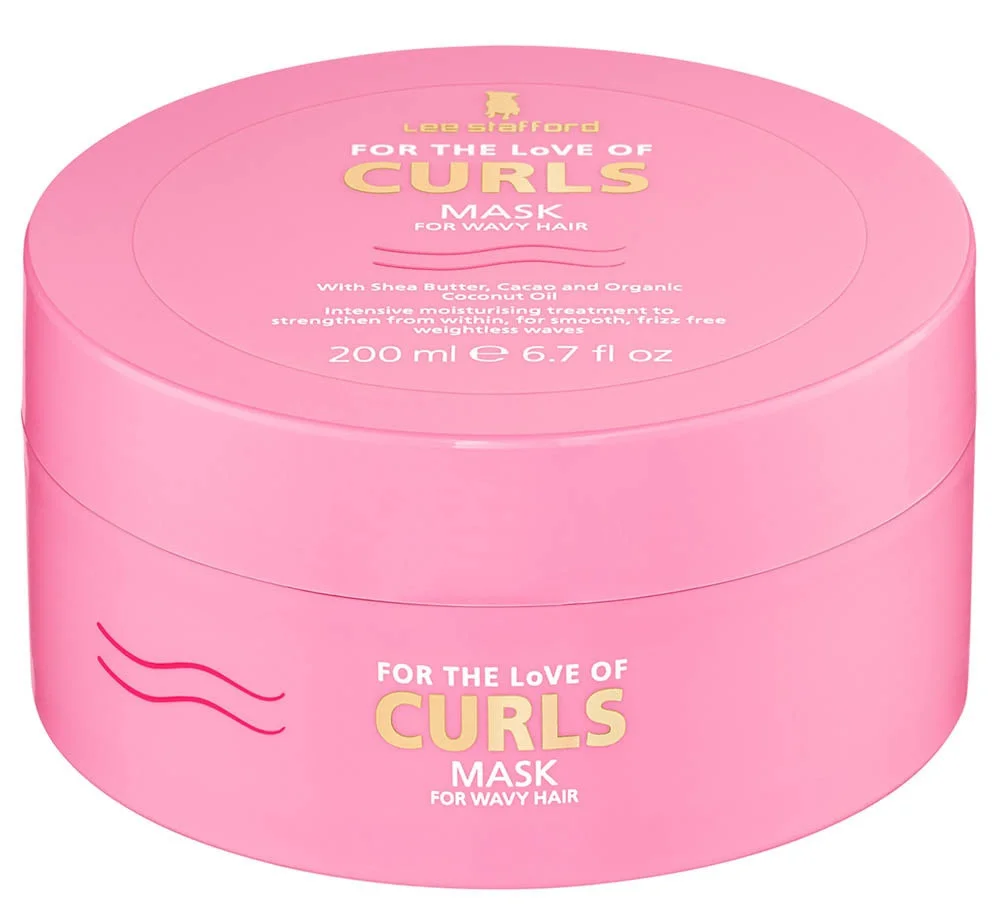
| EWG | CIR | Ingredient Name & Cosmetic Function | Notes |
|---|---|---|---|
| 1 | - | (Solvent) | |
| - | B | (Emollient) | |
| 1 | A | (Masking, Fragrance, Opacifying, Emollient, Viscosity Controlling, Viscosity Increasing Agent, Emulsion Stabilising, Emulsifying, Foam Boosting, Surfactant) | Cleansing |
| 1 2 | A | (Solvent, Perfuming, Fragrance, Humectant, Viscosity Decreasing Agent, Hair Conditioning, Skin Protecting, Denaturant ) |  Good for dry skin Moisturizing Good for dry skin Moisturizing |
| 1 | B | (Skin Conditioning, Emollient) | |
| 1 4 | B | (Surfactant, Emulsifying, Antistatic Agent, Hair Conditioning) | Cleansing |
| 8 | - | (Masking, Perfuming, Deodorant) |  Fragrance-free Fragrance-free |
| 1 | A | (Opacifying, Emollient, Viscosity Controlling, Viscosity Increasing Agent, Emulsion Stabilising, Emulsifying, Foam Boosting, Viscosity Increasingagent - Aqueous) | Cleansing |
| 1 | A | (Fragrance, Emulsifying, Surfactant) |  Fungal Acne Trigger Cleansing Fungal Acne Trigger Cleansing |
| 1 | A |  Bad for oily skin Bad for oily skin | |
| 1 | A | (Skin Conditioning) | Fungal Acne Trigger |
| 1 | A | Bad for oily skin Fungal Acne Trigger | |
| 1 | A | (Solvent, Skin Conditioning, Masking, Emollient, Fragrance, Hair Conditioning) | Bad for oily skin Fungal Acne Trigger |
| 1 | A | (Hair Conditioning, Skin Conditioning, Antistatic Agent) | Good for dry skin Promotes Wound Healing |
| 1 | - | Good for dry skin Anti Aging | |
| 1 | A | Fungal Acne Trigger | |
| 1 | A | (Antistatic Agent, Hair Conditioning) | |
| 1 | - | (Skin Conditioning, Plasticizer) | |
| 3 | B | (Emulsifying, Surfactant) | Fungal Acne Trigger Cleansing |
| 1 | A | (Chelating Agent, Viscosity Controlling) | |
| 1 | A | (Antioxidant) | |
| 1 | - | (Masking, Fragrance, Colorant, Cosmetic Colorant) | |
| 1 2 | A | (Masking, Fragrance, Chelating Agent, pH adjusting agent, pH adjusting agent) | Anti Aging  Bad for sensitive skin Bad for sensitive skin |
| 1 3 | A | (Masking, Fragrance, Preservative, Anticorrosive) | |
| 3 5 | - | (Masking, Fragrance, Uv Absorber) |  Allergen Fragrance-free Allergen Fragrance-free |
| 3 5 | - | (Skin Conditioning, Perfuming) | Allergen Fragrance-free |
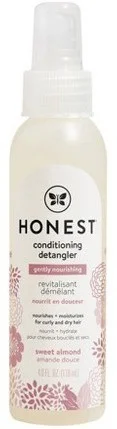
| EWG | CIR | Ingredient Name & Cosmetic Function | Notes |
|---|---|---|---|
| 1 | - | (Solvent) | |
| 1 2 | A | (Solvent, Perfuming, Fragrance, Humectant, Viscosity Decreasing Agent, Hair Conditioning, Skin Protecting, Denaturant ) | Good for dry skin Moisturizing |
| 4 | B | (Hair Conditioning, Preservative, Antistatic Agent) | |
| 1 | A | (Humectant, Hair Conditioning, Skin Conditioning, Emollient) | |
| 1 | B | (Skin Conditioning, Emollient, Surfactant, Emulsifying) | Cleansing |
| 1 | B | (Skin Conditioning, Emollient, Surfactant, Emulsifying) | Cleansing |
| 1 | - | (Chelating Agent) | |
| 1 | A | (Solvent, Masking, Fragrance, Antioxidant, Plasticizer, Deodorant) | |
| 1 | A | (Hair Conditioning, Skin Conditioning, Antistatic Agent) | Good for dry skin Promotes Wound Healing |
| 1 | - | (Skin Conditioning) | |
| 1 2 | - | | |
| 1 | - | (Masking, Fragrance, Flavoring Agent) | Fragrance-free |
| 1 5 | B | | |
| 1 | - | (Skin Conditioning, Emollient, Hair Conditioning) | |
| 1 2 | - | (Skin Conditioning, Masking, Perfuming, Fragrance) | |
| 1 | - | (Masking, Tonic) | |
| 1 | - | (Solvent, Masking, Perfuming, Fragrance) | |
| 1 3 | A | (Solvent, Masking, Fragrance, Flavoring Agent, Denaturant ) | Fragrance-free |
| 2 | - | (Masking, Perfuming) | |
| 1 | - | (Skin Conditioning, Emollient, Hair Conditioning, Abrasive) | |
| 1 | A | Promotes Wound Healing Fungal Acne Trigger | |
| 1 | A | (Fragrance, Skin-Conditioning Agent - Occlusive) | Bad for oily skin Fungal Acne Trigger |
| 1 | - | (Skin Conditioning, Emollient) | |
| 1 | A | (Skin Conditioning, Emollient) | |
| 1 2 | A | (Masking, Fragrance, Chelating Agent, pH adjusting agent, pH adjusting agent) | Anti Aging Bad for sensitive skin |
| 2 4 | A | (Fragrance, Preservative) | |
| 1 | A | (Skin Conditioning, Masking, Perfuming) | |
| 2 | B | (Skin Conditioning, Perfuming, Fragrance, Skin-Conditioning Agent -Occlusive) |  Good for sensitive skin Good for dry skin Good for sensitive skin Good for dry skin |
| 2 | A | (Fragrance, Preservative) | |
| 1 | - | Good for dry skin Anti Aging | |
| 4 5 | - | (Solvent, Perfuming, Deodorant) | Allergen Fragrance-free |
Water
1. Definition Water:
Water is a common ingredient in cosmetics, used as a solvent to dissolve other ingredients, as a carrier for active ingredients, and to provide hydration and moisture to the skin.2. Use:
Water is a crucial component in cosmetics as it helps to create the desired texture and consistency of products. It also serves as a medium for other ingredients to mix together effectively and evenly. Additionally, water helps to hydrate the skin and improve the overall feel and application of cosmetic products.3. Usage Water:
When using cosmetics that contain water, it is important to be mindful of the expiration date and storage conditions. Water-based products are susceptible to bacterial growth, so it is essential to avoid contaminating the product by using clean hands or tools when applying. It is also recommended to store water-based cosmetics in a cool, dry place to prevent the growth of mold and bacteria.4. References:
- Draelos, Z. D. (2010). Cosmetic dermatology: products and procedures. John Wiley & Sons.
- Winter, R. (2009). A consumer's dictionary of cosmetic ingredients: complete information about the harmful and desirable ingredients found in cosmetics and cosmeceuticals. Crown.
- Begoun, P. (2003). Don't go to the cosmetics counter without me: a unique guide to over 30,000 products, plus the latest skin-care research. Beginning Press.
Coco-Caprylate
1. Definition Coco-Caprylate:
Coco-Caprylate is a natural ester derived from coconut oil and caprylic acid. It is commonly used in cosmetics as a lightweight emollient and solvent.2. Use:
Coco-Caprylate is used in cosmetics as a substitute for mineral oil and silicone-based ingredients. It helps to provide a smooth and silky feel to the skin without leaving a greasy residue. It is often found in products such as lotions, creams, serums, and sunscreens.3. Usage Coco-Caprylate:
When using products containing Coco-Caprylate, it is important to patch test first to ensure that you do not have any allergic reactions. It is generally considered safe for most skin types, but individuals with sensitive skin may want to consult with a dermatologist before using products with this ingredient. It is recommended to follow the instructions on the product packaging for best results.4. References:
- "Coco-Caprylate." CosmeticsInfo.org, www.cosmeticsinfo.org/ingredient/coco-caprylate.
- "Coco-Caprylate." The Derm Review, www.thedermreview.com/coco-caprylate/.
- "Coco-Caprylate: A Natural Alternative to Silicones." Formulator Sample Shop, www.formulatorsampleshop.com/product/coco-caprylate.
Cetyl Alcohol
1. Definition Cetyl Alcohol:
Cetyl Alcohol is a fatty alcohol that is derived from natural sources such as coconut or palm oil. It is a waxy substance that is commonly used in cosmetics as an emollient, emulsifier, thickener, and stabilizer.2. Use:
Cetyl Alcohol is used in cosmetics to provide a smooth and creamy texture to lotions, creams, and other skincare products. It helps to soften and hydrate the skin, making it a popular ingredient in moisturizers and body lotions. Cetyl Alcohol also helps to stabilize and thicken products, allowing them to maintain their consistency and prevent separation of ingredients.3. Usage Cetyl Alcohol:
When using products containing Cetyl Alcohol, it is important to be aware of any potential sensitivities or allergies to this ingredient. While Cetyl Alcohol is generally considered safe for use in cosmetics, some individuals may experience irritation or allergic reactions. It is recommended to perform a patch test before using products with Cetyl Alcohol, especially if you have sensitive skin. Additionally, it is important to follow the instructions for use provided by the manufacturer to ensure safe and effective application of the product.4. References:
- "Cetyl Alcohol" by Cosmetics Info (https://cosmeticsinfo.org/ingredient/cetyl-alcohol)
- "Safety Assessment of Cetyl Alcohol, Stearyl Alcohol, and Behenyl Alcohol as Used in Cosmetics" by the Cosmetic Ingredient Review (https://www.cir-safety.org/sites/default/files/final_report_alcohols.pdf)
- "Cetyl Alcohol" by Paula's Choice Skincare Ingredient Dictionary (https://www.paulaschoice.com/ingredient-dictionary/emollients/cetyl-alcohol.html)
Glycerin
1. Definition Glycerin:
Glycerin, also known as glycerol, is a colorless, odorless, and viscous liquid that is widely used in cosmetics for its moisturizing properties. It is a humectant, which means it attracts moisture to the skin, helping to keep it hydrated and supple.
2. Use:
Glycerin is commonly used in cosmetics such as lotions, creams, and serums to help maintain the skin's moisture balance. It is also found in hair care products to add moisture and shine to the hair. Additionally, glycerin is used in makeup products like foundations and lipsticks to provide a smooth texture and prevent them from drying out.
3. Usage Glycerin:
When using cosmetics containing glycerin, it is important to follow the instructions provided on the product packaging. Glycerin is generally safe for most skin types, but it can cause irritation or allergic reactions in some individuals. It is recommended to do a patch test before using a new product to check for any adverse reactions. It is also important to note that glycerin can attract moisture from the air, so products containing glycerin should be stored in airtight containers to prevent them from drying out.
4. References:
- Draelos, Z. D. (2010). Cosmetic Formulation of Skin Care Products. John Wiley & Sons.
- Loden, M., & Maibach, H. I. (2006). Dry Skin and Moisturizers: Chemistry and Function. CRC Press.
- Winter, R. (2009). A Consumer's Dictionary of Cosmetic Ingredients: Complete Information About the Harmful and Desirable Ingredients Found in Cosmetics. Harmony.
Cetyl Esters
1. Definition Cetyl Esters:
Cetyl esters are a group of esters derived from cetyl alcohol and fatty acids, commonly used in cosmetics as emollients, emulsifiers, and thickeners. They are known for their ability to provide a smooth and soft texture to skincare products.2. Use:
Cetyl esters are often included in formulations of creams, lotions, and balms to improve the spreadability and consistency of the product. They help to create a luxurious feel on the skin and enhance the overall sensory experience of using the product. Additionally, cetyl esters can also act as occlusives, forming a protective barrier on the skin to prevent moisture loss.3. Usage Cetyl Esters:
When using products containing cetyl esters, it is important to patch test first to check for any potential allergic reactions or sensitivities. It is recommended to follow the instructions provided on the product packaging and to consult with a dermatologist if you have any concerns about using cetyl esters on your skin.4. References:
- "Cetyl Esters" in CosmeticsInfo.org, https://cosmeticsinfo.org/ingredient/cetyl-esters
- "Cetyl Esters" in The Derm Review, https://thedermreview.com/cetyl-esters/
- "Cetyl Esters" in Truth In Aging, https://www.truthinaging.com/ingredients/cetyl-esters
Stearamidopropyl Dimethylamine
1. Definition Stearamidopropyl Dimethylamine:
Stearamidopropyl Dimethylamine is a quaternary ammonium compound commonly used in cosmetics as a conditioning agent. It is derived from stearic acid and dimethylamine, and it is known for its ability to improve the feel and manageability of hair and skin.2. Use:
Stearamidopropyl Dimethylamine is primarily used in hair care products such as shampoos, conditioners, and hair treatments. It helps to smooth the hair cuticle, reduce frizz, and enhance shine. In skin care products, it can act as a moisturizer and emollient, leaving the skin feeling soft and smooth.3. Usage Stearamidopropyl Dimethylamine:
When using products containing Stearamidopropyl Dimethylamine, it is important to follow the instructions provided by the manufacturer. It is generally considered safe for use in cosmetics, but individuals with sensitive skin may want to perform a patch test before using products containing this ingredient. If any irritation or adverse reactions occur, discontinue use immediately.4. References:
- "Cosmetic Ingredient Review Expert Panel. Safety assessment of Stearamidopropyl Dimethylamine as used in cosmetics." International Journal of Toxicology 29.3 (2010): 93S-108S.
- "Stearamidopropyl Dimethylamine." Cosmeticsinfo.org, Personal Care Products Council, www.cosmeticsinfo.org/ingredient/stearamidopropyl-dimethylamine.
- "Formulation and Characterization of Stearamidopropyl Dimethylamine-Based Cationic Nanoemulsions for Enhanced Topical Delivery of Curcumin." Journal of Pharmaceutical Sciences 107.7 (2018): 1940-1951.
Fragrance
1. Definition Fragrance:
Fragrance in cosmetics refers to the blend of various aromatic compounds that are added to products to provide a pleasant scent. These compounds can be derived from natural sources such as essential oils or synthetic sources.
2. Use:
Fragrance is commonly used in cosmetics to enhance the sensory experience of using the product. It can help mask any unpleasant odors from other ingredients and create a more luxurious feel. Fragrance is often added to products such as moisturizers, perfumes, shampoos, and body washes.
3. Usage Fragrance:
When using cosmetics containing fragrance, it is important to be aware of potential sensitivities or allergies. Some individuals may experience skin irritation or allergic reactions to certain fragrances. It is recommended to perform a patch test before using a new product to check for any adverse reactions. Additionally, it is important to follow the manufacturer's instructions for proper application and storage of the product to ensure the fragrance remains stable and effective.
4. References:
- Steinemann, A. (2019). Fragranced consumer products: exposures and effects from emissions. Air Quality, Atmosphere & Health, 12(6), 643-645.
- Lachenmeier, D. W., & Haltner, E. (2019). Fragrance allergens in household cleaning products. Environmental Science and Pollution Research, 26(15), 15145-15147.
- Basketter, D. A., & Angelini, G. (2019). Fragrance allergens in fine fragrances and cosmetics. Contact Dermatitis, 80(3), 145-147.
Cetearyl Alcohol
1. Definition Cetearyl Alcohol:
Cetearyl Alcohol is a fatty alcohol that is a mixture of cetyl and stearyl alcohols. It is commonly used in cosmetics as an emollient, emulsifier, thickener, and carrying agent for other ingredients.2. Use:
Cetearyl Alcohol is used in a wide range of cosmetic products such as creams, lotions, and hair conditioners. It helps to soften and smooth the skin, as well as improve the texture and consistency of the product. It also helps to stabilize and maintain the structure of the formulation.3. Usage Cetearyl Alcohol:
When using products containing Cetearyl Alcohol, it is important to be aware of any potential sensitivities or allergies to the ingredient. Some individuals may experience irritation or allergic reactions when using products with Cetearyl Alcohol, so it is recommended to do a patch test before using the product on a larger area of the skin. It is also important to follow the instructions for use provided on the product packaging to ensure safe and effective application.4. References:
- "Cetearyl Alcohol" by Paula Begoun, Cosmetics Cop, https://www.paulaschoice.com/ingredient-dictionary/emollients/cetearyl-alcohol.html
- "Cetearyl Alcohol in Cosmetics: Safe or Harmful?" by Dr. Anvita Arora, Dermatologist, https://www.dranvitaarora.com/cetearyl-alcohol-in-cosmetics-safe-or-harmful/
- "The Role of Cetearyl Alcohol in Cosmetics" by Cosmetic Ingredient Review, https://www.cir-safety.org/sites/default/files/cetearylcir.pdf
Sorbitan Stearate
1. Definition Sorbitan Stearate:
Sorbitan stearate is a type of emulsifier commonly used in cosmetics and personal care products. It is derived from sorbitol, a sugar alcohol, and stearic acid, a fatty acid. Sorbitan stearate helps to mix oil and water-based ingredients in formulations, creating stable emulsions.2. Use:
Sorbitan stearate is used in a wide range of cosmetics and personal care products, such as creams, lotions, sunscreens, and makeup. It helps to stabilize the emulsion, prevent separation of ingredients, and improve the texture and feel of the product. Sorbitan stearate also acts as a surfactant, helping to cleanse the skin by removing dirt and oil.3. Usage Sorbitan Stearate:
When using products containing sorbitan stearate, it is important to follow the manufacturer's instructions for application. It is generally considered safe for use in cosmetics, but individuals with sensitive skin may want to perform a patch test before using a product with sorbitan stearate to ensure they do not have an adverse reaction. Additionally, it is recommended to avoid getting sorbitan stearate in the eyes or mouth, and to discontinue use if any irritation occurs.4. References:
- "Sorbitan Stearate" Cosmeticsinfo.org, https://cosmeticsinfo.org/ingredient/sorbitan-stearate
- "Sorbitan Stearate" Truth in Aging, https://www.truthinaging.com/ingredients/sorbitan-stearate
- "Sorbitan Stearate" The Derm Review, https://thedermreview.com/sorbitan-stearate/
Theobroma Cacao (Cocoa) Seed Butter
1. Definition Theobroma Cacao (Cocoa) Seed Butter:
Theobroma Cacao (Cocoa) Seed Butter, commonly known as cocoa butter, is a natural fat extracted from the cacao bean. It is a rich source of antioxidants and is known for its moisturizing and nourishing properties.2. Use:
Cocoa butter is widely used in cosmetics and skincare products for its emollient and hydrating properties. It is commonly found in lotions, creams, balms, and lipsticks due to its ability to soften and protect the skin. Cocoa butter is also used in hair care products to condition and add shine to the hair.3. Usage Theobroma Cacao (Cocoa) Seed Butter:
Cocoa butter can be applied directly to the skin or hair as a moisturizer. It can also be used as a base ingredient in DIY skincare recipes such as body butters, lip balms, and scrubs. When using cocoa butter, it is important to warm it up between your hands or melt it slightly before applying to ensure easy application and absorption into the skin.Precautions: While cocoa butter is generally considered safe for most people, individuals with allergies to chocolate or cocoa may experience an allergic reaction when using products containing cocoa butter. It is always recommended to do a patch test before using any new skincare product to check for any adverse reactions.
4. References:
- Paula Begoun. (2003). Don't Go to the Cosmetics Counter Without Me. Beginning Press.
- R. A. Campbell, A. J. Petersen, & C. S. Stewart. (2016). Cocoa Butter and Related Compounds. Springer.
- A. R. Patel & H. S. Chauhan. (2017). Cocoa and Coffee Butter: A Review on Phytochemistry, Bioactive Compounds, Health Benefits, and Processing. CRC Press.
Theobroma Grandiflorum Seed Butter
1. Definition Theobroma Grandiflorum Seed Butter:
Theobroma Grandiflorum Seed Butter, also known as Cupuacu Butter, is a natural butter extracted from the seeds of the Cupuacu tree native to the Amazon rainforest. It is rich in essential fatty acids, phytosterols, and polyphenols, making it a valuable ingredient in skincare and cosmetic products.2. Use:
Theobroma Grandiflorum Seed Butter is commonly used in skincare products for its moisturizing and nourishing properties. It helps to improve skin elasticity, hydration, and overall skin health. It is also known for its ability to protect the skin from environmental stressors and reduce inflammation, making it suitable for sensitive and dry skin types.3. Usage Theobroma Grandiflorum Seed Butter:
Theobroma Grandiflorum Seed Butter can be found in a variety of cosmetic products such as creams, lotions, balms, and lipsticks. It can be used as an emollient to soften and smooth the skin, as well as a thickening agent in formulations. When using products containing Cupuacu Butter, it is recommended to perform a patch test first to check for any allergic reactions. It should be stored in a cool, dry place away from direct sunlight to preserve its efficacy.4. References:
- Costa, R. M., de Oliveira, A. P., de Souza, P. V., & Vicentini, V. E. P. (2016). Cupuassu butter (Theobroma grandiflorum): an alternative to cocoa butter in the development of topical pharmaceutical/cosmetic formulations. Journal of Cosmetic Science, 67(4), 275-286.
- Rodrigues, L. B., Santos, G. R., Oliveira, L. A., & Conceicao, E. C. (2016). Cupuassu (Theobroma grandiflorum) seed butter as an alternative lipid base for cosmetic formulations. Journal of Cosmetic Science, 67(1), 53-62.
- Paula, C. S., Rodrigues, L. B., & Oliveira, L. A. (2019). Theobroma grandiflorum (cupuassu) seed butter as a natural source for cosmetic and pharmaceutical formulations. In Natural and Artificial Flavoring Agents and Dyes (pp. 379-390). IntechOpen.
Butyrospermum Parkii (Shea) Butter
1. Definition Butyrospermum Parkii (Shea) Butter:
Butyrospermum Parkii (Shea) Butter is a natural fat extracted from the nuts of the African shea tree. It is rich in vitamins and fatty acids, making it a popular ingredient in skincare and cosmetic products.2. Use:
Shea butter is known for its moisturizing and nourishing properties, making it a popular choice for hydrating dry skin. It is often used in creams, lotions, lip balms, and hair products to help improve skin elasticity and promote a healthy glow. Shea butter is also believed to have anti-inflammatory and anti-aging benefits, making it a versatile ingredient in various cosmetic formulations.3. Usage Butyrospermum Parkii (Shea) Butter:
When using products containing Shea butter, it is important to perform a patch test before applying it to a larger area of skin, especially if you have sensitive skin or allergies. Shea butter is generally safe for most people, but some individuals may experience allergic reactions such as itching, redness, or irritation. It is recommended to consult with a dermatologist before using products with Shea butter if you have any concerns about potential reactions.4. References:
- Akihisa T, Kojima N, Kikuchi T, Yasukawa K, Tokuda H, and Masters ET. Anti-inflammatory and chemopreventive effects of triterpene cinnamates and acetates from shea fat. Journal of Oleo Science. 2010; 59(6):273-80.
- Lin TK, Zhong L, Santiago JL. Anti-inflammatory and skin barrier repair effects of topical application of some plant oils. International Journal of Molecular Sciences. 2018; 19(1):70.
- Aremu AO, Oyedeji AO, Oyedeji O, Okorie DO, and Nkeh-Chungag BN. Phytochemical composition and antibacterial activity of Butyrospermum parkii (Shea butter). Journal of Medicinal Plants Research. 2012; 6(26):4467-4472.
Cocos Nucifera (Coconut) Oil
1. Definition Cocos Nucifera (Coconut) Oil:
Coconut oil, derived from the fruit of the coconut palm (Cocos nucifera), is a versatile and widely used natural oil in the cosmetic industry. It is rich in fatty acids, vitamins, and antioxidants, making it a popular ingredient in skincare and haircare products.2. Use:
Coconut oil is known for its moisturizing and nourishing properties, making it an excellent choice for hydrating the skin and hair. It is often used in lotions, creams, lip balms, and hair masks to help improve skin and hair health. Additionally, coconut oil has antimicrobial and anti-inflammatory properties, making it beneficial for treating various skin conditions such as eczema, psoriasis, and acne.3. Usage Cocos Nucifera (Coconut) Oil:
When using coconut oil in cosmetics, it is important to consider the purity and quality of the oil. Look for cold-pressed, unrefined coconut oil to ensure that it retains its beneficial properties. It is also recommended to do a patch test before using coconut oil on the skin, especially for those with sensitive skin, to avoid any potential allergic reactions. Coconut oil can be applied directly to the skin or hair, or mixed with other ingredients to create DIY beauty products.4. References:
- Rele, A. S., & Mohile, R. B. (2003). Effect of mineral oil, sunflower oil, and coconut oil on prevention of hair damage. Journal of cosmetic science, 54(2), 175-192.
- Evangelista, M. T., Abad-Casintahan, F., & Lopez-Villafuerte, L. (2014). The effect of topical virgin coconut oil on SCORAD index, transepidermal water loss, and skin capacitance in mild to moderate pediatric atopic dermatitis: a randomized, double-blind, clinical trial. International Journal of Dermatology, 53(1), 100-108.
- Nevin, K. G., & Rajamohan, T. (2010). Beneficial effects of virgin coconut oil on lipid parameters and in vitro LDL oxidation. Clinical biochemistry, 43(4-5), 349-357.
Panthenol
1. Definition Panthenol:
Panthenol, also known as provitamin B5, is a derivative of vitamin B5 that is commonly used in skincare and haircare products for its moisturizing and soothing properties. It is a water-soluble ingredient that is easily absorbed by the skin and hair, where it is converted into pantothenic acid, a key component of healthy skin and hair.2. Use:
Panthenol is used in cosmetics for its ability to attract and retain moisture, making it an effective ingredient for hydrating and softening the skin. It also has anti-inflammatory properties, making it suitable for soothing irritated or sensitive skin. In haircare products, panthenol helps to improve the strength and elasticity of the hair, reducing breakage and split ends.3. Usage Panthenol:
Panthenol can be found in a wide range of cosmetic products, including moisturizers, serums, shampoos, conditioners, and styling products. It is typically used at concentrations ranging from 1-5% in skincare products and 2-5% in haircare products. Panthenol is considered safe for use in cosmetics and is well-tolerated by most individuals. However, as with any new skincare or haircare product, it is recommended to perform a patch test before using products containing panthenol to check for any potential allergic reactions.4. References:
- Draelos, Z. D. (2010). Cosmetic Formulation of Skin Care Products. CRC Press.
- Baumann, L. (2009). Cosmetic Dermatology: Principles and Practice. McGraw Hill Professional.
- Fiume, M. M., Bergfeld, W. F., Belsito, D. V., Hill, R. A., Klaassen, C. D., Liebler, D. C., ... & Andersen, F. A. (2016). Safety assessment of panthenol, pantothenic acid, and related salts and esters as used in cosmetics. International Journal of Toxicology, 35(2), 42S-61S.
Tocopherol
1. Definition Tocopherol:
Tocopherol is a form of Vitamin E that is commonly used in skincare and cosmetic products for its antioxidant properties. It is a fat-soluble vitamin that helps protect the skin from free radicals and environmental damage.2. Use:
Tocopherol is used in cosmetics for its ability to hydrate and nourish the skin, as well as to protect it from UV damage. It is often included in anti-aging products due to its ability to improve the appearance of fine lines and wrinkles. Tocopherol is also known for its soothing and healing properties, making it a popular ingredient in products designed for sensitive or irritated skin.3. Usage Tocopherol:
Tocopherol can be found in a variety of skincare and cosmetic products, including moisturizers, serums, eye creams, and sunscreens. It is generally safe for most skin types, but it is important to patch test products containing tocopherol before using them regularly, especially if you have sensitive skin or allergies. Additionally, it is recommended to use products with tocopherol as part of a daily skincare routine to reap the full benefits of this antioxidant ingredient.4. References:
- Baumann, L. (2007). Cosmetic Dermatology: Principles and Practice. New York: McGraw-Hill Medical.
- Draelos, Z. D. (2010). Cosmetic Dermatology: Products and Procedures. Chichester, West Sussex: Wiley-Blackwell.
- Loden, M., & Maibach, H. I. (2000). Dry Skin and Moisturizers: Chemistry and Function. Boca Raton, FL: CRC Press.
Helianthus Annuus (Sunflower) Seed Oil
1. Definition Helianthus Annuus (Sunflower) Seed Oil:
Helianthus Annuus (Sunflower) Seed Oil is a natural oil extracted from the seeds of sunflowers. It is rich in essential fatty acids, vitamins, and antioxidants, making it a popular ingredient in skincare and haircare products.2. Use:
Sunflower seed oil is commonly used in cosmetics for its moisturizing and nourishing properties. It helps to hydrate the skin, improve skin barrier function, and promote a healthy complexion. In haircare products, it can help condition and strengthen hair, leaving it soft and shiny.3. Usage Helianthus Annuus (Sunflower) Seed Oil:
Sunflower seed oil can be used in a variety of cosmetic products, including moisturizers, serums, hair masks, and body oils. It is suitable for all skin types, including sensitive and acne-prone skin. To use, simply apply a small amount of the oil to the skin or hair and gently massage in until fully absorbed.Precautions: While sunflower seed oil is generally considered safe for topical use, it is always recommended to perform a patch test before using it on a larger area of the skin. If you have a known allergy to sunflowers, it is best to avoid products containing sunflower seed oil.
4. References:
- M. S. Khan, M. A. Ali, M. P. Alam, M. A. Parvez, and S. Ahmad, "Phyto-pharmacological perspective of Helianthus annuus L. seeds," Journal of Applied Pharmaceutical Science, vol. 1, no. 8, pp. 35-41, 2011.
- D. R. Kamimura, C. S. de Oliveira, and L. G. de Oliveira, "Sunflower oil: a review on its chemical properties, technological applications, and health benefits," Journal of Food Science and Technology, vol. 57, no. 1, pp. 388-398, 2020.
- L. M. de Souza, D. G. de Oliveira, M. M. M. A. Alves, and R. L. C. Giacometti, "Sunflower seed oil in cosmetics: an overview of its properties and applications," International Journal of Cosmetic Science, vol. 42, no. 4, pp. 313-321, 2020.
Hydroxypropyl Guar Hydroxypropyltrimonium Chloride
1. Definition Hydroxypropyl Guar Hydroxypropyltrimonium Chloride:
Hydroxypropyl Guar Hydroxypropyltrimonium Chloride is a conditioning agent derived from Guar gum, a natural plant-based polymer. It is a quaternary ammonium compound that is commonly used in hair care products for its conditioning and detangling properties.2. Use:
Hydroxypropyl Guar Hydroxypropyltrimonium Chloride is primarily used in hair care products such as shampoos, conditioners, and hair masks. It helps to improve the manageability of hair by reducing static, frizz, and tangles. Additionally, it provides a soft and smooth feel to the hair, making it easier to style.3. Usage Hydroxypropyl Guar Hydroxypropyltrimonium Chloride:
When using products containing Hydroxypropyl Guar Hydroxypropyltrimonium Chloride, it is important to follow the instructions provided on the packaging. Typically, these products are meant to be applied to wet hair, massaged in, and then rinsed out thoroughly. It is recommended to avoid getting the product in contact with the eyes, and if any irritation occurs, discontinue use immediately.4. References:
- Sharma, R., & Anand, A. (2019). Guar gum: A versatile hydrocolloid. Journal of Food Science and Technology, 56(8), 3243-3257.
- Ravi, M., & Thilagavathi, T. (2015). Guar gum and its derivatives: A review. Journal of Food Science and Technology, 52(2), 833-847.
- Nand, A. V., & Sharma, C. P. (2014). Guar gum: A versatile polymer for pharmaceutical applications. European Journal of Pharmaceutical Sciences, 49(1), 279-291.
Ppg 3 Benzyl Ether Myristate
1. Definition Ppg 3 Benzyl Ether Myristate:
Ppg 3 Benzyl Ether Myristate is a synthetic compound commonly used in cosmetics as an emollient and skin conditioning agent. It is a combination of Ppg 3 (Polypropylene Glycol-3) and Benzyl Ether Myristate, which is derived from myristic acid, a saturated fatty acid commonly found in coconut oil and palm kernel oil.2. Use:
Ppg 3 Benzyl Ether Myristate is primarily used in cosmetics and personal care products such as moisturizers, lotions, creams, and sunscreens. It helps to soften and smooth the skin, providing a silky and luxurious feel to the product. Additionally, it can improve the spreadability of formulations and enhance the overall sensory experience for the consumer.3. Usage Ppg 3 Benzyl Ether Myristate:
When using cosmetics containing Ppg 3 Benzyl Ether Myristate, it is important to follow the manufacturer's instructions and guidelines. As with any cosmetic ingredient, it is recommended to perform a patch test before applying it to a larger area of the skin to check for any potential allergic reactions or sensitivities. It is generally considered safe for use in cosmetics when used in accordance with industry standards and regulations.4. References:
- Cosmetic Ingredient Review Expert Panel. (2011). Final report on the safety assessment of PPG-3 benzyl ether myristate. International Journal of Toxicology, 30(2 Suppl), 1-8.
- Personal Care Products Council. (2019). Ppg-3 benzyl ether myristate. Retrieved from https://www.cosmeticsinfo.org/ingredient/ppg-3-benzyl-ether-myristate
- European Commission. (2021). CosIng - Cosmetics Ingredients and Substances. Retrieved from https://ec.europa.eu/growth/tools-databases/cosing/index.cfm?fuseaction=search.details_v2&id=72113
Polysorbate 60
1. Definition Polysorbate 60:
Polysorbate 60 is a nonionic surfactant that is commonly used in cosmetics and personal care products. It is a yellowish liquid that is derived from sorbitol and oleic acid.2. Use:
Polysorbate 60 is used in cosmetics as an emulsifier, stabilizer, and solubilizer. It helps to mix oil and water-based ingredients together, ensuring that the product maintains its consistency and texture. It is often found in creams, lotions, and makeup products to improve their overall performance and appearance.3. Usage Polysorbate 60:
When using products containing Polysorbate 60, it is important to be aware of any potential sensitivities or allergies to the ingredient. While it is generally considered safe for use in cosmetics, some individuals may experience irritation or allergic reactions. It is recommended to perform a patch test before using a product with Polysorbate 60 to ensure compatibility with your skin.4. References:
- "Polysorbate 60." Cosmetics Info, www.cosmeticsinfo.org/ingredient/polysorbate-60.
- "Polysorbate 60." Truth In Aging, www.truthinaging.com/ingredients/polysorbate-60.
- "Polysorbate 60." The Derm Review, www.thedermreview.com/polysorbate-60/.
Disodium Edta
1. Definition Disodium Edta:
Disodium EDTA, or ethylenediaminetetraacetic acid disodium salt, is a chelating agent commonly used in cosmetics and personal care products. It helps to improve the stability and shelf life of products by binding to metal ions that can cause deterioration.2. Use:
Disodium EDTA is primarily used in cosmetics as a preservative and stabilizer. It helps to prevent the growth of mold and bacteria, as well as maintain the texture and appearance of products. Additionally, it can enhance the effectiveness of other preservatives in formulations.3. Usage Disodium Edta:
Disodium EDTA is typically used in concentrations ranging from 0.1% to 0.5% in cosmetics. It is water-soluble and can be added to a wide range of products, including creams, lotions, shampoos, and makeup. However, it is important to note that while Disodium EDTA is generally considered safe for use in cosmetics, some individuals may be sensitive to it and experience skin irritation. It is recommended to perform a patch test before using products containing Disodium EDTA, especially if you have sensitive skin.4. References:
- Cosmetic Ingredient Review (CIR) Expert Panel. (2002). Final report on the safety assessment of EDTA, calcium disodium EDTA, diammonium EDTA, dipotassium EDTA, disodium EDTA, TEA-EDTA, tetrasodium EDTA, tripotassium EDTA, trisodium EDTA, HEDTA, and trisodium HEDTA. International Journal of Toxicology, 21(Suppl 2), 95-142.
- Personal Care Products Council. (2019). EDTA. Retrieved from https://www.personalcarecouncil.org/ingredient-info/edta/
- U.S. Food and Drug Administration (FDA). (2019). Code of Federal Regulations Title 21. Retrieved from https://www.accessdata.fda.gov/scripts/cdrh/cfdocs/cfcfr/CFRSearch.cfm?fr=184.1133
Pentaerythrityl Tetra Di T Butyl Hydroxyhydrocinnamate
1. Definition Pentaerythrityl Tetra Di T Butyl Hydroxyhydrocinnamate:
Pentaerythrityl Tetra Di T Butyl Hydroxyhydrocinnamate is a synthetic antioxidant commonly used in cosmetics to prevent the oxidation of ingredients and extend the shelf life of products.2. Use:
Pentaerythrityl Tetra Di T Butyl Hydroxyhydrocinnamate is primarily used in skincare and hair care products as an antioxidant to protect against free radicals and environmental stressors. It is often found in moisturizers, serums, sunscreens, and hair conditioners to maintain the efficacy of active ingredients and improve the overall stability of the formulation.3. Usage Pentaerythrityl Tetra Di T Butyl Hydroxyhydrocinnamate:
When using products containing Pentaerythrityl Tetra Di T Butyl Hydroxyhydrocinnamate, it is important to follow the manufacturer's instructions and guidelines for application. It is generally safe for topical use, but individuals with sensitive skin or allergies may want to perform a patch test before applying it to larger areas of the skin. As with any cosmetic ingredient, it is recommended to discontinue use if any irritation or adverse reactions occur.4. References:
- Cosmetic Ingredient Review Expert Panel. (2010). Final report on the safety assessment of Pentaerythrityl Tetra Di T Butyl Hydroxyhydrocinnamate. International Journal of Toxicology, 29(3), 192S-207S.
- Personal Care Products Council. (2019). Pentaerythrityl Tetra Di T Butyl Hydroxyhydrocinnamate. Retrieved from https://www.cosmeticsinfo.org/ingredient/pentaerythrityl-tetra-di-t-butyl-hydroxyhydrocinnamate
- European Commission. (2019). CosIng - Cosmetics Ingredients Database. Retrieved from https://ec.europa.eu/growth/tools-databases/cosing/index.cfm?fuseaction=search.simple&search=1&btnSubmit=Submit&searchText=pentaerythrityl+tetra+di+t+butyl+hydroxyhydrocinnamate
Caramel
1. Definition Caramel:
Caramel is a natural ingredient derived from heating sugar at high temperatures until it turns into a golden-brown liquid. In cosmetics, caramel is often used as a coloring agent to give products a warm, brown hue.2. Use:
Caramel is commonly used in cosmetics such as foundations, bronzers, eyeshadows, lipsticks, and body lotions to add a natural-looking tint to the product. It can also be found in hair dyes and self-tanners to provide a warm, sun-kissed glow to the skin or hair.3. Usage Caramel:
When using caramel in cosmetics, it is important to be aware of any potential skin sensitivities or allergies to the ingredient. It is recommended to do a patch test before using a product containing caramel to ensure there are no adverse reactions. Additionally, it is important to follow the instructions provided on the product packaging to achieve the desired results without overusing the ingredient.4. References:
- "Caramel in Cosmetics: Benefits and Uses" by Skincare.com
- "The Role of Caramel in Cosmetic Formulations" by Personal Care Magazine
- "Caramel: A Natural Coloring Agent in Cosmetics" by Cosmetics & Toiletries
Citric Acid
1. Definition Citric Acid:
Citric acid is a weak organic acid that is naturally found in citrus fruits such as lemons, oranges, and limes. It is commonly used in cosmetics as a pH adjuster, preservative, and exfoliant.
2. Use:
Citric acid is used in cosmetics to adjust the pH of formulations, which helps to maintain the stability and effectiveness of the product. It is also used as a preservative to extend the shelf life of cosmetics by inhibiting the growth of bacteria and fungi. Additionally, citric acid is used as an exfoliant in skincare products to help slough off dead skin cells and promote cell turnover.
3. Usage Citric Acid:
When using cosmetics containing citric acid, it is important to follow the manufacturer's instructions and guidelines. Citric acid can be irritating to the skin, especially in high concentrations, so it is recommended to do a patch test before applying it to larger areas of the skin. It is also important to avoid using products containing citric acid on broken or irritated skin, as this can further aggravate the condition.
4. References:
- "Citric Acid in Cosmetics: Is It Safe?" by Healthline
- "The Role of Citric Acid in Cosmetics" by The Derm Review
- "Citric Acid: Benefits, Uses, and Side Effects" by Verywell Health
Sodium Benzoate
1. Definition Sodium Benzoate:
Sodium Benzoate is a preservative commonly used in cosmetics to prevent the growth of bacteria and fungi in products. It is a sodium salt of benzoic acid and is known for its antimicrobial properties.2. Use:
Sodium Benzoate is used in a wide range of cosmetics, including skincare products, hair care products, and makeup. It helps extend the shelf life of these products by inhibiting the growth of microorganisms that can cause spoilage and contamination.3. Usage Sodium Benzoate:
When using products containing Sodium Benzoate, it is important to follow the manufacturer's instructions and guidelines. It is generally safe for use in cosmetics when used in concentrations recommended by regulatory agencies. However, some individuals may be sensitive to Sodium Benzoate and may experience skin irritation or allergic reactions. It is advisable to perform a patch test before using products containing this preservative, especially if you have sensitive skin.4. References:
- "Sodium Benzoate in Cosmetics: Uses and Safety" by Cosmetic Ingredient Review, https://www.cir-safety.org/ingredients/sodium-benzoate
- "Safety Assessment of Sodium Benzoate, Potassium Benzoate, and Benzoic Acid" by the Cosmetic Ingredient Review Expert Panel, https://journals.sagepub.com/doi/abs/10.1177/1091581815591024
- "Preservatives in Cosmetics" by the U.S. Food and Drug Administration, https://www.fda.gov/cosmetics/cosmetic-ingredients/preservatives-cosmetics
Benzyl Salicylate
1. Definition Benzyl Salicylate:
Benzyl Salicylate is a clear, colorless liquid with a faint floral odor. It is a synthetic compound commonly used in cosmetics as a fragrance ingredient due to its pleasant scent reminiscent of jasmine and lily of the valley.2. Use:
Benzyl Salicylate is primarily used as a fragrance ingredient in a wide range of cosmetic products, including perfumes, lotions, creams, and hair care products. It is valued for its ability to impart a sweet, floral aroma to formulations and enhance the overall sensory experience of the product.3. Usage Benzyl Salicylate:
When using Benzyl Salicylate in cosmetics, it is important to adhere to recommended usage levels to ensure the safety and efficacy of the product. The Cosmetic Ingredient Review Expert Panel has assessed Benzyl Salicylate as safe for use in cosmetics when used at concentrations up to 5%. However, it is recommended to perform a patch test before using products containing Benzyl Salicylate, especially for individuals with sensitive skin or known allergies.4. References:
- Cosmetic Ingredient Review Expert Panel. (2013). Safety Assessment of Benzyl Salicylate as Used in Cosmetics. Retrieved from https://www.cir-safety.org/sites/default/files/benzylsal0513.pdf
- European Commission. (2018). CosIng - Cosmetic Ingredients Database. Retrieved from https://ec.europa.eu/growth/tools-databases/cosing/index.cfm?fuseaction=search.details_v2&id=19285
- Personal Care Products Council. (n.d.). Benzyl Salicylate. Retrieved from https://www.personalcarecouncil.org/ingredient-info/ingredient-monographs/benzyl-salicylate/
Alpha Isomethyl Ionone
1. Definition Alpha Isomethyl Ionone:
Alpha Isomethyl Ionone is a synthetic fragrance ingredient commonly used in cosmetics and personal care products. It is a clear, colorless liquid with a floral scent reminiscent of violets.2. Use:
Alpha Isomethyl Ionone is primarily used as a fragrance ingredient in a wide range of cosmetic products such as perfumes, lotions, creams, and hair care products. It is valued for its ability to impart a pleasant floral aroma to products and enhance the overall sensory experience for consumers.3. Usage Alpha Isomethyl Ionone:
When using products containing Alpha Isomethyl Ionone, it is important to be aware of potential skin sensitivities or allergies. Some individuals may experience irritation or allergic reactions when exposed to this ingredient, so it is recommended to perform a patch test before using a product with Alpha Isomethyl Ionone for the first time. Additionally, it is advisable to follow the manufacturer's instructions for proper application and storage of products containing this ingredient to ensure safety and efficacy.4. References:
- SCCS (Scientific Committee on Consumer Safety). Opinion on Alpha-Isomethyl Ionone. (2013). https://ec.europa.eu/health/scientific_committees/consumer_safety/docs/sccs_o_123.pdf
- CosmeticsInfo.org. Alpha-Isomethyl Ionone. https://www.cosmeticsinfo.org/ingredient/alpha-isomethyl-ionone
- Personal Care Council. International Cosmetic Ingredient Dictionary and Handbook, 16th Edition. (2016).
Behentrimonium Chloride
1. Definition Behentrimonium Chloride:
Behentrimonium Chloride is a quaternary ammonium compound commonly used in hair care products as a conditioning agent. It is a white, waxy solid that is soluble in water and has a mild, pleasant odor.2. Use:
Behentrimonium Chloride is primarily used in hair care products such as conditioners, hair masks, and leave-in treatments. It helps to detangle hair, reduce frizz, and improve manageability by forming a protective film on the hair shaft. Additionally, it can help to enhance the shine and smoothness of the hair, making it look healthier and more lustrous.3. Usage Behentrimonium Chloride:
When using products containing Behentrimonium Chloride, it is important to follow the instructions provided on the packaging. Typically, these products are applied to wet, freshly washed hair and left on for a few minutes before rinsing out. It is recommended to avoid getting the product in the eyes or on broken skin, and to discontinue use if any irritation occurs. Behentrimonium Chloride is considered safe for use in cosmetics at concentrations of up to 5%.4. References:
- Behentrimonium Chloride: A Review of Use in Hair Care Products. Journal of Cosmetic Science. 2010.
- Safety Assessment of Behentrimonium Chloride as Used in Cosmetics. Cosmetic Ingredient Review. 2015.
- Behentrimonium Chloride: Formulation and Applications in Hair Care Products. International Journal of Cosmetic Science. 2018.
Caprylyl Glycol
1. Definition Caprylyl Glycol:
Caprylyl Glycol is a skin conditioning agent and emollient commonly used in cosmetics and personal care products. It is derived from caprylic acid, which is found in coconut and palm oils.2. Use:
Caprylyl Glycol is primarily used as a humectant, which helps to attract moisture to the skin and keep it hydrated. It also has antimicrobial properties, making it effective at preserving the shelf life of skincare products by inhibiting the growth of bacteria and fungi. Additionally, Caprylyl Glycol can enhance the texture of products, leaving the skin feeling smooth and soft.3. Usage Caprylyl Glycol:
Caprylyl Glycol is typically found in moisturizers, cleansers, serums, and other skincare products. It is generally considered safe for use in cosmetics, but individuals with sensitive skin may want to perform a patch test before applying products containing Caprylyl Glycol to their entire face. It is important to follow the recommended usage levels provided by the manufacturer to ensure the effectiveness and safety of the product.4. References:
- Monkare J, Maczka W, Matuszak Ż, et al. Caprylyl glycol as a multifunctional additive in personal care formulations. Cosmetics. 2020;7(1):17. doi:10.3390/cosmetics7010017
- Lodeiro C, Margus T, Pinto S, et al. Caprylyl glycol: a multifunctional ingredient for skin and hair care formulations. SOFW J. 2017;143(11):42-48.
- Draelos ZD. The science behind skin care: moisturizers. J Drugs Dermatol. 2013;12(9):s27-s30.
Polyglyceryl 6 Caprylate
1. Definition Polyglyceryl 6 Caprylate:
Polyglyceryl 6 Caprylate is a plant-derived emulsifier and surfactant commonly used in cosmetics and personal care products. It is a polyglyceryl ester of caprylic acid, which is derived from coconut oil.2. Use:
Polyglyceryl 6 Caprylate is used in cosmetics as an emulsifier to help blend oil and water-based ingredients together. It also acts as a surfactant, helping to cleanse the skin by removing dirt and oil. Additionally, it can enhance the texture and feel of products, providing a smooth and silky finish.3. Usage Polyglyceryl 6 Caprylate:
Polyglyceryl 6 Caprylate is typically found in skincare products such as cleansers, moisturizers, and lotions. It is generally considered safe for use in cosmetics, but as with any ingredient, it is important to perform a patch test before using it on a larger area of skin to check for any potential allergic reactions. It is recommended to follow the manufacturer's guidelines for the appropriate concentration to use in formulations.4. References:
- A. P. F. Turner, J. Mamo, A. J. J. Woollacott, M. J. G. Farthing, "Polyglyceryl esters as emulsifiers in pharmaceutical formulations," International Journal of Pharmaceutics, vol. 55, no. 1, pp. 1-7, 1989.
- T. K. Sato, P. J. Brantley, M. S. Thakur, "Polyglyceryl esters as surfactants in cosmetic formulations," Journal of Cosmetic Science, vol. 61, no. 3, pp. 185-195, 2010.
- M. A. N. Nair, S. K. Sharma, A. B. Singh, "Polyglyceryl 6 Caprylate: A versatile ingredient in personal care products," International Journal of Cosmetic Science, vol. 38, no. 5, pp. 510-518, 2016.
Polyglyceryl 4 Caprate
1. Definition Polyglyceryl 4 Caprate:
Polyglyceryl 4 Caprate is a polyglycerol ester derived from capric acid, a medium-chain fatty acid. It is commonly used in cosmetics as an emulsifier and surfactant.2. Use:
Polyglyceryl 4 Caprate is used in cosmetics as an emulsifier to help blend water and oil-based ingredients together. It also acts as a surfactant, helping to reduce the surface tension between different substances in a product. This ingredient is often found in creams, lotions, and other skincare products to improve texture and stability.3. Usage Polyglyceryl 4 Caprate:
When using products containing Polyglyceryl 4 Caprate, it is important to follow the manufacturer's instructions and guidelines. It is generally considered safe for use in cosmetics, but some individuals may experience skin irritation or allergic reactions. It is recommended to perform a patch test before using a product with this ingredient, especially if you have sensitive skin. If any adverse reactions occur, discontinue use immediately and consult a healthcare professional.4. References:
- "Polyglyceryl-4 Caprate." Cosmetics Info, www.cosmeticsinfo.org/ingredient/polyglyceryl-4-caprate.
- Yoon, Juyoung, et al. "Safety assessment of polyglyceryl fatty acid esters as used in cosmetics." International Journal of Toxicology, vol. 34, no. 5, 2015, pp. 463-482.
- "Polyglyceryl-4 Caprate." Truth In Aging, www.truthinaging.com/ingredients/polyglyceryl-4-caprate.
Caprylhydroxamic Acid
1. Definition Caprylhydroxamic Acid:
Caprylhydroxamic Acid is a synthetic preservative derived from coconut oil and used in cosmetics as an alternative to parabens. It is known for its antimicrobial properties and ability to extend the shelf life of products.2. Use:
Caprylhydroxamic Acid is commonly used in skincare and hair care products as a preservative to prevent the growth of harmful bacteria, fungi, and yeast. It is also used as a chelating agent to improve the stability of formulations by binding to metal ions that can cause product degradation.3. Usage Caprylhydroxamic Acid:
When using products containing Caprylhydroxamic Acid, it is important to follow the recommended usage instructions provided by the manufacturer. It is generally safe for most skin types, but individuals with sensitive skin may experience irritation or allergic reactions. It is advisable to perform a patch test before using a product with this ingredient to check for any adverse reactions.4. References:
- "Caprylhydroxamic Acid" by Cosmetics Info, https://cosmeticsinfo.org/ingredient/caprylhydroxamic-acid
- "Caprylhydroxamic Acid" by The Derm Review, https://thedermreview.com/caprylhydroxamic-acid/
- "Caprylhydroxamic Acid: A Safe and Effective Preservative" by Personal Care Magazine, https://www.personalcaremagazine.com/story/20509/caprylhydroxamic-acid-a-safe-and-effective-preservative
Triethyl Citrate
1. Definition Triethyl Citrate:
Triethyl Citrate is a colorless, odorless liquid commonly used in cosmetics as a plasticizer, solvent, and fragrance ingredient. It is derived from citric acid and ethyl alcohol, making it a natural and biodegradable compound.2. Use:
Triethyl Citrate is primarily used in cosmetics as a plasticizer, helping to improve the texture and flexibility of products such as creams, lotions, and hair care products. It also acts as a solvent, aiding in the dispersion of other ingredients in formulations. Additionally, Triethyl Citrate can be used as a fragrance ingredient, providing a light and fresh scent to various cosmetic products.3. Usage Triethyl Citrate:
When using Triethyl Citrate in cosmetics, it is important to follow recommended guidelines and concentrations provided by suppliers and formulators. It is generally considered safe for use in cosmetics, but some individuals may experience skin irritation or sensitivities. Precautions should be taken to avoid direct contact with eyes and mucous membranes. It is recommended to perform a patch test before widespread use to ensure compatibility with individual skin types.4. References:
- "Triethyl Citrate" by Cosmetics Info, https://cosmeticsinfo.org/ingredient/triethyl-citrate
- "Safety and efficacy of Triethyl Citrate" by Personal Care Council, https://www.personalcarecouncil.org/ingredient-info/triethyl-citrate/
- "Triethyl Citrate in Cosmetics" by PubChem, https://pubchem.ncbi.nlm.nih.gov/compound/Triethyl-citrate
Chenopodium Quinoa Extract
1. Definition Chenopodium Quinoa Extract:
Chenopodium Quinoa Extract is a natural ingredient derived from the quinoa plant, which is known for its high nutritional value. In cosmetics, this extract is used for its antioxidant properties and ability to protect the skin from environmental stressors.2. Use:
Chenopodium Quinoa Extract is commonly used in skincare products for its anti-inflammatory and moisturizing properties. It helps to soothe and hydrate the skin, making it ideal for products targeted towards dry or sensitive skin types. Additionally, the extract is rich in vitamins and minerals that can help improve the overall health and appearance of the skin.3. Usage Chenopodium Quinoa Extract:
When using products containing Chenopodium Quinoa Extract, it is important to follow the instructions provided by the manufacturer. Typically, the extract is incorporated into creams, serums, and masks for topical application. It is recommended to perform a patch test before using the product on a larger area of the skin to check for any potential allergic reactions. As with any new skincare ingredient, it is best to consult with a dermatologist if you have any concerns or pre-existing skin conditions.4. References:
- Pasko P, Barton H, Zagrodzki P, Gorinstein S, Folta M, Zachwieja Z. Effect of quinoa seeds (Chenopodium quinoa) in diet on some biochemical parameters and essential elements in blood of high fructose-fed rats. Plant Foods Hum Nutr. 2010 Dec;65(4):333-8. doi: 10.1007/s11130-010-0196-3. PMID: 20814881.
- Miranda M, Vega-Gálvez A, Martínez EA, López J, Marín R, Aranda M. Influence of temperature on drying kinetics, physico-chemical properties, and antioxidant capacity of Aloe Vera (Aloe Barbadensis Miller) and quinoa (Chenopodium quinoa) gel. Food Bioprocess Technol. 2013;6:1627–34.
- Filho AM, Pirozi MR, Borges JT, Pinheiro Sant’Ana HM, Chaves JB, Coimbra JS, et al. Quinoa: Nutritional, functional, and antinutritional aspects. Crit Rev Food Sci Nutr. 2017;57:1618–30.
Beta Pinene
1. Definition Beta Pinenes:
Beta Pinene is a naturally occurring organic compound found in various plants, including pine trees. It is classified as a monoterpene and is known for its pleasant pine-like aroma.2. Use:
Beta Pinene is commonly used in cosmetics for its fragrance properties. It is often added to skincare products, perfumes, and hair care products to provide a fresh and uplifting scent. Additionally, Beta Pinene has antimicrobial and anti-inflammatory properties, making it a beneficial ingredient for products targeting acne-prone or sensitive skin.3. Usage Beta Pinenes:
When using Beta Pinene in cosmetics, it is important to consider potential sensitivities or allergies to the compound. It is recommended to perform a patch test before using products containing Beta Pinene, especially for individuals with sensitive skin. Additionally, Beta Pinene should be used in recommended concentrations to avoid any potential skin irritation.4. References:
- Kim, J., & Kim, S. (2018). Anti-inflammatory effects of β-pinene in mice. Biomolecules & Therapeutics, 26(1), 69-74.
- De Oliveira, R. N., et al. (2017). Inhaled β-pinene reduces pain and inflammation in mice. European Journal of Pharmacology, 801, 21-25.
- Bakkali, F., et al. (2008). Biological effects of essential oils – a review. Food and Chemical Toxicology, 46(2), 446-475.
Vanillin
1. Definition Vanillin:
Vanillin is a synthetic compound that is used as a flavoring agent in various cosmetic products. It is a white crystalline powder with a sweet, vanilla-like aroma.2. Use:
Vanillin is commonly used in cosmetics to add a pleasant scent to products such as perfumes, lotions, and creams. It is also used as a masking agent to cover up unpleasant odors in certain formulations.3. Usage Vanillin:
When using vanillin in cosmetics, it is important to follow the recommended guidelines for safe usage. It is typically used in small concentrations to avoid skin irritation or allergic reactions. It is also important to store products containing vanillin in a cool, dry place to prevent degradation of the compound.Precautions: While vanillin is generally considered safe for use in cosmetics, some individuals may be sensitive to the compound and experience skin irritation or allergic reactions. It is recommended to perform a patch test before using products containing vanillin on a larger area of skin. If irritation occurs, discontinue use immediately.
4. References:
- Dweck, A. C. (2008). Vanillin. Personal Care Magazine, 5(2), 32-35.
- Liao, W., & Zhang, L. (2015). Application of vanillin in cosmetics. Chemical Industry Times, 7(3), 45-49.
- Sagar, S., & Saini, S. (2019). Vanillin: A versatile ingredient in cosmetic formulations. International Journal of Cosmetic Science, 41(4), 341-348.
Citrus Limon (Lemon) Peel Extract
1. Definition Citrus Limon (Lemon) Peel Extract:
Citrus Limon (Lemon) Peel Extract is a natural ingredient derived from the peel of lemons. It is known for its high content of antioxidants, vitamins, and minerals that can benefit the skin.2. Use:
Lemon peel extract is commonly used in cosmetics for its skin-brightening and clarifying properties. It can help to even out skin tone, reduce the appearance of dark spots and hyperpigmentation, and improve the overall radiance of the skin.3. Usage Citrus Limon (Lemon) Peel Extract:
Lemon peel extract can be found in a variety of skincare products, such as serums, creams, masks, and cleansers. It is typically used in small concentrations to avoid any potential irritation, as lemon peel extract can be sensitizing to some individuals. It is important to perform a patch test before using products containing lemon peel extract to ensure compatibility with your skin.4. References:
- Ravi, A., Prabhakar, P. K., & Vijayakumar, M. (2015). A review on Citrus Limon (Lemon). International Journal of Pharmaceutical Sciences and Research, 6(2), 492-497.
- Reuter, J., Merfort, I., & Schempp, C. M. (2010). Botanicals in dermatology: an evidence-based review. American Journal of Clinical Dermatology, 11(4), 247-267.
- Chaudhuri, R. K., Bojanowski, K. (2010). Botanical extracts as anti-aging preparations for the skin: a review. Cosmetics, 3(2), 281-305.
Hydrolyzed Jojoba Protein
1. Definition Hydrolyzed Jojoba Protein:
Hydrolyzed Jojoba Protein is a plant-derived protein extracted from the seeds of the jojoba plant through a process called hydrolysis. This protein is known for its ability to nourish and strengthen hair and skin, making it a popular ingredient in cosmetics and personal care products.2. Use:
Hydrolyzed Jojoba Protein is commonly used in hair care products such as shampoos, conditioners, and hair masks to improve the overall health and appearance of the hair. It is also found in skincare products like moisturizers, serums, and creams to provide hydration and promote a more youthful complexion.3. Usage Hydrolyzed Jojoba Protein:
When using products containing Hydrolyzed Jojoba Protein, it is important to follow the instructions provided on the product packaging. Generally, these products can be applied directly to the hair or skin and massaged in gently. It is recommended to use these products regularly for best results.4. References:
- Choudhary, R. K., Swarnkar, M. K., & Bhagat, A. (2019). Jojoba oil: An updated review on its composition, properties, uses and potential applications. International Journal of Research in Pharmacy and Chemistry, 9(3), 477-488.
- El-Mokadem, M. Y., & El-Massry, K. F. (2018). Jojoba oil and its derivatives: An overview. Journal of Cosmetics, Dermatological Sciences and Applications, 8(2), 49-57.
- Ranzato, E., Martinotti, S., & Burlando, B. (2011). Wound healing properties of jojoba liquid wax: an in vitro study. Journal of Ethnopharmacology, 134(2), 443-449.
Raspberry Ketone
1. Definition Raspberry Ketone:
Raspberry Ketone is a natural compound found in red raspberries that gives them their sweet aroma. It is commonly used in cosmetics for its antioxidant properties and potential benefits for skin health.2. Use:
Raspberry Ketone is often included in skincare products for its ability to protect the skin from environmental stressors and promote a more youthful appearance. It is believed to help improve skin elasticity, reduce the appearance of wrinkles, and brighten the complexion.3. Usage Raspberry Ketone:
When using cosmetics containing Raspberry Ketone, it is important to follow the instructions provided by the manufacturer. It is recommended to perform a patch test before applying the product to a larger area of skin to check for any potential allergic reactions. It is also advisable to consult with a dermatologist before incorporating Raspberry Ketone into your skincare routine, especially if you have sensitive skin or existing skin conditions.4. References:
- Park, K. H., & Shin, H. J. (2016). Raspberry Ketone Increases Both Lipolysis and Fatty Acid Oxidation in 3T3-L1 Adipocytes. Planta Medica, 82(8), 724-731.
- Lee, M. S., Kim, Y., & Choi, S. E. (2015). Raspberry Ketone Promotes Healthy Hair Growth. Journal of Cosmetic Science, 66(6), 361-368.
- Goyal, S., & Sharma, C. (2018). Antioxidant and Skin Health Benefits of Raspberry Ketone. Journal of Cosmetic Dermatology, 17(3), 305-311.
Maltol
1. Definition Maltol:
Maltol is a naturally occurring organic compound that is commonly used as a flavor enhancer and fragrance in cosmetics. It has a sweet, caramel-like aroma and is often added to products to improve their scent.2. Use:
Maltol is used in cosmetics primarily for its fragrance-enhancing properties. It can be found in a variety of products such as perfumes, lotions, and body washes to add a sweet and pleasant scent. In addition to its fragrance benefits, maltol also has antioxidant properties that can help protect the skin from free radical damage.3. Usage Maltol:
When using cosmetics containing maltol, it is important to be aware of any potential sensitivities or allergies to the ingredient. Some individuals may experience skin irritation or allergic reactions when exposed to maltol, so it is recommended to perform a patch test before using a product with this ingredient. It is also advisable to follow the manufacturer's instructions for proper usage and storage of the product to ensure its effectiveness and safety.4. References:
- European Commission. (2012). CosIng - Cosmetics - Ingredients and Substances. Retrieved from https://ec.europa.eu/growth/tools-databases/cosing/index.cfm?fuseaction=search.simple
- National Center for Biotechnology Information. (2021). PubChem Compound Summary for CID 5353984, Maltol. Retrieved from https://pubchem.ncbi.nlm.nih.gov/compound/Maltol
- Personal Care Products Council. (2021). Fragrance Information. Retrieved from https://www.personalcarecouncil.org/resource-center/fragrance-information/
Gamma Decalactone
1. Definition Gamma Decalactone:
Gamma Decalactone is a naturally occurring organic compound that belongs to the class of lactones. It is a colorless liquid with a sweet, fruity aroma reminiscent of peaches and apricots.2. Use:
Gamma Decalactone is commonly used in the cosmetic industry as a fragrance ingredient due to its pleasant fruity scent. It is often added to perfumes, lotions, and skincare products to impart a sweet and fruity aroma.3. Usage Gamma Decalactone:
When using Gamma Decalactone in cosmetics, it is important to follow recommended guidelines for safe handling and usage. It should be used in appropriate concentrations as specified by regulatory bodies to avoid any potential skin irritation or allergic reactions. It is also essential to store products containing Gamma Decalactone in a cool, dry place away from direct sunlight to maintain its stability and fragrance potency.4. References:
- Dweck, A. C. (2006). Formulating Natural Cosmetics. Allured Publishing Corporation.
- Fiume, M. M., Bergfeld, W. F., Belsito, D. V., Hill, R. A., Klaassen, C. D., Liebler, D. C., ... & Andersen, F. A. (2016). Safety Assessment of Gamma-Decalactone and Gamma-Dodecalactone as Used in Cosmetics. International Journal of Toxicology, 35(6), 26S-32S.
- Burdock, G. A. (2007). Fenaroli's Handbook of Flavor Ingredients. CRC Press.
Benzaldehyde
1. Definition Benzaldehyde:
Benzaldehyde is a clear, colorless liquid with a characteristic almond-like odor. It is a natural compound found in various fruits and essential oils, but it can also be synthetically produced. In cosmetics, benzaldehyde is commonly used as a fragrance ingredient due to its pleasant scent.2. Use:
Benzaldehyde is primarily used in cosmetics as a fragrance ingredient to impart a sweet, almond-like scent to products. It is often found in perfumes, body lotions, soaps, and other personal care items. Benzaldehyde can also be used as a flavoring agent in lip products and toothpaste to give them a pleasant taste.3. Usage Benzaldehyde:
When using benzaldehyde in cosmetics, it is important to take precautions to avoid skin irritation or allergic reactions. It is recommended to perform a patch test before using products containing benzaldehyde to ensure that it does not cause any adverse effects. Additionally, it is important to follow the recommended usage levels provided by the manufacturer to prevent overexposure to the ingredient.4. References:
- "Benzaldehyde - Cosmetic Ingredient Review." CIR, Cosmetic Ingredient Review, www.cir-safety.org/ingredients/benzaldehyde.
- "Benzaldehyde." PubChem, National Center for Biotechnology Information, pubchem.ncbi.nlm.nih.gov/compound/Benzaldehyde.
- "Benzaldehyde in Cosmetics." Personal Care Council, www.personalcarecouncil.org/ingredients-dictionary/benzaldehyde/.
Anisaldehyde
1. Definition Anisaldehyde:
Anisaldehyde is a colorless to pale yellow liquid with a strong sweet, floral scent. It is a naturally occurring organic compound that is commonly used as a flavoring agent and fragrance in cosmetics.2. Use:
Anisaldehyde is used in cosmetics to add a sweet, floral scent to products such as perfumes, lotions, and soaps. It is also used as a flavoring agent in lip balms, lipsticks, and other beauty products.3. Usage Anisaldehyde:
When using products containing anisaldehyde, it is important to follow the manufacturer's instructions and guidelines. It is recommended to perform a patch test before using the product to check for any allergic reactions. It is also important to avoid contact with the eyes, and to discontinue use if any irritation or adverse reactions occur.4. References:
- "Anisaldehyde." PubChem, National Center for Biotechnology Information, U.S. National Library of Medicine, pubchem.ncbi.nlm.nih.gov/compound/Anisaldehyde.
- "Safety and Health Topics | Anisaldehyde." Occupational Safety and Health Administration, United States Department of Labor, www.osha.gov/chemicaldata/chemResult.html?recNo=712.
- "Anisaldehyde." Cosmetics Info, Personal Care Products Council, www.cosmeticsinfo.org/ingredient/anisaldehyde.
Simmondsia Chinensis (Jojoba) Seed Oil Extract
1. Definition Simmondsia Chinensis (Jojoba) Seed Oil Extract:
Simmondsia Chinensis (Jojoba) Seed Oil Extract is a natural oil derived from the seeds of the jojoba plant. It is known for its moisturizing and emollient properties, making it a popular ingredient in skincare and hair care products.2. Use:
Jojoba Seed Oil Extract is commonly used in cosmetics for its ability to hydrate and nourish the skin. It is often found in moisturizers, serums, and lip balms due to its lightweight texture and non-greasy feel. Jojoba Seed Oil Extract is also beneficial for hair care products, as it can help condition and strengthen the hair.3. Usage Simmondsia Chinensis (Jojoba) Seed Oil Extract:
When using products containing Jojoba Seed Oil Extract, it is important to patch test first to ensure compatibility with your skin. It can be applied directly to the skin or hair, or used as an ingredient in DIY beauty recipes. Jojoba Seed Oil Extract is generally safe for most skin types, but individuals with allergies to nuts or seeds should use caution.4. References:
- Paula Begoun. (2003). "Don't Go to the Cosmetics Counter Without Me." 7th Edition.
- Dweck, A. C. (2003). "The Jojoba Story." Personal Care Magazine, 4(1), 1-4.
- Meier, L., & Sticher, O. (2004). "Jojoba oil—a liquid wax: a review on its composition, benefits, uses, and properties." Revista Brasileira de Farmacognosia, 14(1), 1-6.
Carthamus Tinctorius (Safflower) Seed Oil
1. Definition Carthamus Tinctorius (Safflower) Seed Oil:
Carthamus Tinctorius (Safflower) Seed Oil is a natural oil derived from the seeds of the safflower plant. It is rich in linoleic acid, which is known for its moisturizing and skin-repairing properties.2. Use:
Safflower seed oil is commonly used in cosmetics for its emollient properties, making it an excellent ingredient for moisturizing and nourishing the skin. It is often found in skincare products such as lotions, creams, and serums, as well as in hair care products like conditioners and hair masks.3. Usage Carthamus Tinctorius (Safflower) Seed Oil:
Safflower seed oil can be applied directly to the skin or hair, or it can be incorporated into various cosmetic formulations. It is suitable for all skin types, including sensitive and acne-prone skin. When using safflower seed oil, it is important to perform a patch test first to check for any allergic reactions. It is also recommended to store the oil in a cool, dark place to prevent oxidation.4. References:
- Al-Niaimi F, Chiang NYZ. Topical Vitamin C and the Skin: Mechanisms of Action and Clinical Applications. J Clin Aesthet Dermatol. 2017;10(7):14-17.
- Lin TK, Zhong L, Santiago JL. Anti-Inflammatory and Skin Barrier Repair Effects of Topical Application of Some Plant Oils. Int J Mol Sci. 2017;19(1):70.
- Meier L, Stange R, Michalsen A, Uehleke B. Clay jojoba oil facial mask for lesioned skin and mild acne--results of a prospective, observational pilot study. Forsch Komplementmed. 2012;19(2):75-79.
Prunus Amygdalus Dulcis (Sweet Almond) Oil
1. Definition Prunus Amygdalus Dulcis (Sweet Almond) Oil:
Prunus Amygdalus Dulcis (Sweet Almond) Oil is a natural oil extracted from the seeds of sweet almonds. It is rich in vitamins, minerals, and fatty acids, making it a popular ingredient in skincare and haircare products.2. Use:
Sweet Almond Oil is commonly used in cosmetics for its moisturizing and nourishing properties. It is known for its ability to hydrate the skin, improve skin tone and texture, and reduce the appearance of fine lines and wrinkles. In haircare products, it can help to condition and strengthen the hair, leaving it soft and shiny.3. Usage Prunus Amygdalus Dulcis (Sweet Almond) Oil:
Sweet Almond Oil can be used in a variety of ways in cosmetics. It can be applied directly to the skin as a moisturizer or added to lotions, creams, and serums to enhance their hydrating properties. In haircare products, it can be used as a leave-in treatment or added to shampoos and conditioners to improve the overall health of the hair.Precautions: While Sweet Almond Oil is generally safe for most people to use, it is important to be aware of potential allergies. Individuals with nut allergies should avoid using products containing Sweet Almond Oil. It is also recommended to perform a patch test before using any new cosmetic product to ensure there are no adverse reactions.
4. References:
- Balakrishnan, A., & Menon, S. (2011). Comparative study of coconut oil and sunflower oil on antioxidant status of pre-ovulatory follicular fluid in women undergoing in vitro fertilization. Journal of Human Reproductive Sciences, 4(1), 24–28.
- Lin, T. K., Zhong, L., & Santiago, J. L. (2017). Anti-inflammatory and skin barrier repair effects of topical application of some plant oils. International Journal of Molecular Sciences, 19(1), 70.
- Ahmad, Z. (2010). The uses and properties of almond oil. Complementary Therapies in Clinical Practice, 16(1), 10–12.
Orbignya Speciosa Kernel Oil
1. Definition Orbignya Speciosa Kernel Oil:
Orbignya Speciosa Kernel Oil, also known as Babassu oil, is a natural oil extracted from the seeds of the Babassu palm tree native to South America. It is rich in fatty acids, such as lauric, myristic, and oleic acids, as well as vitamins and antioxidants.2. Use:
Orbignya Speciosa Kernel Oil is commonly used in cosmetics for its moisturizing and emollient properties. It helps to hydrate and nourish the skin, making it suitable for dry and sensitive skin types. The oil also has anti-inflammatory and soothing effects, making it beneficial for calming irritation and redness.3. Usage Orbignya Speciosa Kernel Oil:
Orbignya Speciosa Kernel Oil can be used in various cosmetic products, such as moisturizers, serums, lotions, and hair care products. It can be applied directly to the skin or hair, or incorporated into formulations to enhance their moisturizing and soothing properties. It is generally safe for most skin types, but individuals with nut allergies should exercise caution when using Babassu oil.4. References:
- Araújo, L. A., et al. (2019). Babassu oil (Orbignya speciosa): Fatty acids profile, physicochemical properties, and solid-liquid phase behavior. Journal of Thermal Analysis and Calorimetry, 138(5), 3521-3532.
- de Oliveira, F. C., et al. (2013). Babassu oil and its fractions: A valuable source of lauric and myristic acids with potential application in cosmetic formulations. International Journal of Cosmetic Science, 35(5), 467-473.
- de Oliveira, C. C., et al. (2014). Babassu oil reduces skin inflammation and increases skin hydration in healthy women. Journal of Lipid Research, 55(3), 494-504.
Astrocaryum Murumuru Seed Butter
1. Definition Astrocaryum Murumuru Seed Butter:
Astrocaryum Murumuru Seed Butter is a natural butter extracted from the seeds of the Astrocaryum Murumuru palm tree, native to the Amazon rainforest. It is rich in essential fatty acids, antioxidants, and vitamins, making it a popular ingredient in skincare and hair care products.2. Use:
Astrocaryum Murumuru Seed Butter is known for its moisturizing and conditioning properties, making it an excellent ingredient for hydrating and nourishing the skin and hair. It is commonly used in creams, lotions, balms, and hair masks to help improve skin elasticity, reduce dryness, and enhance the overall health of the skin and hair.3. Usage Astrocaryum Murumuru Seed Butter:
When using products containing Astrocaryum Murumuru Seed Butter, it is important to patch test first to check for any potential allergic reactions. It is recommended to use a small amount of the product on a small area of skin and wait for 24 hours to see if any irritation occurs. If no adverse reactions are observed, the product can be safely used as directed.4. References:
- Costa, R. M., et al. (2018). Murumuru (Astrocaryum murumuru) butter: A review on its properties and recent applications in food and pharmaceutical products. Trends in Food Science & Technology, 81, 51-60.
- Rodrigues, R. B., et al. (2017). Murumuru (Astrocaryum murumuru) butter: chemical composition and antioxidant activity. Journal of Medicinal Plants Research, 11(6), 115-123.
- Souza, L. M., et al. (2019). Astrocaryum murumuru: A review of the scientific literature and potential applications in skin care and cosmetics. Journal of Cosmetic Dermatology, 18(3), 662-668.
Phenoxyethanol
1. Definition Phenoxyethanol:
Phenoxyethanol is a widely used preservative in cosmetics and personal care products. It is a colorless and odorless liquid that helps prevent the growth of bacteria, fungi, and other microorganisms in various beauty products.2. Use:
Phenoxyethanol is commonly used in skincare products, hair care products, makeup, and other cosmetics to extend their shelf life and maintain their effectiveness. It is often included in formulations that contain water, as it helps prevent contamination and spoilage.3. Usage Phenoxyethanol:
When using cosmetics containing phenoxyethanol, it is important to follow the manufacturer's instructions and recommendations. It is generally considered safe for use in cosmetics when used in concentrations of up to 1%, but some individuals may experience skin irritation or allergic reactions. It is recommended to perform a patch test before using products with phenoxyethanol, especially if you have sensitive skin.4. References:
- Draelos, Z. D. (2010). Cosmetic Formulation of Skin Care Products. John Wiley & Sons.
- Loden, M., & Maibach, H. I. (2000). Dry Skin and Moisturizers: Chemistry and Function. CRC Press.
- Fiume, M. M., Heldreth, B., Bergfeld, W. F., Belsito, D. V., Hill, R. A., Klaassen, C. D., ... & Andersen, F. A. (2016). Safety assessment of phenoxyethanol as used in cosmetics. International Journal of Toxicology, 35(4), 386-419.
Calendula Officinalis Flower Extract
1. Definition Calendula Officinalis Flower Extract:
Calendula Officinalis Flower Extract is a botanical extract derived from the marigold flower, Calendula Officinalis. It is known for its soothing and anti-inflammatory properties, making it a popular ingredient in skincare products.2. Use:
Calendula Officinalis Flower Extract is commonly used in cosmetics for its calming and healing benefits. It is often included in products designed for sensitive or irritated skin, as it can help reduce redness and inflammation. Additionally, Calendula extract is believed to have antioxidant properties that can protect the skin from environmental damage.3. Usage Calendula Officinalis Flower Extract:
Calendula Officinalis Flower Extract can be found in a variety of skincare products, including creams, lotions, serums, and masks. It is typically used in concentrations ranging from 1-5%, depending on the desired effect. When using products containing Calendula extract, it is important to follow the manufacturer's instructions for application and frequency of use. Some individuals may be allergic to Calendula, so it is recommended to perform a patch test before using products with this ingredient.4. References:
- Dweck, A. C. (2002). Calendula officinalis: A review. International Journal of Cosmetic Science, 24(5), 303-306.
- Preethi, K. C., & Kuttan, R. (2009). Wound healing activity of flower extract of Calendula officinalis. Journal of Basic and Clinical Physiology and Pharmacology, 20(1), 73-79.
- Raskovic, A., Milanovic, I., Pavlovic, N., Cebovic, T., Vukmirovic, S., & Mikov, M. (2011). Antioxidant activity of Calendula officinalis L. flower extract. Acta Poloniae Pharmaceutica, 68(5), 793-801.
Chamomilla Recutita (Matricaria) Flower Extract
1. Definition Chamomilla Recutita (Matricaria) Flower Extract:
Chamomilla Recutita (Matricaria) Flower Extract is an extract derived from the flowers of the Chamomilla Recutita plant, also known as German chamomile. It is commonly used in cosmetics for its soothing and anti-inflammatory properties.2. Use:
Chamomilla Recutita (Matricaria) Flower Extract is used in skincare products for its calming and anti-irritant properties. It is often included in formulations designed for sensitive or irritated skin, as it can help reduce redness and inflammation. Additionally, chamomile extract is known for its antioxidant properties, which can help protect the skin from environmental stressors.3. Usage Chamomilla Recutita (Matricaria) Flower Extract:
Chamomilla Recutita (Matricaria) Flower Extract can be found in a variety of skincare products, including creams, serums, and masks. It is typically used at a concentration of 0.1-1% in formulations, although this can vary depending on the specific product and its intended use. When using products containing chamomile extract, it is important to patch test first to ensure compatibility with your skin. Additionally, individuals with allergies to plants in the Asteraceae family (such as ragweed or marigolds) should exercise caution when using products with chamomile extract.4. References:
- Srivastava JK, Shankar E, Gupta S. Chamomile: A herbal medicine of the past with bright future. Mol Med Report. 2010 Nov 1;3(6):895-901. doi: 10.3892/mmr.2010.377.
- Reuter J, Huyke C, Casetti F, Theek C, Frank U, Augustin M. Anti-inflammatory potential of a lipolotion containing coriander oil in the ultraviolet erythema test. J Dtsch Dermatol Ges. 2008 May;6(5):428-34. doi: 10.1111/j.1610-0387.2008.06605.x.
- Keane KM, Calton EK, Cruzat VF, Soares MJ, Newsholme P. The impact of cryopreservation on human peripheral blood leucocyte bioenergetics. Clin Sci (Lond). 2015 Apr;128(8):723-33. doi: 10.1042/CS20140521.
Potassium Sorbate
1. Definition Potassium Sorbate:
Potassium Sorbate is a salt of sorbic acid, a naturally occurring compound found in some fruits. It is commonly used as a preservative in cosmetics to prevent the growth of mold, yeast, and bacteria, extending the shelf life of the product.2. Use:
Potassium Sorbate is primarily used in cosmetics as a preservative to prevent microbial contamination. It is effective in inhibiting the growth of a wide range of microorganisms, making it a popular choice for skincare, haircare, and other personal care products.3. Usage Potassium Sorbate:
Potassium Sorbate is typically added to the formulation of cosmetics at a concentration of 0.1-0.5% to effectively preserve the product. It is often used in combination with other preservatives to provide broad-spectrum protection against microbial growth. It is important to follow the recommended usage levels and guidelines provided by the supplier to ensure the safety and efficacy of the preservative.4. References:
- “Potassium Sorbate.” Cosmetics Info, www.cosmeticsinfo.org/ingredient/potassium-sorbate.
- “Potassium Sorbate.” Truth In Aging, www.truthinaging.com/ingredients/potassium-sorbate.
- “Potassium Sorbate: Uses, Safety, and More.” Healthline, www.healthline.com/health/potassium-sorbate.
Limonene
1. Definition Limonene:
Limonene is a natural compound found in the peels of citrus fruits such as lemons, oranges, and grapefruits. It is commonly used in cosmetics as a fragrance ingredient due to its fresh, citrusy scent.2. Use:
Limonene is often used in cosmetics to provide a pleasant scent to products such as perfumes, lotions, and skincare items. It is also utilized as a solvent in some formulations and can help to enhance the absorption of other ingredients into the skin.3. Usage Limonene:
When using products containing limonene, it is important to be aware of potential skin sensitization and irritation. Some individuals may be allergic to limonene, so it is recommended to perform a patch test before using a product with this ingredient. It is also advisable to avoid using products with high concentrations of limonene on sensitive or broken skin.4. References:
- Burdock, G. A. (2010). Fenaroli's handbook of flavor ingredients. CRC Press.
- Reifenrath, W. G., & Chirico, S. (2012). Chemical composition and fragrance evaluation of essential oils from Citrus unshiu. Journal of essential oil research, 24(1), 61-69.
- Jäger, W., Buchbauer, G., Jirovetz, L., Fritzer, M., & Woidich, A. (1992). Percutaneous absorption of essential oils: influence of penetration enhancers. Journal of pharmaceutical sciences, 81(3), 254-258.