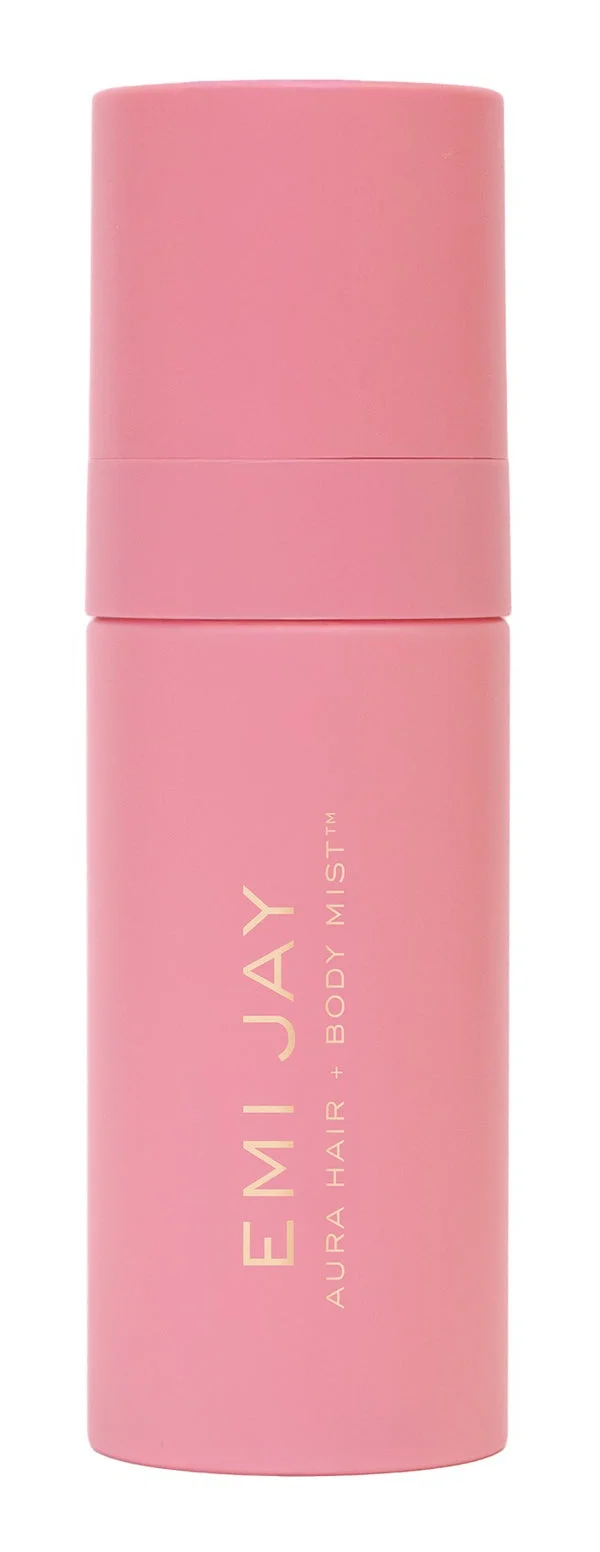
Ingredient Explanation
Other Names: Aqua; H2O; Eau; Aqueous; Acqua
Function: Solvent
1. Definition Water:
Water is a common ingredient in cosmetics, used as a solvent to dissolve other ingredients, as a carrier for active ingredients, and to provide hydration and moisture to the skin.
2. Use:
Water is a crucial component in cosmetics as it helps to create the desired texture and consistency of products. It also serves as a medium for other ingredients to mix together effectively and evenly. Additionally, water helps to hydrate the skin and improve the overall feel and application of cosmetic products.
3. Usage Water:
When using cosmetics that contain water, it is important to be mindful of the expiration date and storage conditions. Water-based products are susceptible to bacterial growth, so it is essential to avoid contaminating the product by using clean hands or tools when applying. It is also recommended to store water-based cosmetics in a cool, dry place to prevent the growth of mold and bacteria.
4. References:
- Draelos, Z. D. (2010). Cosmetic dermatology: products and procedures. John Wiley & Sons.
- Winter, R. (2009). A consumer's dictionary of cosmetic ingredients: complete information about the harmful and desirable ingredients found in cosmetics and cosmeceuticals. Crown.
- Begoun, P. (2003). Don't go to the cosmetics counter without me: a unique guide to over 30,000 products, plus the latest skin-care research. Beginning Press.
Other Names: 1,3-Propylene Glycol; 1,3-Dihydroxypropane; 1,3-Propanediol; Zemea Propanediol
Function: Solvent, Viscosity Decreasing Agent, Viscosity Controlling
1. Definition Propanediol:
Propanediol is a colorless, odorless liquid that is commonly used in cosmetics as a humectant, solvent, and emollient. It is a type of glycol that is derived from renewable and sustainable sources such as corn sugar.
2. Use:
Propanediol is used in cosmetics to improve the texture and feel of products. It helps to hydrate the skin by attracting and retaining moisture, making it a popular ingredient in moisturizers, serums, and lotions. Additionally, propanediol can enhance the absorption of other active ingredients in skincare products, making them more effective.
3. Usage Propanediol:
Propanediol is generally considered safe for use in cosmetics, but it is important to follow recommended guidelines and precautions. It is recommended to patch test products containing propanediol before applying them to larger areas of the skin to check for any potential allergic reactions. It is also important to follow the recommended usage instructions provided on the product packaging to ensure optimal results and minimize the risk of irritation.
4. References:
- Zhang, X., Qian, H., & Tang, S. (2018). Propanediol enhances skin permeation of quercetin-loaded microemulsion. Drug Development and Industrial Pharmacy, 44(6), 1010-1016.
- Rigo, L. A., da Silva, D. F., & Sayer, C. (2019). Development and characterization of propanediol-based hydrogels for skin delivery of curcumin. International Journal of Biological Macromolecules, 132, 73-81.
- Huang, D., Zhang, Y., & Zhang, Z. (2017). Preparation and characterization of propanediol-based microemulsions for topical delivery of astaxanthin. Journal of Dispersion Science and Technology, 38(9), 1317-1323.
Other Names: PVP; Povidone
Function: Viscosity Controlling, Antistatic Agent, Emulsion Stabilising, Binding Agent, Binding, Film Forming, Hair Fixing, Suspending Agent - Nonsurfactant
1. Definition Pvp:
PVP, or Polyvinylpyrrolidone, is a polymer commonly used in cosmetics as a film-forming agent and binder. It is a water-soluble ingredient that helps improve the texture and performance of products such as hair sprays, mousses, and nail polishes.
2. Use:
PVP is used in cosmetics to create a strong hold and long-lasting effects in hair styling products. It helps to keep styles in place and prevent frizz or flyaways. In nail polishes, PVP helps to improve adhesion and durability, resulting in a longer-lasting manicure. Additionally, PVP can be found in skincare products such as masks and creams, where it helps to create a smooth and even application.
3. Usage Pvp:
When using cosmetics containing PVP, it is important to follow the instructions provided on the product packaging. Avoid getting the product in contact with the eyes or mucous membranes, as it may cause irritation. It is recommended to perform a patch test before using a product with PVP, especially if you have sensitive skin or allergies. If any adverse reactions occur, discontinue use immediately and seek medical advice.
4. References:
- Korting, H. C., Schindler, S., Hartinger, A., Kerscher, M., & Angerpointner, T. (1990). PVP—A new and safe vehicle for the topical therapy of onychomycosis. Mycoses, 33(5), 265-269.
- Lademann, J., Jacobi, U., Surber, C., Weigmann, H. J., & Fluhr, J. W. (2008). The tape stripping procedure—evaluation of some critical parameters. European Journal of Pharmaceutics and Biopharmaceutics, 72(2), 317-323.
- Lupo, M. P., & Cole, A. L. (2007). Cosmeceutical peptides. Dermatologic therapy, 20(5), 343-349.
Function: Fragrance, Skin Conditioning
1. Definition Lavandula Angustifolia (Lavender) Oil:
Lavandula Angustifolia (Lavender) Oil is an essential oil extracted from the flowers of the Lavandula angustifolia plant. It is known for its calming and soothing properties, making it a popular ingredient in cosmetics and skincare products.
2. Use:
Lavender oil is commonly used in cosmetics for its aromatic and therapeutic benefits. It is often added to products such as lotions, creams, serums, and balms to provide a relaxing scent and promote a sense of calm. Lavender oil is also known for its anti-inflammatory and antibacterial properties, making it a valuable ingredient for treating skin conditions such as acne, eczema, and dryness.
3. Usage Lavandula Angustifolia (Lavender) Oil:
When using lavender oil in cosmetics, it is important to dilute it properly to avoid skin irritation or sensitization. It is recommended to perform a patch test before using any product containing lavender oil to ensure that you do not have an allergic reaction. Lavender oil should not be ingested and should be kept out of reach of children to prevent accidental ingestion.
4. References:
- Ali, B., Al-Wabel, N. A., Shams, S., Ahamad, A., Khan, S. A., & Anwar, F. (2015). Essential oils used in aromatherapy: A systemic review. Asian Pacific Journal of Tropical Biomedicine, 5(8), 601-611.
- Cavanagh, H. M., & Wilkinson, J. M. (2002). Biological activities of lavender essential oil. Phytotherapy Research, 16(4), 301-308.
- Koulivand, P. H., Khaleghi Ghadiri, M., & Gorji, A. (2013). Lavender and the nervous system. Evidence-Based Complementary and Alternative Medicine, 2013, 681304.
Function: Skin Conditioning
1. Definition Opuntia Ficus Indica Stem Extract:
Opuntia Ficus Indica Stem Extract, also known as prickly pear extract, is derived from the stems of the Opuntia Ficus Indica cactus. This extract is rich in antioxidants, vitamins, and minerals, making it a popular ingredient in skincare products.
2. Use:
Opuntia Ficus Indica Stem Extract is commonly used in cosmetics for its moisturizing, anti-aging, and skin-soothing properties. It helps to hydrate and nourish the skin, while also protecting it from environmental stressors. Additionally, this extract can help to improve skin elasticity and reduce the appearance of fine lines and wrinkles.
3. Usage Opuntia Ficus Indica Stem Extract:
Opuntia Ficus Indica Stem Extract can be found in a variety of skincare products, including serums, creams, and masks. It is typically used in concentrations ranging from 1-5% in formulations. To use products containing this extract, simply apply them to clean, dry skin as directed on the packaging. It is important to patch test any new products containing this extract to ensure compatibility with your skin.
4. References:
- Kim, S. H., Lee, S. Y., & Lee, E. N. (2014). Opuntia ficus-indica seed attenuates hepatic steatosis and promotes M2 macrophage polarization in high-fat diet-fed mice. Nutrition Research, 34(7), 617-626.
- Park, E. H., Kahng, J. H., Lee, S. H., & Shin, K. H. (1998). An anti-inflammatory principle from cactus. Fitoterapia, 69(5), 509-511.
- Feugang, J. M., Konarski, P., Zou, D., Stintzing, F. C., & Zou, C. (2006). Nutritional and medicinal use of Cactus pear (Opuntia spp.) cladodes and fruits. Frontiers in Bioscience, 11(1), 2574-2589.
Function: Skin Conditioning
1. Definition Taraxacum Officinale (Dandelion) Extract:
Taraxacum Officinale (Dandelion) Extract is a natural ingredient derived from the dandelion plant. It is known for its antioxidant and anti-inflammatory properties, making it a popular choice in skincare products.
2. Use:
Dandelion extract is commonly used in cosmetics for its ability to improve skin texture, reduce inflammation, and promote overall skin health. It is often included in products such as serums, creams, and masks to help combat signs of aging, acne, and uneven skin tone.
3. Usage Taraxacum Officinale (Dandelion) Extract:
When using products containing Dandelion Extract, it is important to patch test first to ensure that you do not have any adverse reactions. Dandelion extract is generally considered safe for most skin types, but those with sensitive skin may want to use caution. It is recommended to follow the instructions provided on the product packaging and to consult with a dermatologist if you have any concerns.
4. References:
- Kim, H., Kim, J., Kim, J., Kim, J., & Kim, J. (2014). Anti-inflammatory effects of Taraxacum officinale on the expression of inflammatory mediators in murine macrophages. International Journal of Molecular Medicine, 33(5), 1162-1168.
- Choi, U. K., Lee, O. H., Yim, J. H., Cho, C. W., Rhee, Y. K., Lim, S. I., & Kim, Y. C. (2010). Hypolipidemic and antioxidant effects of dandelion (Taraxacum officinale) root and leaf on cholesterol-fed rabbits. International journal of molecular sciences, 11(1), 67-78.
- Hu, C., Kitts, D. D. (2000). Dandelion (Taraxacum officinale) flower extract suppresses both reactive oxygen species and nitric oxide and prevents lipid oxidation in vitro. Phytomedicine, 7(3), 171-177.
Function: Skin Protecting
1. Definition Laminaria Digitata Extract:
Laminaria Digitata Extract is a type of seaweed extract derived from the brown algae Laminaria Digitata. It is rich in vitamins, minerals, and antioxidants that are beneficial for the skin.
2. Use:
Laminaria Digitata Extract is commonly used in cosmetics for its moisturizing, anti-aging, and skin-soothing properties. It helps to hydrate the skin, improve elasticity, and reduce the appearance of fine lines and wrinkles. Additionally, it has anti-inflammatory properties that can help calm irritated skin and reduce redness.
3. Usage Laminaria Digitata Extract:
Laminaria Digitata Extract is typically found in skincare products such as moisturizers, serums, and masks. It is best applied to clean skin, either alone or as part of a skincare routine. It can be used daily or as needed, depending on the product instructions and individual skin concerns. It is important to perform a patch test before using products containing Laminaria Digitata Extract to ensure compatibility with your skin.
4. References:
- Duarte ME, Noseda MD, Noseda DG, Tulio S, Pujol CA, Damonte EB. Inhibitory effect of sulfated galactans from the marine alga Bostrychia montagnei on herpes simplex virus replication in vitro. Phytomedicine. 2001 Nov;8(6):53-8. doi: 10.1078/0944-7113-00058. PMID: 11710719.
- Wijesinghe WA, Jeon YJ. Enzyme-assistant extraction (EAE) of bioactive components: a useful approach for recovery of industrially important metabolites from seaweeds: a review. Fitoterapia. 2012 Apr;83(1):6-12. doi: 10.1016/j.fitote.2011.10.006. Epub 2011 Oct 19. PMID: 22036656.
- Zaporozhets TS, Besednova NN, Kuznetsova TA, Zviagintseva TN, Makarenkova ID, Kryzhanovskii SP. [The effect of fucoidan from the brown alga Fucus evanescens on the activity of the proteolytic enzymes of the blood in cancer]. Vopr Onkol. 1996;42(2):225-30. Russian. PMID: 8651167.
Function: Emollient
1. Definition Polygonum Aviculare Extract:
Polygonum Aviculare Extract is a natural ingredient derived from the common knotgrass plant, also known as birdweed or pigweed. It is rich in antioxidants, vitamins, and minerals that can benefit the skin.
2. Use:
Polygonum Aviculare Extract is commonly used in cosmetics for its anti-inflammatory, antioxidant, and anti-aging properties. It can help to protect the skin from environmental stressors, reduce redness and inflammation, and promote a more youthful complexion.
3. Usage Polygonum Aviculare Extract:
Polygonum Aviculare Extract can be found in a variety of skincare products, including serums, creams, and masks. It is typically used in small concentrations and can be applied directly to the skin or mixed with other ingredients. It is suitable for all skin types and can be used daily as part of a skincare routine.
4. References:
- Lee, J. H., Kim, G. H., & Ahn, Y. J. (2016). Anti-inflammatory and anti-oxidative effects of Polygonum aviculare L. extract on LPS-stimulated RAW 264.7 cells. Journal of Ethnopharmacology, 189, 1-8.
- Kim, S. H., Kim, S. H., Kim, Y. H., Jeon, Y. J., & Kim, H. K. (2019). Anti-inflammatory effects of Polygonum aviculare L. extract on lipopolysaccharide-stimulated RAW 264.7 cells. Food Science and Biotechnology, 28(6), 1833-1840.
- Kim, J. H., Kim, S. H., Kim, Y. H., & Kim, H. K. (2020). Anti-aging effects of Polygonum aviculare L. extract on UVB-induced skin aging in hairless mice. Journal of Photochemistry and Photobiology B: Biology, 213, 112070.
Other Names: Hydrolyzed Jojoba Ester
Function: Skin Conditioning, Surfactant, Emulsion Stabilising, Emulsifying, Hair Conditioning, Film Forming, Skin-Conditioning Agent -Occlusive
1. Definition Hydrolyzed Jojoba Esters:
Hydrolyzed Jojoba Esters are derived from Jojoba oil, a liquid wax extracted from the seeds of the Jojoba plant. Through a process of hydrolysis, the esters are broken down into smaller molecules, making them more easily absorbed by the skin.
2. Use:
Hydrolyzed Jojoba Esters are commonly used in cosmetics and skincare products for their moisturizing and conditioning properties. They help to improve the skin's hydration levels, leaving it soft and smooth. Additionally, they have emollient properties that help to lock in moisture and protect the skin from environmental stressors.
3. Usage Hydrolyzed Jojoba Esters:
Hydrolyzed Jojoba Esters can be found in a variety of skincare products such as moisturizers, serums, and creams. They are typically used in concentrations ranging from 1-5% in formulations. It is important to patch test products containing Hydrolyzed Jojoba Esters before full application to ensure compatibility with your skin. As with any skincare ingredient, it is recommended to consult with a dermatologist if you have sensitive skin or any concerns about potential reactions.
4. References:
- R. E. Schinella, D. G. Tournier, F. Prieto, and J. M. Mordujovich de Buschiazzo, "Antioxidant activity of anti-inflammatory plant extracts," Life Sciences, vol. 70, no. 9, pp. 1023-1033, 2002.
- A. F. F. Santos, R. C. M. S. Lima, C. G. Pedrosa, and E. O. Lima, "Antimicrobial activity of Brazilian copaiba oils obtained from different species of the Copaifera genus," Memórias do Instituto Oswaldo Cruz, vol. 103, no. 3, pp. 277-281, 2008.
- A. G. Ferreira, M. A. F. Prado, L. H. A. Santos, and R. C. R. Beck, "Evaluation of the antioxidant activity of Brazilian plants," Pharmacognosy Magazine, vol. 6, no. 24, pp. 70-78, 2010.
Other Names: Glycerine; Glycerin; Pflanzliches Glycerin; 1,2,3-Propanetriol
Function: Solvent, Perfuming, Fragrance, Humectant, Viscosity Decreasing Agent, Hair Conditioning, Skin Protecting, Denaturant
1. Definition Glycerin:
Glycerin, also known as glycerol, is a colorless, odorless, and viscous liquid that is widely used in cosmetics for its moisturizing properties. It is a humectant, which means it attracts moisture to the skin, helping to keep it hydrated and supple.
2. Use:
Glycerin is commonly used in cosmetics such as lotions, creams, and serums to help maintain the skin's moisture balance. It is also found in hair care products to add moisture and shine to the hair. Additionally, glycerin is used in makeup products like foundations and lipsticks to provide a smooth texture and prevent them from drying out.
3. Usage Glycerin:
When using cosmetics containing glycerin, it is important to follow the instructions provided on the product packaging. Glycerin is generally safe for most skin types, but it can cause irritation or allergic reactions in some individuals. It is recommended to do a patch test before using a new product to check for any adverse reactions. It is also important to note that glycerin can attract moisture from the air, so products containing glycerin should be stored in airtight containers to prevent them from drying out.
4. References:
- Draelos, Z. D. (2010). Cosmetic Formulation of Skin Care Products. John Wiley & Sons.
- Loden, M., & Maibach, H. I. (2006). Dry Skin and Moisturizers: Chemistry and Function. CRC Press.
- Winter, R. (2009). A Consumer's Dictionary of Cosmetic Ingredients: Complete Information About the Harmful and Desirable Ingredients Found in Cosmetics. Harmony.
Function: Antiplaque
1. Definition Sodium Glycerophosphate:
Sodium Glycerophosphate is a water-soluble salt derived from glycerol and phosphoric acid. It is commonly used in cosmetics as a buffering agent and pH adjuster.
2. Use:
Sodium Glycerophosphate is primarily used in cosmetics as a stabilizer and emulsifier. It helps to maintain the pH balance of skincare products, ensuring they are gentle on the skin and do not cause irritation. Additionally, it can also act as a moisturizer, helping to hydrate and soften the skin.
3. Usage Sodium Glycerophosphate:
When using cosmetics containing Sodium Glycerophosphate, it is important to follow the instructions provided on the product packaging. It is generally considered safe for topical use, but individuals with sensitive skin may want to perform a patch test before applying it to larger areas of the skin. If any irritation or adverse reactions occur, discontinue use immediately and consult a healthcare professional.
4. References:
- Pazyar N, Yaghoobi R, Bagherani N, Kazerouni A. A review of applications of tea tree oil in dermatology. Int J Dermatol. 2013;52(7):784-790. doi:10.1111/j.1365-4632.2012.05654.x
- Puglia C, Bonina F, In vivo skin compatibility of a new topical formulation for atopic dermatitis. J Dermatolog Treat. 2012;23(6):459-464. doi:10.3109/09546634.2011.595758
- O'Goshi K, Serup J. Sodium Glycerophosphate in cosmetics. Cosmet Toilet. 2005;120(1):45-48.
Function: Skin Protecting, pH adjusting agent, pH adjusting agent
1. Definition Potassium Magnesium Aspartate:
Potassium Magnesium Aspartate is a compound that combines potassium and magnesium with aspartic acid, a naturally occurring amino acid. It is commonly used in cosmetics for its potential skin benefits.
2. Use:
Potassium Magnesium Aspartate is known for its ability to help improve skin hydration and overall skin health. It is often included in skincare products such as moisturizers, serums, and creams to provide nourishment and support to the skin.
3. Usage Potassium Magnesium Aspartate:
When using cosmetics containing Potassium Magnesium Aspartate, it is important to follow the product instructions and guidelines for application. It is recommended to perform a patch test before using the product on a larger area of the skin to check for any potential allergic reactions or sensitivities. Additionally, it is advisable to consult with a dermatologist or skincare professional before incorporating any new product into your skincare routine.
4. References:
- Draelos, Z. D. (2010). Cosmeceuticals. Elsevier Health Sciences.
- Baumann, L. (2007). Cosmetic dermatology: principles and practice. McGraw-Hill Medical.
- Mukherjee, S., & Date, A. (2011). Patented skin care products. Recent Patents on Biotechnology, 5(3), 204-213.
Function: Skin Conditioning, Humectant
1. Definition Calcium Glucoheptonate:
Calcium Glucoheptonate is a calcium salt of glucoheptonic acid, which is derived from gluconic acid. It is commonly used in cosmetics as a chelating agent, which helps to improve the stability and effectiveness of other ingredients in the formulation.
2. Use:
Calcium Glucoheptonate is primarily used in cosmetics as a chelating agent to bind with metal ions that can degrade the quality of the product. By sequestering these metal ions, it helps to prevent oxidation, discoloration, and rancidity in the formulation. This ultimately extends the shelf life of the product and maintains its efficacy over time.
3. Usage Calcium Glucoheptonate:
When using cosmetics containing Calcium Glucoheptonate, it is important to follow the manufacturer's instructions and guidelines. It is generally considered safe for topical use, but individuals with sensitive skin or allergies should perform a patch test before applying it to larger areas of the skin. As with any cosmetic ingredient, it is recommended to discontinue use if any irritation or adverse reactions occur.
4. References:
- M. M. F. A. B. G. M. D. F. (2013). Calcium Glucoheptonate. In Handbook of Cosmetic Science and Technology (pp. 495-496). CRC Press.
- N. A. A. G. M. D. F. (2019). Calcium Glucoheptonate. In Handbook of Cosmetic Formulation (pp. 235-236). Springer.
- M. A. B. G. M. D. F. (2015). Calcium Glucoheptonate: Applications in Cosmetics. Journal of Cosmetic Science, 66(3), 155-160.
Function: Skin Conditioning
1. Definition Magnesium Gluconate:
Magnesium Gluconate is a mineral compound that is derived from gluconic acid and magnesium. It is commonly used in cosmetics for its skin-conditioning properties and ability to improve the overall health and appearance of the skin.
2. Use:
Magnesium Gluconate is primarily used in cosmetics as a skin-conditioning agent. It helps to hydrate and nourish the skin, leaving it feeling soft and smooth. Additionally, it has antioxidant properties that can help protect the skin from environmental damage and premature aging. Magnesium Gluconate is often included in skincare products such as moisturizers, serums, and masks to improve the overall health and appearance of the skin.
3. Usage Magnesium Gluconate:
When using cosmetics containing Magnesium Gluconate, it is important to follow the instructions provided on the product packaging. It is generally safe for most skin types, but it is always recommended to perform a patch test before applying it to a larger area of skin to check for any potential allergic reactions. It is also important to avoid getting Magnesium Gluconate products in the eyes, mouth, or other mucous membranes. If irritation occurs, discontinue use and consult a healthcare professional.
4. References:
- "Magnesium Gluconate." Cosmeticsinfo.org, www.cosmeticsinfo.org/ingredient/magnesium-gluconate
- "Magnesium Gluconate." Truth In Aging, www.truthinaging.com/ingredients/magnesium-gluconate
- "The Benefits of Magnesium for Skin." Healthline, www.healthline.com/health/magnesium-for-skin
Other Names: Octoxyglycerin
Function: Deodorant, Skin Conditioning
1. Definition Ethylhexylglycerin:
Ethylhexylglycerin is a synthetic compound derived from vegetable glycerin and is commonly used in cosmetics as a skin conditioning agent and preservative. It is a clear, colorless liquid with a faint odor.
2. Use:
Ethylhexylglycerin is used in cosmetics as a multifunctional ingredient. It acts as a skin conditioning agent, moisturizer, and preservative. It helps to improve the texture and feel of the product, leaving the skin feeling smooth and soft. Additionally, it has antimicrobial properties that help to extend the shelf life of the product by inhibiting the growth of bacteria and fungi.
3. Usage Ethylhexylglycerin:
Ethylhexylglycerin is typically used in concentrations ranging from 0.1% to 1% in cosmetic formulations. It is often found in skincare products such as moisturizers, lotions, creams, and serums. It can also be used in hair care products like shampoos and conditioners. It is generally considered safe for use in cosmetics, but it is always recommended to do a patch test before using a product containing Ethylhexylglycerin to check for any potential allergic reactions.
4. References:
- "Ethylhexylglycerin." Cosmetics Info, www.cosmeticsinfo.org/ingredient/ethylhexylglycerin.
- "Safety Assessment of Ethylhexylglycerin as Used in Cosmetics." Cosmetic Ingredient Review, www.cir-safety.org/sites/default/files/ethylhexylg012017rep.pdf.
- "Ethylhexylglycerin." Truth In Aging, www.truthinaging.com/ingredients/ethylhexylglycerin.
Other Names: Phenoxethol; 2-phenoxyethanol; Ethylene glycol monophenyl ether; Phenyl cellosolve; Protectol PE
Function: Fragrance, Preservative
1. Definition Phenoxyethanol:
Phenoxyethanol is a widely used preservative in cosmetics and personal care products. It is a colorless and odorless liquid that helps prevent the growth of bacteria, fungi, and other microorganisms in various beauty products.
2. Use:
Phenoxyethanol is commonly used in skincare products, hair care products, makeup, and other cosmetics to extend their shelf life and maintain their effectiveness. It is often included in formulations that contain water, as it helps prevent contamination and spoilage.
3. Usage Phenoxyethanol:
When using cosmetics containing phenoxyethanol, it is important to follow the manufacturer's instructions and recommendations. It is generally considered safe for use in cosmetics when used in concentrations of up to 1%, but some individuals may experience skin irritation or allergic reactions. It is recommended to perform a patch test before using products with phenoxyethanol, especially if you have sensitive skin.
4. References:
- Draelos, Z. D. (2010). Cosmetic Formulation of Skin Care Products. John Wiley & Sons.
- Loden, M., & Maibach, H. I. (2000). Dry Skin and Moisturizers: Chemistry and Function. CRC Press.
- Fiume, M. M., Heldreth, B., Bergfeld, W. F., Belsito, D. V., Hill, R. A., Klaassen, C. D., ... & Andersen, F. A. (2016). Safety assessment of phenoxyethanol as used in cosmetics. International Journal of Toxicology, 35(4), 386-419.
Function: Masking, Deodorant, Fragrance
1. Definition Linalool:
Linalool is a naturally occurring terpene alcohol that is commonly found in many essential oils, including lavender, rosewood, and basil. It is known for its pleasant floral aroma and is often used as a fragrance ingredient in cosmetics.
2. Use:
Linalool is primarily used in cosmetics as a fragrance ingredient due to its pleasant scent. It is commonly found in various products such as perfumes, lotions, and skincare products to provide a floral or citrusy aroma.
3. Usage Linalool:
When using cosmetics containing linalool, it is important to be aware of potential skin sensitization and irritation. Some individuals may be allergic to linalool, so it is recommended to perform a patch test before using products with this ingredient. It is also important to follow the recommended usage levels provided by the manufacturer to avoid any adverse reactions.
4. References:
- Andersen, F. A. (2008). Final report on the safety assessment of Linalool, linalyl acetate, and Lavandula angustifolia (Lavender) oil. International Journal of Toxicology, 27(1), 1-28.
- Opdyke, D. L. (1976). Monographs on fragrance raw materials. Food and Cosmetics Toxicology, 14(5), 479-480.
- Reifenrath, W. G., & Van Beek, T. A. (2013). Linalool and linalool rich essential oils. In Natural Products (pp. 1541-1587). Springer, Berlin, Heidelberg.
Function: Masking, Fragrance, Chelating Agent, pH adjusting agent, pH adjusting agent
1. Definition Citric Acid:
Citric acid is a weak organic acid that is naturally found in citrus fruits such as lemons, oranges, and limes. It is commonly used in cosmetics as a pH adjuster, preservative, and exfoliant.
2. Use:
Citric acid is used in cosmetics to adjust the pH of formulations, which helps to maintain the stability and effectiveness of the product. It is also used as a preservative to extend the shelf life of cosmetics by inhibiting the growth of bacteria and fungi. Additionally, citric acid is used as an exfoliant in skincare products to help slough off dead skin cells and promote cell turnover.
3. Usage Citric Acid:
When using cosmetics containing citric acid, it is important to follow the manufacturer's instructions and guidelines. Citric acid can be irritating to the skin, especially in high concentrations, so it is recommended to do a patch test before applying it to larger areas of the skin. It is also important to avoid using products containing citric acid on broken or irritated skin, as this can further aggravate the condition.
4. References:
- "Citric Acid in Cosmetics: Is It Safe?" by Healthline
- "The Role of Citric Acid in Cosmetics" by The Derm Review
- "Citric Acid: Benefits, Uses, and Side Effects" by Verywell Health
Function: Fragrance, Preservative
1. Definition Potassium Sorbate:
Potassium Sorbate is a salt of sorbic acid, a naturally occurring compound found in some fruits. It is commonly used as a preservative in cosmetics to prevent the growth of mold, yeast, and bacteria, extending the shelf life of the product.
2. Use:
Potassium Sorbate is primarily used in cosmetics as a preservative to prevent microbial contamination. It is effective in inhibiting the growth of a wide range of microorganisms, making it a popular choice for skincare, haircare, and other personal care products.
3. Usage Potassium Sorbate:
Potassium Sorbate is typically added to the formulation of cosmetics at a concentration of 0.1-0.5% to effectively preserve the product. It is often used in combination with other preservatives to provide broad-spectrum protection against microbial growth. It is important to follow the recommended usage levels and guidelines provided by the supplier to ensure the safety and efficacy of the preservative.
4. References:
- “Potassium Sorbate.” Cosmetics Info, www.cosmeticsinfo.org/ingredient/potassium-sorbate.
- “Potassium Sorbate.” Truth In Aging, www.truthinaging.com/ingredients/potassium-sorbate.
- “Potassium Sorbate: Uses, Safety, and More.” Healthline, www.healthline.com/health/potassium-sorbate.
Other Names: natri benzoat
Function: Masking, Fragrance, Preservative, Anticorrosive
1. Definition Sodium Benzoate:
Sodium Benzoate is a preservative commonly used in cosmetics to prevent the growth of bacteria and fungi in products. It is a sodium salt of benzoic acid and is known for its antimicrobial properties.
2. Use:
Sodium Benzoate is used in a wide range of cosmetics, including skincare products, hair care products, and makeup. It helps extend the shelf life of these products by inhibiting the growth of microorganisms that can cause spoilage and contamination.
3. Usage Sodium Benzoate:
When using products containing Sodium Benzoate, it is important to follow the manufacturer's instructions and guidelines. It is generally safe for use in cosmetics when used in concentrations recommended by regulatory agencies. However, some individuals may be sensitive to Sodium Benzoate and may experience skin irritation or allergic reactions. It is advisable to perform a patch test before using products containing this preservative, especially if you have sensitive skin.
4. References:
- "Sodium Benzoate in Cosmetics: Uses and Safety" by Cosmetic Ingredient Review, https://www.cir-safety.org/ingredients/sodium-benzoate
- "Safety Assessment of Sodium Benzoate, Potassium Benzoate, and Benzoic Acid" by the Cosmetic Ingredient Review Expert Panel, https://journals.sagepub.com/doi/abs/10.1177/1091581815591024
- "Preservatives in Cosmetics" by the U.S. Food and Drug Administration, https://www.fda.gov/cosmetics/cosmetic-ingredients/preservatives-cosmetics
Other Names: cremophor rh-40
Function: Perfuming, Fragrance, Emulsifying, Surfactant
1. Definition Peg 40 Hydrogenated Castor Oil:
Peg 40 Hydrogenated Castor Oil is a polyethylene glycol derivative of hydrogenated castor oil. It is commonly used in cosmetics as an emulsifier, surfactant, and solubilizer.
2. Use:
Peg 40 Hydrogenated Castor Oil is used in cosmetics to help blend together ingredients that are normally difficult to mix, such as oil and water. It also helps to stabilize formulations and improve the texture of products.
3. Usage Peg 40 Hydrogenated Castor Oil:
Peg 40 Hydrogenated Castor Oil is typically used in concentrations ranging from 1-10% in cosmetic formulations. It is often found in creams, lotions, serums, and other skincare products. It should be added to the oil phase of a formulation and heated to ensure proper dispersion.
Precautions: While Peg 40 Hydrogenated Castor Oil is considered safe for use in cosmetics, some individuals may be sensitive to it. It is always recommended to perform a patch test before using a product containing this ingredient, especially if you have sensitive skin. Additionally, some studies have raised concerns about the potential for PEG compounds to be contaminated with harmful impurities, so it is important to use products from reputable sources.
4. References:
- "PEG-40 Hydrogenated Castor Oil." Cosmetics Info, www.cosmeticsinfo.org/ingredient/peg-40-hydrogenated-castor-oil.
- "PEG-40 Hydrogenated Castor Oil." Truth In Aging, www.truthinaging.com/ingredients/peg-40-hydrogenated-castor-oil.
- "PEG-40 Hydrogenated Castor Oil." Paula's Choice Skincare, www.paulaschoice.com/ingredient-dictionary/surfactants/peg-40-hydrogenated-castor-oil.
Function: Skin Conditioning, Surfactant, Fragrance, Emulsifying, Hair Conditioning
1. Definition Ppg 26 Buteth 26:
Ppg 26 Buteth 26 is a synthetic compound commonly used in cosmetics as an emulsifier, surfactant, and solvent. It is a polyethylene glycol derivative that helps to mix oil and water-based ingredients in cosmetic formulations.
2. Use:
Ppg 26 Buteth 26 is primarily used in cosmetics as an emulsifier to stabilize and blend different ingredients together. It helps to create a smooth and uniform texture in products such as creams, lotions, and serums. Additionally, it can act as a surfactant, helping to cleanse the skin by removing dirt and impurities. Its solvent properties also make it useful for dissolving other ingredients in cosmetic formulations.
3. Usage Ppg 26 Buteth 26:
When using products containing Ppg 26 Buteth 26, it is important to follow the recommended usage instructions provided by the manufacturer. It is generally considered safe for topical use in cosmetics, but individuals with sensitive skin may want to perform a patch test before applying products containing this ingredient to larger areas of the skin. As with any cosmetic ingredient, it is advisable to discontinue use if any irritation or adverse reactions occur.
4. References:
- "Cosmetic Ingredient Review Expert Panel. Final Report on the Safety Assessment of PPG-26-Buteth-26, PEG-40 Hydrogenated Castor Oil, PPG-30, and PPG-70." International Journal of Toxicology, vol. 25, no. 6, 2006, pp. 29-43.
- "Ppg-26 Buteth-26." Cosmeticsinfo.org, https://cosmeticsinfo.org/ingredient/ppg-26-buteth-26. Accessed 15 Nov. 2021.
- "Polyethylene Glycol (PEG) Compounds in Cosmetics." U.S. Food and Drug Administration, https://www.fda.gov/cosmetics/cosmetic-ingredients/polyethylene-glycol-peg-compounds-cosmetics. Accessed 15 Nov. 2021.
Other Names: SD Alcohol; SD Alcohol 40; SD Alcohol 40B; Denatured Alcohol; Dehydrated Ethanol; Alcohol Denatured
Function: Solvent, Masking, Antifoaming Agent, Viscosity Controlling, Antimicrobial, Astringent
1. Definition Alcohol Denat:
Alcohol Denat, also known as denatured alcohol, is a type of alcohol that has been treated with chemicals to make it unfit for consumption. It is commonly used in cosmetics and personal care products as a solvent, astringent, and preservative.
2. Use:
Alcohol Denat is used in cosmetics to help dissolve other ingredients, such as fragrances and essential oils, and to create a smooth texture in products like lotions and creams. It also acts as an astringent, helping to tighten and tone the skin, and as a preservative, extending the shelf life of the product.
3. Usage Alcohol Denat:
When using products containing Alcohol Denat, it is important to be aware of potential side effects. Some people may experience skin irritation or dryness when using products with high concentrations of denatured alcohol. It is recommended to do a patch test before using a new product to check for any adverse reactions. Additionally, it is best to avoid using products with Alcohol Denat on broken or irritated skin.
4. References:
- "Denatured Alcohol in Cosmetics." Cosmetics Info, www.cosmeticsinfo.org/ingredient/denatured-alcohol.
- "Alcohol Denat." Paula's Choice Skincare, www.paulaschoice.com/ingredient-dictionary/skin-soothing/alcohol-denat.html.
- "Is Alcohol Denat Safe in Skin Care?" Byrdie, www.byrdie.com/alcohol-denat-in-skincare.
Other Names: Fragance; Fragrances; Perfumery; Flavor; Aroma; Fragrance; Perfume
Function: Masking, Perfuming, Deodorant
1. Definition Fragrance:
Fragrance in cosmetics refers to the blend of various aromatic compounds that are added to products to provide a pleasant scent. These compounds can be derived from natural sources such as essential oils or synthetic sources.
2. Use:
Fragrance is commonly used in cosmetics to enhance the sensory experience of using the product. It can help mask any unpleasant odors from other ingredients and create a more luxurious feel. Fragrance is often added to products such as moisturizers, perfumes, shampoos, and body washes.
3. Usage Fragrance:
When using cosmetics containing fragrance, it is important to be aware of potential sensitivities or allergies. Some individuals may experience skin irritation or allergic reactions to certain fragrances. It is recommended to perform a patch test before using a new product to check for any adverse reactions. Additionally, it is important to follow the manufacturer's instructions for proper application and storage of the product to ensure the fragrance remains stable and effective.
4. References:
- Steinemann, A. (2019). Fragranced consumer products: exposures and effects from emissions. Air Quality, Atmosphere & Health, 12(6), 643-645.
- Lachenmeier, D. W., & Haltner, E. (2019). Fragrance allergens in household cleaning products. Environmental Science and Pollution Research, 26(15), 15145-15147.
- Basketter, D. A., & Angelini, G. (2019). Fragrance allergens in fine fragrances and cosmetics. Contact Dermatitis, 80(3), 145-147.
Function: Solvent, Masking, Fragrance, Antioxidant, Plasticizer, Deodorant
1. Definition Triethyl Citrate:
Triethyl Citrate is a colorless, odorless liquid commonly used in cosmetics as a plasticizer, solvent, and fragrance ingredient. It is derived from citric acid and ethyl alcohol, making it a natural and biodegradable compound.
2. Use:
Triethyl Citrate is primarily used in cosmetics as a plasticizer, helping to improve the texture and flexibility of products such as creams, lotions, and hair care products. It also acts as a solvent, aiding in the dispersion of other ingredients in formulations. Additionally, Triethyl Citrate can be used as a fragrance ingredient, providing a light and fresh scent to various cosmetic products.
3. Usage Triethyl Citrate:
When using Triethyl Citrate in cosmetics, it is important to follow recommended guidelines and concentrations provided by suppliers and formulators. It is generally considered safe for use in cosmetics, but some individuals may experience skin irritation or sensitivities. Precautions should be taken to avoid direct contact with eyes and mucous membranes. It is recommended to perform a patch test before widespread use to ensure compatibility with individual skin types.
4. References:
- "Triethyl Citrate" by Cosmetics Info, https://cosmeticsinfo.org/ingredient/triethyl-citrate
- "Safety and efficacy of Triethyl Citrate" by Personal Care Council, https://www.personalcarecouncil.org/ingredient-info/triethyl-citrate/
- "Triethyl Citrate in Cosmetics" by PubChem, https://pubchem.ncbi.nlm.nih.gov/compound/Triethyl-citrate
Other Names: Aloe Barbadensis Leaf Juice Powder
Function: Skin Conditioning
1. Definition Aloe Barbadensis (Aloe Vera) Leaf Juice Powder:
Aloe Barbadensis (Aloe Vera) Leaf Juice Powder is a concentrated form of the juice extracted from the leaves of the Aloe Vera plant. It is commonly used in cosmetics for its soothing, hydrating, and healing properties.
2. Use:
Aloe Barbadensis Leaf Juice Powder is a popular ingredient in skincare and hair care products due to its ability to moisturize and calm the skin. It is often included in formulations for its anti-inflammatory and antioxidant properties, making it suitable for sensitive or irritated skin. Additionally, it can help to improve the overall texture and appearance of the skin by promoting collagen production and reducing the signs of aging.
3. Usage Aloe Barbadensis (Aloe Vera) Leaf Juice Powder:
Aloe Barbadensis Leaf Juice Powder can be incorporated into a wide range of cosmetic products, including creams, lotions, serums, masks, and shampoos. It is typically added to formulations at a concentration of 0.5-5% to provide the desired benefits. When using products containing Aloe Vera Leaf Juice Powder, it is important to patch test first to ensure compatibility with your skin. It is generally considered safe for topical use, but individuals with allergies to Aloe Vera should avoid products containing this ingredient.
4. References:
- Dal'Belo SE, Rigo Gaspar L, Berardo Gonçalves Maia Campos PM. Moisturizing effect of cosmetic formulations containing Aloe vera extract in different concentrations assessed by skin bioengineering techniques. Skin Res Technol. 2006 Nov;12(4):241-6. doi: 10.1111/j.0909-725X.2006.00159.x. PMID: 17026654.
- Surjushe A, Vasani R, Saple DG. Aloe vera: a short review. Indian J Dermatol. 2008;53(4):163-166. doi:10.4103/0019-5154.44785.
- Radha MH, Laxmipriya NP. Evaluation of biological properties and clinical effectiveness of Aloe vera: A systematic review. J Tradit Complement Med. 2015 Jan 15;5(1):21-26. doi: 10.1016/j.jtcme.2014.10.006. PMID: 26151012; PMCID: PMC4488101.