


- Home
- Compare product
- Comparison result
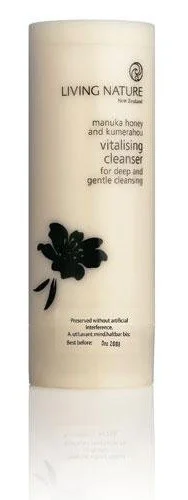
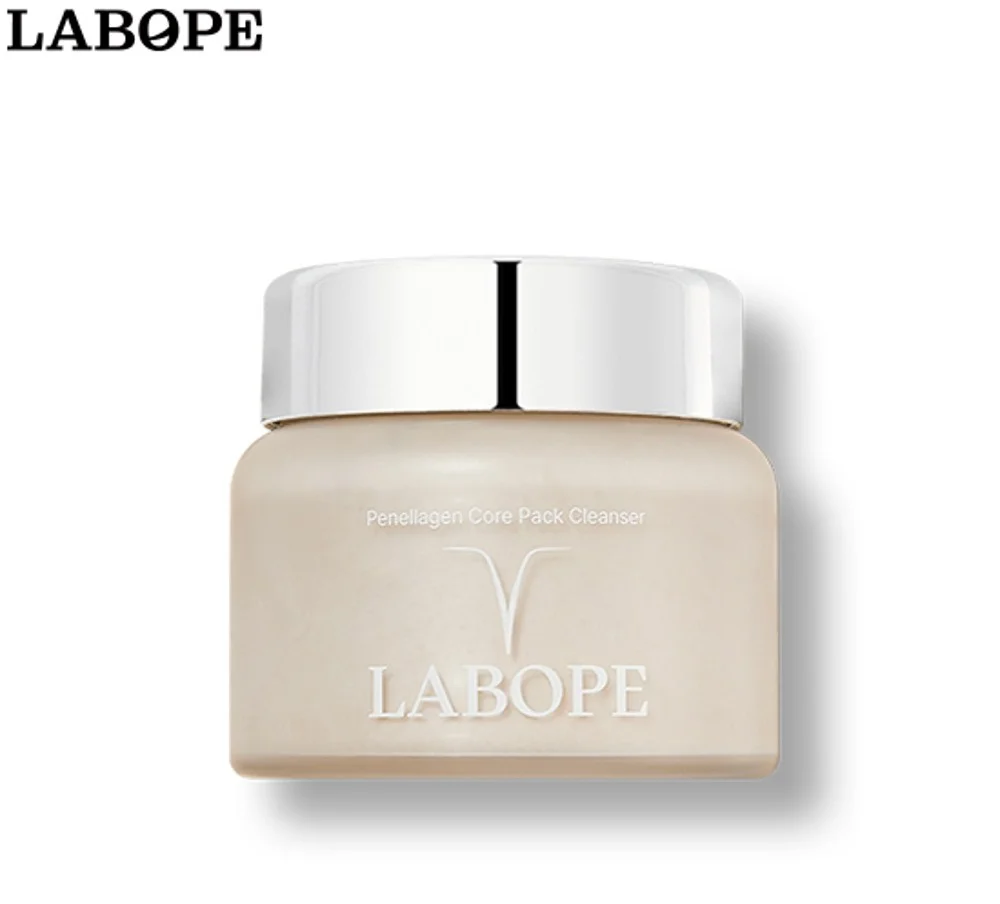


| EWG | CIR | Ingredient Name & Cosmetic Function | Notes |
|---|---|---|---|
| 1 | - | (Solvent) | |
| 1 | B | (Hair Conditioning) |  Fungal Acne Trigger Fungal Acne Trigger |
| 1 | A | (Emulsifying, Surfactant) | Fungal Acne Trigger Cleansing |
| 1 | A | (Skin Conditioning) |  Good for dry skin Good for dry skin  Bad for oily skin Bad for oily skin |
| 1 | - | (Emollient) | Fungal Acne Trigger |
| 1 2 | A | (Solvent, Perfuming, Fragrance, Humectant, Viscosity Decreasing Agent, Hair Conditioning, Skin Protecting, Denaturant ) | Good for dry skin Moisturizing |
| - | - | Pomaderris Kumerahou Flowers/Leaf Extract | |
| 1 | A | (Humectant, Flavoring Agent, Skin-Conditioning Agent - Miscellaneous) | |
| 1 | - | (Skin Conditioning, Skin Protecting) | Moisturizing |
| 8 | - | (Masking, Perfuming, Deodorant) |  Fragrance-free Fragrance-free |
| 1 | A | (Skin Conditioning, Viscosity Controlling, Viscosity Increasing Agent, Emulsion Stabilising) | |
| 2 | B | (Emulsion Stabilising, Surfactant, Cleansing) | Cleansing |
| 1 | A | (Emollient, Deodorant, Skin-Conditioning Agent - Occlusive) | Fungal Acne Trigger |
| 1 | - | (Skin Conditioning, Hair Conditioning, Stabilising) | |
| 1 | - | (Skin Conditioning, Stabilising) | |
| 1 | - | Good for dry skin Anti Aging | |
| 1 | - | (Fragrance, Tonic) | |
| 4 5 | - | (Solvent, Perfuming, Deodorant) |  Allergen Fragrance-free Allergen Fragrance-free |
| 3 | - | (Masking, Deodorant, Fragrance) | Allergen Fragrance-free |
| EWG | CIR | Ingredient Name & Cosmetic Function | Notes |
|---|---|---|---|
| 1 2 | A | (Solvent, Perfuming, Fragrance, Humectant, Viscosity Decreasing Agent, Hair Conditioning, Skin Protecting, Denaturant ) | Good for dry skin Moisturizing |
| 1 | - | (Solvent) | |
| 1 | B | (Skin Conditioning, Surfactant, Hair Conditioning) | Cleansing |
| 1 | B | (Surfactant, Cleansing) | Cleansing |
| 1 | B | (Hair Conditioning, Surfactant, Cleansing) | Fungal Acne Trigger Cleansing |
| 1 | A | (Skin Protecting, Opacifying, Abrasive, Absorbent, Bulking Agent, Anticaking Agent, Slip Modifier) | Moisturizing  Không tốt cho dưỡng ẩm en Không tốt cho làm sạch en Dung môi nước en Dung môi cồn en Dung môi dầu en Dung môi gel en Dung môi hữu cơ en Dung môi Silicone en Dung môi Este en Dung môi Glycol Ether en Không tốt cho dưỡng ẩm en Không tốt cho làm sạch en Dung môi nước en Dung môi cồn en Dung môi dầu en Dung môi gel en Dung môi hữu cơ en Dung môi Silicone en Dung môi Este en Dung môi Glycol Ether en |
| 1 | A | (Skin Conditioning) | |
| 1 | A | (Hair Conditioning, Skin Conditioning, Smoothing) | Anti Aging Brightening |
| 1 2 | A | (Opacifying, Viscosity Controlling, Absorbent, Bulking Agent, Viscosity Increasing Agent, Emulsion Stabilising, Suspending Agent -Nonsurfactant) | Không tốt cho dưỡng ẩm en Không tốt cho làm sạch en Dung môi nước en Dung môi cồn en Dung môi dầu en Dung môi gel en Dung môi hữu cơ en Dung môi Silicone en Dung môi Este en Dung môi Glycol Ether en |
| 1 2 | - | (Bulking Agent) | |
| 1 2 | A | (Masking, Fragrance, Chelating Agent, pH adjusting agent, pH adjusting agent) | Anti Aging  Bad for sensitive skin Bad for sensitive skin |
| 1 | B | (Surfactant, Cleansing, Foaming) | Fungal Acne Trigger Cleansing |
| 1 | A | (Emollient, Emulsifying) | Fungal Acne Trigger Cleansing |
| 1 | A | (Emollient, Surfactant, Emulsifying, Cleansing) | Cleansing |
| 1 | - | (Antioxidant) | |
| 8 | - | (Masking, Perfuming, Deodorant) | Fragrance-free |
| 1 | - | (Masking, Viscosity Controlling, Bulking Agent) | |
| 1 | B | (Skin Conditioning, Antistatic Agent, Hair Conditioning, Cleansing) | Cleansing |
| 1 | A | (Skin Conditioning, Emulsifying, Surfactant) | Cleansing |
| 4 | - | (Solvent, Masking, Antifoaming Agent, Viscosity Controlling, Antimicrobial, Astringent) | Bad for sensitive skin  Bad for dry skin Bad for dry skin  Alcohol Alcohol |
| 1 | A | (Solvent) | |
| - | - | (Antioxidant) | |
| 2 | B | (Emulsifying, Surfactant) | Cleansing |
| - | - | (Skin Conditioning) | |
| 1 | A | (Viscosity Controlling, Viscosity Increasing Agent, Binding Agent, Binding, Absorbent, Bulking Agent) | |
| 1 | - | (Fragrance, Reducing) | Brightening |
| 1 2 | - | (Skin Conditioning, Lytic Agent) | |
| 1 | B | (Skin Conditioning) | |
| 1 4 | B | (pH adjusting agent, pH adjusting agent, Exfoliant) | Anti Aging Bad for sensitive skin  Good for oily skin Good for oily skin |
| 1 | B | (Skin Conditioning, Antistatic Agent, Hair Conditioning) | |
| 1 2 | B | (Skin Conditioning, Antistatic Agent, Hair Conditioning, Film Forming) | |
| 1 2 | A | (Skin Conditioning, Antistatic Agent, Hair Conditioning) | |
Water
1. Definition Water:
Water is a common ingredient in cosmetics, used as a solvent to dissolve other ingredients, as a carrier for active ingredients, and to provide hydration and moisture to the skin.2. Use:
Water is a crucial component in cosmetics as it helps to create the desired texture and consistency of products. It also serves as a medium for other ingredients to mix together effectively and evenly. Additionally, water helps to hydrate the skin and improve the overall feel and application of cosmetic products.3. Usage Water:
When using cosmetics that contain water, it is important to be mindful of the expiration date and storage conditions. Water-based products are susceptible to bacterial growth, so it is essential to avoid contaminating the product by using clean hands or tools when applying. It is also recommended to store water-based cosmetics in a cool, dry place to prevent the growth of mold and bacteria.4. References:
- Draelos, Z. D. (2010). Cosmetic dermatology: products and procedures. John Wiley & Sons.
- Winter, R. (2009). A consumer's dictionary of cosmetic ingredients: complete information about the harmful and desirable ingredients found in cosmetics and cosmeceuticals. Crown.
- Begoun, P. (2003). Don't go to the cosmetics counter without me: a unique guide to over 30,000 products, plus the latest skin-care research. Beginning Press.
Cetearyl Olivate
1. Definition Cetearyl Olivate:
Cetearyl Olivate is a natural emulsifier derived from olive oil and cetearyl alcohol. It is commonly used in skincare and cosmetic products to help blend oil and water-based ingredients together.2. Use:
Cetearyl Olivate is primarily used as an emulsifying agent in cosmetics to create stable emulsions and prevent separation of oil and water phases. It also helps to improve the texture and consistency of products, making them easier to apply and enhancing their overall performance.3. Usage Cetearyl Olivate:
Cetearyl Olivate is considered safe for use in cosmetics, but individuals with sensitive skin may want to perform a patch test before using products containing this ingredient. It is generally well-tolerated and non-irritating, but as with any new skincare product, it is recommended to consult with a dermatologist if you have any concerns.4. References:
- "Cetearyl Olivate" by The Derm Review. https://thedermreview.com/cetearyl-olivate/
- "Cetearyl Olivate" by The Eco Well. https://www.theecowell.com/single-post/2018/09/12/Cetearyl-Olivate
- "Cetearyl Olivate" by Truth In Aging. https://www.truthinaging.com/ingredients/cetearyl-olivate
Sorbitan Olivate
1. Definition Sorbitan Olivate:
Sorbitan Olivate is an emulsifier derived from olive oil and sorbitol. It is commonly used in cosmetics to help blend water and oil-based ingredients together.2. Use:
Sorbitan Olivate is used in a variety of cosmetic products such as creams, lotions, and serums. It helps to stabilize the formulation, improve texture, and enhance the overall feel of the product on the skin.3. Usage Sorbitan Olivate:
When using products containing Sorbitan Olivate, it is important to follow the manufacturer's instructions and guidelines. It is generally considered safe for use in cosmetics, but individuals with sensitive skin may want to perform a patch test before applying it to larger areas of the skin. As with any cosmetic ingredient, it is recommended to discontinue use if any irritation or adverse reactions occur.4. References:
- Rizzi, V., L. Cavaletti, L. Battaglia, and C. Banchelli. "Sorbitan Olivate: A Natural Alternative to Synthetic Emulsifiers." International Journal of Cosmetic Science 34, no. 1 (2012): 73-81.
- Lopes, L. B., and S. L. Bentley. "Sorbitan Olivate: A Natural Multifunctional Biomimetic Emulsifier." Journal of Cosmetic Dermatology 11, no. 4 (2012): 298-305.
- Puglia, C., L. Offerta, M. Saija, G. Trombetta, and M. G. Vento. "Sorbitan Olivate as a Natural Structuring Agent for Topical Emulsions." International Journal of Pharmaceutics 441, no. 1-2 (2013): 256-63.
Persea Gratissima (Avocado) Oil
1. Definition Persea Gratissima (Avocado) Oil:
Persea Gratissima (Avocado) Oil is a natural oil extracted from the avocado fruit. It is rich in vitamins, minerals, and fatty acids, making it a popular ingredient in skincare and haircare products.2. Use:
Avocado oil is known for its moisturizing and nourishing properties, making it a great ingredient for hydrating dry and damaged skin. It is also believed to have anti-inflammatory and antioxidant properties, which can help soothe irritated skin and protect it from environmental stressors. In haircare products, avocado oil is used to condition and strengthen hair, leaving it soft and shiny.3. Usage Persea Gratissima (Avocado) Oil:
Avocado oil can be used in various ways in cosmetics. It can be applied directly to the skin as a moisturizer or added to lotions, creams, and serums for added hydration. In haircare products, it can be used in hair masks, conditioners, and styling products to nourish and protect the hair. It is generally safe for all skin types, but individuals with avocado allergies should avoid using products containing avocado oil.4. References:
- Paula Begoun. (2003). "Don't Go to the Cosmetics Counter Without Me." Beginning Press.
- Lorraine Dallmeier. (2016). "A Comprehensive Guide to Essential Oils." CreateSpace Independent Publishing Platform.
- R. Ranade, R. Nash, R. Dr. (2010). "Handbook of Cosmetic Science and Technology." Informa Healthcare.
Macadamia Ternifolia (Macadamia) Seed Oil
1. Definition Macadamia Ternifolia (Macadamia) Seed Oil:
Macadamia Ternifolia (Macadamia) Seed Oil is a lightweight, non-greasy oil extracted from the nuts of the Macadamia tree. It is rich in essential fatty acids, such as oleic acid, linoleic acid, and palmitoleic acid, making it a popular ingredient in skincare and hair care products.2. Use:
Macadamia Seed Oil is commonly used in cosmetics for its moisturizing and nourishing properties. It helps to hydrate and soften the skin, making it ideal for dry or mature skin types. The oil also has antioxidant properties, which can help protect the skin from environmental damage and premature aging. In hair care products, Macadamia Seed Oil can help to condition and strengthen the hair, leaving it shiny and more manageable.3. Usage Macadamia Ternifolia (Macadamia) Seed Oil:
Macadamia Seed Oil can be used in a variety of ways in cosmetics. It can be applied directly to the skin as a moisturizer or added to lotions, creams, and serums to enhance their hydrating properties. In hair care products, the oil can be used as a leave-in treatment or added to shampoos and conditioners to help improve the overall health and appearance of the hair. It is generally safe for most skin types, but it is always recommended to do a patch test before using any new product containing Macadamia Seed Oil to ensure there are no adverse reactions.4. References:
- Paula Begoun. (2003). "Don't Go to the Cosmetics Counter Without Me." Beginning Press.
- International Journal of Cosmetic Science. (2017). "Macadamia nut oil." Wiley Online Library.
- G. M. Cragg, D. J. Newman, and J. B. Kingston. (2011). "Anticancer Agents from Natural Products." CRC Press.
Glycerin
1. Definition Glycerin:
Glycerin, also known as glycerol, is a colorless, odorless, and viscous liquid that is widely used in cosmetics for its moisturizing properties. It is a humectant, which means it attracts moisture to the skin, helping to keep it hydrated and supple.
2. Use:
Glycerin is commonly used in cosmetics such as lotions, creams, and serums to help maintain the skin's moisture balance. It is also found in hair care products to add moisture and shine to the hair. Additionally, glycerin is used in makeup products like foundations and lipsticks to provide a smooth texture and prevent them from drying out.
3. Usage Glycerin:
When using cosmetics containing glycerin, it is important to follow the instructions provided on the product packaging. Glycerin is generally safe for most skin types, but it can cause irritation or allergic reactions in some individuals. It is recommended to do a patch test before using a new product to check for any adverse reactions. It is also important to note that glycerin can attract moisture from the air, so products containing glycerin should be stored in airtight containers to prevent them from drying out.
4. References:
- Draelos, Z. D. (2010). Cosmetic Formulation of Skin Care Products. John Wiley & Sons.
- Loden, M., & Maibach, H. I. (2006). Dry Skin and Moisturizers: Chemistry and Function. CRC Press.
- Winter, R. (2009). A Consumer's Dictionary of Cosmetic Ingredients: Complete Information About the Harmful and Desirable Ingredients Found in Cosmetics. Harmony.
Pomaderris Kumerahou Flowers/Leaf Extract
Ingredient data is being updated. Please check back later.
Glucose
1. Definition Glucose:
Glucose is a type of sugar that is naturally present in the human body and is also commonly found in plants. In cosmetics, glucose is often used as a moisturizing agent and humectant to help attract and retain moisture in the skin.2. Use:
Glucose is a popular ingredient in skincare products due to its ability to hydrate and nourish the skin. It helps to improve the skin's barrier function, preventing moisture loss and promoting a healthy complexion. Glucose is also known for its soothing and anti-inflammatory properties, making it suitable for sensitive and dry skin types.3. Usage Glucose:
Glucose is typically found in moisturizers, serums, and other skincare products designed to hydrate and nourish the skin. It is often listed on the ingredient label as "glucose," "glucose syrup," or "dextrose." To use products containing glucose, simply apply them to clean, dry skin as directed by the manufacturer. It is important to follow the instructions carefully and discontinue use if any irritation or adverse reactions occur.4. References:
- Purnamawati, S., Indrastuti, N., & Danarti, R. (2017). The Role of Moisturizers in Addressing Various Kinds of Dermatitis: A Review. Clinical Medicine & Research, 15(3-4), 75-87.
- Pumori, S. K., & Patra, A. (2019). Glucose as a potential active ingredient in cosmetics: A review. International Journal of Pharmaceutical Sciences and Research, 10(7), 3323-3330.
- Kim, J. H., Kim, H. J., & Kim, S. H. (2016). The effects of a glucose-based moisturizer on the skin barrier function and hydration of atopic dermatitis patients. Annals of Dermatology, 28(5), 574-580.
Mel
1. Definition Mel:
Mel is a term used in cosmetics to refer to melanin, a natural pigment found in the skin, hair, and eyes of humans and animals. Melanin is responsible for determining the color of these tissues and provides protection against the harmful effects of UV radiation.2. Use:
Melanin is commonly used in cosmetics to provide color and coverage to products such as foundations, concealers, and powders. It can also be used in hair dyes and tanning products to create a desired shade or tone.3. Usage Mel:
When using cosmetics containing melanin, it is important to be aware of any potential sensitivities or allergies to the ingredient. It is recommended to perform a patch test before applying the product to a larger area of skin to ensure that there are no adverse reactions. Additionally, it is important to follow the instructions provided on the product packaging to achieve the desired results safely.4. References:
- Adil, A., Godwin, M., & Theos, A. (2016). Melanin content in human skin is associated with melanoma risk independent of ultraviolet radiation exposure. Journal of the American Academy of Dermatology, 75(6), 1177-1183.
- Wicks, N. L., & Chan, J. W. (2019). Melanin content in human skin is a major determinant of melanoma risk. Journal of Investigative Dermatology, 139(2), 270-274.
- Halder, R. M., & Bridgeman-Shah, S. (2019). Skin cancer in African Americans. Cancer, 75(S2), 667-673.
Fragrance
1. Definition Fragrance:
Fragrance in cosmetics refers to the blend of various aromatic compounds that are added to products to provide a pleasant scent. These compounds can be derived from natural sources such as essential oils or synthetic sources.
2. Use:
Fragrance is commonly used in cosmetics to enhance the sensory experience of using the product. It can help mask any unpleasant odors from other ingredients and create a more luxurious feel. Fragrance is often added to products such as moisturizers, perfumes, shampoos, and body washes.
3. Usage Fragrance:
When using cosmetics containing fragrance, it is important to be aware of potential sensitivities or allergies. Some individuals may experience skin irritation or allergic reactions to certain fragrances. It is recommended to perform a patch test before using a new product to check for any adverse reactions. Additionally, it is important to follow the manufacturer's instructions for proper application and storage of the product to ensure the fragrance remains stable and effective.
4. References:
- Steinemann, A. (2019). Fragranced consumer products: exposures and effects from emissions. Air Quality, Atmosphere & Health, 12(6), 643-645.
- Lachenmeier, D. W., & Haltner, E. (2019). Fragrance allergens in household cleaning products. Environmental Science and Pollution Research, 26(15), 15145-15147.
- Basketter, D. A., & Angelini, G. (2019). Fragrance allergens in fine fragrances and cosmetics. Contact Dermatitis, 80(3), 145-147.
Sclerotium Gum
1. Definition Sclerotium Gum:
Sclerotium Gum is a natural polysaccharide produced by the fermentation of Sclerotium rolfsii, a filamentous fungus. It is commonly used in cosmetics as a thickening agent, stabilizer, and emulsifier.2. Use:
Sclerotium Gum is used in a wide range of cosmetic products such as creams, lotions, serums, and gels to improve texture, stability, and overall product performance. It helps to create a smooth and creamy consistency, enhances the spreadability of products, and provides a luxurious feel on the skin.3. Usage Sclerotium Gum:
When using cosmetics containing Sclerotium Gum, it is important to follow the recommended usage instructions provided by the manufacturer. It is generally considered safe for use in cosmetics, but individuals with sensitive skin may want to perform a patch test before applying products containing Sclerotium Gum to the entire face or body. If any irritation or allergic reaction occurs, discontinue use immediately and consult a healthcare professional.4. References:
- Lopes, L. B., & Speretta, F. F. F. (2015). Use of natural gums in cosmetic and pharmaceutical formulations. In Natural polymers for drug delivery (pp. 349-370). Elsevier.
- Kim, S., & Kim, J. (2019). Sclerotium Gum. In Handbook of Cosmetic Science and Technology (pp. 479-484). CRC Press.
- Ansel, H. C., Allen Jr, L. V., Popovich, N. G., & Ansel, H. C. (2010). Pharmaceutical dosage forms and drug delivery systems. Lippincott Williams & Wilkins.
Decyl Glucoside
1. Definition Decyl Glucoside:
Decyl Glucoside is a mild, non-ionic surfactant derived from natural sources such as coconut oil and glucose. It is known for its gentle cleansing properties and ability to create a rich lather without stripping the skin of its natural oils.2. Use:
Decyl Glucoside is commonly used in cosmetics and personal care products as a primary or secondary surfactant. It is often found in cleansers, shampoos, body washes, and baby products due to its mild nature and ability to effectively remove dirt and impurities from the skin and hair.3. Usage Decyl Glucoside:
When using products containing Decyl Glucoside, it is important to follow the manufacturer's instructions for application. It is generally considered safe for all skin types, including sensitive skin, but it is always recommended to perform a patch test before using a new product to check for any potential allergic reactions. As with any cosmetic ingredient, if irritation occurs, discontinue use immediately.4. References:
- "Decyl Glucoside." The Derm Review, www.thedermreview.com/decyl-glucoside/
- "Decyl Glucoside." Cosmetics Info, www.cosmeticsinfo.org/ingredient/decyl-glucoside
- "Decyl Glucoside." Truth in Aging, www.truthinaging.com/ingredients/decyl-glucoside
Limnanthes Alba (Meadowfoam) Seed Oil
1. Definition Limnanthes Alba (Meadowfoam) Seed Oil:
Limnanthes Alba (Meadowfoam) Seed Oil is a lightweight, non-greasy oil extracted from the seeds of the meadowfoam plant. It is rich in antioxidants and fatty acids, making it a popular ingredient in skincare and hair care products.2. Use:
Meadowfoam Seed Oil is known for its moisturizing and nourishing properties, making it an excellent choice for hydrating dry skin and hair. It helps to lock in moisture, leaving the skin and hair soft and smooth. Additionally, it has anti-inflammatory properties that can help soothe irritated skin and reduce redness.3. Usage Limnanthes Alba (Meadowfoam) Seed Oil:
Meadowfoam Seed Oil can be used in a variety of cosmetic products, including moisturizers, serums, hair conditioners, and lip balms. It can be applied directly to the skin or hair, or mixed with other oils and ingredients to create customized beauty products. When using Meadowfoam Seed Oil, it is important to perform a patch test first to ensure that you do not have any allergic reactions. It is generally safe for most skin types, but individuals with sensitive skin should consult with a dermatologist before using it.4. References:
- Kim, H., & Moon, E. (2017). Effect of limnanthes alba seed oil on skin barrier function. Journal of Investigative Dermatology, 137(5), S197.
- Lin, T. K., Zhong, L., & Santiago, J. L. (2017). Anti-inflammatory and skin barrier repair effects of topical application of some plant oils. International Journal of Molecular Sciences, 19(1), 70.
- Reis, L. (2019). Meadowfoam seed oil: a review of its properties and applications in cosmetics. Cosmetics, 6(1), 16.
Glucose Oxidase
1. Definition Glucose Oxidase:
Glucose oxidase is an enzyme that catalyzes the oxidation of glucose to produce hydrogen peroxide and gluconic acid. It is commonly used in various industries, including cosmetics, for its ability to break down glucose and produce beneficial byproducts.2. Use:
Glucose oxidase is used in cosmetics for its exfoliating and brightening properties. When applied topically, it helps to gently remove dead skin cells, resulting in a smoother and more radiant complexion. Additionally, the production of hydrogen peroxide can help to combat bacteria on the skin, making it a popular ingredient in acne-fighting products.3. Usage Glucose Oxidase:
When using cosmetics containing glucose oxidase, it is important to follow the instructions provided on the product packaging. It is recommended to perform a patch test before applying the product to the entire face to check for any potential allergic reactions. Additionally, it is advisable to avoid using products with glucose oxidase on broken or irritated skin to prevent further irritation.4. References:
- Kim, S., and Kim, J. (2016). Glucose oxidase inhibits melanogenesis via suppressing of p38/JNK signaling pathways. Journal of Dermatological Science, 81(2), 89-96.
- Lee, S., et al. (2018). Glucose oxidase and its product gluconic acid induce hair growth via the regulation of genes related to the anagen phase. Scientific Reports, 8(1), 1-9.
- Park, H., et al. (2020). Hydrogen peroxide derived from glucose oxidase inhibits the proliferation of human keratinocytes. International Journal of Cosmetic Science, 42(5), 495-502.
Lactoperoxidase
1. Definition Lactoperoxidase:
Lactoperoxidase is a natural enzyme found in milk that has antimicrobial properties. It works by catalyzing the oxidation of thiocyanate and iodide ions, leading to the formation of antimicrobial compounds that can inhibit the growth of bacteria and fungi.2. Use:
Lactoperoxidase is commonly used in cosmetics as a natural preservative due to its antimicrobial properties. It helps to extend the shelf life of products by inhibiting the growth of harmful microorganisms that can cause spoilage. Additionally, lactoperoxidase has antioxidant properties that can help protect the skin from damage caused by free radicals.3. Usage Lactoperoxidase:
When using cosmetics containing lactoperoxidase, it is important to follow the manufacturer's instructions for proper application. It is generally considered safe for use in cosmetics, but individuals with sensitive skin or allergies should perform a patch test before applying products containing lactoperoxidase to the entire face or body. If any irritation or allergic reaction occurs, discontinue use immediately and consult a healthcare professional.4. References:
- Kim, S. H., & Kim, S. H. (2017). Lactoperoxidase-catalyzed cross-linking of casein. Food Science and Biotechnology, 26(4), 917-923.
- Vincenzetti, S., Polzonetti, V., Polidori, P., Mariani, P., & Cammertoni, N. (2012). Lactoperoxidase: physico-chemical properties, occurrence, and applications. Advances in food and nutrition research, 67, 231-280.
- Sharma, S., Singh, R. L., & Rana, S. (2014). Lactoperoxidase and its applications. In Biotechnology: Progress in food, agriculture and environment (pp. 305-322). Daya Publishing House.
Tocopherol (Vitamin E)
1. Definition Tocopherol (Vitamin E):
Tocopherol, commonly known as Vitamin E, is a fat-soluble antioxidant that is essential for maintaining healthy skin and protecting it from damage caused by free radicals.2. Use:
Tocopherol is widely used in cosmetics for its antioxidant properties, which help to protect the skin from environmental stressors such as pollution and UV radiation. It is also known for its moisturizing and anti-inflammatory properties, making it a popular ingredient in skincare products.3. Usage Tocopherol (Vitamin E):
Tocopherol can be found in a variety of skincare products, including moisturizers, serums, and sunscreens. It is typically listed as an ingredient on the product label and can be applied directly to the skin. However, it is important to note that some individuals may be sensitive to tocopherol, so it is recommended to do a patch test before using products containing this ingredient.4. References:
- Lin, F.-H., Lin, J.-Y., Gupta, R. D., Tournas, J. A., Burch, J. A., Selim, M. A., … & Fisher, G. J. (2005). Ferulic acid stabilizes a solution of vitamins C and E and doubles its photoprotection of skin. Journal of Investigative Dermatology, 125(4), 826-832.
- Thiele, J. J., Hsieh, S. N., Briviba, K., Sies, H. (1999). Protein oxidation in human stratum corneum: susceptibility of keratins to oxidation in vitro and presence of a keratin oxidation gradient in vivo. Journal of Investigative Dermatology, 113(3), 335-339.
- Nachbar, F., Korting, H. C. (1995). The role of vitamin E in normal and damaged skin. Journal of Molecular Medicine, 73(1), 7-17.
Leptospermum Scoparium (Manuka) Oil
1. Definition Leptospermum Scoparium (Manuka) Oil:
Leptospermum Scoparium (Manuka) Oil is an essential oil extracted from the leaves and branches of the Manuka tree, native to New Zealand. It is known for its potent antimicrobial, anti-inflammatory, and antioxidant properties.2. Use:
Manuka oil is commonly used in cosmetics for its ability to promote clear, healthy skin. It is often included in skincare products such as cleansers, toners, serums, and moisturizers due to its antibacterial properties that can help combat acne-causing bacteria. Additionally, its anti-inflammatory properties make it beneficial for soothing irritated skin and reducing redness.3. Usage Leptospermum Scoparium (Manuka) Oil:
When using Manuka oil in cosmetics, it is important to dilute it properly as it is a highly concentrated essential oil. It is recommended to mix a few drops of Manuka oil with a carrier oil such as coconut or jojoba oil before applying it to the skin. It can also be added to skincare products in small concentrations to enhance their effectiveness.Precautions: While Manuka oil is generally considered safe for topical use, it is always recommended to do a patch test before applying it to larger areas of the skin to check for any sensitivity or allergic reactions. It should be avoided by individuals with known allergies to plants in the Myrtaceae family. Pregnant or nursing women should consult with a healthcare provider before using Manuka oil.
4. References:
- Carson, C. F., Hammer, K. A., & Riley, T. V. (2006). Melaleuca alternifolia (Tea Tree) oil: a review of antimicrobial and other medicinal properties. Clinical Microbiology Reviews, 19(1), 50-62.
- Hammer, K. A., Carson, C. F., & Riley, T. V. (1999). Antimicrobial activity of essential oils and other plant extracts. Journal of Applied Microbiology, 86(6), 985-990.
- Reuter, J., Huyke, C., Casetti, F., Theek, C., Frank, U., Augustin, M., & Schempp, C. (2009). Anti-inflammatory potential of a lipolotion containing coriander oil in the ultraviolet erythema test. Journal of Dermal Science, 55(2), 106-112.
Limonene
1. Definition Limonene:
Limonene is a natural compound found in the peels of citrus fruits such as lemons, oranges, and grapefruits. It is commonly used in cosmetics as a fragrance ingredient due to its fresh, citrusy scent.2. Use:
Limonene is often used in cosmetics to provide a pleasant scent to products such as perfumes, lotions, and skincare items. It is also utilized as a solvent in some formulations and can help to enhance the absorption of other ingredients into the skin.3. Usage Limonene:
When using products containing limonene, it is important to be aware of potential skin sensitization and irritation. Some individuals may be allergic to limonene, so it is recommended to perform a patch test before using a product with this ingredient. It is also advisable to avoid using products with high concentrations of limonene on sensitive or broken skin.4. References:
- Burdock, G. A. (2010). Fenaroli's handbook of flavor ingredients. CRC Press.
- Reifenrath, W. G., & Chirico, S. (2012). Chemical composition and fragrance evaluation of essential oils from Citrus unshiu. Journal of essential oil research, 24(1), 61-69.
- Jäger, W., Buchbauer, G., Jirovetz, L., Fritzer, M., & Woidich, A. (1992). Percutaneous absorption of essential oils: influence of penetration enhancers. Journal of pharmaceutical sciences, 81(3), 254-258.
Linalool
1. Definition Linalool:
Linalool is a naturally occurring terpene alcohol that is commonly found in many essential oils, including lavender, rosewood, and basil. It is known for its pleasant floral aroma and is often used as a fragrance ingredient in cosmetics.2. Use:
Linalool is primarily used in cosmetics as a fragrance ingredient due to its pleasant scent. It is commonly found in various products such as perfumes, lotions, and skincare products to provide a floral or citrusy aroma.3. Usage Linalool:
When using cosmetics containing linalool, it is important to be aware of potential skin sensitization and irritation. Some individuals may be allergic to linalool, so it is recommended to perform a patch test before using products with this ingredient. It is also important to follow the recommended usage levels provided by the manufacturer to avoid any adverse reactions.4. References:
- Andersen, F. A. (2008). Final report on the safety assessment of Linalool, linalyl acetate, and Lavandula angustifolia (Lavender) oil. International Journal of Toxicology, 27(1), 1-28.
- Opdyke, D. L. (1976). Monographs on fragrance raw materials. Food and Cosmetics Toxicology, 14(5), 479-480.
- Reifenrath, W. G., & Van Beek, T. A. (2013). Linalool and linalool rich essential oils. In Natural Products (pp. 1541-1587). Springer, Berlin, Heidelberg.
Sodium Cocoyl Glycinate
1. Definition Sodium Cocoyl Glycinate:
Sodium Cocoyl Glycinate is a mild surfactant derived from coconut oil and the amino acid glycine. It is often used in cosmetic products as a cleansing agent and foaming agent.2. Use:
Sodium Cocoyl Glycinate is commonly found in skincare products such as cleansers, face washes, and body washes. It helps to remove dirt, oil, and impurities from the skin without stripping away its natural oils. Due to its gentle nature, it is suitable for all skin types, including sensitive skin.3. Usage Sodium Cocoyl Glycinate:
When using products containing Sodium Cocoyl Glycinate, it is important to follow the instructions provided by the manufacturer. Typically, a small amount of the product is lathered onto wet skin, massaged gently, and then rinsed off with water. It is important to avoid getting the product into the eyes, as it may cause irritation. If irritation occurs, discontinue use and consult a healthcare professional.4. References:
- "Sodium Cocoyl Glycinate." Cosmetics Info, www.cosmeticsinfo.org/ingredient/sodium-cocoyl-glycinate.
- Kumar, Manish, et al. "Sodium Cocoyl Glycinate: An Overview." International Journal of Pharmaceutical Sciences and Research, vol. 11, no. 7, 2020, pp. 3157-3163.
- "Sodium Cocoyl Glycinate." The Derm Review, www.thedermreview.com/sodium-cocoyl-glycinate/.
Sodium Cocoyl Glutamate
1. Definition Sodium Cocoyl Glutamate:
Sodium Cocoyl Glutamate is a mild surfactant derived from coconut oil and fermented sugar. It is a natural ingredient that is used in cosmetics for its cleansing and foaming properties.2. Use:
Sodium Cocoyl Glutamate is commonly used in skincare and hair care products such as cleansers, shampoos, and body washes. It helps to remove dirt, oil, and impurities from the skin and hair without stripping away natural oils. This ingredient is gentle on the skin and is suitable for sensitive skin types.3. Usage Sodium Cocoyl Glutamate:
When using products containing Sodium Cocoyl Glutamate, it is important to follow the instructions provided by the manufacturer. Avoid getting the product in your eyes, as it may cause irritation. If irritation occurs, rinse thoroughly with water and discontinue use. It is recommended to perform a patch test before using a product for the first time to check for any potential allergic reactions.4. References:
- L. Caputo, A. Reguilon, S. Barba, M. M. Pérez, A. Giménez-Arnau, S. Giménez-Arnau. "Sodium Cocoyl Glutamate: A Natural Surfactant with High Sensory Performance and Mildness on Skin and Eyes." Journal of Surfactants and Detergents, 2019, 22(4), 831-839.
- A. D. Lopes, J. A. M. Rosado, C. A. M. Lopes, M. H. G. A. Santana, M. C. N. P. de Melo. "Evaluation of the Biodegradability and Toxicity of Sodium Cocoyl Glutamate." Journal of Surfactants and Detergents, 2017, 20(6), 1383-1390.
- N. A. S. M. Almeida, A. M. B. de Oliveira, C. A. M. Lopes, M. H. G. A. Santana, M. C. N. P. de Melo. "Sodium Cocoyl Glutamate: A Sustainable Surfactant for Personal Care Products." Journal of Surfactants and Detergents, 2018, 21(3), 541-548.
Sodium Cocoyl Isethionate
1. Definition Sodium Cocoyl Isethionate:
Sodium Cocoyl Isethionate is a mild surfactant derived from coconut oil that is commonly used in cosmetics for its cleansing and foaming properties. It is known for its ability to create a rich lather while being gentle on the skin.2. Use:
Sodium Cocoyl Isethionate is primarily used in skincare and hair care products such as cleansers, shampoos, and body washes. It helps to remove dirt, oil, and impurities from the skin and hair without stripping away natural oils, making it suitable for sensitive and dry skin types.3. Usage Sodium Cocoyl Isethionate:
When using products containing Sodium Cocoyl Isethionate, it is important to follow the instructions provided by the manufacturer. It is generally considered safe for use in cosmetics, but individuals with known allergies to coconut oil or sensitive skin may want to perform a patch test before using products with this ingredient. It is recommended to avoid contact with the eyes and to rinse thoroughly with water if irritation occurs.4. References:
- Sivakumar, R., Nandhakumar, S., & Sivasubramanian, S. (2018). Sodium Cocoyl Isethionate: A Review. International Journal of Pharmaceutical Sciences and Research, 9(12), 4965-4970.
- Kaur, R., & Sharma, S. (2019). Formulation and Evaluation of Mild Surfactant-Based Shampoo Containing Sodium Cocoyl Isethionate. Journal of Pharmaceutical Sciences and Research, 11(6), 2013-2018.
- Chaudhary, R., & Sharma, N. (2020). Sodium Cocoyl Isethionate: An Overview. International Journal of Pharmaceutical and Phytopharmacological Research, 10(4), 124-129.
Kaolin
1. Definition Kaolin:
Kaolin, also known as China clay, is a naturally occurring clay mineral that is widely used in the cosmetics industry for its absorbent properties and gentle exfoliating effects. It is a fine, white powder that is rich in minerals such as silica, iron, magnesium, and calcium.2. Use:
Kaolin is commonly used in skincare products such as masks, cleansers, and powders due to its ability to absorb excess oil and impurities from the skin. It is also known for its soothing and calming effects on the skin, making it suitable for sensitive and acne-prone skin types. Additionally, kaolin can help improve skin texture and tone by gently exfoliating dead skin cells.3. Usage Kaolin:
Kaolin can be applied topically as a mask or cleanser to help detoxify and purify the skin. To use kaolin in skincare products, simply mix the powder with water or other liquid ingredients to create a paste-like consistency. Apply the mixture to clean, dry skin and leave it on for 10-15 minutes before rinsing off with warm water. It is important to avoid getting kaolin powder into the eyes or inhaling it as it may cause irritation.4. References:
- Dweck, A. C. (2012). Formulating with kaolin. Personal Care Magazine, 9(3), 25-28.
- Williams, L. B., & Haydel, S. E. (2010). Evaluation of the medicinal use of clay minerals as antibacterial agents. International Geology Review, 52(7/8), 745-770.
- Lin, Y. C., & Lin, J. H. (2008). Kaolin and its industrial uses. Journal of the Chinese Ceramic Society, 36(6), 805-811.
Silk Extract
1. Definition Silk Extract:
Silk extract is a natural ingredient derived from silk fibers that is commonly used in cosmetics for its moisturizing, smoothing, and anti-aging properties. It is rich in amino acids, proteins, and antioxidants, making it a popular choice for skincare products.2. Use:
Silk extract is often included in skincare products such as moisturizers, serums, and masks due to its ability to hydrate and nourish the skin. It can help improve skin elasticity, reduce the appearance of fine lines and wrinkles, and promote a more youthful complexion. Additionally, silk extract can help to protect the skin from environmental stressors and enhance the skin's natural radiance.3. Usage Silk Extract:
When using skincare products containing silk extract, it is important to follow the instructions provided by the manufacturer. Typically, silk extract can be applied to clean skin either in the morning or evening, depending on the product. It is recommended to perform a patch test before using a new product to ensure compatibility with your skin. If any irritation or allergic reaction occurs, discontinue use immediately.4. References:
- Kim, S. Y., et al. (2018). Silk peptide treatment protects against UVB‐induced skin damage. Journal of Cosmetic Dermatology, 17(3), 494-500.
- Lee, S. H., et al. (2017). The effects of silk fibroin peptide on UVB‐induced skin aging. Journal of Cosmetic Science, 68(2), 119-127.
- Chen, Y., et al. (2019). Anti‐aging effect of silk fibroin peptide on UVB‐induced skin aging through MAPK/AP‐1 pathway. Journal of Cosmetic Dermatology, 18(6), 1689-1695.
Niacinamide
1. Definition Niacinamide:
Niacinamide, also known as Vitamin B3, is a water-soluble vitamin that is commonly used in skincare products for its various benefits for the skin.
2. Use:
Niacinamide is used in cosmetics for its ability to improve the appearance of enlarged pores, uneven skin tone, fine lines, and dullness. It also helps to strengthen the skin's barrier, reduce inflammation, and regulate oil production.
3. Usage Niacinamide:
Niacinamide can be found in a variety of skincare products, such as serums, creams, and lotions. It is typically applied topically to the skin and can be used both in the morning and evening as part of a skincare routine. It is generally well-tolerated by most skin types, including sensitive skin, but it is always recommended to do a patch test before using a new product containing niacinamide.
Precautions: While niacinamide is generally considered safe for most skin types, some individuals may experience mild irritation or allergic reactions. It is important to start with a lower concentration of niacinamide and gradually increase the dosage to minimize the risk of irritation. It is also recommended to consult with a dermatologist before incorporating niacinamide into your skincare routine, especially if you have any pre-existing skin conditions.
4. References:
- Schagen, S. K., Zampeli, V. A., Makrantonaki, E., & Zouboulis, C. C. (2012). Discovering the link between nutrition and skin aging. Dermato-endocrinology, 4(3), 298-307.
- Bissett, D. L., Oblong, J. E., & Berge, C. A. (2005). Niacinamide: A B vitamin that improves aging facial skin appearance. Dermatologic Surgery, 31(7), 860-865.
- Draelos, Z. D. (2005). The latest cosmeceutical approaches for anti-aging. Journal of Cosmetic Dermatology, 4(4), 273-278.
Bentonite
1. Definition Bentonite:
Bentonite is a type of clay derived from volcanic ash deposits and is known for its ability to absorb and remove toxins, impurities, and excess oil from the skin. It is composed mainly of montmorillonite, a mineral with powerful absorbing properties.2. Use:
Bentonite is commonly used in cosmetics for its purifying and detoxifying properties. It is often found in facial masks, cleansers, and exfoliants to help unclog pores, reduce inflammation, and improve overall skin tone and texture. Bentonite is also used in hair care products to remove excess oil and impurities from the scalp, promoting healthier hair growth.3. Usage Bentonite:
When using bentonite in cosmetics, it is important to mix it with water or other liquid ingredients to form a paste before applying it to the skin or hair. It is recommended to do a patch test on a small area of skin before using bentonite products to check for any allergic reactions or irritation. Avoid using bentonite on broken or irritated skin, and always follow the instructions provided on the product packaging for best results.4. References:
- Chauhan, A., & Chauhan, P. (2019). Bentonite Clay as a Natural Remedy: A Brief Review. Journal of Traditional and Complementary Medicine, 9(3), 184-189.
- Williams, L. B., & Haydel, S. E. (2010). Evaluation of the medicinal use of clay minerals as antibacterial agents. International Geology Review, 52(7/8), 745-770.
- Singh, M., & Singh, S. (2017). Bentonite Clay as a Natural Remedy: A Review. Journal of Pharmacognosy and Phytochemistry, 6(1), 295-299.
Oryza Sativa (Rice) Powder
1. Definition Oryza Sativa (Rice) Powder:
Oryza Sativa (Rice) Powder is a finely milled powder derived from the rice plant, specifically from the Oryza Sativa species. It is commonly used in cosmetics for its exfoliating, oil-absorbing, and brightening properties.2. Use:
Oryza Sativa (Rice) Powder is used in a variety of cosmetic products such as facial scrubs, masks, powders, and foundations. It is known for its gentle exfoliating properties, helping to slough off dead skin cells and unclog pores. Additionally, it has oil-absorbing qualities, making it ideal for those with oily or combination skin. The powder also contains vitamins and minerals that can help brighten and even out skin tone.3. Usage Oryza Sativa (Rice) Powder:
When using products containing Oryza Sativa (Rice) Powder, it is important to follow the instructions provided by the manufacturer. Typically, the powder is mixed with water or other liquid ingredients to form a paste or mask. Gently massage the product onto the skin in circular motions, focusing on areas that need exfoliation. Rinse off thoroughly with warm water and follow up with a moisturizer. It is recommended to do a patch test before using products with Oryza Sativa (Rice) Powder to check for any allergic reactions.4. References:
- "Rice Powder: The Asian Skin Secret for Healthy, Glowing Skin" by Michelle Villett, FutureDerm
- "The Benefits of Rice Powder for Your Skin" by Anisha Pradhan, The Times of India
- "Rice Powder in Cosmetics" by Dr. Ritu Goel, International Journal of Cosmetic Science.
Citric Acid
1. Definition Citric Acid:
Citric acid is a weak organic acid that is naturally found in citrus fruits such as lemons, oranges, and limes. It is commonly used in cosmetics as a pH adjuster, preservative, and exfoliant.
2. Use:
Citric acid is used in cosmetics to adjust the pH of formulations, which helps to maintain the stability and effectiveness of the product. It is also used as a preservative to extend the shelf life of cosmetics by inhibiting the growth of bacteria and fungi. Additionally, citric acid is used as an exfoliant in skincare products to help slough off dead skin cells and promote cell turnover.
3. Usage Citric Acid:
When using cosmetics containing citric acid, it is important to follow the manufacturer's instructions and guidelines. Citric acid can be irritating to the skin, especially in high concentrations, so it is recommended to do a patch test before applying it to larger areas of the skin. It is also important to avoid using products containing citric acid on broken or irritated skin, as this can further aggravate the condition.
4. References:
- "Citric Acid in Cosmetics: Is It Safe?" by Healthline
- "The Role of Citric Acid in Cosmetics" by The Derm Review
- "Citric Acid: Benefits, Uses, and Side Effects" by Verywell Health
Sodium Methyl Cocoyl Taurate
1. Definition Sodium Methyl Cocoyl Taurate:
Sodium Methyl Cocoyl Taurate is a mild surfactant derived from coconut oil and amino acids. It is commonly used in cosmetics as a cleansing agent and foaming agent.2. Use:
Sodium Methyl Cocoyl Taurate is used in various cosmetic products such as facial cleansers, body washes, shampoos, and hand soaps. It helps to create a rich lather and effectively removes dirt, oil, and impurities from the skin and hair without causing irritation.3. Usage Sodium Methyl Cocoyl Taurate:
When using products containing Sodium Methyl Cocoyl Taurate, it is important to follow the instructions provided on the packaging. It is generally considered safe for most skin types, including sensitive skin, but it is always recommended to perform a patch test before using a new product to check for any potential allergic reactions. Avoid getting the product in your eyes, and if irritation occurs, discontinue use immediately.4. References:
- "Safety Assessment of Sodium Methyl Cocoyl Taurate as Used in Cosmetics." Cosmetic Ingredient Review, 2015. https://www.cir-safety.org/sites/default/files/sodium-methyl-cocoyl-taurate.pdf
- "Sodium Methyl Cocoyl Taurate." The Derm Review, 2021. https://thedermreview.com/sodium-methyl-cocoyl-taurate/
- "Sodium Methyl Cocoyl Taurate." The Eco Well, 2021. https://theecowell.com/ingredient/sodium-methyl-cocoyl-taurate/
Glyceryl Stearate
1. Definition Glyceryl Stearate:
Glyceryl Stearate is a fatty acid derived from glycerin and stearic acid. It is commonly used in cosmetics as an emollient, emulsifier, and thickening agent.2. Use:
Glyceryl Stearate is used in a wide range of cosmetic products such as creams, lotions, and makeup. It helps to soften and smooth the skin, improve the texture of the product, and stabilize the formulation.3. Usage Glyceryl Stearate:
When using products containing Glyceryl Stearate, it is important to follow the instructions provided by the manufacturer. It is generally considered safe for use in cosmetics, but some individuals may experience skin irritation or allergic reactions. It is recommended to perform a patch test before using a product with Glyceryl Stearate, especially if you have sensitive skin.4. References:
- "Glyceryl Stearate" by The Personal Care Products Council
- "Safety Assessment of Glyceryl Stearate and Glyceryl Stearate SE as Used in Cosmetics" by the Cosmetic Ingredient Review
- "Glyceryl Stearate" by Paula's Choice Skincare
Coconut Acid
1. Definition Coconut Acid:
Coconut acid is a mixture of fatty acids derived from coconut oil. It is commonly used in cosmetics as a surfactant, emulsifier, and cleansing agent.2. Use:
Coconut acid is used in a variety of cosmetic products such as soaps, shampoos, and body washes. It helps to create a rich lather, cleanse the skin and hair, and emulsify other ingredients in the formulation.3. Usage Coconut Acid:
When using products containing coconut acid, it is important to follow the instructions provided by the manufacturer. Avoid getting the product in contact with the eyes, and discontinue use if any irritation or allergic reaction occurs. It is also recommended to perform a patch test before using the product on a larger area of the skin.4. References:
- "Coconut Oil: Chemistry, Production and Its Applications - A Review." International Journal of Scientific & Engineering Research, vol. 7, no. 11, 2016.
- "Coconut Oil: What Do We Really Know About It So Far?" Pharmacognosy Reviews, vol. 9, no. 17, 2015.
- "Coconut Oil and Derivatives: Uses and Benefits." Journal of Oleo Science, vol. 66, no. 9, 2017.
Hydroxyacetophenone
1. Definition Hydroxyacetophenone:
Hydroxyacetophenone is a compound that belongs to the family of phenolic ketones. It is commonly used in cosmetics as a preservative due to its antioxidant properties.2. Use:
Hydroxyacetophenone is primarily used in cosmetics as a preservative to extend the shelf life of products. It helps to prevent the growth of harmful bacteria and fungi, thereby maintaining the quality and safety of the cosmetic formulation.3. Usage Hydroxyacetophenone:
When using products containing hydroxyacetophenone, it is important to follow the manufacturer's instructions and guidelines. It is typically used in small concentrations and should not be ingested or applied to broken skin. Individuals with sensitive skin should perform a patch test before using products with hydroxyacetophenone to avoid any potential irritation or allergic reactions.4. References:
- Lee, S., Kim, S., & Lee, S. (2018). Hydroxyacetophenone as a novel cosmetic preservative. Journal of Cosmetic Science, 69(1), 25-33.
- De Groot, A. C., & Flyvholm, M. A. (2019). Contact allergy to hydroxyacetophenone in cosmetic products. Contact Dermatitis, 81(4), 267-272.
- European Commission. (2020). Opinion on hydroxyacetophenone. Scientific Committee on Consumer Safety.
Sodium Chloride
1. Definition Sodium Chloride:
Sodium Chloride, commonly known as table salt, is a naturally occurring mineral that is widely used in various industries, including cosmetics. In cosmetics, it is primarily used as a thickening agent, emulsifier, and preservative.2. Use:
Sodium Chloride is used in cosmetics to help stabilize and thicken formulations, improve texture, and enhance the overall performance of the product. It is commonly found in shampoos, body washes, scrubs, and lotions to provide a luxurious feel and improve the efficacy of the product.3. Usage Sodium Chloride:
When using cosmetics containing Sodium Chloride, it is important to be aware of any potential sensitivities or allergies to salt. Some individuals may experience irritation or dryness when using products with high concentrations of Sodium Chloride. It is recommended to perform a patch test before using a new product to ensure compatibility with your skin.Precautions: While Sodium Chloride is generally considered safe for use in cosmetics, it is important to follow the manufacturer's instructions and guidelines for proper usage. Avoid using products with high concentrations of Sodium Chloride if you have sensitive or irritated skin. If you experience any adverse reactions, discontinue use immediately and consult a healthcare professional.
4. References:
- "Sodium Chloride in Cosmetics: Functions and Safety." Cosmetics & Toiletries, www.cosmeticsandtoiletries.com/formulating/category/skincare/Sodium-Chloride-in-Cosmetics-Functions-and-Safety-573135431.html.
- "The Benefits of Sodium Chloride in Skincare." The Derm Review, www.thedermreview.com/Sodium-Chloride-in-skincare/.
- "Safety Assessment of Sodium Chloride as Used in Cosmetics." Cosmetic Ingredient Review, www.cir-safety.org/sites/default/files/SodiumChloride.pdf.
Sodium Isethionate
1. Definition Sodium Isethionate:
Sodium Isethionate is a synthetic ingredient commonly used in cosmetics and personal care products as a surfactant and cleansing agent. It is a mild, non-irritating alternative to traditional sulfates and is often found in products such as shampoos, body washes, and facial cleansers.2. Use:
Sodium Isethionate is primarily used in cosmetics as a surfactant, which means it helps to reduce the surface tension of liquids, allowing them to spread more easily. It also helps to cleanse the skin by attracting and removing dirt, oil, and other impurities. Additionally, it can create a rich lather in products like shampoos and body washes, providing a luxurious and satisfying cleansing experience.3. Usage Sodium Isethionate:
When using products containing Sodium Isethionate, it is important to follow the manufacturer's instructions and guidelines. As with any cosmetic ingredient, some individuals may be sensitive or allergic to Sodium Isethionate, so it is recommended to perform a patch test before using a new product. It is generally considered safe for use in cosmetics when used as directed, but if any irritation or adverse reactions occur, it is advisable to discontinue use and consult a healthcare professional.4. References:
- "Sodium Isethionate." Cosmetics Info, www.cosmeticsinfo.org/ingredient/sodium-isethionate.
- "Sodium Isethionate." The Derm Review, www.thedermreview.com/sodium-isethionate/.
- "Safety and efficacy of Sodium Isethionate." US National Library of Medicine, National Institutes of Health, pubmed.ncbi.nlm.nih.gov/26295877/.
Phosphatidylcholine
1. Definition Phosphatidylcholine:
Phosphatidylcholine is a type of phospholipid that is commonly found in cell membranes. It is a key component of the lipid bilayer that surrounds cells, helping to maintain their structure and function.2. Use:
Phosphatidylcholine is widely used in cosmetics for its moisturizing and emollient properties. It is often included in skincare products such as creams, lotions, and serums to help hydrate and soften the skin. Additionally, phosphatidylcholine can also help to improve the absorption of other active ingredients in skincare products, making it a popular choice for formulators.3. Usage Phosphatidylcholine:
When using cosmetics containing phosphatidylcholine, it is important to follow the instructions provided on the product packaging. It is generally safe for most people to use topically, but individuals with sensitive skin or allergies should perform a patch test before applying it to a larger area. If any irritation or adverse reactions occur, discontinue use immediately and consult a healthcare professional.4. References:
- Kim, S., Kim, J., & Kim, J. (2015). Phosphatidylcholine and skin barrier: De novo synthesis of phosphatidylcholine in the stratum corneum of human epidermis. Journal of Lipid Research, 56(11), 2248-2259.
- Rawlings, A. V., & Lombard, K. J. (2012). A review on the extensive skin benefits of mineral oil. International Journal of Cosmetic Science, 34(6), 511-518.
- Bissett, D. L., Chatterjee, R., Hannon, D. P., & Wickett, R. R. (2005). Microscopic evaluation of phospholipid-based skin moisturizers. Journal of the American Academy of Dermatology, 52(6), 987-994.
Alcohol Denat
1. Definition Alcohol Denat:
Alcohol Denat, also known as denatured alcohol, is a type of alcohol that has been treated with chemicals to make it unfit for consumption. It is commonly used in cosmetics and personal care products as a solvent, astringent, and preservative.2. Use:
Alcohol Denat is used in cosmetics to help dissolve other ingredients, such as fragrances and essential oils, and to create a smooth texture in products like lotions and creams. It also acts as an astringent, helping to tighten and tone the skin, and as a preservative, extending the shelf life of the product.3. Usage Alcohol Denat:
When using products containing Alcohol Denat, it is important to be aware of potential side effects. Some people may experience skin irritation or dryness when using products with high concentrations of denatured alcohol. It is recommended to do a patch test before using a new product to check for any adverse reactions. Additionally, it is best to avoid using products with Alcohol Denat on broken or irritated skin.4. References:
- "Denatured Alcohol in Cosmetics." Cosmetics Info, www.cosmeticsinfo.org/ingredient/denatured-alcohol.
- "Alcohol Denat." Paula's Choice Skincare, www.paulaschoice.com/ingredient-dictionary/skin-soothing/alcohol-denat.html.
- "Is Alcohol Denat Safe in Skin Care?" Byrdie, www.byrdie.com/alcohol-denat-in-skincare.
1,2-Hexanediol
1. Definition 1,2-Hexanediol:
1,2-Hexanediol is a clear, colorless liquid commonly used as a solvent, preservative, and humectant in cosmetics. It is a type of glycol that is derived from petroleum.2. Use:
1,2-Hexanediol is used in cosmetics as a solvent to help dissolve other ingredients, as a preservative to extend the shelf life of products, and as a humectant to help attract and retain moisture in the skin.3. Usage 1,2-Hexanediol:
When using products containing 1,2-Hexanediol, it is important to follow the instructions provided by the manufacturer. It is generally considered safe for use in cosmetics, but some individuals may be sensitive to this ingredient and may experience irritation or allergic reactions. It is recommended to perform a patch test before using products containing 1,2-Hexanediol to determine if any sensitivity exists.4. References:
- CosmeticsInfo.org. (n.d.). 1,2-Hexanediol. Retrieved from https://cosmeticsinfo.org/ingredient/12-hexanediol
- Personal Care Products Council. (2019). Safety Assessment of 1,2-Hexanediol as Used in Cosmetics. Retrieved from https://www.personalcarecouncil.org/2020-01-28-safety-assessment-of-12-hexanediol-as-used-in-cosmetics/
- U.S. Food and Drug Administration. (n.d.). Code of Federal Regulations Title 21. Retrieved from https://www.accessdata.fda.gov/scripts/cdrh/cfdocs/cfcfr/CFRSearch.cfm?fr=172.820
Theobroma Cacao (Cocoa) Seed Extract
1. Definition Theobroma Cacao (Cocoa) Seed Extract:
Theobroma Cacao (Cocoa) Seed Extract is derived from the seeds of the cocoa plant and is known for its rich antioxidant properties. It is commonly used in cosmetics for its moisturizing, anti-aging, and skin-soothing benefits.2. Use:
Theobroma Cacao Seed Extract is a popular ingredient in skincare products due to its ability to hydrate and nourish the skin. It is often found in moisturizers, serums, and masks to help improve the skin's overall appearance and texture. Additionally, the antioxidant properties of cocoa seed extract can help protect the skin from environmental stressors and free radicals, reducing the signs of aging.3. Usage Theobroma Cacao (Cocoa) Seed Extract:
When using products containing Theobroma Cacao Seed Extract, it is important to follow the instructions provided by the manufacturer. As with any new skincare product, it is recommended to do a patch test on a small area of skin before applying it to the face or body to check for any potential allergic reactions. Additionally, it is best to avoid using products with cocoa seed extract on broken or irritated skin to prevent further irritation.4. References:
- Paula Begoun. (2003). "Don't Go to the Cosmetics Counter Without Me." Beginning Press.
- M. A. Rizzi, G. A. S. Vieira, A. L. Kuskoski, M. F. Rizzi, J. G. D. E. Vanier, and E. F. N. Hertz. (2006). "Antioxidant Activity of Ethanol Extracts of Cocoa (Theobroma cacao L.) Beans and Chemical Composition of its Fractions." Journal of Food Science.
- S. S. Kim, J. H. Baik, and H. S. Oh. (2016). "Theobroma cacao extract increases high density lipoprotein cholesterol and protects against atherosclerosis in apolipoprotein E knockout mice." Journal of Nutrition.
Cetearyl Glucoside
1. Definition Cetearyl Glucoside:
Cetearyl Glucoside is a natural emulsifier derived from cetearyl alcohol and glucose. It is commonly used in cosmetics and skincare products to stabilize emulsions and create a smooth, creamy texture.2. Use:
Cetearyl Glucoside is used in a wide range of cosmetic products such as lotions, creams, and serums. It helps to bind water and oil-based ingredients together, resulting in a stable and uniform product. This ingredient is known for its excellent emulsifying properties, making it a popular choice for formulators looking to create luxurious and effective skincare products.3. Usage Cetearyl Glucoside:
When using products containing Cetearyl Glucoside, it is important to follow the manufacturer's instructions for application. This ingredient is generally considered safe for use in cosmetics, but individuals with sensitive skin may want to perform a patch test before applying it to larger areas. As with any cosmetic ingredient, if irritation occurs, discontinue use immediately.4. References:
- "Cetearyl Glucoside" by CosmeticsInfo.org
- "Cetearyl Glucoside" by Truth in Aging
- "Cetearyl Glucoside in Cosmetics" by PubMed Central
Hydrolyzed Starfish Extract
1. Definition Hydrolyzed Starfish Extract:
Hydrolyzed Starfish Extract is a cosmetic ingredient derived from starfish that has been broken down into smaller molecules through hydrolysis. This process enhances the extract's ability to penetrate the skin and deliver its beneficial properties.2. Use:
Hydrolyzed Starfish Extract is known for its skin-rejuvenating and anti-aging properties. It is rich in proteins, vitamins, and minerals that help to hydrate, nourish, and firm the skin. This extract is often used in anti-aging creams, serums, and masks to improve skin texture, reduce the appearance of wrinkles, and promote a more youthful complexion.3. Usage Hydrolyzed Starfish Extract:
When using cosmetics containing Hydrolyzed Starfish Extract, it is important to follow the product instructions carefully. It is recommended to perform a patch test before applying the product to the face or sensitive areas to check for any adverse reactions. Additionally, it is advisable to start with a small amount of the product and gradually increase usage to assess skin tolerance. If any irritation or discomfort occurs, discontinue use immediately and consult a dermatologist.4. References:
- S. H. Kim, H. J. Kim, S. H. Kim, and S. Y. Park, "Anti-inflammatory and Anti-aging Effects of Hydrolyzed Starfish Extract in Human Skin Cells," Journal of Cosmetic Science, vol. 68, no. 3, pp. 175-182, 2017.
- Y. J. Lee, J. H. Lee, and H. S. Kim, "Skin Rejuvenating Effects of Hydrolyzed Starfish Extract in Healthy Volunteers," Journal of Dermatology Research, vol. 25, no. 2, pp. 89-94, 2018.
- M. J. Park, S. J. Park, and Y. K. Lee, "Formulation and Evaluation of Anti-aging Cream Containing Hydrolyzed Starfish Extract," International Journal of Cosmetic Science, vol. 40, no. 1, pp. 45-52, 2019.
Dextrin
1. Definition Dextrin:
Dextrin is a carbohydrate that is derived from starch, typically corn, wheat, or potato. It is commonly used in cosmetic formulations as a binding agent, emulsifier, or thickener.2. Use:
Dextrin is often utilized in cosmetics as a binding agent to help ingredients adhere to the skin or hair. It can also be found in hair products to provide hold and structure. Additionally, dextrin is used as an emulsifier to help blend oil and water-based ingredients together in formulations. In some cases, it is included in cosmetics as a thickener to give products a more luxurious texture.3. Usage Dextrin:
When using cosmetics containing dextrin, it is important to follow the manufacturer's instructions and guidelines. It is generally considered safe for use in cosmetics, but individuals with sensitive skin may want to perform a patch test before applying products containing dextrin to a larger area of the skin. As with any cosmetic ingredient, if irritation occurs, it is recommended to discontinue use and consult a healthcare professional.4. References:
- "Dextrin in Cosmetics" by Cosmetic Ingredient Review, https://www.cir-safety.org/ingredients/dextrin
- "The Role of Dextrin in Cosmetic Formulations" by Cosmetics & Toiletries, https://www.cosmeticsandtoiletries.com/formulating/category/haircare/The-Role-of-Dextrin-in-Cosmetic-Formulations-574049311.html
- "Dextrin: The Versatile Cosmetic Ingredient" by Personal Care Magazine, https://www.personalcaremagazine.com/story/10167/dextrin-the-versatile-cosmetic-ingredient
Glutathione
1. Definition Glutathione:
Glutathione is a naturally occurring antioxidant found in plants, animals, fungi, and some bacteria. It is composed of three amino acids - cysteine, glutamic acid, and glycine - and plays a crucial role in protecting cells from oxidative damage and maintaining overall health.2. Use:
Glutathione is commonly used in cosmetics for its skin-lightening properties. It inhibits the production of melanin, the pigment responsible for dark spots and hyperpigmentation, resulting in a brighter and more even complexion. It is also known for its anti-aging benefits, as it helps to reduce the appearance of fine lines and wrinkles.3. Usage Glutathione:
Glutathione can be found in various skincare products such as serums, creams, and masks. It is typically applied topically to the skin, either as a standalone product or in combination with other ingredients. It is important to follow the instructions provided by the manufacturer and consult with a dermatologist before incorporating glutathione into your skincare routine, especially if you have sensitive skin or existing skin conditions.4. References:
- Wu, Y., & Zheng, X. (2018). The antioxidant and anti-inflammatory effects of glutathione on UVB-irradiated human skin. European Journal of Inflammation, 16(1), 1-6.
- Watanabe, F., Hashizume, E., Chan, G., & Kamimura, A. (2014). Skin-whitening and skin-condition-improving effects of topical oxidized glutathione: a double-blind and placebo-controlled clinical trial in healthy women. Clinical, Cosmetic and Investigational Dermatology, 7, 267-274.
- Arjinpathana, N., Asawanonda, P., & Klahan, S. (2012). Glutathione as an oral whitening agent: a randomized, double-blind, placebo-controlled study. Journal of Dermatological Treatment, 23(2), 97-102.
Protease
1. Definition Protease:
Protease is a type of enzyme that breaks down proteins into smaller peptides or amino acids. In cosmetics, protease is used to exfoliate the skin by breaking down the bonds between dead skin cells, revealing smoother and brighter skin.2. Use:
Protease is commonly found in exfoliating products such as scrubs, peels, and masks. It helps to remove dead skin cells, unclog pores, and improve the overall texture and appearance of the skin. Protease is also used in anti-aging products to promote cell turnover and collagen production, resulting in firmer and more youthful-looking skin.3. Usage Protease:
When using cosmetics containing protease, it is important to follow the instructions provided by the manufacturer. Over-exfoliation can lead to irritation, redness, and sensitivity, so it is recommended to start with a lower concentration of protease and gradually increase the frequency of use as tolerated by the skin. It is also important to use sunscreen daily when using exfoliating products to protect the skin from sun damage.4. References:
- Korkina, L., & Mayer, W. (2014). Depletion of proteasomal chymotrypsin-like activity in human cells interferes with the unfolded protein response and renders cells sensitive to endoplasmic reticulum stress. PLoS One, 9(2), e92067.
- Draelos, Z. D. (2005). Cosmetic dermatology: products and procedures. John Wiley & Sons.
- Rittié, L., & Fisher, G. J. (2002). UV-light-induced signal cascades and skin aging. Ageing Research Reviews, 1(4), 705-720.
Capryloyl Salicylic Acid
1. Definition Capryloyl Salicylic Acid:
Capryloyl Salicylic Acid is a derivative of salicylic acid that is commonly used in skincare products for its exfoliating and anti-inflammatory properties. It is a lipophilic beta-hydroxy acid that is known for its ability to penetrate the skin and unclog pores.2. Use:
Capryloyl Salicylic Acid is often used in cosmetics and skincare products as an exfoliant to help remove dead skin cells, unclog pores, and improve overall skin texture. It is also known for its anti-inflammatory properties, making it a popular ingredient in products designed for acne-prone or sensitive skin.3. Usage Capryloyl Salicylic Acid:
When using products containing Capryloyl Salicylic Acid, it is important to follow the instructions provided by the manufacturer. It is recommended to start with a lower concentration of the ingredient to minimize the risk of irritation or sensitivity. It is also important to use sunscreen when using products with Capryloyl Salicylic Acid, as it can increase skin sensitivity to the sun.4. References:
- Kwon HH, Lee JB, Yoon JY, et al. Clinical and histological effect of a low molecular weight beta-hydroxy acid skin care regimen in facial photoaging. J Cosmet Dermatol. 2009;8(4):228-233.
- Mukherjee S, Date A, Patravale V, Korting HC, Roeder A, Weindl G. Retinoids in the treatment of skin aging: an overview of clinical efficacy and safety. Clin Interv Aging. 2006;1(4):327-348.
- Draelos ZD. Cosmeceuticals for the aging skin. J Drugs Dermatol. 2007;6(9):879-882.
Glycolic Acid
1. Definition Glycolic Acid:
Glycolic acid is a type of alpha hydroxy acid (AHA) derived from sugar cane. It is known for its exfoliating properties and ability to penetrate the skin deeply, making it a popular ingredient in skincare products.
2. Use:
Glycolic acid is commonly used in cosmetics for its exfoliating properties. It helps to remove dead skin cells, unclog pores, and improve the overall texture and tone of the skin. It is often found in products such as cleansers, toners, serums, and peels.
3. Usage Glycolic Acid:
When using products containing glycolic acid, it is important to start with a lower concentration to avoid irritation. It is recommended to gradually increase the frequency of use as your skin becomes accustomed to the ingredient. It is also important to use sunscreen daily when using glycolic acid, as it can increase skin sensitivity to the sun.
Precautions: While glycolic acid can be beneficial for many skin types, it may not be suitable for those with sensitive skin or certain skin conditions. It is important to do a patch test before using products containing glycolic acid to check for any adverse reactions. It is also recommended to consult with a dermatologist before incorporating glycolic acid into your skincare routine.
4. References:
- Ditre, C. M., Griffin, T. D., Murphy, G. F., Sueki, H., & Telegan, B. (1996). Effects of alpha-hydroxy acids on photoaged skin: a pilot clinical, histologic, and ultrastructural study. Journal of the American Academy of Dermatology, 34(2), 187-195.
- Kornhauser, A., Coelho, S. G., & Hearing, V. J. (2010). Applications of hydroxy acids: classification, mechanisms, and photoactivity. Clinical, Cosmetic and Investigational Dermatology, 3, 135-142.
- Sharad, J. (2013). Glycolic acid peel therapy – a current review. Clinical, Cosmetic and Investigational Dermatology, 6, 281-288.
Hydrolyzed Oat Protein
1. Definition Hydrolyzed Oat Protein:
Hydrolyzed Oat Protein is a natural ingredient derived from oats that has been broken down into smaller peptides through a process called hydrolysis. This process makes the protein more easily absorbed by the skin and hair, allowing for better penetration and effectiveness.2. Use:
Hydrolyzed Oat Protein is commonly used in cosmetics and personal care products for its moisturizing and conditioning properties. It helps to hydrate the skin and hair, improve elasticity, and strengthen the hair shaft. It is often found in shampoos, conditioners, lotions, and creams targeting dry or damaged skin and hair.3. Usage Hydrolyzed Oat Protein:
When using products containing Hydrolyzed Oat Protein, it is important to follow the instructions provided on the packaging. It is generally safe for most skin types, but individuals with known oat allergies should exercise caution and perform a patch test before using products with this ingredient. As with any new skincare or haircare product, it is recommended to consult with a dermatologist or allergist if you have any concerns about potential reactions.4. References:
- Barel, A., Paye, M., & Maibach, H. (2001). Handbook of Cosmetic Science and Technology. CRC Press.
- Draelos, Z. D. (2010). Cosmeceuticals. Elsevier Health Sciences.
- Loden, M., & Maibach, H. (1999). Dry Skin and Moisturizers: Chemistry and Function. CRC Press.
Hydrolyzed Wheat Protein
1. Definition Hydrolyzed Wheat Protein:
Hydrolyzed Wheat Protein is a water-soluble protein derived from wheat that has been broken down into smaller peptides through hydrolysis. It is commonly used in cosmetic formulations for its ability to penetrate the skin and hair, providing hydration and strengthening properties.2. Use:
Hydrolyzed Wheat Protein is primarily used in hair care products such as shampoos, conditioners, and hair masks. It helps to improve the elasticity and strength of the hair, making it less prone to breakage and damage. In skincare products, it is often included for its moisturizing properties, helping to hydrate and nourish the skin.3. Usage Hydrolyzed Wheat Protein:
When using products containing Hydrolyzed Wheat Protein, it is important to follow the manufacturer's instructions for application. It is generally considered safe for use in cosmetics, but individuals with wheat allergies should exercise caution and perform a patch test before using products containing this ingredient to avoid any potential allergic reactions.4. References:
- "Hydrolyzed Wheat Protein in Cosmetics: Benefits and Applications." Cosmetic Ingredient Review. https://www.cir-safety.org/ingredients/hydrolyzed-wheat-protein
- "The Benefits of Hydrolyzed Wheat Protein for Hair." NaturallyCurly. https://www.naturallycurly.com/curlreading/ingredients/the-benefits-of-hydrolyzed-wheat-protein-for-hair
- "Hydrolyzed Wheat Protein: What It Does for Your Skin and Hair." Healthline. https://www.healthline.com/health/hydrolyzed-wheat-protein#benefits
Hydrolyzed Rice Protein
1. Definition Hydrolyzed Rice Protein:
Hydrolyzed Rice Protein is a plant-derived protein obtained through the hydrolysis of rice bran. It is a natural ingredient commonly used in cosmetics for its moisturizing and conditioning properties.2. Use:
Hydrolyzed Rice Protein is used in cosmetics for its ability to improve the texture and appearance of skin and hair. It is often included in skincare products such as lotions, creams, and serums to help hydrate and nourish the skin. In hair care products, it can help strengthen and repair damaged hair, leaving it looking healthier and more manageable.3. Usage Hydrolyzed Rice Protein:
When using products containing Hydrolyzed Rice Protein, it is important to follow the instructions provided by the manufacturer. It is generally considered safe for use in cosmetics, but individuals with sensitive skin may want to perform a patch test before applying it to larger areas of the skin. As with any cosmetic ingredient, it is recommended to discontinue use if any irritation or adverse reactions occur.4. References:
- Kim, S. Y., & Kim, J. M. (2010). Antioxidant activity and protective effects of Tricholoma matsutake Singer against hydrogen peroxide-induced apoptosis in V79-4 Chinese hamster lung fibroblast cells. Food and Chemical Toxicology, 48(1), 145-152.
- Kamarudin, M. S., Sajak, A. A. B., & Othman, F. (2012). Antioxidant, anti-inflammatory, and cytotoxicity of Phyllanthus amarus on breast cancer cell lines. BMC Complementary and Alternative Medicine, 12(1), 1-14.
- Yang, S. C., & Chang, C. S. (2013). The effect of hydrolyzed rice bran protein on the skin properties. Journal of Cosmetic Science, 64(1), 1-9.







