


- Home
- Compare product
- Comparison result
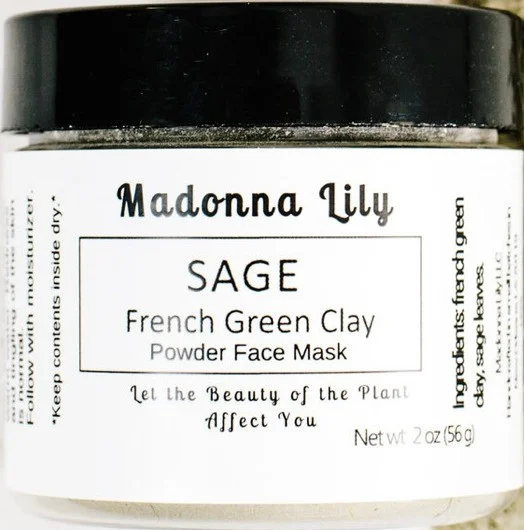
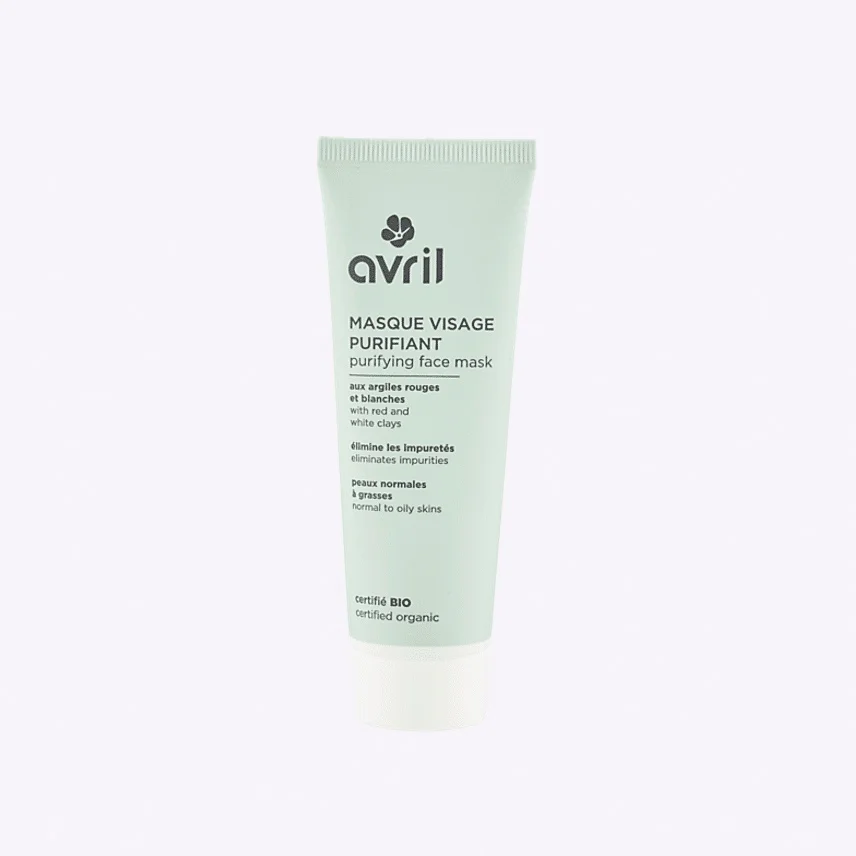


| EWG | CIR | Ingredient Name & Cosmetic Function | Notes |
|---|---|---|---|
| 1 | - | | |
| - | - | Sage Leave | |
| EWG | CIR | Ingredient Name & Cosmetic Function | Notes |
|---|---|---|---|
| 1 | - | (Solvent) | |
| 1 | A | (Skin Protecting, Opacifying, Abrasive, Absorbent, Bulking Agent, Anticaking Agent, Slip Modifier) |  |
| - | - | Spiraea Ulmaria Flower Water | |
| 1 2 | - | (Skin Conditioning, Masking) |   |





French Green Clay
1. Definition French Green Clay:
French Green Clay, also known as Illite Clay, is a type of mineral clay that is naturally occurring and rich in minerals such as magnesium, calcium, potassium, and silica. It gets its green color from the decomposed plant material and iron oxides present in the clay.2. Use:
French Green Clay is commonly used in cosmetics and skincare products for its detoxifying and purifying properties. It is known for its ability to absorb excess oil, dirt, and impurities from the skin, making it ideal for oily and acne-prone skin. The clay also helps to improve skin tone, reduce inflammation, and promote a healthy complexion.3. Usage French Green Clay:
French Green Clay can be used in various skincare products such as face masks, cleansers, scrubs, and bath soaks. To use the clay as a face mask, mix it with water or aloe vera gel to form a paste and apply it to the skin. Leave the mask on for about 10-15 minutes before rinsing it off with warm water. It is recommended to do a patch test before using the clay to check for any allergic reactions or skin sensitivities.4. References:
- "French Green Clay: Benefits and Uses for Skin" by Dr. Debra Rose Wilson, PhD, MSN, RN, IBCLC, AHN-BC, CHT (https://www.healthline.com/health/french-green-clay)
- "French Green Clay: The Natural Remedy for Skin" by Dr. Axe (https://draxe.com/nutrition/french-green-clay/)
- "French Green Clay Benefits and Uses" by Wellness Mama (https://wellnessmama.com/13370/french-green-clay-benefits-uses/)
Sage Leave
Ingredient data is being updated. Please check back later.
Aqua (Water)
1. Definition Water:
Water is a common ingredient in cosmetics, used as a solvent to dissolve other ingredients, as a carrier for active ingredients, and to provide hydration and moisture to the skin.2. Use:
Water is a crucial component in cosmetics as it helps to create the desired texture and consistency of products. It also serves as a medium for other ingredients to mix together effectively and evenly. Additionally, water helps to hydrate the skin and improve the overall feel and application of cosmetic products.3. Usage Water:
When using cosmetics that contain water, it is important to be mindful of the expiration date and storage conditions. Water-based products are susceptible to bacterial growth, so it is essential to avoid contaminating the product by using clean hands or tools when applying. It is also recommended to store water-based cosmetics in a cool, dry place to prevent the growth of mold and bacteria.4. References:
- Draelos, Z. D. (2010). Cosmetic dermatology: products and procedures. John Wiley & Sons.
- Winter, R. (2009). A consumer's dictionary of cosmetic ingredients: complete information about the harmful and desirable ingredients found in cosmetics and cosmeceuticals. Crown.
- Begoun, P. (2003). Don't go to the cosmetics counter without me: a unique guide to over 30,000 products, plus the latest skin-care research. Beginning Press.
Kaolin
1. Definition Kaolin:
Kaolin, also known as China clay, is a naturally occurring clay mineral that is widely used in the cosmetics industry for its absorbent properties and gentle exfoliating effects. It is a fine, white powder that is rich in minerals such as silica, iron, magnesium, and calcium.2. Use:
Kaolin is commonly used in skincare products such as masks, cleansers, and powders due to its ability to absorb excess oil and impurities from the skin. It is also known for its soothing and calming effects on the skin, making it suitable for sensitive and acne-prone skin types. Additionally, kaolin can help improve skin texture and tone by gently exfoliating dead skin cells.3. Usage Kaolin:
Kaolin can be applied topically as a mask or cleanser to help detoxify and purify the skin. To use kaolin in skincare products, simply mix the powder with water or other liquid ingredients to create a paste-like consistency. Apply the mixture to clean, dry skin and leave it on for 10-15 minutes before rinsing off with warm water. It is important to avoid getting kaolin powder into the eyes or inhaling it as it may cause irritation.4. References:
- Dweck, A. C. (2012). Formulating with kaolin. Personal Care Magazine, 9(3), 25-28.
- Williams, L. B., & Haydel, S. E. (2010). Evaluation of the medicinal use of clay minerals as antibacterial agents. International Geology Review, 52(7/8), 745-770.
- Lin, Y. C., & Lin, J. H. (2008). Kaolin and its industrial uses. Journal of the Chinese Ceramic Society, 36(6), 805-811.







