


- Home
- Compare product
- Comparison result

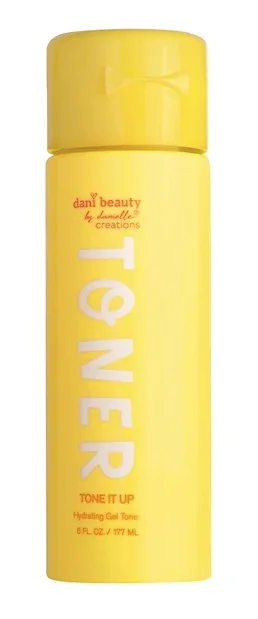


| EWG | CIR | Ingredient Name & Cosmetic Function | Notes |
|---|---|---|---|
| 2 | B | (Skin Conditioning, Perfuming, Fragrance, Skin-Conditioning Agent -Occlusive) |   |
| 1 | A | (Solvent, Masking, Fragrance, Humectant, Skin Conditioning, Viscosity Controlling, Viscosity decreasing agents) | |
| 1 | A | (Solvent) | |
| 1 | B | (Skin Conditioning, Surfactant, Emulsifying) |  |
| EWG | CIR | Ingredient Name & Cosmetic Function | Notes |
|---|---|---|---|
| 1 | - | (Solvent) | |
| 3 | B | (Solvent, Fragrance, Humectant, Viscosity Decreasing Agent, Skin Conditioning, Viscosity Controlling, Skin-Conditioningagent - Miscellaneous) | |
| 1 2 | A | (Solvent, Perfuming, Fragrance, Humectant, Viscosity Decreasing Agent, Hair Conditioning, Skin Protecting, Denaturant ) | |
| 1 | A | (Propellant agent) | |
Chamomilla Recutita (Matricaria) Flower Extract
1. Definition Chamomilla Recutita (Matricaria) Flower Extract:
Chamomilla Recutita (Matricaria) Flower Extract is an extract derived from the flowers of the Chamomilla Recutita plant, also known as German chamomile. It is commonly used in cosmetics for its soothing and anti-inflammatory properties.2. Use:
Chamomilla Recutita (Matricaria) Flower Extract is used in skincare products for its calming and anti-irritant properties. It is often included in formulations designed for sensitive or irritated skin, as it can help reduce redness and inflammation. Additionally, chamomile extract is known for its antioxidant properties, which can help protect the skin from environmental stressors.3. Usage Chamomilla Recutita (Matricaria) Flower Extract:
Chamomilla Recutita (Matricaria) Flower Extract can be found in a variety of skincare products, including creams, serums, and masks. It is typically used at a concentration of 0.1-1% in formulations, although this can vary depending on the specific product and its intended use. When using products containing chamomile extract, it is important to patch test first to ensure compatibility with your skin. Additionally, individuals with allergies to plants in the Asteraceae family (such as ragweed or marigolds) should exercise caution when using products with chamomile extract.4. References:
- Srivastava JK, Shankar E, Gupta S. Chamomile: A herbal medicine of the past with bright future. Mol Med Report. 2010 Nov 1;3(6):895-901. doi: 10.3892/mmr.2010.377.
- Reuter J, Huyke C, Casetti F, Theek C, Frank U, Augustin M. Anti-inflammatory potential of a lipolotion containing coriander oil in the ultraviolet erythema test. J Dtsch Dermatol Ges. 2008 May;6(5):428-34. doi: 10.1111/j.1610-0387.2008.06605.x.
- Keane KM, Calton EK, Cruzat VF, Soares MJ, Newsholme P. The impact of cryopreservation on human peripheral blood leucocyte bioenergetics. Clin Sci (Lond). 2015 Apr;128(8):723-33. doi: 10.1042/CS20140521.
Butylene Glycol
1. Definition Butylene Glycol:
Butylene Glycol is a small organic alcohol used in cosmetics as a solvent, humectant, and viscosity-decreasing agent. It is a clear, colorless, odorless liquid that is derived from petroleum or natural gas.2. Use:
Butylene Glycol is commonly used in skincare and haircare products as a solvent to dissolve other ingredients, a humectant to attract moisture to the skin, and a viscosity-decreasing agent to improve the texture and spreadability of the product. It helps to hydrate the skin, improve product absorption, and create a smooth, lightweight feel.3. Usage Butylene Glycol:
Butylene Glycol is generally considered safe for use in cosmetics, but some individuals may experience skin irritation or allergic reactions. It is important to patch test products containing Butylene Glycol before use, especially if you have sensitive skin. Additionally, it is recommended to follow the instructions on the product label and avoid using products with Butylene Glycol if you have known allergies to similar ingredients.4. References:
- Cosmetic Ingredient Review Expert Panel. (2001). Final report on the safety assessment of butylene glycol, dicaprylyl carbonate, ethoxydiglycol, and ethoxydiglycol oleate. International Journal of Toxicology, 20(Suppl 4), 61-75.
- National Center for Biotechnology Information. PubChem Compound Summary for CID 24856, Butylene Glycol. Retrieved from https://pubchem.ncbi.nlm.nih.gov/compound/Butylene-glycol
- Personal Care Products Council. (2017). Butylene Glycol. Retrieved from https://www.cosmeticsinfo.org/ingredient/butylene-glycol
1,2-Hexanediol
1. Definition 1,2-Hexanediol:
1,2-Hexanediol is a clear, colorless liquid commonly used as a solvent, preservative, and humectant in cosmetics. It is a type of glycol that is derived from petroleum.2. Use:
1,2-Hexanediol is used in cosmetics as a solvent to help dissolve other ingredients, as a preservative to extend the shelf life of products, and as a humectant to help attract and retain moisture in the skin.3. Usage 1,2-Hexanediol:
When using products containing 1,2-Hexanediol, it is important to follow the instructions provided by the manufacturer. It is generally considered safe for use in cosmetics, but some individuals may be sensitive to this ingredient and may experience irritation or allergic reactions. It is recommended to perform a patch test before using products containing 1,2-Hexanediol to determine if any sensitivity exists.4. References:
- CosmeticsInfo.org. (n.d.). 1,2-Hexanediol. Retrieved from https://cosmeticsinfo.org/ingredient/12-hexanediol
- Personal Care Products Council. (2019). Safety Assessment of 1,2-Hexanediol as Used in Cosmetics. Retrieved from https://www.personalcarecouncil.org/2020-01-28-safety-assessment-of-12-hexanediol-as-used-in-cosmetics/
- U.S. Food and Drug Administration. (n.d.). Code of Federal Regulations Title 21. Retrieved from https://www.accessdata.fda.gov/scripts/cdrh/cfdocs/cfcfr/CFRSearch.cfm?fr=172.820
Polyglyceryl 10 Laurate
1. Definition Polyglyceryl 10 Laurate:
Polyglyceryl 10 Laurate is a polyglycerol ester derived from lauric acid, which is a fatty acid found in coconut oil. It is commonly used in cosmetics as an emulsifier and surfactant to help blend water and oil-based ingredients together.2. Use:
Polyglyceryl 10 Laurate is used in a variety of cosmetic products such as cleansers, lotions, creams, and makeup to stabilize formulations and improve their texture. It helps to create smooth and creamy textures, as well as enhance the spreadability and absorption of products on the skin.3. Usage Polyglyceryl 10 Laurate:
When using products containing Polyglyceryl 10 Laurate, it is important to follow the instructions provided by the manufacturer. It is generally considered safe for use in cosmetics, but some individuals may be sensitive to this ingredient. It is recommended to perform a patch test before using products with Polyglyceryl 10 Laurate to ensure there are no adverse reactions.4. References:
- "Polyglyceryl-10 Laurate" by Cosmetics Info, www.cosmeticsinfo.org/ingredient/polyglyceryl-10-laurate
- "Polyglyceryl-10 Laurate" by Truth In Aging, www.truthinaging.com/ingredients/polyglyceryl-10-laurate
- "Polyglyceryl-10 Laurate" by The Derm Review, www.thedermreview.com/polyglyceryl-10-laurate







