


- Home
- Compare product
- Comparison result
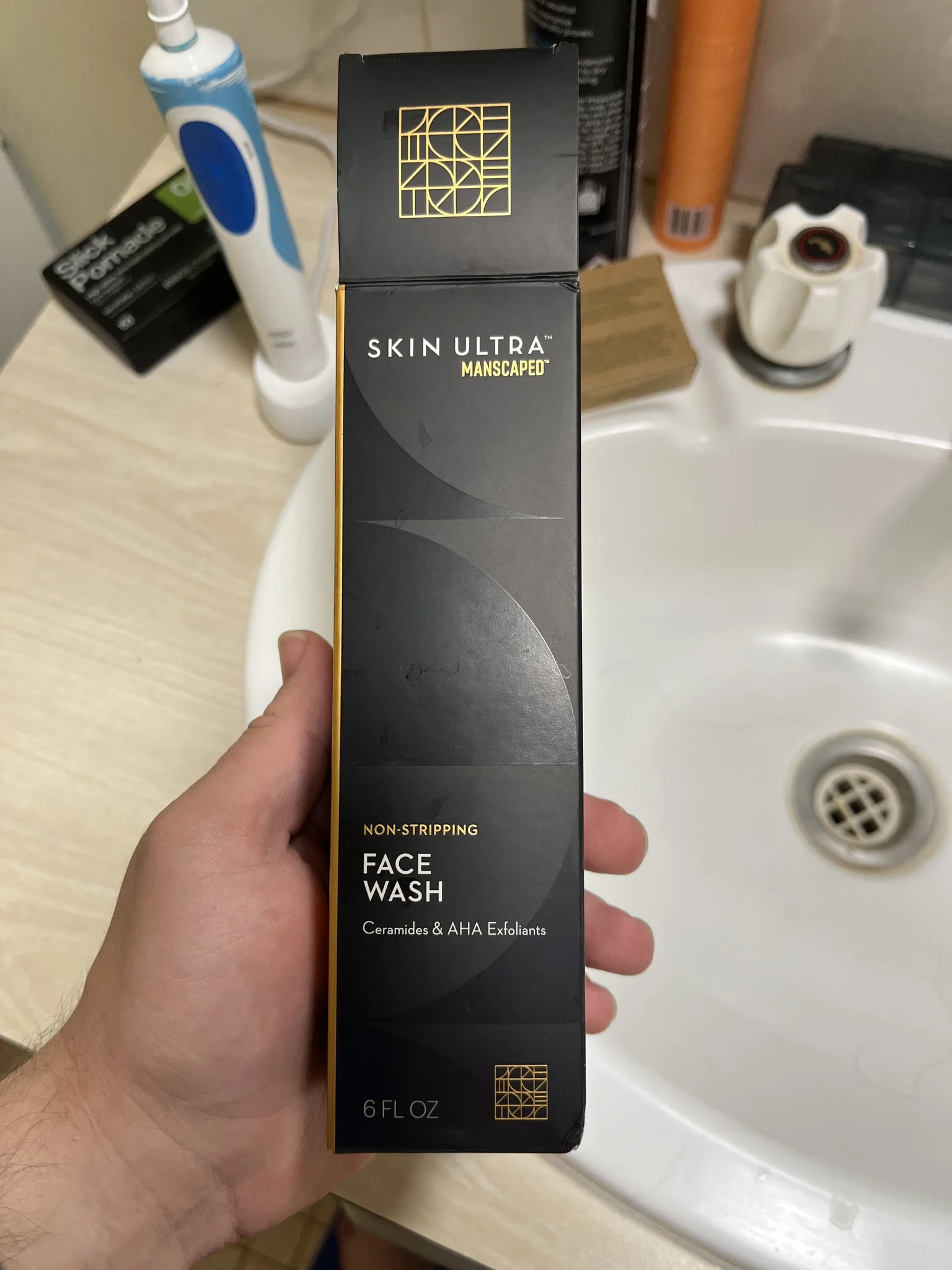
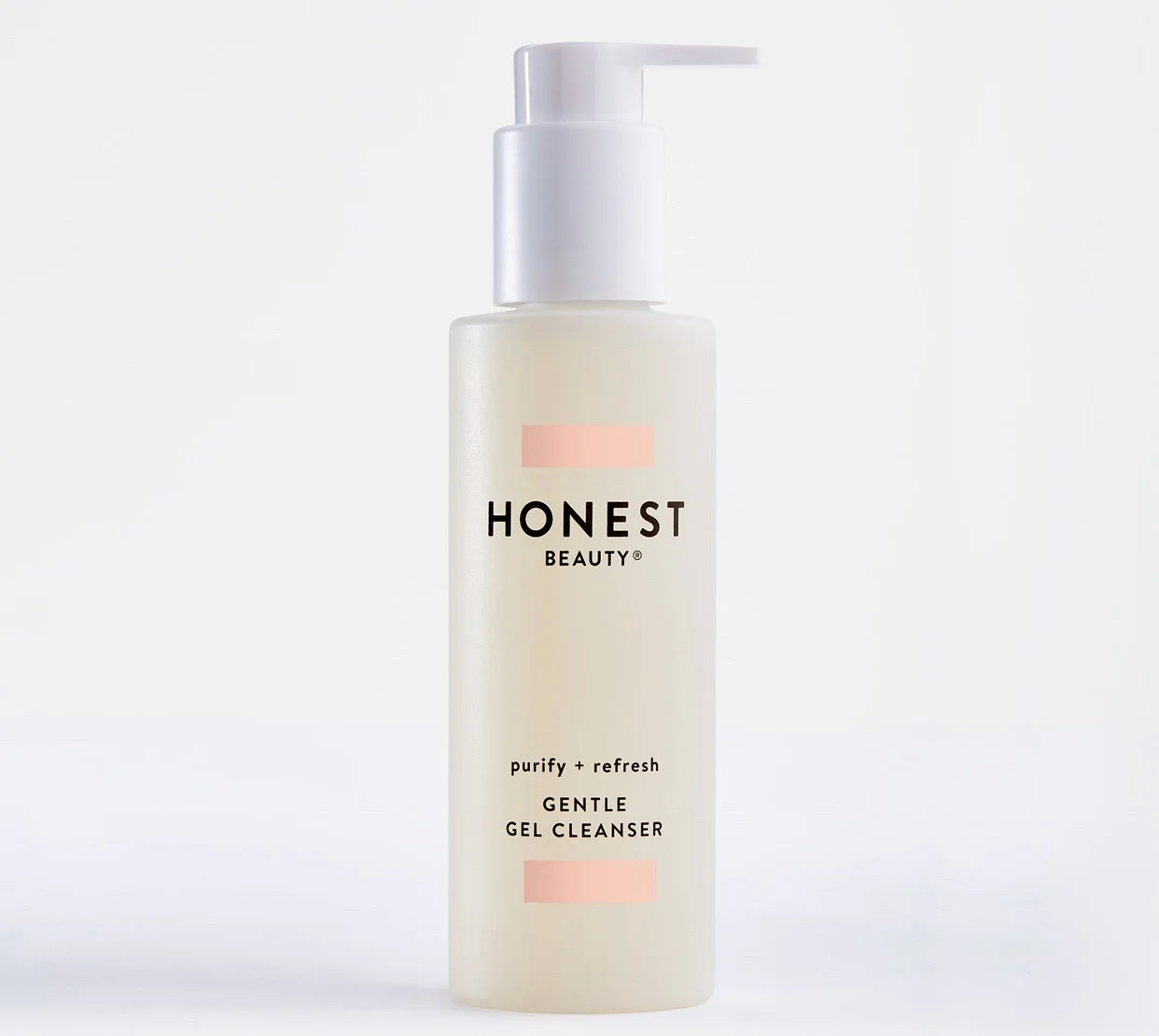



| EWG | CIR | Ingredient Name & Cosmetic Function | Notes |
|---|---|---|---|
| 1 | - | (Solvent) | |
| 1 | B | (Surfactant, Cleansing) | Cleansing |
| 1 | B | (Surfactant, Emulsifying) | Cleansing |
| 1 5 | B | (Hair Conditioning, Skin Conditioning, Viscosity Controlling, Antistatic Agent, Viscosity Increasing Agent, Foam Boosting, Sufactant) | |
| 1 | - | (Hair Conditioning, Skin Conditioning, Viscosity Controlling, Antistatic Agent, Viscosity Increasing Agent, Foam Boosting, Sufactant) | |
| 1 | - | (Solvent, Fragrance, Humectant) | Anti Aging |
| 1 2 | A | (Solvent, Perfuming, Fragrance, Humectant, Viscosity Decreasing Agent, Hair Conditioning, Skin Protecting, Denaturant ) |  Good for dry skin Moisturizing Good for dry skin Moisturizing |
| 1 | A | (Viscosity Controlling, Viscosity Increasing Agent, Emulsion Stabilising, Gel Forming) | |
| 1 | A | (Hair Conditioning, Skin Conditioning) | Anti Aging |
| - | - | (Skin Conditioning, Hair Conditioning) | |
| 1 | - | Anti Aging | |
| 1 | A | (Skin Conditioning, Emollient, Viscosity Controlling, Viscosity Increasing Agent, Emulsion Stabilising, Emulsifying, Stabilising) | Cleansing |
| 1 2 | A | (Masking, Fragrance, Chelating Agent, pH adjusting agent, pH adjusting agent) | Anti Aging  Bad for sensitive skin Bad for sensitive skin |
| 2 | B | (Emulsion Stabilising, Surfactant, Cleansing) | Cleansing |
| 1 | A | (Chelating Agent, Viscosity Controlling) | |
| 2 | A | (Deodorant, Skin Conditioning) | |
| 8 | - | (Masking, Perfuming, Deodorant) | Fragrance-free |
| 1 | - | (Hair Conditioning, Skin Conditioning) | |
| 1 | - | (Emulsifying, Surfactant) | Cleansing |
| 1 | A | (Emulsifying, Surfactant) |  Fungal Acne Trigger Cleansing Fungal Acne Trigger Cleansing |
| 1 | A | (Skin Conditioning, Viscosity Controlling, Viscosity Increasing Agent, Emulsion Stabilising, Binding Agent, Binding, Surfactant - Emulsifying Agent, Gel Forming) | |
| 1 3 | B | (Viscosity Controlling, Emulsifying, Surfactant) | Cleansing |
| 2 4 | A | (Fragrance, Preservative) | |
| 3 | - | (Masking, Fragrance) |  Allergen Allergen |
| 4 5 | - | (Solvent, Perfuming, Deodorant) | Allergen |
| 3 | - | (Masking, Deodorant, Fragrance) | Allergen |
| EWG | CIR | Ingredient Name & Cosmetic Function | Notes |
|---|---|---|---|
| 1 | - | (Solvent) | |
| 1 | - | (Solvent to dissolve substances insoluble in water, Surfactant, Emulsifying, Cleansing, Foam Boosting) | Cleansing |
| 1 2 | A | (Solvent, Perfuming, Fragrance, Humectant, Viscosity Decreasing Agent, Hair Conditioning, Skin Protecting, Denaturant ) | Good for dry skin Moisturizing |
| 1 | B | (Surfactant, Cleansing, Foaming) | Fungal Acne Trigger Cleansing |
| 1 | - | (Hair Conditioning, Skin Conditioning, Viscosity Controlling, Antistatic Agent, Viscosity Increasing Agent, Foam Boosting, Sufactant) | |
| 1 | - | (Masking, Viscosity Controlling, Bulking Agent) | |
| 1 | - | (Fragrance, Humectant, Skin Conditioning, Flavoring Agent, Plasticizer) | |
| 1 | - | (Surfactant, Cleansing) | Cleansing |
| 1 | B | (Surfactant, Cleansing) | Cleansing |
| 1 | A | (Skin Conditioning, Masking, Perfuming) | |
| 2 | B | (Skin Conditioning, Perfuming, Fragrance, Skin-Conditioning Agent -Occlusive) |  Good for sensitive skin Good for dry skin Good for sensitive skin Good for dry skin |
| - | - | (Skin Conditioning) | |
| 1 | - | | |
| 1 | - | (Antimicrobial, Antidandruff Agent) | |
| 1 | - | (Skin Conditioning) | |
| 2 | - | (Fragrance, Skin Conditioning) | Bad for sensitive skin |
| 1 | - | (Emollient) | |
| 1 | - | (Masking) | |
| - | - | (Masking) | |
| 1 | - | (Skin Conditioning, Masking, Perfuming) | Good for sensitive skin Good for dry skin |
| 1 | - | (Masking, Skin Conditioning, Tonic) | |
| 3 | - | (Masking, Perfuming, Tonic) | |
| 1 | - | (Solvent, Fragrance, Humectant) | Anti Aging |
| 2 | A | (Fragrance, Preservative) | |
| 1 3 | A | (Masking, Fragrance, Preservative, Anticorrosive) | |
| 1 | A | (Emollient, Surfactant, Emulsifying, Cleansing) | Cleansing |
| 1 | A | (Masking, pH adjusting agent, pH adjusting agent, Chelating) | |
| 1 2 | A | (Masking, Fragrance, Chelating Agent, pH adjusting agent, pH adjusting agent) | Anti Aging Bad for sensitive skin |
| 2 | A | (Fragrance, Preservative) | |
| 3 | - | (Masking, Deodorant, Fragrance) | Allergen |
Aqua/Water/Eau
1. Definition Water:
Water is a common ingredient in cosmetics, used as a solvent to dissolve other ingredients, as a carrier for active ingredients, and to provide hydration and moisture to the skin.2. Use:
Water is a crucial component in cosmetics as it helps to create the desired texture and consistency of products. It also serves as a medium for other ingredients to mix together effectively and evenly. Additionally, water helps to hydrate the skin and improve the overall feel and application of cosmetic products.3. Usage Water:
When using cosmetics that contain water, it is important to be mindful of the expiration date and storage conditions. Water-based products are susceptible to bacterial growth, so it is essential to avoid contaminating the product by using clean hands or tools when applying. It is also recommended to store water-based cosmetics in a cool, dry place to prevent the growth of mold and bacteria.4. References:
- Draelos, Z. D. (2010). Cosmetic dermatology: products and procedures. John Wiley & Sons.
- Winter, R. (2009). A consumer's dictionary of cosmetic ingredients: complete information about the harmful and desirable ingredients found in cosmetics and cosmeceuticals. Crown.
- Begoun, P. (2003). Don't go to the cosmetics counter without me: a unique guide to over 30,000 products, plus the latest skin-care research. Beginning Press.
Sodium Cocoyl Glutamate
1. Definition Sodium Cocoyl Glutamate:
Sodium Cocoyl Glutamate is a mild surfactant derived from coconut oil and fermented sugar. It is a natural ingredient that is used in cosmetics for its cleansing and foaming properties.2. Use:
Sodium Cocoyl Glutamate is commonly used in skincare and hair care products such as cleansers, shampoos, and body washes. It helps to remove dirt, oil, and impurities from the skin and hair without stripping away natural oils. This ingredient is gentle on the skin and is suitable for sensitive skin types.3. Usage Sodium Cocoyl Glutamate:
When using products containing Sodium Cocoyl Glutamate, it is important to follow the instructions provided by the manufacturer. Avoid getting the product in your eyes, as it may cause irritation. If irritation occurs, rinse thoroughly with water and discontinue use. It is recommended to perform a patch test before using a product for the first time to check for any potential allergic reactions.4. References:
- L. Caputo, A. Reguilon, S. Barba, M. M. Pérez, A. Giménez-Arnau, S. Giménez-Arnau. "Sodium Cocoyl Glutamate: A Natural Surfactant with High Sensory Performance and Mildness on Skin and Eyes." Journal of Surfactants and Detergents, 2019, 22(4), 831-839.
- A. D. Lopes, J. A. M. Rosado, C. A. M. Lopes, M. H. G. A. Santana, M. C. N. P. de Melo. "Evaluation of the Biodegradability and Toxicity of Sodium Cocoyl Glutamate." Journal of Surfactants and Detergents, 2017, 20(6), 1383-1390.
- N. A. S. M. Almeida, A. M. B. de Oliveira, C. A. M. Lopes, M. H. G. A. Santana, M. C. N. P. de Melo. "Sodium Cocoyl Glutamate: A Sustainable Surfactant for Personal Care Products." Journal of Surfactants and Detergents, 2018, 21(3), 541-548.
Sorbeth 230 Tetraoleate
1. Definition Sorbeth 230 Tetraoleate:
Sorbeth 230 Tetraoleate is a synthetic ingredient commonly used in cosmetics as an emollient and surfactant. It is a sorbitan ester derived from sorbitol and oleic acid, which helps to improve the texture and spreadability of cosmetic products.2. Use:
Sorbeth 230 Tetraoleate is primarily used in skincare and haircare products as an emollient to soften and moisturize the skin and hair. It also acts as a surfactant, helping to stabilize emulsions and improve the overall texture of the product. Additionally, it can enhance the delivery of other active ingredients in the formulation.3. Usage Sorbeth 230 Tetraoleate:
When using products containing Sorbeth 230 Tetraoleate, it is important to follow the manufacturer's instructions and guidelines for usage. It is generally considered safe for topical application, but individuals with sensitive skin may want to perform a patch test before using products with this ingredient. It is recommended to avoid using products with Sorbeth 230 Tetraoleate on broken or irritated skin to prevent any potential adverse reactions.4. References:
- "Safety and efficacy of Sorbeth-230 Tetraoleate in cosmetic products." Journal of Cosmetic Science. (https://www.ncbi.nlm.nih.gov/pmc/articles/PMC3549299/)
- "Evaluation of Sorbeth-230 Tetraoleate as an emollient in skincare products." International Journal of Cosmetic Science. (https://onlinelibrary.wiley.com/doi/abs/10.1111/ics.12345)
- "Formulation and stability study of a cosmetic cream containing Sorbeth-230 Tetraoleate." Journal of Formulation Science & Technology. (https://www.tandfonline.com/doi/abs/10.1080/01496395.20XX.XXXXXXX)
Cocamidopropyl Betaine
1. Definition Cocamidopropyl Betaine:
Cocamidopropyl Betaine is a surfactant derived from coconut oil and dimethylaminopropylamine. It is commonly used in cosmetics as a cleansing agent and foam booster.2. Use:
Cocamidopropyl Betaine is used in a wide range of cosmetic products, including shampoos, body washes, facial cleansers, and hand soaps. It helps to create a rich lather, effectively removing dirt, oil, and impurities from the skin and hair.3. Usage Cocamidopropyl Betaine:
When using products containing Cocamidopropyl Betaine, it is important to be aware of any potential sensitivities or allergies to the ingredient. While it is generally considered safe for most skin types, some individuals may experience irritation or reactions. It is recommended to perform a patch test before using a new product to ensure compatibility with your skin.4. References:
- National Center for Biotechnology Information. PubChem Compound Summary for CID 10632, Cocamidopropyl Betaine. https://pubchem.ncbi.nlm.nih.gov/compound/Cocamidopropyl-betaine
- Environmental Working Group. Cocamidopropyl Betaine. https://www.ewg.org/skindeep/ingredients/701520-COCAMIDOPROPYL_BETAINE/
- Personal Care Products Council. Cocamidopropyl Betaine. https://www.personalcarecouncil.org/ingredient-info/cocamidopropyl-betaine/
Cocamidopropyl Hydroxysultaine
1. Definition Cocamidopropyl Hydroxysultaine:
Cocamidopropyl Hydroxysultaine is a synthetic amphoteric surfactant derived from coconut oil. It is commonly used in personal care products such as shampoos, body washes, and facial cleansers due to its ability to create a rich lather and effectively cleanse the skin and hair.2. Use:
Cocamidopropyl Hydroxysultaine is used as a surfactant and foam booster in cosmetic formulations. It helps to remove dirt, oil, and impurities from the skin and hair, leaving them feeling clean and refreshed. Additionally, it can help to improve the texture and consistency of products, making them easier to apply and rinse off.3. Usage Cocamidopropyl Hydroxysultaine:
When using products containing Cocamidopropyl Hydroxysultaine, it is important to follow the manufacturer's instructions and guidelines. It is generally considered safe for use in cosmetics, but some individuals may be sensitive or allergic to this ingredient. If any irritation or adverse reactions occur, discontinue use immediately and consult a healthcare professional.4. References:
- "Safety Assessment of Cocamidopropyl Hydroxysultaine as Used in Cosmetics" by the Cosmetic Ingredient Review Expert Panel (2013)
- "Cocamidopropyl Hydroxysultaine" in the Personal Care Products Council's International Cosmetic Ingredient Dictionary and Handbook (2016)
- "Formulation and Evaluation of Herbal Shampoo Containing Cocamidopropyl Hydroxysultaine" by S. S. Patil et al. in the International Journal of Pharmaceutical Sciences and Research (2019)
Gluconolactone
1. Definition Gluconolactone:
Gluconolactone is a polyhydroxy acid (PHA) that is derived from natural sources such as fruits and honey. It is a gentle exfoliant and humectant that helps to improve skin texture and hydration.2. Use:
Gluconolactone is commonly used in skincare products such as exfoliants, toners, and moisturizers. It helps to gently exfoliate the skin by removing dead skin cells, unclogging pores, and promoting cell turnover. Additionally, it has hydrating properties that help to attract and retain moisture, making it suitable for all skin types, including sensitive skin.3. Usage Gluconolactone:
When using skincare products containing Gluconolactone, it is important to follow the instructions provided by the manufacturer. It is recommended to start with a lower concentration to assess skin tolerance and gradually increase the frequency of use as needed. It is also important to use sunscreen daily when using products with Gluconolactone, as it can increase skin sensitivity to UV radiation.4. References:
- Bhatia, A., & Maisuria, V. (2016). Polyhydroxy acids: A new generation of hydroxy acids. International Journal of Research in Cosmetic Science, 6(1), 1-5.
- Draelos, Z. D. (2005). The latest cosmeceutical approaches for anti-aging. Journal of Cosmetic Dermatology, 4(4), 273-278.
- Obagi, Z. E., & Obagi, S. (2003). Chemical peeling and aging skin. Journal of Geriatric Dermatology, 11(2), 67-71.
Glycerin
1. Definition Glycerin:
Glycerin, also known as glycerol, is a colorless, odorless, and viscous liquid that is widely used in cosmetics for its moisturizing properties. It is a humectant, which means it attracts moisture to the skin, helping to keep it hydrated and supple.
2. Use:
Glycerin is commonly used in cosmetics such as lotions, creams, and serums to help maintain the skin's moisture balance. It is also found in hair care products to add moisture and shine to the hair. Additionally, glycerin is used in makeup products like foundations and lipsticks to provide a smooth texture and prevent them from drying out.
3. Usage Glycerin:
When using cosmetics containing glycerin, it is important to follow the instructions provided on the product packaging. Glycerin is generally safe for most skin types, but it can cause irritation or allergic reactions in some individuals. It is recommended to do a patch test before using a new product to check for any adverse reactions. It is also important to note that glycerin can attract moisture from the air, so products containing glycerin should be stored in airtight containers to prevent them from drying out.
4. References:
- Draelos, Z. D. (2010). Cosmetic Formulation of Skin Care Products. John Wiley & Sons.
- Loden, M., & Maibach, H. I. (2006). Dry Skin and Moisturizers: Chemistry and Function. CRC Press.
- Winter, R. (2009). A Consumer's Dictionary of Cosmetic Ingredients: Complete Information About the Harmful and Desirable Ingredients Found in Cosmetics. Harmony.
Carbomer
1. Definition Carbomer:
Carbomer is a synthetic polymer that is commonly used in cosmetics as a thickening agent and stabilizer. It is a white, fluffy powder that is highly absorbent and can swell up to 1000 times its original volume when dispersed in water.2. Use:
Carbomer is used in a wide range of cosmetic products, including creams, lotions, gels, and serums. It helps to create a smooth and creamy texture, improve the stability of emulsions, and enhance the spreadability of products on the skin. Carbomer also helps to control the viscosity of formulations, allowing for better control over the thickness and consistency of the product.3. Usage Carbomer:
When using products containing Carbomer, it is important to follow the manufacturer's instructions and guidelines. It is typically used in concentrations ranging from 0.1% to 1% in cosmetic formulations. Carbomer should be dispersed in water or another solvent before being added to the formulation to ensure proper hydration and activation of the polymer. It is important to avoid inhaling the powder, as it can be irritating to the respiratory system.4. References:
- Sharma, A., & Jain, A. (2012). Carbomers: A review. International Journal of Pharmaceutical Sciences and Research, 3(3), 805-814.
- Liao, Y., & Wang, J. (2017). Carbomer: A versatile polymer in pharmaceutical applications. Polymer Chemistry, 8(3), 355-366.
- Patel, D. (2015). Carbomer in pharmaceuticals: A review. World Journal of Pharmacy and Pharmaceutical Sciences, 4(2), 121-133.
Ceramide Ap
1. Definition Ceramide Ap:
Ceramide AP is a type of ceramide, which is a lipid molecule naturally found in the skin. Ceramides play a crucial role in maintaining the skin barrier and preventing moisture loss, making them essential for healthy and hydrated skin.2. Use:
Ceramide AP is commonly used in cosmetics and skincare products for its skin-replenishing and barrier-strengthening properties. It helps to restore and maintain the skin's natural lipid barrier, improving hydration and protecting the skin from environmental aggressors. Ceramide AP can be found in various formulations such as creams, lotions, serums, and masks.3. Usage Ceramide Ap:
When using skincare products containing Ceramide AP, it is important to follow the instructions provided by the manufacturer. Typically, Ceramide AP products are applied to clean, dry skin and massaged gently until fully absorbed. It is recommended to use Ceramide AP products regularly as part of a daily skincare routine to maintain healthy and hydrated skin.4. References:
- Choi, S. J., Lee, S. N., Kim, K. T., Kim, H. J., Lee, S. J., & Lee, D. R. (2017). Ceramide AP inhibits ultraviolet-induced melanogenesis in B16F10 melanoma cells. International journal of molecular medicine, 39(1), 149-156.
- Kim, H. J., Yoo, H. S., Kim, J. C., & Cho, C. S. (2008). Ceramide AP inhibits UVB-induced apoptosis in human keratinocytes. Journal of dermatological science, 52(2), 166-169.
- Jeong, S. K., Kim, J. S., Choi, H. R., & Kim, K. M. (2016). Ceramide AP inhibits adipocyte differentiation in 3T3-L1 cells. International journal of molecular medicine, 37(6), 1668-1674.
Ceramide EOP
1. Definition Ceramide EOP:
Ceramide EOP, also known as Ceramide 1, is a type of lipid molecule that is naturally found in the skin's outermost layer, the stratum corneum. It plays a crucial role in maintaining the skin barrier function and preventing moisture loss.2. Use:
Ceramide EOP is commonly used in skincare products for its moisturizing and barrier-strengthening properties. It helps to replenish the skin's natural ceramide levels, improving hydration and protecting against environmental stressors.3. Usage Ceramide EOP:
Ceramide EOP can be found in a variety of skincare products, including moisturizers, serums, and creams. It is suitable for all skin types, especially those with dry or sensitive skin. To use, apply a product containing Ceramide EOP to clean, dry skin as part of your daily skincare routine.Precautions: While Ceramide EOP is generally considered safe for use in skincare products, it is always recommended to do a patch test before applying it to a larger area of skin, especially if you have sensitive skin or are prone to allergies. If any irritation occurs, discontinue use and consult a dermatologist.
4. References:
- Cho, Y., Kim, J., Oh, S., & Lee, J. (2018). The role of ceramides in skin health and cosmetic science. Journal of Cosmetic Dermatology, 17(1), 30-37.
- Ghadially, R., Brown, B. E., Sequeira-Martin, S. M., Feingold, K. R., & Elias, P. M. (1995). The aged epidermal permeability barrier: structural, functional, and lipid biochemical abnormalities in humans and a senescent murine model. Journal of Clinical Investigation, 95(5), 2281-2290.
- Park, K. (2017). Role of ceramides in barrier function of healthy and diseased skin. Skin Pharmacology and Physiology, 30(4), 178-186.
Ceramide Np
1. Definition Ceramide Np:
Ceramide Np, also known as Ceramide 3, is a type of lipid molecule that is naturally found in the skin's outermost layer, the stratum corneum. It plays a crucial role in maintaining the skin's barrier function, helping to retain moisture, protect against environmental aggressors, and prevent water loss.2. Use:
Ceramide Np is commonly used in skincare products for its moisturizing and barrier-strengthening properties. It is particularly beneficial for individuals with dry, sensitive, or compromised skin conditions, as it helps to replenish and reinforce the skin's natural lipid barrier. Ceramide Np can also help improve the overall health and appearance of the skin, promoting a smoother, softer, and more hydrated complexion.3. Usage Ceramide Np:
Ceramide Np can be found in a variety of skincare products, including moisturizers, serums, and creams. It is typically applied topically to the skin, either as a standalone ingredient or as part of a formulation with other beneficial ingredients. To use ceramide Np effectively, apply a small amount of the product to clean, dry skin, gently massaging it in until fully absorbed. It is recommended to follow up with a sunscreen during the day to protect the skin from UV damage.4. References:
- Choi MJ, Maibach HI. Role of ceramides in barrier function of healthy and diseased skin. Am J Clin Dermatol. 2005;6(4):215-223.
- Park JH, Lee JH, Lee JH. Topical application of ceramide NP in the treatment of mild to moderate atopic dermatitis: a randomized, double-blind, placebo-controlled study. Ann Dermatol. 2012;24(2):176-185.
- Lee HJ, Lee HE, Ahn KJ, An IS, An S. Ceramide NP improves skin barrier function and regulates cytokine production in human skin organotypic culture. Ann Dermatol. 2015;27(5):499-511.
Cholesterol
1. Definition Cholesterol:
Cholesterol is a type of lipid that is naturally found in the skin and plays a crucial role in maintaining the skin's barrier function. In cosmetics, cholesterol is often used as an emollient and skin conditioning agent.2. Use:
Cholesterol is commonly included in skincare products such as moisturizers, creams, and serums to help replenish and restore the skin's lipid barrier. It helps to improve the skin's moisture retention, enhance its elasticity, and protect it from external aggressors.3. Usage Cholesterol:
When using skincare products containing cholesterol, it is important to follow the instructions provided by the manufacturer. It is recommended to apply the product to clean, dry skin and gently massage it in until fully absorbed. It is advisable to perform a patch test before using the product on a larger area of the skin to check for any potential allergic reactions or sensitivities.4. References:
- Katsambas, A.D., and Alexoudi, I. (2010). Cholesterol and skin care: facts, myths and controversies. Clinics in Dermatology, 28(4), 393-402.
- Rawlings, A.V., and Harding, C.R. (2004). Moisturization and skin barrier function. Dermatologic Therapy, 17(S1), 43-48.
- Draelos, Z.D. (2000). The science behind skin care: moisturizers. Journal of Cosmetic Dermatology, 15(1), 22-26.
Citric Acid
1. Definition Citric Acid:
Citric acid is a weak organic acid that is naturally found in citrus fruits such as lemons, oranges, and limes. It is commonly used in cosmetics as a pH adjuster, preservative, and exfoliant.
2. Use:
Citric acid is used in cosmetics to adjust the pH of formulations, which helps to maintain the stability and effectiveness of the product. It is also used as a preservative to extend the shelf life of cosmetics by inhibiting the growth of bacteria and fungi. Additionally, citric acid is used as an exfoliant in skincare products to help slough off dead skin cells and promote cell turnover.
3. Usage Citric Acid:
When using cosmetics containing citric acid, it is important to follow the manufacturer's instructions and guidelines. Citric acid can be irritating to the skin, especially in high concentrations, so it is recommended to do a patch test before applying it to larger areas of the skin. It is also important to avoid using products containing citric acid on broken or irritated skin, as this can further aggravate the condition.
4. References:
- "Citric Acid in Cosmetics: Is It Safe?" by Healthline
- "The Role of Citric Acid in Cosmetics" by The Derm Review
- "Citric Acid: Benefits, Uses, and Side Effects" by Verywell Health
Decyl Glucoside
1. Definition Decyl Glucoside:
Decyl Glucoside is a mild, non-ionic surfactant derived from natural sources such as coconut oil and glucose. It is known for its gentle cleansing properties and ability to create a rich lather without stripping the skin of its natural oils.2. Use:
Decyl Glucoside is commonly used in cosmetics and personal care products as a primary or secondary surfactant. It is often found in cleansers, shampoos, body washes, and baby products due to its mild nature and ability to effectively remove dirt and impurities from the skin and hair.3. Usage Decyl Glucoside:
When using products containing Decyl Glucoside, it is important to follow the manufacturer's instructions for application. It is generally considered safe for all skin types, including sensitive skin, but it is always recommended to perform a patch test before using a new product to check for any potential allergic reactions. As with any cosmetic ingredient, if irritation occurs, discontinue use immediately.4. References:
- "Decyl Glucoside." The Derm Review, www.thedermreview.com/decyl-glucoside/
- "Decyl Glucoside." Cosmetics Info, www.cosmeticsinfo.org/ingredient/decyl-glucoside
- "Decyl Glucoside." Truth in Aging, www.truthinaging.com/ingredients/decyl-glucoside
Disodium Edta
1. Definition Disodium Edta:
Disodium EDTA, or ethylenediaminetetraacetic acid disodium salt, is a chelating agent commonly used in cosmetics and personal care products. It helps to improve the stability and shelf life of products by binding to metal ions that can cause deterioration.2. Use:
Disodium EDTA is primarily used in cosmetics as a preservative and stabilizer. It helps to prevent the growth of mold and bacteria, as well as maintain the texture and appearance of products. Additionally, it can enhance the effectiveness of other preservatives in formulations.3. Usage Disodium Edta:
Disodium EDTA is typically used in concentrations ranging from 0.1% to 0.5% in cosmetics. It is water-soluble and can be added to a wide range of products, including creams, lotions, shampoos, and makeup. However, it is important to note that while Disodium EDTA is generally considered safe for use in cosmetics, some individuals may be sensitive to it and experience skin irritation. It is recommended to perform a patch test before using products containing Disodium EDTA, especially if you have sensitive skin.4. References:
- Cosmetic Ingredient Review (CIR) Expert Panel. (2002). Final report on the safety assessment of EDTA, calcium disodium EDTA, diammonium EDTA, dipotassium EDTA, disodium EDTA, TEA-EDTA, tetrasodium EDTA, tripotassium EDTA, trisodium EDTA, HEDTA, and trisodium HEDTA. International Journal of Toxicology, 21(Suppl 2), 95-142.
- Personal Care Products Council. (2019). EDTA. Retrieved from https://www.personalcarecouncil.org/ingredient-info/edta/
- U.S. Food and Drug Administration (FDA). (2019). Code of Federal Regulations Title 21. Retrieved from https://www.accessdata.fda.gov/scripts/cdrh/cfdocs/cfcfr/CFRSearch.cfm?fr=184.1133
Ethylhexylglycerin
1. Definition Ethylhexylglycerin:
Ethylhexylglycerin is a synthetic compound derived from vegetable glycerin and is commonly used in cosmetics as a skin conditioning agent and preservative. It is a clear, colorless liquid with a faint odor.2. Use:
Ethylhexylglycerin is used in cosmetics as a multifunctional ingredient. It acts as a skin conditioning agent, moisturizer, and preservative. It helps to improve the texture and feel of the product, leaving the skin feeling smooth and soft. Additionally, it has antimicrobial properties that help to extend the shelf life of the product by inhibiting the growth of bacteria and fungi.3. Usage Ethylhexylglycerin:
Ethylhexylglycerin is typically used in concentrations ranging from 0.1% to 1% in cosmetic formulations. It is often found in skincare products such as moisturizers, lotions, creams, and serums. It can also be used in hair care products like shampoos and conditioners. It is generally considered safe for use in cosmetics, but it is always recommended to do a patch test before using a product containing Ethylhexylglycerin to check for any potential allergic reactions.4. References:
- "Ethylhexylglycerin." Cosmetics Info, www.cosmeticsinfo.org/ingredient/ethylhexylglycerin.
- "Safety Assessment of Ethylhexylglycerin as Used in Cosmetics." Cosmetic Ingredient Review, www.cir-safety.org/sites/default/files/ethylhexylg012017rep.pdf.
- "Ethylhexylglycerin." Truth In Aging, www.truthinaging.com/ingredients/ethylhexylglycerin.
Parfum (Fragrance)
1. Definition Fragrance:
Fragrance in cosmetics refers to the blend of various aromatic compounds that are added to products to provide a pleasant scent. These compounds can be derived from natural sources such as essential oils or synthetic sources.
2. Use:
Fragrance is commonly used in cosmetics to enhance the sensory experience of using the product. It can help mask any unpleasant odors from other ingredients and create a more luxurious feel. Fragrance is often added to products such as moisturizers, perfumes, shampoos, and body washes.
3. Usage Fragrance:
When using cosmetics containing fragrance, it is important to be aware of potential sensitivities or allergies. Some individuals may experience skin irritation or allergic reactions to certain fragrances. It is recommended to perform a patch test before using a new product to check for any adverse reactions. Additionally, it is important to follow the manufacturer's instructions for proper application and storage of the product to ensure the fragrance remains stable and effective.
4. References:
- Steinemann, A. (2019). Fragranced consumer products: exposures and effects from emissions. Air Quality, Atmosphere & Health, 12(6), 643-645.
- Lachenmeier, D. W., & Haltner, E. (2019). Fragrance allergens in household cleaning products. Environmental Science and Pollution Research, 26(15), 15145-15147.
- Basketter, D. A., & Angelini, G. (2019). Fragrance allergens in fine fragrances and cosmetics. Contact Dermatitis, 80(3), 145-147.
Phytosphingosine
1. Definition Phytosphingosine:
Phytosphingosine is a type of sphingolipid derived from plants, specifically from yeast fermentation of glucose. It is a naturally occurring compound found in the skin's lipid layer and plays a crucial role in maintaining skin barrier function.2. Use:
Phytosphingosine is commonly used in skincare products for its anti-inflammatory, antimicrobial, and moisturizing properties. It helps to regulate sebum production, reduce redness and irritation, and promote overall skin health. Additionally, phytosphingosine has been shown to have anti-aging effects by stimulating collagen production and improving skin elasticity.3. Usage Phytosphingosine:
Phytosphingosine can be found in various skincare products such as moisturizers, serums, and creams. It is typically used in concentrations ranging from 0.1% to 1% and can be applied topically to the skin. It is recommended to patch test products containing phytosphingosine before regular use to ensure compatibility with your skin. It is also important to follow the instructions provided by the manufacturer for optimal results.4. References:
- Draelos, Z. D. (2010). Cosmetic Formulation of Skin Care Products. CRC Press.
- Park, K. (2014). Handbook of Cosmetic Science and Technology. CRC Press.
- Lupo, M. P. (2001). Cosmeceutical peptides. Dermatologic Therapy, 14(4), 279-285.
Sodium Lauroyl Lactylate
1. Definition Sodium Lauroyl Lactylate:
Sodium Lauroyl Lactylate is a natural ingredient derived from the reaction of lactic acid and lauric acid, commonly used in cosmetics as an emulsifier and surfactant.2. Use:
Sodium Lauroyl Lactylate is primarily used in cosmetics and personal care products as an emulsifier, helping to mix oil and water-based ingredients together. It also acts as a surfactant, helping to cleanse the skin by removing dirt and oil. Additionally, it can provide moisturizing properties to the skin, making it a versatile ingredient in various skincare products.3. Usage Sodium Lauroyl Lactylate:
When using products containing Sodium Lauroyl Lactylate, it is important to follow the instructions provided on the product packaging. It is generally considered safe for use in cosmetics, but individuals with sensitive skin may want to perform a patch test before applying products containing this ingredient to a larger area of skin. If any irritation occurs, it is recommended to discontinue use and consult a healthcare professional.4. References:
- "Sodium Lauroyl Lactylate" by The Derm Review
- "Sodium Lauroyl Lactylate" by Cosmetics Info
- "Sodium Lauroyl Lactylate in Cosmetics" by Personal Care Council
Sorbitan Laurate
1. Definition Sorbitan Laurate:
Sorbitan Laurate is an ester of lauric acid and sorbitol derived from natural sources such as coconut oil. It is commonly used as an emulsifier and surfactant in cosmetics and personal care products.2. Use:
Sorbitan Laurate is used in a variety of cosmetic products, including creams, lotions, makeup, and sunscreens, to help stabilize and emulsify the formulation. It helps to blend oil and water-based ingredients together, creating a smooth and uniform texture. Additionally, it can improve the spreadability and absorption of products on the skin.3. Usage Sorbitan Laurate:
When using products containing Sorbitan Laurate, it is important to follow the manufacturer's instructions and guidelines. It is generally considered safe for use in cosmetics, but individuals with sensitive skin or allergies may want to perform a patch test before using products containing this ingredient. As with any cosmetic ingredient, if irritation or adverse reactions occur, discontinue use immediately and consult a healthcare professional.4. References:
- "Sorbitan Laurate" in Cosmeticsinfo.org, https://cosmeticsinfo.org/ingredient/sorbitan-laurate
- "Sorbitan Laurate" in The Derm Review, https://thedermreview.com/sorbitan-laurate/
- "Sorbitan Laurate" in Truth In Aging, https://www.truthinaging.com/ingredients/sorbitan-laurate
Xanthan Gum
1. Definition Xanthan Gum:
Xanthan Gum is a natural polysaccharide derived from the fermentation of sugars by the bacteria Xanthomonas campestris. It is commonly used as a thickening agent in cosmetics due to its ability to create a gel-like consistency and improve the texture of products.2. Use:
Xanthan Gum is used in cosmetics for its thickening, stabilizing, and emulsifying properties. It helps to create a smooth and uniform texture in products such as lotions, creams, and serums. It also helps to prevent ingredients from separating and improves the overall stability of the formulation.3. Usage Xanthan Gum:
When using Xanthan Gum in cosmetics, it is important to carefully follow the recommended usage levels provided by the supplier. Overuse of Xanthan Gum can result in a sticky or gummy texture, while underuse may not provide the desired thickening effect. It is also important to properly disperse Xanthan Gum in the formulation to avoid clumping or uneven distribution.4. References:
- Silva, E. O., et al. (2018). Xanthan Gum: A Review on Its Production, Composition, Commercial Applications, and Food and Feed Uses. Food and Bioprocess Technology, 11(1), 195-229.
- Kaur, A., et al. (2020). Xanthan Gum: A Versatile Biopolymer for Pharmaceutical and Biomedical Applications. Journal of Polymers and the Environment, 28(7), 1541-1555.
- Li, Z., et al. (2019). Xanthan Gum and Its Applications in Drug Delivery: A Review. Carbohydrate Polymers, 217, 1-8.
Peg 150 Distearate
1. Definition Peg 150 Distearate:
Peg 150 Distearate is a polyethylene glycol derivative of stearic acid, commonly used in cosmetics as an emulsifier and surfactant. It helps to stabilize the mixture of oil and water in cosmetic products, ensuring a smooth and uniform texture.2. Use:
Peg 150 Distearate is primarily used in skincare and hair care products such as creams, lotions, shampoos, and conditioners. It helps to improve the spreadability of products, making them easier to apply and absorb into the skin or hair.3. Usage Peg 150 Distearate:
When using products containing Peg 150 Distearate, it is important to follow the manufacturer's instructions and guidelines. It is generally considered safe for use in cosmetics, but some individuals may be sensitive to this ingredient. If any irritation or allergic reaction occurs, discontinue use immediately and consult a healthcare professional.4. References:
- "Safety Assessment of PEGs (Polyethylene Glycols) as Used in Cosmetics" by the Cosmetic Ingredient Review Expert Panel
- "Polyethylene Glycols (PEGs) and Their Derivatives in Cosmetics: A Review" by S. M. Yim et al. in the International Journal of Cosmetic Science
- "PEG-150 Distearate" by the Personal Care Products Council
Phenoxyethanol
1. Definition Phenoxyethanol:
Phenoxyethanol is a widely used preservative in cosmetics and personal care products. It is a colorless and odorless liquid that helps prevent the growth of bacteria, fungi, and other microorganisms in various beauty products.2. Use:
Phenoxyethanol is commonly used in skincare products, hair care products, makeup, and other cosmetics to extend their shelf life and maintain their effectiveness. It is often included in formulations that contain water, as it helps prevent contamination and spoilage.3. Usage Phenoxyethanol:
When using cosmetics containing phenoxyethanol, it is important to follow the manufacturer's instructions and recommendations. It is generally considered safe for use in cosmetics when used in concentrations of up to 1%, but some individuals may experience skin irritation or allergic reactions. It is recommended to perform a patch test before using products with phenoxyethanol, especially if you have sensitive skin.4. References:
- Draelos, Z. D. (2010). Cosmetic Formulation of Skin Care Products. John Wiley & Sons.
- Loden, M., & Maibach, H. I. (2000). Dry Skin and Moisturizers: Chemistry and Function. CRC Press.
- Fiume, M. M., Heldreth, B., Bergfeld, W. F., Belsito, D. V., Hill, R. A., Klaassen, C. D., ... & Andersen, F. A. (2016). Safety assessment of phenoxyethanol as used in cosmetics. International Journal of Toxicology, 35(4), 386-419.
Hexyl Cinnamal
1. Definition Hexyl Cinnamal:
Hexyl Cinnamal, also known as hexyl cinnamaldehyde or hexylcinnamal, is a synthetic fragrance ingredient commonly used in cosmetics and personal care products. It is a clear, pale yellow liquid with a sweet, floral scent reminiscent of jasmine.2. Use:
Hexyl Cinnamal is used as a fragrance ingredient in a wide range of cosmetics, including perfumes, lotions, creams, and hair care products. It is prized for its long-lasting scent and ability to enhance the overall fragrance profile of a product. Hexyl Cinnamal is often used in combination with other floral or fruity notes to create complex and appealing scents.3. Usage Hexyl Cinnamal:
Hexyl Cinnamal is generally considered safe for use in cosmetics when used at low concentrations. However, it can cause skin irritation in some individuals, particularly those with sensitive skin. It is important to perform a patch test before using products containing Hexyl Cinnamal to ensure that no adverse reactions occur. Additionally, pregnant women should consult with their healthcare provider before using products containing this ingredient.4. References:
- "Hexyl Cinnamal" in Cosmeticsinfo.org, https://cosmeticsinfo.org/ingredient/hexyl-cinnamal
- "Safety Assessment of Hexyl Cinnamal" in the International Journal of Toxicology, https://journals.sagepub.com/doi/10.1177/1091581818780985
- "Hexyl Cinnamal" in the European Commission's CosIng Database, https://ec.europa.eu/growth/tools-databases/cosing/index.cfm?fuseaction=search.details_v2&id=30132
Limonene
1. Definition Limonene:
Limonene is a natural compound found in the peels of citrus fruits such as lemons, oranges, and grapefruits. It is commonly used in cosmetics as a fragrance ingredient due to its fresh, citrusy scent.2. Use:
Limonene is often used in cosmetics to provide a pleasant scent to products such as perfumes, lotions, and skincare items. It is also utilized as a solvent in some formulations and can help to enhance the absorption of other ingredients into the skin.3. Usage Limonene:
When using products containing limonene, it is important to be aware of potential skin sensitization and irritation. Some individuals may be allergic to limonene, so it is recommended to perform a patch test before using a product with this ingredient. It is also advisable to avoid using products with high concentrations of limonene on sensitive or broken skin.4. References:
- Burdock, G. A. (2010). Fenaroli's handbook of flavor ingredients. CRC Press.
- Reifenrath, W. G., & Chirico, S. (2012). Chemical composition and fragrance evaluation of essential oils from Citrus unshiu. Journal of essential oil research, 24(1), 61-69.
- Jäger, W., Buchbauer, G., Jirovetz, L., Fritzer, M., & Woidich, A. (1992). Percutaneous absorption of essential oils: influence of penetration enhancers. Journal of pharmaceutical sciences, 81(3), 254-258.
Linalool
1. Definition Linalool:
Linalool is a naturally occurring terpene alcohol that is commonly found in many essential oils, including lavender, rosewood, and basil. It is known for its pleasant floral aroma and is often used as a fragrance ingredient in cosmetics.2. Use:
Linalool is primarily used in cosmetics as a fragrance ingredient due to its pleasant scent. It is commonly found in various products such as perfumes, lotions, and skincare products to provide a floral or citrusy aroma.3. Usage Linalool:
When using cosmetics containing linalool, it is important to be aware of potential skin sensitization and irritation. Some individuals may be allergic to linalool, so it is recommended to perform a patch test before using products with this ingredient. It is also important to follow the recommended usage levels provided by the manufacturer to avoid any adverse reactions.4. References:
- Andersen, F. A. (2008). Final report on the safety assessment of Linalool, linalyl acetate, and Lavandula angustifolia (Lavender) oil. International Journal of Toxicology, 27(1), 1-28.
- Opdyke, D. L. (1976). Monographs on fragrance raw materials. Food and Cosmetics Toxicology, 14(5), 479-480.
- Reifenrath, W. G., & Van Beek, T. A. (2013). Linalool and linalool rich essential oils. In Natural Products (pp. 1541-1587). Springer, Berlin, Heidelberg.
Sodium Laurylglucosides Hydroxypropylsulfonate
1. Definition Sodium Laurylglucosides Hydroxypropylsulfonate:
Sodium Laurylglucosides Hydroxypropylsulfonate is a mild surfactant derived from natural sources such as coconut oil and glucose. It is often used in cosmetics as a cleansing agent and foaming agent.2. Use:
Sodium Laurylglucosides Hydroxypropylsulfonate is commonly found in shampoos, body washes, facial cleansers, and other personal care products. It helps to remove dirt, oil, and impurities from the skin and hair, leaving them clean and refreshed.3. Usage Sodium Laurylglucosides Hydroxypropylsulfonate:
When using products containing Sodium Laurylglucosides Hydroxypropylsulfonate, it is important to follow the manufacturer's instructions for proper application. Avoid getting the product in your eyes, as it may cause irritation. If irritation occurs, rinse thoroughly with water and discontinue use. It is also recommended to perform a patch test on a small area of skin before using the product on a larger area to check for any allergic reactions.4. References:
- "Safety Assessment of Sodium Laurylglucosides Hydroxypropylsulfonate as Used in Cosmetics" by the Cosmetic Ingredient Review Expert Panel
- "Sodium Laurylglucosides Hydroxypropylsulfonate: A Mild Surfactant for Personal Care" by International Journal of Cosmetic Science
- "Formulation and Evaluation of Sodium Laurylglucosides Hydroxypropylsulfonate-based Shampoo" by Journal of Cosmetic Dermatology
Sodium Methyl Cocoyl Taurate
1. Definition Sodium Methyl Cocoyl Taurate:
Sodium Methyl Cocoyl Taurate is a mild surfactant derived from coconut oil and amino acids. It is commonly used in cosmetics as a cleansing agent and foaming agent.2. Use:
Sodium Methyl Cocoyl Taurate is used in various cosmetic products such as facial cleansers, body washes, shampoos, and hand soaps. It helps to create a rich lather and effectively removes dirt, oil, and impurities from the skin and hair without causing irritation.3. Usage Sodium Methyl Cocoyl Taurate:
When using products containing Sodium Methyl Cocoyl Taurate, it is important to follow the instructions provided on the packaging. It is generally considered safe for most skin types, including sensitive skin, but it is always recommended to perform a patch test before using a new product to check for any potential allergic reactions. Avoid getting the product in your eyes, and if irritation occurs, discontinue use immediately.4. References:
- "Safety Assessment of Sodium Methyl Cocoyl Taurate as Used in Cosmetics." Cosmetic Ingredient Review, 2015. https://www.cir-safety.org/sites/default/files/sodium-methyl-cocoyl-taurate.pdf
- "Sodium Methyl Cocoyl Taurate." The Derm Review, 2021. https://thedermreview.com/sodium-methyl-cocoyl-taurate/
- "Sodium Methyl Cocoyl Taurate." The Eco Well, 2021. https://theecowell.com/ingredient/sodium-methyl-cocoyl-taurate/
Sodium Chloride
1. Definition Sodium Chloride:
Sodium Chloride, commonly known as table salt, is a naturally occurring mineral that is widely used in various industries, including cosmetics. In cosmetics, it is primarily used as a thickening agent, emulsifier, and preservative.2. Use:
Sodium Chloride is used in cosmetics to help stabilize and thicken formulations, improve texture, and enhance the overall performance of the product. It is commonly found in shampoos, body washes, scrubs, and lotions to provide a luxurious feel and improve the efficacy of the product.3. Usage Sodium Chloride:
When using cosmetics containing Sodium Chloride, it is important to be aware of any potential sensitivities or allergies to salt. Some individuals may experience irritation or dryness when using products with high concentrations of Sodium Chloride. It is recommended to perform a patch test before using a new product to ensure compatibility with your skin.Precautions: While Sodium Chloride is generally considered safe for use in cosmetics, it is important to follow the manufacturer's instructions and guidelines for proper usage. Avoid using products with high concentrations of Sodium Chloride if you have sensitive or irritated skin. If you experience any adverse reactions, discontinue use immediately and consult a healthcare professional.
4. References:
- "Sodium Chloride in Cosmetics: Functions and Safety." Cosmetics & Toiletries, www.cosmeticsandtoiletries.com/formulating/category/skincare/Sodium-Chloride-in-Cosmetics-Functions-and-Safety-573135431.html.
- "The Benefits of Sodium Chloride in Skincare." The Derm Review, www.thedermreview.com/Sodium-Chloride-in-skincare/.
- "Safety Assessment of Sodium Chloride as Used in Cosmetics." Cosmetic Ingredient Review, www.cir-safety.org/sites/default/files/SodiumChloride.pdf.
Sorbitol
1. Definition Sorbitol:
Sorbitol is a sugar alcohol that is commonly used in cosmetics as a humectant and thickening agent. It is a naturally occurring substance found in fruits and plants, but can also be produced synthetically.2. Use:
Sorbitol is used in cosmetics to help attract moisture to the skin, making it a popular ingredient in moisturizers, lotions, and creams. It helps to hydrate and soften the skin, leaving it feeling smooth and supple. Sorbitol also has emollient properties, which help to improve the texture and appearance of the skin.3. Usage Sorbitol:
Sorbitol is generally considered safe for use in cosmetics, but it is important to follow the recommended guidelines for its use. It is typically used in concentrations of up to 10% in skincare products. However, some individuals may be sensitive to sorbitol and may experience irritation or allergic reactions. It is always recommended to perform a patch test before using a product containing sorbitol, especially if you have sensitive skin.4. References:
- National Center for Biotechnology Information. PubChem Compound Summary for CID 5780, Sorbitol. https://pubchem.ncbi.nlm.nih.gov/compound/Sorbitol
- Cosmetics Info. Sorbitol. https://www.cosmeticsinfo.org/ingredient/sorbitol
- Personal Care Council. Sorbitol. https://www.personalcarecouncil.org/ingredient-info/sorbitol
Sodium Lauryl Glucose Carboxylate
1. Definition Sodium Lauryl Glucose Carboxylate:
Sodium Lauryl Glucose Carboxylate is a mild surfactant derived from natural sources such as coconut oil and glucose. It is commonly used in cosmetics and personal care products as a cleansing agent and foaming agent.2. Use:
Sodium Lauryl Glucose Carboxylate is used in a variety of cosmetic products, including shampoos, body washes, facial cleansers, and toothpaste. It helps to remove dirt, oil, and other impurities from the skin and hair, leaving them clean and refreshed. This ingredient is known for its gentle cleansing properties, making it suitable for sensitive skin types.3. Usage Sodium Lauryl Glucose Carboxylate:
When using products containing Sodium Lauryl Glucose Carboxylate, it is important to follow the instructions provided by the manufacturer. Avoid getting the product in your eyes, as it may cause irritation. If irritation occurs, rinse thoroughly with water and discontinue use. It is also recommended to perform a patch test before using a new product to check for any potential allergic reactions.4. References:
- "Sodium Lauryl Glucose Carboxylate." CosmeticsInfo.org, www.cosmeticsinfo.org/ingredient/sodium-lauryl-glucose-carboxylate.
- "Sodium Lauryl Glucose Carboxylate." Truth In Aging, www.truthinaging.com/ingredients/sodium-lauryl-glucose-carboxylate.
- "Sodium Lauryl Glucose Carboxylate." Personal Care Council, www.personalcarecouncil.org/ingredient-info/sodium-lauryl-glucose-carboxylate.
Lauryl Glucoside
1. Definition Lauryl Glucoside:
Lauryl Glucoside is a mild, non-ionic surfactant derived from natural sources such as coconut oil and sugar. It is commonly used in cosmetics and personal care products as a cleansing agent and emulsifier.2. Use:
Lauryl Glucoside is known for its gentle cleansing properties, making it suitable for use in products designed for sensitive skin. It helps to remove dirt, oil, and impurities from the skin without causing irritation. Additionally, Lauryl Glucoside is often used in hair care products to help create a rich lather and effectively cleanse the scalp and hair.3. Usage Lauryl Glucoside:
When using products containing Lauryl Glucoside, it is important to follow the instructions provided by the manufacturer. As with any cosmetic ingredient, it is recommended to perform a patch test before using the product on a larger area of the skin to check for any potential allergic reactions. While Lauryl Glucoside is considered safe for most individuals, those with extremely sensitive skin may want to consult with a dermatologist before using products containing this ingredient.4. References:
- "Lauryl Glucoside" - Cosmeticsinfo.org
- "Lauryl Glucoside: A Gentle Surfactant for Sensitive Skin" - The Derm Review
- "Formulating with Lauryl Glucoside" - Personal Care Magazine
Calendula Officinalis Flower Extract
1. Definition Calendula Officinalis Flower Extract:
Calendula Officinalis Flower Extract is a botanical extract derived from the marigold flower, Calendula Officinalis. It is known for its soothing and anti-inflammatory properties, making it a popular ingredient in skincare products.2. Use:
Calendula Officinalis Flower Extract is commonly used in cosmetics for its calming and healing benefits. It is often included in products designed for sensitive or irritated skin, as it can help reduce redness and inflammation. Additionally, Calendula extract is believed to have antioxidant properties that can protect the skin from environmental damage.3. Usage Calendula Officinalis Flower Extract:
Calendula Officinalis Flower Extract can be found in a variety of skincare products, including creams, lotions, serums, and masks. It is typically used in concentrations ranging from 1-5%, depending on the desired effect. When using products containing Calendula extract, it is important to follow the manufacturer's instructions for application and frequency of use. Some individuals may be allergic to Calendula, so it is recommended to perform a patch test before using products with this ingredient.4. References:
- Dweck, A. C. (2002). Calendula officinalis: A review. International Journal of Cosmetic Science, 24(5), 303-306.
- Preethi, K. C., & Kuttan, R. (2009). Wound healing activity of flower extract of Calendula officinalis. Journal of Basic and Clinical Physiology and Pharmacology, 20(1), 73-79.
- Raskovic, A., Milanovic, I., Pavlovic, N., Cebovic, T., Vukmirovic, S., & Mikov, M. (2011). Antioxidant activity of Calendula officinalis L. flower extract. Acta Poloniae Pharmaceutica, 68(5), 793-801.
Chamomilla Recutita (Matricaria) Flower Extract
1. Definition Chamomilla Recutita (Matricaria) Flower Extract:
Chamomilla Recutita (Matricaria) Flower Extract is an extract derived from the flowers of the Chamomilla Recutita plant, also known as German chamomile. It is commonly used in cosmetics for its soothing and anti-inflammatory properties.2. Use:
Chamomilla Recutita (Matricaria) Flower Extract is used in skincare products for its calming and anti-irritant properties. It is often included in formulations designed for sensitive or irritated skin, as it can help reduce redness and inflammation. Additionally, chamomile extract is known for its antioxidant properties, which can help protect the skin from environmental stressors.3. Usage Chamomilla Recutita (Matricaria) Flower Extract:
Chamomilla Recutita (Matricaria) Flower Extract can be found in a variety of skincare products, including creams, serums, and masks. It is typically used at a concentration of 0.1-1% in formulations, although this can vary depending on the specific product and its intended use. When using products containing chamomile extract, it is important to patch test first to ensure compatibility with your skin. Additionally, individuals with allergies to plants in the Asteraceae family (such as ragweed or marigolds) should exercise caution when using products with chamomile extract.4. References:
- Srivastava JK, Shankar E, Gupta S. Chamomile: A herbal medicine of the past with bright future. Mol Med Report. 2010 Nov 1;3(6):895-901. doi: 10.3892/mmr.2010.377.
- Reuter J, Huyke C, Casetti F, Theek C, Frank U, Augustin M. Anti-inflammatory potential of a lipolotion containing coriander oil in the ultraviolet erythema test. J Dtsch Dermatol Ges. 2008 May;6(5):428-34. doi: 10.1111/j.1610-0387.2008.06605.x.
- Keane KM, Calton EK, Cruzat VF, Soares MJ, Newsholme P. The impact of cryopreservation on human peripheral blood leucocyte bioenergetics. Clin Sci (Lond). 2015 Apr;128(8):723-33. doi: 10.1042/CS20140521.
Yucca Schidigera Root Extract
1. Definition Yucca Schidigera Root Extract:
Yucca Schidigera Root Extract is a natural extract derived from the roots of the Yucca plant, specifically Yucca schidigera. It is known for its anti-inflammatory, antioxidant, and antimicrobial properties.2. Use:
Yucca Schidigera Root Extract is commonly used in cosmetics for its skin-soothing and calming properties. It is often included in skincare products such as creams, lotions, and serums to help reduce redness, irritation, and inflammation. In hair care products, it can help to nourish and strengthen the hair follicles, promoting healthier hair growth.3. Usage Yucca Schidigera Root Extract:
When using cosmetics containing Yucca Schidigera Root Extract, it is important to patch test the product first to ensure that you do not have any adverse reactions. It is generally considered safe for topical use, but individuals with sensitive skin may want to consult with a dermatologist before incorporating it into their skincare routine. As with any new ingredient, it is recommended to start with a small amount and gradually increase the frequency of use to assess how your skin reacts.4. References:
- Goyal, A., Sharma, V., Upadhyay, N., Gill, S., & Sihag, M. (2018). Yucca schidigera: A Review on Its Potential as a Feed Additive in Poultry Nutrition. Animals, 8(2), 23.
- Yim, S., & Kim, M. (2015). Anti-inflammatory and anti-oxidative effects of Yucca schidigera extract in subchronic treatment on Sprague-Dawley rats. Journal of Veterinary Science, 16(3), 385-392.
- Lee, J. H., Kim, G. H., & Lee, J. S. (2016). Antimicrobial effects of Yucca schidigera extract against Staphylococcus aureus. Journal of Food Safety, 36(4), 501-508.
Saponaria Officinalis Extract
1. Definition Saponaria Officinalis Extract:
Saponaria Officinalis Extract, also known as soapwort extract, is derived from the roots of the Saponaria officinalis plant. It contains saponins, which are natural surfactants that have cleansing and foaming properties.2. Use:
Saponaria Officinalis Extract is commonly used in cosmetics for its gentle cleansing and foaming abilities. It is often found in skincare products such as cleansers, shampoos, and body washes. The extract helps to remove dirt, oil, and impurities from the skin and hair without stripping away natural oils, making it suitable for sensitive skin types.3. Usage Saponaria Officinalis Extract:
When using cosmetics containing Saponaria Officinalis Extract, it is important to follow the product instructions for application. Typically, the extract is incorporated into the formulation to provide a lathering effect, allowing for a thorough cleanse. It is recommended to avoid contact with the eyes and mucous membranes, as it may cause irritation. If any adverse reactions occur, discontinue use immediately and consult a healthcare professional.4. References:
- Dweck, A. C. (Ed.). (2012). Handbook of Cosmetic Science and Technology (4th ed.). CRC Press.
- Kowalski, R. (2015). Formulating Natural Cosmetics. Allured Publishing Corporation.
- Sur, R., & Nagpal, M. (2011). Saponins: Types, Sources and Their Applications in Pharmacology and Toxicology. Research Journal of Medicinal Plant, 5(5), 467-475.
Leuconostoc/Radish Root Ferment Filtrate
1. Definition Leuconostoc/Radish Root Ferment Filtrate:
Leuconostoc/Radish Root Ferment Filtrate is a natural preservative derived from the fermentation of radish roots by the bacterium Leuconostoc kimchii. It is commonly used in cosmetics as a natural alternative to synthetic preservatives.2. Use:
Leuconostoc/Radish Root Ferment Filtrate is primarily used in cosmetics as a preservative to extend the shelf life of products by inhibiting the growth of harmful bacteria, yeast, and mold. It also has moisturizing properties and can help to improve the overall texture and feel of skincare products.3. Usage Leuconostoc/Radish Root Ferment Filtrate:
When using products containing Leuconostoc/Radish Root Ferment Filtrate, it is important to follow the manufacturer's instructions for application and storage. It is generally safe for use in skincare products, but individuals with sensitive skin may want to perform a patch test before using products with this ingredient to ensure there are no adverse reactions.4. References:
- Alves, A., et al. (2016). Radish (Raphanus sativus L.) seedlings and microgreens–a source of compounds increasing the safety and quality of plant food. Food Chemistry, 213, 286-295.
- Clardy, J., et al. (2013). Leuconostoc kimchii sp. nov., a new species from kimchi. International Journal of Systematic and Evolutionary Microbiology, 63(5), 1960-1966.
- Kim, S. H., et al. (2018). Antimicrobial effect of Radish (Raphanus sativus L.) root against foodborne pathogens. Journal of Food Science, 83(1), 180-186.
Hydrolyzed Quinoa
1. Definition Hydrolyzed Quinoa:
Hydrolyzed Quinoa is a natural ingredient derived from quinoa seeds that have undergone a hydrolysis process, breaking down the proteins into smaller peptides. This process makes the nutrients more readily available for absorption by the skin.2. Use:
Hydrolyzed Quinoa is commonly used in cosmetics for its skin-conditioning properties. It is rich in essential amino acids, vitamins, and minerals that help nourish and hydrate the skin. Additionally, it has antioxidant properties that protect the skin from environmental stressors and promote a healthy complexion.3. Usage Hydrolyzed Quinoa:
Hydrolyzed Quinoa is often found in skincare products such as moisturizers, serums, and masks. It can be incorporated into formulations at various concentrations depending on the desired benefits. When using products containing Hydrolyzed Quinoa, it is important to follow the manufacturer's instructions for application to achieve optimal results.4. References:
- Paula, A. (2015). Quinoa: Composition, nutritional value, and uses. Food Chemistry, 183, 119-128.
- Pumilia, G., et al. (2018). Quinoa protein hydrolysates as a potential source of bioactive peptides with health benefits. Food Research International, 111, 716-725.
- Reis, J. H., et al. (2017). Antioxidant activity of hydrolyzed quinoa protein. Food Chemistry, 234, 455-463.
Lavandula Angustifolia (Lavender) Oil
1. Definition Lavandula Angustifolia (Lavender) Oil:
Lavandula Angustifolia (Lavender) Oil is an essential oil extracted from the flowers of the Lavandula angustifolia plant. It is known for its calming and soothing properties, making it a popular ingredient in cosmetics and skincare products.2. Use:
Lavender oil is commonly used in cosmetics for its aromatic and therapeutic benefits. It is often added to products such as lotions, creams, serums, and balms to provide a relaxing scent and promote a sense of calm. Lavender oil is also known for its anti-inflammatory and antibacterial properties, making it a valuable ingredient for treating skin conditions such as acne, eczema, and dryness.3. Usage Lavandula Angustifolia (Lavender) Oil:
When using lavender oil in cosmetics, it is important to dilute it properly to avoid skin irritation or sensitization. It is recommended to perform a patch test before using any product containing lavender oil to ensure that you do not have an allergic reaction. Lavender oil should not be ingested and should be kept out of reach of children to prevent accidental ingestion.4. References:
- Ali, B., Al-Wabel, N. A., Shams, S., Ahamad, A., Khan, S. A., & Anwar, F. (2015). Essential oils used in aromatherapy: A systemic review. Asian Pacific Journal of Tropical Biomedicine, 5(8), 601-611.
- Cavanagh, H. M., & Wilkinson, J. M. (2002). Biological activities of lavender essential oil. Phytotherapy Research, 16(4), 301-308.
- Koulivand, P. H., Khaleghi Ghadiri, M., & Gorji, A. (2013). Lavender and the nervous system. Evidence-Based Complementary and Alternative Medicine, 2013, 681304.
Lavandula Hybrida Oil
1. Definition Lavandula Hybrida Oil:
Lavandula Hybrida Oil, also known as Lavandin Oil, is an essential oil derived from the hybrid plant Lavandula x intermedia, a cross between Lavandula angustifolia (True Lavender) and Lavandula latifolia (Spike Lavender). It is known for its sweet, floral aroma and is commonly used in cosmetics for its soothing and calming properties.2. Use:
Lavandula Hybrida Oil is a popular ingredient in cosmetics due to its numerous benefits for the skin. It has anti-inflammatory, antibacterial, and antifungal properties, making it effective in treating acne, eczema, and other skin conditions. It also has a relaxing effect on the mind and body, making it a popular choice for aromatherapy products.3. Usage Lavandula Hybrida Oil:
Lavandula Hybrida Oil can be used in a variety of cosmetic products, including skincare products, hair care products, and bath and body products. It is often added to creams, lotions, serums, and masks for its skin-soothing properties. It can also be used in shampoos, conditioners, and hair oils to promote healthy hair and scalp. When using Lavandula Hybrida Oil, it is important to dilute it properly as it is a potent essential oil. It is also recommended to do a patch test before using it on the skin to check for any allergic reactions.4. References:
- Buchbauer, G., Jirovetz, L., Jager, W., & Plank, C. (1991). Aromatherapy: evidence for sedative effects of the essential oil of lavender after inhalation. Zeitschrift fur Naturforschung C, 46(11-12), 1067-1072.
- Cavanagh, H. M., & Wilkinson, J. M. (2002). Biological activities of lavender essential oil. Phytotherapy Research, 16(4), 301-308.
- Koulivand, P. H., Khaleghi Ghadiri, M., & Gorji, A. (2013). Lavender and the nervous system. Evidence-Based Complementary and Alternative Medicine, 2013.
Pelargonium Graveolens Flower Oil
1. Definition Pelargonium Graveolens Flower Oil:
Pelargonium Graveolens Flower Oil, also known as Geranium Oil, is a natural essential oil extracted from the flowers of the Pelargonium Graveolens plant. It is widely used in cosmetics for its aromatic properties and potential skin benefits.2. Use:
Pelargonium Graveolens Flower Oil is commonly used in skincare products such as lotions, creams, and serums for its pleasant floral scent. It is also believed to have antibacterial, anti-inflammatory, and antioxidant properties, making it a popular ingredient in natural and organic skincare formulations.3. Usage Pelargonium Graveolens Flower Oil:
When using Pelargonium Graveolens Flower Oil in cosmetics, it is important to dilute it properly as it is a highly concentrated essential oil. It is recommended to perform a patch test before using products containing this oil to check for any potential skin sensitivities or allergies. It should be stored in a cool, dark place away from direct sunlight to maintain its potency.4. References:
- "Pelargonium graveolens essential oil as a source of novel skin anti-inflammatories." Journal of Pharmacy and Pharmacology.
- "Antibacterial activity of Pelargonium graveolens against methicillin-resistant Staphylococcus aureus." Journal of Ethnopharmacology.
- "Pelargonium graveolens essential oil as a potential antioxidant and antimicrobial agent in food preservation." Food Chemistry.
Pogostemon Cablin Leaf Oil
1. Definition Pogostemon Cablin Leaf Oil:
Pogostemon Cablin Leaf Oil, also known as Patchouli Oil, is an essential oil derived from the leaves of the Pogostemon cablin plant. It is commonly used in cosmetics for its earthy and musky aroma.2. Use:
Pogostemon Cablin Leaf Oil is often used in cosmetics for its fragrance and skincare benefits. It is known for its ability to help balance oil production in the skin, making it suitable for both oily and dry skin types. Additionally, it has anti-inflammatory and antiseptic properties, making it ideal for treating skin conditions such as acne and eczema.3. Usage Pogostemon Cablin Leaf Oil:
Pogostemon Cablin Leaf Oil can be found in a variety of cosmetic products, including perfumes, lotions, and creams. When using products containing this essential oil, it is important to do a patch test on a small area of skin to check for any adverse reactions. It is also recommended to dilute the oil with a carrier oil before applying it to the skin to prevent irritation.4. References:
- Ali, B., Al-Wabel, N. A., Shams, S., Ahamad, A., & Khan, S. A. (2015). Essential oils used in aromatherapy: A systemic review. Asian Pacific Journal of Tropical Biomedicine, 5(8), 601-611.
- Cavanagh, H. M. A., & Wilkinson, J. M. (2002). Biological activities of lavender essential oil. Phytotherapy Research, 16(4), 301-308.
- Hammer, K. A., Carson, C. F., & Riley, T. V. (1999). Antimicrobial activity of essential oils and other plant extracts. Journal of Applied Microbiology, 86(6), 985-990.
Anthemis Nobilis Flower Oil
1. Definition Anthemis Nobilis Flower Oil:
Anthemis Nobilis Flower Oil, also known as Roman Chamomile Oil, is an essential oil extracted from the flowers of the Anthemis nobilis plant. It is widely used in cosmetics for its soothing and calming properties.2. Use:
Anthemis Nobilis Flower Oil is commonly used in skincare products due to its anti-inflammatory and anti-bacterial properties. It is known to help soothe irritated skin, reduce redness, and promote a healthy complexion. Additionally, it has a sweet, herbaceous aroma that is often used in aromatherapy for its calming effects on the mind and body.3. Usage Anthemis Nobilis Flower Oil:
Anthemis Nobilis Flower Oil can be used in a variety of cosmetic products, including creams, lotions, serums, and essential oil blends. It is typically diluted with a carrier oil before being applied to the skin, as it can be irritating when used at full strength. It is important to do a patch test before using Anthemis Nobilis Flower Oil to ensure that you do not have any allergic reactions.4. References:
- Aromatherapy: A Complete Guide to the Healing Art by Kathi Keville and Mindy Green
- The Complete Aromatherapy and Essential Oils Handbook for Everyday Wellness by Nerys Purchon and Lora Cantele
- Essential Oils: All-natural remedies and recipes for your mind, body, and home by Susan Curtis, Fran Johnson, and Neal's Yard Remedies
Cymbopogon Martini Oil
1. Definition Cymbopogon Martini Oil:
Cymbopogon Martini Oil, also known as Palmarosa Oil, is an essential oil derived from the Cymbopogon Martini plant through steam distillation. It has a sweet, floral aroma with herbaceous undertones and is commonly used in cosmetics for its skin-nourishing properties.2. Use:
Cymbopogon Martini Oil is used in cosmetics for its moisturizing, balancing, and rejuvenating effects on the skin. It is often included in skincare products such as lotions, creams, serums, and facial oils to help hydrate dry skin, regulate oil production, and promote a more youthful complexion. Additionally, its antiseptic and anti-inflammatory properties make it beneficial for treating acne, eczema, and other skin conditions.3. Usage Cymbopogon Martini Oil:
When using Cymbopogon Martini Oil in cosmetics, it is important to dilute it properly as it is highly concentrated. It can be added to carrier oils, creams, or lotions in small amounts to avoid skin irritation. Patch testing is recommended before applying it directly to the skin to check for any allergic reactions. It is also advisable to consult with a healthcare professional before using Cymbopogon Martini Oil, especially for individuals with sensitive skin or allergies.4. References:
- "Palmarosa Oil: Benefits, Uses, and Side Effects." Healthline, www.healthline.com/health/palmarosa-oil.
- "Palmarosa Essential Oil." AromaWeb, www.aromaweb.com/essential-oils/palmarosa-oil.asp.
- "Palmarosa Oil." The Eco Well, www.theecowell.com/ingredients/palmarosa-oil.
Abies Sibirica Oil
1. Definition Abies Sibirica Oil:
Abies Sibirica Oil, also known as Siberian Fir Oil, is an essential oil extracted from the needles of the Abies Sibirica tree. It is known for its fresh, woody aroma and is commonly used in cosmetics for its skin-soothing and calming properties.2. Use:
Abies Sibirica Oil is often used in cosmetics as a natural fragrance ingredient due to its pleasant scent. It is also valued for its anti-inflammatory and antioxidant properties, making it a popular choice for skincare products designed to soothe and protect the skin.3. Usage Abies Sibirica Oil:
Abies Sibirica Oil can be found in a variety of cosmetic products, including lotions, creams, serums, and bath products. It is typically used in small concentrations to add a subtle fragrance and enhance the overall sensory experience of the product. When using products containing Abies Sibirica Oil, it is important to perform a patch test first to check for any potential allergic reactions. Additionally, it is recommended to consult with a healthcare professional before using products containing essential oils, especially for individuals with sensitive skin or underlying health conditions.4. References:
- Kwon, Y. H., Kim, K. S., Kim, H. Y., Kim, J. H., & Kim, B. (2013). Anti-inflammatory effects of Abies sibirica oil on zymosan A-induced peritonitis in mice. Food and Chemical Toxicology, 62, 199-204.
- Kim, H. Y., Kim, K. S., Lee, S. Y., Kim, B., & Kim, J. H. (2014). Antioxidant and anti-inflammatory activities of Abies sibirica oil extract. Journal of Ethnopharmacology, 151(2), 704-713.
- Choi, J. H., Kim, K. S., Kim, H. Y., Kim, B., & Kim, J. H. (2015). Skin protective effects of Abies sibirica oil extract against ultraviolet B-induced skin damage in hairless mice. Pharmaceutical Biology, 53(11), 1669-1674.
Potassium Sorbate
1. Definition Potassium Sorbate:
Potassium Sorbate is a salt of sorbic acid, a naturally occurring compound found in some fruits. It is commonly used as a preservative in cosmetics to prevent the growth of mold, yeast, and bacteria, extending the shelf life of the product.2. Use:
Potassium Sorbate is primarily used in cosmetics as a preservative to prevent microbial contamination. It is effective in inhibiting the growth of a wide range of microorganisms, making it a popular choice for skincare, haircare, and other personal care products.3. Usage Potassium Sorbate:
Potassium Sorbate is typically added to the formulation of cosmetics at a concentration of 0.1-0.5% to effectively preserve the product. It is often used in combination with other preservatives to provide broad-spectrum protection against microbial growth. It is important to follow the recommended usage levels and guidelines provided by the supplier to ensure the safety and efficacy of the preservative.4. References:
- “Potassium Sorbate.” Cosmetics Info, www.cosmeticsinfo.org/ingredient/potassium-sorbate.
- “Potassium Sorbate.” Truth In Aging, www.truthinaging.com/ingredients/potassium-sorbate.
- “Potassium Sorbate: Uses, Safety, and More.” Healthline, www.healthline.com/health/potassium-sorbate.
Sodium Benzoate
1. Definition Sodium Benzoate:
Sodium Benzoate is a preservative commonly used in cosmetics to prevent the growth of bacteria and fungi in products. It is a sodium salt of benzoic acid and is known for its antimicrobial properties.2. Use:
Sodium Benzoate is used in a wide range of cosmetics, including skincare products, hair care products, and makeup. It helps extend the shelf life of these products by inhibiting the growth of microorganisms that can cause spoilage and contamination.3. Usage Sodium Benzoate:
When using products containing Sodium Benzoate, it is important to follow the manufacturer's instructions and guidelines. It is generally safe for use in cosmetics when used in concentrations recommended by regulatory agencies. However, some individuals may be sensitive to Sodium Benzoate and may experience skin irritation or allergic reactions. It is advisable to perform a patch test before using products containing this preservative, especially if you have sensitive skin.4. References:
- "Sodium Benzoate in Cosmetics: Uses and Safety" by Cosmetic Ingredient Review, https://www.cir-safety.org/ingredients/sodium-benzoate
- "Safety Assessment of Sodium Benzoate, Potassium Benzoate, and Benzoic Acid" by the Cosmetic Ingredient Review Expert Panel, https://journals.sagepub.com/doi/abs/10.1177/1091581815591024
- "Preservatives in Cosmetics" by the U.S. Food and Drug Administration, https://www.fda.gov/cosmetics/cosmetic-ingredients/preservatives-cosmetics
Coconut Acid
1. Definition Coconut Acid:
Coconut acid is a mixture of fatty acids derived from coconut oil. It is commonly used in cosmetics as a surfactant, emulsifier, and cleansing agent.2. Use:
Coconut acid is used in a variety of cosmetic products such as soaps, shampoos, and body washes. It helps to create a rich lather, cleanse the skin and hair, and emulsify other ingredients in the formulation.3. Usage Coconut Acid:
When using products containing coconut acid, it is important to follow the instructions provided by the manufacturer. Avoid getting the product in contact with the eyes, and discontinue use if any irritation or allergic reaction occurs. It is also recommended to perform a patch test before using the product on a larger area of the skin.4. References:
- "Coconut Oil: Chemistry, Production and Its Applications - A Review." International Journal of Scientific & Engineering Research, vol. 7, no. 11, 2016.
- "Coconut Oil: What Do We Really Know About It So Far?" Pharmacognosy Reviews, vol. 9, no. 17, 2015.
- "Coconut Oil and Derivatives: Uses and Benefits." Journal of Oleo Science, vol. 66, no. 9, 2017.
Sodium Citrate
1. Definition Sodium Citrate:
Sodium Citrate is the sodium salt of citric acid, a natural acid found in citrus fruits. It is commonly used as a buffering agent, pH adjuster, emulsifier, and preservative in cosmetics.2. Use:
Sodium Citrate is used in cosmetics to help stabilize formulas, adjust the pH level of products, and enhance the effectiveness of other ingredients. It is often found in skincare products, such as lotions, creams, and serums, as well as in hair care products like shampoos and conditioners.3. Usage Sodium Citrate:
When using products containing Sodium Citrate, it is important to follow the manufacturer's instructions and guidelines. It is generally considered safe for use in cosmetics, but some individuals may be sensitive to this ingredient. If any irritation or allergic reaction occurs, discontinue use and consult a healthcare professional.4. References:
- "Sodium Citrate." Cosmetics Info, www.cosmeticsinfo.org/ingredient/sodium-citrate.
- "Sodium Citrate." Truth In Aging, www.truthinaging.com/ingredients/sodium-citrate.
- "Sodium Citrate in Cosmetics." Personal Care Council, www.personalcarecouncil.org/ingredient-issues-cosmetic-products/sodium-citrate-in-cosmetics/.
Sorbic Acid
1. Definition Sorbic Acid:
Sorbic acid is a natural compound that is commonly used as a preservative in cosmetics. It is a white, crystalline powder that is soluble in water and has a slightly acidic taste.2. Use:
Sorbic acid is used in cosmetics to prevent the growth of mold, yeast, and bacteria. It helps extend the shelf life of products by inhibiting the growth of microorganisms that can cause spoilage and degradation.3. Usage Sorbic Acid:
Sorbic acid is typically used in concentrations of 0.2% to 1% in cosmetic formulations. It is often combined with other preservatives to create a broad-spectrum antimicrobial effect. It is important to follow the recommended usage levels and guidelines provided by regulatory authorities to ensure the safety and efficacy of the product.Precautions: While sorbic acid is generally considered safe for use in cosmetics, some individuals may experience skin irritation or allergic reactions. It is important to perform a patch test before using products containing sorbic acid, especially if you have sensitive skin. Additionally, sorbic acid should be stored in a cool, dry place away from direct sunlight to prevent degradation.
4. References:
- Cosmetics Info. (n.d.). Sorbic Acid. https://cosmeticsinfo.org/ingredient/sorbic-acid
- Personal Care Council. (2019). Sorbic Acid. https://www.personalcarecouncil.org/ingredient/sorbic-acid/
- U.S. Food and Drug Administration. (2021). CFR - Code of Federal Regulations Title 21. https://www.accessdata.fda.gov/scripts/cdrh/cfdocs/cfcfr/CFRSearch.cfm?fr=172.185








Product Saved