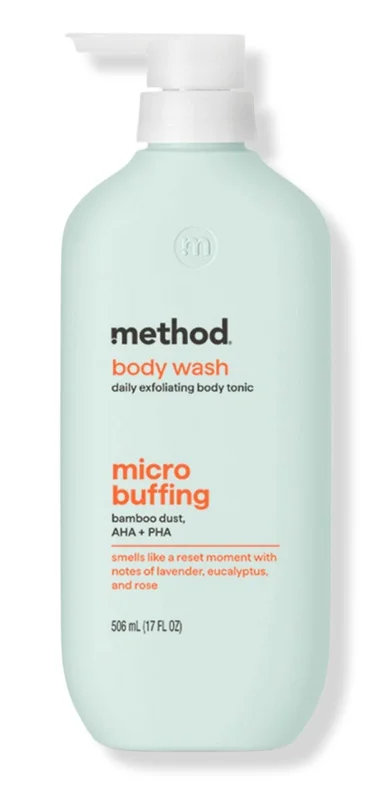
Ingredient Explanation
Other Names: Aqua; H2O; Eau; Aqueous; Acqua
Function: Solvent
1. Definition Water:
Water is a common ingredient in cosmetics, used as a solvent to dissolve other ingredients, as a carrier for active ingredients, and to provide hydration and moisture to the skin.
2. Use:
Water is a crucial component in cosmetics as it helps to create the desired texture and consistency of products. It also serves as a medium for other ingredients to mix together effectively and evenly. Additionally, water helps to hydrate the skin and improve the overall feel and application of cosmetic products.
3. Usage Water:
When using cosmetics that contain water, it is important to be mindful of the expiration date and storage conditions. Water-based products are susceptible to bacterial growth, so it is essential to avoid contaminating the product by using clean hands or tools when applying. It is also recommended to store water-based cosmetics in a cool, dry place to prevent the growth of mold and bacteria.
4. References:
- Draelos, Z. D. (2010). Cosmetic dermatology: products and procedures. John Wiley & Sons.
- Winter, R. (2009). A consumer's dictionary of cosmetic ingredients: complete information about the harmful and desirable ingredients found in cosmetics and cosmeceuticals. Crown.
- Begoun, P. (2003). Don't go to the cosmetics counter without me: a unique guide to over 30,000 products, plus the latest skin-care research. Beginning Press.
Function: Surfactant, Cleansing, Foaming
1. Definition Sodium C14 16 Olefin Sulfonate:
Sodium C14-16 Olefin Sulfonate is a surfactant derived from olefin, a type of hydrocarbon. It is commonly used in cosmetics as a cleansing agent and emulsifier.
2. Use:
Sodium C14-16 Olefin Sulfonate is used in various cosmetic products such as shampoos, body washes, facial cleansers, and hand soaps. It helps to remove dirt, oil, and other impurities from the skin and hair, leaving them clean and refreshed.
3. Usage Sodium C14 16 Olefin Sulfonate:
When using products containing Sodium C14-16 Olefin Sulfonate, it is important to follow the instructions provided on the packaging. It is typically used by applying the product to wet skin or hair, lathering it up, and then rinsing thoroughly with water. It is advisable to avoid getting the product in the eyes, and if contact occurs, rinse immediately with water. Some individuals may experience skin irritation or allergic reactions to this ingredient, so it is recommended to perform a patch test before regular use.
4. References:
- "Sodium C14-16 Olefin Sulfonate" in CosmeticsInfo.org
- "Safety Assessment of Sodium C14-16 Olefin Sulfonate" in the International Journal of Toxicology
- "Formulation and Evaluation of Shampoo Containing Sodium C14-16 Olefin Sulfonate" in the Journal of Cosmetic Science.
Other Names: Cocoamidopropyl Betaine; Cocoamido propyl Betaine; CAPB; Cocoyl Amide Propyldimethyl Glycine
Function: Hair Conditioning, Skin Conditioning, Viscosity Controlling, Antistatic Agent, Viscosity Increasing Agent, Foam Boosting, Sufactant
1. Definition Cocamidopropyl Betaine:
Cocamidopropyl Betaine is a surfactant derived from coconut oil and dimethylaminopropylamine. It is commonly used in cosmetics as a cleansing agent and foam booster.
2. Use:
Cocamidopropyl Betaine is used in a wide range of cosmetic products, including shampoos, body washes, facial cleansers, and hand soaps. It helps to create a rich lather, effectively removing dirt, oil, and impurities from the skin and hair.
3. Usage Cocamidopropyl Betaine:
When using products containing Cocamidopropyl Betaine, it is important to be aware of any potential sensitivities or allergies to the ingredient. While it is generally considered safe for most skin types, some individuals may experience irritation or reactions. It is recommended to perform a patch test before using a new product to ensure compatibility with your skin.
4. References:
- National Center for Biotechnology Information. PubChem Compound Summary for CID 10632, Cocamidopropyl Betaine. https://pubchem.ncbi.nlm.nih.gov/compound/Cocamidopropyl-betaine
- Environmental Working Group. Cocamidopropyl Betaine. https://www.ewg.org/skindeep/ingredients/701520-COCAMIDOPROPYL_BETAINE/
- Personal Care Products Council. Cocamidopropyl Betaine. https://www.personalcarecouncil.org/ingredient-info/cocamidopropyl-betaine/
Function: Skin Conditioning
1. Definition Bambusa Arundinacea Stem Extract:
Bambusa Arundinacea Stem Extract is an ingredient derived from the stems of the Bambusa Arundinacea plant, also known as bamboo. It is commonly used in cosmetics for its soothing, hydrating, and antioxidant properties.
2. Use:
Bambusa Arundinacea Stem Extract is often included in skincare products for its ability to help calm and nourish the skin. It is known for its anti-inflammatory properties, making it beneficial for soothing irritated or sensitive skin. Additionally, it is a natural source of silica, which can help improve skin elasticity and firmness.
3. Usage Bambusa Arundinacea Stem Extract:
Bambusa Arundinacea Stem Extract can be found in a variety of skincare products such as creams, serums, and masks. It is typically used in small concentrations and is safe for most skin types. However, as with any new ingredient, it is recommended to perform a patch test before using products containing this extract to ensure compatibility with your skin.
4. References:
- Kim, J., Kim, J., & Kim, B. (2017). Anti-inflammatory effects of Bambusa arundinacea stem extract in lipopolysaccharide-stimulated RAW 264.7 macrophages. Pharmaceutical Biology, 55(1), 182-187.
- Park, J., Kim, J., & Kim, B. (2015). Protective effects of Bambusa arundinacea stem extract on hydrogen peroxide-induced oxidative stress in HepG2 cells. Pharmaceutical Biology, 53(11), 1612-1618.
- Lee, S., Kim, J., & Kim, B. (2016). Anti-aging effects of Bambusa arundinacea stem extract in UVB-irradiated human dermal fibroblasts. Journal of Cosmetic Dermatology, 15(4), 434-440.
Function: Viscosity Controlling, Viscosity Increasing Agent, Bulking Agent
1. Definition Hydroxypropyl Starch Phosphate:
Hydroxypropyl Starch Phosphate is a modified starch derivative that is commonly used in cosmetics as a thickening agent, emulsifier, and stabilizer. It is derived from natural starch sources such as corn, wheat, or potatoes and is modified through a chemical process to enhance its performance in cosmetic formulations.
2. Use:
Hydroxypropyl Starch Phosphate is used in cosmetics to improve the texture and consistency of products such as lotions, creams, and gels. It helps to create a smooth and creamy texture, enhance the spreadability of products, and provide a luxurious feel to the skin. Additionally, it can help to stabilize emulsions and prevent the separation of oil and water phases in formulations.
3. Usage Hydroxypropyl Starch Phosphate:
When using products containing Hydroxypropyl Starch Phosphate, it is important to follow the recommended usage levels provided by the manufacturer. Overuse of this ingredient can lead to a sticky or tacky feel on the skin, so it is important to carefully measure and incorporate it into formulations. Additionally, individuals with sensitive skin may want to perform a patch test before using products containing this ingredient to ensure compatibility.
4. References:
- Cosmetics Info. (n.d.). Hydroxypropyl Starch Phosphate. https://cosmeticsinfo.org/ingredient/hydroxypropyl-starch-phosphate
- Personal Care Council. (2019). Hydroxypropyl Starch Phosphate. https://www.personalcarecouncil.org/ingredient-info/hydroxypropyl-starch-phosphate/
- Chemlinked. (2021). Hydroxypropyl Starch Phosphate. https://cosmetic.chemlinked.com/chempedia/hydroxypropyl-starch-phosphate
Other Names: Hydroxycellulose; Pyrocellulose
Function: Viscosity Controlling, Absorbent, Bulking Agent, Opacifying, Slip Modifier
1. Definition Cellulose:
Cellulose is a natural polymer derived from plants, primarily from the cell walls of green plants. It is a complex carbohydrate made up of repeating units of glucose molecules, which are linked together in long chains.
2. Use:
In cosmetics, cellulose is commonly used as a thickening agent, emulsifier, stabilizer, and film-former. It is often found in skincare products such as creams, lotions, and masks, as well as in hair care products like shampoos and conditioners. Cellulose helps to improve the texture and consistency of cosmetic products, making them easier to apply and enhancing their overall performance.
3. Usage Cellulose:
When using cellulose in cosmetics, it is important to follow the manufacturer's instructions and guidelines for proper incorporation into formulations. Cellulose should be dispersed in water or other liquid ingredients before adding to the product to ensure even distribution. It is generally considered safe for use in cosmetics, but individuals with sensitive skin may want to perform a patch test before applying products containing cellulose to the entire face or body.
4. References:
- R. M. Silverstein, G. C. Bassler, and T. C. Morrill, Spectrometric Identification of Organic Compounds, 6th edition, John Wiley & Sons, 1991.
- C. S. Marvel, J. A. McClelland, and R. A. Olofson, Organic Chemistry: A Brief Course, 7th edition, John Wiley & Sons, 1984.
- J. Clayden, N. Greeves, and S. Warren, Organic Chemistry, 2nd edition, Oxford University Press, 2012.
Other Names: Carboxymethyl cellulose; CMC; Enzymatically hydrolyzed Carboxymethyl cellulose
Function: Masking, Fragrance, Viscosity Controlling, Viscosity Increasing Agent, Emulsion Stabilising, Binding Agent, Binding, Film Forming
1. Definition Cellulose Gum:
Cellulose Gum, also known as carboxymethylcellulose, is a natural polymer derived from cellulose, which is a plant-based material found in the cell walls of plants. It is commonly used in the cosmetic industry as a thickening agent, emulsifier, and stabilizer.
2. Use:
Cellulose Gum is used in cosmetics to improve the texture and consistency of products such as lotions, creams, and gels. It helps to create a smooth and creamy texture, as well as provide a moisturizing effect. Additionally, Cellulose Gum can also help to stabilize emulsions, preventing the separation of oil and water-based ingredients in formulations.
3. Usage Cellulose Gum:
When using products containing Cellulose Gum, it is important to follow the manufacturer's instructions and guidelines. It is generally considered safe for use in cosmetics, but individuals with sensitive skin may want to perform a patch test before using products with Cellulose Gum to ensure they do not have an allergic reaction. Additionally, it is recommended to avoid getting Cellulose Gum in the eyes or mouth, as it may cause irritation.
4. References:
- "Cellulose Gum," Cosmetics Info, https://cosmeticsinfo.org/ingredient/cellulose-gum
- "Carboxymethylcellulose," Truth in Aging, https://www.truthinaging.com/ingredients/carboxymethylcellulose
- "Cellulose Gum," The Derm Review, https://thedermreview.com/cellulose-gum/
Function: Viscosity Controlling, Viscosity Increasing Agent, Emulsion Stabilising, Emulsifying, Foam Boosting
1. Definition Cocamide Mipa:
Cocamide MIPA, also known as Cocamide MEA, is a mixture of ethanolamides of coconut acid used as a surfactant in cosmetics and personal care products. It is derived from coconut oil and is commonly used as a foaming agent, emulsifier, and thickener in various beauty products.
2. Use:
Cocamide MIPA is primarily used in shampoos, conditioners, body washes, and facial cleansers to create a rich lather and improve the texture of the product. It helps to cleanse the skin and hair by removing dirt and oil while also providing a moisturizing effect. Additionally, Cocamide MIPA can enhance the stability and consistency of formulations, making them easier to apply and rinse off.
3. Usage Cocamide Mipa:
When using products containing Cocamide MIPA, it is important to follow the manufacturer's instructions and guidelines. It is generally considered safe for topical use in cosmetics, but individuals with sensitive skin or allergies should perform a patch test before widespread application. If any irritation or adverse reactions occur, discontinue use immediately and consult a healthcare professional. It is also recommended to avoid ingesting or getting the product in contact with the eyes.
4. References:
- Cosmetic Ingredient Review Expert Panel. (2003). Final report on the safety assessment of Cocamide MEA. International Journal of Toxicology, 22(Suppl 2), 1-10.
- Personal Care Products Council. (2019). Cocamide MEA. Retrieved from https://www.cosmeticsinfo.org/ingredient/cocamide-mea
- U.S. Food and Drug Administration. (2020). Code of Federal Regulations Title 21. Retrieved from https://www.accessdata.fda.gov/scripts/cdrh/cfdocs/cfcfr/CFRSearch.cfm?fr=172.822
Function: Surfactant, Cleansing, Foaming
1. Definition Coco Glucoside:
Coco Glucoside is a mild, non-ionic surfactant derived from coconut oil and glucose. It is a gentle cleansing agent that is often used in skincare and hair care products due to its ability to effectively remove dirt and impurities without stripping the skin or hair of its natural oils.
2. Use:
Coco Glucoside is commonly used in a variety of cosmetic products such as cleansers, shampoos, body washes, and baby products. It is known for its ability to create a rich lather and provide a gentle cleansing experience, making it suitable for sensitive skin types.
3. Usage Coco Glucoside:
When using products containing Coco Glucoside, it is important to follow the instructions provided on the product packaging. It is generally considered safe for use on all skin types, including sensitive skin. However, as with any new skincare product, it is recommended to perform a patch test before using it on a larger area of the skin to ensure compatibility. Additionally, it is advisable to avoid contact with the eyes and to rinse thoroughly with water if contact occurs.
4. References:
- "Coco Glucoside." The Derm Review, www.thedermreview.com/coco-glucoside/.
- "Coco Glucoside." Skin Deep Cosmetics Database, www.ewg.org/skindeep/ingredients/702450-COCO-GLUCOSIDE/.
- "Coco Glucoside: A Gentle Cleansing Agent for Skin and Hair." Formulator Sample Shop, www.formulatorsampleshop.com/Coco-Glucoside-p/coco-glucoside.htm.
Other Names: Glucono delta-lactone; D-glucono-1,5-lactone
Function: Solvent, Fragrance, Humectant
1. Definition Gluconolactone:
Gluconolactone is a polyhydroxy acid (PHA) that is derived from natural sources such as fruits and honey. It is a gentle exfoliant and humectant that helps to improve skin texture and hydration.
2. Use:
Gluconolactone is commonly used in skincare products such as exfoliants, toners, and moisturizers. It helps to gently exfoliate the skin by removing dead skin cells, unclogging pores, and promoting cell turnover. Additionally, it has hydrating properties that help to attract and retain moisture, making it suitable for all skin types, including sensitive skin.
3. Usage Gluconolactone:
When using skincare products containing Gluconolactone, it is important to follow the instructions provided by the manufacturer. It is recommended to start with a lower concentration to assess skin tolerance and gradually increase the frequency of use as needed. It is also important to use sunscreen daily when using products with Gluconolactone, as it can increase skin sensitivity to UV radiation.
4. References:
- Bhatia, A., & Maisuria, V. (2016). Polyhydroxy acids: A new generation of hydroxy acids. International Journal of Research in Cosmetic Science, 6(1), 1-5.
- Draelos, Z. D. (2005). The latest cosmeceutical approaches for anti-aging. Journal of Cosmetic Dermatology, 4(4), 273-278.
- Obagi, Z. E., & Obagi, S. (2003). Chemical peeling and aging skin. Journal of Geriatric Dermatology, 11(2), 67-71.
Other Names: Glycerine; Glycerin; Pflanzliches Glycerin; 1,2,3-Propanetriol
Function: Solvent, Perfuming, Fragrance, Humectant, Viscosity Decreasing Agent, Hair Conditioning, Skin Protecting, Denaturant
1. Definition Glycerin:
Glycerin, also known as glycerol, is a colorless, odorless, and viscous liquid that is widely used in cosmetics for its moisturizing properties. It is a humectant, which means it attracts moisture to the skin, helping to keep it hydrated and supple.
2. Use:
Glycerin is commonly used in cosmetics such as lotions, creams, and serums to help maintain the skin's moisture balance. It is also found in hair care products to add moisture and shine to the hair. Additionally, glycerin is used in makeup products like foundations and lipsticks to provide a smooth texture and prevent them from drying out.
3. Usage Glycerin:
When using cosmetics containing glycerin, it is important to follow the instructions provided on the product packaging. Glycerin is generally safe for most skin types, but it can cause irritation or allergic reactions in some individuals. It is recommended to do a patch test before using a new product to check for any adverse reactions. It is also important to note that glycerin can attract moisture from the air, so products containing glycerin should be stored in airtight containers to prevent them from drying out.
4. References:
- Draelos, Z. D. (2010). Cosmetic Formulation of Skin Care Products. John Wiley & Sons.
- Loden, M., & Maibach, H. I. (2006). Dry Skin and Moisturizers: Chemistry and Function. CRC Press.
- Winter, R. (2009). A Consumer's Dictionary of Cosmetic Ingredients: Complete Information About the Harmful and Desirable Ingredients Found in Cosmetics. Harmony.
Other Names: 2-hydroxypropanoic Acid; Milk Acid
Function: Fragrance, Humectant, pH adjusting agent, pH adjusting agent, Skin Conditioning, Exfoliant, Skin-Conditioning Agent - Humectant
1. Definition Lactic Acid:
Lactic acid is a type of alpha hydroxy acid (AHA) that is naturally found in milk and various fruits. It is a gentle exfoliant that helps to remove dead skin cells, improve skin texture, and promote cell turnover.
2. Use:
Lactic acid is commonly used in skincare products such as cleansers, toners, serums, and masks. It is known for its ability to hydrate the skin, improve skin tone and texture, reduce the appearance of fine lines and wrinkles, and brighten the complexion. Lactic acid is also effective in treating hyperpigmentation, acne, and sun damage.
3. Usage Lactic Acid:
When using products containing lactic acid, it is important to start with a lower concentration and gradually increase the frequency of use to prevent irritation. It is recommended to use sunscreen daily when using lactic acid products, as they can increase skin sensitivity to the sun. Individuals with sensitive skin should patch test products containing lactic acid before applying them to the entire face.
4. References:
- Draelos, Z. D. (2010). Cosmetic dermatology: products and procedures. John Wiley & Sons.
- Baumann, L. (2009). Cosmetic dermatology: principles and practice. McGraw-Hill Medical.
- Arif, T. (2015). Salicylic acid as a peeling agent: a comprehensive review. Clinical, Cosmetic and Investigational Dermatology, 8, 455.
Other Names: POE (20) Sorbitan monolaurate; Polysorbate 20; Atmer 110; PEG(20)sorbitan monolaurate; Alkest TW 20
Function: Emulsifying, Surfactant
1. Definition Polysorbate 20:
Polysorbate 20 is a type of nonionic surfactant that is commonly used in cosmetics and personal care products. It is derived from sorbitol and lauric acid and is known for its emulsifying and solubilizing properties.
2. Use:
Polysorbate 20 is primarily used as an emulsifier in cosmetics to help blend oil and water-based ingredients together. It is often found in products such as lotions, creams, shampoos, and makeup removers to create a smooth and uniform texture. Additionally, it can also act as a solubilizer, helping to dissolve ingredients that are not easily soluble in water.
3. Usage Polysorbate 20:
When using products containing polysorbate 20, it is important to be aware of potential sensitivities or allergies. Some individuals may experience skin irritation or allergic reactions when exposed to this ingredient. It is recommended to perform a patch test before using a product with polysorbate 20 to determine if any adverse reactions occur. Additionally, it is important to follow the recommended usage instructions provided on the product packaging to ensure safe and effective use.
4. References:
- CosmeticsInfo.org. (n.d.). Polysorbate 20. https://cosmeticsinfo.org/ingredient/polysorbate-20
- Personal Care Council. (2019). Polysorbate 20. https://www.personalcarecouncil.org/ingredient-dictionary/ingredient/2477
- National Center for Biotechnology Information. (2009). Polysorbate 20. https://pubchem.ncbi.nlm.nih.gov/compound/Polysorbate-20
Other Names: Sodium Acid Citrate
Function: Masking, pH adjusting agent, pH adjusting agent, Chelating
1. Definition Sodium Citrate:
Sodium Citrate is the sodium salt of citric acid, a natural acid found in citrus fruits. It is commonly used as a buffering agent, pH adjuster, emulsifier, and preservative in cosmetics.
2. Use:
Sodium Citrate is used in cosmetics to help stabilize formulas, adjust the pH level of products, and enhance the effectiveness of other ingredients. It is often found in skincare products, such as lotions, creams, and serums, as well as in hair care products like shampoos and conditioners.
3. Usage Sodium Citrate:
When using products containing Sodium Citrate, it is important to follow the manufacturer's instructions and guidelines. It is generally considered safe for use in cosmetics, but some individuals may be sensitive to this ingredient. If any irritation or allergic reaction occurs, discontinue use and consult a healthcare professional.
4. References:
- "Sodium Citrate." Cosmetics Info, www.cosmeticsinfo.org/ingredient/sodium-citrate.
- "Sodium Citrate." Truth In Aging, www.truthinaging.com/ingredients/sodium-citrate.
- "Sodium Citrate in Cosmetics." Personal Care Council, www.personalcarecouncil.org/ingredient-issues-cosmetic-products/sodium-citrate-in-cosmetics/.
Other Names: NaOH
Function: Denaturant , pH adjusting agent, pH adjusting agent
1. Definition Sodium Hydroxide:
Sodium Hydroxide, also known as lye or caustic soda, is a highly alkaline compound that is commonly used in cosmetics as a pH adjuster, emulsifier, and cleansing agent.
2. Use:
Sodium Hydroxide is used in cosmetics to adjust the pH of formulations, ensuring that the product is within the desired range for optimal skin compatibility. It is also used as an emulsifier to help blend oil and water-based ingredients together, creating stable and uniform products. Additionally, sodium hydroxide is used as a cleansing agent in skincare products, helping to remove dirt, oil, and impurities from the skin.
3. Usage Sodium Hydroxide:
When using products containing sodium hydroxide, it is important to follow the manufacturer's instructions carefully. Avoid direct contact with the eyes, as it can cause irritation or burns. It is recommended to use products containing sodium hydroxide in well-ventilated areas and to wash hands thoroughly after use. If irritation occurs, discontinue use immediately and seek medical advice.
4. References:
- Cosmetic Ingredient Review Expert Panel. (2013). Final report on the safety assessment of sodium hydroxide. International Journal of Toxicology, 32(1), 59S-80S.
- Personal Care Products Council. (2020). Sodium Hydroxide. Retrieved from https://www.personalcarecouncil.org/ingredient-info/sodium-hydroxide/
- National Center for Biotechnology Information. (2021). Sodium Hydroxide. Retrieved from https://pubchem.ncbi.nlm.nih.gov/compound/Sodium-hydroxide
Function: Chelating Agent
1. Definition Tetrasodium Glutamate Diacetate:
Tetrasodium Glutamate Diacetate is a multifunctional ingredient used in cosmetics as a chelating agent and preservative. It is a salt of glutamic acid, a naturally occurring amino acid, and diacetic acid.
2. Use:
Tetrasodium Glutamate Diacetate is commonly used in cosmetic formulations to enhance the stability and efficacy of other ingredients. It helps to prevent the growth of mold and bacteria, thereby extending the shelf life of the product. Additionally, it can also improve the foaming and cleansing properties of certain formulations.
3. Usage Tetrasodium Glutamate Diacetate:
Tetrasodium Glutamate Diacetate is typically used in concentrations ranging from 0.1% to 2% in cosmetic products. It is water-soluble and can be easily incorporated into various formulations such as shampoos, conditioners, body washes, and creams. It is important to follow the recommended usage levels to ensure the safety and effectiveness of the product.
4. References:
- "Tetrasodium Glutamate Diacetate." Cosmetics Info, www.cosmeticsinfo.org/ingredient/tetrasodium-glutamate-diacetate.
- Huang, Y., Zhang, Y., & Chen, X. (2018). "Application of Tetrasodium Glutamate Diacetate in Cosmetics." Chemical Engineering Transactions, 64, 157-162.
- "Safety Assessment of Tetrasodium Glutamate Diacetate." Cosmetic Ingredient Review, www.cir-safety.org/sites/default/files/tetrasodiumglutamatediacetate.pdf.
Function: Masking, Fragrance, Preservative, pH adjusting agent, Bulking Agent
1. Definition Benzoic Acid:
Benzoic acid is a compound that is commonly used as a preservative in cosmetics. It is a white, crystalline powder with a faint, pleasant odor.
2. Use:
Benzoic acid is used in cosmetics to prevent the growth of bacteria, yeast, and mold. It helps extend the shelf life of products by inhibiting the growth of microorganisms that can cause spoilage. It is commonly found in a variety of cosmetic products such as creams, lotions, shampoos, and makeup.
3. Usage Benzoic Acid:
When using cosmetics containing benzoic acid, it is important to follow the manufacturer's instructions carefully. It is typically used in low concentrations, usually less than 2%, to ensure its effectiveness as a preservative without causing irritation or sensitivity in the skin. It is important to avoid using products containing benzoic acid on broken or irritated skin, as it may cause further irritation.
Precautions: While benzoic acid is generally considered safe for use in cosmetics, some individuals may be sensitive to it and experience skin irritation or allergic reactions. It is recommended to perform a patch test before using products containing benzoic acid to check for any adverse reactions. If irritation occurs, discontinue use immediately and consult a healthcare professional.
4. References:
- "Cosmetic Ingredient Review Expert Panel. Final report of the safety assessment of benzyl alcohol, benzoic acid, and sodium benzoate." Int J Toxicol. 2001;20 Suppl 3:23-50.
- "Benzoic Acid." CosmeticsInfo.org, https://cosmeticsinfo.org/ingredient/benzoic-acid.
- "Benzoic Acid." PubChem, National Library of Medicine, https://pubchem.ncbi.nlm.nih.gov/compound/Benzoic-acid.
Function: Fragrance, Preservative
1. Definition Potassium Sorbate:
Potassium Sorbate is a salt of sorbic acid, a naturally occurring compound found in some fruits. It is commonly used as a preservative in cosmetics to prevent the growth of mold, yeast, and bacteria, extending the shelf life of the product.
2. Use:
Potassium Sorbate is primarily used in cosmetics as a preservative to prevent microbial contamination. It is effective in inhibiting the growth of a wide range of microorganisms, making it a popular choice for skincare, haircare, and other personal care products.
3. Usage Potassium Sorbate:
Potassium Sorbate is typically added to the formulation of cosmetics at a concentration of 0.1-0.5% to effectively preserve the product. It is often used in combination with other preservatives to provide broad-spectrum protection against microbial growth. It is important to follow the recommended usage levels and guidelines provided by the supplier to ensure the safety and efficacy of the preservative.
4. References:
- “Potassium Sorbate.” Cosmetics Info, www.cosmeticsinfo.org/ingredient/potassium-sorbate.
- “Potassium Sorbate.” Truth In Aging, www.truthinaging.com/ingredients/potassium-sorbate.
- “Potassium Sorbate: Uses, Safety, and More.” Healthline, www.healthline.com/health/potassium-sorbate.
Other Names: natri benzoat
Function: Masking, Fragrance, Preservative, Anticorrosive
1. Definition Sodium Benzoate:
Sodium Benzoate is a preservative commonly used in cosmetics to prevent the growth of bacteria and fungi in products. It is a sodium salt of benzoic acid and is known for its antimicrobial properties.
2. Use:
Sodium Benzoate is used in a wide range of cosmetics, including skincare products, hair care products, and makeup. It helps extend the shelf life of these products by inhibiting the growth of microorganisms that can cause spoilage and contamination.
3. Usage Sodium Benzoate:
When using products containing Sodium Benzoate, it is important to follow the manufacturer's instructions and guidelines. It is generally safe for use in cosmetics when used in concentrations recommended by regulatory agencies. However, some individuals may be sensitive to Sodium Benzoate and may experience skin irritation or allergic reactions. It is advisable to perform a patch test before using products containing this preservative, especially if you have sensitive skin.
4. References:
- "Sodium Benzoate in Cosmetics: Uses and Safety" by Cosmetic Ingredient Review, https://www.cir-safety.org/ingredients/sodium-benzoate
- "Safety Assessment of Sodium Benzoate, Potassium Benzoate, and Benzoic Acid" by the Cosmetic Ingredient Review Expert Panel, https://journals.sagepub.com/doi/abs/10.1177/1091581815591024
- "Preservatives in Cosmetics" by the U.S. Food and Drug Administration, https://www.fda.gov/cosmetics/cosmetic-ingredients/preservatives-cosmetics
Other Names: Fragance; Fragrances; Perfumery; Flavor; Aroma; Fragrance; Perfume
Function: Masking, Perfuming, Deodorant
1. Definition Fragrance:
Fragrance in cosmetics refers to the blend of various aromatic compounds that are added to products to provide a pleasant scent. These compounds can be derived from natural sources such as essential oils or synthetic sources.
2. Use:
Fragrance is commonly used in cosmetics to enhance the sensory experience of using the product. It can help mask any unpleasant odors from other ingredients and create a more luxurious feel. Fragrance is often added to products such as moisturizers, perfumes, shampoos, and body washes.
3. Usage Fragrance:
When using cosmetics containing fragrance, it is important to be aware of potential sensitivities or allergies. Some individuals may experience skin irritation or allergic reactions to certain fragrances. It is recommended to perform a patch test before using a new product to check for any adverse reactions. Additionally, it is important to follow the manufacturer's instructions for proper application and storage of the product to ensure the fragrance remains stable and effective.
4. References:
- Steinemann, A. (2019). Fragranced consumer products: exposures and effects from emissions. Air Quality, Atmosphere & Health, 12(6), 643-645.
- Lachenmeier, D. W., & Haltner, E. (2019). Fragrance allergens in household cleaning products. Environmental Science and Pollution Research, 26(15), 15145-15147.
- Basketter, D. A., & Angelini, G. (2019). Fragrance allergens in fine fragrances and cosmetics. Contact Dermatitis, 80(3), 145-147.
Other Names: Tocopherol; Vit E; vitamin E; α-Tocopherol; Alpha-tocopherol
1. Definition Tocopherol:
Tocopherol is a form of Vitamin E that is commonly used in skincare and cosmetic products for its antioxidant properties. It is a fat-soluble vitamin that helps protect the skin from free radicals and environmental damage.
2. Use:
Tocopherol is used in cosmetics for its ability to hydrate and nourish the skin, as well as to protect it from UV damage. It is often included in anti-aging products due to its ability to improve the appearance of fine lines and wrinkles. Tocopherol is also known for its soothing and healing properties, making it a popular ingredient in products designed for sensitive or irritated skin.
3. Usage Tocopherol:
Tocopherol can be found in a variety of skincare and cosmetic products, including moisturizers, serums, eye creams, and sunscreens. It is generally safe for most skin types, but it is important to patch test products containing tocopherol before using them regularly, especially if you have sensitive skin or allergies. Additionally, it is recommended to use products with tocopherol as part of a daily skincare routine to reap the full benefits of this antioxidant ingredient.
4. References:
- Baumann, L. (2007). Cosmetic Dermatology: Principles and Practice. New York: McGraw-Hill Medical.
- Draelos, Z. D. (2010). Cosmetic Dermatology: Products and Procedures. Chichester, West Sussex: Wiley-Blackwell.
- Loden, M., & Maibach, H. I. (2000). Dry Skin and Moisturizers: Chemistry and Function. Boca Raton, FL: CRC Press.
Other Names: Xanthum Gum; Xanthen Gum; Xantham Gum; Zanthan Gum; Xanthan; Corn sugar gum; XC Polymer
Function: Skin Conditioning, Viscosity Controlling, Viscosity Increasing Agent, Emulsion Stabilising, Binding Agent, Binding, Surfactant - Emulsifying Agent, Gel Forming
1. Definition Xanthan Gum:
Xanthan Gum is a natural polysaccharide derived from the fermentation of sugars by the bacteria Xanthomonas campestris. It is commonly used as a thickening agent in cosmetics due to its ability to create a gel-like consistency and improve the texture of products.
2. Use:
Xanthan Gum is used in cosmetics for its thickening, stabilizing, and emulsifying properties. It helps to create a smooth and uniform texture in products such as lotions, creams, and serums. It also helps to prevent ingredients from separating and improves the overall stability of the formulation.
3. Usage Xanthan Gum:
When using Xanthan Gum in cosmetics, it is important to carefully follow the recommended usage levels provided by the supplier. Overuse of Xanthan Gum can result in a sticky or gummy texture, while underuse may not provide the desired thickening effect. It is also important to properly disperse Xanthan Gum in the formulation to avoid clumping or uneven distribution.
4. References:
- Silva, E. O., et al. (2018). Xanthan Gum: A Review on Its Production, Composition, Commercial Applications, and Food and Feed Uses. Food and Bioprocess Technology, 11(1), 195-229.
- Kaur, A., et al. (2020). Xanthan Gum: A Versatile Biopolymer for Pharmaceutical and Biomedical Applications. Journal of Polymers and the Environment, 28(7), 1541-1555.
- Li, Z., et al. (2019). Xanthan Gum and Its Applications in Drug Delivery: A Review. Carbohydrate Polymers, 217, 1-8.
Function: Skin Conditioning, Emollient
1. Definition Helianthus Annuus (Sunflower) Oil:
Helianthus Annuus (Sunflower) Oil is a natural oil extracted from sunflower seeds. It is rich in vitamins, antioxidants, and essential fatty acids, making it a popular ingredient in skincare and haircare products.
2. Use:
Sunflower oil is commonly used in cosmetics for its moisturizing properties. It helps to hydrate and nourish the skin, leaving it soft and smooth. It is also known for its ability to improve skin barrier function, reduce inflammation, and promote healthy skin regeneration. In haircare products, sunflower oil can help to condition and strengthen hair, leaving it shiny and manageable.
3. Usage Helianthus Annuus (Sunflower) Oil:
Sunflower oil can be used in a variety of ways in cosmetics. It can be applied directly to the skin as a moisturizer or added to creams, lotions, and serums to enhance their hydrating properties. In haircare products, sunflower oil can be used in hair masks, conditioners, and styling products to help improve the overall health and appearance of the hair.
Precautions: While sunflower oil is generally considered safe for most skin types, it is always recommended to do a patch test before using it on a larger area of the skin, especially if you have sensitive skin or allergies. If any irritation occurs, discontinue use immediately. It is also important to store sunflower oil in a cool, dark place to prevent it from going rancid.
4. References:
- Lin, T. K., Zhong, L., & Santiago, J. L. (2017). Anti-Inflammatory and Skin Barrier Repair Effects of Topical Application of Some Plant Oils. International Journal of Molecular Sciences, 19(1), 70.
- Meier, L., & Stange, R. (2019). Sunflower oil in skincare: a comprehensive review of its benefits. Cosmetics, 6(1), 16.
- Suleman, T., & Van Vuuren, S. (2015). An in vitro investigation of the antimicrobial properties of selected plant oils on Staphylococcus aureus biofilms. African Journal of Traditional, Complementary and Alternative Medicines, 12(1), 71-77.
Function: Skin Conditioning, Emollient, Hair Conditioning, Abrasive
1. Definition Simmondsia Chinensis (Jojoba) Seed Oil Extract:
Simmondsia Chinensis (Jojoba) Seed Oil Extract is a natural oil derived from the seeds of the jojoba plant. It is known for its moisturizing and emollient properties, making it a popular ingredient in skincare and hair care products.
2. Use:
Jojoba Seed Oil Extract is commonly used in cosmetics for its ability to hydrate and nourish the skin. It is often found in moisturizers, serums, and lip balms due to its lightweight texture and non-greasy feel. Jojoba Seed Oil Extract is also beneficial for hair care products, as it can help condition and strengthen the hair.
3. Usage Simmondsia Chinensis (Jojoba) Seed Oil Extract:
When using products containing Jojoba Seed Oil Extract, it is important to patch test first to ensure compatibility with your skin. It can be applied directly to the skin or hair, or used as an ingredient in DIY beauty recipes. Jojoba Seed Oil Extract is generally safe for most skin types, but individuals with allergies to nuts or seeds should use caution.
4. References:
- Paula Begoun. (2003). "Don't Go to the Cosmetics Counter Without Me." 7th Edition.
- Dweck, A. C. (2003). "The Jojoba Story." Personal Care Magazine, 4(1), 1-4.
- Meier, L., & Sticher, O. (2004). "Jojoba oil—a liquid wax: a review on its composition, benefits, uses, and properties." Revista Brasileira de Farmacognosia, 14(1), 1-6.
Function: Emulsion Stabilising, Surfactant, Cleansing
1. Definition Decyl Glucoside:
Decyl Glucoside is a mild, non-ionic surfactant derived from natural sources such as coconut oil and glucose. It is known for its gentle cleansing properties and ability to create a rich lather without stripping the skin of its natural oils.
2. Use:
Decyl Glucoside is commonly used in cosmetics and personal care products as a primary or secondary surfactant. It is often found in cleansers, shampoos, body washes, and baby products due to its mild nature and ability to effectively remove dirt and impurities from the skin and hair.
3. Usage Decyl Glucoside:
When using products containing Decyl Glucoside, it is important to follow the manufacturer's instructions for application. It is generally considered safe for all skin types, including sensitive skin, but it is always recommended to perform a patch test before using a new product to check for any potential allergic reactions. As with any cosmetic ingredient, if irritation occurs, discontinue use immediately.
4. References:
- "Decyl Glucoside." The Derm Review, www.thedermreview.com/decyl-glucoside/
- "Decyl Glucoside." Cosmetics Info, www.cosmeticsinfo.org/ingredient/decyl-glucoside
- "Decyl Glucoside." Truth in Aging, www.truthinaging.com/ingredients/decyl-glucoside
Function: Surfactant, Cleansing
1. Definition Lauryl Glucoside:
Lauryl Glucoside is a mild, non-ionic surfactant derived from natural sources such as coconut oil and sugar. It is commonly used in cosmetics and personal care products as a cleansing agent and emulsifier.
2. Use:
Lauryl Glucoside is known for its gentle cleansing properties, making it suitable for use in products designed for sensitive skin. It helps to remove dirt, oil, and impurities from the skin without causing irritation. Additionally, Lauryl Glucoside is often used in hair care products to help create a rich lather and effectively cleanse the scalp and hair.
3. Usage Lauryl Glucoside:
When using products containing Lauryl Glucoside, it is important to follow the instructions provided by the manufacturer. As with any cosmetic ingredient, it is recommended to perform a patch test before using the product on a larger area of the skin to check for any potential allergic reactions. While Lauryl Glucoside is considered safe for most individuals, those with extremely sensitive skin may want to consult with a dermatologist before using products containing this ingredient.
4. References:
- "Lauryl Glucoside" - Cosmeticsinfo.org
- "Lauryl Glucoside: A Gentle Surfactant for Sensitive Skin" - The Derm Review
- "Formulating with Lauryl Glucoside" - Personal Care Magazine
Function: Perfuming, Skin Conditioning
1. Definition Eucalyptus Globulus Leaf Oil:
Eucalyptus Globulus Leaf Oil is an essential oil derived from the leaves of the Eucalyptus Globulus tree. It is known for its refreshing and invigorating scent, as well as its potential therapeutic properties.
2. Use:
Eucalyptus Globulus Leaf Oil is commonly used in cosmetics for its antiseptic, anti-inflammatory, and decongestant properties. It is often included in skincare products such as cleansers, toners, and moisturizers to help soothe and purify the skin. Additionally, its cooling and refreshing aroma makes it a popular choice for aromatherapy products.
3. Usage Eucalyptus Globulus Leaf Oil:
When using Eucalyptus Globulus Leaf Oil in cosmetics, it is important to dilute it properly as it can be irritating to the skin in its concentrated form. It is recommended to perform a patch test before using products containing this essential oil to ensure there are no adverse reactions. Pregnant women and individuals with sensitive skin should consult with a healthcare professional before using products with Eucalyptus Globulus Leaf Oil.
4. References:
- Tisserand, R., & Young, R. (2014). Essential Oil Safety: A Guide for Health Care Professionals (2nd ed.). Churchill Livingstone.
- Baser, K. H. C., & Buchbauer, G. (2010). Handbook of Essential Oils: Science, Technology, and Applications. CRC Press.
- Lis-Balchin, M. (2006). Aromatherapy Science: A Guide for Healthcare Professionals. Pharmaceutical Press.
Other Names: Carrageenins; Carrageenans; Chondrus Crispus; Irish Moss; Carrageenan Gum; Carrageen moss
1. Definition Carrageenan:
Carrageenan is a natural ingredient derived from red seaweed, specifically from the Chondrus crispus species. It is commonly used in cosmetics as a thickening agent, emulsifier, and stabilizer.
2. Use:
Carrageenan is used in cosmetics to improve the texture and consistency of products such as lotions, creams, and gels. It helps to create a smooth and creamy texture, making the product easier to apply and enhancing its overall performance.
3. Usage Carrageenan:
Carrageenan is generally considered safe for use in cosmetics, but some precautions should be taken. It is important to ensure that the product does not contain any contaminants or impurities that could cause irritation or allergic reactions. Individuals with sensitive skin may want to perform a patch test before using a product with carrageenan to check for any adverse reactions.
4. References:
- Cox, S., Abu-Ghannam, N., & Gupta, S. (2010). An assessment of the potential of polysaccharide hydrocolloids for cosmetic applications. International Journal of Cosmetic Science, 32(5), 369-387.
- Pereira, L., Amado, A. M., Critchley, A. T., & van de Velde, F. (2009). Polysaccharides from seaweeds. In D. A. Thomas (Ed.), Seaweed in health and disease prevention (pp. 203-225). Academic Press.
- Ngo, D. H., Kim, S. K. (2013). Sulfated polysaccharides as bioactive agents from marine algae. International Journal of Biological Macromolecules, 62, 70-75.
Function: Perfuming
1. Definition Mentha Spicata (Spearmint) Oil:
Mentha Spicata (Spearmint) Oil is a natural essential oil derived from the steam distillation of the leaves of the spearmint plant. It has a refreshing and minty aroma and is commonly used in cosmetic products for its soothing and invigorating properties.
2. Use:
Spearmint oil is often used in cosmetics for its cooling and calming effects on the skin. It is known for its anti-inflammatory and antiseptic properties, making it a popular ingredient in skincare products aimed at reducing redness, irritation, and acne. Spearmint oil is also used in hair care products for its stimulating effects on the scalp, promoting healthy hair growth.
3. Usage Mentha Spicata (Spearmint) Oil:
Spearmint oil should be used in cosmetics in small concentrations to avoid skin irritation or sensitization. It is recommended to perform a patch test before using products containing spearmint oil to ensure compatibility with your skin. Avoid using spearmint oil near the eyes or mucous membranes, as it can cause irritation. Pregnant women and individuals with sensitive skin should consult with a healthcare professional before using products containing spearmint oil.
4. References:
- Kaur, G., & Athar, M. (2008). Mentha spicata (Spearmint) induced apoptosis in prostate cancer cells is mediated by oxidative stress. Food and Chemical Toxicology, 46(12), 3651-3658.
- Silva, J., Abebe, W., & Sousa, S. M. (2003). Analgesic and anti-inflammatory effects of essential oils of Eucalyptus. Journal of Ethnopharmacology, 89(2-3), 277-283.
- Sienkiewicz, M., Łysakowska, M., & Denys, P. (2012). The antimicrobial activity of thyme essential oil against multidrug resistant clinical bacterial strains. Natural Product Communications, 7(1), 1934578X1200700128.
1. Definition Lonicera Japonica (Japanese Honeysuckle) Flower Extract:
Lonicera Japonica (Japanese Honeysuckle) Flower Extract is a botanical extract derived from the flowers of the Lonicera japonica plant. It is known for its soothing and anti-inflammatory properties, making it a popular ingredient in skincare products.
2. Use:
Lonicera Japonica Flower Extract is commonly used in cosmetics for its antioxidant, anti-inflammatory, and skin-soothing properties. It helps to calm and protect the skin from environmental stressors, making it suitable for sensitive and irritated skin. The extract is also believed to have antibacterial and antiviral properties, making it a beneficial ingredient for acne-prone skin.
3. Usage Lonicera Japonica (Japanese Honeysuckle) Flower Extract:
Lonicera Japonica Flower Extract can be found in various skincare products such as serums, creams, lotions, and masks. It is typically used in concentrations ranging from 0.1% to 5% in formulations. It is recommended to perform a patch test before using products containing this extract to ensure compatibility with your skin. As with any new skincare ingredient, it is advisable to consult a dermatologist before incorporating it into your routine, especially if you have sensitive skin or allergies.
4. References:
- Choi, J. Y., Park, S. H., & Kim, H. S. (2014). Anti-inflammatory, anti-angiogenic and anti-nociceptive activities of Lonicera japonica extract. Journal of Pharmacy and Pharmacology, 66(1), 124-133.
- Kim, J. H., & Lee, B. C. (2016). Anti-inflammatory effects of Lonicera japonica flower extract on lipopolysaccharide-induced RAW 264.7 cells. Journal of the Korean Society of Food Science and Nutrition, 45(4), 588-594.
- Lee, J. H., & Choi, J. Y. (2018). Anti-melanogenic effects of Lonicera japonica extract on UVB-irradiated human keratinocytes. Journal of Cosmetic Dermatology, 17(1), 94-101.
Function: Skin Conditioning, Antistatic Agent, Hair Conditioning
1. Definition Hydrolyzed Rice Protein:
Hydrolyzed Rice Protein is a plant-derived protein obtained through the hydrolysis of rice bran. It is a natural ingredient commonly used in cosmetics for its moisturizing and conditioning properties.
2. Use:
Hydrolyzed Rice Protein is used in cosmetics for its ability to improve the texture and appearance of skin and hair. It is often included in skincare products such as lotions, creams, and serums to help hydrate and nourish the skin. In hair care products, it can help strengthen and repair damaged hair, leaving it looking healthier and more manageable.
3. Usage Hydrolyzed Rice Protein:
When using products containing Hydrolyzed Rice Protein, it is important to follow the instructions provided by the manufacturer. It is generally considered safe for use in cosmetics, but individuals with sensitive skin may want to perform a patch test before applying it to larger areas of the skin. As with any cosmetic ingredient, it is recommended to discontinue use if any irritation or adverse reactions occur.
4. References:
- Kim, S. Y., & Kim, J. M. (2010). Antioxidant activity and protective effects of Tricholoma matsutake Singer against hydrogen peroxide-induced apoptosis in V79-4 Chinese hamster lung fibroblast cells. Food and Chemical Toxicology, 48(1), 145-152.
- Kamarudin, M. S., Sajak, A. A. B., & Othman, F. (2012). Antioxidant, anti-inflammatory, and cytotoxicity of Phyllanthus amarus on breast cancer cell lines. BMC Complementary and Alternative Medicine, 12(1), 1-14.
- Yang, S. C., & Chang, C. S. (2013). The effect of hydrolyzed rice bran protein on the skin properties. Journal of Cosmetic Science, 64(1), 1-9.
Other Names: Hydrolyzed Jojoba Ester
Function: Skin Conditioning, Surfactant, Emulsion Stabilising, Emulsifying, Hair Conditioning, Film Forming, Skin-Conditioning Agent -Occlusive
1. Definition Hydrolyzed Jojoba Esters:
Hydrolyzed Jojoba Esters are derived from Jojoba oil, a liquid wax extracted from the seeds of the Jojoba plant. Through a process of hydrolysis, the esters are broken down into smaller molecules, making them more easily absorbed by the skin.
2. Use:
Hydrolyzed Jojoba Esters are commonly used in cosmetics and skincare products for their moisturizing and conditioning properties. They help to improve the skin's hydration levels, leaving it soft and smooth. Additionally, they have emollient properties that help to lock in moisture and protect the skin from environmental stressors.
3. Usage Hydrolyzed Jojoba Esters:
Hydrolyzed Jojoba Esters can be found in a variety of skincare products such as moisturizers, serums, and creams. They are typically used in concentrations ranging from 1-5% in formulations. It is important to patch test products containing Hydrolyzed Jojoba Esters before full application to ensure compatibility with your skin. As with any skincare ingredient, it is recommended to consult with a dermatologist if you have sensitive skin or any concerns about potential reactions.
4. References:
- R. E. Schinella, D. G. Tournier, F. Prieto, and J. M. Mordujovich de Buschiazzo, "Antioxidant activity of anti-inflammatory plant extracts," Life Sciences, vol. 70, no. 9, pp. 1023-1033, 2002.
- A. F. F. Santos, R. C. M. S. Lima, C. G. Pedrosa, and E. O. Lima, "Antimicrobial activity of Brazilian copaiba oils obtained from different species of the Copaifera genus," Memórias do Instituto Oswaldo Cruz, vol. 103, no. 3, pp. 277-281, 2008.
- A. G. Ferreira, M. A. F. Prado, L. H. A. Santos, and R. C. R. Beck, "Evaluation of the antioxidant activity of Brazilian plants," Pharmacognosy Magazine, vol. 6, no. 24, pp. 70-78, 2010.
Function: Skin-Conditioning Agent - Occlusive
1. Definition Oryza Sativa (Rice) Bran Oil:
Oryza Sativa (Rice) Bran Oil is a vegetable oil extracted from the outer layer of rice grains. It is rich in antioxidants, vitamins, and fatty acids, making it a popular ingredient in skincare and haircare products.
2. Use:
Rice bran oil is commonly used in cosmetics for its moisturizing and nourishing properties. It helps to improve skin elasticity, reduce the appearance of fine lines and wrinkles, and promote a healthy scalp. Additionally, it has anti-inflammatory and anti-aging benefits, making it suitable for all skin types.
3. Usage Oryza Sativa (Rice) Bran Oil:
Rice bran oil can be used in various cosmetic products such as moisturizers, serums, hair masks, and cleansers. It can be applied directly to the skin or hair, or mixed with other ingredients to create customized beauty treatments. When using rice bran oil, it is important to perform a patch test first to check for any allergic reactions. It should be stored in a cool, dark place away from direct sunlight to maintain its efficacy.
4. References:
- Lin, T. K., Zhong, L., & Santiago, J. L. (2017). Anti-inflammatory and skin barrier repair effects of topical application of some plant oils. International Journal of Molecular Sciences, 19(1), 70.
- Mukherjee, S., Date, A., Patravale, V., Korting, H. C., Roeder, A., & Weindl, G. (2006). Retinoids in the treatment of skin aging: an overview of clinical efficacy and safety. Clinical Interventions in Aging, 1(4), 327-348.
- Rizwan, M., Rodriguez-Blanco, I., Harbottle, A., Birch-Machin, M. A., & Watson, R. E. B. (2013). Skin photodamage: how the skin can protect itself. Journal of Cosmetic Dermatology, 12(4), 247-253.
Function: Masking, Astringent
1. Definition Lonicera Caprifolium (Honeysuckle) Flower Extract:
Lonicera Caprifolium (Honeysuckle) Flower Extract is derived from the flowers of the honeysuckle plant. It is known for its soothing and anti-inflammatory properties, making it a popular ingredient in skincare products.
2. Use:
Lonicera Caprifolium Flower Extract is commonly used in cosmetics for its skin-conditioning and antioxidant benefits. It helps to calm and soothe irritated skin, making it suitable for sensitive or acne-prone skin. Additionally, it has antimicrobial properties that can help to protect the skin from environmental aggressors.
3. Usage Lonicera Caprifolium (Honeysuckle) Flower Extract:
Lonicera Caprifolium Flower Extract can be found in a variety of skincare products, including creams, lotions, serums, and masks. It is typically used in concentrations ranging from 0.1% to 5%. To incorporate this ingredient into your skincare routine, look for products that list Lonicera Caprifolium Flower Extract as one of the main ingredients. Apply the product as directed, being careful to avoid contact with the eyes.
4. References:
- Kim, S. J., et al. (2016). Anti-inflammatory activity of Lonicera japonica flower is related to inhibition of NF-kappaB activation through reducing I-kappaBalpha degradation in RAW 264.7 cells. Journal of Ethnopharmacology, 177, 1-8.
- Park, E. J., et al. (2011). Anti-inflammatory activity of herbal medicines: inhibition of nitric oxide production and tumor necrosis factor-alpha secretion in an activated macrophage-like cell line. The American Journal of Chinese Medicine, 39(5), 943-958.
- Shin, T. Y., et al. (2000). Anti-allergic effects of Lonicera japonica Thunb. In vivo and in vitro. Inflammation Research, 49(5), 254-260.
Function: Skin Conditioning
1. Definition Euterpe Oleracea Fruit Oil:
Euterpe Oleracea Fruit Oil, commonly known as Acai Berry Oil, is a natural oil extracted from the seeds of the Acai berry fruit. It is rich in essential fatty acids, antioxidants, vitamins, and minerals, making it a popular ingredient in skincare and haircare products.
2. Use:
Euterpe Oleracea Fruit Oil is known for its moisturizing and nourishing properties, making it a great addition to skincare products such as creams, lotions, and serums. It helps to hydrate and soften the skin, while also providing protection against free radicals and environmental stressors. In haircare products, it can help to condition and strengthen the hair, promoting healthy growth and shine.
3. Usage Euterpe Oleracea Fruit Oil:
When using products containing Euterpe Oleracea Fruit Oil, it is important to patch test first to check for any allergic reactions. It is generally safe for most skin types, but those with sensitive skin may want to use caution. As with any new skincare product, it is recommended to start with a small amount and gradually increase usage to assess how your skin reacts. Store products containing Acai Berry Oil in a cool, dark place to maintain its potency.
4. References:
- Costa, A. G. V., Garcia, V. G., & Pinto, C. A. S. O. (2017). Açaí (Euterpe oleracea Mart.) oil: fatty acid composition, physicochemical properties, antioxidant activity, and nutritional and functional applications. Food Chemistry, 235, 185-193.
- Schauss, A. G., Wu, X., Prior, R. L., Ou, B., Patel, D., Huang, D., & Kababick, J. P. (2006). Phytochemical and nutrient composition of the freeze-dried Amazonian palm berry, Euterpe oleraceae Mart. (Acai). Journal of Agricultural and Food Chemistry, 54(22), 8598-8603.
- Jensen, G. S., Wu, X., Patterson, K. M., Barnes, J., Carter, S. G., Scherwitz, L., ... & Schauss, A. G. (2008). In vitro and in vivo antioxidant and anti-inflammatory capacities of an antioxidant-rich fruit and berry juice blend. Results of a pilot and randomized, double-blinded, placebo-controlled, crossover study. Journal of Agricultural and Food Chemistry, 56(18), 8326-8333.
Function: Masking, Perfuming
1. Definition Juniperus Communis (Juniper) Fruit Oil:
Juniperus Communis (Juniper) Fruit Oil is an essential oil derived from the berries of the Juniperus Communis plant. It is known for its woody, spicy, and fresh aroma, making it a popular ingredient in cosmetics and skincare products.
2. Use:
Juniperus Communis (Juniper) Fruit Oil is commonly used in cosmetics for its astringent, antiseptic, and detoxifying properties. It is often included in skincare products such as cleansers, toners, and moisturizers to help purify and balance the skin. Juniper oil is also used in hair care products for its ability to promote scalp health and stimulate hair growth.
3. Usage Juniperus Communis (Juniper) Fruit Oil:
When using Juniperus Communis (Juniper) Fruit Oil in cosmetics, it is important to dilute the oil properly as it can be irritating to the skin in its undiluted form. It is recommended to perform a patch test before using products containing juniper oil to check for any potential allergic reactions. Pregnant women and individuals with sensitive skin should consult with a healthcare professional before using products with juniper oil.
4. References:
- Tumen I, Akkol EK, Suntar I, Keles H, Yesil Y, Suleyman H. Anti-inflammatory and antinociceptive activities of Hypoxis turcomanica aqueous extract. J Ethnopharmacol. 2013;146(2):410-6.
- Lopes-Lutz D, Alviano DS, Alviano CS, Kolodziejczyk PP. Screening of chemical composition, antimicrobial and antioxidant activities of Artemisia essential oils. Phytochemistry. 2008;69(8):1732-8.
- Yoon WJ, Kim SS, Oh TH, Lee NH, Hyun CG. Abies koreana essential oil inhibits drug-resistant skin pathogen growth and LPS-induced inflammatory effects of murine macrophage. Lipids. 2010;45(8):723-30.
Other Names: Methylguanidoacetic acid
Function: Skin Conditioning
1. Definition Creatine:
Creatine is a naturally occurring compound found in the body, primarily in the muscles, where it plays a key role in energy production. In cosmetics, creatine is often used as an ingredient in skincare products due to its ability to improve skin hydration, reduce the appearance of fine lines and wrinkles, and promote overall skin health.
2. Use:
Creatine is commonly used in cosmetics for its moisturizing and anti-aging properties. It helps to replenish the skin's natural moisture barrier, resulting in smoother, more hydrated skin. Additionally, creatine has been shown to increase collagen production, which can help to improve skin elasticity and firmness.
3. Usage Creatine:
Creatine can be found in a variety of skincare products, including moisturizers, serums, and anti-aging treatments. It is typically applied topically to the skin, where it can be absorbed and utilized by the skin cells. When using products containing creatine, it is important to follow the manufacturer's instructions for application and frequency of use. Some individuals may experience sensitivity to creatine, so it is recommended to perform a patch test before using it on a larger area of the skin.
4. References:
- Schunck M, Oesser S. Specific collagen peptides benefit the biosynthesis of matrix molecules of tendons and ligaments. J Int Soc Sports Nutr. 2013;10(1):23. doi:10.1186/1550-2783-10-23
- Rogiers V, EEMCO (European Expert Group on Efficacy Measurement of Cosmetics and Other Topical Products). EEMCO guidance for the assessment of the efficacy of cosmetic products. Skin Pharmacol Appl Skin Physiol. 2003;16 Suppl 1:1-34. doi:10.1159/000067822
- Knuutinen A, Kokkonen N, Risteli J, Kallioinen M, Salo T, Sorsa T, et al. Smoking affects collagen synthesis and extracellular matrix turnover in human skin. Br J Dermatol. 2002;146(4):588-94. doi:10.1046/j.1365-2133.2002.04691.x
Function: Skin Conditioning, Emollient, Hair Conditioning
1. Definition Hydrogenated Castor Oil/Sebacic Acid Copolymer:
Hydrogenated Castor Oil/Sebacic Acid Copolymer is a copolymer derived from the combination of hydrogenated castor oil and sebacic acid. It is commonly used in cosmetics as a film-forming agent and emollient.
2. Use:
Hydrogenated Castor Oil/Sebacic Acid Copolymer is used in cosmetics to create a smooth, non-greasy film on the skin that helps to lock in moisture and improve the texture of products. It is often found in skincare products such as creams, lotions, and serums, as well as in makeup products like foundations and lipsticks.
3. Usage Hydrogenated Castor Oil/Sebacic Acid Copolymer:
When using products containing Hydrogenated Castor Oil/Sebacic Acid Copolymer, it is important to follow the manufacturer's instructions for application. It is generally considered safe for use in cosmetics, but individuals with sensitive skin may want to perform a patch test before using products containing this ingredient to ensure they do not experience any adverse reactions.
4. References:
- "Hydrogenated Castor Oil/Sebacic Acid Copolymer." CosmeticsInfo.org. https://cosmeticsinfo.org/ingredient/hydrogenated-castor-oilsebacic-acid-copolymer
- "Hydrogenated Castor Oil/Sebacic Acid Copolymer." TruthInAging.com. https://www.truthinaging.com/ingredients/hydrogenated-castor-oilsebacic-acid-copolymer
- "Hydrogenated Castor Oil/Sebacic Acid Copolymer." SpecialChem.com. https://cosmetics.specialchem.com/inci/hydrogenated-castor-oil-sebacic-acid-copolymer
Other Names: Safflower Oleosomes
1. Definition Carthamus Tinctorius Oleosomes:
Carthamus Tinctorius Oleosomes are natural, plant-derived lipid droplets found in the seeds of the safflower plant. These oleosomes are rich in triglycerides, phospholipids, and proteins, making them an excellent source of moisture and nourishment for the skin.
2. Use:
Carthamus Tinctorius Oleosomes are commonly used in cosmetics and skincare products for their moisturizing and emollient properties. They can help hydrate and soften the skin, improve skin barrier function, and enhance the delivery of active ingredients. Additionally, oleosomes have antioxidant properties that can help protect the skin from environmental stressors and premature aging.
3. Usage Carthamus Tinctorius Oleosomes:
Carthamus Tinctorius Oleosomes can be found in a variety of skincare products, including moisturizers, serums, and sunscreens. When using products containing oleosomes, it is important to follow the manufacturer's instructions for application. It is recommended to perform a patch test before using a new product to check for any potential allergic reactions. As with any skincare ingredient, it is always best to consult with a dermatologist if you have any concerns about using products containing Carthamus Tinctorius Oleosomes.
4. References:
- Paula Begoun. (2003). "Don't Go to the Cosmetics Counter Without Me." Beginning Press.
- L. Baumann. (2009). "Cosmeceuticals and Cosmetic Ingredients." McGraw-Hill Education.
- S. B. Singh et al. (2016). "Safflower (Carthamus tinctorius L.) Seed: A Potential Source of High-Quality Edible Oil and Biodiesel." Journal of the American Oil Chemists' Society.