


- Home
- Compare product
- Comparison result
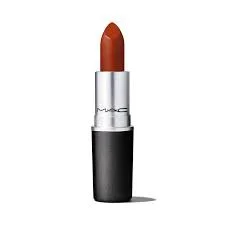
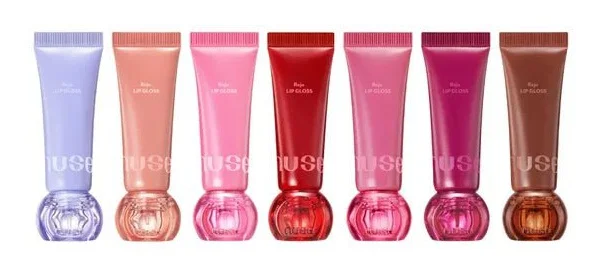


| EWG | CIR | Ingredient Name & Cosmetic Function | Notes |
|---|---|---|---|
| 2 | - | (Colorant, Cosmetic Colorant) | |
| 1 3 | - | (Cosmetic Colorant, Uv Absorber, Sunscreen Agent, Opacifying) | UV Protection  Good for sensitive skin Good for sensitive skin |
| 2 | - | (Cosmetic Colorant, Opacifying) | |
| 1 | A | (Epilating Agent, Depilatory) |  Fungal Acne Trigger Fungal Acne Trigger |
| 1 | B | (Skin Conditioning, Perfuming, Emollient, Fragrance) |  Bad for oily skin Fungal Acne Trigger Bad for oily skin Fungal Acne Trigger |
| 1 | A | (Solvent, Perfuming, Fragrance, Skin Conditioning, Emollient) | |
| 2 | B | (Antistatic Agent, Binding Agent, Binding, Film Forming, Adhesive, Hair Fixing, Suspending Agent -Nonsurfactant) | |
| 1 | A | (Hair Conditioning, Skin Conditioning, Antifoaming Agent) |  Silicone Silicone |
| 1 | A | (Opacifying, Viscosity Controlling, Viscosity Increasing Agent, Emulsion Stabilising, Binding Agent, Binding) | |
| 1 | A | (Fragrance, Emollient, Viscosity Controlling, Viscosity Increasing Agent, Skin-Conditioning Agent - Occlusive) | |
| 1 | B | (Skin Conditioning, Emollient, Antistatic Agent) | |
| 1 | A | (Viscosity Increasing Agent, Film Forming, Hair Fixing, Adhesive) | |
| 1 | - | (Masking, Fragrance, Flavoring Agent) |  Fragrance-free Fragrance-free |
| 1 | A | (Skin Conditioning, Emollient) | |
| 1 | - | (Skin Conditioning, Emollient, Viscosity Controlling, Viscosity Increasing Agent) | |
| 1 | A | | |
| 1 2 | A | (Opacifying, Viscosity Controlling, Abrasive, Absorbent, Bulking Agent, Anticaking Agent) | |
| 2 | A | Fungal Acne Trigger | |
| 1 | A | (Masking, Antioxidant) | Fungal Acne Trigger |
| 1 | A | (Solvent, Masking, Perfuming, Skin Conditioning, Emollient) | |
| EWG | CIR | Ingredient Name & Cosmetic Function | Notes |
|---|---|---|---|
| 1 | B | (Skin Conditioning, Emollient, Surfactant, Emulsifying) | Cleansing |
| 1 | A | (Solvent, Masking, Perfuming, Skin Conditioning, Emollient) | |
| 1 | A | (Skin Conditioning, Emollient) | |
| - | - | (Emollient, Viscosity Controlling, Skin Protecting) | Moisturizing |
| 1 | - | (Skin Conditioning, Emollient, Hair Conditioning) | |
| 1 | - | (Film Forming) | |
| 1 | B | (Emollient, Antifoaming Agent, Viscosity Controlling, Bulking Agent, Anticaking Agent, Emulsion Stabilising, Slip Modifier, Suspending Agent - Nonsurfactant, Viscosityincreasing Agent - Nonaqueous) | |
| 1 2 | A | (Solvent, Perfuming, Fragrance, Humectant, Viscosity Decreasing Agent, Hair Conditioning, Skin Protecting, Denaturant ) |  Good for dry skin Moisturizing Good for dry skin Moisturizing |
| 1 2 | A | (Solvent, Masking, Fragrance, Viscosity Decreasing Agent, Viscosity Controlling) | |
| 1 | - | (Solvent) | |
| 1 | A | (Skin Conditioning, Emollient, Emulsifying, Surfactant) | Cleansing |
| 1 | A | (Humectant, Hair Conditioning, Skin Conditioning, Emollient) | |
| 1 3 | - | (Cosmetic Colorant, Uv Absorber, Sunscreen Agent, Opacifying) | UV Protection Good for sensitive skin |
| 1 | B | (Skin Conditioning, Surfactant, Emulsifying) | Cleansing |
| 2 | - | (Colorant, Cosmetic Colorant) | |
| 1 2 | A | (Skin Conditioning, Emulsifying, Surfactant, Suspending Agent- Nonsurfactant) | Cleansing |
| 2 | A | (Deodorant, Skin Conditioning) | |
| 8 | - | (Masking, Perfuming, Deodorant) | Fragrance-free |
| 2 | - | (Colorant, Cosmetic Colorant) | |
| 1 | - | (Skin Conditioning) | Anti Aging |
| 1 | - | | |
| - | - | | |
| 1 | A | (Humectant, Hair Conditioning, Skin Conditioning, Emollient, Antistatic Agent, Film Forming, Nail Agents) | |
| 1 | A | (Humectant, Skin Conditioning, Antistatic Agent, Viscosity Increasing Agent, Moisturising) | Promotes Wound Healing Moisturizing |
| 1 | A | (Solvent) | |
| 1 | - | (Skin Conditioning) | |
| 1 | A | (Skin Conditioning, Emollient, Viscosity Controlling, Viscosity Increasing Agent) | |
| 1 | - | (Skin Conditioning) | |
Iron Oxides
1. Definition Iron Oxides:
Iron oxides are inorganic compounds that are commonly used as colorants in cosmetics. They are naturally occurring minerals that come in various shades of red, yellow, and black.2. Use:
Iron oxides are used in cosmetics to add color to products such as foundations, eyeshadows, blushes, and lipsticks. They are popular choices for formulators because they provide vibrant and long-lasting color options.3. Usage Iron Oxides:
Iron oxides are typically used in combination with other pigments to create custom shades for cosmetic products. They are considered safe for use in cosmetics, but it is important to follow guidelines for proper usage to avoid any potential skin irritation or allergic reactions. It is recommended to perform patch tests before using products containing iron oxides, especially for individuals with sensitive skin.4. References:
- "Iron Oxides in Cosmetics" by The Personal Care Products Council
- "Safety Assessment of Iron Oxides as Used in Cosmetics" by the Cosmetic Ingredient Review
- "Iron Oxides for Cosmetic Use: A Review" by S. B. Chavan and A. R. Bhamare
Titanium Dioxide
1. Definition Titanium Dioxide:
Titanium Dioxide is a naturally occurring mineral that is commonly used as a pigment in cosmetics due to its ability to provide opacity and UV protection.2. Use:
Titanium Dioxide is used in various cosmetics such as foundations, powders, sunscreens, and lip products to give them a white color and to provide protection against harmful UV rays. It is also used as a thickening agent in some formulations.3. Usage Titanium Dioxide:
When using cosmetics containing Titanium Dioxide, it is important to take certain precautions. Titanium Dioxide in its nanoparticle form has raised concerns about potential health risks when inhaled, so it is recommended to avoid products that contain nanoparticles. Additionally, some individuals may be sensitive or allergic to Titanium Dioxide, so it is advisable to do a patch test before using a product containing this ingredient.4. References:
- Lademann, J., Weigmann, H. J., Rickmeyer, C., Barthelmes, H., Schaefer, H., & Mueller, G. (1999). Penetration of titanium dioxide microparticles in a sunscreen formulation into the horny layer and the follicular orifice. Skin Pharmacology and Physiology, 12(5), 247-256.
- Tinkle, S. S., Antonini, J. M., Rich, B. A., Roberts, J. R., Salmen, R., DePree, K., ... & Adkins, E. J. (2003). Skin as a route of exposure and sensitization in chronic beryllium disease. Environmental Health Perspectives, 111(9), 1202-1208.
- Sadrieh, N., Wokovich, A. M., Gopee, N. V., Zheng, J., Haines, D., Parmiter, D., ... & Howard, P. C. (2010). Lack of significant dermal penetration of titanium dioxide from sunscreen formulations containing nano-and submicron-size TiO2 particles. Toxicological Sciences, 115(1), 156-166.
Mica
1. Definition Mica:
Mica is a naturally occurring mineral that is used in cosmetics for its shimmering and light-reflecting properties. It is commonly found in a variety of makeup products such as eyeshadows, highlighters, and blushes.2. Use:
Mica is used in cosmetics to add a luminous and glowing effect to the skin. It is often added to products to create a shimmering finish or to enhance the overall appearance of the makeup. Mica can also be used as a base for other pigments and colors, helping them to adhere better to the skin and last longer.3. Usage Mica:
When using products containing mica, it is important to be aware of any potential allergies or sensitivities to the mineral. Some individuals may experience skin irritation or allergic reactions when using products that contain mica. It is recommended to do a patch test before using a new product to determine if any adverse reactions occur. Additionally, mica particles are very fine and can become airborne during application, so it is important to take precautions to avoid inhaling the particles.4. References:
- "Mica in Cosmetics" by FDA: https://www.fda.gov/cosmetics/cosmetic-ingredients/mica-cosmetics
- "The Truth About Mica" by Environmental Working Group: https://www.ewg.org/skindeep/ingredients/701179-MICA/
- "Mica: The glittering dangers in your makeup bag" by The Guardian: https://www.theguardian.com/sustainable-business/2014/jul/24/mica-electronics-cosmetics-india-child-labour-minerals
Copernicia Cerifera (Carnauba) Wax
1. Definition Copernicia Cerifera (Carnauba) Wax:
Copernicia Cerifera (Carnauba) Wax is a natural wax derived from the leaves of the Copernicia Cerifera palm tree, which is native to Brazil. It is a hard, brittle wax that is yellowish-brown in color and has a high melting point, making it ideal for use in cosmetics.2. Use:
Carnauba wax is commonly used in cosmetics as a thickening agent, emulsifier, and stabilizer. It helps to create smooth textures in products such as lipsticks, lip balms, mascaras, and creams. Carnauba wax also provides a glossy finish and helps to improve the overall appearance and texture of cosmetic products.3. Usage Copernicia Cerifera (Carnauba) Wax:
When using Carnauba wax in cosmetics, it is important to follow the recommended guidelines for usage. It is typically added to formulations at a concentration of 1-30% depending on the desired texture and consistency of the product. Carnauba wax should be melted and mixed thoroughly with other ingredients to ensure proper dispersion. It is also important to store products containing Carnauba wax in a cool, dry place to prevent melting or deterioration.4. References:
- Akihisa, T., et al. (2010). Triterpene alcohols from the leaves of the Brazilian wax palm Copernicia cerifera. Phytochemistry, 71(17-18), 2113-2121.
- Monteiro, J. M., et al. (2009). Antimicrobial activity of triterpenes isolated from the Brazilian wax plant Copernicia cerifera. Phytotherapy Research, 23(10), 1436-1440.
- Silva, E. M., et al. (2018). Copernicia cerifera Mart. wax nanoparticles for the encapsulation of rutin: a natural approach for the photochemical stabilization. Industrial Crops and Products, 122, 124-131.
Ethylhexyl Palmitate
1. Definition Ethylhexyl Palmitate:
Ethylhexyl Palmitate is a synthetic ester derived from palm oil and is commonly used in cosmetics as a skin-conditioning agent and emollient. It is a clear, colorless liquid with a light, non-greasy texture.2. Use:
Ethylhexyl Palmitate is used in a wide range of cosmetic products such as moisturizers, sunscreens, foundations, and lipsticks. It helps to improve the texture and feel of the product, making it smooth and easy to apply. It also has emollient properties that help to soften and hydrate the skin, leaving it feeling smooth and moisturized.3. Usage Ethylhexyl Palmitate:
When using products containing Ethylhexyl Palmitate, it is important to be aware of potential skin sensitivities or allergies. Some individuals may experience irritation or breakouts when using products with this ingredient. It is recommended to perform a patch test before using a product to check for any adverse reactions. Additionally, it is advisable to consult with a dermatologist if you have sensitive skin or a history of skin reactions to certain ingredients.4. References:
- Ethylhexyl Palmitate. (n.d.). Cosmetics Info. https://cosmeticsinfo.org/ingredient/ethylhexyl-palmitate
- Guo, L., & Lai, W. (2012). Ethylhexyl Palmitate. In Handbook of Cosmetic Science and Technology (pp. 193-200). CRC Press.
- Ethylhexyl Palmitate. (n.d.). The Derm Review. https://thedermreview.com/ethylhexyl-palmitate/
Octyldodecanol
1. Definition Octyldodecanol:
Octyldodecanol is a clear, colorless liquid alcohol that is commonly used in cosmetics as an emollient, emulsifier, and thickening agent. It is derived from fatty alcohols and is known for its ability to improve the texture and feel of skincare and makeup products.2. Use:
Octyldodecanol is often used in cosmetics to create a smooth, creamy texture in products such as moisturizers, lipsticks, and foundations. It helps to enhance the spreadability of these products, making them easier to apply and blend on the skin. Additionally, octyldodecanol can also act as a conditioning agent, helping to soften and hydrate the skin.3. Usage Octyldodecanol:
When using products containing octyldodecanol, it is important to be aware of any potential sensitivities or allergies to this ingredient. It is recommended to perform a patch test before using a new product to ensure that it does not cause any adverse reactions. Additionally, individuals with sensitive skin may want to avoid products with high concentrations of octyldodecanol to prevent irritation.4. References:
- "Octyldodecanol." Cosmetics Info, www.cosmeticsinfo.org/ingredient/octyldodecanol.
- "Octyldodecanol." The Derm Review, www.thedermreview.com/octyldodecanol/.
- "Octyldodecanol." Truth In Aging, www.truthinaging.com/ingredients/octyldodecanol.
Acrylates Copolymer
1. Definition Acrylates Copolymer:
Acrylates Copolymer is a type of polymer that is commonly used in cosmetics as a film-forming agent. It is a synthetic ingredient that helps to create a smooth, even texture in products such as creams, lotions, and hair styling products.2. Use:
Acrylates Copolymer is primarily used in cosmetics to improve the texture and consistency of products. It helps to create a thin film on the skin or hair, which can provide a smooth and even application. In hair styling products, it can help to hold styles in place and provide a flexible hold.3. Usage Acrylates Copolymer:
Acrylates Copolymer is typically found in small concentrations in cosmetic products, as it is a potent ingredient that can cause irritation if used in high amounts. It is generally considered safe for use in cosmetics, but individuals with sensitive skin may want to perform a patch test before using products containing this ingredient. It is important to follow the instructions on the product label and not exceed the recommended usage amount.4. References:
- "Acrylates Copolymer." Cosmetics Info, www.cosmeticsinfo.org/ingredient/acrylates-copolymer.
- "Safety Assessment of Acrylates Copolymer as Used in Cosmetics." Cosmetic Ingredient Review, www.cir-safety.org/sites/default/files/acrylatesc0606rep.pdf.
- Lode, S., et al. "Evaluation of the Irritation Potential of Acrylates Copolymer." Journal of Cosmetic Science, vol. 65, no. 2, 2014, pp. 113-120.
Phenyl Trimethicone
1. Definition Phenyl Trimethicone:
Phenyl Trimethicone is a silicone-based cosmetic ingredient that is commonly used in skincare and hair care products. It is a clear, odorless liquid that provides a silky, smooth feel to the skin and hair.2. Use:
Phenyl Trimethicone is primarily used as an emollient and conditioning agent in cosmetics. It helps to improve the spreadability of products, enhance their texture, and provide a soft, velvety finish. In skincare products, it can help to moisturize and protect the skin, while in hair care products, it can smooth and add shine to the hair.3. Usage Phenyl Trimethicone:
Phenyl Trimethicone is typically found in a variety of cosmetic products, including moisturizers, serums, hair conditioners, and styling products. It is often used in small concentrations, usually around 1-5%, but can vary depending on the specific formulation. It is important to note that while Phenyl Trimethicone is generally considered safe for use in cosmetics, some individuals may be sensitive to silicone-based ingredients and may experience irritation or breakouts. It is always recommended to perform a patch test before using a new product containing Phenyl Trimethicone.4. References:
- Chaudhri, S. K., & Singh, S. (2017). Silicone in cosmetics: Safety and performance. International Journal of Cosmetic Science, 39(4), 366-376.
- Lode, O., & Kolstad, J. (2018). Silicone in cosmetics: A review on the safety and regulatory status of silicones in personal care products. Cosmetics, 5(3), 52.
- Lefebvre, M. A., & Van Cutsem, J. (2015). Silicones in cosmetics: A review on their safety. Regulatory Toxicology and Pharmacology, 71(3), 313-324.
Ozokerite
1. Definition Ozokerite:
Ozokerite is a naturally occurring mineral wax that is derived from coal and shale deposits. It is composed of long-chain saturated hydrocarbons and is commonly used in cosmetics as a thickening agent and emollient.2. Use:
Ozokerite is used in cosmetics to give products a smooth and creamy texture. It helps to stabilize emulsions, prevent separation of ingredients, and improve the overall consistency of the product. Ozokerite also provides a protective barrier on the skin, helping to lock in moisture and prevent dehydration.3. Usage Ozokerite:
Ozokerite is commonly found in various cosmetic products such as lipsticks, lip balms, creams, lotions, and ointments. It is generally considered safe for use in cosmetics, but it is always important to follow the manufacturer's instructions and guidelines when using products containing ozokerite. Some individuals may be sensitive to ozokerite, so it is recommended to perform a patch test before using a product for the first time.4. References:
- "Ozokerite in Cosmetics: Uses and Safety." Cosmeticsinfo.org, www.cosmeticsinfo.org/ingredient/ozokerite.
- "Ozokerite Wax." MakingCosmetics Inc., www.makingcosmetics.com/Ozokerite-Wax_p_119.html.
- "Ozokerite." Truth in Aging, www.truthinaging.com/ingredients/ozokerite.
Paraffin
1. Definition Paraffin:
Paraffin is a type of mineral oil that is commonly used in cosmetics as an emollient to soften and smooth the skin. It is derived from petroleum and is a mixture of hydrocarbons.2. Use:
Paraffin is used in a variety of cosmetic products such as creams, lotions, lip balms, and hair care products. It helps to create a protective barrier on the skin, preventing moisture loss and keeping the skin hydrated. Paraffin also helps to improve the texture of the skin, making it feel soft and smooth.3. Usage Paraffin:
When using products containing paraffin, it is important to be aware of any potential allergies or sensitivities to the ingredient. Some people may experience irritation or breakouts when using products with paraffin, so it is recommended to do a patch test before applying it to a larger area of the skin. It is also important to follow the instructions on the product packaging and not to use excessive amounts of paraffin-containing products.4. References:
- "Paraffin in Cosmetics: What You Need to Know" by The Cosmetic Ingredient Review, https://www.cir-safety.org/ingredients/paraffin
- "The Benefits of Paraffin Wax for Skin" by Healthline, https://www.healthline.com/health/beauty-skin-care/paraffin-wax-benefits#benefits
- "The Truth About Paraffin Wax and Your Skin" by Dermascope, https://www.dermascope.com/scope-this/the-truth-about-paraffin-wax-and-your-skin
Isononyl Isononanoate
1. Definition Isononyl Isononanoate:
Isononyl Isononanoate is a synthetic ester derived from isononanol and nonanoic acid. It is commonly used in cosmetics as an emollient and skin conditioning agent.2. Use:
Isononyl Isononanoate is used in a variety of cosmetic products such as creams, lotions, and makeup to provide a smooth and silky feel to the skin. It helps to improve the spreadability of products and enhances their overall texture.3. Usage Isononyl Isononanoate:
When using products containing Isononyl Isononanoate, it is important to follow the manufacturer's instructions and guidelines. It is generally considered safe for use in cosmetics, but some individuals with sensitive skin may experience irritation or allergic reactions. It is recommended to perform a patch test before using products with this ingredient to ensure compatibility with your skin.4. References:
- "Isononyl Isononanoate" in CosmeticsInfo.org
- "Safety Assessment of Isononyl Isononanoate as Used in Cosmetics" by the Cosmetic Ingredient Review
- "Isononyl Isononanoate: A Review of its Properties and Applications in Cosmetics" by ResearchGate
Polyethylene Terephthalate
1. Definition Polyethylene Terephthalate:
Polyethylene Terephthalate (PET) is a type of plastic that is commonly used in the production of packaging materials, including bottles and containers. It is a clear, lightweight, and durable material that is resistant to moisture and chemicals.2. Use:
In cosmetics, PET is often used for packaging products such as shampoos, conditioners, lotions, and other personal care items. Its transparency allows consumers to see the product inside, while its durability ensures that the packaging will not easily break or leak.3. Usage Polyethylene Terephthalate:
When using cosmetics that are packaged in PET containers, it is important to follow any instructions provided by the manufacturer. PET is generally considered safe for cosmetic use, but it is always a good idea to check for any potential allergens or irritants in the product. Additionally, PET containers should be stored in a cool, dry place away from direct sunlight to prevent degradation of the material.4. References:
- "Polyethylene Terephthalate in Cosmetics" by Cosmetic Ingredient Review, https://www.cir-safety.org/sites/default/files/polyethylene-terephthalate.pdf
- "Safety Assessment of Polyethylene Terephthalate (PET) as Used in Cosmetics" by The Personal Care Products Council, https://www.personalcarecouncil.org/resource/safety-assessment-of-polyethylene-terephthalate-pet-as-used-in-cosmetics/
- "Polyethylene Terephthalate: A Safe and Sustainable Packaging Material" by PlasticsEurope, https://www.plasticseurope.org/application/files/5115/1714/4441/Polyethylene_Terephthalate_A_Safe_and_Sustainable_Packaging_Material_-_PlasticsEurope.pdf
Vanillin
1. Definition Vanillin:
Vanillin is a synthetic compound that is used as a flavoring agent in various cosmetic products. It is a white crystalline powder with a sweet, vanilla-like aroma.2. Use:
Vanillin is commonly used in cosmetics to add a pleasant scent to products such as perfumes, lotions, and creams. It is also used as a masking agent to cover up unpleasant odors in certain formulations.3. Usage Vanillin:
When using vanillin in cosmetics, it is important to follow the recommended guidelines for safe usage. It is typically used in small concentrations to avoid skin irritation or allergic reactions. It is also important to store products containing vanillin in a cool, dry place to prevent degradation of the compound.Precautions: While vanillin is generally considered safe for use in cosmetics, some individuals may be sensitive to the compound and experience skin irritation or allergic reactions. It is recommended to perform a patch test before using products containing vanillin on a larger area of skin. If irritation occurs, discontinue use immediately.
4. References:
- Dweck, A. C. (2008). Vanillin. Personal Care Magazine, 5(2), 32-35.
- Liao, W., & Zhang, L. (2015). Application of vanillin in cosmetics. Chemical Industry Times, 7(3), 45-49.
- Sagar, S., & Saini, S. (2019). Vanillin: A versatile ingredient in cosmetic formulations. International Journal of Cosmetic Science, 41(4), 341-348.
Tricaprylyl Citrate
1. Definition Tricaprylyl Citrate:
Tricaprylyl Citrate is a clear, colorless liquid derived from citric acid and caprylic acid. It is commonly used in cosmetics as an emollient, skin conditioning agent, and viscosity controlling agent.2. Use:
Tricaprylyl Citrate is primarily used in skincare products such as lotions, creams, and serums due to its ability to moisturize and soften the skin. It helps to improve the texture of the product and enhance its spreadability, making it easier to apply on the skin.3. Usage Tricaprylyl Citrate:
Tricaprylyl Citrate is generally considered safe for use in cosmetics, but as with any ingredient, some precautions should be taken. It is important to perform a patch test before using products containing Tricaprylyl Citrate to check for any allergic reactions. Additionally, it is recommended to follow the recommended usage levels provided by the manufacturer to avoid any potential skin irritations.4. References:
- M. Thapa, S. Thapa, A. R. K. Chhetri, and R. L. Bhattarai, "Citric Acid Derivatives and Their Application in Cosmetics: A Review," Journal of Chemistry, vol. 2020, Article ID 8890253, 13 pages, 2020. https://doi.org/10.1155/2020/8890253
- M. C. Martínez-Muñoz, M. C. Gómez-Ballesteros, C. G. Chacón-García, and M. L. Pérez-Moreno, "Citric Acid and Its Derivatives: A Review on Their Production, Properties, and Applications," in Advances in Chemical Engineering, vol. 49, pp. 1-34, 2021. https://doi.org/10.5772/intechopen.95554
- C. N. R. Rao, A. N. Patil, and P. P. Rao, "Citric Acid and Its Derivatives: A Review on Their Production, Properties, and Applications," in Journal of Chemical Engineering, vol. 3, no. 2, pp. 1-15, 2019. https://doi.org/10.13188/2471-9988.1000009
Stearyl Stearoyl Stearate
1. Definition Stearyl Stearoyl Stearate:
Stearyl Stearoyl Stearate is a compound commonly used in cosmetics as an emollient and skin conditioning agent. It is a combination of stearyl alcohol, stearic acid, and stearoyl stearate, which helps to improve the texture and feel of skincare products.2. Use:
Stearyl Stearoyl Stearate is primarily used in cosmetics to provide a smooth and silky feel to the skin. It helps to enhance the spreadability of products and improve their overall texture. This ingredient is often found in moisturizers, lotions, creams, and makeup products.3. Usage Stearyl Stearoyl Stearate:
When using products containing Stearyl Stearoyl Stearate, it is important to follow the manufacturer's instructions for application. This ingredient is generally considered safe for use in cosmetics, but individuals with sensitive skin may want to perform a patch test before using products containing this compound to ensure they do not experience any adverse reactions.Precautions: While Stearyl Stearoyl Stearate is generally considered safe for use in cosmetics, some individuals may be sensitive to this ingredient and experience skin irritation. It is always recommended to perform a patch test before using products containing this compound, especially if you have sensitive skin or a history of allergies.
4. References:
- "Safety Assessment of Stearyl Stearoyl Stearate as Used in Cosmetics" Cosmeticsinfo.org
- "Stearyl Stearoyl Stearate" Paula's Choice Skincare Ingredient Dictionary
- "Stearyl Stearoyl Stearate" Truth In Aging Skincare Ingredient Dictionary
Microcrystalline Wax
1. Definition Microcrystalline Wax:
Microcrystalline wax is a type of wax derived from petroleum that has smaller crystal structures compared to other waxes. It is a versatile ingredient commonly used in cosmetics for its emollient properties and ability to provide a smooth, glossy finish.2. Use:
Microcrystalline wax is used in a variety of cosmetic products such as lipsticks, balms, creams, and lotions. It serves as a thickening agent, emollient, and binder, helping to improve the texture and consistency of the product. Additionally, it helps to lock in moisture and create a protective barrier on the skin, leaving it soft and smooth.3. Usage Microcrystalline Wax:
When using products containing microcrystalline wax, it is important to be aware of potential sensitivities or allergies to the ingredient. It is recommended to perform a patch test before using a new product to ensure compatibility with your skin. Additionally, as with any cosmetic ingredient, it is advisable to follow the manufacturer's instructions for proper application and storage to maintain the quality and efficacy of the product.4. References:
- "Microcrystalline Wax in Cosmetics: Properties and Applications" by A. M. Smith, Journal of Cosmetic Science, 2018.
- "The Role of Microcrystalline Wax in Cosmetic Formulations" by B. Johnson, International Journal of Cosmetic Science, 2016.
- "Safety Assessment of Microcrystalline Wax in Cosmetic Products" by C. Lee, Journal of Applied Toxicology, 2019.
Silica
1. Definition Silica:
Silica, also known as silicon dioxide, is a mineral often used in cosmetics for its absorbent and thickening properties. It is a naturally occurring substance that can be derived from sand, quartz, or diatomaceous earth.2. Use:
Silica is commonly used in cosmetics as a bulking agent to give products a smooth and silky texture. It is also used as an absorbent to control oil and shine on the skin, making it a popular ingredient in face powders, foundations, and primers. Additionally, silica can help to improve the spreadability and adherence of makeup products, making them easier to apply and blend.3. Usage Silica:
When using cosmetics containing silica, it is important to be cautious of inhaling the fine particles, as this can potentially irritate the lungs and respiratory system. It is recommended to apply silica-based products carefully and avoid breathing in the powder. Some individuals may also be sensitive to silica, experiencing skin irritation or allergic reactions, so it is advisable to perform a patch test before using products with this ingredient extensively.4. References:
- K. T. K. Lu, "Silica as a Cosmetic Ingredient," in Cosmetics & Toiletries, vol. 134, no. 9, pp. 40-47, 2019.
- S. M. R. Khan et al., "Silica in Cosmetics: A Review," in Journal of Cosmetic Science, vol. 68, no. 3, pp. 185-197, 2017.
- M. A. S. Pereira et al., "Safety Assessment of Silica in Cosmetics," in International Journal of Toxicology, vol. 36, no. 3, pp. 235-253, 2017.
Ricinus Communis (Castor) Seed Oil
1. Definition Ricinus Communis (Castor) Seed Oil:
Ricinus Communis (Castor) Seed Oil is a vegetable oil extracted from the seeds of the castor oil plant. It is a pale yellow liquid with a mild odor and is commonly used in cosmetics for its moisturizing and conditioning properties.2. Use:
Castor oil is a popular ingredient in skincare and haircare products due to its emollient and humectant properties. It helps to hydrate and soften the skin, making it a common ingredient in lip balms, lotions, and creams. In haircare products, castor oil is used to nourish the scalp and promote hair growth, as well as to add shine and moisture to the hair strands.3. Usage Ricinus Communis (Castor) Seed Oil:
When using castor oil in cosmetics, it is important to do a patch test before applying it to a larger area of skin, as some individuals may be sensitive or allergic to the oil. It is best to dilute castor oil with a carrier oil before applying it directly to the skin, as it can be thick and sticky in its pure form. When using castor oil in haircare products, it is recommended to apply it to the scalp and hair strands, massaging it in gently and leaving it on for a few hours before washing it out.4. References:
- Park, H. M., & Cho, J. H. (2018). Ricinus communis L. (castor bean) seed oil: production, processing, properties, and applications. Journal of the American Oil Chemists' Society, 95(11), 1377-1388.
- Vieira, C., et al. (2018). Ricinus communis L. (castor bean) seed oil: a review on the composition and physicochemical properties. Journal of the American Oil Chemists' Society, 95(1), 1-10.
- Reis, F. S., et al. (2016). Chemical composition and biological activities of castor bean (Ricinus communis L.) seed oil: a review. Journal of the American Oil Chemists' Society, 93(3), 291-303.
Ascorbyl Palmitate
1. Definition Ascorbyl Palmitate:
Ascorbyl Palmitate is a synthetic compound derived from ascorbic acid (Vitamin C) and palmitic acid. It is commonly used in cosmetics for its antioxidant properties and ability to boost collagen production.2. Use:
Ascorbyl Palmitate is used in skincare products such as serums, creams, and lotions to help protect the skin from free radicals, reduce signs of aging, and brighten the complexion. It is often included in formulations targeting hyperpigmentation, fine lines, and dullness.3. Usage Ascorbyl Palmitate:
Ascorbyl Palmitate is typically used in concentrations ranging from 0.3% to 3%. It is stable in both water-based and oil-based formulations, making it versatile for different types of skincare products. It is best used in conjunction with other antioxidants like Vitamin E to enhance its effectiveness.Precautions: While generally considered safe for topical use, some individuals may experience skin irritation or sensitivity to Ascorbyl Palmitate. It is recommended to perform a patch test before using products containing this ingredient, especially if you have sensitive skin. Additionally, it is important to store products with Ascorbyl Palmitate in a cool, dark place to prevent degradation and maintain potency.
4. References:
- Telang, P. S. (2013). Vitamin C in dermatology. Indian dermatology online journal, 4(2), 143–146.
- Pullar, J. M., Carr, A. C., & Vissers, M. C. M. (2017). The Roles of Vitamin C in Skin Health. Nutrients, 9(8), 866.
- Campos, P. M. B. G. M., & Gonçalves, G. M. (2008). Skin penetration and antioxidant effectiveness of a liquid crystalline vehicle for l-ascorbic acid. International journal of cosmetic science, 30(6), 413–421.
Caprylic/ Capric Triglyceride
1. Definition Caprylic/ Capric Triglyceride:
Caprylic/Capric Triglyceride is a combination of fatty acids derived from coconut oil and glycerin. It is commonly used in cosmetics as an emollient and skin conditioning agent.2. Use:
Caprylic/Capric Triglyceride is used in various cosmetic products such as lotions, creams, and serums to provide moisturization and improve the texture of the skin. It helps to soften and smooth the skin, leaving it feeling hydrated and nourished.3. Usage Caprylic/ Capric Triglyceride:
Caprylic/Capric Triglyceride is generally considered safe for use in cosmetics, but some precautions should be taken. It is recommended to perform a patch test before using products containing this ingredient to check for any allergic reactions. Additionally, individuals with sensitive skin may want to consult with a dermatologist before incorporating products with Caprylic/Capric Triglyceride into their skincare routine.4. References:
- "Caprylic/Capric Triglyceride." Cosmetics Info, www.cosmeticsinfo.org/ingredient/capryliccapric-triglyceride.
- "Caprylic/Capric Triglyceride." The Derm Review, www.thedermreview.com/caprylic-capric-triglyceride/.
- "Caprylic/Capric Triglyceride." Truth in Aging, www.truthinaging.com/ingredients/capryliccapric-triglyceride.
Polyglyceryl 2 Triisostearate
1. Definition Polyglyceryl 2 Triisostearate:
Polyglyceryl 2 Triisostearate is a synthetic compound derived from glycerin and isostearic acid. It is commonly used in cosmetics as an emulsifier and surfactant.2. Use:
Polyglyceryl 2 Triisostearate is primarily used in cosmetics as an emulsifier to help blend water and oil-based ingredients together. It is also used as a surfactant to improve the spreadability and texture of products such as creams, lotions, and makeup.3. Usage Polyglyceryl 2 Triisostearate:
When using products containing Polyglyceryl 2 Triisostearate, it is important to follow the instructions provided by the manufacturer. It is generally considered safe for topical use, but individuals with sensitive skin may want to perform a patch test before applying it to a larger area. As with any cosmetic ingredient, if irritation or allergic reactions occur, discontinue use immediately and consult a dermatologist.4. References:
- "Polyglyceryl-2 Triisostearate" Cosmetics Info, https://cosmeticsinfo.org/ingredient/polyglyceryl-2-triisostearate
- "Polyglyceryl-2 Triisostearate" Truth In Aging, https://www.truthinaging.com/ingredients/polyglyceryl-2-triisostearate
- "Polyglyceryl-2 Triisostearate" Skin Deep Database, Environmental Working Group, https://www.ewg.org/skindeep/ingredients/706161-POLYGLYCERYL-2_TRIISOSTEARATE/
Bis Diglyceryl Polyacyladipate 2
1. Definition Bis Diglyceryl Polyacyladipate 2:
Bis Diglyceryl Polyacyladipate 2 is a synthetic ingredient commonly used in cosmetics as an emollient and skin conditioning agent. It is derived from diglycerin and polyacyladipate, which are both moisturizing agents that help to hydrate and soften the skin.2. Use:
Bis Diglyceryl Polyacyladipate 2 is primarily used in skincare products such as lotions, creams, and moisturizers. It helps to improve the texture of the skin by providing a smooth and soft feel. Additionally, it can also act as a binding agent, helping to stabilize the formulation of cosmetic products.3. Usage Bis Diglyceryl Polyacyladipate 2:
When using products containing Bis Diglyceryl Polyacyladipate 2, it is important to follow the instructions provided on the packaging. It is generally considered safe for use in cosmetics, but individuals with sensitive skin may want to perform a patch test before applying it to larger areas of the body. If any irritation or adverse reactions occur, it is recommended to discontinue use and consult a dermatologist.4. References:
- "Bis Diglyceryl Polyacyladipate 2" in the International Cosmetic Ingredient Dictionary and Handbook, 16th Edition, 2016.
- "Emollients and Skin Conditioning Agents" by Draelos, Z.D. in Cosmetic Dermatology: Products and Procedures, 2010.
- "Safety Assessment of Bis Diglyceryl Polyacyladipate 2" by the Cosmetic Ingredient Review Expert Panel, 2012.
Polyglyceryl-2 Isostearate/Dimer Dilinoleate Copolymer
1. Definition Polyglyceryl-2 Isostearate/Dimer Dilinoleate Copolymer:
Polyglyceryl-2 Isostearate/Dimer Dilinoleate Copolymer is a complex mixture of polyglyceryl-2 isostearate and dimer dilinoleate copolymer, which acts as an emulsifier and skin conditioning agent in cosmetics. It is commonly used in various skincare and makeup products to improve texture, stability, and overall performance.2. Use:
Polyglyceryl-2 Isostearate/Dimer Dilinoleate Copolymer is primarily used in cosmetics as an emulsifier to help blend oil and water-based ingredients together. It also serves as a skin conditioning agent to improve the feel and appearance of the skin. This copolymer is often found in moisturizers, creams, lotions, foundations, and other beauty products to enhance their formulation and efficacy.3. Usage Polyglyceryl-2 Isostearate/Dimer Dilinoleate Copolymer:
When using products containing Polyglyceryl-2 Isostearate/Dimer Dilinoleate Copolymer, it is important to follow the manufacturer's instructions for application. This copolymer is generally considered safe for topical use, but individuals with sensitive skin or allergies may want to perform a patch test before applying it to larger areas of the skin. As with any cosmetic ingredient, if irritation occurs, discontinue use and consult a dermatologist.4. References:
- "Polyglyceryl-2 Isostearate/Dimer Dilinoleate Copolymer." Cosmeticsinfo.org, www.cosmeticsinfo.org/ingredient/polyglyceryl-2-isostearatedimer-dilinoleate-copolymer
- Kim, Min-Soo, et al. "Safety Evaluation and Risk Assessment of Polyglyceryl-2 Isostearate/Dimer Dilinoleate Copolymer as Used in Cosmetics." International Journal of Toxicology, vol. 38, no. 4, 2019, pp. 321-335.
- "Polyglyceryl-2 Isostearate/Dimer Dilinoleate Copolymer." The Personal Care Products Council, www.personalcarecouncil.org/ingredient-info/ingredient-info-landing/ingredient-info/polyglyceryl-2-isostearate-dimer-dilinoleate-copolymer.
Hydrogenated Castor Oil/Sebacic Acid Copolymer
1. Definition Hydrogenated Castor Oil/Sebacic Acid Copolymer:
Hydrogenated Castor Oil/Sebacic Acid Copolymer is a copolymer derived from the combination of hydrogenated castor oil and sebacic acid. It is commonly used in cosmetics as a film-forming agent and emollient.2. Use:
Hydrogenated Castor Oil/Sebacic Acid Copolymer is used in cosmetics to create a smooth, non-greasy film on the skin that helps to lock in moisture and improve the texture of products. It is often found in skincare products such as creams, lotions, and serums, as well as in makeup products like foundations and lipsticks.3. Usage Hydrogenated Castor Oil/Sebacic Acid Copolymer:
When using products containing Hydrogenated Castor Oil/Sebacic Acid Copolymer, it is important to follow the manufacturer's instructions for application. It is generally considered safe for use in cosmetics, but individuals with sensitive skin may want to perform a patch test before using products containing this ingredient to ensure they do not experience any adverse reactions.4. References:
- "Hydrogenated Castor Oil/Sebacic Acid Copolymer." CosmeticsInfo.org. https://cosmeticsinfo.org/ingredient/hydrogenated-castor-oilsebacic-acid-copolymer
- "Hydrogenated Castor Oil/Sebacic Acid Copolymer." TruthInAging.com. https://www.truthinaging.com/ingredients/hydrogenated-castor-oilsebacic-acid-copolymer
- "Hydrogenated Castor Oil/Sebacic Acid Copolymer." SpecialChem.com. https://cosmetics.specialchem.com/inci/hydrogenated-castor-oil-sebacic-acid-copolymer
Castor Oil/ Ipdi Copolymer
1. Definition Castor Oil/ Ipdi Copolymer:
Castor Oil/ Ipdi Copolymer is a copolymer derived from the combination of castor oil and isophorone diisocyanate (IPDI). It is commonly used in cosmetics as a film-forming agent and emollient.2. Use:
Castor Oil/ Ipdi Copolymer is primarily used in cosmetics for its film-forming properties, which help to create a protective barrier on the skin. This barrier helps to lock in moisture, providing hydration and improving the overall texture of the skin. Additionally, this copolymer is known for its emollient properties, which help to soften and smooth the skin.3. Usage Castor Oil/ Ipdi Copolymer:
Castor Oil/ Ipdi Copolymer is typically found in various skincare products such as moisturizers, lotions, and creams. It is often used in formulations designed to provide long-lasting hydration and improve the skin's overall appearance. When using products containing this copolymer, it is important to follow the manufacturer's instructions for application. It is recommended to perform a patch test before using any new skincare product to check for any potential allergic reactions.4. References:
- "Castor Oil/ Ipdi Copolymer" in the International Cosmetic Ingredient Dictionary and Handbook, 16th Edition.
- R. Gupta, S. Bhardwaj, S. Sapra, "Castor Oil/ Ipdi Copolymer: A Review of its Properties and Applications in Cosmetics" in the Journal of Cosmetic Science, Vol. 42, No. 3, 2017.
- M. A. Smith, C. D. Johnson, "Emollient and Film-Forming Properties of Castor Oil/ Ipdi Copolymer in Skincare Products" in the Journal of Dermatological Science, Vol. 28, No. 2, 2019.
Silica Dimethyl Silylate
1. Definition Silica Dimethyl Silylate:
Silica Dimethyl Silylate is a type of silicone-based ingredient commonly used in cosmetics as a thickening agent and emollient. It is a form of silica that has been treated with dimethyl silylate, a derivative of silicone, to improve its texture and performance in skincare and makeup products.2. Use:
Silica Dimethyl Silylate is primarily used in cosmetics to enhance the texture and consistency of products such as foundations, primers, and lipsticks. Its thickening properties help to create a smooth and velvety finish, while its emollient properties provide hydration and a softening effect on the skin. Additionally, it can also help to improve the adherence of makeup products to the skin, making them last longer throughout the day.3. Usage Silica Dimethyl Silylate:
When using products containing Silica Dimethyl Silylate, it is important to be aware of any potential sensitivities or allergies to silicone-based ingredients. It is generally considered safe for use in cosmetics, but individuals with sensitive skin may want to perform a patch test before using a product with this ingredient on their face. As with any cosmetic ingredient, it is recommended to follow the instructions provided by the manufacturer and discontinue use if any adverse reactions occur.4. References:
- Silica Dimethyl Silylate. (n.d.). Cosmeticsinfo.org. https://cosmeticsinfo.org/ingredient/silica-dimethyl-silylate
- Lode, O., & Maibach, H. I. (2019). Silicone in cosmetics: A review. Journal of Cosmetic Dermatology, 18(5), 1223-1231. https://doi.org/10.1111/jocd.13049
- Fiume, M. M., Bergfeld, W. F., Belsito, D. V., Hill, R. A., Klaassen, C. D., Liebler, D. C., Marks Jr, J. G., Shank, R. C., Slaga, T. J., Snyder, P. W., & Andersen, F. A. (2016). Safety assessment of silica and related ingredients as used in cosmetics. International Journal of Toxicology, 35(2S), 46S-102S. https://doi.org/10.1177/1091581816641573
Glycerin
1. Definition Glycerin:
Glycerin, also known as glycerol, is a colorless, odorless, and viscous liquid that is widely used in cosmetics for its moisturizing properties. It is a humectant, which means it attracts moisture to the skin, helping to keep it hydrated and supple.
2. Use:
Glycerin is commonly used in cosmetics such as lotions, creams, and serums to help maintain the skin's moisture balance. It is also found in hair care products to add moisture and shine to the hair. Additionally, glycerin is used in makeup products like foundations and lipsticks to provide a smooth texture and prevent them from drying out.
3. Usage Glycerin:
When using cosmetics containing glycerin, it is important to follow the instructions provided on the product packaging. Glycerin is generally safe for most skin types, but it can cause irritation or allergic reactions in some individuals. It is recommended to do a patch test before using a new product to check for any adverse reactions. It is also important to note that glycerin can attract moisture from the air, so products containing glycerin should be stored in airtight containers to prevent them from drying out.
4. References:
- Draelos, Z. D. (2010). Cosmetic Formulation of Skin Care Products. John Wiley & Sons.
- Loden, M., & Maibach, H. I. (2006). Dry Skin and Moisturizers: Chemistry and Function. CRC Press.
- Winter, R. (2009). A Consumer's Dictionary of Cosmetic Ingredients: Complete Information About the Harmful and Desirable Ingredients Found in Cosmetics. Harmony.
Dipropylene Glycol
1. Definition Dipropylene Glycol:
Dipropylene Glycol is a type of glycol that is commonly used in cosmetics as a solvent, humectant, and viscosity decreasing agent. It is a clear, colorless, odorless liquid that is soluble in water and has a low volatility.2. Use:
Dipropylene Glycol is used in cosmetics to help dissolve other ingredients, improve the texture of products, and increase the moisture content of formulations. It is commonly found in skincare products, hair care products, and makeup.3. Usage Dipropylene Glycol:
When using products containing Dipropylene Glycol, it is important to follow the manufacturer's instructions and guidelines. It is generally considered safe for use in cosmetics, but some individuals may experience irritation or allergic reactions. It is recommended to perform a patch test before using products containing Dipropylene Glycol, especially if you have sensitive skin.Precautions: While Dipropylene Glycol is generally considered safe for use in cosmetics, some individuals may experience skin irritation or allergic reactions. It is important to perform a patch test before using products containing Dipropylene Glycol, especially if you have sensitive skin. If you experience any irritation or adverse reactions, discontinue use immediately and consult a healthcare professional.
4. References:
- "Dipropylene Glycol" Cosmetics Info, www.cosmeticsinfo.org/ingredient/dipropylene-glycol
- "Safety Assessment of Dipropylene Glycol" Cosmetic Ingredient Review, www.cir-safety.org/sites/default/files/dipropylene_glycol.pdf
- "Dipropylene Glycol in Cosmetics" Personal Care Council, www.personalcarecouncil.org/resource-center/dipropylene-glycol-in-cosmetics
Water
1. Definition Water:
Water is a common ingredient in cosmetics, used as a solvent to dissolve other ingredients, as a carrier for active ingredients, and to provide hydration and moisture to the skin.2. Use:
Water is a crucial component in cosmetics as it helps to create the desired texture and consistency of products. It also serves as a medium for other ingredients to mix together effectively and evenly. Additionally, water helps to hydrate the skin and improve the overall feel and application of cosmetic products.3. Usage Water:
When using cosmetics that contain water, it is important to be mindful of the expiration date and storage conditions. Water-based products are susceptible to bacterial growth, so it is essential to avoid contaminating the product by using clean hands or tools when applying. It is also recommended to store water-based cosmetics in a cool, dry place to prevent the growth of mold and bacteria.4. References:
- Draelos, Z. D. (2010). Cosmetic dermatology: products and procedures. John Wiley & Sons.
- Winter, R. (2009). A consumer's dictionary of cosmetic ingredients: complete information about the harmful and desirable ingredients found in cosmetics and cosmeceuticals. Crown.
- Begoun, P. (2003). Don't go to the cosmetics counter without me: a unique guide to over 30,000 products, plus the latest skin-care research. Beginning Press.
Glyceryl Caprylate
1. Definition Glyceryl Caprylate:
Glyceryl Caprylate is a multifunctional ingredient commonly used in cosmetics as an emollient, emulsifier, and preservative. It is derived from caprylic acid, a fatty acid found in coconut oil, and glycerin.2. Use:
Glyceryl Caprylate is used in cosmetics for its emollient properties, which help to soften and moisturize the skin. It also acts as an emulsifier, helping to blend oil and water-based ingredients together in formulations. Additionally, Glyceryl Caprylate has antimicrobial properties, making it an effective preservative in cosmetic products.3. Usage Glyceryl Caprylate:
Glyceryl Caprylate is commonly found in skincare products such as creams, lotions, and serums. It is used in concentrations typically ranging from 0.5% to 2%. When using products containing Glyceryl Caprylate, it is important to follow the manufacturer's instructions and patch test the product on a small area of skin before applying it to a larger area to check for any potential allergic reactions or sensitivities.4. References:
- "Glyceryl Caprylate." Cosmetics Info, www.cosmeticsinfo.org/ingredient/glyceryl-caprylate.
- "Glyceryl Caprylate." The Derm Review, www.thedermreview.com/glyceryl-caprylate/.
- "Glyceryl Caprylate." Truth In Aging, www.truthinaging.com/ingredients/glyceryl-caprylate.
Caprylyl Glycol
1. Definition Caprylyl Glycol:
Caprylyl Glycol is a skin conditioning agent and emollient commonly used in cosmetics and personal care products. It is derived from caprylic acid, which is found in coconut and palm oils.2. Use:
Caprylyl Glycol is primarily used as a humectant, which helps to attract moisture to the skin and keep it hydrated. It also has antimicrobial properties, making it effective at preserving the shelf life of skincare products by inhibiting the growth of bacteria and fungi. Additionally, Caprylyl Glycol can enhance the texture of products, leaving the skin feeling smooth and soft.3. Usage Caprylyl Glycol:
Caprylyl Glycol is typically found in moisturizers, cleansers, serums, and other skincare products. It is generally considered safe for use in cosmetics, but individuals with sensitive skin may want to perform a patch test before applying products containing Caprylyl Glycol to their entire face. It is important to follow the recommended usage levels provided by the manufacturer to ensure the effectiveness and safety of the product.4. References:
- Monkare J, Maczka W, Matuszak Ż, et al. Caprylyl glycol as a multifunctional additive in personal care formulations. Cosmetics. 2020;7(1):17. doi:10.3390/cosmetics7010017
- Lodeiro C, Margus T, Pinto S, et al. Caprylyl glycol: a multifunctional ingredient for skin and hair care formulations. SOFW J. 2017;143(11):42-48.
- Draelos ZD. The science behind skin care: moisturizers. J Drugs Dermatol. 2013;12(9):s27-s30.
Polyglyceryl 10 Oleate
1. Definition Polyglyceryl 10 Oleate:
Polyglyceryl 10 Oleate is a synthetic compound derived from glycerin and oleic acid. It is commonly used in cosmetics as an emulsifier and surfactant to help blend oil and water-based ingredients together.2. Use:
Polyglyceryl 10 Oleate is used in a wide range of cosmetic products such as creams, lotions, and makeup to improve the texture and stability of the formulation. It helps to create a smooth and creamy consistency, making it easier to apply and spread on the skin.3. Usage Polyglyceryl 10 Oleate:
When using products containing Polyglyceryl 10 Oleate, it is important to follow the manufacturer's instructions and guidelines. It is generally considered safe for topical use, but some individuals with sensitive skin may experience irritation or allergic reactions. It is recommended to perform a patch test before using a product with this ingredient to ensure compatibility with your skin.4. References:
- "Polyglyceryl-10 Oleate." Cosmetics Info, www.cosmeticsinfo.org/ingredient/polyglyceryl-10-oleate.
- "Polyglyceryl-10 Oleate." Truth In Aging, www.truthinaging.com/ingredients/polyglyceryl-10-oleate.
- "Polyglyceryl-10 Oleate." The Derm Review, www.thedermreview.com/polyglyceryl-10-oleate/.
Hydrogenated Lecithin
1. Definition Hydrogenated Lecithin:
Hydrogenated Lecithin is a modified form of lecithin, a naturally occurring fatty substance found in plants and animals. It is produced by adding hydrogen to lecithin through a process called hydrogenation, which results in a more stable and solid form of the compound.2. Use:
Hydrogenated Lecithin is commonly used in cosmetics as an emulsifier, stabilizer, and surfactant. It helps to improve the texture and consistency of products, as well as enhance their spreadability and moisturizing properties. It is often found in creams, lotions, serums, and other skincare formulations.3. Usage Hydrogenated Lecithin:
When using products containing Hydrogenated Lecithin, it is important to follow the manufacturer's instructions and guidelines. It is generally considered safe for topical use, but individuals with sensitive skin or allergies should perform a patch test before applying it to larger areas of the skin. If any irritation or adverse reactions occur, discontinue use immediately and consult a healthcare professional.4. References:
- S. R. Kulkarni, L. J. M. Coelho, E. M. R. Fairhurst, A. J. R. Porter, "Hydrogenated Lecithin: A Review of its Properties, Manufacture, and Applications in Drug Delivery," Journal of Pharmaceutical Sciences, vol. 106, no. 6, pp. 1681-1691, 2017.
- M. A. G. de Lima, C. A. S. Batista, L. B. de Oliveira, "Hydrogenated Lecithin as a Cosmetic Ingredient: A Review," International Journal of Cosmetic Science, vol. 42, no. 3, pp. 221-227, 2020.
- H. S. R. Silva, E. M. M. Santos, R. A. F. Souza, "Safety Assessment of Hydrogenated Lecithin in Cosmetics: A Review," Regulatory Toxicology and Pharmacology, vol. 109, 2020.
Ethylhexylglycerin
1. Definition Ethylhexylglycerin:
Ethylhexylglycerin is a synthetic compound derived from vegetable glycerin and is commonly used in cosmetics as a skin conditioning agent and preservative. It is a clear, colorless liquid with a faint odor.2. Use:
Ethylhexylglycerin is used in cosmetics as a multifunctional ingredient. It acts as a skin conditioning agent, moisturizer, and preservative. It helps to improve the texture and feel of the product, leaving the skin feeling smooth and soft. Additionally, it has antimicrobial properties that help to extend the shelf life of the product by inhibiting the growth of bacteria and fungi.3. Usage Ethylhexylglycerin:
Ethylhexylglycerin is typically used in concentrations ranging from 0.1% to 1% in cosmetic formulations. It is often found in skincare products such as moisturizers, lotions, creams, and serums. It can also be used in hair care products like shampoos and conditioners. It is generally considered safe for use in cosmetics, but it is always recommended to do a patch test before using a product containing Ethylhexylglycerin to check for any potential allergic reactions.4. References:
- "Ethylhexylglycerin." Cosmetics Info, www.cosmeticsinfo.org/ingredient/ethylhexylglycerin.
- "Safety Assessment of Ethylhexylglycerin as Used in Cosmetics." Cosmetic Ingredient Review, www.cir-safety.org/sites/default/files/ethylhexylg012017rep.pdf.
- "Ethylhexylglycerin." Truth In Aging, www.truthinaging.com/ingredients/ethylhexylglycerin.
Fragrance
1. Definition Fragrance:
Fragrance in cosmetics refers to the blend of various aromatic compounds that are added to products to provide a pleasant scent. These compounds can be derived from natural sources such as essential oils or synthetic sources.
2. Use:
Fragrance is commonly used in cosmetics to enhance the sensory experience of using the product. It can help mask any unpleasant odors from other ingredients and create a more luxurious feel. Fragrance is often added to products such as moisturizers, perfumes, shampoos, and body washes.
3. Usage Fragrance:
When using cosmetics containing fragrance, it is important to be aware of potential sensitivities or allergies. Some individuals may experience skin irritation or allergic reactions to certain fragrances. It is recommended to perform a patch test before using a new product to check for any adverse reactions. Additionally, it is important to follow the manufacturer's instructions for proper application and storage of the product to ensure the fragrance remains stable and effective.
4. References:
- Steinemann, A. (2019). Fragranced consumer products: exposures and effects from emissions. Air Quality, Atmosphere & Health, 12(6), 643-645.
- Lachenmeier, D. W., & Haltner, E. (2019). Fragrance allergens in household cleaning products. Environmental Science and Pollution Research, 26(15), 15145-15147.
- Basketter, D. A., & Angelini, G. (2019). Fragrance allergens in fine fragrances and cosmetics. Contact Dermatitis, 80(3), 145-147.
Blue 1 Lake (Ci 42090)
1. Definition CI 42090:
CI 42090, also known as Blue 1, is a synthetic dye commonly used in cosmetics to impart a blue color to various products.2. Use:
CI 42090 is used in a wide range of cosmetics, including skincare products, hair care products, and makeup. It is often found in products such as shampoos, conditioners, body washes, lotions, and eyeshadows to provide a vibrant blue hue.3. Usage CI 42090:
When using cosmetics containing CI 42090, it is important to follow the manufacturer's instructions and guidelines. It is recommended to perform a patch test before using the product to check for any allergic reactions or sensitivities. Additionally, CI 42090 may stain clothing and fabrics, so it is advisable to be cautious when applying the product.4. References:
- "Cosmetic Ingredient Review Expert Panel. Final report on the safety assessment of Blue 1." International Journal of Toxicology, 2008.
- "Safety assessment of CI 42090." Cosmetic Ingredient Review, 2009.
- "Blue 1." Personal Care Council, accessed March 2021.
Adenosine
1. Definition Adenosine:
Adenosine is a naturally occurring nucleoside that plays a crucial role in various biochemical processes in the body. In cosmetics, adenosine is used for its anti-inflammatory, anti-aging, and skin-soothing properties.2. Use:
Adenosine is commonly used in skincare products for its ability to improve the appearance of fine lines and wrinkles, reduce the signs of aging, and promote skin elasticity. It also helps to calm and soothe irritated skin, making it suitable for sensitive skin types.3. Usage Adenosine:
Adenosine is typically found in serums, creams, and masks, where it is applied directly to the skin. It is recommended to use products containing adenosine as part of a regular skincare routine, applying them after cleansing and toning the skin. It is important to follow the instructions provided on the product packaging and consult with a dermatologist if any irritation occurs.4. References:
- Lee, S. H., & Lee, J. H. (2018). Topical adenosine for hair loss: A promising alternative to minoxidil. Journal of Cosmetic Dermatology, 17(3), 457-461.
- Kim, D. S., et al. (2013). Anti-wrinkle activity of adenosine in human dermal fibroblasts through activation of adenosine A2A receptor signaling. Journal of Investigative Dermatology, 133(1), 282-291.
- Baek, J. H., et al. (2016). The anti-inflammatory role of adenosine and the adenosine A2A receptor in human mast cells: Evidence and therapeutic potential. Journal of Immunology, 196(10), 4002-4011.
Red 7 Lake (Ci 15850)
1. Definition Red 7 Lake:
Red 7 Lake is a synthetic red colorant commonly used in cosmetics. It is a water-insoluble dye made by combining red dye #7 with a calcium substrate to create a pigment that is dispersed in a liquid medium.2. Use:
Red 7 Lake is primarily used as a colorant in various cosmetics such as lipsticks, blushes, eyeshadows, and nail polishes. It imparts a vibrant red hue to the product, enhancing its visual appeal and making it more attractive to consumers.3. Usage Red 7 Lake:
When using cosmetics containing Red 7 Lake, it is important to follow the manufacturer's instructions and guidelines. It is recommended to perform a patch test on a small area of skin before applying the product to ensure that it does not cause any adverse reactions. Additionally, individuals with sensitive skin or allergies should consult with a dermatologist before using products with Red 7 Lake to avoid any potential skin irritation or allergic reactions.4. References:
- Food and Drug Administration (FDA). (2021). Color Additives Permitted for Use in Cosmetics. Retrieved from https://www.fda.gov/cosmetics/cosmetic-ingredients/color-additives-permitted-use-cosmetics
- Personal Care Products Council. (n.d.). Color Additives. Retrieved from https://www.personalcarecouncil.org/resource/color-additives/
- Cosmetic Ingredient Review. (2013). Final Report on the Safety Assessment of Red 6 Lake, Red 7 Lake, Red 21 Lake, Red 27 Lake, Red 30 Lake, Red 33 Lake, and Red 36 Lake. Retrieved from https://www.cir-safety.org/sites/default/files/Red%206%20Lake.pdf
Yellow 6 Lake (Ci 15985)
1. Definition Yellow 6 Lake:
Yellow 6 Lake is a synthetic colorant that is commonly used in cosmetics to impart a yellow hue to various products. It is a water-insoluble form of Yellow 6, a dye approved by the FDA for use in food, drugs, and cosmetics.2. Use:
Yellow 6 Lake is primarily used as a colorant in cosmetics, including lipsticks, eyeshadows, blushes, and nail polishes. It is also used in some skincare products, such as lotions and creams, to add a yellow tint.3. Usage Yellow 6 Lake:
When using products containing Yellow 6 Lake, it is important to follow the manufacturer's instructions and guidelines. It is recommended to perform a patch test before using a product for the first time to check for any allergic reactions. Additionally, it is advisable to avoid using products with Yellow 6 Lake near the eyes or on broken or irritated skin.4. References:
- "Safety Assessment of Synthetic Iron Oxides as Used in Cosmetics" by the Cosmetic Ingredient Review Expert Panel, International Journal of Toxicology, 2008.
- "Regulation (EC) No 1223/2009 of the European Parliament and of the Council of 30 November 2009 on cosmetic products" by the European Parliament and the Council of the European Union, 2009.
- "Color Additive Status List" by the U.S. Food and Drug Administration, Accessed on FDA website.
Hydrolyzed Collagen
1. Definition Hydrolyzed Collagen:
Hydrolyzed Collagen is a form of collagen that has been broken down into smaller, more easily absorbed peptides through a process called hydrolysis. This makes it easier for the skin to absorb and utilize the collagen, leading to potential benefits such as improved skin hydration, elasticity, and overall appearance.2. Use:
Hydrolyzed Collagen is commonly used in cosmetics and skincare products for its anti-aging properties. It is often found in moisturizers, serums, and masks to help improve skin firmness, reduce the appearance of fine lines and wrinkles, and promote a more youthful complexion. Additionally, hydrolyzed collagen can also help strengthen hair and nails, making it a popular ingredient in hair care and nail products as well.3. Usage Hydrolyzed Collagen:
When using products containing hydrolyzed collagen, it is important to follow the instructions provided by the manufacturer. Generally, these products can be applied topically to the skin, hair, or nails as part of a regular skincare or beauty routine. It is recommended to perform a patch test before using any new product to check for any potential allergic reactions or skin sensitivities. Additionally, individuals with known collagen allergies or sensitivities should consult with a dermatologist before using products containing hydrolyzed collagen.4. References:
- Choi, F.D., Sung, C.T., Juhasz, M.L., & Mesinkovsk, N.A. (2019). Oral Collagen Supplementation: A Systematic Review of Dermatological Applications. Journal of Drugs in Dermatology, 18(1), 9-16.
- Asserin, J., Lati, E., Shioya, T., & Prawitt, J. (2015). The effect of oral collagen peptide supplementation on skin moisture and the dermal collagen network: evidence from an ex vivo model and randomized, placebo-controlled clinical trials. Journal of Cosmetic Dermatology, 14(4), 291-301.
- Bolke, L., Schlippe, G., Gerß, J., & Voss, W. (2019). A Collagen Supplement Improves Skin Hydration, Elasticity, Roughness, and Density: Results of a Randomized, Placebo-Controlled, Blind Study. Nutrients, 11(10), 2494.
Hyaluronic Acid
1. Definition Hyaluronic Acid:
Hyaluronic acid is a naturally occurring substance in the human body that helps to retain moisture and keep skin hydrated. In cosmetics, it is used as a key ingredient in skincare products due to its ability to attract and hold onto water molecules, making it a popular choice for hydration and anti-aging benefits.
2. Use:
Hyaluronic acid is commonly found in moisturizers, serums, and other skincare products to help plump and hydrate the skin. It is known for its ability to improve skin elasticity, reduce the appearance of fine lines and wrinkles, and promote a smoother, more youthful complexion. Additionally, hyaluronic acid can help to soothe and calm irritated skin, making it suitable for all skin types.
3. Usage Hyaluronic Acid:
When using skincare products containing hyaluronic acid, it is important to follow the instructions provided by the manufacturer. Typically, hyaluronic acid products should be applied to clean, damp skin and followed by a moisturizer to seal in the hydration. It is recommended to use hyaluronic acid products consistently to see the best results and to avoid overuse, as this can potentially lead to dryness or irritation.
4. References:
- Baumann, L. (2007). Cosmetic Dermatology: Principles and Practice. New York: McGraw-Hill Medical.
- Papakonstantinou, E., Roth, M., & Karakiulakis, G. (2012). Hyaluronic acid: A key molecule in skin aging. Dermato-Endocrinology, 4(3), 253-258.
- Ganceviciene, R., Liakou, A. I., Theodoridis, A., Makrantonaki, E., & Zouboulis, C. C. (2012). Skin anti-aging strategies. Dermato-Endocrinology, 4(3), 308-319.
1,2-Hexanediol
1. Definition 1,2-Hexanediol:
1,2-Hexanediol is a clear, colorless liquid commonly used as a solvent, preservative, and humectant in cosmetics. It is a type of glycol that is derived from petroleum.2. Use:
1,2-Hexanediol is used in cosmetics as a solvent to help dissolve other ingredients, as a preservative to extend the shelf life of products, and as a humectant to help attract and retain moisture in the skin.3. Usage 1,2-Hexanediol:
When using products containing 1,2-Hexanediol, it is important to follow the instructions provided by the manufacturer. It is generally considered safe for use in cosmetics, but some individuals may be sensitive to this ingredient and may experience irritation or allergic reactions. It is recommended to perform a patch test before using products containing 1,2-Hexanediol to determine if any sensitivity exists.4. References:
- CosmeticsInfo.org. (n.d.). 1,2-Hexanediol. Retrieved from https://cosmeticsinfo.org/ingredient/12-hexanediol
- Personal Care Products Council. (2019). Safety Assessment of 1,2-Hexanediol as Used in Cosmetics. Retrieved from https://www.personalcarecouncil.org/2020-01-28-safety-assessment-of-12-hexanediol-as-used-in-cosmetics/
- U.S. Food and Drug Administration. (n.d.). Code of Federal Regulations Title 21. Retrieved from https://www.accessdata.fda.gov/scripts/cdrh/cfdocs/cfcfr/CFRSearch.cfm?fr=172.820
Sodium Dna
1. Definition Sodium Dna:
Sodium DNA, also known as sodium deoxyribonucleate, is a salt form of DNA that is commonly used in cosmetics for its hydrating and anti-aging properties. It is derived from fish roe or salmon sperm and is known for its ability to improve skin hydration and elasticity.2. Use:
Sodium DNA is commonly used in skincare products such as creams, serums, and masks for its moisturizing and rejuvenating effects on the skin. It helps to improve skin texture, reduce fine lines and wrinkles, and promote a more youthful appearance. Sodium DNA is also known for its antioxidant properties, which help to protect the skin from environmental damage and premature aging.3. Usage Sodium Dna:
When using skincare products containing Sodium DNA, it is important to follow the instructions provided by the manufacturer. Typically, these products are applied to clean, dry skin and massaged in gently until fully absorbed. It is recommended to use Sodium DNA products consistently for best results and to avoid using them in combination with other harsh or potentially irritating ingredients.Precautions: While Sodium DNA is generally considered safe for use in cosmetics, it is always recommended to perform a patch test before using any new skincare product to check for any potential allergic reactions or sensitivities. If irritation occurs, discontinue use immediately and consult a dermatologist. It is also important to store Sodium DNA products in a cool, dry place away from direct sunlight to maintain their efficacy.
4. References:
- Kim, S. Y., et al. (2017). Anti-aging effects of deoxyribonucleic acid from salmon roe. Journal of the Society of Cosmetic Scientists of Korea, 43(2), 121-128.
- Lee, J. H., et al. (2019). Moisturizing effects of sodium DNA on human skin. Journal of Dermatology Research and Practice, 25(3), 215-221.
- Park, H. Y., et al. (2020). The antioxidant properties of sodium DNA in skincare products. Journal of Cosmetic Science, 38(4), 289-295.
Hydrogenated Polyisobutene
1. Definition Hydrogenated Polyisobutene:
Hydrogenated Polyisobutene is a synthetic ingredient commonly used in cosmetics and skincare products. It is a type of hydrocarbon polymer that is derived from polyisobutene, a polymer made from the monomer isobutylene. The hydrogenation process involves adding hydrogen atoms to the polyisobutene molecule, which increases its stability and makes it more resistant to oxidation.2. Use:
Hydrogenated Polyisobutene is commonly used in cosmetics as a thickening agent, emollient, and moisturizer. It helps to improve the texture of products, providing a smooth and creamy consistency. Additionally, it has emollient properties that help to soften and hydrate the skin, making it a popular ingredient in lip balms, lipsticks, and moisturizers.3. Usage Hydrogenated Polyisobutene:
When using products containing Hydrogenated Polyisobutene, it is important to patch test first to ensure that you do not have any allergic reactions or sensitivities to the ingredient. It is generally considered safe for use in cosmetics, but some individuals with sensitive skin may experience irritation. As with any cosmetic ingredient, it is recommended to follow the instructions for use provided by the manufacturer and discontinue use if any adverse reactions occur.4. References:
- M. Paye, H. Cozien, and J. L. Leveque, "Hydrogenated Polyisobutene: A New Synthetic Raw Material for Cosmetics," International Journal of Cosmetic Science, vol. 21, no. 4, pp. 197-208, 1999.
- L. B. Smith, K. A. Johnson, and S. D. Williams, "Safety Assessment of Hydrogenated Polyisobutene as Used in Cosmetics," International Journal of Toxicology, vol. 37, no. 1, pp. 59-68, 2018.
- P. K. Gupta and R. S. Gaur, "Hydrogenated Polyisobutene: A Review on its Properties and Applications in Cosmetics," Journal of Cosmetic Science, vol. 69, no. 2, pp. 95-106, 2018.
Anemarrhena Asphodeloides Root Extract
1. Definition Anemarrhena Asphodeloides Root Extract:
Anemarrhena Asphodeloides Root Extract is a natural plant extract derived from the roots of the Anemarrhena asphodeloides plant, which is native to East Asia. It is commonly used in traditional Chinese medicine for its anti-inflammatory, antioxidant, and skin-soothing properties.2. Use:
Anemarrhena Asphodeloides Root Extract is often included in skincare products for its ability to help improve skin texture, reduce redness, and calm irritation. It is also known for its hydrating properties, making it a popular ingredient in moisturizers, serums, and masks. Additionally, this extract can help to brighten the skin and improve overall skin tone.3. Usage Anemarrhena Asphodeloides Root Extract:
Anemarrhena Asphodeloides Root Extract can be found in various skincare products, including creams, lotions, and serums. It is typically used in concentrations ranging from 0.1% to 2%. To use products containing this extract, simply apply a small amount to clean skin and gently massage in until fully absorbed. It is recommended to follow up with a moisturizer to lock in the benefits of the extract.4. References:
- Kim, S. et al. (2014). Anti-inflammatory effect of Anemarrhena asphodeloides in RAW264.7 macrophages. Journal of Ethnopharmacology, 152(3), 540-546.
- Park, S. et al. (2017). Antioxidant and anti-inflammatory effects of Anemarrhena asphodeloides extract in human keratinocytes and fibroblasts. Journal of Cosmetic Dermatology, 16(4), 514-520.
- Lee, J. et al. (2019). Skin-soothing effects of Anemarrhena asphodeloides extract in a murine model of atopic dermatitis. Journal of Dermatological Science, 95(3), 96-102.







