- Home
- Compare product
- Comparison result


| EWG | CIR | Ingredient Name & Cosmetic Function | Notes |
|---|---|---|---|
| 1 | B | (Skin Conditioning, Humectant) | |
| 1 | - | |
| EWG | CIR | Ingredient Name & Cosmetic Function | Notes |
|---|---|---|---|
| 1 | - | (Solvent) | |
| - | - | Sodium Lauryl Ether Sulphate | |
| 2 | B | (Antistatic Agent, Binding Agent, Binding, Film Forming, Adhesive, Hair Fixing, Suspending Agent -Nonsurfactant) | |
| 1 5 | B | (Hair Conditioning, Skin Conditioning, Viscosity Controlling, Antistatic Agent, Viscosity Increasing Agent, Foam Boosting, Sufactant) | |




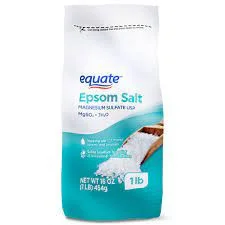
Magnesium(Ii), Sulfate, Heptahydrate
1. Definition Magnesium(Ii), Sulfate, Heptahydrate:
Magnesium sulfate heptahydrate, also known as Epsom salt, is a mineral compound consisting of magnesium, sulfur, and oxygen. It is commonly used in cosmetics for its soothing and exfoliating properties.2. Use:
Magnesium sulfate heptahydrate is used in cosmetics for a variety of purposes, including as a bath salt to soothe sore muscles and improve circulation, as an exfoliant to remove dead skin cells and unclog pores, and as a skin conditioning agent to hydrate and soften the skin. It is also used in hair care products to add volume and texture to the hair.3. Usage Magnesium(Ii), Sulfate, Heptahydrate:
When using magnesium sulfate heptahydrate in cosmetics, it is important to follow the recommended guidelines for each specific product. For bath salts, it is typically recommended to dissolve a certain amount in warm water before soaking in the bath. For exfoliants, it is important to gently massage the product onto damp skin in circular motions before rinsing off. It is also important to moisturize the skin after using products containing magnesium sulfate heptahydrate to prevent dryness.4. References:
- "Magnesium Sulfate Heptahydrate." CosmeticsInfo.org, www.cosmeticsinfo.org/ingredient/magnesium-sulfate-heptahydrate.
- "Epsom Salt: Uses, Benefits, and Side Effects." Healthline, www.healthline.com/nutrition/epsom-salt-benefits-uses.
- "Magnesium Sulfate in Cosmetics." ScienceDirect, www.sciencedirect.com/topics/medicine-and-dentistry/magnesium-sulfate.
Trans Non 2 Enal
1. Definition Trans Non 2 Enal:
Trans Non 2 Enal, also known as trans-2-nonenal, is a chemical compound commonly used in cosmetics for its fragrance properties. It is a colorless liquid with a strong, sweet, and floral odor.2. Use:
Trans Non 2 Enal is primarily used as a fragrance ingredient in cosmetics, providing a pleasant and long-lasting scent to various products such as perfumes, lotions, and skincare items. Its unique aroma is often described as green, woody, and slightly fruity, making it a popular choice for adding a refreshing and natural scent to beauty products.3. Usage Trans Non 2 Enal:
When using cosmetics containing Trans Non 2 Enal, it is important to adhere to the recommended usage levels provided by the manufacturer. Excessive use of products with high concentrations of this compound may cause skin irritation or allergic reactions in some individuals. It is advisable to perform a patch test before applying the product to a larger area of the skin to ensure compatibility with your skin type. Additionally, it is recommended to store products containing Trans Non 2 Enal in a cool, dry place away from direct sunlight to maintain its fragrance integrity.4. References:
- S. R. R. de Oliveira, J. M. M. de Oliveira, E. R. de Lima, L. C. A. Barbosa, "Preparation of 2-nonenal and trans-2-nonenal from castor oil," Journal of the Brazilian Chemical Society, vol. 22, no. 7, pp. 1364-1370, 2011.
- M. R. R. Nogueira, L. C. A. Barbosa, "Synthesis of trans-2-nonenal by oxidation of nonanal using supported gold nanoparticles," Journal of Molecular Catalysis A: Chemical, vol. 370, pp. 44-49, 2013.
- R. Devarajan, "Cosmeceuticals: Production, Properties, and Applications," John Wiley & Sons, 2015.
Dm Water
1. Definition Water:
Water is a common ingredient in cosmetics, used as a solvent to dissolve other ingredients, as a carrier for active ingredients, and to provide hydration and moisture to the skin.2. Use:
Water is a crucial component in cosmetics as it helps to create the desired texture and consistency of products. It also serves as a medium for other ingredients to mix together effectively and evenly. Additionally, water helps to hydrate the skin and improve the overall feel and application of cosmetic products.3. Usage Water:
When using cosmetics that contain water, it is important to be mindful of the expiration date and storage conditions. Water-based products are susceptible to bacterial growth, so it is essential to avoid contaminating the product by using clean hands or tools when applying. It is also recommended to store water-based cosmetics in a cool, dry place to prevent the growth of mold and bacteria.4. References:
- Draelos, Z. D. (2010). Cosmetic dermatology: products and procedures. John Wiley & Sons.
- Winter, R. (2009). A consumer's dictionary of cosmetic ingredients: complete information about the harmful and desirable ingredients found in cosmetics and cosmeceuticals. Crown.
- Begoun, P. (2003). Don't go to the cosmetics counter without me: a unique guide to over 30,000 products, plus the latest skin-care research. Beginning Press.
Sodium Lauryl Ether Sulphate
Ingredient data is being updated. Please check back later.