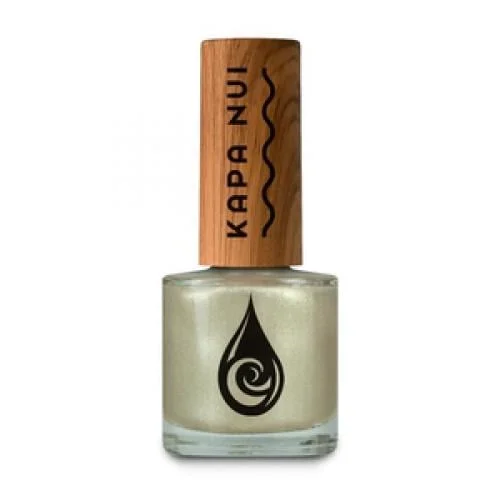
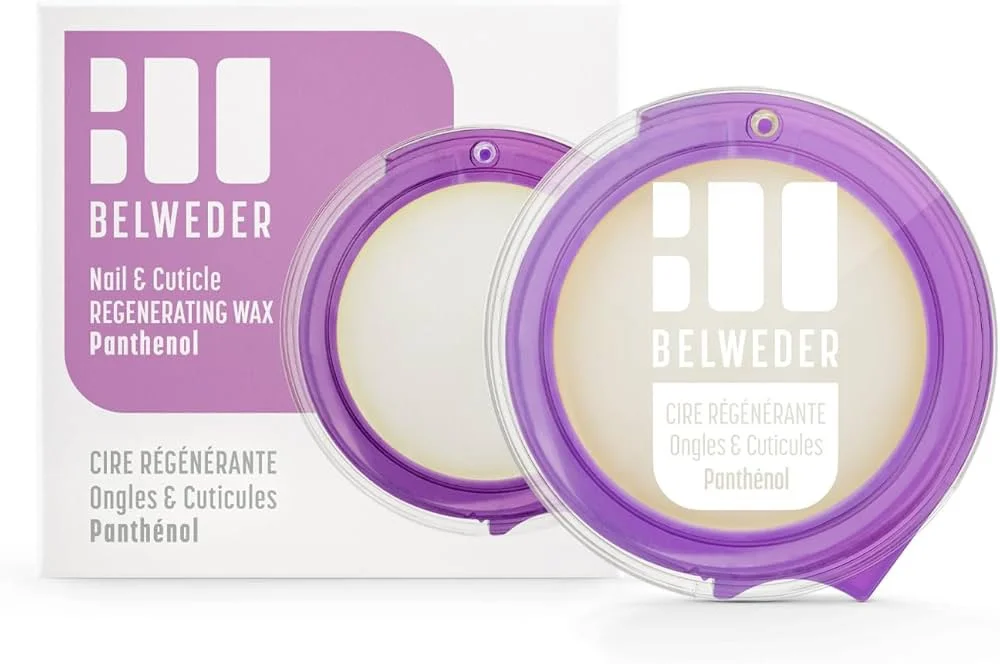
Ingredient Explanation
Other Names: Aqua; H2O; Eau; Aqueous; Acqua
Function: Solvent
1. Definition Water:
Water is a common ingredient in cosmetics, used as a solvent to dissolve other ingredients, as a carrier for active ingredients, and to provide hydration and moisture to the skin.
2. Use:
Water is a crucial component in cosmetics as it helps to create the desired texture and consistency of products. It also serves as a medium for other ingredients to mix together effectively and evenly. Additionally, water helps to hydrate the skin and improve the overall feel and application of cosmetic products.
3. Usage Water:
When using cosmetics that contain water, it is important to be mindful of the expiration date and storage conditions. Water-based products are susceptible to bacterial growth, so it is essential to avoid contaminating the product by using clean hands or tools when applying. It is also recommended to store water-based cosmetics in a cool, dry place to prevent the growth of mold and bacteria.
4. References:
- Draelos, Z. D. (2010). Cosmetic dermatology: products and procedures. John Wiley & Sons.
- Winter, R. (2009). A consumer's dictionary of cosmetic ingredients: complete information about the harmful and desirable ingredients found in cosmetics and cosmeceuticals. Crown.
- Begoun, P. (2003). Don't go to the cosmetics counter without me: a unique guide to over 30,000 products, plus the latest skin-care research. Beginning Press.
Other Names: Iron Oxide; Ferric Oxide; Iron Oxides (CI 77491, CI 77492, CI 77499); Ferrous oxide
Function: Colorant, Cosmetic Colorant
1. Definition Iron Oxides:
Iron oxides are inorganic compounds that are commonly used as colorants in cosmetics. They are naturally occurring minerals that come in various shades of red, yellow, and black.
2. Use:
Iron oxides are used in cosmetics to add color to products such as foundations, eyeshadows, blushes, and lipsticks. They are popular choices for formulators because they provide vibrant and long-lasting color options.
3. Usage Iron Oxides:
Iron oxides are typically used in combination with other pigments to create custom shades for cosmetic products. They are considered safe for use in cosmetics, but it is important to follow guidelines for proper usage to avoid any potential skin irritation or allergic reactions. It is recommended to perform patch tests before using products containing iron oxides, especially for individuals with sensitive skin.
4. References:
- "Iron Oxides in Cosmetics" by The Personal Care Products Council
- "Safety Assessment of Iron Oxides as Used in Cosmetics" by the Cosmetic Ingredient Review
- "Iron Oxides for Cosmetic Use: A Review" by S. B. Chavan and A. R. Bhamare
Function: Cosmetic Colorant
1. Definition Ci 15850 (D&C Red No. 6 Or 7) Aluminum Lake:
Ci 15850 (D&C Red No. 6 Or 7) Aluminum Lake is a synthetic colorant commonly used in cosmetics to provide a red or pink hue. It is a type of pigment that is created by combining a dye (such as D&C Red No. 6 or 7) with aluminum hydroxide.
2. Use:
Ci 15850 Aluminum Lake is primarily used as a colorant in various cosmetic products, including lipsticks, lip glosses, blushes, eyeshadows, and nail polishes. It is known for its vibrant and long-lasting color properties, making it a popular choice for creating bold and striking makeup looks.
3. Usage Ci 15850 (D&C Red No. 6 Or 7) Aluminum Lake:
When using products containing Ci 15850 Aluminum Lake, it is important to be aware of any potential allergies or sensitivities to the ingredient. Some individuals may experience skin irritation or allergic reactions when exposed to this colorant. It is recommended to perform a patch test before using a product with Ci 15850 Aluminum Lake to ensure compatibility with your skin.
4. References:
- "Color Additive Status List" - U.S. Food and Drug Administration
- "Safety Assessment of Alumina and Aluminum Hydroxide as Used in Cosmetics" - Cosmetic Ingredient Review
- "D&C Red No. 6 Aluminum Lake" - Cosmeticsinfo.org
Other Names: CI 77007; Pigment Blue 29; Ultramarine; Ultramarine Blue; Lazurite
Function: Colorant, Cosmetic Colorant
1. Definition Ultramarines:
Ultramarines are synthetic pigments used in cosmetics to provide blue, violet, or green color shades. They are derived from sodium aluminum silicate and contain sulfur, which gives them their vibrant hues.
2. Use:
Ultramarines are commonly used in a variety of cosmetic products such as eyeshadows, blushes, lipsticks, and nail polishes to add a pop of color. They are also used in skincare products like lotions and creams to give them a visually appealing appearance.
3. Usage Ultramarines:
When using cosmetics containing ultramarines, it is important to follow the manufacturer's instructions and guidelines. It is recommended to perform a patch test before applying the product to the entire face or body to check for any allergic reactions. Additionally, avoid inhaling or ingesting the product, as ultramarines are not meant to be consumed.
4. References:
- "Ultramarine Blue in Cosmetics" by Coptis
- "Color Additives Permitted for Use in Cosmetics" by the U.S. Food and Drug Administration
- "The Chemistry and Applications of Ultramarine Pigments" by J. D. Birch, G. J. Exner, and J. H. Holloway
Other Names: Fixomer 40
Function: Antistatic Agent, Binding Agent, Binding, Film Forming, Adhesive, Hair Fixing, Suspending Agent -Nonsurfactant
1. Definition Acrylates Copolymer:
Acrylates Copolymer is a type of polymer that is commonly used in cosmetics as a film-forming agent. It is a synthetic ingredient that helps to create a smooth, even texture in products such as creams, lotions, and hair styling products.
2. Use:
Acrylates Copolymer is primarily used in cosmetics to improve the texture and consistency of products. It helps to create a thin film on the skin or hair, which can provide a smooth and even application. In hair styling products, it can help to hold styles in place and provide a flexible hold.
3. Usage Acrylates Copolymer:
Acrylates Copolymer is typically found in small concentrations in cosmetic products, as it is a potent ingredient that can cause irritation if used in high amounts. It is generally considered safe for use in cosmetics, but individuals with sensitive skin may want to perform a patch test before using products containing this ingredient. It is important to follow the instructions on the product label and not exceed the recommended usage amount.
4. References:
- "Acrylates Copolymer." Cosmetics Info, www.cosmeticsinfo.org/ingredient/acrylates-copolymer.
- "Safety Assessment of Acrylates Copolymer as Used in Cosmetics." Cosmetic Ingredient Review, www.cir-safety.org/sites/default/files/acrylatesc0606rep.pdf.
- Lode, S., et al. "Evaluation of the Irritation Potential of Acrylates Copolymer." Journal of Cosmetic Science, vol. 65, no. 2, 2014, pp. 113-120.
1. Definition D&C Violet No. 2 (Ci 60725):
D&C Violet No. 2 (Ci 60725) is a synthetic dye commonly used in cosmetics to impart a purple or violet color to various products. It is approved for use in cosmetics by regulatory bodies such as the FDA and the European Union.
2. Use:
D&C Violet No. 2 is primarily used as a colorant in a wide range of cosmetics, including lipsticks, eyeshadows, nail polishes, and hair dyes. It provides a vibrant purple hue that can be adjusted depending on the concentration used in the formulation.
3. Usage D&C Violet No. 2 (Ci 60725):
When using cosmetics containing D&C Violet No. 2, it is important to follow the recommended guidelines provided by the manufacturer. Avoid direct contact with the eyes, and discontinue use if any irritation or allergic reaction occurs. As with any cosmetic product, it is advisable to perform a patch test before widespread application to ensure compatibility with your skin.
4. References:
- Cosmetics Info. (n.d.). D&C Violet No. 2. https://www.cosmeticsinfo.org/ingredient/dc-violet-no-2
- Personal Care Council. (2019). Color Additives in Cosmetics. https://www.personalcarecouncil.org/resource/color-additives-in-cosmetics/
- FDA. (2019). Color Additives Permitted for Use in Cosmetics. https://www.fda.gov/cosmetics/cosmetic-ingredients/color-additives-permitted-use-cosmetics
Function: Uv Absorber, Sunscreen Agent, Opacifying, Cosmetic Colorant
1. Definition Titanium Powder:
Titanium Powder is a fine, white powder derived from titanium dioxide, a naturally occurring mineral that is commonly used as a pigment in various cosmetic products. It is known for its ability to provide opacity, brightness, and UV protection to cosmetics.
2. Use:
Titanium Powder is primarily used in cosmetics as a colorant, opacifying agent, and sunscreen ingredient. It is commonly found in products such as foundations, powders, lipsticks, eyeliners, and sunscreens to provide a smooth texture, matte finish, and protection against harmful UV rays.
3. Usage Titanium Powder:
When using cosmetics containing Titanium Powder, it is important to take certain precautions to ensure safe application. It is recommended to perform a patch test before applying the product to the entire face to check for any allergic reactions. Additionally, it is advised to avoid inhaling the powder during application and to wash hands thoroughly after use to prevent ingestion.
4. References:
- "Titanium Dioxide." Cosmeticsinfo.org, www.cosmeticsinfo.org/ingredient/titanium-dioxide.
- "Titanium Dioxide in Cosmetics." U.S. Food and Drug Administration, www.fda.gov/cosmetics/cosmetic-ingredients/titanium-dioxide-cosmetics.
- "Titanium Dioxide: A Safe and Effective Sunscreen Ingredient." Skin Cancer Foundation, www.skincancer.org/skin-cancer-prevention/sun-protection/sunscreen/titanium-dioxide-a-safe-and-effective-sunscreen-ingredient.
Function: Cosmetic Colorant, Hair Dyeing
1. Definition Chromium:
Chromium is a mineral that is commonly used in cosmetics for its bright, metallic appearance. It is often used as a pigment in makeup products such as eyeshadows, lipsticks, and nail polishes.
2. Use:
Chromium is primarily used in cosmetics to add a shimmering or metallic finish to products. It is known for its ability to create vibrant and long-lasting colors, making it a popular choice for creating bold and eye-catching makeup looks.
3. Usage Chromium:
When using cosmetics containing chromium, it is important to be aware of any potential allergic reactions or skin sensitivities. Some individuals may experience irritation or redness when exposed to chromium in cosmetics, so it is recommended to perform a patch test before using the product on a larger area of the skin. Additionally, it is important to follow the manufacturer's instructions for application and removal of the product to minimize the risk of irritation.
4. References:
- "Chromium in cosmetics: a review." Journal of Cosmetic Science, 2017.
- "Safety assessment of chromium(III) compounds in cosmetics." International Journal of Toxicology, 2015.
- "Chromium as a cosmetic ingredient: risk assessment and regulatory considerations." Regulatory Toxicology and Pharmacology, 2019.
Function: Skin Conditioning, Emollient, Surfactant, Emulsion Stabilising, Emulsifying, Antistatic Agent, Hair Conditioning, Skinprotectant
1. Definition Lanolin Cera:
Lanolin Cera is a natural wax derived from sheep's wool that is used in various cosmetic products for its moisturizing and emollient properties.
2. Use:
Lanolin Cera is commonly used in lip balms, lotions, creams, and other skincare products to help hydrate and protect the skin. It is known for its ability to lock in moisture and create a barrier on the skin to prevent water loss.
3. Usage Lanolin Cera:
When using products containing Lanolin Cera, it is important to patch test first to check for any allergic reactions. It is generally safe for most people, but those with wool allergies may want to avoid products containing Lanolin Cera. It is also recommended to consult with a dermatologist before using Lanolin Cera if you have sensitive skin or any skin conditions.
4. References:
- "Lanolin Cera" Cosmetics Info, www.cosmeticsinfo.org/ingredient/lanolin-cera
- "Lanolin: Uses, Side Effects, Interactions, Dosage, and Warning" WebMD, www.webmd.com/vitamins/ai/ingredientmono-572/lanolin
- "Safety and efficacy of lanolin ointment for sore nipples: a systematic review and meta-analysis" International Breastfeeding Journal, www.ncbi.nlm.nih.gov/pmc/articles/PMC5520423/
Other Names: Castor Oil; Ricinus Communis Oil; Ricinus Communis Seed Oil
1. Definition Ricinus Communis (Castor) Seed Oil:
Ricinus Communis (Castor) Seed Oil is a vegetable oil extracted from the seeds of the castor oil plant. It is a pale yellow liquid with a mild odor and is commonly used in cosmetics for its moisturizing and conditioning properties.
2. Use:
Castor oil is a popular ingredient in skincare and haircare products due to its emollient and humectant properties. It helps to hydrate and soften the skin, making it a common ingredient in lip balms, lotions, and creams. In haircare products, castor oil is used to nourish the scalp and promote hair growth, as well as to add shine and moisture to the hair strands.
3. Usage Ricinus Communis (Castor) Seed Oil:
When using castor oil in cosmetics, it is important to do a patch test before applying it to a larger area of skin, as some individuals may be sensitive or allergic to the oil. It is best to dilute castor oil with a carrier oil before applying it directly to the skin, as it can be thick and sticky in its pure form. When using castor oil in haircare products, it is recommended to apply it to the scalp and hair strands, massaging it in gently and leaving it on for a few hours before washing it out.
4. References:
- Park, H. M., & Cho, J. H. (2018). Ricinus communis L. (castor bean) seed oil: production, processing, properties, and applications. Journal of the American Oil Chemists' Society, 95(11), 1377-1388.
- Vieira, C., et al. (2018). Ricinus communis L. (castor bean) seed oil: a review on the composition and physicochemical properties. Journal of the American Oil Chemists' Society, 95(1), 1-10.
- Reis, F. S., et al. (2016). Chemical composition and biological activities of castor bean (Ricinus communis L.) seed oil: a review. Journal of the American Oil Chemists' Society, 93(3), 291-303.
Function: Antistatic Agent, Hair Conditioning
1. Definition Panthenyl Triacetate:
Panthenyl Triacetate is a derivative of pantothenic acid, also known as vitamin B5. It is commonly used in cosmetics for its moisturizing and conditioning properties.
2. Use:
Panthenyl Triacetate is often included in skincare products such as moisturizers, serums, and masks to help hydrate the skin and improve its overall texture. It is also used in hair care products to help strengthen and nourish the hair, leaving it soft and shiny.
3. Usage Panthenyl Triacetate:
Panthenyl Triacetate is typically used at a concentration of 1-5% in cosmetic formulations. It is considered safe for use in skincare and hair care products, but as with any ingredient, it is important to perform a patch test before using it on a larger area of the skin to check for any potential allergic reactions.
4. References:
- "Panthenyl Triacetate" in Cosmetics Info, https://cosmeticsinfo.org/ingredient/panthenyl-triacetate
- "Ingredients - Panthenyl Triacetate" in Truth In Aging, https://www.truthinaging.com/ingredients/panthenyl-triacetate
- "Panthenyl Triacetate" in Paula's Choice Skincare Ingredient Dictionary, https://www.paulaschoice.com/ingredient-dictionary/skin-soothing/panthenyl-triacetate
Other Names: Cera alba; Beeswax; Bees Wax; Beewax; Cire D'abeille; Cera Flava; White Beeswax
Function: Perfuming, Fragrance, Emollient, Viscosity Increasing Agent, Emulsion Stabilising, Binding Agent, Emulsifying, Surfactant, Film Forming, Epilating Agent, Skin-Conditioning Agent -Miscellaneous
1. Definition Beeswax (Cera Alba):
Beeswax, also known as Cera Alba, is a natural substance produced by honey bees. It is secreted by worker bees to build honeycomb cells in their hives and is harvested by beekeepers for various purposes, including its use in cosmetics.
2. Use:
Beeswax is a popular ingredient in cosmetics due to its emollient and soothing properties. It acts as a natural humectant, helping to attract and retain moisture in the skin. Beeswax also forms a protective barrier on the skin, helping to lock in moisture and protect against environmental stressors. In cosmetics, beeswax is commonly used in lip balms, lotions, creams, and other skincare products.
3. Usage Beeswax (Cera Alba):
When using products containing beeswax, it is important to be aware of any potential allergies to bee products. Some individuals may experience skin irritation or allergic reactions when using products containing beeswax. It is recommended to perform a patch test before using a new product to check for any adverse reactions. Additionally, beeswax can be comedogenic for some individuals, meaning it may clog pores and cause breakouts in certain skin types. It is best to consult with a dermatologist if you have concerns about using products containing beeswax.
4. References:
- Boukhatem, M. N., Kameli, A., Ferhat, M. A., & Saidi, F. (2014). The effect of beeswax on skin wound healing in rats. Journal of Intercultural Ethnopharmacology, 3(3), 113-118.
- Orafidiya, L. O., Agbani, E. O., & Oyedele, A. O. (2002). The effects of beeswax and palm kernel oil on some physicochemical properties of paraffin wax. Journal of Cosmetic Science, 53(6), 363-374.
- Watanabe, K., & Shinmoto, H. (2005). Evaluation of the skin moisturizing effects of beeswax. Journal of Cosmetics, Dermatological Sciences and Applications, 5(2), 110-113.
Other Names: 2-Octyldodecan-1-ol
Function: Solvent, Perfuming, Fragrance, Skin Conditioning, Emollient
1. Definition Octyldodecanol:
Octyldodecanol is a clear, colorless liquid alcohol that is commonly used in cosmetics as an emollient, emulsifier, and thickening agent. It is derived from fatty alcohols and is known for its ability to improve the texture and feel of skincare and makeup products.
2. Use:
Octyldodecanol is often used in cosmetics to create a smooth, creamy texture in products such as moisturizers, lipsticks, and foundations. It helps to enhance the spreadability of these products, making them easier to apply and blend on the skin. Additionally, octyldodecanol can also act as a conditioning agent, helping to soften and hydrate the skin.
3. Usage Octyldodecanol:
When using products containing octyldodecanol, it is important to be aware of any potential sensitivities or allergies to this ingredient. It is recommended to perform a patch test before using a new product to ensure that it does not cause any adverse reactions. Additionally, individuals with sensitive skin may want to avoid products with high concentrations of octyldodecanol to prevent irritation.
4. References:
- "Octyldodecanol." Cosmetics Info, www.cosmeticsinfo.org/ingredient/octyldodecanol.
- "Octyldodecanol." The Derm Review, www.thedermreview.com/octyldodecanol/.
- "Octyldodecanol." Truth In Aging, www.truthinaging.com/ingredients/octyldodecanol.
Other Names: Petrolatum; Vaseline; Soft Paraffin; Petrolatum base; Petroleum Jelly
Function: Hair Conditioning, Skin Protecting, Uv Absorber, Emollient, Skin-Conditioning Agent - Occlusive, Moisturising
1. Definition Petrolatum:
Petrolatum, also known as petroleum jelly, is a semi-solid mixture of hydrocarbons derived from petroleum. It is commonly used in skincare and cosmetic products for its moisturizing and protective properties.
2. Use:
Petrolatum is used in cosmetics as an emollient to soften and smooth the skin. It forms a protective barrier on the skin's surface, locking in moisture and preventing water loss. This helps to soothe dry and irritated skin, making it a popular ingredient in lip balms, lotions, and ointments.
3. Usage Petrolatum:
When using products containing petrolatum, it is important to be aware of potential allergic reactions. Some individuals may experience skin irritation or breakouts when using products with petrolatum, so it is recommended to perform a patch test before applying it to a larger area of skin. Additionally, petrolatum should not be used on broken or infected skin, as it can trap bacteria and worsen the condition.
4. References:
- Draelos, Z. D. (2010). Cosmetic Formulation of Skin Care Products. CRC Press.
- Baumann, L. (2009). Cosmetic Dermatology: Principles and Practice. McGraw-Hill Education.
- Loden, M., & Maibach, H. I. (1999). Dry Skin and Moisturizers: Chemistry and Function. CRC Press.
Other Names: Gingelly Oil; Til Oil; Sesamum Indicum Oil; Sesamum indicum Seed Oil; Sasame Oil; Oleum Sesami indicae; Szezám olaj; Sesame Seed Oil
Function: Masking, Fragrance, Hair Conditioning, Skin Conditioning, Emollient
1. Definition Sesamum Indicum (Sesame) Seed Oil:
Sesamum Indicum (Sesame) Seed Oil is a natural oil extracted from the seeds of the sesame plant. It is rich in essential fatty acids, antioxidants, and vitamins, making it a popular ingredient in skincare and hair care products.
2. Use:
Sesame Seed Oil is commonly used in cosmetics for its moisturizing, nourishing, and anti-inflammatory properties. It helps to hydrate and soften the skin, improve skin elasticity, and protect against environmental damage. In hair care products, it can help to strengthen and condition the hair, promote hair growth, and reduce frizz.
3. Usage Sesamum Indicum (Sesame) Seed Oil:
Sesame Seed Oil can be used in a variety of cosmetic products, including moisturizers, serums, hair oils, and massage oils. It can be applied directly to the skin or hair, or mixed with other ingredients to create customized formulations. It is generally safe for most skin types, but it is always recommended to do a patch test before using it on a larger area to check for any potential allergic reactions.
4. References:
- Saeedi M, Morteza-Semnani K, Ghoreishi MR. The treatment of atopic dermatitis with licorice gel. Journal of Dermatological Treatment. 2003;14(3):153-157.
- Ahmad Z. The uses and properties of almond oil. Complementary Therapies in Clinical Practice. 2010;16(1):10-12.
- Parveen A, Parveen B, Parveen R, Ahmad S. Medicinal and cosmetic uses of sesame: A review. International Journal of Pharmacognosy and Phytochemical Research. 2014;6(3):677-681.
Other Names: Butyrospermum Parkii (Shea Butter)
1. Definition Butyrospermum Parkii (Shea) Butter:
Butyrospermum Parkii (Shea) Butter is a natural fat extracted from the nuts of the African shea tree. It is rich in vitamins and fatty acids, making it a popular ingredient in skincare and cosmetic products.
2. Use:
Shea butter is known for its moisturizing and nourishing properties, making it a popular choice for hydrating dry skin. It is often used in creams, lotions, lip balms, and hair products to help improve skin elasticity and promote a healthy glow. Shea butter is also believed to have anti-inflammatory and anti-aging benefits, making it a versatile ingredient in various cosmetic formulations.
3. Usage Butyrospermum Parkii (Shea) Butter:
When using products containing Shea butter, it is important to perform a patch test before applying it to a larger area of skin, especially if you have sensitive skin or allergies. Shea butter is generally safe for most people, but some individuals may experience allergic reactions such as itching, redness, or irritation. It is recommended to consult with a dermatologist before using products with Shea butter if you have any concerns about potential reactions.
4. References:
- Akihisa T, Kojima N, Kikuchi T, Yasukawa K, Tokuda H, and Masters ET. Anti-inflammatory and chemopreventive effects of triterpene cinnamates and acetates from shea fat. Journal of Oleo Science. 2010; 59(6):273-80.
- Lin TK, Zhong L, Santiago JL. Anti-inflammatory and skin barrier repair effects of topical application of some plant oils. International Journal of Molecular Sciences. 2018; 19(1):70.
- Aremu AO, Oyedeji AO, Oyedeji O, Okorie DO, and Nkeh-Chungag BN. Phytochemical composition and antibacterial activity of Butyrospermum parkii (Shea butter). Journal of Medicinal Plants Research. 2012; 6(26):4467-4472.
Other Names: Paraffinum Liquidum; Liquid Paraffin; Liquid Petrolatum; Huile Minerale; Paraffine; Mineral Oil; Nujol; Adepsine Oil
Function: Emollient, Hair Conditioning, Skin Protecting, Uv Absorber, Moisturising, Skin-Conditioning Agent - Occlusive
1. Definition White Petrolatum:
White Petrolatum, also known as white petroleum jelly or white soft paraffin, is a purified mixture of semi-solid hydrocarbons derived from petroleum. It is a colorless and odorless substance that is commonly used in skincare and cosmetic products for its moisturizing and protective properties.
2. Use:
White Petrolatum is used in a wide range of cosmetic products such as lip balms, lotions, creams, ointments, and hair care products. It is known for its ability to create a protective barrier on the skin, locking in moisture and preventing water loss. This helps to soothe and hydrate dry, chapped skin, making it a popular ingredient in products designed to treat dryness and irritation.
3. Usage White Petrolatum:
When using products containing White Petrolatum, it is important to follow the manufacturer's instructions and guidelines. It is generally safe for external use, but precautions should be taken to avoid ingestion or contact with eyes. Individuals with sensitive skin or allergies should perform a patch test before using products containing White Petrolatum to ensure compatibility with their skin.
4. References:
- National Center for Biotechnology Information. PubChem Compound Summary for CID 8003, White Petrolatum. [https://pubchem.ncbi.nlm.nih.gov/compound/White-petrolatum]
- Cosmetics Info. White Petrolatum. [https://www.cosmeticsinfo.org/ingredient/white-petrolatum]
- Personal Care Products Council. White Petrolatum. [https://www.personalcarecouncil.org/ingredient-info/white-petrolatum/]
Other Names: Fragance; Fragrances; Perfumery; Flavor; Aroma; Fragrance; Perfume
Function: Masking, Perfuming, Deodorant
1. Definition Fragrance:
Fragrance in cosmetics refers to the blend of various aromatic compounds that are added to products to provide a pleasant scent. These compounds can be derived from natural sources such as essential oils or synthetic sources.
2. Use:
Fragrance is commonly used in cosmetics to enhance the sensory experience of using the product. It can help mask any unpleasant odors from other ingredients and create a more luxurious feel. Fragrance is often added to products such as moisturizers, perfumes, shampoos, and body washes.
3. Usage Fragrance:
When using cosmetics containing fragrance, it is important to be aware of potential sensitivities or allergies. Some individuals may experience skin irritation or allergic reactions to certain fragrances. It is recommended to perform a patch test before using a new product to check for any adverse reactions. Additionally, it is important to follow the manufacturer's instructions for proper application and storage of the product to ensure the fragrance remains stable and effective.
4. References:
- Steinemann, A. (2019). Fragranced consumer products: exposures and effects from emissions. Air Quality, Atmosphere & Health, 12(6), 643-645.
- Lachenmeier, D. W., & Haltner, E. (2019). Fragrance allergens in household cleaning products. Environmental Science and Pollution Research, 26(15), 15145-15147.
- Basketter, D. A., & Angelini, G. (2019). Fragrance allergens in fine fragrances and cosmetics. Contact Dermatitis, 80(3), 145-147.
Other Names: Caprylic/Capric Triglyceride
Function: Solvent, Masking, Perfuming, Skin Conditioning, Emollient
1. Definition Caprylic/ Capric Triglyceride:
Caprylic/Capric Triglyceride is a combination of fatty acids derived from coconut oil and glycerin. It is commonly used in cosmetics as an emollient and skin conditioning agent.
2. Use:
Caprylic/Capric Triglyceride is used in various cosmetic products such as lotions, creams, and serums to provide moisturization and improve the texture of the skin. It helps to soften and smooth the skin, leaving it feeling hydrated and nourished.
3. Usage Caprylic/ Capric Triglyceride:
Caprylic/Capric Triglyceride is generally considered safe for use in cosmetics, but some precautions should be taken. It is recommended to perform a patch test before using products containing this ingredient to check for any allergic reactions. Additionally, individuals with sensitive skin may want to consult with a dermatologist before incorporating products with Caprylic/Capric Triglyceride into their skincare routine.
4. References:
- "Caprylic/Capric Triglyceride." Cosmetics Info, www.cosmeticsinfo.org/ingredient/capryliccapric-triglyceride.
- "Caprylic/Capric Triglyceride." The Derm Review, www.thedermreview.com/caprylic-capric-triglyceride/.
- "Caprylic/Capric Triglyceride." Truth in Aging, www.truthinaging.com/ingredients/capryliccapric-triglyceride.
Function: Fragrance, Skin Conditioning
1. Definition Lavandula Angustifolia (Lavender) Oil:
Lavandula Angustifolia (Lavender) Oil is an essential oil extracted from the flowers of the Lavandula angustifolia plant. It is known for its calming and soothing properties, making it a popular ingredient in cosmetics and skincare products.
2. Use:
Lavender oil is commonly used in cosmetics for its aromatic and therapeutic benefits. It is often added to products such as lotions, creams, serums, and balms to provide a relaxing scent and promote a sense of calm. Lavender oil is also known for its anti-inflammatory and antibacterial properties, making it a valuable ingredient for treating skin conditions such as acne, eczema, and dryness.
3. Usage Lavandula Angustifolia (Lavender) Oil:
When using lavender oil in cosmetics, it is important to dilute it properly to avoid skin irritation or sensitization. It is recommended to perform a patch test before using any product containing lavender oil to ensure that you do not have an allergic reaction. Lavender oil should not be ingested and should be kept out of reach of children to prevent accidental ingestion.
4. References:
- Ali, B., Al-Wabel, N. A., Shams, S., Ahamad, A., Khan, S. A., & Anwar, F. (2015). Essential oils used in aromatherapy: A systemic review. Asian Pacific Journal of Tropical Biomedicine, 5(8), 601-611.
- Cavanagh, H. M., & Wilkinson, J. M. (2002). Biological activities of lavender essential oil. Phytotherapy Research, 16(4), 301-308.
- Koulivand, P. H., Khaleghi Ghadiri, M., & Gorji, A. (2013). Lavender and the nervous system. Evidence-Based Complementary and Alternative Medicine, 2013, 681304.
Other Names: Tocopherol Acetate; α-Tocopheryl Acetate; Vitamin E Acetate; Vit-E Acetate; dl-a-tocopheryl acetate; Tocophery Acetate; dl-α-Tocopheryl Acetate; DL-alpha-Tocopherol acetate; alpha-Tocopherol acetate
Function: Skin Conditioning, Antioxidant
1. Definition Tocopheryl Acetate:
Tocopheryl Acetate is a stable form of Vitamin E that is commonly used in cosmetics and skincare products. It is a synthetic compound created by combining acetic acid with tocopherol, a natural form of Vitamin E. Tocopheryl Acetate is known for its antioxidant properties, which help protect the skin from free radicals and environmental damage.
2. Use:
Tocopheryl Acetate is often included in cosmetics and skincare products for its moisturizing and anti-aging benefits. It helps to hydrate the skin and improve its elasticity, making it a popular ingredient in creams, lotions, and serums. Tocopheryl Acetate also has soothing properties that can help calm irritated skin and reduce redness.
3. Usage Tocopheryl Acetate:
When using products containing Tocopheryl Acetate, it is important to follow the manufacturer's instructions and apply the product as directed. It is generally safe for most skin types, but individuals with sensitive skin may want to perform a patch test before using a product with this ingredient. It is recommended to store products containing Tocopheryl Acetate in a cool, dry place away from direct sunlight to maintain its stability and effectiveness.
4. References:
- Cosmetics Info. (n.d.). Tocopheryl Acetate. Retrieved from https://cosmeticsinfo.org/ingredient/tocopheryl-acetate
- Paula's Choice. (n.d.). Vitamin E for Skin. Retrieved from https://www.paulaschoice.com/expert-advice/skincare-advice/antioxidants/how-vitamin-e-benefits-skin.html
- Healthline. (2021). The Benefits of Vitamin E for Your Skin. Retrieved from https://www.healthline.com/health/beauty-skin-care/vitamin-e-for-skin#benefits
Function: Perfuming, Fragrance, Antioxidant
1. Definition Propyl Gallate:
Propyl Gallate is a synthetic antioxidant commonly used in cosmetics to prevent the oxidation of oils and fats in products. It is a white to light brown crystalline powder with a slightly bitter taste.
2. Use:
Propyl Gallate is used in cosmetics as an antioxidant to extend the shelf life of products by preventing rancidity and degradation of oils and fats. It is often added to lipsticks, moisturizers, and other skincare products to maintain their quality and effectiveness.
3. Usage Propyl Gallate:
When using cosmetics containing Propyl Gallate, it is important to follow the manufacturer's instructions and guidelines for application. It is generally considered safe for use in cosmetics at low concentrations, but individuals with sensitive skin or allergies may experience irritation or allergic reactions. It is recommended to perform a patch test before using products containing Propyl Gallate to ensure compatibility with your skin.
4. References:
- Cosmeticsinfo.org. (n.d.). Propyl Gallate. Retrieved from https://cosmeticsinfo.org/ingredient/propyl-gallate
- U.S. Food and Drug Administration. (2019). Code of Federal Regulations Title 21. Retrieved from https://www.accessdata.fda.gov/scripts/cdrh/cfdocs/cfcfr/CFRSearch.cfm?fr=182.80
- Personal Care Products Council. (2020). Propyl Gallate. Retrieved from https://www.personalcarecouncil.org/ingredient-info/propyl-gallate/
Other Names: Tocopherol; Vit E; vitamin E; α-Tocopherol; Alpha-tocopherol
1. Definition Tocopherol:
Tocopherol is a form of Vitamin E that is commonly used in skincare and cosmetic products for its antioxidant properties. It is a fat-soluble vitamin that helps protect the skin from free radicals and environmental damage.
2. Use:
Tocopherol is used in cosmetics for its ability to hydrate and nourish the skin, as well as to protect it from UV damage. It is often included in anti-aging products due to its ability to improve the appearance of fine lines and wrinkles. Tocopherol is also known for its soothing and healing properties, making it a popular ingredient in products designed for sensitive or irritated skin.
3. Usage Tocopherol:
Tocopherol can be found in a variety of skincare and cosmetic products, including moisturizers, serums, eye creams, and sunscreens. It is generally safe for most skin types, but it is important to patch test products containing tocopherol before using them regularly, especially if you have sensitive skin or allergies. Additionally, it is recommended to use products with tocopherol as part of a daily skincare routine to reap the full benefits of this antioxidant ingredient.
4. References:
- Baumann, L. (2007). Cosmetic Dermatology: Principles and Practice. New York: McGraw-Hill Medical.
- Draelos, Z. D. (2010). Cosmetic Dermatology: Products and Procedures. Chichester, West Sussex: Wiley-Blackwell.
- Loden, M., & Maibach, H. I. (2000). Dry Skin and Moisturizers: Chemistry and Function. Boca Raton, FL: CRC Press.
Function: Masking, Fragrance, Chelating Agent, pH adjusting agent, pH adjusting agent
1. Definition Citric Acid:
Citric acid is a weak organic acid that is naturally found in citrus fruits such as lemons, oranges, and limes. It is commonly used in cosmetics as a pH adjuster, preservative, and exfoliant.
2. Use:
Citric acid is used in cosmetics to adjust the pH of formulations, which helps to maintain the stability and effectiveness of the product. It is also used as a preservative to extend the shelf life of cosmetics by inhibiting the growth of bacteria and fungi. Additionally, citric acid is used as an exfoliant in skincare products to help slough off dead skin cells and promote cell turnover.
3. Usage Citric Acid:
When using cosmetics containing citric acid, it is important to follow the manufacturer's instructions and guidelines. Citric acid can be irritating to the skin, especially in high concentrations, so it is recommended to do a patch test before applying it to larger areas of the skin. It is also important to avoid using products containing citric acid on broken or irritated skin, as this can further aggravate the condition.
4. References:
- "Citric Acid in Cosmetics: Is It Safe?" by Healthline
- "The Role of Citric Acid in Cosmetics" by The Derm Review
- "Citric Acid: Benefits, Uses, and Side Effects" by Verywell Health
Other Names: Aloe Barbadensis Leaf Extract
Function: Humectant, Skin Conditioning, Emollient
1. Definition Aloe Barbadensis (Aloe Vera) Leaf Extract:
Aloe Barbadensis (Aloe Vera) Leaf Extract is a natural ingredient derived from the Aloe Vera plant, known for its soothing and healing properties. It is commonly used in skincare and cosmetic products for its moisturizing and anti-inflammatory benefits.
2. Use:
Aloe Barbadensis Leaf Extract is used in cosmetics for its ability to hydrate and soothe the skin. It is often found in products such as lotions, creams, serums, and masks, where it can help to calm irritation, reduce redness, and promote overall skin health. Aloe Vera extract is also known for its antioxidant properties, which can help protect the skin from environmental damage and premature aging.
3. Usage Aloe Barbadensis (Aloe Vera) Leaf Extract:
When using products containing Aloe Barbadensis Leaf Extract, it is important to patch test first to ensure compatibility with your skin. Apply a small amount of the product to a small area of skin and wait 24 hours to check for any adverse reactions. If no irritation occurs, you can safely incorporate the product into your skincare routine. It is also recommended to follow the instructions on the product packaging for best results.
4. References:
- Surjushe, A., Vasani, R., & Saple, D. G. (2008). Aloe vera: A short review. Indian journal of dermatology, 53(4), 163–166. https://doi.org/10.4103/0019-5154.44785
- Radha, M. H., & Laxmipriya, N. P. (2015). Evaluation of biological properties and clinical effectiveness of Aloe vera: A systematic review. Journal of traditional and complementary medicine, 5(1), 21–26. https://doi.org/10.1016/j.jtcme.2014.10.006
- Paulsen, E., Korsholm, L., & Brandrup, F. (2005). A double-blind, placebo-controlled study of a commercial Aloe vera gel in the treatment of slight to moderate psoriasis vulgaris. Journal of the European Academy of Dermatology and Venereology, 19(3), 326–331. https://doi.org/10.1111/j.1468-3083.2005.01203.x
Function: Fragrance, Skin Conditioning, Antioxidant, Emollient
1. Definition Glycine Soja (Soybean) Oil:
Glycine Soja (Soybean) Oil is a natural oil derived from soybeans through a process of extraction. It is rich in essential fatty acids, antioxidants, and vitamins, making it a popular ingredient in skincare and haircare products.
2. Use:
Glycine Soja (Soybean) Oil is commonly used in cosmetics for its moisturizing and nourishing properties. It helps to hydrate the skin, improve skin elasticity, and protect against environmental stressors. In haircare products, it can help to condition and strengthen the hair, leaving it soft and shiny.
3. Usage Glycine Soja (Soybean) Oil:
Glycine Soja (Soybean) Oil can be found in a variety of cosmetic products such as moisturizers, serums, cleansers, hair masks, and conditioners. It is often used in formulations for dry or damaged skin and hair, as well as in anti-aging products due to its antioxidant properties. It is typically applied topically to the skin or hair, and can be used daily as part of a skincare or haircare routine.
4. References:
- Kim, S. Y., Kim, H. W., & Lee, S. H. (2018). Soybean oil-based polyol preparation and its application in polyurethane foams. Journal of Industrial and Engineering Chemistry, 64, 25-32.
- Reiter, M., Walfisz, A., & Wertz, J. (2016). Antioxidant potential of soybean oil enriched with phospholipids. Journal of the American Oil Chemists' Society, 93(2), 265-273.
- De Oliveira, D. M., Silva, R. C., & De Oliveira, L. E. (2015). Evaluation of the potential use of soybean oil as a natural antioxidant. Journal of Food Science and Technology, 52(5), 2808-2816.
Function: Masking, Fragrance, Tonic
1. Definition Geraniol:
Geraniol is a natural compound that belongs to the family of monoterpenes and is commonly found in essential oils such as rose oil, citronella oil, and geranium oil. It has a sweet, floral scent and is often used in the fragrance industry.
2. Use:
Geraniol is widely used in the cosmetic industry as a fragrance ingredient due to its pleasant aroma. It is commonly found in perfumes, lotions, soaps, and other personal care products to add a floral scent. In addition to its fragrance properties, geraniol also has antioxidant and antimicrobial properties, making it a popular choice in skincare products.
3. Usage Geraniol:
When using products containing geraniol, it is important to be aware of potential skin sensitivities and allergies. Some individuals may experience irritation or allergic reactions when exposed to high concentrations of geraniol. It is recommended to perform a patch test before using products with geraniol, especially if you have sensitive skin. Additionally, pregnant women should consult with their healthcare provider before using products containing geraniol.
4. References:
- Burdock, G. A. (2010). Safety assessment of Geraniol as a food ingredient. Food and Chemical Toxicology, 48(2), 29-34.
- Rastogi, S. C., & Heydorn, S. (2001). Fragrance allergens in commercial products. Contact Dermatitis, 45(5), 221-226.
- Menz, J., & Kistler, A. (2015). Fragrance allergens in cosmetics – a review. Journal of the German Society of Dermatology, 13(6), 625-632.
Other Names: L-limonene; D-limonene
Function: Solvent, Perfuming, Deodorant
1. Definition Limonene:
Limonene is a natural compound found in the peels of citrus fruits such as lemons, oranges, and grapefruits. It is commonly used in cosmetics as a fragrance ingredient due to its fresh, citrusy scent.
2. Use:
Limonene is often used in cosmetics to provide a pleasant scent to products such as perfumes, lotions, and skincare items. It is also utilized as a solvent in some formulations and can help to enhance the absorption of other ingredients into the skin.
3. Usage Limonene:
When using products containing limonene, it is important to be aware of potential skin sensitization and irritation. Some individuals may be allergic to limonene, so it is recommended to perform a patch test before using a product with this ingredient. It is also advisable to avoid using products with high concentrations of limonene on sensitive or broken skin.
4. References:
- Burdock, G. A. (2010). Fenaroli's handbook of flavor ingredients. CRC Press.
- Reifenrath, W. G., & Chirico, S. (2012). Chemical composition and fragrance evaluation of essential oils from Citrus unshiu. Journal of essential oil research, 24(1), 61-69.
- Jäger, W., Buchbauer, G., Jirovetz, L., Fritzer, M., & Woidich, A. (1992). Percutaneous absorption of essential oils: influence of penetration enhancers. Journal of pharmaceutical sciences, 81(3), 254-258.
Function: Masking, Deodorant, Fragrance
1. Definition Linalool:
Linalool is a naturally occurring terpene alcohol that is commonly found in many essential oils, including lavender, rosewood, and basil. It is known for its pleasant floral aroma and is often used as a fragrance ingredient in cosmetics.
2. Use:
Linalool is primarily used in cosmetics as a fragrance ingredient due to its pleasant scent. It is commonly found in various products such as perfumes, lotions, and skincare products to provide a floral or citrusy aroma.
3. Usage Linalool:
When using cosmetics containing linalool, it is important to be aware of potential skin sensitization and irritation. Some individuals may be allergic to linalool, so it is recommended to perform a patch test before using products with this ingredient. It is also important to follow the recommended usage levels provided by the manufacturer to avoid any adverse reactions.
4. References:
- Andersen, F. A. (2008). Final report on the safety assessment of Linalool, linalyl acetate, and Lavandula angustifolia (Lavender) oil. International Journal of Toxicology, 27(1), 1-28.
- Opdyke, D. L. (1976). Monographs on fragrance raw materials. Food and Cosmetics Toxicology, 14(5), 479-480.
- Reifenrath, W. G., & Van Beek, T. A. (2013). Linalool and linalool rich essential oils. In Natural Products (pp. 1541-1587). Springer, Berlin, Heidelberg.
Function: Masking, Fragrance
1. Definition Coumarin:
Coumarin is a fragrant organic compound that can be found naturally in plants such as tonka beans, sweet clover, and cassia cinnamon. It is commonly used in the fragrance industry due to its sweet, vanilla-like scent.
2. Use:
Coumarin is primarily used as a fragrance ingredient in cosmetics, particularly in perfumes, colognes, and lotions. Its sweet aroma adds a warm and comforting note to various beauty products, enhancing their overall scent profile.
3. Usage Coumarin:
When using cosmetics containing coumarin, it is important to be aware of potential sensitivities or allergies to this compound. Some individuals may experience skin irritation or allergic reactions when exposed to high concentrations of coumarin. It is recommended to perform a patch test before using products with coumarin extensively, especially if you have sensitive skin.
4. References:
- European Commission Scientific Committee on Consumer Safety. (2016). Opinion on Coumarin. Retrieved from https://ec.europa.eu/health/scientific_committees/consumer_safety/docs/sccs_o_199.pdf
- Cosmetic Ingredient Review. (2006). Final Report on the Safety Assessment of Coumarin. Retrieved from https://www.cir-safety.org/sites/default/files/coumarin.pdf
- U.S. Food and Drug Administration. (2018). Code of Federal Regulations Title 21. Retrieved from https://www.accessdata.fda.gov/scripts/cdrh/cfdocs/cfcfr/CFRSearch.cfm?fr=310.545