


- Home
- Compare product
- Comparison result
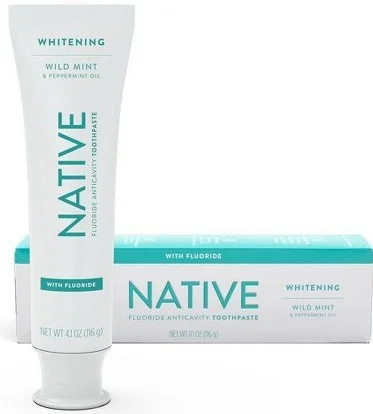
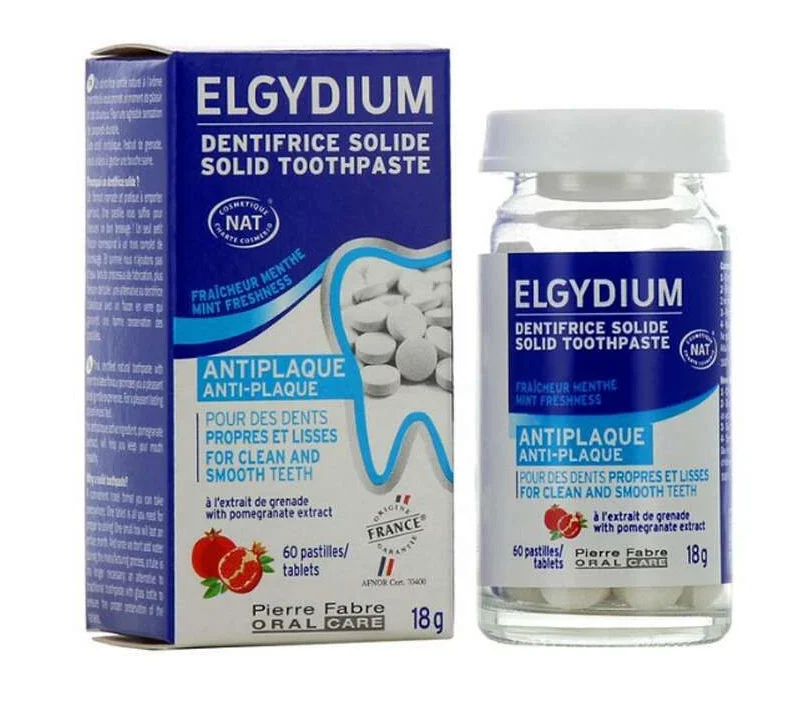


| EWG | CIR | Ingredient Name & Cosmetic Function | Notes |
|---|---|---|---|
| 2 4 | - | (Masking, Viscosity Controlling, Bulking Agent) | |
| 1 | - | (Humectant, Skin Conditioning, Flavoring Agent) | |
| - | - | Peppermint Oil | |
| 1 | - | (Abrasive, Absorbent, Opacifying, Colorant, Cosmetic Colorant) | |


| EWG | CIR | Ingredient Name & Cosmetic Function | Notes |
|---|---|---|---|
| 1 | - | (Humectant, Moisturising) | |
| 2 | A | (Abrasive, Absorbent, Bulking Agent, Anticaking Agent, Viscosity Increasing Agent, Emulsion Stabilising, Slip Modifier) | |
| 1 | - | (Humectant, Skin Conditioning, Flavoring Agent) | |
| 1 | - | (Opacifying, pH adjusting agent, Abrasive, Bulking Agent) | |


Sodium Fluoride
1. Definition Sodium Fluoride:
Sodium Fluoride is a chemical compound that is commonly used in oral care products such as toothpaste and mouthwash. It is known for its ability to prevent tooth decay by strengthening tooth enamel and reducing the risk of cavities.2. Use:
Sodium Fluoride is primarily used in cosmetic products for its oral health benefits. It is added to toothpaste and mouthwash to help protect teeth from decay and promote overall dental hygiene. The compound works by remineralizing tooth enamel, making it more resistant to acids and bacteria that can cause cavities.3. Usage Sodium Fluoride:
When using cosmetic products containing Sodium Fluoride, it is important to follow the instructions provided on the packaging. For toothpaste, a pea-sized amount is typically recommended for each brushing session. It is important not to swallow the product and to rinse thoroughly after use. Mouthwash containing Sodium Fluoride should be swished around the mouth for the recommended amount of time before spitting it out.Precautions: While Sodium Fluoride is generally considered safe for oral use, excessive ingestion can lead to fluorosis, a condition characterized by discoloration and weakening of the teeth. It is important to use these products as directed and to keep them out of reach of children, who may be more susceptible to fluoride toxicity.
4. References:
- American Dental Association. (n.d.). Fluoride and Fluoridation. https://www.ada.org/en/public-programs/advocating-for-the-public/fluoride-and-fluoridation
- National Institutes of Health. (2019). Sodium Fluoride. https://pubchem.ncbi.nlm.nih.gov/compound/Sodium-fluoride
- U.S. Food and Drug Administration. (2017). Code of Federal Regulations Title 21. https://www.accessdata.fda.gov/scripts/cdrh/cfdocs/cfcfr/CFRSearch.cfm?fr=355.50
Xylitol
1. Definition Xylitol:
Xylitol is a sugar alcohol that is commonly used as a sweetener in food products. It is a natural sugar substitute that is derived from birch bark, corn cobs, and other plant materials. Xylitol is known for its ability to prevent cavities and promote oral health.2. Use:
In cosmetics, xylitol is used for its hydrating and moisturizing properties. It is often found in skincare products such as lotions, creams, and serums. Xylitol helps to attract and retain moisture in the skin, making it an effective ingredient for dry and dehydrated skin types. Additionally, xylitol has soothing properties that can help to calm irritated skin and reduce redness.3. Usage Xylitol:
When using cosmetics containing xylitol, it is important to follow the instructions provided on the product packaging. Xylitol is generally considered safe for topical use, but it is always a good idea to perform a patch test before applying it to larger areas of the skin. Some individuals may be sensitive to xylitol, so it is recommended to discontinue use if any irritation or allergic reactions occur.4. References:
- Choi, S. J., Lee, S. N., Kim, K., & Kim, D. S. (2018). Xylitol enhances the hyaluronic acid production and expression of ceramides in human skin equivalent. Biomolecules & Therapeutics, 26(4), 377-382.
- Suresh, S., & Pradeep, S. (2014). Xylitol in preventing dental caries: A systematic review and meta-analyses. Journal of Natural Science, Biology, and Medicine, 5(1), 15-25.
- Lee, J. H., Park, Y. D., Jeong, S. H., & Do, J. H. (2017). Xylitol inhibits inflammatory cytokine expression induced by lipopolysaccharide from Porphyromonas gingivalis. Clinical Oral Investigations, 21(8), 2443-2450.
Peppermint Oil
Ingredient data is being updated. Please check back later.
Charcoal Powder
1. Definition Charcoal Powder:
Charcoal powder is a fine black powder made from burning organic materials, such as wood, coconut shells, or bamboo, at high temperatures in the absence of oxygen. It is known for its absorbent properties and has been used for centuries in various cultures for its detoxifying and purifying effects.2. Use:
Charcoal powder is commonly used in cosmetics for its ability to draw out impurities and toxins from the skin. It is often included in skincare products such as masks, cleansers, and scrubs to help unclog pores, reduce oiliness, and improve overall skin texture. Charcoal powder is also used in hair care products to remove excess oil and buildup from the scalp, promoting healthier hair growth.3. Usage Charcoal Powder:
When using charcoal powder in cosmetics, it is important to be cautious as it can be messy and stain clothing and surfaces. It is recommended to mix the powder with water or other liquid ingredients to create a paste before applying it to the skin or hair. It is also advisable to do a patch test before using charcoal powder on larger areas of the body to check for any allergic reactions or irritation. Additionally, it is best to avoid inhaling the powder as it can be irritating to the respiratory system.4. References:
- Lee, S. (2017). Charcoal in skincare: What are the benefits? Retrieved from https://www.byrdie.com/charcoal-skincare-benefits-4770337
- Ganceviciene, R., Liakou, A. I., Theodoridis, A., Makrantonaki, E., & Zouboulis, C. C. (2012). Skin anti-aging strategies. Dermato-endocrinology, 4(3), 308-319.
- Singh, M., & Das, R. R. (2016). Zinc for the common cold. Cochrane Database of Systematic Reviews, 2016(6).







