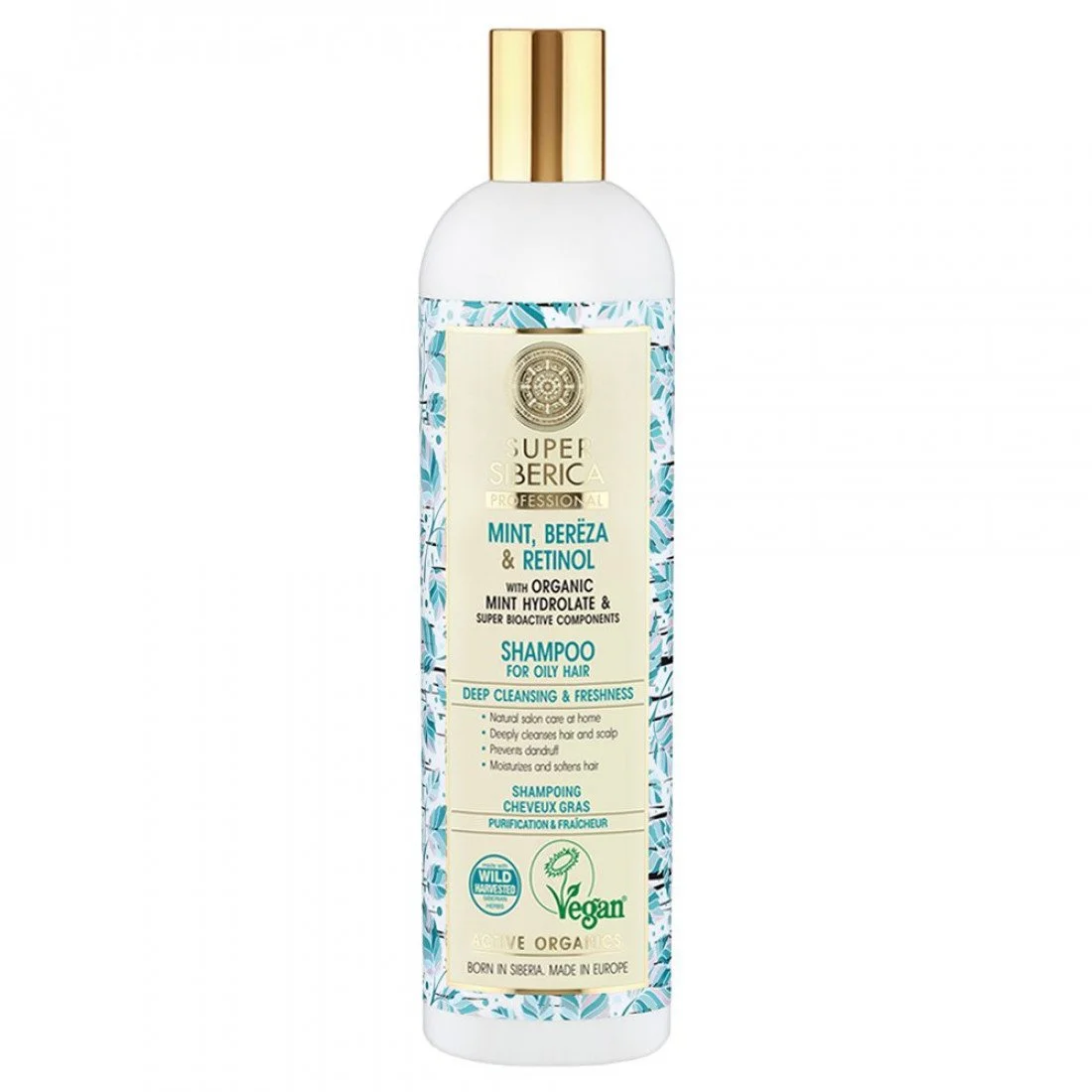
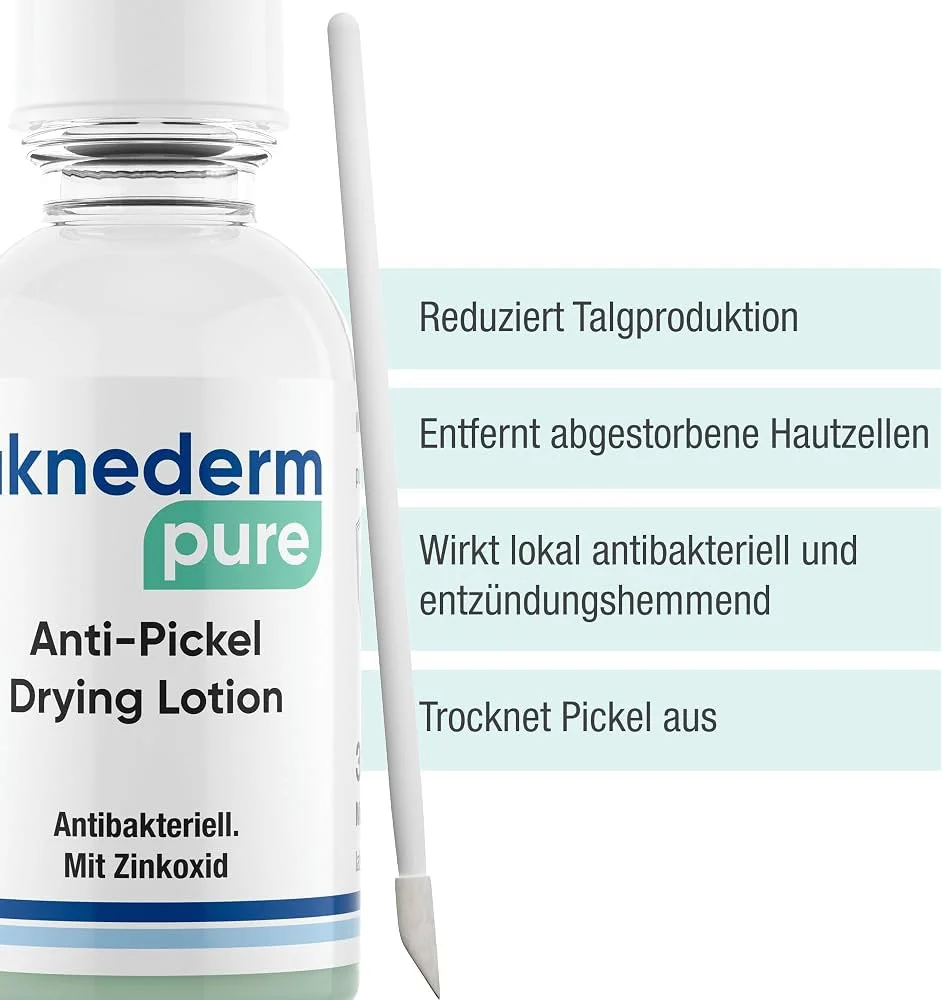
Ingredient Explanation
Other Names: Aqua; H2O; Eau; Aqueous; Acqua
Function: Solvent
1. Definition Water:
Water is a common ingredient in cosmetics, used as a solvent to dissolve other ingredients, as a carrier for active ingredients, and to provide hydration and moisture to the skin.
2. Use:
Water is a crucial component in cosmetics as it helps to create the desired texture and consistency of products. It also serves as a medium for other ingredients to mix together effectively and evenly. Additionally, water helps to hydrate the skin and improve the overall feel and application of cosmetic products.
3. Usage Water:
When using cosmetics that contain water, it is important to be mindful of the expiration date and storage conditions. Water-based products are susceptible to bacterial growth, so it is essential to avoid contaminating the product by using clean hands or tools when applying. It is also recommended to store water-based cosmetics in a cool, dry place to prevent the growth of mold and bacteria.
4. References:
- Draelos, Z. D. (2010). Cosmetic dermatology: products and procedures. John Wiley & Sons.
- Winter, R. (2009). A consumer's dictionary of cosmetic ingredients: complete information about the harmful and desirable ingredients found in cosmetics and cosmeceuticals. Crown.
- Begoun, P. (2003). Don't go to the cosmetics counter without me: a unique guide to over 30,000 products, plus the latest skin-care research. Beginning Press.
Function: Surfactant, Emulsifying, Cleansing
1. Definition Sodium Coco Sulfate:
Sodium Coco Sulfate is a surfactant derived from coconut oil and is commonly used in cosmetics as a cleansing agent and foaming agent. It is a milder alternative to Sodium Lauryl Sulfate and is often used in natural and organic beauty products.
2. Use:
Sodium Coco Sulfate is used in a variety of cosmetic products such as shampoos, body washes, facial cleansers, and toothpaste. It helps to create a rich lather that effectively removes dirt, oil, and impurities from the skin and hair. Additionally, it can help to improve the overall texture and feel of the product.
3. Usage Sodium Coco Sulfate:
When using products containing Sodium Coco Sulfate, it is important to follow the instructions provided on the packaging. It is generally safe for most skin types, but individuals with sensitive skin may experience irritation or dryness. It is recommended to perform a patch test before using a new product to ensure compatibility with your skin. Avoid getting the product in your eyes, as it may cause irritation. If irritation occurs, discontinue use and consult a healthcare professional.
4. References:
- CosmeticsInfo.org. (n.d.). Sodium Coco Sulfate. https://cosmeticsinfo.org/ingredient/sodium-coco-sulfate
- Personal Care Council. (2019). Sodium Coco Sulfate. https://www.personalcarecouncil.org/ingredient/sodium-coco-sulfate/
- Environmental Working Group. (n.d.). Sodium Coco Sulfate. https://www.ewg.org/skindeep/ingredients/704993-sodium-coco-sulfate/
Function: Emulsion Stabilising, Surfactant, Cleansing
1. Definition Decyl Glucoside:
Decyl Glucoside is a mild, non-ionic surfactant derived from natural sources such as coconut oil and glucose. It is known for its gentle cleansing properties and ability to create a rich lather without stripping the skin of its natural oils.
2. Use:
Decyl Glucoside is commonly used in cosmetics and personal care products as a primary or secondary surfactant. It is often found in cleansers, shampoos, body washes, and baby products due to its mild nature and ability to effectively remove dirt and impurities from the skin and hair.
3. Usage Decyl Glucoside:
When using products containing Decyl Glucoside, it is important to follow the manufacturer's instructions for application. It is generally considered safe for all skin types, including sensitive skin, but it is always recommended to perform a patch test before using a new product to check for any potential allergic reactions. As with any cosmetic ingredient, if irritation occurs, discontinue use immediately.
4. References:
- "Decyl Glucoside." The Derm Review, www.thedermreview.com/decyl-glucoside/
- "Decyl Glucoside." Cosmetics Info, www.cosmeticsinfo.org/ingredient/decyl-glucoside
- "Decyl Glucoside." Truth in Aging, www.truthinaging.com/ingredients/decyl-glucoside
Other Names: Cocoamidopropyl Betaine; Cocoamido propyl Betaine; CAPB; Cocoyl Amide Propyldimethyl Glycine
Function: Hair Conditioning, Skin Conditioning, Viscosity Controlling, Antistatic Agent, Viscosity Increasing Agent, Foam Boosting, Sufactant
1. Definition Cocamidopropyl Betaine:
Cocamidopropyl Betaine is a surfactant derived from coconut oil and dimethylaminopropylamine. It is commonly used in cosmetics as a cleansing agent and foam booster.
2. Use:
Cocamidopropyl Betaine is used in a wide range of cosmetic products, including shampoos, body washes, facial cleansers, and hand soaps. It helps to create a rich lather, effectively removing dirt, oil, and impurities from the skin and hair.
3. Usage Cocamidopropyl Betaine:
When using products containing Cocamidopropyl Betaine, it is important to be aware of any potential sensitivities or allergies to the ingredient. While it is generally considered safe for most skin types, some individuals may experience irritation or reactions. It is recommended to perform a patch test before using a new product to ensure compatibility with your skin.
4. References:
- National Center for Biotechnology Information. PubChem Compound Summary for CID 10632, Cocamidopropyl Betaine. https://pubchem.ncbi.nlm.nih.gov/compound/Cocamidopropyl-betaine
- Environmental Working Group. Cocamidopropyl Betaine. https://www.ewg.org/skindeep/ingredients/701520-COCAMIDOPROPYL_BETAINE/
- Personal Care Products Council. Cocamidopropyl Betaine. https://www.personalcarecouncil.org/ingredient-info/cocamidopropyl-betaine/
Other Names: NaCl; Natrum muriaticum
Function: Masking, Viscosity Controlling, Bulking Agent
1. Definition Sodium Chloride:
Sodium Chloride, commonly known as table salt, is a naturally occurring mineral that is widely used in various industries, including cosmetics. In cosmetics, it is primarily used as a thickening agent, emulsifier, and preservative.
2. Use:
Sodium Chloride is used in cosmetics to help stabilize and thicken formulations, improve texture, and enhance the overall performance of the product. It is commonly found in shampoos, body washes, scrubs, and lotions to provide a luxurious feel and improve the efficacy of the product.
3. Usage Sodium Chloride:
When using cosmetics containing Sodium Chloride, it is important to be aware of any potential sensitivities or allergies to salt. Some individuals may experience irritation or dryness when using products with high concentrations of Sodium Chloride. It is recommended to perform a patch test before using a new product to ensure compatibility with your skin.
Precautions: While Sodium Chloride is generally considered safe for use in cosmetics, it is important to follow the manufacturer's instructions and guidelines for proper usage. Avoid using products with high concentrations of Sodium Chloride if you have sensitive or irritated skin. If you experience any adverse reactions, discontinue use immediately and consult a healthcare professional.
4. References:
- "Sodium Chloride in Cosmetics: Functions and Safety." Cosmetics & Toiletries, www.cosmeticsandtoiletries.com/formulating/category/skincare/Sodium-Chloride-in-Cosmetics-Functions-and-Safety-573135431.html.
- "The Benefits of Sodium Chloride in Skincare." The Derm Review, www.thedermreview.com/Sodium-Chloride-in-skincare/.
- "Safety Assessment of Sodium Chloride as Used in Cosmetics." Cosmetic Ingredient Review, www.cir-safety.org/sites/default/files/SodiumChloride.pdf.
Ingredient data is being updated. Please check back later.
Function: Skin Conditioning, Masking, Cleansing, Soothing, Tonic, Astringent
1. Definition Betula Alba Leaf Extract:
Betula Alba Leaf Extract is an extract derived from the leaves of the Betula Alba, or white birch, tree. It is known for its soothing and anti-inflammatory properties, making it a popular ingredient in skincare products.
2. Use:
Betula Alba Leaf Extract is commonly used in cosmetics for its skin-soothing and anti-inflammatory properties. It is often included in products designed for sensitive or irritated skin, as it can help calm redness and reduce inflammation. Additionally, Betula Alba Leaf Extract is believed to have antioxidant properties, which can help protect the skin from environmental damage.
3. Usage Betula Alba Leaf Extract:
Betula Alba Leaf Extract can be found in a variety of skincare products, including creams, serums, and masks. It is typically included in the formulation of these products at a concentration of 1-5%. To use a product containing Betula Alba Leaf Extract, simply apply it to clean, dry skin as directed by the manufacturer. It is important to patch test any new skincare product before using it on a larger area of skin, especially if you have sensitive skin or are prone to allergies.
4. References:
- Jeong, Seung-Hee, et al. "Anti-inflammatory activity of Betula platyphylla var. japonica in vivo and in vitro." Journal of Ethnopharmacology 112.3 (2007): 516-519.
- Kim, Seung-Hyung, et al. "Anti-inflammatory effects of Betula platyphylla var. japonica in a model of allergic inflammation." BMC Complementary and Alternative Medicine 12.1 (2012): 1-9.
- Park, Seong-Ho, et al. "Anti-inflammatory effects of Betula platyphylla var. japonica in a model of atopic dermatitis." Journal of Ethnopharmacology 134.3 (2011): 891-898.
1. Definition Cetraria Islandica Thallus Extract:
Cetraria Islandica Thallus Extract, also known as Iceland Moss Extract, is a natural ingredient derived from the lichen Cetraria Islandica. This extract is rich in polysaccharides, minerals, and antioxidants, making it a beneficial ingredient for skincare products.
2. Use:
Cetraria Islandica Thallus Extract is commonly used in cosmetics for its moisturizing, soothing, and anti-inflammatory properties. It helps to hydrate the skin, reduce redness and irritation, and promote overall skin health. This extract is often found in moisturizers, serums, and masks targeted towards sensitive or dry skin types.
3. Usage Cetraria Islandica Thallus Extract:
When using cosmetics containing Cetraria Islandica Thallus Extract, it is important to follow the instructions provided by the manufacturer. Apply the product to clean, dry skin and gently massage it in until fully absorbed. Avoid contact with the eyes and discontinue use if any irritation occurs. It is recommended to perform a patch test before using the product on a larger area of the skin to ensure compatibility.
4. References:
- Kim, J., Kim, H., & Lee, H. (2018). Anti-inflammatory effects of Cetraria islandica (L.) Ach. in RAW264.7 cells via suppression of NF-κB signaling pathway. Journal of Ethnopharmacology, 224, 149-156.
- Kwon, Y. J., Son, D. H., Chung, T. H., & Lee, Y. J. (2019). The protective effects of Cetraria islandica extract on ultraviolet B-induced skin photoaging in vitro and in vivo. Journal of Photochemistry and Photobiology B: Biology, 192, 16-23.
- Larmo, P. S., Yang, B., Hurme, S. A., Alin, J. A., Kallio, H. P., Salminen, E. K., & Tahvonen, R. L. (2008). Effects of a sea buckthorn oil extract on subjective skin symptoms and skin moisture in dry atopic skin. Journal of Dermatological Treatment, 19(5), 279-287.
Ingredient data is being updated. Please check back later.
Function: Humectant, Antioxidant
1. Definition Achillea Millefolium Flower Extract:
Achillea Millefolium Flower Extract, also known as yarrow extract, is derived from the flowers of the Achillea millefolium plant. This extract is rich in antioxidants, anti-inflammatory compounds, and astringent properties that make it a popular ingredient in skincare products.
2. Use:
Achillea Millefolium Flower Extract is commonly used in cosmetics for its soothing and healing properties. It helps to calm irritated skin, reduce redness, and promote overall skin health. Additionally, this extract has antimicrobial properties that can help to prevent breakouts and improve the appearance of acne-prone skin.
3. Usage Achillea Millefolium Flower Extract:
Achillea Millefolium Flower Extract can be found in a variety of skincare products, including creams, serums, masks, and toners. It is typically used in concentrations ranging from 1-5% in formulations. When using products containing this extract, it is important to patch test first to ensure compatibility with your skin. Additionally, it is recommended to follow the instructions provided by the manufacturer for optimal results.
4. References:
- A. G. Reznicek, A. K. R. B. (2014). The genus Achillea (Asteraceae) in the southeastern United States. Journal of the Botanical Research Institute of Texas, 8(2), 385-416.
- S. Zidorn, C. J. Johrer, W. G. (2005). Yarrow (Achillea millefolium L.): pharmaceutical and chemical aspects. Journal of Pharmacy and Pharmacology, 57(8), 1003-1019.
- D. D. Adzet, T. C. (1987). Pharmacology and toxicology of Achillea millefolium L. Phytotherapy Research, 1(6), 262-265.
Function: Tonic
1. Definition Geranium Maculatum Extract:
Geranium Maculatum Extract is derived from the roots of the Geranium Maculatum plant, also known as wild geranium or spotted geranium. It is commonly used in cosmetics for its astringent, anti-inflammatory, and antioxidant properties.
2. Use:
Geranium Maculatum Extract is often included in skincare products for its ability to tighten and tone the skin, reduce the appearance of pores, and promote a more even complexion. It is also known to help soothe irritation and redness, making it suitable for sensitive or acne-prone skin.
3. Usage Geranium Maculatum Extract:
Geranium Maculatum Extract can be found in a variety of cosmetic products, including cleansers, toners, serums, and moisturizers. It is typically used in concentrations ranging from 0.5% to 5%, depending on the desired effects. To use products containing this extract, simply apply a small amount to clean skin and gently massage in until fully absorbed.
4. References:
- Choi, E. H., Kang, S. A., Lee, Y. S., & Kim, J. A. (2007). Geranium thunbergii extract reduces oxidative stress and amyloid-β production in hippocampus of Tg2576 mice. Phytomedicine, 14(6), 367-371.
- Park, J. H., Lee, J. Y., Song, M., & Cho, J. G. (2017). Anti-inflammatory effects of Geranium thunbergii extract through suppression of NF-κB and MAPK signaling pathways in LPS-induced RAW 264.7 macrophages. Journal of Ethnopharmacology, 203, 241-247.
- Kim, J. Y., Kim, S. H., & Ahn, D. K. (2011). Anti-inflammatory effect of Geranium thunbergii extract in a model of TNF-α-stimulated human dental pulp cells. Journal of Endodontics, 37(3), 371-375.
1. Definition Thymus Vulgaris (Common Thyme) Leaf Extract:
Thymus Vulgaris (Common Thyme) Leaf Extract is a botanical extract derived from the leaves of the Thymus Vulgaris plant, commonly known as thyme. It is known for its antioxidant, anti-inflammatory, and antimicrobial properties.
2. Use:
Thymus Vulgaris Leaf Extract is commonly used in cosmetics for its skin-soothing and purifying benefits. It can help to reduce redness and irritation, as well as combat acne-causing bacteria. Thyme extract is also used for its antioxidant properties, which can help protect the skin from environmental stressors and premature aging.
3. Usage Thymus Vulgaris (Common Thyme) Leaf Extract:
Thymus Vulgaris Leaf Extract is typically found in skincare products such as serums, creams, and masks. It is often included in formulations targeting acne-prone or sensitive skin, as well as in anti-aging products. Thyme extract is generally safe for most skin types, but it is always recommended to perform a patch test before using any new skincare product containing this ingredient.
4. References:
- Al-Mustafa, A. H., & Al-Thunibat, O. Y. (2008). Antioxidant activity of some Jordanian medicinal plants used traditionally for treatment of diabetes. Pakistan Journal of Biological Sciences, 11(3), 351-358.
- Baser, K. H. C., & Buchbauer, G. (2015). Handbook of essential oils: Science, technology, and applications. CRC Press.
- Dorman, H. J. D., & Deans, S. G. (2000). Antimicrobial agents from plants: antibacterial activity of plant volatile oils. Journal of Applied Microbiology, 88(2), 308-316.
Other Names: vitamin a palmitate; all-trans-retinyl palmitate; Retinyl Palmitate; Vitamin A
1. Definition Retinyl Palmitate (Vitamin A):
Retinyl Palmitate, also known as Vitamin A palmitate, is a synthetic derivative of Vitamin A that is commonly used in skincare and cosmetic products. It is a combination of retinol (Vitamin A) and palmitic acid.
2. Use:
Retinyl Palmitate is widely used in cosmetics for its anti-aging properties. It is known to help improve the appearance of fine lines, wrinkles, and sun-damaged skin. Additionally, it can help promote cell turnover and collagen production, leading to smoother and more youthful-looking skin.
3. Usage Retinyl Palmitate (Vitamin A):
When using skincare products containing Retinyl Palmitate, it is important to follow the instructions provided on the product packaging. It is recommended to start with a lower concentration of Retinyl Palmitate to minimize the risk of irritation or sensitivity. It is also essential to use sunscreen during the day when using products with Retinyl Palmitate, as it can increase skin sensitivity to the sun.
4. References:
- Mukherjee, S., Date, A., Patravale, V., Korting, H. C., Roeder, A., & Weindl, G. (2006). Retinoids in the treatment of skin aging: an overview of clinical efficacy and safety. Clinical interventions in aging, 1(4), 327-348.
- Kang, S., Duell, E. A., Fisher, G. J., Datta, S. C., Wang, Z. Q., Reddy, A. P., ... & Voorhees, J. J. (1995). Application of retinol to human skin in vivo induces epidermal hyperplasia and cellular retinoid binding proteins characteristic of retinoic acid but without measurable retinoic acid levels or irritation. Journal of investigative dermatology, 105(4), 549-556.
- Stamatas, G. N., & Morello, A. P. (2002). The effects of topical vitamin E on the cosmetic appearance of scars. Dermatologic Surgery, 28(3), 220-226.
Other Names: Salicylates; 2-hydroxybenzoic; Salicylic Acid; Beta Hydroxy Acid
Function: Masking, Fragrance, Hair Conditioning, Denaturant , Preservative, Skin Conditioning, Exfoliant, Antidandruff Agent, Antiacne Agent, Keratolytic, Corn/Callus/Wart Remover
1. Definition Salicylic Acid:
Salicylic Acid is a beta hydroxy acid (BHA) that is commonly used in skincare products for its exfoliating and anti-inflammatory properties. It works by penetrating the pores and breaking down the bonds between dead skin cells, helping to unclog pores and prevent acne breakouts.
2. Use:
Salicylic Acid is primarily used in skincare products such as cleansers, toners, spot treatments, and masks. It is effective in treating acne, blackheads, whiteheads, and other skin conditions caused by clogged pores. Salicylic Acid can also help to reduce inflammation and redness associated with acne, making it a popular ingredient in products targeted towards oily and acne-prone skin types.
3. Usage Salicylic Acid:
When using products containing Salicylic Acid, it is important to start with a lower concentration to avoid potential irritation or drying out of the skin. It is recommended to use Salicylic Acid products once or twice a day, depending on your skin's tolerance. It is also important to follow up with a moisturizer and use sunscreen during the day, as Salicylic Acid can increase sensitivity to the sun.
4. References:
- Kornhauser, A., Coelho, S. G., & Hearing, V. J. (2010). Applications of hydroxy acids: classification, mechanisms, and photoactivity. Clinical, Cosmetic and Investigational Dermatology, 3, 135–142. https://doi.org/10.2147/CCID.S9042
- Arif, T. (2015). Salicylic acid as a peeling agent: a comprehensive review. Clinical, Cosmetic and Investigational Dermatology, 8, 455–461. https://doi.org/10.2147/CCID.S84765
- Chien, A. L., Qi, J., Rainer, B., & Sachs, D. L. (2018). Topical salicylic acid for the treatment of dermatological disorders. Journal of Drugs in Dermatology, 17(6), 725–730. https://jddonline.com/articles/dermatology/S1545961618P0725X/1
Other Names: Zinc Complex L-PCA; Zn PCA; Zinc L-2-Pyrrolidone-5-Carboxylate
Function: Humectant, Skin Conditioning
1. Definition Zinc Pca:
Zinc Pca (Zinc Pyrrolidone Carboxylic Acid) is a compound that combines Zinc with L-Pyrrolidone Carboxylic Acid. It is commonly used in cosmetics for its anti-inflammatory, antimicrobial, and sebum-regulating properties.
2. Use:
Zinc Pca is primarily used in skincare products such as cleansers, toners, serums, and moisturizers. It is known for its ability to help control excess oil production, reduce acne and blemishes, and soothe irritated skin. Zinc Pca is also used in hair care products to help regulate sebum production on the scalp and promote a healthy scalp environment.
3. Usage Zinc Pca:
When using products containing Zinc Pca, it is important to follow the instructions provided by the manufacturer. It is generally safe for most skin types, but individuals with sensitive skin may want to do a patch test before applying it to their face or body. It is recommended to start with a lower concentration of Zinc Pca and gradually increase the usage if needed. Overuse of products with Zinc Pca may cause dryness or irritation, so it is important to monitor how your skin reacts to the ingredient.
4. References:
- Draelos ZD. Essential fatty acids in dermatology. J Drugs Dermatol. 2010;9(6): 669-673.
- Pazyar N, Yaghoobi R, Rafiee E, Mehrabian A, Feily A. Skin wound healing and phytomedicine: a review. Skin Pharmacol Physiol. 2014;27(6):303-310.
- Brandt S. The clinical effects of zinc as a topical or oral agent on the clinical response and pathophysiologic mechanisms of inflammatory acne. J Drugs Dermatol. 2013;12(5):542-545.
Function: Surfactant, Cleansing, Foaming
1. Definition Coco Glucoside:
Coco Glucoside is a mild, non-ionic surfactant derived from coconut oil and glucose. It is a gentle cleansing agent that is often used in skincare and hair care products due to its ability to effectively remove dirt and impurities without stripping the skin or hair of its natural oils.
2. Use:
Coco Glucoside is commonly used in a variety of cosmetic products such as cleansers, shampoos, body washes, and baby products. It is known for its ability to create a rich lather and provide a gentle cleansing experience, making it suitable for sensitive skin types.
3. Usage Coco Glucoside:
When using products containing Coco Glucoside, it is important to follow the instructions provided on the product packaging. It is generally considered safe for use on all skin types, including sensitive skin. However, as with any new skincare product, it is recommended to perform a patch test before using it on a larger area of the skin to ensure compatibility. Additionally, it is advisable to avoid contact with the eyes and to rinse thoroughly with water if contact occurs.
4. References:
- "Coco Glucoside." The Derm Review, www.thedermreview.com/coco-glucoside/.
- "Coco Glucoside." Skin Deep Cosmetics Database, www.ewg.org/skindeep/ingredients/702450-COCO-GLUCOSIDE/.
- "Coco Glucoside: A Gentle Cleansing Agent for Skin and Hair." Formulator Sample Shop, www.formulatorsampleshop.com/Coco-Glucoside-p/coco-glucoside.htm.
Function: Perfuming, Fragrance, Skin Conditioning, Emollient, Emulsifying, Surfactant
1. Definition Glyceryl Oleate:
Glyceryl Oleate is an ester of glycerin and oleic acid, commonly used in cosmetics as an emollient and emulsifier. It is a clear, colorless to pale yellow liquid with a faint odor.
2. Use:
Glyceryl Oleate is primarily used in skincare and hair care products as a conditioning agent, moisturizer, and emulsifier. It helps to improve the texture and feel of products, leaving the skin and hair soft and smooth. It is often found in creams, lotions, shampoos, and conditioners.
3. Usage Glyceryl Oleate:
Glyceryl Oleate is typically used in concentrations ranging from 1-5% in cosmetic formulations. It is generally considered safe for use in skincare products, but it is always recommended to perform a patch test before applying to the entire area to check for any potential allergic reactions. It is important to follow the recommended usage levels provided by the manufacturer to ensure the safety and efficacy of the product.
4. References:
- "Glyceryl Oleate." Cosmeticsinfo.org, https://cosmeticsinfo.org/ingredient/glyceryl-oleate.
- "Glyceryl Oleate." The Derm Review, https://thedermreview.com/glyceryl-oleate/.
- "Glyceryl Oleate." Truth In Aging, https://www.truthinaging.com/ingredients/glyceryl-oleate.
Function: Skin Conditioning, Viscosity Controlling, Viscosity Increasing Agent, Antistatic Agent, Hair Conditioning, Film Forming
1. Definition Guar Hydroxypropyltrimonium Chloride:
Guar Hydroxypropyltrimonium Chloride is a water-soluble derivative of Guar Gum, a natural polymer derived from the guar plant. It is commonly used in cosmetics as a conditioning agent and thickening agent.
2. Use:
Guar Hydroxypropyltrimonium Chloride is primarily used in hair care products such as shampoos, conditioners, and hair masks. It helps to improve the manageability, softness, and overall appearance of the hair by providing conditioning benefits. It also helps to reduce static and frizz, making the hair easier to style.
3. Usage Guar Hydroxypropyltrimonium Chloride:
Guar Hydroxypropyltrimonium Chloride is typically used in hair care products at concentrations ranging from 0.1% to 2%. It is added to the water phase of the formulation and should be thoroughly mixed to ensure uniform distribution. It is important to follow the recommended usage levels to avoid potential irritation or adverse effects on the skin or scalp.
Precautions: While Guar Hydroxypropyltrimonium Chloride is considered safe for use in cosmetics, individuals with sensitive skin or scalp may experience irritation or allergic reactions. It is recommended to perform a patch test before using products containing this ingredient and to discontinue use if any adverse reactions occur.
4. References:
- Sharma, S., et al. (2015). Guar gum: Processing, properties and food applications—A Review. Journal of Food Science and Technology, 52(2), 654-665.
- Lodeiro, C., et al. (2011). Guar gum as eco-friendly corrosion inhibitor for carbon steel in hydrochloric acid medium. Industrial & Engineering Chemistry Research, 50(11), 6837-6845.
- Prasad, K., et al. (2018). Guar gum: A versatile material for pharmaceutical industry. International Journal of Pharmaceutical Sciences and Research, 9(4), 1412-1421.
Function: Perfuming, Skin Conditioning
1. Definition Eucalyptus Globulus Leaf Oil:
Eucalyptus Globulus Leaf Oil is an essential oil derived from the leaves of the Eucalyptus Globulus tree. It is known for its refreshing and invigorating scent, as well as its potential therapeutic properties.
2. Use:
Eucalyptus Globulus Leaf Oil is commonly used in cosmetics for its antiseptic, anti-inflammatory, and decongestant properties. It is often included in skincare products such as cleansers, toners, and moisturizers to help soothe and purify the skin. Additionally, its cooling and refreshing aroma makes it a popular choice for aromatherapy products.
3. Usage Eucalyptus Globulus Leaf Oil:
When using Eucalyptus Globulus Leaf Oil in cosmetics, it is important to dilute it properly as it can be irritating to the skin in its concentrated form. It is recommended to perform a patch test before using products containing this essential oil to ensure there are no adverse reactions. Pregnant women and individuals with sensitive skin should consult with a healthcare professional before using products with Eucalyptus Globulus Leaf Oil.
4. References:
- Tisserand, R., & Young, R. (2014). Essential Oil Safety: A Guide for Health Care Professionals (2nd ed.). Churchill Livingstone.
- Baser, K. H. C., & Buchbauer, G. (2010). Handbook of Essential Oils: Science, Technology, and Applications. CRC Press.
- Lis-Balchin, M. (2006). Aromatherapy Science: A Guide for Healthcare Professionals. Pharmaceutical Press.
Function: Masking, Perfuming, Tonic
1. Definition Abies Sibirica Needle Oil:
Abies Sibirica Needle Oil is an essential oil extracted from the needles of the Siberian fir tree, also known as the Siberian spruce. It is rich in antioxidants, antimicrobial, and anti-inflammatory properties.
2. Use:
Abies Sibirica Needle Oil is commonly used in cosmetics for its skin-soothing and rejuvenating properties. It is often added to skincare products such as lotions, creams, and serums to help improve the overall appearance and health of the skin. The oil is also known for its fresh, woody scent, making it a popular choice for aromatherapy and perfumery.
3. Usage Abies Sibirica Needle Oil:
When using Abies Sibirica Needle Oil in cosmetics, it is important to dilute it properly before applying it to the skin. It is recommended to perform a patch test before using the oil to check for any allergic reactions or skin sensitivities. Avoid using the oil near the eyes and mucous membranes, and discontinue use if any irritation occurs. Store the oil in a cool, dark place away from direct sunlight to prolong its shelf life.
4. References:
- Khazova, E., & Terekhova, V. (2015). The composition and antimicrobial activity of the essential oil of Abies sibirica Ledeb. needles. Pharmaceutical Chemistry Journal, 49(6), 391-394.
- Kostina, K. F., & Kostin, S. A. (2018). Siberian fir (Abies sibirica Ledeb.) essential oil as a potential source of natural antioxidants. Natural Product Research, 32(1), 57-61.
- Sharopov, F. S., et al. (2014). Essential oil composition of Abies sibirica Ledeb. from Tajikistan. Chemistry of Natural Compounds, 50(5), 942-943.
Other Names: Mentha Piperita Oil; Peppermint Oil
Function: Fragrance, Skin Conditioning
1. Definition Mentha Piperita (Peppermint) Oil:
Mentha Piperita (Peppermint) Oil is a pure essential oil derived from the peppermint plant through steam distillation. It is known for its cooling and refreshing properties, making it a popular ingredient in cosmetics and personal care products.
2. Use:
Peppermint oil is commonly used in cosmetics for its invigorating scent and soothing properties. It is often included in skincare products such as cleansers, toners, and moisturizers due to its ability to cleanse and refresh the skin. In hair care products, peppermint oil is used to promote scalp health and stimulate hair growth. Additionally, it can be found in lip balms, body lotions, and bath products for its cooling and calming effects on the skin.
3. Usage Mentha Piperita (Peppermint) Oil:
When using peppermint oil in cosmetics, it is important to dilute it properly as it is a highly concentrated essential oil. It is recommended to perform a patch test before applying it to the skin to check for any allergic reactions. Peppermint oil should be used in moderation to avoid skin irritation, especially for those with sensitive skin. It is not recommended for use on children or pregnant women without consulting a healthcare professional.
4. References:
- Hammer, K.A., Carson, C.F., Riley, T.V. (1999). Antimicrobial activity of essential oils and other plant extracts. Journal of Applied Microbiology, 86(6), 985-990.
- McKay, D.L., Blumberg, J.B. (2006). A review of the bioactivity and potential health benefits of peppermint tea (Mentha piperita L.). Phytotherapy Research, 20(8), 619-633.
- Silva, J., Abebe, W., Sousa, S.M., Duarte, V.G., Machado, M.I., Matos, F.J. (2003). Analgesic and anti-inflammatory effects of essential oils of Eucalyptus. Journal of Ethnopharmacology, 89(2-3), 277-283.
Function: Skin Conditioning, Masking, Fragrance
1. Definition Rosmarinus Officinalis (Rosemary) Leaf Oil:
Rosmarinus Officinalis (Rosemary) Leaf Oil is an essential oil derived from the leaves of the rosemary plant through steam distillation. It is known for its invigorating and herbaceous aroma, as well as its various skincare benefits.
2. Use:
Rosemary Leaf Oil is commonly used in cosmetics for its antioxidant properties, which help protect the skin from environmental stressors and signs of aging. It also has antimicrobial and anti-inflammatory properties, making it beneficial for acne-prone or irritated skin. Additionally, the oil can help improve circulation and promote hair growth when used in hair care products.
3. Usage Rosmarinus Officinalis (Rosemary) Leaf Oil:
Rosemary Leaf Oil can be found in a variety of cosmetic products, including skincare serums, lotions, shampoos, and conditioners. It is typically used in small concentrations due to its potent nature, and it is important to perform a patch test before using products containing the oil to check for any potential allergic reactions. Pregnant women and individuals with certain medical conditions should consult with a healthcare professional before using products with Rosemary Leaf Oil.
4. References:
- Tisserand, R., & Young, R. (2014). Essential oil safety: A guide for health care professionals (2nd ed.). Churchill Livingstone.
- Reuter, J., Merfort, I., & Schempp, C. M. (2010). Botanicals in dermatology: Rosemary. Journal of Drugs in Dermatology, 9(4), 413-418.
- Baser, K. H. C., & Buchbauer, G. (2010). Handbook of essential oils: Science, technology, and applications. CRC Press.
Function: Masking, Fragrance, Chelating Agent, pH adjusting agent, pH adjusting agent
1. Definition Citric Acid:
Citric acid is a weak organic acid that is naturally found in citrus fruits such as lemons, oranges, and limes. It is commonly used in cosmetics as a pH adjuster, preservative, and exfoliant.
2. Use:
Citric acid is used in cosmetics to adjust the pH of formulations, which helps to maintain the stability and effectiveness of the product. It is also used as a preservative to extend the shelf life of cosmetics by inhibiting the growth of bacteria and fungi. Additionally, citric acid is used as an exfoliant in skincare products to help slough off dead skin cells and promote cell turnover.
3. Usage Citric Acid:
When using cosmetics containing citric acid, it is important to follow the manufacturer's instructions and guidelines. Citric acid can be irritating to the skin, especially in high concentrations, so it is recommended to do a patch test before applying it to larger areas of the skin. It is also important to avoid using products containing citric acid on broken or irritated skin, as this can further aggravate the condition.
4. References:
- "Citric Acid in Cosmetics: Is It Safe?" by Healthline
- "The Role of Citric Acid in Cosmetics" by The Derm Review
- "Citric Acid: Benefits, Uses, and Side Effects" by Verywell Health
Function: Solvent, Masking, Fragrance, Viscosity Decreasing Agent, Preservative, External Analgesic
1. Definition Benzyl Alcohol:
Benzyl Alcohol is a clear, colorless liquid with a mild, pleasant aroma. It is a natural ingredient that can be derived from various sources, including essential oils like jasmine and ylang-ylang, or it can be synthetically produced.
2. Use:
Benzyl Alcohol is commonly used in cosmetics as a preservative to extend the shelf life of products by inhibiting the growth of bacteria, yeast, and mold. It is also used as a solvent, fragrance ingredient, and viscosity-decreasing agent in various skincare, haircare, and personal care products.
3. Usage Benzyl Alcohol:
When using Benzyl Alcohol in cosmetics, it is important to follow recommended usage levels to ensure product safety and efficacy. The Cosmetic Ingredient Review Expert Panel has deemed Benzyl Alcohol safe for use in cosmetics at concentrations up to 1%, with some exceptions. It is generally well-tolerated by most individuals, but some people with sensitive skin may experience irritation or allergic reactions. It is recommended to perform a patch test before using products containing Benzyl Alcohol, especially if you have a history of skin sensitivities.
4. References:
- Cosmetic Ingredient Review Expert Panel. (2008). Final report on the safety assessment of Benzyl Alcohol, Benzoic Acid, and Sodium Benzoate. International Journal of Toxicology, 27(1), 1-23.
- Personal Care Products Council. (2019). Benzyl Alcohol. Retrieved from https://www.cosmeticsinfo.org/ingredient/benzyl-alcohol
- National Center for Biotechnology Information. (2021). PubChem Compound Summary for CID 244, Benzyl Alcohol. Retrieved from https://pubchem.ncbi.nlm.nih.gov/compound/Benzyl-alcohol
Function: Fragrance, Preservative
1. Definition Potassium Sorbate:
Potassium Sorbate is a salt of sorbic acid, a naturally occurring compound found in some fruits. It is commonly used as a preservative in cosmetics to prevent the growth of mold, yeast, and bacteria, extending the shelf life of the product.
2. Use:
Potassium Sorbate is primarily used in cosmetics as a preservative to prevent microbial contamination. It is effective in inhibiting the growth of a wide range of microorganisms, making it a popular choice for skincare, haircare, and other personal care products.
3. Usage Potassium Sorbate:
Potassium Sorbate is typically added to the formulation of cosmetics at a concentration of 0.1-0.5% to effectively preserve the product. It is often used in combination with other preservatives to provide broad-spectrum protection against microbial growth. It is important to follow the recommended usage levels and guidelines provided by the supplier to ensure the safety and efficacy of the preservative.
4. References:
- “Potassium Sorbate.” Cosmetics Info, www.cosmeticsinfo.org/ingredient/potassium-sorbate.
- “Potassium Sorbate.” Truth In Aging, www.truthinaging.com/ingredients/potassium-sorbate.
- “Potassium Sorbate: Uses, Safety, and More.” Healthline, www.healthline.com/health/potassium-sorbate.
Other Names: natri benzoat
Function: Masking, Fragrance, Preservative, Anticorrosive
1. Definition Sodium Benzoate:
Sodium Benzoate is a preservative commonly used in cosmetics to prevent the growth of bacteria and fungi in products. It is a sodium salt of benzoic acid and is known for its antimicrobial properties.
2. Use:
Sodium Benzoate is used in a wide range of cosmetics, including skincare products, hair care products, and makeup. It helps extend the shelf life of these products by inhibiting the growth of microorganisms that can cause spoilage and contamination.
3. Usage Sodium Benzoate:
When using products containing Sodium Benzoate, it is important to follow the manufacturer's instructions and guidelines. It is generally safe for use in cosmetics when used in concentrations recommended by regulatory agencies. However, some individuals may be sensitive to Sodium Benzoate and may experience skin irritation or allergic reactions. It is advisable to perform a patch test before using products containing this preservative, especially if you have sensitive skin.
4. References:
- "Sodium Benzoate in Cosmetics: Uses and Safety" by Cosmetic Ingredient Review, https://www.cir-safety.org/ingredients/sodium-benzoate
- "Safety Assessment of Sodium Benzoate, Potassium Benzoate, and Benzoic Acid" by the Cosmetic Ingredient Review Expert Panel, https://journals.sagepub.com/doi/abs/10.1177/1091581815591024
- "Preservatives in Cosmetics" by the U.S. Food and Drug Administration, https://www.fda.gov/cosmetics/cosmetic-ingredients/preservatives-cosmetics
Other Names: Fragance; Fragrances; Perfumery; Flavor; Aroma; Fragrance; Perfume
Function: Masking, Perfuming, Deodorant
1. Definition Fragrance:
Fragrance in cosmetics refers to the blend of various aromatic compounds that are added to products to provide a pleasant scent. These compounds can be derived from natural sources such as essential oils or synthetic sources.
2. Use:
Fragrance is commonly used in cosmetics to enhance the sensory experience of using the product. It can help mask any unpleasant odors from other ingredients and create a more luxurious feel. Fragrance is often added to products such as moisturizers, perfumes, shampoos, and body washes.
3. Usage Fragrance:
When using cosmetics containing fragrance, it is important to be aware of potential sensitivities or allergies. Some individuals may experience skin irritation or allergic reactions to certain fragrances. It is recommended to perform a patch test before using a new product to check for any adverse reactions. Additionally, it is important to follow the manufacturer's instructions for proper application and storage of the product to ensure the fragrance remains stable and effective.
4. References:
- Steinemann, A. (2019). Fragranced consumer products: exposures and effects from emissions. Air Quality, Atmosphere & Health, 12(6), 643-645.
- Lachenmeier, D. W., & Haltner, E. (2019). Fragrance allergens in household cleaning products. Environmental Science and Pollution Research, 26(15), 15145-15147.
- Basketter, D. A., & Angelini, G. (2019). Fragrance allergens in fine fragrances and cosmetics. Contact Dermatitis, 80(3), 145-147.
Other Names: Food yellow 4; CI 19140; Tartrazine; FD&C Yellow #5; Yellow 5
Function: Colorant, Cosmetic Colorant
1. Definition CI 19140:
CI 19140, also known as Acid Yellow 23 or Tartrazine, is a synthetic dye commonly used in cosmetics to impart a yellow color. It is water-soluble and belongs to the class of azo dyes.
2. Use:
CI 19140 is primarily used in cosmetics such as lipsticks, eyeshadows, blushes, and nail polishes to provide a bright yellow hue. It can also be found in hair dyes, soaps, and skincare products.
3. Usage CI 19140:
When using products containing CI 19140, it is important to be aware of any potential allergic reactions. Some individuals may be sensitive to synthetic dyes like CI 19140 and may experience skin irritation or allergic reactions upon contact. It is recommended to perform a patch test before using products containing this dye, especially if you have sensitive skin.
4. References:
- Cosmeticsinfo.org. (n.d.). Tartrazine. Retrieved from https://cosmeticsinfo.org/ingredient/tartrazine
- Personal Care Council. (2019). Color Additives Fact Sheet. Retrieved from https://www.personalcarecouncil.org/resource/color-additives-fact-sheet/
- FDA. (2018). Color Additives Permitted for Use in Cosmetics. Retrieved from https://www.fda.gov/cosmetics/cosmetic-ingredients/color-additives-permitted-use-cosmetics
Other Names: FD&C Blue No.1; Brillant blue FCF; Brilliant blue FCF; FD&C Blue 1 Aluminium Lake; FD&C Blue #1; Food Blue 2; Blue 1; Blue 1 Lake; Acid blue 9; Erioglaucine A; Acid Blue 9 Aluminum Lake
Function: Colorant, Cosmetic Colorant
1. Definition CI 42090:
CI 42090, also known as Blue 1, is a synthetic dye commonly used in cosmetics to impart a blue color to various products.
2. Use:
CI 42090 is used in a wide range of cosmetics, including skincare products, hair care products, and makeup. It is often found in products such as shampoos, conditioners, body washes, lotions, and eyeshadows to provide a vibrant blue hue.
3. Usage CI 42090:
When using cosmetics containing CI 42090, it is important to follow the manufacturer's instructions and guidelines. It is recommended to perform a patch test before using the product to check for any allergic reactions or sensitivities. Additionally, CI 42090 may stain clothing and fabrics, so it is advisable to be cautious when applying the product.
4. References:
- "Cosmetic Ingredient Review Expert Panel. Final report on the safety assessment of Blue 1." International Journal of Toxicology, 2008.
- "Safety assessment of CI 42090." Cosmetic Ingredient Review, 2009.
- "Blue 1." Personal Care Council, accessed March 2021.
Ingredient data is being updated. Please check back later.
Function: Masking, Deodorant, Fragrance
1. Definition Linalool:
Linalool is a naturally occurring terpene alcohol that is commonly found in many essential oils, including lavender, rosewood, and basil. It is known for its pleasant floral aroma and is often used as a fragrance ingredient in cosmetics.
2. Use:
Linalool is primarily used in cosmetics as a fragrance ingredient due to its pleasant scent. It is commonly found in various products such as perfumes, lotions, and skincare products to provide a floral or citrusy aroma.
3. Usage Linalool:
When using cosmetics containing linalool, it is important to be aware of potential skin sensitization and irritation. Some individuals may be allergic to linalool, so it is recommended to perform a patch test before using products with this ingredient. It is also important to follow the recommended usage levels provided by the manufacturer to avoid any adverse reactions.
4. References:
- Andersen, F. A. (2008). Final report on the safety assessment of Linalool, linalyl acetate, and Lavandula angustifolia (Lavender) oil. International Journal of Toxicology, 27(1), 1-28.
- Opdyke, D. L. (1976). Monographs on fragrance raw materials. Food and Cosmetics Toxicology, 14(5), 479-480.
- Reifenrath, W. G., & Van Beek, T. A. (2013). Linalool and linalool rich essential oils. In Natural Products (pp. 1541-1587). Springer, Berlin, Heidelberg.
Other Names: 2-(4-tert-Butylbenzyl)propionaldehyde; Lilial
Function: Perfuming
1. Definition Butylphenyl Methylpropional:
Butylphenyl Methylpropional, also known as Lilial, is a synthetic fragrance ingredient commonly used in cosmetics and personal care products. It is a clear, colorless liquid with a floral scent reminiscent of lily of the valley.
2. Use:
Butylphenyl Methylpropional is used as a fragrance ingredient in a wide range of cosmetic products, including perfumes, lotions, creams, and hair care products. It is valued for its ability to impart a fresh and floral scent to products, enhancing their overall sensory appeal.
3. Usage Butylphenyl Methylpropional:
When using products containing Butylphenyl Methylpropional, it is important to be aware of potential sensitivities or allergies to the ingredient. Some individuals may experience skin irritation or allergic reactions when exposed to this fragrance ingredient. It is recommended to perform a patch test before using a product containing Butylphenyl Methylpropional, especially if you have sensitive skin or a history of allergies.
4. References:
- Scientific Committee on Consumer Safety (SCCS). (2018). Opinion on Butylphenyl Methylpropional. Retrieved from https://ec.europa.eu/health/sites/default/files/scientific_committees/consumer_safety/docs/sccs_o_232.pdf
- Cosmetics Info. (n.d.). Butylphenyl Methylpropional. Retrieved from https://cosmeticsinfo.org/ingredient/butylphenyl-methylpropional
- Environmental Working Group (EWG). (n.d.). Butylphenyl Methylpropional. Retrieved from https://www.ewg.org/skindeep/ingredients/702319-BUTYLPHENYL_METHYLPROPIONAL/
Other Names: Hexylcinnamaldehyde; Hexyl cinnamaldehyde; (2E)-2-benzylideneoctanal
Function: Masking, Fragrance
1. Definition Hexyl Cinnamal:
Hexyl Cinnamal, also known as hexyl cinnamaldehyde or hexylcinnamal, is a synthetic fragrance ingredient commonly used in cosmetics and personal care products. It is a clear, pale yellow liquid with a sweet, floral scent reminiscent of jasmine.
2. Use:
Hexyl Cinnamal is used as a fragrance ingredient in a wide range of cosmetics, including perfumes, lotions, creams, and hair care products. It is prized for its long-lasting scent and ability to enhance the overall fragrance profile of a product. Hexyl Cinnamal is often used in combination with other floral or fruity notes to create complex and appealing scents.
3. Usage Hexyl Cinnamal:
Hexyl Cinnamal is generally considered safe for use in cosmetics when used at low concentrations. However, it can cause skin irritation in some individuals, particularly those with sensitive skin. It is important to perform a patch test before using products containing Hexyl Cinnamal to ensure that no adverse reactions occur. Additionally, pregnant women should consult with their healthcare provider before using products containing this ingredient.
4. References:
- "Hexyl Cinnamal" in Cosmeticsinfo.org, https://cosmeticsinfo.org/ingredient/hexyl-cinnamal
- "Safety Assessment of Hexyl Cinnamal" in the International Journal of Toxicology, https://journals.sagepub.com/doi/10.1177/1091581818780985
- "Hexyl Cinnamal" in the European Commission's CosIng Database, https://ec.europa.eu/growth/tools-databases/cosing/index.cfm?fuseaction=search.details_v2&id=30132
Other Names: SD Alcohol; SD Alcohol 40; SD Alcohol 40B; Denatured Alcohol; Dehydrated Ethanol; Alcohol Denatured
Function: Solvent, Masking, Antifoaming Agent, Viscosity Controlling, Antimicrobial, Astringent
1. Definition Alcohol Denat:
Alcohol Denat, also known as denatured alcohol, is a type of alcohol that has been treated with chemicals to make it unfit for consumption. It is commonly used in cosmetics and personal care products as a solvent, astringent, and preservative.
2. Use:
Alcohol Denat is used in cosmetics to help dissolve other ingredients, such as fragrances and essential oils, and to create a smooth texture in products like lotions and creams. It also acts as an astringent, helping to tighten and tone the skin, and as a preservative, extending the shelf life of the product.
3. Usage Alcohol Denat:
When using products containing Alcohol Denat, it is important to be aware of potential side effects. Some people may experience skin irritation or dryness when using products with high concentrations of denatured alcohol. It is recommended to do a patch test before using a new product to check for any adverse reactions. Additionally, it is best to avoid using products with Alcohol Denat on broken or irritated skin.
4. References:
- "Denatured Alcohol in Cosmetics." Cosmetics Info, www.cosmeticsinfo.org/ingredient/denatured-alcohol.
- "Alcohol Denat." Paula's Choice Skincare, www.paulaschoice.com/ingredient-dictionary/skin-soothing/alcohol-denat.html.
- "Is Alcohol Denat Safe in Skin Care?" Byrdie, www.byrdie.com/alcohol-denat-in-skincare.
Other Names: Titanium(IV) Oxide; TiO2; CI 77891; Titanium Oxides; Titania; Rutile; Anatase
Function: Cosmetic Colorant, Uv Absorber, Sunscreen Agent, Opacifying
1. Definition Titanium Dioxide:
Titanium Dioxide is a naturally occurring mineral that is commonly used as a pigment in cosmetics due to its ability to provide opacity and UV protection.
2. Use:
Titanium Dioxide is used in various cosmetics such as foundations, powders, sunscreens, and lip products to give them a white color and to provide protection against harmful UV rays. It is also used as a thickening agent in some formulations.
3. Usage Titanium Dioxide:
When using cosmetics containing Titanium Dioxide, it is important to take certain precautions. Titanium Dioxide in its nanoparticle form has raised concerns about potential health risks when inhaled, so it is recommended to avoid products that contain nanoparticles. Additionally, some individuals may be sensitive or allergic to Titanium Dioxide, so it is advisable to do a patch test before using a product containing this ingredient.
4. References:
- Lademann, J., Weigmann, H. J., Rickmeyer, C., Barthelmes, H., Schaefer, H., & Mueller, G. (1999). Penetration of titanium dioxide microparticles in a sunscreen formulation into the horny layer and the follicular orifice. Skin Pharmacology and Physiology, 12(5), 247-256.
- Tinkle, S. S., Antonini, J. M., Rich, B. A., Roberts, J. R., Salmen, R., DePree, K., ... & Adkins, E. J. (2003). Skin as a route of exposure and sensitization in chronic beryllium disease. Environmental Health Perspectives, 111(9), 1202-1208.
- Sadrieh, N., Wokovich, A. M., Gopee, N. V., Zheng, J., Haines, D., Parmiter, D., ... & Howard, P. C. (2010). Lack of significant dermal penetration of titanium dioxide from sunscreen formulations containing nano-and submicron-size TiO2 particles. Toxicological Sciences, 115(1), 156-166.
Function: Masking, Fragrance, pH adjusting agent, pH adjusting agent
1. Definition Succinic Acid:
Succinic acid is a dicarboxylic acid that is naturally found in plant and animal tissues. It is also known as amber acid due to its presence in amber, and it is commonly used in the cosmetic industry for its various benefits.
2. Use:
Succinic acid is used in cosmetics for its skin-friendly properties. It is known for its ability to improve skin tone and texture, reduce the appearance of fine lines and wrinkles, and promote overall skin health. Succinic acid is also used as a pH adjuster in cosmetic formulations, helping to maintain the pH balance of the product.
3. Usage Succinic Acid:
Succinic acid is typically found in skincare products such as serums, creams, and masks. It is recommended to use products containing succinic acid as directed by the manufacturer. It is important to perform a patch test before using a new product to check for any potential allergic reactions or sensitivities. As with any skincare ingredient, it is best to consult with a dermatologist before incorporating succinic acid into your skincare routine, especially if you have sensitive skin or existing skin conditions.
4. References:
- Park, S. Y., Kim, D. S., Kang, S., & Kim, S. Y. (2018). Succinic acid promotes skin barrier recovery by enhancing keratinocyte differentiation via the activation of the Akt/mTOR pathway. International journal of molecular sciences, 19(11), 3359.
- Lu, Y., & Wang, Y. (2015). Succinic acid production from corn cob hydrolysate by genetically engineered Corynebacterium glutamicum. Microbial cell factories, 14(1), 42.
- Lee, H. J., & Kim, S. H. (2014). Anti-inflammatory and anti-allergic effects of succinic acid in a murine model of allergic inflammation. International immunopharmacology, 20(2), 301-307.
Other Names: CI 77718; Talcum; Talc Powder
Function: Skin Protecting, Opacifying, Abrasive, Absorbent, Bulking Agent, Anticaking Agent, Slip Modifier
1. Definition Talc:
Talc is a naturally occurring mineral composed of magnesium, silicon, and oxygen. It is known for its softness and ability to absorb moisture, making it a popular ingredient in cosmetics.
2. Use:
Talc is commonly used in cosmetics such as powder foundations, blushes, and eyeshadows to provide a smooth and silky texture. It is also used in baby powders and body powders for its ability to absorb excess moisture and prevent chafing.
3. Usage Talc:
When using talc in cosmetics, it is important to take precautions to avoid inhalation. Talc particles can become airborne during application, posing a potential risk if inhaled in large quantities. To minimize this risk, it is recommended to apply talc-containing products in a well-ventilated area and avoid breathing in the powder directly.
4. References:
- "Talc: What it is and how it is used in cosmetics." American Academy of Dermatology. https://www.aad.org/public/everyday-care/skin-care-secrets/routine/talc
- "Talc." U.S. Food and Drug Administration. https://www.fda.gov/cosmetics/cosmetic-ingredients/talc
- "Talc." Environmental Working Group. https://www.ewg.org/skindeep/ingredients/706401-talc/
Other Names: microfine Zinc Oxide; CI 77947
Function: Skin Protecting, Cosmetic Colorant, Sunscreen Agent, Bulking Agent
1. Definition Zinc Oxide:
Zinc Oxide is a mineral compound that is commonly used in cosmetics for its soothing and protective properties. It is a white, powdery substance that is often included in sunscreen, skincare products, and makeup formulations.
2. Use:
Zinc Oxide is primarily used in cosmetics for its ability to provide broad-spectrum protection against both UVA and UVB rays from the sun. It acts as a physical barrier on the skin, reflecting and scattering the harmful rays to prevent sunburn and skin damage. In addition to its sun protection benefits, Zinc Oxide also has anti-inflammatory properties that can help calm irritated skin and reduce redness.
3. Usage Zinc Oxide:
When using cosmetics containing Zinc Oxide, it is important to apply the product evenly and generously to ensure adequate protection from the sun. Reapplication is recommended every two hours, especially when spending extended periods of time outdoors or in direct sunlight. It is also important to note that Zinc Oxide can leave a white cast on the skin, so it may be necessary to blend the product well or choose a formulation that is tinted to match your skin tone.
4. References:
- Draelos, Z. D. (2010). Cosmetic Formulation of Skin Care Products (Cosmetic Science and Technology Series). CRC Press.
- Wang, S. Q., & Lim, H. W. (2007). Current status of the sunscreen regulation in the United States: 2011 Food and Drug Administration's final rule on labeling and effectiveness testing. Journal of the American Academy of Dermatology, 66(3), 489-496.
- Nasir, A., Kalam, A., Singh, P., & Sharma, K. (2019). Zinc oxide nanoparticles: a review of their biological synthesis, antimicrobial activity, uptake, translocation and biotransformation in plants. Journal of Materials Science, 54(2), 1016-1042.
Ingredient data is being updated. Please check back later.