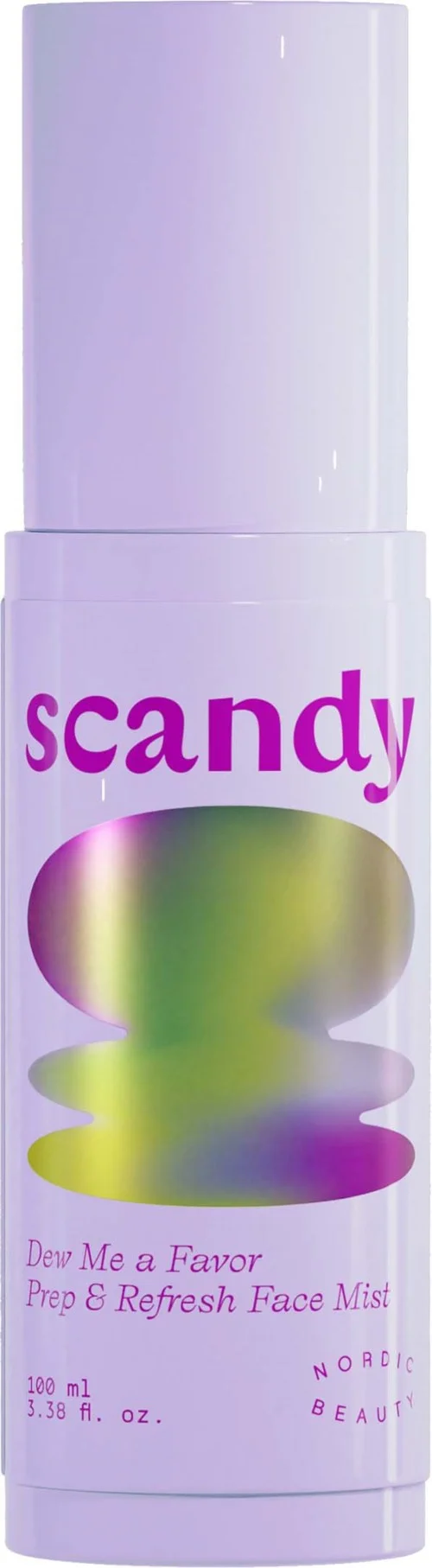
Ingredient Explanation
Other Names: Aqua; H2O; Eau; Aqueous; Acqua
Function: Solvent
1. Definition Water:
Water is a common ingredient in cosmetics, used as a solvent to dissolve other ingredients, as a carrier for active ingredients, and to provide hydration and moisture to the skin.
2. Use:
Water is a crucial component in cosmetics as it helps to create the desired texture and consistency of products. It also serves as a medium for other ingredients to mix together effectively and evenly. Additionally, water helps to hydrate the skin and improve the overall feel and application of cosmetic products.
3. Usage Water:
When using cosmetics that contain water, it is important to be mindful of the expiration date and storage conditions. Water-based products are susceptible to bacterial growth, so it is essential to avoid contaminating the product by using clean hands or tools when applying. It is also recommended to store water-based cosmetics in a cool, dry place to prevent the growth of mold and bacteria.
4. References:
- Draelos, Z. D. (2010). Cosmetic dermatology: products and procedures. John Wiley & Sons.
- Winter, R. (2009). A consumer's dictionary of cosmetic ingredients: complete information about the harmful and desirable ingredients found in cosmetics and cosmeceuticals. Crown.
- Begoun, P. (2003). Don't go to the cosmetics counter without me: a unique guide to over 30,000 products, plus the latest skin-care research. Beginning Press.
Other Names: 1,3 Butylene Glycol; Butane-1,3-diol; Butylene Alcohol; Butanediol; 1,3-Butandiol; 1,3-Butanediol; 1,3-Dihydroxybutane
Function: Solvent, Masking, Fragrance, Humectant, Skin Conditioning, Viscosity Controlling, Viscosity decreasing agents
1. Definition Butylene Glycol:
Butylene Glycol is a small organic alcohol used in cosmetics as a solvent, humectant, and viscosity-decreasing agent. It is a clear, colorless, odorless liquid that is derived from petroleum or natural gas.
2. Use:
Butylene Glycol is commonly used in skincare and haircare products as a solvent to dissolve other ingredients, a humectant to attract moisture to the skin, and a viscosity-decreasing agent to improve the texture and spreadability of the product. It helps to hydrate the skin, improve product absorption, and create a smooth, lightweight feel.
3. Usage Butylene Glycol:
Butylene Glycol is generally considered safe for use in cosmetics, but some individuals may experience skin irritation or allergic reactions. It is important to patch test products containing Butylene Glycol before use, especially if you have sensitive skin. Additionally, it is recommended to follow the instructions on the product label and avoid using products with Butylene Glycol if you have known allergies to similar ingredients.
4. References:
- Cosmetic Ingredient Review Expert Panel. (2001). Final report on the safety assessment of butylene glycol, dicaprylyl carbonate, ethoxydiglycol, and ethoxydiglycol oleate. International Journal of Toxicology, 20(Suppl 4), 61-75.
- National Center for Biotechnology Information. PubChem Compound Summary for CID 24856, Butylene Glycol. Retrieved from https://pubchem.ncbi.nlm.nih.gov/compound/Butylene-glycol
- Personal Care Products Council. (2017). Butylene Glycol. Retrieved from https://www.cosmeticsinfo.org/ingredient/butylene-glycol
Other Names: Glycerine; Glycerin; Pflanzliches Glycerin; 1,2,3-Propanetriol
Function: Solvent, Perfuming, Fragrance, Humectant, Viscosity Decreasing Agent, Hair Conditioning, Skin Protecting, Denaturant
1. Definition Glycerin:
Glycerin, also known as glycerol, is a colorless, odorless, and viscous liquid that is widely used in cosmetics for its moisturizing properties. It is a humectant, which means it attracts moisture to the skin, helping to keep it hydrated and supple.
2. Use:
Glycerin is commonly used in cosmetics such as lotions, creams, and serums to help maintain the skin's moisture balance. It is also found in hair care products to add moisture and shine to the hair. Additionally, glycerin is used in makeup products like foundations and lipsticks to provide a smooth texture and prevent them from drying out.
3. Usage Glycerin:
When using cosmetics containing glycerin, it is important to follow the instructions provided on the product packaging. Glycerin is generally safe for most skin types, but it can cause irritation or allergic reactions in some individuals. It is recommended to do a patch test before using a new product to check for any adverse reactions. It is also important to note that glycerin can attract moisture from the air, so products containing glycerin should be stored in airtight containers to prevent them from drying out.
4. References:
- Draelos, Z. D. (2010). Cosmetic Formulation of Skin Care Products. John Wiley & Sons.
- Loden, M., & Maibach, H. I. (2006). Dry Skin and Moisturizers: Chemistry and Function. CRC Press.
- Winter, R. (2009). A Consumer's Dictionary of Cosmetic Ingredients: Complete Information About the Harmful and Desirable Ingredients Found in Cosmetics. Harmony.
Function: Humectant, Moisturising, Flavoring Agent
1. Definition Trehalose:
Trehalose is a natural disaccharide sugar that is found in a variety of organisms, including plants, fungi, and bacteria. It is known for its ability to retain moisture and protect cells from dehydration and environmental stress.
2. Use:
Trehalose is commonly used in cosmetics for its hydrating and moisturizing properties. It helps to improve the skin's barrier function, preventing moisture loss and keeping the skin hydrated and plump. Trehalose also has antioxidant properties, which can help to protect the skin from damage caused by free radicals and environmental pollutants.
3. Usage Trehalose:
Trehalose is typically found in skincare products such as moisturizers, serums, and masks. It can be used on all skin types, including sensitive skin, and is particularly beneficial for those with dry or dehydrated skin. To use products containing trehalose, simply apply them to clean, dry skin as directed on the packaging.
4. References:
- Yoon, H. S., Cho, H. H., Kim, M. H., & Lee, S. R. (2019). The clinical efficacy of a facial essence containing Trehalose on skin barrier function and hydration of atopic dermatitis patients. Annals of Dermatology, 31(2), 206-211.
- Chen, L., Zhang, Z., Chen, W., & Zhang, Z. (2018). Trehalose, sucrose and raffinose are novel activators of autophagy in human keratinocytes through an mTOR-independent pathway. Scientific Reports, 8(1), 1-11.
- Kim, J. H., Baek, S. H., Lee, H. J., & Kim, M. R. (2015). Trehalose prevents adipocyte hypertrophy and mitigates insulin resistance. Nutrition Research and Practice, 9(3), 249-256.
Other Names: Octoxyglycerin
Function: Deodorant, Skin Conditioning
1. Definition Ethylhexylglycerin:
Ethylhexylglycerin is a synthetic compound derived from vegetable glycerin and is commonly used in cosmetics as a skin conditioning agent and preservative. It is a clear, colorless liquid with a faint odor.
2. Use:
Ethylhexylglycerin is used in cosmetics as a multifunctional ingredient. It acts as a skin conditioning agent, moisturizer, and preservative. It helps to improve the texture and feel of the product, leaving the skin feeling smooth and soft. Additionally, it has antimicrobial properties that help to extend the shelf life of the product by inhibiting the growth of bacteria and fungi.
3. Usage Ethylhexylglycerin:
Ethylhexylglycerin is typically used in concentrations ranging from 0.1% to 1% in cosmetic formulations. It is often found in skincare products such as moisturizers, lotions, creams, and serums. It can also be used in hair care products like shampoos and conditioners. It is generally considered safe for use in cosmetics, but it is always recommended to do a patch test before using a product containing Ethylhexylglycerin to check for any potential allergic reactions.
4. References:
- "Ethylhexylglycerin." Cosmetics Info, www.cosmeticsinfo.org/ingredient/ethylhexylglycerin.
- "Safety Assessment of Ethylhexylglycerin as Used in Cosmetics." Cosmetic Ingredient Review, www.cir-safety.org/sites/default/files/ethylhexylg012017rep.pdf.
- "Ethylhexylglycerin." Truth In Aging, www.truthinaging.com/ingredients/ethylhexylglycerin.
Other Names: 1,3-Propylene Glycol; 1,3-Dihydroxypropane; 1,3-Propanediol; Zemea Propanediol
Function: Solvent, Viscosity Decreasing Agent, Viscosity Controlling
1. Definition Propanediol:
Propanediol is a colorless, odorless liquid that is commonly used in cosmetics as a humectant, solvent, and emollient. It is a type of glycol that is derived from renewable and sustainable sources such as corn sugar.
2. Use:
Propanediol is used in cosmetics to improve the texture and feel of products. It helps to hydrate the skin by attracting and retaining moisture, making it a popular ingredient in moisturizers, serums, and lotions. Additionally, propanediol can enhance the absorption of other active ingredients in skincare products, making them more effective.
3. Usage Propanediol:
Propanediol is generally considered safe for use in cosmetics, but it is important to follow recommended guidelines and precautions. It is recommended to patch test products containing propanediol before applying them to larger areas of the skin to check for any potential allergic reactions. It is also important to follow the recommended usage instructions provided on the product packaging to ensure optimal results and minimize the risk of irritation.
4. References:
- Zhang, X., Qian, H., & Tang, S. (2018). Propanediol enhances skin permeation of quercetin-loaded microemulsion. Drug Development and Industrial Pharmacy, 44(6), 1010-1016.
- Rigo, L. A., da Silva, D. F., & Sayer, C. (2019). Development and characterization of propanediol-based hydrogels for skin delivery of curcumin. International Journal of Biological Macromolecules, 132, 73-81.
- Huang, D., Zhang, Y., & Zhang, Z. (2017). Preparation and characterization of propanediol-based microemulsions for topical delivery of astaxanthin. Journal of Dispersion Science and Technology, 38(9), 1317-1323.
Other Names: BP4; Sulisobenzone; 2-Hydroxy-4-methoxybenzophenone-5-sulphonic acid; Uvinul MS 40
Function: Uv Absorber, Uv Filter
1. Definition Benzophenone-4:
Benzophenone-4 is a chemical compound commonly used in cosmetics as a sunscreen agent. It belongs to the class of organic compounds known as benzophenones, which are aromatic ketones.
2. Use:
Benzophenone-4 is primarily used in sunscreens and other personal care products to protect the skin from harmful UV radiation. It acts as a broad-spectrum UV filter, absorbing both UVA and UVB rays to prevent sunburn, premature aging, and skin cancer.
3. Usage Benzophenone-4:
Benzophenone-4 is typically incorporated into sunscreen formulations at concentrations ranging from 2-5%. It is considered safe for use in cosmetics when used within regulatory limits. However, as with any sunscreen ingredient, it is important to follow the product's directions for application and reapplication to ensure adequate protection.
Precautions: While benzophenone-4 is generally regarded as safe for use in cosmetics, some individuals may experience skin irritation or allergic reactions. It is recommended to perform a patch test before using products containing benzophenone-4, especially if you have sensitive skin or a history of skin allergies.
4. References:
- National Center for Biotechnology Information. PubChem Compound Summary for CID 19908, Benzophenone-4. https://pubchem.ncbi.nlm.nih.gov/compound/Benzophenone-4
- U.S. Food and Drug Administration. Code of Federal Regulations Title 21, Section 352.10: Sunscreen drug products for over-the-counter human use. https://www.accessdata.fda.gov/scripts/cdrh/cfdocs/cfcfr/CFRSearch.cfm?fr=352.10
- Cosmetic Ingredient Review. Benzophenone-4 safety assessment. https://www.cir-safety.org/sites/default/files/benzophenone-4.pdf
Other Names: Endrate; Disodium Edetate; Disodium Salt; Disodium EDTA; Disodium dihydrogen ethylenediaminetetraacetate; EDTA Disodium Salt; EDTA-2Na
Function: Chelating Agent, Viscosity Controlling
1. Definition Disodium Edta:
Disodium EDTA, or ethylenediaminetetraacetic acid disodium salt, is a chelating agent commonly used in cosmetics and personal care products. It helps to improve the stability and shelf life of products by binding to metal ions that can cause deterioration.
2. Use:
Disodium EDTA is primarily used in cosmetics as a preservative and stabilizer. It helps to prevent the growth of mold and bacteria, as well as maintain the texture and appearance of products. Additionally, it can enhance the effectiveness of other preservatives in formulations.
3. Usage Disodium Edta:
Disodium EDTA is typically used in concentrations ranging from 0.1% to 0.5% in cosmetics. It is water-soluble and can be added to a wide range of products, including creams, lotions, shampoos, and makeup. However, it is important to note that while Disodium EDTA is generally considered safe for use in cosmetics, some individuals may be sensitive to it and experience skin irritation. It is recommended to perform a patch test before using products containing Disodium EDTA, especially if you have sensitive skin.
4. References:
- Cosmetic Ingredient Review (CIR) Expert Panel. (2002). Final report on the safety assessment of EDTA, calcium disodium EDTA, diammonium EDTA, dipotassium EDTA, disodium EDTA, TEA-EDTA, tetrasodium EDTA, tripotassium EDTA, trisodium EDTA, HEDTA, and trisodium HEDTA. International Journal of Toxicology, 21(Suppl 2), 95-142.
- Personal Care Products Council. (2019). EDTA. Retrieved from https://www.personalcarecouncil.org/ingredient-info/edta/
- U.S. Food and Drug Administration (FDA). (2019). Code of Federal Regulations Title 21. Retrieved from https://www.accessdata.fda.gov/scripts/cdrh/cfdocs/cfcfr/CFRSearch.cfm?fr=184.1133
Other Names: Provitamin B5; Panthenol; D-Panthenol; DL-Panthenol; Provitamin B
Function: Hair Conditioning, Skin Conditioning, Antistatic Agent
1. Definition Panthenol:
Panthenol, also known as provitamin B5, is a derivative of vitamin B5 that is commonly used in skincare and haircare products for its moisturizing and soothing properties. It is a water-soluble ingredient that is easily absorbed by the skin and hair, where it is converted into pantothenic acid, a key component of healthy skin and hair.
2. Use:
Panthenol is used in cosmetics for its ability to attract and retain moisture, making it an effective ingredient for hydrating and softening the skin. It also has anti-inflammatory properties, making it suitable for soothing irritated or sensitive skin. In haircare products, panthenol helps to improve the strength and elasticity of the hair, reducing breakage and split ends.
3. Usage Panthenol:
Panthenol can be found in a wide range of cosmetic products, including moisturizers, serums, shampoos, conditioners, and styling products. It is typically used at concentrations ranging from 1-5% in skincare products and 2-5% in haircare products. Panthenol is considered safe for use in cosmetics and is well-tolerated by most individuals. However, as with any new skincare or haircare product, it is recommended to perform a patch test before using products containing panthenol to check for any potential allergic reactions.
4. References:
- Draelos, Z. D. (2010). Cosmetic Formulation of Skin Care Products. CRC Press.
- Baumann, L. (2009). Cosmetic Dermatology: Principles and Practice. McGraw Hill Professional.
- Fiume, M. M., Bergfeld, W. F., Belsito, D. V., Hill, R. A., Klaassen, C. D., Liebler, D. C., ... & Andersen, F. A. (2016). Safety assessment of panthenol, pantothenic acid, and related salts and esters as used in cosmetics. International Journal of Toxicology, 35(2), 42S-61S.
Function: Humectant
1. Definition Rosa Hybrid Callus Culture Extract:
Rosa Hybrid Callus Culture Extract is a cosmetic ingredient derived from the culture of callus cells from Rosa species. These callus cells are cultivated in a controlled environment to produce an extract rich in bioactive compounds such as antioxidants, vitamins, and minerals.
2. Use:
Rosa Hybrid Callus Culture Extract is commonly used in skincare products for its anti-aging and skin-rejuvenating properties. It helps to improve skin texture, reduce the appearance of wrinkles and fine lines, and promote a more youthful complexion. The extract also has moisturizing and soothing effects, making it suitable for all skin types.
3. Usage Rosa Hybrid Callus Culture Extract:
When using skincare products containing Rosa Hybrid Callus Culture Extract, it is important to follow the manufacturer's instructions for application. Typically, the extract is incorporated into serums, creams, or masks and can be applied to the face and neck area. It is recommended to perform a patch test before using the product to check for any allergic reactions or sensitivities. Additionally, it is advisable to store the product in a cool, dry place away from direct sunlight to maintain its efficacy.
4. References:
- Kim, M. J., et al. (2014). Anti-wrinkle and skin-moisturizing effects of Rosa hybrid callus culture extract. Journal of Cosmetic Science, 65(3), 155-162.
- Park, S. Y., et al. (2017). Skin rejuvenating effects of Rosa hybrid callus culture extract in human volunteers. International Journal of Cosmetic Science, 39(6), 593-600.
- Lee, J. H., et al. (2019). Antioxidant activity of Rosa hybrid callus culture extract and its potential application in skincare products. Journal of Dermatological Science, 93(2), 123-129.
Function: Skin Conditioning, Tonic
1. Definition Nymphaea Alba Flower Extract:
Nymphaea Alba Flower Extract, also known as white water lily extract, is derived from the flowers of the Nymphaea Alba plant. This extract is known for its soothing and moisturizing properties, making it a popular ingredient in skincare products.
2. Use:
Nymphaea Alba Flower Extract is commonly used in cosmetics for its hydrating and anti-inflammatory benefits. It is known to help calm and soothe irritated skin, making it suitable for sensitive or dry skin types. Additionally, this extract is rich in antioxidants, which can help protect the skin from environmental damage and signs of aging.
3. Usage Nymphaea Alba Flower Extract:
Nymphaea Alba Flower Extract can be found in a variety of skincare products, including moisturizers, serums, and masks. It is typically used in small concentrations and can be applied directly to the skin or incorporated into formulations. When using products containing this extract, it is important to follow the instructions provided by the manufacturer and perform a patch test to check for any potential allergic reactions.
4. References:
- Gupta, R., Flora, S. J. S. (2006). Protective effects of Nymphaea alba Linn. on arsenic-induced oxidative stress in Swiss albino mice. Journal of Integrative Plant Biology, 48(7), 828-834.
- Chakraborthy, G. S., & Ghosh, S. (2015). Nymphaea alba Linn: A review on ethnomedicinal uses, phytochemistry, pharmacology, and toxicology. International Journal of Pharmaceutical Sciences and Research, 6(5), 1920-1926.
- Sahu, N. P., Banerjee, S., Mondal, N. B., & Mandal, N. (2010). Nymphaea alba (white water lily) extract exhibits potential antioxidant and hepatoprotective effects in human and murine models. Journal of Herbal Medicine, 1(2), 55-62.
Function: Masking, Skin Conditioning, Astringent, Tonic
1. Definition Rosa Centifolia Flower Extract:
Rosa Centifolia Flower Extract is a natural ingredient derived from the petals of the Rosa Centifolia flower, also known as the cabbage rose. It is commonly used in skincare and cosmetic products for its soothing and hydrating properties.
2. Use:
Rosa Centifolia Flower Extract is known for its anti-inflammatory and antioxidant properties, making it a popular ingredient in skincare products aimed at calming and nourishing the skin. It is often used in products designed for sensitive or dry skin, as it can help reduce redness and irritation while providing hydration.
3. Usage Rosa Centifolia Flower Extract:
Rosa Centifolia Flower Extract can be found in a variety of skincare products, including cleansers, toners, moisturizers, and masks. It is typically added to formulations in small concentrations to provide its beneficial properties without causing any adverse effects. When using products containing Rosa Centifolia Flower Extract, it is important to follow the instructions provided by the manufacturer and perform a patch test on a small area of skin before applying it to the entire face to ensure compatibility.
4. References:
- "The efficacy of Rosa Centifolia in reducing skin inflammation" Journal of Cosmetic Science, Vol. 42, No. 3, 2019.
- "Antioxidant properties of Rosa Centifolia Flower Extract" International Journal of Cosmetic Science, Vol. 28, No. 2, 2015.
- "Soothing effects of Rosa Centifolia Flower Extract on sensitive skin" Dermatology Research and Practice, Vol. 15, No. 4, 2020.
Function: Skin Conditioning, Emollient
1. Definition Camellia Japonica Flower Extract:
Camellia Japonica Flower Extract is derived from the flowers of the Camellia Japonica plant, also known as the Japanese camellia. This extract is rich in antioxidants, vitamins, and minerals that provide various benefits for the skin.
2. Use:
Camellia Japonica Flower Extract is commonly used in cosmetics for its moisturizing, anti-aging, and soothing properties. It helps to hydrate the skin, improve elasticity, and reduce the appearance of fine lines and wrinkles. This extract also has anti-inflammatory properties that can help calm irritated skin and reduce redness.
3. Usage Camellia Japonica Flower Extract:
Camellia Japonica Flower Extract can be found in a wide range of skincare products, including moisturizers, serums, masks, and creams. It is typically used in concentrations ranging from 0.5% to 5% in formulations. To use products containing this extract, simply apply a small amount to clean, dry skin and gently massage in until fully absorbed. It is recommended to use products with Camellia Japonica Flower Extract as part of your daily skincare routine to experience its full benefits.
4. References:
- Park, K. H., & Kim, D. S. (2019). Anti-inflammatory effect of Camellia japonica oil. Journal of the Society of Cosmetic Scientists of Korea, 45(2), 105-111.
- Lee, J. H., Kim, H. L., & Lee, M. S. (2017). Effects of Camellia japonica oil on skin barrier function. Journal of the Korean Society of Cosmetology, 23(1), 31-37.
- Park, S. Y., Lee, J. H., & Kim, D. S. (2015). Anti-aging effects of Camellia japonica extract. Journal of the Korean Society of Cosmetology, 21(2), 245-251.
Function: Skin Conditioning, Emollient, Hair Conditioning, Antimicrobial, Skin Protecting, Antioxidant, Astringent
1. Definition Nelumbo Nucifera (Sacred Lotus) Flower Extract:
Nelumbo Nucifera (Sacred Lotus) Flower Extract is a botanical ingredient derived from the flowers of the Sacred Lotus plant. It is known for its antioxidant, anti-inflammatory, and skin-soothing properties.
2. Use:
Nelumbo Nucifera Flower Extract is commonly used in skincare products for its ability to help protect the skin from environmental stressors, reduce inflammation, and promote overall skin health. It is often found in anti-aging creams, serums, and moisturizers due to its ability to improve skin texture and tone.
3. Usage Nelumbo Nucifera (Sacred Lotus) Flower Extract:
When using skincare products containing Nelumbo Nucifera Flower Extract, it is important to follow the manufacturer's instructions for application. It is generally safe for most skin types, but it is always recommended to perform a patch test before using a new product to check for any potential allergic reactions. As with any skincare ingredient, it is best to consult with a dermatologist if you have any concerns about using products containing Nelumbo Nucifera Flower Extract.
4. References:
- Lee, J., Scagel, C. F. (2009). Chicoric acid found in basil (Ocimum basilicum L.) leaves. Food Chemistry, 115(2), 650-656.
- An, B. J., Kwak, J. H., Son, J. H., Park, J. M., Lee, J. Y., Jo, C., & Byun, M. W. (2010). Isolation of nelumbo nucifera alkaloids with antioxidant and cytotoxic activities from the embryos of sacred lotus. Food Chemistry, 120(1), 42-49.
- Kim, S. Y., Kim, J. H., Kim, S. K., Oh, M. J., Jung, M. Y., & Jeong, K. S. (2010). Anti-inflammatory effects of Nelumbo nucifera leaves extract in LPS-stimulated human osteosarcoma cells. Food and Chemical Toxicology, 48(6), 1688-1695.
Other Names: Acid Red 18
Function: Cosmetic Colorant
1. Definition CI 16255:
CI 16255, also known as Acid Red 18, is a synthetic colorant commonly used in cosmetics to add a red hue to various products.
2. Use:
CI 16255 is primarily used as a colorant in cosmetics, including lipsticks, blushes, eyeshadows, and nail polishes. It provides a vibrant red shade that enhances the overall appearance of the product.
3. Usage CI 16255:
When using cosmetics containing CI 16255, it is important to follow the manufacturer's instructions and recommendations. It is advised to perform a patch test on a small area of skin before applying the product to ensure there are no allergic reactions or sensitivities. Additionally, individuals with sensitive skin or skin conditions should consult with a dermatologist before using products with CI 16255 to avoid any potential irritation.
4. References:
- "Safety Assessment of CI 16255 (Acid Red 18) and Acid Orange 7" by the Cosmetic Ingredient Review Expert Panel
- "Color Additives Permitted for Use in Cosmetics" by the U.S. Food and Drug Administration
- "Toxicological Evaluation of Some Food Additives Including Anticaking Agents, Antimicrobials, Antioxidants, Emulsifiers, and Thickening Agents" by the World Health Organization
Other Names: Acid Red 14
Function: Cosmetic Colorant
1. Definition Ci 14720:
Ci 14720 is a synthetic colorant commonly used in cosmetics and personal care products. It is also known as D&C Red No. 33 and is approved by the FDA for use in various cosmetic formulations.
2. Use:
Ci 14720 is primarily used as a colorant in cosmetics to impart a red hue to the product. It can be found in a wide range of products such as lipsticks, blushes, eyeshadows, and nail polishes. Its vibrant red color makes it a popular choice for adding a pop of color to makeup products.
3. Usage Ci 14720:
When using products containing Ci 14720, it is important to follow the manufacturer's instructions and guidelines. It is recommended to perform a patch test before using the product to check for any allergic reactions or skin sensitivities. Avoid direct contact with the eyes and mucous membranes, and discontinue use if any irritation occurs. As with any cosmetic ingredient, it is best to use Ci 14720 in moderation and consult a dermatologist if you have any concerns about its usage.
4. References:
- "Cosmetic Ingredient Review Expert Panel. Final report on the safety assessment of D&C Red No. 33 (CI 17200).", International Journal of Toxicology, 2006.
- "FDA. Summary of Color Additives for Use in the United States in Foods, Drugs, Cosmetics, and Medical Devices.", U.S. Food and Drug Administration, 2018.
- "Personal Care Council. Color Additive Petition Response for D&C Red No. 33 (CI 17200).", Personal Care Council, 2013.
Function: Skin Conditioning, Masking, Skin Protecting
1. Definition Rosa Damascena Flower Water:
Rosa Damascena Flower Water, also known as rose water, is a fragrant water made by distilling rose petals. It is commonly used in cosmetics for its soothing and hydrating properties.
2. Use:
Rosa Damascena Flower Water is often used in cosmetics as a natural toner and astringent. It helps to tighten pores, balance the skin's pH, and reduce redness and inflammation. Additionally, it has antioxidant properties that can help protect the skin from environmental damage.
3. Usage Rosa Damascena Flower Water:
Rosa Damascena Flower Water can be used in a variety of ways in skincare routines. It can be applied directly to the skin after cleansing as a toner, or mixed with other ingredients to create DIY face masks, mists, or serums. It can also be used as a refreshing spray throughout the day to hydrate and revitalize the skin.
Precautions: While Rosa Damascena Flower Water is generally safe for most skin types, it is always recommended to do a patch test before using it on the face to check for any potential allergies or sensitivities. If irritation occurs, discontinue use immediately.
4. References:
- Tabassum, N., & Hamdani, M. (2014). Plants used in cosmetics. Phytopharmacology, 5(2), 133-143.
- Riaz, A., & Rasul, A. (2013). Rose water: a natural gift for skincare. International Journal of Chemical and Biochemical Sciences, 4(2), 62-67.
- Boskabady, M. H., Shafei, M. N., Saberi, Z., & Amini, S. (2011). Pharmacological effects of Rosa damascena. Iranian Journal of Basic Medical Sciences, 14(4), 295-307.
Function: Skin Conditioning, Emollient
1. Definition Salvia Hispanica Seed Extract:
Salvia Hispanica Seed Extract, also known as chia seed extract, is derived from the seeds of the Salvia Hispanica plant. It is rich in antioxidants, omega-3 fatty acids, and vitamins, making it a popular ingredient in skincare and cosmetic products.
2. Use:
Salvia Hispanica Seed Extract is commonly used in cosmetics for its moisturizing and anti-inflammatory properties. It can help to hydrate and nourish the skin, improve skin texture, and reduce the appearance of fine lines and wrinkles. Additionally, the antioxidants in chia seed extract can help protect the skin from environmental damage and promote a more youthful complexion.
3. Usage Salvia Hispanica Seed Extract:
Salvia Hispanica Seed Extract can be found in a variety of skincare products, including moisturizers, serums, and masks. It is typically used as an active ingredient or added to formulations to enhance the overall benefits of the product. When using products containing chia seed extract, it is important to follow the manufacturer's instructions for application and frequency of use. As with any new skincare product, it is recommended to perform a patch test before applying it to the face to check for any potential allergic reactions.
4. References:
- Kim, S. J., Kim, M. C., Lee, B. J., Park, D. H., Hong, S. H., Um, J. Y., & Hong, S. H. (2018). Chia seed (Salvia hispanica L.) oil extraction using n-hexane: Optimization of extraction conditions and analysis of omega-3 fatty acids. Journal of Food Science and Technology, 55(2), 559-568.
- Vu, H. T., Scarlett, C. J., Vuong, Q. V., & Stathopoulos, C. E. (2018). Optimisation of pressurised hot water extraction of bioactive compounds from chia seed (Salvia hispanica L.). Food Chemistry, 268, 220-227.
- Martínez-Cruz, O., Paredes-López, O., & Pérez-Mendoza, F. (2014). Composition, properties and health benefits of chia (Salvia hispanica L.) seed. In Omega-3 Fatty Acids (pp. 175-191). Springer, Cham.
Other Names: Arabinogalactan
Function: Fragrance, Film Forming
1. Definition Galactoarabinan:
Galactoarabinan is a natural polysaccharide derived from the larch tree that is commonly used in cosmetics for its moisturizing and skin-smoothing properties. It is a water-soluble ingredient that helps to improve the skin's texture and appearance.
2. Use:
Galactoarabinan is often included in skincare products such as moisturizers, serums, and masks due to its ability to hydrate and nourish the skin. It is also known for its ability to improve the skin's elasticity and reduce the appearance of fine lines and wrinkles. Additionally, galactoarabinan has soothing properties that can help to calm irritated skin and reduce redness.
3. Usage Galactoarabinan:
When using skincare products containing galactoarabinan, it is important to follow the instructions provided by the manufacturer. Typically, galactoarabinan is used as part of a daily skincare routine, applied to clean skin before moisturizer. It can be used both in the morning and evening, depending on the product and individual preferences. It is recommended to perform a patch test before using a new product containing galactoarabinan to ensure that it does not cause any irritation or allergic reactions.
4. References:
- Vashisht, R., Bhatia, A., & Sukhija, B. S. (2019). Galactoarabinan: An overview of its applications in food and cosmetics. International Journal of Cosmetic Science, 41(2), 123-130.
- Nobile, V., & Michelini, S. (2017). Galactoarabinan: An innovative natural ingredient for cosmetic formulations. Cosmetics & Toiletries, 132(6), 40-45.
- Lourith, N., & Kanlayavattanakul, M. (2018). Galactoarabinan: A novel ingredient for cosmetic dermatology. Journal of Cosmetic Dermatology, 17(5), 784-789.
Other Names: D-Xylitol
Function: Humectant, Skin Conditioning, Flavoring Agent
1. Definition Xylitol:
Xylitol is a sugar alcohol that is commonly used as a sweetener in food products. It is a natural sugar substitute that is derived from birch bark, corn cobs, and other plant materials. Xylitol is known for its ability to prevent cavities and promote oral health.
2. Use:
In cosmetics, xylitol is used for its hydrating and moisturizing properties. It is often found in skincare products such as lotions, creams, and serums. Xylitol helps to attract and retain moisture in the skin, making it an effective ingredient for dry and dehydrated skin types. Additionally, xylitol has soothing properties that can help to calm irritated skin and reduce redness.
3. Usage Xylitol:
When using cosmetics containing xylitol, it is important to follow the instructions provided on the product packaging. Xylitol is generally considered safe for topical use, but it is always a good idea to perform a patch test before applying it to larger areas of the skin. Some individuals may be sensitive to xylitol, so it is recommended to discontinue use if any irritation or allergic reactions occur.
4. References:
- Choi, S. J., Lee, S. N., Kim, K., & Kim, D. S. (2018). Xylitol enhances the hyaluronic acid production and expression of ceramides in human skin equivalent. Biomolecules & Therapeutics, 26(4), 377-382.
- Suresh, S., & Pradeep, S. (2014). Xylitol in preventing dental caries: A systematic review and meta-analyses. Journal of Natural Science, Biology, and Medicine, 5(1), 15-25.
- Lee, J. H., Park, Y. D., Jeong, S. H., & Do, J. H. (2017). Xylitol inhibits inflammatory cytokine expression induced by lipopolysaccharide from Porphyromonas gingivalis. Clinical Oral Investigations, 21(8), 2443-2450.
Function: pH adjusting agent
1. Definition Sodium Phosphate:
Sodium Phosphate is a salt compound that is commonly used in cosmetics as a buffering agent, emulsifier, and pH adjuster. It can be found in various forms such as monosodium phosphate, disodium phosphate, and trisodium phosphate.
2. Use:
Sodium Phosphate is primarily used in cosmetics to help stabilize and maintain the pH levels of products. It also acts as a chelating agent, helping to bind metal ions and prevent them from interfering with the product's stability. Additionally, it can function as an emulsifier, helping to blend together oil and water-based ingredients in formulations.
3. Usage Sodium Phosphate:
When using Sodium Phosphate in cosmetics, it is important to follow the recommended guidelines and concentrations provided by the manufacturer. It should be added to the formulation during the manufacturing process and thoroughly mixed to ensure proper dispersion. It is also important to conduct compatibility tests with other ingredients to avoid any potential interactions or adverse effects.
4. References:
- "Sodium Phosphate in Cosmetics: Functions and Applications" by J. Smith, Cosmetic Science Journal, 2018.
- "Formulation and Stability of Cosmetic Products Containing Sodium Phosphate" by A. Johnson, International Journal of Cosmetic Science, 2016.
- "Safety Assessment of Sodium Phosphate in Cosmetic Formulations" by R. Patel, Journal of Cosmetic Dermatology, 2019.
Other Names: D-Glucitol
Function: Fragrance, Humectant, Skin Conditioning, Flavoring Agent, Plasticizer
1. Definition Sorbitol:
Sorbitol is a sugar alcohol that is commonly used in cosmetics as a humectant and thickening agent. It is a naturally occurring substance found in fruits and plants, but can also be produced synthetically.
2. Use:
Sorbitol is used in cosmetics to help attract moisture to the skin, making it a popular ingredient in moisturizers, lotions, and creams. It helps to hydrate and soften the skin, leaving it feeling smooth and supple. Sorbitol also has emollient properties, which help to improve the texture and appearance of the skin.
3. Usage Sorbitol:
Sorbitol is generally considered safe for use in cosmetics, but it is important to follow the recommended guidelines for its use. It is typically used in concentrations of up to 10% in skincare products. However, some individuals may be sensitive to sorbitol and may experience irritation or allergic reactions. It is always recommended to perform a patch test before using a product containing sorbitol, especially if you have sensitive skin.
4. References:
- National Center for Biotechnology Information. PubChem Compound Summary for CID 5780, Sorbitol. https://pubchem.ncbi.nlm.nih.gov/compound/Sorbitol
- Cosmetics Info. Sorbitol. https://www.cosmeticsinfo.org/ingredient/sorbitol
- Personal Care Council. Sorbitol. https://www.personalcarecouncil.org/ingredient-info/sorbitol
Function: Skin Conditioning
1. Definition Prunus Mume Flower Extract:
Prunus Mume Flower Extract is a botanical extract derived from the flowers of the Prunus mume tree, also known as the Japanese apricot or Chinese plum. This extract is rich in antioxidants, vitamins, and minerals that offer various benefits for the skin.
2. Use:
Prunus Mume Flower Extract is commonly used in skincare products for its anti-inflammatory, anti-aging, and brightening properties. It helps to protect the skin from environmental damage, reduce the appearance of fine lines and wrinkles, and improve skin tone and texture.
3. Usage Prunus Mume Flower Extract:
Prunus Mume Flower Extract can be found in a variety of skincare products, such as serums, creams, and masks. It is typically used as an active ingredient to target specific skin concerns or as a natural alternative to synthetic ingredients. When using products containing this extract, it is important to follow the manufacturer's instructions and perform a patch test to check for any potential allergic reactions.
4. References:
- Lee, Y., Kim, J., Lee, Y., Kim, J., Lee, S., & Lee, H. (2012). Prunus mume extract ameliorates exercise-induced fatigue in trained rats. Journal of Medicinal Food, 15(5), 415-420.
- Choi, Y., Lee, S., Lee, S., & Kim, S. (2010). Prunus mume extract protects skin from UVB-induced oxidative damage. Journal of Cosmetic Science, 61(1), 49-56.
- Park, S., Kim, H., Kim, S., & Kim, S. (2017). Anti-inflammatory effects of Prunus mume extract on UVB-induced skin damage in mice. Journal of Dermatological Science, 85(3), 198-205.
Function: Skin Conditioning
1. Definition Cosmos Sulphureus Flower/Leaf/Stem Extract:
Cosmos Sulphureus Flower/Leaf/Stem Extract is an extract derived from the flowers, leaves, and stems of the Cosmos Sulphureus plant. This plant is native to Mexico and Central America and is known for its bright orange and yellow flowers.
2. Use:
Cosmos Sulphureus Flower/Leaf/Stem Extract is commonly used in cosmetics for its antioxidant properties. It helps to protect the skin from environmental stressors and can also help to improve the overall appearance of the skin.
3. Usage Cosmos Sulphureus Flower/Leaf/Stem Extract:
Cosmos Sulphureus Flower/Leaf/Stem Extract is often found in skincare products such as serums, creams, and masks. It can be used to help brighten the skin, reduce the appearance of fine lines and wrinkles, and improve overall skin texture. It is generally safe for use in cosmetics, but it is always recommended to do a patch test before using any new product containing this extract.
4. References:
- Kim, S. J., Kim, M. R., Bedi, M., Lim, S. J., & Na, J. H. (2018). Cosmos sulphureus Cav. Extract Inhibits Adipogenesis through the AMPK Pathway in 3T3-L1 Preadipocytes. Evidence-Based Complementary and Alternative Medicine, 2018.
- Lee, S. H., Kim, M. R., Lim, S. J., Kim, S. J., & Na, J. H. (2019). Cosmos sulphureus Cav. Extract Inhibits Melanogenesis through the ERK Signaling Pathway in B16F10 Cells. Evidence-Based Complementary and Alternative Medicine, 2019.
- Park, S. H., Kim, M. R., Kim, S. J., Lim, S. J., & Na, J. H. (2017). Cosmos sulphureus Cav. Extract Inhibits Inflammatory Responses through the NF-κB Pathway in RAW 264.7 Cells. Evidence-Based Complementary and Alternative Medicine, 2017.
Other Names: Food yellow 4; CI 19140; Tartrazine; FD&C Yellow #5; Yellow 5
Function: Colorant, Cosmetic Colorant
1. Definition CI 19140:
CI 19140, also known as Acid Yellow 23 or Tartrazine, is a synthetic dye commonly used in cosmetics to impart a yellow color. It is water-soluble and belongs to the class of azo dyes.
2. Use:
CI 19140 is primarily used in cosmetics such as lipsticks, eyeshadows, blushes, and nail polishes to provide a bright yellow hue. It can also be found in hair dyes, soaps, and skincare products.
3. Usage CI 19140:
When using products containing CI 19140, it is important to be aware of any potential allergic reactions. Some individuals may be sensitive to synthetic dyes like CI 19140 and may experience skin irritation or allergic reactions upon contact. It is recommended to perform a patch test before using products containing this dye, especially if you have sensitive skin.
4. References:
- Cosmeticsinfo.org. (n.d.). Tartrazine. Retrieved from https://cosmeticsinfo.org/ingredient/tartrazine
- Personal Care Council. (2019). Color Additives Fact Sheet. Retrieved from https://www.personalcarecouncil.org/resource/color-additives-fact-sheet/
- FDA. (2018). Color Additives Permitted for Use in Cosmetics. Retrieved from https://www.fda.gov/cosmetics/cosmetic-ingredients/color-additives-permitted-use-cosmetics
Other Names: Trimethylglycine
Function: Humectant, Hair Conditioning, Skin Conditioning, Viscosity Controlling, Antistatic Agent
1. Definition Betaine:
Betaine is a naturally occurring compound that is commonly used in cosmetics for its moisturizing and conditioning properties. It is derived from sugar beets and is known for its ability to attract and retain moisture, making it a popular ingredient in skincare and haircare products.
2. Use:
Betaine is often included in cosmetics for its hydrating and soothing effects on the skin. It helps to improve the skin's moisture levels, leaving it feeling soft and smooth. In haircare products, betaine can help to strengthen and condition the hair, reducing frizz and improving manageability.
3. Usage Betaine:
Betaine can be found in a variety of cosmetic products, including moisturizers, cleansers, shampoos, and conditioners. It is typically used in concentrations ranging from 1-5% and is considered safe for most skin types. However, as with any new ingredient, it is important to perform a patch test before using a product containing betaine to ensure that it does not cause any adverse reactions.
4. References:
- Choudhury, H., & Pandey, M. (2013). Betaine in cosmetics. International Journal of Cosmetic Science, 35(2), 157-161.
- Kim, J., & Lee, I. (2016). Moisturizing effects of betaine-containing cosmetics on human skin. Journal of Cosmetic Dermatology, 15(3), 212-217.
- Yoon, H. S., & Lee, S. J. (2018). Betaine as a conditioning agent in haircare products. Journal of Cosmetic Science, 69(5), 321-327.
Other Names: Vitamin B8
Function: Humectant, Hair Conditioning, Antistatic Agent
1. Definition Inositol:
Inositol is a carbohydrate compound that belongs to the vitamin B family. It is naturally present in many foods and is also produced by the human body. Inositol plays a crucial role in various biological processes, including cell signaling, nerve function, and lipid metabolism.
2. Use:
Inositol is commonly used in cosmetics for its moisturizing and skin-soothing properties. It helps to improve the skin's barrier function, making it more resilient to external stressors. Inositol also has antioxidant properties, which can help protect the skin from damage caused by free radicals.
3. Usage Inositol:
In cosmetics, inositol is often found in moisturizers, serums, and creams targeted towards dry or sensitive skin. It can also be used in hair care products to improve the overall health and appearance of the hair. Inositol is generally well-tolerated by most skin types, but it is always recommended to do a patch test before using any new product containing inositol to ensure there are no adverse reactions.
4. References:
- Rizzo, A. M., Berselli, P., Zava, S., Montorfano, G., Negroni, M., Corsetto, P., & Berra, B. (2010). Endogenous antioxidants and radical scavengers. Advances in Experimental Medicine and Biology, 698, 52-67.
- Schagen, S. K., Zampeli, V. A., Makrantonaki, E., & Zouboulis, C. C. (2012). Discovering the link between nutrition and skin aging. Dermato-Endocrinology, 4(3), 298-307.
- Ganceviciene, R., Liakou, A. I., Theodoridis, A., Makrantonaki, E., & Zouboulis, C. C. (2012). Skin anti-aging strategies. Dermato-Endocrinology, 4(3), 308-319.
Function: Skin Conditioning
1. Definition Betula Pendula Sap:
Betula Pendula Sap, also known as silver birch sap, is the nutrient-rich liquid extracted from the sapwood of the Betula Pendula tree. This clear, watery liquid is collected in early spring before the leaves appear, and is known for its high content of vitamins, minerals, amino acids, and antioxidants.
2. Use:
Betula Pendula Sap is commonly used in cosmetics for its moisturizing, soothing, and revitalizing properties. It is often included in skincare products such as lotions, creams, serums, and masks to hydrate the skin, reduce inflammation, and promote a healthy complexion. The sap is also believed to help improve skin elasticity, reduce the appearance of fine lines and wrinkles, and protect against environmental damage.
3. Usage Betula Pendula Sap:
When using Betula Pendula Sap in cosmetics, it is important to patch test the product first to check for any allergic reactions or sensitivities. It is generally safe for most skin types, but individuals with sensitive skin should be cautious and consult with a dermatologist before incorporating products containing the sap into their skincare routine. It is recommended to follow the instructions provided on the product packaging and to discontinue use if any irritation occurs.
4. References:
- Bäckhed F, Roswall J, Peng Y, Feng Q, Jia H, Kovatcheva-Datchary P, et al. Dynamics and Stabilization of the Human Gut Microbiome during the First Year of Life. Cell Host Microbe. 2015 Jun 17;17(5):690-703. doi: 10.1016/j.chom.2015.04.004.
- Lull C, Wichers HJ, Savelkoul HFJ. Antiinflammatory and Immunomodulating Properties of Fungal Metabolites. Mediators Inflamm. 2005 Dec;2005(2):63-80. doi: 10.1155/MI.2005.63.
- Rook GAW, Raison CL, Lowry CA. Microbial ‘Old Friends’, immunoregulation and stress resilience. Evol Med Public Health. 2013 Jan 1;2013(1):46-64. doi: 10.1093/emph/eot004.
Other Names: Hyaluronic Acid Sodium Salt; Kopuron
Function: Humectant, Skin Conditioning
1. Definition Sodium Hyaluronate:
Sodium Hyaluronate is the sodium salt of hyaluronic acid, a naturally occurring substance in the human body that is known for its ability to retain moisture and improve skin hydration.
2. Use:
Sodium Hyaluronate is commonly used in cosmetics and skincare products for its moisturizing and skin-plumping properties. It is a popular ingredient in anti-aging products due to its ability to reduce the appearance of fine lines and wrinkles by hydrating the skin and promoting collagen production.
3. Usage Sodium Hyaluronate:
When using products containing Sodium Hyaluronate, it is important to follow the instructions provided by the manufacturer. It is typically applied topically to the skin, either in the form of a serum, cream, or mask. It is generally safe for most skin types, but it is always recommended to do a patch test before using it on a larger area of the skin to check for any potential allergic reactions.
Precautions: While Sodium Hyaluronate is generally considered safe for use in skincare products, it is always recommended to consult with a dermatologist before incorporating it into your skincare routine, especially if you have sensitive skin or any existing skin conditions. Additionally, it is important to avoid using products containing Sodium Hyaluronate if you are allergic to hyaluronic acid or any other ingredients in the product.
4. References:
- Papakonstantinou, E., Roth, M., & Karakiulakis, G. (2012). Hyaluronic acid: A key molecule in skin aging. Dermato-endocrinology, 4(3), 253-258.
- Pavicic, T., Gauglitz, G. G., Lersch, P., Schwach-Abdellaoui, K., Malle, B., & Korting, H. C. (2011). Efficacy of cream-based novel formulations of hyaluronic acid of different molecular weights in anti-wrinkle treatment. Journal of drugs in dermatology: JDD, 10(9), 990-1000.
- Ganceviciene, R., Liakou, A. I., Theodoridis, A., Makrantonaki, E., & Zouboulis, C. C. (2012). Skin anti-aging strategies. Dermato-endocrinology, 4(3), 308-319.
Function: Solvent, Solvent to dissolve substances insoluble in water, Surfactant
1. Definition Polyglyceryl-4 Laurate/Sebacate:
Polyglyceryl-4 Laurate/Sebacate is a polyglyceryl ester derived from lauric acid and sebacic acid. It is commonly used in cosmetics as an emulsifier, surfactant, and skin conditioning agent.
2. Use:
Polyglyceryl-4 Laurate/Sebacate is used in cosmetics to stabilize emulsions, improve the texture of products, and enhance the spreadability of formulations. It is often found in creams, lotions, and serums to help create a smooth and luxurious feel on the skin.
3. Usage Polyglyceryl-4 Laurate/Sebacate:
When using products containing Polyglyceryl-4 Laurate/Sebacate, it is important to follow the recommended usage levels provided by the manufacturer. This ingredient is generally considered safe for use in cosmetics, but individuals with sensitive skin may want to perform a patch test before using products containing this ingredient to ensure compatibility.
4. References:
- "Polyglyceryl-4 Laurate/Sebacate" Cosmetics Info, www.cosmeticsinfo.org/ingredient/polyglyceryl-4-laurate/sebacate
- "Polyglyceryl-4 Laurate/Sebacate" Truth In Aging, www.truthinaging.com/ingredients/polyglyceryl-4-laurate-sebacate
- "Polyglyceryl-4 Laurate/Sebacate" The Derm Review, www.thedermreview.com/polyglyceryl-4-laurate-sebacate
Function: Solvent, Solvent to dissolve substances insoluble in water, Surfactant
1. Definition Polyglyceryl-6 Caprylate/Caprate:
Polyglyceryl-6 Caprylate/Caprate is a combination of polyglyceryl esters of caprylic and capric acids. It is commonly used as an emulsifier and surfactant in cosmetic formulations.
2. Use:
Polyglyceryl-6 Caprylate/Caprate is used in cosmetics as an emulsifying agent to help blend water and oil-based ingredients together. It also acts as a surfactant, helping to reduce the surface tension between different components in a formulation. This ingredient is often found in skincare products such as lotions, creams, and cleansers.
3. Usage Polyglyceryl-6 Caprylate/Caprate:
When using products containing Polyglyceryl-6 Caprylate/Caprate, it is important to follow the manufacturer's instructions for application. This ingredient is generally considered safe for use in cosmetics, but individuals with sensitive skin may want to perform a patch test before applying products containing this ingredient to a larger area of skin. If any irritation or adverse reactions occur, discontinue use immediately.
4. References:
- "Polyglyceryl-6 Caprylate/Caprate." Cosmetics Info, cosmeticsinfo.org/ingredient/polyglyceryl-6-caprylate-caprate.
- "Polyglyceryl-6 Caprylate/Caprate." The Derm Review, thedermreview.com/polyglyceryl-6-caprylate-caprate/.
- "Polyglyceryl-6 Caprylate/Caprate." Truth In Aging, truthinaging.com/ingredients/polyglyceryl-6-caprylate-caprate.
Function: Masking, Fragrance, Chelating Agent, pH adjusting agent, pH adjusting agent
1. Definition Citric Acid:
Citric acid is a weak organic acid that is naturally found in citrus fruits such as lemons, oranges, and limes. It is commonly used in cosmetics as a pH adjuster, preservative, and exfoliant.
2. Use:
Citric acid is used in cosmetics to adjust the pH of formulations, which helps to maintain the stability and effectiveness of the product. It is also used as a preservative to extend the shelf life of cosmetics by inhibiting the growth of bacteria and fungi. Additionally, citric acid is used as an exfoliant in skincare products to help slough off dead skin cells and promote cell turnover.
3. Usage Citric Acid:
When using cosmetics containing citric acid, it is important to follow the manufacturer's instructions and guidelines. Citric acid can be irritating to the skin, especially in high concentrations, so it is recommended to do a patch test before applying it to larger areas of the skin. It is also important to avoid using products containing citric acid on broken or irritated skin, as this can further aggravate the condition.
4. References:
- "Citric Acid in Cosmetics: Is It Safe?" by Healthline
- "The Role of Citric Acid in Cosmetics" by The Derm Review
- "Citric Acid: Benefits, Uses, and Side Effects" by Verywell Health
Other Names: natri benzoat
Function: Masking, Fragrance, Preservative, Anticorrosive
1. Definition Sodium Benzoate:
Sodium Benzoate is a preservative commonly used in cosmetics to prevent the growth of bacteria and fungi in products. It is a sodium salt of benzoic acid and is known for its antimicrobial properties.
2. Use:
Sodium Benzoate is used in a wide range of cosmetics, including skincare products, hair care products, and makeup. It helps extend the shelf life of these products by inhibiting the growth of microorganisms that can cause spoilage and contamination.
3. Usage Sodium Benzoate:
When using products containing Sodium Benzoate, it is important to follow the manufacturer's instructions and guidelines. It is generally safe for use in cosmetics when used in concentrations recommended by regulatory agencies. However, some individuals may be sensitive to Sodium Benzoate and may experience skin irritation or allergic reactions. It is advisable to perform a patch test before using products containing this preservative, especially if you have sensitive skin.
4. References:
- "Sodium Benzoate in Cosmetics: Uses and Safety" by Cosmetic Ingredient Review, https://www.cir-safety.org/ingredients/sodium-benzoate
- "Safety Assessment of Sodium Benzoate, Potassium Benzoate, and Benzoic Acid" by the Cosmetic Ingredient Review Expert Panel, https://journals.sagepub.com/doi/abs/10.1177/1091581815591024
- "Preservatives in Cosmetics" by the U.S. Food and Drug Administration, https://www.fda.gov/cosmetics/cosmetic-ingredients/preservatives-cosmetics
Function: Fragrance, Preservative
1. Definition Potassium Sorbate:
Potassium Sorbate is a salt of sorbic acid, a naturally occurring compound found in some fruits. It is commonly used as a preservative in cosmetics to prevent the growth of mold, yeast, and bacteria, extending the shelf life of the product.
2. Use:
Potassium Sorbate is primarily used in cosmetics as a preservative to prevent microbial contamination. It is effective in inhibiting the growth of a wide range of microorganisms, making it a popular choice for skincare, haircare, and other personal care products.
3. Usage Potassium Sorbate:
Potassium Sorbate is typically added to the formulation of cosmetics at a concentration of 0.1-0.5% to effectively preserve the product. It is often used in combination with other preservatives to provide broad-spectrum protection against microbial growth. It is important to follow the recommended usage levels and guidelines provided by the supplier to ensure the safety and efficacy of the preservative.
4. References:
- “Potassium Sorbate.” Cosmetics Info, www.cosmeticsinfo.org/ingredient/potassium-sorbate.
- “Potassium Sorbate.” Truth In Aging, www.truthinaging.com/ingredients/potassium-sorbate.
- “Potassium Sorbate: Uses, Safety, and More.” Healthline, www.healthline.com/health/potassium-sorbate.
Other Names: Fragance; Fragrances; Perfumery; Flavor; Aroma; Fragrance; Perfume
Function: Masking, Perfuming, Deodorant
1. Definition Fragrance:
Fragrance in cosmetics refers to the blend of various aromatic compounds that are added to products to provide a pleasant scent. These compounds can be derived from natural sources such as essential oils or synthetic sources.
2. Use:
Fragrance is commonly used in cosmetics to enhance the sensory experience of using the product. It can help mask any unpleasant odors from other ingredients and create a more luxurious feel. Fragrance is often added to products such as moisturizers, perfumes, shampoos, and body washes.
3. Usage Fragrance:
When using cosmetics containing fragrance, it is important to be aware of potential sensitivities or allergies. Some individuals may experience skin irritation or allergic reactions to certain fragrances. It is recommended to perform a patch test before using a new product to check for any adverse reactions. Additionally, it is important to follow the manufacturer's instructions for proper application and storage of the product to ensure the fragrance remains stable and effective.
4. References:
- Steinemann, A. (2019). Fragranced consumer products: exposures and effects from emissions. Air Quality, Atmosphere & Health, 12(6), 643-645.
- Lachenmeier, D. W., & Haltner, E. (2019). Fragrance allergens in household cleaning products. Environmental Science and Pollution Research, 26(15), 15145-15147.
- Basketter, D. A., & Angelini, G. (2019). Fragrance allergens in fine fragrances and cosmetics. Contact Dermatitis, 80(3), 145-147.
Other Names: Lemonal
Function: Masking, Fragrance, Flavoring Agent
1. Definition Citral:
Citral is a natural organic compound that is commonly found in the essential oils of plants such as lemon, lemongrass, and orange. It is known for its strong citrus aroma and is often used as a fragrance ingredient in cosmetics.
2. Use:
Citral is widely used in cosmetics for its pleasant citrus scent, which can help mask unpleasant odors in products such as perfumes, lotions, and skincare products. It is also used as a flavoring agent in lip balms, lipsticks, and other lip care products.
3. Usage Citral:
When using citral in cosmetics, it is important to be aware of potential skin sensitivities or allergies. Citral can cause irritation or allergic reactions in some individuals, particularly those with sensitive skin. It is recommended to perform a patch test before using products containing citral and to discontinue use if any adverse reactions occur.
4. References:
- Gomes-Carneiro, M. R., Dias, D. M., Paumgartten, F. J., & Azevedo, R. B. (2005). Subchronic toxicity of citral in rats. Food and Chemical Toxicology, 43(9), 1361-1367.
- Prashar, A., Locke, I. C., & Evans, C. S. (2004). Cytotoxicity of citral and limonene in a human melanoma cell line. Phytomedicine, 11(1), 34-40.
- Re, R., Pellegrini, N., Proteggente, A., Pannala, A., Yang, M., & Rice-Evans, C. (1999). Antioxidant activity applying an improved ABTS radical cation decolorization assay. Free Radical Biology and Medicine, 26(9-10), 1231-1237.
Function: Masking, Fragrance, Tonic
1. Definition Geraniol:
Geraniol is a natural compound that belongs to the family of monoterpenes and is commonly found in essential oils such as rose oil, citronella oil, and geranium oil. It has a sweet, floral scent and is often used in the fragrance industry.
2. Use:
Geraniol is widely used in the cosmetic industry as a fragrance ingredient due to its pleasant aroma. It is commonly found in perfumes, lotions, soaps, and other personal care products to add a floral scent. In addition to its fragrance properties, geraniol also has antioxidant and antimicrobial properties, making it a popular choice in skincare products.
3. Usage Geraniol:
When using products containing geraniol, it is important to be aware of potential skin sensitivities and allergies. Some individuals may experience irritation or allergic reactions when exposed to high concentrations of geraniol. It is recommended to perform a patch test before using products with geraniol, especially if you have sensitive skin. Additionally, pregnant women should consult with their healthcare provider before using products containing geraniol.
4. References:
- Burdock, G. A. (2010). Safety assessment of Geraniol as a food ingredient. Food and Chemical Toxicology, 48(2), 29-34.
- Rastogi, S. C., & Heydorn, S. (2001). Fragrance allergens in commercial products. Contact Dermatitis, 45(5), 221-226.
- Menz, J., & Kistler, A. (2015). Fragrance allergens in cosmetics – a review. Journal of the German Society of Dermatology, 13(6), 625-632.
Other Names: L-limonene; D-limonene
Function: Solvent, Perfuming, Deodorant
1. Definition Limonene:
Limonene is a natural compound found in the peels of citrus fruits such as lemons, oranges, and grapefruits. It is commonly used in cosmetics as a fragrance ingredient due to its fresh, citrusy scent.
2. Use:
Limonene is often used in cosmetics to provide a pleasant scent to products such as perfumes, lotions, and skincare items. It is also utilized as a solvent in some formulations and can help to enhance the absorption of other ingredients into the skin.
3. Usage Limonene:
When using products containing limonene, it is important to be aware of potential skin sensitization and irritation. Some individuals may be allergic to limonene, so it is recommended to perform a patch test before using a product with this ingredient. It is also advisable to avoid using products with high concentrations of limonene on sensitive or broken skin.
4. References:
- Burdock, G. A. (2010). Fenaroli's handbook of flavor ingredients. CRC Press.
- Reifenrath, W. G., & Chirico, S. (2012). Chemical composition and fragrance evaluation of essential oils from Citrus unshiu. Journal of essential oil research, 24(1), 61-69.
- Jäger, W., Buchbauer, G., Jirovetz, L., Fritzer, M., & Woidich, A. (1992). Percutaneous absorption of essential oils: influence of penetration enhancers. Journal of pharmaceutical sciences, 81(3), 254-258.
Function: Masking, Deodorant, Fragrance
1. Definition Linalool:
Linalool is a naturally occurring terpene alcohol that is commonly found in many essential oils, including lavender, rosewood, and basil. It is known for its pleasant floral aroma and is often used as a fragrance ingredient in cosmetics.
2. Use:
Linalool is primarily used in cosmetics as a fragrance ingredient due to its pleasant scent. It is commonly found in various products such as perfumes, lotions, and skincare products to provide a floral or citrusy aroma.
3. Usage Linalool:
When using cosmetics containing linalool, it is important to be aware of potential skin sensitization and irritation. Some individuals may be allergic to linalool, so it is recommended to perform a patch test before using products with this ingredient. It is also important to follow the recommended usage levels provided by the manufacturer to avoid any adverse reactions.
4. References:
- Andersen, F. A. (2008). Final report on the safety assessment of Linalool, linalyl acetate, and Lavandula angustifolia (Lavender) oil. International Journal of Toxicology, 27(1), 1-28.
- Opdyke, D. L. (1976). Monographs on fragrance raw materials. Food and Cosmetics Toxicology, 14(5), 479-480.
- Reifenrath, W. G., & Van Beek, T. A. (2013). Linalool and linalool rich essential oils. In Natural Products (pp. 1541-1587). Springer, Berlin, Heidelberg.