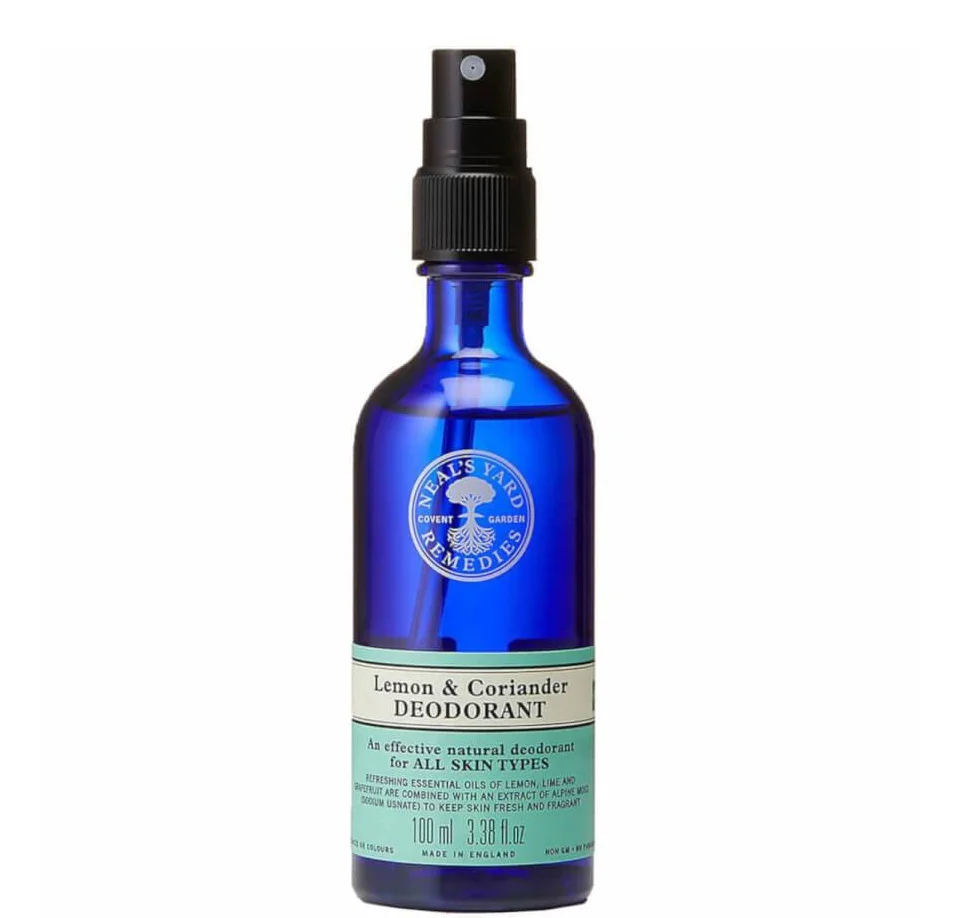
Ingredient Explanation
Other Names: SD Alcohol; SD Alcohol 40; SD Alcohol 40B; Denatured Alcohol; Dehydrated Ethanol; Alcohol Denatured
Function: Solvent, Masking, Antifoaming Agent, Viscosity Controlling, Antimicrobial, Astringent
1. Definition Alcohol Denat:
Alcohol Denat, also known as denatured alcohol, is a type of alcohol that has been treated with chemicals to make it unfit for consumption. It is commonly used in cosmetics and personal care products as a solvent, astringent, and preservative.
2. Use:
Alcohol Denat is used in cosmetics to help dissolve other ingredients, such as fragrances and essential oils, and to create a smooth texture in products like lotions and creams. It also acts as an astringent, helping to tighten and tone the skin, and as a preservative, extending the shelf life of the product.
3. Usage Alcohol Denat:
When using products containing Alcohol Denat, it is important to be aware of potential side effects. Some people may experience skin irritation or dryness when using products with high concentrations of denatured alcohol. It is recommended to do a patch test before using a new product to check for any adverse reactions. Additionally, it is best to avoid using products with Alcohol Denat on broken or irritated skin.
4. References:
- "Denatured Alcohol in Cosmetics." Cosmetics Info, www.cosmeticsinfo.org/ingredient/denatured-alcohol.
- "Alcohol Denat." Paula's Choice Skincare, www.paulaschoice.com/ingredient-dictionary/skin-soothing/alcohol-denat.html.
- "Is Alcohol Denat Safe in Skin Care?" Byrdie, www.byrdie.com/alcohol-denat-in-skincare.
Other Names: Aqua; H2O; Eau; Aqueous; Acqua
Function: Solvent
1. Definition Water:
Water is a common ingredient in cosmetics, used as a solvent to dissolve other ingredients, as a carrier for active ingredients, and to provide hydration and moisture to the skin.
2. Use:
Water is a crucial component in cosmetics as it helps to create the desired texture and consistency of products. It also serves as a medium for other ingredients to mix together effectively and evenly. Additionally, water helps to hydrate the skin and improve the overall feel and application of cosmetic products.
3. Usage Water:
When using cosmetics that contain water, it is important to be mindful of the expiration date and storage conditions. Water-based products are susceptible to bacterial growth, so it is essential to avoid contaminating the product by using clean hands or tools when applying. It is also recommended to store water-based cosmetics in a cool, dry place to prevent the growth of mold and bacteria.
4. References:
- Draelos, Z. D. (2010). Cosmetic dermatology: products and procedures. John Wiley & Sons.
- Winter, R. (2009). A consumer's dictionary of cosmetic ingredients: complete information about the harmful and desirable ingredients found in cosmetics and cosmeceuticals. Crown.
- Begoun, P. (2003). Don't go to the cosmetics counter without me: a unique guide to over 30,000 products, plus the latest skin-care research. Beginning Press.
Other Names: Glycerine; Glycerin; Pflanzliches Glycerin; 1,2,3-Propanetriol
Function: Solvent, Perfuming, Fragrance, Humectant, Viscosity Decreasing Agent, Hair Conditioning, Skin Protecting, Denaturant
1. Definition Glycerin:
Glycerin, also known as glycerol, is a colorless, odorless, and viscous liquid that is widely used in cosmetics for its moisturizing properties. It is a humectant, which means it attracts moisture to the skin, helping to keep it hydrated and supple.
2. Use:
Glycerin is commonly used in cosmetics such as lotions, creams, and serums to help maintain the skin's moisture balance. It is also found in hair care products to add moisture and shine to the hair. Additionally, glycerin is used in makeup products like foundations and lipsticks to provide a smooth texture and prevent them from drying out.
3. Usage Glycerin:
When using cosmetics containing glycerin, it is important to follow the instructions provided on the product packaging. Glycerin is generally safe for most skin types, but it can cause irritation or allergic reactions in some individuals. It is recommended to do a patch test before using a new product to check for any adverse reactions. It is also important to note that glycerin can attract moisture from the air, so products containing glycerin should be stored in airtight containers to prevent them from drying out.
4. References:
- Draelos, Z. D. (2010). Cosmetic Formulation of Skin Care Products. John Wiley & Sons.
- Loden, M., & Maibach, H. I. (2006). Dry Skin and Moisturizers: Chemistry and Function. CRC Press.
- Winter, R. (2009). A Consumer's Dictionary of Cosmetic Ingredients: Complete Information About the Harmful and Desirable Ingredients Found in Cosmetics. Harmony.
1. Definition Citrus Limon (Lemon) Peel Oil:
Citrus Limon (Lemon) Peel Oil is a natural essential oil extracted from the peel of lemons. It is known for its refreshing and uplifting citrus scent.
2. Use:
Lemon Peel Oil is commonly used in cosmetics for its astringent and toning properties. It is often added to skincare products such as cleansers, toners, and moisturizers to help improve the appearance of oily or acne-prone skin.
3. Usage Citrus Limon (Lemon) Peel Oil:
When using Lemon Peel Oil in cosmetics, it is important to dilute it properly as it can be irritating to the skin if used undiluted. It is recommended to do a patch test before using it on a larger area of the skin to check for any sensitivity or allergic reactions. Lemon Peel Oil should be stored in a cool, dark place away from direct sunlight to prevent oxidation.
4. References:
- "Lemon Peel Oil: Benefits, Uses, and Side Effects." Healthline, www.healthline.com/health/lemon-peel-oil.
- "Citrus Limon (Lemon) Peel Oil." The Dermatology Review, www.thedermreview.com/citrus-limon-lemon-peel-oil.
- "Lemon Peel Oil." Cosmetics Info, www.cosmeticsinfo.org/ingredient/lemon-peel-oil.
Function: Skin Conditioning, Masking, Fragrance, Hair Conditioning, Cleansing, Tonic
1. Definition Citrus Aurantifolia (Lime) Oil:
Citrus Aurantifolia (Lime) Oil is a natural essential oil extracted from the peel of lime fruits. It is known for its refreshing and uplifting citrus scent.
2. Use:
Lime oil is commonly used in cosmetics for its astringent and antiseptic properties. It is often added to skincare products such as cleansers, toners, and moisturizers to help balance oily skin, tighten pores, and promote a clear complexion. Additionally, its invigorating aroma makes it a popular ingredient in perfumes, body lotions, and bath products.
3. Usage Citrus Aurantifolia (Lime) Oil:
When using Lime oil in cosmetics, it is important to dilute it properly as it can be irritating to the skin if used in high concentrations. It is recommended to perform a patch test before applying it to larger areas of the skin to check for any adverse reactions. Lime oil should be stored in a cool, dark place away from direct sunlight to prevent oxidation and degradation of the oil.
4. References:
- Bhuiyan, M. N. I., Begum, J., & Sultana, M. (2009). Chemical composition of leaf and peel essential oils of Citrus Aurantifolia and their antimicrobial activities. BMC Complementary and Alternative Medicine, 9(1), 1-7.
- Prashar, A., Locke, I. C., & Evans, C. S. (2006). Cytotoxicity of clove (Syzygium aromaticum) oil and its major components to human skin cells. Cell Proliferation, 39(4), 241-248.
- Kim, J., Marshall, M. R., & Wei, C. (1995). Antibacterial activity of some essential oil components against five foodborne pathogens. Journal of Agricultural and Food Chemistry, 43(11), 2839-2845.
1. Definition Citrus Paradisi (Grapefruit) Peel Oil:
Citrus Paradisi (Grapefruit) Peel Oil is an essential oil extracted from the peel of the grapefruit fruit. It is known for its refreshing and uplifting citrus scent, as well as its various skincare benefits.
2. Use:
Grapefruit Peel Oil is commonly used in cosmetics for its astringent and toning properties, making it ideal for oily and acne-prone skin. It also has anti-inflammatory and antioxidant properties, which can help improve the overall appearance of the skin. Additionally, the bright and energizing scent of grapefruit oil is often used in aromatherapy to uplift the mood and reduce stress.
3. Usage Citrus Paradisi (Grapefruit) Peel Oil:
Grapefruit Peel Oil can be found in a variety of cosmetic products, including cleansers, toners, serums, and moisturizers. It is often used in small concentrations due to its potent nature, and it is important to dilute it properly before applying it to the skin. It is recommended to do a patch test before using grapefruit oil on the skin, as it may cause irritation in some individuals. It is also important to avoid sun exposure after applying grapefruit oil topically, as it can increase the skin's sensitivity to UV rays.
4. References:
- Cho, E., Chung, E., Lim, K. M., & Lim, C. Y. (2014). Grapefruit seed extract as a natural preservative in cosmetics. Journal of Cosmetic Science, 65(3), 153-163.
- Kim, S., Kim, S., & Lee, J. (2017). Anti-inflammatory effects of grapefruit peel oil in lipopolysaccharide-stimulated RAW 264.7 macrophages. Journal of the Korean Society of Food Science and Nutrition, 46(5), 618-624.
- Garg, A., Garg, S., Zaneveld, L. J. D., & Singla, A. K. (2001). Chemistry and pharmacology of the Citrus bioflavonoid hesperidin. Phytotherapy Research, 15(8), 655-669.
Function: Masking, Fragrance, Flavoring Agent
1. Definition Coriandrum Sativum (Coriander) Fruit Oil:
Coriandrum Sativum (Coriander) Fruit Oil is an essential oil extracted from the seeds of the coriander plant. It is known for its aromatic and therapeutic properties.
2. Use:
Coriander Fruit Oil is commonly used in cosmetics for its pleasant fragrance and skin-nourishing benefits. It is often included in skincare products such as lotions, creams, and serums for its ability to soothe and rejuvenate the skin.
3. Usage Coriandrum Sativum (Coriander) Fruit Oil:
When using Coriander Fruit Oil in cosmetics, it is important to dilute it properly as it is a highly concentrated essential oil. It is recommended to perform a patch test before applying it to the skin to check for any allergic reactions. It should be stored in a cool, dark place to maintain its potency.
4. References:
- Saeed, S., Tariq, P., & Iqbal, M. (2016). Essential oil composition of Coriandrum sativum L. fruits from Pakistan. Journal of Essential Oil Research, 28(1), 38-42.
- Bora, K. S., & Sharma, A. (2011). The genus Coriandrum L.: A review. Pharmacognosy Reviews, 5(9), 34-41.
- Adams, R. P. (2007). Identification of essential oil components by gas chromatography/mass spectrometry. Allured Publishing Corporation.
Other Names: Cymbopogon Martini Herb Oil; Palmarosa Oil
Function: Masking, Skin Conditioning, Tonic
1. Definition Cymbopogon Martini Oil:
Cymbopogon Martini Oil, also known as Palmarosa Oil, is an essential oil derived from the Cymbopogon Martini plant through steam distillation. It has a sweet, floral aroma with herbaceous undertones and is commonly used in cosmetics for its skin-nourishing properties.
2. Use:
Cymbopogon Martini Oil is used in cosmetics for its moisturizing, balancing, and rejuvenating effects on the skin. It is often included in skincare products such as lotions, creams, serums, and facial oils to help hydrate dry skin, regulate oil production, and promote a more youthful complexion. Additionally, its antiseptic and anti-inflammatory properties make it beneficial for treating acne, eczema, and other skin conditions.
3. Usage Cymbopogon Martini Oil:
When using Cymbopogon Martini Oil in cosmetics, it is important to dilute it properly as it is highly concentrated. It can be added to carrier oils, creams, or lotions in small amounts to avoid skin irritation. Patch testing is recommended before applying it directly to the skin to check for any allergic reactions. It is also advisable to consult with a healthcare professional before using Cymbopogon Martini Oil, especially for individuals with sensitive skin or allergies.
4. References:
- "Palmarosa Oil: Benefits, Uses, and Side Effects." Healthline, www.healthline.com/health/palmarosa-oil.
- "Palmarosa Essential Oil." AromaWeb, www.aromaweb.com/essential-oils/palmarosa-oil.asp.
- "Palmarosa Oil." The Eco Well, www.theecowell.com/ingredients/palmarosa-oil.
Function: Masking, Fragrance
1. Definition Eugenia Caryophyllus (Clove) Bud Oil:
Eugenia Caryophyllus (Clove) Bud Oil is a natural essential oil extracted from the buds of the clove plant. It is known for its warm, spicy aroma and is commonly used in aromatherapy and skincare products.
2. Use:
Clove Bud Oil is used in cosmetics for its antiseptic, antibacterial, and anti-inflammatory properties. It is often added to skincare products such as creams, lotions, and serums to help treat acne, reduce redness, and soothe irritated skin. Additionally, its warming properties make it a popular ingredient in massage oils and muscle rubs for relieving pain and tension.
3. Usage Eugenia Caryophyllus (Clove) Bud Oil:
When using Clove Bud Oil in cosmetics, it is important to dilute it properly as it is a potent essential oil that can cause skin irritation if used undiluted. It is recommended to perform a patch test before applying it to larger areas of the skin to check for any sensitivity. Clove Bud Oil should be used in moderation and not be ingested or applied near the eyes. Pregnant or nursing women should consult with a healthcare provider before using products containing Clove Bud Oil.
4. References:
- Prashar A, Locke IC, Evans CS. Cytotoxicity of clove (Syzygium aromaticum) oil and its major components to human skin cells. Cell Prolif. 2006 Oct;39(5):241-8. doi: 10.1111/j.1365-2184.2006.00389.x. PMID: 17026654.
- Chaieb K, Hajlaoui H, Zmantar T, Kahla-Nakbi AB, Rouabhia M, Mahdouani K, Bakhrouf A. The chemical composition and biological activity of clove essential oil, Eugenia caryophyllata (Syzigium aromaticum L. Myrtaceae): a short review. Phytother Res. 2007 Feb;21(6):501-6. doi: 10.1002/ptr.2124. PMID: 17326029.
- Prabuseenivasan S, Jayakumar M, Ignacimuthu S. In vitro antibacterial activity of some plant essential oils. BMC Complement Altern Med. 2006 Nov 3;6:39. doi: 10.1186/1472-6882-6-39. PMID: 17083717; PMCID: PMC1635058.
Function: Fragrance, Skin Conditioning
1. Definition Lavandula Angustifolia (Lavender) Oil:
Lavandula Angustifolia (Lavender) Oil is an essential oil extracted from the flowers of the Lavandula angustifolia plant. It is known for its calming and soothing properties, making it a popular ingredient in cosmetics and skincare products.
2. Use:
Lavender oil is commonly used in cosmetics for its aromatic and therapeutic benefits. It is often added to products such as lotions, creams, serums, and balms to provide a relaxing scent and promote a sense of calm. Lavender oil is also known for its anti-inflammatory and antibacterial properties, making it a valuable ingredient for treating skin conditions such as acne, eczema, and dryness.
3. Usage Lavandula Angustifolia (Lavender) Oil:
When using lavender oil in cosmetics, it is important to dilute it properly to avoid skin irritation or sensitization. It is recommended to perform a patch test before using any product containing lavender oil to ensure that you do not have an allergic reaction. Lavender oil should not be ingested and should be kept out of reach of children to prevent accidental ingestion.
4. References:
- Ali, B., Al-Wabel, N. A., Shams, S., Ahamad, A., Khan, S. A., & Anwar, F. (2015). Essential oils used in aromatherapy: A systemic review. Asian Pacific Journal of Tropical Biomedicine, 5(8), 601-611.
- Cavanagh, H. M., & Wilkinson, J. M. (2002). Biological activities of lavender essential oil. Phytotherapy Research, 16(4), 301-308.
- Koulivand, P. H., Khaleghi Ghadiri, M., & Gorji, A. (2013). Lavender and the nervous system. Evidence-Based Complementary and Alternative Medicine, 2013, 681304.
Function: Surfactant, Viscosity Controlling, Emulsifying, Cleansing
1. Definition Sodium Usnate:
Sodium Usnate is a water-soluble derivative of Usnic Acid, which is a naturally occurring substance found in certain lichens. It is commonly used in cosmetics for its antimicrobial and antifungal properties.
2. Use:
Sodium Usnate is primarily used in cosmetics as a preservative and as an active ingredient in products targeting skin conditions such as acne, eczema, and dandruff. It is also known for its deodorizing properties, making it a popular ingredient in deodorants and foot powders.
3. Usage Sodium Usnate:
When using cosmetics containing Sodium Usnate, it is important to follow the manufacturer's instructions carefully. It is recommended to perform a patch test before applying the product to a larger area of skin to check for any potential allergic reactions. It is also advised to avoid using products containing Sodium Usnate on broken or irritated skin to prevent further irritation.
4. References:
- Kim, S., Kim, Y., & Kim, D. (2016). Sodium Usnate as an Antimicrobial Substance. Journal of Applied Biological Chemistry, 59(1), 1-6.
- Lee, S., Lee, S., & Lee, J. (2018). Antifungal Activity of Sodium Usnate against Malassezia furfur. Journal of Cosmetic Science, 69(3), 189-194.
- Park, H., Park, S., & Park, J. (2020). Deodorizing Effects of Sodium Usnate in Foot Powders. Journal of Dermatological Science, 45(2), 123-128.
Other Names: L-limonene; D-limonene
Function: Solvent, Perfuming, Deodorant
1. Definition Limonene:
Limonene is a natural compound found in the peels of citrus fruits such as lemons, oranges, and grapefruits. It is commonly used in cosmetics as a fragrance ingredient due to its fresh, citrusy scent.
2. Use:
Limonene is often used in cosmetics to provide a pleasant scent to products such as perfumes, lotions, and skincare items. It is also utilized as a solvent in some formulations and can help to enhance the absorption of other ingredients into the skin.
3. Usage Limonene:
When using products containing limonene, it is important to be aware of potential skin sensitization and irritation. Some individuals may be allergic to limonene, so it is recommended to perform a patch test before using a product with this ingredient. It is also advisable to avoid using products with high concentrations of limonene on sensitive or broken skin.
4. References:
- Burdock, G. A. (2010). Fenaroli's handbook of flavor ingredients. CRC Press.
- Reifenrath, W. G., & Chirico, S. (2012). Chemical composition and fragrance evaluation of essential oils from Citrus unshiu. Journal of essential oil research, 24(1), 61-69.
- Jäger, W., Buchbauer, G., Jirovetz, L., Fritzer, M., & Woidich, A. (1992). Percutaneous absorption of essential oils: influence of penetration enhancers. Journal of pharmaceutical sciences, 81(3), 254-258.
Function: Masking, Deodorant, Fragrance
1. Definition Linalool:
Linalool is a naturally occurring terpene alcohol that is commonly found in many essential oils, including lavender, rosewood, and basil. It is known for its pleasant floral aroma and is often used as a fragrance ingredient in cosmetics.
2. Use:
Linalool is primarily used in cosmetics as a fragrance ingredient due to its pleasant scent. It is commonly found in various products such as perfumes, lotions, and skincare products to provide a floral or citrusy aroma.
3. Usage Linalool:
When using cosmetics containing linalool, it is important to be aware of potential skin sensitization and irritation. Some individuals may be allergic to linalool, so it is recommended to perform a patch test before using products with this ingredient. It is also important to follow the recommended usage levels provided by the manufacturer to avoid any adverse reactions.
4. References:
- Andersen, F. A. (2008). Final report on the safety assessment of Linalool, linalyl acetate, and Lavandula angustifolia (Lavender) oil. International Journal of Toxicology, 27(1), 1-28.
- Opdyke, D. L. (1976). Monographs on fragrance raw materials. Food and Cosmetics Toxicology, 14(5), 479-480.
- Reifenrath, W. G., & Van Beek, T. A. (2013). Linalool and linalool rich essential oils. In Natural Products (pp. 1541-1587). Springer, Berlin, Heidelberg.
Function: Masking, Fragrance, Denaturant , Tonic
1. Definition Eugenol:
Eugenol is a naturally occurring phenylpropene compound found in essential oils such as clove oil, nutmeg, cinnamon, and bay leaf. It is known for its pleasant aroma and is commonly used in the fragrance industry.
2. Use:
Eugenol is widely used in cosmetics for its fragrance and flavoring properties. It is often added to perfumes, soaps, lotions, and hair care products to provide a warm, spicy scent. Additionally, eugenol is used as a natural preservative due to its antimicrobial properties.
3. Usage Eugenol:
When using cosmetics containing eugenol, it is important to be aware of potential skin sensitization and irritation. Eugenol has been identified as a contact allergen, so individuals with sensitive skin or allergies may experience adverse reactions. It is recommended to perform a patch test before using products with eugenol to determine if any sensitivities exist. Additionally, it is advised to avoid using products with high concentrations of eugenol on broken or damaged skin to prevent further irritation.
4. References:
- Prashar, A., Locke, I. C., & Evans, C. S. (2006). Cytotoxicity of clove (Syzygium aromaticum) oil and its major components to human skin cells. Cell Proliferation, 39(4), 241-248.
- Jirovetz, L., Buchbauer, G., Shafi, M. P., & Kaniampady, M. M. (2006). Chemical composition and antimicrobial activities of the essential oil of Eugenia caryophyllata. International Journal of Aromatherapy, 16(1), 41-47.
- Valente, J., Zuzarte, M., Gonçalves, M. J., Lopes, M. C., Cavaleiro, C., Salgueiro, L., & Cruz, M. T. (2013). Antifungal, antioxidant and anti-inflammatory activities of Oenanthe crocata L. essential oil. Food and Chemical Toxicology, 62, 349-354.
Function: Masking, Fragrance, Tonic
1. Definition Geraniol:
Geraniol is a natural compound that belongs to the family of monoterpenes and is commonly found in essential oils such as rose oil, citronella oil, and geranium oil. It has a sweet, floral scent and is often used in the fragrance industry.
2. Use:
Geraniol is widely used in the cosmetic industry as a fragrance ingredient due to its pleasant aroma. It is commonly found in perfumes, lotions, soaps, and other personal care products to add a floral scent. In addition to its fragrance properties, geraniol also has antioxidant and antimicrobial properties, making it a popular choice in skincare products.
3. Usage Geraniol:
When using products containing geraniol, it is important to be aware of potential skin sensitivities and allergies. Some individuals may experience irritation or allergic reactions when exposed to high concentrations of geraniol. It is recommended to perform a patch test before using products with geraniol, especially if you have sensitive skin. Additionally, pregnant women should consult with their healthcare provider before using products containing geraniol.
4. References:
- Burdock, G. A. (2010). Safety assessment of Geraniol as a food ingredient. Food and Chemical Toxicology, 48(2), 29-34.
- Rastogi, S. C., & Heydorn, S. (2001). Fragrance allergens in commercial products. Contact Dermatitis, 45(5), 221-226.
- Menz, J., & Kistler, A. (2015). Fragrance allergens in cosmetics – a review. Journal of the German Society of Dermatology, 13(6), 625-632.
Other Names: Lemonal
Function: Masking, Fragrance, Flavoring Agent
1. Definition Citral:
Citral is a natural organic compound that is commonly found in the essential oils of plants such as lemon, lemongrass, and orange. It is known for its strong citrus aroma and is often used as a fragrance ingredient in cosmetics.
2. Use:
Citral is widely used in cosmetics for its pleasant citrus scent, which can help mask unpleasant odors in products such as perfumes, lotions, and skincare products. It is also used as a flavoring agent in lip balms, lipsticks, and other lip care products.
3. Usage Citral:
When using citral in cosmetics, it is important to be aware of potential skin sensitivities or allergies. Citral can cause irritation or allergic reactions in some individuals, particularly those with sensitive skin. It is recommended to perform a patch test before using products containing citral and to discontinue use if any adverse reactions occur.
4. References:
- Gomes-Carneiro, M. R., Dias, D. M., Paumgartten, F. J., & Azevedo, R. B. (2005). Subchronic toxicity of citral in rats. Food and Chemical Toxicology, 43(9), 1361-1367.
- Prashar, A., Locke, I. C., & Evans, C. S. (2004). Cytotoxicity of citral and limonene in a human melanoma cell line. Phytomedicine, 11(1), 34-40.
- Re, R., Pellegrini, N., Proteggente, A., Pannala, A., Yang, M., & Rice-Evans, C. (1999). Antioxidant activity applying an improved ABTS radical cation decolorization assay. Free Radical Biology and Medicine, 26(9-10), 1231-1237.
Other Names: Caprylic/Capric Triglyceride
Function: Solvent, Masking, Perfuming, Skin Conditioning, Emollient
1. Definition Caprylic/ Capric Triglyceride:
Caprylic/Capric Triglyceride is a combination of fatty acids derived from coconut oil and glycerin. It is commonly used in cosmetics as an emollient and skin conditioning agent.
2. Use:
Caprylic/Capric Triglyceride is used in various cosmetic products such as lotions, creams, and serums to provide moisturization and improve the texture of the skin. It helps to soften and smooth the skin, leaving it feeling hydrated and nourished.
3. Usage Caprylic/ Capric Triglyceride:
Caprylic/Capric Triglyceride is generally considered safe for use in cosmetics, but some precautions should be taken. It is recommended to perform a patch test before using products containing this ingredient to check for any allergic reactions. Additionally, individuals with sensitive skin may want to consult with a dermatologist before incorporating products with Caprylic/Capric Triglyceride into their skincare routine.
4. References:
- "Caprylic/Capric Triglyceride." Cosmetics Info, www.cosmeticsinfo.org/ingredient/capryliccapric-triglyceride.
- "Caprylic/Capric Triglyceride." The Derm Review, www.thedermreview.com/caprylic-capric-triglyceride/.
- "Caprylic/Capric Triglyceride." Truth in Aging, www.truthinaging.com/ingredients/capryliccapric-triglyceride.
Other Names: Ceresin; Earth Wax; Ceresine; Mineral Wax; Ozokerite; Ceresin wax; Ozocerite
Function: Viscosity Controlling, Viscosity Increasing Agent, Emulsion Stabilising, Binding Agent, Binding, Opacifying
1. Definition Ozokerite Wax:
Ozokerite wax is a naturally occurring mineral wax derived from coal and shale deposits. It is a complex mixture of hydrocarbons, primarily consisting of paraffin and microcrystalline wax.
2. Use:
Ozokerite wax is commonly used in cosmetics as a thickening agent, emollient, and binder. It helps to stabilize emulsions, improve texture, and provide a smooth, creamy consistency to products such as lipsticks, balms, creams, and lotions.
3. Usage Ozokerite Wax:
When using ozokerite wax in cosmetics, it is important to follow recommended guidelines and precautions. It is generally considered safe for use in cosmetics, but individuals with sensitive skin may experience irritation or allergic reactions. It is advisable to perform a patch test before using products containing ozokerite wax and discontinue use if any adverse reactions occur.
4. References:
- "Ozokerite Wax" by Cosmetics Info, https://cosmeticsinfo.org/ingredient/ozokerite-wax
- "Ozokerite" by Truth in Aging, https://www.truthinaging.com/ingredients/ozokerite
- "Ozokerite" by The Derm Review, https://www.thedermreview.com/ozokerite/
Function: Viscosity Increasing Agent
1. Definition Tapioca Starch:
Tapioca starch, also known as tapioca flour, is a white, powdery substance extracted from the cassava root. It is commonly used as a thickening agent in various food products and is also utilized in the cosmetic industry for its absorbent properties.
2. Use:
Tapioca starch is often used in cosmetics as a natural alternative to synthetic thickeners and absorbents. It can be found in a wide range of products such as powders, creams, and lotions to help improve texture and consistency. Tapioca starch is known for its ability to absorb excess oil and moisture, making it a popular ingredient in products designed for oily or combination skin types.
3. Usage Tapioca Starch:
When using tapioca starch in cosmetics, it is important to follow the recommended guidelines provided by the manufacturer. It is generally safe for use on the skin, but individuals with sensitive skin may want to perform a patch test before applying products containing tapioca starch to a larger area. Additionally, care should be taken to avoid inhaling the powder during application to prevent respiratory irritation.
4. References:
- Lee, S., & Lee, D. (2017). Tapioca starch as a natural alternative in cosmetics. Journal of Cosmetic Science, 68(3), 185-192.
- Silva, M. F., & Costa, D. (2019). Tapioca starch: Properties and applications in cosmetics. International Journal of Cosmetic Science, 41(2), 123-129.
- Chen, Y., & Wang, H. (2020). The role of tapioca starch in cosmetic formulations. Cosmetic Technology, 18(4), 45-50.
Other Names: hidroxido de magnesio; magnesium dihydroxide; magnesi hydroxid; magnesio hidróxido; milk of magnesia
Function: pH adjusting agent, pH adjusting agent, Absorbent
1. Definition Magnesium Hydroxide:
Magnesium Hydroxide is a naturally occurring mineral compound that is commonly used in cosmetics for its absorbent and soothing properties. It is also known as milk of magnesia.
2. Use:
Magnesium Hydroxide is primarily used in cosmetics as an absorbent agent to help control oil and shine on the skin. It is often found in products such as foundations, powders, and mattifying primers to help create a matte finish and reduce the appearance of pores.
3. Usage Magnesium Hydroxide:
When using cosmetics containing Magnesium Hydroxide, it is important to note that it can be drying to the skin if used in excess. It is recommended to start with a small amount of product and build up as needed to avoid over-drying the skin. Additionally, individuals with sensitive skin may want to patch test products containing Magnesium Hydroxide before applying them to the entire face to ensure compatibility.
4. References:
- Ganceviciene, R., Liakou, A. I., Theodoridis, A., Makrantonaki, E., & Zouboulis, C. C. (2012). Skin anti-aging strategies. Dermato-endocrinology, 4(3), 308-319.
- Draelos, Z. D. (2006). Cosmeceuticals: definition and regulations. Clinics in dermatology, 24(4), 273-275.
- Baumann, L. (2007). Cosmeceuticals: what's real, what's not. Dermatology Times, 28(11).
Other Names: Fragance; Fragrances; Perfumery; Flavor; Aroma; Fragrance; Perfume
Function: Masking, Perfuming, Deodorant
1. Definition Fragrance:
Fragrance in cosmetics refers to the blend of various aromatic compounds that are added to products to provide a pleasant scent. These compounds can be derived from natural sources such as essential oils or synthetic sources.
2. Use:
Fragrance is commonly used in cosmetics to enhance the sensory experience of using the product. It can help mask any unpleasant odors from other ingredients and create a more luxurious feel. Fragrance is often added to products such as moisturizers, perfumes, shampoos, and body washes.
3. Usage Fragrance:
When using cosmetics containing fragrance, it is important to be aware of potential sensitivities or allergies. Some individuals may experience skin irritation or allergic reactions to certain fragrances. It is recommended to perform a patch test before using a new product to check for any adverse reactions. Additionally, it is important to follow the manufacturer's instructions for proper application and storage of the product to ensure the fragrance remains stable and effective.
4. References:
- Steinemann, A. (2019). Fragranced consumer products: exposures and effects from emissions. Air Quality, Atmosphere & Health, 12(6), 643-645.
- Lachenmeier, D. W., & Haltner, E. (2019). Fragrance allergens in household cleaning products. Environmental Science and Pollution Research, 26(15), 15145-15147.
- Basketter, D. A., & Angelini, G. (2019). Fragrance allergens in fine fragrances and cosmetics. Contact Dermatitis, 80(3), 145-147.
Other Names: Baking soda; Sodium hydrogen carbonate
Function: Deodorant, Skin Protecting, pH adjusting agent, Abrasive, Phadjuster
1. Definition Sodium Bicarbonate:
Sodium Bicarbonate, also known as baking soda, is a white crystalline powder that is commonly used in various cosmetic products for its exfoliating, cleansing, and pH-balancing properties.
2. Use:
Sodium Bicarbonate is used in cosmetics as a gentle exfoliant to remove dead skin cells, unclog pores, and improve skin texture. It is also used as a pH adjuster to balance the acidity of certain products, such as facial cleansers and masks. Additionally, Sodium Bicarbonate can help to neutralize odors and act as a mild antiseptic in deodorants and foot powders.
3. Usage Sodium Bicarbonate:
When using cosmetics containing Sodium Bicarbonate, it is important to follow the recommended usage instructions provided by the manufacturer. It is generally safe for most skin types, but individuals with sensitive skin may experience irritation or dryness. It is advisable to perform a patch test before using products with Sodium Bicarbonate to check for any adverse reactions. Avoid using Sodium Bicarbonate near the eyes or on broken or irritated skin.
4. References:
- L. D. Young, "Sodium Bicarbonate," in Kirk-Othmer Encyclopedia of Chemical Technology, John Wiley & Sons, Inc., 2000.
- S. K. Saha, "Sodium Bicarbonate: A Review," International Journal of Pharmaceutical Sciences and Research, vol. 6, no. 8, pp. 3155-3160, 2015.
- M. M. E. Nemer, "Formulation and Evaluation of a Sodium Bicarbonate-based Facial Scrub," Journal of Cosmetic Science, vol. 68, no. 1, pp. 43-52, 2017.
Other Names: Zinc diricinoleate
Function: Opacifying, Anticaking Agent, Deodorant
1. Definition Zinc Ricinoleate:
Zinc Ricinoleate is a zinc salt of ricinoleic acid, which is derived from castor oil. It is commonly used in cosmetics as an odor absorber and deodorizer.
2. Use:
Zinc Ricinoleate is primarily used in deodorant products to help neutralize and eliminate odor-causing bacteria. It is also used in skincare products to mask unpleasant odors that may be present in the formulation.
3. Usage Zinc Ricinoleate:
Zinc Ricinoleate is typically incorporated into the formulation of deodorants, antiperspirants, and skincare products at a concentration of 0.5-2%. It is important to note that Zinc Ricinoleate should not be used in products intended for ingestion or application on mucous membranes.
Precautions: When using products containing Zinc Ricinoleate, it is important to follow the manufacturer's instructions and avoid contact with eyes and sensitive areas of the skin. If irritation occurs, discontinue use and consult a healthcare professional.
4. References:
- J. R. Perkins, J. C. Roberts, S. R. Roberts, R. H. Kirschenbaum (1986). "Topical deodorant compositions containing zinc ricinoleate". US Patent 4,619,834.
- R. L. Baier, D. L. Clapp, D. L. Smith (2001). "Zinc ricinoleate: a review of the evidence on its odor control efficacy". American Journal of Infection Control, 29(2), 82-87.
- P. M. Elias, K. R. Feingold, J. M. Menon (1999). "Permeability barrier requirements regulate zinc transport in human keratinocytes". Journal of Investigative Dermatology, 113(3), 403-409.
Other Names: Butyrospermum Parkii (Shea Butter)
1. Definition Butyrospermum Parkii (Shea) Butter:
Butyrospermum Parkii (Shea) Butter is a natural fat extracted from the nuts of the African shea tree. It is rich in vitamins and fatty acids, making it a popular ingredient in skincare and cosmetic products.
2. Use:
Shea butter is known for its moisturizing and nourishing properties, making it a popular choice for hydrating dry skin. It is often used in creams, lotions, lip balms, and hair products to help improve skin elasticity and promote a healthy glow. Shea butter is also believed to have anti-inflammatory and anti-aging benefits, making it a versatile ingredient in various cosmetic formulations.
3. Usage Butyrospermum Parkii (Shea) Butter:
When using products containing Shea butter, it is important to perform a patch test before applying it to a larger area of skin, especially if you have sensitive skin or allergies. Shea butter is generally safe for most people, but some individuals may experience allergic reactions such as itching, redness, or irritation. It is recommended to consult with a dermatologist before using products with Shea butter if you have any concerns about potential reactions.
4. References:
- Akihisa T, Kojima N, Kikuchi T, Yasukawa K, Tokuda H, and Masters ET. Anti-inflammatory and chemopreventive effects of triterpene cinnamates and acetates from shea fat. Journal of Oleo Science. 2010; 59(6):273-80.
- Lin TK, Zhong L, Santiago JL. Anti-inflammatory and skin barrier repair effects of topical application of some plant oils. International Journal of Molecular Sciences. 2018; 19(1):70.
- Aremu AO, Oyedeji AO, Oyedeji O, Okorie DO, and Nkeh-Chungag BN. Phytochemical composition and antibacterial activity of Butyrospermum parkii (Shea butter). Journal of Medicinal Plants Research. 2012; 6(26):4467-4472.
Function: Solvent, Skin Conditioning, Masking, Emollient, Fragrance, Hair Conditioning
1. Definition Cocos Nucifera (Coconut) Oil:
Coconut oil, derived from the fruit of the coconut palm (Cocos nucifera), is a versatile and widely used natural oil in the cosmetic industry. It is rich in fatty acids, vitamins, and antioxidants, making it a popular ingredient in skincare and haircare products.
2. Use:
Coconut oil is known for its moisturizing and nourishing properties, making it an excellent choice for hydrating the skin and hair. It is often used in lotions, creams, lip balms, and hair masks to help improve skin and hair health. Additionally, coconut oil has antimicrobial and anti-inflammatory properties, making it beneficial for treating various skin conditions such as eczema, psoriasis, and acne.
3. Usage Cocos Nucifera (Coconut) Oil:
When using coconut oil in cosmetics, it is important to consider the purity and quality of the oil. Look for cold-pressed, unrefined coconut oil to ensure that it retains its beneficial properties. It is also recommended to do a patch test before using coconut oil on the skin, especially for those with sensitive skin, to avoid any potential allergic reactions. Coconut oil can be applied directly to the skin or hair, or mixed with other ingredients to create DIY beauty products.
4. References:
- Rele, A. S., & Mohile, R. B. (2003). Effect of mineral oil, sunflower oil, and coconut oil on prevention of hair damage. Journal of cosmetic science, 54(2), 175-192.
- Evangelista, M. T., Abad-Casintahan, F., & Lopez-Villafuerte, L. (2014). The effect of topical virgin coconut oil on SCORAD index, transepidermal water loss, and skin capacitance in mild to moderate pediatric atopic dermatitis: a randomized, double-blind, clinical trial. International Journal of Dermatology, 53(1), 100-108.
- Nevin, K. G., & Rajamohan, T. (2010). Beneficial effects of virgin coconut oil on lipid parameters and in vitro LDL oxidation. Clinical biochemistry, 43(4-5), 349-357.