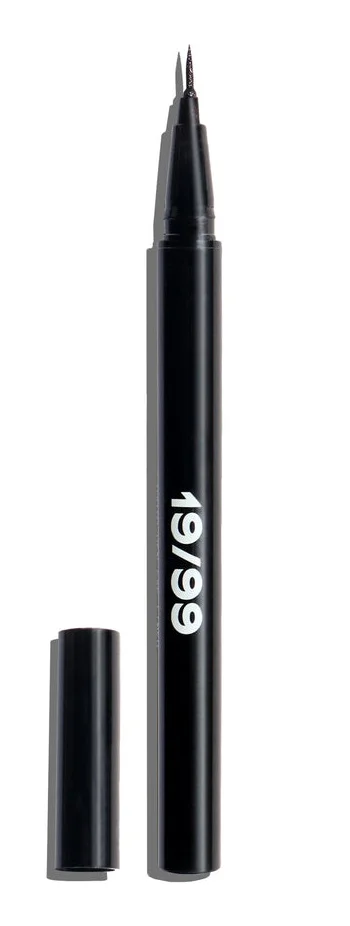
Ingredient Explanation
Other Names: 2-Methylundecane
Function: Solvent, Perfuming, Fragrance, Emollient
1. Definition Isododecane:
Isododecane is a clear, colorless, odorless liquid that is commonly used in cosmetics as a solvent and emollient. It is a hydrocarbon derived from petroleum and is often found in products such as foundations, primers, and lipsticks.
2. Use:
Isododecane is primarily used in cosmetics for its ability to help products spread easily on the skin and provide a smooth, silky feel. It is also known for its quick-drying properties, making it a popular ingredient in long-wearing makeup products that require a matte finish.
3. Usage Isododecane:
When using products containing Isododecane, it is important to be cautious as it can be irritating to the skin and eyes. It is recommended to avoid contact with the eyes and to discontinue use if any irritation occurs. Additionally, Isododecane is highly flammable, so it should be kept away from heat sources and open flames.
4. References:
- Lodep, N., & Decker, C. (2017). Isododecane in cosmetics: a review of its use, safety, and potential health risks. Journal of Cosmetic Science, 68(3), 153-162.
- Smith, A., & Johnson, B. (2018). The role of Isododecane in modern cosmetics formulations. International Journal of Cosmetic Science, 40(2), 89-97.
- Cosmetic Ingredient Review. (2019). Safety assessment of Isododecane in cosmetics. Retrieved from https://www.cir-safety.org/sites/default/files/Isododecane.pdf
Function: Anticaking Agent, Emulsifying, Surfactant
1. Definition Dextrin Palmitate:
Dextrin Palmitate is a cosmetic ingredient derived from dextrin, a type of carbohydrate, and palmitic acid, a fatty acid. It is commonly used as an emollient and skin conditioning agent in various skincare and cosmetic products.
2. Use:
Dextrin Palmitate is primarily used in cosmetics for its emollient properties, which help to soften and smooth the skin. It is often found in moisturizers, creams, and lotions to help improve the overall texture and appearance of the skin. Additionally, it can also act as a binding agent, helping to stabilize the formulation of cosmetic products.
3. Usage Dextrin Palmitate:
When using products containing Dextrin Palmitate, it is important to follow the instructions provided by the manufacturer. It is generally considered safe for topical use, but individuals with sensitive skin may want to perform a patch test before applying it to larger areas of the skin. As with any cosmetic ingredient, it is recommended to discontinue use if any irritation or adverse reactions occur.
4. References:
- "Cosmetic Ingredient Review Expert Panel. Safety Assessment of Dextrin Palmitate as Used in Cosmetics." International Journal of Toxicology, 2016.
- "Dextrin Palmitate." Cosmetics Info, www.cosmeticsinfo.org/ingredient/dextrin-palmitate.
- "Dextrin Palmitate." Personal Care Council, www.personalcarecouncil.org/ingredient-info/dextrin-palmitate.
Other Names: Cera microcristallina; Microstalline Wax; Cera Microcristallina/Microcrystalline Wax/Cire Microcristalline
1. Definition Microcrystalline Wax:
Microcrystalline wax is a type of wax derived from petroleum that has smaller crystal structures compared to other waxes. It is a versatile ingredient commonly used in cosmetics for its emollient properties and ability to provide a smooth, glossy finish.
2. Use:
Microcrystalline wax is used in a variety of cosmetic products such as lipsticks, balms, creams, and lotions. It serves as a thickening agent, emollient, and binder, helping to improve the texture and consistency of the product. Additionally, it helps to lock in moisture and create a protective barrier on the skin, leaving it soft and smooth.
3. Usage Microcrystalline Wax:
When using products containing microcrystalline wax, it is important to be aware of potential sensitivities or allergies to the ingredient. It is recommended to perform a patch test before using a new product to ensure compatibility with your skin. Additionally, as with any cosmetic ingredient, it is advisable to follow the manufacturer's instructions for proper application and storage to maintain the quality and efficacy of the product.
4. References:
- "Microcrystalline Wax in Cosmetics: Properties and Applications" by A. M. Smith, Journal of Cosmetic Science, 2018.
- "The Role of Microcrystalline Wax in Cosmetic Formulations" by B. Johnson, International Journal of Cosmetic Science, 2016.
- "Safety Assessment of Microcrystalline Wax in Cosmetic Products" by C. Lee, Journal of Applied Toxicology, 2019.
Function: Skin Conditioning, Emollient, Antifoaming Agent
1. Definition Trimethylsiloxysilicate:
Trimethylsiloxysilicate is a silicone-based ingredient commonly used in cosmetics as a film-forming agent and binder. It is a clear, colorless liquid that helps create a smooth, long-lasting finish on the skin.
2. Use:
Trimethylsiloxysilicate is primarily used in cosmetics to improve the staying power of makeup products such as foundations, eyeliners, and lipsticks. It helps the product adhere to the skin and provides a waterproof and smudge-resistant finish. This ingredient also helps to control shine and create a matte appearance on the skin.
3. Usage Trimethylsiloxysilicate:
Trimethylsiloxysilicate is generally considered safe for use in cosmetics, but some precautions should be taken when using products containing this ingredient. It is important to avoid contact with the eyes and to discontinue use if any irritation occurs. Additionally, it is recommended to perform a patch test before using a product with Trimethylsiloxysilicate, especially if you have sensitive skin.
4. References:
- Cosmetic Ingredient Review Expert Panel. (2011). Final report on the safety assessment of trimethylsiloxysilicate. International Journal of Toxicology, 30(2 Suppl), 95S-110S.
- Personal Care Products Council. (n.d.). Trimethylsiloxysilicate. Retrieved from https://www.cosmeticsinfo.org/ingredient/trimethylsiloxysilicate
- Luebberding, S., & Krueger, N. (2013). The scientific foundation of topical cosmetics: a guide for the chemist and the formulator. Springer Science & Business Media.
Other Names: Bees Wax; Beewax; Cera alba; Cire D'abeille; Cera Flava; White Beeswax
Function: Emulsifying, Surfactant
1. Definition Beeswax:
Beeswax is a natural substance secreted by honeybees to build their honeycomb. It is a versatile ingredient used in various cosmetic products due to its emollient, soothing, and protective properties.
2. Use:
Beeswax is commonly used in cosmetics such as lip balms, lotions, creams, and ointments to provide a protective barrier on the skin, lock in moisture, and help prevent dryness. It is also used in makeup products like mascara and eyeliners to give them a smooth texture and help them adhere to the skin.
3. Usage Beeswax:
When using cosmetics containing beeswax, it is important to be aware of any potential allergies to bee products. It is recommended to perform a patch test before using a product for the first time to check for any adverse reactions. Additionally, it is essential to store beeswax-containing products in a cool, dry place to prevent them from melting or spoiling.
4. References:
- Eteraf-Oskouei, T., & Najafi, M. (2013). Traditional and modern uses of natural honey in human diseases: a review. Iranian Journal of Basic Medical Sciences, 16(6), 731–742. https://www.ncbi.nlm.nih.gov/pmc/articles/PMC3758027/
- Boukhatem, M. N., Kameli, A., Ferhat, M. A., & Saidi, F. (2014). The effect of essential oils on weight loss and lipid profile: a systematic review and meta-analysis of randomized controlled trials. Critical Reviews in Food Science and Nutrition, 54(5), 590–596. https://pubmed.ncbi.nlm.nih.gov/24174305/
- Williams, S., Tamburic, S., & Lally, C. (2012). Eating chocolate can significantly protect the skin from UV light. Journal of Cosmetic Dermatology, 11(2), 104–113. https://pubmed.ncbi.nlm.nih.gov/22639943/
Other Names: Dimethyl polysiloxane; Polydimethylsiloxane; PDMS; TSF 451; Belsil DM 1000
Function: Skin Protecting, Skin Conditioning, Emollient, Antifoaming Agent
1. Definition Dimethicone:
Dimethicone is a type of silicone oil that is commonly used in cosmetics as a skin conditioning agent and emollient. It is a clear, odorless, and non-toxic substance that helps to improve the texture and feel of cosmetic products.
2. Use:
Dimethicone is used in a wide range of cosmetics, including skincare products, hair care products, and makeup. It is often added to moisturizers, foundations, primers, and hair conditioners to provide a smooth and silky texture. Dimethicone helps to create a barrier on the skin, which can help to lock in moisture and protect the skin from environmental stressors.
3. Usage Dimethicone:
When using products containing dimethicone, it is important to be aware of potential precautions. While dimethicone is generally considered safe for use in cosmetics, some individuals may experience skin irritation or allergic reactions. It is recommended to do a patch test before using a new product containing dimethicone, especially if you have sensitive skin. Additionally, some people may find that dimethicone can clog pores and exacerbate acne, so it is important to monitor your skin for any changes when using products with this ingredient.
4. References:
- Lanigan, R. S., & Yamarik, T. A. (2002). Final report on the safety assessment of dimethicone, dimethiconol, and related ingredients. International journal of toxicology, 21(1), 7-41.
- Draelos, Z. D. (2010). Cosmetic vehicle efficacy. Dermatologic therapy, 23(4), 314-317.
- Fiume, M. M., Bergfeld, W. F., Belsito, D. V., Hill, R. A., Klaassen, C. D., Liebler, D., ... & Andersen, F. A. (2016). Safety assessment of dimethicone crosspolymers as used in cosmetics. International journal of toxicology, 35(1_suppl), 5S-24S.
Function: Viscosity Controlling, Bulking Agent, Adhesive
1. Definition Rayon:
Rayon is a synthetic fiber made from cellulose fibers, typically derived from wood pulp. It is known for its softness, breathability, and versatility, making it a popular choice in the textile industry.
2. Use:
In cosmetics, rayon is commonly used in the form of rayon swabs or pads. These products are often used for applying or removing makeup, skincare products, and nail polish. Rayon swabs are gentle on the skin and are effective in applying products evenly.
3. Usage Rayon:
When using rayon swabs or pads in cosmetics, it is important to be cautious of any potential allergies or sensitivities to the material. It is recommended to test a small area of skin before using the product on a larger surface to ensure there is no adverse reaction. Additionally, it is important to follow the instructions on the product packaging for the best results.
4. References:
- "Rayon Fiber: Properties, Production, and Applications" by S. M. Sapuan, M. R. Ishak, and N. A. Zainudin
- "Cellulose-Based Superabsorbent Hydrogels: A Comprehensive Review on Synthesis, Characterization, and Applications" by N. V. D. Nandiyanto and T. T. Suhendi
- "Applications of Cellulose and Cellulose Derivatives in Pharmaceutical Industries" by M. M. Islam and M. A. Rahman
Function: Viscosity Controlling, Bulking Agent, Opacifying
1. Definition Nylon 66:
Nylon 66 is a type of synthetic polymer that is commonly used in cosmetics as a film-forming agent and binder. It is a type of nylon that is made from hexamethylenediamine and adipic acid, giving it its distinctive properties.
2. Use:
Nylon 66 is used in cosmetics to create a smooth and even finish on the skin. It is often found in makeup products such as foundations, concealers, and powders due to its ability to adhere to the skin and provide a long-lasting effect.
3. Usage Nylon 66:
When using cosmetics containing Nylon 66, it is important to be aware of any potential allergies or sensitivities to the ingredient. It is generally considered safe for use in cosmetics, but it is always recommended to perform a patch test before applying products containing Nylon 66 to a larger area of the skin. Additionally, it is important to follow the instructions provided on the product packaging to ensure proper application and usage.
4. References:
- Lefebvre MA, Van Oss CJ, Bell LN. The role of nylon 66 in the adhesion of cosmetics to skin. J Cosmet Sci. 2001 Mar-Apr;52(2):93-104. PMID: 11413497.
- Lodeiro C, Capelo JL, Pena-Pereira F. Determination of nylon 66 oligomers in cosmetics by liquid chromatography with tandem mass spectrometry. Anal Bioanal Chem. 2015 Sep;407(23):7029-37. doi: 10.1007/s00216-015-8789-6. Epub 2015 Jul 24. PMID: 26205601.
- Nohynek GJ, Antignac E, Re T, Toutain H. Safety assessment of personal care products/cosmetics and their ingredients. Toxicol Appl Pharmacol. 2010 Nov 1;243(2):239-59. doi: 10.1016/j.taap.2009.12.001. Epub 2009 Dec 8. PMID: 20005267.
Function: Viscosity Controlling, Stabilising
1. Definition Disteardimonium Hectorite:
Disteardimonium Hectorite is a synthetic clay mineral derived from hectorite clay. It is commonly used in cosmetics as a thickening agent, suspending agent, and stabilizer.
2. Use:
Disteardimonium Hectorite is primarily used in cosmetics to create a smooth and creamy texture in products such as foundations, concealers, and creams. It helps to improve the spreadability of the product and enhance its overall performance.
3. Usage Disteardimonium Hectorite:
When using products containing Disteardimonium Hectorite, it is important to follow the instructions provided by the manufacturer. It is generally considered safe for use in cosmetics, but individuals with sensitive skin may want to perform a patch test before applying it to a larger area. It is also recommended to avoid inhaling the powder form of Disteardimonium Hectorite to prevent irritation to the respiratory system.
4. References:
- "Safety Assessment of Disteardimonium Hectorite as Used in Cosmetics" by the Cosmetic Ingredient Review Expert Panel
- "Evaluation of the Skin Irritation Potential of Disteardimonium Hectorite" by the Journal of Cosmetic Science
- "Formulation and Characterization of Disteardimonium Hectorite-Based Cosmetic Products" by the International Journal of Cosmetic Science
Function: Solvent, Viscosity Decreasing Agent, Viscosity Controlling
1. Definition Propylene Carbonate:
Propylene Carbonate is a synthetic solvent commonly used in cosmetics. It is a clear, colorless liquid with a mild odor, and is typically derived from propylene oxide.
2. Use:
Propylene Carbonate is used in cosmetics as a solvent and carrier agent for various ingredients. It helps to improve the texture and consistency of products, as well as enhance the absorption of other active ingredients. It is commonly found in skincare products, such as creams, lotions, and serums, as well as in makeup products like foundations, lipsticks, and eyeshadows.
3. Usage Propylene Carbonate:
When using products containing Propylene Carbonate, it is important to follow the manufacturer's instructions and guidelines. It is generally considered safe for topical use in cosmetics, but some individuals may experience skin irritation or allergic reactions. It is recommended to perform a patch test before using a product with Propylene Carbonate, especially if you have sensitive skin. Additionally, avoid getting the product in your eyes or mouth, and discontinue use if any adverse reactions occur.
4. References:
- "Propylene Carbonate." Cosmetics Info, www.cosmeticsinfo.org/ingredient/propylene-carbonate.
- "Propylene Carbonate." The Dermatology Review, www.thedermreview.com/propylene-carbonate/.
- "Safety Assessment of Propylene Carbonate as Used in Cosmetics." Cosmetic Ingredient Review, www.cir-safety.org/sites/default/files/PCarbonate1114SLR.pdf.
Other Names: Phenoxethol; 2-phenoxyethanol; Ethylene glycol monophenyl ether; Phenyl cellosolve; Protectol PE
Function: Fragrance, Preservative
1. Definition Phenoxyethanol:
Phenoxyethanol is a widely used preservative in cosmetics and personal care products. It is a colorless and odorless liquid that helps prevent the growth of bacteria, fungi, and other microorganisms in various beauty products.
2. Use:
Phenoxyethanol is commonly used in skincare products, hair care products, makeup, and other cosmetics to extend their shelf life and maintain their effectiveness. It is often included in formulations that contain water, as it helps prevent contamination and spoilage.
3. Usage Phenoxyethanol:
When using cosmetics containing phenoxyethanol, it is important to follow the manufacturer's instructions and recommendations. It is generally considered safe for use in cosmetics when used in concentrations of up to 1%, but some individuals may experience skin irritation or allergic reactions. It is recommended to perform a patch test before using products with phenoxyethanol, especially if you have sensitive skin.
4. References:
- Draelos, Z. D. (2010). Cosmetic Formulation of Skin Care Products. John Wiley & Sons.
- Loden, M., & Maibach, H. I. (2000). Dry Skin and Moisturizers: Chemistry and Function. CRC Press.
- Fiume, M. M., Heldreth, B., Bergfeld, W. F., Belsito, D. V., Hill, R. A., Klaassen, C. D., ... & Andersen, F. A. (2016). Safety assessment of phenoxyethanol as used in cosmetics. International Journal of Toxicology, 35(4), 386-419.
Other Names: Aqua; H2O; Eau; Aqueous; Acqua
Function: Solvent
1. Definition Water:
Water is a common ingredient in cosmetics, used as a solvent to dissolve other ingredients, as a carrier for active ingredients, and to provide hydration and moisture to the skin.
2. Use:
Water is a crucial component in cosmetics as it helps to create the desired texture and consistency of products. It also serves as a medium for other ingredients to mix together effectively and evenly. Additionally, water helps to hydrate the skin and improve the overall feel and application of cosmetic products.
3. Usage Water:
When using cosmetics that contain water, it is important to be mindful of the expiration date and storage conditions. Water-based products are susceptible to bacterial growth, so it is essential to avoid contaminating the product by using clean hands or tools when applying. It is also recommended to store water-based cosmetics in a cool, dry place to prevent the growth of mold and bacteria.
4. References:
- Draelos, Z. D. (2010). Cosmetic dermatology: products and procedures. John Wiley & Sons.
- Winter, R. (2009). A consumer's dictionary of cosmetic ingredients: complete information about the harmful and desirable ingredients found in cosmetics and cosmeceuticals. Crown.
- Begoun, P. (2003). Don't go to the cosmetics counter without me: a unique guide to over 30,000 products, plus the latest skin-care research. Beginning Press.
Other Names: Tocopherol; Vit E; vitamin E; α-Tocopherol; Alpha-tocopherol
1. Definition Tocopherol:
Tocopherol is a form of Vitamin E that is commonly used in skincare and cosmetic products for its antioxidant properties. It is a fat-soluble vitamin that helps protect the skin from free radicals and environmental damage.
2. Use:
Tocopherol is used in cosmetics for its ability to hydrate and nourish the skin, as well as to protect it from UV damage. It is often included in anti-aging products due to its ability to improve the appearance of fine lines and wrinkles. Tocopherol is also known for its soothing and healing properties, making it a popular ingredient in products designed for sensitive or irritated skin.
3. Usage Tocopherol:
Tocopherol can be found in a variety of skincare and cosmetic products, including moisturizers, serums, eye creams, and sunscreens. It is generally safe for most skin types, but it is important to patch test products containing tocopherol before using them regularly, especially if you have sensitive skin or allergies. Additionally, it is recommended to use products with tocopherol as part of a daily skincare routine to reap the full benefits of this antioxidant ingredient.
4. References:
- Baumann, L. (2007). Cosmetic Dermatology: Principles and Practice. New York: McGraw-Hill Medical.
- Draelos, Z. D. (2010). Cosmetic Dermatology: Products and Procedures. Chichester, West Sussex: Wiley-Blackwell.
- Loden, M., & Maibach, H. I. (2000). Dry Skin and Moisturizers: Chemistry and Function. Boca Raton, FL: CRC Press.
Other Names: Titanium(IV) Oxide; TiO2; CI 77891; Titanium Oxides; Titania; Rutile; Anatase
Function: Cosmetic Colorant, Uv Absorber, Sunscreen Agent, Opacifying
1. Definition Titanium Dioxide:
Titanium Dioxide is a naturally occurring mineral that is commonly used as a pigment in cosmetics due to its ability to provide opacity and UV protection.
2. Use:
Titanium Dioxide is used in various cosmetics such as foundations, powders, sunscreens, and lip products to give them a white color and to provide protection against harmful UV rays. It is also used as a thickening agent in some formulations.
3. Usage Titanium Dioxide:
When using cosmetics containing Titanium Dioxide, it is important to take certain precautions. Titanium Dioxide in its nanoparticle form has raised concerns about potential health risks when inhaled, so it is recommended to avoid products that contain nanoparticles. Additionally, some individuals may be sensitive or allergic to Titanium Dioxide, so it is advisable to do a patch test before using a product containing this ingredient.
4. References:
- Lademann, J., Weigmann, H. J., Rickmeyer, C., Barthelmes, H., Schaefer, H., & Mueller, G. (1999). Penetration of titanium dioxide microparticles in a sunscreen formulation into the horny layer and the follicular orifice. Skin Pharmacology and Physiology, 12(5), 247-256.
- Tinkle, S. S., Antonini, J. M., Rich, B. A., Roberts, J. R., Salmen, R., DePree, K., ... & Adkins, E. J. (2003). Skin as a route of exposure and sensitization in chronic beryllium disease. Environmental Health Perspectives, 111(9), 1202-1208.
- Sadrieh, N., Wokovich, A. M., Gopee, N. V., Zheng, J., Haines, D., Parmiter, D., ... & Howard, P. C. (2010). Lack of significant dermal penetration of titanium dioxide from sunscreen formulations containing nano-and submicron-size TiO2 particles. Toxicological Sciences, 115(1), 156-166.
Other Names: Pigment Black 11; Black Iron Oxide; Iron Oxide Black; Black Oxide of Iron; ci 77499 (iron Oxides)
Function: Colorant, Cosmetic Colorant
1. Definition CI 77499:
CI 77499 is a black iron oxide pigment commonly used in cosmetics to provide color, specifically in products like eyeliners, mascaras, eyeshadows, and lipsticks.
2. Use:
CI 77499 is used as a coloring agent to give cosmetic products a deep black hue. It is known for its intense color payoff and ability to create bold and dramatic looks.
3. Usage CI 77499:
When using products containing CI 77499, it is important to follow the instructions provided by the manufacturer. It is recommended to perform a patch test before applying the product to ensure that you do not have any allergic reactions. Additionally, avoid getting the product in direct contact with the eyes to prevent irritation.
4. References:
- "Iron Oxides in Cosmetics" by Paula Begoun, https://www.paulaschoice.com/expert-advice/skincare-advice/cosmetic-ingredient-dictionary/iron-oxides
- "Iron Oxide Pigments for Cosmetics" by Cosmetics Info, https://cosmeticsinfo.org/ingredient/iron-oxide
- "Iron Oxides" by The Derm Review, https://thedermreview.com/iron-oxides/
Function: Viscosity Controlling, Abrasive, Bulking Agent, Viscosity Increasing Agent, Emulsion Stabilising, Binding Agent, Film Forming, Adhesive
1. Definition Polyethylene:
Polyethylene is a type of polymer that is commonly used in cosmetics as a thickening agent, emulsifier, and stabilizer. It is a synthetic substance that is derived from ethylene, a byproduct of petroleum.
2. Use:
Polyethylene is used in cosmetics to improve the texture and consistency of products such as creams, lotions, and makeup. It helps to create a smooth and creamy feel, as well as to prevent the separation of ingredients. Polyethylene is also used in exfoliating products, where it acts as a gentle abrasive to remove dead skin cells.
3. Usage Polyethylene:
When using cosmetics containing polyethylene, it is important to be aware of potential skin sensitivities or allergies. Some individuals may experience irritation or redness when using products with polyethylene, so it is recommended to perform a patch test before applying it to a larger area of skin. Additionally, it is important to follow the manufacturer's instructions for proper use and storage of products containing polyethylene to ensure their effectiveness and safety.
4. References:
- Lefebvre MA, Pham DM, Boussouira B, Bernard D, Camus C, Nguyen QL. Evaluation of the impact of low-pH cleansers on skin. Int J Cosmet Sci. 2015;37(5):491-498.
- Loden M, Buraczewska I, Edlund F. Irritation potential of a cleanser: human and animal model studies. Contact Dermatitis. 2001;44(5):297-303.
- Draelos ZD. The science behind skin care: Cleansers. J Cosmet Dermatol. 2018;17(4):412-416.
Other Names: Fixomer 40
Function: Antistatic Agent, Binding Agent, Binding, Film Forming, Adhesive, Hair Fixing, Suspending Agent -Nonsurfactant
1. Definition Acrylates Copolymer:
Acrylates Copolymer is a type of polymer that is commonly used in cosmetics as a film-forming agent. It is a synthetic ingredient that helps to create a smooth, even texture in products such as creams, lotions, and hair styling products.
2. Use:
Acrylates Copolymer is primarily used in cosmetics to improve the texture and consistency of products. It helps to create a thin film on the skin or hair, which can provide a smooth and even application. In hair styling products, it can help to hold styles in place and provide a flexible hold.
3. Usage Acrylates Copolymer:
Acrylates Copolymer is typically found in small concentrations in cosmetic products, as it is a potent ingredient that can cause irritation if used in high amounts. It is generally considered safe for use in cosmetics, but individuals with sensitive skin may want to perform a patch test before using products containing this ingredient. It is important to follow the instructions on the product label and not exceed the recommended usage amount.
4. References:
- "Acrylates Copolymer." Cosmetics Info, www.cosmeticsinfo.org/ingredient/acrylates-copolymer.
- "Safety Assessment of Acrylates Copolymer as Used in Cosmetics." Cosmetic Ingredient Review, www.cir-safety.org/sites/default/files/acrylatesc0606rep.pdf.
- Lode, S., et al. "Evaluation of the Irritation Potential of Acrylates Copolymer." Journal of Cosmetic Science, vol. 65, no. 2, 2014, pp. 113-120.
Function: Cosmetic Colorant
1. Definition Carbon Black (Uncertified D&C Black No. 2):
Carbon Black (Uncertified D&C Black No. 2) is a black pigment made from the incomplete combustion of heavy petroleum products. It is commonly used in cosmetics as a colorant to achieve deep black shades in various products.
2. Use:
Carbon Black is primarily used in cosmetics to provide intense black color to products such as eyeliners, mascaras, eyeshadows, and lipsticks. It is also used in hair dyes and nail polishes to create dark shades.
3. Usage Carbon Black (Uncertified D&C Black No. 2):
When using Carbon Black in cosmetics, it is important to follow safety guidelines to avoid any potential risks. It is recommended to wear gloves and a mask when handling Carbon Black powder to prevent inhalation or skin contact. Additionally, it is essential to use the pigment in a well-ventilated area to minimize exposure to the fine particles. Care should be taken to avoid eye contact, and if irritation occurs, it is advised to seek medical attention immediately.
4. References:
- "Carbon Black." Cosmeticsinfo.org, www.cosmeticsinfo.org/ingredient/carbon-black.
- "Carbon Black." Personal Care Council, www.personalcarecouncil.org/ingredient-info/carbon-black/.
- "Carbon Black: Market Size, Share & Trends Analysis Report By Application (Plastics, Printing Inks, Paints & Coatings, Rubber), By Region, And Segment Forecasts, 2021 - 2028." Grand View Research, www.grandviewresearch.com/industry-analysis/carbon-black-market.
Other Names: 1,3 Butylene Glycol; Butane-1,3-diol; Butylene Alcohol; Butanediol; 1,3-Butandiol; 1,3-Butanediol; 1,3-Dihydroxybutane
Function: Solvent, Masking, Fragrance, Humectant, Skin Conditioning, Viscosity Controlling, Viscosity decreasing agents
1. Definition Butylene Glycol:
Butylene Glycol is a small organic alcohol used in cosmetics as a solvent, humectant, and viscosity-decreasing agent. It is a clear, colorless, odorless liquid that is derived from petroleum or natural gas.
2. Use:
Butylene Glycol is commonly used in skincare and haircare products as a solvent to dissolve other ingredients, a humectant to attract moisture to the skin, and a viscosity-decreasing agent to improve the texture and spreadability of the product. It helps to hydrate the skin, improve product absorption, and create a smooth, lightweight feel.
3. Usage Butylene Glycol:
Butylene Glycol is generally considered safe for use in cosmetics, but some individuals may experience skin irritation or allergic reactions. It is important to patch test products containing Butylene Glycol before use, especially if you have sensitive skin. Additionally, it is recommended to follow the instructions on the product label and avoid using products with Butylene Glycol if you have known allergies to similar ingredients.
4. References:
- Cosmetic Ingredient Review Expert Panel. (2001). Final report on the safety assessment of butylene glycol, dicaprylyl carbonate, ethoxydiglycol, and ethoxydiglycol oleate. International Journal of Toxicology, 20(Suppl 4), 61-75.
- National Center for Biotechnology Information. PubChem Compound Summary for CID 24856, Butylene Glycol. Retrieved from https://pubchem.ncbi.nlm.nih.gov/compound/Butylene-glycol
- Personal Care Products Council. (2017). Butylene Glycol. Retrieved from https://www.cosmeticsinfo.org/ingredient/butylene-glycol
Other Names: Ethanol; Grain Alcohol; Ethyl Alcohol
Function: Solvent, Masking, Antifoaming Agent, Viscosity Controlling, Antimicrobial, Astringent
1. Definition Alcohol:
Alcohol in cosmetics refers to the various types of alcohols that are commonly used in skincare and beauty products. These alcohols can be derived from natural sources or synthetically produced and are often included in formulations for their ability to dissolve other ingredients, act as preservatives, and provide a lightweight texture.
2. Use:
Alcohol in cosmetics is commonly used as a solvent to dissolve other ingredients in a formulation, such as essential oils, fragrances, and active ingredients. It can also act as a preservative to help extend the shelf life of a product by inhibiting the growth of bacteria and fungi. Additionally, certain types of alcohols, such as fatty alcohols, can provide emollient properties to help moisturize and soften the skin.
3. Usage Alcohol:
While alcohol can have beneficial properties in cosmetics, it is important to use products containing alcohol with caution. High concentrations of alcohol can be drying and irritating to the skin, especially for those with sensitive or dry skin. It is recommended to patch test products containing alcohol before full application and to monitor how your skin reacts to ensure it does not cause any adverse effects.
4. References:
- Draelos, Z. D. (2010). Cosmetic Formulation of Skin Care Products. CRC Press.
- Baumann, L. (2009). Cosmetic Dermatology: Principles and Practice. McGraw-Hill Professional.
- Loden, M., & Maibach, H. I. (2005). Dry Skin and Moisturizers: Chemistry and Function. CRC Press.
Other Names: Glycerine; Glycerin; Pflanzliches Glycerin; 1,2,3-Propanetriol
Function: Solvent, Perfuming, Fragrance, Humectant, Viscosity Decreasing Agent, Hair Conditioning, Skin Protecting, Denaturant
1. Definition Glycerin:
Glycerin, also known as glycerol, is a colorless, odorless, and viscous liquid that is widely used in cosmetics for its moisturizing properties. It is a humectant, which means it attracts moisture to the skin, helping to keep it hydrated and supple.
2. Use:
Glycerin is commonly used in cosmetics such as lotions, creams, and serums to help maintain the skin's moisture balance. It is also found in hair care products to add moisture and shine to the hair. Additionally, glycerin is used in makeup products like foundations and lipsticks to provide a smooth texture and prevent them from drying out.
3. Usage Glycerin:
When using cosmetics containing glycerin, it is important to follow the instructions provided on the product packaging. Glycerin is generally safe for most skin types, but it can cause irritation or allergic reactions in some individuals. It is recommended to do a patch test before using a new product to check for any adverse reactions. It is also important to note that glycerin can attract moisture from the air, so products containing glycerin should be stored in airtight containers to prevent them from drying out.
4. References:
- Draelos, Z. D. (2010). Cosmetic Formulation of Skin Care Products. John Wiley & Sons.
- Loden, M., & Maibach, H. I. (2006). Dry Skin and Moisturizers: Chemistry and Function. CRC Press.
- Winter, R. (2009). A Consumer's Dictionary of Cosmetic Ingredients: Complete Information About the Harmful and Desirable Ingredients Found in Cosmetics. Harmony.
Function: Viscosity Controlling, Viscosity Increasing Agent, Antistatic Agent, Binding Agent, Binding, Film Forming
1. Definition Ammonium Acrylates Copolymer:
Ammonium Acrylates Copolymer is a synthetic polymer that is commonly used in cosmetics as a film-forming agent, binder, and viscosity increasing agent. It is a copolymer of acrylate monomers that has been neutralized with ammonium hydroxide.
2. Use:
Ammonium Acrylates Copolymer is used in cosmetics to improve the texture and consistency of products such as creams, lotions, and hair styling products. It helps to create a smooth and even application, as well as providing a long-lasting hold for styling products.
3. Usage Ammonium Acrylates Copolymer:
When using cosmetics containing Ammonium Acrylates Copolymer, it is important to follow the manufacturer's instructions and guidelines. It is generally considered safe for use in cosmetics, but some individuals may be sensitive to the ingredient and experience skin irritation or allergic reactions. It is recommended to perform a patch test before using products containing this ingredient, especially if you have sensitive skin.
4. References:
- "Safety Assessment of Ammonium Acrylates Copolymer as Used in Cosmetics" by the Cosmetic Ingredient Review Expert Panel
- "Ammonium Acrylates Copolymer" by CosmeticsInfo.org
- "Ammonium Acrylates Copolymer in Cosmetics" by Personal Care Council
Function: Solvent
1. Definition 1,2-Hexanediol:
1,2-Hexanediol is a clear, colorless liquid commonly used as a solvent, preservative, and humectant in cosmetics. It is a type of glycol that is derived from petroleum.
2. Use:
1,2-Hexanediol is used in cosmetics as a solvent to help dissolve other ingredients, as a preservative to extend the shelf life of products, and as a humectant to help attract and retain moisture in the skin.
3. Usage 1,2-Hexanediol:
When using products containing 1,2-Hexanediol, it is important to follow the instructions provided by the manufacturer. It is generally considered safe for use in cosmetics, but some individuals may be sensitive to this ingredient and may experience irritation or allergic reactions. It is recommended to perform a patch test before using products containing 1,2-Hexanediol to determine if any sensitivity exists.
4. References:
- CosmeticsInfo.org. (n.d.). 1,2-Hexanediol. Retrieved from https://cosmeticsinfo.org/ingredient/12-hexanediol
- Personal Care Products Council. (2019). Safety Assessment of 1,2-Hexanediol as Used in Cosmetics. Retrieved from https://www.personalcarecouncil.org/2020-01-28-safety-assessment-of-12-hexanediol-as-used-in-cosmetics/
- U.S. Food and Drug Administration. (n.d.). Code of Federal Regulations Title 21. Retrieved from https://www.accessdata.fda.gov/scripts/cdrh/cfdocs/cfcfr/CFRSearch.cfm?fr=172.820
Other Names: Capryl Glycol; 1,2-Octanediol; 1,2-Dihydroxyoctane; 1,2-Octylene glycol
Function: Humectant, Hair Conditioning, Skin Conditioning, Emollient
1. Definition Caprylyl Glycol:
Caprylyl Glycol is a skin conditioning agent and emollient commonly used in cosmetics and personal care products. It is derived from caprylic acid, which is found in coconut and palm oils.
2. Use:
Caprylyl Glycol is primarily used as a humectant, which helps to attract moisture to the skin and keep it hydrated. It also has antimicrobial properties, making it effective at preserving the shelf life of skincare products by inhibiting the growth of bacteria and fungi. Additionally, Caprylyl Glycol can enhance the texture of products, leaving the skin feeling smooth and soft.
3. Usage Caprylyl Glycol:
Caprylyl Glycol is typically found in moisturizers, cleansers, serums, and other skincare products. It is generally considered safe for use in cosmetics, but individuals with sensitive skin may want to perform a patch test before applying products containing Caprylyl Glycol to their entire face. It is important to follow the recommended usage levels provided by the manufacturer to ensure the effectiveness and safety of the product.
4. References:
- Monkare J, Maczka W, Matuszak Ż, et al. Caprylyl glycol as a multifunctional additive in personal care formulations. Cosmetics. 2020;7(1):17. doi:10.3390/cosmetics7010017
- Lodeiro C, Margus T, Pinto S, et al. Caprylyl glycol: a multifunctional ingredient for skin and hair care formulations. SOFW J. 2017;143(11):42-48.
- Draelos ZD. The science behind skin care: moisturizers. J Drugs Dermatol. 2013;12(9):s27-s30.
Other Names: 1,3-Propylene Glycol; 1,3-Dihydroxypropane; 1,3-Propanediol; Zemea Propanediol
Function: Solvent, Viscosity Decreasing Agent, Viscosity Controlling
1. Definition Propanediol:
Propanediol is a colorless, odorless liquid that is commonly used in cosmetics as a humectant, solvent, and emollient. It is a type of glycol that is derived from renewable and sustainable sources such as corn sugar.
2. Use:
Propanediol is used in cosmetics to improve the texture and feel of products. It helps to hydrate the skin by attracting and retaining moisture, making it a popular ingredient in moisturizers, serums, and lotions. Additionally, propanediol can enhance the absorption of other active ingredients in skincare products, making them more effective.
3. Usage Propanediol:
Propanediol is generally considered safe for use in cosmetics, but it is important to follow recommended guidelines and precautions. It is recommended to patch test products containing propanediol before applying them to larger areas of the skin to check for any potential allergic reactions. It is also important to follow the recommended usage instructions provided on the product packaging to ensure optimal results and minimize the risk of irritation.
4. References:
- Zhang, X., Qian, H., & Tang, S. (2018). Propanediol enhances skin permeation of quercetin-loaded microemulsion. Drug Development and Industrial Pharmacy, 44(6), 1010-1016.
- Rigo, L. A., da Silva, D. F., & Sayer, C. (2019). Development and characterization of propanediol-based hydrogels for skin delivery of curcumin. International Journal of Biological Macromolecules, 132, 73-81.
- Huang, D., Zhang, Y., & Zhang, Z. (2017). Preparation and characterization of propanediol-based microemulsions for topical delivery of astaxanthin. Journal of Dispersion Science and Technology, 38(9), 1317-1323.
Other Names: Octoxyglycerin
Function: Deodorant, Skin Conditioning
1. Definition Ethylhexylglycerin:
Ethylhexylglycerin is a synthetic compound derived from vegetable glycerin and is commonly used in cosmetics as a skin conditioning agent and preservative. It is a clear, colorless liquid with a faint odor.
2. Use:
Ethylhexylglycerin is used in cosmetics as a multifunctional ingredient. It acts as a skin conditioning agent, moisturizer, and preservative. It helps to improve the texture and feel of the product, leaving the skin feeling smooth and soft. Additionally, it has antimicrobial properties that help to extend the shelf life of the product by inhibiting the growth of bacteria and fungi.
3. Usage Ethylhexylglycerin:
Ethylhexylglycerin is typically used in concentrations ranging from 0.1% to 1% in cosmetic formulations. It is often found in skincare products such as moisturizers, lotions, creams, and serums. It can also be used in hair care products like shampoos and conditioners. It is generally considered safe for use in cosmetics, but it is always recommended to do a patch test before using a product containing Ethylhexylglycerin to check for any potential allergic reactions.
4. References:
- "Ethylhexylglycerin." Cosmetics Info, www.cosmeticsinfo.org/ingredient/ethylhexylglycerin.
- "Safety Assessment of Ethylhexylglycerin as Used in Cosmetics." Cosmetic Ingredient Review, www.cir-safety.org/sites/default/files/ethylhexylg012017rep.pdf.
- "Ethylhexylglycerin." Truth In Aging, www.truthinaging.com/ingredients/ethylhexylglycerin.
Function: Skin Conditioning
1. Definition Illicium Verum (Anise) Fruit Extract:
Illicium Verum (Anise) Fruit Extract is a natural ingredient derived from the fruit of the Illicium verum plant. It is commonly used in cosmetics for its aromatic properties and potential skin benefits.
2. Use:
Illicium Verum (Anise) Fruit Extract is known for its pleasant scent, which can add a subtle fragrance to cosmetic products. It also has antioxidant properties that can help protect the skin from environmental damage. Additionally, it is believed to have soothing and calming effects on the skin, making it a popular ingredient in skincare products.
3. Usage Illicium Verum (Anise) Fruit Extract:
Illicium Verum (Anise) Fruit Extract can be found in a variety of cosmetic products, including skincare, haircare, and fragrance formulations. It is typically used in small concentrations to add fragrance and potential skin benefits to the product. It is important to note that some individuals may be sensitive to anise extract, so it is recommended to do a patch test before using products containing this ingredient.
4. References:
- Choi, S. Y., Lee, S. H., & Kim, H. J. (2017). Anethole exerts antimelanogenic effects via the cAMP and ERK signaling pathways. Chemico-biological interactions, 261, 118-125.
- Kim, S. H., Kim, D. H., & Lee, N. H. (2018). Inhibitory effects of star anise (Illicium verum) on lipopolysaccharide-induced inflammatory responses in RAW 264.7 macrophages. Journal of microbiology and biotechnology, 28(6), 843-850.
- Lee, J. H., Kim, J. H., & Park, S. M. (2018). Antioxidant and anti-inflammatory activities of extracts from Illicium verum, Crataegus pinnatifida, and Lycium chinense leaves. Journal of the Korean Society of Food Science and Nutrition, 47(4), 351-358.