


- Home
- Compare product
- Comparison result

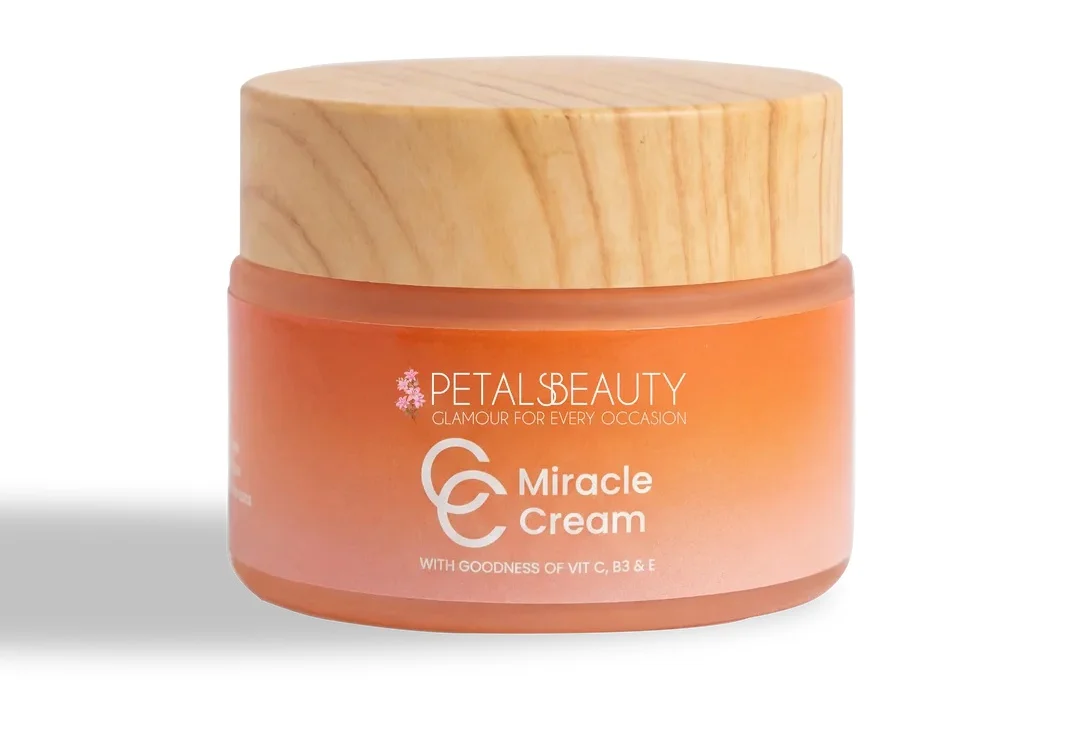


| EWG | CIR | Ingredient Name & Cosmetic Function | Notes |
|---|---|---|---|
| 1 3 | - | (Colorant, Cosmetic Colorant) | |
| 1 3 | - | (Solvent, Perfuming, Fragrance, Hair Conditioning, Skin Protecting, Skin Conditioning, Emollient, Antistatic Agent) | |
| 1 | A | (Viscosity Controlling, Viscosity Increasing Agent, Bulking Agent) | |
| 1 | - | (Viscosity Controlling, Viscosity Increasing Agent) | |
| EWG | CIR | Ingredient Name & Cosmetic Function | Notes |
|---|---|---|---|
| 1 | - | (Solvent) | |
| 1 2 | A | (Solvent, Perfuming, Fragrance, Humectant, Viscosity Decreasing Agent, Hair Conditioning, Skin Protecting, Denaturant ) |  |
| 3 | B | (Solvent, Fragrance, Humectant, Viscosity Decreasing Agent, Skin Conditioning, Viscosity Controlling, Skin-Conditioningagent - Miscellaneous) | |
| 1 | A | (Humectant, Skin Conditioning) | |



Ultramarines
1. Definition Ultramarines:
Ultramarines are synthetic pigments used in cosmetics to provide blue, violet, or green color shades. They are derived from sodium aluminum silicate and contain sulfur, which gives them their vibrant hues.2. Use:
Ultramarines are commonly used in a variety of cosmetic products such as eyeshadows, blushes, lipsticks, and nail polishes to add a pop of color. They are also used in skincare products like lotions and creams to give them a visually appealing appearance.3. Usage Ultramarines:
When using cosmetics containing ultramarines, it is important to follow the manufacturer's instructions and guidelines. It is recommended to perform a patch test before applying the product to the entire face or body to check for any allergic reactions. Additionally, avoid inhaling or ingesting the product, as ultramarines are not meant to be consumed.4. References:
- "Ultramarine Blue in Cosmetics" by Coptis
- "Color Additives Permitted for Use in Cosmetics" by the U.S. Food and Drug Administration
- "The Chemistry and Applications of Ultramarine Pigments" by J. D. Birch, G. J. Exner, and J. H. Holloway
Mineral Oil
1. Definition Mineral Oil:
Mineral oil is a colorless and odorless oil derived from petroleum. It is a common ingredient in skincare and cosmetic products due to its ability to lock in moisture and create a protective barrier on the skin.2. Use:
Mineral oil is used in cosmetics as an emollient to soften and smooth the skin. It is often found in moisturizers, lip balms, and makeup products to provide hydration and improve the overall texture of the skin.3. Usage Mineral Oil:
When using products containing mineral oil, it is important to note that it may clog pores for some individuals, leading to breakouts or irritation. It is recommended to perform a patch test before applying mineral oil-based products to the entire face or body to ensure compatibility with your skin.4. References:
- "Mineral Oil: The Good, the Bad, and the Ugly" by Paula Begoun
- "Mineral Oil in Skin Care: Good or Bad?" by Dr. Cynthia Bailey
- "The Truth About Mineral Oil" by Dr. Leslie Baumann
Polypropylene
1. Definition Polypropylene:
Polypropylene is a synthetic polymer made from propylene monomers. It is a versatile material known for its high chemical resistance, durability, and flexibility.2. Use:
Polypropylene is commonly used in cosmetics as packaging material for creams, lotions, shampoos, and other beauty products. Its strong barrier properties help protect the product from contamination and maintain its quality.3. Usage Polypropylene:
When using cosmetics containing polypropylene, it is important to follow the manufacturer's instructions and guidelines. Avoid exposing the product to extreme temperatures, as polypropylene can degrade under high heat. Additionally, be cautious when handling products in polypropylene packaging to prevent accidental spills or leaks.4. References:
- Seo, Y., Park, H., & Son, S. (2018). Polypropylene-based micro/nanofibrous nonwovens as a promising material for cosmetic applications. Journal of Industrial and Engineering Chemistry, 58, 1-10.
- Sood, A., & Bhattacharya, M. (2020). Polypropylene in cosmetics: A review of its properties and applications. Journal of Cosmetic Science, 71(6), 413-424.
- Baran, E. T., & Yildirim, G. (2019). Polypropylene-based materials in cosmetic packaging: A review. Journal of Applied Polymer Science, 136(33), 47893.
Dimethyldibenzylidene Sorbitol
1. Definition Dimethyldibenzylidene Sorbitol:
Dimethyldibenzylidene Sorbitol, also known as DMDBS, is a synthetic ingredient commonly used in cosmetics as a UV filter. It belongs to the family of dibenzylidene sorbitol compounds and is known for its ability to absorb and reflect UV radiation, providing protection against sun damage.2. Use:
Dimethyldibenzylidene Sorbitol is primarily used in sunscreens, moisturizers, and other skincare products to protect the skin from the harmful effects of UV radiation. It is often included in formulations to enhance the product's SPF rating and improve its efficacy in shielding the skin from both UVA and UVB rays. DMDBS is a popular choice among formulators for its photostability and broad-spectrum UV protection properties.3. Usage Dimethyldibenzylidene Sorbitol:
When using products containing Dimethyldibenzylidene Sorbitol, it is important to follow the manufacturer's instructions and apply the product generously to ensure adequate protection. It is recommended to reapply sunscreen every two hours or more frequently if swimming or sweating. Additionally, individuals with sensitive skin or allergies should perform a patch test before using products with DMDBS to avoid any adverse reactions.4. References:
- Kaur, N., & Kishan, R. (2018). Sunscreens: A review on the existing and future trends. International Journal of Pharmaceutical Sciences and Research, 9(6), 2288-2297.
- Wang, S. Q., & Lim, H. W. (2006). Current status of the sunscreen regulation in the United States: FDA proposes changes to SPF and UVA testing. Photodermatology, Photoimmunology & Photomedicine, 22(5), 242-245.
- Diffey, B. L. (2001). Sunscreens: expectations and realities. Photodermatology, Photoimmunology & Photomedicine, 17(5), 216-220.







