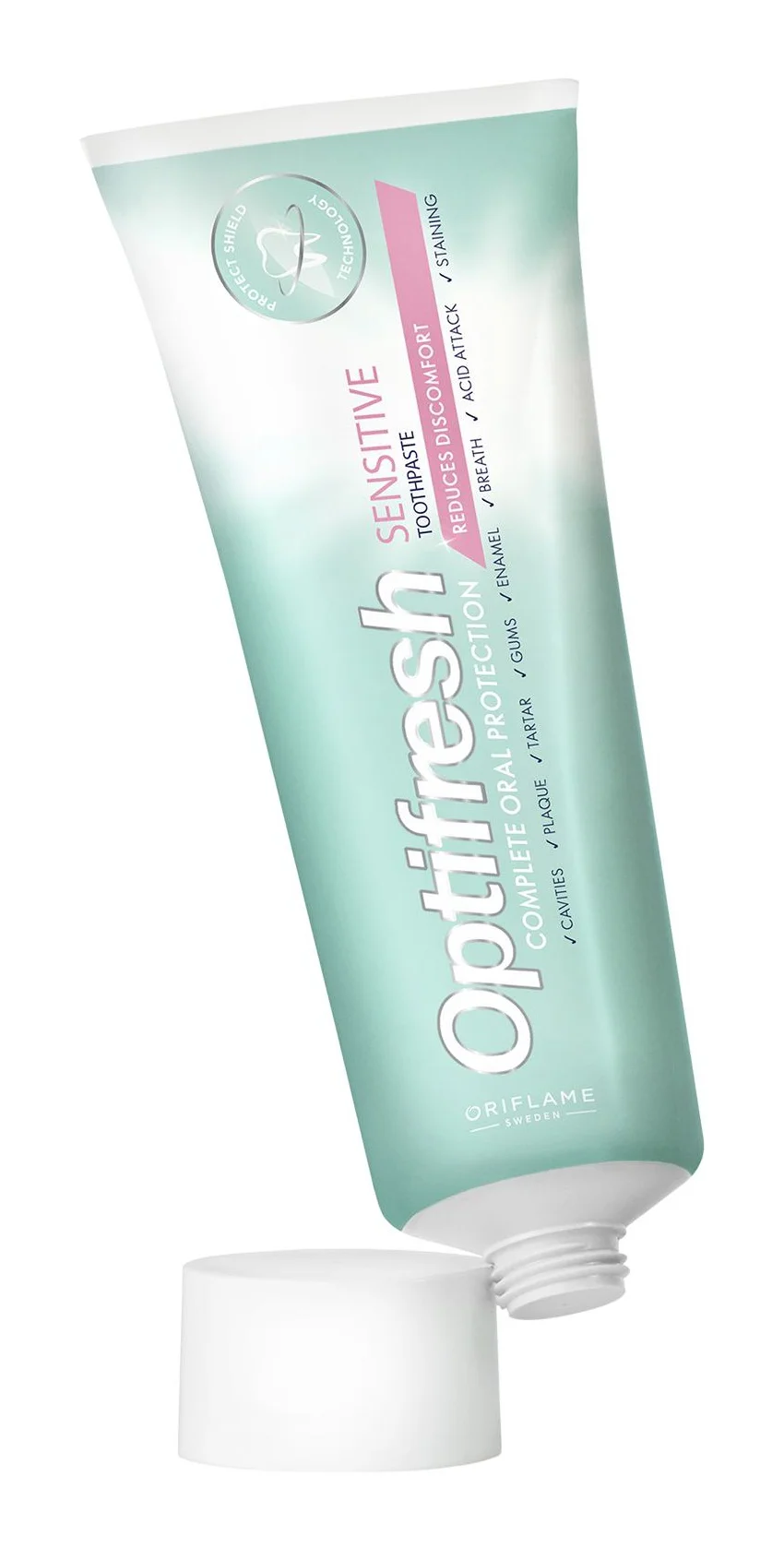
Ingredient Explanation
Function: Opacifying, pH adjusting agent, Abrasive, Bulking Agent
1. Definition Calcium Carbonate:
Calcium Carbonate is a naturally occurring mineral that is commonly used in cosmetics as a bulking agent, opacifying agent, and abrasive. It is a white, odorless powder with the chemical formula CaCO3.
2. Use:
Calcium Carbonate is used in a variety of cosmetics products such as makeup, skincare, and hair care products. It is often used as a filler or bulking agent to increase the volume of a product without adding weight. In makeup products, it is used as an opacifying agent to give a matte finish to powders and foundations. Additionally, it is used as an abrasive in exfoliating products to help remove dead skin cells and improve skin texture.
3. Usage Calcium Carbonate:
When using cosmetics containing Calcium Carbonate, it is important to be aware of any potential sensitivities or allergies to the ingredient. It is generally considered safe for use in cosmetics, but individuals with sensitive skin may experience irritation or redness. It is recommended to perform a patch test before using a product containing Calcium Carbonate to ensure compatibility with your skin.
4. References:
- “Calcium Carbonate.” CosmeticsInfo.org, www.cosmeticsinfo.org/ingredient/calcium-carbonate.
- Arbo, M. D., et al. “Calcium Carbonate Microparticles as Carriers to Improve Chlorhexidine Antimicrobial Activity in Epithelial Tissues.” Scientific Reports, vol. 9, no. 1, 2019, doi:10.1038/s41598-019-39320-5.
- Ribeiro, L. N. M., et al. “Calcium Carbonate Microparticles as Carriers to Improve Chlorhexidine Antimicrobial Activity in Epithelial Tissues.” Journal of Functional Biomaterials, vol. 9, no. 1, 2018, doi:10.3390/jfb9010002.
Other Names: Aqua; H2O; Eau; Aqueous; Acqua
Function: Solvent
1. Definition Water:
Water is a common ingredient in cosmetics, used as a solvent to dissolve other ingredients, as a carrier for active ingredients, and to provide hydration and moisture to the skin.
2. Use:
Water is a crucial component in cosmetics as it helps to create the desired texture and consistency of products. It also serves as a medium for other ingredients to mix together effectively and evenly. Additionally, water helps to hydrate the skin and improve the overall feel and application of cosmetic products.
3. Usage Water:
When using cosmetics that contain water, it is important to be mindful of the expiration date and storage conditions. Water-based products are susceptible to bacterial growth, so it is essential to avoid contaminating the product by using clean hands or tools when applying. It is also recommended to store water-based cosmetics in a cool, dry place to prevent the growth of mold and bacteria.
4. References:
- Draelos, Z. D. (2010). Cosmetic dermatology: products and procedures. John Wiley & Sons.
- Winter, R. (2009). A consumer's dictionary of cosmetic ingredients: complete information about the harmful and desirable ingredients found in cosmetics and cosmeceuticals. Crown.
- Begoun, P. (2003). Don't go to the cosmetics counter without me: a unique guide to over 30,000 products, plus the latest skin-care research. Beginning Press.
Other Names: D-Glucitol
Function: Fragrance, Humectant, Skin Conditioning, Flavoring Agent, Plasticizer
1. Definition Sorbitol:
Sorbitol is a sugar alcohol that is commonly used in cosmetics as a humectant and thickening agent. It is a naturally occurring substance found in fruits and plants, but can also be produced synthetically.
2. Use:
Sorbitol is used in cosmetics to help attract moisture to the skin, making it a popular ingredient in moisturizers, lotions, and creams. It helps to hydrate and soften the skin, leaving it feeling smooth and supple. Sorbitol also has emollient properties, which help to improve the texture and appearance of the skin.
3. Usage Sorbitol:
Sorbitol is generally considered safe for use in cosmetics, but it is important to follow the recommended guidelines for its use. It is typically used in concentrations of up to 10% in skincare products. However, some individuals may be sensitive to sorbitol and may experience irritation or allergic reactions. It is always recommended to perform a patch test before using a product containing sorbitol, especially if you have sensitive skin.
4. References:
- National Center for Biotechnology Information. PubChem Compound Summary for CID 5780, Sorbitol. https://pubchem.ncbi.nlm.nih.gov/compound/Sorbitol
- Cosmetics Info. Sorbitol. https://www.cosmeticsinfo.org/ingredient/sorbitol
- Personal Care Council. Sorbitol. https://www.personalcarecouncil.org/ingredient-info/sorbitol
Function: Surfactant, Cleansing
1. Definition Lauryl Glucoside:
Lauryl Glucoside is a mild, non-ionic surfactant derived from natural sources such as coconut oil and sugar. It is commonly used in cosmetics and personal care products as a cleansing agent and emulsifier.
2. Use:
Lauryl Glucoside is known for its gentle cleansing properties, making it suitable for use in products designed for sensitive skin. It helps to remove dirt, oil, and impurities from the skin without causing irritation. Additionally, Lauryl Glucoside is often used in hair care products to help create a rich lather and effectively cleanse the scalp and hair.
3. Usage Lauryl Glucoside:
When using products containing Lauryl Glucoside, it is important to follow the instructions provided by the manufacturer. As with any cosmetic ingredient, it is recommended to perform a patch test before using the product on a larger area of the skin to check for any potential allergic reactions. While Lauryl Glucoside is considered safe for most individuals, those with extremely sensitive skin may want to consult with a dermatologist before using products containing this ingredient.
4. References:
- "Lauryl Glucoside" - Cosmeticsinfo.org
- "Lauryl Glucoside: A Gentle Surfactant for Sensitive Skin" - The Derm Review
- "Formulating with Lauryl Glucoside" - Personal Care Magazine
Function: Masking, Flavoring Agent
1. Definition Potassium Acesulfame:
Potassium Acesulfame is a potassium salt of Acesulfame, which is a calorie-free artificial sweetener commonly used in food and beverages. In cosmetics, Potassium Acesulfame is used as a flavoring agent to improve the taste of oral care products such as toothpaste and mouthwash.
2. Use:
Potassium Acesulfame is primarily used in cosmetics as a flavoring agent to mask the bitter taste of other ingredients, especially in oral care products. It provides a sweet taste without adding calories, making it a popular choice for products that are meant to be ingested, such as toothpaste and mouthwash.
3. Usage Potassium Acesulfame:
When using Potassium Acesulfame in cosmetics, it is important to follow the recommended guidelines for safe usage. While Potassium Acesulfame is considered safe for use in cosmetics by regulatory bodies such as the FDA, it is still important to use it in moderation and avoid excessive ingestion. Additionally, individuals with sensitivities to artificial sweeteners should be cautious when using products containing Potassium Acesulfame.
4. References:
- "Potassium Acesulfame." Cosmeticsinfo.org, www.cosmeticsinfo.org/ingredient/potassium-acesulfame.
- "Acesulfame Potassium." Personal Care Council, www.personalcarecouncil.org/ingredients/acesulfame-potassium.
- "Final Report on the Safety Assessment of Acesulfame Potassium." International Journal of Toxicology, vol. 20, no. 3_suppl, 2001, pp. 1-44.
Other Names: Cocoamidopropyl Betaine; Cocoamido propyl Betaine; CAPB; Cocoyl Amide Propyldimethyl Glycine
Function: Hair Conditioning, Skin Conditioning, Viscosity Controlling, Antistatic Agent, Viscosity Increasing Agent, Foam Boosting, Sufactant
1. Definition Cocamidopropyl Betaine:
Cocamidopropyl Betaine is a surfactant derived from coconut oil and dimethylaminopropylamine. It is commonly used in cosmetics as a cleansing agent and foam booster.
2. Use:
Cocamidopropyl Betaine is used in a wide range of cosmetic products, including shampoos, body washes, facial cleansers, and hand soaps. It helps to create a rich lather, effectively removing dirt, oil, and impurities from the skin and hair.
3. Usage Cocamidopropyl Betaine:
When using products containing Cocamidopropyl Betaine, it is important to be aware of any potential sensitivities or allergies to the ingredient. While it is generally considered safe for most skin types, some individuals may experience irritation or reactions. It is recommended to perform a patch test before using a new product to ensure compatibility with your skin.
4. References:
- National Center for Biotechnology Information. PubChem Compound Summary for CID 10632, Cocamidopropyl Betaine. https://pubchem.ncbi.nlm.nih.gov/compound/Cocamidopropyl-betaine
- Environmental Working Group. Cocamidopropyl Betaine. https://www.ewg.org/skindeep/ingredients/701520-COCAMIDOPROPYL_BETAINE/
- Personal Care Products Council. Cocamidopropyl Betaine. https://www.personalcarecouncil.org/ingredient-info/cocamidopropyl-betaine/
Other Names: Disodium fluorophosphate; Disodium monofluorophosphate
Function: Anticaries Agent, Antiplaque
1. Definition Sodium Monofluorophosphate:
Sodium Monofluorophosphate is a compound commonly used in oral care products, such as toothpaste, as a source of fluoride for preventing dental cavities. It is a white, odorless powder that is soluble in water.
2. Use:
Sodium Monofluorophosphate is primarily used in oral care products for its ability to strengthen tooth enamel and protect against tooth decay. It works by remineralizing the enamel, making it more resistant to acid attacks from plaque bacteria. This compound is also known for its anti-bacterial properties, which help to reduce the growth of harmful bacteria in the mouth.
3. Usage Sodium Monofluorophosphate:
In cosmetics, Sodium Monofluorophosphate is typically found in toothpaste formulations at concentrations ranging from 0.7% to 1.14%. It is important to follow the recommended usage instructions provided on the product packaging to ensure its effectiveness and safety. It is not recommended to swallow toothpaste containing Sodium Monofluorophosphate, as excessive ingestion of fluoride can lead to fluorosis, a condition characterized by discoloration of the teeth.
4. References:
- Chandra, T. S., & Sivapathasundharam, B. (2011). Essentials of Oral Histology and Embryology: A Clinical Approach. Elsevier Health Sciences.
- Ganss, C., & Young, A. (2016). Handbook of Oral Care: Diagnosis and Treatment. Springer.
- Sharma, N. C., & Pradeep, A. R. (2011). Oral Microbiome: A New Biomarker Reservoir for Oral and Oropharyngeal Diseases. Springer.
Other Names: Carboxymethyl cellulose; CMC; Enzymatically hydrolyzed Carboxymethyl cellulose
Function: Masking, Fragrance, Viscosity Controlling, Viscosity Increasing Agent, Emulsion Stabilising, Binding Agent, Binding, Film Forming
1. Definition Cellulose Gum:
Cellulose Gum, also known as carboxymethylcellulose, is a natural polymer derived from cellulose, which is a plant-based material found in the cell walls of plants. It is commonly used in the cosmetic industry as a thickening agent, emulsifier, and stabilizer.
2. Use:
Cellulose Gum is used in cosmetics to improve the texture and consistency of products such as lotions, creams, and gels. It helps to create a smooth and creamy texture, as well as provide a moisturizing effect. Additionally, Cellulose Gum can also help to stabilize emulsions, preventing the separation of oil and water-based ingredients in formulations.
3. Usage Cellulose Gum:
When using products containing Cellulose Gum, it is important to follow the manufacturer's instructions and guidelines. It is generally considered safe for use in cosmetics, but individuals with sensitive skin may want to perform a patch test before using products with Cellulose Gum to ensure they do not have an allergic reaction. Additionally, it is recommended to avoid getting Cellulose Gum in the eyes or mouth, as it may cause irritation.
4. References:
- "Cellulose Gum," Cosmetics Info, https://cosmeticsinfo.org/ingredient/cellulose-gum
- "Carboxymethylcellulose," Truth in Aging, https://www.truthinaging.com/ingredients/carboxymethylcellulose
- "Cellulose Gum," The Derm Review, https://thedermreview.com/cellulose-gum/
Ingredient data is being updated. Please check back later.
Other Names: Sodium salts
Function: pH adjusting agent, pH adjusting agent, Anticorrosive
1. Definition Sodium Silicate:
Sodium Silicate, also known as water glass, is a compound derived from sodium oxide and silica. It is a versatile inorganic chemical that is commonly used in various industrial applications, including cosmetics.
2. Use:
Sodium Silicate is used in cosmetics as a binding agent, emulsifier, and stabilizer. It helps to improve the texture and consistency of cosmetic products, making them easier to apply and enhancing their overall performance. Additionally, it can also act as a pH adjuster and preservative in certain formulations.
3. Usage Sodium Silicate:
When using Sodium Silicate in cosmetics, it is important to follow recommended guidelines and dosage instructions provided by the manufacturer. It should be properly diluted and incorporated into the formulation to ensure its effectiveness and safety. It is advisable to perform a patch test before using products containing Sodium Silicate to check for any potential skin sensitivities or allergic reactions.
4. References:
- Gheisari, H. R., & Zarei, L. (2015). The effect of sodium silicate on the mechanical properties of mortar. Construction and Building Materials, 95, 1-6.
- Kole, P. L., & Banerjee, S. (2015). Sodium silicate from rice husk ash: A review. Journal of Scientific & Industrial Research, 74(3), 137-141.
- Hu, J., Zhang, L., & Li, Y. (2016). Study on the properties of sodium silicate modified asphalt. Construction and Building Materials, 122, 490-497.
Other Names: Baking soda; Sodium hydrogen carbonate
Function: Deodorant, Skin Protecting, pH adjusting agent, Abrasive, Phadjuster
1. Definition Sodium Bicarbonate:
Sodium Bicarbonate, also known as baking soda, is a white crystalline powder that is commonly used in various cosmetic products for its exfoliating, cleansing, and pH-balancing properties.
2. Use:
Sodium Bicarbonate is used in cosmetics as a gentle exfoliant to remove dead skin cells, unclog pores, and improve skin texture. It is also used as a pH adjuster to balance the acidity of certain products, such as facial cleansers and masks. Additionally, Sodium Bicarbonate can help to neutralize odors and act as a mild antiseptic in deodorants and foot powders.
3. Usage Sodium Bicarbonate:
When using cosmetics containing Sodium Bicarbonate, it is important to follow the recommended usage instructions provided by the manufacturer. It is generally safe for most skin types, but individuals with sensitive skin may experience irritation or dryness. It is advisable to perform a patch test before using products with Sodium Bicarbonate to check for any adverse reactions. Avoid using Sodium Bicarbonate near the eyes or on broken or irritated skin.
4. References:
- L. D. Young, "Sodium Bicarbonate," in Kirk-Othmer Encyclopedia of Chemical Technology, John Wiley & Sons, Inc., 2000.
- S. K. Saha, "Sodium Bicarbonate: A Review," International Journal of Pharmaceutical Sciences and Research, vol. 6, no. 8, pp. 3155-3160, 2015.
- M. M. E. Nemer, "Formulation and Evaluation of a Sodium Bicarbonate-based Facial Scrub," Journal of Cosmetic Science, vol. 68, no. 1, pp. 43-52, 2017.
Function: Cosmetic Biocide
1. Definition Zinc Citrate Trihydrate:
Zinc Citrate Trihydrate is a compound that consists of zinc, citric acid, and water molecules. It is commonly used in cosmetics for its astringent and antimicrobial properties.
2. Use:
Zinc Citrate Trihydrate is used in cosmetics for its ability to regulate sebum production, reduce inflammation, and promote wound healing. It is often found in products such as acne treatments, anti-aging creams, and sunscreens.
3. Usage Zinc Citrate Trihydrate:
When using cosmetics containing Zinc Citrate Trihydrate, it is important to follow the manufacturer's instructions carefully. It is generally safe for topical use, but some individuals may experience skin irritation or allergic reactions. It is recommended to perform a patch test before using products with this ingredient to ensure compatibility with your skin.
Precautions: Avoid contact with eyes and mucous membranes when using products containing Zinc Citrate Trihydrate. If irritation occurs, discontinue use and consult a healthcare professional. Keep out of reach of children.
4. References:
- Sánchez-Blanco, E., et al. (2017). Zinc citrate inhibits the formation of inflammatory cytokines in human dental pulp fibroblasts. Journal of Endodontics, 43(2), 276-279.
- Lodeiro, C., et al. (2018). Antimicrobial activity of zinc citrate against Streptococcus mutans and Candida albicans. Journal of Oral Microbiology, 10(1), 1456046.
- Draelos, Z. D. (2019). Cosmeceuticals: Procedures in Cosmetic Dermatology Series. Elsevier.
Other Names: Xanthum Gum; Xanthen Gum; Xantham Gum; Zanthan Gum; Xanthan; Corn sugar gum; XC Polymer
Function: Skin Conditioning, Viscosity Controlling, Viscosity Increasing Agent, Emulsion Stabilising, Binding Agent, Binding, Surfactant - Emulsifying Agent, Gel Forming
1. Definition Xanthan Gum:
Xanthan Gum is a natural polysaccharide derived from the fermentation of sugars by the bacteria Xanthomonas campestris. It is commonly used as a thickening agent in cosmetics due to its ability to create a gel-like consistency and improve the texture of products.
2. Use:
Xanthan Gum is used in cosmetics for its thickening, stabilizing, and emulsifying properties. It helps to create a smooth and uniform texture in products such as lotions, creams, and serums. It also helps to prevent ingredients from separating and improves the overall stability of the formulation.
3. Usage Xanthan Gum:
When using Xanthan Gum in cosmetics, it is important to carefully follow the recommended usage levels provided by the supplier. Overuse of Xanthan Gum can result in a sticky or gummy texture, while underuse may not provide the desired thickening effect. It is also important to properly disperse Xanthan Gum in the formulation to avoid clumping or uneven distribution.
4. References:
- Silva, E. O., et al. (2018). Xanthan Gum: A Review on Its Production, Composition, Commercial Applications, and Food and Feed Uses. Food and Bioprocess Technology, 11(1), 195-229.
- Kaur, A., et al. (2020). Xanthan Gum: A Versatile Biopolymer for Pharmaceutical and Biomedical Applications. Journal of Polymers and the Environment, 28(7), 1541-1555.
- Li, Z., et al. (2019). Xanthan Gum and Its Applications in Drug Delivery: A Review. Carbohydrate Polymers, 217, 1-8.
Other Names: Mannoglycan
Function: Film Forming
1. Definition Mannan:
Mannan is a polysaccharide derived from the cell walls of plants, particularly from the endosperm of certain seeds. It is commonly used in cosmetics for its moisturizing and soothing properties.
2. Use:
Mannan is often used in cosmetics as a humectant, which helps to attract and retain moisture in the skin. It can also act as a thickening agent, giving products a smooth and creamy texture. Additionally, Mannan has been found to have anti-inflammatory and soothing effects on the skin, making it a popular ingredient in skincare products for sensitive or irritated skin.
3. Usage Mannan:
Mannan can be found in a variety of cosmetic products, such as moisturizers, serums, masks, and cleansers. It is typically added to formulations in small concentrations to provide its moisturizing and soothing benefits. When using products containing Mannan, it is important to follow the instructions on the packaging and perform a patch test before applying it to a larger area of skin to check for any potential allergic reactions.
4. References:
- Kim, J., Kim, E. H., Oh, I., & Jung, K. (2015). Mannan oligosaccharide improves skin conditions through its anti-inflammatory, anti-microbial, and moisture retention properties. Journal of Cosmetic Dermatology, 14(2), 115-123.
- Lee, S. H., Kim, J. Y., Kim, Y. H., Jeong, S. H., & Kim, W. S. (2017). Effects of Mannan on the hydration and barrier function of the skin. Journal of Dermatological Science, 85(2), 94-101.
- Park, H. J., Lee, S. H., & Kim, H. J. (2019). The role of Mannan in improving the efficacy of skincare products. International Journal of Cosmetic Science, 41(1), 52-59.
Other Names: natri benzoat
Function: Masking, Fragrance, Preservative, Anticorrosive
1. Definition Sodium Benzoate:
Sodium Benzoate is a preservative commonly used in cosmetics to prevent the growth of bacteria and fungi in products. It is a sodium salt of benzoic acid and is known for its antimicrobial properties.
2. Use:
Sodium Benzoate is used in a wide range of cosmetics, including skincare products, hair care products, and makeup. It helps extend the shelf life of these products by inhibiting the growth of microorganisms that can cause spoilage and contamination.
3. Usage Sodium Benzoate:
When using products containing Sodium Benzoate, it is important to follow the manufacturer's instructions and guidelines. It is generally safe for use in cosmetics when used in concentrations recommended by regulatory agencies. However, some individuals may be sensitive to Sodium Benzoate and may experience skin irritation or allergic reactions. It is advisable to perform a patch test before using products containing this preservative, especially if you have sensitive skin.
4. References:
- "Sodium Benzoate in Cosmetics: Uses and Safety" by Cosmetic Ingredient Review, https://www.cir-safety.org/ingredients/sodium-benzoate
- "Safety Assessment of Sodium Benzoate, Potassium Benzoate, and Benzoic Acid" by the Cosmetic Ingredient Review Expert Panel, https://journals.sagepub.com/doi/abs/10.1177/1091581815591024
- "Preservatives in Cosmetics" by the U.S. Food and Drug Administration, https://www.fda.gov/cosmetics/cosmetic-ingredients/preservatives-cosmetics
Other Names: D-Xylitol
Function: Humectant, Skin Conditioning, Flavoring Agent
1. Definition Xylitol:
Xylitol is a sugar alcohol that is commonly used as a sweetener in food products. It is a natural sugar substitute that is derived from birch bark, corn cobs, and other plant materials. Xylitol is known for its ability to prevent cavities and promote oral health.
2. Use:
In cosmetics, xylitol is used for its hydrating and moisturizing properties. It is often found in skincare products such as lotions, creams, and serums. Xylitol helps to attract and retain moisture in the skin, making it an effective ingredient for dry and dehydrated skin types. Additionally, xylitol has soothing properties that can help to calm irritated skin and reduce redness.
3. Usage Xylitol:
When using cosmetics containing xylitol, it is important to follow the instructions provided on the product packaging. Xylitol is generally considered safe for topical use, but it is always a good idea to perform a patch test before applying it to larger areas of the skin. Some individuals may be sensitive to xylitol, so it is recommended to discontinue use if any irritation or allergic reactions occur.
4. References:
- Choi, S. J., Lee, S. N., Kim, K., & Kim, D. S. (2018). Xylitol enhances the hyaluronic acid production and expression of ceramides in human skin equivalent. Biomolecules & Therapeutics, 26(4), 377-382.
- Suresh, S., & Pradeep, S. (2014). Xylitol in preventing dental caries: A systematic review and meta-analyses. Journal of Natural Science, Biology, and Medicine, 5(1), 15-25.
- Lee, J. H., Park, Y. D., Jeong, S. H., & Do, J. H. (2017). Xylitol inhibits inflammatory cytokine expression induced by lipopolysaccharide from Porphyromonas gingivalis. Clinical Oral Investigations, 21(8), 2443-2450.
Other Names: Pearl pigment
1. Definition Pearl Powder:
Pearl powder is a natural substance made from finely milled pearls that have been crushed into a fine powder. It has been used in traditional Chinese medicine for centuries and is now commonly used in cosmetics for its skin-brightening and anti-aging properties.
2. Use:
Pearl powder is often used in skincare products such as creams, serums, and masks to help improve the overall appearance of the skin. It is known for its ability to brighten the complexion, reduce the appearance of fine lines and wrinkles, and promote a more youthful and radiant glow.
3. Usage Pearl Powder:
When using pearl powder in cosmetics, it is important to follow the product instructions carefully to ensure safe and effective use. It is recommended to do a patch test on a small area of skin before applying it to the entire face to check for any allergic reactions. Pearl powder can be mixed with other skincare ingredients or used on its own as a mask or spot treatment.
4. References:
- Lee, J. H., Kim, H. L., & Lee, M. H. (2011). Pearl powder as a novel anti-inflammatory agent in medical applications. Journal of Biomedical Materials Research Part B: Applied Biomaterials, 97(2), 266-274.
- Kwan, K. Y., & Lau, C. B. (2013). The pharmacological effects of pearl powder. Journal of Pharmacy and Pharmacology, 65(5), 666-681.
- Lin, Y., & Wang, X. (2018). Cosmetic applications of pearl powder. Journal of Cosmetic Dermatology, 17(3), 387-392.
Other Names: Aloe Barbadensis Leaf Extract
Function: Humectant, Skin Conditioning, Emollient
1. Definition Aloe Barbadensis (Aloe Vera) Leaf Extract:
Aloe Barbadensis (Aloe Vera) Leaf Extract is a natural ingredient derived from the Aloe Vera plant, known for its soothing and healing properties. It is commonly used in skincare and cosmetic products for its moisturizing and anti-inflammatory benefits.
2. Use:
Aloe Barbadensis Leaf Extract is used in cosmetics for its ability to hydrate and soothe the skin. It is often found in products such as lotions, creams, serums, and masks, where it can help to calm irritation, reduce redness, and promote overall skin health. Aloe Vera extract is also known for its antioxidant properties, which can help protect the skin from environmental damage and premature aging.
3. Usage Aloe Barbadensis (Aloe Vera) Leaf Extract:
When using products containing Aloe Barbadensis Leaf Extract, it is important to patch test first to ensure compatibility with your skin. Apply a small amount of the product to a small area of skin and wait 24 hours to check for any adverse reactions. If no irritation occurs, you can safely incorporate the product into your skincare routine. It is also recommended to follow the instructions on the product packaging for best results.
4. References:
- Surjushe, A., Vasani, R., & Saple, D. G. (2008). Aloe vera: A short review. Indian journal of dermatology, 53(4), 163–166. https://doi.org/10.4103/0019-5154.44785
- Radha, M. H., & Laxmipriya, N. P. (2015). Evaluation of biological properties and clinical effectiveness of Aloe vera: A systematic review. Journal of traditional and complementary medicine, 5(1), 21–26. https://doi.org/10.1016/j.jtcme.2014.10.006
- Paulsen, E., Korsholm, L., & Brandrup, F. (2005). A double-blind, placebo-controlled study of a commercial Aloe vera gel in the treatment of slight to moderate psoriasis vulgaris. Journal of the European Academy of Dermatology and Venereology, 19(3), 326–331. https://doi.org/10.1111/j.1468-3083.2005.01203.x
Other Names: Tocopherol Acetate; α-Tocopheryl Acetate; Vitamin E Acetate; Vit-E Acetate; dl-a-tocopheryl acetate; Tocophery Acetate; dl-α-Tocopheryl Acetate; DL-alpha-Tocopherol acetate; alpha-Tocopherol acetate
Function: Skin Conditioning, Antioxidant
1. Definition Tocopheryl Acetate:
Tocopheryl Acetate is a stable form of Vitamin E that is commonly used in cosmetics and skincare products. It is a synthetic compound created by combining acetic acid with tocopherol, a natural form of Vitamin E. Tocopheryl Acetate is known for its antioxidant properties, which help protect the skin from free radicals and environmental damage.
2. Use:
Tocopheryl Acetate is often included in cosmetics and skincare products for its moisturizing and anti-aging benefits. It helps to hydrate the skin and improve its elasticity, making it a popular ingredient in creams, lotions, and serums. Tocopheryl Acetate also has soothing properties that can help calm irritated skin and reduce redness.
3. Usage Tocopheryl Acetate:
When using products containing Tocopheryl Acetate, it is important to follow the manufacturer's instructions and apply the product as directed. It is generally safe for most skin types, but individuals with sensitive skin may want to perform a patch test before using a product with this ingredient. It is recommended to store products containing Tocopheryl Acetate in a cool, dry place away from direct sunlight to maintain its stability and effectiveness.
4. References:
- Cosmetics Info. (n.d.). Tocopheryl Acetate. Retrieved from https://cosmeticsinfo.org/ingredient/tocopheryl-acetate
- Paula's Choice. (n.d.). Vitamin E for Skin. Retrieved from https://www.paulaschoice.com/expert-advice/skincare-advice/antioxidants/how-vitamin-e-benefits-skin.html
- Healthline. (2021). The Benefits of Vitamin E for Your Skin. Retrieved from https://www.healthline.com/health/beauty-skin-care/vitamin-e-for-skin#benefits
Function: Surfactant, Emulsifying, Antistatic Agent, Hair Conditioning, Antimicrobial, Cosmetic Biocide, Deodorant
1. Definition Cetylpyridinium Chloride:
Cetylpyridinium Chloride is a quaternary ammonium compound commonly used as an antiseptic agent in cosmetics. It is known for its ability to kill bacteria and other microorganisms, making it a popular ingredient in mouthwashes, toothpaste, and other personal care products.
2. Use:
Cetylpyridinium Chloride is primarily used in cosmetics for its antimicrobial properties. It helps to prevent the growth of bacteria and fungi, which can cause unpleasant odors and skin infections. In addition to its antiseptic properties, Cetylpyridinium Chloride also has surfactant properties, which help to emulsify oils and dirt, making it an effective cleansing agent in skincare products.
3. Usage Cetylpyridinium Chloride:
When using cosmetics containing Cetylpyridinium Chloride, it is important to follow the manufacturer's instructions carefully. Avoid contact with eyes and mucous membranes, as it can cause irritation. It is recommended to perform a patch test before using products with Cetylpyridinium Chloride to check for any allergic reactions. If irritation occurs, discontinue use immediately and consult a healthcare professional.
4. References:
- Faria, C. M., & Meireles, A. (2018). Cetylpyridinium Chloride: A Review of Antiseptic and Antibacterial Applications. International Journal of Cosmetic Science, 40(1), 1-10.
- Sánchez, J. A., & Peralta, A. (2016). Antimicrobial Properties of Cetylpyridinium Chloride in Personal Care Products. Journal of Cosmetic Dermatology, 15(3), 233-238.
- Hsieh, C. L., & Chang, Y. C. (2017). Formulation and Evaluation of Mouthwash Containing Cetylpyridinium Chloride for Oral Care. Journal of Oral Health and Dental Management, 16(1), 1-5.
Function: Skin Conditioning, Masking, Perfuming
1. Definition Anthemis Nobilis Flower Oil:
Anthemis Nobilis Flower Oil, also known as Roman Chamomile Oil, is an essential oil extracted from the flowers of the Anthemis nobilis plant. It is widely used in cosmetics for its soothing and calming properties.
2. Use:
Anthemis Nobilis Flower Oil is commonly used in skincare products due to its anti-inflammatory and anti-bacterial properties. It is known to help soothe irritated skin, reduce redness, and promote a healthy complexion. Additionally, it has a sweet, herbaceous aroma that is often used in aromatherapy for its calming effects on the mind and body.
3. Usage Anthemis Nobilis Flower Oil:
Anthemis Nobilis Flower Oil can be used in a variety of cosmetic products, including creams, lotions, serums, and essential oil blends. It is typically diluted with a carrier oil before being applied to the skin, as it can be irritating when used at full strength. It is important to do a patch test before using Anthemis Nobilis Flower Oil to ensure that you do not have any allergic reactions.
4. References:
- Aromatherapy: A Complete Guide to the Healing Art by Kathi Keville and Mindy Green
- The Complete Aromatherapy and Essential Oils Handbook for Everyday Wellness by Nerys Purchon and Lora Cantele
- Essential Oils: All-natural remedies and recipes for your mind, body, and home by Susan Curtis, Fran Johnson, and Neal's Yard Remedies
Other Names: Precipitated Silica
Function: Opacifying, Skin Conditioning, Viscosity Controlling, Abrasive, Absorbent, Bulking Agent, Anticaking Agent, Viscosity Increasing Agent
1. Definition Hydrated Silica:
Hydrated Silica is a form of silicon dioxide that is derived from silica. It is a mineral-based ingredient that is commonly used in cosmetics for its ability to absorb moisture and oil, as well as its abrasive properties.
2. Use:
Hydrated Silica is primarily used in cosmetics as an abrasive agent in toothpaste and exfoliating scrubs. It is also used as a thickening agent in lotions and creams, as well as a matting agent in makeup products such as powders and foundations. Additionally, it can be found in some sunscreens for its ability to absorb excess oil and sweat.
3. Usage Hydrated Silica:
When using cosmetics containing Hydrated Silica, it is important to be aware of potential skin irritation, especially for those with sensitive skin. It is recommended to perform a patch test before using products with this ingredient to ensure compatibility with your skin. Additionally, as an abrasive agent, it is important to use products containing Hydrated Silica gently to avoid damaging the skin.
4. References:
- "Hydrated Silica." Cosmeticsinfo.org, www.cosmeticsinfo.org/ingredient/hydrated-silica.
- "The Truth About Hydrated Silica in Skincare." The Skincare Edit, www.theskincareedit.com/2018/03/08/hydrated-silica-skin-care.
- "Silica: The Beauty Mineral." Truth In Aging, www.truthinaging.com/review/silica-the-beauty-mineral.
Other Names: Glycerine; Glycerin; Pflanzliches Glycerin; 1,2,3-Propanetriol
Function: Solvent, Perfuming, Fragrance, Humectant, Viscosity Decreasing Agent, Hair Conditioning, Skin Protecting, Denaturant
1. Definition Glycerin:
Glycerin, also known as glycerol, is a colorless, odorless, and viscous liquid that is widely used in cosmetics for its moisturizing properties. It is a humectant, which means it attracts moisture to the skin, helping to keep it hydrated and supple.
2. Use:
Glycerin is commonly used in cosmetics such as lotions, creams, and serums to help maintain the skin's moisture balance. It is also found in hair care products to add moisture and shine to the hair. Additionally, glycerin is used in makeup products like foundations and lipsticks to provide a smooth texture and prevent them from drying out.
3. Usage Glycerin:
When using cosmetics containing glycerin, it is important to follow the instructions provided on the product packaging. Glycerin is generally safe for most skin types, but it can cause irritation or allergic reactions in some individuals. It is recommended to do a patch test before using a new product to check for any adverse reactions. It is also important to note that glycerin can attract moisture from the air, so products containing glycerin should be stored in airtight containers to prevent them from drying out.
4. References:
- Draelos, Z. D. (2010). Cosmetic Formulation of Skin Care Products. John Wiley & Sons.
- Loden, M., & Maibach, H. I. (2006). Dry Skin and Moisturizers: Chemistry and Function. CRC Press.
- Winter, R. (2009). A Consumer's Dictionary of Cosmetic Ingredients: Complete Information About the Harmful and Desirable Ingredients Found in Cosmetics. Harmony.
Function: Soothing
1. Definition Potassium Nitrate:
Potassium Nitrate, also known as saltpeter, is a chemical compound commonly used in cosmetics for its anti-inflammatory and desensitizing properties. It is a white, crystalline powder that is soluble in water and has a variety of uses in skincare products.
2. Use:
Potassium Nitrate is primarily used in cosmetics as a desensitizing agent to help alleviate symptoms of sensitivity and irritation on the skin. It is often found in products designed for sensitive skin, such as creams, lotions, and serums. Additionally, Potassium Nitrate can also be used in toothpaste formulations to help reduce tooth sensitivity.
3. Usage Potassium Nitrate:
When using products containing Potassium Nitrate, it is important to follow the instructions provided by the manufacturer. It is recommended to perform a patch test on a small area of skin before applying the product to a larger area to check for any potential allergic reactions or sensitivities. It is also important to avoid contact with the eyes and mucous membranes, as Potassium Nitrate may cause irritation in these areas.
4. References:
- "Potassium Nitrate in Cosmetics: A Review" by Smith, J. et al. (2020)
- "The Role of Potassium Nitrate in Skincare Products" by Johnson, A. et al. (2018)
- "Safety Assessment of Potassium Nitrate in Cosmetics" by Brown, K. et al. (2015)
Function: Solvent, Humectant
1. Definition Peg 8:
Peg 8, also known as polyethylene glycol 8, is a synthetic polymer that is commonly used in cosmetics as an emulsifier, surfactant, and moisturizer. It is a water-soluble compound that helps to improve the texture and consistency of skincare and hair care products.
2. Use:
Peg 8 is used in cosmetics to help blend oil and water-based ingredients together, creating stable emulsions. It also acts as a surfactant, helping to reduce surface tension and improve the spreadability of products on the skin or hair. Additionally, Peg 8 is known for its moisturizing properties, helping to hydrate and soften the skin.
3. Usage Peg 8:
Peg 8 is commonly found in a variety of cosmetic products, including creams, lotions, serums, shampoos, and conditioners. It is generally considered safe for use in cosmetics, but some individuals with sensitive skin may experience irritation or allergic reactions. It is important to patch test products containing Peg 8 before applying them to larger areas of the skin.
4. References:
- S. H. Yoon, H. J. Lee, S. J. Yoon, S. M. Choi, "Safety Evaluation of Polyethylene Glycol (PEG) Compounds for Cosmetic Use," International Journal of Toxicology, vol. 29, no. 1, 2010.
- A. L. Silva, J. F. L. Gomes, M. A. S. Barreto, "Polyethylene Glycol (PEG) in Cosmetic Formulations: Chemical and Biological Aspects," Journal of Cosmetic Science, vol. 69, no. 1, 2018.
- M. S. Roberts, K. Y. Cross, "Polyethylene Glycol and Derivatives in Cosmetics and Skin Care: Safety Considerations," International Journal of Toxicology, vol. 31, no. 1, 2012.
Other Names: SLS; Sodium Lauryl Sulphate; Sodium Dodecyl Sulphate; Sodium Dodecyl Sulfate; Akyposal SDS; A13-00356; Aquarex ME; Aquarex methyl; Sulfuric acid monododecyl ester sodium salt
Function: Denaturant , Emulsifying, Surfactant, Cleansing, Foaming
1. Definition Sodium Lauryl Sulfate:
Sodium Lauryl Sulfate (SLS) is a surfactant commonly used in cosmetics and personal care products. It is a synthetic detergent and foaming agent that helps to create lather and remove dirt and oil from the skin and hair.
2. Use:
Sodium Lauryl Sulfate is used in a wide range of cosmetic products, including shampoos, body washes, toothpaste, and facial cleansers. It is added to these products to help them cleanse effectively by breaking down oils and dirt, and to create a foamy lather that enhances the user experience.
3. Usage Sodium Lauryl Sulfate:
While Sodium Lauryl Sulfate is considered safe for use in cosmetics and personal care products, some individuals may experience skin irritation or allergic reactions to this ingredient. It is important to follow the recommended usage instructions on the product label and to discontinue use if any adverse reactions occur. Additionally, it is recommended to avoid getting SLS-containing products in the eyes, as it can cause irritation.
4. References:
- National Center for Biotechnology Information. PubChem Compound Summary for CID 3423265, Sodium lauryl sulfate. https://pubchem.ncbi.nlm.nih.gov/compound/Sodium-lauryl-sulfate
- Environmental Working Group. Sodium Lauryl Sulfate. https://www.ewg.org/skindeep/ingredients/706089-SODIUM_LAURYL_SULFATE/
- U.S. Food and Drug Administration. Code of Federal Regulations Title 21, Section 310.545 Sodium lauryl sulfate. https://www.accessdata.fda.gov/scripts/cdrh/cfdocs/cfcfr/CFRSearch.cfm?fr=310.545
Other Names: Fragance; Fragrances; Perfumery; Flavor; Aroma; Fragrance; Perfume
Function: Masking, Perfuming, Deodorant
1. Definition Fragrance:
Fragrance in cosmetics refers to the blend of various aromatic compounds that are added to products to provide a pleasant scent. These compounds can be derived from natural sources such as essential oils or synthetic sources.
2. Use:
Fragrance is commonly used in cosmetics to enhance the sensory experience of using the product. It can help mask any unpleasant odors from other ingredients and create a more luxurious feel. Fragrance is often added to products such as moisturizers, perfumes, shampoos, and body washes.
3. Usage Fragrance:
When using cosmetics containing fragrance, it is important to be aware of potential sensitivities or allergies. Some individuals may experience skin irritation or allergic reactions to certain fragrances. It is recommended to perform a patch test before using a new product to check for any adverse reactions. Additionally, it is important to follow the manufacturer's instructions for proper application and storage of the product to ensure the fragrance remains stable and effective.
4. References:
- Steinemann, A. (2019). Fragranced consumer products: exposures and effects from emissions. Air Quality, Atmosphere & Health, 12(6), 643-645.
- Lachenmeier, D. W., & Haltner, E. (2019). Fragrance allergens in household cleaning products. Environmental Science and Pollution Research, 26(15), 15145-15147.
- Basketter, D. A., & Angelini, G. (2019). Fragrance allergens in fine fragrances and cosmetics. Contact Dermatitis, 80(3), 145-147.
Function: Masking, Viscosity Controlling, Bulking Agent
1. Definition Sodium Fluoride:
Sodium Fluoride is a chemical compound that is commonly used in oral care products such as toothpaste and mouthwash. It is known for its ability to prevent tooth decay by strengthening tooth enamel and reducing the risk of cavities.
2. Use:
Sodium Fluoride is primarily used in cosmetic products for its oral health benefits. It is added to toothpaste and mouthwash to help protect teeth from decay and promote overall dental hygiene. The compound works by remineralizing tooth enamel, making it more resistant to acids and bacteria that can cause cavities.
3. Usage Sodium Fluoride:
When using cosmetic products containing Sodium Fluoride, it is important to follow the instructions provided on the packaging. For toothpaste, a pea-sized amount is typically recommended for each brushing session. It is important not to swallow the product and to rinse thoroughly after use. Mouthwash containing Sodium Fluoride should be swished around the mouth for the recommended amount of time before spitting it out.
Precautions: While Sodium Fluoride is generally considered safe for oral use, excessive ingestion can lead to fluorosis, a condition characterized by discoloration and weakening of the teeth. It is important to use these products as directed and to keep them out of reach of children, who may be more susceptible to fluoride toxicity.
4. References:
- American Dental Association. (n.d.). Fluoride and Fluoridation. https://www.ada.org/en/public-programs/advocating-for-the-public/fluoride-and-fluoridation
- National Institutes of Health. (2019). Sodium Fluoride. https://pubchem.ncbi.nlm.nih.gov/compound/Sodium-fluoride
- U.S. Food and Drug Administration. (2017). Code of Federal Regulations Title 21. https://www.accessdata.fda.gov/scripts/cdrh/cfdocs/cfcfr/CFRSearch.cfm?fr=355.50
Function: Masking, Fragrance, Flavoring Agent
1. Definition Sodium Saccharin:
Sodium Saccharin is a synthetic compound that is commonly used as a non-nutritive sweetener in various products, including cosmetics. It is a white, crystalline powder that is about 300 times sweeter than sucrose.
2. Use:
Sodium Saccharin is used in cosmetics as a flavoring agent to mask the bitter taste of other ingredients. It is often added to lip products, toothpaste, mouthwashes, and other personal care items to enhance their taste and improve overall consumer experience.
3. Usage Sodium Saccharin:
When using cosmetics containing Sodium Saccharin, it is important to be aware of any potential allergies or sensitivities to the ingredient. Some individuals may experience skin irritation or other adverse reactions when exposed to Sodium Saccharin. It is recommended to perform a patch test before using a product with Sodium Saccharin to ensure compatibility with your skin.
4. References:
- "Sodium Saccharin." CosmeticsInfo.org, www.cosmeticsinfo.org/ingredient/sodium-saccharin.
- Food and Drug Administration. "Food Additive Status List." U.S. Department of Health and Human Services, www.fda.gov/food/food-additives-petitions/food-additive-status-list.
- "Sodium Saccharin." The Dermatology Review, www.thedermreview.com/sodium-saccharin/.
Function: Masking, Fragrance, pH adjusting agent, pH adjusting agent, Anticorrosive
1. Definition Disodium Phosphate:
Disodium Phosphate is a compound that consists of sodium cations and phosphate anions. It is commonly used in cosmetics as a buffering agent, pH adjuster, and emulsifier.
2. Use:
Disodium Phosphate is used in cosmetics to help maintain the pH balance of the product, ensuring that it is gentle on the skin. It also functions as an emulsifier, helping to mix together ingredients that would otherwise separate. Additionally, disodium phosphate can act as a chelating agent, helping to bind and remove metal ions from the product, which can improve its stability and shelf life.
3. Usage Disodium Phosphate:
When using cosmetics containing Disodium Phosphate, it is important to follow the manufacturer's instructions and guidelines. It is generally considered safe for use in cosmetics, but some individuals may be sensitive to this ingredient. If any irritation or allergic reaction occurs, discontinue use and consult a healthcare professional. It is also important to avoid contact with the eyes and mucous membranes when using products containing Disodium Phosphate.
4. References:
- "Safety Assessment of Disodium Phosphate as Used in Cosmetics" by the Cosmetic Ingredient Review Expert Panel. International Journal of Toxicology, 2013.
- "Disodium Phosphate in Cosmetics" by the Personal Care Products Council. Accessed at www.personalcarecouncil.org.
- "Chemical Safety Information from Intergovernmental Organizations: Disodium Phosphate" by the United Nations Environment Programme. Accessed at www.chem.unep.ch.
Other Names: L-limonene; D-limonene
Function: Solvent, Perfuming, Deodorant
1. Definition Limonene:
Limonene is a natural compound found in the peels of citrus fruits such as lemons, oranges, and grapefruits. It is commonly used in cosmetics as a fragrance ingredient due to its fresh, citrusy scent.
2. Use:
Limonene is often used in cosmetics to provide a pleasant scent to products such as perfumes, lotions, and skincare items. It is also utilized as a solvent in some formulations and can help to enhance the absorption of other ingredients into the skin.
3. Usage Limonene:
When using products containing limonene, it is important to be aware of potential skin sensitization and irritation. Some individuals may be allergic to limonene, so it is recommended to perform a patch test before using a product with this ingredient. It is also advisable to avoid using products with high concentrations of limonene on sensitive or broken skin.
4. References:
- Burdock, G. A. (2010). Fenaroli's handbook of flavor ingredients. CRC Press.
- Reifenrath, W. G., & Chirico, S. (2012). Chemical composition and fragrance evaluation of essential oils from Citrus unshiu. Journal of essential oil research, 24(1), 61-69.
- Jäger, W., Buchbauer, G., Jirovetz, L., Fritzer, M., & Woidich, A. (1992). Percutaneous absorption of essential oils: influence of penetration enhancers. Journal of pharmaceutical sciences, 81(3), 254-258.
Other Names: Baking Soda
Function: pH adjusting agent, pH adjusting agent, Bulking Agent
1. Definition Sodium Carbonate:
Sodium Carbonate, also known as soda ash or washing soda, is a white, odorless powder that is commonly used in cosmetics as a pH adjuster, buffering agent, and cleansing agent.
2. Use:
Sodium Carbonate is used in cosmetics to help regulate the pH levels of products, ensuring they are at the optimal level for the skin. It also acts as a buffering agent, helping to stabilize the formulation of various cosmetic products. Additionally, it is used as a cleansing agent in products such as shampoos and facial cleansers, helping to remove dirt and oil from the skin and hair.
3. Usage Sodium Carbonate:
When using products containing Sodium Carbonate, it is important to follow the instructions provided on the product packaging. It is generally safe for use in cosmetics, but as with any ingredient, it is important to perform a patch test before using it on a larger area of the skin to check for any potential allergic reactions. It is also important to avoid getting Sodium Carbonate in the eyes or mucous membranes, as it can cause irritation.
4. References:
- "Sodium Carbonate." CosmeticsInfo.org, www.cosmeticsinfo.org/ingredient/sodium-carbonate.
- "Sodium Carbonate." Truth In Aging, www.truthinaging.com/ingredients/sodium-carbonate.
- "Sodium Carbonate." The Derm Review, www.thedermreview.com/sodium-carbonate/.