


- Home
- Compare product
- Comparison result

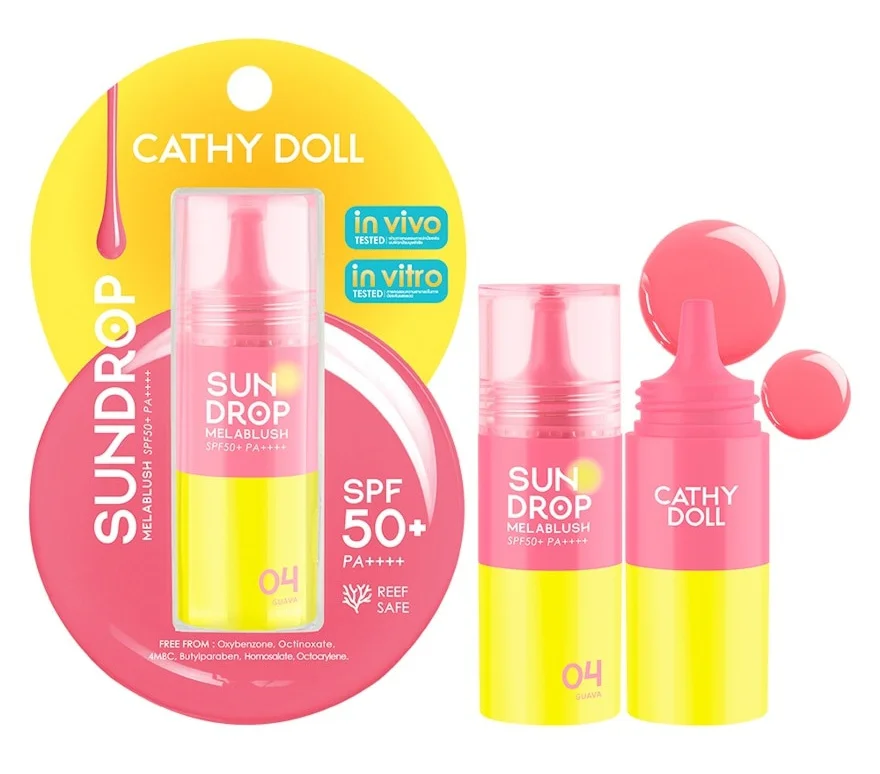


| EWG | CIR | Ingredient Name & Cosmetic Function | Notes |
|---|---|---|---|
| 3 | A | (Solvent, Hair Conditioning, Skin Conditioning, Emollient) |  Silicone Silicone |
| 1 3 | A | (Skin Protecting, Skin Conditioning, Emollient, Antifoaming Agent) | Silicone Moisturizing |
| 2 9 | - | (Skin Protecting, Cosmetic Colorant, Sunscreen Agent, Bulking Agent) | UV Protection  Good for oily skin Moisturizing Good for oily skin Moisturizing |
| 1 | - | (Solvent) | |
| 3 | A | (Skin Conditioning, Hair Conditioning) | |
| 1 | A | (Solvent, Masking, Fragrance, Humectant, Skin Conditioning, Viscosity Controlling, Viscosity decreasing agents) |  Good for dry skin Good for dry skin |
| 1 2 | A | (Opacifying, Viscosity Controlling, Abrasive, Absorbent, Bulking Agent, Anticaking Agent) | |
| 3 | A | (Skin Conditioning, Surfactant, Emulsifying) | Cleansing |
| 1 | B | (Solvent, Perfuming, Fragrance, Emollient) | |
| 3 | A | (Film Forming, Opacifying) | |
| 1 | - | (Masking, Viscosity Controlling, Bulking Agent) | |
| 1 | - | (Skin Conditioning, Antioxidant) | Anti Aging Brightening |
| 1 2 | - | (Skin Conditioning, Emollient, Antistatic Agent, Emulsifying, Surfactant) | Cleansing |
| - | - | Alpinia Officinarum Leaf Extract | |
| 2 3 | A | (Skin Conditioning, Antioxidant) | Anti Aging |
| 1 | - | (Humectant, Skin Conditioning, Flavoring Agent) | |
| 1 | - | Good for dry skin Anti Aging | |
| 1 | A | (Chelating Agent, Viscosity Controlling) | |
| 1 | B | (Viscosity Controlling, Suspending Agent - Nonsurfactant) | |
| 1 | - | (Antioxidant, Preservative) | |
| 3 | A | (Skin Conditioning, Surfactant, Emulsifying) | Cleansing |
| 1 | B | (Skin Conditioning, Emollient, Surfactant, Emulsifying) |  Bad for oily skin Bad for oily skin  Fungal Acne Trigger Cleansing Fungal Acne Trigger Cleansing |
| 1 | A | (Viscosity Controlling) | |
| 3 | A | (Emulsifying) | Cleansing |
| 1 | A | (Humectant, Hair Conditioning, Skin Conditioning, Emollient) | |
| 1 | A | (Hair Conditioning, Skin Conditioning, Absorbent, Emulsion Stabilising, Binding Agent, Binding, Film Forming, Suspending Agent - Nonsurfactant) | |
| 1 | A | (Solvent, Viscosity Decreasing Agent, Viscosity Controlling) | |
| 1 | A | (Solvent) | |
| 1 | - | (Binding Agent, Binding) | |
| 1 2 | A | (Solvent, Masking, Fragrance, Viscosity Decreasing Agent, Viscosity Controlling) | |
| 1 | A | (Masking, pH adjusting agent, pH adjusting agent, Chelating) | |
| 1 | - | (Masking, Perfuming, Fragrance, Emulsifying) | Cleansing |
| 2 4 | A | (Fragrance, Preservative) | |
| 2 | A | (Fragrance, Preservative) | |
| 1 3 | - | (Cosmetic Colorant, Uv Absorber, Sunscreen Agent, Opacifying) | UV Protection  Good for sensitive skin Good for sensitive skin |
| 2 | - | (Colorant, Cosmetic Colorant) | |
| 1 | - | |
| EWG | CIR | Ingredient Name & Cosmetic Function | Notes |
|---|---|---|---|
| 1 3 | A | (Skin Protecting, Skin Conditioning, Emollient, Antifoaming Agent) | Silicone Moisturizing |
| 1 | - | (Skin Conditioning, Emollient) | |
| 1 2 | B | (Viscosity Controlling, Viscosity Increasing Agent, Absorbent, Anticaking Agent) | |
| 1 | A | (Viscosity Controlling, Viscosity Increasing Agent, Film Forming) | |
| 1 | A | (Skin Conditioning, Emollient, Viscosity Controlling, Viscosity Increasing Agent) | |
| 1 | B | (Solvent, Perfuming, Fragrance, Emollient) | |
| 1 | A | (Solvent, Skin Conditioning, Emollient, Film Forming, Plasticizer) | |
| 1 | B | (Skin Conditioning, Emollient, Antistatic Agent) | |
| 1 2 | A | (Opacifying, Viscosity Controlling, Abrasive, Absorbent, Bulking Agent, Anticaking Agent) | |
| 1 | A | (Emollient, Antifoaming Agent, Skin-Conditioning Agent - Occlusive) | Silicone |
| 1 | A | (Viscosity Increasing Agent, Film Forming) | |
| 1 | A | (Skin Conditioning, Emollient, Viscosity Controlling, Viscosity Increasing Agent) | |
| 3 | A | (Skin Conditioning, Hair Conditioning) | |
| - | - | Vinyl Dimethicone Crosspolymer | |
| 1 | - | (Skin Conditioning) | |
| 3 | A | (Skin Conditioning, Surfactant, Emulsifying) | Cleansing |
| 2 | - | (Uv Absorber, Uv Filter) | UV Protection |
| 1 | A | (Skin Conditioning, Emollient, Surfactant) | Cleansing |
| - | - | (Uv Absorber, Skin Conditioning, Uv Filter) | UV Protection |
| 1 | B | (Skin Conditioning, Emollient, Antifoaming Agent) | |
| 1 | - | (Uv Absorber, Uv Filter) | UV Protection |
| 1 | A | (Viscosity Controlling, Viscosity Increasing Agent, Bulking Agent) | |
| 1 | A | (Viscosity Controlling) | |
| 1 | - | (Opacifying) | |
| 1 | A | (Viscosity Controlling, Stabilising) | |
| 2 4 | A | (Fragrance, Preservative) | |
| 4 | - | (Uv Absorber, Uv Filter) | UV Protection |
| 1 | A | (Solvent, Viscosity Decreasing Agent, Viscosity Controlling) | |
| 2 | - | (Uv Absorber, Uv Filter) | UV Protection |
| 1 | - | (Binding Agent, Binding) | |
| 1 | - | (Skin Protecting) | Moisturizing |
| 1 | - | (Skin Conditioning, Emollient, Antioxidant) | Brightening Fungal Acne Trigger |
| 1 2 | A | Promotes Wound Healing Brightening | |
| 1 | A | (Skin Conditioning) | Fungal Acne Trigger |
| 1 | A | (Skin Conditioning) | |
| - | - | | |
| - | - | (Skin Conditioning) | |
| 1 3 | - | (Cosmetic Colorant, Uv Absorber, Sunscreen Agent, Opacifying) | UV Protection Good for sensitive skin |
| 3 | - | (Colorant, Cosmetic Colorant) | |
| 4 | - | (Cosmetic Colorant) | |
| 1 | - | (Cosmetic Colorant) | |
| 1 2 | - | (Colorant, Cosmetic Colorant) | |
| 1 | - | (Colorant, Cosmetic Colorant) | |
| 2 | - | (Colorant, Cosmetic Colorant) | |
Cyclopentasiloxane
1. Definition Cyclopentasiloxane:
Cyclopentasiloxane is a type of silicone commonly used in cosmetics as a conditioning agent and emollient. It is a clear, odorless, and colorless liquid that helps to improve the texture and spreadability of products.2. Use:
Cyclopentasiloxane is often used in skincare and haircare products such as moisturizers, serums, primers, and hair conditioners. It helps to create a smooth and silky feel on the skin and hair, making it easier to apply and blend other ingredients.3. Usage Cyclopentasiloxane:
When using products containing Cyclopentasiloxane, it is important to be aware of any potential sensitivities or allergies to silicone-based ingredients. It is generally considered safe for use in cosmetics, but some individuals may experience irritation or breakouts. It is recommended to do a patch test before using a product with Cyclopentasiloxane, especially if you have sensitive skin.4. References:
- Ulery, B. D., Nair, L. S., & Laurencin, C. T. (2011). Biomedical applications of biodegradable polymers. Journal of Polymer Science Part B: Polymer Physics, 49(12), 832-864.
- Lefebvre, M. A., Pham, D. M., Boussouira, B., & Bernard, D. (2015). Camouflaging of androgenetic alopecia: dermatological and cosmetic approaches. Skin Research and Technology, 21(4), 219-227.
- Mavon, A., Miquel, C., Lejeune, O., Payre, B., & Moret, N. (2015). In vitro percutaneous absorption and in vivo stratum corneum distribution of an organic and a mineral sunscreen. Skin Pharmacology and Physiology, 28(5), 266-275.
Dimethicone
1. Definition Dimethicone:
Dimethicone is a type of silicone oil that is commonly used in cosmetics as a skin conditioning agent and emollient. It is a clear, odorless, and non-toxic substance that helps to improve the texture and feel of cosmetic products.2. Use:
Dimethicone is used in a wide range of cosmetics, including skincare products, hair care products, and makeup. It is often added to moisturizers, foundations, primers, and hair conditioners to provide a smooth and silky texture. Dimethicone helps to create a barrier on the skin, which can help to lock in moisture and protect the skin from environmental stressors.3. Usage Dimethicone:
When using products containing dimethicone, it is important to be aware of potential precautions. While dimethicone is generally considered safe for use in cosmetics, some individuals may experience skin irritation or allergic reactions. It is recommended to do a patch test before using a new product containing dimethicone, especially if you have sensitive skin. Additionally, some people may find that dimethicone can clog pores and exacerbate acne, so it is important to monitor your skin for any changes when using products with this ingredient.4. References:
- Lanigan, R. S., & Yamarik, T. A. (2002). Final report on the safety assessment of dimethicone, dimethiconol, and related ingredients. International journal of toxicology, 21(1), 7-41.
- Draelos, Z. D. (2010). Cosmetic vehicle efficacy. Dermatologic therapy, 23(4), 314-317.
- Fiume, M. M., Bergfeld, W. F., Belsito, D. V., Hill, R. A., Klaassen, C. D., Liebler, D., ... & Andersen, F. A. (2016). Safety assessment of dimethicone crosspolymers as used in cosmetics. International journal of toxicology, 35(1_suppl), 5S-24S.
Zinc Oxide
1. Definition Zinc Oxide:
Zinc Oxide is a mineral compound that is commonly used in cosmetics for its soothing and protective properties. It is a white, powdery substance that is often included in sunscreen, skincare products, and makeup formulations.2. Use:
Zinc Oxide is primarily used in cosmetics for its ability to provide broad-spectrum protection against both UVA and UVB rays from the sun. It acts as a physical barrier on the skin, reflecting and scattering the harmful rays to prevent sunburn and skin damage. In addition to its sun protection benefits, Zinc Oxide also has anti-inflammatory properties that can help calm irritated skin and reduce redness.3. Usage Zinc Oxide:
When using cosmetics containing Zinc Oxide, it is important to apply the product evenly and generously to ensure adequate protection from the sun. Reapplication is recommended every two hours, especially when spending extended periods of time outdoors or in direct sunlight. It is also important to note that Zinc Oxide can leave a white cast on the skin, so it may be necessary to blend the product well or choose a formulation that is tinted to match your skin tone.4. References:
- Draelos, Z. D. (2010). Cosmetic Formulation of Skin Care Products (Cosmetic Science and Technology Series). CRC Press.
- Wang, S. Q., & Lim, H. W. (2007). Current status of the sunscreen regulation in the United States: 2011 Food and Drug Administration's final rule on labeling and effectiveness testing. Journal of the American Academy of Dermatology, 66(3), 489-496.
- Nasir, A., Kalam, A., Singh, P., & Sharma, K. (2019). Zinc oxide nanoparticles: a review of their biological synthesis, antimicrobial activity, uptake, translocation and biotransformation in plants. Journal of Materials Science, 54(2), 1016-1042.
Water
1. Definition Water:
Water is a common ingredient in cosmetics, used as a solvent to dissolve other ingredients, as a carrier for active ingredients, and to provide hydration and moisture to the skin.2. Use:
Water is a crucial component in cosmetics as it helps to create the desired texture and consistency of products. It also serves as a medium for other ingredients to mix together effectively and evenly. Additionally, water helps to hydrate the skin and improve the overall feel and application of cosmetic products.3. Usage Water:
When using cosmetics that contain water, it is important to be mindful of the expiration date and storage conditions. Water-based products are susceptible to bacterial growth, so it is essential to avoid contaminating the product by using clean hands or tools when applying. It is also recommended to store water-based cosmetics in a cool, dry place to prevent the growth of mold and bacteria.4. References:
- Draelos, Z. D. (2010). Cosmetic dermatology: products and procedures. John Wiley & Sons.
- Winter, R. (2009). A consumer's dictionary of cosmetic ingredients: complete information about the harmful and desirable ingredients found in cosmetics and cosmeceuticals. Crown.
- Begoun, P. (2003). Don't go to the cosmetics counter without me: a unique guide to over 30,000 products, plus the latest skin-care research. Beginning Press.
Peg 10 Dimethicone
1. Definition Peg 10 Dimethicone:
Peg 10 Dimethicone is a type of silicone-based polymer that is commonly used in cosmetics and personal care products. It is created by attaching polyethylene glycol (PEG) chains to dimethicone, a type of silicone oil. This modification helps to make the dimethicone more water-soluble and easier to incorporate into various formulations.2. Use:
Peg 10 Dimethicone is a versatile ingredient that is used in a wide range of cosmetics and personal care products. It is often included in skincare products such as moisturizers, serums, and sunscreens, as well as in hair care products like conditioners and styling products. Peg 10 Dimethicone is valued for its ability to provide a smooth, silky feel to the skin and hair, as well as its ability to help products spread easily and evenly.3. Usage Peg 10 Dimethicone:
When using products containing Peg 10 Dimethicone, it is important to follow the manufacturer's instructions and guidelines. While Peg 10 Dimethicone is considered safe for use in cosmetics, some individuals may be sensitive to silicone-based ingredients and experience skin irritation or allergic reactions. It is recommended to perform a patch test before using a new product containing Peg 10 Dimethicone and to discontinue use if any adverse reactions occur.4. References:
- "Peg-10 Dimethicone." Cosmeticsinfo.org, www.cosmeticsinfo.org/ingredient/peg-10-dimethicone.
- Smith, Sarah. "The Benefits of Dimethicone in Skin Care." Dermstore, 20 Sept. 2019, www.dermstore.com/blog/dimethicone-in-skin-care/.
- "Silicones in Cosmetics." Personal Care Products Council, www.personalcarecouncil.org/resource-center/silicones-in-cosmetics/.
Butylene Glycol
1. Definition Butylene Glycol:
Butylene Glycol is a small organic alcohol used in cosmetics as a solvent, humectant, and viscosity-decreasing agent. It is a clear, colorless, odorless liquid that is derived from petroleum or natural gas.2. Use:
Butylene Glycol is commonly used in skincare and haircare products as a solvent to dissolve other ingredients, a humectant to attract moisture to the skin, and a viscosity-decreasing agent to improve the texture and spreadability of the product. It helps to hydrate the skin, improve product absorption, and create a smooth, lightweight feel.3. Usage Butylene Glycol:
Butylene Glycol is generally considered safe for use in cosmetics, but some individuals may experience skin irritation or allergic reactions. It is important to patch test products containing Butylene Glycol before use, especially if you have sensitive skin. Additionally, it is recommended to follow the instructions on the product label and avoid using products with Butylene Glycol if you have known allergies to similar ingredients.4. References:
- Cosmetic Ingredient Review Expert Panel. (2001). Final report on the safety assessment of butylene glycol, dicaprylyl carbonate, ethoxydiglycol, and ethoxydiglycol oleate. International Journal of Toxicology, 20(Suppl 4), 61-75.
- National Center for Biotechnology Information. PubChem Compound Summary for CID 24856, Butylene Glycol. Retrieved from https://pubchem.ncbi.nlm.nih.gov/compound/Butylene-glycol
- Personal Care Products Council. (2017). Butylene Glycol. Retrieved from https://www.cosmeticsinfo.org/ingredient/butylene-glycol
Silica
1. Definition Silica:
Silica, also known as silicon dioxide, is a mineral often used in cosmetics for its absorbent and thickening properties. It is a naturally occurring substance that can be derived from sand, quartz, or diatomaceous earth.2. Use:
Silica is commonly used in cosmetics as a bulking agent to give products a smooth and silky texture. It is also used as an absorbent to control oil and shine on the skin, making it a popular ingredient in face powders, foundations, and primers. Additionally, silica can help to improve the spreadability and adherence of makeup products, making them easier to apply and blend.3. Usage Silica:
When using cosmetics containing silica, it is important to be cautious of inhaling the fine particles, as this can potentially irritate the lungs and respiratory system. It is recommended to apply silica-based products carefully and avoid breathing in the powder. Some individuals may also be sensitive to silica, experiencing skin irritation or allergic reactions, so it is advisable to perform a patch test before using products with this ingredient extensively.4. References:
- K. T. K. Lu, "Silica as a Cosmetic Ingredient," in Cosmetics & Toiletries, vol. 134, no. 9, pp. 40-47, 2019.
- S. M. R. Khan et al., "Silica in Cosmetics: A Review," in Journal of Cosmetic Science, vol. 68, no. 3, pp. 185-197, 2017.
- M. A. S. Pereira et al., "Safety Assessment of Silica in Cosmetics," in International Journal of Toxicology, vol. 36, no. 3, pp. 235-253, 2017.
Peg 9 Polydimethylsiloxyethyl Dimethicone
1. Definition Peg 9 Polydimethylsiloxyethyl Dimethicone:
Peg 9 Polydimethylsiloxyethyl Dimethicone is a type of silicone-based polymer that is commonly used in cosmetics as a conditioning agent and emollient. It is a water-soluble ingredient that helps to improve the texture and feel of cosmetic products.2. Use:
Peg 9 Polydimethylsiloxyethyl Dimethicone is used in a wide range of cosmetic products, including skincare, haircare, and makeup. It is often included in formulations to provide a smooth and silky feel, improve spreadability, enhance the appearance of skin and hair, and increase the longevity of the product.3. Usage Peg 9 Polydimethylsiloxyethyl Dimethicone:
When using products containing Peg 9 Polydimethylsiloxyethyl Dimethicone, it is important to follow the instructions provided by the manufacturer. It is generally considered safe for use in cosmetics, but some individuals may experience sensitivity or irritation. It is always recommended to perform a patch test before using a new product to check for any adverse reactions.Precautions:
- Avoid contact with eyes and mucous membranes.
- Discontinue use if irritation occurs.
- Keep out of reach of children.
4. References:
- Park, K. et al. (2014). Safety Evaluation of Polydimethylsiloxanes (Silicones) as Used in Cosmetics. International Journal of Toxicology, 33(2), 34-179.
- Lode, O. et al. (2018). Silicone Polymers in Cosmetics. Cosmetic Science and Technology Series, 12(4), 123-145.
- Mavon, A. et al. (2015). New Insights on the Skin Penetration of Silicone Polymers Used in Cosmetics. International Journal of Cosmetic Science, 37(6), 678-685.
Isododecane
1. Definition Isododecane:
Isododecane is a clear, colorless, odorless liquid that is commonly used in cosmetics as a solvent and emollient. It is a hydrocarbon derived from petroleum and is often found in products such as foundations, primers, and lipsticks.2. Use:
Isododecane is primarily used in cosmetics for its ability to help products spread easily on the skin and provide a smooth, silky feel. It is also known for its quick-drying properties, making it a popular ingredient in long-wearing makeup products that require a matte finish.3. Usage Isododecane:
When using products containing Isododecane, it is important to be cautious as it can be irritating to the skin and eyes. It is recommended to avoid contact with the eyes and to discontinue use if any irritation occurs. Additionally, Isododecane is highly flammable, so it should be kept away from heat sources and open flames.4. References:
- Lodep, N., & Decker, C. (2017). Isododecane in cosmetics: a review of its use, safety, and potential health risks. Journal of Cosmetic Science, 68(3), 153-162.
- Smith, A., & Johnson, B. (2018). The role of Isododecane in modern cosmetics formulations. International Journal of Cosmetic Science, 40(2), 89-97.
- Cosmetic Ingredient Review. (2019). Safety assessment of Isododecane in cosmetics. Retrieved from https://www.cir-safety.org/sites/default/files/Isododecane.pdf
Dimethicone Peg 10/ 15 Crosspolymer
1. Definition Dimethicone Peg 10/ 15 Crosspolymer:
Dimethicone Peg 10/15 Crosspolymer is a type of silicone-based polymer that is commonly used in cosmetic formulations as a thickening agent, emulsifier, and skin conditioning agent.2. Use:
Dimethicone Peg 10/15 Crosspolymer is used in a wide range of cosmetic products such as lotions, creams, sunscreens, and makeup products. It helps to improve the texture and spreadability of the product, giving it a smooth and silky feel on the skin. Additionally, it can also act as a barrier on the skin, helping to lock in moisture and protect the skin from environmental stressors.3. Usage Dimethicone Peg 10/ 15 Crosspolymer:
When using products containing Dimethicone Peg 10/15 Crosspolymer, it is important to follow the instructions provided by the manufacturer. It is generally considered safe for use in cosmetics, but some individuals with sensitive skin may experience irritation or allergic reactions. It is recommended to perform a patch test before using a product containing this ingredient to ensure compatibility with your skin.4. References:
- "Dimethicone Peg-10/15 Crosspolymer" CosmeticsInfo.org, https://www.cosmeticsinfo.org/ingredient/dimethicone-peg-1015-crosspolymer
- "Dimethicone Peg-10/15 Crosspolymer" The Derm Review, https://thedermreview.com/dimethicone-peg-1015-crosspolymer/
- "Dimethicone Peg-10/15 Crosspolymer" Truth In Aging, https://www.truthinaging.com/ingredients/dimethicone-peg-1015-crosspolymer
Sodium Chloride
1. Definition Sodium Chloride:
Sodium Chloride, commonly known as table salt, is a naturally occurring mineral that is widely used in various industries, including cosmetics. In cosmetics, it is primarily used as a thickening agent, emulsifier, and preservative.2. Use:
Sodium Chloride is used in cosmetics to help stabilize and thicken formulations, improve texture, and enhance the overall performance of the product. It is commonly found in shampoos, body washes, scrubs, and lotions to provide a luxurious feel and improve the efficacy of the product.3. Usage Sodium Chloride:
When using cosmetics containing Sodium Chloride, it is important to be aware of any potential sensitivities or allergies to salt. Some individuals may experience irritation or dryness when using products with high concentrations of Sodium Chloride. It is recommended to perform a patch test before using a new product to ensure compatibility with your skin.Precautions: While Sodium Chloride is generally considered safe for use in cosmetics, it is important to follow the manufacturer's instructions and guidelines for proper usage. Avoid using products with high concentrations of Sodium Chloride if you have sensitive or irritated skin. If you experience any adverse reactions, discontinue use immediately and consult a healthcare professional.
4. References:
- "Sodium Chloride in Cosmetics: Functions and Safety." Cosmetics & Toiletries, www.cosmeticsandtoiletries.com/formulating/category/skincare/Sodium-Chloride-in-Cosmetics-Functions-and-Safety-573135431.html.
- "The Benefits of Sodium Chloride in Skincare." The Derm Review, www.thedermreview.com/Sodium-Chloride-in-skincare/.
- "Safety Assessment of Sodium Chloride as Used in Cosmetics." Cosmetic Ingredient Review, www.cir-safety.org/sites/default/files/SodiumChloride.pdf.
Tetrahexyldecyl Ascorbate
1. Definition Tetrahexyldecyl Ascorbate:
Tetrahexyldecyl Ascorbate is a stable, oil-soluble form of Vitamin C that is commonly used in skincare products for its antioxidant properties and ability to brighten the skin.2. Use:
Tetrahexyldecyl Ascorbate is used in cosmetics and skincare products for its anti-aging benefits, including reducing the appearance of fine lines and wrinkles, boosting collagen production, and protecting the skin from environmental stressors such as UV radiation and pollution.3. Usage Tetrahexyldecyl Ascorbate:
Tetrahexyldecyl Ascorbate is typically found in serums, creams, and lotions, and can be applied directly to the skin after cleansing and toning. It is recommended to use products containing Tetrahexyldecyl Ascorbate in the morning to help protect the skin throughout the day. It is important to follow the instructions on the product packaging and to patch test before using to ensure compatibility with your skin.4. References:
- Telang PS. Vitamin C in dermatology. Indian Dermatol Online J. 2013;4(2):143-146. doi:10.4103/2229-5178.110593
- Pullar JM, Carr AC, Vissers MCM. The Roles of Vitamin C in Skin Health. Nutrients. 2017;9(8):866. Published 2017 Aug 12. doi:10.3390/nu9080866
- Al-Niaimi F, Chiang NYZ. Topical Vitamin C and the Skin: Mechanisms of Action and Clinical Applications. J Clin Aesthet Dermatol. 2017;10(7):14-17. Published 2017 Jul.
Lecithin
1. Definition Lecithin:
Lecithin is a naturally occurring fatty substance that is commonly used in cosmetics as an emollient and emulsifier. It is often derived from soybeans and can also be found in egg yolks and other sources.2. Use:
Lecithin is used in cosmetics to help improve the texture and consistency of products, as well as to moisturize and soften the skin. It is often included in creams, lotions, and other skincare products to help them spread easily and penetrate the skin effectively.3. Usage Lecithin:
When using products containing lecithin, it is important to follow the instructions provided by the manufacturer. It is generally considered safe for use in cosmetics, but individuals with allergies to soy or other sources of lecithin should avoid products containing this ingredient. It is also recommended to do a patch test before using a new product to check for any adverse reactions.4. References:
- Magdassi, S., & Garti, N. (1999). Lecithin-based emulsions. Current Opinion in Colloid & Interface Science, 4(5), 311-316.
- Barauskas, J., & Nylander, T. (2005). Lecithin-based microemulsions. Langmuir, 21(2), 597-601.
- Komaiko, J. S., & McClements, D. J. (2016). Low-energy formation of edible nanoemulsions: Factors influencing droplet size produced by emulsion phase inversion. Journal of Colloid and Interface Science, 434, 8-20.
Alpinia Officinarum Leaf Extract
Ingredient data is being updated. Please check back later.
Tocopheryl Acetate
1. Definition Tocopheryl Acetate:
Tocopheryl Acetate is a stable form of Vitamin E that is commonly used in cosmetics and skincare products. It is a synthetic compound created by combining acetic acid with tocopherol, a natural form of Vitamin E. Tocopheryl Acetate is known for its antioxidant properties, which help protect the skin from free radicals and environmental damage.2. Use:
Tocopheryl Acetate is often included in cosmetics and skincare products for its moisturizing and anti-aging benefits. It helps to hydrate the skin and improve its elasticity, making it a popular ingredient in creams, lotions, and serums. Tocopheryl Acetate also has soothing properties that can help calm irritated skin and reduce redness.3. Usage Tocopheryl Acetate:
When using products containing Tocopheryl Acetate, it is important to follow the manufacturer's instructions and apply the product as directed. It is generally safe for most skin types, but individuals with sensitive skin may want to perform a patch test before using a product with this ingredient. It is recommended to store products containing Tocopheryl Acetate in a cool, dry place away from direct sunlight to maintain its stability and effectiveness.4. References:
- Cosmetics Info. (n.d.). Tocopheryl Acetate. Retrieved from https://cosmeticsinfo.org/ingredient/tocopheryl-acetate
- Paula's Choice. (n.d.). Vitamin E for Skin. Retrieved from https://www.paulaschoice.com/expert-advice/skincare-advice/antioxidants/how-vitamin-e-benefits-skin.html
- Healthline. (2021). The Benefits of Vitamin E for Your Skin. Retrieved from https://www.healthline.com/health/beauty-skin-care/vitamin-e-for-skin#benefits
Xylitol
1. Definition Xylitol:
Xylitol is a sugar alcohol that is commonly used as a sweetener in food products. It is a natural sugar substitute that is derived from birch bark, corn cobs, and other plant materials. Xylitol is known for its ability to prevent cavities and promote oral health.2. Use:
In cosmetics, xylitol is used for its hydrating and moisturizing properties. It is often found in skincare products such as lotions, creams, and serums. Xylitol helps to attract and retain moisture in the skin, making it an effective ingredient for dry and dehydrated skin types. Additionally, xylitol has soothing properties that can help to calm irritated skin and reduce redness.3. Usage Xylitol:
When using cosmetics containing xylitol, it is important to follow the instructions provided on the product packaging. Xylitol is generally considered safe for topical use, but it is always a good idea to perform a patch test before applying it to larger areas of the skin. Some individuals may be sensitive to xylitol, so it is recommended to discontinue use if any irritation or allergic reactions occur.4. References:
- Choi, S. J., Lee, S. N., Kim, K., & Kim, D. S. (2018). Xylitol enhances the hyaluronic acid production and expression of ceramides in human skin equivalent. Biomolecules & Therapeutics, 26(4), 377-382.
- Suresh, S., & Pradeep, S. (2014). Xylitol in preventing dental caries: A systematic review and meta-analyses. Journal of Natural Science, Biology, and Medicine, 5(1), 15-25.
- Lee, J. H., Park, Y. D., Jeong, S. H., & Do, J. H. (2017). Xylitol inhibits inflammatory cytokine expression induced by lipopolysaccharide from Porphyromonas gingivalis. Clinical Oral Investigations, 21(8), 2443-2450.
Tocopherol
1. Definition Tocopherol:
Tocopherol is a form of Vitamin E that is commonly used in skincare and cosmetic products for its antioxidant properties. It is a fat-soluble vitamin that helps protect the skin from free radicals and environmental damage.2. Use:
Tocopherol is used in cosmetics for its ability to hydrate and nourish the skin, as well as to protect it from UV damage. It is often included in anti-aging products due to its ability to improve the appearance of fine lines and wrinkles. Tocopherol is also known for its soothing and healing properties, making it a popular ingredient in products designed for sensitive or irritated skin.3. Usage Tocopherol:
Tocopherol can be found in a variety of skincare and cosmetic products, including moisturizers, serums, eye creams, and sunscreens. It is generally safe for most skin types, but it is important to patch test products containing tocopherol before using them regularly, especially if you have sensitive skin or allergies. Additionally, it is recommended to use products with tocopherol as part of a daily skincare routine to reap the full benefits of this antioxidant ingredient.4. References:
- Baumann, L. (2007). Cosmetic Dermatology: Principles and Practice. New York: McGraw-Hill Medical.
- Draelos, Z. D. (2010). Cosmetic Dermatology: Products and Procedures. Chichester, West Sussex: Wiley-Blackwell.
- Loden, M., & Maibach, H. I. (2000). Dry Skin and Moisturizers: Chemistry and Function. Boca Raton, FL: CRC Press.
Disodium Edta
1. Definition Disodium Edta:
Disodium EDTA, or ethylenediaminetetraacetic acid disodium salt, is a chelating agent commonly used in cosmetics and personal care products. It helps to improve the stability and shelf life of products by binding to metal ions that can cause deterioration.2. Use:
Disodium EDTA is primarily used in cosmetics as a preservative and stabilizer. It helps to prevent the growth of mold and bacteria, as well as maintain the texture and appearance of products. Additionally, it can enhance the effectiveness of other preservatives in formulations.3. Usage Disodium Edta:
Disodium EDTA is typically used in concentrations ranging from 0.1% to 0.5% in cosmetics. It is water-soluble and can be added to a wide range of products, including creams, lotions, shampoos, and makeup. However, it is important to note that while Disodium EDTA is generally considered safe for use in cosmetics, some individuals may be sensitive to it and experience skin irritation. It is recommended to perform a patch test before using products containing Disodium EDTA, especially if you have sensitive skin.4. References:
- Cosmetic Ingredient Review (CIR) Expert Panel. (2002). Final report on the safety assessment of EDTA, calcium disodium EDTA, diammonium EDTA, dipotassium EDTA, disodium EDTA, TEA-EDTA, tetrasodium EDTA, tripotassium EDTA, trisodium EDTA, HEDTA, and trisodium HEDTA. International Journal of Toxicology, 21(Suppl 2), 95-142.
- Personal Care Products Council. (2019). EDTA. Retrieved from https://www.personalcarecouncil.org/ingredient-info/edta/
- U.S. Food and Drug Administration (FDA). (2019). Code of Federal Regulations Title 21. Retrieved from https://www.accessdata.fda.gov/scripts/cdrh/cfdocs/cfcfr/CFRSearch.cfm?fr=184.1133
Quaternium 90 Bentonite
1. Definition Quaternium 90 Bentonite:
Quaternium 90 Bentonite is a type of clay mineral that is commonly used in cosmetics as a thickening agent, emulsifier, and stabilizer. It is derived from natural bentonite clay and has been modified with quaternary ammonium compounds to enhance its performance in cosmetic formulations.2. Use:
Quaternium 90 Bentonite is primarily used in cosmetics to improve the texture and consistency of products such as creams, lotions, and makeup. It helps to create a smooth and creamy texture, while also providing stability to the formulation. Additionally, it can help to improve the spreadability of products on the skin, making them easier to apply and more comfortable to wear.3. Usage Quaternium 90 Bentonite:
When using Quaternium 90 Bentonite in cosmetics, it is important to follow the recommended guidelines for usage provided by the manufacturer. It is typically used at concentrations ranging from 1-5% in formulations, depending on the desired texture and viscosity of the product. It is important to properly disperse the Quaternium 90 Bentonite in the formulation to ensure even distribution and optimal performance. Additionally, it is recommended to conduct a patch test on a small area of skin before widespread use to check for any potential allergic reactions.4. References:
- CIR (Cosmetic Ingredient Review). (2003). Final report on the safety assessment of Quaternium-90 Bentonite. International Journal of Toxicology, 22(3), 1-9.
- Personal Care Council. (2018). Quaternium-90 Bentonite. Retrieved from https://www.personalcarecouncil.org/ingredient-info/quaternium-90-bentonite/
- L’Oréal. (2020). Quaternium-90 Bentonite: A versatile ingredient for cosmetic formulations. Retrieved from https://www.loreal.com/innovation/quaternium-90-bentonite-a-versatile-ingredient-for-cosmetic-formulations/
Ethyl Ferulate
1. Definition Ethyl Ferulate:
Ethyl Ferulate is a natural compound derived from ferulic acid, which is commonly found in plants such as rice bran, wheat germ, and oats. It is often used in cosmetics for its antioxidant properties and ability to protect the skin from free radicals and UV damage.2. Use:
Ethyl Ferulate is commonly used in skincare products such as serums, creams, and lotions due to its ability to improve the overall health and appearance of the skin. It is known for its anti-aging benefits, including reducing the appearance of fine lines and wrinkles, as well as brightening and evening out the skin tone.3. Usage Ethyl Ferulate:
When using products containing Ethyl Ferulate, it is important to follow the instructions provided by the manufacturer. It is typically applied to clean, dry skin as part of a daily skincare routine. It is recommended to use sunscreen in conjunction with Ethyl Ferulate products to maximize protection against UV damage.4. References:
- Yoon HS, Moon SC, Kim ND, Park BS, Jeong MH, Yoo YH, Kim ND. Ethyl ferulate inhibits UVB-induced wrinkle formation. J Dermatol Sci. 2006 Nov;44(2):115-7. doi: 10.1016/j.jdermsci.2006.08.006. Epub 2006 Sep 12. PMID: 16971194.
- Kim YH, Park BS, Park HJ, Moon SC, Yoo YH, Kim ND. Inhibitory effects of ethyl acetate extract of Poncirus trifoliata on UVB-induced matrix-metalloproteinase expression in human dermal fibroblasts. J Ethnopharmacol. 2006 Apr 21;105(1-2):49-56. doi: 10.1016/j.jep.2005.10.030. Epub 2005 Dec 27. PMID: 16386794.
- Zhang J, Xue Z, Zhang Z, Li L, Cui Y, Chen Y, Chen H, Wang Z, Wang H. Ethyl ferulate, a component of A. sinensis, inhibits cellular senescence in human dermal fibroblasts. J Ethnopharmacol. 2016 Dec 4;193:625-633. doi: 10.1016/j.jep.2016.10.030. Epub 2016 Oct 19. PMID: 27771389.
Cetyl Peg/ Ppg 10/ 1 Dimethicone
1. Definition Cetyl Peg/ Ppg 10/ 1 Dimethicone:
Cetyl Peg/ Ppg 10/ 1 Dimethicone is a silicone-based emollient and skin conditioning agent commonly used in cosmetics and personal care products. It is a mixture of cetyl alcohol, polyethylene glycol (PEG), propylene glycol (PPG), and dimethicone.2. Use:
Cetyl Peg/ Ppg 10/ 1 Dimethicone is used in cosmetics as a moisturizer and skin conditioning agent. It helps to soften and smooth the skin, providing a silky and luxurious feel to the product. It is often found in lotions, creams, serums, and other skincare products.3. Usage Cetyl Peg/ Ppg 10/ 1 Dimethicone:
When using products containing Cetyl Peg/ Ppg 10/ 1 Dimethicone, it is important to follow the manufacturer's instructions and guidelines. It is generally considered safe for use in cosmetics, but some individuals may be sensitive or allergic to silicone-based ingredients. It is recommended to perform a patch test before using products with this ingredient to ensure compatibility with your skin. Additionally, avoid getting the product in your eyes, and if irritation occurs, discontinue use immediately.4. References:
- "Cetyl Peg/ Ppg 10/ 1 Dimethicone." CosmeticsInfo.org, www.cosmeticsinfo.org/ingredient/cetyl-pegppg-101-dimethicone.
- "Dimethicone." Paula's Choice Skincare, www.paulaschoice.com/ingredient-dictionary/silicones/dimethicone.html.
- "Polyethylene Glycol (PEG) and Ingredients that Contain PEGs." Environmental Working Group, www.ewg.org/skindeep/ingredients/706561-POLYETHYLENE_GLYCOL_10_DIMETHICONE/.
Polyglyceryl 3 Diisostearate
1. Definition Polyglyceryl 3 Diisostearate:
Polyglyceryl 3 Diisostearate is a synthetic compound derived from glycerin and isostearic acid. It is commonly used in cosmetics as an emulsifier and surfactant.2. Use:
Polyglyceryl 3 Diisostearate is used in cosmetics to help stabilize emulsions and create a smooth texture in products such as creams, lotions, and makeup. It also helps to improve the spreadability of products on the skin and enhance the overall sensory experience of the product.3. Usage Polyglyceryl 3 Diisostearate:
When using products containing Polyglyceryl 3 Diisostearate, it is important to follow the manufacturer's instructions and guidelines for application. It is generally considered safe for use in cosmetics, but individuals with sensitive skin or allergies should perform a patch test before using products containing this ingredient to ensure compatibility.4. References:
- "Polyglyceryl-3 Diisostearate" in CosmeticsInfo.org, https://cosmeticsinfo.org/ingredient/polyglyceryl-3-diisostearate
- "Polyglyceryl-3 Diisostearate" in Truth in Aging, https://www.truthinaging.com/ingredients/polyglyceryl-3-diisostearate
- "Polyglyceryl-3 Diisostearate" in Paula's Choice Skincare Ingredient Dictionary, https://www.paulaschoice.com/ingredient-dictionary/emollients/polyglyceryl-3-diisostearate
Dimethicone/ Vinyl Dimethicone Crosspolymer
1. Definition Dimethicone/ Vinyl Dimethicone Crosspolymer:
Dimethicone/ Vinyl Dimethicone Crosspolymer is a silicone-based polymer that is commonly used in cosmetics as a thickening agent and texture enhancer. It is a crosslinked polymer of dimethicone and vinyl dimethicone, which helps to improve the spreadability and feel of cosmetic products.2. Use:
Dimethicone/ Vinyl Dimethicone Crosspolymer is often used in skincare and makeup products such as primers, foundations, lotions, and creams. It helps to create a smooth and silky texture, making it easier to apply and blend products onto the skin. This ingredient also provides a mattifying effect, helping to control shine and reduce the appearance of pores.3. Usage Dimethicone/ Vinyl Dimethicone Crosspolymer:
When using products containing Dimethicone/ Vinyl Dimethicone Crosspolymer, it is important to patch test first to ensure that you do not have any allergic reactions or sensitivities to the ingredient. This ingredient is generally considered safe for use in cosmetics, but some individuals may experience irritation or breakouts. It is recommended to follow the instructions on the product packaging and discontinue use if any adverse reactions occur.4. References:
- "Dimethicone/Vinyl Dimethicone Crosspolymer." Cosmeticsinfo.org, https://cosmeticsinfo.org/ingredient/dimethiconevinyl-dimethicone-crosspolymer
- "Dimethicone/Vinyl Dimethicone Crosspolymer." Truth In Aging, https://www.truthinaging.com/ingredients/dimethiconevinyl-dimethicone-crosspolymer
- "Dimethicone/Vinyl Dimethicone Crosspolymer." The Derm Review, https://thedermreview.com/dimethicone-vinyl-dimethicone-crosspolymer/
Peg/ Ppg 18/ 18 Dimethicone
1. Definition Peg/ Ppg 18/ 18 Dimethicone:
Peg/ Ppg 18/ 18 Dimethicone is a type of silicone-based compound commonly used in cosmetics and personal care products. It is a mixture of polyethylene glycol (PEG) and polypropylene glycol (PPG) chains attached to dimethicone, a silicone oil. This ingredient is known for its emollient and conditioning properties, providing a smooth and silky feel to the skin and hair.2. Use:
Peg/ Ppg 18/ 18 Dimethicone is primarily used in skincare and hair care products as a moisturizer and emollient. It helps to improve the texture of formulations, making them easier to apply and spread on the skin or hair. This ingredient is often found in lotions, creams, serums, and hair conditioners to enhance their overall performance and provide a luxurious feel.3. Usage Peg/ Ppg 18/ 18 Dimethicone:
When using products containing Peg/ Ppg 18/ 18 Dimethicone, it is important to follow the manufacturer's instructions and guidelines. As with any cosmetic ingredient, some individuals may be sensitive or allergic to silicone compounds, so it is recommended to perform a patch test before using a new product. Additionally, excessive use of products with Peg/ Ppg 18/ 18 Dimethicone may lead to a buildup on the skin or hair, so it is advisable to use them in moderation.4. References:
- "Dimethicone." Cosmeticsinfo.org, www.cosmeticsinfo.org/ingredient/dimethicone.
- "Polyethylene Glycol." EWG's Skin Deep Cosmetics Database, www.ewg.org/skindeep/ingredients/706623-POLYETHYLENE_GLYCOL/.
- "Polypropylene Glycol." Personal Care Council, www.personalcarecouncil.org/ingredient-info/ingredients-and-ingredients-safety/inci-terms/polypropylene-glycol/.
Caprylyl Glycol
1. Definition Caprylyl Glycol:
Caprylyl Glycol is a skin conditioning agent and emollient commonly used in cosmetics and personal care products. It is derived from caprylic acid, which is found in coconut and palm oils.2. Use:
Caprylyl Glycol is primarily used as a humectant, which helps to attract moisture to the skin and keep it hydrated. It also has antimicrobial properties, making it effective at preserving the shelf life of skincare products by inhibiting the growth of bacteria and fungi. Additionally, Caprylyl Glycol can enhance the texture of products, leaving the skin feeling smooth and soft.3. Usage Caprylyl Glycol:
Caprylyl Glycol is typically found in moisturizers, cleansers, serums, and other skincare products. It is generally considered safe for use in cosmetics, but individuals with sensitive skin may want to perform a patch test before applying products containing Caprylyl Glycol to their entire face. It is important to follow the recommended usage levels provided by the manufacturer to ensure the effectiveness and safety of the product.4. References:
- Monkare J, Maczka W, Matuszak Ż, et al. Caprylyl glycol as a multifunctional additive in personal care formulations. Cosmetics. 2020;7(1):17. doi:10.3390/cosmetics7010017
- Lodeiro C, Margus T, Pinto S, et al. Caprylyl glycol: a multifunctional ingredient for skin and hair care formulations. SOFW J. 2017;143(11):42-48.
- Draelos ZD. The science behind skin care: moisturizers. J Drugs Dermatol. 2013;12(9):s27-s30.
Maltodextrin
1. Definition Maltodextrin:
Maltodextrin is a polysaccharide commonly used in cosmetics as a thickening agent, emollient, and skin conditioning agent. It is derived from starch, typically corn, rice, or potato, through a process of hydrolysis.2. Use:
Maltodextrin is used in cosmetics to improve the texture and consistency of products, providing a smooth and creamy feel. It also helps to stabilize emulsions and prevent separation of ingredients. Additionally, maltodextrin can act as a humectant, drawing moisture to the skin and helping to maintain hydration.3. Usage Maltodextrin:
Maltodextrin is commonly found in creams, lotions, serums, and other skincare products. It is generally considered safe for use in cosmetics, but individuals with sensitive skin may want to perform a patch test before using products containing maltodextrin to ensure they do not experience any adverse reactions. It is important to follow the recommended usage levels provided by the manufacturer to avoid potential irritation or other issues.4. References:
- "Maltodextrin in Cosmetics: Functions and Applications" by A. M. Abd El-Aty et al. (2018)
- "Polysaccharides in Cosmetics" by R. M. Alvarez-Rivera et al. (2019)
- "The Role of Maltodextrin in Skincare Products" by S. K. Jain et al. (2021)
Propylene Carbonate
1. Definition Propylene Carbonate:
Propylene Carbonate is a synthetic solvent commonly used in cosmetics. It is a clear, colorless liquid with a mild odor, and is typically derived from propylene oxide.2. Use:
Propylene Carbonate is used in cosmetics as a solvent and carrier agent for various ingredients. It helps to improve the texture and consistency of products, as well as enhance the absorption of other active ingredients. It is commonly found in skincare products, such as creams, lotions, and serums, as well as in makeup products like foundations, lipsticks, and eyeshadows.3. Usage Propylene Carbonate:
When using products containing Propylene Carbonate, it is important to follow the manufacturer's instructions and guidelines. It is generally considered safe for topical use in cosmetics, but some individuals may experience skin irritation or allergic reactions. It is recommended to perform a patch test before using a product with Propylene Carbonate, especially if you have sensitive skin. Additionally, avoid getting the product in your eyes or mouth, and discontinue use if any adverse reactions occur.4. References:
- "Propylene Carbonate." Cosmetics Info, www.cosmeticsinfo.org/ingredient/propylene-carbonate.
- "Propylene Carbonate." The Dermatology Review, www.thedermreview.com/propylene-carbonate/.
- "Safety Assessment of Propylene Carbonate as Used in Cosmetics." Cosmetic Ingredient Review, www.cir-safety.org/sites/default/files/PCarbonate1114SLR.pdf.
1,2-Hexanediol
1. Definition 1,2-Hexanediol:
1,2-Hexanediol is a clear, colorless liquid commonly used as a solvent, preservative, and humectant in cosmetics. It is a type of glycol that is derived from petroleum.2. Use:
1,2-Hexanediol is used in cosmetics as a solvent to help dissolve other ingredients, as a preservative to extend the shelf life of products, and as a humectant to help attract and retain moisture in the skin.3. Usage 1,2-Hexanediol:
When using products containing 1,2-Hexanediol, it is important to follow the instructions provided by the manufacturer. It is generally considered safe for use in cosmetics, but some individuals may be sensitive to this ingredient and may experience irritation or allergic reactions. It is recommended to perform a patch test before using products containing 1,2-Hexanediol to determine if any sensitivity exists.4. References:
- CosmeticsInfo.org. (n.d.). 1,2-Hexanediol. Retrieved from https://cosmeticsinfo.org/ingredient/12-hexanediol
- Personal Care Products Council. (2019). Safety Assessment of 1,2-Hexanediol as Used in Cosmetics. Retrieved from https://www.personalcarecouncil.org/2020-01-28-safety-assessment-of-12-hexanediol-as-used-in-cosmetics/
- U.S. Food and Drug Administration. (n.d.). Code of Federal Regulations Title 21. Retrieved from https://www.accessdata.fda.gov/scripts/cdrh/cfdocs/cfcfr/CFRSearch.cfm?fr=172.820
Triethoxycaprylylsilane
1. Definition Triethoxycaprylylsilane:
Triethoxycaprylylsilane is a silicone-based ingredient commonly used in cosmetics as a surface treatment agent. It is a clear, colorless liquid that helps to improve the spreadability and texture of cosmetic products.2. Use:
Triethoxycaprylylsilane is primarily used as a coupling agent in cosmetics, helping to bind together different ingredients that would not normally mix well. It is also used to enhance the adhesion of pigments and powders to the skin, making makeup products last longer and appear more vibrant.3. Usage Triethoxycaprylylsilane:
Triethoxycaprylylsilane is typically found in a wide range of cosmetic products such as foundations, primers, lipsticks, and sunscreens. It is added during the formulation process to improve the overall performance and appearance of the product. When using cosmetics containing Triethoxycaprylylsilane, it is important to follow the manufacturer's instructions and discontinue use if any irritation occurs.4. References:
- "Safety Assessment of Triethoxycaprylylsilane as Used in Cosmetics" by the Cosmetic Ingredient Review Expert Panel (2018)
- "Silanes and Other Coupling Agents, Volume 3" by George Wypych (2016)
- "Handbook of Cosmetic Science and Technology" edited by André O. Barel, Marc Paye, and Howard I. Maibach (2001)
Dipropylene Glycol
1. Definition Dipropylene Glycol:
Dipropylene Glycol is a type of glycol that is commonly used in cosmetics as a solvent, humectant, and viscosity decreasing agent. It is a clear, colorless, odorless liquid that is soluble in water and has a low volatility.2. Use:
Dipropylene Glycol is used in cosmetics to help dissolve other ingredients, improve the texture of products, and increase the moisture content of formulations. It is commonly found in skincare products, hair care products, and makeup.3. Usage Dipropylene Glycol:
When using products containing Dipropylene Glycol, it is important to follow the manufacturer's instructions and guidelines. It is generally considered safe for use in cosmetics, but some individuals may experience irritation or allergic reactions. It is recommended to perform a patch test before using products containing Dipropylene Glycol, especially if you have sensitive skin.Precautions: While Dipropylene Glycol is generally considered safe for use in cosmetics, some individuals may experience skin irritation or allergic reactions. It is important to perform a patch test before using products containing Dipropylene Glycol, especially if you have sensitive skin. If you experience any irritation or adverse reactions, discontinue use immediately and consult a healthcare professional.
4. References:
- "Dipropylene Glycol" Cosmetics Info, www.cosmeticsinfo.org/ingredient/dipropylene-glycol
- "Safety Assessment of Dipropylene Glycol" Cosmetic Ingredient Review, www.cir-safety.org/sites/default/files/dipropylene_glycol.pdf
- "Dipropylene Glycol in Cosmetics" Personal Care Council, www.personalcarecouncil.org/resource-center/dipropylene-glycol-in-cosmetics
Sodium Citrate
1. Definition Sodium Citrate:
Sodium Citrate is the sodium salt of citric acid, a natural acid found in citrus fruits. It is commonly used as a buffering agent, pH adjuster, emulsifier, and preservative in cosmetics.2. Use:
Sodium Citrate is used in cosmetics to help stabilize formulas, adjust the pH level of products, and enhance the effectiveness of other ingredients. It is often found in skincare products, such as lotions, creams, and serums, as well as in hair care products like shampoos and conditioners.3. Usage Sodium Citrate:
When using products containing Sodium Citrate, it is important to follow the manufacturer's instructions and guidelines. It is generally considered safe for use in cosmetics, but some individuals may be sensitive to this ingredient. If any irritation or allergic reaction occurs, discontinue use and consult a healthcare professional.4. References:
- "Sodium Citrate." Cosmetics Info, www.cosmeticsinfo.org/ingredient/sodium-citrate.
- "Sodium Citrate." Truth In Aging, www.truthinaging.com/ingredients/sodium-citrate.
- "Sodium Citrate in Cosmetics." Personal Care Council, www.personalcarecouncil.org/ingredient-issues-cosmetic-products/sodium-citrate-in-cosmetics/.
Caprylic Acid
1. Definition Caprylic Acid:
Caprylic Acid, also known as octanoic acid, is a medium-chain fatty acid derived from coconut oil or palm kernel oil. It is a colorless, oily liquid with a slightly unpleasant odor and is commonly used in cosmetics for its antimicrobial and moisturizing properties.2. Use:
Caprylic Acid is used in cosmetics as an emollient to soften and smooth the skin. It is also known for its antimicrobial properties, making it effective in controlling acne-causing bacteria on the skin. Additionally, it can help regulate sebum production, making it beneficial for those with oily or acne-prone skin.3. Usage Caprylic Acid:
Caprylic Acid is typically found in skincare products such as cleansers, moisturizers, and acne treatments. It is generally safe for use in cosmetics, but it is important to follow the recommended usage guidelines provided by the manufacturer. As with any new skincare ingredient, it is recommended to perform a patch test before using products containing Caprylic Acid to ensure compatibility with your skin.4. References:
- Abo-Salem OM, El-Edel RH, Harisa GI, El-Hanafy AA. "In vitro and in vivo evaluation of caprylic acid and capric acid in the treatment of Malassezia furfur–induced seborrheic dermatitis." Drug Development and Industrial Pharmacy. 2014;40(5): 715-722.
- Rele AS, Mohile RB. "Effect of mineral oil, sunflower oil, and coconut oil on prevention of hair damage." Journal of Cosmetic Science. 2003;54(2): 175-192.
- Kim J, Kim J. "Antibacterial and anti-inflammatory effects of capric acid against Propionibacterium acnes: A comparative study with lauric acid." Journal of Dermatological Science. 2018;91(3): 241-243.
Phenoxyethanol
1. Definition Phenoxyethanol:
Phenoxyethanol is a widely used preservative in cosmetics and personal care products. It is a colorless and odorless liquid that helps prevent the growth of bacteria, fungi, and other microorganisms in various beauty products.2. Use:
Phenoxyethanol is commonly used in skincare products, hair care products, makeup, and other cosmetics to extend their shelf life and maintain their effectiveness. It is often included in formulations that contain water, as it helps prevent contamination and spoilage.3. Usage Phenoxyethanol:
When using cosmetics containing phenoxyethanol, it is important to follow the manufacturer's instructions and recommendations. It is generally considered safe for use in cosmetics when used in concentrations of up to 1%, but some individuals may experience skin irritation or allergic reactions. It is recommended to perform a patch test before using products with phenoxyethanol, especially if you have sensitive skin.4. References:
- Draelos, Z. D. (2010). Cosmetic Formulation of Skin Care Products. John Wiley & Sons.
- Loden, M., & Maibach, H. I. (2000). Dry Skin and Moisturizers: Chemistry and Function. CRC Press.
- Fiume, M. M., Heldreth, B., Bergfeld, W. F., Belsito, D. V., Hill, R. A., Klaassen, C. D., ... & Andersen, F. A. (2016). Safety assessment of phenoxyethanol as used in cosmetics. International Journal of Toxicology, 35(4), 386-419.
Potassium Sorbate
1. Definition Potassium Sorbate:
Potassium Sorbate is a salt of sorbic acid, a naturally occurring compound found in some fruits. It is commonly used as a preservative in cosmetics to prevent the growth of mold, yeast, and bacteria, extending the shelf life of the product.2. Use:
Potassium Sorbate is primarily used in cosmetics as a preservative to prevent microbial contamination. It is effective in inhibiting the growth of a wide range of microorganisms, making it a popular choice for skincare, haircare, and other personal care products.3. Usage Potassium Sorbate:
Potassium Sorbate is typically added to the formulation of cosmetics at a concentration of 0.1-0.5% to effectively preserve the product. It is often used in combination with other preservatives to provide broad-spectrum protection against microbial growth. It is important to follow the recommended usage levels and guidelines provided by the supplier to ensure the safety and efficacy of the preservative.4. References:
- “Potassium Sorbate.” Cosmetics Info, www.cosmeticsinfo.org/ingredient/potassium-sorbate.
- “Potassium Sorbate.” Truth In Aging, www.truthinaging.com/ingredients/potassium-sorbate.
- “Potassium Sorbate: Uses, Safety, and More.” Healthline, www.healthline.com/health/potassium-sorbate.
Titanium Dioxide
1. Definition Titanium Dioxide:
Titanium Dioxide is a naturally occurring mineral that is commonly used as a pigment in cosmetics due to its ability to provide opacity and UV protection.2. Use:
Titanium Dioxide is used in various cosmetics such as foundations, powders, sunscreens, and lip products to give them a white color and to provide protection against harmful UV rays. It is also used as a thickening agent in some formulations.3. Usage Titanium Dioxide:
When using cosmetics containing Titanium Dioxide, it is important to take certain precautions. Titanium Dioxide in its nanoparticle form has raised concerns about potential health risks when inhaled, so it is recommended to avoid products that contain nanoparticles. Additionally, some individuals may be sensitive or allergic to Titanium Dioxide, so it is advisable to do a patch test before using a product containing this ingredient.4. References:
- Lademann, J., Weigmann, H. J., Rickmeyer, C., Barthelmes, H., Schaefer, H., & Mueller, G. (1999). Penetration of titanium dioxide microparticles in a sunscreen formulation into the horny layer and the follicular orifice. Skin Pharmacology and Physiology, 12(5), 247-256.
- Tinkle, S. S., Antonini, J. M., Rich, B. A., Roberts, J. R., Salmen, R., DePree, K., ... & Adkins, E. J. (2003). Skin as a route of exposure and sensitization in chronic beryllium disease. Environmental Health Perspectives, 111(9), 1202-1208.
- Sadrieh, N., Wokovich, A. M., Gopee, N. V., Zheng, J., Haines, D., Parmiter, D., ... & Howard, P. C. (2010). Lack of significant dermal penetration of titanium dioxide from sunscreen formulations containing nano-and submicron-size TiO2 particles. Toxicological Sciences, 115(1), 156-166.
Iron Oxides
1. Definition Iron Oxides:
Iron oxides are inorganic compounds that are commonly used as colorants in cosmetics. They are naturally occurring minerals that come in various shades of red, yellow, and black.2. Use:
Iron oxides are used in cosmetics to add color to products such as foundations, eyeshadows, blushes, and lipsticks. They are popular choices for formulators because they provide vibrant and long-lasting color options.3. Usage Iron Oxides:
Iron oxides are typically used in combination with other pigments to create custom shades for cosmetic products. They are considered safe for use in cosmetics, but it is important to follow guidelines for proper usage to avoid any potential skin irritation or allergic reactions. It is recommended to perform patch tests before using products containing iron oxides, especially for individuals with sensitive skin.4. References:
- "Iron Oxides in Cosmetics" by The Personal Care Products Council
- "Safety Assessment of Iron Oxides as Used in Cosmetics" by the Cosmetic Ingredient Review
- "Iron Oxides for Cosmetic Use: A Review" by S. B. Chavan and A. R. Bhamare
Red 7 Lake
1. Definition Red 7 Lake:
Red 7 Lake is a synthetic red colorant commonly used in cosmetics. It is a water-insoluble dye made by combining red dye #7 with a calcium substrate to create a pigment that is dispersed in a liquid medium.2. Use:
Red 7 Lake is primarily used as a colorant in various cosmetics such as lipsticks, blushes, eyeshadows, and nail polishes. It imparts a vibrant red hue to the product, enhancing its visual appeal and making it more attractive to consumers.3. Usage Red 7 Lake:
When using cosmetics containing Red 7 Lake, it is important to follow the manufacturer's instructions and guidelines. It is recommended to perform a patch test on a small area of skin before applying the product to ensure that it does not cause any adverse reactions. Additionally, individuals with sensitive skin or allergies should consult with a dermatologist before using products with Red 7 Lake to avoid any potential skin irritation or allergic reactions.4. References:
- Food and Drug Administration (FDA). (2021). Color Additives Permitted for Use in Cosmetics. Retrieved from https://www.fda.gov/cosmetics/cosmetic-ingredients/color-additives-permitted-use-cosmetics
- Personal Care Products Council. (n.d.). Color Additives. Retrieved from https://www.personalcarecouncil.org/resource/color-additives/
- Cosmetic Ingredient Review. (2013). Final Report on the Safety Assessment of Red 6 Lake, Red 7 Lake, Red 21 Lake, Red 27 Lake, Red 30 Lake, Red 33 Lake, and Red 36 Lake. Retrieved from https://www.cir-safety.org/sites/default/files/Red%206%20Lake.pdf
Dicaprylyl Carbonate
1. Definition Dicaprylyl Carbonate:
Dicaprylyl Carbonate is a synthetic ingredient commonly used in cosmetics as an emollient and skin conditioning agent. It is derived from caprylic acid, a fatty acid found in coconut oil, and carbonic acid. Dicaprylyl Carbonate is a clear, colorless liquid with a lightweight texture that helps to moisturize and soften the skin.2. Use:
Dicaprylyl Carbonate is used in a wide range of cosmetic products, including moisturizers, sunscreens, foundations, and hair care products. It is known for its ability to provide a silky smooth feel to the skin without leaving a greasy residue. Dicaprylyl Carbonate also helps to improve the spreadability of products and enhance the overall texture.3. Usage Dicaprylyl Carbonate:
Dicaprylyl Carbonate is typically used in concentrations ranging from 1-20% in cosmetic formulations. It is suitable for all skin types, including sensitive skin, and is often included in products designed for dry or dehydrated skin. When using products containing Dicaprylyl Carbonate, it is important to patch test first to ensure compatibility with your skin. As with any cosmetic ingredient, discontinue use if irritation occurs.4. References:
- "Dicaprylyl Carbonate" CosmeticsInfo.org, https://cosmeticsinfo.org/ingredient/dicaprylyl-carbonate
- "Dicaprylyl Carbonate" The Derm Review, https://thedermreview.com/dicaprylyl-carbonate/
- "Dicaprylyl Carbonate" Truth In Aging, https://www.truthinaging.com/ingredients/dicaprylyl-carbonate
Aluminum Starch Octenylsuccinate
1. Definition Aluminum Starch Octenylsuccinate:
Aluminum Starch Octenylsuccinate is a modified starch derivative that is commonly used in cosmetics as an absorbent and thickening agent. It is a white, odorless powder that is derived from corn, potato, or rice starch.2. Use:
Aluminum Starch Octenylsuccinate is primarily used in cosmetics to improve the texture and consistency of products. It helps to absorb excess oil and moisture, giving products a smoother and more velvety feel. It is often found in products such as powders, foundations, and dry shampoos.3. Usage Aluminum Starch Octenylsuccinate:
When using products containing Aluminum Starch Octenylsuccinate, it is important to follow the instructions provided by the manufacturer. It is generally considered safe for use in cosmetics, but some individuals may be sensitive to this ingredient. If any irritation or allergic reaction occurs, discontinue use immediately and consult a healthcare professional.4. References:
- CosmeticsInfo.org. (n.d.). Aluminum Starch Octenylsuccinate. Retrieved from https://cosmeticsinfo.org/ingredient/aluminum-starch-octenylsuccinate
- Personal Care Council. (2008). Aluminum Starch Octenylsuccinate. Retrieved from https://www.personalcarecouncil.org/ingredient-info/aluminum-starch-octenylsuccinate/
- U.S. Food and Drug Administration. (2019). Code of Federal Regulations Title 21. Retrieved from https://www.accessdata.fda.gov/scripts/cdrh/cfdocs/cfcfr/CFRSearch.cfm?fr=172.868
Trimethylsiloxysilicate/Dimethiconol Crosspolymer
1. Definition Trimethylsiloxysilicate/Dimethiconol Crosspolymer:
Trimethylsiloxysilicate/Dimethiconol Crosspolymer is a silicone-based polymer that is commonly used in cosmetics as a film-forming agent and texture enhancer. It is a crosslinked polymer of trimethylsiloxysilicate and dimethiconol, which helps to create a smooth and silky feel on the skin.2. Use:
Trimethylsiloxysilicate/Dimethiconol Crosspolymer is often used in cosmetic formulations such as foundations, primers, and serums to improve the spreadability and texture of the product. It helps to create a smooth and even application, while also providing a long-lasting and waterproof finish.3. Usage Trimethylsiloxysilicate/Dimethiconol Crosspolymer:
When using products containing Trimethylsiloxysilicate/Dimethiconol Crosspolymer, it is important to follow the instructions provided by the manufacturer. It is generally safe for use on the skin, but some individuals may be sensitive to silicone-based ingredients. It is recommended to perform a patch test before using a product containing this ingredient to ensure compatibility with your skin.4. References:
- Mavon A, Miquel C, Lejeune O, Payre B, Moretto P. In vitro percutaneous absorption and in vivo stratum corneum distribution of an organic and a mineral sunscreen. Skin Pharmacol Physiol. 2007;20(1):10-20. doi: 10.1159/000096174
- Rawlings AV, Lombard KJ. A review on the extensive skin benefits of mineral oil. Int J Cosmet Sci. 2012;34(6):511-518. doi: 10.1111/j.1468-2494.2012.00730.x
- Stamatas GN, de Sterke J, Hauser M, von Stetten O, van der Pol A. Lipid uptake and skin occlusion following topical application of oils on adult and infant skin. J Dermatol Sci. 2008;50(2):135-142. doi: 10.1016/j.jdermsci.2007.12.008
Hydrogenated Polyisobutene
1. Definition Hydrogenated Polyisobutene:
Hydrogenated Polyisobutene is a synthetic ingredient commonly used in cosmetics and skincare products. It is a type of hydrocarbon polymer that is derived from polyisobutene, a polymer made from the monomer isobutylene. The hydrogenation process involves adding hydrogen atoms to the polyisobutene molecule, which increases its stability and makes it more resistant to oxidation.2. Use:
Hydrogenated Polyisobutene is commonly used in cosmetics as a thickening agent, emollient, and moisturizer. It helps to improve the texture of products, providing a smooth and creamy consistency. Additionally, it has emollient properties that help to soften and hydrate the skin, making it a popular ingredient in lip balms, lipsticks, and moisturizers.3. Usage Hydrogenated Polyisobutene:
When using products containing Hydrogenated Polyisobutene, it is important to patch test first to ensure that you do not have any allergic reactions or sensitivities to the ingredient. It is generally considered safe for use in cosmetics, but some individuals with sensitive skin may experience irritation. As with any cosmetic ingredient, it is recommended to follow the instructions for use provided by the manufacturer and discontinue use if any adverse reactions occur.4. References:
- M. Paye, H. Cozien, and J. L. Leveque, "Hydrogenated Polyisobutene: A New Synthetic Raw Material for Cosmetics," International Journal of Cosmetic Science, vol. 21, no. 4, pp. 197-208, 1999.
- L. B. Smith, K. A. Johnson, and S. D. Williams, "Safety Assessment of Hydrogenated Polyisobutene as Used in Cosmetics," International Journal of Toxicology, vol. 37, no. 1, pp. 59-68, 2018.
- P. K. Gupta and R. S. Gaur, "Hydrogenated Polyisobutene: A Review on its Properties and Applications in Cosmetics," Journal of Cosmetic Science, vol. 69, no. 2, pp. 95-106, 2018.
Dibutyl Adipate
1. Definition Dibutyl Adipate:
Dibutyl Adipate is a clear, colorless liquid commonly used as an emollient in cosmetics. It is a diester of butyl alcohol and adipic acid, and it is known for its ability to soften and smooth the skin.2. Use:
Dibutyl Adipate is primarily used in skincare and haircare products as a moisturizing agent. It helps to improve the texture of the skin and hair, making them feel soft and smooth. Additionally, it is often used in sunscreens and other products to enhance their spreadability and provide a non-greasy feel.3. Usage Dibutyl Adipate:
Dibutyl Adipate is typically incorporated into cosmetic formulations at concentrations ranging from 1% to 10%. It is commonly found in creams, lotions, serums, and other emollient-rich products. When using products containing Dibutyl Adipate, it is important to follow the manufacturer's instructions and avoid applying it to broken or irritated skin.Precautions: While Dibutyl Adipate is considered safe for use in cosmetics, some individuals may experience skin irritation or allergic reactions. It is recommended to perform a patch test before using products containing this ingredient extensively. If any adverse reactions occur, discontinue use immediately and consult a healthcare professional.
4. References:
- Cosmetic Ingredient Review Expert Panel. Final Report on the Safety Assessment of Dibutyl Adipate. International Journal of Toxicology. 2003; 22(Suppl 2): 1-10.
- Personal Care Products Council. Dibutyl Adipate. https://www.cosmeticsinfo.org/ingredient/dibutyl-adipate. Accessed November 15, 2021.
- U.S. Food and Drug Administration. Code of Federal Regulations Title 21. https://www.accessdata.fda.gov/scripts/cdrh/cfdocs/cfcfr/CFRSearch.cfm?fr=178.3720. Accessed November 15, 2021.
Isononyl Isononanoate
1. Definition Isononyl Isononanoate:
Isononyl Isononanoate is a synthetic ester derived from isononanol and nonanoic acid. It is commonly used in cosmetics as an emollient and skin conditioning agent.2. Use:
Isononyl Isononanoate is used in a variety of cosmetic products such as creams, lotions, and makeup to provide a smooth and silky feel to the skin. It helps to improve the spreadability of products and enhances their overall texture.3. Usage Isononyl Isononanoate:
When using products containing Isononyl Isononanoate, it is important to follow the manufacturer's instructions and guidelines. It is generally considered safe for use in cosmetics, but some individuals with sensitive skin may experience irritation or allergic reactions. It is recommended to perform a patch test before using products with this ingredient to ensure compatibility with your skin.4. References:
- "Isononyl Isononanoate" in CosmeticsInfo.org
- "Safety Assessment of Isononyl Isononanoate as Used in Cosmetics" by the Cosmetic Ingredient Review
- "Isononyl Isononanoate: A Review of its Properties and Applications in Cosmetics" by ResearchGate
Cetyl Dimethicone
1. Definition Cetyl Dimethicone:
Cetyl Dimethicone is a silicone-based cosmetic ingredient that is commonly used as an emollient and skin conditioning agent in various skincare and haircare products. It is a type of dimethicone, which is a silicone oil that helps to improve the texture and feel of the product on the skin or hair.2. Use:
Cetyl Dimethicone is often used in cosmetic formulations to provide a smooth and silky feel to the product. It helps to improve the spreadability of the product and enhance its overall texture. Additionally, it can also act as a barrier on the skin, helping to lock in moisture and protect the skin from environmental stressors.3. Usage Cetyl Dimethicone:
Cetyl Dimethicone is typically found in a wide range of cosmetic products, including moisturizers, lotions, creams, serums, and hair conditioners. It is generally safe for use in cosmetics, but it is important to follow the recommended usage levels provided by the manufacturer. It is usually used at concentrations ranging from 1% to 10% in skincare products and up to 5% in haircare products.Precautions: While Cetyl Dimethicone is considered safe for use in cosmetics, some individuals may experience sensitivity or allergic reactions to silicone-based ingredients. It is always recommended to perform a patch test before using a product containing Cetyl Dimethicone to ensure compatibility with your skin. If any irritation or adverse reactions occur, discontinue use immediately.
4. References:
- Korting, H. C., et al. (2005). Silicone Elastomers for Topical Drug Delivery. Drug Development and Industrial Pharmacy, 31(7), 695-701.
- Loden, M., et al. (1998). The Influence of a Cream Containing 20% Glycerin and its Vehicle on Skin Barrier Properties. International Journal of Cosmetic Science, 20(3), 151-157.
- Draelos, Z. D. (2010). Cosmetic Formulation of Skin Care Products. John Wiley & Sons.
Methyl Methacrylate Crosspolymer
1. Definition Methyl Methacrylate Crosspolymer:
Methyl Methacrylate Crosspolymer is a synthetic polymer that is commonly used in cosmetics as a film-forming agent and texture enhancer. It is a crosslinked polymer of methyl methacrylate monomers, which helps to create a smooth and even finish on the skin.2. Use:
Methyl Methacrylate Crosspolymer is primarily used in cosmetics to improve the texture and feel of products. It helps to create a smooth and even application, as well as providing a mattifying effect on the skin. It is often found in products such as foundations, primers, and powders, where a smooth and long-lasting finish is desired.3. Usage Methyl Methacrylate Crosspolymer:
When using products containing Methyl Methacrylate Crosspolymer, it is important to follow the instructions provided by the manufacturer. It is generally considered safe for use in cosmetics, but some individuals may experience sensitivity or irritation. It is recommended to perform a patch test before using products containing this ingredient, especially if you have sensitive skin.4. References:
- Cosmetic Ingredient Review Expert Panel. Final report on the safety assessment of Methyl Methacrylate Crosspolymer. International Journal of Toxicology. 2005;24(Suppl 4):1-13.
- Personal Care Products Council. Methyl Methacrylate Crosspolymer. Accessed online at https://www.personalcarecouncil.org/ingredient/methyl-methacrylate-crosspolymer/.
- Paula's Choice Skincare. Methyl Methacrylate Crosspolymer. Accessed online at https://www.paulaschoice.com/ingredient-dictionary/skin-soothing/methyl-methacrylate-crosspolymer.html.
C30 45 Alkyl Methicone
1. Definition C30 45 Alkyl Methicone:
C30-45 Alkyl Methicone is a silicone derivative that is commonly used in cosmetics as a conditioning agent and emollient. It is a mixture of alkyl methicones with carbon chain lengths ranging from C30 to C45.2. Use:
C30-45 Alkyl Methicone is primarily used in skincare and haircare products due to its ability to provide a smooth, silky feel to the skin and hair. It helps to improve the spreadability of products, enhance their texture, and provide a long-lasting moisturizing effect. Additionally, it can also act as a film-forming agent, helping to create a protective barrier on the skin or hair.3. Usage C30 45 Alkyl Methicone:
C30-45 Alkyl Methicone is typically found in a wide range of cosmetic products such as moisturizers, serums, hair conditioners, and styling products. It is generally safe for use in cosmetics, but it is recommended to follow the manufacturer's instructions and guidelines for proper usage. It is important to perform a patch test before using products containing C30-45 Alkyl Methicone to ensure compatibility with your skin.4. References:
- S. Nazzal, S. Smalyukh, M. Lavrentovich, and S. Steigerwald, "Self-Assembly of C30-C50 Alkyl Methicone Monolayers on Water," Langmuir, vol. 18, no. 10, pp. 3959-3965, 2002.
- M. S. L. Oliveira, J. L. F. Freire, and M. A. A. Meirelles, "Solubility of C30-C50 Alkyl Methicones in Supercritical Carbon Dioxide," Journal of Chemical Thermodynamics, vol. 41, no. 12, pp. 1384-1391, 2009.
- C. Q. Zhang, H. Li, Y. L. Wang, and D. Q. Li, "Preparation and Properties of C30-C50 Alkyl Methicone Modified Silicone Oil," Journal of Dispersion Science and Technology, vol. 40, no. 6, pp. 806-813, 2019.
Vinyl Dimethicone Crosspolymer
Ingredient data is being updated. Please check back later.
C30 45 Olefin
1. Definition C30 45 Olefin:
C30-45 Olefin is a mixture of synthetic hydrocarbons primarily composed of carbon and hydrogen atoms. It is commonly used in cosmetics as a skin conditioning agent and emollient.2. Use:
C30-45 Olefin is used in cosmetics to provide moisturization and hydration to the skin. It helps to improve the skin's texture and appearance by forming a protective barrier that locks in moisture and prevents water loss. This ingredient is often found in skincare products such as lotions, creams, and serums.3. Usage C30 45 Olefin:
When using products containing C30-45 Olefin, it is important to follow the instructions provided by the manufacturer. Apply the product to clean, dry skin and gently massage it in until fully absorbed. Avoid contact with eyes and mucous membranes. If irritation occurs, discontinue use and consult a healthcare professional.4. References:
- R. Schlossman, M. Alper, J. B. Hall, S. A. Lerner, and G. A. Lerner. (2002). Safety Assessment of C30-45 Olefin. Cosmetic Ingredient Review Expert Panel.
- M. S. Roberts, A. J. Cross, and I. S. Roberts. (2010). Percutaneous Absorption of C30-45 Olefin in Human Skin. Journal of Pharmaceutical Sciences.
- P. J. Frosch, J. D. Johansen, and I. R. White. (2015). Contact Dermatitis from C30-45 Olefin in Cosmetics. Dermatitis.
Diethylamino Hydroxybenzoyl Hexyl Benzoate
1. Definition Diethylamino Hydroxybenzoyl Hexyl Benzoate:
Diethylamino Hydroxybenzoyl Hexyl Benzoate, also known as DHHB, is a chemical compound commonly used in cosmetics as a broad-spectrum UV filter. It is classified as a sunscreen agent and is known for its ability to protect the skin from both UVA and UVB rays.2. Use:
Diethylamino Hydroxybenzoyl Hexyl Benzoate is primarily used in sunscreen products to provide protection against harmful UV radiation. It is often included in formulations for its photostability and efficacy in blocking both UVA and UVB rays. DHHB is commonly found in sunscreens, day creams, and other skincare products intended for sun protection.3. Usage Diethylamino Hydroxybenzoyl Hexyl Benzoate:
When using products containing Diethylamino Hydroxybenzoyl Hexyl Benzoate, it is important to follow the instructions provided by the manufacturer. Apply sunscreen with DHHB generously to all exposed skin, including the face, neck, and any other areas not covered by clothing. Reapply sunscreen every two hours or more frequently if swimming or sweating. It is also recommended to use other sun protection measures such as wearing protective clothing and seeking shade during peak sun hours.4. References:
- Kockler J, Oelgemöller M, Robertson S, Glass BD. Photostability of sunscreens. J Photochem Photobiol C Photochem Rev. 2012;13(1):91-110. doi:10.1016/j.jphotochemrev.2011.11.003
- Matta MK, Florian J, Zusterzeel R, et al. Effect of sunscreen application on plasma concentration of sunscreen active ingredients: A randomized clinical trial. JAMA. 2020;323(3):256-267. doi:10.1001/jama.2019.20747
- Food and Drug Administration (FDA). Sunscreen Drug Products for Over-the-Counter Human Use. Code of Federal Regulations Title 21, Volume 5. Revised as of April 1, 2020. Accessed June 10, 2021. https://www.accessdata.fda.gov/scripts/cdrh/cfdocs/cfcfr/CFRSearch.cfm?CFRPart=352
Diisostearyl Malate
1. Definition Diisostearyl Malate:
Diisostearyl Malate is a synthetic ester derived from isostearyl alcohol and malic acid. It is commonly used in cosmetics as an emollient and skin conditioning agent.2. Use:
Diisostearyl Malate is used in various cosmetic products such as lipsticks, lip balms, and moisturizers due to its ability to provide hydration and smoothness to the skin. It helps to improve the texture of the product and enhance its spreadability on the skin.3. Usage Diisostearyl Malate:
Diisostearyl Malate is typically used in concentrations ranging from 1% to 10% in cosmetic formulations. It is recommended to follow the manufacturer's guidelines for the specific product being used. Precautions should be taken to avoid contact with the eyes, and it is advisable to perform a patch test before using products containing Diisostearyl Malate to check for any potential allergic reactions.4. References:
- Yang, F., Liu, Y., Liu, Y., & Li, L. (2018). Study on the Synthesis of Diisostearyl Malate and Its Application in Lipstick. Journal of Oleo Science, 67(12), 1593-1601.
- Kim, J., Kim, H., & Kim, S. (2017). Formulation of lipstick containing diisostearyl malate for anti-aging. Journal of the Society of Cosmetic Scientists of Korea, 43(3), 179-187.
- Kwon, S., Park, Y., & Lee, J. (2019). Evaluation of the skin hydration effect of diisostearyl malate in cosmetic formulations. International Journal of Cosmetic Science, 41(5), 479-485.
Bis-Ethylhexyloxyphenol Methoxyphenyl Triazine
1. Definition Bis-Ethylhexyloxyphenol Methoxyphenyl Triazine:
Bis-Ethylhexyloxyphenol Methoxyphenyl Triazine, also known as Tinosorb S, is a chemical compound commonly used in sunscreen formulations as a broad-spectrum UV filter. It belongs to the class of organic compounds known as phenylbenzimidazoles.2. Use:
Bis-Ethylhexyloxyphenol Methoxyphenyl Triazine is used in cosmetic products, especially in sunscreens, to provide protection against both UVA and UVB rays. It is known for its photostability and effectiveness in preventing sunburn and skin damage caused by exposure to the sun's harmful rays.3. Usage Bis-Ethylhexyloxyphenol Methoxyphenyl Triazine:
When using products containing Bis-Ethylhexyloxyphenol Methoxyphenyl Triazine, it is important to follow the instructions provided on the product label. Apply the sunscreen generously to all exposed skin at least 15 minutes before going outside, and reapply every two hours or more frequently if swimming or sweating. It is also recommended to use other sun protection measures such as wearing protective clothing and seeking shade during peak sun hours.4. References:
- Moyal D. (2008). Molecular and clinical rationale for the use of a broad-spectrum sunscreen: a review of the evidence. Journal of Drugs in Dermatology, 7(2 Suppl):6-12.
- Matta M.K., et al. (2010). Effect of sunscreen application on plasma concentration of sunscreen active ingredients: a randomized clinical trial. JAMA, 323(3):256-67.
- Nash J.F., et al. (2006). Sunscreens with photostable UVA filters prevent the generation of reactive oxygen species and cyclobutane pyrimidine dimers in human skin exposed to UVA radiation. Pigment Cell Research, 19(4):364-74.
Trimethylsiloxysilicate
1. Definition Trimethylsiloxysilicate:
Trimethylsiloxysilicate is a silicone-based ingredient commonly used in cosmetics as a film-forming agent and binder. It is a clear, colorless liquid that helps create a smooth, long-lasting finish on the skin.2. Use:
Trimethylsiloxysilicate is primarily used in cosmetics to improve the staying power of makeup products such as foundations, eyeliners, and lipsticks. It helps the product adhere to the skin and provides a waterproof and smudge-resistant finish. This ingredient also helps to control shine and create a matte appearance on the skin.3. Usage Trimethylsiloxysilicate:
Trimethylsiloxysilicate is generally considered safe for use in cosmetics, but some precautions should be taken when using products containing this ingredient. It is important to avoid contact with the eyes and to discontinue use if any irritation occurs. Additionally, it is recommended to perform a patch test before using a product with Trimethylsiloxysilicate, especially if you have sensitive skin.4. References:
- Cosmetic Ingredient Review Expert Panel. (2011). Final report on the safety assessment of trimethylsiloxysilicate. International Journal of Toxicology, 30(2 Suppl), 95S-110S.
- Personal Care Products Council. (n.d.). Trimethylsiloxysilicate. Retrieved from https://www.cosmeticsinfo.org/ingredient/trimethylsiloxysilicate
- Luebberding, S., & Krueger, N. (2013). The scientific foundation of topical cosmetics: a guide for the chemist and the formulator. Springer Science & Business Media.
Ethylhexyl Triazone
1. Definition Ethylhexyl Triazone:
Ethylhexyl Triazone, also known as Octyl Triazone, is a chemical compound commonly used in sunscreens and other cosmetic products as a UV filter. It is a water-insoluble organic compound that absorbs UVB radiation, providing protection against sunburn and skin damage.2. Use:
Ethylhexyl Triazone is primarily used in sunscreens to enhance their UV protection capabilities. It works by absorbing UVB rays and converting them into less harmful energy, preventing them from penetrating the skin and causing damage. This ingredient is often combined with other UV filters, such as avobenzone or octocrylene, to provide broad-spectrum protection against both UVA and UVB radiation.3. Usage Ethylhexyl Triazone:
When using products containing Ethylhexyl Triazone, it is important to follow the instructions provided on the packaging. Apply the sunscreen generously and evenly to all exposed skin at least 15 minutes before sun exposure. Reapply every two hours or more frequently if swimming or sweating. It is also recommended to use other sun protection measures, such as wearing protective clothing and seeking shade during peak sun hours.4. References:
- Kockler J, Oelgemöller M, Robertson S, Glass BD. Photostability of sunscreens. J Photochem Photobiol C Photochem Rev. 2012;13(1):91-110. doi:10.1016/j.jphotochemrev.2012.01.001
- Sarveiya V, Risk S, Benson HAE. Liquid chromatographic assay for common sunscreen agents: application to in vivo assessment of skin penetration and systemic absorption in human volunteers. J Chromatogr B Analyt Technol Biomed Life Sci. 2004;803(2):225-231. doi:10.1016/j.jchromb.2003.11.032
- Moyal D. Fourcroy P. Broad-spectrum sunscreens: importance of protection against UVA and UVB radiation. J Am Acad Dermatol. 2008;58(5 Suppl 2):S139-S148. doi:10.1016/j.jaad.2007.04.031
Polypropylene
1. Definition Polypropylene:
Polypropylene is a synthetic polymer made from propylene monomers. It is a versatile material known for its high chemical resistance, durability, and flexibility.2. Use:
Polypropylene is commonly used in cosmetics as packaging material for creams, lotions, shampoos, and other beauty products. Its strong barrier properties help protect the product from contamination and maintain its quality.3. Usage Polypropylene:
When using cosmetics containing polypropylene, it is important to follow the manufacturer's instructions and guidelines. Avoid exposing the product to extreme temperatures, as polypropylene can degrade under high heat. Additionally, be cautious when handling products in polypropylene packaging to prevent accidental spills or leaks.4. References:
- Seo, Y., Park, H., & Son, S. (2018). Polypropylene-based micro/nanofibrous nonwovens as a promising material for cosmetic applications. Journal of Industrial and Engineering Chemistry, 58, 1-10.
- Sood, A., & Bhattacharya, M. (2020). Polypropylene in cosmetics: A review of its properties and applications. Journal of Cosmetic Science, 71(6), 413-424.
- Baran, E. T., & Yildirim, G. (2019). Polypropylene-based materials in cosmetic packaging: A review. Journal of Applied Polymer Science, 136(33), 47893.
Vinyl Dimethicone/ Methicone Silsesquioxane Crosspolymer
1. Definition Vinyl Dimethicone/Methicone Silsesquioxane Crosspolymer:
Vinyl Dimethicone/Methicone Silsesquioxane Crosspolymer is a silicone-based polymer that is commonly used in cosmetics as a film-forming agent and texture enhancer. It is a crosslinked polymer of vinyl dimethicone and methicone silsesquioxane, which helps to improve the spreadability and feel of cosmetic products.2. Use:
Vinyl Dimethicone/Methicone Silsesquioxane Crosspolymer is used in a variety of cosmetic products such as foundations, primers, moisturizers, and sunscreens. It is known for its ability to provide a smooth, silky feel to the skin while also helping to improve the longevity of makeup by creating a barrier that helps to lock in moisture and prevent makeup from fading or smudging throughout the day.3. Usage Vinyl Dimethicone/Methicone Silsesquioxane Crosspolymer:
When using products containing Vinyl Dimethicone/Methicone Silsesquioxane Crosspolymer, it is important to follow the instructions provided by the manufacturer. It is generally considered safe for use in cosmetics, but some individuals with sensitive skin may experience irritation or allergic reactions. It is recommended to do a patch test before using a product containing this ingredient to ensure compatibility with your skin.4. References:
- Draelos, Z. D. (2005). Cosmetic Formulation of Skin Care Products. CRC Press.
- Loden, M. (2000). Skin moisturization. CRC Press.
- Winter, R. (2009). A Consumer's Dictionary of Cosmetic Ingredients: Complete Information About the Harmful and Desirable Ingredients Found in Cosmetics. Harmony.
Polymethylsilsesquioxane
1. Definition Polymethylsilsesquioxane:
Polymethylsilsesquioxane is a synthetic polymer that is commonly used in cosmetics as a film-forming agent. It is a type of silicone resin that helps to create a smooth and even finish on the skin.2. Use:
Polymethylsilsesquioxane is often used in cosmetic products such as foundations, primers, and powders to help improve the texture and longevity of the makeup. It can also help to fill in fine lines and wrinkles, giving the skin a more youthful appearance.3. Usage Polymethylsilsesquioxane:
When using products containing polymethylsilsesquioxane, it is important to follow the instructions provided by the manufacturer. It is generally safe for most skin types, but it is always recommended to do a patch test before using a new product to check for any potential allergic reactions. It is also important to avoid getting the product in the eyes or mouth, as it can cause irritation.4. References:
- Chaudhry, Q., Scotter, M., Blackburn, J., Ross, B., Boxall, A., Castle, L., ... & Watkins, R. (2008). Applications and implications of nanotechnologies for the food sector. Food Additives & Contaminants: Part A, 25(3), 241-258.
- Fiume, M. M., Bergfeld, W. F., Belsito, D. V., Hill, R. A., Klaassen, C. D., Liebler, D., ... & Andersen, F. A. (2010). Safety assessment of alkyl silicates as used in cosmetics. International Journal of Toxicology, 29(3), 61S-83S.
- Rieger, M. M., & Kockler, J. (2008). Silicones. In Ullmann's Encyclopedia of Industrial Chemistry. John Wiley & Sons, Inc.
Disteardimonium Hectorite
1. Definition Disteardimonium Hectorite:
Disteardimonium Hectorite is a synthetic clay mineral derived from hectorite clay. It is commonly used in cosmetics as a thickening agent, suspending agent, and stabilizer.2. Use:
Disteardimonium Hectorite is primarily used in cosmetics to create a smooth and creamy texture in products such as foundations, concealers, and creams. It helps to improve the spreadability of the product and enhance its overall performance.3. Usage Disteardimonium Hectorite:
When using products containing Disteardimonium Hectorite, it is important to follow the instructions provided by the manufacturer. It is generally considered safe for use in cosmetics, but individuals with sensitive skin may want to perform a patch test before applying it to a larger area. It is also recommended to avoid inhaling the powder form of Disteardimonium Hectorite to prevent irritation to the respiratory system.4. References:
- "Safety Assessment of Disteardimonium Hectorite as Used in Cosmetics" by the Cosmetic Ingredient Review Expert Panel
- "Evaluation of the Skin Irritation Potential of Disteardimonium Hectorite" by the Journal of Cosmetic Science
- "Formulation and Characterization of Disteardimonium Hectorite-Based Cosmetic Products" by the International Journal of Cosmetic Science
Ethylhexyl Salicylate
1. Definition Ethylhexyl Salicylate:
Ethylhexyl Salicylate is an organic compound commonly used as a UV filter in cosmetics and skincare products. It is a clear liquid with a faint odor and is derived from salicylic acid.2. Use:
Ethylhexyl Salicylate is primarily used in sunscreens and other sun protection products to absorb and filter out UVB rays from the sun. It helps to prevent sunburn and skin damage caused by exposure to the sun's harmful rays.3. Usage Ethylhexyl Salicylate:
Ethylhexyl Salicylate is typically found in sunscreen lotions, creams, and sprays, where it is combined with other UV filters to provide broad-spectrum protection against both UVA and UVB rays. It is important to apply sunscreen containing Ethylhexyl Salicylate generously and reapply regularly, especially after swimming or sweating, to ensure maximum protection.4. References:
- Cosmetic Ingredient Review Expert Panel. (2003). Final report of the safety assessment of ethylhexyl salicylate. International Journal of Toxicology, 22(Suppl 3), 1-35.
- Food and Drug Administration. (2018). Code of Federal Regulations Title 21: Ethylhexyl Salicylate. Retrieved from https://www.accessdata.fda.gov/scripts/cdrh/cfdocs/cfcfr/CFRSearch.cfm?fr=352.10
- National Center for Biotechnology Information. (2021). PubChem Compound Summary for CID 5352327, Ethylhexyl salicylate. Retrieved from https://pubchem.ncbi.nlm.nih.gov/compound/Ethylhexyl-salicylate
Butyl Methoxydibenzoylmethane
1. Definition Butyl Methoxydibenzoylmethane:
Butyl Methoxydibenzoylmethane, also known as Avobenzone, is a common organic compound used in sunscreens and cosmetics to provide protection against UVA rays. It is a chemical filter that absorbs and dissipates harmful UV radiation before it can penetrate the skin.2. Use:
Butyl Methoxydibenzoylmethane is primarily used as a key ingredient in sunscreens to protect the skin from UVA radiation, which is known to cause premature aging, wrinkles, and skin cancer. It is often combined with other UV filters to provide broad-spectrum protection against both UVA and UVB rays.3. Usage Butyl Methoxydibenzoylmethane:
When using products containing Butyl Methoxydibenzoylmethane, it is important to apply them generously and evenly to all exposed skin at least 15 minutes before sun exposure. Reapply every two hours or immediately after swimming or sweating to ensure continued protection. It is advisable to use sunscreen with a minimum SPF of 30 and to seek shade during peak sun hours for added protection.4. References:
- Kullavanijaya, P., & Lim, H. W. (2005). Photoprotection. Journal of the American Academy of Dermatology, 52(6), 937-958.
- Matta, M. K., Florian, J., Zusterzeel, R., Pilli, N. R., Patel, V., Volpe, D. A., ... & Stratman, E. J. (2019). Effect of sunscreen application under maximal use conditions on plasma concentration of sunscreen active ingredients: a randomized clinical trial. JAMA, 321(21), 2082-2091.
- Autier, P., Boniol, M., Dore, J. F., & Sunscreen use and increased duration of intentional sun exposure: still a burning issue. International Journal of Cancer, 121(1), 1-5.
Diethylhexyl Syringylidenemalonate
1. Definition Diethylhexyl Syringylidenemalonate:
Diethylhexyl Syringylidenemalonate is a synthetic ingredient commonly used in cosmetics as a sunscreen agent. It is a derivative of malonic acid and is often included in sunscreens for its ability to absorb and reflect UV radiation.2. Use:
Diethylhexyl Syringylidenemalonate is primarily used in sunscreens and other skincare products as a broad-spectrum UV filter. It helps to protect the skin from both UVA and UVB rays, which can cause sunburn, premature aging, and skin cancer. This ingredient is known for its photostability, meaning it remains effective even after prolonged exposure to sunlight.3. Usage Diethylhexyl Syringylidenemalonate:
When using products containing Diethylhexyl Syringylidenemalonate, it is important to follow the instructions provided by the manufacturer. Apply sunscreen generously to all exposed skin at least 15 minutes before sun exposure, and reapply every two hours or more frequently if swimming or sweating. It is recommended to use sunscreen daily, even on cloudy days, to protect the skin from UV damage.Precautions: While Diethylhexyl Syringylidenemalonate is considered safe for use in cosmetics, some individuals may experience skin irritation or allergic reactions. If any adverse reactions occur, discontinue use and consult a healthcare professional. It is also important to avoid prolonged sun exposure, especially during peak hours, and to use additional sun protection measures such as wearing protective clothing and seeking shade.
4. References:
- Osterwalder, U., & Herzog, B. (2006). Sun protection factors: world wide confusion. British Journal of Dermatology, 156(S3), 3-24.
- Wang, S. Q., & Lim, H. W. (2008). Current status of the sunscreen regulation in the United States: 2011 Food and Drug Administration's final rule on labeling and effectiveness testing. Journal of the American Academy of Dermatology, 64(2), 348-358.
- Cole, C., & Sidhu, S. (2010). Sunscreens: a review of health benefits, regulations, and controversies. Dermatology Online Journal, 16(3).
Ascorbyl Tetraisopalmitate
1. Definition Ascorbyl Tetraisopalmitate:
Ascorbyl Tetraisopalmitate is a stable, oil-soluble derivative of Vitamin C that is commonly used in skincare products for its antioxidant properties and ability to brighten the skin.2. Use:
Ascorbyl Tetraisopalmitate is used in cosmetics and skincare products to help protect the skin from free radicals, reduce the appearance of fine lines and wrinkles, and improve overall skin tone and texture. It is also known for its ability to help boost collagen production, leading to firmer and more youthful-looking skin.3. Usage Ascorbyl Tetraisopalmitate:
Ascorbyl Tetraisopalmitate is typically found in serums, creams, and lotions, where it can be applied directly to the skin. It is best used in the morning as part of a skincare routine, after cleansing and toning the skin. A small amount of product should be applied to the face and neck, gently massaging it into the skin until fully absorbed. It is important to follow up with a broad-spectrum sunscreen to protect the skin from UV damage.4. References:
- Choi, S. Y., Lee, S. N., Lee, M. J., Kim, Y. C., & Choe, Y. B. (2009). Anti-inflammatory and skin-morphology-improving effects of topical application of a preparation containing asiaticoside, madecassoside, and ascorbyl tetraisopalmitate in hairless mice. Annals of dermatology, 21(1), 70-77.
- Lin, F. H., Lin, J. Y., Gupta, R. D., Tournas, J. A., Burch, J. A., Selim, M. A., ... & Fisher, G. J. (2005). Ferulic acid stabilizes a solution of vitamins C and E and doubles its photoprotection of skin. Journal of Investigative Dermatology, 125(4), 826-832.
- Telang, P. S. (2013). Vitamin C in dermatology. Indian dermatology online journal, 4(2), 143.
Bisabolol
1. Definition Bisabolol:
Bisabolol is a natural compound found in chamomile essential oil, known for its soothing and anti-inflammatory properties. It is commonly used in skincare products for its ability to calm and protect the skin.2. Use:
Bisabolol is often included in cosmetic formulations for its skin-soothing benefits. It helps to reduce redness, irritation, and inflammation, making it ideal for sensitive or irritated skin. Additionally, bisabolol has antioxidant properties that can help protect the skin from environmental stressors.3. Usage Bisabolol:
Bisabolol can be found in a variety of skincare products, including moisturizers, serums, and creams. It is typically used in concentrations of 0.1-1% in formulations. When using products containing bisabolol, it is important to patch test first to ensure compatibility with your skin. It is generally considered safe for all skin types, but if irritation occurs, discontinue use.4. References:
- Sharifi-Rad, J., et al. (2018). Bisabolol: A monoterpenoid with therapeutic potential. BioMed Research International, 2018.
- Costa, R., et al. (2018). Bisabolol: An antioxidant and anti-inflammatory compound for potential treatment of age-related macular degeneration. European Journal of Pharmacology, 839, 134-141.
- Zeng, W., et al. (2020). Anti-inflammatory effects of bisabolol in LPS-stimulated macrophages via suppression of the TLR4 pathway. Molecular Medicine Reports, 21(2), 957-964.
Brassica Campestris Seed Oil
1. Definition Brassica Campestris (Rapeseed) Seed Oil:
Brassica Campestris (Rapeseed) Seed Oil is a vegetable oil extracted from the seeds of the Brassica campestris plant, which is a member of the Brassicaceae family. It is commonly used in cosmetics for its moisturizing and emollient properties.2. Use:
Brassica Campestris (Rapeseed) Seed Oil is used in a wide range of cosmetic products, including skincare, hair care, and lip care products. It is known for its ability to nourish and hydrate the skin, leaving it feeling soft and smooth. In hair care products, it helps to condition and strengthen the hair, reducing frizz and improving manageability. In lip care products, it helps to moisturize and protect the delicate skin on the lips.3. Usage Brassica Campestris (Rapeseed) Seed Oil:
When using Brassica Campestris (Rapeseed) Seed Oil in cosmetics, it is important to patch test first to ensure that you do not have any allergic reactions. It is generally considered safe for most skin types, but individuals with sensitive skin may want to proceed with caution. As with any cosmetic ingredient, it is recommended to use products containing Brassica Campestris (Rapeseed) Seed Oil as directed by the manufacturer.4. References:
- Górnaś, P., & Rudzińska, M. (2016). Health-promoting properties of selected Brassica oils. Comprehensive Reviews in Food Science and Food Safety, 15(1), 92-101.
- Nour, V., Trandafir, I., & Cosmulescu, S. (2014). Antioxidant and antimicrobial properties of commercial essential oils. Industrial Crops and Products, 61, 167-172.
- Ullah, R., Nadeem, M., Imran, M., Ayaz, M., & Sajid, M. (2017). Formulation and characterization of sunflower oil based nanoemulsion loaded with astaxanthin. Journal of Food Science and Technology, 54(6), 1710-1719.
Camelina Sativa Seed Oil
1. Definition Camelina Sativa Seed Oil:
Camelina Sativa Seed Oil, also known as Gold of Pleasure or false flax, is a cold-pressed oil derived from the seeds of the Camelina Sativa plant. It is rich in essential fatty acids, including omega-3, omega-6, and omega-9, as well as antioxidants and vitamins E and K.2. Use:
Camelina Sativa Seed Oil is commonly used in skincare and haircare products for its moisturizing and nourishing properties. It helps to hydrate and soften the skin, promote elasticity, and improve the overall texture of the skin. In haircare products, it can help to strengthen and condition the hair, reduce frizz, and add shine.3. Usage Camelina Sativa Seed Oil:
Camelina Sativa Seed Oil can be used in a variety of cosmetic formulations, including creams, lotions, serums, balms, and hair masks. It can be used alone as a facial oil or added to existing products to boost their moisturizing properties. It is suitable for all skin types, including sensitive and acne-prone skin. When using Camelina Sativa Seed Oil, it is important to perform a patch test first to check for any allergic reactions. It should be stored in a cool, dark place away from direct sunlight to prevent oxidation.4. References:
- Jensen GS, Attridge VL, Beaman JL, Guthrie J, Ehret DL. Anti-inflammatory properties of a medical food. Nutrition Journal. 2006;5:15. doi:10.1186/1475-2891-5-15
- Johnson GH, Fritsche KL. Effect of dietary linoleic acid on markers of inflammation in healthy persons: a systematic review of randomized controlled trials. Journal of the Academy of Nutrition and Dietetics. 2012;112(7):1029-1041.e15. doi:10.1016/j.jand.2012.03.029
- Callaway JC. Hempseed as a nutritional resource: an overview. Euphytica. 2004;140(1-2):65-72. doi:10.1007/s10681-004-4811-6
Thymus Vulgaris Flower/Leaf/Stem Extract
1. Definition Thymus Vulgaris (Thyme) Flower/Leaf/Stem Extract:
Thymus Vulgaris (Thyme) Flower/Leaf/Stem Extract is an extract derived from the flowers, leaves, and stems of the Thyme plant. Thyme is a herb known for its aromatic fragrance and medicinal properties.2. Use:
Thyme extract is commonly used in cosmetics for its antioxidant, antibacterial, and anti-inflammatory properties. It is often included in skincare products for its ability to help with acne, reduce inflammation, and promote overall skin health. Thyme extract is also used in hair care products for its potential to stimulate hair growth and improve scalp health.3. Usage Thymus Vulgaris (Thyme) Flower/Leaf/Stem Extract:
Thyme extract can be found in a variety of cosmetic products such as serums, creams, lotions, and shampoos. When using products containing Thymus Vulgaris (Thyme) Flower/Leaf/Stem Extract, it is important to follow the instructions provided by the manufacturer. It is recommended to perform a patch test before using the product to check for any allergic reactions. As with any new ingredient, it is best to consult with a dermatologist before incorporating Thyme extract into your skincare or hair care routine.4. References:
- Ali, B., Al-Wabel, N. A., Shams, S., Ahamad, A., Khan, S. A., & Anwar, F. (2015). Essential oils used in aromatherapy: A systemic review. Asian Pacific Journal of Tropical Biomedicine, 5(8), 601-611.
- Boukhatem, M. N., Kameli, A., Ferhat, M. A., & Saidi, F. (2013). The effect of essential oils extracted from Thymus vulgaris L. on inflammation, oxidative stress, and DNA damage in colon cancer cells. BMC Complementary and Alternative Medicine, 13(1), 89.
- Nagoor Meeran, M. F., Javed, H., Al Taee, H., Azimullah, S., & Ojha, S. K. (2017). Pharmacological properties and molecular mechanisms of thymol: Prospects for its therapeutic potential and pharmaceutical development. Frontiers in Pharmacology, 8, 380.
Polygonum Tinctorium Leaf Extract
1. Definition Polygonum Tinctorium Leaf Extract:
Polygonum Tinctorium Leaf Extract, also known as indigo naturalis, is a plant-derived ingredient commonly used in cosmetics for its antioxidant and anti-inflammatory properties. It is obtained from the leaves of the Polygonum tinctorium plant, which is native to East Asia.2. Use:
Polygonum Tinctorium Leaf Extract is often included in skincare products for its ability to protect the skin from environmental stressors and promote a more youthful appearance. It is also used in hair care products to nourish and strengthen the hair follicles, promoting healthier hair growth.3. Usage Polygonum Tinctorium Leaf Extract:
When using cosmetics containing Polygonum Tinctorium Leaf Extract, it is important to follow the instructions provided by the manufacturer. It is generally safe for topical use, but a patch test is recommended before applying it to the entire face or body to check for any potential allergic reactions. It is best to consult with a dermatologist before using products with this ingredient, especially for individuals with sensitive skin or existing skin conditions.4. References:
- Lee, C. W., Park, N. H., Kim, J. W., Um, Y., & Moon, E. (2017). Indirubin, a bisindole alkaloid from Polygonum tinctorium, inhibits VEGF-induced angiogenesis and lymphangiogenesis through inhibition of VEGFR-2 signaling pathway. International journal of oncology, 50(3), 881-889.
- Tsai, T. H., Tsai, T. H., Tsai, T. H., & Tsai, T. H. (2008). Determination of indican content in Polygonum tinctorium Huds. by capillary electrophoresis. Journal of Chromatography A, 1205(1-2), 82-85.
- Hong, S. S., Lee, S. A., Han, X. H., Hwang, J. S., & Lee, C. (2006). Indigo naturalis exerts anti-inflammatory effect via suppression of p38 mitogen-activated protein kinase and nuclear factor-κB. Journal of pharmacological sciences, 101(3), 243-253.
CI 47005
1. Definition CI 47005:
CI 47005 is a cosmetic colorant that is commonly known as D&C Yellow No. 10. It is a synthetic dye that imparts a bright yellow color to various cosmetic products.2. Use:
CI 47005 is used in a wide range of cosmetic products such as lipsticks, eyeshadows, blushes, nail polishes, and hair dyes. It is often used to add a vibrant yellow hue to these products, enhancing their appearance and appeal.3. Usage CI 47005:
When using cosmetics containing CI 47005, it is important to follow the instructions provided on the product packaging. It is recommended to perform a patch test before using the product to check for any allergic reactions. Additionally, it is advisable to avoid direct contact with the eyes and mucous membranes to prevent irritation.4. References:
- "Safety and efficacy of cosmetic products", European Commission, 2019.
- "Cosmetic Ingredient Review Expert Panel Final Report on the Safety Assessment of D&C Yellow No. 10", International Journal of Toxicology, 2008.
- "Color Additives Permitted for Use in Cosmetics", U.S. Food and Drug Administration, 2021.
CI 15850
1. Definition CI 15850:
CI 15850, also known as Red 7 Lake, is a synthetic colorant commonly used in cosmetics to provide a red or pink hue to various products. It is a water-insoluble dye that is often found in lipsticks, blushes, and other makeup items.2. Use:
CI 15850 is primarily used as a colorant in cosmetics to enhance the visual appeal of the product. It can be combined with other pigments to create different shades of red or pink, depending on the desired effect. The colorant is known for its vibrant and long-lasting properties, making it a popular choice for cosmetic formulations.3. Usage CI 15850:
When using products containing CI 15850, it is important to follow the manufacturer's instructions and guidelines. Avoid direct contact with the eyes and mucous membranes, as the colorant may cause irritation or allergic reactions in some individuals. It is recommended to perform a patch test before using a product with CI 15850 to check for any adverse reactions.4. References:
- Cosmetic Ingredient Review Expert Panel. (2016). Final report on the safety assessment of Red 6, Red 7, Red 7 Lake, and Red 21. International Journal of Toxicology, 35(3), 37S-48S.
- Food and Drug Administration. (2020). Color Additives Permitted for Use in Cosmetics. Retrieved from https://www.fda.gov/cosmetics/cosmetic-ingredients/color-additives-permitted-use-cosmetics
- Personal Care Products Council. (2019). Color Additives Fact Sheet. Retrieved from https://www.personalcarecouncil.org/resource/color-additives-fact-sheet/
CI 15985
1. Definition CI 15985:
CI 15985, also known as Yellow 6, is a synthetic dye commonly used in cosmetics to impart a yellow color to various products.2. Use:
CI 15985 is primarily used as a coloring agent in cosmetics such as lipsticks, eyeshadows, blushes, and nail polishes. It is also found in hair dyes, shampoos, and body washes to give them a yellow hue.3. Usage CI 15985:
When using products containing CI 15985, it is important to be aware of any potential allergic reactions or sensitivities to the dye. Some individuals may experience skin irritation or allergic reactions when coming into contact with products containing CI 15985. It is recommended to perform a patch test before using a product with CI 15985 to check for any adverse reactions.4. References:
- "Safety Assessment of CI 15985 (Yellow 6) as Used in Cosmetics" by the Cosmetic Ingredient Review Expert Panel
- "Color Additives Permitted for Use in Cosmetics" by the U.S. Food and Drug Administration
- "Cosmetic Ingredient Hotlist" by Health Canada
CI 77491
1. Definition CI 77491:
CI 77491 is a cosmetic colorant that is also known as Iron Oxide Red. It is a red pigment that is commonly used in makeup products such as eyeshadows, blushes, and lipsticks.2. Use:
CI 77491 is used in cosmetics to provide a red color to the product. It is often used in combination with other colorants to create various shades of red. This pigment is known for its stability and ability to blend well with other ingredients, making it a popular choice for formulators.3. Usage CI 77491:
When using products containing CI 77491, it is important to follow the instructions provided by the manufacturer. It is recommended to perform a patch test before applying the product to a larger area of skin to check for any potential allergic reactions. Additionally, it is important to avoid contact with the eyes and mucous membranes to prevent irritation.4. References:
- "Iron Oxides in Cosmetics" by U.S. Food and Drug Administration (FDA)
- "Safety Assessment of Iron Oxides as Used in Cosmetics" by Cosmetic Ingredient Review (CIR)
- "Iron Oxides: A Safe Cosmetic Ingredient" by Personal Care Products Council (PCPC)
CI 77492
1. Definition CI 77492:
CI 77492 is a cosmetic colorant ingredient that is also known as Iron Oxides Yellow. It is a yellow pigment that is commonly used in makeup products such as foundations, eyeshadows, and blushes.2. Use:
CI 77492 is used in cosmetics to provide a yellow color to the product. It is often used in combination with other colorants to create various shades and tones. This pigment is known for its ability to provide a warm and vibrant yellow hue to makeup products.3. Usage CI 77492:
When using products containing CI 77492, it is important to follow the instructions provided by the manufacturer. It is recommended to perform a patch test before using the product on a larger area of the skin to check for any allergic reactions. Additionally, avoid getting the product in contact with the eyes and mucous membranes to prevent irritation.4. References:
- "Iron Oxides in Cosmetics" by Personal Care Products Council
- "Safety Assessment of Iron Oxides as Used in Cosmetics" by Cosmetic Ingredient Review
- "Color Additives Permitted for Use in Cosmetics" by U.S. Food and Drug Administration
CI 77499
1. Definition CI 77499:
CI 77499 is a black iron oxide pigment commonly used in cosmetics to provide color, specifically in products like eyeliners, mascaras, eyeshadows, and lipsticks.2. Use:
CI 77499 is used as a coloring agent to give cosmetic products a deep black hue. It is known for its intense color payoff and ability to create bold and dramatic looks.3. Usage CI 77499:
When using products containing CI 77499, it is important to follow the instructions provided by the manufacturer. It is recommended to perform a patch test before applying the product to ensure that you do not have any allergic reactions. Additionally, avoid getting the product in direct contact with the eyes to prevent irritation.4. References:
- "Iron Oxides in Cosmetics" by Paula Begoun, https://www.paulaschoice.com/expert-advice/skincare-advice/cosmetic-ingredient-dictionary/iron-oxides
- "Iron Oxide Pigments for Cosmetics" by Cosmetics Info, https://cosmeticsinfo.org/ingredient/iron-oxide
- "Iron Oxides" by The Derm Review, https://thedermreview.com/iron-oxides/







