- Home
- Compare product
- Comparison result


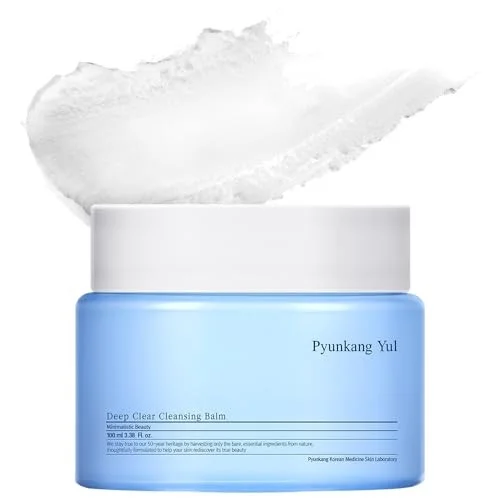
| EWG | CIR | Ingredient Name & Cosmetic Function | Notes |
|---|---|---|---|
| 1 | A | (Skin Conditioning, Emollient) |   |
| 1 | - | (Skin Conditioning, Hair Conditioning, Soothing, Cosmetic Astringent) | |
| EWG | CIR | Ingredient Name & Cosmetic Function | Notes |
|---|---|---|---|
| 1 | A | | |
| 1 | - | (Emollient) | |
| 1 | A | (Humectant, Skin Conditioning) | |
| 1 | B | (Skin Conditioning, Tonic, Cleansing, Soothing, Smoothing) | |

Vitis Vinifera (Grape) Seed Oil
1. Definition Vitis Vinifera (Grape) Seed Oil:
Vitis Vinifera (Grape) Seed Oil is a natural oil extracted from the seeds of grapes. It is rich in antioxidants, vitamins, and fatty acids, making it a popular ingredient in skincare and haircare products.2. Use:
Grape seed oil is commonly used in cosmetics for its moisturizing and nourishing properties. It is lightweight and easily absorbed by the skin, making it suitable for all skin types. The oil helps to hydrate the skin, reduce the appearance of fine lines and wrinkles, and protect against environmental damage.3. Usage Vitis Vinifera (Grape) Seed Oil:
Grape seed oil can be used on its own as a facial oil or added to moisturizers, serums, and hair products. It can also be used as a carrier oil for essential oils. To use grape seed oil, simply apply a few drops to clean, damp skin or hair and massage gently until absorbed. It can be used daily as part of a skincare routine.Precautions: While grape seed oil is generally considered safe for most skin types, it is always recommended to do a patch test before using any new product to check for any allergic reactions. People with grape allergies should avoid using grape seed oil. Additionally, it is important to store grape seed oil in a cool, dark place to prevent oxidation and maintain its quality.
4. References:
- Lin, T. K., Zhong, L., & Santiago, J. L. (2017). Anti-inflammatory and skin barrier repair effects of topical application of some plant oils. International journal of molecular sciences, 19(1), 70.
- Meier, L., & Stange, R. (2008). The role of essential fatty acids in human health. Journal of pediatric gastroenterology and nutrition, 47, S41-S44.
- Sivakumar, G., & Balamurugan, S. (2019). A review on grape seed oil. Journal of Critical Reviews, 6(1), 1-6.
Hamamelis Virginiana (Witch Hazel) Extract
1. Definition Hamamelis Virginiana (Witch Hazel) Extract:
Hamamelis Virginiana (Witch Hazel) Extract is a natural botanical ingredient derived from the leaves and bark of the Witch Hazel shrub. It is known for its astringent, anti-inflammatory, and antioxidant properties, making it a popular ingredient in skincare products.2. Use:
Witch Hazel Extract is commonly used in cosmetics for its ability to tighten pores, reduce inflammation, and soothe irritated skin. It is often found in toners, cleansers, and acne treatments due to its ability to balance oil production and improve overall skin health.3. Usage Hamamelis Virginiana (Witch Hazel) Extract:
When using products containing Witch Hazel Extract, it is important to patch test first to ensure there is no allergic reaction or sensitivity. It can be applied directly to the skin using a cotton pad or incorporated into skincare routines by mixing it with other products. Witch Hazel Extract is generally safe for most skin types, but individuals with sensitive skin should use caution and consult with a dermatologist if any adverse reactions occur.4. References:
- Dweck, A. C. (2002). The botanical and cosmetic use of Witch Hazel. International Journal of Cosmetic Science, 24(1), 17-24.
- Thring, T. S. A., Hili, P., & Naughton, D. P. (2011). Antioxidant and potential anti-inflammatory activity of extracts and formulations of white tea, rose, and witch hazel on primary human dermal fibroblast cells. Journal of Inflammation, 8(1), 27.
- Hughes-Formella, B. J., Filbry, A. W., Gassmueller, J., & Rippke, F. (2002). Anti-inflammatory efficacy of topical preparations with 10% hamamelis distillate in a UV erythema test. Skin Pharmacology and Physiology, 15(2), 125-132.
Helianthus Annuus Seed Oil/Sunflower Seed Oil
1. Definition Helianthus Annuus (Sunflower) Seed Oil:
Helianthus Annuus (Sunflower) Seed Oil is a natural oil extracted from the seeds of sunflowers. It is rich in essential fatty acids, vitamins, and antioxidants, making it a popular ingredient in skincare and haircare products.2. Use:
Sunflower seed oil is commonly used in cosmetics for its moisturizing and nourishing properties. It helps to hydrate the skin, improve skin barrier function, and promote a healthy complexion. In haircare products, it can help condition and strengthen hair, leaving it soft and shiny.3. Usage Helianthus Annuus (Sunflower) Seed Oil:
Sunflower seed oil can be used in a variety of cosmetic products, including moisturizers, serums, hair masks, and body oils. It is suitable for all skin types, including sensitive and acne-prone skin. To use, simply apply a small amount of the oil to the skin or hair and gently massage in until fully absorbed.Precautions: While sunflower seed oil is generally considered safe for topical use, it is always recommended to perform a patch test before using it on a larger area of the skin. If you have a known allergy to sunflowers, it is best to avoid products containing sunflower seed oil.
4. References:
- M. S. Khan, M. A. Ali, M. P. Alam, M. A. Parvez, and S. Ahmad, "Phyto-pharmacological perspective of Helianthus annuus L. seeds," Journal of Applied Pharmaceutical Science, vol. 1, no. 8, pp. 35-41, 2011.
- D. R. Kamimura, C. S. de Oliveira, and L. G. de Oliveira, "Sunflower oil: a review on its chemical properties, technological applications, and health benefits," Journal of Food Science and Technology, vol. 57, no. 1, pp. 388-398, 2020.
- L. M. de Souza, D. G. de Oliveira, M. M. M. A. Alves, and R. L. C. Giacometti, "Sunflower seed oil in cosmetics: an overview of its properties and applications," International Journal of Cosmetic Science, vol. 42, no. 4, pp. 313-321, 2020.
Macadamia Ternifolia Seed Oil
1. Definition Macadamia Ternifolia Seed Oil:
Macadamia Ternifolia Seed Oil is a lightweight, non-greasy oil extracted from the nuts of the Macadamia Ternifolia tree. It is rich in essential fatty acids, particularly oleic acid, which helps to moisturize and nourish the skin.2. Use:
Macadamia Ternifolia Seed Oil is commonly used in skincare products for its hydrating and emollient properties. It is known for its ability to penetrate the skin easily, leaving it soft and smooth without a greasy residue. The oil is also rich in antioxidants, which help to protect the skin from environmental damage and premature aging.3. Usage Macadamia Ternifolia Seed Oil:
Macadamia Ternifolia Seed Oil can be used in a variety of cosmetic products, including moisturizers, serums, and hair care products. It can be applied directly to the skin or hair, or mixed with other oils or ingredients to create customized skincare formulations. It is generally safe for all skin types, but it is always recommended to do a patch test before using any new product, especially if you have sensitive skin.4. References:
- De Oliveira, A. P., Franco, E. S., Rodrigues Barreto, R., Cordeiro, D. P., & De Melo, R. G. (2015). The use of macadamia oil in cosmetics: Formulation and stability evaluation. Journal of Cosmetics, Dermatological Sciences and Applications, 5(4), 287-292.
- Stander, M. A., & Van Wyk, J. C. (2014). The effect of macadamia nut oil in wound healing. Journal of Wound Care, 23(11), 567-570.
- Lin, T. K., Zhong, L., & Santiago, J. L. (2017). Anti-inflammatory and skin barrier repair effects of topical application of some plant oils. International Journal of Molecular Sciences, 19(1), 70.