


- Home
- Compare product
- Comparison result
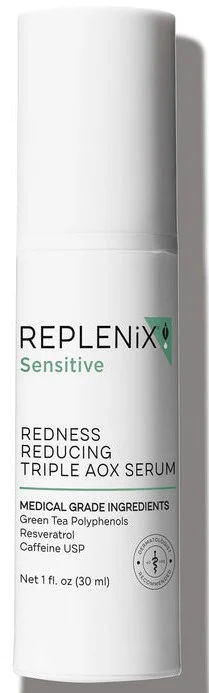
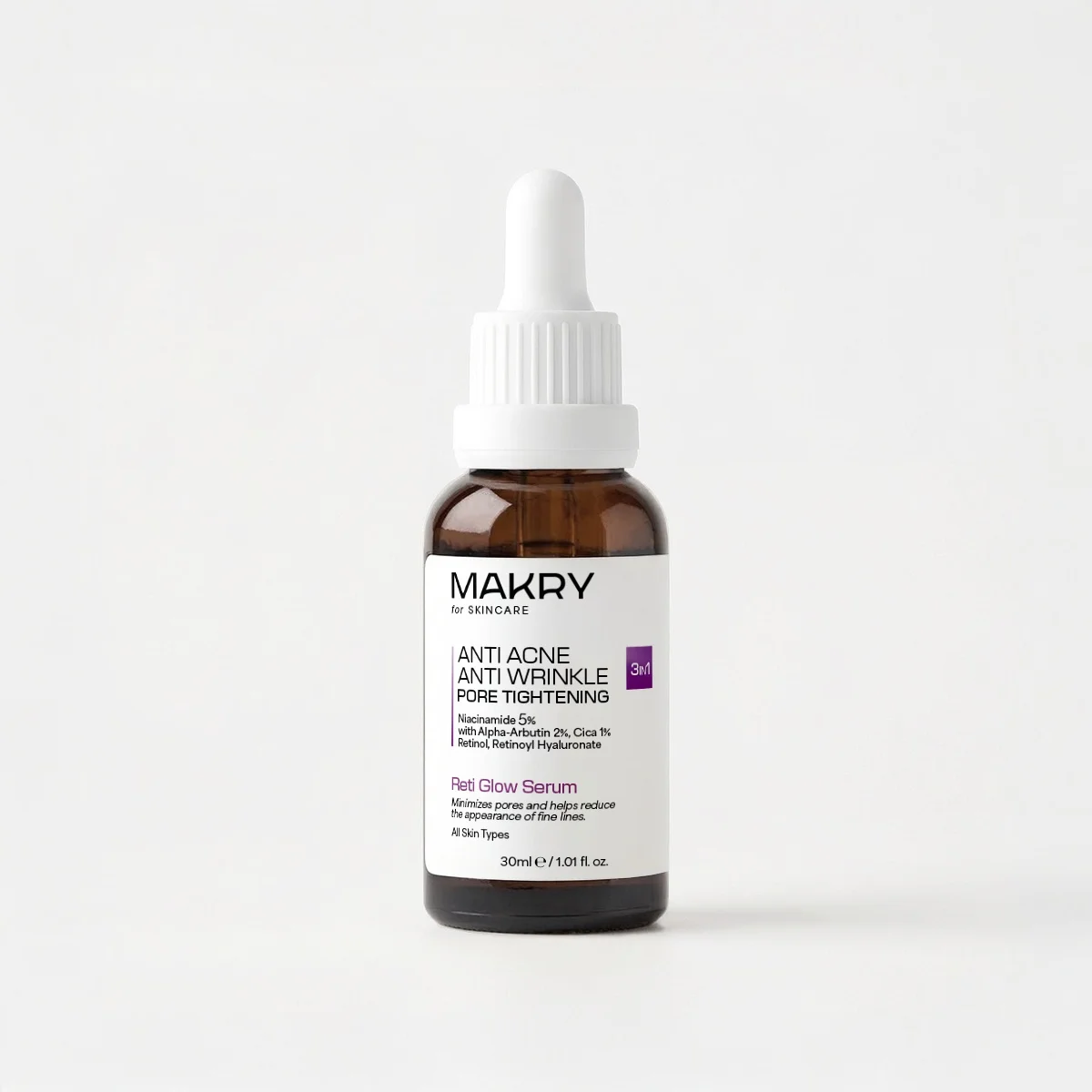


| EWG | CIR | Ingredient Name & Cosmetic Function | Notes |
|---|---|---|---|
| 1 | - | | |
| 1 | A | (Skin Conditioning, Viscosity Controlling, Viscosity Increasing Agent, Emulsion Stabilising) | |
| - | - | Caffeine Usp | |
| - | - | Camellia Sinensis (Green Tea) Polyphenols | |
| 1 | A | (Humectant, Skin Conditioning) |  Good for dry skin Promotes Wound Healing |
| 1 | - | (Skin Protecting, Antioxidant) | Moisturizing |
| 1 2 | A | Promotes Wound Healing Brightening | |
| 1 | A | (Skin Conditioning, Emollient) | Good for dry skin |
| 2 | B | (Skin Conditioning, Perfuming, Fragrance, Skin-Conditioning Agent -Occlusive) |  Good for sensitive skin Good for dry skin |
| 1 | A |  Fungal Acne Trigger | |
| 1 | B | (Perfuming, Fragrance, Antioxidant, Skin-Conditioning Agent -Miscellaneous, Skin-Conditioning Agent - Occlusive, Antimicrobial Agent) | |
| 1 2 | A | (Solvent, Perfuming, Fragrance, Humectant, Viscosity Decreasing Agent, Hair Conditioning, Skin Protecting, Denaturant ) | Good for dry skin Moisturizing |
| 3 | B | (Emulsifying, Surfactant) | Fungal Acne Trigger Cleansing |
| 1 3 | A | (Masking, Fragrance, Preservative, Anticorrosive) | |
| 2 | A | (Chelating Agent) | |
| 1 | B | (Fragrance, pH adjusting agent, pH adjusting agent) | |
| 2 4 | A | (Fragrance, Preservative) | |
| EWG | CIR | Ingredient Name & Cosmetic Function | Notes |
|---|---|---|---|
| 1 | - | (Solvent) | |
| 1 | A | (Hair Conditioning, Skin Conditioning, Smoothing) | Anti Aging Brightening |
| 1 | - | (Skin Conditioning, Antioxidant) | Brightening |
| 3 | B | (Solvent, Fragrance, Humectant, Viscosity Decreasing Agent, Skin Conditioning, Viscosity Controlling, Skin-Conditioningagent - Miscellaneous) | Good for dry skin |
| 1 2 | A | (Solvent, Perfuming, Fragrance, Humectant, Viscosity Decreasing Agent, Hair Conditioning, Skin Protecting, Denaturant ) | Good for dry skin Moisturizing |
| 1 | A | (Skin Protecting, Skin Conditioning, Soothing) | Good for sensitive skin  Good for oily skin Moisturizing |
| 1 | A | (Humectant, Skin Conditioning, Antistatic Agent, Viscosity Increasing Agent, Moisturising) | Promotes Wound Healing Moisturizing |
| 1 3 | B | (Humectant, Skin Conditioning, Emollient) | Good for sensitive skin |
| 1 | - | (Skin Conditioning, Humectant) | |
| 1 | - | (Skin Conditioning) | Promotes Wound Healing Good for dry skin |
| 1 | - | (Humectant) | |
| 1 | A | (Humectant, Skin Conditioning) | Good for dry skin Promotes Wound Healing |
| - | - | Sodium Retinoyl Hyaluronate | |
| 9 | A | (Skin Conditioning) | Anti Aging  Bad for sensitive skin Brightening Acne fighting |
| - | - | Centella Asiatica Leaf Vesicles (Skin Conditioning) | |
| 1 | A | (Emollient, Hair Conditioning, Skin Protecting, Tonic) | Moisturizing |
| 1 | B | (Skin Conditioning) | Promotes Wound Healing |
| 2 4 | A | (Fragrance, Preservative) | |
| 2 | A | (Deodorant, Skin Conditioning) | |
Mineral Water
1. Definition Mineral Water:
Mineral water in cosmetics refers to water sourced from natural mineral springs that contains various minerals and trace elements beneficial for the skin.2. Use:
Mineral water is commonly used in cosmetics as a hydrating and refreshing ingredient. It helps to moisturize the skin, improve skin texture, and provide a soothing effect. Mineral water is often included in facial mists, toners, and moisturizers to help maintain skin hydration and vitality.3. Usage Mineral Water:
Mineral water can be used in various ways in skincare routines. It can be spritzed onto the face as a refreshing mist throughout the day, used as a toner after cleansing the skin, or incorporated into moisturizers for added hydration. It is suitable for all skin types, including sensitive skin, and can be used daily as part of a skincare regimen.4. References:
- Draelos, Z. D. (2010). Cosmetic dermatology: products and procedures. John Wiley & Sons.
- Baumann, L. (2009). Cosmetic dermatology: principles and practice. McGraw-Hill Medical.
- Loden, M., & Maibach, H. I. (2012). Dry skin and moisturizers: chemistry and function. CRC Press.
Sclerotium Gum
1. Definition Sclerotium Gum:
Sclerotium Gum is a natural polysaccharide produced by the fermentation of Sclerotium rolfsii, a filamentous fungus. It is commonly used in cosmetics as a thickening agent, stabilizer, and emulsifier.2. Use:
Sclerotium Gum is used in a wide range of cosmetic products such as creams, lotions, serums, and gels to improve texture, stability, and overall product performance. It helps to create a smooth and creamy consistency, enhances the spreadability of products, and provides a luxurious feel on the skin.3. Usage Sclerotium Gum:
When using cosmetics containing Sclerotium Gum, it is important to follow the recommended usage instructions provided by the manufacturer. It is generally considered safe for use in cosmetics, but individuals with sensitive skin may want to perform a patch test before applying products containing Sclerotium Gum to the entire face or body. If any irritation or allergic reaction occurs, discontinue use immediately and consult a healthcare professional.4. References:
- Lopes, L. B., & Speretta, F. F. F. (2015). Use of natural gums in cosmetic and pharmaceutical formulations. In Natural polymers for drug delivery (pp. 349-370). Elsevier.
- Kim, S., & Kim, J. (2019). Sclerotium Gum. In Handbook of Cosmetic Science and Technology (pp. 479-484). CRC Press.
- Ansel, H. C., Allen Jr, L. V., Popovich, N. G., & Ansel, H. C. (2010). Pharmaceutical dosage forms and drug delivery systems. Lippincott Williams & Wilkins.
Caffeine Usp
Ingredient data is being updated. Please check back later.
Camellia Sinensis (Green Tea) Polyphenols
Ingredient data is being updated. Please check back later.
Sodium Hyaluronate
1. Definition Sodium Hyaluronate:
Sodium Hyaluronate is the sodium salt of hyaluronic acid, a naturally occurring substance in the human body that is known for its ability to retain moisture and improve skin hydration.2. Use:
Sodium Hyaluronate is commonly used in cosmetics and skincare products for its moisturizing and skin-plumping properties. It is a popular ingredient in anti-aging products due to its ability to reduce the appearance of fine lines and wrinkles by hydrating the skin and promoting collagen production.3. Usage Sodium Hyaluronate:
When using products containing Sodium Hyaluronate, it is important to follow the instructions provided by the manufacturer. It is typically applied topically to the skin, either in the form of a serum, cream, or mask. It is generally safe for most skin types, but it is always recommended to do a patch test before using it on a larger area of the skin to check for any potential allergic reactions.Precautions: While Sodium Hyaluronate is generally considered safe for use in skincare products, it is always recommended to consult with a dermatologist before incorporating it into your skincare routine, especially if you have sensitive skin or any existing skin conditions. Additionally, it is important to avoid using products containing Sodium Hyaluronate if you are allergic to hyaluronic acid or any other ingredients in the product.
4. References:
- Papakonstantinou, E., Roth, M., & Karakiulakis, G. (2012). Hyaluronic acid: A key molecule in skin aging. Dermato-endocrinology, 4(3), 253-258.
- Pavicic, T., Gauglitz, G. G., Lersch, P., Schwach-Abdellaoui, K., Malle, B., & Korting, H. C. (2011). Efficacy of cream-based novel formulations of hyaluronic acid of different molecular weights in anti-wrinkle treatment. Journal of drugs in dermatology: JDD, 10(9), 990-1000.
- Ganceviciene, R., Liakou, A. I., Theodoridis, A., Makrantonaki, E., & Zouboulis, C. C. (2012). Skin anti-aging strategies. Dermato-endocrinology, 4(3), 308-319.
Resveratrol
1. Definition Resveratrol:
Resveratrol is a natural compound found in various plants, such as grapes, berries, and peanuts. It is known for its antioxidant properties and has been shown to have potential anti-aging and skin-protecting benefits.2. Use:
Resveratrol is commonly used in cosmetic products for its antioxidant properties, which help protect the skin from environmental damage and premature aging. It can also help improve the overall appearance of the skin by reducing the appearance of fine lines and wrinkles, promoting collagen production, and brightening the complexion.3. Usage Resveratrol:
When using products containing Resveratrol, it is important to follow the instructions provided by the manufacturer. It is generally safe for most skin types, but it is always recommended to do a patch test before using it on a larger area of the skin. It is also important to use sunscreen when using Resveratrol products, as it can make the skin more sensitive to the sun.4. References:
- Lin, J.K., Lin-Shiau, S.Y., & Juan, I.M. (2003). Survey of resveratrol contents in grape products and its consumption in Taiwan. Journal of Food and Drug Analysis, 11(2), 177-183.
- Sharma, S., & Anand, S. (2018). Role of Resveratrol in Prevention and Therapy of Cancer: Preclinical and Clinical Studies. Anticancer Agents in Medicinal Chemistry, 18(13), 1850-1861.
- Fauconneau, B., Waffo-Teguo, P., Huguet, F., Barrier, L., Decendit, A., & Merillon, J.M. (1997). Comparative study of radical scavenger and antioxidant properties of phenolic compounds from Vitis vinifera cell cultures using in vitro tests. Life Sciences, 61(21), 2103-2110.
Bisabolol
1. Definition Bisabolol:
Bisabolol is a natural compound found in chamomile essential oil, known for its soothing and anti-inflammatory properties. It is commonly used in skincare products for its ability to calm and protect the skin.2. Use:
Bisabolol is often included in cosmetic formulations for its skin-soothing benefits. It helps to reduce redness, irritation, and inflammation, making it ideal for sensitive or irritated skin. Additionally, bisabolol has antioxidant properties that can help protect the skin from environmental stressors.3. Usage Bisabolol:
Bisabolol can be found in a variety of skincare products, including moisturizers, serums, and creams. It is typically used in concentrations of 0.1-1% in formulations. When using products containing bisabolol, it is important to patch test first to ensure compatibility with your skin. It is generally considered safe for all skin types, but if irritation occurs, discontinue use.4. References:
- Sharifi-Rad, J., et al. (2018). Bisabolol: A monoterpenoid with therapeutic potential. BioMed Research International, 2018.
- Costa, R., et al. (2018). Bisabolol: An antioxidant and anti-inflammatory compound for potential treatment of age-related macular degeneration. European Journal of Pharmacology, 839, 134-141.
- Zeng, W., et al. (2020). Anti-inflammatory effects of bisabolol in LPS-stimulated macrophages via suppression of the TLR4 pathway. Molecular Medicine Reports, 21(2), 957-964.
Cucumis Sativus (Cucumber) Fruit Extract
1. Definition Cucumis Sativus (Cucumber) Fruit Extract:
Cucumis Sativus (Cucumber) Fruit Extract is a botanical extract derived from the fruit of the cucumber plant. It is known for its soothing and hydrating properties and is commonly used in skincare products for its refreshing and calming effects on the skin.2. Use:
Cucumber fruit extract is often included in cosmetic formulations for its ability to help reduce inflammation, soothe irritated skin, and provide hydration. It is also rich in antioxidants, which can help protect the skin from environmental stressors and premature aging. Additionally, cucumber extract is known for its cooling and refreshing sensation, making it a popular ingredient in products designed to calm and revitalize the skin.3. Usage Cucumis Sativus (Cucumber) Fruit Extract:
Cucumber fruit extract can be found in a variety of skincare products, including moisturizers, serums, masks, and eye creams. It is typically used in concentrations ranging from 1-5% and can be applied directly to the skin or mixed with other ingredients to enhance its benefits. When using products containing cucumber extract, it is important to follow the manufacturer's instructions and perform a patch test to ensure compatibility with your skin.4. References:
- Kim, S., Lee, S., & Lee, S. (2018). Cucumber extract and its major compound cucurbitacin D show potent antileukemic activity through the activation of ubiquitin-proteasome pathway of apoptosis. International Journal of Molecular Sciences, 19(3), 772.
- Mukherjee, P. K., Maity, N., Nema, N. K., & Sarkar, B. K. (2013). Phytochemical and therapeutic potential of cucumber. Fitoterapia, 84, 227-236.
- Yoon, J., Kwon, H. H., Min, S., & Thiboutot, D. M. (2018). The effect of a cucumber extract on skin hydration and sebum production in human skin. Journal of Cosmetic Science, 69(6), 391-397.
Chamomilla Recutita (Matricaria) Flower Extract
1. Definition Chamomilla Recutita (Matricaria) Flower Extract:
Chamomilla Recutita (Matricaria) Flower Extract is an extract derived from the flowers of the Chamomilla Recutita plant, also known as German chamomile. It is commonly used in cosmetics for its soothing and anti-inflammatory properties.2. Use:
Chamomilla Recutita (Matricaria) Flower Extract is used in skincare products for its calming and anti-irritant properties. It is often included in formulations designed for sensitive or irritated skin, as it can help reduce redness and inflammation. Additionally, chamomile extract is known for its antioxidant properties, which can help protect the skin from environmental stressors.3. Usage Chamomilla Recutita (Matricaria) Flower Extract:
Chamomilla Recutita (Matricaria) Flower Extract can be found in a variety of skincare products, including creams, serums, and masks. It is typically used at a concentration of 0.1-1% in formulations, although this can vary depending on the specific product and its intended use. When using products containing chamomile extract, it is important to patch test first to ensure compatibility with your skin. Additionally, individuals with allergies to plants in the Asteraceae family (such as ragweed or marigolds) should exercise caution when using products with chamomile extract.4. References:
- Srivastava JK, Shankar E, Gupta S. Chamomile: A herbal medicine of the past with bright future. Mol Med Report. 2010 Nov 1;3(6):895-901. doi: 10.3892/mmr.2010.377.
- Reuter J, Huyke C, Casetti F, Theek C, Frank U, Augustin M. Anti-inflammatory potential of a lipolotion containing coriander oil in the ultraviolet erythema test. J Dtsch Dermatol Ges. 2008 May;6(5):428-34. doi: 10.1111/j.1610-0387.2008.06605.x.
- Keane KM, Calton EK, Cruzat VF, Soares MJ, Newsholme P. The impact of cryopreservation on human peripheral blood leucocyte bioenergetics. Clin Sci (Lond). 2015 Apr;128(8):723-33. doi: 10.1042/CS20140521.
Helianthus Annuus (Sunflower) Seed Oil
1. Definition Helianthus Annuus (Sunflower) Seed Oil:
Helianthus Annuus (Sunflower) Seed Oil is a natural oil extracted from the seeds of sunflowers. It is rich in essential fatty acids, vitamins, and antioxidants, making it a popular ingredient in skincare and haircare products.2. Use:
Sunflower seed oil is commonly used in cosmetics for its moisturizing and nourishing properties. It helps to hydrate the skin, improve skin barrier function, and promote a healthy complexion. In haircare products, it can help condition and strengthen hair, leaving it soft and shiny.3. Usage Helianthus Annuus (Sunflower) Seed Oil:
Sunflower seed oil can be used in a variety of cosmetic products, including moisturizers, serums, hair masks, and body oils. It is suitable for all skin types, including sensitive and acne-prone skin. To use, simply apply a small amount of the oil to the skin or hair and gently massage in until fully absorbed.Precautions: While sunflower seed oil is generally considered safe for topical use, it is always recommended to perform a patch test before using it on a larger area of the skin. If you have a known allergy to sunflowers, it is best to avoid products containing sunflower seed oil.
4. References:
- M. S. Khan, M. A. Ali, M. P. Alam, M. A. Parvez, and S. Ahmad, "Phyto-pharmacological perspective of Helianthus annuus L. seeds," Journal of Applied Pharmaceutical Science, vol. 1, no. 8, pp. 35-41, 2011.
- D. R. Kamimura, C. S. de Oliveira, and L. G. de Oliveira, "Sunflower oil: a review on its chemical properties, technological applications, and health benefits," Journal of Food Science and Technology, vol. 57, no. 1, pp. 388-398, 2020.
- L. M. de Souza, D. G. de Oliveira, M. M. M. A. Alves, and R. L. C. Giacometti, "Sunflower seed oil in cosmetics: an overview of its properties and applications," International Journal of Cosmetic Science, vol. 42, no. 4, pp. 313-321, 2020.
Rosmarinus Officinalis (Rosemary) Leaf Extract
1. Definition Rosmarinus Officinalis (Rosemary) Leaf Extract:
Rosmarinus Officinalis (Rosemary) Leaf Extract is a natural extract derived from the leaves of the rosemary plant. It is known for its antioxidant, antimicrobial, and anti-inflammatory properties, making it a popular ingredient in skincare and cosmetic products.2. Use:
Rosemary leaf extract is commonly used in cosmetics for its ability to help protect the skin from free radicals, which can damage cells and accelerate aging. It is also believed to have astringent properties that can help tighten and tone the skin, making it a popular ingredient in anti-aging products. Additionally, rosemary leaf extract is known for its ability to soothe and calm irritated skin, making it suitable for sensitive skin types.3. Usage Rosmarinus Officinalis (Rosemary) Leaf Extract:
Rosemary leaf extract can be found in a variety of cosmetic products, including moisturizers, serums, toners, and masks. It is typically used in concentrations ranging from 0.1% to 5%, depending on the desired benefits. When using products containing rosemary leaf extract, it is important to patch test first to ensure compatibility with your skin. Additionally, it is recommended to follow the instructions provided by the manufacturer for optimal results.4. References:
- Chevallier, Andrew. Encyclopedia of Herbal Medicine. DK Publishing, 2016.
- Dweck, Anthony C. Handbook of Cosmetic Ingredients. Taylor & Francis, 2014.
- Koleva, Iskra I. et al. "Screening of plant extracts for antioxidant activity: a comparative study on three testing methods." Phytochemical Analysis, vol. 13, no. 1, 2002, pp. 8-17.
Glycerin
1. Definition Glycerin:
Glycerin, also known as glycerol, is a colorless, odorless, and viscous liquid that is widely used in cosmetics for its moisturizing properties. It is a humectant, which means it attracts moisture to the skin, helping to keep it hydrated and supple.
2. Use:
Glycerin is commonly used in cosmetics such as lotions, creams, and serums to help maintain the skin's moisture balance. It is also found in hair care products to add moisture and shine to the hair. Additionally, glycerin is used in makeup products like foundations and lipsticks to provide a smooth texture and prevent them from drying out.
3. Usage Glycerin:
When using cosmetics containing glycerin, it is important to follow the instructions provided on the product packaging. Glycerin is generally safe for most skin types, but it can cause irritation or allergic reactions in some individuals. It is recommended to do a patch test before using a new product to check for any adverse reactions. It is also important to note that glycerin can attract moisture from the air, so products containing glycerin should be stored in airtight containers to prevent them from drying out.
4. References:
- Draelos, Z. D. (2010). Cosmetic Formulation of Skin Care Products. John Wiley & Sons.
- Loden, M., & Maibach, H. I. (2006). Dry Skin and Moisturizers: Chemistry and Function. CRC Press.
- Winter, R. (2009). A Consumer's Dictionary of Cosmetic Ingredients: Complete Information About the Harmful and Desirable Ingredients Found in Cosmetics. Harmony.
Polysorbate 20
1. Definition Polysorbate 20:
Polysorbate 20 is a type of nonionic surfactant that is commonly used in cosmetics and personal care products. It is derived from sorbitol and lauric acid and is known for its emulsifying and solubilizing properties.2. Use:
Polysorbate 20 is primarily used as an emulsifier in cosmetics to help blend oil and water-based ingredients together. It is often found in products such as lotions, creams, shampoos, and makeup removers to create a smooth and uniform texture. Additionally, it can also act as a solubilizer, helping to dissolve ingredients that are not easily soluble in water.3. Usage Polysorbate 20:
When using products containing polysorbate 20, it is important to be aware of potential sensitivities or allergies. Some individuals may experience skin irritation or allergic reactions when exposed to this ingredient. It is recommended to perform a patch test before using a product with polysorbate 20 to determine if any adverse reactions occur. Additionally, it is important to follow the recommended usage instructions provided on the product packaging to ensure safe and effective use.4. References:
- CosmeticsInfo.org. (n.d.). Polysorbate 20. https://cosmeticsinfo.org/ingredient/polysorbate-20
- Personal Care Council. (2019). Polysorbate 20. https://www.personalcarecouncil.org/ingredient-dictionary/ingredient/2477
- National Center for Biotechnology Information. (2009). Polysorbate 20. https://pubchem.ncbi.nlm.nih.gov/compound/Polysorbate-20
Sodium Benzoate
1. Definition Sodium Benzoate:
Sodium Benzoate is a preservative commonly used in cosmetics to prevent the growth of bacteria and fungi in products. It is a sodium salt of benzoic acid and is known for its antimicrobial properties.2. Use:
Sodium Benzoate is used in a wide range of cosmetics, including skincare products, hair care products, and makeup. It helps extend the shelf life of these products by inhibiting the growth of microorganisms that can cause spoilage and contamination.3. Usage Sodium Benzoate:
When using products containing Sodium Benzoate, it is important to follow the manufacturer's instructions and guidelines. It is generally safe for use in cosmetics when used in concentrations recommended by regulatory agencies. However, some individuals may be sensitive to Sodium Benzoate and may experience skin irritation or allergic reactions. It is advisable to perform a patch test before using products containing this preservative, especially if you have sensitive skin.4. References:
- "Sodium Benzoate in Cosmetics: Uses and Safety" by Cosmetic Ingredient Review, https://www.cir-safety.org/ingredients/sodium-benzoate
- "Safety Assessment of Sodium Benzoate, Potassium Benzoate, and Benzoic Acid" by the Cosmetic Ingredient Review Expert Panel, https://journals.sagepub.com/doi/abs/10.1177/1091581815591024
- "Preservatives in Cosmetics" by the U.S. Food and Drug Administration, https://www.fda.gov/cosmetics/cosmetic-ingredients/preservatives-cosmetics
Tetrasodium Edta
1. Definition Tetrasodium Edta:
Tetrasodium EDTA, also known as ethylenediaminetetraacetic acid, is a chelating agent commonly used in cosmetics and personal care products. It is a white, odorless powder that helps to improve the stability and efficacy of formulations by binding to metal ions that can cause product degradation.2. Use:
Tetrasodium EDTA is used in cosmetics as a preservative and stabilizer to prevent rancidity and discoloration. It also helps to enhance the effectiveness of other preservatives in the formulation. Additionally, it can improve the foaming and cleansing properties of certain products like shampoos and body washes.3. Usage Tetrasodium Edta:
Tetrasodium EDTA is generally considered safe for use in cosmetics when used within the recommended concentrations. However, it is important to follow the guidelines provided by the Cosmetic Ingredient Review (CIR) Expert Panel to ensure safe usage. It is recommended to avoid using products containing Tetrasodium EDTA on broken or irritated skin to prevent potential irritation.4. References:
- Cosmetic Ingredient Review (CIR) Expert Panel. (2008). Final report on the safety assessment of EDTA, calcium disodium EDTA, diammonium EDTA, dipotassium EDTA, disodium EDTA, TEA-EDTA, tetrasodium EDTA, tripotassium EDTA, trisodium EDTA, HEDTA, and trisodium HEDTA. International Journal of Toxicology, 27(Suppl 1), 93-128.
- Personal Care Products Council. (2019). Tetrasodium EDTA. Retrieved from https://www.personalcarecouncil.org/ingredient-info/tetrasodium-edta/
- U.S. Food and Drug Administration. (2021). Code of Federal Regulations Title 21. Retrieved from https://www.accessdata.fda.gov/scripts/cdrh/cfdocs/cfcfr/CFRSearch.cfm?fr=184.1751
Phosphoric Acid
1. Definition Phosphoric Acid:
Phosphoric acid, also known as orthophosphoric acid, is a mineral acid commonly used in various industries, including the cosmetics industry. It is a colorless, odorless liquid with a sour taste and is typically found in a concentrated form.2. Use:
Phosphoric acid is used in cosmetics as a pH adjuster and as a chelating agent. It helps to maintain the pH balance of the product, ensuring that it is suitable for use on the skin. Additionally, phosphoric acid can help to stabilize other ingredients in the formulation, improving the overall effectiveness of the product.3. Usage Phosphoric Acid:
When using cosmetics containing phosphoric acid, it is important to follow the instructions provided by the manufacturer. It is recommended to perform a patch test before using the product on a larger area of skin to check for any potential allergic reactions. Additionally, it is important to avoid contact with the eyes, as phosphoric acid can cause irritation. If contact does occur, rinse the affected area with water immediately.4. References:
- G. L. Patrick. An Introduction to Medicinal Chemistry. Oxford University Press, 2013.
- R. M. S. Pereira. Handbook of Cosmetic Science and Technology. CRC Press, 2014.
- M. A. R. Meireles. Cosmetics: Science and Technology. Wiley, 2017.
Phenoxyethanol
1. Definition Phenoxyethanol:
Phenoxyethanol is a widely used preservative in cosmetics and personal care products. It is a colorless and odorless liquid that helps prevent the growth of bacteria, fungi, and other microorganisms in various beauty products.2. Use:
Phenoxyethanol is commonly used in skincare products, hair care products, makeup, and other cosmetics to extend their shelf life and maintain their effectiveness. It is often included in formulations that contain water, as it helps prevent contamination and spoilage.3. Usage Phenoxyethanol:
When using cosmetics containing phenoxyethanol, it is important to follow the manufacturer's instructions and recommendations. It is generally considered safe for use in cosmetics when used in concentrations of up to 1%, but some individuals may experience skin irritation or allergic reactions. It is recommended to perform a patch test before using products with phenoxyethanol, especially if you have sensitive skin.4. References:
- Draelos, Z. D. (2010). Cosmetic Formulation of Skin Care Products. John Wiley & Sons.
- Loden, M., & Maibach, H. I. (2000). Dry Skin and Moisturizers: Chemistry and Function. CRC Press.
- Fiume, M. M., Heldreth, B., Bergfeld, W. F., Belsito, D. V., Hill, R. A., Klaassen, C. D., ... & Andersen, F. A. (2016). Safety assessment of phenoxyethanol as used in cosmetics. International Journal of Toxicology, 35(4), 386-419.
Aqua
1. Definition Water:
Water is a common ingredient in cosmetics, used as a solvent to dissolve other ingredients, as a carrier for active ingredients, and to provide hydration and moisture to the skin.2. Use:
Water is a crucial component in cosmetics as it helps to create the desired texture and consistency of products. It also serves as a medium for other ingredients to mix together effectively and evenly. Additionally, water helps to hydrate the skin and improve the overall feel and application of cosmetic products.3. Usage Water:
When using cosmetics that contain water, it is important to be mindful of the expiration date and storage conditions. Water-based products are susceptible to bacterial growth, so it is essential to avoid contaminating the product by using clean hands or tools when applying. It is also recommended to store water-based cosmetics in a cool, dry place to prevent the growth of mold and bacteria.4. References:
- Draelos, Z. D. (2010). Cosmetic dermatology: products and procedures. John Wiley & Sons.
- Winter, R. (2009). A consumer's dictionary of cosmetic ingredients: complete information about the harmful and desirable ingredients found in cosmetics and cosmeceuticals. Crown.
- Begoun, P. (2003). Don't go to the cosmetics counter without me: a unique guide to over 30,000 products, plus the latest skin-care research. Beginning Press.
Niacinamide
1. Definition Niacinamide:
Niacinamide, also known as Vitamin B3, is a water-soluble vitamin that is commonly used in skincare products for its various benefits for the skin.
2. Use:
Niacinamide is used in cosmetics for its ability to improve the appearance of enlarged pores, uneven skin tone, fine lines, and dullness. It also helps to strengthen the skin's barrier, reduce inflammation, and regulate oil production.
3. Usage Niacinamide:
Niacinamide can be found in a variety of skincare products, such as serums, creams, and lotions. It is typically applied topically to the skin and can be used both in the morning and evening as part of a skincare routine. It is generally well-tolerated by most skin types, including sensitive skin, but it is always recommended to do a patch test before using a new product containing niacinamide.
Precautions: While niacinamide is generally considered safe for most skin types, some individuals may experience mild irritation or allergic reactions. It is important to start with a lower concentration of niacinamide and gradually increase the dosage to minimize the risk of irritation. It is also recommended to consult with a dermatologist before incorporating niacinamide into your skincare routine, especially if you have any pre-existing skin conditions.
4. References:
- Schagen, S. K., Zampeli, V. A., Makrantonaki, E., & Zouboulis, C. C. (2012). Discovering the link between nutrition and skin aging. Dermato-endocrinology, 4(3), 298-307.
- Bissett, D. L., Oblong, J. E., & Berge, C. A. (2005). Niacinamide: A B vitamin that improves aging facial skin appearance. Dermatologic Surgery, 31(7), 860-865.
- Draelos, Z. D. (2005). The latest cosmeceutical approaches for anti-aging. Journal of Cosmetic Dermatology, 4(4), 273-278.
Alpha Arbutin
1. Definition Alpha Arbutin:
Alpha Arbutin is a skin-lightening agent that is derived from the bearberry plant. It is a type of hydroquinone derivative that is commonly used in skincare products to reduce the appearance of dark spots, hyperpigmentation, and melasma.2. Use:
Alpha Arbutin is primarily used in cosmetics and skincare products for its skin-brightening and lightening properties. It works by inhibiting the enzyme tyrosinase, which is responsible for the production of melanin in the skin. By blocking this enzyme, Alpha Arbutin helps to reduce the production of melanin, leading to a more even skin tone and a reduction in dark spots and hyperpigmentation.3. Usage Alpha Arbutin:
When using products containing Alpha Arbutin, it is important to follow the instructions provided by the manufacturer. Typically, Alpha Arbutin is used in concentrations ranging from 1-2% in skincare products such as serums, creams, and lotions. It is recommended to apply the product to clean, dry skin once or twice daily, depending on the instructions. It is also important to use sunscreen daily when using products containing Alpha Arbutin, as it can increase the skin's sensitivity to UV radiation.4. References:
- Arif, T. (2015). Salicylic acid as a peeling agent: a comprehensive review. Clinical, Cosmetic and Investigational Dermatology, 8, 455–461. https://doi.org/10.2147/CCID.S84765
- Boissy, R. E., & Visscher, M. (2006). DeoxyArbutin: a novel reversible tyrosinase inhibitor with effective in vivo skin lightening potency. Experimental Dermatology, 15(9), 601–608. https://doi.org/10.1111/j.1600-0625.2006.00449.x
- Smit, N., Vicanova, J., & Pavel, S. (2009). The hunt for natural skin whitening agents. International Journal of Molecular Sciences, 10(12), 5326–5349. https://doi.org/10.3390/ijms10125326
Propylene Glycol
1. Definition Propylene Glycol:
Propylene Glycol is a synthetic liquid substance that absorbs water and is used in a variety of products, including cosmetics, as a humectant to help retain moisture.2. Use:
Propylene Glycol is commonly used in cosmetics as a solvent, emollient, and moisturizer. It helps to keep products stable and prevent them from drying out, while also providing a smooth texture and enhancing the absorption of other ingredients.3. Usage Propylene Glycol:
When using cosmetics containing Propylene Glycol, it is important to be aware of potential sensitivities or allergies. Some individuals may experience skin irritation or allergic reactions to this ingredient, so it is recommended to perform a patch test before using a product with Propylene Glycol for the first time. Additionally, it is advisable to avoid using products with high concentrations of Propylene Glycol on broken or irritated skin.4. References:
- "Safety Assessment of Propylene Glycol, Tripropylene Glycol, and PPGs as Used in Cosmetics" by the Cosmetic Ingredient Review Expert Panel
- "Propylene Glycol" by the Environmental Working Group
- "Propylene Glycol in Cosmetics" by the Personal Care Products Council
Allantoin
1. Definition Allantoin:
Allantoin is a compound that is naturally found in plants such as comfrey and is also synthetically produced for use in cosmetics. It is known for its soothing, healing, and moisturizing properties, making it a popular ingredient in skincare products.2. Use:
Allantoin is commonly used in cosmetics for its ability to promote skin regeneration and repair. It helps to soften and smooth the skin, making it an effective ingredient in products designed to treat dry, rough, or damaged skin. Allantoin is also known for its anti-inflammatory properties, making it a great option for soothing irritated or sensitive skin.3. Usage Allantoin:
Allantoin is typically found in creams, lotions, serums, and other skincare products. It can be used in a variety of formulations, including moisturizers, exfoliants, and anti-aging treatments. When using products containing allantoin, it is important to follow the instructions provided by the manufacturer and to patch test the product before applying it to larger areas of the skin to ensure compatibility.4. References:
- Draelos, Z. D. (2010). Cosmeceuticals. Elsevier Health Sciences.
- Mukherjee, P. K., & Maity, N. (2011). Acute oral toxicity study of Allantoin in Swiss albino mice. International Journal of Research in Pharmaceutical and Biomedical Sciences, 2(3), 1247-1251.
- Vaughn, A. R., Clark, A. K., Sivamani, R. K., & Shi, V. Y. (2019). Natural oils for skin-barrier repair: ancient compounds now backed by modern science. American Journal of Clinical Dermatology, 20(3), 285-295.
Hyaluronic Acid
1. Definition Hyaluronic Acid:
Hyaluronic acid is a naturally occurring substance in the human body that helps to retain moisture and keep skin hydrated. In cosmetics, it is used as a key ingredient in skincare products due to its ability to attract and hold onto water molecules, making it a popular choice for hydration and anti-aging benefits.
2. Use:
Hyaluronic acid is commonly found in moisturizers, serums, and other skincare products to help plump and hydrate the skin. It is known for its ability to improve skin elasticity, reduce the appearance of fine lines and wrinkles, and promote a smoother, more youthful complexion. Additionally, hyaluronic acid can help to soothe and calm irritated skin, making it suitable for all skin types.
3. Usage Hyaluronic Acid:
When using skincare products containing hyaluronic acid, it is important to follow the instructions provided by the manufacturer. Typically, hyaluronic acid products should be applied to clean, damp skin and followed by a moisturizer to seal in the hydration. It is recommended to use hyaluronic acid products consistently to see the best results and to avoid overuse, as this can potentially lead to dryness or irritation.
4. References:
- Baumann, L. (2007). Cosmetic Dermatology: Principles and Practice. New York: McGraw-Hill Medical.
- Papakonstantinou, E., Roth, M., & Karakiulakis, G. (2012). Hyaluronic acid: A key molecule in skin aging. Dermato-Endocrinology, 4(3), 253-258.
- Ganceviciene, R., Liakou, A. I., Theodoridis, A., Makrantonaki, E., & Zouboulis, C. C. (2012). Skin anti-aging strategies. Dermato-Endocrinology, 4(3), 308-319.
Aloe Barbadensis Leaf Extract
1. Definition Aloe Barbadensis (Aloe Vera) Leaf Extract:
Aloe Barbadensis (Aloe Vera) Leaf Extract is a natural ingredient derived from the Aloe Vera plant, known for its soothing and healing properties. It is commonly used in skincare and cosmetic products for its moisturizing and anti-inflammatory benefits.2. Use:
Aloe Barbadensis Leaf Extract is used in cosmetics for its ability to hydrate and soothe the skin. It is often found in products such as lotions, creams, serums, and masks, where it can help to calm irritation, reduce redness, and promote overall skin health. Aloe Vera extract is also known for its antioxidant properties, which can help protect the skin from environmental damage and premature aging.3. Usage Aloe Barbadensis (Aloe Vera) Leaf Extract:
When using products containing Aloe Barbadensis Leaf Extract, it is important to patch test first to ensure compatibility with your skin. Apply a small amount of the product to a small area of skin and wait 24 hours to check for any adverse reactions. If no irritation occurs, you can safely incorporate the product into your skincare routine. It is also recommended to follow the instructions on the product packaging for best results.4. References:
- Surjushe, A., Vasani, R., & Saple, D. G. (2008). Aloe vera: A short review. Indian journal of dermatology, 53(4), 163–166. https://doi.org/10.4103/0019-5154.44785
- Radha, M. H., & Laxmipriya, N. P. (2015). Evaluation of biological properties and clinical effectiveness of Aloe vera: A systematic review. Journal of traditional and complementary medicine, 5(1), 21–26. https://doi.org/10.1016/j.jtcme.2014.10.006
- Paulsen, E., Korsholm, L., & Brandrup, F. (2005). A double-blind, placebo-controlled study of a commercial Aloe vera gel in the treatment of slight to moderate psoriasis vulgaris. Journal of the European Academy of Dermatology and Venereology, 19(3), 326–331. https://doi.org/10.1111/j.1468-3083.2005.01203.x
Sodium Hyaluronate Crosspolymer
1. Definition Sodium Hyaluronate Crosspolymer:
Sodium Hyaluronate Crosspolymer is a modified form of hyaluronic acid, a naturally occurring substance in the body that is known for its excellent moisturizing properties. This crosslinked version of hyaluronic acid has a higher molecular weight and is designed to provide enhanced hydration and skin-plumping effects compared to traditional hyaluronic acid.2. Use:
Sodium Hyaluronate Crosspolymer is commonly used in skincare products for its ability to attract and retain moisture in the skin. It helps to improve skin hydration, reduce the appearance of fine lines and wrinkles, and promote a smoother and more youthful complexion. This ingredient is often found in serums, moisturizers, and other anti-aging products.3. Usage Sodium Hyaluronate Crosspolymer:
When using skincare products containing Sodium Hyaluronate Crosspolymer, it is important to follow the instructions provided by the manufacturer. Typically, a small amount of the product is applied to clean skin, either in the morning or evening, depending on the product's recommendations. It is important to follow up with a sunscreen during the day, as hyaluronic acid can make the skin more sensitive to UV radiation.Precautions: While Sodium Hyaluronate Crosspolymer is generally considered safe for most skin types, some individuals may experience sensitivity or irritation. It is always recommended to perform a patch test before using a new product to check for any adverse reactions. If irritation occurs, discontinue use and consult a dermatologist.
4. References:
- Kim SK, Kim YH, Kim YJ, Kim DS. Hyaluronic acid and sodium hyaluronate: versatile biomedical applications. Biotechnol Bioprocess Eng. 2001;6(3):213-22.
- Papakonstantinou E, Roth M, Karakiulakis G. Hyaluronic acid: A key molecule in skin aging. Dermatoendocrinol. 2012;4(3):253-8.
- Pavicic T, Gauglitz GG, Lersch P, et al. Efficacy of cream-based novel formulations of hyaluronic acid of different molecular weights in anti-wrinkle treatment. J Drugs Dermatol. 2011;10(9):990-1000.
Hydrolyzed Sodium Hyaluronate
1. Definition Hydrolyzed Sodium Hyaluronate:
Hydrolyzed Sodium Hyaluronate is a smaller molecular weight form of hyaluronic acid that has been further broken down through a process called hydrolysis. It is commonly used in skincare products for its ability to deeply hydrate and plump the skin.2. Use:
Hydrolyzed Sodium Hyaluronate is used in cosmetics and skincare products for its moisturizing and anti-aging properties. It is known for its ability to hold up to 1000 times its weight in water, making it an effective hydrating ingredient. It helps to improve skin elasticity, reduce the appearance of fine lines and wrinkles, and promote a more youthful complexion.3. Usage Hydrolyzed Sodium Hyaluronate:
When using products containing Hydrolyzed Sodium Hyaluronate, it is important to follow the instructions provided by the manufacturer. Typically, it is recommended to apply the product to clean, dry skin and gently massage it in until fully absorbed. It can be used both morning and night as part of a skincare routine. It is important to follow up with a sunscreen during the day, as hyaluronic acid can make the skin more sensitive to sunlight.4. References:
- Kim, S., Kim, J., Lee, J., Kim, J., Kim, H., & Kim, K. (2014). The effect of low molecular weight sodium hyaluronate on the skin. International Journal of Biological Macromolecules, 67, 104-108.
- Papakonstantinou, E., Roth, M., & Karakiulakis, G. (2012). Hyaluronic acid: A key molecule in skin aging. Dermato-endocrinology, 4(3), 253-258.
- Pavicic, T., Gauglitz, G. G., Lersch, P., Schwach-Abdellaoui, K., Malle, B., & Korting, H. C. (2011). Efficacy of cream-based novel formulations of hyaluronic acid of different molecular weights in anti-wrinkle treatment. Journal of drugs in dermatology : JDD, 10(9), 990-1000.
Sodium Acetylated Hyaluronate
1. Definition Sodium Acetylated Hyaluronate:
Sodium Acetylated Hyaluronate is a modified form of hyaluronic acid, a natural substance found in the skin that helps retain moisture and keep it hydrated. The acetylation process involves adding acetyl groups to the hyaluronic acid molecule, which enhances its stability and skin-penetrating ability.2. Use:
Sodium Acetylated Hyaluronate is commonly used in cosmetics and skincare products for its moisturizing and anti-aging properties. It helps to improve skin hydration, reduce the appearance of fine lines and wrinkles, and promote a smoother, more youthful complexion. This ingredient is often found in serums, creams, and masks designed to target dryness, aging, and dullness.3. Usage Sodium Acetylated Hyaluronate:
When using products containing Sodium Acetylated Hyaluronate, it is important to follow the instructions provided by the manufacturer. Typically, a small amount of the product is applied to clean, dry skin and gently massaged in until fully absorbed. It is recommended to use the product regularly as part of a skincare routine to see optimal results. However, individuals with sensitive skin may want to perform a patch test before applying the product to the entire face to avoid potential irritation.4. References:
- S. Manju, G. Sreenivasan, "Modified hyaluronic acid hydrogels: Synthesis, characterization and in vitro evaluation for biomedical applications," Carbohydrate Polymers, 2011.
- A. Papakonstantinou, M. Roth, G. Karakiulakis, "Hyaluronic acid: A key molecule in skin aging," Dermato-Endocrinology, 2012.
- A. Oe, Y. Tanihara, T. Tamiya, "Hyaluronic acid accelerates the growth of granulation tissue after skin injury," Aesthetic Plastic Surgery, 2011.
Sodium Retinoyl Hyaluronate
Ingredient data is being updated. Please check back later.
Retinol
1. Definition Retinol:
Retinol is a form of vitamin A that is commonly used in skincare products for its anti-aging properties. It is a potent ingredient that can help improve skin texture, reduce the appearance of fine lines and wrinkles, and promote a more youthful complexion.
2. Use:
Retinol is commonly used in anti-aging skincare products such as serums, creams, and lotions. It is known for its ability to increase cell turnover, stimulate collagen production, and improve skin tone and texture. Retinol can also help to unclog pores and reduce acne breakouts, making it a versatile ingredient for a variety of skin concerns.
3. Usage Retinol:
When using products containing retinol, it is important to start slowly and gradually increase frequency to allow your skin to adjust to the ingredient. Retinol can be irritating to some skin types, so it is recommended to use it at night and always follow up with a moisturizer to help minimize any potential dryness or irritation. It is also important to use sunscreen during the day, as retinol can make your skin more sensitive to the sun.
4. References:
- Mukherjee, S., Date, A., Patravale, V., Korting, H. C., Roeder, A., & Weindl, G. (2006). Retinoids in the treatment of skin aging: an overview of clinical efficacy and safety. Clinical interventions in aging, 1(4), 327–348.
- Kong, R., Cui, Y., Fisher, G. J., & Wang, X. (2016). The role of retinoids in the treatment of photoaging. Molecules, 21(8), 100.
- Mukherjee, S., Date, A., Patravale, V., Korting, H. C., Roeder, A., & Weindl, G. (2006). Retinoids in the treatment of skin aging: an overview of clinical efficacy and safety. Clinical interventions in aging, 1(4), 327–348.
Centella Asiatica Leaf Vesicles
Ingredient data is being updated. Please check back later.
Panax Ginseng Root Extract
1. Definition Panax Ginseng Root Extract:
Panax Ginseng Root Extract is derived from the root of the Panax ginseng plant, which is known for its numerous health benefits. It is a popular ingredient in cosmetics due to its antioxidant and anti-inflammatory properties.2. Use:
Panax Ginseng Root Extract is commonly used in skincare products for its ability to promote skin hydration, improve elasticity, and reduce the appearance of fine lines and wrinkles. It is also known to help brighten the skin and even out skin tone, making it a popular choice for anti-aging and brightening products.3. Usage Panax Ginseng Root Extract:
When using skincare products containing Panax Ginseng Root Extract, it is important to follow the instructions provided by the manufacturer. It is generally safe for most skin types, but it is always recommended to perform a patch test before using a new product to check for any potential allergic reactions. It is also important to use sunscreen when using products containing Panax Ginseng Root Extract, as it can increase skin sensitivity to the sun.4. References:
- Lee NH, Son CG. Systematic review of randomized controlled trials evaluating the efficacy and safety of ginseng. J Acupunct Meridian Stud. 2011;4(2):85-97.
- Kim S, Shin BC, Lee MS, Lee H, Ernst E. Red ginseng for type 2 diabetes mellitus: a systematic review of randomized controlled trials. Chin J Integr Med. 2011;17(12):937-944.
- Kim HG, Cho JH, Yoo SR, et al. Antifatigue effects of Panax ginseng C.A. Meyer: a randomised, double-blind, placebo-controlled trial. PLoS One. 2013;8(4):e61271.
Centella Asiatica Leaf Extract
1. Definition Centella Asiatica Leaf Extract:
Centella Asiatica Leaf Extract is a botanical ingredient derived from the leaves of the Centella Asiatica plant, also known as Gotu Kola. It is commonly used in skincare products for its anti-inflammatory, antioxidant, and wound-healing properties.2. Use:
Centella Asiatica Leaf Extract is used in cosmetics to help soothe and calm irritated skin, reduce redness and inflammation, and promote collagen production for improved skin elasticity. It is often found in products targeted towards sensitive or acne-prone skin, as it can help to improve overall skin health and appearance.3. Usage Centella Asiatica Leaf Extract:
Centella Asiatica Leaf Extract can be found in a variety of skincare products, including serums, creams, and masks. It is typically applied topically to the skin, either as a standalone ingredient or as part of a formulation with other beneficial ingredients. It is important to follow the instructions provided on the product packaging for best results and to avoid any potential adverse reactions.4. References:
- Choi, J., Kim, H., Kim, Y., Park, S., Kim, J., Lee, D., & Cho, S. (2019). Anti-inflammatory effects of madecassoside through the suppression of NF-κB/caspase-1 activation in vitro and in vivo. Molecules, 24(1), 139.
- Bylka, W., Znajdek-Awizeń, P., Studzińska-Sroka, E., & Brzezińska, M. (2014). Centella asiatica in cosmetology. Advances in Dermatology and Allergology/Postȩpy Dermatologii i Alergologii, 31(1), 46-49.
- Hashim, P., Sidek, H. M., & Helan, M. H. M. (2005). Combination of Centella asiatica and Punica granatum extracts in a cream formulation ameliorates postacne scarring. Journal of Dermatology, 32(11), 945-948.
Ethylhexylglycerin
1. Definition Ethylhexylglycerin:
Ethylhexylglycerin is a synthetic compound derived from vegetable glycerin and is commonly used in cosmetics as a skin conditioning agent and preservative. It is a clear, colorless liquid with a faint odor.2. Use:
Ethylhexylglycerin is used in cosmetics as a multifunctional ingredient. It acts as a skin conditioning agent, moisturizer, and preservative. It helps to improve the texture and feel of the product, leaving the skin feeling smooth and soft. Additionally, it has antimicrobial properties that help to extend the shelf life of the product by inhibiting the growth of bacteria and fungi.3. Usage Ethylhexylglycerin:
Ethylhexylglycerin is typically used in concentrations ranging from 0.1% to 1% in cosmetic formulations. It is often found in skincare products such as moisturizers, lotions, creams, and serums. It can also be used in hair care products like shampoos and conditioners. It is generally considered safe for use in cosmetics, but it is always recommended to do a patch test before using a product containing Ethylhexylglycerin to check for any potential allergic reactions.4. References:
- "Ethylhexylglycerin." Cosmetics Info, www.cosmeticsinfo.org/ingredient/ethylhexylglycerin.
- "Safety Assessment of Ethylhexylglycerin as Used in Cosmetics." Cosmetic Ingredient Review, www.cir-safety.org/sites/default/files/ethylhexylg012017rep.pdf.
- "Ethylhexylglycerin." Truth In Aging, www.truthinaging.com/ingredients/ethylhexylglycerin.







