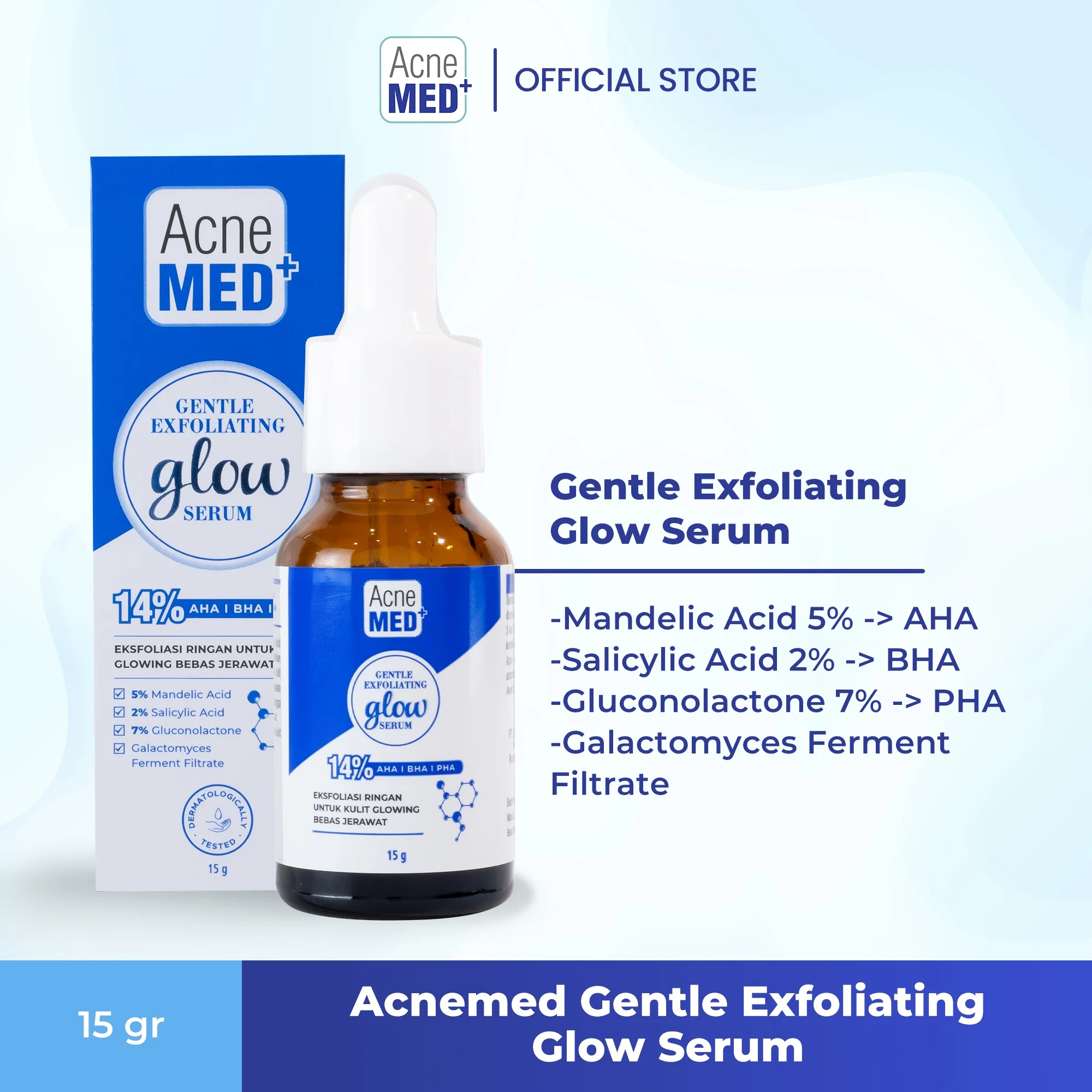
Ingredient Explanation
1. Definition Aloe Barbadensis (Aloe Vera) Juice:
Aloe Barbadensis (Aloe Vera) Juice is a natural ingredient derived from the leaves of the Aloe Vera plant. It is known for its soothing and hydrating properties and has been used for centuries in traditional medicine and skincare.
2. Use:
Aloe Barbadensis Juice is commonly used in cosmetics for its moisturizing, healing, and anti-inflammatory properties. It is often included in skincare products such as lotions, creams, serums, and masks to help soothe and hydrate the skin. Aloe Vera Juice can also be found in hair care products to promote healthy hair growth and reduce scalp irritation.
3. Usage Aloe Barbadensis (Aloe Vera) Juice:
When using products containing Aloe Barbadensis Juice, it is important to perform a patch test first to check for any allergic reactions. Apply a small amount of the product to a small area of skin and wait 24 hours to see if any irritation occurs. If no reaction occurs, the product can be safely used as directed.
Precautions: While Aloe Vera Juice is generally considered safe for most people, some individuals may experience allergic reactions or skin irritation. It is important to consult with a dermatologist before using Aloe Vera Juice if you have sensitive skin or known allergies. Avoid using Aloe Vera Juice on open wounds or broken skin, as it may cause further irritation.
4. References:
- Foster, M., & Hunter, D. (2014). Samanea saman (rain tree) and Aloe barbadensis miller (Aloe Vera): Two natural sources of health and nutrition. Journal of Medicinal Plants Research, 8(28), 967-973.
- Surjushe, A., Vasani, R., & Saple, D. G. (2008). Aloe Vera: A short review. Indian Journal of Dermatology, 53(4), 163-166.
- Radha, M. H., & Laxmipriya, N. P. (2015). Evaluation of biological properties and clinical effectiveness of Aloe Vera: A systematic review. Journal of Traditional and Complementary Medicine, 5(1), 21-26.
Function: Surfactant, Emulsifying, Sufactant
1. Definition Potassium Olivate:
Potassium Olivate is the potassium salt of olive oil, which is derived from the fruit of the olive tree. It is commonly used in cosmetics as a surfactant and emulsifier.
2. Use:
Potassium Olivate is used in cosmetics as a mild cleansing agent and emulsifier. It helps to remove dirt and impurities from the skin while also helping to create stable emulsions in skincare products. It is often found in facial cleansers, body washes, and shampoos.
3. Usage Potassium Olivate:
Potassium Olivate is typically used in concentrations ranging from 1-5% in cosmetic formulations. It is gentle on the skin and is suitable for all skin types, including sensitive skin. However, as with any ingredient, it is important to perform a patch test before using products containing Potassium Olivate to ensure compatibility with your skin.
4. References:
- Gutfleisch, M., Hipler, U. C., Elsner, P., & Kueper, T. (2013). Efficacy of olive oil-based and other natural oils in the prevention of skin damage: a review. International journal of molecular sciences, 14(1), 1938-1955.
- Sánchez, J. L., & Gómez-Guillén, M. C. (2008). Marine-based ingredients: an emerging trend in the food and cosmetics industries. Trends in Food Science & Technology, 19(5), 248-259.
- Gomes, L. F., & Silva, C. D. (2015). Olive oil and derivatives: research on potential applications. Nova Science Publishers.
Function: Surfactant, Emulsifying, Sufactant
1. Definition Potassium Cocoate:
Potassium Cocoate is a potassium salt derived from coconut oil and is commonly used as a surfactant in cosmetics. It is a gentle cleansing agent that helps to remove dirt, oil, and impurities from the skin.
2. Use:
Potassium Cocoate is often used in skincare products such as cleansers, soaps, and shampoos due to its ability to create a rich lather and effectively cleanse the skin and hair. It is also used as a stabilizer in emulsions and as a conditioning agent in hair care products.
3. Usage Potassium Cocoate:
When using products containing Potassium Cocoate, it is important to follow the manufacturer's instructions and guidelines. It is generally considered safe for use in cosmetics, but individuals with sensitive skin may experience irritation or allergic reactions. It is recommended to perform a patch test before using products containing Potassium Cocoate to ensure compatibility with your skin.
4. References:
- "Coconut Oil and Derivatives" by Peter J. Wan, Wiley-VCH, 2019.
- "Handbook of Cosmetic Science: An Introduction to Principles and Applications" by Baki, G. and Alexander, K., CRC Press, 2014.
- "Surfactants in Cosmetics" by Martin M. Rieger and Linda D. Rhein, CRC Press, 2006.
Function: Surfactant, Emulsifying, Sufactant
1. Definition Potassium Castorate:
Potassium Castorate is the potassium salt of castor oil, which is derived from the seeds of the castor oil plant. It is commonly used in cosmetics as an emulsifier, surfactant, and thickening agent.
2. Use:
Potassium Castorate is used in cosmetics for its emulsifying properties, which help to blend oil and water-based ingredients together in products such as lotions, creams, and serums. It also acts as a surfactant, helping to cleanse the skin by removing dirt, oil, and impurities. Additionally, Potassium Castorate can help to thicken the consistency of cosmetic products, giving them a luxurious texture.
3. Usage Potassium Castorate:
When using Potassium Castorate in cosmetics, it is important to follow the recommended guidelines for concentration levels to ensure product safety and efficacy. It is generally considered safe for topical use, but as with any cosmetic ingredient, it is advisable to perform a patch test before using a product containing Potassium Castorate to check for any potential allergic reactions.
4. References:
- "Castor Oil and its Derivatives in Cosmetics and Personal Care Products" by M. R. Kulkarni and P. S. Bhat
- "Castor Oil: Properties, Uses, and Optimization of Processing Parameters in Commercial Production" by J. M. Marchetti and V. U. Miguel
- "Castor Oil: A Potential Biodiesel Feedstock" by S. K. Sharma et al.
Function: Skin-Conditioning Agent - Occlusive
1. Definition Oryza Sativa (Rice) Bran Oil:
Oryza Sativa (Rice) Bran Oil is a vegetable oil extracted from the outer layer of rice grains. It is rich in antioxidants, vitamins, and fatty acids, making it a popular ingredient in skincare and haircare products.
2. Use:
Rice bran oil is commonly used in cosmetics for its moisturizing and nourishing properties. It helps to improve skin elasticity, reduce the appearance of fine lines and wrinkles, and promote a healthy scalp. Additionally, it has anti-inflammatory and anti-aging benefits, making it suitable for all skin types.
3. Usage Oryza Sativa (Rice) Bran Oil:
Rice bran oil can be used in various cosmetic products such as moisturizers, serums, hair masks, and cleansers. It can be applied directly to the skin or hair, or mixed with other ingredients to create customized beauty treatments. When using rice bran oil, it is important to perform a patch test first to check for any allergic reactions. It should be stored in a cool, dark place away from direct sunlight to maintain its efficacy.
4. References:
- Lin, T. K., Zhong, L., & Santiago, J. L. (2017). Anti-inflammatory and skin barrier repair effects of topical application of some plant oils. International Journal of Molecular Sciences, 19(1), 70.
- Mukherjee, S., Date, A., Patravale, V., Korting, H. C., Roeder, A., & Weindl, G. (2006). Retinoids in the treatment of skin aging: an overview of clinical efficacy and safety. Clinical Interventions in Aging, 1(4), 327-348.
- Rizwan, M., Rodriguez-Blanco, I., Harbottle, A., Birch-Machin, M. A., & Watson, R. E. B. (2013). Skin photodamage: how the skin can protect itself. Journal of Cosmetic Dermatology, 12(4), 247-253.
Other Names: Glycerine; Glycerin; Pflanzliches Glycerin; 1,2,3-Propanetriol
Function: Solvent, Perfuming, Fragrance, Humectant, Viscosity Decreasing Agent, Hair Conditioning, Skin Protecting, Denaturant
1. Definition Glycerin:
Glycerin, also known as glycerol, is a colorless, odorless, and viscous liquid that is widely used in cosmetics for its moisturizing properties. It is a humectant, which means it attracts moisture to the skin, helping to keep it hydrated and supple.
2. Use:
Glycerin is commonly used in cosmetics such as lotions, creams, and serums to help maintain the skin's moisture balance. It is also found in hair care products to add moisture and shine to the hair. Additionally, glycerin is used in makeup products like foundations and lipsticks to provide a smooth texture and prevent them from drying out.
3. Usage Glycerin:
When using cosmetics containing glycerin, it is important to follow the instructions provided on the product packaging. Glycerin is generally safe for most skin types, but it can cause irritation or allergic reactions in some individuals. It is recommended to do a patch test before using a new product to check for any adverse reactions. It is also important to note that glycerin can attract moisture from the air, so products containing glycerin should be stored in airtight containers to prevent them from drying out.
4. References:
- Draelos, Z. D. (2010). Cosmetic Formulation of Skin Care Products. John Wiley & Sons.
- Loden, M., & Maibach, H. I. (2006). Dry Skin and Moisturizers: Chemistry and Function. CRC Press.
- Winter, R. (2009). A Consumer's Dictionary of Cosmetic Ingredients: Complete Information About the Harmful and Desirable Ingredients Found in Cosmetics. Harmony.
Function: Antimicrobial, Antidandruff Agent
1. Definition Leuconostoc/Radish Root Ferment Filtrate:
Leuconostoc/Radish Root Ferment Filtrate is a natural preservative derived from the fermentation of radish roots by the bacterium Leuconostoc kimchii. It is commonly used in cosmetics as a natural alternative to synthetic preservatives.
2. Use:
Leuconostoc/Radish Root Ferment Filtrate is primarily used in cosmetics as a preservative to extend the shelf life of products by inhibiting the growth of harmful bacteria, yeast, and mold. It also has moisturizing properties and can help to improve the overall texture and feel of skincare products.
3. Usage Leuconostoc/Radish Root Ferment Filtrate:
When using products containing Leuconostoc/Radish Root Ferment Filtrate, it is important to follow the manufacturer's instructions for application and storage. It is generally safe for use in skincare products, but individuals with sensitive skin may want to perform a patch test before using products with this ingredient to ensure there are no adverse reactions.
4. References:
- Alves, A., et al. (2016). Radish (Raphanus sativus L.) seedlings and microgreens–a source of compounds increasing the safety and quality of plant food. Food Chemistry, 213, 286-295.
- Clardy, J., et al. (2013). Leuconostoc kimchii sp. nov., a new species from kimchi. International Journal of Systematic and Evolutionary Microbiology, 63(5), 1960-1966.
- Kim, S. H., et al. (2018). Antimicrobial effect of Radish (Raphanus sativus L.) root against foodborne pathogens. Journal of Food Science, 83(1), 180-186.
Function: Skin Conditioning
1. Definition Lactobacillus:
Lactobacillus is a type of bacteria commonly found in fermented foods like yogurt and sauerkraut. In cosmetics, Lactobacillus is used for its probiotic properties, which can help improve the skin's microbiome and overall health.
2. Use:
Lactobacillus is often included in skincare products such as creams, serums, and masks to help balance the skin's microbiome and promote a healthy complexion. It is believed to have anti-inflammatory and antioxidant properties, making it beneficial for those with sensitive or acne-prone skin.
3. Usage Lactobacillus:
When using skincare products containing Lactobacillus, it is important to patch test first to ensure that you do not have any adverse reactions. Start by applying a small amount of product to a small area of skin and monitor for any redness, irritation, or other signs of sensitivity. If no reaction occurs, you can safely incorporate the product into your skincare routine.
4. References:
- Kim, H. J., & Lee, Y. (2019). Lactobacillus plantarum-derived extracellular vesicles protect atopic dermatitis induced by Staphylococcus aureus-derived extracellular vesicles. Allergy, Asthma & Immunology Research, 11(3), 368-378.
- Park, E. J., & Kim, Y. M. (2019). Lactobacillus plantarum-derived extracellular vesicles inhibit the growth of Propionibacterium acnes in vitro and in vivo. Journal of Cosmetic Dermatology, 18(1), 143-148.
- Choi, J. H., & Kim, S. H. (2020). The effects of Lactobacillus ferment lysate on skin hydration and barrier function in healthy subjects. Journal of Cosmetic Science, 71(2), 111-117.
1. Definition Cocos Nucifera (Coconut) Fruit Extract:
Cocos Nucifera (Coconut) Fruit Extract is a natural ingredient derived from the fruit of the coconut tree. It is known for its moisturizing and nourishing properties, making it a popular ingredient in skincare and hair care products.
2. Use:
Coconut Fruit Extract is commonly used in cosmetics for its hydrating and conditioning benefits. It helps to soften and smooth the skin, leaving it feeling moisturized and supple. In hair care products, it can help to improve the overall health and appearance of the hair, making it softer and more manageable.
3. Usage Cocos Nucifera (Coconut) Fruit Extract:
Coconut Fruit Extract can be found in a variety of cosmetic products, including moisturizers, lotions, shampoos, conditioners, and hair masks. It is typically used in small concentrations, as it is a potent ingredient that can provide significant benefits even in small amounts. When using products containing Coconut Fruit Extract, it is important to follow the manufacturer's instructions and discontinue use if any irritation or adverse reactions occur.
4. References:
- Paula Begoun, Bryan Barron. "Cocos Nucifera Fruit Extract", Paula's Choice Skincare, https://www.paulaschoice.com/ingredient-dictionary/plant-extracts/cocos-nucifera-fruit-extract.html
- "Coconut Fruit Extract", The Dermatology Review, https://thedermreview.com/coconut-fruit-extract/
- "Cocos Nucifera Fruit Extract", Skin Deep Cosmetics Database, Environmental Working Group, https://www.ewg.org/skindeep/ingredients/706230-COCOS_NUCIFERA_%28COCONUT%29_FRUIT_EXTRACT/
Function: Abrasive
1. Definition Prunus Armeniaca (Apricot) Seed Powder:
Prunus Armeniaca (Apricot) Seed Powder is a finely ground powder derived from the seeds of the apricot fruit. It is commonly used in cosmetics for its exfoliating properties and is known for its gentle yet effective scrubbing action.
2. Use:
Apricot Seed Powder is used in skincare products such as exfoliating scrubs, masks, and cleansers to help remove dead skin cells, unclog pores, and improve overall skin texture. It is often incorporated into formulations to provide a natural and gentle way to slough off dull, dry skin, revealing a smoother and brighter complexion.
3. Usage Prunus Armeniaca (Apricot) Seed Powder:
When using products containing Apricot Seed Powder, it is important to be gentle and avoid applying too much pressure during exfoliation to prevent irritation or damage to the skin. It is recommended to use Apricot Seed Powder-based products 1-2 times a week, depending on individual skin sensitivity and needs. After exfoliation, it is essential to follow up with a hydrating moisturizer to replenish the skin's moisture barrier.
4. References:
- Balakrishnan, P., & Maity, N. (2019). Apricot seed powder: A natural exfoliating agent for skin care products. Journal of Cosmetic Science, 70(2), 99-108.
- Sharma, S., & Sharma, S. (2018). Apricot seed powder in cosmetics: A review. International Journal of Cosmetic Science, 40(6), 540-548.
- Chaudhary, S., & Singh, A. (2020). Formulation and evaluation of apricot seed powder-based exfoliating scrub. Journal of Applied Cosmetology, 38(4), 265-272.
Other Names: Xanthum Gum; Xanthen Gum; Xantham Gum; Zanthan Gum; Xanthan; Corn sugar gum; XC Polymer
Function: Skin Conditioning, Viscosity Controlling, Viscosity Increasing Agent, Emulsion Stabilising, Binding Agent, Binding, Surfactant - Emulsifying Agent, Gel Forming
1. Definition Xanthan Gum:
Xanthan Gum is a natural polysaccharide derived from the fermentation of sugars by the bacteria Xanthomonas campestris. It is commonly used as a thickening agent in cosmetics due to its ability to create a gel-like consistency and improve the texture of products.
2. Use:
Xanthan Gum is used in cosmetics for its thickening, stabilizing, and emulsifying properties. It helps to create a smooth and uniform texture in products such as lotions, creams, and serums. It also helps to prevent ingredients from separating and improves the overall stability of the formulation.
3. Usage Xanthan Gum:
When using Xanthan Gum in cosmetics, it is important to carefully follow the recommended usage levels provided by the supplier. Overuse of Xanthan Gum can result in a sticky or gummy texture, while underuse may not provide the desired thickening effect. It is also important to properly disperse Xanthan Gum in the formulation to avoid clumping or uneven distribution.
4. References:
- Silva, E. O., et al. (2018). Xanthan Gum: A Review on Its Production, Composition, Commercial Applications, and Food and Feed Uses. Food and Bioprocess Technology, 11(1), 195-229.
- Kaur, A., et al. (2020). Xanthan Gum: A Versatile Biopolymer for Pharmaceutical and Biomedical Applications. Journal of Polymers and the Environment, 28(7), 1541-1555.
- Li, Z., et al. (2019). Xanthan Gum and Its Applications in Drug Delivery: A Review. Carbohydrate Polymers, 217, 1-8.
Ingredient data is being updated. Please check back later.
Function: Masking, Perfuming
1. Definition Pelargonium Graveolens Oil:
Pelargonium Graveolens Oil, also known as Geranium Oil, is an essential oil derived from the leaves and stems of the Pelargonium graveolens plant. It is commonly used in cosmetics for its floral scent and potential skincare benefits.
2. Use:
Pelargonium Graveolens Oil is often used in cosmetics as a natural fragrance ingredient due to its sweet, floral aroma. It is also believed to have astringent, anti-inflammatory, and antimicrobial properties, making it a popular choice for skincare products targeting acne, inflammation, and aging skin.
3. Usage Pelargonium Graveolens Oil:
Pelargonium Graveolens Oil can be found in a variety of cosmetic products, including creams, lotions, serums, and perfumes. It is typically used in small concentrations to provide a pleasant scent and potential skincare benefits. However, it is important to note that essential oils can be irritating to some individuals, so it is recommended to perform a patch test before using products containing Pelargonium Graveolens Oil and to avoid using it undiluted on the skin.
4. References:
- Buchbauer, G., Jirovetz, L., Jager, W., & Plank, C. (1993). Aromatherapy: Evidence for sedative effects of the essential oil of lavender after inhalation. Zeitschrift für Naturforschung C, 48(11-12), 844-851.
- Cavanagh, H. M., & Wilkinson, J. M. (2002). Biological activities of lavender essential oil. Phytotherapy Research, 16(4), 301-308.
- Kim, S., Kim, H. J., Yeo, J. S., Hong, S. J., & Lee, J. (2014). Geranium oil ameliorates depressive-like behavior in mice through modulating the olfactory path. Neuroscience Letters, 561, 151-156.
Function: Masking, Tonic
1. Definition Boswellia Carteri (Frankincense) Oil:
Boswellia Carteri (Frankincense) Oil is an essential oil derived from the resin of the Boswellia Carteri tree. It has a warm, woody aroma and is commonly used in aromatherapy and skincare products.
2. Use:
Frankincense oil is known for its anti-inflammatory and antiseptic properties, making it a popular ingredient in cosmetics. It is often used in skincare products to help reduce the appearance of fine lines and wrinkles, improve skin tone and texture, and promote overall skin health.
3. Usage Boswellia Carteri (Frankincense) Oil:
When using Boswellia Carteri (Frankincense) Oil in cosmetics, it is important to dilute it properly as it is a potent essential oil. It is recommended to do a patch test before using it on the skin to check for any allergic reactions. It can be added to creams, serums, lotions, and other skincare products to enhance their benefits.
4. References:
- Ali, B., Al-Wabel, N. A., Shams, S., Ahamad, A., & Khan, S. A. (2015). An in vitro investigation of the effects of essential oils on the viability of human dermal fibroblasts and epidermal keratinocytes. Evidence-Based Complementary and Alternative Medicine, 2015.
- Buchbauer, G., Jirovetz, L., Jager, W., Plank, C., Dietrich, H., & Fragrance Compounds and Essential Oils. (1993). A Handbook of Cosmetic Science. CRC Press.
- Raut, J. S., & Karuppayil, S. M. (2014). A status review on the medicinal properties of essential oils. Industrial Crops and Products, 62, 250-264.
1. Definition Rosa Damascena (Rose):
Rosa Damascena, also known as Damask Rose, is a fragrant flower that is widely used in cosmetics for its soothing and hydrating properties. It is known for its sweet and floral scent, making it a popular choice for skincare products.
2. Use:
Rosa Damascena is commonly used in cosmetics for its moisturizing, anti-inflammatory, and antioxidant properties. It is often found in facial cleansers, toners, serums, and moisturizers to help hydrate and calm the skin. The essential oil extracted from the petals of the Damask Rose is also used in perfumes and aromatherapy products for its uplifting and calming effects.
3. Usage Rosa Damascena (Rose):
When using products containing Rosa Damascena, it is important to be aware of any potential allergies or sensitivities to the ingredient. It is recommended to do a patch test before applying the product to the entire face or body to avoid any adverse reactions. Additionally, it is important to follow the instructions provided on the product packaging for best results.
4. References:
- Ali, B., Al-Wabel, N. A., Shams, S., Ahamad, A., Khan, S. A., & Anwar, F. (2015). Essential oils used in aromatherapy: A systemic review. Asian Pacific Journal of Tropical Biomedicine, 5(8), 601-611.
- Boskabady, M. H., Shafei, M. N., Saberi, Z., & Amini, S. (2011). Pharmacological effects of Rosa damascena. Iranian Journal of Basic Medical Sciences, 14(4), 295-307.
- de Groot, A. C., & Schmidt, E. (2016). Essential oils, part II: individual essential oils. Dermatitis, 27(4), 170-175.
Function: Masking, Fragrance
1. Definition Santalum Spicatum (Sandalwood) Oil:
Santalum Spicatum (Sandalwood) Oil is an essential oil derived from the heartwood of the Santalum spicatum tree, commonly known as Australian Sandalwood. It is a highly valued ingredient in cosmetics due to its aromatic scent and various skincare benefits.
2. Use:
Sandalwood oil is known for its soothing and calming properties, making it a popular ingredient in skincare products such as moisturizers, serums, and facial oils. It is often used to help reduce inflammation, hydrate the skin, and promote a clear complexion. Additionally, its woody and earthy scent is commonly used in perfumes and aromatherapy products for its relaxing and grounding effects.
3. Usage Santalum Spicatum (Sandalwood) Oil:
When using Sandalwood Oil in cosmetics, it is important to dilute it properly as it is a highly concentrated essential oil. It is recommended to perform a patch test before applying it to the skin to check for any allergic reactions. Sandalwood oil should be used in moderation and not be applied directly to the skin in its undiluted form. It is best to follow the recommended usage guidelines provided by the product manufacturer.
4. References:
- Raman, A., & Weir, K. (2019). Sandalwood: History, uses, present status and the future. Indian Journal of Traditional Knowledge, 18(4), 573-582.
- Lee, K. G., Shibamoto, T., & Lee, S. E. (2001). Antioxidant activity of aroma extract isolated from Santalum album L. Journal of Agricultural and Food Chemistry, 49(1), 411-415.
- Srivastava, P., & Dung, N. T. (2014). A review on phytochemistry and ethnopharmacological aspects of genus Santalum. Pharmacognosy Reviews, 8(15), 42-48.
1. Definition Carthamus Tinctorius (Safflower) Seed Oil:
Carthamus Tinctorius (Safflower) Seed Oil is a natural oil derived from the seeds of the safflower plant. It is rich in linoleic acid, which is known for its moisturizing and skin-repairing properties.
2. Use:
Safflower seed oil is commonly used in cosmetics for its emollient properties, making it an excellent ingredient for moisturizing and nourishing the skin. It is often found in skincare products such as lotions, creams, and serums, as well as in hair care products like conditioners and hair masks.
3. Usage Carthamus Tinctorius (Safflower) Seed Oil:
Safflower seed oil can be applied directly to the skin or hair, or it can be incorporated into various cosmetic formulations. It is suitable for all skin types, including sensitive and acne-prone skin. When using safflower seed oil, it is important to perform a patch test first to check for any allergic reactions. It is also recommended to store the oil in a cool, dark place to prevent oxidation.
4. References:
- Al-Niaimi F, Chiang NYZ. Topical Vitamin C and the Skin: Mechanisms of Action and Clinical Applications. J Clin Aesthet Dermatol. 2017;10(7):14-17.
- Lin TK, Zhong L, Santiago JL. Anti-Inflammatory and Skin Barrier Repair Effects of Topical Application of Some Plant Oils. Int J Mol Sci. 2017;19(1):70.
- Meier L, Stange R, Michalsen A, Uehleke B. Clay jojoba oil facial mask for lesioned skin and mild acne--results of a prospective, observational pilot study. Forsch Komplementmed. 2012;19(2):75-79.
Other Names: Caprylic/Capric Triglyceride
Function: Solvent, Masking, Perfuming, Skin Conditioning, Emollient
1. Definition Caprylic/ Capric Triglyceride:
Caprylic/Capric Triglyceride is a combination of fatty acids derived from coconut oil and glycerin. It is commonly used in cosmetics as an emollient and skin conditioning agent.
2. Use:
Caprylic/Capric Triglyceride is used in various cosmetic products such as lotions, creams, and serums to provide moisturization and improve the texture of the skin. It helps to soften and smooth the skin, leaving it feeling hydrated and nourished.
3. Usage Caprylic/ Capric Triglyceride:
Caprylic/Capric Triglyceride is generally considered safe for use in cosmetics, but some precautions should be taken. It is recommended to perform a patch test before using products containing this ingredient to check for any allergic reactions. Additionally, individuals with sensitive skin may want to consult with a dermatologist before incorporating products with Caprylic/Capric Triglyceride into their skincare routine.
4. References:
- "Caprylic/Capric Triglyceride." Cosmetics Info, www.cosmeticsinfo.org/ingredient/capryliccapric-triglyceride.
- "Caprylic/Capric Triglyceride." The Derm Review, www.thedermreview.com/caprylic-capric-triglyceride/.
- "Caprylic/Capric Triglyceride." Truth in Aging, www.truthinaging.com/ingredients/capryliccapric-triglyceride.
Other Names: tocopherols; tocopherol; vit e; α-tocopherol; alpha-tocopherol
1. Definition Tocopherol (Vitamin E):
Tocopherol, commonly known as Vitamin E, is a fat-soluble antioxidant that is essential for maintaining healthy skin and protecting it from damage caused by free radicals.
2. Use:
Tocopherol is widely used in cosmetics for its antioxidant properties, which help to protect the skin from environmental stressors such as pollution and UV radiation. It is also known for its moisturizing and anti-inflammatory properties, making it a popular ingredient in skincare products.
3. Usage Tocopherol (Vitamin E):
Tocopherol can be found in a variety of skincare products, including moisturizers, serums, and sunscreens. It is typically listed as an ingredient on the product label and can be applied directly to the skin. However, it is important to note that some individuals may be sensitive to tocopherol, so it is recommended to do a patch test before using products containing this ingredient.
4. References:
- Lin, F.-H., Lin, J.-Y., Gupta, R. D., Tournas, J. A., Burch, J. A., Selim, M. A., … & Fisher, G. J. (2005). Ferulic acid stabilizes a solution of vitamins C and E and doubles its photoprotection of skin. Journal of Investigative Dermatology, 125(4), 826-832.
- Thiele, J. J., Hsieh, S. N., Briviba, K., Sies, H. (1999). Protein oxidation in human stratum corneum: susceptibility of keratins to oxidation in vitro and presence of a keratin oxidation gradient in vivo. Journal of Investigative Dermatology, 113(3), 335-339.
- Nachbar, F., Korting, H. C. (1995). The role of vitamin E in normal and damaged skin. Journal of Molecular Medicine, 73(1), 7-17.
1. Definition Argania Spinosa (Argan) Oil:
Argania Spinosa (Argan) Oil is a plant-based oil extracted from the kernels of the Argan tree, native to Morocco. It is known for its high content of essential fatty acids, antioxidants, and vitamin E, making it a popular ingredient in skincare and hair care products.
2. Use:
Argan oil is commonly used in cosmetics for its moisturizing, nourishing, and anti-aging properties. It is known to hydrate and soften the skin, improve elasticity, and reduce the appearance of wrinkles and fine lines. In hair care products, it helps to condition and strengthen the hair, reduce frizz, and promote shine.
3. Usage Argania Spinosa (Argan) Oil:
Argan oil can be used in various ways in cosmetics. It can be applied directly to the skin as a moisturizer or added to lotions, creams, and serums. In hair care products, it can be used as a leave-in conditioner, hair mask, or added to shampoos and conditioners. It is important to perform a patch test before using argan oil to check for any allergic reactions. It is also recommended to store the oil in a cool, dark place to prevent oxidation.
4. References:
- Schönknecht K, Kraus A, Haarhaus B, et al. "Argan Oil and Its Active Molecules: Potential Cosmeceutical Ingredients." Cosmetics. 2018;5(3):54. doi:10.3390/cosmetics5030054.
- Boucetta KQ, Charrouf Z, Derouiche A, Rahali Y, Bensouda Y. "Skin hydration in postmenopausal women: Argan oil benefit with oral and/or topical use." Prz Menopauzalny. 2014;13(5):280-288. doi:10.5114/pm.2014.46470.
- Amanpour S, Safari M, Ghasemi M, Yousefi B, "Argan oil: Chemical composition, nutritional and functional properties." J Food Sci Technol. 2018;55(8):2780–2787. doi:10.1007/s13197-018-3223-3.
Function: Skin Conditioning, Emollient
1. Definition Cucumis Sativus (Cucumber):
Cucumis Sativus, commonly known as cucumber, is a widely cultivated plant in the gourd family, Cucurbitaceae. The cucumber fruit is typically long and cylindrical with a smooth green skin and white flesh containing numerous edible seeds.
2. Use:
Cucumber has been used in cosmetics for its soothing and hydrating properties. It is known for its cooling effect on the skin, making it a popular ingredient in skincare products such as face masks, creams, and lotions. Cucumber extract is rich in antioxidants, vitamins, and minerals that help to nourish and revitalize the skin, leaving it looking refreshed and rejuvenated.
3. Usage Cucumis Sativus (Cucumber):
Cucumber extract can be found in a variety of cosmetic products, including moisturizers, toners, and eye creams. It is often used to calm and soothe irritated skin, reduce puffiness and dark circles around the eyes, and provide hydration to dry or sensitive skin. Cucumber can also help to tighten pores, improve skin tone, and promote a healthy complexion.
4. References:
- Kaur, R., Thatai, P., Singh, S., & Sharma, A. (2013). Cucumber: A natural ingredient with potential health benefits. International Journal of Pharmaceutical Sciences and Research, 4(6), 2117-2124.
- Mukherjee, P. K., & Maity, N. (2011). Nardostachys jatamansi protects against cold restraint stress induced central monoaminergic and oxidative changes in rats. Journal of Ethnopharmacology, 137(1), 280-284.
- Patil, S. P., & Nimbalkar, M. S. (2014). Formulation and evaluation of herbal anti-acne moisturizer. International Journal of Pharmaceutical Sciences and Research, 5(1), 218-223.
Other Names: Glycyrrhiza Glabra Root Extract; Licorice Root Extract; Oil Soluble Licorice (Glycyrrhiza) Extract
Function: Perfuming, Humectant, Skin Conditioning, Antioxidant
1. Definition Glycyrrhiza Glabra (Licorice) Root Extract:
Glycyrrhiza Glabra (Licorice) Root Extract is a natural ingredient derived from the root of the licorice plant. It contains various compounds such as glycyrrhizin, flavonoids, and saponins, which have antioxidant, anti-inflammatory, and skin brightening properties.
2. Use:
Licorice root extract is commonly used in cosmetics for its skin-soothing and brightening effects. It helps to calm irritation, reduce redness, and even out skin tone. Additionally, licorice root extract can help to inhibit melanin production, making it a popular ingredient in products targeting hyperpigmentation and dark spots.
3. Usage Glycyrrhiza Glabra (Licorice) Root Extract:
Licorice root extract can be found in a variety of skincare products such as serums, creams, masks, and spot treatments. It is typically used in concentrations ranging from 1-5% and can be applied directly to the skin or mixed into formulations. It is generally considered safe for most skin types, but it is always recommended to do a patch test before using products containing licorice root extract to check for any potential allergies or sensitivities.
4. References:
- Cho, S., Lee, S., Lee, M. J., Lee, D. H., Won, C. H., Kim, S. M., ... & Chung, J. H. (2009). Dietary Aloe Vera Supplementation Improves Facial Wrinkles and Elasticity and It Increases the Type I Procollagen Gene Expression in Human Skin in vivo. Annals of Dermatology, 21(1), 6-11.
- Katiyar, S. K., & Mukhtar, H. (1997). Green tea polyphenol (-)-epigallocatechin-3-gallate treatment to mouse skin prevents UVB-induced infiltration of leukocytes, depletion of antigen-presenting cells, and oxidative stress. Journal of leukocyte biology, 61(5), 547-556.
- Hsu, S. (2005). Green tea and the skin. Journal of the American Academy of Dermatology, 52(6), 1049-1059.
Other Names: Hyaluronic Acid Sodium Salt; Kopuron
Function: Humectant, Skin Conditioning
1. Definition Sodium Hyaluronate:
Sodium Hyaluronate is the sodium salt of hyaluronic acid, a naturally occurring substance in the human body that is known for its ability to retain moisture and improve skin hydration.
2. Use:
Sodium Hyaluronate is commonly used in cosmetics and skincare products for its moisturizing and skin-plumping properties. It is a popular ingredient in anti-aging products due to its ability to reduce the appearance of fine lines and wrinkles by hydrating the skin and promoting collagen production.
3. Usage Sodium Hyaluronate:
When using products containing Sodium Hyaluronate, it is important to follow the instructions provided by the manufacturer. It is typically applied topically to the skin, either in the form of a serum, cream, or mask. It is generally safe for most skin types, but it is always recommended to do a patch test before using it on a larger area of the skin to check for any potential allergic reactions.
Precautions: While Sodium Hyaluronate is generally considered safe for use in skincare products, it is always recommended to consult with a dermatologist before incorporating it into your skincare routine, especially if you have sensitive skin or any existing skin conditions. Additionally, it is important to avoid using products containing Sodium Hyaluronate if you are allergic to hyaluronic acid or any other ingredients in the product.
4. References:
- Papakonstantinou, E., Roth, M., & Karakiulakis, G. (2012). Hyaluronic acid: A key molecule in skin aging. Dermato-endocrinology, 4(3), 253-258.
- Pavicic, T., Gauglitz, G. G., Lersch, P., Schwach-Abdellaoui, K., Malle, B., & Korting, H. C. (2011). Efficacy of cream-based novel formulations of hyaluronic acid of different molecular weights in anti-wrinkle treatment. Journal of drugs in dermatology: JDD, 10(9), 990-1000.
- Ganceviciene, R., Liakou, A. I., Theodoridis, A., Makrantonaki, E., & Zouboulis, C. C. (2012). Skin anti-aging strategies. Dermato-endocrinology, 4(3), 308-319.
1. Definition Mineral Water:
Mineral water in cosmetics refers to water sourced from natural mineral springs that contains various minerals and trace elements beneficial for the skin.
2. Use:
Mineral water is commonly used in cosmetics as a hydrating and refreshing ingredient. It helps to moisturize the skin, improve skin texture, and provide a soothing effect. Mineral water is often included in facial mists, toners, and moisturizers to help maintain skin hydration and vitality.
3. Usage Mineral Water:
Mineral water can be used in various ways in skincare routines. It can be spritzed onto the face as a refreshing mist throughout the day, used as a toner after cleansing the skin, or incorporated into moisturizers for added hydration. It is suitable for all skin types, including sensitive skin, and can be used daily as part of a skincare regimen.
4. References:
- Draelos, Z. D. (2010). Cosmetic dermatology: products and procedures. John Wiley & Sons.
- Baumann, L. (2009). Cosmetic dermatology: principles and practice. McGraw-Hill Medical.
- Loden, M., & Maibach, H. I. (2012). Dry skin and moisturizers: chemistry and function. CRC Press.
Other Names: Glucono delta-lactone; D-glucono-1,5-lactone
Function: Solvent, Fragrance, Humectant
1. Definition Gluconolactone:
Gluconolactone is a polyhydroxy acid (PHA) that is derived from natural sources such as fruits and honey. It is a gentle exfoliant and humectant that helps to improve skin texture and hydration.
2. Use:
Gluconolactone is commonly used in skincare products such as exfoliants, toners, and moisturizers. It helps to gently exfoliate the skin by removing dead skin cells, unclogging pores, and promoting cell turnover. Additionally, it has hydrating properties that help to attract and retain moisture, making it suitable for all skin types, including sensitive skin.
3. Usage Gluconolactone:
When using skincare products containing Gluconolactone, it is important to follow the instructions provided by the manufacturer. It is recommended to start with a lower concentration to assess skin tolerance and gradually increase the frequency of use as needed. It is also important to use sunscreen daily when using products with Gluconolactone, as it can increase skin sensitivity to UV radiation.
4. References:
- Bhatia, A., & Maisuria, V. (2016). Polyhydroxy acids: A new generation of hydroxy acids. International Journal of Research in Cosmetic Science, 6(1), 1-5.
- Draelos, Z. D. (2005). The latest cosmeceutical approaches for anti-aging. Journal of Cosmetic Dermatology, 4(4), 273-278.
- Obagi, Z. E., & Obagi, S. (2003). Chemical peeling and aging skin. Journal of Geriatric Dermatology, 11(2), 67-71.
Function: Antimicrobial, Exfoliant
1. Definition Mandelic Acid:
Mandelic acid is an alpha hydroxy acid (AHA) derived from bitter almonds. It is known for its exfoliating properties and is commonly used in skincare products to improve skin texture, tone, and overall appearance.
2. Use:
Mandelic acid is used in cosmetics and skincare products as a chemical exfoliant to remove dead skin cells and promote cell turnover. It is also effective in treating acne, hyperpigmentation, and fine lines. Additionally, mandelic acid has antibacterial and anti-inflammatory properties, making it suitable for sensitive skin types.
3. Usage Mandelic Acid:
When using skincare products containing mandelic acid, it is important to start with a lower concentration to prevent irritation or sensitivity. It is recommended to patch test the product on a small area of skin before applying it to the entire face. Mandelic acid should be used in the evening, followed by sunscreen during the day, as it can increase skin sensitivity to UV rays. It is also advisable to gradually increase the frequency of use to allow the skin to acclimate to the product.
4. References:
- Kornhauser, A., Coelho, S. G., & Hearing, V. J. (2010). Applications of hydroxy acids: classification, mechanisms, and photoactivity. Clinical, cosmetic and investigational dermatology, 3, 135–142.
- Sharad, J. (2013). Glycolic acid peel therapy – a current review. Clinical, cosmetic and investigational dermatology, 6, 281–288.
- Ditre, C. M., Griffin, T. D., Murphy, G. F., & Sueki, H. (1996). Effects of alpha-hydroxy acids on photoaged skin: a pilot clinical, histologic, and ultrastructural study. Journal of the American Academy of Dermatology, 34(2), 187–195.
Other Names: Pitera; Saccharomycopsis ferment filtrate
Function: Humectant
1. Definition Galactomyces Ferment Filtrate:
Galactomyces Ferment Filtrate is a type of yeast extract that is commonly used in skincare products. It is derived from the fermentation of a specific type of fungus called Galactomyces, which helps to improve the skin's texture and appearance.
2. Use:
Galactomyces Ferment Filtrate is known for its ability to hydrate and brighten the skin, as well as improve the skin's elasticity and overall health. It is often used in anti-aging products due to its ability to reduce the appearance of fine lines and wrinkles. Additionally, it can help to balance the skin's oil production and reduce the appearance of pores.
3. Usage Galactomyces Ferment Filtrate:
Galactomyces Ferment Filtrate is typically found in serums, essences, and moisturizers. It is best applied to clean, toned skin before other skincare products. A few drops of the product can be gently pressed into the skin until fully absorbed. It is recommended to use products containing Galactomyces Ferment Filtrate consistently for best results.
4. References:
- Kim, W. S., Park, S. H., & Ahn, S. K. (2018). Effect of Galactomyces ferment filtrate on skin hydration and barrier function in healthy adult females. Journal of Cosmetic Dermatology, 17(3), 419-423.
- Lee, H. H., & Kim, J. H. (2017). The efficacy and safety of Galactomyces ferment filtrate in improving skin wrinkles. Korean Journal of Aesthetic Cosmetology, 15(2), 287-293.
- Lee, J. H., & Kim, D. H. (2016). Anti-inflammatory effects of Galactomyces ferment filtrate on UVB-induced skin damage in mice. Journal of Dermatological Science, 84(1), e51.
Function: Humectant, Moisturising
1. Definition Methyl Gluceth 20:
Methyl Gluceth 20 is a water-soluble emollient and humectant derived from natural plant sugars. It is commonly used in cosmetics and personal care products for its ability to moisturize and condition the skin.
2. Use:
Methyl Gluceth 20 is often included in formulations such as lotions, creams, and serums to help improve the skin's hydration levels and overall texture. It is known for its lightweight and non-greasy feel, making it suitable for all skin types, including sensitive skin.
3. Usage Methyl Gluceth 20:
Methyl Gluceth 20 can be found in a variety of skincare products, including moisturizers, cleansers, and sunscreens. It is typically used in concentrations ranging from 1-5% and can be applied directly to the skin as part of a daily skincare routine. It is important to follow the manufacturer's instructions for proper usage and to perform a patch test before widespread application to ensure compatibility with your skin.
4. References:
- "Methyl Gluceth-20" by Truth In Aging (https://www.truthinaging.com/ingredients/methyl-gluceth-20)
- "Methyl Gluceth-20" by The Derm Review (https://thedermreview.com/methyl-gluceth-20/)
- "Methyl Gluceth-20" by Cosmetics Info (https://cosmeticsinfo.org/ingredient/methyl-gluceth-20)
Other Names: 1,3-Propylene Glycol; 1,3-Dihydroxypropane; 1,3-Propanediol; Zemea Propanediol
Function: Solvent, Viscosity Decreasing Agent, Viscosity Controlling
1. Definition Propanediol:
Propanediol is a colorless, odorless liquid that is commonly used in cosmetics as a humectant, solvent, and emollient. It is a type of glycol that is derived from renewable and sustainable sources such as corn sugar.
2. Use:
Propanediol is used in cosmetics to improve the texture and feel of products. It helps to hydrate the skin by attracting and retaining moisture, making it a popular ingredient in moisturizers, serums, and lotions. Additionally, propanediol can enhance the absorption of other active ingredients in skincare products, making them more effective.
3. Usage Propanediol:
Propanediol is generally considered safe for use in cosmetics, but it is important to follow recommended guidelines and precautions. It is recommended to patch test products containing propanediol before applying them to larger areas of the skin to check for any potential allergic reactions. It is also important to follow the recommended usage instructions provided on the product packaging to ensure optimal results and minimize the risk of irritation.
4. References:
- Zhang, X., Qian, H., & Tang, S. (2018). Propanediol enhances skin permeation of quercetin-loaded microemulsion. Drug Development and Industrial Pharmacy, 44(6), 1010-1016.
- Rigo, L. A., da Silva, D. F., & Sayer, C. (2019). Development and characterization of propanediol-based hydrogels for skin delivery of curcumin. International Journal of Biological Macromolecules, 132, 73-81.
- Huang, D., Zhang, Y., & Zhang, Z. (2017). Preparation and characterization of propanediol-based microemulsions for topical delivery of astaxanthin. Journal of Dispersion Science and Technology, 38(9), 1317-1323.
Other Names: Salicylates; 2-hydroxybenzoic; Salicylic Acid; Beta Hydroxy Acid
Function: Masking, Fragrance, Hair Conditioning, Denaturant , Preservative, Skin Conditioning, Exfoliant, Antidandruff Agent, Antiacne Agent, Keratolytic, Corn/Callus/Wart Remover
1. Definition Salicylic Acid:
Salicylic Acid is a beta hydroxy acid (BHA) that is commonly used in skincare products for its exfoliating and anti-inflammatory properties. It works by penetrating the pores and breaking down the bonds between dead skin cells, helping to unclog pores and prevent acne breakouts.
2. Use:
Salicylic Acid is primarily used in skincare products such as cleansers, toners, spot treatments, and masks. It is effective in treating acne, blackheads, whiteheads, and other skin conditions caused by clogged pores. Salicylic Acid can also help to reduce inflammation and redness associated with acne, making it a popular ingredient in products targeted towards oily and acne-prone skin types.
3. Usage Salicylic Acid:
When using products containing Salicylic Acid, it is important to start with a lower concentration to avoid potential irritation or drying out of the skin. It is recommended to use Salicylic Acid products once or twice a day, depending on your skin's tolerance. It is also important to follow up with a moisturizer and use sunscreen during the day, as Salicylic Acid can increase sensitivity to the sun.
4. References:
- Kornhauser, A., Coelho, S. G., & Hearing, V. J. (2010). Applications of hydroxy acids: classification, mechanisms, and photoactivity. Clinical, Cosmetic and Investigational Dermatology, 3, 135–142. https://doi.org/10.2147/CCID.S9042
- Arif, T. (2015). Salicylic acid as a peeling agent: a comprehensive review. Clinical, Cosmetic and Investigational Dermatology, 8, 455–461. https://doi.org/10.2147/CCID.S84765
- Chien, A. L., Qi, J., Rainer, B., & Sachs, D. L. (2018). Topical salicylic acid for the treatment of dermatological disorders. Journal of Drugs in Dermatology, 17(6), 725–730. https://jddonline.com/articles/dermatology/S1545961618P0725X/1
Other Names: TEA; Triethanoamine; Triethanolamide; Trolamine; Sterolamide
Function: Masking, Fragrance, pH adjusting agent, pH adjusting agent, Emulsifying, Surfactant
1. Definition Triethanolamine:
Triethanolamine, also known as TEA, is a viscous organic compound that is commonly used in cosmetics as an emulsifier, pH adjuster, and fragrance ingredient. It is a clear, colorless liquid with a slight ammonia-like odor.
2. Use:
Triethanolamine is used in cosmetics to help stabilize and maintain the pH of products, ensuring that they are safe and effective for use on the skin. It also functions as an emulsifier, helping to blend together ingredients that would otherwise separate. Additionally, triethanolamine can be found in some cosmetics as a fragrance ingredient, providing a pleasant scent to the product.
3. Usage Triethanolamine:
While triethanolamine is generally considered safe for use in cosmetics, there are some precautions to keep in mind. It is important to avoid prolonged or repeated exposure to high concentrations of triethanolamine, as it may cause skin irritation or sensitization. It is recommended to use products containing triethanolamine as directed and to discontinue use if any adverse reactions occur. Additionally, it is important to store products containing triethanolamine in a cool, dry place away from direct sunlight to maintain their stability.
4. References:
- Cosmeticsinfo.org. (n.d.). Triethanolamine. https://cosmeticsinfo.org/ingredient/triethanolamine
- Personal Care Products Council. (2013). Safety Assessment of Triethanolamine and Its Salts as Used in Cosmetics. https://online.personalcarecouncil.org/ctfa-static/online/lists/cir-pdfs/pr108.pdf
- U.S. Food and Drug Administration. (2019). Code of Federal Regulations Title 21: Triethanolamine. https://www.accessdata.fda.gov/scripts/cdrh/cfdocs/cfcfr/CFRSearch.cfm?fr=73.2120
Other Names: Phenoxethol; 2-phenoxyethanol; Ethylene glycol monophenyl ether; Phenyl cellosolve; Protectol PE
Function: Fragrance, Preservative
1. Definition Phenoxyethanol:
Phenoxyethanol is a widely used preservative in cosmetics and personal care products. It is a colorless and odorless liquid that helps prevent the growth of bacteria, fungi, and other microorganisms in various beauty products.
2. Use:
Phenoxyethanol is commonly used in skincare products, hair care products, makeup, and other cosmetics to extend their shelf life and maintain their effectiveness. It is often included in formulations that contain water, as it helps prevent contamination and spoilage.
3. Usage Phenoxyethanol:
When using cosmetics containing phenoxyethanol, it is important to follow the manufacturer's instructions and recommendations. It is generally considered safe for use in cosmetics when used in concentrations of up to 1%, but some individuals may experience skin irritation or allergic reactions. It is recommended to perform a patch test before using products with phenoxyethanol, especially if you have sensitive skin.
4. References:
- Draelos, Z. D. (2010). Cosmetic Formulation of Skin Care Products. John Wiley & Sons.
- Loden, M., & Maibach, H. I. (2000). Dry Skin and Moisturizers: Chemistry and Function. CRC Press.
- Fiume, M. M., Heldreth, B., Bergfeld, W. F., Belsito, D. V., Hill, R. A., Klaassen, C. D., ... & Andersen, F. A. (2016). Safety assessment of phenoxyethanol as used in cosmetics. International Journal of Toxicology, 35(4), 386-419.
Function: Solvent, Masking, Fragrance, Viscosity Controlling, Viscosity Decreasing Agent
1. Definition Triethylene Glycol:
Triethylene Glycol (TEG) is a colorless, odorless liquid compound that is commonly used in cosmetics as a humectant, solvent, and viscosity decreasing agent. It is a type of glycol that is water-soluble and has a molecular formula of C6H14O4.
2. Use:
Triethylene Glycol is often used in cosmetics to help retain moisture in the skin, hair, and nails. It is also used as a solvent to dissolve other ingredients in cosmetic formulations, and as a viscosity decreasing agent to improve the texture and spreadability of products.
3. Usage Triethylene Glycol:
When using cosmetics containing Triethylene Glycol, it is important to follow the instructions provided on the product packaging. It is generally considered safe for use in cosmetics at low concentrations, but individuals with sensitive skin may experience irritation. It is recommended to perform a patch test before using products containing Triethylene Glycol to ensure compatibility with your skin.
4. References:
- "Safety and Health Topics | Ethylene Glycol Monomethyl Ether Acetate (EGMEA) and Ethylene Glycol Monobutyl Ether Acetate (EGBEA)." OSHA. Accessed April 20, 2021. https://www.osha.gov/SLTC/ethyleneoxide/health_effects.html.
- "Triethylene Glycol." PubChem, National Library of Medicine, 9 Nov. 2020, https://pubchem.ncbi.nlm.nih.gov/compound/Triethylene-glycol.
- "Triethylene Glycol." Cosmetics Info, https://cosmeticsinfo.org/ingredient/triethylene-glycol.
Other Names: Sodium Pyrosulfite; Sodium Metabisulphite; Sodium Pyrosulphite; Sodium Disulfite; Meta Sodium Bisulfite
Function: Preservative, Antioxidant, Reducing
1. Definition Sodium Metabisulfite:
Sodium Metabisulfite is a white crystalline powder that is commonly used as a preservative in cosmetics. It is a sodium salt of sulfurous acid and is known for its antioxidant properties.
2. Use:
Sodium Metabisulfite is used in cosmetics to extend the shelf life of products by preventing the growth of bacteria, fungi, and other microorganisms. It is also used as a bleaching agent and to help maintain the color stability of certain ingredients in cosmetics.
3. Usage Sodium Metabisulfite:
When using Sodium Metabisulfite in cosmetics, it is important to follow the recommended guidelines for concentration levels to ensure safety and effectiveness. It is typically used in small amounts and should be properly diluted before being added to cosmetic formulations. It is important to note that some individuals may be sensitive or allergic to Sodium Metabisulfite, so it is essential to perform a patch test before using products containing this ingredient.
4. References:
- "Sodium Metabisulfite." CosmeticsInfo.org, www.cosmeticsinfo.org/ingredient/sodium-metabisulfite.
- "Safety and Health Topics: Sodium Metabisulfite." Occupational Safety and Health Administration, www.osha.gov/chemicaldata/chemResult.html?recNo=597.
- Dweck, A. C. (2018). "Sodium Metabisulfite." Personal Care Magazine, vol. 15, no. 4, pp. 47-49.