


- Home
- Compare product
- Comparison result

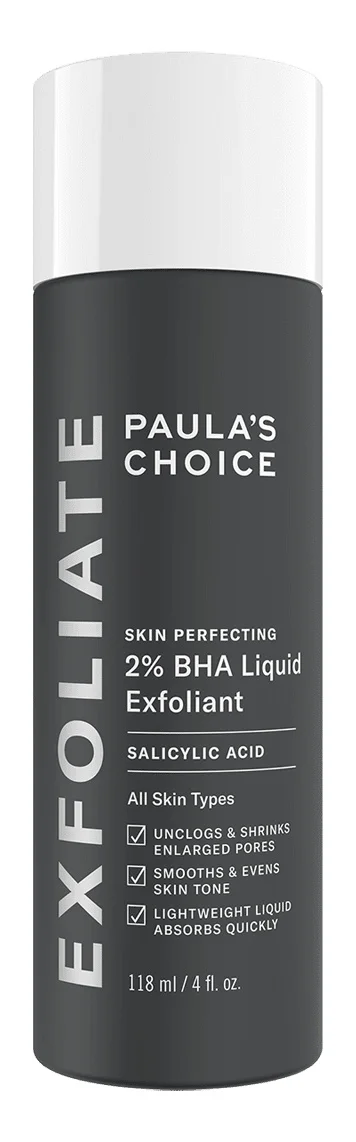


| EWG | CIR | Ingredient Name & Cosmetic Function | Notes |
|---|---|---|---|
| 1 3 | - | | |
| 1 | A | (Surfactant, Emulsifying, Sufactant) | |
| 1 | A | (Surfactant, Emulsifying, Sufactant) | |
| 1 | - | (Surfactant, Emulsifying, Sufactant) | |

| EWG | CIR | Ingredient Name & Cosmetic Function | Notes |
|---|---|---|---|
| 1 | - | (Solvent) | |
| 1 | - | (Solvent) | |
| 1 | A | (Solvent, Masking, Fragrance, Humectant, Skin Conditioning, Viscosity Controlling, Viscosity decreasing agents) |  |
| 1 3 | B | (Masking, Fragrance, Hair Conditioning, Denaturant , Preservative, Skin Conditioning, Exfoliant, Antidandruff Agent, Antiacne Agent, Keratolytic, Corn/Callus/Wart Remover) |   |
Organic Aloe Barbadensis (Aloe) Juice
1. Definition Aloe Barbadensis (Aloe Vera) Juice:
Aloe Barbadensis (Aloe Vera) Juice is a natural ingredient derived from the leaves of the Aloe Vera plant. It is known for its soothing and hydrating properties and has been used for centuries in traditional medicine and skincare.2. Use:
Aloe Barbadensis Juice is commonly used in cosmetics for its moisturizing, healing, and anti-inflammatory properties. It is often included in skincare products such as lotions, creams, serums, and masks to help soothe and hydrate the skin. Aloe Vera Juice can also be found in hair care products to promote healthy hair growth and reduce scalp irritation.3. Usage Aloe Barbadensis (Aloe Vera) Juice:
When using products containing Aloe Barbadensis Juice, it is important to perform a patch test first to check for any allergic reactions. Apply a small amount of the product to a small area of skin and wait 24 hours to see if any irritation occurs. If no reaction occurs, the product can be safely used as directed.Precautions: While Aloe Vera Juice is generally considered safe for most people, some individuals may experience allergic reactions or skin irritation. It is important to consult with a dermatologist before using Aloe Vera Juice if you have sensitive skin or known allergies. Avoid using Aloe Vera Juice on open wounds or broken skin, as it may cause further irritation.
4. References:
- Foster, M., & Hunter, D. (2014). Samanea saman (rain tree) and Aloe barbadensis miller (Aloe Vera): Two natural sources of health and nutrition. Journal of Medicinal Plants Research, 8(28), 967-973.
- Surjushe, A., Vasani, R., & Saple, D. G. (2008). Aloe Vera: A short review. Indian Journal of Dermatology, 53(4), 163-166.
- Radha, M. H., & Laxmipriya, N. P. (2015). Evaluation of biological properties and clinical effectiveness of Aloe Vera: A systematic review. Journal of Traditional and Complementary Medicine, 5(1), 21-26.
Potassium Olivate
1. Definition Potassium Olivate:
Potassium Olivate is the potassium salt of olive oil, which is derived from the fruit of the olive tree. It is commonly used in cosmetics as a surfactant and emulsifier.2. Use:
Potassium Olivate is used in cosmetics as a mild cleansing agent and emulsifier. It helps to remove dirt and impurities from the skin while also helping to create stable emulsions in skincare products. It is often found in facial cleansers, body washes, and shampoos.3. Usage Potassium Olivate:
Potassium Olivate is typically used in concentrations ranging from 1-5% in cosmetic formulations. It is gentle on the skin and is suitable for all skin types, including sensitive skin. However, as with any ingredient, it is important to perform a patch test before using products containing Potassium Olivate to ensure compatibility with your skin.4. References:
- Gutfleisch, M., Hipler, U. C., Elsner, P., & Kueper, T. (2013). Efficacy of olive oil-based and other natural oils in the prevention of skin damage: a review. International journal of molecular sciences, 14(1), 1938-1955.
- Sánchez, J. L., & Gómez-Guillén, M. C. (2008). Marine-based ingredients: an emerging trend in the food and cosmetics industries. Trends in Food Science & Technology, 19(5), 248-259.
- Gomes, L. F., & Silva, C. D. (2015). Olive oil and derivatives: research on potential applications. Nova Science Publishers.
Potassium Cocoate
1. Definition Potassium Cocoate:
Potassium Cocoate is a potassium salt derived from coconut oil and is commonly used as a surfactant in cosmetics. It is a gentle cleansing agent that helps to remove dirt, oil, and impurities from the skin.2. Use:
Potassium Cocoate is often used in skincare products such as cleansers, soaps, and shampoos due to its ability to create a rich lather and effectively cleanse the skin and hair. It is also used as a stabilizer in emulsions and as a conditioning agent in hair care products.3. Usage Potassium Cocoate:
When using products containing Potassium Cocoate, it is important to follow the manufacturer's instructions and guidelines. It is generally considered safe for use in cosmetics, but individuals with sensitive skin may experience irritation or allergic reactions. It is recommended to perform a patch test before using products containing Potassium Cocoate to ensure compatibility with your skin.4. References:
- "Coconut Oil and Derivatives" by Peter J. Wan, Wiley-VCH, 2019.
- "Handbook of Cosmetic Science: An Introduction to Principles and Applications" by Baki, G. and Alexander, K., CRC Press, 2014.
- "Surfactants in Cosmetics" by Martin M. Rieger and Linda D. Rhein, CRC Press, 2006.
Potassium Castorate
1. Definition Potassium Castorate:
Potassium Castorate is the potassium salt of castor oil, which is derived from the seeds of the castor oil plant. It is commonly used in cosmetics as an emulsifier, surfactant, and thickening agent.2. Use:
Potassium Castorate is used in cosmetics for its emulsifying properties, which help to blend oil and water-based ingredients together in products such as lotions, creams, and serums. It also acts as a surfactant, helping to cleanse the skin by removing dirt, oil, and impurities. Additionally, Potassium Castorate can help to thicken the consistency of cosmetic products, giving them a luxurious texture.3. Usage Potassium Castorate:
When using Potassium Castorate in cosmetics, it is important to follow the recommended guidelines for concentration levels to ensure product safety and efficacy. It is generally considered safe for topical use, but as with any cosmetic ingredient, it is advisable to perform a patch test before using a product containing Potassium Castorate to check for any potential allergic reactions.4. References:
- "Castor Oil and its Derivatives in Cosmetics and Personal Care Products" by M. R. Kulkarni and P. S. Bhat
- "Castor Oil: Properties, Uses, and Optimization of Processing Parameters in Commercial Production" by J. M. Marchetti and V. U. Miguel
- "Castor Oil: A Potential Biodiesel Feedstock" by S. K. Sharma et al.







