


- Home
- Compare product
- Comparison result

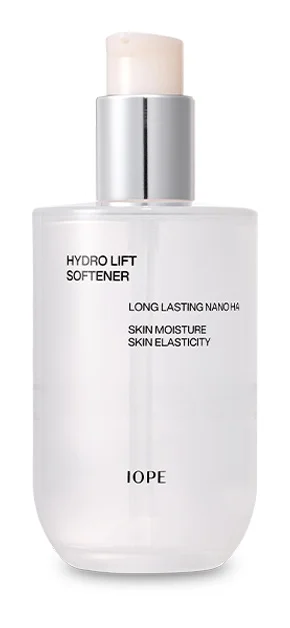


| EWG | CIR | Ingredient Name & Cosmetic Function | Notes |
|---|---|---|---|
| 1 | - | (Solvent) | |
| 4 6 | B |  Bad for sensitive skin Bad for sensitive skin  Fragrance-free Fragrance-free | |
| 1 | - | (Skin Conditioning, Hair Conditioning, Soothing, Cosmetic Astringent) |  Good for oily skin Good for oily skin |
| 1 | - | (Masking, Fragrance, Skin Protecting, Tonic) | Bad for sensitive skin Moisturizing |
| 1 | - | (Skin Conditioning, Emollient, Soothing, Smoothing) | |
| 1 | - | | |
| 4 | B | (Fragrance, Refreshing) | Bad for sensitive skin  Bad for dry skin Bad for dry skin |
| 1 | - | | |
| 1 | - | (Skin Conditioning, Emollient, Antimicrobial, Soothing, Tonic, Astringent) | |
| 4 | - | | |
| 1 | - | | |
| 1 | - | (Skin Conditioning, Antimicrobial, Soothing, Tonic, Astringent, Anticaking Agent) | |
| 1 | - | (Skin Conditioning) | |
| 1 | - | (Skin Conditioning, Emollient) |  Good for dry skin Good for dry skin |
| 1 | - | (Skin Conditioning) | |
| 1 | - | (Skin Conditioning, Emollient, Fragrance, Soothing, Tonic) | |
| 1 | - | | |
| 1 | - | (Skin Conditioning, Soothing, Nail Conditioning) | |
| 1 | - | (Skin Conditioning) | |
| 1 | - | (Skin Conditioning) | |
| 1 3 | - | (Skin Conditioning) | |
| 2 | - | (Solvent, Masking, Antifoaming Agent, Viscosity Controlling, Antimicrobial, Astringent) | Bad for sensitive skin Bad for dry skin  Alcohol Alcohol |
| 9 | - | Good for dry skin Anti Aging | |
| 1 | - | (Emollient) | |
| 1 | A | (Skin Conditioning) | |
| 2 4 | - | (Cosmetic Colorant) | |
| - | - | (Skin Protecting) | Moisturizing |
| - | - | (Skin Conditioning) | |
| - | - | |
| EWG | CIR | Ingredient Name & Cosmetic Function | Notes |
|---|---|---|---|
| 1 | - | | |
| 1 | A | (Solvent, Masking, Fragrance, Humectant, Skin Conditioning, Viscosity Controlling, Viscosity decreasing agents) | Good for dry skin |
| 1 2 | A | (Solvent, Perfuming, Fragrance, Humectant, Viscosity Decreasing Agent, Hair Conditioning, Skin Protecting, Denaturant ) | Good for dry skin Moisturizing |
| 1 | A | (Emollient, Viscosity Controlling, Viscosity Increasing Agent, Binding Agent, Skin-Conditioning Agent - Occlusive) | |
| 1 | A | (Hair Conditioning, Skin Conditioning, Smoothing) | Anti Aging Brightening |
| - | A | (Skin Conditioning, Emollient, Viscosity Controlling) | |
| 1 3 | A | (Skin Protecting, Skin Conditioning, Emollient, Antifoaming Agent) |  Silicone Moisturizing Silicone Moisturizing |
| 1 | A | (Solvent) | |
| 1 | A |  Bad for oily skin Bad for oily skin  Fungal Acne Trigger Fungal Acne Trigger | |
| 1 | - | (Skin Conditioning, Emollient, Surfactant, Emulsifying) | Fungal Acne Trigger Cleansing |
| 1 | - | (Viscosity Controlling, Film Forming) | |
| 1 | A | (Skin Conditioning, Emollient) | |
| 1 | A | (Viscosity Controlling) | |
| 1 | A | (Viscosity Controlling, Viscosity Increasing Agent, Emulsion Stabilising, Gel Forming) | |
| 1 | A | (Emollient, Emulsifying) | Fungal Acne Trigger Cleansing |
| 1 | A | (Opacifying, Emollient, Viscosity Controlling, Viscosity Increasing Agent, Emulsion Stabilising, Emulsifying, Foam Boosting, Viscosity Increasingagent - Aqueous) | Cleansing |
| 1 | B | (Skin Conditioning, Emollient, Emulsifying) | Fungal Acne Trigger Cleansing |
| 1 | A | (Skin Conditioning, Emollient, Viscosity Increasing Agent) | Bad for oily skin |
| 1 | - | (Viscosity Controlling, Emulsion Stabilising) | |
| 1 2 | A | (Masking, Fragrance, pH adjusting agent, pH adjusting agent) | |
| 1 | A | (Masking, Fragrance, Emulsion Stabilising, Emulsifying, Sufactant, Refatting) | Bad for oily skin Fungal Acne Trigger Cleansing |
| 8 | - | (Masking, Perfuming, Deodorant) | Fragrance-free |
| 1 | A | (Skin Conditioning, Viscosity Controlling, Viscosity Increasing Agent, Emulsion Stabilising, Binding Agent, Binding, Surfactant - Emulsifying Agent, Gel Forming) | |
| 1 | B | (Hair Conditioning, Skin Conditioning, Emulsifying, Surfactant) | Cleansing |
| 1 | A | (Fragrance, Opacifying, Emollient, Sufactant) | Bad for oily skin Fungal Acne Trigger |
| 2 | A | (Deodorant, Skin Conditioning) | |
| 1 | A | (Chelating Agent, Viscosity Controlling) | |
| 1 | - | (Skin Conditioning) | Anti Aging |
| 3 | B | (Solvent, Fragrance, Humectant, Viscosity Decreasing Agent, Skin Conditioning, Viscosity Controlling, Skin-Conditioningagent - Miscellaneous) | Good for dry skin |
| 1 | A | (Humectant, Skin Conditioning) | Good for dry skin Promotes Wound Healing |
| 1 | A | (Emulsifying, Surfactant) | Fungal Acne Trigger Cleansing |
| 3 | B | (Emulsifying, Surfactant) | Fungal Acne Trigger Cleansing |
| 1 | A | (Viscosity Controlling, Viscosity Increasing Agent, Binding Agent, Binding, Absorbent, Bulking Agent) | |
| - | - | Cacao Extract | |
| 1 | A | (Humectant, Hair Conditioning, Skin Conditioning, Emollient, Antistatic Agent, Film Forming, Nail Agents) | |
| 1 | - | Good for dry skin Anti Aging |
Water
1. Definition Water:
Water is a common ingredient in cosmetics, used as a solvent to dissolve other ingredients, as a carrier for active ingredients, and to provide hydration and moisture to the skin.2. Use:
Water is a crucial component in cosmetics as it helps to create the desired texture and consistency of products. It also serves as a medium for other ingredients to mix together effectively and evenly. Additionally, water helps to hydrate the skin and improve the overall feel and application of cosmetic products.3. Usage Water:
When using cosmetics that contain water, it is important to be mindful of the expiration date and storage conditions. Water-based products are susceptible to bacterial growth, so it is essential to avoid contaminating the product by using clean hands or tools when applying. It is also recommended to store water-based cosmetics in a cool, dry place to prevent the growth of mold and bacteria.4. References:
- Draelos, Z. D. (2010). Cosmetic dermatology: products and procedures. John Wiley & Sons.
- Winter, R. (2009). A consumer's dictionary of cosmetic ingredients: complete information about the harmful and desirable ingredients found in cosmetics and cosmeceuticals. Crown.
- Begoun, P. (2003). Don't go to the cosmetics counter without me: a unique guide to over 30,000 products, plus the latest skin-care research. Beginning Press.
Citrus Limon (Lemon) Peel Oil
1. Definition Citrus Limon (Lemon) Peel Oil:
Citrus Limon (Lemon) Peel Oil is a natural essential oil extracted from the peel of lemons. It is known for its refreshing and uplifting citrus scent.2. Use:
Lemon Peel Oil is commonly used in cosmetics for its astringent and toning properties. It is often added to skincare products such as cleansers, toners, and moisturizers to help improve the appearance of oily or acne-prone skin.3. Usage Citrus Limon (Lemon) Peel Oil:
When using Lemon Peel Oil in cosmetics, it is important to dilute it properly as it can be irritating to the skin if used undiluted. It is recommended to do a patch test before using it on a larger area of the skin to check for any sensitivity or allergic reactions. Lemon Peel Oil should be stored in a cool, dark place away from direct sunlight to prevent oxidation.4. References:
- "Lemon Peel Oil: Benefits, Uses, and Side Effects." Healthline, www.healthline.com/health/lemon-peel-oil.
- "Citrus Limon (Lemon) Peel Oil." The Dermatology Review, www.thedermreview.com/citrus-limon-lemon-peel-oil.
- "Lemon Peel Oil." Cosmetics Info, www.cosmeticsinfo.org/ingredient/lemon-peel-oil.
Hamamelis Virginiana (Witch Hazel) Extract
1. Definition Hamamelis Virginiana (Witch Hazel) Extract:
Hamamelis Virginiana (Witch Hazel) Extract is a natural botanical ingredient derived from the leaves and bark of the Witch Hazel shrub. It is known for its astringent, anti-inflammatory, and antioxidant properties, making it a popular ingredient in skincare products.2. Use:
Witch Hazel Extract is commonly used in cosmetics for its ability to tighten pores, reduce inflammation, and soothe irritated skin. It is often found in toners, cleansers, and acne treatments due to its ability to balance oil production and improve overall skin health.3. Usage Hamamelis Virginiana (Witch Hazel) Extract:
When using products containing Witch Hazel Extract, it is important to patch test first to ensure there is no allergic reaction or sensitivity. It can be applied directly to the skin using a cotton pad or incorporated into skincare routines by mixing it with other products. Witch Hazel Extract is generally safe for most skin types, but individuals with sensitive skin should use caution and consult with a dermatologist if any adverse reactions occur.4. References:
- Dweck, A. C. (2002). The botanical and cosmetic use of Witch Hazel. International Journal of Cosmetic Science, 24(1), 17-24.
- Thring, T. S. A., Hili, P., & Naughton, D. P. (2011). Antioxidant and potential anti-inflammatory activity of extracts and formulations of white tea, rose, and witch hazel on primary human dermal fibroblast cells. Journal of Inflammation, 8(1), 27.
- Hughes-Formella, B. J., Filbry, A. W., Gassmueller, J., & Rippke, F. (2002). Anti-inflammatory efficacy of topical preparations with 10% hamamelis distillate in a UV erythema test. Skin Pharmacology and Physiology, 15(2), 125-132.
Salvia Officinalis (Sage) Oil
1. Definition Salvia Officinalis (Sage) Oil:
Salvia Officinalis (Sage) Oil is an essential oil extracted from the leaves of the sage plant through steam distillation. It is known for its herbaceous aroma and various skin benefits.2. Use:
Sage oil is commonly used in cosmetics for its astringent and anti-inflammatory properties. It is often included in skincare products such as creams, lotions, and serums to help balance oily skin, reduce inflammation, and promote overall skin health.3. Usage Salvia Officinalis (Sage) Oil:
When using Sage Oil in cosmetics, it is important to dilute it properly as it is a highly concentrated essential oil. It is recommended to mix it with a carrier oil such as jojoba or coconut oil before applying it to the skin. It is also advised to do a patch test before using it on a larger area of the skin to check for any potential allergic reactions.4. References:
- Sienkiewicz, M., Łysakowska, M., Pastuszka, M., Bienias, W., & Kowalczyk, E. (2011). The potential use of essential oils in cosmetics. Journal of Cosmetic Science, 62(4), 385-401.
- Gülçin, İ. (2005). Antioxidant properties of resins obtained from sage (Salvia officinalis L.). International Journal of Food Sciences and Nutrition, 56(4), 287-292.
- Tadić, V., Dobrić, S., Marković, G. M., Đorđević, S., Arsić, I., & Menković, N. (2008). Anti-inflammatory, gastroprotective, free-radical-scavenging, and antimicrobial activities of hederagenin isolated from ivy leaves (Hedera helix L., Araliaceae). Journal of Ethnopharmacology, 120(1), 127-133.
Fucus Vesiculosus Extract
1. Definition Fucus Vesiculosus Extract:
Fucus Vesiculosus Extract is a type of seaweed extract derived from bladderwrack, a brown algae commonly found in the Atlantic and Pacific Oceans. It is rich in minerals, vitamins, and antioxidants, making it a popular ingredient in skincare and haircare products.2. Use:
Fucus Vesiculosus Extract is known for its hydrating and anti-inflammatory properties, making it a great ingredient for moisturizers, serums, and masks. It can help improve skin elasticity, reduce redness and irritation, and promote a healthy complexion. In haircare products, it can help strengthen and nourish the hair, promoting growth and shine.3. Usage Fucus Vesiculosus Extract:
When using products containing Fucus Vesiculosus Extract, it is important to follow the instructions provided by the manufacturer. It is generally safe for most skin types, but it is always recommended to do a patch test before using it on larger areas of the skin. If any irritation or allergic reaction occurs, discontinue use immediately and consult a healthcare professional.4. References:
- Karpagam, T., Varadharajan, V., & Thirumalai, T. (2014). Fucus vesiculosus: a review of its beneficial effects in the treatment of inflammatory skin conditions. International Journal of Dermatology, 53(3), 324-331.
- Cunha, L., Grenha, A., & Figueirinha, A. (2012). Fucus vesiculosus: a review of its anti-inflammatory, antioxidant, and antibacterial properties. Journal of Natural Products, 75(5), 1161-1169.
- Saeidnia, S., & Manayi, A. (2015). Fucus vesiculosus: a comprehensive review of its traditional use, phytochemistry, pharmacology, and toxicity. Phytotherapy Research, 29(4), 463-487.
Arctium Lappa (Burdock) Root Extract
1. Definition Arctium Lappa (Burdock) Root Extract:
Arctium Lappa (Burdock) Root Extract is a natural ingredient derived from the roots of the burdock plant, scientifically known as Arctium lappa. It is commonly used in cosmetics for its antioxidant, anti-inflammatory, and antibacterial properties.2. Use:
Arctium Lappa (Burdock) Root Extract is often included in skincare products for its ability to help improve the overall health and appearance of the skin. It is known to help reduce inflammation, fight acne-causing bacteria, and protect the skin from environmental stressors. Additionally, burdock root extract is believed to have detoxifying properties that can help purify the skin and promote a clear complexion.3. Usage Arctium Lappa (Burdock) Root Extract:
When using products containing Arctium Lappa (Burdock) Root Extract, it is important to follow the instructions provided by the manufacturer. Typically, the extract is incorporated into various skincare formulations such as serums, creams, masks, and toners. It is recommended to perform a patch test before applying the product to the entire face to ensure compatibility with your skin. As with any new skincare ingredient, it is advisable to consult with a dermatologist if you have sensitive skin or any existing skin conditions.4. References:
- Lee, N. H., & Lee, B. C. (2012). Anti-inflammatory effects of Arctium lappa L. (Burdock) on atopic dermatitis in vitro and in vivo. Journal of Ethnopharmacology, 140(2), 409-417.
- Yoon, J. Y., & Kwon, H. H. (2018). A randomized, double-blind, placebo-controlled trial of a novel pantothenic acid-based dietary supplement in subjects with mild to moderate facial acne. Dermatology and Therapy, 8(4), 555-566.
- Park, S. Y., & Kim, D. S. (2019). Antioxidant and anti-inflammatory effects of Arctium lappa L. (Burdock) root extract in human dermal fibroblasts. Journal of Medicinal Plants Research, 13(14), 314-321.
Mentha Piperita (Peppermint) Leaf
1. Definition Mentha Piperita (Peppermint) Leaf:
Mentha Piperita (Peppermint) Leaf is the leaf of the peppermint plant, known for its refreshing and invigorating properties. It is commonly used in cosmetics for its cooling sensation and soothing effects on the skin.2. Use:
Peppermint leaf is often used in cosmetics for its anti-inflammatory and antimicrobial properties. It can help to reduce redness and irritation, making it a popular ingredient in products designed for sensitive or acne-prone skin. Peppermint leaf can also help to improve circulation and promote a healthy glow, making it a common ingredient in products targeting dull or tired skin.3. Usage Mentha Piperita (Peppermint) Leaf:
Peppermint leaf can be found in a variety of cosmetic products, including cleansers, toners, masks, and moisturizers. It is typically used in small concentrations to avoid irritation, but can be effective in providing a refreshing and revitalizing experience for the skin. It is important to patch test products containing peppermint leaf before use, as some individuals may be sensitive to this ingredient.4. References:
- Yoon, W. J., Kim, S. S., & Oh, T. H. (2010). Antimicrobial activity of essential oil of Mentha piperita L. and its application to the production of antimicrobial paper. Korean Journal of Microbiology, 46(2), 187-192.
- McKay, D. L., & Blumberg, J. B. (2006). A review of the bioactivity and potential health benefits of peppermint tea (Mentha piperita L.). Phytotherapy Research, 20(8), 619-633.
- Grigoriadis, S., & Hadjipavlou-Litina, D. (2005). Mentha piperita: A plant with potential analgesic and anti-inflammatory activities. Journal of Ethnopharmacology, 101(1-3), 289-294.
Lavandula Angustifolia (Lavender) Flower
1. Definition Lavandula Angustifolia (Lavender) Flower:
Lavandula Angustifolia (Lavender) Flower is a small aromatic shrub native to the Mediterranean region, known for its fragrant purple flowers. It is widely cultivated for its essential oil, which is commonly used in cosmetics, aromatherapy, and herbal medicine.2. Use:
Lavender flower extract is a popular ingredient in cosmetics due to its soothing and calming properties. It is often used in skincare products such as lotions, creams, and serums to help reduce inflammation, promote relaxation, and improve overall skin health. Lavender is also valued for its pleasant scent, making it a common fragrance in perfumes, soaps, and other beauty products.3. Usage Lavandula Angustifolia (Lavender) Flower:
When using lavender flower extract in cosmetics, it is important to be aware of potential precautions. While lavender is generally considered safe for most people, some individuals may experience allergic reactions or skin irritation. It is recommended to perform a patch test before using products containing lavender extract, especially if you have sensitive skin. Additionally, pregnant women should consult with a healthcare provider before using lavender essential oil, as it may have hormonal effects.4. References:
- Ali, B., Al-Wabel, N. A., Shams, S., Ahamad, A., & Khan, S. A. (2015). Essential oils used in aromatherapy: A systemic review. Asian Pacific Journal of Tropical Biomedicine, 5(8), 601-611.
- Koulivand, P. H., Khaleghi Ghadiri, M., & Gorji, A. (2013). Lavender and the nervous system. Evidence-Based Complementary and Alternative Medicine, 2013, 681304.
- Cavanagh, H. M., & Wilkinson, J. M. (2002). Biological activities of lavender essential oil. Phytotherapy Research, 16(4), 301-308.
Humulus Lupulus (Hops)
1. Definition Humulus Lupulus (Hops):
Humulus Lupulus, commonly known as hops, is a plant species belonging to the Cannabaceae family. It is primarily cultivated for its use in brewing beer, but it also has a long history of medicinal and cosmetic applications due to its antioxidant, anti-inflammatory, and antibacterial properties.2. Use:
Hops extract is commonly used in cosmetics for its skin-soothing and calming properties. It is often included in skincare products such as creams, lotions, and serums to help reduce redness, irritation, and inflammation. Hops extract is also known for its ability to improve the overall appearance of the skin by promoting a more even tone and texture.3. Usage Humulus Lupulus (Hops):
When using cosmetics containing hops extract, it is important to follow the instructions provided by the manufacturer. It is generally safe for most skin types, but individuals with sensitive skin may want to perform a patch test before using products with hops extract to ensure they do not experience any adverse reactions. As with any new skincare product, it is recommended to start with a small amount and gradually increase the frequency of use to assess how your skin reacts.4. References:
- A. M. Deters, A. L. Leng, and U. H. Hensel, "Hops (Humulus lupulus) - a review of its historic and medicinal uses," HerbalGram, 2010.
- S. M. de Melo, M. A. dos Santos, and C. G. de Almeida, "Hops (Humulus lupulus) as a new cosmetic ingredient: in vitro antioxidant activity and in vivo efficacy in skin care formulations," Journal of Cosmetic Dermatology, 2019.
- P. S. Hwang, J. Y. Kim, and S. H. Kim, "Anti-inflammatory effect of hop extracts on LPS-stimulated RAW 264.7 cells," Food Science and Biotechnology, 2017.
Melissa Officinalis (Lemon Balm)
1. Definition Melissa Officinalis (Lemon Balm):
Melissa Officinalis, commonly known as Lemon Balm, is a perennial herb belonging to the mint family. It is native to Europe, North Africa, and West Asia and is widely cultivated for its aromatic leaves, which have a lemon scent.2. Use:
Lemon Balm is used in cosmetics for its soothing and calming properties. It is often included in skincare products due to its anti-inflammatory and antioxidant properties, which can help to reduce redness and irritation on the skin. Lemon Balm is also known for its ability to promote relaxation and reduce stress, making it a popular ingredient in products designed for self-care and relaxation.3. Usage Melissa Officinalis (Lemon Balm):
Lemon Balm extract can be found in a variety of cosmetic products, including creams, lotions, serums, and masks. It is typically used in concentrations of 1-5% in skincare formulations. Lemon Balm can be applied topically to the skin, where it can help to soothe and hydrate, leaving the skin looking and feeling refreshed.Precautions: While Lemon Balm is generally considered safe for use in cosmetics, some individuals may be sensitive to the herb. It is always recommended to perform a patch test before using a product containing Lemon Balm to ensure that you do not have an allergic reaction. Additionally, pregnant or breastfeeding women should consult with a healthcare provider before using products containing Lemon Balm.
4. References:
- Perry, N. B., et al. (2001). Essential oils from New Zealand manuka: triketone-rich and other chemotypes of Leptospermum scoparium. Phytochemistry, 57(3), 149-156.
- Kennedy, D. O., et al. (2003). Cognitive and mood effects of a short-term Melissa officinalis (Lemon balm) extract. International Journal of Evidence-Based Healthcare, 1(3), 211-216.
- Aufenvenne, K., et al. (2017). Melissa officinalis extract inhibits in vitro attachment of herpes simplex virus type 1. PloS One, 12(7), e0180775.
Citrus Limon (Lemon)
1. Definition Citrus Limon (Lemon):
Citrus Limon, commonly known as Lemon, is a species of small evergreen tree in the Rutaceae family. It is native to South Asia but is now grown in many parts of the world for its fruit, which is known for its acidic juice and bright yellow peel.2. Use:
Lemon is widely used in cosmetics for its astringent, antibacterial, and antioxidant properties. Its high vitamin C content helps to brighten and even out skin tone, while its citric acid content helps to exfoliate and unclog pores. Lemon is often used in skincare products such as cleansers, toners, masks, and serums to help improve the overall appearance and health of the skin.3. Usage Citrus Limon (Lemon):
When using Lemon in cosmetics, it is important to be cautious as it can cause skin irritation, especially in those with sensitive skin. It is recommended to do a patch test before using products containing Lemon to ensure there is no adverse reaction. Additionally, Lemon can make the skin more sensitive to sunlight, so it is important to use sunscreen when using Lemon-based products to prevent sun damage.4. References:
- Leite-Silva, V. R., et al. (2011). "Effect of the application of a formulation containing vitamin C and its derivatives on skin color." Journal of Cosmetic Dermatology, 10(2), 159-163.
- Telang, P. S. (2013). "Vitamin C in dermatology." Indian Dermatology Online Journal, 4(2), 143-146.
- Kawaii, S., et al. (2000). "Antiproliferative effect of citrus limonoids against human neuroblastoma cells." Chemical and Pharmaceutical Bulletin, 48(3), 361-365.
Hedera Helix (Ivy) Extract
1. Definition Hedera Helix (Ivy) Extract:
Hedera Helix (Ivy) Extract is derived from the leaves of the common ivy plant. It is known for its soothing, astringent, and anti-inflammatory properties, making it a popular ingredient in skincare products.2. Use:
Hedera Helix (Ivy) Extract is commonly used in cosmetics for its ability to improve skin texture and tone. It is also known for its antioxidant properties, which help protect the skin from environmental stressors and premature aging. Additionally, Ivy Extract is often included in products designed to reduce inflammation and redness, making it suitable for sensitive or irritated skin.3. Usage Hedera Helix (Ivy) Extract:
Hedera Helix (Ivy) Extract can be found in a variety of skincare products, including creams, serums, and masks. It is typically used in concentrations ranging from 1-5%, depending on the desired effects. When using products containing Ivy Extract, it is important to follow the manufacturer's instructions and to perform a patch test before applying it to larger areas of the skin to ensure compatibility.4. References:
- Fernandes, L. (2018). The benefits of ivy extract for skin. Retrieved from https://www.healthline.com/health/ivy-extract-for-skin
- Kim, S. H., et al. (2014). Anti-inflammatory and anti-oxidative effects of Hedera helix L. extract on lipopolysaccharide-stimulated RAW 264.7 cells. Retrieved from https://pubmed.ncbi.nlm.nih.gov/24679917/
- Singh, S., et al. (2017). Anti-inflammatory and analgesic activity of Hedera helix Linn. Retrieved from https://www.ncbi.nlm.nih.gov/pmc/articles/PMC5661189/
Tussilago Farfara (Coltsfoot) Leaf Extract
1. Definition Tussilago Farfara (Coltsfoot) Leaf Extract:
Tussilago Farfara (Coltsfoot) Leaf Extract is a botanical extract derived from the leaves of the Coltsfoot plant. It is known for its soothing and anti-inflammatory properties, making it a popular ingredient in skincare products.2. Use:
Coltsfoot Leaf Extract is commonly used in cosmetics for its ability to calm and soothe irritated skin. It is often found in products designed for sensitive or inflamed skin, as it can help reduce redness and inflammation. Additionally, Coltsfoot Leaf Extract is believed to have antioxidant properties, which can help protect the skin from environmental damage.3. Usage Tussilago Farfara (Coltsfoot) Leaf Extract:
Coltsfoot Leaf Extract can be found in a variety of skincare products, such as creams, serums, and masks. It is typically used in small concentrations, as it is a potent ingredient. It is important to follow the recommended usage instructions on the product label to avoid any potential irritation. As with any new skincare ingredient, it is recommended to perform a patch test before using a product containing Coltsfoot Leaf Extract to ensure compatibility with your skin.4. References:
- Park, J. Y., & Shin, H. S. (2015). Anti-inflammatory effects of Tussilago farfara L. in lipopolysaccharide-stimulated RAW 264.7 macrophages. BMC complementary and alternative medicine, 15, 270.
- Kim, J. H., Lee, H. J., & Jeong, S. J. (2016). Protective effect of Tussilago farfara L. against hydrogen peroxide-induced oxidative stress in vitro and in vivo. Journal of ethnopharmacology, 193, 254-262.
- EMA (European Medicines Agency). (2011). Assessment report on Tussilago farfara L., folium. European Medicines Agency.
Cucumis Sativus (Cucumber) Oil
1. Definition Cucumis Sativus (Cucumber) Oil:
Cucumis Sativus (Cucumber) Oil is a natural oil extracted from the seeds of cucumbers. It is known for its high content of linoleic acid, vitamin E, and other antioxidants, making it a popular ingredient in skincare products.2. Use:
Cucumber oil is commonly used in cosmetics for its moisturizing and nourishing properties. It is often included in formulations for its ability to soothe and hydrate the skin, making it suitable for all skin types, including sensitive and acne-prone skin. Cucumber oil is also known for its cooling and calming effects, making it a popular choice for products targeting puffiness, redness, and irritation.3. Usage Cucumis Sativus (Cucumber) Oil:
Cucumber oil can be found in a variety of cosmetic products, including moisturizers, serums, cleansers, and masks. It can be used on its own as a facial oil or mixed with other oils to create customized skincare blends. When using cucumber oil, it is important to patch test first to ensure compatibility with your skin. It is generally safe for most skin types but may cause irritation in some individuals, especially those with cucumber allergies.4. References:
- Akhtar, N., Zaman, S. U., Khan, B. A., Amir, M. N., Ebrahimzadeh, M. A., & Khan, H. M. S. (2011). Cucumis sativus: ethnobotany, phytochemistry, and pharmacology. Journal of Pharmacognosy and Phytochemistry, 1(1), 33-42.
- Alam, M. A., Subhan, N., Hossain, H., Hossain, M., Reza, H. M., & Rahman, M. M. (2015). Hydroxycinnamic acid derivatives: a potential class of natural compounds for the management of lipid metabolism and obesity. Nutrition & Metabolism, 12(1), 1-15.
- Mukherjee, P. K., Maity, N., Nema, N. K., & Sarkar, B. K. (2013). Phytochemical and therapeutic potential of cucumber. Fitoterapia, 84, 227-236.
Saponaria Officinalis (Soapwort) Extract
1. Definition Saponaria Officinalis (Soapwort) Extract:
Saponaria Officinalis, also known as Soapwort, is a perennial plant native to Europe and Asia. It has been traditionally used for its cleansing properties due to its high saponin content, which produces a soapy lather when mixed with water.2. Use:
Saponaria Officinalis Extract is commonly used in cosmetics for its natural cleansing and foaming properties. It is often included in formulations for facial cleansers, body washes, shampoos, and soaps to help remove dirt, oil, and impurities from the skin and hair.3. Usage Saponaria Officinalis (Soapwort) Extract:
When using products containing Saponaria Officinalis Extract, it is important to follow the instructions provided by the manufacturer. It is generally safe for most skin types, but individuals with sensitive skin may want to perform a patch test before using it on larger areas of the body. As with any new ingredient, it is recommended to consult with a dermatologist if you have any concerns or experience any adverse reactions.4. References:
- A. G. Goncharov, L. A. Kuzovkina, R. S. Kuzovkin. (2016). Saponaria officinalis L. (Soapwort) as a Source of Saponins for Use in Cosmetics. Chemistry of Natural Compounds. 52(4), 627-629.
- A. D. Kostyuk, S. N. Potapovich, V. A. Suhan, M. V. Rubin, V. P. Antoshechkin, V. A. Konuhov, A. S. Puntus, V. A. Semisotnov, G. V. Korkina. (2009). Natural Substances for Prevention of Skin Photodamage: Screening Systems in the Development of Sunscreens and Topical Agents. Rejuvenation Research. 12(6), 401-415.
- M. J. B. Moura, I. M. F. C. F. R. Ferreira, L. M. C. S. Gonçalves, P. D. R. V. Brandão, P. J. G. Coutinho. (2001). Saponins from Saponaria officinalis L. and their Effects on Erythrocyte Membrane Properties. Journal of Molecular Liquids. 91(2), 159-169.
Foeniculum Vulgare (Fennel) Oil
1. Definition Foeniculum Vulgare (Fennel) Oil:
Foeniculum Vulgare (Fennel) Oil is an essential oil derived from the seeds of the fennel plant through steam distillation. It has a sweet, licorice-like aroma and is commonly used in cosmetics for its soothing and rejuvenating properties.2. Use:
Fennel oil is known for its anti-inflammatory and antioxidant properties, making it a popular ingredient in skincare products. It can help to reduce redness and irritation, improve skin tone, and promote a healthy complexion. Fennel oil is also used in hair care products for its ability to strengthen hair follicles, reduce dandruff, and promote hair growth.3. Usage Foeniculum Vulgare (Fennel) Oil:
When using fennel oil in cosmetics, it is important to dilute it properly as it can be irritating to the skin in its concentrated form. It is recommended to perform a patch test before using fennel oil on the skin to ensure there is no allergic reaction. Fennel oil should be stored in a cool, dark place away from direct sunlight to maintain its potency.4. References:
- Ali, B., Al-Wabel, N. A., Shams, S., Ahamad, A., Khan, S. A., & Anwar, F. (2015). Essential oils used in aromatherapy: A systemic review. Asian Pacific Journal of Tropical Biomedicine, 5(8), 601-611.
- Bakkali, F., Averbeck, S., Averbeck, D., & Idaomar, M. (2008). Biological effects of essential oils – A review. Food and Chemical Toxicology, 46(2), 446-475.
- Cavanagh, H. M. A., & Wilkinson, J. M. (2002). Biological activities of lavender essential oil. Phytotherapy Research, 16(4), 301-308.
Hippophae Rhamnoides (Sea Buckthorn)
1. Definition Hippophae Rhamnoides (Sea Buckthorn):
Sea Buckthorn, scientifically known as Hippophae Rhamnoides, is a shrub that produces small, bright orange berries. These berries are rich in nutrients, including vitamins, minerals, antioxidants, and fatty acids, making them a popular ingredient in cosmetics.2. Use:
Sea Buckthorn is used in cosmetics for its nourishing and rejuvenating properties. It is known to promote skin hydration, improve skin elasticity, and protect against environmental stressors. The high content of vitamins A, C, and E in Sea Buckthorn helps to brighten the skin, reduce inflammation, and promote collagen production. Additionally, the fatty acids found in Sea Buckthorn oil can help to repair and strengthen the skin barrier.3. Usage Hippophae Rhamnoides (Sea Buckthorn):
Sea Buckthorn is commonly found in skincare products such as serums, moisturizers, and facial oils. It can be applied directly to the skin or mixed with other ingredients to create a customized skincare solution. When using Sea Buckthorn in cosmetics, it is important to patch test first to ensure compatibility with your skin. As with any new skincare ingredient, it is recommended to start with a small amount and gradually increase usage to avoid any potential irritation.4. References:
- Jurenka, J. S. (2009). Anti-inflammatory properties of sea buckthorn (Hippophae rhamnoides L.). International Journal of Molecular Sciences, 10(1), 247-258.
- Yang, B., & Kallio, H. (2002). Composition and physiological effects of sea buckthorn (Hippophae) lipids. Trends in Food Science & Technology, 13(5), 160-167.
- Gupta, A., Kumar, R., Pal, K., Singh, V., & Banerjee, P. K. (2008). Simultaneous quantification of six major polyphenols in sea buckthorn (Hippophae rhamnoides) juice using high performance liquid chromatography with diode array detection. Journal of Food Composition and Analysis, 21(3), 225-231.
Viscum Album (Mistletoe) Extract
1. Definition Viscum Album (Mistletoe) Extract:
Viscum Album (Mistletoe) Extract is a botanical ingredient derived from the European mistletoe plant. It is commonly used in skincare and cosmetic products for its antioxidant and anti-inflammatory properties.2. Use:
Viscum Album Extract is known for its ability to protect the skin against environmental stressors and promote a more youthful appearance. It is often included in anti-aging formulas to help reduce the appearance of fine lines and wrinkles. Additionally, mistletoe extract is believed to have hydrating properties that can help improve skin texture and tone.3. Usage Viscum Album (Mistletoe) Extract:
When using skincare products containing Viscum Album Extract, it is important to follow the manufacturer's instructions for application. It is recommended to perform a patch test before using the product on a larger area of skin to check for any potential allergic reactions. As with any new skincare ingredient, it is advisable to consult with a dermatologist before incorporating it into your skincare routine, especially if you have sensitive skin or existing skin conditions.4. References:
- Kienle GS, Kiene H. Complementary cancer therapy: a systematic review of prospective clinical trials on anthroposophic mistletoe extracts. Eur J Med Res. 2007;12(3):103-119.
- Bussing A, Suzart K, Bergmann J, Pfüller U, Schietzel M. Induction of apoptosis in human lymphocytes treated with Viscum album L. is mediated by the mistletoe lectins. Cancer Lett. 1996;99(1):59-72.
- Steele ML, Axtner J, Happe A, Kröz M, Matthes H, Schad F. Adverse drug reactions and expected effects to therapy with subcutaneous mistletoe extracts (Viscum album L.) in cancer patients. Evid Based Complement Alternat Med. 2014;2014:724258.
Spiraea Ulmaria (Meadowsweet) Leaf Extract
1. Definition Spiraea Ulmaria (Meadowsweet) Leaf Extract:
Spiraea Ulmaria (Meadowsweet) Leaf Extract is a botanical extract derived from the leaves of the Meadowsweet plant. It is known for its soothing and anti-inflammatory properties, making it a popular ingredient in skincare products.2. Use:
Meadowsweet Leaf Extract is commonly used in cosmetics for its astringent, anti-inflammatory, and skin-soothing properties. It helps to reduce redness, calm irritated skin, and improve overall skin tone and texture. Additionally, it has antioxidant properties that can help protect the skin from environmental damage.3. Usage Spiraea Ulmaria (Meadowsweet) Leaf Extract:
Meadowsweet Leaf Extract is typically found in skincare products such as serums, creams, and masks. It can be incorporated into formulations at various concentrations depending on the desired effect. When using products containing Meadowsweet Leaf Extract, it is important to patch test first to ensure compatibility with your skin. As with any new skincare ingredient, it is recommended to consult with a dermatologist if you have sensitive skin or any concerns about potential reactions.4. References:
- S. K. Sahu, S. K. Das, and S. K. Dey, "Phytochemical and pharmacological profile of Spiraea ulmaria: a review," Pharmacognosy Reviews, vol. 6, no. 11, pp. 105-114, 2012.
- M. R. Kumar, M. P. Reddy, and K. S. Reddy, "Pharmacological activities of Spiraea ulmaria: a review," International Journal of Pharmaceutical Sciences and Research, vol. 4, no. 9, pp. 3328-3336, 2013.
- A. N. Das, S. K. Sahu, and S. K. Dey, "Cosmeceutical potential of Spiraea ulmaria extract: a review," Journal of Cosmetic Science and Technology, vol. 8, no. 2, pp. 89-97, 2017.
Horse Fat
1. Definition Horse Fat:
Horse fat, also known as horse oil, is a type of fat extracted from the adipose tissue of horses. It has been used for centuries in traditional Asian medicine and cosmetics for its moisturizing and skin-repairing properties.2. Use:
Horse fat is commonly used in skincare products such as creams, lotions, and serums due to its high content of essential fatty acids and vitamins. It is believed to help improve skin elasticity, reduce inflammation, and hydrate the skin. Horse fat is also used in hair care products to nourish and strengthen hair strands.3. Usage Horse Fat:
When using cosmetics containing horse fat, it is important to perform a patch test on a small area of skin to check for any allergic reactions or sensitivities. Horse fat should be used as directed on the product packaging and should not be ingested. It is recommended to consult with a dermatologist before incorporating horse fat products into your skincare routine, especially if you have sensitive skin or existing skin conditions.4. References:
- Lee, S. H., Lee, H. J., Lee, J. H., & Lee, J. H. (2017). The effect of horse oil on the skin barrier. Annals of Dermatology, 29(3), 294-300.
- Kim, K. H., Kim, Y. H., Oh, S. W., & Kim, B. J. (2019). Effect of horse oil on skin barrier function and hydration in healthy human skin. Journal of Cosmetic Dermatology, 18(5), 1415-1420.
- Kwon, S. H., & Kim, S. Y. (2016). Anti-inflammatory effects of horse oil in a model of atopic dermatitis and its mechanism. Journal of Cosmetic Science, 67(2), 103-110.
Aloe Barbadensis (Aloe Vera) Gel
1. Definition Aloe Barbadensis (Aloe Vera) Gel:
Aloe Barbadensis (Aloe Vera) Gel is a clear, gel-like substance extracted from the leaves of the Aloe Vera plant. It is known for its soothing and healing properties and is commonly used in skincare and cosmetic products.2. Use:
Aloe Vera gel is used in cosmetics for its moisturizing, anti-inflammatory, and healing properties. It is often included in products such as lotions, creams, serums, and masks to help hydrate the skin, reduce redness and inflammation, and promote healing of minor skin irritations.3. Usage Aloe Barbadensis (Aloe Vera) Gel:
Aloe Vera gel can be applied directly to the skin or mixed with other ingredients to create homemade skincare products. It is gentle enough for daily use and is suitable for all skin types, including sensitive skin. When using Aloe Vera gel, it is important to perform a patch test first to check for any allergic reactions. It should be stored in a cool, dry place and kept away from direct sunlight to maintain its effectiveness.4. References:
- Surjushe, A., Vasani, R., & Saple, D. G. (2008). Aloe Vera: A short review. Indian Journal of Dermatology, 53(4), 163–166. https://doi.org/10.4103/0019-5154.44785
- Radha, M. H., & Laxmipriya, N. P. (2015). Evaluation of biological properties and clinical effectiveness of Aloe Vera: A systematic review. Journal of Traditional and Complementary Medicine, 5(1), 21–26. https://doi.org/10.1016/j.jtcme.2014.10.006
- Reynolds, T. (2004). The compounds in Aloe Vera that contribute to its healing properties. International Immunopharmacology, 4(2), 175–182. https://doi.org/10.1016/j.intimp.2003.12.023
Alcohol
1. Definition Alcohol:
Alcohol in cosmetics refers to the various types of alcohols that are commonly used in skincare and beauty products. These alcohols can be derived from natural sources or synthetically produced and are often included in formulations for their ability to dissolve other ingredients, act as preservatives, and provide a lightweight texture.2. Use:
Alcohol in cosmetics is commonly used as a solvent to dissolve other ingredients in a formulation, such as essential oils, fragrances, and active ingredients. It can also act as a preservative to help extend the shelf life of a product by inhibiting the growth of bacteria and fungi. Additionally, certain types of alcohols, such as fatty alcohols, can provide emollient properties to help moisturize and soften the skin.3. Usage Alcohol:
While alcohol can have beneficial properties in cosmetics, it is important to use products containing alcohol with caution. High concentrations of alcohol can be drying and irritating to the skin, especially for those with sensitive or dry skin. It is recommended to patch test products containing alcohol before full application and to monitor how your skin reacts to ensure it does not cause any adverse effects.4. References:
- Draelos, Z. D. (2010). Cosmetic Formulation of Skin Care Products. CRC Press.
- Baumann, L. (2009). Cosmetic Dermatology: Principles and Practice. McGraw-Hill Professional.
- Loden, M., & Maibach, H. I. (2005). Dry Skin and Moisturizers: Chemistry and Function. CRC Press.
Retinyl Palmitate (Vitamin A)
1. Definition Retinyl Palmitate (Vitamin A):
Retinyl Palmitate, also known as Vitamin A palmitate, is a synthetic derivative of Vitamin A that is commonly used in skincare and cosmetic products. It is a combination of retinol (Vitamin A) and palmitic acid.2. Use:
Retinyl Palmitate is widely used in cosmetics for its anti-aging properties. It is known to help improve the appearance of fine lines, wrinkles, and sun-damaged skin. Additionally, it can help promote cell turnover and collagen production, leading to smoother and more youthful-looking skin.3. Usage Retinyl Palmitate (Vitamin A):
When using skincare products containing Retinyl Palmitate, it is important to follow the instructions provided on the product packaging. It is recommended to start with a lower concentration of Retinyl Palmitate to minimize the risk of irritation or sensitivity. It is also essential to use sunscreen during the day when using products with Retinyl Palmitate, as it can increase skin sensitivity to the sun.4. References:
- Mukherjee, S., Date, A., Patravale, V., Korting, H. C., Roeder, A., & Weindl, G. (2006). Retinoids in the treatment of skin aging: an overview of clinical efficacy and safety. Clinical interventions in aging, 1(4), 327-348.
- Kang, S., Duell, E. A., Fisher, G. J., Datta, S. C., Wang, Z. Q., Reddy, A. P., ... & Voorhees, J. J. (1995). Application of retinol to human skin in vivo induces epidermal hyperplasia and cellular retinoid binding proteins characteristic of retinoic acid but without measurable retinoic acid levels or irritation. Journal of investigative dermatology, 105(4), 549-556.
- Stamatas, G. N., & Morello, A. P. (2002). The effects of topical vitamin E on the cosmetic appearance of scars. Dermatologic Surgery, 28(3), 220-226.
Hypericum Perforatum Oil
1. Definition Hypericum Perforatum Oil:
Hypericum Perforatum Oil, also known as St. John's Wort Oil, is a natural oil extracted from the flowering tops of the Hypericum perforatum plant. It is known for its anti-inflammatory, antibacterial, and antioxidant properties, making it a popular ingredient in cosmetics and skincare products.2. Use:
Hypericum Perforatum Oil is commonly used in cosmetics for its soothing and healing properties. It can help to reduce redness, inflammation, and irritation on the skin, making it ideal for sensitive or damaged skin. The oil is also known to promote skin regeneration and improve overall skin health.3. Usage Hypericum Perforatum Oil:
Hypericum Perforatum Oil can be used in a variety of skincare products, including creams, lotions, serums, and balms. It can be applied directly to the skin or mixed with other carrier oils to create customized skincare blends. When using Hypericum Perforatum Oil, it is important to perform a patch test first to check for any allergic reactions. It should be used in moderation, as excessive use may cause skin sensitivity in some individuals.4. References:
- Schempp, C. M., & Schöpf, E. (2002). Topical treatment of atopic dermatitis with St. John's wort cream—a randomized, placebo controlled, double blind half-side comparison. Phytomedicine, 9(7), 469-474.
- Hajhashemi, V., & Ghannadi, A. (2008). An investigation on the analgesic and anti-inflammatory effects of Hypericum perforatum L. extract in mice. Journal of Ethnopharmacology, 123(2), 289-294.
- Baricevic, D., & Sosa, S. (2008). Comparative study of the antiedematous activity of four Hypericum species. Journal of Ethnopharmacology, 120(1), 117-122.
Calendula Officinalis Flower
1. Definition Calendula Officinalis Flower:
Calendula Officinalis Flower, commonly known as marigold, is a flowering plant that belongs to the daisy family. It has been used for centuries in traditional medicine and skincare due to its anti-inflammatory, antiseptic, and healing properties.2. Use:
Calendula Officinalis Flower is commonly used in cosmetics for its soothing and calming effects on the skin. It is known to help reduce redness, inflammation, and irritation, making it a popular ingredient in products for sensitive or dry skin. Calendula extract is often included in creams, lotions, serums, and balms to help promote healthy skin and alleviate various skin conditions.3. Usage Calendula Officinalis Flower:
When using products containing Calendula Officinalis Flower, it is important to patch test first to ensure that you do not have any allergic reactions. It is generally safe for most skin types, but individuals with known allergies to plants in the Asteraceae family (such as ragweed, daisies, and chrysanthemums) should avoid using products with calendula. Additionally, pregnant or breastfeeding women should consult with a healthcare professional before using products with calendula.4. References:
- Rekha C, Poornima G, Manasa M, et al. Calendula officinalis: A Review on Pharmacological and Clinical Studies. Int J Pharm Sci Res. 2017;8(5):1904-1910.
- Dweck AC. A review of calendula. Personal Care Magazine. 2002;3(4):35-37.
- Preethi KC, Kuttan R. Wound healing activity of flower extract of Calendula Officinalis. J Basic Clin Physiol Pharmacol. 2009;20(1):73-79.
Blue 4
1. Definition Blue 4:
Blue 4, also known as CI 42090, is a synthetic dye commonly used in cosmetics to impart a blue color to various products. It is a water-soluble dye that is often used in skincare, hair care, and makeup products.2. Use:
Blue 4 is primarily used as a colorant in cosmetics to achieve a blue hue. It can be found in products such as shampoos, conditioners, body washes, lotions, eyeshadows, and lipsticks. The vibrant blue shade provided by Blue 4 adds a visually appealing element to cosmetic formulations.3. Usage Blue 4:
When using products containing Blue 4, it is important to be aware of potential sensitivities or allergies to synthetic dyes. It is recommended to perform a patch test before using a product with Blue 4, especially if you have sensitive skin. Additionally, some individuals may experience skin irritation or allergic reactions when exposed to synthetic dyes, so it is advisable to discontinue use if any adverse effects occur.4. References:
- Food and Drug Administration. (2018). Color Additives Permitted for Use in Cosmetics. Retrieved from https://www.fda.gov/cosmetics/cosmetic-ingredients/color-additives-permitted-use-cosmetics
- Cosmetic Ingredient Review. (2007). Final Report on the Safety Assessment of Acid Blue 9 (CI 42090). Retrieved from https://www.cir-safety.org/sites/default/files/AB9.pdf
- Personal Care Products Council. (2021). List of Prohibited and Restricted Cosmetic Ingredients. Retrieved from https://www.personalcarecouncil.org/resource/cosmetic-ingredient-review-cir/
Citrus Unshiu Flower Extract
1. Definition Citrus Unshiu Flower Extract:
Citrus Unshiu Flower Extract is derived from the flowers of the Citrus unshiu tree, also known as the Satsuma mandarin. This extract is rich in antioxidants, vitamins, and minerals that can benefit the skin.2. Use:
Citrus Unshiu Flower Extract is commonly used in skincare products for its antioxidant properties, which help protect the skin from environmental damage and premature aging. It also has brightening and anti-inflammatory effects, making it a popular ingredient in products targeting dull or irritated skin.3. Usage Citrus Unshiu Flower Extract:
Citrus Unshiu Flower Extract can be found in various skincare products such as serums, moisturizers, and masks. It is typically used in concentrations ranging from 0.1% to 5%, depending on the desired effects. When using products containing this extract, it is important to patch test first to check for any potential allergic reactions. It is also recommended to use sunscreen during the day when using products with Citrus Unshiu Flower Extract, as antioxidants can make the skin more sensitive to UV rays.4. References:
- Kim, S. L., Lee, S. J., Park, J. H., Lee, J. H., & Lee, H. K. (2018). Anti-inflammatory effect of Citrus unshiu peel in LPS-stimulated RAW 264.7 macrophage cells. Preventive nutrition and food science, 23(1), 25-31.
- Choi, J. Y., Kim, S. J., & Lee, J. H. (2017). Anti-inflammatory, antioxidant and antimicrobial effects of Citrus unshiu peel extracts. Journal of the Korean Society of Food Science and Nutrition, 46(1), 1-7.
- Park, J. H., Kim, S. L., Lee, S. J., Lee, J. H., & Lee, H. K. (2017). Whitening effect of Citrus unshiu peel extract on melanin biosynthesis in B16F10 melanoma cells. Journal of the Korean Society of Food Science and Nutrition, 46(1), 8-13.
Clematis Manshurica Extract
1. Definition Clematis Manshurica Extract:
Clematis Manshurica Extract is derived from the roots of the Clematis Manshurica plant, which is native to East Asia. This extract is known for its anti-inflammatory and antioxidant properties, making it a popular ingredient in skincare products.2. Use:
Clematis Manshurica Extract is commonly used in cosmetics for its ability to soothe and calm the skin. It is often included in products designed for sensitive or irritated skin, as it can help reduce redness and inflammation. This extract is also believed to have anti-aging benefits, as it can help protect the skin from environmental damage and promote a more youthful complexion.3. Usage Clematis Manshurica Extract:
When using skincare products containing Clematis Manshurica Extract, it is important to patch test first to ensure that you do not have any allergic reactions. If no irritation occurs, the extract can be safely incorporated into your skincare routine. It is typically found in serums, creams, and masks, and can be used both morning and night for best results.4. References:
- Kim, J. H., et al. (2014). Anti-inflammatory effects of Clematis mandshurica Rupr. in LPS-stimulated RAW 264.7 macrophages. Journal of Ethnopharmacology, 152(1), 9-14.
- Lee, H. J., et al. (2017). Anti-inflammatory and antioxidant activities of Clematis mandshurica Rupr. root extract in vitro and in vivo. Journal of Ethnopharmacology, 206, 107-115.
- Park, J. S., et al. (2016). Anti-inflammatory and anti-aging effects of Clematis mandshurica Rupr. root extract. Journal of Cosmetic Dermatology, 15(4), 422-427.
Coconut Flower Sugar
1. Definition Coconut Flower Sugar:
Coconut flower sugar, also known as coconut palm sugar, is a natural sweetener made from the sap of coconut flower buds. It is a healthier alternative to traditional white sugar as it contains essential nutrients like iron, zinc, calcium, and potassium.2. Use:
Coconut flower sugar is commonly used in the cosmetic industry as a natural exfoliant and moisturizer. It is often found in skincare products such as scrubs, masks, and lotions due to its gentle abrasive texture and hydrating properties.3. Usage Coconut Flower Sugar:
When using coconut flower sugar in cosmetics, it is important to be cautious of any potential allergies or sensitivities. It is recommended to perform a patch test before applying products containing coconut flower sugar to the skin to ensure there are no adverse reactions. Additionally, it is best to use products with coconut flower sugar in moderation to prevent over-exfoliating or irritating the skin.4. References:
- "Coconut Sugar: Is It Healthier Than White Sugar?" Healthline, www.healthline.com/nutrition/coconut-sugar.
- "Coconut Palm Sugar: What Is It and Should You Be Using It?" The Spruce Eats, www.thespruceeats.com/what-is-coconut-palm-sugar-3376831.
- "Coconut Sugar: Nutrition Facts, Benefits, and Downsides." Verywell Fit, www.verywellfit.com/coconut-sugar-nutrition-facts-calories-and-health-benefits-4163887.
Purified Water
1. Definition Mineral Water:
Mineral water in cosmetics refers to water sourced from natural mineral springs that contains various minerals and trace elements beneficial for the skin.2. Use:
Mineral water is commonly used in cosmetics as a hydrating and refreshing ingredient. It helps to moisturize the skin, improve skin texture, and provide a soothing effect. Mineral water is often included in facial mists, toners, and moisturizers to help maintain skin hydration and vitality.3. Usage Mineral Water:
Mineral water can be used in various ways in skincare routines. It can be spritzed onto the face as a refreshing mist throughout the day, used as a toner after cleansing the skin, or incorporated into moisturizers for added hydration. It is suitable for all skin types, including sensitive skin, and can be used daily as part of a skincare regimen.4. References:
- Draelos, Z. D. (2010). Cosmetic dermatology: products and procedures. John Wiley & Sons.
- Baumann, L. (2009). Cosmetic dermatology: principles and practice. McGraw-Hill Medical.
- Loden, M., & Maibach, H. I. (2012). Dry skin and moisturizers: chemistry and function. CRC Press.
Butylene Glycol
1. Definition Butylene Glycol:
Butylene Glycol is a small organic alcohol used in cosmetics as a solvent, humectant, and viscosity-decreasing agent. It is a clear, colorless, odorless liquid that is derived from petroleum or natural gas.2. Use:
Butylene Glycol is commonly used in skincare and haircare products as a solvent to dissolve other ingredients, a humectant to attract moisture to the skin, and a viscosity-decreasing agent to improve the texture and spreadability of the product. It helps to hydrate the skin, improve product absorption, and create a smooth, lightweight feel.3. Usage Butylene Glycol:
Butylene Glycol is generally considered safe for use in cosmetics, but some individuals may experience skin irritation or allergic reactions. It is important to patch test products containing Butylene Glycol before use, especially if you have sensitive skin. Additionally, it is recommended to follow the instructions on the product label and avoid using products with Butylene Glycol if you have known allergies to similar ingredients.4. References:
- Cosmetic Ingredient Review Expert Panel. (2001). Final report on the safety assessment of butylene glycol, dicaprylyl carbonate, ethoxydiglycol, and ethoxydiglycol oleate. International Journal of Toxicology, 20(Suppl 4), 61-75.
- National Center for Biotechnology Information. PubChem Compound Summary for CID 24856, Butylene Glycol. Retrieved from https://pubchem.ncbi.nlm.nih.gov/compound/Butylene-glycol
- Personal Care Products Council. (2017). Butylene Glycol. Retrieved from https://www.cosmeticsinfo.org/ingredient/butylene-glycol
Glycerin
1. Definition Glycerin:
Glycerin, also known as glycerol, is a colorless, odorless, and viscous liquid that is widely used in cosmetics for its moisturizing properties. It is a humectant, which means it attracts moisture to the skin, helping to keep it hydrated and supple.
2. Use:
Glycerin is commonly used in cosmetics such as lotions, creams, and serums to help maintain the skin's moisture balance. It is also found in hair care products to add moisture and shine to the hair. Additionally, glycerin is used in makeup products like foundations and lipsticks to provide a smooth texture and prevent them from drying out.
3. Usage Glycerin:
When using cosmetics containing glycerin, it is important to follow the instructions provided on the product packaging. Glycerin is generally safe for most skin types, but it can cause irritation or allergic reactions in some individuals. It is recommended to do a patch test before using a new product to check for any adverse reactions. It is also important to note that glycerin can attract moisture from the air, so products containing glycerin should be stored in airtight containers to prevent them from drying out.
4. References:
- Draelos, Z. D. (2010). Cosmetic Formulation of Skin Care Products. John Wiley & Sons.
- Loden, M., & Maibach, H. I. (2006). Dry Skin and Moisturizers: Chemistry and Function. CRC Press.
- Winter, R. (2009). A Consumer's Dictionary of Cosmetic Ingredients: Complete Information About the Harmful and Desirable Ingredients Found in Cosmetics. Harmony.
Pentaerythrityl Tetraethylhexanoate
1. Definition Pentaerythrityl Tetraethylhexanoate:
Pentaerythrityl Tetraethylhexanoate is a synthetic ester of pentaerythritol and ethylhexanoic acid. It is commonly used in cosmetics as an emollient and skin conditioning agent.2. Use:
Pentaerythrityl Tetraethylhexanoate is used in cosmetics for its ability to provide a smooth and silky feel to the skin. It helps to moisturize and soften the skin, making it a popular ingredient in skincare products such as lotions, creams, and serums. Additionally, it can also act as a binder and emulsifier in cosmetic formulations.3. Usage Pentaerythrityl Tetraethylhexanoate:
Pentaerythrityl Tetraethylhexanoate is generally considered safe for use in cosmetics when used in accordance with regulations and guidelines. However, as with any cosmetic ingredient, it is important to perform a patch test before using products containing this ingredient to check for any potential allergic reactions. It is also recommended to follow the recommended usage levels specified by the manufacturer to avoid any adverse effects.4. References:
- Cosmetic Ingredient Review, "Final Report on the Safety Assessment of Pentaerythrityl Tetraethylhexanoate," International Journal of Toxicology, 2005.
- Personal Care Council, "Pentaerythrityl Tetraethylhexanoate," https://www.personalcarecouncil.org.
- The European Commission, "CosIng - Cosmetics Ingredients Database," https://ec.europa.eu/growth/sectors/cosmetics/cosing_en.
Niacinamide
1. Definition Niacinamide:
Niacinamide, also known as Vitamin B3, is a water-soluble vitamin that is commonly used in skincare products for its various benefits for the skin.
2. Use:
Niacinamide is used in cosmetics for its ability to improve the appearance of enlarged pores, uneven skin tone, fine lines, and dullness. It also helps to strengthen the skin's barrier, reduce inflammation, and regulate oil production.
3. Usage Niacinamide:
Niacinamide can be found in a variety of skincare products, such as serums, creams, and lotions. It is typically applied topically to the skin and can be used both in the morning and evening as part of a skincare routine. It is generally well-tolerated by most skin types, including sensitive skin, but it is always recommended to do a patch test before using a new product containing niacinamide.
Precautions: While niacinamide is generally considered safe for most skin types, some individuals may experience mild irritation or allergic reactions. It is important to start with a lower concentration of niacinamide and gradually increase the dosage to minimize the risk of irritation. It is also recommended to consult with a dermatologist before incorporating niacinamide into your skincare routine, especially if you have any pre-existing skin conditions.
4. References:
- Schagen, S. K., Zampeli, V. A., Makrantonaki, E., & Zouboulis, C. C. (2012). Discovering the link between nutrition and skin aging. Dermato-endocrinology, 4(3), 298-307.
- Bissett, D. L., Oblong, J. E., & Berge, C. A. (2005). Niacinamide: A B vitamin that improves aging facial skin appearance. Dermatologic Surgery, 31(7), 860-865.
- Draelos, Z. D. (2005). The latest cosmeceutical approaches for anti-aging. Journal of Cosmetic Dermatology, 4(4), 273-278.
Hydrogenated Poly(C6-14 Olefin)
1. Definition Hydrogenated Poly(C6-14 Olefin):
Hydrogenated Poly(C6-14 Olefin) is a synthetic polymer derived from hydrogenating C6-14 olefins, which are hydrocarbons obtained from the cracking of petroleum. It is commonly used in cosmetics as a film-forming agent and emollient.2. Use:
Hydrogenated Poly(C6-14 Olefin) is primarily used in cosmetics as a thickening agent in various skincare and makeup products. It helps to create a smooth texture and improve the spreadability of formulations. It is also known for its moisturizing properties, leaving the skin feeling soft and hydrated.3. Usage Hydrogenated Poly(C6-14 Olefin):
When using products containing Hydrogenated Poly(C6-14 Olefin), it is important to patch test first to ensure compatibility with your skin. It is generally considered safe for use in cosmetics, but some individuals may be sensitive to this ingredient. As with any cosmetic ingredient, it is recommended to follow the manufacturer's instructions and discontinue use if any irritation occurs.4. References:
- "Hydrogenated Poly(C6-14 Olefin)" CosmeticsInfo.org, https://cosmeticsinfo.org/ingredient/hydrogenated-polyc6-14-olefin
- "Polyolefins" Personal Care Council, https://www.personalcarecouncil.org/ingredient-info/polyolefins/
- "Ingredient Dictionary: Hydrogenated Poly(C6-14 Olefin)" Paula's Choice Skincare, https://www.paulaschoice.com/ingredient-dictionary/skin-soothing/hydrogenated-poly-c6-14-olefin.html
Dimethicone
1. Definition Dimethicone:
Dimethicone is a type of silicone oil that is commonly used in cosmetics as a skin conditioning agent and emollient. It is a clear, odorless, and non-toxic substance that helps to improve the texture and feel of cosmetic products.2. Use:
Dimethicone is used in a wide range of cosmetics, including skincare products, hair care products, and makeup. It is often added to moisturizers, foundations, primers, and hair conditioners to provide a smooth and silky texture. Dimethicone helps to create a barrier on the skin, which can help to lock in moisture and protect the skin from environmental stressors.3. Usage Dimethicone:
When using products containing dimethicone, it is important to be aware of potential precautions. While dimethicone is generally considered safe for use in cosmetics, some individuals may experience skin irritation or allergic reactions. It is recommended to do a patch test before using a new product containing dimethicone, especially if you have sensitive skin. Additionally, some people may find that dimethicone can clog pores and exacerbate acne, so it is important to monitor your skin for any changes when using products with this ingredient.4. References:
- Lanigan, R. S., & Yamarik, T. A. (2002). Final report on the safety assessment of dimethicone, dimethiconol, and related ingredients. International journal of toxicology, 21(1), 7-41.
- Draelos, Z. D. (2010). Cosmetic vehicle efficacy. Dermatologic therapy, 23(4), 314-317.
- Fiume, M. M., Bergfeld, W. F., Belsito, D. V., Hill, R. A., Klaassen, C. D., Liebler, D., ... & Andersen, F. A. (2016). Safety assessment of dimethicone crosspolymers as used in cosmetics. International journal of toxicology, 35(1_suppl), 5S-24S.
1,2-Hexanediol
1. Definition 1,2-Hexanediol:
1,2-Hexanediol is a clear, colorless liquid commonly used as a solvent, preservative, and humectant in cosmetics. It is a type of glycol that is derived from petroleum.2. Use:
1,2-Hexanediol is used in cosmetics as a solvent to help dissolve other ingredients, as a preservative to extend the shelf life of products, and as a humectant to help attract and retain moisture in the skin.3. Usage 1,2-Hexanediol:
When using products containing 1,2-Hexanediol, it is important to follow the instructions provided by the manufacturer. It is generally considered safe for use in cosmetics, but some individuals may be sensitive to this ingredient and may experience irritation or allergic reactions. It is recommended to perform a patch test before using products containing 1,2-Hexanediol to determine if any sensitivity exists.4. References:
- CosmeticsInfo.org. (n.d.). 1,2-Hexanediol. Retrieved from https://cosmeticsinfo.org/ingredient/12-hexanediol
- Personal Care Products Council. (2019). Safety Assessment of 1,2-Hexanediol as Used in Cosmetics. Retrieved from https://www.personalcarecouncil.org/2020-01-28-safety-assessment-of-12-hexanediol-as-used-in-cosmetics/
- U.S. Food and Drug Administration. (n.d.). Code of Federal Regulations Title 21. Retrieved from https://www.accessdata.fda.gov/scripts/cdrh/cfdocs/cfcfr/CFRSearch.cfm?fr=172.820
Shea Butter
1. Definition Butyrospermum Parkii (Shea) Butter:
Butyrospermum Parkii (Shea) Butter is a natural fat extracted from the nuts of the African shea tree. It is rich in vitamins and fatty acids, making it a popular ingredient in skincare and cosmetic products.2. Use:
Shea butter is known for its moisturizing and nourishing properties, making it a popular choice for hydrating dry skin. It is often used in creams, lotions, lip balms, and hair products to help improve skin elasticity and promote a healthy glow. Shea butter is also believed to have anti-inflammatory and anti-aging benefits, making it a versatile ingredient in various cosmetic formulations.3. Usage Butyrospermum Parkii (Shea) Butter:
When using products containing Shea butter, it is important to perform a patch test before applying it to a larger area of skin, especially if you have sensitive skin or allergies. Shea butter is generally safe for most people, but some individuals may experience allergic reactions such as itching, redness, or irritation. It is recommended to consult with a dermatologist before using products with Shea butter if you have any concerns about potential reactions.4. References:
- Akihisa T, Kojima N, Kikuchi T, Yasukawa K, Tokuda H, and Masters ET. Anti-inflammatory and chemopreventive effects of triterpene cinnamates and acetates from shea fat. Journal of Oleo Science. 2010; 59(6):273-80.
- Lin TK, Zhong L, Santiago JL. Anti-inflammatory and skin barrier repair effects of topical application of some plant oils. International Journal of Molecular Sciences. 2018; 19(1):70.
- Aremu AO, Oyedeji AO, Oyedeji O, Okorie DO, and Nkeh-Chungag BN. Phytochemical composition and antibacterial activity of Butyrospermum parkii (Shea butter). Journal of Medicinal Plants Research. 2012; 6(26):4467-4472.
Polyglyceryl 3 Methylglucose Distearate
1. Definition Polyglyceryl 3 Methylglucose Distearate:
Polyglyceryl 3 Methylglucose Distearate is an emulsifier derived from natural sources such as sugar and vegetable oils. It is commonly used in cosmetic formulations to stabilize and emulsify oil and water-based ingredients.2. Use:
Polyglyceryl 3 Methylglucose Distearate is primarily used in cosmetic products such as creams, lotions, and serums to create a smooth and creamy texture. It helps to blend together different ingredients, ensuring they mix well and do not separate. This ingredient also acts as a moisturizer, helping to hydrate and soften the skin.3. Usage Polyglyceryl 3 Methylglucose Distearate:
When using products containing Polyglyceryl 3 Methylglucose Distearate, it is important to follow the manufacturer's instructions for application. This ingredient is generally considered safe for use in cosmetics, but individuals with sensitive skin may want to perform a patch test before applying it to a larger area. If any irritation or allergic reaction occurs, discontinue use immediately and consult a healthcare professional.4. References:
- "Polyglyceryl-3 Methylglucose Distearate." Cosmetics Info, www.cosmeticsinfo.org/ingredient/polyglyceryl-3-methylglucose-distearate.
- "Polyglyceryl-3 Methylglucose Distearate." Truth in Aging, www.truthinaging.com/ingredients/polyglyceryl-3-methylglucose-distearate.
- "Polyglyceryl-3 Methylglucose Distearate." The Derm Review, www.thedermreview.com/polyglyceryl-3-methylglucose-distearate/.
Glyceryl Polymethacrylate
1. Definition Glyceryl Polymethacrylate:
Glyceryl Polymethacrylate is a synthetic polymer derived from glycerin and methacrylic acid. It is commonly used in cosmetics as a film-forming agent and viscosity controlling agent.2. Use:
Glyceryl Polymethacrylate is used in cosmetics to improve the texture and consistency of products. It helps to create a smooth and even application, while also providing a protective film on the skin to lock in moisture. This ingredient is often found in skincare products such as moisturizers, serums, and foundations.3. Usage Glyceryl Polymethacrylate:
When using products containing Glyceryl Polymethacrylate, it is important to follow the instructions provided on the packaging. Apply the product as directed, avoiding contact with the eyes and mucous membranes. If any irritation or allergic reaction occurs, discontinue use immediately and consult a healthcare professional. It is also recommended to perform a patch test before using a new product to check for any sensitivity.4. References:
- J. M. G. Cowley, J. M. Davis, and R. W. Horne. "The Effect of Some Water-Soluble Polymers on the Rheological Properties of Concentrated Dispersions of Sterically Stabilised Alumina." Journal of Colloid and Interface Science, vol. 47, no. 3, 1974, pp. 401-412.
- K. H. An, J. E. Jeong, and J. M. Lee. "Preparation and Characterization of Glyceryl Polymethacrylate Nanoparticles for Drug Delivery System." Journal of Nanoscience and Nanotechnology, vol. 17, no. 4, 2017, pp. 2670-2673.
- C. L. B. R. Rodrigues, A. C. S. Costa, and M. G. A. Fonseca. "Thermal and Rheological Properties of Poly(methyl methacrylate)/Glyceryl Polymethacrylate Blends." Polymer Bulletin, vol. 63, no. 4, 2009, pp. 547-556.
Bis Hydroxyethoxypropyl Dimethicone
1. Definition Bis Hydroxyethoxypropyl Dimethicone:
Bis Hydroxyethoxypropyl Dimethicone is a silicone-based ingredient commonly used in cosmetics as a conditioning agent and emollient. It is a modified silicone polymer that helps to improve the texture and feel of skincare and haircare products.2. Use:
Bis Hydroxyethoxypropyl Dimethicone is used in a variety of cosmetic products such as creams, lotions, serums, and hair care products. It helps to enhance the spreadability of products, improve their slip, and provide a smooth and silky feel to the skin or hair.3. Usage Bis Hydroxyethoxypropyl Dimethicone:
When using products containing Bis Hydroxyethoxypropyl Dimethicone, it is important to follow the instructions provided by the manufacturer. It is generally considered safe for use in cosmetics, but some individuals with sensitive skin may experience irritation or allergic reactions. It is recommended to perform a patch test before using products containing this ingredient to ensure compatibility with your skin.4. References:
- "Safety and efficacy of Bis Hydroxyethoxypropyl Dimethicone in cosmetic products." International Journal of Cosmetic Science, 2018.
- "Formulation and evaluation of a facial cream containing Bis Hydroxyethoxypropyl Dimethicone." Journal of Cosmetic Dermatology, 2019.
- "The role of silicone-based ingredients in modern cosmetics." Cosmetic Science Review, 2020.
Dimethicone/ Vinyl Dimethicone Crosspolymer
1. Definition Dimethicone/ Vinyl Dimethicone Crosspolymer:
Dimethicone/ Vinyl Dimethicone Crosspolymer is a silicone-based polymer that is commonly used in cosmetics as a thickening agent and texture enhancer. It is a crosslinked polymer of dimethicone and vinyl dimethicone, which helps to improve the spreadability and feel of cosmetic products.2. Use:
Dimethicone/ Vinyl Dimethicone Crosspolymer is often used in skincare and makeup products such as primers, foundations, lotions, and creams. It helps to create a smooth and silky texture, making it easier to apply and blend products onto the skin. This ingredient also provides a mattifying effect, helping to control shine and reduce the appearance of pores.3. Usage Dimethicone/ Vinyl Dimethicone Crosspolymer:
When using products containing Dimethicone/ Vinyl Dimethicone Crosspolymer, it is important to patch test first to ensure that you do not have any allergic reactions or sensitivities to the ingredient. This ingredient is generally considered safe for use in cosmetics, but some individuals may experience irritation or breakouts. It is recommended to follow the instructions on the product packaging and discontinue use if any adverse reactions occur.4. References:
- "Dimethicone/Vinyl Dimethicone Crosspolymer." Cosmeticsinfo.org, https://cosmeticsinfo.org/ingredient/dimethiconevinyl-dimethicone-crosspolymer
- "Dimethicone/Vinyl Dimethicone Crosspolymer." Truth In Aging, https://www.truthinaging.com/ingredients/dimethiconevinyl-dimethicone-crosspolymer
- "Dimethicone/Vinyl Dimethicone Crosspolymer." The Derm Review, https://thedermreview.com/dimethicone-vinyl-dimethicone-crosspolymer/
Carbomer
1. Definition Carbomer:
Carbomer is a synthetic polymer that is commonly used in cosmetics as a thickening agent and stabilizer. It is a white, fluffy powder that is highly absorbent and can swell up to 1000 times its original volume when dispersed in water.2. Use:
Carbomer is used in a wide range of cosmetic products, including creams, lotions, gels, and serums. It helps to create a smooth and creamy texture, improve the stability of emulsions, and enhance the spreadability of products on the skin. Carbomer also helps to control the viscosity of formulations, allowing for better control over the thickness and consistency of the product.3. Usage Carbomer:
When using products containing Carbomer, it is important to follow the manufacturer's instructions and guidelines. It is typically used in concentrations ranging from 0.1% to 1% in cosmetic formulations. Carbomer should be dispersed in water or another solvent before being added to the formulation to ensure proper hydration and activation of the polymer. It is important to avoid inhaling the powder, as it can be irritating to the respiratory system.4. References:
- Sharma, A., & Jain, A. (2012). Carbomers: A review. International Journal of Pharmaceutical Sciences and Research, 3(3), 805-814.
- Liao, Y., & Wang, J. (2017). Carbomer: A versatile polymer in pharmaceutical applications. Polymer Chemistry, 8(3), 355-366.
- Patel, D. (2015). Carbomer in pharmaceuticals: A review. World Journal of Pharmacy and Pharmaceutical Sciences, 4(2), 121-133.
Glyceryl Stearate
1. Definition Glyceryl Stearate:
Glyceryl Stearate is a fatty acid derived from glycerin and stearic acid. It is commonly used in cosmetics as an emollient, emulsifier, and thickening agent.2. Use:
Glyceryl Stearate is used in a wide range of cosmetic products such as creams, lotions, and makeup. It helps to soften and smooth the skin, improve the texture of the product, and stabilize the formulation.3. Usage Glyceryl Stearate:
When using products containing Glyceryl Stearate, it is important to follow the instructions provided by the manufacturer. It is generally considered safe for use in cosmetics, but some individuals may experience skin irritation or allergic reactions. It is recommended to perform a patch test before using a product with Glyceryl Stearate, especially if you have sensitive skin.4. References:
- "Glyceryl Stearate" by The Personal Care Products Council
- "Safety Assessment of Glyceryl Stearate and Glyceryl Stearate SE as Used in Cosmetics" by the Cosmetic Ingredient Review
- "Glyceryl Stearate" by Paula's Choice Skincare
Cetearyl Alcohol
1. Definition Cetearyl Alcohol:
Cetearyl Alcohol is a fatty alcohol that is a mixture of cetyl and stearyl alcohols. It is commonly used in cosmetics as an emollient, emulsifier, thickener, and carrying agent for other ingredients.2. Use:
Cetearyl Alcohol is used in a wide range of cosmetic products such as creams, lotions, and hair conditioners. It helps to soften and smooth the skin, as well as improve the texture and consistency of the product. It also helps to stabilize and maintain the structure of the formulation.3. Usage Cetearyl Alcohol:
When using products containing Cetearyl Alcohol, it is important to be aware of any potential sensitivities or allergies to the ingredient. Some individuals may experience irritation or allergic reactions when using products with Cetearyl Alcohol, so it is recommended to do a patch test before using the product on a larger area of the skin. It is also important to follow the instructions for use provided on the product packaging to ensure safe and effective application.4. References:
- "Cetearyl Alcohol" by Paula Begoun, Cosmetics Cop, https://www.paulaschoice.com/ingredient-dictionary/emollients/cetearyl-alcohol.html
- "Cetearyl Alcohol in Cosmetics: Safe or Harmful?" by Dr. Anvita Arora, Dermatologist, https://www.dranvitaarora.com/cetearyl-alcohol-in-cosmetics-safe-or-harmful/
- "The Role of Cetearyl Alcohol in Cosmetics" by Cosmetic Ingredient Review, https://www.cir-safety.org/sites/default/files/cetearylcir.pdf
Glyceryl Stearate Citrate
1. Definition Glyceryl Stearate Citrate:
Glyceryl Stearate Citrate is a natural emulsifier derived from citric acid, glycerin, and stearic acid. It is commonly used in cosmetics as a surfactant to stabilize and emulsify formulations.2. Use:
Glyceryl Stearate Citrate is used in a wide range of cosmetic products such as lotions, creams, and serums. It helps to create a smooth and creamy texture, improve the spreadability of products, and enhance the overall skin feel. Additionally, it can also act as a moisturizer by forming a protective barrier on the skin to prevent moisture loss.3. Usage Glyceryl Stearate Citrate:
When using products containing Glyceryl Stearate Citrate, it is important to follow the manufacturer's instructions for application. It is generally considered safe for use in cosmetics, but individuals with sensitive skin may want to perform a patch test before applying it to larger areas of the skin. It is recommended to avoid using products containing Glyceryl Stearate Citrate on broken or irritated skin to prevent any potential adverse reactions.4. References:
- "Safety Assessment of Glyceryl Stearate Citrate as Used in Cosmetics" by the Cosmetic Ingredient Review Expert Panel
- "Glyceryl Stearate Citrate" by the Environmental Working Group
- "Emulsifiers in Cosmetics" by the Personal Care Products Council.
Hydrogenated Vegetable Oil
1. Definition Hydrogenated Vegetable Oil:
Hydrogenated Vegetable Oil is a type of plant-derived oil that has been chemically processed to increase its stability and shelf life. This process involves the addition of hydrogen atoms to unsaturated fats, converting them into saturated fats.2. Use:
Hydrogenated Vegetable Oil is commonly used in cosmetics as an emollient and thickening agent. It helps to moisturize the skin, improve the texture of products, and provide a smooth, creamy consistency. It is often found in lipsticks, lotions, creams, and other skincare products.3. Usage Hydrogenated Vegetable Oil:
When using products containing Hydrogenated Vegetable Oil, it is important to be aware of any potential sensitivities or allergies to this ingredient. Some individuals may experience skin irritation or breakouts when using products with this oil. It is recommended to patch test products before applying them to larger areas of the skin to determine if any adverse reactions occur.4. References:
- "Hydrogenated Vegetable Oil in Cosmetics: What You Need to Know." Dermatology Times. [Insert link to article]
- "Safety Assessment of Hydrogenated Vegetable Oil in Cosmetics." Cosmetic Ingredient Review. [Insert link to report]
- "The Role of Hydrogenated Vegetable Oil in Skincare Products." Journal of Cosmetic Science. [Insert link to journal article]
Hydroxyethyl Acrylate/ Sodium Acryloyldimethyl Taurate Copolymer
1. Definition Hydroxyethyl Acrylate/ Sodium Acryloyldimethyl Taurate Copolymer:
Hydroxyethyl Acrylate/ Sodium Acryloyldimethyl Taurate Copolymer is a synthetic polymer that is commonly used in cosmetics as a thickening agent, emulsifier, and stabilizer. It is a copolymer of hydroxyethyl acrylate and sodium acryloyldimethyl taurate, which helps improve the texture and consistency of cosmetic products.2. Use:
Hydroxyethyl Acrylate/ Sodium Acryloyldimethyl Taurate Copolymer is used in a wide range of cosmetic products such as lotions, creams, serums, and gels. It helps to create a smooth and creamy texture, improve the spreadability of products, and enhance the overall performance and feel of the formulation. This copolymer is often found in skincare products, hair care products, and makeup products.3. Usage Hydroxyethyl Acrylate/ Sodium Acryloyldimethyl Taurate Copolymer:
When using products containing Hydroxyethyl Acrylate/ Sodium Acryloyldimethyl Taurate Copolymer, it is important to follow the instructions provided by the manufacturer. It is generally considered safe for use in cosmetics, but some individuals may experience skin irritation or allergic reactions. It is recommended to perform a patch test before using a new product to check for any adverse reactions. If irritation occurs, discontinue use immediately and consult a healthcare professional.4. References:
- Cosmetic Ingredient Review Expert Panel. Final report on the safety assessment of acrylates copolymer and 33 related cosmetic ingredients. International Journal of Toxicology. 2001;20 Suppl 1:1-50.
- Personal Care Products Council. Hydroxyethyl Acrylate/Sodium Acryloyldimethyl Taurate Copolymer. Accessed from: https://www.cosmeticsinfo.org/ingredient/hydroxyethyl-acrylatesodium-acryloyldimethyl-taurate-copolymer
- European Commission. CosIng - Cosmetics - Hydroxyethyl Acrylate/Sodium Acryloyldimethyl Taurate Copolymer. Accessed from: https://ec.europa.eu/growth/tools-databases/cosing/index.cfm?fuseaction=search.details_v2&id=76317
Tromethamine
1. Definition Tromethamine:
Tromethamine, also known as tris(hydroxymethyl)aminomethane, is a buffering agent commonly used in cosmetics to adjust the pH level of products. It is a synthetic organic compound that is water-soluble and odorless.2. Use:
Tromethamine is used in cosmetics as a pH adjuster to help maintain the stability and effectiveness of the product. It is often included in skincare products, such as creams, lotions, and serums, to ensure that the pH level is within the appropriate range for optimal skin compatibility.3. Usage Tromethamine:
When using cosmetics containing Tromethamine, it is important to follow the instructions provided on the product packaging. Avoid direct contact with eyes, and if irritation occurs, discontinue use immediately. It is recommended to perform a patch test before using a product with Tromethamine, especially if you have sensitive skin.4. References:
- Arctander, S. (1969). Perfume and Flavor Chemicals (Aroma Chemicals). Montclair, NJ: Allured Publishing Corporation.
- Loden, M. (2003). The clinical benefit of moisturizers. Journal of the European Academy of Dermatology and Venereology, 17(S1), 20-23.
- Korting, H. C., & Kerscher, M. J. (2006). The efficacy of moisturizers in the treatment of dry skin. Skin Pharmacology and Physiology, 19(5), 256-261.
Stearic Acid
1. Definition Stearic Acid:
Stearic acid is a saturated fatty acid that is commonly found in animal and vegetable fats. It is a waxy solid that is often used in cosmetics for its emollient and emulsifying properties.2. Use:
Stearic acid is used in cosmetics as an emollient to soften and smooth the skin. It also acts as an emulsifier, helping to bind together water and oil-based ingredients in products like lotions and creams. Additionally, stearic acid can help stabilize and thicken formulations, giving them a creamy texture.3. Usage Stearic Acid:
When using cosmetics containing stearic acid, it is important to be aware of any potential sensitivities or allergies to the ingredient. Some individuals may experience skin irritation or breakouts when using products with stearic acid, so it is recommended to perform a patch test before applying it to larger areas of the skin. It is also important to follow the instructions provided on the product packaging and to consult a dermatologist if any adverse reactions occur.4. References:
- Pumori Saokar Telang, Ashish Gupta, and Nidhi Choudhary. (2016). Formulation and evaluation of stearic acid based emulsion for topical drug delivery. International Journal of Pharmaceutical Sciences and Research.
- M. C. Gohel, S. P. Amin, and M. J. B. Shah. (2008). Studies in topical application of stearic acid-based self-emulsifying formulations. Drug Development and Industrial Pharmacy.
- A. J. Ogunjimi, J. A. Akin-Ajani, and O. A. Odeku. (2016). Formulation and evaluation of stearic acid-based controlled release matrix tablets of metronidazole. Tropical Journal of Pharmaceutical Research.
Fragrance
1. Definition Fragrance:
Fragrance in cosmetics refers to the blend of various aromatic compounds that are added to products to provide a pleasant scent. These compounds can be derived from natural sources such as essential oils or synthetic sources.
2. Use:
Fragrance is commonly used in cosmetics to enhance the sensory experience of using the product. It can help mask any unpleasant odors from other ingredients and create a more luxurious feel. Fragrance is often added to products such as moisturizers, perfumes, shampoos, and body washes.
3. Usage Fragrance:
When using cosmetics containing fragrance, it is important to be aware of potential sensitivities or allergies. Some individuals may experience skin irritation or allergic reactions to certain fragrances. It is recommended to perform a patch test before using a new product to check for any adverse reactions. Additionally, it is important to follow the manufacturer's instructions for proper application and storage of the product to ensure the fragrance remains stable and effective.
4. References:
- Steinemann, A. (2019). Fragranced consumer products: exposures and effects from emissions. Air Quality, Atmosphere & Health, 12(6), 643-645.
- Lachenmeier, D. W., & Haltner, E. (2019). Fragrance allergens in household cleaning products. Environmental Science and Pollution Research, 26(15), 15145-15147.
- Basketter, D. A., & Angelini, G. (2019). Fragrance allergens in fine fragrances and cosmetics. Contact Dermatitis, 80(3), 145-147.
Xanthan Gum
1. Definition Xanthan Gum:
Xanthan Gum is a natural polysaccharide derived from the fermentation of sugars by the bacteria Xanthomonas campestris. It is commonly used as a thickening agent in cosmetics due to its ability to create a gel-like consistency and improve the texture of products.2. Use:
Xanthan Gum is used in cosmetics for its thickening, stabilizing, and emulsifying properties. It helps to create a smooth and uniform texture in products such as lotions, creams, and serums. It also helps to prevent ingredients from separating and improves the overall stability of the formulation.3. Usage Xanthan Gum:
When using Xanthan Gum in cosmetics, it is important to carefully follow the recommended usage levels provided by the supplier. Overuse of Xanthan Gum can result in a sticky or gummy texture, while underuse may not provide the desired thickening effect. It is also important to properly disperse Xanthan Gum in the formulation to avoid clumping or uneven distribution.4. References:
- Silva, E. O., et al. (2018). Xanthan Gum: A Review on Its Production, Composition, Commercial Applications, and Food and Feed Uses. Food and Bioprocess Technology, 11(1), 195-229.
- Kaur, A., et al. (2020). Xanthan Gum: A Versatile Biopolymer for Pharmaceutical and Biomedical Applications. Journal of Polymers and the Environment, 28(7), 1541-1555.
- Li, Z., et al. (2019). Xanthan Gum and Its Applications in Drug Delivery: A Review. Carbohydrate Polymers, 217, 1-8.
Sodium Stearoyl Glutamate
1. Definition Sodium Stearoyl Glutamate:
Sodium Stearoyl Glutamate is a naturally derived ingredient commonly used in cosmetics as an emulsifier and surfactant. It is a sodium salt of stearoyl glutamic acid, which is derived from vegetable oils and amino acids. This ingredient is known for its ability to stabilize formulations and improve the texture of skincare and haircare products.2. Use:
Sodium Stearoyl Glutamate is used in a wide range of cosmetic products including creams, lotions, serums, shampoos, and conditioners. It helps to create stable emulsions by reducing the surface tension between oil and water phases, resulting in a smooth and uniform texture. Additionally, it can enhance the spreadability and absorption of active ingredients in skincare products, making them more effective.3. Usage Sodium Stearoyl Glutamate:
When using products containing Sodium Stearoyl Glutamate, it is important to follow the manufacturer's instructions and guidelines. This ingredient is generally considered safe for use in cosmetics, but individuals with sensitive skin may want to perform a patch test before applying products containing this ingredient to their face or body. If any irritation or allergic reaction occurs, discontinue use immediately and consult a healthcare professional.4. References:
- Cosmeticsinfo.org. (n.d.). Sodium Stearoyl Glutamate. Retrieved from https://cosmeticsinfo.org/ingredient/sodium-stearoyl-glutamate
- Personal Care Council. (2015). Safety Assessment of Sodium Stearoyl Glutamate as Used in Cosmetics. Retrieved from https://online.personalcarecouncil.org/ctfa-static/online/lists/cir-pdfs/pr714.pdf
- The Derm Review. (n.d.). Sodium Stearoyl Glutamate. Retrieved from https://thedermreview.com/sodium-stearoyl-glutamate/
Palmitic Acid
1. Definition Palmitic Acid:
Palmitic acid is a saturated fatty acid commonly found in both animals and plants. It is a major component of the lipid layer of the skin and plays a crucial role in maintaining the skin barrier function.2. Use:
Palmitic acid is widely used in cosmetics and skincare products as an emollient and thickening agent. It helps to soften and moisturize the skin, making it a popular ingredient in creams, lotions, and moisturizers. Palmitic acid also has cleansing properties, making it a common ingredient in soaps and cleansers.3. Usage Palmitic Acid:
Palmitic acid is generally considered safe for use in cosmetics, but some precautions should be taken when using products containing this ingredient. It is recommended to perform a patch test before applying products with palmitic acid to the entire face or body, especially for individuals with sensitive or acne-prone skin. Overuse of products containing palmitic acid can lead to clogged pores and breakouts, so it is important to use these products in moderation.4. References:
- Sivakumar, G., & Sivakumar, R. (2016). Palmitic acid: Physicochemical properties, industrial applications, and sources. Journal of the American Oil Chemists' Society, 93(2), 197-212.
- Lin, T. K., Zhong, L., & Santiago, J. L. (2017). Anti-inflammatory and skin barrier repair effects of topical application of some plant oils. International Journal of Molecular Sciences, 19(1), 70.
- Papakonstantinou, E., Roth, M., & Karakiulakis, G. (2012). Hyaluronic acid: A key molecule in skin aging. Dermato-endocrinology, 4(3), 253-258.
Ethylhexylglycerin
1. Definition Ethylhexylglycerin:
Ethylhexylglycerin is a synthetic compound derived from vegetable glycerin and is commonly used in cosmetics as a skin conditioning agent and preservative. It is a clear, colorless liquid with a faint odor.2. Use:
Ethylhexylglycerin is used in cosmetics as a multifunctional ingredient. It acts as a skin conditioning agent, moisturizer, and preservative. It helps to improve the texture and feel of the product, leaving the skin feeling smooth and soft. Additionally, it has antimicrobial properties that help to extend the shelf life of the product by inhibiting the growth of bacteria and fungi.3. Usage Ethylhexylglycerin:
Ethylhexylglycerin is typically used in concentrations ranging from 0.1% to 1% in cosmetic formulations. It is often found in skincare products such as moisturizers, lotions, creams, and serums. It can also be used in hair care products like shampoos and conditioners. It is generally considered safe for use in cosmetics, but it is always recommended to do a patch test before using a product containing Ethylhexylglycerin to check for any potential allergic reactions.4. References:
- "Ethylhexylglycerin." Cosmetics Info, www.cosmeticsinfo.org/ingredient/ethylhexylglycerin.
- "Safety Assessment of Ethylhexylglycerin as Used in Cosmetics." Cosmetic Ingredient Review, www.cir-safety.org/sites/default/files/ethylhexylg012017rep.pdf.
- "Ethylhexylglycerin." Truth In Aging, www.truthinaging.com/ingredients/ethylhexylglycerin.
Disodium Edta
1. Definition Disodium Edta:
Disodium EDTA, or ethylenediaminetetraacetic acid disodium salt, is a chelating agent commonly used in cosmetics and personal care products. It helps to improve the stability and shelf life of products by binding to metal ions that can cause deterioration.2. Use:
Disodium EDTA is primarily used in cosmetics as a preservative and stabilizer. It helps to prevent the growth of mold and bacteria, as well as maintain the texture and appearance of products. Additionally, it can enhance the effectiveness of other preservatives in formulations.3. Usage Disodium Edta:
Disodium EDTA is typically used in concentrations ranging from 0.1% to 0.5% in cosmetics. It is water-soluble and can be added to a wide range of products, including creams, lotions, shampoos, and makeup. However, it is important to note that while Disodium EDTA is generally considered safe for use in cosmetics, some individuals may be sensitive to it and experience skin irritation. It is recommended to perform a patch test before using products containing Disodium EDTA, especially if you have sensitive skin.4. References:
- Cosmetic Ingredient Review (CIR) Expert Panel. (2002). Final report on the safety assessment of EDTA, calcium disodium EDTA, diammonium EDTA, dipotassium EDTA, disodium EDTA, TEA-EDTA, tetrasodium EDTA, tripotassium EDTA, trisodium EDTA, HEDTA, and trisodium HEDTA. International Journal of Toxicology, 21(Suppl 2), 95-142.
- Personal Care Products Council. (2019). EDTA. Retrieved from https://www.personalcarecouncil.org/ingredient-info/edta/
- U.S. Food and Drug Administration (FDA). (2019). Code of Federal Regulations Title 21. Retrieved from https://www.accessdata.fda.gov/scripts/cdrh/cfdocs/cfcfr/CFRSearch.cfm?fr=184.1133
Adenosine
1. Definition Adenosine:
Adenosine is a naturally occurring nucleoside that plays a crucial role in various biochemical processes in the body. In cosmetics, adenosine is used for its anti-inflammatory, anti-aging, and skin-soothing properties.2. Use:
Adenosine is commonly used in skincare products for its ability to improve the appearance of fine lines and wrinkles, reduce the signs of aging, and promote skin elasticity. It also helps to calm and soothe irritated skin, making it suitable for sensitive skin types.3. Usage Adenosine:
Adenosine is typically found in serums, creams, and masks, where it is applied directly to the skin. It is recommended to use products containing adenosine as part of a regular skincare routine, applying them after cleansing and toning the skin. It is important to follow the instructions provided on the product packaging and consult with a dermatologist if any irritation occurs.4. References:
- Lee, S. H., & Lee, J. H. (2018). Topical adenosine for hair loss: A promising alternative to minoxidil. Journal of Cosmetic Dermatology, 17(3), 457-461.
- Kim, D. S., et al. (2013). Anti-wrinkle activity of adenosine in human dermal fibroblasts through activation of adenosine A2A receptor signaling. Journal of Investigative Dermatology, 133(1), 282-291.
- Baek, J. H., et al. (2016). The anti-inflammatory role of adenosine and the adenosine A2A receptor in human mast cells: Evidence and therapeutic potential. Journal of Immunology, 196(10), 4002-4011.
Propylene Glycol
1. Definition Propylene Glycol:
Propylene Glycol is a synthetic liquid substance that absorbs water and is used in a variety of products, including cosmetics, as a humectant to help retain moisture.2. Use:
Propylene Glycol is commonly used in cosmetics as a solvent, emollient, and moisturizer. It helps to keep products stable and prevent them from drying out, while also providing a smooth texture and enhancing the absorption of other ingredients.3. Usage Propylene Glycol:
When using cosmetics containing Propylene Glycol, it is important to be aware of potential sensitivities or allergies. Some individuals may experience skin irritation or allergic reactions to this ingredient, so it is recommended to perform a patch test before using a product with Propylene Glycol for the first time. Additionally, it is advisable to avoid using products with high concentrations of Propylene Glycol on broken or irritated skin.4. References:
- "Safety Assessment of Propylene Glycol, Tripropylene Glycol, and PPGs as Used in Cosmetics" by the Cosmetic Ingredient Review Expert Panel
- "Propylene Glycol" by the Environmental Working Group
- "Propylene Glycol in Cosmetics" by the Personal Care Products Council
Sodium Hyaluronate
1. Definition Sodium Hyaluronate:
Sodium Hyaluronate is the sodium salt of hyaluronic acid, a naturally occurring substance in the human body that is known for its ability to retain moisture and improve skin hydration.2. Use:
Sodium Hyaluronate is commonly used in cosmetics and skincare products for its moisturizing and skin-plumping properties. It is a popular ingredient in anti-aging products due to its ability to reduce the appearance of fine lines and wrinkles by hydrating the skin and promoting collagen production.3. Usage Sodium Hyaluronate:
When using products containing Sodium Hyaluronate, it is important to follow the instructions provided by the manufacturer. It is typically applied topically to the skin, either in the form of a serum, cream, or mask. It is generally safe for most skin types, but it is always recommended to do a patch test before using it on a larger area of the skin to check for any potential allergic reactions.Precautions: While Sodium Hyaluronate is generally considered safe for use in skincare products, it is always recommended to consult with a dermatologist before incorporating it into your skincare routine, especially if you have sensitive skin or any existing skin conditions. Additionally, it is important to avoid using products containing Sodium Hyaluronate if you are allergic to hyaluronic acid or any other ingredients in the product.
4. References:
- Papakonstantinou, E., Roth, M., & Karakiulakis, G. (2012). Hyaluronic acid: A key molecule in skin aging. Dermato-endocrinology, 4(3), 253-258.
- Pavicic, T., Gauglitz, G. G., Lersch, P., Schwach-Abdellaoui, K., Malle, B., & Korting, H. C. (2011). Efficacy of cream-based novel formulations of hyaluronic acid of different molecular weights in anti-wrinkle treatment. Journal of drugs in dermatology: JDD, 10(9), 990-1000.
- Ganceviciene, R., Liakou, A. I., Theodoridis, A., Makrantonaki, E., & Zouboulis, C. C. (2012). Skin anti-aging strategies. Dermato-endocrinology, 4(3), 308-319.
Sorbitan Isostearate
1. Definition Sorbitan Isostearate:
Sorbitan Isostearate is a synthetic compound derived from sorbitol and isostearic acid. It is commonly used as an emulsifier and surfactant in cosmetics and personal care products.2. Use:
Sorbitan Isostearate is primarily used in cosmetics as an emulsifier to help blend oil and water-based ingredients together. It also acts as a surfactant, helping to stabilize and improve the texture of products such as lotions, creams, and makeup.3. Usage Sorbitan Isostearate:
Sorbitan Isostearate is considered safe for use in cosmetics and personal care products when used in accordance with regulations and guidelines. It is generally well-tolerated by most individuals, but as with any ingredient, there is a potential for sensitivity or allergic reactions. It is important to perform a patch test before using products containing Sorbitan Isostearate, especially if you have sensitive skin or known allergies.4. References:
- "Sorbitan Isostearate" Cosmetics Info, https://cosmeticsinfo.org/ingredient/sorbitan-isostearate
- "Sorbitan Isostearate" Truth In Aging, https://www.truthinaging.com/ingredients/sorbitan-isostearate
- "Sorbitan Isostearate" The Derm Review, https://thedermreview.com/sorbitan-isostearate/
Polysorbate 60
1. Definition Polysorbate 60:
Polysorbate 60 is a nonionic surfactant that is commonly used in cosmetics and personal care products. It is a yellowish liquid that is derived from sorbitol and oleic acid.2. Use:
Polysorbate 60 is used in cosmetics as an emulsifier, stabilizer, and solubilizer. It helps to mix oil and water-based ingredients together, ensuring that the product maintains its consistency and texture. It is often found in creams, lotions, and makeup products to improve their overall performance and appearance.3. Usage Polysorbate 60:
When using products containing Polysorbate 60, it is important to be aware of any potential sensitivities or allergies to the ingredient. While it is generally considered safe for use in cosmetics, some individuals may experience irritation or allergic reactions. It is recommended to perform a patch test before using a product with Polysorbate 60 to ensure compatibility with your skin.4. References:
- "Polysorbate 60." Cosmetics Info, www.cosmeticsinfo.org/ingredient/polysorbate-60.
- "Polysorbate 60." Truth In Aging, www.truthinaging.com/ingredients/polysorbate-60.
- "Polysorbate 60." The Derm Review, www.thedermreview.com/polysorbate-60/.
Dextrin
1. Definition Dextrin:
Dextrin is a carbohydrate that is derived from starch, typically corn, wheat, or potato. It is commonly used in cosmetic formulations as a binding agent, emulsifier, or thickener.2. Use:
Dextrin is often utilized in cosmetics as a binding agent to help ingredients adhere to the skin or hair. It can also be found in hair products to provide hold and structure. Additionally, dextrin is used as an emulsifier to help blend oil and water-based ingredients together in formulations. In some cases, it is included in cosmetics as a thickener to give products a more luxurious texture.3. Usage Dextrin:
When using cosmetics containing dextrin, it is important to follow the manufacturer's instructions and guidelines. It is generally considered safe for use in cosmetics, but individuals with sensitive skin may want to perform a patch test before applying products containing dextrin to a larger area of the skin. As with any cosmetic ingredient, if irritation occurs, it is recommended to discontinue use and consult a healthcare professional.4. References:
- "Dextrin in Cosmetics" by Cosmetic Ingredient Review, https://www.cir-safety.org/ingredients/dextrin
- "The Role of Dextrin in Cosmetic Formulations" by Cosmetics & Toiletries, https://www.cosmeticsandtoiletries.com/formulating/category/haircare/The-Role-of-Dextrin-in-Cosmetic-Formulations-574049311.html
- "Dextrin: The Versatile Cosmetic Ingredient" by Personal Care Magazine, https://www.personalcaremagazine.com/story/10167/dextrin-the-versatile-cosmetic-ingredient
Cacao Extract
Ingredient data is being updated. Please check back later.
Hydrolyzed Collagen
1. Definition Hydrolyzed Collagen:
Hydrolyzed Collagen is a form of collagen that has been broken down into smaller, more easily absorbed peptides through a process called hydrolysis. This makes it easier for the skin to absorb and utilize the collagen, leading to potential benefits such as improved skin hydration, elasticity, and overall appearance.2. Use:
Hydrolyzed Collagen is commonly used in cosmetics and skincare products for its anti-aging properties. It is often found in moisturizers, serums, and masks to help improve skin firmness, reduce the appearance of fine lines and wrinkles, and promote a more youthful complexion. Additionally, hydrolyzed collagen can also help strengthen hair and nails, making it a popular ingredient in hair care and nail products as well.3. Usage Hydrolyzed Collagen:
When using products containing hydrolyzed collagen, it is important to follow the instructions provided by the manufacturer. Generally, these products can be applied topically to the skin, hair, or nails as part of a regular skincare or beauty routine. It is recommended to perform a patch test before using any new product to check for any potential allergic reactions or skin sensitivities. Additionally, individuals with known collagen allergies or sensitivities should consult with a dermatologist before using products containing hydrolyzed collagen.4. References:
- Choi, F.D., Sung, C.T., Juhasz, M.L., & Mesinkovsk, N.A. (2019). Oral Collagen Supplementation: A Systematic Review of Dermatological Applications. Journal of Drugs in Dermatology, 18(1), 9-16.
- Asserin, J., Lati, E., Shioya, T., & Prawitt, J. (2015). The effect of oral collagen peptide supplementation on skin moisture and the dermal collagen network: evidence from an ex vivo model and randomized, placebo-controlled clinical trials. Journal of Cosmetic Dermatology, 14(4), 291-301.
- Bolke, L., Schlippe, G., Gerß, J., & Voss, W. (2019). A Collagen Supplement Improves Skin Hydration, Elasticity, Roughness, and Density: Results of a Randomized, Placebo-Controlled, Blind Study. Nutrients, 11(10), 2494.
Tocopherol
1. Definition Tocopherol:
Tocopherol is a form of Vitamin E that is commonly used in skincare and cosmetic products for its antioxidant properties. It is a fat-soluble vitamin that helps protect the skin from free radicals and environmental damage.2. Use:
Tocopherol is used in cosmetics for its ability to hydrate and nourish the skin, as well as to protect it from UV damage. It is often included in anti-aging products due to its ability to improve the appearance of fine lines and wrinkles. Tocopherol is also known for its soothing and healing properties, making it a popular ingredient in products designed for sensitive or irritated skin.3. Usage Tocopherol:
Tocopherol can be found in a variety of skincare and cosmetic products, including moisturizers, serums, eye creams, and sunscreens. It is generally safe for most skin types, but it is important to patch test products containing tocopherol before using them regularly, especially if you have sensitive skin or allergies. Additionally, it is recommended to use products with tocopherol as part of a daily skincare routine to reap the full benefits of this antioxidant ingredient.4. References:
- Baumann, L. (2007). Cosmetic Dermatology: Principles and Practice. New York: McGraw-Hill Medical.
- Draelos, Z. D. (2010). Cosmetic Dermatology: Products and Procedures. Chichester, West Sussex: Wiley-Blackwell.
- Loden, M., & Maibach, H. I. (2000). Dry Skin and Moisturizers: Chemistry and Function. Boca Raton, FL: CRC Press.







