Ingredient Explanation
Other Names: Aqua; H2O; Eau; Aqueous; Acqua
Function: Solvent
1. Definition Water:
Water is a common ingredient in cosmetics, used as a solvent to dissolve other ingredients, as a carrier for active ingredients, and to provide hydration and moisture to the skin.
2. Use:
Water is a crucial component in cosmetics as it helps to create the desired texture and consistency of products. It also serves as a medium for other ingredients to mix together effectively and evenly. Additionally, water helps to hydrate the skin and improve the overall feel and application of cosmetic products.
3. Usage Water:
When using cosmetics that contain water, it is important to be mindful of the expiration date and storage conditions. Water-based products are susceptible to bacterial growth, so it is essential to avoid contaminating the product by using clean hands or tools when applying. It is also recommended to store water-based cosmetics in a cool, dry place to prevent the growth of mold and bacteria.
4. References:
- Draelos, Z. D. (2010). Cosmetic dermatology: products and procedures. John Wiley & Sons.
- Winter, R. (2009). A consumer's dictionary of cosmetic ingredients: complete information about the harmful and desirable ingredients found in cosmetics and cosmeceuticals. Crown.
- Begoun, P. (2003). Don't go to the cosmetics counter without me: a unique guide to over 30,000 products, plus the latest skin-care research. Beginning Press.
Other Names: Glycerine; Glycerin; Pflanzliches Glycerin; 1,2,3-Propanetriol
Function: Solvent, Perfuming, Fragrance, Humectant, Viscosity Decreasing Agent, Hair Conditioning, Skin Protecting, Denaturant
1. Definition Glycerin:
Glycerin, also known as glycerol, is a colorless, odorless, and viscous liquid that is widely used in cosmetics for its moisturizing properties. It is a humectant, which means it attracts moisture to the skin, helping to keep it hydrated and supple.
2. Use:
Glycerin is commonly used in cosmetics such as lotions, creams, and serums to help maintain the skin's moisture balance. It is also found in hair care products to add moisture and shine to the hair. Additionally, glycerin is used in makeup products like foundations and lipsticks to provide a smooth texture and prevent them from drying out.
3. Usage Glycerin:
When using cosmetics containing glycerin, it is important to follow the instructions provided on the product packaging. Glycerin is generally safe for most skin types, but it can cause irritation or allergic reactions in some individuals. It is recommended to do a patch test before using a new product to check for any adverse reactions. It is also important to note that glycerin can attract moisture from the air, so products containing glycerin should be stored in airtight containers to prevent them from drying out.
4. References:
- Draelos, Z. D. (2010). Cosmetic Formulation of Skin Care Products. John Wiley & Sons.
- Loden, M., & Maibach, H. I. (2006). Dry Skin and Moisturizers: Chemistry and Function. CRC Press.
- Winter, R. (2009). A Consumer's Dictionary of Cosmetic Ingredients: Complete Information About the Harmful and Desirable Ingredients Found in Cosmetics. Harmony.
Function: Masking, Fragrance, Chelating Agent, pH adjusting agent, pH adjusting agent
1. Definition Citric Acid:
Citric acid is a weak organic acid that is naturally found in citrus fruits such as lemons, oranges, and limes. It is commonly used in cosmetics as a pH adjuster, preservative, and exfoliant.
2. Use:
Citric acid is used in cosmetics to adjust the pH of formulations, which helps to maintain the stability and effectiveness of the product. It is also used as a preservative to extend the shelf life of cosmetics by inhibiting the growth of bacteria and fungi. Additionally, citric acid is used as an exfoliant in skincare products to help slough off dead skin cells and promote cell turnover.
3. Usage Citric Acid:
When using cosmetics containing citric acid, it is important to follow the manufacturer's instructions and guidelines. Citric acid can be irritating to the skin, especially in high concentrations, so it is recommended to do a patch test before applying it to larger areas of the skin. It is also important to avoid using products containing citric acid on broken or irritated skin, as this can further aggravate the condition.
4. References:
- "Citric Acid in Cosmetics: Is It Safe?" by Healthline
- "The Role of Citric Acid in Cosmetics" by The Derm Review
- "Citric Acid: Benefits, Uses, and Side Effects" by Verywell Health
Other Names: Xanthum Gum; Xanthen Gum; Xantham Gum; Zanthan Gum; Xanthan; Corn sugar gum; XC Polymer
Function: Skin Conditioning, Viscosity Controlling, Viscosity Increasing Agent, Emulsion Stabilising, Binding Agent, Binding, Surfactant - Emulsifying Agent, Gel Forming
1. Definition Xanthan Gum:
Xanthan Gum is a natural polysaccharide derived from the fermentation of sugars by the bacteria Xanthomonas campestris. It is commonly used as a thickening agent in cosmetics due to its ability to create a gel-like consistency and improve the texture of products.
2. Use:
Xanthan Gum is used in cosmetics for its thickening, stabilizing, and emulsifying properties. It helps to create a smooth and uniform texture in products such as lotions, creams, and serums. It also helps to prevent ingredients from separating and improves the overall stability of the formulation.
3. Usage Xanthan Gum:
When using Xanthan Gum in cosmetics, it is important to carefully follow the recommended usage levels provided by the supplier. Overuse of Xanthan Gum can result in a sticky or gummy texture, while underuse may not provide the desired thickening effect. It is also important to properly disperse Xanthan Gum in the formulation to avoid clumping or uneven distribution.
4. References:
- Silva, E. O., et al. (2018). Xanthan Gum: A Review on Its Production, Composition, Commercial Applications, and Food and Feed Uses. Food and Bioprocess Technology, 11(1), 195-229.
- Kaur, A., et al. (2020). Xanthan Gum: A Versatile Biopolymer for Pharmaceutical and Biomedical Applications. Journal of Polymers and the Environment, 28(7), 1541-1555.
- Li, Z., et al. (2019). Xanthan Gum and Its Applications in Drug Delivery: A Review. Carbohydrate Polymers, 217, 1-8.
Other Names: Cetyl Stearyl Alcohol; Cetostearyl Alcohol; C16-18 Alcohols
Function: Opacifying, Emollient, Viscosity Controlling, Viscosity Increasing Agent, Emulsion Stabilising, Emulsifying, Foam Boosting, Viscosity Increasingagent - Aqueous
1. Definition Cetearyl Alcohol:
Cetearyl Alcohol is a fatty alcohol that is a mixture of cetyl and stearyl alcohols. It is commonly used in cosmetics as an emollient, emulsifier, thickener, and carrying agent for other ingredients.
2. Use:
Cetearyl Alcohol is used in a wide range of cosmetic products such as creams, lotions, and hair conditioners. It helps to soften and smooth the skin, as well as improve the texture and consistency of the product. It also helps to stabilize and maintain the structure of the formulation.
3. Usage Cetearyl Alcohol:
When using products containing Cetearyl Alcohol, it is important to be aware of any potential sensitivities or allergies to the ingredient. Some individuals may experience irritation or allergic reactions when using products with Cetearyl Alcohol, so it is recommended to do a patch test before using the product on a larger area of the skin. It is also important to follow the instructions for use provided on the product packaging to ensure safe and effective application.
4. References:
- "Cetearyl Alcohol" by Paula Begoun, Cosmetics Cop, https://www.paulaschoice.com/ingredient-dictionary/emollients/cetearyl-alcohol.html
- "Cetearyl Alcohol in Cosmetics: Safe or Harmful?" by Dr. Anvita Arora, Dermatologist, https://www.dranvitaarora.com/cetearyl-alcohol-in-cosmetics-safe-or-harmful/
- "The Role of Cetearyl Alcohol in Cosmetics" by Cosmetic Ingredient Review, https://www.cir-safety.org/sites/default/files/cetearylcir.pdf
1. Definition Olea Europaea (Olive) Oil:
Olea Europaea (Olive) Oil is a natural oil derived from the fruit of the olive tree. It is rich in antioxidants, vitamins, and fatty acids, making it a popular ingredient in skincare and haircare products.
2. Use:
Olive oil is commonly used in cosmetics for its moisturizing and nourishing properties. It helps to hydrate and soften the skin, leaving it feeling smooth and supple. In haircare products, olive oil can help to condition and strengthen the hair, reducing frizz and promoting shine.
3. Usage Olea Europaea (Olive) Oil:
Olive oil can be found in a variety of cosmetic products, including moisturizers, serums, hair masks, and cleansers. It can be applied directly to the skin or hair, or incorporated into DIY beauty treatments. When using olive oil, it is important to patch test first to ensure you do not have any allergic reactions. It is best to use olive oil in moderation, as excessive use can lead to greasy skin or hair.
4. References:
- Paula Begoun. (2003). "Don't Go to the Cosmetics Counter Without Me." Beginning Press.
- Baumann, L. (2009). "Cosmetic Dermatology: Principles and Practice." McGraw-Hill Medical.
- Sur, R., & Nigam, A. (2011). "Grape seed oil: a potential functional food?" Journal of Food Science and Technology.
Function: Skin Conditioning, Emollient
1. Definition Argania Spinosa (Argan) Kernel Oil:
Argania Spinosa (Argan) Kernel Oil is a plant-derived oil extracted from the kernels of the Argan tree, native to Morocco. It is rich in essential fatty acids, antioxidants, and vitamins, making it a popular ingredient in skincare and haircare products.
2. Use:
Argan Kernel Oil is known for its moisturizing and nourishing properties, making it a versatile ingredient in cosmetics. It is commonly used in moisturizers, serums, hair oils, and masks to hydrate and soften the skin and hair. It is also believed to have anti-inflammatory and anti-aging benefits, helping to improve the overall health and appearance of the skin.
3. Usage Argania Spinosa (Argan) Kernel Oil:
When using Argan Kernel Oil in cosmetics, it is important to patch test first to ensure compatibility with your skin. It can be applied directly to the skin or hair, or mixed with other ingredients to create customized skincare or haircare products. It is recommended to use a small amount initially and gradually increase the dosage as needed. Avoid contact with eyes and discontinue use if any irritation occurs.
4. References:
- Schmitt, L., Maranz, S., Akermi, M., & Delaveau, P. (2003). Effect of argan oil on platelet aggregation and bleeding time: a beneficial nutritional property. Journal of Nutritional Biochemistry, 14(4), 220-225.
- Ait-Ouazzou, A., Lorán, S., González-Ferrero, C., Aranda, C., Rota, C., Herrera, A., ... & Espina, L. (2011). Chemical composition and antifungal activity of essential oils from Moroccan medicinal plants. Journal of medical plants research, 5(23), 5728-5736.
- Khallouki, F., Younos, C., Soulimani, R., Oster, T., Charrouf, Z., & Spiegelhalder, B. (2003). Consumption of argan oil (Morocco) with its unique profile of fatty acids, tocopherols, squalene, sterols and phenolic compounds should confer valuable cancer chemopreventive effects. European Journal of Cancer Prevention, 12(1), 67-75.
Function: Skin Conditioning, Emollient, Emulsifying, Surfactant
1. Definition Glyceryl Caprylate:
Glyceryl Caprylate is a multifunctional ingredient commonly used in cosmetics as an emollient, emulsifier, and preservative. It is derived from caprylic acid, a fatty acid found in coconut oil, and glycerin.
2. Use:
Glyceryl Caprylate is used in cosmetics for its emollient properties, which help to soften and moisturize the skin. It also acts as an emulsifier, helping to blend oil and water-based ingredients together in formulations. Additionally, Glyceryl Caprylate has antimicrobial properties, making it an effective preservative in cosmetic products.
3. Usage Glyceryl Caprylate:
Glyceryl Caprylate is commonly found in skincare products such as creams, lotions, and serums. It is used in concentrations typically ranging from 0.5% to 2%. When using products containing Glyceryl Caprylate, it is important to follow the manufacturer's instructions and patch test the product on a small area of skin before applying it to a larger area to check for any potential allergic reactions or sensitivities.
4. References:
- "Glyceryl Caprylate." Cosmetics Info, www.cosmeticsinfo.org/ingredient/glyceryl-caprylate.
- "Glyceryl Caprylate." The Derm Review, www.thedermreview.com/glyceryl-caprylate/.
- "Glyceryl Caprylate." Truth In Aging, www.truthinaging.com/ingredients/glyceryl-caprylate.
1. Definition Simmondsia Chinensis (Jojoba) Esters:
Simmondsia Chinensis (Jojoba) Esters are derived from the seeds of the Jojoba plant, which is native to the southwestern United States and northern Mexico. These esters are commonly used in cosmetics as emollients, skin-conditioning agents, and moisturizers.
2. Use:
Jojoba esters are known for their ability to mimic the skin's natural oils, making them an excellent ingredient for skincare products. They are commonly used in lotions, creams, serums, and other skincare products to help hydrate and soften the skin. Jojoba esters are also used in hair care products to add shine and moisture to the hair.
3. Usage Simmondsia Chinensis (Jojoba) Esters:
Jojoba esters are generally safe to use in cosmetics, but it is important to follow the recommended usage guidelines provided by the manufacturer. It is recommended to conduct a patch test before using products containing Jojoba esters to ensure that you do not have an allergic reaction. Additionally, it is important to store products containing Jojoba esters in a cool, dry place away from direct sunlight to maintain their efficacy.
4. References:
- Gharavi, N., & Gharavi, N. M. (2016). Jojoba in dermatology: A succinct review. Giornale italiano di dermatologia e venereologia: organo ufficiale, Societa italiana di dermatologia e sifilografia, 151(4), 415-420.
- Meier, L., Stange, R., & Michalsen, A. (2012). Clay jojoba oil facial mask for lesioned skin and mild acne—results of a prospective, observational pilot study. Forschende Komplementärmedizin/Research in Complementary Medicine, 19(2), 75-79.
- Pazyar, N., Yaghoobi, R., Ghassemi, M. R., Kazerouni, A., & Rafeie, E. (2013). Jojoba in dermatology: A comprehensive review. Journal of clinical and aesthetic dermatology, 6(2), 25.
Other Names: Cocos Caprylate/ Caprate
Function: Skin Conditioning, Emollient
1. Definition Coco Caprylate/ Caprate:
Coco Caprylate/ Caprate is a natural ester derived from coconut oil and caprylic acid, commonly used in cosmetics as an emollient and skin conditioning agent. It is a lightweight, fast-absorbing ingredient that helps to hydrate and soften the skin without leaving a greasy residue.
2. Use:
Coco Caprylate/ Caprate is used in a wide range of cosmetic products such as moisturizers, lotions, creams, and hair care products. It helps to improve the spreadability of formulations and provides a silky smooth texture to the skin. Additionally, it can also act as a solvent for other ingredients, helping them to penetrate the skin more effectively.
3. Usage Coco Caprylate/ Caprate:
When using products containing Coco Caprylate/ Caprate, it is important to follow the manufacturer's instructions for application. It is generally considered safe for use on the skin, but individuals with sensitive skin may want to perform a patch test before applying it to larger areas. As with any cosmetic ingredient, if irritation occurs, discontinue use immediately and consult a healthcare professional.
4. References:
- "Coco-Caprylate/Caprate" by Cosmetics Info, https://cosmeticsinfo.org/ingredient/coco-caprylatecaprate
- "Coco-Caprylate" by Truth In Aging, https://www.truthinaging.com/ingredients/coco-caprylate
- "Coco-Caprylate" by Skin Deep, https://www.ewg.org/skindeep/ingredients/706751-COCO-CAPRYLATE/
Function: Skin Conditioning
1. Definition Mangifera Indica (Mango) Seed Butter:
Mango seed butter is a natural butter extracted from the seeds of the mango fruit (Mangifera Indica). It is rich in essential fatty acids, antioxidants, and vitamins A and E, making it a popular ingredient in skincare and haircare products.
2. Use:
Mango seed butter is commonly used in cosmetics for its moisturizing, nourishing, and soothing properties. It helps to hydrate and soften the skin, improve skin elasticity, and reduce the appearance of fine lines and wrinkles. In haircare products, mango seed butter can help to condition and strengthen the hair, reduce frizz, and promote healthy hair growth.
3. Usage Mangifera Indica (Mango) Seed Butter:
Mango seed butter can be used in a variety of cosmetic products, including lotions, creams, balms, soaps, shampoos, conditioners, and hair masks. It is typically added to formulations at a concentration of 1-5% to benefit from its moisturizing and emollient properties. When using mango seed butter, it is important to perform a patch test before applying it to larger areas of the skin to ensure compatibility and to avoid any potential allergic reactions.
4. References:
- Akhtar, N., & Khan, B. A. (2017). Formulation and evaluation of mango butter-based cosmetic emulsions. Journal of Cosmetic Science, 68(2), 93-102.
- Jamil, W., & Al-Asmari, A. K. (2019). Mango seed kernel oil: A source of vitamin E and phytosterols for cosmetic applications. Journal of Cosmetic Science, 70(1), 31-43.
- Silva, M. R., et al. (2018). Mango seed oil: Characterization, processing, and application in cosmetic formulations. Journal of Cosmetic Science, 69(3), 217-229.
Function: Masking, Fragrance, Flavoring Agent
1. Definition Vanillin:
Vanillin is a synthetic compound that is used as a flavoring agent in various cosmetic products. It is a white crystalline powder with a sweet, vanilla-like aroma.
2. Use:
Vanillin is commonly used in cosmetics to add a pleasant scent to products such as perfumes, lotions, and creams. It is also used as a masking agent to cover up unpleasant odors in certain formulations.
3. Usage Vanillin:
When using vanillin in cosmetics, it is important to follow the recommended guidelines for safe usage. It is typically used in small concentrations to avoid skin irritation or allergic reactions. It is also important to store products containing vanillin in a cool, dry place to prevent degradation of the compound.
Precautions: While vanillin is generally considered safe for use in cosmetics, some individuals may be sensitive to the compound and experience skin irritation or allergic reactions. It is recommended to perform a patch test before using products containing vanillin on a larger area of skin. If irritation occurs, discontinue use immediately.
4. References:
- Dweck, A. C. (2008). Vanillin. Personal Care Magazine, 5(2), 32-35.
- Liao, W., & Zhang, L. (2015). Application of vanillin in cosmetics. Chemical Industry Times, 7(3), 45-49.
- Sagar, S., & Saini, S. (2019). Vanillin: A versatile ingredient in cosmetic formulations. International Journal of Cosmetic Science, 41(4), 341-348.
Function: Viscosity Increasing Agent
1. Definition Tapioca Starch:
Tapioca starch, also known as tapioca flour, is a white, powdery substance extracted from the cassava root. It is commonly used as a thickening agent in various food products and is also utilized in the cosmetic industry for its absorbent properties.
2. Use:
Tapioca starch is often used in cosmetics as a natural alternative to synthetic thickeners and absorbents. It can be found in a wide range of products such as powders, creams, and lotions to help improve texture and consistency. Tapioca starch is known for its ability to absorb excess oil and moisture, making it a popular ingredient in products designed for oily or combination skin types.
3. Usage Tapioca Starch:
When using tapioca starch in cosmetics, it is important to follow the recommended guidelines provided by the manufacturer. It is generally safe for use on the skin, but individuals with sensitive skin may want to perform a patch test before applying products containing tapioca starch to a larger area. Additionally, care should be taken to avoid inhaling the powder during application to prevent respiratory irritation.
4. References:
- Lee, S., & Lee, D. (2017). Tapioca starch as a natural alternative in cosmetics. Journal of Cosmetic Science, 68(3), 185-192.
- Silva, M. F., & Costa, D. (2019). Tapioca starch: Properties and applications in cosmetics. International Journal of Cosmetic Science, 41(2), 123-129.
- Chen, Y., & Wang, H. (2020). The role of tapioca starch in cosmetic formulations. Cosmetic Technology, 18(4), 45-50.
1. Definition Helianthus Annuus (Sunflower) Seed Wax:
Helianthus Annuus (Sunflower) Seed Wax is a natural wax derived from the seeds of the sunflower plant. It is commonly used in cosmetics as a vegan alternative to beeswax.
2. Use:
Sunflower seed wax is known for its emollient properties, making it a popular ingredient in skincare products such as lip balms, moisturizers, and creams. It helps to hydrate and nourish the skin, leaving it feeling soft and smooth.
3. Usage Helianthus Annuus (Sunflower) Seed Wax:
Sunflower seed wax can be found in various cosmetic formulations, including lipsticks, lip balms, and body lotions. It is often used as a thickening agent or emollient to improve the texture and consistency of the product. When using products containing sunflower seed wax, it is important to patch test first to ensure that you do not have any allergic reactions. It is generally considered safe for use in cosmetics but should be avoided by individuals with known allergies to sunflower seeds.
4. References:
- International Journal of Cosmetic Science. (2016). Sunflower wax: A valuable plant wax. https://doi.org/10.1111/ics.12314
- Cosmetics & Toiletries. (2018). Sunflower wax: A natural alternative to petrolatum. https://www.cosmeticsandtoiletries.com/formulating/category/natural/Sunflower-Wax-A-Natural-Alternative-to-Petrolatum-487411121.html
- Journal of Oleo Science. (2015). Sunflower wax: A review. https://doi.org/10.5650/jos.ess14268
Function: Skin Conditioning
1. Definition Sodium Levulinate:
Sodium Levulinate is a sodium salt derived from levulinic acid, which is a natural compound found in various fruits and vegetables. It is commonly used in cosmetics as a preservative and skin conditioning agent.
2. Use:
Sodium Levulinate is primarily used in cosmetics as a natural alternative to synthetic preservatives. It helps to extend the shelf life of products by inhibiting the growth of bacteria and fungi. Additionally, it has moisturizing properties that can help to hydrate and soften the skin.
3. Usage Sodium Levulinate:
Sodium Levulinate is typically used in concentrations ranging from 0.1% to 2% in cosmetic formulations. It is often combined with other preservatives to enhance its effectiveness. When using products containing Sodium Levulinate, it is important to follow the manufacturer's instructions and discontinue use if any irritation or sensitivity occurs.
4. References:
- P. R. Rajamohanan, S. N. Prasad, and K. M. Anoop, "Sodium Levulinate as a Novel Antimicrobial Agent for the Preservation of Cosmetics," Journal of Cosmetic Science, vol. 65, no. 3, pp. 153-162, 2014.
- S. E. B. Gomes, M. A. S. de Oliveira, and M. F. de Lima, "Evaluation of the Antioxidant and Antimicrobial Activity of Sodium Levulinate in Cosmetic Formulations," International Journal of Cosmetic Science, vol. 38, no. 4, pp. 398-405, 2016.
- J. M. L. Santos, A. C. M. Silva, and L. R. P. Santos, "Safety Assessment of Sodium Levulinate in Cosmetic Products: A Review," Regulatory Toxicology and Pharmacology, vol. 89, pp. 20-27, 2017.
Function: Skin Conditioning, Emollient, Emulsifying
1. Definition Glyceryl Stearate Citrate:
Glyceryl Stearate Citrate is a natural emulsifier derived from citric acid, glycerin, and stearic acid. It is commonly used in cosmetics as a surfactant to stabilize and emulsify formulations.
2. Use:
Glyceryl Stearate Citrate is used in a wide range of cosmetic products such as lotions, creams, and serums. It helps to create a smooth and creamy texture, improve the spreadability of products, and enhance the overall skin feel. Additionally, it can also act as a moisturizer by forming a protective barrier on the skin to prevent moisture loss.
3. Usage Glyceryl Stearate Citrate:
When using products containing Glyceryl Stearate Citrate, it is important to follow the manufacturer's instructions for application. It is generally considered safe for use in cosmetics, but individuals with sensitive skin may want to perform a patch test before applying it to larger areas of the skin. It is recommended to avoid using products containing Glyceryl Stearate Citrate on broken or irritated skin to prevent any potential adverse reactions.
4. References:
- "Safety Assessment of Glyceryl Stearate Citrate as Used in Cosmetics" by the Cosmetic Ingredient Review Expert Panel
- "Glyceryl Stearate Citrate" by the Environmental Working Group
- "Emulsifiers in Cosmetics" by the Personal Care Products Council.
Function: Viscosity Controlling, Viscosity Increasing Agent, Abrasive, Absorbent, Bulking Agent
1. Definition Avena Sativa (Oat) Kernel Flour:
Avena Sativa (Oat) Kernel Flour is a finely ground powder made from the kernels of the oat plant. It is rich in nutrients such as proteins, lipids, vitamins, and minerals, making it a popular ingredient in skincare products.
2. Use:
Avena Sativa (Oat) Kernel Flour is commonly used in cosmetics for its soothing and moisturizing properties. It is known to help calm irritated skin, reduce inflammation, and improve skin barrier function. Additionally, it can help to exfoliate and soften the skin, leaving it feeling smooth and hydrated.
3. Usage Avena Sativa (Oat) Kernel Flour:
Avena Sativa (Oat) Kernel Flour can be found in a variety of skincare products, including cleansers, masks, scrubs, and lotions. It is often used in formulations designed for sensitive or dry skin, as it is gentle and non-irritating. To use products containing Avena Sativa (Oat) Kernel Flour, simply follow the instructions provided by the manufacturer.
4. References:
- Bae, J. Y., & Park, S. N. (2012). Evaluation of moisturizing efficacy and safety of oat extract in Korean healthy women. Journal of Cosmetic Dermatology, 11(1), 39-45.
- Sur, R., & Nigam, A. (2011). Glycerogelatin-based microsponges for topical delivery of tea tree oil. Journal of Microencapsulation, 28(6), 560-568.
- Reynertson, K. A., Garay, M., Nebus, J., Chon, S., Kaur, S., Mahmood, K., ... & Southall, M. D. (2015). Anti-inflammatory activities of colloidal oatmeal (Avena sativa) contribute to the effectiveness of oats in treatment of itch associated with dry, irritated skin. Journal of Drugs in Dermatology, 14(1), 43-48.
Function: Fragrance, Skin Conditioning, Emollient
1. Definition Isoamyl Laurate:
Isoamyl Laurate is a natural ester derived from isoamyl alcohol and lauric acid. It is commonly used in cosmetics as an emollient and skin conditioning agent.
2. Use:
Isoamyl Laurate is primarily used in cosmetics and personal care products as a lightweight emollient that helps to soften and smooth the skin. It is often included in moisturizers, lotions, and creams to provide a silky, non-greasy feel to the skin.
3. Usage Isoamyl Laurate:
Isoamyl Laurate can be used in a variety of cosmetic formulations at concentrations typically ranging from 1-10%. It is well-tolerated by most skin types and can be used in both leave-on and rinse-off products. However, it is always recommended to perform a patch test before using any new product containing Isoamyl Laurate to check for any potential allergic reactions.
4. References:
- "Isoamyl Laurate" - Cosmetics Info, www.cosmeticsinfo.org/ingredient/isoamyl-laurate
- "Isoamyl Laurate" - The Derm Review, www.thedermreview.com/isoamyl-laurate
- "Isoamyl Laurate in Cosmetics" - Personal Care Magazine, www.personalcaremagazine.com/story/21423/isoamyl-laurate-in-cosmetics
Function: Skin Conditioning, Perfuming, Fragrance
1. Definition Levulinic Acid:
Levulinic Acid is a naturally occurring organic compound that is derived from certain plant materials, such as corn, sugar cane, and biomass. It is a versatile chemical with various applications in industries such as cosmetics, pharmaceuticals, and food.
2. Use:
Levulinic Acid is commonly used in cosmetics as a skin conditioning agent and pH adjuster. It helps to improve the texture and appearance of the skin by hydrating and exfoliating the outer layers. Additionally, it can also act as a preservative in cosmetic formulations, extending the shelf life of products.
3. Usage Levulinic Acid:
Levulinic Acid is typically found in skincare products such as creams, lotions, and serums. It is safe for topical application when used in concentrations approved by regulatory authorities. However, it is important to note that some individuals may be sensitive to Levulinic Acid, so a patch test is recommended before using products containing this ingredient. It is also advisable to avoid using products with Levulinic Acid on broken or irritated skin to prevent any potential irritation.
4. References:
- Babu, K. R., & Parthiban, P. (2016). Levulinic Acid: A Promising Platform Chemical for Biorefineries. Chemical Engineering Research and Design, 113, 74-86.
- Kamm, B., Kamm, M., & Gruber, P. R. (2017). Biorefineries-Industrial Processes and Products: Status Quo and Future Directions. John Wiley & Sons.
- Bicker, M., & Hirth, T. (2018). Cosmetics: Science and Technology. Wiley-VCH.
Function: Humectant
1. Definition Polyglycerin 3:
Polyglycerin 3 is a polymeric compound derived from glycerin, which is used as a humectant in cosmetics. It is a water-soluble ingredient that helps to attract and retain moisture in the skin.
2. Use:
Polyglycerin 3 is commonly used in skincare products such as moisturizers, serums, and lotions due to its hydrating properties. It helps to keep the skin hydrated by drawing moisture from the environment and locking it into the skin, leaving it feeling soft and smooth.
3. Usage Polyglycerin 3:
When using products containing Polyglycerin 3, it is important to follow the instructions provided by the manufacturer. Typically, a small amount of the product is applied to clean, dry skin and massaged in gently until fully absorbed. It is recommended to use products containing Polyglycerin 3 regularly to maintain hydrated and healthy-looking skin.
Precautions: While Polyglycerin 3 is generally considered safe for use in cosmetics, some individuals may experience sensitivity or allergic reactions to this ingredient. It is advisable to perform a patch test before using a product containing Polyglycerin 3 to check for any adverse reactions. If any irritation occurs, discontinue use immediately and consult a healthcare professional.
4. References:
- Kwon, J. E., Kim, B. G., & Lee, J. W. (2019). Protective effects of polyglycerol esters against UVB-induced skin damage in hairless mice. Journal of Photochemistry and Photobiology B: Biology, 199, 111598.
- Lee, J. W., Kim, B. G., & Kwon, J. E. (2018). Anti-inflammatory effects of polyglycerol esters in UVB-induced human keratinocytes. International Journal of Molecular Sciences, 19(9), 2593.
- Zhang, Y., Hu, Q., Li, G., Li, W., & Chen, J. (2017). Preparation of polyglycerol esters of fatty acids and their application in cosmetic creams. Industrial Crops and Products, 97, 592-599.
Other Names: p-Anisic Acid
Function: Masking, Fragrance, Flavoring Agent
1. Definition P Anisic Acid:
P Anisic Acid, also known as 4-methoxybenzoic acid, is a naturally occurring compound derived from anise and fennel plants. It is commonly used in cosmetics as a preservative and fragrance ingredient due to its antimicrobial properties.
2. Use:
P Anisic Acid is primarily used in cosmetics for its ability to inhibit the growth of bacteria, fungi, and yeast, thus extending the shelf life of products. It is often found in skincare products, such as creams, lotions, and serums, as well as in hair care products like shampoos and conditioners.
3. Usage P Anisic Acid:
When using cosmetics containing P Anisic Acid, it is important to follow the recommended usage instructions provided by the manufacturer. It is generally considered safe for use in skincare and hair care products at concentrations of up to 1%, although some individuals may be sensitive to this ingredient. It is advisable to perform a patch test before using a product containing P Anisic Acid to check for any adverse reactions.
4. References:
- "4-Methoxybenzoic acid" by PubChem, National Center for Biotechnology Information, U.S. National Library of Medicine.
- "Anisic Acid" by Cosmetics Info, The Personal Care Products Council.
- "4-Methoxybenzoic Acid" by Truth In Aging, A Beauty and Wellness Blog.
Function: Skin Conditioning, Emollient, Skin Protecting
1. Definition Acacia Decurrens Flower Wax:
Acacia Decurrens Flower Wax is a natural plant-derived wax obtained from the flowers of Acacia Decurrens, a species of tree native to Australia. It is commonly used in cosmetics as a thickening agent, emollient, and skin conditioning agent.
2. Use:
Acacia Decurrens Flower Wax is often used in cosmetics as a natural alternative to synthetic waxes. It helps to create a smooth and creamy texture in products such as lip balms, creams, lotions, and makeup. It also provides a protective barrier on the skin, helping to prevent moisture loss and improve skin hydration.
3. Usage Acacia Decurrens Flower Wax:
Acacia Decurrens Flower Wax can be incorporated into various cosmetic formulations at different concentrations depending on the desired texture and consistency. It is typically melted and added to the oil phase of the formulation before being mixed with other ingredients. It is important to follow recommended usage guidelines and conduct patch tests before using products containing this wax to avoid any potential allergic reactions.
4. References:
- "Acacia Decurrens Flower Wax" by Cosmetics Info
- "Acacia Decurrens Flower Wax in Cosmetics" by Personal Care Magazine
- "The Benefits of Acacia Decurrens Flower Wax in Skincare" by The Eco Well
Function: Masking, Fragrance
1. Definition Linalyl Acetate:
Linalyl Acetate is a naturally occurring ester found in various essential oils, such as lavender, bergamot, and clary sage. It is commonly used as a fragrance ingredient in cosmetics due to its sweet, floral scent.
2. Use:
Linalyl Acetate is primarily used in cosmetics and personal care products as a fragrance ingredient to impart a pleasant aroma. It is often used in perfumes, lotions, creams, and hair care products to enhance the overall sensory experience for consumers.
3. Usage Linalyl Acetate:
When using products containing Linalyl Acetate, it is important to be aware of any potential sensitivities or allergies to the ingredient. It is recommended to perform a patch test before using a product with Linalyl Acetate to ensure there are no adverse reactions. Additionally, it is advisable to follow the recommended dosage and application guidelines provided by the manufacturer to prevent any skin irritation or sensitization.
4. References:
- Essential Oil Safety: A Guide for Health Care Professionals by Robert Tisserand and Rodney Young
- Cosmetic Ingredient Review (CIR) Expert Panel, Final Report on the Safety Assessment of Linalyl Acetate
- International Fragrance Association (IFRA) Standards for the safe use of Linalyl Acetate in fragrances
Function: Masking, Perfuming, Fragrance
1. Definition Pentadecalactone:
Pentadecalactone is a synthetic fragrance ingredient commonly used in cosmetics for its sweet, creamy, and slightly woody scent. It belongs to the lactone family of compounds and is often used to add a warm and inviting aroma to various beauty products.
2. Use:
Pentadecalactone is primarily used as a fragrance ingredient in cosmetics, including perfumes, lotions, creams, and hair care products. It is known for its long-lasting scent and ability to enhance the overall sensory experience of a product. Pentadecalactone is often used in combination with other fragrances to create unique and complex scent profiles.
3. Usage Pentadecalactone:
When using cosmetics containing Pentadecalactone, it is important to follow the manufacturer's instructions and guidelines. As with any fragrance ingredient, some individuals may be sensitive or allergic to Pentadecalactone, so it is recommended to perform a patch test before using a product with this ingredient. It is also advisable to avoid applying products containing Pentadecalactone to broken or irritated skin to prevent any potential adverse reactions.
4. References:
- Fragrance Ingredients Market Size, Share & Trends Analysis Report By Product (Natural, Synthetic), By Application (Fine Fragrances, Toiletries & Cosmetics), By Region, And Segment Forecasts, 2021 - 2028. (n.d.). Grand View Research. https://www.grandviewresearch.com/industry-analysis/fragrance-ingredients-market
- Cosmetics Europe. (n.d.). Fragrance allergens. Cosmetics Europe. https://www.cosmeticseurope.eu/cosmetics-industry/fragrance-allergens/
- Cosmetic Ingredient Review (CIR) Expert Panel. (2008). Final report on the safety assessment of pentadecalactone. International Journal of Toxicology, 27(3), 1–5. https://doi.org/10.1177/1091581808322598
Other Names: 3-octanoyloxypropyl octanoate
Function: Solvent, Emollient
1. Definition Propanediol Dicaprylate:
Propanediol Dicaprylate is an ester derived from propanediol and caprylic acid, commonly used in cosmetics as an emollient and skin conditioning agent.
2. Use:
Propanediol Dicaprylate is used in skincare and haircare products for its ability to moisturize and soften the skin and hair. It is often included in formulations such as lotions, creams, serums, and hair conditioners to improve the texture and feel of the product.
3. Usage Propanediol Dicaprylate:
Propanediol Dicaprylate is typically used in concentrations ranging from 1-10% in cosmetic formulations. It is recommended to be used as directed by the manufacturer and to conduct a patch test before widespread use to ensure compatibility with individual skin types. As with any cosmetic ingredient, it is important to discontinue use if any irritation or adverse reactions occur.
4. References:
- "Propanediol Dicaprylate" in CosmeticsInfo.org, https://cosmeticsinfo.org/ingredient/propanediol-dicaprylate
- "Propanediol Dicaprylate" in The Derm Review, https://thedermreview.com/propanediol-dicaprylate/
- "Propanediol Dicaprylate" in Truth In Aging, https://www.truthinaging.com/ingredients/propanediol-dicaprylate
Other Names: Caprylic/Capric Triglyceride
Function: Solvent, Masking, Perfuming, Skin Conditioning, Emollient
1. Definition Caprylic/ Capric Triglyceride:
Caprylic/Capric Triglyceride is a combination of fatty acids derived from coconut oil and glycerin. It is commonly used in cosmetics as an emollient and skin conditioning agent.
2. Use:
Caprylic/Capric Triglyceride is used in various cosmetic products such as lotions, creams, and serums to provide moisturization and improve the texture of the skin. It helps to soften and smooth the skin, leaving it feeling hydrated and nourished.
3. Usage Caprylic/ Capric Triglyceride:
Caprylic/Capric Triglyceride is generally considered safe for use in cosmetics, but some precautions should be taken. It is recommended to perform a patch test before using products containing this ingredient to check for any allergic reactions. Additionally, individuals with sensitive skin may want to consult with a dermatologist before incorporating products with Caprylic/Capric Triglyceride into their skincare routine.
4. References:
- "Caprylic/Capric Triglyceride." Cosmetics Info, www.cosmeticsinfo.org/ingredient/capryliccapric-triglyceride.
- "Caprylic/Capric Triglyceride." The Derm Review, www.thedermreview.com/caprylic-capric-triglyceride/.
- "Caprylic/Capric Triglyceride." Truth in Aging, www.truthinaging.com/ingredients/capryliccapric-triglyceride.
Ingredient data is being updated. Please check back later.
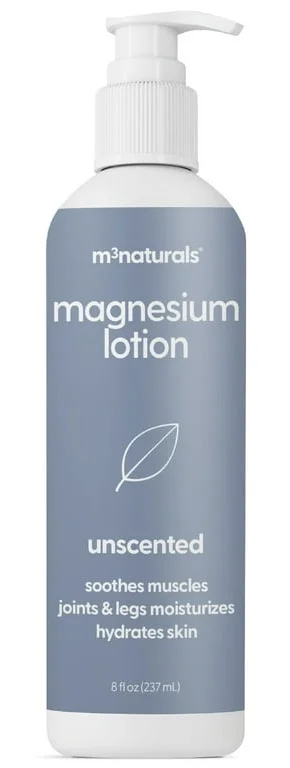
Function: Skin Conditioning, Humectant
1. Definition Magnesium:
Magnesium is a mineral that plays a crucial role in various bodily functions, including muscle and nerve function, blood sugar regulation, and bone health. In cosmetics, magnesium is often used in skincare products for its soothing and hydrating properties.
2. Use:
Magnesium is commonly used in cosmetics for its ability to calm and soothe the skin. It is often included in skincare products such as creams, serums, and masks to help reduce inflammation, redness, and irritation. Magnesium can also help to improve the overall appearance of the skin by promoting a more even tone and texture.
3. Usage Magnesium:
When using cosmetics that contain magnesium, it is important to follow the instructions provided on the product packaging. It is generally safe for most skin types, but individuals with sensitive skin may want to do a patch test before applying it to their entire face. It is also recommended to avoid using products with high concentrations of magnesium if you have any known allergies or sensitivities to the mineral.
4. References:
- Schagen, S. K. (2017). Topical Magnesium—The Ultimate Guide. Nutrients, 9(8), 813.
- Kassab, R., & Kishimoto, J. T. (2018). The role of magnesium in dermatologic health. Journal of Drugs in Dermatology, 17(9), 957-961.
- Gröber, U., Werner, T., Vormann, J., & Kisters, K. (2017). Myth or Reality—Transdermal Magnesium? Nutrients, 9(8), 813.
Other Names: Emulsifying Wax; COSMOWAX P; HallStar NCD-20; Cosmowax D; Cetearyl Alcohol (and) Ceteareth-20
1. Definition Emulsifying Wax:
Emulsifying wax is a type of cosmetic ingredient that helps to blend oil and water-based ingredients together to create a stable emulsion in skincare products. It is typically derived from plant-based sources such as coconut or palm oil.
2. Use:
Emulsifying wax is commonly used in the formulation of lotions, creams, and other skincare products to prevent the separation of oil and water-based ingredients. It acts as a binding agent, allowing for a smooth and uniform texture in the final product.
3. Usage Emulsifying Wax:
When using emulsifying wax in skincare formulations, it is important to follow the recommended usage guidelines provided by the manufacturer. It is typically added to the oil phase of the formulation and heated until fully melted before incorporating the water phase. Overheating or using too much emulsifying wax can result in a greasy or sticky texture, so it is important to measure accurately and monitor the temperature during the mixing process.
4. References:
- "Emulsifying Wax: What It Is and How to Use It in DIY Recipes" by Humblebee & Me
- "Emulsifiers in Cosmetics" by Cosmetic Science Technology
- "Understanding Emulsifying Wax and How to Use It in Homemade Lotions" by DIY Natural
Other Names: Butyrospermum Parkii (Shea Butter)
1. Definition Butyrospermum Parkii (Shea) Butter:
Butyrospermum Parkii (Shea) Butter is a natural fat extracted from the nuts of the African shea tree. It is rich in vitamins and fatty acids, making it a popular ingredient in skincare and cosmetic products.
2. Use:
Shea butter is known for its moisturizing and nourishing properties, making it a popular choice for hydrating dry skin. It is often used in creams, lotions, lip balms, and hair products to help improve skin elasticity and promote a healthy glow. Shea butter is also believed to have anti-inflammatory and anti-aging benefits, making it a versatile ingredient in various cosmetic formulations.
3. Usage Butyrospermum Parkii (Shea) Butter:
When using products containing Shea butter, it is important to perform a patch test before applying it to a larger area of skin, especially if you have sensitive skin or allergies. Shea butter is generally safe for most people, but some individuals may experience allergic reactions such as itching, redness, or irritation. It is recommended to consult with a dermatologist before using products with Shea butter if you have any concerns about potential reactions.
4. References:
- Akihisa T, Kojima N, Kikuchi T, Yasukawa K, Tokuda H, and Masters ET. Anti-inflammatory and chemopreventive effects of triterpene cinnamates and acetates from shea fat. Journal of Oleo Science. 2010; 59(6):273-80.
- Lin TK, Zhong L, Santiago JL. Anti-inflammatory and skin barrier repair effects of topical application of some plant oils. International Journal of Molecular Sciences. 2018; 19(1):70.
- Aremu AO, Oyedeji AO, Oyedeji O, Okorie DO, and Nkeh-Chungag BN. Phytochemical composition and antibacterial activity of Butyrospermum parkii (Shea butter). Journal of Medicinal Plants Research. 2012; 6(26):4467-4472.
Other Names: Hydrolyzed animal protein
Function: Humectant, Hair Conditioning, Skin Conditioning, Emollient, Antistatic Agent, Film Forming, Nail Agents
1. Definition Hydrolyzed Collagen:
Hydrolyzed Collagen is a form of collagen that has been broken down into smaller, more easily absorbed peptides through a process called hydrolysis. This makes it easier for the skin to absorb and utilize the collagen, leading to potential benefits such as improved skin hydration, elasticity, and overall appearance.
2. Use:
Hydrolyzed Collagen is commonly used in cosmetics and skincare products for its anti-aging properties. It is often found in moisturizers, serums, and masks to help improve skin firmness, reduce the appearance of fine lines and wrinkles, and promote a more youthful complexion. Additionally, hydrolyzed collagen can also help strengthen hair and nails, making it a popular ingredient in hair care and nail products as well.
3. Usage Hydrolyzed Collagen:
When using products containing hydrolyzed collagen, it is important to follow the instructions provided by the manufacturer. Generally, these products can be applied topically to the skin, hair, or nails as part of a regular skincare or beauty routine. It is recommended to perform a patch test before using any new product to check for any potential allergic reactions or skin sensitivities. Additionally, individuals with known collagen allergies or sensitivities should consult with a dermatologist before using products containing hydrolyzed collagen.
4. References:
- Choi, F.D., Sung, C.T., Juhasz, M.L., & Mesinkovsk, N.A. (2019). Oral Collagen Supplementation: A Systematic Review of Dermatological Applications. Journal of Drugs in Dermatology, 18(1), 9-16.
- Asserin, J., Lati, E., Shioya, T., & Prawitt, J. (2015). The effect of oral collagen peptide supplementation on skin moisture and the dermal collagen network: evidence from an ex vivo model and randomized, placebo-controlled clinical trials. Journal of Cosmetic Dermatology, 14(4), 291-301.
- Bolke, L., Schlippe, G., Gerß, J., & Voss, W. (2019). A Collagen Supplement Improves Skin Hydration, Elasticity, Roughness, and Density: Results of a Randomized, Placebo-Controlled, Blind Study. Nutrients, 11(10), 2494.
Ingredient data is being updated. Please check back later.
Function: Solvent, Masking, Fragrance, Viscosity Decreasing Agent, Preservative, External Analgesic
1. Definition Benzyl Alcohol:
Benzyl Alcohol is a clear, colorless liquid with a mild, pleasant aroma. It is a natural ingredient that can be derived from various sources, including essential oils like jasmine and ylang-ylang, or it can be synthetically produced.
2. Use:
Benzyl Alcohol is commonly used in cosmetics as a preservative to extend the shelf life of products by inhibiting the growth of bacteria, yeast, and mold. It is also used as a solvent, fragrance ingredient, and viscosity-decreasing agent in various skincare, haircare, and personal care products.
3. Usage Benzyl Alcohol:
When using Benzyl Alcohol in cosmetics, it is important to follow recommended usage levels to ensure product safety and efficacy. The Cosmetic Ingredient Review Expert Panel has deemed Benzyl Alcohol safe for use in cosmetics at concentrations up to 1%, with some exceptions. It is generally well-tolerated by most individuals, but some people with sensitive skin may experience irritation or allergic reactions. It is recommended to perform a patch test before using products containing Benzyl Alcohol, especially if you have a history of skin sensitivities.
4. References:
- Cosmetic Ingredient Review Expert Panel. (2008). Final report on the safety assessment of Benzyl Alcohol, Benzoic Acid, and Sodium Benzoate. International Journal of Toxicology, 27(1), 1-23.
- Personal Care Products Council. (2019). Benzyl Alcohol. Retrieved from https://www.cosmeticsinfo.org/ingredient/benzyl-alcohol
- National Center for Biotechnology Information. (2021). PubChem Compound Summary for CID 244, Benzyl Alcohol. Retrieved from https://pubchem.ncbi.nlm.nih.gov/compound/Benzyl-alcohol
Other Names: Salicylates; 2-hydroxybenzoic; Salicylic Acid; Beta Hydroxy Acid
Function: Masking, Fragrance, Hair Conditioning, Denaturant , Preservative, Skin Conditioning, Exfoliant, Antidandruff Agent, Antiacne Agent, Keratolytic, Corn/Callus/Wart Remover
1. Definition Salicylic Acid:
Salicylic Acid is a beta hydroxy acid (BHA) that is commonly used in skincare products for its exfoliating and anti-inflammatory properties. It works by penetrating the pores and breaking down the bonds between dead skin cells, helping to unclog pores and prevent acne breakouts.
2. Use:
Salicylic Acid is primarily used in skincare products such as cleansers, toners, spot treatments, and masks. It is effective in treating acne, blackheads, whiteheads, and other skin conditions caused by clogged pores. Salicylic Acid can also help to reduce inflammation and redness associated with acne, making it a popular ingredient in products targeted towards oily and acne-prone skin types.
3. Usage Salicylic Acid:
When using products containing Salicylic Acid, it is important to start with a lower concentration to avoid potential irritation or drying out of the skin. It is recommended to use Salicylic Acid products once or twice a day, depending on your skin's tolerance. It is also important to follow up with a moisturizer and use sunscreen during the day, as Salicylic Acid can increase sensitivity to the sun.
4. References:
- Kornhauser, A., Coelho, S. G., & Hearing, V. J. (2010). Applications of hydroxy acids: classification, mechanisms, and photoactivity. Clinical, Cosmetic and Investigational Dermatology, 3, 135–142. https://doi.org/10.2147/CCID.S9042
- Arif, T. (2015). Salicylic acid as a peeling agent: a comprehensive review. Clinical, Cosmetic and Investigational Dermatology, 8, 455–461. https://doi.org/10.2147/CCID.S84765
- Chien, A. L., Qi, J., Rainer, B., & Sachs, D. L. (2018). Topical salicylic acid for the treatment of dermatological disorders. Journal of Drugs in Dermatology, 17(6), 725–730. https://jddonline.com/articles/dermatology/S1545961618P0725X/1
Function: Fragrance, Preservative
1. Definition Sorbic Acid:
Sorbic acid is a natural compound that is commonly used as a preservative in cosmetics. It is a white, crystalline powder that is soluble in water and has a slightly acidic taste.
2. Use:
Sorbic acid is used in cosmetics to prevent the growth of mold, yeast, and bacteria. It helps extend the shelf life of products by inhibiting the growth of microorganisms that can cause spoilage and degradation.
3. Usage Sorbic Acid:
Sorbic acid is typically used in concentrations of 0.2% to 1% in cosmetic formulations. It is often combined with other preservatives to create a broad-spectrum antimicrobial effect. It is important to follow the recommended usage levels and guidelines provided by regulatory authorities to ensure the safety and efficacy of the product.
Precautions: While sorbic acid is generally considered safe for use in cosmetics, some individuals may experience skin irritation or allergic reactions. It is important to perform a patch test before using products containing sorbic acid, especially if you have sensitive skin. Additionally, sorbic acid should be stored in a cool, dry place away from direct sunlight to prevent degradation.
4. References:
- Cosmetics Info. (n.d.). Sorbic Acid. https://cosmeticsinfo.org/ingredient/sorbic-acid
- Personal Care Council. (2019). Sorbic Acid. https://www.personalcarecouncil.org/ingredient/sorbic-acid/
- U.S. Food and Drug Administration. (2021). CFR - Code of Federal Regulations Title 21. https://www.accessdata.fda.gov/scripts/cdrh/cfdocs/cfcfr/CFRSearch.cfm?fr=172.185
Function: Skin Conditioning
1. Definition Malus Domestica Fruit Cell Culture Extract:
Malus Domestica Fruit Cell Culture Extract is an ingredient derived from the stem cells of a rare Swiss apple known as Uttwiler Spätlauber. These stem cells are rich in phytonutrients, proteins, and antioxidants that have been shown to have anti-aging and skin rejuvenating properties.
2. Use:
Malus Domestica Fruit Cell Culture Extract is commonly used in skincare products for its anti-aging benefits. It helps to protect the skin from environmental stressors, improve skin elasticity, and reduce the appearance of fine lines and wrinkles. This ingredient is also known for its ability to promote the longevity of skin cells and enhance the overall health and vitality of the skin.
3. Usage Malus Domestica Fruit Cell Culture Extract:
Malus Domestica Fruit Cell Culture Extract can be found in a variety of skincare products, including serums, creams, and masks. It is typically used in concentrations ranging from 0.5% to 2% in formulations. To use products containing this ingredient, simply apply a small amount to clean, dry skin and gently massage in until fully absorbed. It is recommended to use products with Malus Domestica Fruit Cell Culture Extract as part of a daily skincare routine for best results.
4. References:
- Baumann, L. (2007). Cosmetic Dermatology: Principles and Practice. New York, NY: McGraw-Hill.
- Ganceviciene, R., Liakou, A. I., Theodoridis, A., Makrantonaki, E., & Zouboulis, C. C. (2012). Skin anti-aging strategies. Dermato-Endocrinology, 4(3), 308-319.
- Lintner, K., & Peschard, O. (2013). Biotechnological and molecular approaches to anti-aging skin care. In Textbook of Aging Skin (pp. 1075-1088). Springer, Berlin, Heidelberg.
Ingredient data is being updated. Please check back later.
Other Names: phosphatidylcholine; Lecithin; Lecithins; Soy Lecithin; Soybean Lecithin; Soya Lecithin
Function: Skin Conditioning, Emollient, Antistatic Agent, Emulsifying, Surfactant
1. Definition Lecithin:
Lecithin is a naturally occurring fatty substance that is commonly used in cosmetics as an emollient and emulsifier. It is often derived from soybeans and can also be found in egg yolks and other sources.
2. Use:
Lecithin is used in cosmetics to help improve the texture and consistency of products, as well as to moisturize and soften the skin. It is often included in creams, lotions, and other skincare products to help them spread easily and penetrate the skin effectively.
3. Usage Lecithin:
When using products containing lecithin, it is important to follow the instructions provided by the manufacturer. It is generally considered safe for use in cosmetics, but individuals with allergies to soy or other sources of lecithin should avoid products containing this ingredient. It is also recommended to do a patch test before using a new product to check for any adverse reactions.
4. References:
- Magdassi, S., & Garti, N. (1999). Lecithin-based emulsions. Current Opinion in Colloid & Interface Science, 4(5), 311-316.
- Barauskas, J., & Nylander, T. (2005). Lecithin-based microemulsions. Langmuir, 21(2), 597-601.
- Komaiko, J. S., & McClements, D. J. (2016). Low-energy formation of edible nanoemulsions: Factors influencing droplet size produced by emulsion phase inversion. Journal of Colloid and Interface Science, 434, 8-20.