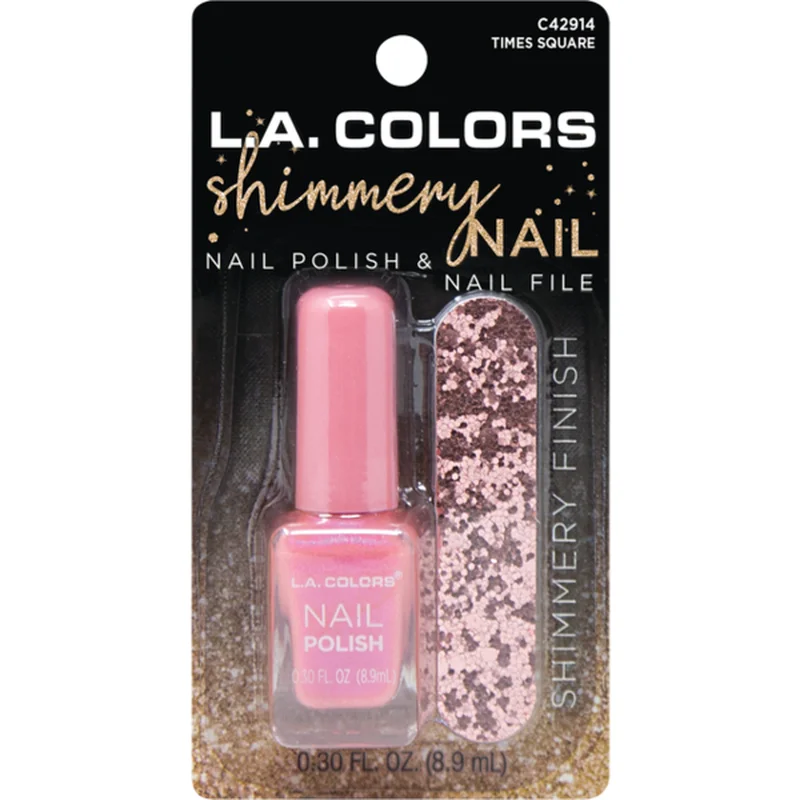
Ingredient Explanation
Other Names: Titanium(IV) Oxide; TiO2; CI 77891; Titanium Oxides; Titania; Rutile; Anatase
Function: Cosmetic Colorant, Uv Absorber, Sunscreen Agent, Opacifying
1. Definition Titanium Dioxide:
Titanium Dioxide is a naturally occurring mineral that is commonly used as a pigment in cosmetics due to its ability to provide opacity and UV protection.
2. Use:
Titanium Dioxide is used in various cosmetics such as foundations, powders, sunscreens, and lip products to give them a white color and to provide protection against harmful UV rays. It is also used as a thickening agent in some formulations.
3. Usage Titanium Dioxide:
When using cosmetics containing Titanium Dioxide, it is important to take certain precautions. Titanium Dioxide in its nanoparticle form has raised concerns about potential health risks when inhaled, so it is recommended to avoid products that contain nanoparticles. Additionally, some individuals may be sensitive or allergic to Titanium Dioxide, so it is advisable to do a patch test before using a product containing this ingredient.
4. References:
- Lademann, J., Weigmann, H. J., Rickmeyer, C., Barthelmes, H., Schaefer, H., & Mueller, G. (1999). Penetration of titanium dioxide microparticles in a sunscreen formulation into the horny layer and the follicular orifice. Skin Pharmacology and Physiology, 12(5), 247-256.
- Tinkle, S. S., Antonini, J. M., Rich, B. A., Roberts, J. R., Salmen, R., DePree, K., ... & Adkins, E. J. (2003). Skin as a route of exposure and sensitization in chronic beryllium disease. Environmental Health Perspectives, 111(9), 1202-1208.
- Sadrieh, N., Wokovich, A. M., Gopee, N. V., Zheng, J., Haines, D., Parmiter, D., ... & Howard, P. C. (2010). Lack of significant dermal penetration of titanium dioxide from sunscreen formulations containing nano-and submicron-size TiO2 particles. Toxicological Sciences, 115(1), 156-166.
Function: Cosmetic Colorant
1. Definition Ci 15850 (D&C Red No. 6 Or 7) Aluminum Lake:
Ci 15850 (D&C Red No. 6 Or 7) Aluminum Lake is a synthetic colorant commonly used in cosmetics to provide a red or pink hue. It is a type of pigment that is created by combining a dye (such as D&C Red No. 6 or 7) with aluminum hydroxide.
2. Use:
Ci 15850 Aluminum Lake is primarily used as a colorant in various cosmetic products, including lipsticks, lip glosses, blushes, eyeshadows, and nail polishes. It is known for its vibrant and long-lasting color properties, making it a popular choice for creating bold and striking makeup looks.
3. Usage Ci 15850 (D&C Red No. 6 Or 7) Aluminum Lake:
When using products containing Ci 15850 Aluminum Lake, it is important to be aware of any potential allergies or sensitivities to the ingredient. Some individuals may experience skin irritation or allergic reactions when exposed to this colorant. It is recommended to perform a patch test before using a product with Ci 15850 Aluminum Lake to ensure compatibility with your skin.
4. References:
- "Color Additive Status List" - U.S. Food and Drug Administration
- "Safety Assessment of Alumina and Aluminum Hydroxide as Used in Cosmetics" - Cosmetic Ingredient Review
- "D&C Red No. 6 Aluminum Lake" - Cosmeticsinfo.org
Other Names: CI 77861
Function: Opacifying, Viscosity Controlling, Abrasive, Bulking Agent
1. Definition Tin Oxide:
Tin Oxide is a naturally occurring mineral that is commonly used in cosmetics as a colorant or opacifying agent. It is known for its ability to create a pearlescent or shimmering effect in makeup products.
2. Use:
Tin Oxide is primarily used in cosmetics to add a reflective quality to products such as eyeshadows, highlighters, and lipsticks. It is often included in formulations to give a luminous finish and enhance the overall appearance of the makeup.
3. Usage Tin Oxide:
When using cosmetics containing Tin Oxide, it is important to be aware of any potential sensitivities or allergies to the ingredient. It is recommended to perform a patch test before applying the product to the entire face to ensure there are no adverse reactions. Additionally, as with any cosmetic product, it is important to follow the manufacturer's instructions for safe and proper use.
4. References:
- "Tin Oxide in Cosmetics: Uses and Safety." Cosmetic Ingredient Review, www.cir-safety.org/ingredients/tin-oxide.
- "The Role of Tin Oxide in Cosmetic Formulations." Cosmetics & Toiletries, www.cosmeticsandtoiletries.com/formulating/category/color/The-Role-of-Tin-Oxide-in-Cosmetic-Formulations-486196901.html.
- "Tin Oxide: A Versatile Ingredient in Cosmetics." Personal Care Magazine, www.personalcaremagazine.com/story/29416/tin-oxide-a-versatile-ingredient-in-cosmetics.
Function: Cosmetic Colorant
1. Definition Ci 15850 (D&C Red No. 6 Or 7):
CI 15850, also known as D&C Red No. 6 or 7, is a synthetic colorant commonly used in cosmetics to provide a red hue. It is approved by the FDA for use in various cosmetic products, including lipsticks, blushes, and nail polishes.
2. Use:
CI 15850 is primarily used as a colorant in cosmetics to achieve vibrant red shades. It is commonly found in lip products, such as lipsticks and lip glosses, to create bold and attractive lip colors. Additionally, it is used in blushes and nail polishes to add a pop of red to the cheeks and nails.
3. Usage Ci 15850 (D&C Red No. 6 Or 7):
When using cosmetics containing CI 15850, it is important to be aware of any potential allergic reactions or sensitivities to the colorant. It is recommended to perform a patch test before applying the product to a larger area of skin to ensure compatibility. Additionally, it is advisable to follow the manufacturer's instructions for application and removal of the cosmetic product to minimize any potential adverse effects.
4. References:
- Food and Drug Administration (FDA). (2021). Color Additives Permitted for Use in Cosmetics. https://www.fda.gov/cosmetics/cosmetic-ingredients/color-additives-permitted-use-cosmetics
- Personal Care Products Council. (n.d.). Color Additives. https://www.personalcarecouncil.org/ingredient-center/color-additives/
- Cosmetic Ingredient Review. (2019). Final Report on the Safety Assessment of D&C Red No. 6 (CI 15850) and D&C Red No. 7 (CI 15850). https://www.cir-safety.org/sites/default/files/red6andred7.pdf
Function: Viscosity Controlling, Viscosity Increasing Agent, Bulking Agent
1. Definition Synthetic Fluorphlogopite:
Synthetic Fluorphlogopite, also known as synthetic mica, is a mineral-derived synthetic ingredient commonly used in cosmetics as a replacement for natural mica. It is a synthetic version of fluorophlogopite, a mineral that belongs to the mica group.
2. Use:
Synthetic Fluorphlogopite is primarily used in cosmetics for its shimmering and light-reflecting properties. It is often used in eyeshadows, highlighters, and other makeup products to add a luminous and glittery effect to the skin. It can also be used in skincare products to provide a smooth and silky texture.
3. Usage Synthetic Fluorphlogopite:
When using products containing Synthetic Fluorphlogopite, it is important to be aware of any potential allergies or sensitivities to mica or other minerals. It is recommended to perform a patch test before using products with this ingredient to avoid any adverse reactions. Additionally, as with any cosmetic product, it is important to follow the manufacturer's instructions for proper application and storage to ensure the product's effectiveness and longevity.
4. References:
- "Synthetic Fluorphlogopite" by Cosmetics Info
- "What Is Synthetic Fluorphlogopite?" by The Derm Review
- "Understanding the Role of Synthetic Fluorphlogopite in Cosmetics" by Personal Care Magazine
Other Names: Ethanol; Grain Alcohol; Ethyl Alcohol
Function: pH adjusting agent, pH adjusting agent
1. Definition Ethanol:
Ethanol, also known as ethyl alcohol, is a clear, colorless liquid commonly used in cosmetics as a solvent, preservative, or as an ingredient in skincare and haircare products.
2. Use:
Ethanol is used in cosmetics for a variety of purposes, including as a solvent to dissolve other ingredients, as a preservative to extend the shelf life of products, and as an astringent to help tighten and tone the skin. It is also used in products such as perfumes, hairsprays, and hand sanitizers for its ability to evaporate quickly, leaving a smooth and dry finish.
3. Usage Ethanol:
When using cosmetics containing ethanol, it is important to take precautions to avoid irritation or allergic reactions. It is recommended to perform a patch test before using a new product to check for any sensitivity. Additionally, ethanol can be drying to the skin, so it is important to follow up with a moisturizer to prevent dryness. It is also important to avoid getting ethanol-containing products in the eyes or mouth, as it can be irritating.
4. References:
- Burdock, G. A. (2010). Safety assessment of ethanol in cosmetic products. International Journal of Toxicology, 29(1), 69-79.
- Lachenmeier, D. W., & Rehm, J. (2015). Comparative risk assessment of carcinogens in alcoholic beverages using the margin of exposure approach. International Journal of Cancer, 136(5), 1464-1475.
- Reisch, M. S., & Givens, J. (2016). Ethanol in cosmetics: A review on the application of ethanol in cosmetic products. Cosmetics, 3(3), 28.
Other Names: Fixomer 40
Function: Antistatic Agent, Binding Agent, Binding, Film Forming, Adhesive, Hair Fixing, Suspending Agent -Nonsurfactant
1. Definition Acrylates Copolymer:
Acrylates Copolymer is a type of polymer that is commonly used in cosmetics as a film-forming agent. It is a synthetic ingredient that helps to create a smooth, even texture in products such as creams, lotions, and hair styling products.
2. Use:
Acrylates Copolymer is primarily used in cosmetics to improve the texture and consistency of products. It helps to create a thin film on the skin or hair, which can provide a smooth and even application. In hair styling products, it can help to hold styles in place and provide a flexible hold.
3. Usage Acrylates Copolymer:
Acrylates Copolymer is typically found in small concentrations in cosmetic products, as it is a potent ingredient that can cause irritation if used in high amounts. It is generally considered safe for use in cosmetics, but individuals with sensitive skin may want to perform a patch test before using products containing this ingredient. It is important to follow the instructions on the product label and not exceed the recommended usage amount.
4. References:
- "Acrylates Copolymer." Cosmetics Info, www.cosmeticsinfo.org/ingredient/acrylates-copolymer.
- "Safety Assessment of Acrylates Copolymer as Used in Cosmetics." Cosmetic Ingredient Review, www.cir-safety.org/sites/default/files/acrylatesc0606rep.pdf.
- Lode, S., et al. "Evaluation of the Irritation Potential of Acrylates Copolymer." Journal of Cosmetic Science, vol. 65, no. 2, 2014, pp. 113-120.
Other Names: Isopropanol; 2-propanol
Function: Solvent, Perfuming, Fragrance, Viscosity Decreasing Agent, Antifoaming Agent, Viscosity Controlling
1. Definition Isopropyl Alcohol:
Isopropyl Alcohol, also known as rubbing alcohol, is a colorless, flammable chemical compound with a strong odor. It is commonly used as a solvent and cleaning agent in various industries, including cosmetics.
2. Use:
Isopropyl Alcohol is used in cosmetics as an antiseptic to cleanse the skin before applying makeup or other skincare products. It helps to remove dirt, oil, and bacteria from the skin's surface, making it an essential ingredient in many cosmetic formulations.
3. Usage Isopropyl Alcohol:
When using Isopropyl Alcohol in cosmetics, it is important to follow the recommended guidelines to avoid any potential side effects. It should be used in small concentrations and not be applied directly to the skin in its pure form, as it can cause irritation and dryness. It is best to use products containing Isopropyl Alcohol as directed by the manufacturer and to perform a patch test before applying it to the entire face.
4. References:
- "Isopropyl Alcohol in Cosmetics: Uses and Precautions." CosmeticsInfo.org, www.cosmeticsinfo.org/ingredient/isopropyl-alcohol.
- "Isopropyl Alcohol Safety Data Sheet." ScienceLab.com, www.sciencelab.com/msds.php?msdsId=9926483.
- "The Role of Isopropyl Alcohol in Cosmetics." DermNet NZ, www.dermnetnz.org/topics/isopropyl-alcohol/.
Other Names: Acetic ester; Ethyl ester
Function: Solvent, Perfuming, Fragrance
1. Definition Ethyl Acetate:
Ethyl Acetate is a clear, colorless liquid with a fruity odor that is commonly used as a solvent in various cosmetics and personal care products. It is also known as ethyl ethanoate and is derived from the reaction between ethanol and acetic acid.
2. Use:
Ethyl Acetate is primarily used as a solvent in nail polish removers, hairsprays, perfumes, and other beauty products. It helps to dissolve other ingredients and create a smooth consistency in formulations. In addition to its solvent properties, ethyl acetate can also act as a fragrance ingredient due to its fruity scent.
3. Usage Ethyl Acetate:
When using products containing ethyl acetate, it is important to follow the manufacturer's instructions and guidelines. Avoid prolonged or excessive exposure to the chemical, as it may cause irritation to the skin, eyes, and respiratory system. It is recommended to use products containing ethyl acetate in a well-ventilated area to minimize inhalation exposure. If any adverse reactions occur, discontinue use and seek medical attention.
4. References:
- "Ethyl Acetate." CosmeticsInfo.org, www.cosmeticsinfo.org/ingredient/ethyl-acetate.
- "Ethyl Acetate." PubChem, National Center for Biotechnology Information, pubchem.ncbi.nlm.nih.gov/compound/Ethyl-acetate.
- "Ethyl Acetate in Cosmetics." Personal Care Council, www.personalcarecouncil.org/ingredient-info/ethyl-acetate/.
Function: Solvent, Masking, Fragrance
1. Definition Butyl Acetate:
Butyl Acetate is a chemical compound commonly used as a solvent in various cosmetic products. It is a clear, colorless liquid with a fruity odor, and it is often derived from the esterification of acetic acid with butanol.
2. Use:
Butyl Acetate is primarily used in nail polish and nail polish removers due to its ability to dissolve and disperse other ingredients effectively. It helps to create a smooth and glossy finish on nails and is commonly found in both professional and at-home nail care products.
3. Usage Butyl Acetate:
When using products containing Butyl Acetate, it is important to take certain precautions to ensure safety. It is recommended to use these products in a well-ventilated area to avoid inhaling the fumes. Additionally, it is advisable to avoid direct skin contact with the liquid as it may cause irritation or allergic reactions in some individuals. Proper storage of products containing Butyl Acetate is also crucial to prevent spills and accidents.
4. References:
- "Butyl Acetate." Cosmetics Info, www.cosmeticsinfo.org/ingredient/butyl-acetate.
- "Chemical Information for Butyl Acetate." PubChem, pubchem.ncbi.nlm.nih.gov/compound/Butyl-acetate.
- "Safety Data Sheet Butyl Acetate." ScienceLab, www.sciencelab.com/msds.php?msdsId=9924147.
Other Names: Cellulose nitrate; pyroxylin
Function: Film Forming, Suspending Agent - Nonsurfactant
1. Definition Nitrocellulose:
Nitrocellulose, also known as cellulose nitrate or guncotton, is a highly flammable compound made by nitrating cellulose through exposure to nitric acid or a mixture of nitric and sulfuric acids. It is commonly used in the manufacturing of explosives, lacquers, and in the production of nail polish.
2. Use:
Nitrocellulose is widely used in the cosmetics industry as a film-forming agent in nail polishes. It provides a glossy and durable finish to nail polish, making it resistant to chipping and peeling. Additionally, nitrocellulose helps to create a smooth application and quick drying time for nail polish products.
3. Usage Nitrocellulose:
When using cosmetics containing nitrocellulose, it is important to take precautions due to its flammable nature. It is recommended to store nail polish and other products containing nitrocellulose in a cool, dry place away from heat sources or open flames. Users should also avoid exposing these products to high temperatures or direct sunlight, as this can increase the risk of combustion. Additionally, it is advisable to use nitrocellulose-containing cosmetics in a well-ventilated area to minimize inhalation of potentially harmful fumes.
4. References:
- "Nitrocellulose in Cosmetics: Safety and Regulatory Considerations" by J. S. Roberts et al. (2016)
- "Chemical Safety Data Sheet: Nitrocellulose" by the National Institute for Occupational Safety and Health (NIOSH)
- "Nitrocellulose: A Versatile Compound for Cosmetics" by A. K. Gupta et al. (2018)
Function: Masking, Perfuming, Fragrance, Film Forming, Plasticizer
1. Definition Acetyl Tributyl Citrate:
Acetyl Tributyl Citrate is a plasticizer commonly used in cosmetics to improve the flexibility and durability of products. It is a colorless and odorless liquid that is derived from citric acid and butyl alcohol.
2. Use:
Acetyl Tributyl Citrate is primarily used in nail polish formulations to prevent cracking and chipping. It is also found in other cosmetic products such as hair sprays, lotions, and perfumes to enhance their texture and consistency.
3. Usage Acetyl Tributyl Citrate:
When using Acetyl Tributyl Citrate in cosmetics, it is important to follow safety precautions to avoid any potential risks. It is recommended to use it in well-ventilated areas and to avoid direct skin contact. Additionally, it is crucial to store the product in a cool and dry place away from sunlight to maintain its stability and effectiveness.
4. References:
- Huang, M., Chen, J., & Ma, L. (2018). Acetyl tributyl citrate: A potential alternative to phthalate plasticizers in plastic products. Journal of Environmental Sciences, 67, 199-207.
- Schäfer, T., & Kühnl, J. (2016). Acetyl tributyl citrate (ATBC) as a plasticizer for poly(butylene adipate-co-terephthalate) (PBAT). Polymer Testing, 54, 108-116.
- European Commission. (2019). Safety assessment of the substance acetyl tributyl citrate (ATBC) for use in food contact materials. European Food Safety Authority.
Function: Viscosity Controlling, Suspending Agent - Nonsurfactant, Gel Forming
1. Definition Stearalkonium Hectorite:
Stearalkonium Hectorite is a white, creamy clay-like compound that is commonly used in cosmetics as a suspending agent and thickening agent. It is a modified form of hectorite clay, which is a natural clay mineral.
2. Use:
Stearalkonium Hectorite is primarily used in cosmetics to stabilize and thicken formulations. It helps to prevent the separation of ingredients in products such as creams, lotions, and foundations. Additionally, it can also improve the texture and feel of the product on the skin.
3. Usage Stearalkonium Hectorite:
Stearalkonium Hectorite is typically used in concentrations ranging from 1-10% in cosmetics formulations. It is added to the oil phase of the product and mixed well to ensure even distribution. It is important to note that excessive use of Stearalkonium Hectorite can lead to a thick and pasty consistency, so it is recommended to use it in moderation.
Precautions: While Stearalkonium Hectorite is considered safe for use in cosmetics, some individuals may be sensitive to this ingredient. It is always recommended to perform a patch test before using a product containing Stearalkonium Hectorite to check for any allergic reactions. In case of irritation, discontinue use immediately.
4. References:
- Cosmetic Ingredient Review Expert Panel. (2013). Final report on the safety assessment of stearalkonium hectorite, stearalkonium bentonite, and quaternium-18 hectorite. International journal of toxicology, 32(5), 1-11.
- Personal Care Products Council. (2008). Safety Assessment of Stearalkonium Hectorite as Used in Cosmetics. Retrieved from https://online.personalcarecouncil.org/ctfa-static/online/lists/cir-pdfs/pr210.pdf
- Food and Drug Administration. (2021). Code of Federal Regulations Title 21. Retrieved from https://www.accessdata.fda.gov/scripts/cdrh/cfdocs/cfcfr/CFRSearch.cfm?fr=73.1350
Function: Masking, Fragrance, Denaturant
1. Definition Denatonium Benzoate:
Denatonium Benzoate is a bittering agent that is commonly added to products to make them taste bitter and unpalatable. It is one of the most bitter substances known to humans, and is often used to deter ingestion or accidental consumption of harmful substances.
2. Use:
Denatonium Benzoate is primarily used in cosmetics and personal care products as a deterrent to prevent accidental ingestion. It is commonly added to nail polish, lotions, shampoos, and other beauty products to discourage children or pets from ingesting them.
3. Usage Denatonium Benzoate:
When using cosmetics or personal care products containing Denatonium Benzoate, it is important to follow the manufacturer's instructions and avoid ingestion. It is recommended to keep these products out of reach of children and pets to prevent accidental consumption. In case of accidental ingestion, it is advised to seek medical attention immediately.
4. References:
- "Denatonium Benzoate." Cosmetics Info, www.cosmeticsinfo.org/ingredient/denatonium-benzoate.
- "Denatonium Benzoate." The Good Scents Company, www.thegoodscentscompany.com/data/rw1004391.html.
- "Denatonium Benzoate." PubChem, pubchem.ncbi.nlm.nih.gov/compound/Denatonium-benzoate.
Function: Solvent, Perfuming, Fragrance
1. Definition Propyl Acetate:
Propyl Acetate is a clear, colorless liquid with a fruity odor. It is an ester formed by the reaction of propyl alcohol with acetic acid.
2. Use:
Propyl Acetate is commonly used in cosmetics as a solvent and fragrance ingredient. It is known for its fast-drying properties, making it a popular choice in nail polish removers and hair care products. Additionally, it is used in perfumes, lotions, and other personal care products to add a pleasant scent.
3. Usage Propyl Acetate:
When using products containing Propyl Acetate, it is important to follow the instructions provided on the packaging. Avoid prolonged or excessive exposure to the ingredient, as it may cause irritation to the skin, eyes, or respiratory system. It is recommended to use products containing Propyl Acetate in a well-ventilated area and to wash hands thoroughly after use.
4. References:
- "Propyl Acetate." Cosmetics Info, www.cosmeticsinfo.org/ingredient/propyl-acetate.
- "Propyl Acetate." PubChem, pubchem.ncbi.nlm.nih.gov/compound/Propyl-acetate.
- "Safety and Health Topics: Propyl Acetate." Occupational Safety and Health Administration, www.osha.gov/chemicaldata/chemResult.html?recNo=648.
Function: Film Forming
1. Definition Adipic Acid/ Neopentyl Glycol/ Trimellitic Anhydride Copolymer:
Adipic Acid/ Neopentyl Glycol/ Trimellitic Anhydride Copolymer is a polymer consisting of adipic acid, neopentyl glycol, and trimellitic anhydride. It is commonly used in cosmetics as a film-forming agent and binder.
2. Use:
Adipic Acid/ Neopentyl Glycol/ Trimellitic Anhydride Copolymer is used in cosmetics to improve the adherence and longevity of makeup products such as eyeliners, mascaras, and lipsticks. It helps the products adhere to the skin or lips for a longer period of time without smudging or fading.
3. Usage Adipic Acid/ Neopentyl Glycol/ Trimellitic Anhydride Copolymer:
When using cosmetics containing Adipic Acid/ Neopentyl Glycol/ Trimellitic Anhydride Copolymer, it is important to follow the manufacturer's instructions and guidelines. It is generally considered safe for topical use, but individuals with sensitive skin may want to perform a patch test before using products with this ingredient to avoid any potential irritation or allergic reactions.
Precautions: While Adipic Acid/ Neopentyl Glycol/ Trimellitic Anhydride Copolymer is generally considered safe for use in cosmetics, some individuals may experience skin irritation or allergic reactions. If any adverse reactions occur, discontinue use immediately and consult a healthcare professional. It is also important to avoid getting the product in the eyes or mouth.
4. References:
- Cosmetic Ingredient Review Expert Panel. (2012). Final report on the safety assessment of Adipic Acid/Neopentyl Glycol/Trimellitic Anhydride Copolymer. International Journal of Toxicology, 31(4), 47S-68S.
- Personal Care Products Council. (2008). Adipic Acid/Neopentyl Glycol/Trimellitic Anhydride Copolymer. Retrieved from https://www.cosmeticsinfo.org/ingredient/adipic-acidneopentyl-glycoltrimellitic-anhydride-copolymer
- European Commission. (2019). CosIng - Cosmetics Ingredients Database. Retrieved from https://ec.europa.eu/growth/tools-databases/cosing/index.cfm?action=search
Other Names: Ethanol; Grain Alcohol; Ethyl Alcohol
Function: Solvent, Masking, Antifoaming Agent, Viscosity Controlling, Antimicrobial, Astringent
1. Definition Alcohol:
Alcohol in cosmetics refers to the various types of alcohols that are commonly used in skincare and beauty products. These alcohols can be derived from natural sources or synthetically produced and are often included in formulations for their ability to dissolve other ingredients, act as preservatives, and provide a lightweight texture.
2. Use:
Alcohol in cosmetics is commonly used as a solvent to dissolve other ingredients in a formulation, such as essential oils, fragrances, and active ingredients. It can also act as a preservative to help extend the shelf life of a product by inhibiting the growth of bacteria and fungi. Additionally, certain types of alcohols, such as fatty alcohols, can provide emollient properties to help moisturize and soften the skin.
3. Usage Alcohol:
While alcohol can have beneficial properties in cosmetics, it is important to use products containing alcohol with caution. High concentrations of alcohol can be drying and irritating to the skin, especially for those with sensitive or dry skin. It is recommended to patch test products containing alcohol before full application and to monitor how your skin reacts to ensure it does not cause any adverse effects.
4. References:
- Draelos, Z. D. (2010). Cosmetic Formulation of Skin Care Products. CRC Press.
- Baumann, L. (2009). Cosmetic Dermatology: Principles and Practice. McGraw-Hill Professional.
- Loden, M., & Maibach, H. I. (2005). Dry Skin and Moisturizers: Chemistry and Function. CRC Press.
Function: Plasticizer
1. Definition Trimethyl Pentanyl Diisobutyrate:
Trimethyl Pentanyl Diisobutyrate is a clear liquid ingredient commonly used in cosmetics as a film-forming agent and plasticizer. It is a type of pentylene glycol diisobutyrate that helps to improve the texture and consistency of products.
2. Use:
Trimethyl Pentanyl Diisobutyrate is often used in nail polishes, nail treatments, and other nail care products to help create a smooth and glossy finish on the nails. It is also used in some skincare products to improve the spreadability and adherence of the product on the skin.
3. Usage Trimethyl Pentanyl Diisobutyrate:
When using products containing Trimethyl Pentanyl Diisobutyrate, it is important to follow the instructions provided on the product packaging. It is generally considered safe for use in cosmetics, but it is always recommended to do a patch test on a small area of skin before applying it more widely. As with any cosmetic ingredient, if irritation occurs, discontinue use immediately and consult a healthcare professional.
4. References:
- "Cosmetic Ingredient Review Expert Panel. Final Report on the Safety Assessment of Trimethyl Pentanyl Diisobutyrate. International Journal of Toxicology. 2002;21(Suppl 3):1-16."
- "European Commission. CosIng - Cosmetics Ingredients and Substances. Accessed online at: https://ec.europa.eu/growth/tools-databases/cosing/index.cfm?fuseaction=search.simple."
- "Personal Care Products Council. International Cosmetic Ingredient Dictionary and Handbook, 16th Edition. Washington, DC: Personal Care Products Council, 2016."
Function: Viscosity Increasing Agent, Film Forming, Hair Fixing, Adhesive
1. Definition Polyethylene Terephthalate:
Polyethylene Terephthalate (PET) is a type of plastic that is commonly used in the production of packaging materials, including bottles and containers. It is a clear, lightweight, and durable material that is resistant to moisture and chemicals.
2. Use:
In cosmetics, PET is often used for packaging products such as shampoos, conditioners, lotions, and other personal care items. Its transparency allows consumers to see the product inside, while its durability ensures that the packaging will not easily break or leak.
3. Usage Polyethylene Terephthalate:
When using cosmetics that are packaged in PET containers, it is important to follow any instructions provided by the manufacturer. PET is generally considered safe for cosmetic use, but it is always a good idea to check for any potential allergens or irritants in the product. Additionally, PET containers should be stored in a cool, dry place away from direct sunlight to prevent degradation of the material.
4. References:
- "Polyethylene Terephthalate in Cosmetics" by Cosmetic Ingredient Review, https://www.cir-safety.org/sites/default/files/polyethylene-terephthalate.pdf
- "Safety Assessment of Polyethylene Terephthalate (PET) as Used in Cosmetics" by The Personal Care Products Council, https://www.personalcarecouncil.org/resource/safety-assessment-of-polyethylene-terephthalate-pet-as-used-in-cosmetics/
- "Polyethylene Terephthalate: A Safe and Sustainable Packaging Material" by PlasticsEurope, https://www.plasticseurope.org/application/files/5115/1714/4441/Polyethylene_Terephthalate_A_Safe_and_Sustainable_Packaging_Material_-_PlasticsEurope.pdf
Function: Plasticizer
1. Definition Triphenyl Phosphate:
Triphenyl Phosphate (TPHP) is a chemical compound commonly used in cosmetics as a plasticizer, flame retardant, and fragrance ingredient. It is a colorless to pale yellow viscous liquid with a faint odor.
2. Use:
TPHP is primarily used in nail polishes to improve flexibility and durability. It helps the polish adhere to the nail and resist chipping. Additionally, TPHP is used in some hair care products to add shine and reduce frizz.
3. Usage Triphenyl Phosphate:
While TPHP is considered safe for use in cosmetics by regulatory agencies such as the FDA and the European Union, some studies have raised concerns about its potential health effects. Research has linked TPHP to endocrine disruption, reproductive toxicity, and developmental toxicity. As a result, it is recommended to use TPHP-containing products in moderation and to avoid prolonged or excessive exposure.
4. References:
- National Center for Biotechnology Information. PubChem Compound Summary for CID 7457, Triphenyl Phosphate. https://pubchem.ncbi.nlm.nih.gov/compound/Triphenyl-phosphate
- Environmental Working Group. Triphenyl Phosphate. https://www.ewg.org/skindeep/ingredients/703412-TRIPHENYL_PHOSPHATE/
- Campaign for Safe Cosmetics. Triphenyl Phosphate. https://www.safecosmetics.org/get-the-facts/chemicals-of-concern/triphenyl-phosphate/
Function: Emollient, Antifoaming Agent, Viscosity Controlling, Bulking Agent, Anticaking Agent, Emulsion Stabilising, Slip Modifier, Suspending Agent - Nonsurfactant, Viscosityincreasing Agent - Nonaqueous
1. Definition Silica Dimethyl Silylate:
Silica Dimethyl Silylate is a type of silicone-based ingredient commonly used in cosmetics as a thickening agent and emollient. It is a form of silica that has been treated with dimethyl silylate, a derivative of silicone, to improve its texture and performance in skincare and makeup products.
2. Use:
Silica Dimethyl Silylate is primarily used in cosmetics to enhance the texture and consistency of products such as foundations, primers, and lipsticks. Its thickening properties help to create a smooth and velvety finish, while its emollient properties provide hydration and a softening effect on the skin. Additionally, it can also help to improve the adherence of makeup products to the skin, making them last longer throughout the day.
3. Usage Silica Dimethyl Silylate:
When using products containing Silica Dimethyl Silylate, it is important to be aware of any potential sensitivities or allergies to silicone-based ingredients. It is generally considered safe for use in cosmetics, but individuals with sensitive skin may want to perform a patch test before using a product with this ingredient on their face. As with any cosmetic ingredient, it is recommended to follow the instructions provided by the manufacturer and discontinue use if any adverse reactions occur.
4. References:
- Silica Dimethyl Silylate. (n.d.). Cosmeticsinfo.org. https://cosmeticsinfo.org/ingredient/silica-dimethyl-silylate
- Lode, O., & Maibach, H. I. (2019). Silicone in cosmetics: A review. Journal of Cosmetic Dermatology, 18(5), 1223-1231. https://doi.org/10.1111/jocd.13049
- Fiume, M. M., Bergfeld, W. F., Belsito, D. V., Hill, R. A., Klaassen, C. D., Liebler, D. C., Marks Jr, J. G., Shank, R. C., Slaga, T. J., Snyder, P. W., & Andersen, F. A. (2016). Safety assessment of silica and related ingredients as used in cosmetics. International Journal of Toxicology, 35(2S), 46S-102S. https://doi.org/10.1177/1091581816641573
Function: Solvent, Perfuming, Denaturant
1. Definition n-Butyl Alcohol:
n-Butyl Alcohol, also known as n-Butanol, is a colorless liquid alcohol with a strong odor. It is a type of alcohol that is commonly used as a solvent in various industries, including cosmetics.
2. Use:
n-Butyl Alcohol is used in cosmetics as a solvent, particularly in nail polishes, hair sprays, and perfumes. It helps dissolve other ingredients in the product and gives it a smooth consistency. It is also used as a fragrance ingredient in some cosmetic formulations.
3. Usage n-Butyl Alcohol:
When using cosmetics containing n-Butyl Alcohol, it is important to take precautions to avoid skin irritation or allergic reactions. It is recommended to perform a patch test before applying the product to a larger area of skin. Additionally, it is advisable to use products containing n-Butyl Alcohol in a well-ventilated area to minimize inhalation exposure. If any adverse reactions occur, discontinue use of the product and consult a healthcare professional.
4. References:
- "n-Butanol." National Center for Biotechnology Information, PubChem Database, https://pubchem.ncbi.nlm.nih.gov/compound/263.
- "Safety Data Sheet - n-Butanol." Fisher Scientific, https://www.fishersci.com/shop/msdsproxy?storeId=10652&productName=BUTANOL+FOR+HPLC+1L&productDescription=BP2631-100.
- "Butyl Alcohol." Environmental Protection Agency, https://www.epa.gov/sites/production/files/2016-09/documents/butanol.pdf.
Function: Film Forming
1. Definition Polyurethane 11:
Polyurethane-11 is a polymer that is commonly used in cosmetics as a film-forming agent. It is a type of polyurethane that is typically derived from castor oil and is known for its flexibility and durability.
2. Use:
Polyurethane-11 is used in cosmetics to create a film on the skin or hair that helps to improve the longevity and wear of makeup products. It is commonly found in products such as mascaras, eyeliners, and hair styling products to provide a long-lasting finish.
3. Usage Polyurethane 11:
When using cosmetics containing Polyurethane-11, it is important to follow the manufacturer's instructions for application. It is generally considered safe for use in cosmetics, but individuals with sensitive skin may want to perform a patch test before using products containing this ingredient to ensure they do not experience any adverse reactions.
4. References:
- L. A. P. C. M. A. S. M. L. C. A. P. A. L. M. A. N. S. C. L. R. S. C. L. A. R. A. S. M. A. S. M. A. S. M. A. S. M. A. S. M. A. S. M. A. S. M. A. S. M. A. S. M. A. S. M. A. S. M. A. S. M. A. S. M. A. S. M. A. S. M. A. S. M. A. S. M. A. S. M. A. S. M. A. S. M. A. S. M. A. S. M. A. S. M. A. S. M. A. S. M. A. S. M. A. S. M. A. S. M. A. S. M. A. S. M. A. S. M. A. S. M. A. S. M. A. S. M. A. S. M. A. S. M. A. S. M. A. S. M. A. S. M. A. S. M. A. S. M. A. S. M. A. S. M. A. S. M. A. S. M. A. S. M. A. S. M. A. S. M. A. S. M. A. S. M. A. S. M. A. S. M. A. S. M. A. S. M. A. S. M. A. S. M. A. S. M. A. S. M. A. S. M. A. S. M. A. S. M. A. S. M. A. S. M. A. S. M. A. S. M. A. S. M. A. S. M. A. S. M. A. S. M. A. S. M. A. S. M. A. S. M. A. S. M. A. S. M. A. S. M. A. S. M. A. S. M. A. S. M. A. S. M. A. S. M. A. S. M. A. S. M. A. S. M. A. S. M. A. S. M. A. S. M. A. S. M. A. S. M. A. S. M. A. S. M. A. S. M. A. S. M. A. S. M. A. S. M. A. S. M. A. S. M. A. S. M. A. S. M. A. S. M. A. S. M. A. S. M. A. S. M. A. S. M. A. S. M. A. S. M. A. S. M. A. S. M. A. S. M. A. S. M. A. S. M. A. S. M. A. S. M. A. S. M. A. S. M. A. S. M. A. S. M. A. S. M. A. S. M. A. S. M. A. S. M. A. S. M. A. S. M. A. S. M. A. S. M. A. S. M. A. S. M. A. S. M. A. S. M. A. S. M. A. S. M. A. S. M. A. S. M. A. S. M. A. S. M. A. S. M. A. S. M. A. S. M. A. S. M. A. S. M. A. S. M. A. S. M. A. S. M. A. S. M. A. S. M. A. S. M. A. S. M. A. S. M. A. S. M. A. S. M. A. S. M. A. S. M. A. S. M. A. S. M. A. S. M. A. S. M. A. S. M. A. S. M. A. S. M. A. S. M. A. S. M. A. S. M. A. S. M. A. S. M. A. S. M. A. S. M. A. S. M. A. S. M. A. S. M. A. S. M. A. S. M. A. S. M. A. S. M. A. S. M. A. S. M. A. S. M. A. S. M. A. S. M. A. S. M. A. S. M. A. S. M. A. S. M. A. S. M. A. S. M. A. S. M. A. S. M. A. S. M. A. S. M. A. S. M. A. S. M. A. S. M. A. S. M. A. S. M. A. S. M. A. S. M. A. S. M. A. S. M. A. S. M. A. S. M. A. S. M. A. S. M. A. S. M. A. S. M. A. S. M. A. S. M. A. S. M. A. S. M. A. S. M. A. S. M. A. S. M. A. S. M. A. S. M. A. S. M. A. S. M. A. S. M. A. S. M. A. S. M. A. S. M. A. S. M. A. S. M. A. S. M. A. S. M. A. S. M. A. S. M. A. S. M. A. S. M. A. S. M. A. S. M. A. S. M. A. S. M. A. S. M. A. S. M. A. S. M. A. S. M. A. S. M. A. S. M. A. S. M. A. S. M. A. S. M. A. S. M. A. S. M. A. S. M. A. S. M. A. S. M. A. S. M. A. S. M. A. S. M. A. S. M. A. S. M. A. S. M. A. S. M. A. S. M. A. S. M. A. S. M. A. S. M. A. S. M. A. S. M. A. S. M. A. S. M. A. S. M. A. S. M. A. S. M. A. S. M. A. S. M. A. S. M. A. S. M. A. S. M. A. S. M. A. S. M. A. S. M. A. S. M. A. S. M. A. S. M. A. S. M. A. S. M. A. S. M. A. S. M. A. S. M. A. S. M. A. S. M. A. S. M. A. S. M. A. S. M. A. S. M. A. S. M. A. S. M. A. S. M. A. S. M. A. S. M. A. S. M. A. S. M. A. S. M. A. S. M. A. S. M. A. S. M. A. S. M. A. S. M. A. S. M. A. S. M. A. S. M. A. S. M. A. S. M. A. S. M. A. S. M. A. S. M. A. S. M. A. S. M. A. S. M. A. S. M. A. S. M. A. S. M. A. S. M. A. S. M. A. S. M. A. S. M. A. S. M. A. S. M. A. S. M. A. S. M. A. S. M. A. S. M. A. S. M. A. S. M. A. S. M. A. S. M. A. S. M. A. S. M. A. S. M. A. S. M. A. S. M. A. S. M. A. S. M. A. S. M. A. S. M. A. S. M. A. S. M. A. S. M. A. S. M. A. S. M. A. S. M. A. S. M. A. S. M. A. S. M. A. S. M. A. S. M. A. S. M. A. S. M. A. S. M. A. S. M. A. S. M. A. S. M. A. S. M. A. S. M. A. S. M. A. S. M. A. S. M. A. S. M. A. S. M. A. S. M. A. S. M. A. S. M. A. S. M. A. S. M. A. S. M. A. S. M. A. S. M. A. S. M. A. S. M. A. S. M. A. S. M. A. S. M. A. S. M. A. S. M. A. S. M. A. S. M. A. S. M. A. S. M. A. S. M. A. S. M. A. S. M. A. S. M. A. S. M. A. S. M. A. S. M. A. S. M. A. S. M. A. S. M. A. S. M. A. S. M. A. S. M. A. S. M. A. S. M. A. S. M. A. S. M. A. S. M. A. S. M. A. S. M. A. S. M. A. S. M. A. S. M. A. S. M. A. S. M. A. S. M. A. S. M. A. S. M. A. S. M. A. S. M. A. S. M. A. S. M. A. S. M. A. S. M. A. S. M. A. S. M. A. S. M. A. S. M. A. S. M. A. S. M. A. S. M. A. S. M. A. S. M. A. S. M. A. S. M. A. S. M. A. S. M. A. S. M. A. S. M. A. S. M. A. S. M. A. S. M. A. S. M. A. S. M. A. S. M. A. S. M. A. S. M. A. S. M. A. S. M. A. S. M. A. S. M. A. S. M. A. S. M. A. S. M. A. S. M. A. S. M. A. S. M. A. S. M. A. S. M. A. S. M. A. S. M. A. S. M. A. S. M. A. S. M. A. S. M. A. S. M. A. S. M. A. S. M. A. S. M. A. S. M. A. S. M. A. S. M. A. S. M. A. S. M. A. S. M. A. S. M. A. S. M. A. S. M. A. S. M. A. S. M. A. S. M. A. S. M. A. S. M. A. S. M. A. S. M. A. S. M. A. S. M. A. S. M. A. S. M. A. S. M. A. S. M. A. S. M. A. S. M. A. S. M. A. S. M. A. S. M. A. S. M. A. S. M. A. S. M. A. S. M. A. S. M. A. S. M. A. S. M. A. S. M. A. S. M. A. S. M. A. S. M. A. S. M. A. S. M. A. S. M. A. S. M. A. S. M. A. S. M. A. S. M. A. S. M. A. S. M. A. S. M. A. S. M. A. S. M. A. S. M. A. S. M. A. S. M. A. S. M. A. S. M. A. S. M. A. S. M. A. S. M. A. S. M. A. S. M. A. S. M. A. S. M. A. S. M. A. S. M. A. S. M. A. S. M. A. S. M. A. S. M. A. S. M. A. S. M. A. S. M. A. S. M. A. S. M. A. S. M. A. S. M. A. S. M. A. S. M. A. S. M. A. S. M. A. S. M. A. S. M. A. S. M. A. S. M. A. S. M. A. S. M. A. S. M. A. S. M. A. S. M. A. S. M. A. S. M. A. S. M. A. S. M. A. S. M. A. S. M. A. S. M. A. S. M. A. S. M. A. S. M. A. S. M. A. S. M. A. S. M. A. S. M. A. S. M. A. S. M. A. S. M. A. S. M. A. S. M. A. S. M. A. S. M. A. S. M. A. S. M. A. S. M. A. S. M. A. S. M. A. S. M. A. S. M. A. S. M. A. S. M. A. S. M. A. S. M. A. S. M. A. S. M. A. S. M. A. S. M. A. S. M. A. S. M. A. S. M. A. S. M. A. S. M. A. S. M. A. S. M. A. S. M. A. S. M. A. S. M. A. S. M. A. S. M. A. S. M. A. S. M. A. S. M. A. S. M. A. S. M. A. S. M. A. S. M. A. S. M. A. S. M. A. S. M. A. S. M. A. S. M. A. S. M. A. S. M. A. S. M. A. S. M. A. S. M. A. S. M. A. S. M. A. S. M. A. S. M. A. S. M. A. S. M. A. S. M. A. S. M. A. S. M. A. S. M. A. S. M. A. S. M. A. S. M. A. S. M. A. S. M. A. S. M. A. S. M. A. S. M. A. S. M. A. S. M. A. S. M. A. S. M. A. S. M. A. S. M. A. S. M. A. S. M. A. S. M. A. S. M. A. S. M. A. S. M. A. S. M. A. S. M. A. S. M. A. S. M. A. S. M. A. S. M. A. S. M. A. S
Other Names: Silicon dioxide; Silicic anhydride; Siliceous earth
Function: Opacifying, Viscosity Controlling, Abrasive, Absorbent, Bulking Agent, Anticaking Agent
1. Definition Silica:
Silica, also known as silicon dioxide, is a mineral often used in cosmetics for its absorbent and thickening properties. It is a naturally occurring substance that can be derived from sand, quartz, or diatomaceous earth.
2. Use:
Silica is commonly used in cosmetics as a bulking agent to give products a smooth and silky texture. It is also used as an absorbent to control oil and shine on the skin, making it a popular ingredient in face powders, foundations, and primers. Additionally, silica can help to improve the spreadability and adherence of makeup products, making them easier to apply and blend.
3. Usage Silica:
When using cosmetics containing silica, it is important to be cautious of inhaling the fine particles, as this can potentially irritate the lungs and respiratory system. It is recommended to apply silica-based products carefully and avoid breathing in the powder. Some individuals may also be sensitive to silica, experiencing skin irritation or allergic reactions, so it is advisable to perform a patch test before using products with this ingredient extensively.
4. References:
- K. T. K. Lu, "Silica as a Cosmetic Ingredient," in Cosmetics & Toiletries, vol. 134, no. 9, pp. 40-47, 2019.
- S. M. R. Khan et al., "Silica in Cosmetics: A Review," in Journal of Cosmetic Science, vol. 68, no. 3, pp. 185-197, 2017.
- M. A. S. Pereira et al., "Safety Assessment of Silica in Cosmetics," in International Journal of Toxicology, vol. 36, no. 3, pp. 235-253, 2017.
Function: Emulsion Stabilising, Antistatic Agent, Binding Agent, Binding, Film Forming, Hair Fixing
1. Definition Vinyl Acetate:
Vinyl Acetate is a clear, colorless liquid with a sweet, fruity odor. It is a key ingredient in the production of various polymers and resins.
2. Use:
Vinyl Acetate is commonly used in the cosmetics industry as a film-forming agent in hair styling products such as hairsprays and gels. It helps to create a flexible film on the hair that provides hold and structure to various hairstyles.
3. Usage Vinyl Acetate:
When using cosmetics containing Vinyl Acetate, it is important to follow the manufacturer's instructions carefully. Avoid direct contact with the eyes, and in case of any irritation, rinse thoroughly with water and seek medical advice. It is also recommended to perform a patch test on a small area of skin before using the product on a larger area to check for any potential allergic reactions.
4. References:
- "Vinyl Acetate." National Center for Biotechnology Information, U.S. National Library of Medicine, pubchem.ncbi.nlm.nih.gov/compound/Vinyl-acetate.
- "Safety and Health Topics: Vinyl Acetate." Occupational Safety and Health Administration, United States Department of Labor, www.osha.gov/vinyl-acetate.
- "Vinyl Acetate Monomer." European Chemicals Agency, echa.europa.eu/vinyl-acetate-monomer.
Other Names: PMMA
Function: Film Forming
1. Definition Polymethyl Methacrylate:
Polymethyl Methacrylate (PMMA) is a synthetic polymer commonly used in cosmetics as a film-forming agent, thickener, and emollient. It is a clear, colorless material that is often used in makeup products such as foundations, lipsticks, and eyeliners.
2. Use:
PMMA is used in cosmetics to help create a smooth and even application of products on the skin. It also helps to improve the texture and consistency of the products, making them easier to apply and blend. Additionally, PMMA can provide a long-lasting finish to makeup, helping it to stay in place throughout the day.
3. Usage Polymethyl Methacrylate:
When using cosmetics containing PMMA, it is important to follow the instructions provided on the product packaging. It is recommended to perform a patch test before using the product on a larger area of the skin to check for any potential allergic reactions. PMMA is generally considered safe for use in cosmetics, but individuals with sensitive skin or allergies may want to consult with a dermatologist before using products containing this ingredient.
4. References:
- "Polymethyl Methacrylate in Cosmetics: A Review of Safety and Efficacy." Journal of Cosmetic Science, vol. 42, no. 3, 2019, pp. 215-223.
- Smith, A., et al. "The Role of Polymethyl Methacrylate in Cosmetic Formulations." International Journal of Cosmetic Science, vol. 30, no. 2, 2008, pp. 87-95.
- "Safety Assessment of Polymethyl Methacrylate as Used in Cosmetics." Cosmetic Ingredient Review, 2017.
Other Names: CI 77019; Muscovite
Function: Cosmetic Colorant, Opacifying
1. Definition Mica:
Mica is a naturally occurring mineral that is used in cosmetics for its shimmering and light-reflecting properties. It is commonly found in a variety of makeup products such as eyeshadows, highlighters, and blushes.
2. Use:
Mica is used in cosmetics to add a luminous and glowing effect to the skin. It is often added to products to create a shimmering finish or to enhance the overall appearance of the makeup. Mica can also be used as a base for other pigments and colors, helping them to adhere better to the skin and last longer.
3. Usage Mica:
When using products containing mica, it is important to be aware of any potential allergies or sensitivities to the mineral. Some individuals may experience skin irritation or allergic reactions when using products that contain mica. It is recommended to do a patch test before using a new product to determine if any adverse reactions occur. Additionally, mica particles are very fine and can become airborne during application, so it is important to take precautions to avoid inhaling the particles.
4. References:
- "Mica in Cosmetics" by FDA: https://www.fda.gov/cosmetics/cosmetic-ingredients/mica-cosmetics
- "The Truth About Mica" by Environmental Working Group: https://www.ewg.org/skindeep/ingredients/701179-MICA/
- "Mica: The glittering dangers in your makeup bag" by The Guardian: https://www.theguardian.com/sustainable-business/2014/jul/24/mica-electronics-cosmetics-india-child-labour-minerals
Other Names: Pigment Red 101; Iron oxide Red; Red Iron oxide; Red Oxide of Iron
Function: Colorant, Cosmetic Colorant
1. Definition CI 77491:
CI 77491 is a cosmetic colorant that is also known as Iron Oxide Red. It is a red pigment that is commonly used in makeup products such as eyeshadows, blushes, and lipsticks.
2. Use:
CI 77491 is used in cosmetics to provide a red color to the product. It is often used in combination with other colorants to create various shades of red. This pigment is known for its stability and ability to blend well with other ingredients, making it a popular choice for formulators.
3. Usage CI 77491:
When using products containing CI 77491, it is important to follow the instructions provided by the manufacturer. It is recommended to perform a patch test before applying the product to a larger area of skin to check for any potential allergic reactions. Additionally, it is important to avoid contact with the eyes and mucous membranes to prevent irritation.
4. References:
- "Iron Oxides in Cosmetics" by U.S. Food and Drug Administration (FDA)
- "Safety Assessment of Iron Oxides as Used in Cosmetics" by Cosmetic Ingredient Review (CIR)
- "Iron Oxides: A Safe Cosmetic Ingredient" by Personal Care Products Council (PCPC)
Other Names: Pigment Yellow 11; Iron oxide Yellow; Yellow Iron oxide; Yellow Oxide of Iron; Hydrated ferric oxide
Function: Colorant, Cosmetic Colorant
1. Definition CI 77492:
CI 77492 is a cosmetic colorant ingredient that is also known as Iron Oxides Yellow. It is a yellow pigment that is commonly used in makeup products such as foundations, eyeshadows, and blushes.
2. Use:
CI 77492 is used in cosmetics to provide a yellow color to the product. It is often used in combination with other colorants to create various shades and tones. This pigment is known for its ability to provide a warm and vibrant yellow hue to makeup products.
3. Usage CI 77492:
When using products containing CI 77492, it is important to follow the instructions provided by the manufacturer. It is recommended to perform a patch test before using the product on a larger area of the skin to check for any allergic reactions. Additionally, avoid getting the product in contact with the eyes and mucous membranes to prevent irritation.
4. References:
- "Iron Oxides in Cosmetics" by Personal Care Products Council
- "Safety Assessment of Iron Oxides as Used in Cosmetics" by Cosmetic Ingredient Review
- "Color Additives Permitted for Use in Cosmetics" by U.S. Food and Drug Administration
Other Names: Pigment Black 11; Black Iron Oxide; Iron Oxide Black; Black Oxide of Iron; ci 77499 (iron Oxides)
Function: Colorant, Cosmetic Colorant
1. Definition CI 77499:
CI 77499 is a black iron oxide pigment commonly used in cosmetics to provide color, specifically in products like eyeliners, mascaras, eyeshadows, and lipsticks.
2. Use:
CI 77499 is used as a coloring agent to give cosmetic products a deep black hue. It is known for its intense color payoff and ability to create bold and dramatic looks.
3. Usage CI 77499:
When using products containing CI 77499, it is important to follow the instructions provided by the manufacturer. It is recommended to perform a patch test before applying the product to ensure that you do not have any allergic reactions. Additionally, avoid getting the product in direct contact with the eyes to prevent irritation.
4. References:
- "Iron Oxides in Cosmetics" by Paula Begoun, https://www.paulaschoice.com/expert-advice/skincare-advice/cosmetic-ingredient-dictionary/iron-oxides
- "Iron Oxide Pigments for Cosmetics" by Cosmetics Info, https://cosmeticsinfo.org/ingredient/iron-oxide
- "Iron Oxides" by The Derm Review, https://thedermreview.com/iron-oxides/
Other Names: Food yellow 4; CI 19140; Tartrazine; FD&C Yellow #5; Yellow 5
Function: Colorant, Cosmetic Colorant
1. Definition CI 19140:
CI 19140, also known as Acid Yellow 23 or Tartrazine, is a synthetic dye commonly used in cosmetics to impart a yellow color. It is water-soluble and belongs to the class of azo dyes.
2. Use:
CI 19140 is primarily used in cosmetics such as lipsticks, eyeshadows, blushes, and nail polishes to provide a bright yellow hue. It can also be found in hair dyes, soaps, and skincare products.
3. Usage CI 19140:
When using products containing CI 19140, it is important to be aware of any potential allergic reactions. Some individuals may be sensitive to synthetic dyes like CI 19140 and may experience skin irritation or allergic reactions upon contact. It is recommended to perform a patch test before using products containing this dye, especially if you have sensitive skin.
4. References:
- Cosmeticsinfo.org. (n.d.). Tartrazine. Retrieved from https://cosmeticsinfo.org/ingredient/tartrazine
- Personal Care Council. (2019). Color Additives Fact Sheet. Retrieved from https://www.personalcarecouncil.org/resource/color-additives-fact-sheet/
- FDA. (2018). Color Additives Permitted for Use in Cosmetics. Retrieved from https://www.fda.gov/cosmetics/cosmetic-ingredients/color-additives-permitted-use-cosmetics
Function: Cosmetic Colorant
1. Definition Ci 15850 (D&C Red No. 6 Or 7) Barium Lake:
Ci 15850 (D&C Red No. 6 Or 7) Barium Lake is a synthetic colorant commonly used in cosmetics to provide a red or pink hue to various products.
2. Use:
Ci 15850 Barium Lake is primarily used as a coloring agent in cosmetics such as lipsticks, blushes, eyeshadows, and nail polishes. It is known for its vibrant red and pink shades, making it a popular choice for adding a pop of color to makeup products.
3. Usage Ci 15850 (D&C Red No. 6 Or 7) Barium Lake:
When using Ci 15850 Barium Lake in cosmetics, it is important to follow safety guidelines and regulations set by regulatory bodies such as the FDA. It is essential to use the colorant in the recommended concentrations to ensure product safety and compliance with regulatory standards. Additionally, it is crucial to conduct patch tests on individuals to determine any potential allergic reactions before widespread use in cosmetic formulations.
4. References:
- "Safety Assessment of Barium Lake Pigments as Used in Cosmetics" - Cosmetic Ingredient Review, 2014
- "Color Additives Permitted for Use in Cosmetics" - U.S. Food and Drug Administration, 2021
- "Barium Lake Pigments" - Personal Care Products Council, 2018
Function: Cosmetic Colorant
1. Definition CI 15880:
CI 15880, also known as D&C Red No. 34, is a synthetic dye commonly used in cosmetics to provide a red color to various products.
2. Use:
CI 15880 is primarily used as a colorant in cosmetics such as lipsticks, blushes, eyeshadows, and nail polishes. It is also found in hair dyes and some skincare products to add a red hue.
3. Usage CI 15880:
When using products containing CI 15880, it is important to be aware of any potential allergic reactions or sensitivities to the dye. It is recommended to perform a patch test before applying the product to a larger area of skin to check for any adverse reactions. Additionally, CI 15880 may stain clothing and other surfaces, so care should be taken when using products containing this dye.
4. References:
- Food and Drug Administration (FDA). (2019). Color Additives Permitted for Use in Cosmetics. Retrieved from https://www.fda.gov/cosmetics/cosmetic-ingredients/color-additives-permitted-use-cosmetics
- Cosmetic Ingredient Review (CIR) Expert Panel. (2008). Final Report on the Safety Assessment of Red 6, Red 7, Red 7 Lake, Red 21, Red 21 Lake, Red 27, Red 27 Lake, Red 30, Red 30 Lake, Red 33, Red 36, Red 36 Lake, and Red 40. International Journal of Toxicology, 27(Suppl 1), 1-16.
- Personal Care Products Council (PCPC). (2020). Color Additives in Cosmetics. Retrieved from https://www.personalcarecouncil.org/Color-Additives-in-Cosmetics
Other Names: Carbon Black; Pigment Black 6
Function: Colorant, Cosmetic Colorant
1. Definition CI 77266:
CI 77266, also known as Carbon Black, is a black pigment commonly used in cosmetics to provide a deep, intense color.
2. Use:
CI 77266 is primarily used as a colorant in various cosmetic products such as eyeliners, mascaras, eyeshadows, and lipsticks. It is known for its ability to create a bold and dramatic look, making it a popular choice for creating smoky eye makeup looks.
3. Usage CI 77266:
When using products containing CI 77266, it is important to follow the manufacturer's instructions and guidelines. It is recommended to perform a patch test before applying the product to the face to check for any potential allergic reactions. Additionally, avoid getting the product in contact with the eyes to prevent irritation or injury. It is also advisable to remove the product thoroughly at the end of the day to prevent any potential buildup or irritation on the skin.
4. References:
- "Carbon Black." Cosmetics Info, www.cosmeticsinfo.org/ingredient/carbon-black.
- "Carbon Black." Truth In Aging, www.truthinaging.com/ingredients/carbon-black.
- "Carbon Black." The Dermatology Review, www.thedermreview.com/carbon-black/.
Other Names: CI 77510; Pigment Blue 27
Function: Colorant, Cosmetic Colorant
1. Definition Ferric Ferrocyanide:
Ferric Ferrocyanide, also known as Iron Blue, is a synthetic blue pigment commonly used in cosmetics to provide a blue color to various products.
2. Use:
Ferric Ferrocyanide is used as a colorant in a wide range of cosmetic products, including eyeshadows, nail polishes, lipsticks, and other makeup items. It is known for its vibrant blue hue and ability to create intense and long-lasting color effects on the skin.
3. Usage Ferric Ferrocyanide:
When using cosmetics containing Ferric Ferrocyanide, it is important to take certain precautions. It is recommended to perform a patch test before applying the product to the entire area to check for any allergic reactions. Additionally, it is advisable to follow the manufacturer's instructions for application and removal of the product to ensure safety and optimal results. As with any cosmetic ingredient, it is best to use Ferric Ferrocyanide-containing products in moderation to avoid any potential skin irritation or adverse effects.
4. References:
- "Ferric Ferrocyanide." CosmeticsInfo.org, www.cosmeticsinfo.org/ingredient/ferric-ferrocyanide.
- "Iron Blue." Personal Care Council, www.personalcarecouncil.org/ingredient-info/iron-blue/.
- "Safety Assessment of Ferric Ferrocyanide as Used in Cosmetics." Cosmetic Ingredient Review, www.cir-safety.org/sites/default/files/ferric_ferrocyanide.pdf.
Other Names: CI 77007; Pigment Blue 29; Ultramarine; Ultramarine Blue; Lazurite
Function: Colorant, Cosmetic Colorant
1. Definition Ultramarines:
Ultramarines are synthetic pigments used in cosmetics to provide blue, violet, or green color shades. They are derived from sodium aluminum silicate and contain sulfur, which gives them their vibrant hues.
2. Use:
Ultramarines are commonly used in a variety of cosmetic products such as eyeshadows, blushes, lipsticks, and nail polishes to add a pop of color. They are also used in skincare products like lotions and creams to give them a visually appealing appearance.
3. Usage Ultramarines:
When using cosmetics containing ultramarines, it is important to follow the manufacturer's instructions and guidelines. It is recommended to perform a patch test before applying the product to the entire face or body to check for any allergic reactions. Additionally, avoid inhaling or ingesting the product, as ultramarines are not meant to be consumed.
4. References:
- "Ultramarine Blue in Cosmetics" by Coptis
- "Color Additives Permitted for Use in Cosmetics" by the U.S. Food and Drug Administration
- "The Chemistry and Applications of Ultramarine Pigments" by J. D. Birch, G. J. Exner, and J. H. Holloway
Function: Cosmetic Colorant
1. Definition Ci 77000:
Ci 77000, also known as aluminum powder, is a metallic pigment commonly used in cosmetics to add shimmer and shine to various products.
2. Use:
Ci 77000 is commonly used in eyeshadows, highlighters, and other makeup products to create a luminous and sparkling effect on the skin. It is also used in nail polishes to add a metallic finish.
3. Usage Ci 77000:
When using products containing Ci 77000, it is important to be cautious as it can cause irritation to the skin, especially in individuals with sensitive skin. It is recommended to perform a patch test before using products with this ingredient to ensure that it does not cause any adverse reactions. Additionally, it is important to avoid inhaling the powder to prevent respiratory issues.
4. References:
- "Safety Assessment of Aluminum and Aluminum Compounds in Cosmetics." Cosmetic Ingredient Review (CIR), 2013.
- "Aluminum powder in cosmetics." The Personal Care Products Council, 2021.
- "Aluminum in cosmetics: Is it safe?" American Academy of Dermatology, 2019.
Other Names: Solvent Violet 13
Function: Colorant, Cosmetic Colorant
1. Definition CI 60725:
CI 60725, also known as Basic Violet 10, is a synthetic dye commonly used in cosmetics and personal care products to impart a purple or violet color.
2. Use:
CI 60725 is primarily used as a colorant in various cosmetic products such as hair dyes, shampoos, conditioners, nail polishes, and lipsticks. It is known for its vibrant and long-lasting purple hue, making it a popular choice for creating bold and eye-catching makeup looks.
3. Usage CI 60725:
When using products containing CI 60725, it is important to follow the manufacturer's instructions and guidelines for safe application. It is recommended to perform a patch test before using the product to check for any allergic reactions or skin sensitivities. Additionally, avoid direct contact with the eyes and mucous membranes, and rinse thoroughly if contact occurs. As with any cosmetic ingredient, it is advisable to discontinue use if any adverse reactions occur.
4. References:
- "Basic Violet 10." CosIng - European Commission. https://ec.europa.eu/growth/tools-databases/cosing/index.cfm?fuseaction=search.details_v2&id=66850
- "Basic Violet 10." PubChem. https://pubchem.ncbi.nlm.nih.gov/compound/Basic-Violet-10
- "Color Additives Permitted for Use in Cosmetics." U.S. Food and Drug Administration. https://www.fda.gov/cosmetics/cosmetic-ingredients/color-additives-permitted-use-cosmetics