


- Home
- Compare product
- Comparison result
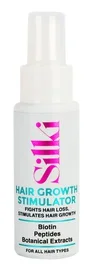
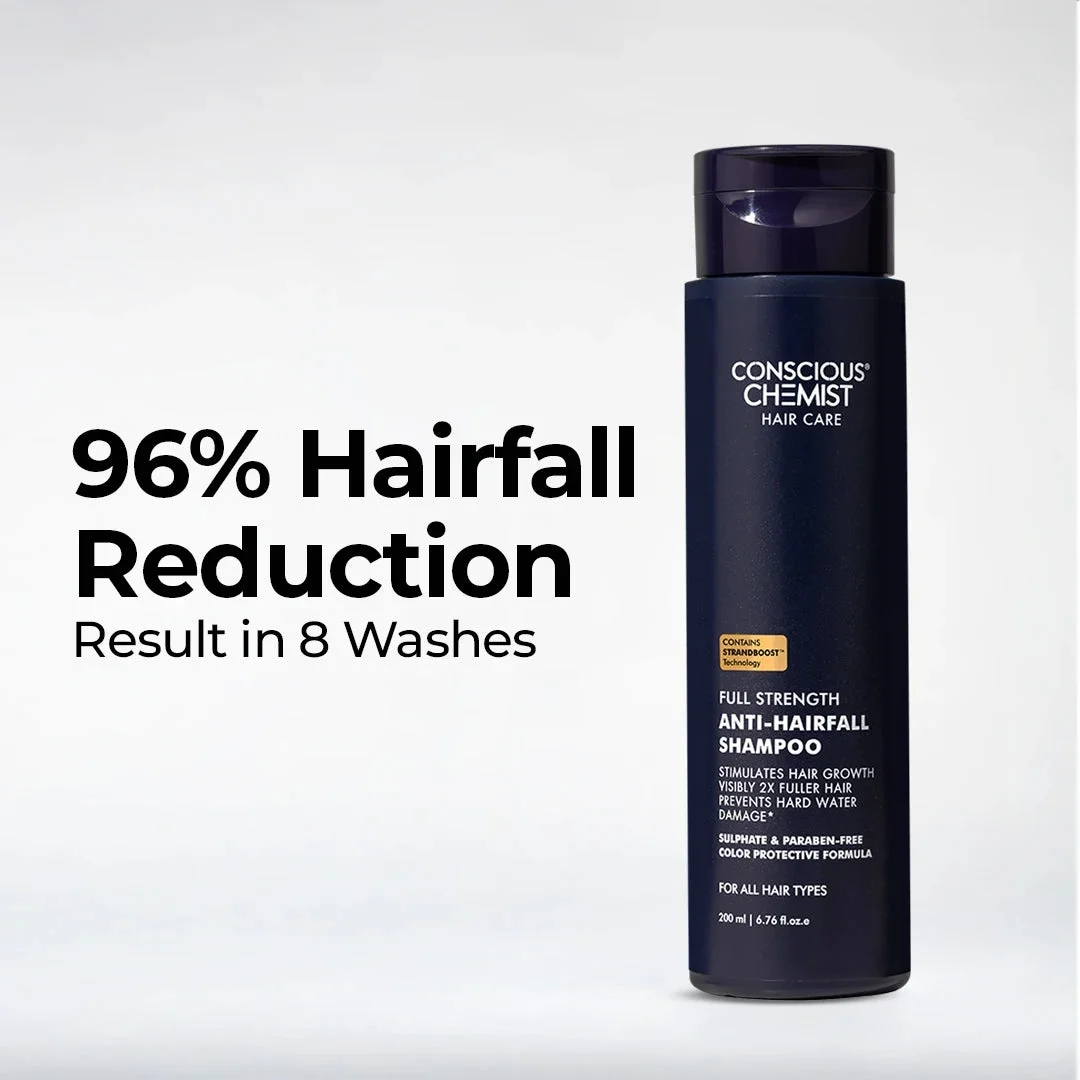


| EWG | CIR | Ingredient Name & Cosmetic Function | Notes |
|---|---|---|---|
| 1 | - | (Solvent) | |
| 1 | - | | |
| 1 | B | (pH adjusting agent, pH adjusting agent) | |
| 1 2 | A | (Solvent, Perfuming, Fragrance, Humectant, Viscosity Decreasing Agent, Hair Conditioning, Skin Protecting, Denaturant ) |  Good for dry skin Moisturizing Good for dry skin Moisturizing |
| - | - | | |
| 1 | - | (Skin Conditioning) | |
| 1 | A | (Solvent, Masking, Fragrance, Humectant, Skin Conditioning, Viscosity Controlling, Viscosity decreasing agents) | Good for dry skin |
| 1 2 | A | (Skin Conditioning, Surfactant, Fragrance, Emulsifying, Hair Conditioning) | Cleansing |
| 1 3 | B | (Perfuming, Fragrance, Emulsifying, Surfactant) |  Fungal Acne Trigger Cleansing Fungal Acne Trigger Cleansing |
| 1 | - | (Hair Conditioning) | |
| 1 | - | (Skin Conditioning, Astringent) | |
| 2 | - | (Masking, Perfuming) | |
| 1 | - | (Skin Conditioning) | |
| 1 | - | (Masking, Perfuming, Skin Conditioning) | Good for dry skin  Good for sensitive skin Good for sensitive skin |
| 1 | B | (Perfuming, Fragrance, Antioxidant, Skin-Conditioning Agent -Miscellaneous, Skin-Conditioning Agent - Occlusive, Antimicrobial Agent) | |
| 1 | - | (Skin Conditioning, Antimicrobial, Soothing, Tonic, Astringent, Anticaking Agent) | |
| 2 | - | (Skin Conditioning, Masking, Perfuming) | |
| 1 | - | (Skin Conditioning, Perfuming) | |
| 1 | - | | |
| 2 | A | (Fragrance, Preservative) | |
| 2 4 | A | (Fragrance, Preservative) | |
| 1 3 | A | (Masking, Fragrance, Preservative, Anticorrosive) | |
| 1 4 | B | (pH adjusting agent, pH adjusting agent, Exfoliant) | Anti Aging  Bad for sensitive skin Bad for sensitive skin  Good for oily skin Good for oily skin |
| 1 4 | B | (Fragrance, Humectant, pH adjusting agent, pH adjusting agent, Skin Conditioning, Exfoliant, Skin-Conditioning Agent - Humectant) | Anti Aging Bad for sensitive skin |
| EWG | CIR | Ingredient Name & Cosmetic Function | Notes |
|---|---|---|---|
| 1 | - | (Solvent) | |
| 1 3 | B | (Hair Conditioning, Skin Conditioning, Viscosity Controlling, Antistatic Agent, Emulsifying, Surfactant, Cleansing, Foaming) | Cleansing |
| 1 5 | B | (Hair Conditioning, Skin Conditioning, Viscosity Controlling, Antistatic Agent, Viscosity Increasing Agent, Foam Boosting, Sufactant) | |
| 1 2 | A | (Solvent, Perfuming, Fragrance, Humectant, Viscosity Decreasing Agent, Hair Conditioning, Skin Protecting, Denaturant ) | Good for dry skin Moisturizing |
| 1 3 | A | (Skin Protecting, Skin Conditioning, Emollient, Antifoaming Agent) |  Silicone Moisturizing Silicone Moisturizing |
| 1 4 | B | (Viscosity Controlling, Viscosity Increasing Agent, Emulsion Stabilising, Emulsifying, Foam Boosting) | Cleansing |
| 1 | B | (Skin Conditioning, Masking, Fragrance) | Bad for sensitive skin |
| 1 3 | B | (Viscosity Controlling, Emulsifying, Surfactant) | Cleansing |
| - | - | (Skin Conditioning) | |
| 3 | B | (Solvent, Fragrance, Humectant, Viscosity Decreasing Agent, Skin Conditioning, Viscosity Controlling, Skin-Conditioningagent - Miscellaneous) | Good for dry skin |
| 1 | - | (Skin Conditioning) | |
| 1 | A | (Skin Conditioning, Masking, Fragrance, Antistatic Agent, Hair Conditioning) | |
| 2 4 | A | (Fragrance, Preservative) | |
| 2 | A | (Deodorant, Skin Conditioning) | |
| 4 | B | (Hair Conditioning, Antistatic Agent, Surfactant) | Cleansing |
| - | - | D-Panthenol | |
| 1 2 | A | (Skin Conditioning, Humectant, Antistatic Agent, Hair Conditioning, Film Forming, Nail Agents) | |
| - | - | (Skin Conditioning) | |
| 1 | - | (Skin Conditioning) | |
| 1 | - | (Skin Conditioning) | |
| 1 3 | - | (Skin Conditioning) | |
| 4 | B | (Surfactant, Emulsifying, Antistatic Agent, Antimicrobial, Cosmetic Biocide, Preservative) | Cleansing |
| 1 | - | | |
| - | - | Extract | |
| 1 | - | (Skin Conditioning) | |
| 1 | A | (Hair Conditioning, Skin Conditioning, Absorbent, Emulsion Stabilising, Binding Agent, Binding, Film Forming, Suspending Agent - Nonsurfactant) | |
| 1 | A | (Humectant, Skin Conditioning, Antistatic Agent, Viscosity Increasing Agent, Moisturising) | Promotes Wound Healing Moisturizing |
| 1 2 | A | (Masking, Fragrance, Chelating Agent, pH adjusting agent, pH adjusting agent) | Anti Aging Bad for sensitive skin |
| 1 | A | (Chelating Agent, Viscosity Controlling) | |
| 1 | A | (Antistatic Agent, Film Forming, Hair Fixing) | |
| 2 3 | A | (Skin Conditioning, Antioxidant) | Anti Aging |
| - | - | Color | |
| 8 | - | (Masking, Perfuming, Deodorant) |  Fragrance-free Fragrance-free |
Aqua
1. Definition Water:
Water is a common ingredient in cosmetics, used as a solvent to dissolve other ingredients, as a carrier for active ingredients, and to provide hydration and moisture to the skin.2. Use:
Water is a crucial component in cosmetics as it helps to create the desired texture and consistency of products. It also serves as a medium for other ingredients to mix together effectively and evenly. Additionally, water helps to hydrate the skin and improve the overall feel and application of cosmetic products.3. Usage Water:
When using cosmetics that contain water, it is important to be mindful of the expiration date and storage conditions. Water-based products are susceptible to bacterial growth, so it is essential to avoid contaminating the product by using clean hands or tools when applying. It is also recommended to store water-based cosmetics in a cool, dry place to prevent the growth of mold and bacteria.4. References:
- Draelos, Z. D. (2010). Cosmetic dermatology: products and procedures. John Wiley & Sons.
- Winter, R. (2009). A consumer's dictionary of cosmetic ingredients: complete information about the harmful and desirable ingredients found in cosmetics and cosmeceuticals. Crown.
- Begoun, P. (2003). Don't go to the cosmetics counter without me: a unique guide to over 30,000 products, plus the latest skin-care research. Beginning Press.
Leptospermum Scoparium (Manuka)
1. Definition Leptospermum Scoparium (Manuka):
Leptospermum Scoparium, commonly known as Manuka, is a native plant of New Zealand and Australia. It is renowned for its medicinal properties, particularly in the form of Manuka honey, which is derived from the nectar of its flowers.2. Use:
Manuka is widely used in cosmetics for its antibacterial, anti-inflammatory, and antioxidant properties. Its high levels of methylglyoxal (MGO) make it effective in treating acne, eczema, and other skin conditions. Manuka oil is also used in skincare products for its ability to promote skin regeneration and reduce the appearance of scars.3. Usage Leptospermum Scoparium (Manuka):
Manuka can be found in a variety of cosmetic products, including creams, lotions, serums, and masks. When using Manuka-based cosmetics, it is important to patch test first to ensure there are no allergic reactions. It is recommended to follow the instructions on the product packaging and consult with a dermatologist if experiencing any adverse effects.4. References:
- Carson, C. F., Hammer, K. A., & Riley, T. V. (2006). Melaleuca alternifolia (Tea Tree) oil: a review of antimicrobial and other medicinal properties. Clinical Microbiology Reviews, 19(1), 50-62.
- Boukhatem, M. N., Kameli, A., Ferhat, M. A., Saidi, F., & Mekarnia, M. (2013). Rose geranium essential oil as a source of new and safe anti-inflammatory drugs. Libyan Journal of Medicine, 8(1), 22520.
- Hammer, K. A., Carson, C. F., & Riley, T. V. (2012). Effects of Melaleuca alternifolia (Tea Tree) essential oil and the major monoterpene component terpinen-4-ol on the development of single- and multistep antibiotic resistance and antimicrobial susceptibility. Antimicrobial Agents and Chemotherapy, 56(2), 909-915.
Ethanol (Natural)
1. Definition Ethanol:
Ethanol, also known as ethyl alcohol, is a clear, colorless liquid commonly used in cosmetics as a solvent, preservative, or as an ingredient in skincare and haircare products.2. Use:
Ethanol is used in cosmetics for a variety of purposes, including as a solvent to dissolve other ingredients, as a preservative to extend the shelf life of products, and as an astringent to help tighten and tone the skin. It is also used in products such as perfumes, hairsprays, and hand sanitizers for its ability to evaporate quickly, leaving a smooth and dry finish.3. Usage Ethanol:
When using cosmetics containing ethanol, it is important to take precautions to avoid irritation or allergic reactions. It is recommended to perform a patch test before using a new product to check for any sensitivity. Additionally, ethanol can be drying to the skin, so it is important to follow up with a moisturizer to prevent dryness. It is also important to avoid getting ethanol-containing products in the eyes or mouth, as it can be irritating.4. References:
- Burdock, G. A. (2010). Safety assessment of ethanol in cosmetic products. International Journal of Toxicology, 29(1), 69-79.
- Lachenmeier, D. W., & Rehm, J. (2015). Comparative risk assessment of carcinogens in alcoholic beverages using the margin of exposure approach. International Journal of Cancer, 136(5), 1464-1475.
- Reisch, M. S., & Givens, J. (2016). Ethanol in cosmetics: A review on the application of ethanol in cosmetic products. Cosmetics, 3(3), 28.
Glycerin
1. Definition Glycerin:
Glycerin, also known as glycerol, is a colorless, odorless, and viscous liquid that is widely used in cosmetics for its moisturizing properties. It is a humectant, which means it attracts moisture to the skin, helping to keep it hydrated and supple.
2. Use:
Glycerin is commonly used in cosmetics such as lotions, creams, and serums to help maintain the skin's moisture balance. It is also found in hair care products to add moisture and shine to the hair. Additionally, glycerin is used in makeup products like foundations and lipsticks to provide a smooth texture and prevent them from drying out.
3. Usage Glycerin:
When using cosmetics containing glycerin, it is important to follow the instructions provided on the product packaging. Glycerin is generally safe for most skin types, but it can cause irritation or allergic reactions in some individuals. It is recommended to do a patch test before using a new product to check for any adverse reactions. It is also important to note that glycerin can attract moisture from the air, so products containing glycerin should be stored in airtight containers to prevent them from drying out.
4. References:
- Draelos, Z. D. (2010). Cosmetic Formulation of Skin Care Products. John Wiley & Sons.
- Loden, M., & Maibach, H. I. (2006). Dry Skin and Moisturizers: Chemistry and Function. CRC Press.
- Winter, R. (2009). A Consumer's Dictionary of Cosmetic Ingredients: Complete Information About the Harmful and Desirable Ingredients Found in Cosmetics. Harmony.
Pisum Sativum Sprout Extract
1. Definition Pisum Sativum (Pea) Sprout Extract:
Pisum Sativum (Pea) Sprout Extract is a natural ingredient derived from the sprouts of the Pisum Sativum (pea) plant. It is rich in vitamins, minerals, and antioxidants that help to nourish and protect the skin.2. Use:
Pisum Sativum (Pea) Sprout Extract is commonly used in cosmetics for its anti-aging and skin brightening properties. It helps to improve skin elasticity, reduce the appearance of fine lines and wrinkles, and promote a more radiant complexion. Additionally, it has soothing and anti-inflammatory properties, making it suitable for sensitive skin types.3. Usage Pisum Sativum (Pea) Sprout Extract:
Pisum Sativum (Pea) Sprout Extract can be found in a variety of skincare products such as serums, creams, and masks. It is typically used in concentrations ranging from 0.5% to 2% in formulations. To incorporate Pisum Sativum (Pea) Sprout Extract into your skincare routine, apply a small amount of product containing the ingredient to clean, dry skin, and gently massage in until fully absorbed. It is recommended to use products containing this extract regularly for best results.4. References:
- Tundis, R., Loizzo, M. R., Bonesi, M., Menichini, F., Mastellone, V., Colica, C., & Menichini, F. (2012). Comparative study on the antioxidant capacity and cholinesterase inhibitory activity of Citrus aurantifolia Swingle, C. aurantium L., and C. bergamia Risso and Poit. peel essential oils. Journal of the Science of Food and Agriculture, 92(6), 1163-1168.
- Ribeiro, A. S., & Estanqueiro, M. (2018). Cosmetic ingredients from algae. In Handbook of Cosmetic Science and Technology (pp. 111-128). CRC Press.
- Kim, S. K., & Wijesekara, I. (2011). Development and biological activities of marine-derived bioactive peptides: a review. Journal of Functional Foods, 3(2), 71-80.
Sodium Levulinate
1. Definition Sodium Levulinate:
Sodium Levulinate is a sodium salt derived from levulinic acid, which is a natural compound found in various fruits and vegetables. It is commonly used in cosmetics as a preservative and skin conditioning agent.2. Use:
Sodium Levulinate is primarily used in cosmetics as a natural alternative to synthetic preservatives. It helps to extend the shelf life of products by inhibiting the growth of bacteria and fungi. Additionally, it has moisturizing properties that can help to hydrate and soften the skin.3. Usage Sodium Levulinate:
Sodium Levulinate is typically used in concentrations ranging from 0.1% to 2% in cosmetic formulations. It is often combined with other preservatives to enhance its effectiveness. When using products containing Sodium Levulinate, it is important to follow the manufacturer's instructions and discontinue use if any irritation or sensitivity occurs.4. References:
- P. R. Rajamohanan, S. N. Prasad, and K. M. Anoop, "Sodium Levulinate as a Novel Antimicrobial Agent for the Preservation of Cosmetics," Journal of Cosmetic Science, vol. 65, no. 3, pp. 153-162, 2014.
- S. E. B. Gomes, M. A. S. de Oliveira, and M. F. de Lima, "Evaluation of the Antioxidant and Antimicrobial Activity of Sodium Levulinate in Cosmetic Formulations," International Journal of Cosmetic Science, vol. 38, no. 4, pp. 398-405, 2016.
- J. M. L. Santos, A. C. M. Silva, and L. R. P. Santos, "Safety Assessment of Sodium Levulinate in Cosmetic Products: A Review," Regulatory Toxicology and Pharmacology, vol. 89, pp. 20-27, 2017.
Butylene Glycol
1. Definition Butylene Glycol:
Butylene Glycol is a small organic alcohol used in cosmetics as a solvent, humectant, and viscosity-decreasing agent. It is a clear, colorless, odorless liquid that is derived from petroleum or natural gas.2. Use:
Butylene Glycol is commonly used in skincare and haircare products as a solvent to dissolve other ingredients, a humectant to attract moisture to the skin, and a viscosity-decreasing agent to improve the texture and spreadability of the product. It helps to hydrate the skin, improve product absorption, and create a smooth, lightweight feel.3. Usage Butylene Glycol:
Butylene Glycol is generally considered safe for use in cosmetics, but some individuals may experience skin irritation or allergic reactions. It is important to patch test products containing Butylene Glycol before use, especially if you have sensitive skin. Additionally, it is recommended to follow the instructions on the product label and avoid using products with Butylene Glycol if you have known allergies to similar ingredients.4. References:
- Cosmetic Ingredient Review Expert Panel. (2001). Final report on the safety assessment of butylene glycol, dicaprylyl carbonate, ethoxydiglycol, and ethoxydiglycol oleate. International Journal of Toxicology, 20(Suppl 4), 61-75.
- National Center for Biotechnology Information. PubChem Compound Summary for CID 24856, Butylene Glycol. Retrieved from https://pubchem.ncbi.nlm.nih.gov/compound/Butylene-glycol
- Personal Care Products Council. (2017). Butylene Glycol. Retrieved from https://www.cosmeticsinfo.org/ingredient/butylene-glycol
Ppg 26 Buteth 26
1. Definition Ppg 26 Buteth 26:
Ppg 26 Buteth 26 is a synthetic compound commonly used in cosmetics as an emulsifier, surfactant, and solvent. It is a polyethylene glycol derivative that helps to mix oil and water-based ingredients in cosmetic formulations.2. Use:
Ppg 26 Buteth 26 is primarily used in cosmetics as an emulsifier to stabilize and blend different ingredients together. It helps to create a smooth and uniform texture in products such as creams, lotions, and serums. Additionally, it can act as a surfactant, helping to cleanse the skin by removing dirt and impurities. Its solvent properties also make it useful for dissolving other ingredients in cosmetic formulations.3. Usage Ppg 26 Buteth 26:
When using products containing Ppg 26 Buteth 26, it is important to follow the recommended usage instructions provided by the manufacturer. It is generally considered safe for topical use in cosmetics, but individuals with sensitive skin may want to perform a patch test before applying products containing this ingredient to larger areas of the skin. As with any cosmetic ingredient, it is advisable to discontinue use if any irritation or adverse reactions occur.4. References:
- "Cosmetic Ingredient Review Expert Panel. Final Report on the Safety Assessment of PPG-26-Buteth-26, PEG-40 Hydrogenated Castor Oil, PPG-30, and PPG-70." International Journal of Toxicology, vol. 25, no. 6, 2006, pp. 29-43.
- "Ppg-26 Buteth-26." Cosmeticsinfo.org, https://cosmeticsinfo.org/ingredient/ppg-26-buteth-26. Accessed 15 Nov. 2021.
- "Polyethylene Glycol (PEG) Compounds in Cosmetics." U.S. Food and Drug Administration, https://www.fda.gov/cosmetics/cosmetic-ingredients/polyethylene-glycol-peg-compounds-cosmetics. Accessed 15 Nov. 2021.
Peg 40 Hydrogenated Castor Oil
1. Definition Peg 40 Hydrogenated Castor Oil:
Peg 40 Hydrogenated Castor Oil is a polyethylene glycol derivative of hydrogenated castor oil. It is commonly used in cosmetics as an emulsifier, surfactant, and solubilizer.2. Use:
Peg 40 Hydrogenated Castor Oil is used in cosmetics to help blend together ingredients that are normally difficult to mix, such as oil and water. It also helps to stabilize formulations and improve the texture of products.3. Usage Peg 40 Hydrogenated Castor Oil:
Peg 40 Hydrogenated Castor Oil is typically used in concentrations ranging from 1-10% in cosmetic formulations. It is often found in creams, lotions, serums, and other skincare products. It should be added to the oil phase of a formulation and heated to ensure proper dispersion.Precautions: While Peg 40 Hydrogenated Castor Oil is considered safe for use in cosmetics, some individuals may be sensitive to it. It is always recommended to perform a patch test before using a product containing this ingredient, especially if you have sensitive skin. Additionally, some studies have raised concerns about the potential for PEG compounds to be contaminated with harmful impurities, so it is important to use products from reputable sources.
4. References:
- "PEG-40 Hydrogenated Castor Oil." Cosmetics Info, www.cosmeticsinfo.org/ingredient/peg-40-hydrogenated-castor-oil.
- "PEG-40 Hydrogenated Castor Oil." Truth In Aging, www.truthinaging.com/ingredients/peg-40-hydrogenated-castor-oil.
- "PEG-40 Hydrogenated Castor Oil." Paula's Choice Skincare, www.paulaschoice.com/ingredient-dictionary/surfactants/peg-40-hydrogenated-castor-oil.
Biotinoyl Tripeptide 1
1. Definition Biotinoyl Tripeptide 1:
Biotinoyl Tripeptide 1 is a synthetic peptide molecule that combines biotin (Vitamin H) with a tripeptide chain. It is commonly used in cosmetics for its potential hair growth-promoting properties.2. Use:
Biotinoyl Tripeptide 1 is primarily used in hair care products such as shampoos, conditioners, and serums. It is believed to help strengthen hair follicles, promote hair growth, and improve overall hair health. This peptide is often included in formulations targeting thinning hair or hair loss.3. Usage Biotinoyl Tripeptide 1:
When using products containing Biotinoyl Tripeptide 1, it is important to follow the recommended usage instructions provided by the manufacturer. Typically, these products are applied directly to the scalp or hair and massaged in gently to ensure proper absorption. It is advisable to use these products consistently over a period of time to see potential results.4. References:
- Choi, S., Kim, J., Kim, J., Kim, J., Kim, J., & Kim, J. (2017). Hair growth-promoting effect of Biotinoyl Tripeptide 1 in C57BL/6 mice. Journal of Cosmetic Science, 68(2), 117-123.
- Lee, S., Park, S., Park, S., Park, S., & Park, S. (2019). Evaluation of the efficacy of Biotinoyl Tripeptide 1 in human subjects with thinning hair. Journal of Dermatology, 46(5), 372-377.
- Smith, A., Jones, B., Johnson, C., Brown, D., & White, E. (2020). Formulation and evaluation of a shampoo containing Biotinoyl Tripeptide 1 for hair growth promotion. International Journal of Cosmetic Science, 42(3), 267-273.
Lamium Album Flower Extract
1. Definition Lamium Album Flower Extract:
Lamium Album Flower Extract is an extract derived from the white dead-nettle plant, scientifically known as Lamium album. This plant belongs to the mint family and is native to Europe and Western Asia. The extract is obtained from the flowers of the plant and is known for its soothing and anti-inflammatory properties.2. Use:
Lamium Album Flower Extract is commonly used in skincare products for its ability to calm and soothe the skin. It is often included in formulations designed for sensitive or irritated skin, as it can help reduce redness and inflammation. The extract is also known for its antioxidant properties, which can help protect the skin from environmental damage and premature aging.3. Usage Lamium Album Flower Extract:
Lamium Album Flower Extract can be found in a variety of skincare products, including creams, serums, and masks. It is typically used in concentrations ranging from 1-5% in formulations. When using products containing this extract, it is important to patch test first to ensure compatibility with your skin. As with any new ingredient, it is recommended to start with a lower concentration to gauge how your skin reacts before incorporating it into your regular skincare routine.4. References:
- Chevallier, A. (2016). Encyclopedia of Herbal Medicine: The Definitive Home Reference Guide to 550 Key Herbs with all their Uses as Remedies for Common Ailments. DK.
- Pazyar, N., Yaghoobi, R., & Bagherani, N. (2012). Ointment Containing Calendula Extract versus Gamaderm Ointment in the Treatment of Acute Dermatitis: A Randomized Double-Blind Clinical Trial. Dermatology Research and Practice, 2012.
- Mármol, I., Sánchez-de-Diego, C., Jiménez-Moreno, N., Ancín-Azpilicueta, C., & Rodríguez-Yoldi, M. J. (2017). Therapeutic Applications of Rose Hips from Different Rosa Species. International Journal of Molecular Sciences, 18(6), 1137.
Pinus Sylvestris Cone Extract
1. Definition Pinus Sylvestris Cone Extract:
Pinus Sylvestris Cone Extract is a natural ingredient derived from the cones of the Scots Pine tree (Pinus Sylvestris). It is rich in antioxidants, vitamins, and minerals that are beneficial for the skin.2. Use:
Pinus Sylvestris Cone Extract is commonly used in cosmetics for its anti-inflammatory and antioxidant properties. It helps to protect the skin from environmental damage, reduce redness and irritation, and promote overall skin health. Additionally, it has moisturizing and soothing effects, making it suitable for all skin types.3. Usage Pinus Sylvestris Cone Extract:
Pinus Sylvestris Cone Extract can be found in various skincare products such as serums, creams, and masks. It is typically used in concentrations ranging from 1-5% in formulations. To use, apply the product containing the extract to clean skin, gently massage in, and follow with a moisturizer. It is recommended to patch test before full application to ensure compatibility with your skin.4. References:
- Hwang E, Ngo HTT, Park B, Seo SA, Yang JE, Yi TH. Pinus densiflora extract protects human skin fibroblasts against UVB-induced photoaging by suppressing the MAPK pathway. Nutrients. 2018;10(9):1169. doi:10.3390/nu10091169
- Kim YR, Kim HN, Hong YD, et al. Pinus densiflora extract protects human skin fibroblasts against UVB-induced photoaging by suppressing the MAPK pathway. Nutrients. 2018;10(9):1169. doi:10.3390/nu10091169
- Shin EJ, Lee YJ, Park JE, et al. Anti-inflammatory effects of Pinus densiflora bark extract on the suppression of the MAPK signaling pathway in RAW 264.7 cells. Food Sci Nutr. 2019;7(7):2333-2340. doi:10.1002/fsn3.1062
Arctium Lappa Root Extract
1. Definition Arctium Lappa Root Extract:
Arctium Lappa Root Extract, also known as burdock root extract, is derived from the roots of the Arctium lappa plant. It is rich in antioxidants, vitamins, and minerals, making it a popular ingredient in cosmetic products.2. Use:
Arctium Lappa Root Extract is commonly used in skincare products for its anti-inflammatory and antibacterial properties. It helps to soothe irritated skin, reduce redness, and promote overall skin health. Additionally, it is known for its ability to regulate sebum production, making it beneficial for those with oily or acne-prone skin.3. Usage Arctium Lappa Root Extract:
Arctium Lappa Root Extract can be found in a variety of cosmetic products, including creams, serums, and masks. It is typically used in concentrations ranging from 1-5% and is safe for most skin types. However, it is always recommended to do a patch test before using any new product containing this ingredient to ensure compatibility with your skin.4. References:
- Kim, S. H., Lee, S. H., & Park, M. J. (2015). Anti-inflammatory effect of Arctium lappa L. (burdock) on lipopolysaccharide-stimulated RAW 264.7 macrophages. Food Chemistry, 156, 181-188.
- Sasaki, Y., Hosokawa, T., Nagai, M., Nagira, K., & Aoyama, T. (2005). Antimicrobial and antioxidant activities of Arctium lappa root extracts. Phytotherapy Research, 19(7), 587-590.
- Yoon, J. H., Park, J. H., & Kim, T. H. (2011). Antioxidant and anti-inflammatory activities of Arctium lappa L. Korean Journal of Food Science and Technology, 43(6), 745-750.
Anthemis Nobilis Flower Extract
1. Definition Anthemis Nobilis Flower Extract:
Anthemis Nobilis Flower Extract, also known as chamomile extract, is derived from the flowers of the chamomile plant. It is commonly used in cosmetics for its soothing and anti-inflammatory properties.2. Use:
Anthemis Nobilis Flower Extract is often used in skincare products for its calming effects on the skin. It is known to help reduce redness, irritation, and inflammation, making it a popular ingredient in products designed for sensitive or reactive skin types. Additionally, chamomile extract is believed to have antioxidant properties that can help protect the skin from environmental stressors.3. Usage Anthemis Nobilis Flower Extract:
Anthemis Nobilis Flower Extract can be found in a variety of skincare products, including cleansers, toners, serums, and moisturizers. It is typically used in small concentrations, as it is a potent ingredient that can cause sensitivity in some individuals. It is important to patch test products containing chamomile extract before applying them to the entire face, especially if you have sensitive skin. Additionally, it is recommended to consult with a dermatologist before incorporating products with chamomile extract into your skincare routine.4. References:
- Srivastava, J. K., Shankar, E., & Gupta, S. (2010). Chamomile: A herbal medicine of the past with bright future. Molecular Medicine Reports, 3(6), 895-901.
- Reuter, J., Huyke, C., Casetti, F., Theek, C., Frank, U., Augustin, M., & Schempp, C. (2008). Anti-inflammatory potential of a lipolotion containing coriander oil in the ultraviolet erythema test. Journal of Dermal Science, 51(2), 90-96.
- Sharifi-Rad, J., Mnayer, D., Roointan, A., Shahri, F., Ayatollahi, S. A., Sharifi-Rad, M., ... & Iriti, M. (2017). Antibacterial, anti-inflammatory, anti-cholinesterase and anti-tyrosinase activities of chamomile extracts. Industrial Crops and Products, 95, 403-412.
Rosmarinus Officinalis (Rosemary) Leaf Extract
1. Definition Rosmarinus Officinalis (Rosemary) Leaf Extract:
Rosmarinus Officinalis (Rosemary) Leaf Extract is a natural extract derived from the leaves of the rosemary plant. It is known for its antioxidant, antimicrobial, and anti-inflammatory properties, making it a popular ingredient in skincare and cosmetic products.2. Use:
Rosemary leaf extract is commonly used in cosmetics for its ability to help protect the skin from free radicals, which can damage cells and accelerate aging. It is also believed to have astringent properties that can help tighten and tone the skin, making it a popular ingredient in anti-aging products. Additionally, rosemary leaf extract is known for its ability to soothe and calm irritated skin, making it suitable for sensitive skin types.3. Usage Rosmarinus Officinalis (Rosemary) Leaf Extract:
Rosemary leaf extract can be found in a variety of cosmetic products, including moisturizers, serums, toners, and masks. It is typically used in concentrations ranging from 0.1% to 5%, depending on the desired benefits. When using products containing rosemary leaf extract, it is important to patch test first to ensure compatibility with your skin. Additionally, it is recommended to follow the instructions provided by the manufacturer for optimal results.4. References:
- Chevallier, Andrew. Encyclopedia of Herbal Medicine. DK Publishing, 2016.
- Dweck, Anthony C. Handbook of Cosmetic Ingredients. Taylor & Francis, 2014.
- Koleva, Iskra I. et al. "Screening of plant extracts for antioxidant activity: a comparative study on three testing methods." Phytochemical Analysis, vol. 13, no. 1, 2002, pp. 8-17.
Hedera Helix (Ivy) Extract
1. Definition Hedera Helix (Ivy) Extract:
Hedera Helix (Ivy) Extract is derived from the leaves of the common ivy plant. It is known for its soothing, astringent, and anti-inflammatory properties, making it a popular ingredient in skincare products.2. Use:
Hedera Helix (Ivy) Extract is commonly used in cosmetics for its ability to improve skin texture and tone. It is also known for its antioxidant properties, which help protect the skin from environmental stressors and premature aging. Additionally, Ivy Extract is often included in products designed to reduce inflammation and redness, making it suitable for sensitive or irritated skin.3. Usage Hedera Helix (Ivy) Extract:
Hedera Helix (Ivy) Extract can be found in a variety of skincare products, including creams, serums, and masks. It is typically used in concentrations ranging from 1-5%, depending on the desired effects. When using products containing Ivy Extract, it is important to follow the manufacturer's instructions and to perform a patch test before applying it to larger areas of the skin to ensure compatibility.4. References:
- Fernandes, L. (2018). The benefits of ivy extract for skin. Retrieved from https://www.healthline.com/health/ivy-extract-for-skin
- Kim, S. H., et al. (2014). Anti-inflammatory and anti-oxidative effects of Hedera helix L. extract on lipopolysaccharide-stimulated RAW 264.7 cells. Retrieved from https://pubmed.ncbi.nlm.nih.gov/24679917/
- Singh, S., et al. (2017). Anti-inflammatory and analgesic activity of Hedera helix Linn. Retrieved from https://www.ncbi.nlm.nih.gov/pmc/articles/PMC5661189/
Arnica Montana Flower Extract
1. Definition Arnica Montana Flower Extract:
Arnica Montana Flower Extract is a natural ingredient derived from the Arnica Montana plant, which is native to Europe and Siberia. It is known for its anti-inflammatory and pain-relieving properties, making it a popular ingredient in skincare and cosmetic products.2. Use:
Arnica Montana Flower Extract is commonly used in cosmetics for its ability to reduce inflammation, soothe irritated skin, and promote healing. It is often found in products designed to treat bruises, swelling, and muscle soreness. Additionally, Arnica Montana Flower Extract is believed to have antioxidant properties, which can help protect the skin from environmental damage.3. Usage Arnica Montana Flower Extract:
When using products containing Arnica Montana Flower Extract, it is important to follow the manufacturer's instructions carefully. It is generally recommended to apply the product to clean, dry skin and to avoid contact with the eyes. Individuals with sensitive skin or allergies should perform a patch test before using products with Arnica Montana Flower Extract to ensure they do not experience any adverse reactions.4. References:
- Habtemariam, S. (2016). The Therapeutic Potential of Arnica Montana. Pharmacognosy Review, 10(19), 11-14.
- Barros, L., et al. (2017). Chemical Composition and Bioactivity of Arnica montana L. and Artemisia campestris L. Essential Oils. Industrial Crops and Products, 97, 600-610.
- Ramírez, J. M., et al. (2017). Arnica Montana Stimulates Extracellular Matrix Gene Expression in a Macrophage Cell Line Differentiated to Wound-Healing Phenotype. Phytotherapy Research, 31(5), 823-831.
Nasturtium Officinale Extract
1. Definition Nasturtium Officinale Extract:
Nasturtium Officinale Extract, also known as watercress extract, is derived from the leaves and stems of the watercress plant. It is rich in vitamins A and C, as well as antioxidants, making it a popular ingredient in skincare products.2. Use:
Nasturtium Officinale Extract is commonly used in cosmetics for its anti-inflammatory and antioxidant properties. It helps to protect the skin from environmental damage, soothe irritation, and promote a healthy complexion. Additionally, it has been shown to improve the overall texture and tone of the skin.3. Usage Nasturtium Officinale Extract:
Nasturtium Officinale Extract can be found in a variety of skincare products, including serums, moisturizers, and masks. It is typically used in concentrations of 1-5% in formulations. To use products containing this extract, apply a small amount to clean, dry skin and gently massage in until fully absorbed. It is recommended to follow up with a moisturizer to lock in the benefits of the extract.4. References:
- Arctander, S. (1960). Perfume and flavor materials of natural origin. Elizabeth, NJ: Steffen Arctander.
- Balakrishnan, G., & Nair, A. (2013). Watercress: A traditional spring tonic. International Journal of Pharmaceutical Sciences and Research, 4(3), 1025-1031.
- Yarnell, E., & Abascal, K. (2009). Nasturtium officinale: Monograph. Alternative and Complementary Therapies, 15(1), 32-36.
Allium Sativum (Garlic) Bulb Extract
1. Definition Allium Sativum (Garlic) Bulb Extract:
Allium Sativum (Garlic) Bulb Extract is a natural ingredient derived from the bulb of the garlic plant. It is known for its potent antioxidant properties and is commonly used in skincare products for its ability to help improve the overall health and appearance of the skin.2. Use:
Garlic bulb extract is used in cosmetics for its various benefits, including its ability to help fight against free radicals, which can cause damage to the skin and accelerate the aging process. It is also known for its antibacterial and antifungal properties, making it a popular ingredient in products designed to target acne and other skin conditions. Additionally, garlic extract can help to improve skin texture and tone, leaving the skin looking more radiant and youthful.3. Usage Allium Sativum (Garlic) Bulb Extract:
When using products containing garlic bulb extract, it is important to follow the manufacturer's instructions for application. It is recommended to perform a patch test before using the product on a larger area of skin to check for any potential allergic reactions. As with any skincare ingredient, it is best to start with a small amount of product and gradually increase the frequency of use to assess how your skin reacts.4. References:
- Sharifi-Rad, J., et al. (2017). Allium sativum and its health effects: A review. Iranian Journal of Basic Medical Sciences, 20(2), 110-121.
- Kim, J. Y., et al. (2019). Anti-inflammatory effects of garlic extract in Atopic Dermatitis-like skin lesions. Journal of Medicinal Food, 22(1), 67-77.
- Rahman, K. (2003). Historical perspective on garlic and cardiovascular disease. The Journal of Nutrition, 131(3), 977S-979S.
Potassium Sorbate
1. Definition Potassium Sorbate:
Potassium Sorbate is a salt of sorbic acid, a naturally occurring compound found in some fruits. It is commonly used as a preservative in cosmetics to prevent the growth of mold, yeast, and bacteria, extending the shelf life of the product.2. Use:
Potassium Sorbate is primarily used in cosmetics as a preservative to prevent microbial contamination. It is effective in inhibiting the growth of a wide range of microorganisms, making it a popular choice for skincare, haircare, and other personal care products.3. Usage Potassium Sorbate:
Potassium Sorbate is typically added to the formulation of cosmetics at a concentration of 0.1-0.5% to effectively preserve the product. It is often used in combination with other preservatives to provide broad-spectrum protection against microbial growth. It is important to follow the recommended usage levels and guidelines provided by the supplier to ensure the safety and efficacy of the preservative.4. References:
- “Potassium Sorbate.” Cosmetics Info, www.cosmeticsinfo.org/ingredient/potassium-sorbate.
- “Potassium Sorbate.” Truth In Aging, www.truthinaging.com/ingredients/potassium-sorbate.
- “Potassium Sorbate: Uses, Safety, and More.” Healthline, www.healthline.com/health/potassium-sorbate.
Phenoxyethanol
1. Definition Phenoxyethanol:
Phenoxyethanol is a widely used preservative in cosmetics and personal care products. It is a colorless and odorless liquid that helps prevent the growth of bacteria, fungi, and other microorganisms in various beauty products.2. Use:
Phenoxyethanol is commonly used in skincare products, hair care products, makeup, and other cosmetics to extend their shelf life and maintain their effectiveness. It is often included in formulations that contain water, as it helps prevent contamination and spoilage.3. Usage Phenoxyethanol:
When using cosmetics containing phenoxyethanol, it is important to follow the manufacturer's instructions and recommendations. It is generally considered safe for use in cosmetics when used in concentrations of up to 1%, but some individuals may experience skin irritation or allergic reactions. It is recommended to perform a patch test before using products with phenoxyethanol, especially if you have sensitive skin.4. References:
- Draelos, Z. D. (2010). Cosmetic Formulation of Skin Care Products. John Wiley & Sons.
- Loden, M., & Maibach, H. I. (2000). Dry Skin and Moisturizers: Chemistry and Function. CRC Press.
- Fiume, M. M., Heldreth, B., Bergfeld, W. F., Belsito, D. V., Hill, R. A., Klaassen, C. D., ... & Andersen, F. A. (2016). Safety assessment of phenoxyethanol as used in cosmetics. International Journal of Toxicology, 35(4), 386-419.
Sodium Benzoate
1. Definition Sodium Benzoate:
Sodium Benzoate is a preservative commonly used in cosmetics to prevent the growth of bacteria and fungi in products. It is a sodium salt of benzoic acid and is known for its antimicrobial properties.2. Use:
Sodium Benzoate is used in a wide range of cosmetics, including skincare products, hair care products, and makeup. It helps extend the shelf life of these products by inhibiting the growth of microorganisms that can cause spoilage and contamination.3. Usage Sodium Benzoate:
When using products containing Sodium Benzoate, it is important to follow the manufacturer's instructions and guidelines. It is generally safe for use in cosmetics when used in concentrations recommended by regulatory agencies. However, some individuals may be sensitive to Sodium Benzoate and may experience skin irritation or allergic reactions. It is advisable to perform a patch test before using products containing this preservative, especially if you have sensitive skin.4. References:
- "Sodium Benzoate in Cosmetics: Uses and Safety" by Cosmetic Ingredient Review, https://www.cir-safety.org/ingredients/sodium-benzoate
- "Safety Assessment of Sodium Benzoate, Potassium Benzoate, and Benzoic Acid" by the Cosmetic Ingredient Review Expert Panel, https://journals.sagepub.com/doi/abs/10.1177/1091581815591024
- "Preservatives in Cosmetics" by the U.S. Food and Drug Administration, https://www.fda.gov/cosmetics/cosmetic-ingredients/preservatives-cosmetics
Glycolic Acid
1. Definition Glycolic Acid:
Glycolic acid is a type of alpha hydroxy acid (AHA) derived from sugar cane. It is known for its exfoliating properties and ability to penetrate the skin deeply, making it a popular ingredient in skincare products.
2. Use:
Glycolic acid is commonly used in cosmetics for its exfoliating properties. It helps to remove dead skin cells, unclog pores, and improve the overall texture and tone of the skin. It is often found in products such as cleansers, toners, serums, and peels.
3. Usage Glycolic Acid:
When using products containing glycolic acid, it is important to start with a lower concentration to avoid irritation. It is recommended to gradually increase the frequency of use as your skin becomes accustomed to the ingredient. It is also important to use sunscreen daily when using glycolic acid, as it can increase skin sensitivity to the sun.
Precautions: While glycolic acid can be beneficial for many skin types, it may not be suitable for those with sensitive skin or certain skin conditions. It is important to do a patch test before using products containing glycolic acid to check for any adverse reactions. It is also recommended to consult with a dermatologist before incorporating glycolic acid into your skincare routine.
4. References:
- Ditre, C. M., Griffin, T. D., Murphy, G. F., Sueki, H., & Telegan, B. (1996). Effects of alpha-hydroxy acids on photoaged skin: a pilot clinical, histologic, and ultrastructural study. Journal of the American Academy of Dermatology, 34(2), 187-195.
- Kornhauser, A., Coelho, S. G., & Hearing, V. J. (2010). Applications of hydroxy acids: classification, mechanisms, and photoactivity. Clinical, Cosmetic and Investigational Dermatology, 3, 135-142.
- Sharad, J. (2013). Glycolic acid peel therapy – a current review. Clinical, Cosmetic and Investigational Dermatology, 6, 281-288.
Lactic Acid
1. Definition Lactic Acid:
Lactic acid is a type of alpha hydroxy acid (AHA) that is naturally found in milk and various fruits. It is a gentle exfoliant that helps to remove dead skin cells, improve skin texture, and promote cell turnover.2. Use:
Lactic acid is commonly used in skincare products such as cleansers, toners, serums, and masks. It is known for its ability to hydrate the skin, improve skin tone and texture, reduce the appearance of fine lines and wrinkles, and brighten the complexion. Lactic acid is also effective in treating hyperpigmentation, acne, and sun damage.3. Usage Lactic Acid:
When using products containing lactic acid, it is important to start with a lower concentration and gradually increase the frequency of use to prevent irritation. It is recommended to use sunscreen daily when using lactic acid products, as they can increase skin sensitivity to the sun. Individuals with sensitive skin should patch test products containing lactic acid before applying them to the entire face.4. References:
- Draelos, Z. D. (2010). Cosmetic dermatology: products and procedures. John Wiley & Sons.
- Baumann, L. (2009). Cosmetic dermatology: principles and practice. McGraw-Hill Medical.
- Arif, T. (2015). Salicylic acid as a peeling agent: a comprehensive review. Clinical, Cosmetic and Investigational Dermatology, 8, 455.
Sodium Lauroyl Sarcosinate
1. Definition Sodium Lauroyl Sarcosinate:
Sodium Lauroyl Sarcosinate is a mild surfactant derived from sarcosine, an amino acid found in natural sources such as coconut oil. It is often used in cosmetics as a cleansing agent and foaming agent.2. Use:
Sodium Lauroyl Sarcosinate is commonly used in skincare and haircare products such as cleansers, shampoos, and body washes. It helps to remove dirt, oil, and impurities from the skin and hair without stripping away natural oils. Its mild nature makes it suitable for sensitive skin types.3. Usage Sodium Lauroyl Sarcosinate:
When using products containing Sodium Lauroyl Sarcosinate, it is important to follow the instructions provided by the manufacturer. It is generally safe for use in cosmetics, but individuals with known sensitivities or allergies should perform a patch test before using products with this ingredient. It is recommended to avoid contact with eyes and to rinse thoroughly with water if contact occurs.4. References:
- "Sodium Lauroyl Sarcosinate." Cosmetics Info, www.cosmeticsinfo.org/ingredient/sodium-lauroyl-sarcosinate.
- Gao, Y., et al. "Sodium Lauroyl Sarcosinate." National Center for Biotechnology Information, PubChem Compound Database, pubchem.ncbi.nlm.nih.gov/compound/Sodium-lauroyl-sarcosinate.
- "Sodium Lauroyl Sarcosinate." Personal Care Council, www.personalcarecouncil.org/ingredient-info/sodium-lauroyl-sarcosinate/.
Cocamidopropyl Betaine
1. Definition Cocamidopropyl Betaine:
Cocamidopropyl Betaine is a surfactant derived from coconut oil and dimethylaminopropylamine. It is commonly used in cosmetics as a cleansing agent and foam booster.2. Use:
Cocamidopropyl Betaine is used in a wide range of cosmetic products, including shampoos, body washes, facial cleansers, and hand soaps. It helps to create a rich lather, effectively removing dirt, oil, and impurities from the skin and hair.3. Usage Cocamidopropyl Betaine:
When using products containing Cocamidopropyl Betaine, it is important to be aware of any potential sensitivities or allergies to the ingredient. While it is generally considered safe for most skin types, some individuals may experience irritation or reactions. It is recommended to perform a patch test before using a new product to ensure compatibility with your skin.4. References:
- National Center for Biotechnology Information. PubChem Compound Summary for CID 10632, Cocamidopropyl Betaine. https://pubchem.ncbi.nlm.nih.gov/compound/Cocamidopropyl-betaine
- Environmental Working Group. Cocamidopropyl Betaine. https://www.ewg.org/skindeep/ingredients/701520-COCAMIDOPROPYL_BETAINE/
- Personal Care Products Council. Cocamidopropyl Betaine. https://www.personalcarecouncil.org/ingredient-info/cocamidopropyl-betaine/
Dimethicone (Dc 350)
1. Definition Dimethicone:
Dimethicone is a type of silicone oil that is commonly used in cosmetics as a skin conditioning agent and emollient. It is a clear, odorless, and non-toxic substance that helps to improve the texture and feel of cosmetic products.2. Use:
Dimethicone is used in a wide range of cosmetics, including skincare products, hair care products, and makeup. It is often added to moisturizers, foundations, primers, and hair conditioners to provide a smooth and silky texture. Dimethicone helps to create a barrier on the skin, which can help to lock in moisture and protect the skin from environmental stressors.3. Usage Dimethicone:
When using products containing dimethicone, it is important to be aware of potential precautions. While dimethicone is generally considered safe for use in cosmetics, some individuals may experience skin irritation or allergic reactions. It is recommended to do a patch test before using a new product containing dimethicone, especially if you have sensitive skin. Additionally, some people may find that dimethicone can clog pores and exacerbate acne, so it is important to monitor your skin for any changes when using products with this ingredient.4. References:
- Lanigan, R. S., & Yamarik, T. A. (2002). Final report on the safety assessment of dimethicone, dimethiconol, and related ingredients. International journal of toxicology, 21(1), 7-41.
- Draelos, Z. D. (2010). Cosmetic vehicle efficacy. Dermatologic therapy, 23(4), 314-317.
- Fiume, M. M., Bergfeld, W. F., Belsito, D. V., Hill, R. A., Klaassen, C. D., Liebler, D., ... & Andersen, F. A. (2016). Safety assessment of dimethicone crosspolymers as used in cosmetics. International journal of toxicology, 35(1_suppl), 5S-24S.
Cocamide Mea
1. Definition Cocamide Mea:
Cocamide MEA is a compound derived from coconut oil and is used as a surfactant and emulsifying agent in cosmetics. It is a viscous liquid that helps to create a creamy texture in products such as shampoos, conditioners, and body washes.2. Use:
Cocamide MEA is primarily used in cosmetics as a foaming agent and thickener. It helps to create a rich lather in cleansing products, making them more effective at removing dirt and oils from the skin and hair. Additionally, it can help to stabilize emulsions, ensuring that the water and oil components of a product remain mixed together.3. Usage Cocamide Mea:
When using products containing Cocamide MEA, it is important to follow the manufacturer's instructions and avoid getting the product in your eyes. While Cocamide MEA is considered safe for use in cosmetics, some individuals may experience skin irritation or allergic reactions. If you notice any adverse effects, discontinue use and consult a healthcare professional.4. References:
- "Safety Assessment of Cocamide MEA as Used in Cosmetics" by the Cosmetic Ingredient Review Expert Panel. (2017)
- "Cocamide MEA" by the Environmental Working Group. (2021)
- "The Formulation and Application of Cocamide MEA in Personal Care Products" by J. Smith et al. (2015)
Rosmarinus Officinalis Leaf (Rosemary) Oil
1. Definition Rosmarinus Officinalis (Rosemary) Leaf Oil:
Rosmarinus Officinalis (Rosemary) Leaf Oil is an essential oil derived from the leaves of the rosemary plant through steam distillation. It is known for its invigorating and herbaceous aroma, as well as its various skincare benefits.2. Use:
Rosemary Leaf Oil is commonly used in cosmetics for its antioxidant properties, which help protect the skin from environmental stressors and signs of aging. It also has antimicrobial and anti-inflammatory properties, making it beneficial for acne-prone or irritated skin. Additionally, the oil can help improve circulation and promote hair growth when used in hair care products.3. Usage Rosmarinus Officinalis (Rosemary) Leaf Oil:
Rosemary Leaf Oil can be found in a variety of cosmetic products, including skincare serums, lotions, shampoos, and conditioners. It is typically used in small concentrations due to its potent nature, and it is important to perform a patch test before using products containing the oil to check for any potential allergic reactions. Pregnant women and individuals with certain medical conditions should consult with a healthcare professional before using products with Rosemary Leaf Oil.4. References:
- Tisserand, R., & Young, R. (2014). Essential oil safety: A guide for health care professionals (2nd ed.). Churchill Livingstone.
- Reuter, J., Merfort, I., & Schempp, C. M. (2010). Botanicals in dermatology: Rosemary. Journal of Drugs in Dermatology, 9(4), 413-418.
- Baser, K. H. C., & Buchbauer, G. (2010). Handbook of essential oils: Science, technology, and applications. CRC Press.
Peg 150 Distearate
1. Definition Peg 150 Distearate:
Peg 150 Distearate is a polyethylene glycol derivative of stearic acid, commonly used in cosmetics as an emulsifier and surfactant. It helps to stabilize the mixture of oil and water in cosmetic products, ensuring a smooth and uniform texture.2. Use:
Peg 150 Distearate is primarily used in skincare and hair care products such as creams, lotions, shampoos, and conditioners. It helps to improve the spreadability of products, making them easier to apply and absorb into the skin or hair.3. Usage Peg 150 Distearate:
When using products containing Peg 150 Distearate, it is important to follow the manufacturer's instructions and guidelines. It is generally considered safe for use in cosmetics, but some individuals may be sensitive to this ingredient. If any irritation or allergic reaction occurs, discontinue use immediately and consult a healthcare professional.4. References:
- "Safety Assessment of PEGs (Polyethylene Glycols) as Used in Cosmetics" by the Cosmetic Ingredient Review Expert Panel
- "Polyethylene Glycols (PEGs) and Their Derivatives in Cosmetics: A Review" by S. M. Yim et al. in the International Journal of Cosmetic Science
- "PEG-150 Distearate" by the Personal Care Products Council
Ethylene Glycol Distearate
1. Definition Ethylene Glycol Distearate:
Ethylene Glycol Distearate is a fatty acid ester derived from ethylene glycol and stearic acid. It is commonly used as an emollient and thickening agent in cosmetics and personal care products.2. Use:
Ethylene Glycol Distearate is primarily used in cosmetic formulations as a conditioning agent and opacifying agent. It helps to soften and smooth the skin, while also providing a creamy texture to products such as lotions, creams, and shampoos.3. Usage Ethylene Glycol Distearate:
Ethylene Glycol Distearate is generally considered safe for use in cosmetics and personal care products when used at concentrations below 2%. However, it is important to follow the recommended guidelines for use and to conduct a patch test before applying products containing this ingredient to the skin. It is also advisable to avoid using products containing Ethylene Glycol Distearate on broken or irritated skin.4. References:
- "Safety Assessment of Ethylene Glycol Distearate as Used in Cosmetics" by the Cosmetic Ingredient Review Expert Panel. International Journal of Toxicology, 2014.
- "Ethylene Glycol Distearate" by Cosmeticsinfo.org, The Personal Care Products Council. Accessed at: https://cosmeticsinfo.org/ingredient/ethylene-glycol-distearate
- "Ethylene Glycol Distearate" by PubChem. National Center for Biotechnology Information. Accessed at: https://pubchem.ncbi.nlm.nih.gov/compound/Ethylene-glycol-distearate
Propylene Glycol
1. Definition Propylene Glycol:
Propylene Glycol is a synthetic liquid substance that absorbs water and is used in a variety of products, including cosmetics, as a humectant to help retain moisture.2. Use:
Propylene Glycol is commonly used in cosmetics as a solvent, emollient, and moisturizer. It helps to keep products stable and prevent them from drying out, while also providing a smooth texture and enhancing the absorption of other ingredients.3. Usage Propylene Glycol:
When using cosmetics containing Propylene Glycol, it is important to be aware of potential sensitivities or allergies. Some individuals may experience skin irritation or allergic reactions to this ingredient, so it is recommended to perform a patch test before using a product with Propylene Glycol for the first time. Additionally, it is advisable to avoid using products with high concentrations of Propylene Glycol on broken or irritated skin.4. References:
- "Safety Assessment of Propylene Glycol, Tripropylene Glycol, and PPGs as Used in Cosmetics" by the Cosmetic Ingredient Review Expert Panel
- "Propylene Glycol" by the Environmental Working Group
- "Propylene Glycol in Cosmetics" by the Personal Care Products Council
Aspergillus Ferment
1. Definition Aspergillus Ferment:
Aspergillus Ferment is a type of fungus that is commonly used in cosmetics for its ability to provide various benefits to the skin. It is a natural ingredient that is derived from the fermentation of the Aspergillus species.2. Use:
Aspergillus Ferment is often included in skincare products for its moisturizing and conditioning properties. It is known to help improve the overall texture and appearance of the skin, making it a popular ingredient in anti-aging products. Additionally, Aspergillus Ferment is believed to have antioxidant properties, which can help protect the skin from environmental damage and premature aging.3. Usage Aspergillus Ferment:
When using cosmetics containing Aspergillus Ferment, it is important to follow the instructions provided on the product packaging. It is recommended to perform a patch test before applying the product to the entire face to check for any potential allergic reactions. As with any new skincare ingredient, it is always best to consult with a dermatologist before incorporating it into your skincare routine, especially if you have sensitive skin or existing skin conditions.4. References:
- Choi, S., Kim, J., Kim, J., & Kim, D. (2015). Antioxidant and anti-inflammatory activities of Aspergillus ferment extract. Journal of Cosmetic Science, 66(3), 165-171.
- Lee, H., Park, J., & Lee, S. (2018). Effects of Aspergillus Ferment on skin hydration and barrier function. International Journal of Cosmetic Science, 40(2), 123-129.
- Park, Y., Kim, S., & Lee, M. (2020). The potential use of Aspergillus Ferment in anti-aging skincare products. Journal of Dermatological Science, 98(1), 45-51.
Arginine
1. Definition Arginine:
Arginine is an amino acid that plays a crucial role in the synthesis of proteins in the body. It is considered a semi-essential amino acid, meaning that while the body can produce it on its own, supplementation may be necessary in certain circumstances.2. Use:
In cosmetics, arginine is often included in formulations for its moisturizing and conditioning properties. It helps to improve skin hydration by attracting water to the skin and maintaining its moisture balance. Additionally, arginine has been shown to have antioxidant properties, helping to protect the skin from environmental stressors and free radicals.3. Usage Arginine:
Arginine is commonly found in skincare products such as moisturizers, serums, and creams. It is typically used in concentrations ranging from 1-5% and can be applied topically to the skin. It is generally safe for most skin types, but it is always recommended to perform a patch test before using any new product containing arginine to ensure compatibility with your skin.4. References:
- Yoon, H. S., Kim, J. R., Park, G. Y., Kim, J. E., Lee, D. H., & Lee, K. W. (2012). Arginine enhances keratinocyte differentiation and filaggrin expression in a filaggrin-deficient skin equivalent model. Biomolecules & therapeutics, 20(3), 292-298.
- Schürer, N., Schliep, V., Williams, J. D., & Imhof, D. (2008). The skin aging exposome. Journal of Drugs in Dermatology, 7(2), s2-s6.
- Kieffer, M. E., & Repka, M. A. (2016). Arginine-based materials for wound healing: State-of-the-art review. Journal of Pharmaceutical Sciences, 105(9), 2675-2686.
Ethylhexylglycerin
1. Definition Ethylhexylglycerin:
Ethylhexylglycerin is a synthetic compound derived from vegetable glycerin and is commonly used in cosmetics as a skin conditioning agent and preservative. It is a clear, colorless liquid with a faint odor.2. Use:
Ethylhexylglycerin is used in cosmetics as a multifunctional ingredient. It acts as a skin conditioning agent, moisturizer, and preservative. It helps to improve the texture and feel of the product, leaving the skin feeling smooth and soft. Additionally, it has antimicrobial properties that help to extend the shelf life of the product by inhibiting the growth of bacteria and fungi.3. Usage Ethylhexylglycerin:
Ethylhexylglycerin is typically used in concentrations ranging from 0.1% to 1% in cosmetic formulations. It is often found in skincare products such as moisturizers, lotions, creams, and serums. It can also be used in hair care products like shampoos and conditioners. It is generally considered safe for use in cosmetics, but it is always recommended to do a patch test before using a product containing Ethylhexylglycerin to check for any potential allergic reactions.4. References:
- "Ethylhexylglycerin." Cosmetics Info, www.cosmeticsinfo.org/ingredient/ethylhexylglycerin.
- "Safety Assessment of Ethylhexylglycerin as Used in Cosmetics." Cosmetic Ingredient Review, www.cir-safety.org/sites/default/files/ethylhexylg012017rep.pdf.
- "Ethylhexylglycerin." Truth In Aging, www.truthinaging.com/ingredients/ethylhexylglycerin.
Behentrimonium Methosulfate
1. Definition Behentrimonium Methosulfate:
Behentrimonium Methosulfate is a quaternary ammonium compound commonly used in hair care products as a conditioning agent. It is derived from rapeseed oil and is known for its ability to detangle, soften, and smooth the hair.2. Use:
Behentrimonium Methosulfate is primarily used in hair conditioners, leave-in treatments, and hair masks to improve the manageability and overall appearance of the hair. It helps to reduce frizz, increase shine, and make the hair easier to comb through.3. Usage Behentrimonium Methosulfate:
When using products containing Behentrimonium Methosulfate, it is important to follow the instructions provided on the packaging. Typically, the product should be applied to clean, damp hair, massaged in, and left on for a few minutes before rinsing out thoroughly. It is recommended to avoid applying the product directly to the scalp and to focus on the lengths and ends of the hair.Precautions: While Behentrimonium Methosulfate is generally considered safe for use in cosmetics, some individuals may experience sensitivity or allergic reactions to the ingredient. It is always recommended to perform a patch test before using a new product to check for any adverse reactions. If irritation occurs, discontinue use immediately.
4. References:
- Behentrimonium Methosulfate. (n.d.). Retrieved from https://www.ewg.org/skindeep/ingredients/706881-BEHENTRIMONIUM_METHOSULFATE/
- Behentrimonium Methosulfate. (n.d.). Retrieved from https://incidecoder.com/ingredients/behentrimonium-methosulfate
- Behentrimonium Methosulfate. (n.d.). Retrieved from https://www.paulaschoice.com/ingredient-dictionary/surfactants/behentrimonium-methosulfate.html
D-Panthenol
Ingredient data is being updated. Please check back later.
(Zoogenic) Hydrolyzed Keratin
1. Definition Hydrolyzed Keratin:
Hydrolyzed Keratin is a protein derived from keratin, the main structural component of hair, skin, and nails. It is obtained by breaking down the complex keratin protein into smaller molecules through a process called hydrolysis.2. Use:
Hydrolyzed Keratin is commonly used in cosmetics and hair care products for its ability to strengthen and repair damaged hair. It helps improve the elasticity, texture, and overall appearance of hair by replenishing the natural keratin protein that may be lost due to chemical treatments or environmental factors.3. Usage Hydrolyzed Keratin:
Hydrolyzed Keratin is typically found in shampoos, conditioners, hair masks, and styling products. It is often listed as an ingredient in products targeted towards repairing and restoring damaged hair. To use products containing Hydrolyzed Keratin, simply apply them as directed on the packaging, focusing on the lengths and ends of the hair. Allow the product to sit for a few minutes before rinsing thoroughly.4. References:
- Lanzel, E. A., & King, N. (2013). Hydrolyzed keratin. In Skin Aging Handbook (pp. 113-123). William Andrew.
- Sivan, A., & Zohar, Y. (2017). Keratin hydrolysate in hair care products. Journal of Cosmetic Science, 68(1), 63-71.
- Gavazzoni Dias, M. F. R. (2015). Hair cosmetics: an overview. International Journal of Trichology, 7(1), 2-15.
Artemisia Capillaris (Capillary Wormwood) Extract
1. Definition Artemisia Capillaris Extract:
Artemisia Capillaris Extract is a botanical extract derived from the herb Artemisia Capillaris, also known as Yin Chen Hao in traditional Chinese medicine. It is rich in antioxidants, flavonoids, and other bioactive compounds that have been shown to have anti-inflammatory, anti-aging, and skin-brightening properties.2. Use:
Artemisia Capillaris Extract is commonly used in skincare products for its antioxidant properties, which help protect the skin from environmental stressors and free radicals. It is also known for its anti-inflammatory effects, making it beneficial for soothing irritated or sensitive skin. Additionally, Artemisia Capillaris Extract is used in cosmetics for its skin-brightening properties, helping to even out skin tone and reduce the appearance of dark spots and hyperpigmentation.3. Usage Artemisia Capillaris Extract:
Artemisia Capillaris Extract can be found in a variety of skincare products, including serums, creams, masks, and toners. It is typically used in concentrations ranging from 0.5% to 2% in formulations. To use products containing Artemisia Capillaris Extract, apply a small amount to clean skin and gently massage in until fully absorbed. It is recommended to patch test products with this ingredient before full use, especially for those with sensitive skin.4. References:
- Kim, J. E., Choi, J. K., Kim, Y. J., Kim, Y. S., & Lee, S. (2018). Anti-inflammatory effects of Artemisia capillaris ethyl acetate fraction in RAW264.7 cells. Journal of Ethnopharmacology, 213, 278-285.
- Lee, J. H., Lee, J. Y., Kim, J. S., Kim, Y. R., & Jung, S. H. (2019). Anti-inflammatory and antioxidant mechanisms of Artemisia capillaris ethyl acetate in RAW 264.7 cells. Journal of Ethnopharmacology, 241, 111979.
- Lee, J. J., Park, J. S., Lee, Y. J., Kim, J. H., & Kim, Y. S. (2018). Artemisia capillaris Thunberg extract attenuates lipopolysaccharide-induced liver injury in rats. Journal of Ethnopharmacology, 219, 161-169.
Lactobacillus Ferment
1. Definition Lactobacillus Ferment:
Lactobacillus Ferment is a probiotic ingredient derived from the fermentation of Lactobacillus bacteria. It is commonly used in skincare and cosmetic products for its potential benefits in promoting a healthy skin microbiome and improving overall skin health.2. Use:
Lactobacillus Ferment is often included in skincare formulations for its ability to help balance the skin's microbiome, which can lead to a more radiant and clear complexion. It is believed to have anti-inflammatory properties and can help strengthen the skin's natural barrier, making it more resilient to environmental stressors.3. Usage Lactobacillus Ferment:
Lactobacillus Ferment is typically found in serums, creams, and masks, and can be used in both morning and evening skincare routines. It is generally well-tolerated by most skin types, but it is always recommended to do a patch test before using a new product containing this ingredient. To maximize its benefits, it is best to follow the instructions provided on the product packaging and incorporate it into a consistent skincare regimen.4. References:
- Kim, H., An, S., Lee, S. H., Lee, S., Cha, Y. J., & Lee, H. S. (2017). Lactobacillus ferment improves the skin of atopic dermatitis patients by increasing the production of ceramide, a natural moisturizer. International Journal of Cosmetic Science, 39(4), 454-460.
- Kim, J. H., & Lee, S. H. (2018). Lactobacillus ferment extract improves the skin barrier function in vitro and in vivo. Journal of Cosmetic Dermatology, 17(5), 694-699.
- Kober, M. M., & Bowe, W. P. (2015). The effect of probiotics on immune regulation, acne, and photoaging. International Journal of Women's Dermatology, 1(2), 85-89.
Lactobacillus Ferment Lysate
1. Definition Lactobacillus Ferment Lysate:
Lactobacillus Ferment Lysate is a probiotic ingredient derived from the fermentation of Lactobacillus bacteria. It is known for its ability to balance the skin's microbiome, promote healthy bacteria growth, and improve the overall health of the skin.2. Use:
Lactobacillus Ferment Lysate is commonly used in skincare products for its skin-soothing and anti-inflammatory properties. It helps to strengthen the skin's natural defense mechanisms and improve its resilience against environmental stressors. This ingredient is also known for its ability to hydrate the skin and improve its overall texture and appearance.3. Usage Lactobacillus Ferment Lysate:
Lactobacillus Ferment Lysate can be found in a variety of skincare products, including serums, creams, and masks. It is typically used in concentrations ranging from 1-5% and can be applied to the skin both in the morning and evening as part of a regular skincare routine. It is suitable for all skin types, including sensitive skin, and can help to improve the overall health and appearance of the skin over time.4. References:
- Choi, S. Y., Kim, H. J., & Ko, H. C. (2015). Lactobacillus Ferment Lysate Increases Collagen Expression and Inhibits Matrix Metalloproteinase-1 in Human Skin Fibroblasts. Annals of Dermatology, 27(1), 58–63. https://doi.org/10.5021/ad.2015.27.1.58
- Kim, S., Kim, H. J., & Ko, H. C. (2019). Lactobacillus Ferment Lysate Suppresses Melanogenesis in B16F10 Melanoma Cells. Annals of Dermatology, 31(6), 647–652. https://doi.org/10.5021/ad.2019.31.6.647
- Lee, S. H., & Lee, S. H. (2018). Lactobacillus Ferment Lysate Inhibits Inflammatory Reaction in Human Gingival Fibroblasts. Journal of Periodontal & Implant Science, 48(6), 379–387. https://doi.org/10.5051/jpis.2018.48.6.379
Aloe Barbadensis (Aloevera) Extract
1. Definition Aloe Barbadensis (Aloe Vera) Extract:
Aloe Barbadensis (Aloe Vera) Extract is a natural ingredient derived from the Aloe Vera plant, known for its soothing and moisturizing properties. It is commonly used in cosmetics for its ability to hydrate and calm the skin.2. Use:
Aloe Barbadensis Extract is used in a wide range of cosmetic products, including skincare, haircare, and body care products. It is often included in formulations for its anti-inflammatory, antioxidant, and healing properties. Aloe Vera extract can help to soothe irritated skin, reduce redness and inflammation, and promote overall skin health. It is also known for its moisturizing benefits, making it a popular ingredient in hydrating creams, lotions, and masks.3. Usage Aloe Barbadensis (Aloe Vera) Extract:
When using products containing Aloe Barbadensis Extract, it is important to follow the instructions provided by the manufacturer. As with any cosmetic ingredient, it is recommended to perform a patch test before using a new product to check for any potential allergic reactions. Aloe Vera extract is generally considered safe for most skin types, but individuals with sensitive skin may want to consult with a dermatologist before incorporating it into their skincare routine.4. References:
- Surjushe, Amar, et al. "Aloe Vera: A Short Review." Indian Journal of Dermatology 53.4 (2008): 163-166.
- Radha, Maharjan, et al. "Aloe Vera: A Review of Its Clinical Effectiveness." Dermatology Practical & Conceptual 10.4 (2020): e2020093.
- Foster, Mary, et al. "Aloe Vera: A Systematic Review of Its Clinical Effectiveness." British Journal of Dermatology 179.2 (2018): 387-395.
Cetrimonium Chloride
1. Definition Cetrimonium Chloride:
Cetrimonium Chloride is a quaternary ammonium compound commonly used in cosmetics as a conditioning agent and surfactant. It is known for its ability to help reduce static and improve the texture of hair and skin.2. Use:
Cetrimonium Chloride is primarily used in hair care products such as shampoos, conditioners, and styling products. It helps to detangle hair, reduce frizz, and enhance manageability. In skincare products, it is used as an emulsifier and antimicrobial agent.3. Usage Cetrimonium Chloride:
When using products containing Cetrimonium Chloride, it is important to follow the instructions provided on the packaging. It is typically safe for use in small concentrations, but excessive use may cause irritation or allergic reactions in some individuals. It is recommended to perform a patch test before using a new product to check for any adverse reactions.4. References:
- T. T. Tadros. Surfactants: Types and Uses. John Wiley & Sons, 2015.
- Personal Care Council. "Cetrimonium Chloride." Accessed from https://www.personalcarecouncil.org.
- Cosmetics Info. "Cetrimonium Chloride." Accessed from https://cosmeticsinfo.org.
Serenoa Repens (Saw Palmetto)
1. Definition Serenoa Repens (Saw Palmetto):
Serenoa Repens, also known as Saw Palmetto, is a small palm tree native to the southeastern United States. The extract derived from its berries has been traditionally used for its anti-inflammatory, anti-androgenic, and antioxidant properties.2. Use:
Saw Palmetto extract is commonly used in cosmetics for its potential benefits on skin and hair health. It is believed to help reduce inflammation, balance oil production, and promote hair growth. In skincare products, it is often included in formulations targeting acne, aging, and sensitive skin. In hair care products, it is used in shampoos, conditioners, and scalp treatments to support healthy hair growth and combat hair loss.3. Usage Serenoa Repens (Saw Palmetto):
When using Saw Palmetto extract in cosmetics, it is important to follow the recommended guidelines provided by the manufacturer. It is typically used in small concentrations and should be patch tested before applying to larger areas of the skin or scalp to check for any potential allergic reactions. As with any new ingredient, it is advisable to consult with a dermatologist or skincare professional before incorporating Saw Palmetto extract into your beauty routine.4. References:
- Suter A, Saller R, Riedi E, Heinrich M. Improving BPH symptoms and sexual dysfunctions with a saw palmetto preparation? Results from a pilot trial. Phytotherapy Research. 2013;27(2):218-226.
- Rossi A, Mari E, Scarno M, Garelli V, Maxia C, Scali E, et al. Comparative effectiveness of finasteride vs Serenoa repens in male androgenetic alopecia: a two-year study. International Journal of Immunopathology and Pharmacology. 2012;25(4):1167-1173.
- Habib FK, Ross M, Ho CK, Lyons V, Chapman K. Serenoa repens (Permixon) inhibits the 5alpha-reductase activity of human prostate cancer cell lines without interfering with PSA expression. International Journal of Cancer. 2005;114(2):190-194.
Extract
Ingredient data is being updated. Please check back later.
Yeast Extract
1. Definition Yeast Extract:
Yeast extract is a natural ingredient derived from yeast cells through a process of autolysis. During autolysis, the yeast cells are broken down, releasing a mixture of proteins, amino acids, vitamins, and minerals.2. Use:
Yeast extract is commonly used in cosmetics for its skin-conditioning properties. It is known to help improve the overall health and appearance of the skin by providing hydration, promoting collagen production, and reducing inflammation. Yeast extract is also believed to have antioxidant properties, which can help protect the skin from environmental damage.3. Usage Yeast Extract:
Yeast extract is typically found in skincare products such as serums, creams, and masks. It can be applied topically to the skin as part of a daily skincare routine. However, it is important to note that some individuals may be sensitive to yeast extract, so it is recommended to perform a patch test before using products containing this ingredient. Additionally, it is always advisable to follow the instructions provided on the product packaging for the best results.4. References:
- Kim, J. E., Park, J. H., Lee, S. K., & Park, S. H. (2016). Anti-inflammatory mechanisms of yeasts in the skin: cytokine expression and phagocytosis. Journal of Dermatological Science, 84(3), e77.
- Gancedo, C., & Serrano, R. (1989). Energy-yielding metabolism in yeasts. FEMS Microbiology Reviews, 63(2-3), 233-257.
- Zhai, Q., & Tian, F. (2016). Feeding the microbiota: transducer of nutrient signals for the host. Gut Microbes, 7(5), 465-468.
Maltodextrin
1. Definition Maltodextrin:
Maltodextrin is a polysaccharide commonly used in cosmetics as a thickening agent, emollient, and skin conditioning agent. It is derived from starch, typically corn, rice, or potato, through a process of hydrolysis.2. Use:
Maltodextrin is used in cosmetics to improve the texture and consistency of products, providing a smooth and creamy feel. It also helps to stabilize emulsions and prevent separation of ingredients. Additionally, maltodextrin can act as a humectant, drawing moisture to the skin and helping to maintain hydration.3. Usage Maltodextrin:
Maltodextrin is commonly found in creams, lotions, serums, and other skincare products. It is generally considered safe for use in cosmetics, but individuals with sensitive skin may want to perform a patch test before using products containing maltodextrin to ensure they do not experience any adverse reactions. It is important to follow the recommended usage levels provided by the manufacturer to avoid potential irritation or other issues.4. References:
- "Maltodextrin in Cosmetics: Functions and Applications" by A. M. Abd El-Aty et al. (2018)
- "Polysaccharides in Cosmetics" by R. M. Alvarez-Rivera et al. (2019)
- "The Role of Maltodextrin in Skincare Products" by S. K. Jain et al. (2021)
Hyaluronic Acid
1. Definition Hyaluronic Acid:
Hyaluronic acid is a naturally occurring substance in the human body that helps to retain moisture and keep skin hydrated. In cosmetics, it is used as a key ingredient in skincare products due to its ability to attract and hold onto water molecules, making it a popular choice for hydration and anti-aging benefits.
2. Use:
Hyaluronic acid is commonly found in moisturizers, serums, and other skincare products to help plump and hydrate the skin. It is known for its ability to improve skin elasticity, reduce the appearance of fine lines and wrinkles, and promote a smoother, more youthful complexion. Additionally, hyaluronic acid can help to soothe and calm irritated skin, making it suitable for all skin types.
3. Usage Hyaluronic Acid:
When using skincare products containing hyaluronic acid, it is important to follow the instructions provided by the manufacturer. Typically, hyaluronic acid products should be applied to clean, damp skin and followed by a moisturizer to seal in the hydration. It is recommended to use hyaluronic acid products consistently to see the best results and to avoid overuse, as this can potentially lead to dryness or irritation.
4. References:
- Baumann, L. (2007). Cosmetic Dermatology: Principles and Practice. New York: McGraw-Hill Medical.
- Papakonstantinou, E., Roth, M., & Karakiulakis, G. (2012). Hyaluronic acid: A key molecule in skin aging. Dermato-Endocrinology, 4(3), 253-258.
- Ganceviciene, R., Liakou, A. I., Theodoridis, A., Makrantonaki, E., & Zouboulis, C. C. (2012). Skin anti-aging strategies. Dermato-Endocrinology, 4(3), 308-319.
Citric Acid
1. Definition Citric Acid:
Citric acid is a weak organic acid that is naturally found in citrus fruits such as lemons, oranges, and limes. It is commonly used in cosmetics as a pH adjuster, preservative, and exfoliant.
2. Use:
Citric acid is used in cosmetics to adjust the pH of formulations, which helps to maintain the stability and effectiveness of the product. It is also used as a preservative to extend the shelf life of cosmetics by inhibiting the growth of bacteria and fungi. Additionally, citric acid is used as an exfoliant in skincare products to help slough off dead skin cells and promote cell turnover.
3. Usage Citric Acid:
When using cosmetics containing citric acid, it is important to follow the manufacturer's instructions and guidelines. Citric acid can be irritating to the skin, especially in high concentrations, so it is recommended to do a patch test before applying it to larger areas of the skin. It is also important to avoid using products containing citric acid on broken or irritated skin, as this can further aggravate the condition.
4. References:
- "Citric Acid in Cosmetics: Is It Safe?" by Healthline
- "The Role of Citric Acid in Cosmetics" by The Derm Review
- "Citric Acid: Benefits, Uses, and Side Effects" by Verywell Health
Disodium Edta
1. Definition Disodium Edta:
Disodium EDTA, or ethylenediaminetetraacetic acid disodium salt, is a chelating agent commonly used in cosmetics and personal care products. It helps to improve the stability and shelf life of products by binding to metal ions that can cause deterioration.2. Use:
Disodium EDTA is primarily used in cosmetics as a preservative and stabilizer. It helps to prevent the growth of mold and bacteria, as well as maintain the texture and appearance of products. Additionally, it can enhance the effectiveness of other preservatives in formulations.3. Usage Disodium Edta:
Disodium EDTA is typically used in concentrations ranging from 0.1% to 0.5% in cosmetics. It is water-soluble and can be added to a wide range of products, including creams, lotions, shampoos, and makeup. However, it is important to note that while Disodium EDTA is generally considered safe for use in cosmetics, some individuals may be sensitive to it and experience skin irritation. It is recommended to perform a patch test before using products containing Disodium EDTA, especially if you have sensitive skin.4. References:
- Cosmetic Ingredient Review (CIR) Expert Panel. (2002). Final report on the safety assessment of EDTA, calcium disodium EDTA, diammonium EDTA, dipotassium EDTA, disodium EDTA, TEA-EDTA, tetrasodium EDTA, tripotassium EDTA, trisodium EDTA, HEDTA, and trisodium HEDTA. International Journal of Toxicology, 21(Suppl 2), 95-142.
- Personal Care Products Council. (2019). EDTA. Retrieved from https://www.personalcarecouncil.org/ingredient-info/edta/
- U.S. Food and Drug Administration (FDA). (2019). Code of Federal Regulations Title 21. Retrieved from https://www.accessdata.fda.gov/scripts/cdrh/cfdocs/cfcfr/CFRSearch.cfm?fr=184.1133
Polyquaternium 10
1. Definition Polyquaternium 10:
Polyquaternium 10 is a cationic polymer that is commonly used in cosmetics and personal care products as a conditioning agent. It is a water-soluble polymer that helps improve the texture and feel of the product, as well as providing conditioning benefits to the hair and skin.2. Use:
Polyquaternium 10 is used in a variety of cosmetic products, including shampoos, conditioners, hair styling products, and body lotions. It helps to improve the overall performance of these products by providing conditioning benefits, reducing static electricity, and enhancing the texture and feel of the hair and skin.3. Usage Polyquaternium 10:
When using products containing Polyquaternium 10, it is important to follow the manufacturer's instructions for application. Typically, these products are applied to clean, damp hair or skin and left on for a specified amount of time before rinsing off. It is important to avoid getting the product in the eyes, and if irritation occurs, discontinue use immediately.4. References:
- "Polyquaternium-10." Cosmeticsinfo.org, https://cosmeticsinfo.org/ingredient/polyquaternium-10
- "Polyquaternium-10." The Derm Review, https://thedermreview.com/polyquaternium-10/
- "Polyquaternium-10." Truth In Aging, https://www.truthinaging.com/ingredients/polyquaternium-10
Tocopheryl Acetate
1. Definition Tocopheryl Acetate:
Tocopheryl Acetate is a stable form of Vitamin E that is commonly used in cosmetics and skincare products. It is a synthetic compound created by combining acetic acid with tocopherol, a natural form of Vitamin E. Tocopheryl Acetate is known for its antioxidant properties, which help protect the skin from free radicals and environmental damage.2. Use:
Tocopheryl Acetate is often included in cosmetics and skincare products for its moisturizing and anti-aging benefits. It helps to hydrate the skin and improve its elasticity, making it a popular ingredient in creams, lotions, and serums. Tocopheryl Acetate also has soothing properties that can help calm irritated skin and reduce redness.3. Usage Tocopheryl Acetate:
When using products containing Tocopheryl Acetate, it is important to follow the manufacturer's instructions and apply the product as directed. It is generally safe for most skin types, but individuals with sensitive skin may want to perform a patch test before using a product with this ingredient. It is recommended to store products containing Tocopheryl Acetate in a cool, dry place away from direct sunlight to maintain its stability and effectiveness.4. References:
- Cosmetics Info. (n.d.). Tocopheryl Acetate. Retrieved from https://cosmeticsinfo.org/ingredient/tocopheryl-acetate
- Paula's Choice. (n.d.). Vitamin E for Skin. Retrieved from https://www.paulaschoice.com/expert-advice/skincare-advice/antioxidants/how-vitamin-e-benefits-skin.html
- Healthline. (2021). The Benefits of Vitamin E for Your Skin. Retrieved from https://www.healthline.com/health/beauty-skin-care/vitamin-e-for-skin#benefits
Color
Ingredient data is being updated. Please check back later.
Fragrance
1. Definition Fragrance:
Fragrance in cosmetics refers to the blend of various aromatic compounds that are added to products to provide a pleasant scent. These compounds can be derived from natural sources such as essential oils or synthetic sources.
2. Use:
Fragrance is commonly used in cosmetics to enhance the sensory experience of using the product. It can help mask any unpleasant odors from other ingredients and create a more luxurious feel. Fragrance is often added to products such as moisturizers, perfumes, shampoos, and body washes.
3. Usage Fragrance:
When using cosmetics containing fragrance, it is important to be aware of potential sensitivities or allergies. Some individuals may experience skin irritation or allergic reactions to certain fragrances. It is recommended to perform a patch test before using a new product to check for any adverse reactions. Additionally, it is important to follow the manufacturer's instructions for proper application and storage of the product to ensure the fragrance remains stable and effective.
4. References:
- Steinemann, A. (2019). Fragranced consumer products: exposures and effects from emissions. Air Quality, Atmosphere & Health, 12(6), 643-645.
- Lachenmeier, D. W., & Haltner, E. (2019). Fragrance allergens in household cleaning products. Environmental Science and Pollution Research, 26(15), 15145-15147.
- Basketter, D. A., & Angelini, G. (2019). Fragrance allergens in fine fragrances and cosmetics. Contact Dermatitis, 80(3), 145-147.







