


- Home
- Compare product
- Comparison result
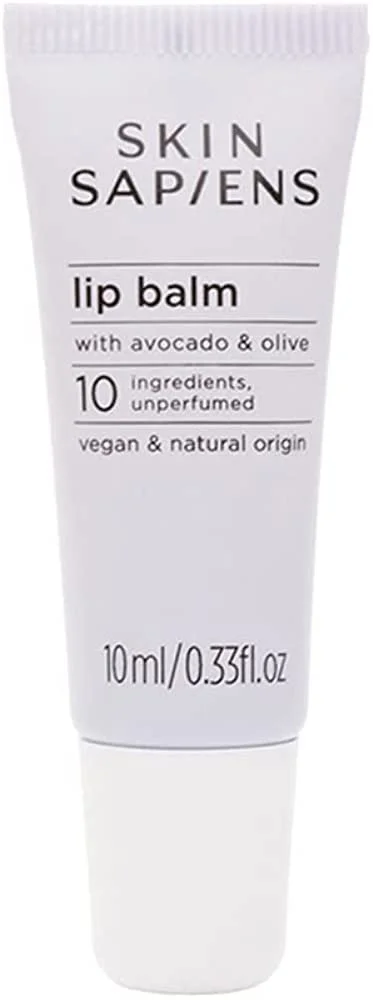
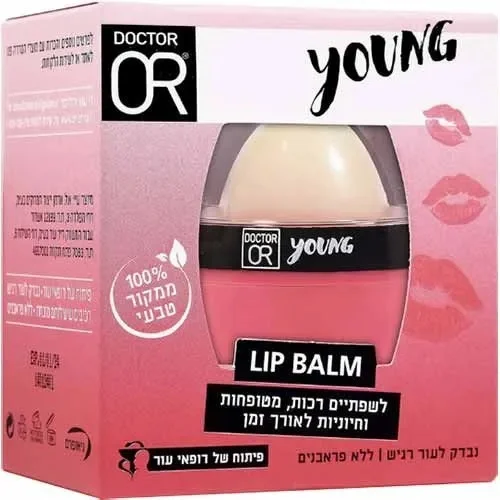


| EWG | CIR | Ingredient Name & Cosmetic Function | Notes |
|---|---|---|---|
| 2 | A |  | |
| - | - | Rhus Verniciflua Peel Cera/Rhus Succedanea Fruit Cera | |
| 1 | A | | |
| 1 | - | |

| EWG | CIR | Ingredient Name & Cosmetic Function | Notes |
|---|---|---|---|
| 2 | A | | |
| 1 | A |  | |
| 1 | A | (Solvent, Skin Conditioning, Masking, Emollient, Fragrance, Hair Conditioning) | |
| 1 | A | (Skin Conditioning) | |
Ricinus Communis (Castor) Seed Oil
1. Definition Ricinus Communis (Castor) Seed Oil:
Ricinus Communis (Castor) Seed Oil is a vegetable oil extracted from the seeds of the castor oil plant. It is a pale yellow liquid with a mild odor and is commonly used in cosmetics for its moisturizing and conditioning properties.2. Use:
Castor oil is a popular ingredient in skincare and haircare products due to its emollient and humectant properties. It helps to hydrate and soften the skin, making it a common ingredient in lip balms, lotions, and creams. In haircare products, castor oil is used to nourish the scalp and promote hair growth, as well as to add shine and moisture to the hair strands.3. Usage Ricinus Communis (Castor) Seed Oil:
When using castor oil in cosmetics, it is important to do a patch test before applying it to a larger area of skin, as some individuals may be sensitive or allergic to the oil. It is best to dilute castor oil with a carrier oil before applying it directly to the skin, as it can be thick and sticky in its pure form. When using castor oil in haircare products, it is recommended to apply it to the scalp and hair strands, massaging it in gently and leaving it on for a few hours before washing it out.4. References:
- Park, H. M., & Cho, J. H. (2018). Ricinus communis L. (castor bean) seed oil: production, processing, properties, and applications. Journal of the American Oil Chemists' Society, 95(11), 1377-1388.
- Vieira, C., et al. (2018). Ricinus communis L. (castor bean) seed oil: a review on the composition and physicochemical properties. Journal of the American Oil Chemists' Society, 95(1), 1-10.
- Reis, F. S., et al. (2016). Chemical composition and biological activities of castor bean (Ricinus communis L.) seed oil: a review. Journal of the American Oil Chemists' Society, 93(3), 291-303.
Rhus Verniciflua Peel Cera/Rhus Succedanea Fruit Cera
Ingredient data is being updated. Please check back later.
Helianthus Annuus Seed Cera
1. Definition Helianthus Annuus Seed Cera:
Helianthus Annuus Seed Cera, also known as sunflower seed wax, is a natural wax derived from the seeds of the sunflower plant (Helianthus annuus). It is a rich source of essential fatty acids, antioxidants, and vitamins, making it a popular ingredient in skincare and cosmetic products.2. Use:
Helianthus Annuus Seed Cera is commonly used in cosmetics as a natural emollient and thickening agent. It helps to hydrate and nourish the skin, leaving it soft and smooth. The wax also provides a protective barrier on the skin, helping to lock in moisture and prevent dehydration. Additionally, it has anti-inflammatory properties that can help soothe irritated skin.3. Usage Helianthus Annuus Seed Cera:
Helianthus Annuus Seed Cera can be found in a variety of skincare and cosmetic products, such as lip balms, creams, lotions, and makeup. It is often used in formulations designed for dry or sensitive skin due to its moisturizing and soothing properties. The wax can be melted into formulations during the manufacturing process or added directly to products as a solid.Precautions: While Helianthus Annuus Seed Cera is generally considered safe for use in cosmetics, it is always recommended to perform a patch test before using a new product, especially if you have sensitive skin or allergies. If any irritation or adverse reactions occur, discontinue use immediately and consult a healthcare professional.
4. References:
- S. M. Alavi, M. A. M. Ghannadi, A. Jafari, "Sunflower Seed Wax: A Potential New Carrier for Drug Delivery," Journal of Liposome Research, 2017.
- K. H. Kim, Y. J. Kim, "Sunflower Seed Wax as a Natural Emollient for Cosmetic Formulations," International Journal of Cosmetic Science, 2016.
- M. N. P. Ribeiro, A. R. P. F. Oliveira, E. F. Silva, "Sunflower Seed Wax: An Overview of Its Chemical Composition and Applications in Cosmetics," Cosmetics, 2020.
Olea Europaea (Olive) Oil
1. Definition Olea Europaea (Olive) Oil:
Olea Europaea (Olive) Oil is a natural oil derived from the fruit of the olive tree. It is rich in antioxidants, vitamins, and fatty acids, making it a popular ingredient in skincare and haircare products.2. Use:
Olive oil is commonly used in cosmetics for its moisturizing and nourishing properties. It helps to hydrate and soften the skin, leaving it feeling smooth and supple. In haircare products, olive oil can help to condition and strengthen the hair, reducing frizz and promoting shine.3. Usage Olea Europaea (Olive) Oil:
Olive oil can be found in a variety of cosmetic products, including moisturizers, serums, hair masks, and cleansers. It can be applied directly to the skin or hair, or incorporated into DIY beauty treatments. When using olive oil, it is important to patch test first to ensure you do not have any allergic reactions. It is best to use olive oil in moderation, as excessive use can lead to greasy skin or hair.4. References:
- Paula Begoun. (2003). "Don't Go to the Cosmetics Counter Without Me." Beginning Press.
- Baumann, L. (2009). "Cosmetic Dermatology: Principles and Practice." McGraw-Hill Medical.
- Sur, R., & Nigam, A. (2011). "Grape seed oil: a potential functional food?" Journal of Food Science and Technology.







