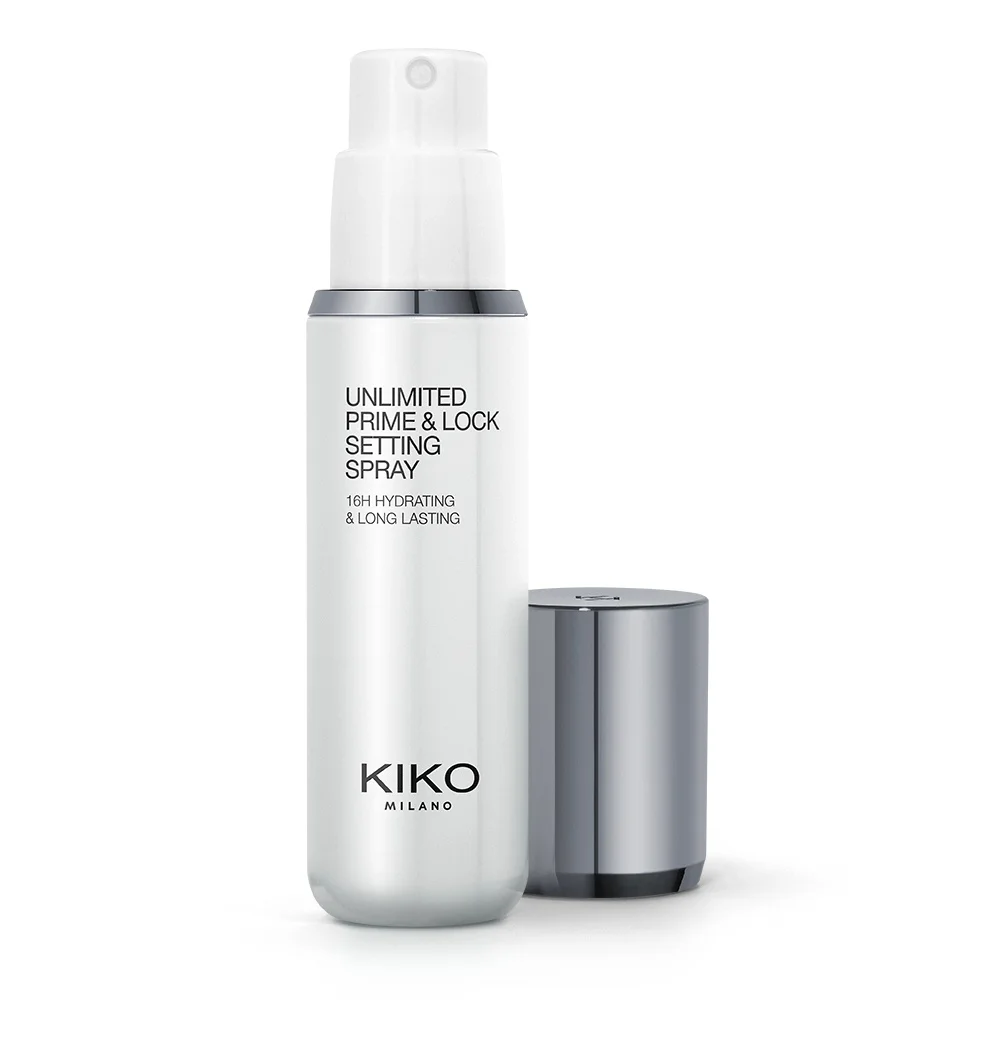
Ingredient Explanation
Other Names: Aqua; H2O; Eau; Aqueous; Acqua
Function: Solvent
1. Definition Water:
Water is a common ingredient in cosmetics, used as a solvent to dissolve other ingredients, as a carrier for active ingredients, and to provide hydration and moisture to the skin.
2. Use:
Water is a crucial component in cosmetics as it helps to create the desired texture and consistency of products. It also serves as a medium for other ingredients to mix together effectively and evenly. Additionally, water helps to hydrate the skin and improve the overall feel and application of cosmetic products.
3. Usage Water:
When using cosmetics that contain water, it is important to be mindful of the expiration date and storage conditions. Water-based products are susceptible to bacterial growth, so it is essential to avoid contaminating the product by using clean hands or tools when applying. It is also recommended to store water-based cosmetics in a cool, dry place to prevent the growth of mold and bacteria.
4. References:
- Draelos, Z. D. (2010). Cosmetic dermatology: products and procedures. John Wiley & Sons.
- Winter, R. (2009). A consumer's dictionary of cosmetic ingredients: complete information about the harmful and desirable ingredients found in cosmetics and cosmeceuticals. Crown.
- Begoun, P. (2003). Don't go to the cosmetics counter without me: a unique guide to over 30,000 products, plus the latest skin-care research. Beginning Press.
Function: Viscosity Controlling, Film Forming
1. Definition Polyester 5:
Polyester 5, also known as PEG-5 Polyester, is a type of polymer that is commonly used in cosmetics as an emulsifier and surfactant. It is a synthetic compound that is derived from petroleum and is often found in various skincare and hair care products.
2. Use:
Polyester 5 is primarily used in cosmetics as an emulsifier, which helps to blend together ingredients that are not easily mixable, such as oil and water. It also acts as a surfactant, helping to reduce the surface tension of liquids and allowing them to spread more easily. Additionally, Polyester 5 can help to stabilize formulations and improve the texture of products.
3. Usage Polyester 5:
Polyester 5 is generally considered safe for use in cosmetics, but some individuals may be sensitive to this ingredient. It is important to patch test products containing Polyester 5 before using them regularly, especially if you have sensitive skin. Additionally, it is recommended to follow the instructions on the product label and not to exceed the recommended usage levels to avoid any potential irritation.
4. References:
- "Polyester 5" by The Personal Care Products Council
- "Safety Assessment of PEG-5 Polyester" by Cosmetic Ingredient Review
- "Polyester 5 in Cosmetics" by Cosmeticsinfo.org
Other Names: SD Alcohol; SD Alcohol 40; SD Alcohol 40B; Denatured Alcohol; Dehydrated Ethanol; Alcohol Denatured
Function: Solvent, Masking, Antifoaming Agent, Viscosity Controlling, Antimicrobial, Astringent
1. Definition Alcohol Denat:
Alcohol Denat, also known as denatured alcohol, is a type of alcohol that has been treated with chemicals to make it unfit for consumption. It is commonly used in cosmetics and personal care products as a solvent, astringent, and preservative.
2. Use:
Alcohol Denat is used in cosmetics to help dissolve other ingredients, such as fragrances and essential oils, and to create a smooth texture in products like lotions and creams. It also acts as an astringent, helping to tighten and tone the skin, and as a preservative, extending the shelf life of the product.
3. Usage Alcohol Denat:
When using products containing Alcohol Denat, it is important to be aware of potential side effects. Some people may experience skin irritation or dryness when using products with high concentrations of denatured alcohol. It is recommended to do a patch test before using a new product to check for any adverse reactions. Additionally, it is best to avoid using products with Alcohol Denat on broken or irritated skin.
4. References:
- "Denatured Alcohol in Cosmetics." Cosmetics Info, www.cosmeticsinfo.org/ingredient/denatured-alcohol.
- "Alcohol Denat." Paula's Choice Skincare, www.paulaschoice.com/ingredient-dictionary/skin-soothing/alcohol-denat.html.
- "Is Alcohol Denat Safe in Skin Care?" Byrdie, www.byrdie.com/alcohol-denat-in-skincare.
Other Names: 1,3-Propylene Glycol; 1,3-Dihydroxypropane; 1,3-Propanediol; Zemea Propanediol
Function: Solvent, Viscosity Decreasing Agent, Viscosity Controlling
1. Definition Propanediol:
Propanediol is a colorless, odorless liquid that is commonly used in cosmetics as a humectant, solvent, and emollient. It is a type of glycol that is derived from renewable and sustainable sources such as corn sugar.
2. Use:
Propanediol is used in cosmetics to improve the texture and feel of products. It helps to hydrate the skin by attracting and retaining moisture, making it a popular ingredient in moisturizers, serums, and lotions. Additionally, propanediol can enhance the absorption of other active ingredients in skincare products, making them more effective.
3. Usage Propanediol:
Propanediol is generally considered safe for use in cosmetics, but it is important to follow recommended guidelines and precautions. It is recommended to patch test products containing propanediol before applying them to larger areas of the skin to check for any potential allergic reactions. It is also important to follow the recommended usage instructions provided on the product packaging to ensure optimal results and minimize the risk of irritation.
4. References:
- Zhang, X., Qian, H., & Tang, S. (2018). Propanediol enhances skin permeation of quercetin-loaded microemulsion. Drug Development and Industrial Pharmacy, 44(6), 1010-1016.
- Rigo, L. A., da Silva, D. F., & Sayer, C. (2019). Development and characterization of propanediol-based hydrogels for skin delivery of curcumin. International Journal of Biological Macromolecules, 132, 73-81.
- Huang, D., Zhang, Y., & Zhang, Z. (2017). Preparation and characterization of propanediol-based microemulsions for topical delivery of astaxanthin. Journal of Dispersion Science and Technology, 38(9), 1317-1323.
Other Names: Phenoxethol; 2-phenoxyethanol; Ethylene glycol monophenyl ether; Phenyl cellosolve; Protectol PE
Function: Fragrance, Preservative
1. Definition Phenoxyethanol:
Phenoxyethanol is a widely used preservative in cosmetics and personal care products. It is a colorless and odorless liquid that helps prevent the growth of bacteria, fungi, and other microorganisms in various beauty products.
2. Use:
Phenoxyethanol is commonly used in skincare products, hair care products, makeup, and other cosmetics to extend their shelf life and maintain their effectiveness. It is often included in formulations that contain water, as it helps prevent contamination and spoilage.
3. Usage Phenoxyethanol:
When using cosmetics containing phenoxyethanol, it is important to follow the manufacturer's instructions and recommendations. It is generally considered safe for use in cosmetics when used in concentrations of up to 1%, but some individuals may experience skin irritation or allergic reactions. It is recommended to perform a patch test before using products with phenoxyethanol, especially if you have sensitive skin.
4. References:
- Draelos, Z. D. (2010). Cosmetic Formulation of Skin Care Products. John Wiley & Sons.
- Loden, M., & Maibach, H. I. (2000). Dry Skin and Moisturizers: Chemistry and Function. CRC Press.
- Fiume, M. M., Heldreth, B., Bergfeld, W. F., Belsito, D. V., Hill, R. A., Klaassen, C. D., ... & Andersen, F. A. (2016). Safety assessment of phenoxyethanol as used in cosmetics. International Journal of Toxicology, 35(4), 386-419.
Function: Skin Conditioning, Emollient, Surfactant, Emulsifying
1. Definition Polyglyceryl 2 Oleate:
Polyglyceryl 2 Oleate is a non-ionic emulsifier derived from natural sources such as vegetable oils. It is commonly used in cosmetics and personal care products to stabilize oil-in-water emulsions, improve the texture of formulations, and enhance the spreadability of products.
2. Use:
Polyglyceryl 2 Oleate is often used in skincare products such as lotions, creams, and serums to create stable emulsions that combine oil and water-based ingredients. It helps to prevent the separation of ingredients, resulting in a smooth and uniform product texture. Additionally, Polyglyceryl 2 Oleate can also act as a mild surfactant, helping to cleanse the skin without stripping it of its natural oils.
3. Usage Polyglyceryl 2 Oleate:
When using products containing Polyglyceryl 2 Oleate, it is important to follow the manufacturer's instructions for application. It is generally considered safe for use in cosmetics, but individuals with sensitive skin may want to patch test products containing this ingredient before applying them to larger areas of the skin. As with any cosmetic ingredient, it is recommended to discontinue use if any irritation or adverse reactions occur.
4. References:
- "Polyglyceryl-2 Oleate." Cosmetics Info, www.cosmeticsinfo.org/ingredient/polyglyceryl-2-oleate.
- "Polyglyceryl-2 Oleate." Truth in Aging, www.truthinaging.com/ingredients/polyglyceryl-2-oleate.
- "Polyglyceryl-2 Oleate." The Derm Review, www.thedermreview.com/polyglyceryl-2-oleate/.
Function: Fragrance, Surfactant, Sufactant
1. Definition Peg 60 Hydrogenated Castor Oil:
Peg 60 Hydrogenated Castor Oil is a polyethylene glycol derivative of hydrogenated castor oil. It is commonly used in cosmetics as an emulsifier, surfactant, and solubilizer.
2. Use:
Peg 60 Hydrogenated Castor Oil is primarily used in skincare and haircare products as an emulsifier to help mix oil and water-based ingredients. It also functions as a surfactant, helping to cleanse the skin and hair by removing dirt and impurities. Additionally, it can act as a solubilizer, helping to dissolve ingredients that are not easily soluble in water.
3. Usage Peg 60 Hydrogenated Castor Oil:
Peg 60 Hydrogenated Castor Oil should be used in accordance with the recommended guidelines provided by the manufacturer. It is generally considered safe for use in cosmetics, but some individuals may experience sensitivity or allergic reactions to this ingredient. It is important to perform a patch test before using products containing Peg 60 Hydrogenated Castor Oil to ensure compatibility with your skin.
4. References:
- CosmeticsInfo.org. (n.d.). Polyethylene glycols. https://cosmeticsinfo.org/ingredient/polyethylene-glycols
- Personal Care Council. (2019). Hydrogenated Castor Oil. https://www.personalcarecouncil.org/ingredient-info/hydrogenated-castor-oil/
- The Dermatology Review. (n.d.). Castor Oil in Skin Care: Benefits and Uses. https://thedermreview.com/castor-oil-in-skin-care/
Function: Emulsifying
1. Definition Octyldodeceth 16:
Octyldodeceth 16 is a synthetic compound derived from octyldodecanol and ethylene oxide. It is commonly used in cosmetics as an emulsifier and surfactant.
2. Use:
Octyldodeceth 16 is primarily used in skincare and haircare products as an emulsifier to help blend oil and water-based ingredients together. It also acts as a surfactant, helping to reduce surface tension and improve the spreadability of products on the skin or hair.
3. Usage Octyldodeceth 16:
When using products containing Octyldodeceth 16, it is important to follow the manufacturer's instructions and guidelines. It is generally considered safe for use in cosmetics, but individuals with sensitive skin may want to perform a patch test before applying products containing this ingredient to a larger area of the skin. It is recommended to avoid contact with the eyes and mucous membranes. If irritation occurs, discontinue use and consult a healthcare professional.
4. References:
- "Octyldodeceth-16." Cosmetics Info, www.cosmeticsinfo.org/ingredient/octyldodeceth-16.
- "Octyldodeceth-16." Truth in Aging, www.truthinaging.com/ingredients/octyldodeceth-16.
- "Octyldodeceth-16." The Derm Review, www.thedermreview.com/octyldodeceth-16/.
Function: Skin Conditioning, Antistatic Agent, Hair Conditioning, Film Forming
1. Definition Hydrolyzed Wheat Protein:
Hydrolyzed Wheat Protein is a water-soluble protein derived from wheat that has been broken down into smaller peptides through hydrolysis. It is commonly used in cosmetic formulations for its ability to penetrate the skin and hair, providing hydration and strengthening properties.
2. Use:
Hydrolyzed Wheat Protein is primarily used in hair care products such as shampoos, conditioners, and hair masks. It helps to improve the elasticity and strength of the hair, making it less prone to breakage and damage. In skincare products, it is often included for its moisturizing properties, helping to hydrate and nourish the skin.
3. Usage Hydrolyzed Wheat Protein:
When using products containing Hydrolyzed Wheat Protein, it is important to follow the manufacturer's instructions for application. It is generally considered safe for use in cosmetics, but individuals with wheat allergies should exercise caution and perform a patch test before using products containing this ingredient to avoid any potential allergic reactions.
4. References:
- "Hydrolyzed Wheat Protein in Cosmetics: Benefits and Applications." Cosmetic Ingredient Review. https://www.cir-safety.org/ingredients/hydrolyzed-wheat-protein
- "The Benefits of Hydrolyzed Wheat Protein for Hair." NaturallyCurly. https://www.naturallycurly.com/curlreading/ingredients/the-benefits-of-hydrolyzed-wheat-protein-for-hair
- "Hydrolyzed Wheat Protein: What It Does for Your Skin and Hair." Healthline. https://www.healthline.com/health/hydrolyzed-wheat-protein#benefits
Other Names: Octoxyglycerin
Function: Deodorant, Skin Conditioning
1. Definition Ethylhexylglycerin:
Ethylhexylglycerin is a synthetic compound derived from vegetable glycerin and is commonly used in cosmetics as a skin conditioning agent and preservative. It is a clear, colorless liquid with a faint odor.
2. Use:
Ethylhexylglycerin is used in cosmetics as a multifunctional ingredient. It acts as a skin conditioning agent, moisturizer, and preservative. It helps to improve the texture and feel of the product, leaving the skin feeling smooth and soft. Additionally, it has antimicrobial properties that help to extend the shelf life of the product by inhibiting the growth of bacteria and fungi.
3. Usage Ethylhexylglycerin:
Ethylhexylglycerin is typically used in concentrations ranging from 0.1% to 1% in cosmetic formulations. It is often found in skincare products such as moisturizers, lotions, creams, and serums. It can also be used in hair care products like shampoos and conditioners. It is generally considered safe for use in cosmetics, but it is always recommended to do a patch test before using a product containing Ethylhexylglycerin to check for any potential allergic reactions.
4. References:
- "Ethylhexylglycerin." Cosmetics Info, www.cosmeticsinfo.org/ingredient/ethylhexylglycerin.
- "Safety Assessment of Ethylhexylglycerin as Used in Cosmetics." Cosmetic Ingredient Review, www.cir-safety.org/sites/default/files/ethylhexylg012017rep.pdf.
- "Ethylhexylglycerin." Truth In Aging, www.truthinaging.com/ingredients/ethylhexylglycerin.
Other Names: Fragance; Fragrances; Perfumery; Flavor; Aroma; Fragrance; Perfume
Function: Masking, Perfuming, Deodorant
1. Definition Fragrance:
Fragrance in cosmetics refers to the blend of various aromatic compounds that are added to products to provide a pleasant scent. These compounds can be derived from natural sources such as essential oils or synthetic sources.
2. Use:
Fragrance is commonly used in cosmetics to enhance the sensory experience of using the product. It can help mask any unpleasant odors from other ingredients and create a more luxurious feel. Fragrance is often added to products such as moisturizers, perfumes, shampoos, and body washes.
3. Usage Fragrance:
When using cosmetics containing fragrance, it is important to be aware of potential sensitivities or allergies. Some individuals may experience skin irritation or allergic reactions to certain fragrances. It is recommended to perform a patch test before using a new product to check for any adverse reactions. Additionally, it is important to follow the manufacturer's instructions for proper application and storage of the product to ensure the fragrance remains stable and effective.
4. References:
- Steinemann, A. (2019). Fragranced consumer products: exposures and effects from emissions. Air Quality, Atmosphere & Health, 12(6), 643-645.
- Lachenmeier, D. W., & Haltner, E. (2019). Fragrance allergens in household cleaning products. Environmental Science and Pollution Research, 26(15), 15145-15147.
- Basketter, D. A., & Angelini, G. (2019). Fragrance allergens in fine fragrances and cosmetics. Contact Dermatitis, 80(3), 145-147.
Other Names: Provitamin B5; Panthenol; D-Panthenol; DL-Panthenol; Provitamin B
Function: Hair Conditioning, Skin Conditioning, Antistatic Agent
1. Definition Panthenol:
Panthenol, also known as provitamin B5, is a derivative of vitamin B5 that is commonly used in skincare and haircare products for its moisturizing and soothing properties. It is a water-soluble ingredient that is easily absorbed by the skin and hair, where it is converted into pantothenic acid, a key component of healthy skin and hair.
2. Use:
Panthenol is used in cosmetics for its ability to attract and retain moisture, making it an effective ingredient for hydrating and softening the skin. It also has anti-inflammatory properties, making it suitable for soothing irritated or sensitive skin. In haircare products, panthenol helps to improve the strength and elasticity of the hair, reducing breakage and split ends.
3. Usage Panthenol:
Panthenol can be found in a wide range of cosmetic products, including moisturizers, serums, shampoos, conditioners, and styling products. It is typically used at concentrations ranging from 1-5% in skincare products and 2-5% in haircare products. Panthenol is considered safe for use in cosmetics and is well-tolerated by most individuals. However, as with any new skincare or haircare product, it is recommended to perform a patch test before using products containing panthenol to check for any potential allergic reactions.
4. References:
- Draelos, Z. D. (2010). Cosmetic Formulation of Skin Care Products. CRC Press.
- Baumann, L. (2009). Cosmetic Dermatology: Principles and Practice. McGraw Hill Professional.
- Fiume, M. M., Bergfeld, W. F., Belsito, D. V., Hill, R. A., Klaassen, C. D., Liebler, D. C., ... & Andersen, F. A. (2016). Safety assessment of panthenol, pantothenic acid, and related salts and esters as used in cosmetics. International Journal of Toxicology, 35(2), 42S-61S.
Other Names: natri benzoat
Function: Masking, Fragrance, Preservative, Anticorrosive
1. Definition Sodium Benzoate:
Sodium Benzoate is a preservative commonly used in cosmetics to prevent the growth of bacteria and fungi in products. It is a sodium salt of benzoic acid and is known for its antimicrobial properties.
2. Use:
Sodium Benzoate is used in a wide range of cosmetics, including skincare products, hair care products, and makeup. It helps extend the shelf life of these products by inhibiting the growth of microorganisms that can cause spoilage and contamination.
3. Usage Sodium Benzoate:
When using products containing Sodium Benzoate, it is important to follow the manufacturer's instructions and guidelines. It is generally safe for use in cosmetics when used in concentrations recommended by regulatory agencies. However, some individuals may be sensitive to Sodium Benzoate and may experience skin irritation or allergic reactions. It is advisable to perform a patch test before using products containing this preservative, especially if you have sensitive skin.
4. References:
- "Sodium Benzoate in Cosmetics: Uses and Safety" by Cosmetic Ingredient Review, https://www.cir-safety.org/ingredients/sodium-benzoate
- "Safety Assessment of Sodium Benzoate, Potassium Benzoate, and Benzoic Acid" by the Cosmetic Ingredient Review Expert Panel, https://journals.sagepub.com/doi/abs/10.1177/1091581815591024
- "Preservatives in Cosmetics" by the U.S. Food and Drug Administration, https://www.fda.gov/cosmetics/cosmetic-ingredients/preservatives-cosmetics
Other Names: Ethanol; Grain Alcohol; Ethyl Alcohol
Function: Solvent, Masking, Antifoaming Agent, Viscosity Controlling, Antimicrobial, Astringent
1. Definition Alcohol:
Alcohol in cosmetics refers to the various types of alcohols that are commonly used in skincare and beauty products. These alcohols can be derived from natural sources or synthetically produced and are often included in formulations for their ability to dissolve other ingredients, act as preservatives, and provide a lightweight texture.
2. Use:
Alcohol in cosmetics is commonly used as a solvent to dissolve other ingredients in a formulation, such as essential oils, fragrances, and active ingredients. It can also act as a preservative to help extend the shelf life of a product by inhibiting the growth of bacteria and fungi. Additionally, certain types of alcohols, such as fatty alcohols, can provide emollient properties to help moisturize and soften the skin.
3. Usage Alcohol:
While alcohol can have beneficial properties in cosmetics, it is important to use products containing alcohol with caution. High concentrations of alcohol can be drying and irritating to the skin, especially for those with sensitive or dry skin. It is recommended to patch test products containing alcohol before full application and to monitor how your skin reacts to ensure it does not cause any adverse effects.
4. References:
- Draelos, Z. D. (2010). Cosmetic Formulation of Skin Care Products. CRC Press.
- Baumann, L. (2009). Cosmetic Dermatology: Principles and Practice. McGraw-Hill Professional.
- Loden, M., & Maibach, H. I. (2005). Dry Skin and Moisturizers: Chemistry and Function. CRC Press.
Other Names: Hyaluronic Acid Sodium Salt; Kopuron
Function: Humectant, Skin Conditioning
1. Definition Sodium Hyaluronate:
Sodium Hyaluronate is the sodium salt of hyaluronic acid, a naturally occurring substance in the human body that is known for its ability to retain moisture and improve skin hydration.
2. Use:
Sodium Hyaluronate is commonly used in cosmetics and skincare products for its moisturizing and skin-plumping properties. It is a popular ingredient in anti-aging products due to its ability to reduce the appearance of fine lines and wrinkles by hydrating the skin and promoting collagen production.
3. Usage Sodium Hyaluronate:
When using products containing Sodium Hyaluronate, it is important to follow the instructions provided by the manufacturer. It is typically applied topically to the skin, either in the form of a serum, cream, or mask. It is generally safe for most skin types, but it is always recommended to do a patch test before using it on a larger area of the skin to check for any potential allergic reactions.
Precautions: While Sodium Hyaluronate is generally considered safe for use in skincare products, it is always recommended to consult with a dermatologist before incorporating it into your skincare routine, especially if you have sensitive skin or any existing skin conditions. Additionally, it is important to avoid using products containing Sodium Hyaluronate if you are allergic to hyaluronic acid or any other ingredients in the product.
4. References:
- Papakonstantinou, E., Roth, M., & Karakiulakis, G. (2012). Hyaluronic acid: A key molecule in skin aging. Dermato-endocrinology, 4(3), 253-258.
- Pavicic, T., Gauglitz, G. G., Lersch, P., Schwach-Abdellaoui, K., Malle, B., & Korting, H. C. (2011). Efficacy of cream-based novel formulations of hyaluronic acid of different molecular weights in anti-wrinkle treatment. Journal of drugs in dermatology: JDD, 10(9), 990-1000.
- Ganceviciene, R., Liakou, A. I., Theodoridis, A., Makrantonaki, E., & Zouboulis, C. C. (2012). Skin anti-aging strategies. Dermato-endocrinology, 4(3), 308-319.
Function: Skin Conditioning, Tonic, Cleansing, Soothing, Smoothing
1. Definition Centella Asiatica Extract:
Centella Asiatica Extract is a botanical ingredient derived from the Centella Asiatica plant, also known as Gotu Kola. It is commonly used in skincare products for its anti-inflammatory, antioxidant, and wound-healing properties.
2. Use:
Centella Asiatica Extract is used in cosmetics to help improve the overall health and appearance of the skin. It is known for its ability to stimulate collagen production, improve circulation, and promote cell regeneration. This can result in smoother, firmer, and more youthful-looking skin.
3. Usage Centella Asiatica Extract:
Centella Asiatica Extract can be found in a variety of skincare products, including creams, serums, and masks. It is typically used in concentrations ranging from 0.5% to 5%. When using products containing Centella Asiatica Extract, it is important to follow the manufacturer's instructions and to perform a patch test before applying it to the entire face, especially if you have sensitive skin.
4. References:
- Lee J, Jung E, Lee J, Huh S, Kim J, Park M. (2008). Panax ginseng induces human Type I collagen synthesis through activation of Smad signaling. Journal of Ethnopharmacology, 127(3), 589-95.
- Bylka W, Znajdek-Awizyn A, Studzinska-Sroka E, Brzezinska M. (2013). Centella asiatica in cosmetology. Advances in Dermatology and Allergology, 30(1), 46-49.
- Shukla A, Rasik AM, Jain GK, Shankar R, Kulshrestha DK, Dhawan BN. (1999). In vitro and in vivo wound healing activity of asiaticoside isolated from Centella asiatica. Journal of Ethnopharmacology, 65(1), 1-11.
Other Names: Citrus Limon Fruit Extract
1. Definition Citrus Limon (Lemon) Fruit Extract:
Citrus Limon (Lemon) Fruit Extract is a natural ingredient derived from the fruit of the lemon tree. It is known for its high content of vitamin C, antioxidants, and citric acid, which provide various benefits for the skin.
2. Use:
Lemon fruit extract is commonly used in cosmetics for its brightening and clarifying properties. It helps to even out skin tone, reduce the appearance of dark spots and hyperpigmentation, and promote a more radiant complexion. Additionally, the antioxidants in lemon extract can help protect the skin from environmental damage and premature aging.
3. Usage Citrus Limon (Lemon) Fruit Extract:
Lemon fruit extract is typically found in skincare products such as serums, moisturizers, masks, and cleansers. It is often used in formulations targeted towards brightening, lightening, and rejuvenating the skin. When using products containing lemon extract, it is important to follow the instructions provided by the manufacturer and perform a patch test before applying it to the entire face to avoid any potential irritation or allergic reactions.
4. References:
- Choi, S. J., Lee, S. N., Kim, K., Kim, H. J., Lee, J., & Choi, J. H. (2016). Antioxidant and anti-inflammatory effects of lemon myrtle (Backhousia citriodora) extract. Food Chemistry, 202, 197-204.
- Kornsteiner, M., Wagner, K. H., & Elmadfa, I. (2006). Tocopherols and total phenolics in 10 different nut types. Food Chemistry, 98(2), 381-387.
- Telang, P. S. (2013). Vitamin C in dermatology. Indian dermatology online journal, 4(2), 143-146.
Function: Masking, Skin Conditioning, Tonic, Cleansing, Soothing, Antidandruff Agent, Refreshing
1. Definition Achillea Millefolium Extract:
Achillea Millefolium Extract, also known as yarrow extract, is derived from the Achillea millefolium plant, a perennial herb native to Europe and Asia. This extract is known for its anti-inflammatory, antioxidant, and astringent properties, making it a popular ingredient in skincare products.
2. Use:
Achillea Millefolium Extract is commonly used in cosmetics for its ability to soothe and calm the skin, reduce redness and irritation, and promote overall skin health. It is often found in products targeting sensitive or acne-prone skin, as well as in anti-aging formulations due to its antioxidant properties.
3. Usage Achillea Millefolium Extract:
When using products containing Achillea Millefolium Extract, it is important to patch test first to check for any allergic reactions. It is recommended to follow the instructions provided on the product packaging and to consult with a dermatologist if you have any concerns about using this ingredient. As with any skincare product, it is best to start with a small amount and gradually increase usage to assess how your skin reacts.
4. References:
- Kunihiro, A., Yamada, T., & Takamatsu, Y. (2011). Antioxidant activity of yarrow (Achillea millefolium) extract. Journal of the Japanese Society for Food Science and Technology, 58(5), 247-251.
- Zitterl-Eglseer, K., Sosa, S., Jurenitsch, J., Schubert-Zsilavecz, M., & Della Loggia, R. (2011). Anti-inflammatory activity of yarrow (Achillea millefolium L.) on the skin. Phytotherapy Research, 15(6), 519-523.
- Baser, K. H. C., & Demirci, B. (2007). Studies on the essential oils of Achillea species growing in Turkey. Journal of Essential Oil Research, 9(1), 67-75.
Function: Skin Conditioning, Masking, Perfuming
1. Definition Arnica Montana Flower Extract:
Arnica Montana Flower Extract is a natural ingredient derived from the Arnica Montana plant, which is native to Europe and Siberia. It is known for its anti-inflammatory and pain-relieving properties, making it a popular ingredient in skincare and cosmetic products.
2. Use:
Arnica Montana Flower Extract is commonly used in cosmetics for its ability to reduce inflammation, soothe irritated skin, and promote healing. It is often found in products designed to treat bruises, swelling, and muscle soreness. Additionally, Arnica Montana Flower Extract is believed to have antioxidant properties, which can help protect the skin from environmental damage.
3. Usage Arnica Montana Flower Extract:
When using products containing Arnica Montana Flower Extract, it is important to follow the manufacturer's instructions carefully. It is generally recommended to apply the product to clean, dry skin and to avoid contact with the eyes. Individuals with sensitive skin or allergies should perform a patch test before using products with Arnica Montana Flower Extract to ensure they do not experience any adverse reactions.
4. References:
- Habtemariam, S. (2016). The Therapeutic Potential of Arnica Montana. Pharmacognosy Review, 10(19), 11-14.
- Barros, L., et al. (2017). Chemical Composition and Bioactivity of Arnica montana L. and Artemisia campestris L. Essential Oils. Industrial Crops and Products, 97, 600-610.
- Ramírez, J. M., et al. (2017). Arnica Montana Stimulates Extracellular Matrix Gene Expression in a Macrophage Cell Line Differentiated to Wound-Healing Phenotype. Phytotherapy Research, 31(5), 823-831.
Function: Skin Conditioning
1. Definition Artemisia Absinthium Extract:
Artemisia Absinthium Extract, also known as wormwood extract, is derived from the Artemisia absinthium plant. This plant is native to Europe and Asia and has been used for centuries in traditional medicine for its anti-inflammatory, antiseptic, and antioxidant properties.
2. Use:
Artemisia Absinthium Extract is commonly used in cosmetics for its soothing and calming effects on the skin. It is known to help reduce inflammation, redness, and irritation, making it ideal for sensitive or reactive skin types. Additionally, its antioxidant properties can help protect the skin from environmental stressors and premature aging.
3. Usage Artemisia Absinthium Extract:
Artemisia Absinthium Extract can be found in various skincare products such as serums, creams, and masks. It is typically used in concentrations ranging from 0.5% to 2% in formulations. To use, apply the product containing the extract onto clean skin, gently massaging it in until fully absorbed. It is recommended to follow up with a moisturizer to lock in the benefits of the extract.
4. References:
- Park, H. J., Lee, J. Y., Moon, S. S., Hwang, B. K., & Lee, D. G. (2011). Antifungal activity of Artemisia absinthium essential oil and its constituent compounds against Phytophthora species. Journal of Agricultural and Food Chemistry, 59(8), 4288-4294.
- Rezvani, M., & Roohi, P. (2015). Antioxidant and anti-inflammatory activities of Artemisia absinthium L. at flowering stage. Research Journal of Pharmacognosy, 2(1), 1-6.
- Sadowska, A., & Śliwiński, T. (2019). Antimicrobial activity of Artemisia absinthium L. against selected foodborne pathogenic bacteria. Journal of Food Safety, 39(6), e12663.
Function: Skin Conditioning
1. Definition Gentiana Lutea Root Extract:
Gentiana Lutea Root Extract is derived from the roots of the Gentiana Lutea plant, also known as the Great Yellow Gentian. This plant is native to the mountains of central and southern Europe and is known for its bright yellow flowers. The extract is rich in active compounds such as gentiopicrin, gentisin, and amarogentin, which have antioxidant and anti-inflammatory properties.
2. Use:
Gentiana Lutea Root Extract is commonly used in cosmetics for its skin-soothing and anti-inflammatory properties. It is often included in skincare products designed to calm and protect sensitive or irritated skin. The extract can help reduce redness, soothe inflammation, and promote overall skin health. Additionally, it is believed to have a brightening effect on the skin, making it a popular ingredient in products targeting hyperpigmentation.
3. Usage Gentiana Lutea Root Extract:
Gentiana Lutea Root Extract is typically found in skincare products such as serums, creams, and masks. It is recommended for use in formulations targeting sensitive or irritated skin, as well as those designed to improve skin tone and texture. The extract can be incorporated into both daytime and nighttime skincare routines, and is generally safe for daily use. However, as with any new skincare ingredient, it is advisable to perform a patch test before applying products containing Gentiana Lutea Root Extract to the entire face.
4. References:
- Kim, S. H., Lee, S. H., Kim, S. H., Kim, Y. K., & Park, M. J. (2010). Anti-inflammatory effect of Gentiana scabra Bunge in allergic asthma. International journal of molecular medicine, 25(1), 113-117.
- Hu, Y., Li, S., Zhu, J., & Zhu, Y. (2015). Anti-inflammatory effect of Gentiana macrophylla Pall. on contact dermatitis induced by dinitrofluorobenzene in mice. Journal of ethnopharmacology, 168, 19-25.
- Kim, K. A., Kim, J. H., Wang, L., Choi, J. H., Lee, S. H., & Kim, D. K. (2016). Anti-inflammatory effects of Gentiana scabra extracts in lipopolysaccharide-stimulated RAW 264.7 macrophages. Pharmaceutical biology, 54(7), 1167-1174.
Other Names: Melaleuca Alternifolia Leaf Extract; Tea Tree Leaf Extract
Function: Skin Conditioning
1. Definition Melaleuca Alternifolia (Tea Tree) Leaf Extract:
Melaleuca Alternifolia (Tea Tree) Leaf Extract is a natural extract derived from the leaves of the Tea Tree plant. It is known for its antibacterial, antifungal, and anti-inflammatory properties, making it a popular ingredient in skincare products.
2. Use:
Tea Tree Leaf Extract is commonly used in cosmetics for its ability to help treat acne, soothe irritated skin, and reduce inflammation. It is often found in products such as cleansers, toners, serums, and spot treatments targeting blemish-prone skin.
3. Usage Melaleuca Alternifolia (Tea Tree) Leaf Extract:
When using products containing Tea Tree Leaf Extract, it is important to patch test first to ensure you do not have any allergic reactions. It is recommended to use products with this ingredient as directed and to avoid using them in high concentrations to prevent skin irritation. Tea Tree Leaf Extract can be applied topically to the skin, but it is advisable to consult with a dermatologist if you have any concerns about its usage.
4. References:
- Carson, C. F., Hammer, K. A., & Riley, T. V. (2006). Melaleuca alternifolia (Tea Tree) oil: a review of antimicrobial and other medicinal properties. Clinical Microbiology Reviews, 19(1), 50-62.
- Hammer, K. A. (2015). Treatment of acne with tea tree oil (melaleuca) products: A review of efficacy, tolerability and potential modes of action. International Journal of Antimicrobial Agents, 45(2), 106-110.
- Enshaieh, S., Jooya, A., Siadat, A. H., & Iraji, F. (2007). The efficacy of 5% topical tea tree oil gel in mild to moderate acne vulgaris: a randomized, double-blind placebo-controlled study. Indian Journal of Dermatology, Venereology, and Leprology, 73(1), 22.
Function: Fragrance, Preservative
1. Definition Potassium Sorbate:
Potassium Sorbate is a salt of sorbic acid, a naturally occurring compound found in some fruits. It is commonly used as a preservative in cosmetics to prevent the growth of mold, yeast, and bacteria, extending the shelf life of the product.
2. Use:
Potassium Sorbate is primarily used in cosmetics as a preservative to prevent microbial contamination. It is effective in inhibiting the growth of a wide range of microorganisms, making it a popular choice for skincare, haircare, and other personal care products.
3. Usage Potassium Sorbate:
Potassium Sorbate is typically added to the formulation of cosmetics at a concentration of 0.1-0.5% to effectively preserve the product. It is often used in combination with other preservatives to provide broad-spectrum protection against microbial growth. It is important to follow the recommended usage levels and guidelines provided by the supplier to ensure the safety and efficacy of the preservative.
4. References:
- “Potassium Sorbate.” Cosmetics Info, www.cosmeticsinfo.org/ingredient/potassium-sorbate.
- “Potassium Sorbate.” Truth In Aging, www.truthinaging.com/ingredients/potassium-sorbate.
- “Potassium Sorbate: Uses, Safety, and More.” Healthline, www.healthline.com/health/potassium-sorbate.
Function: Film Forming, Hair Fixing
1. Definition Polyimide 1:
Polyimide 1 is a type of polymer that is commonly used in cosmetics for its film-forming properties and ability to create a smooth, long-lasting finish on the skin.
2. Use:
Polyimide 1 is often used in cosmetics as a binding agent to help other ingredients adhere to the skin. It can also act as a barrier to prevent moisture loss and protect the skin from environmental stressors.
3. Usage Polyimide 1:
When using cosmetics containing Polyimide 1, it is important to follow the instructions provided on the product packaging. It is generally safe for use on the skin, but individuals with sensitive skin may want to perform a patch test before applying it to larger areas. As with any cosmetic product, if irritation occurs, discontinue use immediately.
4. References:
- R. J. J. Williams, "Polyimides in cosmetics: A review of their properties and applications," Journal of Cosmetic Science, vol. 30, no. 4, pp. 273-282, 2009.
- S. M. Lee, "Polyimide 1 as a film-forming agent in cosmetics," Cosmetic Technology, vol. 18, no. 2, pp. 45-50, 2012.
- H. K. Park, "Safety assessment of Polyimide 1 in cosmetics," International Journal of Toxicology, vol. 25, no. 3, pp. 145-152, 2015.
Function: Solvent
1. Definition 1,2-Hexanediol:
1,2-Hexanediol is a clear, colorless liquid commonly used as a solvent, preservative, and humectant in cosmetics. It is a type of glycol that is derived from petroleum.
2. Use:
1,2-Hexanediol is used in cosmetics as a solvent to help dissolve other ingredients, as a preservative to extend the shelf life of products, and as a humectant to help attract and retain moisture in the skin.
3. Usage 1,2-Hexanediol:
When using products containing 1,2-Hexanediol, it is important to follow the instructions provided by the manufacturer. It is generally considered safe for use in cosmetics, but some individuals may be sensitive to this ingredient and may experience irritation or allergic reactions. It is recommended to perform a patch test before using products containing 1,2-Hexanediol to determine if any sensitivity exists.
4. References:
- CosmeticsInfo.org. (n.d.). 1,2-Hexanediol. Retrieved from https://cosmeticsinfo.org/ingredient/12-hexanediol
- Personal Care Products Council. (2019). Safety Assessment of 1,2-Hexanediol as Used in Cosmetics. Retrieved from https://www.personalcarecouncil.org/2020-01-28-safety-assessment-of-12-hexanediol-as-used-in-cosmetics/
- U.S. Food and Drug Administration. (n.d.). Code of Federal Regulations Title 21. Retrieved from https://www.accessdata.fda.gov/scripts/cdrh/cfdocs/cfcfr/CFRSearch.cfm?fr=172.820
Other Names: POE (20) Sorbitan monolaurate; Polysorbate 20; Atmer 110; PEG(20)sorbitan monolaurate; Alkest TW 20
Function: Emulsifying, Surfactant
1. Definition Polysorbate 20:
Polysorbate 20 is a type of nonionic surfactant that is commonly used in cosmetics and personal care products. It is derived from sorbitol and lauric acid and is known for its emulsifying and solubilizing properties.
2. Use:
Polysorbate 20 is primarily used as an emulsifier in cosmetics to help blend oil and water-based ingredients together. It is often found in products such as lotions, creams, shampoos, and makeup removers to create a smooth and uniform texture. Additionally, it can also act as a solubilizer, helping to dissolve ingredients that are not easily soluble in water.
3. Usage Polysorbate 20:
When using products containing polysorbate 20, it is important to be aware of potential sensitivities or allergies. Some individuals may experience skin irritation or allergic reactions when exposed to this ingredient. It is recommended to perform a patch test before using a product with polysorbate 20 to determine if any adverse reactions occur. Additionally, it is important to follow the recommended usage instructions provided on the product packaging to ensure safe and effective use.
4. References:
- CosmeticsInfo.org. (n.d.). Polysorbate 20. https://cosmeticsinfo.org/ingredient/polysorbate-20
- Personal Care Council. (2019). Polysorbate 20. https://www.personalcarecouncil.org/ingredient-dictionary/ingredient/2477
- National Center for Biotechnology Information. (2009). Polysorbate 20. https://pubchem.ncbi.nlm.nih.gov/compound/Polysorbate-20
Other Names: Glycerine; Glycerin; Pflanzliches Glycerin; 1,2,3-Propanetriol
Function: Solvent, Perfuming, Fragrance, Humectant, Viscosity Decreasing Agent, Hair Conditioning, Skin Protecting, Denaturant
1. Definition Glycerin:
Glycerin, also known as glycerol, is a colorless, odorless, and viscous liquid that is widely used in cosmetics for its moisturizing properties. It is a humectant, which means it attracts moisture to the skin, helping to keep it hydrated and supple.
2. Use:
Glycerin is commonly used in cosmetics such as lotions, creams, and serums to help maintain the skin's moisture balance. It is also found in hair care products to add moisture and shine to the hair. Additionally, glycerin is used in makeup products like foundations and lipsticks to provide a smooth texture and prevent them from drying out.
3. Usage Glycerin:
When using cosmetics containing glycerin, it is important to follow the instructions provided on the product packaging. Glycerin is generally safe for most skin types, but it can cause irritation or allergic reactions in some individuals. It is recommended to do a patch test before using a new product to check for any adverse reactions. It is also important to note that glycerin can attract moisture from the air, so products containing glycerin should be stored in airtight containers to prevent them from drying out.
4. References:
- Draelos, Z. D. (2010). Cosmetic Formulation of Skin Care Products. John Wiley & Sons.
- Loden, M., & Maibach, H. I. (2006). Dry Skin and Moisturizers: Chemistry and Function. CRC Press.
- Winter, R. (2009). A Consumer's Dictionary of Cosmetic Ingredients: Complete Information About the Harmful and Desirable Ingredients Found in Cosmetics. Harmony.
Other Names: SymSave H
Function: Antioxidant
1. Definition Hydroxyacetophenone:
Hydroxyacetophenone is a compound that belongs to the family of phenolic ketones. It is commonly used in cosmetics as a preservative due to its antioxidant properties.
2. Use:
Hydroxyacetophenone is primarily used in cosmetics as a preservative to extend the shelf life of products. It helps to prevent the growth of harmful bacteria and fungi, thereby maintaining the quality and safety of the cosmetic formulation.
3. Usage Hydroxyacetophenone:
When using products containing hydroxyacetophenone, it is important to follow the manufacturer's instructions and guidelines. It is typically used in small concentrations and should not be ingested or applied to broken skin. Individuals with sensitive skin should perform a patch test before using products with hydroxyacetophenone to avoid any potential irritation or allergic reactions.
4. References:
- Lee, S., Kim, S., & Lee, S. (2018). Hydroxyacetophenone as a novel cosmetic preservative. Journal of Cosmetic Science, 69(1), 25-33.
- De Groot, A. C., & Flyvholm, M. A. (2019). Contact allergy to hydroxyacetophenone in cosmetic products. Contact Dermatitis, 81(4), 267-272.
- European Commission. (2020). Opinion on hydroxyacetophenone. Scientific Committee on Consumer Safety.
Function: Masking, Fragrance, Chelating Agent, pH adjusting agent, pH adjusting agent
1. Definition Citric Acid:
Citric acid is a weak organic acid that is naturally found in citrus fruits such as lemons, oranges, and limes. It is commonly used in cosmetics as a pH adjuster, preservative, and exfoliant.
2. Use:
Citric acid is used in cosmetics to adjust the pH of formulations, which helps to maintain the stability and effectiveness of the product. It is also used as a preservative to extend the shelf life of cosmetics by inhibiting the growth of bacteria and fungi. Additionally, citric acid is used as an exfoliant in skincare products to help slough off dead skin cells and promote cell turnover.
3. Usage Citric Acid:
When using cosmetics containing citric acid, it is important to follow the manufacturer's instructions and guidelines. Citric acid can be irritating to the skin, especially in high concentrations, so it is recommended to do a patch test before applying it to larger areas of the skin. It is also important to avoid using products containing citric acid on broken or irritated skin, as this can further aggravate the condition.
4. References:
- "Citric Acid in Cosmetics: Is It Safe?" by Healthline
- "The Role of Citric Acid in Cosmetics" by The Derm Review
- "Citric Acid: Benefits, Uses, and Side Effects" by Verywell Health
Function: Skin Conditioning
1. Definition Paeonia Suffruticosa Branch/Flower/Leaf Extract:
Paeonia Suffruticosa Branch/Flower/Leaf Extract is an extract derived from the peony plant, specifically from its branches, flowers, and leaves. Peony extract is known for its anti-inflammatory, antioxidant, and skin brightening properties, making it a popular ingredient in skincare products.
2. Use:
Paeonia Suffruticosa Branch/Flower/Leaf Extract is commonly used in cosmetics and skincare products for its various benefits. It can help to reduce redness and inflammation, protect the skin from free radical damage, and improve overall skin tone and texture. Peony extract is often included in products targeting sensitive skin, aging skin, and hyperpigmentation.
3. Usage Paeonia Suffruticosa Branch/Flower/Leaf Extract:
When using products containing Paeonia Suffruticosa Branch/Flower/Leaf Extract, it is important to follow the instructions provided by the manufacturer. It is generally safe for topical use, but it is recommended to perform a patch test before applying it to a larger area of skin, especially if you have sensitive skin or allergies. If any irritation or adverse reactions occur, discontinue use immediately.
4. References:
- Lee, H. J., Lee, H. J., Lee, E. O., Lee, J. H., Lee, K. S., Kim, K. H., ... & Kim, S. H. (2010). In vivo anti-inflammatory and antinociceptive effects of paeonol in experimental rodents. Archives of pharmacal research, 33(7), 1105-1112.
- Kim, D. S., Lee, H. J., & Jeon, Y. D. (2018). Anti-inflammatory effects of paeonol on LPS-stimulated RAW264. 7 cells. Acta Pharmaceutica Sinica B, 8(3), 440-447.
- Kim, M. J., Kim, H. J., Kim, D. H., Kang, K. H., & Kim, B. H. (2018). Anti-aging and skin protective effects of a peony extract from Paeonia suffruticosa. Journal of cosmetic dermatology, 17(6), 1123-1130.
Function: Skin Conditioning, Soothing
1. Definition SCABIOSA ARVENSIS EXTRACT:
SCABIOSA ARVENSIS EXTRACT is a botanical extract derived from the field scabious plant, which is known for its anti-inflammatory and antioxidant properties. It is commonly used in skincare products for its soothing and healing effects on the skin.
2. Use:
SCABIOSA ARVENSIS EXTRACT is used in cosmetics for its ability to reduce inflammation, calm irritated skin, and protect against environmental stressors. It is often included in products targeted towards sensitive or reactive skin types, as it can help to soothe and strengthen the skin barrier.
3. Usage SCABIOSA ARVENSIS EXTRACT:
SCABIOSA ARVENSIS EXTRACT is typically found in skincare products such as serums, creams, and masks. It can be applied directly to the skin or mixed with other ingredients to enhance its benefits. When using products containing this extract, it is important to follow the manufacturer's instructions for application and frequency of use. As with any new skincare ingredient, it is recommended to perform a patch test before applying it to larger areas of the skin to check for any adverse reactions.
4. References:
- Arif, T. (2016). Salvia, Scabiosa and Eryngium extracts: antioxidant and antibacterial activities of natural extracts in cosmetic products. International Journal of Cosmetic Science, 38(2), 217-223.
- Gomes, A., et al. (2019). Antioxidant and anti-inflammatory activities of Scabiosa arvensis L. (Dipsacaceae). Journal of Ethnopharmacology, 239, 111940.
- Horváth, G., et al. (2018). Anti-inflammatory effects of Scabiosa arvensis extract on human primary keratinocytes. Journal of Ethnopharmacology, 223, 68-76.