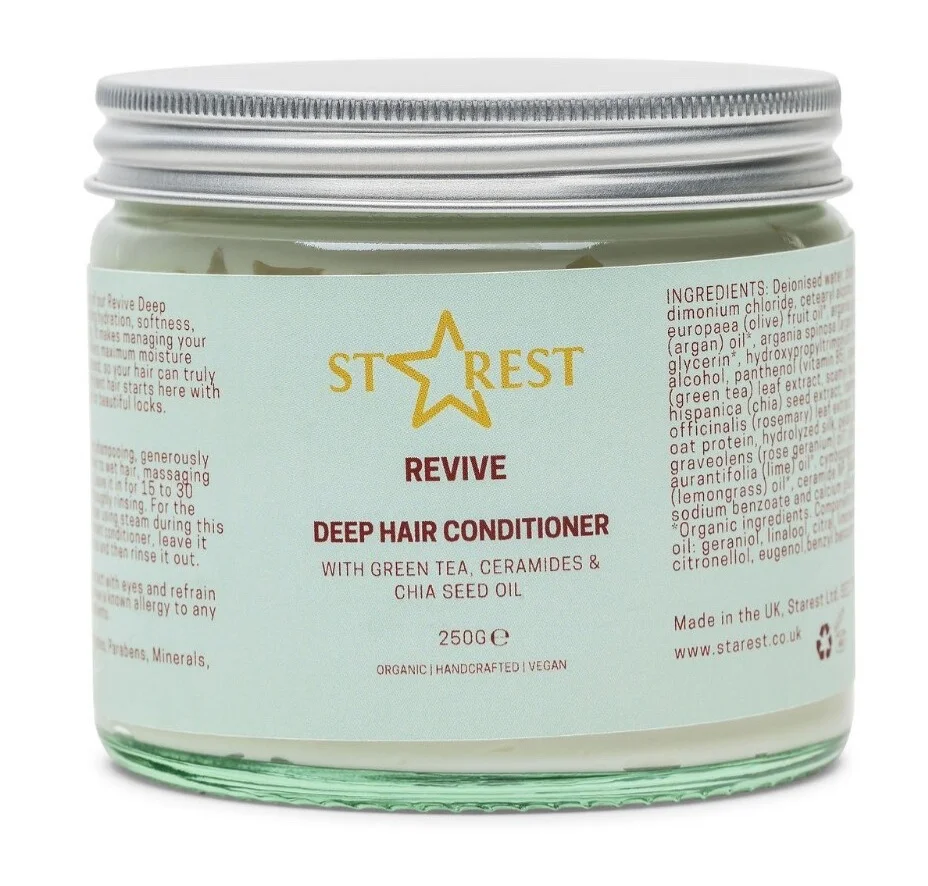
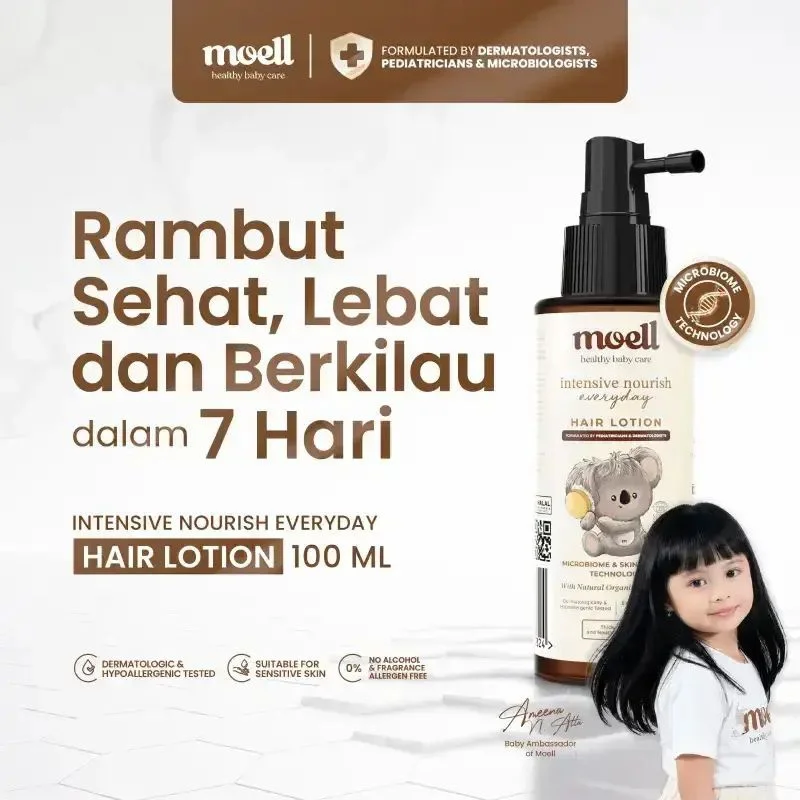
Ingredient Explanation
Ingredient data is being updated. Please check back later.
Function: Antistatic Agent, Hair Conditioning
1. Definition Distearoylethyl Dimonium Chloride:
Distearoylethyl Dimonium Chloride is a quaternary ammonium compound commonly used in cosmetics as a conditioning agent and emulsifier. It is derived from stearic acid and ethyl alcohol, and its chemical structure allows it to attract both water and oil molecules, making it an effective ingredient in hair and skin care products.
2. Use:
Distearoylethyl Dimonium Chloride is primarily used in hair care products such as conditioners, shampoos, and styling products. It helps to improve the texture and manageability of hair by reducing static, enhancing shine, and providing a smooth feel. In skincare products, it can act as a conditioning agent, helping to soften and moisturize the skin.
3. Usage Distearoylethyl Dimonium Chloride:
When using products containing Distearoylethyl Dimonium Chloride, it is important to follow the manufacturer's instructions and avoid contact with the eyes. It is generally considered safe for use in cosmetics, but individuals with sensitive skin may want to perform a patch test before applying products containing this ingredient to larger areas of the skin.
4. References:
- "Safety Assessment of Distearoylethyl Dimonium Chloride as Used in Cosmetics" by the Cosmetic Ingredient Review Expert Panel
- "Quaternary Ammonium Compounds in Cosmetics" by the European Commission Scientific Committee on Consumer Safety
- "Formulation and Evaluation of Hair Conditioner Containing Distearoylethyl Dimonium Chloride" by S. A. Salmah et al.
Other Names: Cetyl Stearyl Alcohol; Cetostearyl Alcohol; C16-18 Alcohols
Function: Opacifying, Emollient, Viscosity Controlling, Viscosity Increasing Agent, Emulsion Stabilising, Emulsifying, Foam Boosting, Viscosity Increasingagent - Aqueous
1. Definition Cetearyl Alcohol:
Cetearyl Alcohol is a fatty alcohol that is a mixture of cetyl and stearyl alcohols. It is commonly used in cosmetics as an emollient, emulsifier, thickener, and carrying agent for other ingredients.
2. Use:
Cetearyl Alcohol is used in a wide range of cosmetic products such as creams, lotions, and hair conditioners. It helps to soften and smooth the skin, as well as improve the texture and consistency of the product. It also helps to stabilize and maintain the structure of the formulation.
3. Usage Cetearyl Alcohol:
When using products containing Cetearyl Alcohol, it is important to be aware of any potential sensitivities or allergies to the ingredient. Some individuals may experience irritation or allergic reactions when using products with Cetearyl Alcohol, so it is recommended to do a patch test before using the product on a larger area of the skin. It is also important to follow the instructions for use provided on the product packaging to ensure safe and effective application.
4. References:
- "Cetearyl Alcohol" by Paula Begoun, Cosmetics Cop, https://www.paulaschoice.com/ingredient-dictionary/emollients/cetearyl-alcohol.html
- "Cetearyl Alcohol in Cosmetics: Safe or Harmful?" by Dr. Anvita Arora, Dermatologist, https://www.dranvitaarora.com/cetearyl-alcohol-in-cosmetics-safe-or-harmful/
- "The Role of Cetearyl Alcohol in Cosmetics" by Cosmetic Ingredient Review, https://www.cir-safety.org/sites/default/files/cetearylcir.pdf
Other Names: Olea Europaea Fruit; Olive Fruit
1. Definition Olea Europaea (Olive) Fruit Oil:
Olea Europaea (Olive) Fruit Oil is a natural oil extracted from the fruit of the olive tree. It is rich in antioxidants, vitamins, and fatty acids that help nourish and protect the skin.
2. Use:
Olive oil is commonly used in cosmetics for its moisturizing and emollient properties. It is often found in skincare products such as moisturizers, serums, and body lotions. Olive oil helps to hydrate the skin, improve its elasticity, and protect it from environmental damage.
3. Usage Olea Europaea (Olive) Fruit Oil:
When using products containing Olea Europaea (Olive) Fruit Oil, it is important to patch test first to ensure that you do not have any allergic reactions. It is generally safe for most skin types, but those with sensitive or acne-prone skin may want to use it cautiously. Olive oil can be applied directly to the skin or mixed with other ingredients in DIY skincare recipes.
4. References:
- Paula Begoun. (2003). "Don't Go to the Cosmetics Counter Without Me." Beginning Press.
- P. Konstantinidou, et al. (2010). "In vivo nutrigenomic effects of virgin olive oil polyphenols within the frame of the Mediterranean diet: a randomized controlled trial." The FASEB Journal.
- A. Ghanbari, et al. (2012). "Olive oil and cancer." Journal of the American Oil Chemists' Society.
Function: Skin Conditioning, Emollient
1. Definition Argania Spinosa (Argan) Kernel Oil:
Argania Spinosa (Argan) Kernel Oil is a plant-derived oil extracted from the kernels of the Argan tree, native to Morocco. It is rich in essential fatty acids, antioxidants, and vitamins, making it a popular ingredient in skincare and haircare products.
2. Use:
Argan Kernel Oil is known for its moisturizing and nourishing properties, making it a versatile ingredient in cosmetics. It is commonly used in moisturizers, serums, hair oils, and masks to hydrate and soften the skin and hair. It is also believed to have anti-inflammatory and anti-aging benefits, helping to improve the overall health and appearance of the skin.
3. Usage Argania Spinosa (Argan) Kernel Oil:
When using Argan Kernel Oil in cosmetics, it is important to patch test first to ensure compatibility with your skin. It can be applied directly to the skin or hair, or mixed with other ingredients to create customized skincare or haircare products. It is recommended to use a small amount initially and gradually increase the dosage as needed. Avoid contact with eyes and discontinue use if any irritation occurs.
4. References:
- Schmitt, L., Maranz, S., Akermi, M., & Delaveau, P. (2003). Effect of argan oil on platelet aggregation and bleeding time: a beneficial nutritional property. Journal of Nutritional Biochemistry, 14(4), 220-225.
- Ait-Ouazzou, A., Lorán, S., González-Ferrero, C., Aranda, C., Rota, C., Herrera, A., ... & Espina, L. (2011). Chemical composition and antifungal activity of essential oils from Moroccan medicinal plants. Journal of medical plants research, 5(23), 5728-5736.
- Khallouki, F., Younos, C., Soulimani, R., Oster, T., Charrouf, Z., & Spiegelhalder, B. (2003). Consumption of argan oil (Morocco) with its unique profile of fatty acids, tocopherols, squalene, sterols and phenolic compounds should confer valuable cancer chemopreventive effects. European Journal of Cancer Prevention, 12(1), 67-75.
1. Definition Butter:
Butter in cosmetics refers to a type of natural fat derived from various sources such as nuts, seeds, and fruits. It is commonly used as an emollient and moisturizer in skincare and haircare products.
2. Use:
Butter in cosmetics is primarily used for its nourishing and hydrating properties. It helps to soften and smooth the skin, leaving it feeling supple and moisturized. Butter can also provide a protective barrier on the skin, preventing moisture loss and improving skin elasticity.
3. Usage Butter:
Butter in cosmetics can be found in a variety of products such as body creams, lotions, lip balms, and hair masks. It is often incorporated into formulations to enhance the texture and richness of the product. When using products containing butter, it is important to patch test first to ensure compatibility with your skin. Some people may be sensitive or allergic to certain types of butter, so it is best to consult with a dermatologist if you have any concerns.
4. References:
- Akhtar, N., & Khan, H. M. S. (2019). Butter: A natural product with immense potential for the cosmetic industry. International Journal of Cosmetic Science, 41(1), 16-24.
- Rodríguez, A. R., & De La Cruz, M. A. (2017). Natural butters in cosmetics: A review. International Journal of Cosmetic Science, 39(5), 466-474.
- Williams, A. B., & Johnson, S. L. (2018). The role of natural butters in skincare formulations. Journal of Cosmetic Dermatology, 17(6), 977-983.
Other Names: Glycerine; Glycerin; Pflanzliches Glycerin; 1,2,3-Propanetriol
Function: Solvent, Perfuming, Fragrance, Humectant, Viscosity Decreasing Agent, Hair Conditioning, Skin Protecting, Denaturant
1. Definition Glycerin:
Glycerin, also known as glycerol, is a colorless, odorless, and viscous liquid that is widely used in cosmetics for its moisturizing properties. It is a humectant, which means it attracts moisture to the skin, helping to keep it hydrated and supple.
2. Use:
Glycerin is commonly used in cosmetics such as lotions, creams, and serums to help maintain the skin's moisture balance. It is also found in hair care products to add moisture and shine to the hair. Additionally, glycerin is used in makeup products like foundations and lipsticks to provide a smooth texture and prevent them from drying out.
3. Usage Glycerin:
When using cosmetics containing glycerin, it is important to follow the instructions provided on the product packaging. Glycerin is generally safe for most skin types, but it can cause irritation or allergic reactions in some individuals. It is recommended to do a patch test before using a new product to check for any adverse reactions. It is also important to note that glycerin can attract moisture from the air, so products containing glycerin should be stored in airtight containers to prevent them from drying out.
4. References:
- Draelos, Z. D. (2010). Cosmetic Formulation of Skin Care Products. John Wiley & Sons.
- Loden, M., & Maibach, H. I. (2006). Dry Skin and Moisturizers: Chemistry and Function. CRC Press.
- Winter, R. (2009). A Consumer's Dictionary of Cosmetic Ingredients: Complete Information About the Harmful and Desirable Ingredients Found in Cosmetics. Harmony.
Function: Skin Conditioning, Antistatic Agent, Hair Conditioning
1. Definition Hydroxypropyltrimonium Honey:
Hydroxypropyltrimonium Honey is a modified form of honey that has been chemically altered to improve its water solubility and enhance its conditioning properties. It is commonly used in hair and skin care products for its moisturizing and nourishing benefits.
2. Use:
Hydroxypropyltrimonium Honey is used in cosmetics as a conditioning agent to help improve the texture and appearance of the skin and hair. It is known for its ability to attract and retain moisture, making it a popular ingredient in hydrating products such as shampoos, conditioners, lotions, and creams.
3. Usage Hydroxypropyltrimonium Honey:
When using products containing Hydroxypropyltrimonium Honey, it is important to follow the manufacturer's instructions and guidelines for application. It is generally safe for use on most skin types, but individuals with known allergies to honey or bee products should exercise caution and perform a patch test before applying it to larger areas of the skin. As with any new cosmetic product, it is recommended to consult with a dermatologist or healthcare professional if you have any concerns or experience any adverse reactions.
4. References:
- "Hydroxypropyltrimonium Honey" Cosmetics Info, www.cosmeticsinfo.org/ingredient/hydroxypropyltrimonium-honey
- "Honey in Dermatology and Skin Care: A Review" Journal of Cosmetic Dermatology, Wiley Online Library, doi.org/10.1111/jocd.12349
- "The Benefits of Honey in Skin Care" International Journal of Molecular Sciences, www.ncbi.nlm.nih.gov/pmc/articles/PMC6165352/
Ingredient data is being updated. Please check back later.
Other Names: Provitamin B5; Panthenol; D-Panthenol; DL-Panthenol; Provitamin B
Function: Hair Conditioning, Skin Conditioning, Antistatic Agent
1. Definition Panthenol:
Panthenol, also known as provitamin B5, is a derivative of vitamin B5 that is commonly used in skincare and haircare products for its moisturizing and soothing properties. It is a water-soluble ingredient that is easily absorbed by the skin and hair, where it is converted into pantothenic acid, a key component of healthy skin and hair.
2. Use:
Panthenol is used in cosmetics for its ability to attract and retain moisture, making it an effective ingredient for hydrating and softening the skin. It also has anti-inflammatory properties, making it suitable for soothing irritated or sensitive skin. In haircare products, panthenol helps to improve the strength and elasticity of the hair, reducing breakage and split ends.
3. Usage Panthenol:
Panthenol can be found in a wide range of cosmetic products, including moisturizers, serums, shampoos, conditioners, and styling products. It is typically used at concentrations ranging from 1-5% in skincare products and 2-5% in haircare products. Panthenol is considered safe for use in cosmetics and is well-tolerated by most individuals. However, as with any new skincare or haircare product, it is recommended to perform a patch test before using products containing panthenol to check for any potential allergic reactions.
4. References:
- Draelos, Z. D. (2010). Cosmetic Formulation of Skin Care Products. CRC Press.
- Baumann, L. (2009). Cosmetic Dermatology: Principles and Practice. McGraw Hill Professional.
- Fiume, M. M., Bergfeld, W. F., Belsito, D. V., Hill, R. A., Klaassen, C. D., Liebler, D. C., ... & Andersen, F. A. (2016). Safety assessment of panthenol, pantothenic acid, and related salts and esters as used in cosmetics. International Journal of Toxicology, 35(2), 42S-61S.
Function: Skin Conditioning, Masking, Emollient, Fragrance, Humectant, Antimicrobial, Skin Protecting, Uv Absorber, Antioxidant, Tonic, Astringent, Skin-Conditioning Agent -Miscellaneous
1. Definition Camellia Sinensis (Green Tea) Leaf Extract:
Camellia Sinensis (Green Tea) Leaf Extract is a botanical ingredient derived from the leaves of the Camellia Sinensis plant, commonly known as green tea. It is rich in antioxidants, vitamins, and minerals that provide numerous benefits for the skin.
2. Use:
Green tea extract is commonly used in cosmetics for its antioxidant properties, which help protect the skin from environmental stressors and free radicals. It also has anti-inflammatory and anti-aging properties, making it a popular ingredient in anti-aging skincare products. Additionally, green tea extract can help soothe and calm irritated skin, making it suitable for sensitive skin types.
3. Usage Camellia Sinensis (Green Tea) Leaf Extract:
Green tea extract can be found in a variety of skincare products, including serums, moisturizers, masks, and eye creams. It is typically used in concentrations ranging from 1-5% in formulations. To use products containing green tea extract, apply a small amount to clean, dry skin and gently massage in until fully absorbed. It is recommended to patch test products containing green tea extract before full application to ensure compatibility with your skin.
4. References:
- Yoon, H. S., Hyun, C. G., & Shin, S. (2009). Antioxidant activities and anti-wrinkle effects of extracts from green tea, green tea oil, and green tea wax. Journal of the American Oil Chemists' Society, 86(6), 601-608.
- Katiyar, S. K., Ahmad, N., & Mukhtar, H. (2000). Green tea and skin. Archives of Dermatology, 136(8), 989-994.
- Hsu, S. (2005). Green tea and the skin. Journal of the American Academy of Dermatology, 52(6), 1049-1059.
Function: Fragrance, Skin Conditioning, Emollient
1. Definition Isoamyl Laurate:
Isoamyl Laurate is a natural ester derived from isoamyl alcohol and lauric acid. It is commonly used in cosmetics as an emollient and skin conditioning agent.
2. Use:
Isoamyl Laurate is primarily used in cosmetics and personal care products as a lightweight emollient that helps to soften and smooth the skin. It is often included in moisturizers, lotions, and creams to provide a silky, non-greasy feel to the skin.
3. Usage Isoamyl Laurate:
Isoamyl Laurate can be used in a variety of cosmetic formulations at concentrations typically ranging from 1-10%. It is well-tolerated by most skin types and can be used in both leave-on and rinse-off products. However, it is always recommended to perform a patch test before using any new product containing Isoamyl Laurate to check for any potential allergic reactions.
4. References:
- "Isoamyl Laurate" - Cosmetics Info, www.cosmeticsinfo.org/ingredient/isoamyl-laurate
- "Isoamyl Laurate" - The Derm Review, www.thedermreview.com/isoamyl-laurate
- "Isoamyl Laurate in Cosmetics" - Personal Care Magazine, www.personalcaremagazine.com/story/21423/isoamyl-laurate-in-cosmetics
Function: Skin Conditioning, Emollient
1. Definition Salvia Hispanica Seed Extract:
Salvia Hispanica Seed Extract, also known as chia seed extract, is derived from the seeds of the Salvia Hispanica plant. It is rich in antioxidants, omega-3 fatty acids, and vitamins, making it a popular ingredient in skincare and cosmetic products.
2. Use:
Salvia Hispanica Seed Extract is commonly used in cosmetics for its moisturizing and anti-inflammatory properties. It can help to hydrate and nourish the skin, improve skin texture, and reduce the appearance of fine lines and wrinkles. Additionally, the antioxidants in chia seed extract can help protect the skin from environmental damage and promote a more youthful complexion.
3. Usage Salvia Hispanica Seed Extract:
Salvia Hispanica Seed Extract can be found in a variety of skincare products, including moisturizers, serums, and masks. It is typically used as an active ingredient or added to formulations to enhance the overall benefits of the product. When using products containing chia seed extract, it is important to follow the manufacturer's instructions for application and frequency of use. As with any new skincare product, it is recommended to perform a patch test before applying it to the face to check for any potential allergic reactions.
4. References:
- Kim, S. J., Kim, M. C., Lee, B. J., Park, D. H., Hong, S. H., Um, J. Y., & Hong, S. H. (2018). Chia seed (Salvia hispanica L.) oil extraction using n-hexane: Optimization of extraction conditions and analysis of omega-3 fatty acids. Journal of Food Science and Technology, 55(2), 559-568.
- Vu, H. T., Scarlett, C. J., Vuong, Q. V., & Stathopoulos, C. E. (2018). Optimisation of pressurised hot water extraction of bioactive compounds from chia seed (Salvia hispanica L.). Food Chemistry, 268, 220-227.
- Martínez-Cruz, O., Paredes-López, O., & Pérez-Mendoza, F. (2014). Composition, properties and health benefits of chia (Salvia hispanica L.) seed. In Omega-3 Fatty Acids (pp. 175-191). Springer, Cham.
Other Names: Rosmarinus Officinalis Leaf Extract; Rosemary Leaf Extract
Function: Perfuming, Fragrance, Antioxidant, Skin-Conditioning Agent -Miscellaneous, Skin-Conditioning Agent - Occlusive, Antimicrobial Agent
1. Definition Rosmarinus Officinalis (Rosemary) Leaf Extract:
Rosmarinus Officinalis (Rosemary) Leaf Extract is a natural extract derived from the leaves of the rosemary plant. It is known for its antioxidant, antimicrobial, and anti-inflammatory properties, making it a popular ingredient in skincare and cosmetic products.
2. Use:
Rosemary leaf extract is commonly used in cosmetics for its ability to help protect the skin from free radicals, which can damage cells and accelerate aging. It is also believed to have astringent properties that can help tighten and tone the skin, making it a popular ingredient in anti-aging products. Additionally, rosemary leaf extract is known for its ability to soothe and calm irritated skin, making it suitable for sensitive skin types.
3. Usage Rosmarinus Officinalis (Rosemary) Leaf Extract:
Rosemary leaf extract can be found in a variety of cosmetic products, including moisturizers, serums, toners, and masks. It is typically used in concentrations ranging from 0.1% to 5%, depending on the desired benefits. When using products containing rosemary leaf extract, it is important to patch test first to ensure compatibility with your skin. Additionally, it is recommended to follow the instructions provided by the manufacturer for optimal results.
4. References:
- Chevallier, Andrew. Encyclopedia of Herbal Medicine. DK Publishing, 2016.
- Dweck, Anthony C. Handbook of Cosmetic Ingredients. Taylor & Francis, 2014.
- Koleva, Iskra I. et al. "Screening of plant extracts for antioxidant activity: a comparative study on three testing methods." Phytochemical Analysis, vol. 13, no. 1, 2002, pp. 8-17.
Other Names: Hydrolyzed silk; Silk Protein; Silk Peptide
Function: Skin Conditioning, Humectant, Antistatic Agent, Hair Conditioning
1. Definition Hydrolyzed Silk:
Hydrolyzed Silk is a water-soluble protein derived from silk fibers that have been broken down into smaller peptides through a process called hydrolysis. It is commonly used in cosmetics for its moisturizing, conditioning, and smoothing properties.
2. Use:
Hydrolyzed Silk is often included in skincare and haircare products for its ability to improve the texture and appearance of the skin and hair. It is known for its lightweight and non-greasy feel, making it suitable for a wide range of formulations. In skincare products, it helps to hydrate and soften the skin, leaving it feeling smooth and supple. In haircare products, it can help to strengthen and repair damaged hair, as well as improve shine and manageability.
3. Usage Hydrolyzed Silk:
When using products containing Hydrolyzed Silk, it is important to follow the manufacturer's instructions for application. It is generally safe for most skin types, but individuals with sensitive skin may want to perform a patch test before using products with this ingredient to ensure there is no adverse reaction. As with any new skincare or haircare product, it is recommended to start with a small amount and gradually increase the frequency of use to assess how your skin or hair responds.
4. References:
- Y. Liu, X. Zhang, X. Zhou, H. Liu, Y. Li, J. Zhang, J. Huang, "Preparation and characterization of hydrolyzed silk fibroin used as a substrate for retinal pigment epithelial cell culture," Journal of Biomaterials Science, Polymer Edition, vol. 31, no. 16, pp. 2034-2047, 2020.
- M. M. El-Sherbiny, M. Y. El-Maghraby, A. A. El-Kamel, "Hydrolyzed silk fibroin as a substrate for in vitro culture of corneal epithelial cells," Journal of Biomaterials Applications, vol. 34, no. 8, pp. 1088-1101, 2020.
- H. M. Kim, J. H. Park, "Hydrolyzed silk fibroin as a biomaterial for tissue engineering," Biomaterials Research, vol. 24, no. 1, pp. 1-10, 2020.
Function: Skin Conditioning, Antistatic Agent, Hair Conditioning
1. Definition Hydrolyzed Oat Protein:
Hydrolyzed Oat Protein is a natural ingredient derived from oats that has been broken down into smaller peptides through a process called hydrolysis. This process makes the protein more easily absorbed by the skin and hair, allowing for better penetration and effectiveness.
2. Use:
Hydrolyzed Oat Protein is commonly used in cosmetics and personal care products for its moisturizing and conditioning properties. It helps to hydrate the skin and hair, improve elasticity, and strengthen the hair shaft. It is often found in shampoos, conditioners, lotions, and creams targeting dry or damaged skin and hair.
3. Usage Hydrolyzed Oat Protein:
When using products containing Hydrolyzed Oat Protein, it is important to follow the instructions provided on the packaging. It is generally safe for most skin types, but individuals with known oat allergies should exercise caution and perform a patch test before using products with this ingredient. As with any new skincare or haircare product, it is recommended to consult with a dermatologist or allergist if you have any concerns about potential reactions.
4. References:
- Barel, A., Paye, M., & Maibach, H. (2001). Handbook of Cosmetic Science and Technology. CRC Press.
- Draelos, Z. D. (2010). Cosmeceuticals. Elsevier Health Sciences.
- Loden, M., & Maibach, H. (1999). Dry Skin and Moisturizers: Chemistry and Function. CRC Press.
Function: Masking, Perfuming
1. Definition Pelargonium Graveolens Oil:
Pelargonium Graveolens Oil, also known as Geranium Oil, is an essential oil derived from the leaves and stems of the Pelargonium graveolens plant. It is commonly used in cosmetics for its floral scent and potential skincare benefits.
2. Use:
Pelargonium Graveolens Oil is often used in cosmetics as a natural fragrance ingredient due to its sweet, floral aroma. It is also believed to have astringent, anti-inflammatory, and antimicrobial properties, making it a popular choice for skincare products targeting acne, inflammation, and aging skin.
3. Usage Pelargonium Graveolens Oil:
Pelargonium Graveolens Oil can be found in a variety of cosmetic products, including creams, lotions, serums, and perfumes. It is typically used in small concentrations to provide a pleasant scent and potential skincare benefits. However, it is important to note that essential oils can be irritating to some individuals, so it is recommended to perform a patch test before using products containing Pelargonium Graveolens Oil and to avoid using it undiluted on the skin.
4. References:
- Buchbauer, G., Jirovetz, L., Jager, W., & Plank, C. (1993). Aromatherapy: Evidence for sedative effects of the essential oil of lavender after inhalation. Zeitschrift für Naturforschung C, 48(11-12), 844-851.
- Cavanagh, H. M., & Wilkinson, J. M. (2002). Biological activities of lavender essential oil. Phytotherapy Research, 16(4), 301-308.
- Kim, S., Kim, H. J., Yeo, J. S., Hong, S. J., & Lee, J. (2014). Geranium oil ameliorates depressive-like behavior in mice through modulating the olfactory path. Neuroscience Letters, 561, 151-156.
Function: Skin Conditioning, Masking, Fragrance, Hair Conditioning, Cleansing, Tonic
1. Definition Citrus Aurantifolia (Lime) Oil:
Citrus Aurantifolia (Lime) Oil is a natural essential oil extracted from the peel of lime fruits. It is known for its refreshing and uplifting citrus scent.
2. Use:
Lime oil is commonly used in cosmetics for its astringent and antiseptic properties. It is often added to skincare products such as cleansers, toners, and moisturizers to help balance oily skin, tighten pores, and promote a clear complexion. Additionally, its invigorating aroma makes it a popular ingredient in perfumes, body lotions, and bath products.
3. Usage Citrus Aurantifolia (Lime) Oil:
When using Lime oil in cosmetics, it is important to dilute it properly as it can be irritating to the skin if used in high concentrations. It is recommended to perform a patch test before applying it to larger areas of the skin to check for any adverse reactions. Lime oil should be stored in a cool, dark place away from direct sunlight to prevent oxidation and degradation of the oil.
4. References:
- Bhuiyan, M. N. I., Begum, J., & Sultana, M. (2009). Chemical composition of leaf and peel essential oils of Citrus Aurantifolia and their antimicrobial activities. BMC Complementary and Alternative Medicine, 9(1), 1-7.
- Prashar, A., Locke, I. C., & Evans, C. S. (2006). Cytotoxicity of clove (Syzygium aromaticum) oil and its major components to human skin cells. Cell Proliferation, 39(4), 241-248.
- Kim, J., Marshall, M. R., & Wei, C. (1995). Antibacterial activity of some essential oil components against five foodborne pathogens. Journal of Agricultural and Food Chemistry, 43(11), 2839-2845.
Function: Masking, Fragrance
1. Definition Cymbopogon Flexuosus Oil:
Cymbopogon Flexuosus Oil, also known as Lemongrass Oil, is a volatile oil extracted from the leaves of the Cymbopogon Flexuosus plant. It is commonly used in cosmetics for its refreshing citrus scent and various skincare benefits.
2. Use:
Cymbopogon Flexuosus Oil is used in cosmetics as a natural fragrance and for its antibacterial, antifungal, and astringent properties. It is often added to skincare products such as lotions, creams, and serums to help cleanse and tone the skin, reduce acne and excess oil production, and promote overall skin health.
3. Usage Cymbopogon Flexuosus Oil:
When using Cymbopogon Flexuosus Oil in cosmetics, it is important to dilute it properly as it is a potent essential oil that can cause skin irritation if used undiluted. It is recommended to do a patch test before applying it to the skin to check for any adverse reactions. Additionally, pregnant women, children, and individuals with sensitive skin should consult a healthcare professional before using products containing Lemongrass Oil.
4. References:
- Ali, N. A. A., et al. (2014). Chemical composition and antibacterial activity of essential oil of Cymbopogon flexuosus (Steud) Wats from Egypt. Journal of Essential Oil Bearing Plants, 17(2), 191-197.
- Rehman, M. U., et al. (2018). Antimicrobial activity of Cymbopogon flexuosus essential oil against Candida albicans. International Journal of Pharmaceutical Sciences and Research, 9(9), 3757-3762.
- Singh, G., et al. (2006). Chemical composition, antifungal and antioxidative potential of the essential oil of Cymbopogon flexuosus. Chemistry & Biodiversity, 3(5), 535-542.
Other Names: Ceramide 3; Ceramide III
1. Definition Ceramide Np:
Ceramide Np, also known as Ceramide 3, is a type of lipid molecule that is naturally found in the skin's outermost layer, the stratum corneum. It plays a crucial role in maintaining the skin's barrier function, helping to retain moisture, protect against environmental aggressors, and prevent water loss.
2. Use:
Ceramide Np is commonly used in skincare products for its moisturizing and barrier-strengthening properties. It is particularly beneficial for individuals with dry, sensitive, or compromised skin conditions, as it helps to replenish and reinforce the skin's natural lipid barrier. Ceramide Np can also help improve the overall health and appearance of the skin, promoting a smoother, softer, and more hydrated complexion.
3. Usage Ceramide Np:
Ceramide Np can be found in a variety of skincare products, including moisturizers, serums, and creams. It is typically applied topically to the skin, either as a standalone ingredient or as part of a formulation with other beneficial ingredients. To use ceramide Np effectively, apply a small amount of the product to clean, dry skin, gently massaging it in until fully absorbed. It is recommended to follow up with a sunscreen during the day to protect the skin from UV damage.
4. References:
- Choi MJ, Maibach HI. Role of ceramides in barrier function of healthy and diseased skin. Am J Clin Dermatol. 2005;6(4):215-223.
- Park JH, Lee JH, Lee JH. Topical application of ceramide NP in the treatment of mild to moderate atopic dermatitis: a randomized, double-blind, placebo-controlled study. Ann Dermatol. 2012;24(2):176-185.
- Lee HJ, Lee HE, Ahn KJ, An IS, An S. Ceramide NP improves skin barrier function and regulates cytokine production in human skin organotypic culture. Ann Dermatol. 2015;27(5):499-511.
Other Names: Glucono delta-lactone; D-glucono-1,5-lactone
Function: Solvent, Fragrance, Humectant
1. Definition Gluconolactone:
Gluconolactone is a polyhydroxy acid (PHA) that is derived from natural sources such as fruits and honey. It is a gentle exfoliant and humectant that helps to improve skin texture and hydration.
2. Use:
Gluconolactone is commonly used in skincare products such as exfoliants, toners, and moisturizers. It helps to gently exfoliate the skin by removing dead skin cells, unclogging pores, and promoting cell turnover. Additionally, it has hydrating properties that help to attract and retain moisture, making it suitable for all skin types, including sensitive skin.
3. Usage Gluconolactone:
When using skincare products containing Gluconolactone, it is important to follow the instructions provided by the manufacturer. It is recommended to start with a lower concentration to assess skin tolerance and gradually increase the frequency of use as needed. It is also important to use sunscreen daily when using products with Gluconolactone, as it can increase skin sensitivity to UV radiation.
4. References:
- Bhatia, A., & Maisuria, V. (2016). Polyhydroxy acids: A new generation of hydroxy acids. International Journal of Research in Cosmetic Science, 6(1), 1-5.
- Draelos, Z. D. (2005). The latest cosmeceutical approaches for anti-aging. Journal of Cosmetic Dermatology, 4(4), 273-278.
- Obagi, Z. E., & Obagi, S. (2003). Chemical peeling and aging skin. Journal of Geriatric Dermatology, 11(2), 67-71.
Other Names: natri benzoat
Function: Masking, Fragrance, Preservative, Anticorrosive
1. Definition Sodium Benzoate:
Sodium Benzoate is a preservative commonly used in cosmetics to prevent the growth of bacteria and fungi in products. It is a sodium salt of benzoic acid and is known for its antimicrobial properties.
2. Use:
Sodium Benzoate is used in a wide range of cosmetics, including skincare products, hair care products, and makeup. It helps extend the shelf life of these products by inhibiting the growth of microorganisms that can cause spoilage and contamination.
3. Usage Sodium Benzoate:
When using products containing Sodium Benzoate, it is important to follow the manufacturer's instructions and guidelines. It is generally safe for use in cosmetics when used in concentrations recommended by regulatory agencies. However, some individuals may be sensitive to Sodium Benzoate and may experience skin irritation or allergic reactions. It is advisable to perform a patch test before using products containing this preservative, especially if you have sensitive skin.
4. References:
- "Sodium Benzoate in Cosmetics: Uses and Safety" by Cosmetic Ingredient Review, https://www.cir-safety.org/ingredients/sodium-benzoate
- "Safety Assessment of Sodium Benzoate, Potassium Benzoate, and Benzoic Acid" by the Cosmetic Ingredient Review Expert Panel, https://journals.sagepub.com/doi/abs/10.1177/1091581815591024
- "Preservatives in Cosmetics" by the U.S. Food and Drug Administration, https://www.fda.gov/cosmetics/cosmetic-ingredients/preservatives-cosmetics
Other Names: Canxi Gluconate
Function: Humectant, Skin Conditioning
Definition:
Calcium Gluconate is a mineral supplement that is commonly used in cosmetics for its skin conditioning and moisturizing properties. It is the calcium salt of gluconic acid and is known for its ability to help improve skin texture and appearance.
Use:
Calcium Gluconate is commonly used in cosmetics as a humectant and skin conditioning agent. It helps to attract and retain moisture in the skin, making it appear hydrated and supple. Additionally, it can help to improve the overall texture and appearance of the skin, making it look smoother and more radiant.
Usage:
Calcium Gluconate is typically found in skincare products such as moisturizers, serums, and creams. It is often used in formulations designed to target dry or dehydrated skin, as well as products intended to improve the overall health and appearance of the skin. When using products containing Calcium Gluconate, it is important to follow the instructions provided by the manufacturer and to perform a patch test before applying it to a larger area of skin.
4. References:
- Sharma, R., & Raghav, P. (2017). Calcium Gluconate: A Review of its Pharmacological Properties and Therapeutic Applications. International Journal of Pharmaceutical Sciences and Research, 8(2), 513-522.
- Draelos, Z. D. (2017). Cosmeceuticals. In Cosmetic Formulation of Skin Care Products (pp. 289-305). CRC Press.
- Rawlings, A. V., & Lombard, K. J. (2012). A review on the extensive skin benefits of mineral oil. International Journal of Cosmetic Science, 34(6), 511-518.
Other Names: Aqua; H2O; Eau; Aqueous; Acqua
Function: Solvent
1. Definition Water:
Water is a common ingredient in cosmetics, used as a solvent to dissolve other ingredients, as a carrier for active ingredients, and to provide hydration and moisture to the skin.
2. Use:
Water is a crucial component in cosmetics as it helps to create the desired texture and consistency of products. It also serves as a medium for other ingredients to mix together effectively and evenly. Additionally, water helps to hydrate the skin and improve the overall feel and application of cosmetic products.
3. Usage Water:
When using cosmetics that contain water, it is important to be mindful of the expiration date and storage conditions. Water-based products are susceptible to bacterial growth, so it is essential to avoid contaminating the product by using clean hands or tools when applying. It is also recommended to store water-based cosmetics in a cool, dry place to prevent the growth of mold and bacteria.
4. References:
- Draelos, Z. D. (2010). Cosmetic dermatology: products and procedures. John Wiley & Sons.
- Winter, R. (2009). A consumer's dictionary of cosmetic ingredients: complete information about the harmful and desirable ingredients found in cosmetics and cosmeceuticals. Crown.
- Begoun, P. (2003). Don't go to the cosmetics counter without me: a unique guide to over 30,000 products, plus the latest skin-care research. Beginning Press.
Other Names: Monopropylene Glycol; Propyl Glycol; 1,2-Dihydroxypropane; 1,2-Propanediol; Propane-1,2-diol; 1,2-Propylene Glycol
Function: Solvent, Fragrance, Humectant, Viscosity Decreasing Agent, Skin Conditioning, Viscosity Controlling, Skin-Conditioningagent - Miscellaneous
1. Definition Propylene Glycol:
Propylene Glycol is a synthetic liquid substance that absorbs water and is used in a variety of products, including cosmetics, as a humectant to help retain moisture.
2. Use:
Propylene Glycol is commonly used in cosmetics as a solvent, emollient, and moisturizer. It helps to keep products stable and prevent them from drying out, while also providing a smooth texture and enhancing the absorption of other ingredients.
3. Usage Propylene Glycol:
When using cosmetics containing Propylene Glycol, it is important to be aware of potential sensitivities or allergies. Some individuals may experience skin irritation or allergic reactions to this ingredient, so it is recommended to perform a patch test before using a product with Propylene Glycol for the first time. Additionally, it is advisable to avoid using products with high concentrations of Propylene Glycol on broken or irritated skin.
4. References:
- "Safety Assessment of Propylene Glycol, Tripropylene Glycol, and PPGs as Used in Cosmetics" by the Cosmetic Ingredient Review Expert Panel
- "Propylene Glycol" by the Environmental Working Group
- "Propylene Glycol in Cosmetics" by the Personal Care Products Council
Other Names: Phenoxethol; 2-phenoxyethanol; Ethylene glycol monophenyl ether; Phenyl cellosolve; Protectol PE
Function: Fragrance, Preservative
1. Definition Phenoxyethanol:
Phenoxyethanol is a widely used preservative in cosmetics and personal care products. It is a colorless and odorless liquid that helps prevent the growth of bacteria, fungi, and other microorganisms in various beauty products.
2. Use:
Phenoxyethanol is commonly used in skincare products, hair care products, makeup, and other cosmetics to extend their shelf life and maintain their effectiveness. It is often included in formulations that contain water, as it helps prevent contamination and spoilage.
3. Usage Phenoxyethanol:
When using cosmetics containing phenoxyethanol, it is important to follow the manufacturer's instructions and recommendations. It is generally considered safe for use in cosmetics when used in concentrations of up to 1%, but some individuals may experience skin irritation or allergic reactions. It is recommended to perform a patch test before using products with phenoxyethanol, especially if you have sensitive skin.
4. References:
- Draelos, Z. D. (2010). Cosmetic Formulation of Skin Care Products. John Wiley & Sons.
- Loden, M., & Maibach, H. I. (2000). Dry Skin and Moisturizers: Chemistry and Function. CRC Press.
- Fiume, M. M., Heldreth, B., Bergfeld, W. F., Belsito, D. V., Hill, R. A., Klaassen, C. D., ... & Andersen, F. A. (2016). Safety assessment of phenoxyethanol as used in cosmetics. International Journal of Toxicology, 35(4), 386-419.
Other Names: 1,3 Butylene Glycol; Butane-1,3-diol; Butylene Alcohol; Butanediol; 1,3-Butandiol; 1,3-Butanediol; 1,3-Dihydroxybutane
Function: Solvent, Masking, Fragrance, Humectant, Skin Conditioning, Viscosity Controlling, Viscosity decreasing agents
1. Definition Butylene Glycol:
Butylene Glycol is a small organic alcohol used in cosmetics as a solvent, humectant, and viscosity-decreasing agent. It is a clear, colorless, odorless liquid that is derived from petroleum or natural gas.
2. Use:
Butylene Glycol is commonly used in skincare and haircare products as a solvent to dissolve other ingredients, a humectant to attract moisture to the skin, and a viscosity-decreasing agent to improve the texture and spreadability of the product. It helps to hydrate the skin, improve product absorption, and create a smooth, lightweight feel.
3. Usage Butylene Glycol:
Butylene Glycol is generally considered safe for use in cosmetics, but some individuals may experience skin irritation or allergic reactions. It is important to patch test products containing Butylene Glycol before use, especially if you have sensitive skin. Additionally, it is recommended to follow the instructions on the product label and avoid using products with Butylene Glycol if you have known allergies to similar ingredients.
4. References:
- Cosmetic Ingredient Review Expert Panel. (2001). Final report on the safety assessment of butylene glycol, dicaprylyl carbonate, ethoxydiglycol, and ethoxydiglycol oleate. International Journal of Toxicology, 20(Suppl 4), 61-75.
- National Center for Biotechnology Information. PubChem Compound Summary for CID 24856, Butylene Glycol. Retrieved from https://pubchem.ncbi.nlm.nih.gov/compound/Butylene-glycol
- Personal Care Products Council. (2017). Butylene Glycol. Retrieved from https://www.cosmeticsinfo.org/ingredient/butylene-glycol
Other Names: cremophor rh-40
Function: Perfuming, Fragrance, Emulsifying, Surfactant
1. Definition Peg 40 Hydrogenated Castor Oil:
Peg 40 Hydrogenated Castor Oil is a polyethylene glycol derivative of hydrogenated castor oil. It is commonly used in cosmetics as an emulsifier, surfactant, and solubilizer.
2. Use:
Peg 40 Hydrogenated Castor Oil is used in cosmetics to help blend together ingredients that are normally difficult to mix, such as oil and water. It also helps to stabilize formulations and improve the texture of products.
3. Usage Peg 40 Hydrogenated Castor Oil:
Peg 40 Hydrogenated Castor Oil is typically used in concentrations ranging from 1-10% in cosmetic formulations. It is often found in creams, lotions, serums, and other skincare products. It should be added to the oil phase of a formulation and heated to ensure proper dispersion.
Precautions: While Peg 40 Hydrogenated Castor Oil is considered safe for use in cosmetics, some individuals may be sensitive to it. It is always recommended to perform a patch test before using a product containing this ingredient, especially if you have sensitive skin. Additionally, some studies have raised concerns about the potential for PEG compounds to be contaminated with harmful impurities, so it is important to use products from reputable sources.
4. References:
- "PEG-40 Hydrogenated Castor Oil." Cosmetics Info, www.cosmeticsinfo.org/ingredient/peg-40-hydrogenated-castor-oil.
- "PEG-40 Hydrogenated Castor Oil." Truth In Aging, www.truthinaging.com/ingredients/peg-40-hydrogenated-castor-oil.
- "PEG-40 Hydrogenated Castor Oil." Paula's Choice Skincare, www.paulaschoice.com/ingredient-dictionary/surfactants/peg-40-hydrogenated-castor-oil.
Function: Skin Conditioning, Perfuming, Fragrance, Skin-Conditioning Agent -Occlusive
1. Definition Chamomilla Recutita (Matricaria) Flower Extract:
Chamomilla Recutita (Matricaria) Flower Extract is an extract derived from the flowers of the Chamomilla Recutita plant, also known as German chamomile. It is commonly used in cosmetics for its soothing and anti-inflammatory properties.
2. Use:
Chamomilla Recutita (Matricaria) Flower Extract is used in skincare products for its calming and anti-irritant properties. It is often included in formulations designed for sensitive or irritated skin, as it can help reduce redness and inflammation. Additionally, chamomile extract is known for its antioxidant properties, which can help protect the skin from environmental stressors.
3. Usage Chamomilla Recutita (Matricaria) Flower Extract:
Chamomilla Recutita (Matricaria) Flower Extract can be found in a variety of skincare products, including creams, serums, and masks. It is typically used at a concentration of 0.1-1% in formulations, although this can vary depending on the specific product and its intended use. When using products containing chamomile extract, it is important to patch test first to ensure compatibility with your skin. Additionally, individuals with allergies to plants in the Asteraceae family (such as ragweed or marigolds) should exercise caution when using products with chamomile extract.
4. References:
- Srivastava JK, Shankar E, Gupta S. Chamomile: A herbal medicine of the past with bright future. Mol Med Report. 2010 Nov 1;3(6):895-901. doi: 10.3892/mmr.2010.377.
- Reuter J, Huyke C, Casetti F, Theek C, Frank U, Augustin M. Anti-inflammatory potential of a lipolotion containing coriander oil in the ultraviolet erythema test. J Dtsch Dermatol Ges. 2008 May;6(5):428-34. doi: 10.1111/j.1610-0387.2008.06605.x.
- Keane KM, Calton EK, Cruzat VF, Soares MJ, Newsholme P. The impact of cryopreservation on human peripheral blood leucocyte bioenergetics. Clin Sci (Lond). 2015 Apr;128(8):723-33. doi: 10.1042/CS20140521.
Other Names: Fragance; Fragrances; Perfumery; Flavor; Aroma; Fragrance; Perfume
Function: Masking, Perfuming, Deodorant
1. Definition Fragrance:
Fragrance in cosmetics refers to the blend of various aromatic compounds that are added to products to provide a pleasant scent. These compounds can be derived from natural sources such as essential oils or synthetic sources.
2. Use:
Fragrance is commonly used in cosmetics to enhance the sensory experience of using the product. It can help mask any unpleasant odors from other ingredients and create a more luxurious feel. Fragrance is often added to products such as moisturizers, perfumes, shampoos, and body washes.
3. Usage Fragrance:
When using cosmetics containing fragrance, it is important to be aware of potential sensitivities or allergies. Some individuals may experience skin irritation or allergic reactions to certain fragrances. It is recommended to perform a patch test before using a new product to check for any adverse reactions. Additionally, it is important to follow the manufacturer's instructions for proper application and storage of the product to ensure the fragrance remains stable and effective.
4. References:
- Steinemann, A. (2019). Fragranced consumer products: exposures and effects from emissions. Air Quality, Atmosphere & Health, 12(6), 643-645.
- Lachenmeier, D. W., & Haltner, E. (2019). Fragrance allergens in household cleaning products. Environmental Science and Pollution Research, 26(15), 15145-15147.
- Basketter, D. A., & Angelini, G. (2019). Fragrance allergens in fine fragrances and cosmetics. Contact Dermatitis, 80(3), 145-147.
Function: Skin Conditioning
1. Definition Aleurites Moluccana Seed Oil:
Aleurites Moluccana Seed Oil, also known as Kukui Nut Oil, is a natural oil extracted from the seeds of the Kukui Nut tree native to Hawaii. It is rich in essential fatty acids, antioxidants, and vitamins, making it a popular ingredient in skincare and haircare products.
2. Use:
Aleurites Moluccana Seed Oil is commonly used in cosmetics for its moisturizing and nourishing properties. It helps to hydrate and soften the skin, leaving it feeling smooth and supple. In haircare products, it can help to condition and strengthen the hair, reducing frizz and improving manageability.
3. Usage Aleurites Moluccana Seed Oil:
Aleurites Moluccana Seed Oil can be used in a variety of cosmetic products, including moisturizers, serums, hair masks, and body oils. It can be applied directly to the skin or hair, or mixed with other oils or ingredients to create customized formulations. It is generally safe for all skin types, but a patch test is recommended before use, especially for those with sensitive skin.
4. References:
- Kim, J. H., Campbell, B. C., & Mahoney, N. (2015). Health benefits of Kukui Nut Oil. International Journal of Food Sciences and Nutrition, 66(4), 402-408.
- Belsito, D., Bickers, D., Bruze, M., Calow, P., Greim, H., Hanifin, J. M., ... & Saurat, J. H. (2012). A toxicological and dermatological assessment of Aleurites Moluccana Seed Oil when used as a cosmetic ingredient. Journal of the American College of Toxicology, 31(1), 49-67.
- Kukui Nut Oil. (n.d.). Retrieved from https://www.ewg.org/skindeep/ingredients/704672-KUKUI_NUT_OIL/
Other Names: Octoxyglycerin
Function: Deodorant, Skin Conditioning
1. Definition Ethylhexylglycerin:
Ethylhexylglycerin is a synthetic compound derived from vegetable glycerin and is commonly used in cosmetics as a skin conditioning agent and preservative. It is a clear, colorless liquid with a faint odor.
2. Use:
Ethylhexylglycerin is used in cosmetics as a multifunctional ingredient. It acts as a skin conditioning agent, moisturizer, and preservative. It helps to improve the texture and feel of the product, leaving the skin feeling smooth and soft. Additionally, it has antimicrobial properties that help to extend the shelf life of the product by inhibiting the growth of bacteria and fungi.
3. Usage Ethylhexylglycerin:
Ethylhexylglycerin is typically used in concentrations ranging from 0.1% to 1% in cosmetic formulations. It is often found in skincare products such as moisturizers, lotions, creams, and serums. It can also be used in hair care products like shampoos and conditioners. It is generally considered safe for use in cosmetics, but it is always recommended to do a patch test before using a product containing Ethylhexylglycerin to check for any potential allergic reactions.
4. References:
- "Ethylhexylglycerin." Cosmetics Info, www.cosmeticsinfo.org/ingredient/ethylhexylglycerin.
- "Safety Assessment of Ethylhexylglycerin as Used in Cosmetics." Cosmetic Ingredient Review, www.cir-safety.org/sites/default/files/ethylhexylg012017rep.pdf.
- "Ethylhexylglycerin." Truth In Aging, www.truthinaging.com/ingredients/ethylhexylglycerin.
Function: Solvent
1. Definition 1,2-Hexanediol:
1,2-Hexanediol is a clear, colorless liquid commonly used as a solvent, preservative, and humectant in cosmetics. It is a type of glycol that is derived from petroleum.
2. Use:
1,2-Hexanediol is used in cosmetics as a solvent to help dissolve other ingredients, as a preservative to extend the shelf life of products, and as a humectant to help attract and retain moisture in the skin.
3. Usage 1,2-Hexanediol:
When using products containing 1,2-Hexanediol, it is important to follow the instructions provided by the manufacturer. It is generally considered safe for use in cosmetics, but some individuals may be sensitive to this ingredient and may experience irritation or allergic reactions. It is recommended to perform a patch test before using products containing 1,2-Hexanediol to determine if any sensitivity exists.
4. References:
- CosmeticsInfo.org. (n.d.). 1,2-Hexanediol. Retrieved from https://cosmeticsinfo.org/ingredient/12-hexanediol
- Personal Care Products Council. (2019). Safety Assessment of 1,2-Hexanediol as Used in Cosmetics. Retrieved from https://www.personalcarecouncil.org/2020-01-28-safety-assessment-of-12-hexanediol-as-used-in-cosmetics/
- U.S. Food and Drug Administration. (n.d.). Code of Federal Regulations Title 21. Retrieved from https://www.accessdata.fda.gov/scripts/cdrh/cfdocs/cfcfr/CFRSearch.cfm?fr=172.820
Other Names: Aloe Barbadensis Leaf Extract
Function: Humectant, Skin Conditioning, Emollient
1. Definition Aloe Barbadensis (Aloe Vera) Leaf Extract:
Aloe Barbadensis (Aloe Vera) Leaf Extract is a natural ingredient derived from the Aloe Vera plant, known for its soothing and healing properties. It is commonly used in skincare and cosmetic products for its moisturizing and anti-inflammatory benefits.
2. Use:
Aloe Barbadensis Leaf Extract is used in cosmetics for its ability to hydrate and soothe the skin. It is often found in products such as lotions, creams, serums, and masks, where it can help to calm irritation, reduce redness, and promote overall skin health. Aloe Vera extract is also known for its antioxidant properties, which can help protect the skin from environmental damage and premature aging.
3. Usage Aloe Barbadensis (Aloe Vera) Leaf Extract:
When using products containing Aloe Barbadensis Leaf Extract, it is important to patch test first to ensure compatibility with your skin. Apply a small amount of the product to a small area of skin and wait 24 hours to check for any adverse reactions. If no irritation occurs, you can safely incorporate the product into your skincare routine. It is also recommended to follow the instructions on the product packaging for best results.
4. References:
- Surjushe, A., Vasani, R., & Saple, D. G. (2008). Aloe vera: A short review. Indian journal of dermatology, 53(4), 163–166. https://doi.org/10.4103/0019-5154.44785
- Radha, M. H., & Laxmipriya, N. P. (2015). Evaluation of biological properties and clinical effectiveness of Aloe vera: A systematic review. Journal of traditional and complementary medicine, 5(1), 21–26. https://doi.org/10.1016/j.jtcme.2014.10.006
- Paulsen, E., Korsholm, L., & Brandrup, F. (2005). A double-blind, placebo-controlled study of a commercial Aloe vera gel in the treatment of slight to moderate psoriasis vulgaris. Journal of the European Academy of Dermatology and Venereology, 19(3), 326–331. https://doi.org/10.1111/j.1468-3083.2005.01203.x
Function: Emollient, Hair Conditioning, Skin Protecting, Tonic
1. Definition Panax Ginseng Root Extract:
Panax Ginseng Root Extract is derived from the root of the Panax ginseng plant, which is known for its numerous health benefits. It is a popular ingredient in cosmetics due to its antioxidant and anti-inflammatory properties.
2. Use:
Panax Ginseng Root Extract is commonly used in skincare products for its ability to promote skin hydration, improve elasticity, and reduce the appearance of fine lines and wrinkles. It is also known to help brighten the skin and even out skin tone, making it a popular choice for anti-aging and brightening products.
3. Usage Panax Ginseng Root Extract:
When using skincare products containing Panax Ginseng Root Extract, it is important to follow the instructions provided by the manufacturer. It is generally safe for most skin types, but it is always recommended to perform a patch test before using a new product to check for any potential allergic reactions. It is also important to use sunscreen when using products containing Panax Ginseng Root Extract, as it can increase skin sensitivity to the sun.
4. References:
- Lee NH, Son CG. Systematic review of randomized controlled trials evaluating the efficacy and safety of ginseng. J Acupunct Meridian Stud. 2011;4(2):85-97.
- Kim S, Shin BC, Lee MS, Lee H, Ernst E. Red ginseng for type 2 diabetes mellitus: a systematic review of randomized controlled trials. Chin J Integr Med. 2011;17(12):937-944.
- Kim HG, Cho JH, Yoo SR, et al. Antifatigue effects of Panax ginseng C.A. Meyer: a randomised, double-blind, placebo-controlled trial. PLoS One. 2013;8(4):e61271.