


- Home
- Compare product
- Comparison result
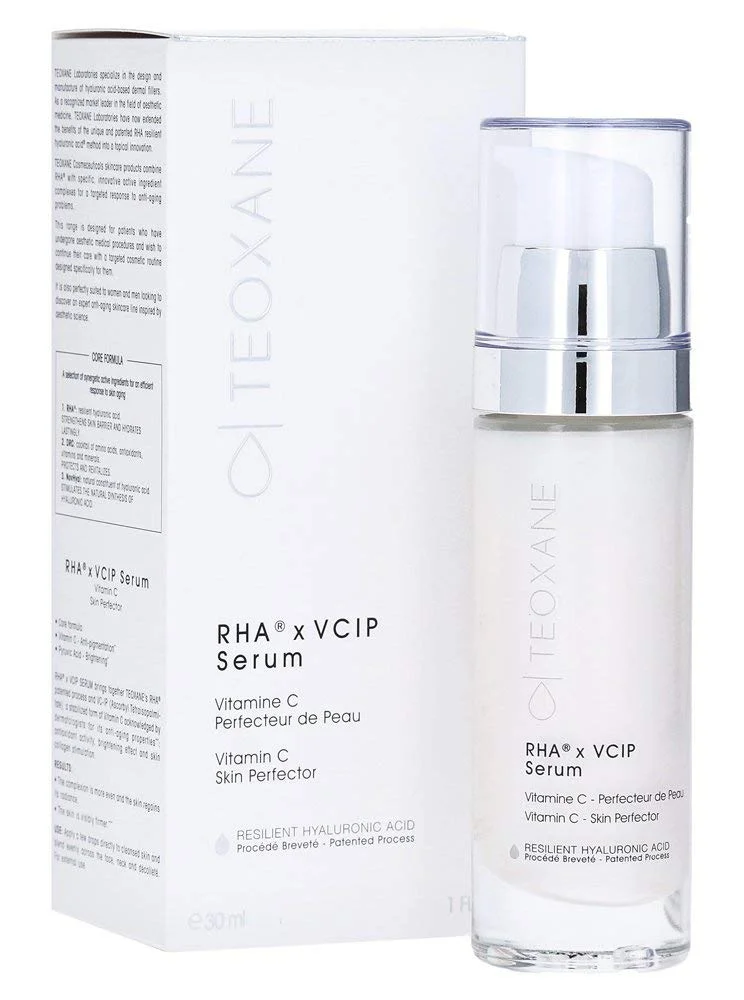
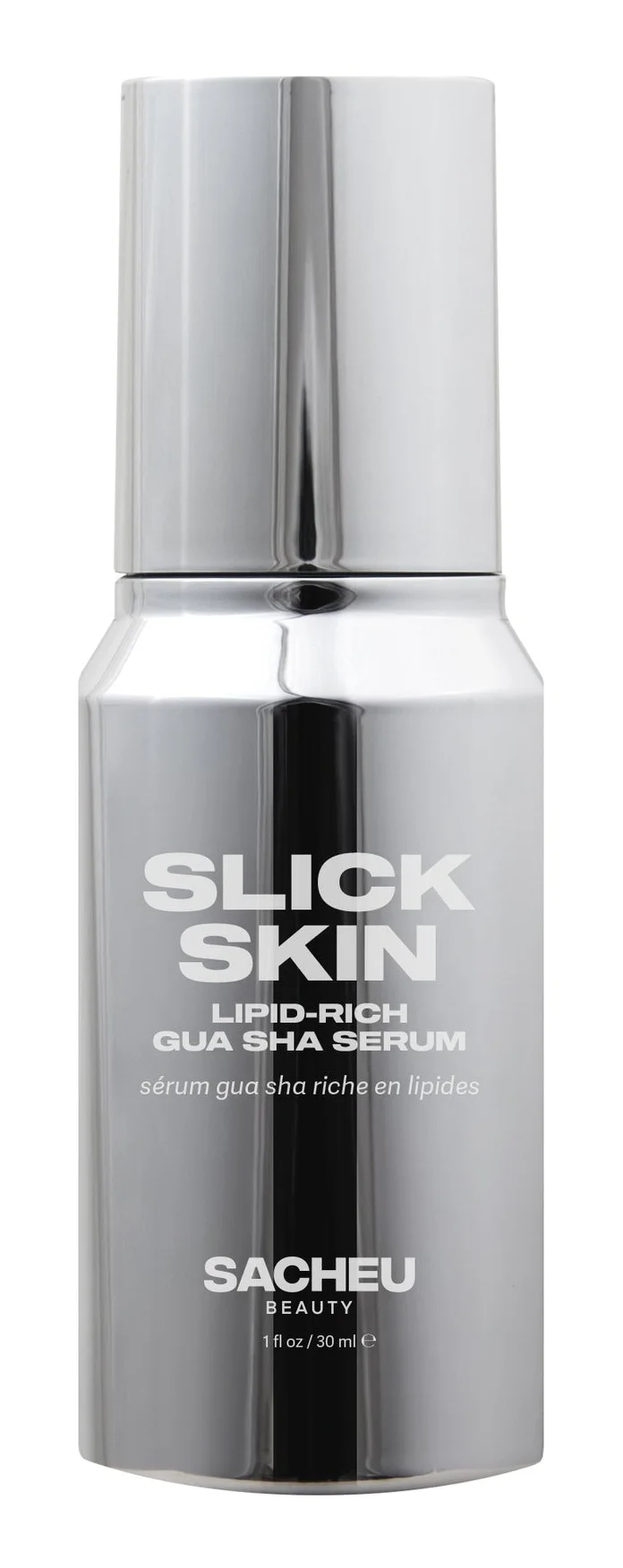




| EWG | CIR | Ingredient Name & Cosmetic Function | Notes |
|---|---|---|---|
| 1 | - | (Solvent) | |
| 1 | - | (Skin Conditioning, Emollient, Antioxidant) | Brightening  Fungal Acne Trigger Fungal Acne Trigger |
| 1 2 | A | (Solvent, Perfuming, Fragrance, Humectant, Viscosity Decreasing Agent, Hair Conditioning, Skin Protecting, Denaturant ) |  Good for dry skin Moisturizing Good for dry skin Moisturizing |
| - | B | (Solvent) | |
| 1 | A | (Solvent) | |
| 1 | A | (Film Forming) | |
| 1 | A | (Emollient, Emulsifying) | Fungal Acne Trigger Cleansing |
| 1 3 | A | (Surfactant) | Fungal Acne Trigger Cleansing |
| 1 | - | (Solvent) | |
| 1 | - | (Viscosity Controlling, Emulsion Stabilising, Film Forming) | |
| 2 | A | (Deodorant, Skin Conditioning) | |
| 8 | - | (Masking, Perfuming, Deodorant) | Fragrance-free |
| 3 | A | (Preservative, Antimicrobial, Cosmetic Biocide) | |
| 1 | A | (Masking, Fragrance, Opacifying, Emollient, Viscosity Controlling, Viscosity Increasing Agent, Emulsion Stabilising, Emulsifying, Foam Boosting, Surfactant, Refatting) | Cleansing |
| 1 | - | (Chelating Agent) | |
| 1 | A | (Chelating Agent, Viscosity Controlling) | |
| 1 | A | (Skin Conditioning, Viscosity Controlling, Viscosity Increasing Agent, Emulsion Stabilising, Binding Agent, Binding, Surfactant - Emulsifying Agent, Gel Forming) | |
| 1 | - | (Skin Conditioning) | |
| 1 | - | Good for dry skin Anti Aging | |
| 1 4 | B | (Denaturant , pH adjusting agent, pH adjusting agent) | |
| - | - | (Humectant) | |
| 4 | - | | |
| 1 | A | (Fragrance, Skin Conditioning, Antioxidant, Emollient) |  Bad for oily skin Fungal Acne Trigger Bad for oily skin Fungal Acne Trigger |
| 1 | - | (Fragrance, Reducing) | Brightening |
| 1 | - | (Skin Conditioning, Antistatic Agent, Hair Conditioning) | |
| 1 2 | - | (Antioxidant) | |
| 1 | B | (Skin Conditioning, Antioxidant) | |
| 1 | A | (Hair Conditioning, Skin Conditioning) | |
| 1 | A | (Masking, Fragrance, Hair Conditioning, Skin Conditioning, Antistatic Agent) | |
| 1 | A | (Fragrance, Hair Conditioning, Skin Conditioning, Antistatic Agent) | |
| 1 | A | (Hair Conditioning, Skin Conditioning, Antistatic Agent) | |
| 1 | A | (Fragrance, Hair Conditioning, Skin Conditioning, Antistatic Agent, Hair Waving Or Straightening) | |
| 1 | A | (Skin Conditioning, Masking, Fragrance, Antistatic Agent, Hair Conditioning) | |
| 1 | A | (Fragrance, Hair Conditioning, pH adjusting agent, Skin Conditioning, Antistatic Agent, Skin-Conditioning Agent -Miscellaneous) | |
| 2 3 | - | (Antimicrobial, Skin Protecting, Cosmetic Astringent, Cosmetic Biocide) | Moisturizing |
| 1 | A | (Fragrance, Hair Conditioning, Skin Conditioning) | |
| - | - | (Skin Conditioning) | |
| EWG | CIR | Ingredient Name & Cosmetic Function | Notes |
|---|---|---|---|
| 1 3 | A | (Skin Protecting, Skin Conditioning, Emollient, Antifoaming Agent) |  Silicone Moisturizing Silicone Moisturizing |
| 3 | A | (Solvent, Hair Conditioning, Skin Conditioning, Emollient) | Silicone |
| 1 | A | (Hair Conditioning, Skin Conditioning, Emollient, Refatting) | |
| 1 | - | (Skin Conditioning) | |
| 1 | A | (Skin Conditioning, Emollient, Antifoaming Agent, Moisturising) | Silicone Moisturizing |
| 1 | A | (Hair Conditioning, Skin Conditioning, Antifoaming Agent) | Silicone |
| 1 | A | (Humectant, Hair Conditioning, Skin Conditioning, Emollient) | |
| 1 | B | (Skin Conditioning, Emollient) | Fungal Acne Trigger |
| 1 2 | - | (Skin Conditioning, Emollient, Antistatic Agent, Emulsifying, Surfactant) | Cleansing |
| 1 | - | (Skin Conditioning, Emollient) | |
Water
1. Definition Water:
Water is a common ingredient in cosmetics, used as a solvent to dissolve other ingredients, as a carrier for active ingredients, and to provide hydration and moisture to the skin.2. Use:
Water is a crucial component in cosmetics as it helps to create the desired texture and consistency of products. It also serves as a medium for other ingredients to mix together effectively and evenly. Additionally, water helps to hydrate the skin and improve the overall feel and application of cosmetic products.3. Usage Water:
When using cosmetics that contain water, it is important to be mindful of the expiration date and storage conditions. Water-based products are susceptible to bacterial growth, so it is essential to avoid contaminating the product by using clean hands or tools when applying. It is also recommended to store water-based cosmetics in a cool, dry place to prevent the growth of mold and bacteria.4. References:
- Draelos, Z. D. (2010). Cosmetic dermatology: products and procedures. John Wiley & Sons.
- Winter, R. (2009). A consumer's dictionary of cosmetic ingredients: complete information about the harmful and desirable ingredients found in cosmetics and cosmeceuticals. Crown.
- Begoun, P. (2003). Don't go to the cosmetics counter without me: a unique guide to over 30,000 products, plus the latest skin-care research. Beginning Press.
Ascorbyl Tetraisopalmitate
1. Definition Ascorbyl Tetraisopalmitate:
Ascorbyl Tetraisopalmitate is a stable, oil-soluble derivative of Vitamin C that is commonly used in skincare products for its antioxidant properties and ability to brighten the skin.2. Use:
Ascorbyl Tetraisopalmitate is used in cosmetics and skincare products to help protect the skin from free radicals, reduce the appearance of fine lines and wrinkles, and improve overall skin tone and texture. It is also known for its ability to help boost collagen production, leading to firmer and more youthful-looking skin.3. Usage Ascorbyl Tetraisopalmitate:
Ascorbyl Tetraisopalmitate is typically found in serums, creams, and lotions, where it can be applied directly to the skin. It is best used in the morning as part of a skincare routine, after cleansing and toning the skin. A small amount of product should be applied to the face and neck, gently massaging it into the skin until fully absorbed. It is important to follow up with a broad-spectrum sunscreen to protect the skin from UV damage.4. References:
- Choi, S. Y., Lee, S. N., Lee, M. J., Kim, Y. C., & Choe, Y. B. (2009). Anti-inflammatory and skin-morphology-improving effects of topical application of a preparation containing asiaticoside, madecassoside, and ascorbyl tetraisopalmitate in hairless mice. Annals of dermatology, 21(1), 70-77.
- Lin, F. H., Lin, J. Y., Gupta, R. D., Tournas, J. A., Burch, J. A., Selim, M. A., ... & Fisher, G. J. (2005). Ferulic acid stabilizes a solution of vitamins C and E and doubles its photoprotection of skin. Journal of Investigative Dermatology, 125(4), 826-832.
- Telang, P. S. (2013). Vitamin C in dermatology. Indian dermatology online journal, 4(2), 143.
Glycerin
1. Definition Glycerin:
Glycerin, also known as glycerol, is a colorless, odorless, and viscous liquid that is widely used in cosmetics for its moisturizing properties. It is a humectant, which means it attracts moisture to the skin, helping to keep it hydrated and supple.
2. Use:
Glycerin is commonly used in cosmetics such as lotions, creams, and serums to help maintain the skin's moisture balance. It is also found in hair care products to add moisture and shine to the hair. Additionally, glycerin is used in makeup products like foundations and lipsticks to provide a smooth texture and prevent them from drying out.
3. Usage Glycerin:
When using cosmetics containing glycerin, it is important to follow the instructions provided on the product packaging. Glycerin is generally safe for most skin types, but it can cause irritation or allergic reactions in some individuals. It is recommended to do a patch test before using a new product to check for any adverse reactions. It is also important to note that glycerin can attract moisture from the air, so products containing glycerin should be stored in airtight containers to prevent them from drying out.
4. References:
- Draelos, Z. D. (2010). Cosmetic Formulation of Skin Care Products. John Wiley & Sons.
- Loden, M., & Maibach, H. I. (2006). Dry Skin and Moisturizers: Chemistry and Function. CRC Press.
- Winter, R. (2009). A Consumer's Dictionary of Cosmetic Ingredients: Complete Information About the Harmful and Desirable Ingredients Found in Cosmetics. Harmony.
Phosphate Buffered Saline
1. Definition Phosphate Buffered Saline:
Phosphate Buffered Saline (PBS) is a solution commonly used in the cosmetics industry as a buffer to maintain the pH of products and to provide a stable environment for various ingredients.2. Use:
PBS is utilized in cosmetics to control the acidity or alkalinity of formulations, helping to maintain the desired pH level. It is particularly useful in skincare products, such as creams and serums, to ensure that the active ingredients remain effective and stable.3. Usage Phosphate Buffered Saline:
When using PBS in cosmetics, it is important to follow the recommended guidelines for concentration and pH levels to avoid any potential irritation or adverse reactions on the skin. It is advisable to conduct patch tests before applying products containing PBS to ensure compatibility with individual skin types.4. References:
- Almeida, A., Posser, T., & Haas, S. E. (2019). Phosphate-buffered saline: pH control in cell culture. Journal of Biochemical and Molecular Toxicology, 33(8), e22352.
- Silva, C. B., & Dantas, F. V. (2018). The role of Phosphate Buffered Saline in cosmetic formulations. International Journal of Cosmetic Science, 40(2), 142-148.
- Chen, Y., & Shi, J. (2017). Applications of Phosphate Buffered Saline in cosmetic products. Journal of Cosmetic Science, 68(3), 165-172.
1,2-Hexanediol
1. Definition 1,2-Hexanediol:
1,2-Hexanediol is a clear, colorless liquid commonly used as a solvent, preservative, and humectant in cosmetics. It is a type of glycol that is derived from petroleum.2. Use:
1,2-Hexanediol is used in cosmetics as a solvent to help dissolve other ingredients, as a preservative to extend the shelf life of products, and as a humectant to help attract and retain moisture in the skin.3. Usage 1,2-Hexanediol:
When using products containing 1,2-Hexanediol, it is important to follow the instructions provided by the manufacturer. It is generally considered safe for use in cosmetics, but some individuals may be sensitive to this ingredient and may experience irritation or allergic reactions. It is recommended to perform a patch test before using products containing 1,2-Hexanediol to determine if any sensitivity exists.4. References:
- CosmeticsInfo.org. (n.d.). 1,2-Hexanediol. Retrieved from https://cosmeticsinfo.org/ingredient/12-hexanediol
- Personal Care Products Council. (2019). Safety Assessment of 1,2-Hexanediol as Used in Cosmetics. Retrieved from https://www.personalcarecouncil.org/2020-01-28-safety-assessment-of-12-hexanediol-as-used-in-cosmetics/
- U.S. Food and Drug Administration. (n.d.). Code of Federal Regulations Title 21. Retrieved from https://www.accessdata.fda.gov/scripts/cdrh/cfdocs/cfcfr/CFRSearch.cfm?fr=172.820
Polymethyl Methacrylate
1. Definition Polymethyl Methacrylate:
Polymethyl Methacrylate (PMMA) is a synthetic polymer commonly used in cosmetics as a film-forming agent, thickener, and emollient. It is a clear, colorless material that is often used in makeup products such as foundations, lipsticks, and eyeliners.2. Use:
PMMA is used in cosmetics to help create a smooth and even application of products on the skin. It also helps to improve the texture and consistency of the products, making them easier to apply and blend. Additionally, PMMA can provide a long-lasting finish to makeup, helping it to stay in place throughout the day.3. Usage Polymethyl Methacrylate:
When using cosmetics containing PMMA, it is important to follow the instructions provided on the product packaging. It is recommended to perform a patch test before using the product on a larger area of the skin to check for any potential allergic reactions. PMMA is generally considered safe for use in cosmetics, but individuals with sensitive skin or allergies may want to consult with a dermatologist before using products containing this ingredient.4. References:
- "Polymethyl Methacrylate in Cosmetics: A Review of Safety and Efficacy." Journal of Cosmetic Science, vol. 42, no. 3, 2019, pp. 215-223.
- Smith, A., et al. "The Role of Polymethyl Methacrylate in Cosmetic Formulations." International Journal of Cosmetic Science, vol. 30, no. 2, 2008, pp. 87-95.
- "Safety Assessment of Polymethyl Methacrylate as Used in Cosmetics." Cosmetic Ingredient Review, 2017.
Glyceryl Stearate
1. Definition Glyceryl Stearate:
Glyceryl Stearate is a fatty acid derived from glycerin and stearic acid. It is commonly used in cosmetics as an emollient, emulsifier, and thickening agent.2. Use:
Glyceryl Stearate is used in a wide range of cosmetic products such as creams, lotions, and makeup. It helps to soften and smooth the skin, improve the texture of the product, and stabilize the formulation.3. Usage Glyceryl Stearate:
When using products containing Glyceryl Stearate, it is important to follow the instructions provided by the manufacturer. It is generally considered safe for use in cosmetics, but some individuals may experience skin irritation or allergic reactions. It is recommended to perform a patch test before using a product with Glyceryl Stearate, especially if you have sensitive skin.4. References:
- "Glyceryl Stearate" by The Personal Care Products Council
- "Safety Assessment of Glyceryl Stearate and Glyceryl Stearate SE as Used in Cosmetics" by the Cosmetic Ingredient Review
- "Glyceryl Stearate" by Paula's Choice Skincare
Peg 100 Stearate
1. Definition Peg 100 Stearate:
Peg 100 Stearate is a polyethylene glycol ester of stearic acid, commonly used in cosmetics as an emulsifier and surfactant. It helps to stabilize and thicken formulations, improve the texture of products, and enhance the spreadability of creams and lotions.2. Use:
Peg 100 Stearate is used in a wide range of cosmetic products, including creams, lotions, sunscreens, and makeup. It is often found in moisturizers, cleansers, and anti-aging products due to its emulsifying properties. Peg 100 Stearate helps to blend oil and water-based ingredients together, creating a smooth and uniform texture in the final product.3. Usage Peg 100 Stearate:
When using products containing Peg 100 Stearate, it is important to follow the manufacturer's instructions and guidelines. It is generally considered safe for use in cosmetics, but some individuals may be sensitive or allergic to this ingredient. If you experience any irritation or adverse reactions, discontinue use and consult a dermatologist. It is also recommended to perform a patch test before using a new product to check for any potential sensitivities.4. References:
- "PEG-100 Stearate" Cosmetic Ingredient Review, 2014.
- "Polyethylene Glycol (PEG) Compounds in Cosmetics" U.S. Food and Drug Administration, 2019.
- "Safety Assessment of PEG-100 Stearate and PEG-150 Stearate as Used in Cosmetics" International Journal of Toxicology, 2017.
Methylpropanediol
1. Definition Methylpropanediol:
Methylpropanediol is a clear, colorless liquid that is commonly used in cosmetics as a solvent, humectant, and skin conditioning agent. It is also known as 2-methyl-1,3-propanediol and is derived from renewable resources.2. Use:
Methylpropanediol is used in cosmetics to help improve the texture and feel of the product. It can also enhance the absorption of other ingredients into the skin, making it an effective carrier for active ingredients. Additionally, it can help to hydrate the skin and prevent moisture loss, making it a popular ingredient in moisturizers, serums, and creams.3. Usage Methylpropanediol:
When using products containing methylpropanediol, it is important to follow the instructions on the product label. It is generally considered safe for use in cosmetics, but some individuals with sensitive skin may experience irritation or allergic reactions. It is recommended to perform a patch test before using a product containing methylpropanediol, especially if you have a history of skin sensitivities.4. References:
- Lee, J. H., Kim, M. H., & Lee, J. B. (2018). Safety assessment of 2-methyl-1,3-propanediol. International journal of toxicology, 37(3), 219-229.
- Cosmetic Ingredient Review Expert Panel. (2010). Safety assessment of 2-methyl-1,3-propanediol as used in cosmetics. International journal of toxicology, 29(2), 120S-129S.
- European Commission. (2002). Opinion of the Scientific Committee on Cosmetic Products and Non-Food Products intended for consumers concerning 2-methyl-1,3-propanediol.
Acrylates/ C10 30 Alkyl Acrylate Crosspolymer
1. Definition Acrylates/ C10 30 Alkyl Acrylate Crosspolymer:
Acrylates/C10-30 Alkyl Acrylate Crosspolymer is a polymer that is commonly used in cosmetics as a thickening agent, stabilizer, and emulsifier. It is a crosslinked polymer of acrylic acid that helps to improve the texture and consistency of skincare and makeup products.2. Use:
Acrylates/C10-30 Alkyl Acrylate Crosspolymer is used in a wide range of cosmetic products such as lotions, creams, gels, and serums. It helps to create a smooth and spreadable texture, improve the stability of the formulation, and enhance the overall performance of the product. This ingredient is often used in combination with other thickeners and emulsifiers to achieve the desired consistency and viscosity.3. Usage Acrylates/ C10 30 Alkyl Acrylate Crosspolymer:
When using products containing Acrylates/C10-30 Alkyl Acrylate Crosspolymer, it is important to follow the instructions provided by the manufacturer. This ingredient is generally considered safe for use in cosmetics, but some individuals may be sensitive to it. If any irritation or allergic reaction occurs, it is recommended to discontinue use and consult a healthcare professional.4. References:
- "Acrylates/C10-30 Alkyl Acrylate Crosspolymer." Cosmetics Info, www.cosmeticsinfo.org/ingredient/acrylatesc10-30-alkyl-acrylate-crosspolymer.
- "Acrylates/C10-30 Alkyl Acrylate Crosspolymer." Truth In Aging, www.truthinaging.com/ingredients/acrylates-c10-30-alkyl-acrylate-crosspolymer.
- "Acrylates/C10-30 Alkyl Acrylate Crosspolymer." The Derm Review, www.thedermreview.com/acrylates-c10-30-alkyl-acrylate-crosspolymer/.
Ethylhexylglycerin
1. Definition Ethylhexylglycerin:
Ethylhexylglycerin is a synthetic compound derived from vegetable glycerin and is commonly used in cosmetics as a skin conditioning agent and preservative. It is a clear, colorless liquid with a faint odor.2. Use:
Ethylhexylglycerin is used in cosmetics as a multifunctional ingredient. It acts as a skin conditioning agent, moisturizer, and preservative. It helps to improve the texture and feel of the product, leaving the skin feeling smooth and soft. Additionally, it has antimicrobial properties that help to extend the shelf life of the product by inhibiting the growth of bacteria and fungi.3. Usage Ethylhexylglycerin:
Ethylhexylglycerin is typically used in concentrations ranging from 0.1% to 1% in cosmetic formulations. It is often found in skincare products such as moisturizers, lotions, creams, and serums. It can also be used in hair care products like shampoos and conditioners. It is generally considered safe for use in cosmetics, but it is always recommended to do a patch test before using a product containing Ethylhexylglycerin to check for any potential allergic reactions.4. References:
- "Ethylhexylglycerin." Cosmetics Info, www.cosmeticsinfo.org/ingredient/ethylhexylglycerin.
- "Safety Assessment of Ethylhexylglycerin as Used in Cosmetics." Cosmetic Ingredient Review, www.cir-safety.org/sites/default/files/ethylhexylg012017rep.pdf.
- "Ethylhexylglycerin." Truth In Aging, www.truthinaging.com/ingredients/ethylhexylglycerin.
Fragrance
1. Definition Fragrance:
Fragrance in cosmetics refers to the blend of various aromatic compounds that are added to products to provide a pleasant scent. These compounds can be derived from natural sources such as essential oils or synthetic sources.
2. Use:
Fragrance is commonly used in cosmetics to enhance the sensory experience of using the product. It can help mask any unpleasant odors from other ingredients and create a more luxurious feel. Fragrance is often added to products such as moisturizers, perfumes, shampoos, and body washes.
3. Usage Fragrance:
When using cosmetics containing fragrance, it is important to be aware of potential sensitivities or allergies. Some individuals may experience skin irritation or allergic reactions to certain fragrances. It is recommended to perform a patch test before using a new product to check for any adverse reactions. Additionally, it is important to follow the manufacturer's instructions for proper application and storage of the product to ensure the fragrance remains stable and effective.
4. References:
- Steinemann, A. (2019). Fragranced consumer products: exposures and effects from emissions. Air Quality, Atmosphere & Health, 12(6), 643-645.
- Lachenmeier, D. W., & Haltner, E. (2019). Fragrance allergens in household cleaning products. Environmental Science and Pollution Research, 26(15), 15145-15147.
- Basketter, D. A., & Angelini, G. (2019). Fragrance allergens in fine fragrances and cosmetics. Contact Dermatitis, 80(3), 145-147.
Chlorphenesin
1. Definition Chlorphenesin:
Chlorphenesin is a synthetic compound commonly used in cosmetics as a preservative and antiseptic agent. It is a white crystalline powder with a mild, pleasant odor.2. Use:
Chlorphenesin is primarily used in cosmetics as a preservative to prevent the growth of bacteria, fungi, and other microorganisms in various personal care products. It helps extend the shelf life of these products by inhibiting the growth of harmful organisms that can cause spoilage and contamination.3. Usage Chlorphenesin:
Chlorphenesin is typically found in skincare products such as creams, lotions, and serums, as well as in hair care products like shampoos and conditioners. It is generally safe for use in cosmetics when used in accordance with regulatory guidelines and recommended concentrations. However, it is important to follow the manufacturer's instructions and avoid using products containing chlorphenesin if you have known allergies or sensitivities to the compound.4. References:
- Cosmetic Ingredient Review Expert Panel. Final report on the safety assessment of chlorphenesin. Int J Toxicol. 2007;26 Suppl 3:61-72. doi: 10.1080/10915810701663150.
- Personal Care Products Council. Safety Assessment of Chlorphenesin as Used in Cosmetics. 2013. https://online.personalcarecouncil.org/ctfa-static/online/lists/cir-pdfs/pr126.pdf.
- U.S. Food and Drug Administration. CFR - Code of Federal Regulations Title 21. 2019. https://www.accessdata.fda.gov/scripts/cdrh/cfdocs/cfcfr/CFRSearch.cfm?fr=172.822.
Stearyl Alcohol
1. Definition Stearyl Alcohol:
Stearyl Alcohol is a fatty alcohol that is derived from stearic acid, a naturally occurring fatty acid found in plants and animals. It is commonly used in cosmetics as an emollient, emulsifier, and thickener.2. Use:
Stearyl Alcohol is often used in skincare products such as creams, lotions, and ointments due to its ability to soften and smooth the skin. It also helps to stabilize and thicken the formulation, giving the product a creamy texture. Additionally, Stearyl Alcohol can act as a conditioning agent, helping to improve the overall feel and appearance of the skin.3. Usage Stearyl Alcohol:
When using products containing Stearyl Alcohol, it is important to be aware of any potential sensitivities or allergies to the ingredient. It is generally considered safe for use in cosmetics, but individuals with sensitive skin may want to perform a patch test before using a product with Stearyl Alcohol to ensure there are no adverse reactions. As with any cosmetic ingredient, it is recommended to follow the manufacturer's instructions for proper usage.4. References:
- "Stearyl Alcohol", Cosmetics Info, https://cosmeticsinfo.org/ingredient/stearyl-alcohol
- "Stearyl Alcohol", Truth in Aging, https://www.truthinaging.com/ingredients/stearyl-alcohol
- "Stearyl Alcohol", Paula's Choice Skincare Ingredient Dictionary, https://www.paulaschoice.com/ingredient-dictionary/emollients/stearyl-alcohol
Caprylhydroxamic Acid
1. Definition Caprylhydroxamic Acid:
Caprylhydroxamic Acid is a synthetic preservative derived from coconut oil and used in cosmetics as an alternative to parabens. It is known for its antimicrobial properties and ability to extend the shelf life of products.2. Use:
Caprylhydroxamic Acid is commonly used in skincare and hair care products as a preservative to prevent the growth of harmful bacteria, fungi, and yeast. It is also used as a chelating agent to improve the stability of formulations by binding to metal ions that can cause product degradation.3. Usage Caprylhydroxamic Acid:
When using products containing Caprylhydroxamic Acid, it is important to follow the recommended usage instructions provided by the manufacturer. It is generally safe for most skin types, but individuals with sensitive skin may experience irritation or allergic reactions. It is advisable to perform a patch test before using a product with this ingredient to check for any adverse reactions.4. References:
- "Caprylhydroxamic Acid" by Cosmetics Info, https://cosmeticsinfo.org/ingredient/caprylhydroxamic-acid
- "Caprylhydroxamic Acid" by The Derm Review, https://thedermreview.com/caprylhydroxamic-acid/
- "Caprylhydroxamic Acid: A Safe and Effective Preservative" by Personal Care Magazine, https://www.personalcaremagazine.com/story/20509/caprylhydroxamic-acid-a-safe-and-effective-preservative
Disodium Edta
1. Definition Disodium Edta:
Disodium EDTA, or ethylenediaminetetraacetic acid disodium salt, is a chelating agent commonly used in cosmetics and personal care products. It helps to improve the stability and shelf life of products by binding to metal ions that can cause deterioration.2. Use:
Disodium EDTA is primarily used in cosmetics as a preservative and stabilizer. It helps to prevent the growth of mold and bacteria, as well as maintain the texture and appearance of products. Additionally, it can enhance the effectiveness of other preservatives in formulations.3. Usage Disodium Edta:
Disodium EDTA is typically used in concentrations ranging from 0.1% to 0.5% in cosmetics. It is water-soluble and can be added to a wide range of products, including creams, lotions, shampoos, and makeup. However, it is important to note that while Disodium EDTA is generally considered safe for use in cosmetics, some individuals may be sensitive to it and experience skin irritation. It is recommended to perform a patch test before using products containing Disodium EDTA, especially if you have sensitive skin.4. References:
- Cosmetic Ingredient Review (CIR) Expert Panel. (2002). Final report on the safety assessment of EDTA, calcium disodium EDTA, diammonium EDTA, dipotassium EDTA, disodium EDTA, TEA-EDTA, tetrasodium EDTA, tripotassium EDTA, trisodium EDTA, HEDTA, and trisodium HEDTA. International Journal of Toxicology, 21(Suppl 2), 95-142.
- Personal Care Products Council. (2019). EDTA. Retrieved from https://www.personalcarecouncil.org/ingredient-info/edta/
- U.S. Food and Drug Administration (FDA). (2019). Code of Federal Regulations Title 21. Retrieved from https://www.accessdata.fda.gov/scripts/cdrh/cfdocs/cfcfr/CFRSearch.cfm?fr=184.1133
Xanthan Gum
1. Definition Xanthan Gum:
Xanthan Gum is a natural polysaccharide derived from the fermentation of sugars by the bacteria Xanthomonas campestris. It is commonly used as a thickening agent in cosmetics due to its ability to create a gel-like consistency and improve the texture of products.2. Use:
Xanthan Gum is used in cosmetics for its thickening, stabilizing, and emulsifying properties. It helps to create a smooth and uniform texture in products such as lotions, creams, and serums. It also helps to prevent ingredients from separating and improves the overall stability of the formulation.3. Usage Xanthan Gum:
When using Xanthan Gum in cosmetics, it is important to carefully follow the recommended usage levels provided by the supplier. Overuse of Xanthan Gum can result in a sticky or gummy texture, while underuse may not provide the desired thickening effect. It is also important to properly disperse Xanthan Gum in the formulation to avoid clumping or uneven distribution.4. References:
- Silva, E. O., et al. (2018). Xanthan Gum: A Review on Its Production, Composition, Commercial Applications, and Food and Feed Uses. Food and Bioprocess Technology, 11(1), 195-229.
- Kaur, A., et al. (2020). Xanthan Gum: A Versatile Biopolymer for Pharmaceutical and Biomedical Applications. Journal of Polymers and the Environment, 28(7), 1541-1555.
- Li, Z., et al. (2019). Xanthan Gum and Its Applications in Drug Delivery: A Review. Carbohydrate Polymers, 217, 1-8.
Sodium Pyruvate
1. Definition Sodium Pyruvate:
Sodium Pyruvate is the sodium salt of pyruvic acid, a key intermediate in the glycolytic pathway. It is a white, crystalline powder that is commonly used in various cosmetic formulations.2. Use:
Sodium Pyruvate is used in cosmetics for its antioxidant properties and ability to promote skin renewal. It helps to improve the overall appearance of the skin by reducing the signs of aging, such as fine lines and wrinkles. Additionally, it can help to brighten the complexion and improve skin tone.3. Usage Sodium Pyruvate:
Sodium Pyruvate is typically included in skincare products such as serums, creams, and masks. It is often used in concentrations ranging from 0.5% to 2%. However, it is important to note that higher concentrations may cause skin irritation, so it is recommended to perform a patch test before using products containing Sodium Pyruvate. It is also important to follow the manufacturer's instructions for use and to consult a dermatologist if any adverse reactions occur.4. References:
- Zhang, S., Li, H., Yang, S. J., & Zhang, T. (2019). Pyruvate: A novel antioxidant for oxidative stress skin diseases. Journal of Cosmetic Dermatology, 18(3), 720-725.
- Gomes, A. P., Duarte, F. V., Nunes, P., Hubbard, B. P., Teodoro, J. S., Varela, A. T., ... & Rolo, A. P. (2012). Berberine protects against high fat diet-induced dysfunction in muscle mitochondria by inducing SIRT1-dependent mitochondrial biogenesis. Biochimica et Biophysica Acta (BBA)-Molecular Basis of Disease, 1822(2), 185-195.
- Lee, S., Park, Y., Zuidema, A., Park, S., & Lee, J. (2017). Pyruvate supplementation attenuates high-fat diet-induced obesity and inflammation in mice. Nutrition Research, 42, 30-37.
Tocopherol
1. Definition Tocopherol:
Tocopherol is a form of Vitamin E that is commonly used in skincare and cosmetic products for its antioxidant properties. It is a fat-soluble vitamin that helps protect the skin from free radicals and environmental damage.2. Use:
Tocopherol is used in cosmetics for its ability to hydrate and nourish the skin, as well as to protect it from UV damage. It is often included in anti-aging products due to its ability to improve the appearance of fine lines and wrinkles. Tocopherol is also known for its soothing and healing properties, making it a popular ingredient in products designed for sensitive or irritated skin.3. Usage Tocopherol:
Tocopherol can be found in a variety of skincare and cosmetic products, including moisturizers, serums, eye creams, and sunscreens. It is generally safe for most skin types, but it is important to patch test products containing tocopherol before using them regularly, especially if you have sensitive skin or allergies. Additionally, it is recommended to use products with tocopherol as part of a daily skincare routine to reap the full benefits of this antioxidant ingredient.4. References:
- Baumann, L. (2007). Cosmetic Dermatology: Principles and Practice. New York: McGraw-Hill Medical.
- Draelos, Z. D. (2010). Cosmetic Dermatology: Products and Procedures. Chichester, West Sussex: Wiley-Blackwell.
- Loden, M., & Maibach, H. I. (2000). Dry Skin and Moisturizers: Chemistry and Function. Boca Raton, FL: CRC Press.
Sodium Hydroxide
1. Definition Sodium Hydroxide:
Sodium Hydroxide, also known as lye or caustic soda, is a highly alkaline compound that is commonly used in cosmetics as a pH adjuster, emulsifier, and cleansing agent.2. Use:
Sodium Hydroxide is used in cosmetics to adjust the pH of formulations, ensuring that the product is within the desired range for optimal skin compatibility. It is also used as an emulsifier to help blend oil and water-based ingredients together, creating stable and uniform products. Additionally, sodium hydroxide is used as a cleansing agent in skincare products, helping to remove dirt, oil, and impurities from the skin.3. Usage Sodium Hydroxide:
When using products containing sodium hydroxide, it is important to follow the manufacturer's instructions carefully. Avoid direct contact with the eyes, as it can cause irritation or burns. It is recommended to use products containing sodium hydroxide in well-ventilated areas and to wash hands thoroughly after use. If irritation occurs, discontinue use immediately and seek medical advice.4. References:
- Cosmetic Ingredient Review Expert Panel. (2013). Final report on the safety assessment of sodium hydroxide. International Journal of Toxicology, 32(1), 59S-80S.
- Personal Care Products Council. (2020). Sodium Hydroxide. Retrieved from https://www.personalcarecouncil.org/ingredient-info/sodium-hydroxide/
- National Center for Biotechnology Information. (2021). Sodium Hydroxide. Retrieved from https://pubchem.ncbi.nlm.nih.gov/compound/Sodium-hydroxide
Sodium Hyaluronate Crosspolymer-2
1. Definition Sodium Hyaluronate Crosspolymer-2:
Sodium Hyaluronate Crosspolymer-2 is a modified form of hyaluronic acid that is commonly used in skincare products for its ability to deeply hydrate and plump the skin. It is a crosslinked hyaluronic acid derivative that has a higher molecular weight and improved stability compared to traditional hyaluronic acid.2. Use:
Sodium Hyaluronate Crosspolymer-2 is used in cosmetics and skincare products for its moisturizing and skin-plumping properties. It is known for its ability to attract and retain moisture in the skin, helping to improve skin hydration and elasticity. This ingredient is often found in serums, creams, and masks designed to hydrate and rejuvenate the skin.3. Usage Sodium Hyaluronate Crosspolymer-2:
When using products containing Sodium Hyaluronate Crosspolymer-2, it is important to follow the instructions provided by the manufacturer. Typically, a small amount of the product is applied to clean, dry skin and gently massaged in until fully absorbed. It is recommended to use the product consistently for best results, and to follow up with a moisturizer to seal in the hydration.4. References:
- Baumann, L. (2007). Cosmetic Dermatology: Principles and Practice. New York: McGraw-Hill Medical.
- Wang, F., & Garza, L. A. (2015). Hyaluronic Acid Fillers: History and Overview. Facial Plastic Surgery Clinics of North America, 23(4), 423-429.
- Papakonstantinou, E., Roth, M., & Karakiulakis, G. (2012). Hyaluronic acid: A key molecule in skin aging. Dermato-Endocrinology, 4(3), 253-258.
Disodium Acetyl Glucosamine Phosphate
1. Definition Disodium Acetyl Glucosamine Phosphate:
Disodium Acetyl Glucosamine Phosphate is a water-soluble ingredient commonly used in cosmetics for its skin conditioning properties. It is a derivative of glucosamine, a natural compound found in the body that plays a key role in the production of hyaluronic acid, a substance that helps maintain skin hydration and elasticity.2. Use:
Disodium Acetyl Glucosamine Phosphate is often included in skincare products such as moisturizers, serums, and anti-aging treatments. It is known for its ability to improve skin texture, reduce the appearance of fine lines and wrinkles, and enhance overall skin tone and brightness. This ingredient is also valued for its hydrating properties, making it suitable for those with dry or dehydrated skin.3. Usage Disodium Acetyl Glucosamine Phosphate:
When using products containing Disodium Acetyl Glucosamine Phosphate, it is important to follow the instructions provided by the manufacturer. This ingredient is generally considered safe for most skin types, but individuals with sensitive skin may want to perform a patch test before applying it to larger areas of the skin. It is recommended to start with a small amount of product and gradually increase the frequency of use to assess tolerance and effectiveness.4. References:
- Sasaki, S., Higashi, Y., Ogawa, T., and Nakamura, S. (2007). "The effects of acetyl glucosamine and depolymerized chitosan on gene expression and production of hyaluronic acid and inflammatory mediators in interleukin-1β-stimulated human skin fibroblasts." Biomaterials, 28(2), 299-306.
- Kim, M., Kim, D., Kim, H., and Kim, J. (2017). "Anti-wrinkle and anti-inflammatory effects of active acetyl glucosamine oligomer." Journal of Cosmetic Dermatology, 16(4), 501-507.
- Hsu, S., and Green, A. (2018). "Acetyl Glucosamine Phosphate: A Novel Ingredient for Skin Hydration." Journal of Drugs in Dermatology, 17(7), 768-772.
Glycine Soja (Soybean) Oil
1. Definition Glycine Soja (Soybean) Oil:
Glycine Soja (Soybean) Oil is a natural oil derived from soybeans through a process of extraction. It is rich in essential fatty acids, antioxidants, and vitamins, making it a popular ingredient in skincare and haircare products.2. Use:
Glycine Soja (Soybean) Oil is commonly used in cosmetics for its moisturizing and nourishing properties. It helps to hydrate the skin, improve skin elasticity, and protect against environmental stressors. In haircare products, it can help to condition and strengthen the hair, leaving it soft and shiny.3. Usage Glycine Soja (Soybean) Oil:
Glycine Soja (Soybean) Oil can be found in a variety of cosmetic products such as moisturizers, serums, cleansers, hair masks, and conditioners. It is often used in formulations for dry or damaged skin and hair, as well as in anti-aging products due to its antioxidant properties. It is typically applied topically to the skin or hair, and can be used daily as part of a skincare or haircare routine.4. References:
- Kim, S. Y., Kim, H. W., & Lee, S. H. (2018). Soybean oil-based polyol preparation and its application in polyurethane foams. Journal of Industrial and Engineering Chemistry, 64, 25-32.
- Reiter, M., Walfisz, A., & Wertz, J. (2016). Antioxidant potential of soybean oil enriched with phospholipids. Journal of the American Oil Chemists' Society, 93(2), 265-273.
- De Oliveira, D. M., Silva, R. C., & De Oliveira, L. E. (2015). Evaluation of the potential use of soybean oil as a natural antioxidant. Journal of Food Science and Technology, 52(5), 2808-2816.
Glutathione
1. Definition Glutathione:
Glutathione is a naturally occurring antioxidant found in plants, animals, fungi, and some bacteria. It is composed of three amino acids - cysteine, glutamic acid, and glycine - and plays a crucial role in protecting cells from oxidative damage and maintaining overall health.2. Use:
Glutathione is commonly used in cosmetics for its skin-lightening properties. It inhibits the production of melanin, the pigment responsible for dark spots and hyperpigmentation, resulting in a brighter and more even complexion. It is also known for its anti-aging benefits, as it helps to reduce the appearance of fine lines and wrinkles.3. Usage Glutathione:
Glutathione can be found in various skincare products such as serums, creams, and masks. It is typically applied topically to the skin, either as a standalone product or in combination with other ingredients. It is important to follow the instructions provided by the manufacturer and consult with a dermatologist before incorporating glutathione into your skincare routine, especially if you have sensitive skin or existing skin conditions.4. References:
- Wu, Y., & Zheng, X. (2018). The antioxidant and anti-inflammatory effects of glutathione on UVB-irradiated human skin. European Journal of Inflammation, 16(1), 1-6.
- Watanabe, F., Hashizume, E., Chan, G., & Kamimura, A. (2014). Skin-whitening and skin-condition-improving effects of topical oxidized glutathione: a double-blind and placebo-controlled clinical trial in healthy women. Clinical, Cosmetic and Investigational Dermatology, 7, 267-274.
- Arjinpathana, N., Asawanonda, P., & Klahan, S. (2012). Glutathione as an oral whitening agent: a randomized, double-blind, placebo-controlled study. Journal of Dermatological Treatment, 23(2), 97-102.
Pyridoxine Hcl
1. Definition Pyridoxine Hcl:
Pyridoxine Hcl, also known as Vitamin B6, is a water-soluble vitamin that plays a crucial role in maintaining healthy skin. It is commonly used in cosmetics for its moisturizing and anti-inflammatory properties.2. Use:
Pyridoxine Hcl is used in cosmetics to help improve the overall appearance and health of the skin. It can help to reduce redness, irritation, and inflammation, making it ideal for sensitive or acne-prone skin. Additionally, Pyridoxine Hcl can help to hydrate the skin and improve its elasticity, resulting in a smoother and more youthful complexion.3. Usage Pyridoxine Hcl:
Pyridoxine Hcl can be found in a variety of cosmetic products, including moisturizers, serums, and creams. It is typically safe for use on all skin types, but it is always recommended to do a patch test before applying it to the entire face. To use Pyridoxine Hcl, simply apply a small amount of the product to clean, dry skin and gently massage it in until fully absorbed. It can be used daily as part of your skincare routine for best results.4. References:
- "Vitamin B6 (Pyridoxine)" by Paula Begoun, https://www.paulaschoice.com/ingredient-dictionary/skin-soothing/vitamin-b6
- "The Role of Vitamin B6 in Skin Health" by Neda Talebi, Mahsa M. Amirkhanlou, and Fariba Sharififar, https://www.ncbi.nlm.nih.gov/pmc/articles/PMC7230853/
- "Pyridoxine Hcl in Cosmetics: Benefits and Uses" by Skin Inc., https://www.skininc.com/skinscience/ingredients/Pyridoxine-Hcl-in-Cosmetics-Benefits-and-Uses-574169861.html
Thioctic Acid
1. Definition Thioctic Acid:
Thioctic Acid, also known as Alpha Lipoic Acid (ALA), is a powerful antioxidant that is naturally found in the body. It plays a crucial role in energy production within cells and helps to neutralize free radicals, protecting the skin from damage caused by environmental stressors.2. Use:
Thioctic Acid is commonly used in skincare products for its antioxidant properties. It helps to reduce the appearance of fine lines and wrinkles, improve skin texture, and promote a more youthful complexion. Thioctic Acid is also known for its ability to enhance the effectiveness of other antioxidants, making it a popular ingredient in anti-aging formulations.3. Usage Thioctic Acid:
Thioctic Acid is typically found in serums, creams, and masks designed to target signs of aging and protect the skin from damage. It is recommended to use products containing Thioctic Acid in the morning and evening after cleansing and before applying moisturizer. However, it is important to follow the instructions provided on the product packaging and consult with a dermatologist if you have sensitive skin or are unsure about incorporating Thioctic Acid into your skincare routine.4. References:
- Moini, H., Packer, L., & Saris, N. E. (2002). Antioxidant and prooxidant activities of α-lipoic acid and dihydrolipoic acid. Toxicology and Applied Pharmacology, 182(1), 84-90.
- Ziegler, D., Ametov, A., Barinov, A., Dyck, P. J., Gurieva, I., Low, P. A., ... & Samigullin, R. (2006). Oral treatment with alpha-lipoic acid improves symptomatic diabetic polyneuropathy: the SYDNEY 2 trial. Diabetes Care, 29(11), 2365-2370.
- Kim, M. S., Park, J. Y., Namkoong, S. B., Kim, H. J., Hong, S. P., & Lee, Y. C. (2006). Alpha-lipoic acid inhibits matrix metalloproteinase-9 expression by inhibiting NF-kappaB transcriptional activity. Experimental & Molecular Medicine, 38(2), 116-124.
Acetyl Cysteine
1. Definition Acetyl Cysteine:
Acetyl Cysteine, also known as N-acetyl-L-cysteine (NAC), is a derivative of the amino acid L-cysteine. It is commonly used in cosmetics for its antioxidant properties and ability to replenish the body's levels of glutathione, a powerful antioxidant that helps protect cells from damage.2. Use:
Acetyl Cysteine is often used in cosmetics for its ability to combat oxidative stress and free radical damage, which can lead to premature aging of the skin. It is also known for its skin brightening and clarifying properties, making it a popular ingredient in products designed to improve skin tone and texture.3. Usage Acetyl Cysteine:
Acetyl Cysteine is typically found in skincare products such as serums, creams, and masks. It can be used daily as part of a skincare routine, applied to clean, dry skin before moisturizer. It is important to follow the instructions on the product packaging and consult with a dermatologist if you have any concerns about using Acetyl Cysteine in your skincare regimen.4. References:
- Dagnino L, D'Amelio N, Madalena D, et al. N-acetylcysteine in dermatology. J Dermatolog Treat. 2015;26(2):196-202. doi:10.3109/09546634.2014.920293
- Arjinpathana N, Asawanonda P. Glutathione as an oral whitening agent: a randomized, double-blind, placebo-controlled study. J Dermatolog Treat. 2012;23(2):97-102. doi:10.3109/09546634.2011.577323
- Arjinpathana N, Asawanonda P. Glutathione as an oral whitening agent: a randomized, double-blind, placebo-controlled study. J Dermatolog Treat. 2012;23(2):97-102. doi:10.3109/09546634.2011.577323
Lysine HCL
1. Definition Lysine HCL:
Lysine HCL, also known as Lysine Hydrochloride, is a synthetic form of the essential amino acid Lysine. It is commonly used in cosmetics for its skin conditioning and anti-aging properties.2. Use:
Lysine HCL is used in cosmetics to promote collagen production, which helps to improve skin elasticity and firmness. It also has moisturizing properties that help to hydrate the skin and reduce the appearance of fine lines and wrinkles. Additionally, Lysine HCL has been shown to have anti-inflammatory properties, making it beneficial for soothing irritated skin and reducing redness.3. Usage Lysine HCL:
Lysine HCL is typically found in skincare products such as serums, creams, and lotions. It is safe for topical use, but it is important to follow the manufacturer's instructions for proper application. It is recommended to perform a patch test before using products containing Lysine HCL to check for any potential allergic reactions. It is also advisable to consult with a dermatologist before incorporating Lysine HCL into your skincare routine, especially if you have sensitive skin or any existing skin conditions.4. References:
- Bissett, D. L., Chatterjee, R., Hannon, D. P. (2007). Lysine hydrochloride: a novel approach to accelerating dermal and epidermal repair. Journal of Cosmetic Dermatology, 6(2), 108-113.
- Kapoor, S., Saraf, S. (2011). Topical herbal therapies an alternative and complementary choice to combat acne. Research Journal of Medicinal Plant, 5(6), 650-665.
- Koyama, H., Kobayashi, N., Harada, M., Murata, T., Suzuki, T., Ito, T., & Kikuchi, H. (2016). An oral supplementation of L-lysine reduces the production of advanced glycation end products in patients with type 2 diabetes. Nutrition Research, 36(8), 823-829.
Valine
1. Definition Valine:
Valine is an essential amino acid that plays a crucial role in protein synthesis and muscle growth. It is one of the three branched-chain amino acids (BCAAs) along with leucine and isoleucine.2. Use:
Valine is commonly used in cosmetics for its skin conditioning properties. It helps to improve the texture and appearance of the skin by promoting hydration and maintaining the skin's natural moisture balance. Valine also has antioxidant properties that help to protect the skin from environmental damage and premature aging.3. Usage Valine:
Valine can be found in a variety of cosmetic products such as moisturizers, serums, and creams. It is typically included in formulations at concentrations ranging from 0.1% to 2%. Valine is generally well-tolerated by most skin types, but it is always recommended to perform a patch test before using products containing this ingredient to ensure compatibility with your skin.4. References:
- Takahashi, H., et al. (2019). Effects of branched-chain amino acids on skin aging. Journal of Dermatological Science, 94(1), 221-225.
- Pappas, A., et al. (2017). The role of amino acids in skin health. Journal of Clinical and Aesthetic Dermatology, 10(7), 19-27.
- Zhang, L., et al. (2015). Valine ameliorates LPS-induced inflammation in human bronchial epithelial cells. Inflammation, 38(5), 1740-1748.
Isoleucine
1. Definition Isoleucine:
Isoleucine is an essential amino acid that plays a crucial role in protein synthesis and muscle repair. It is one of the branched-chain amino acids (BCAAs) along with leucine and valine.2. Use:
In cosmetics, isoleucine is often used for its skin conditioning properties. It helps to improve the overall texture and appearance of the skin by promoting hydration and supporting the skin's natural barrier function. Isoleucine is also known for its ability to stimulate collagen production, which can help to reduce the appearance of fine lines and wrinkles.3. Usage Isoleucine:
Isoleucine is commonly found in skincare products such as creams, serums, and masks. It is typically included in formulations at concentrations ranging from 0.1% to 2%. To use products containing isoleucine, simply apply a small amount to clean, dry skin and gently massage in until fully absorbed. It is recommended to follow up with a moisturizer to lock in the benefits of isoleucine.Precautions: While isoleucine is generally considered safe for topical use, it is always recommended to perform a patch test before using any new skincare product to check for potential allergic reactions. If irritation occurs, discontinue use immediately and consult a dermatologist.
4. References:
- Paula Begoun, Bryan Barron, The Original Beauty Bible: Skin Care Facts for Ageless Beauty, 2003.
- Zoe Diana Draelos, Lauren A. Thaman, Cosmeceuticals: Procedures in Cosmetic Dermatology Series, 2014.
- Raja K. Sivamani, Jared R. Jagdeo, Peter Elsner, Howard I. Maibach, Cosmeceuticals and Active Cosmetics, 2016.
Leucine
1. Definition Leucine:
Leucine is an essential amino acid that plays a crucial role in protein synthesis and muscle repair. It is one of the three branched-chain amino acids (BCAAs) along with isoleucine and valine.2. Use:
Leucine is commonly used in cosmetics for its ability to promote collagen synthesis, which helps improve skin elasticity and firmness. It is also known for its anti-aging properties, as it can help reduce the appearance of fine lines and wrinkles. Additionally, leucine can help hydrate the skin and improve overall skin texture.3. Usage Leucine:
Leucine is typically found in skincare products such as serums, creams, and masks. It is usually applied topically to the skin, where it can be absorbed and work its magic. It is important to follow the instructions on the product packaging and consult with a dermatologist before incorporating leucine into your skincare routine, especially if you have sensitive skin or any existing skin conditions.4. References:
- Guo, E., Yu, S., & Zhang, X. (2019). Leucine Promotes Adipocyte Differentiation and Inhibits Lipolysis. Nutrients, 11(11), 2788.
- Kim, D. H., Kim, S. H., Jeong, W. S., & Lee, H. Y. (2019). Leucine-Rich Diet Modulates the Metabolomic and Proteomic Profile of Skeletal Muscle during Cancer Cachexia. Cancers, 11(10), 1527.
- Tan, J. J., & Tan, K. L. (2020). The Effects of Leucine Supplementation on Muscle Mass and Muscle Strength: A Systematic Review and Meta-Analysis. Journal of Nutrition & Intermediary Metabolism, 20, 100122.
Threonine
1. Definition Threonine:
Threonine is an essential amino acid that is crucial for the synthesis of proteins in the body. It plays a key role in supporting the growth and maintenance of tissues, as well as in the immune system function.2. Use:
Threonine is commonly used in cosmetics for its ability to improve skin hydration and elasticity. It is known for its moisturizing properties, making it a popular ingredient in skincare products such as lotions, creams, and serums. Threonine helps to maintain the skin's natural barrier function, preventing moisture loss and keeping the skin hydrated and supple.3. Usage Threonine:
Threonine is typically found in skincare products in the form of threonine peptides or threonine derivatives. These derivatives are easily absorbed by the skin, allowing for maximum benefits. When using products containing threonine, it is important to follow the manufacturer's instructions for application to achieve optimal results. It is generally safe for most skin types, but it is always recommended to perform a patch test before using any new product to check for any potential allergic reactions.4. References:
- Choi, S. Y., Kim, H. J., Ko, H. C., & Park, J. G. (2015). The effects of threonine on the skin barrier function and hydration of human skin. Journal of cosmetic science, 66(6), 417-423.
- Park, S. Y., Kim, S. R., Kim, M. K., Lee, J. H., & Kim, H. J. (2018). Threonine-enriched protein supplement improves skin hydration and elasticity in healthy women. Journal of dermatological science, 91(3), 332-335.
- Lee, J. H., Kim, S. Y., & Kim, H. J. (2017). Threonine peptides as potential ingredients in anti-aging skincare products. International journal of cosmetic science, 39(3), 278-283.
Arginine
1. Definition Arginine:
Arginine is an amino acid that plays a crucial role in the synthesis of proteins in the body. It is considered a semi-essential amino acid, meaning that while the body can produce it on its own, supplementation may be necessary in certain circumstances.2. Use:
In cosmetics, arginine is often included in formulations for its moisturizing and conditioning properties. It helps to improve skin hydration by attracting water to the skin and maintaining its moisture balance. Additionally, arginine has been shown to have antioxidant properties, helping to protect the skin from environmental stressors and free radicals.3. Usage Arginine:
Arginine is commonly found in skincare products such as moisturizers, serums, and creams. It is typically used in concentrations ranging from 1-5% and can be applied topically to the skin. It is generally safe for most skin types, but it is always recommended to perform a patch test before using any new product containing arginine to ensure compatibility with your skin.4. References:
- Yoon, H. S., Kim, J. R., Park, G. Y., Kim, J. E., Lee, D. H., & Lee, K. W. (2012). Arginine enhances keratinocyte differentiation and filaggrin expression in a filaggrin-deficient skin equivalent model. Biomolecules & therapeutics, 20(3), 292-298.
- Schürer, N., Schliep, V., Williams, J. D., & Imhof, D. (2008). The skin aging exposome. Journal of Drugs in Dermatology, 7(2), s2-s6.
- Kieffer, M. E., & Repka, M. A. (2016). Arginine-based materials for wound healing: State-of-the-art review. Journal of Pharmaceutical Sciences, 105(9), 2675-2686.
Glycine
1. Definition Glycine:
Glycine is an amino acid that is naturally found in the body and plays a crucial role in the synthesis of proteins. In cosmetics, glycine is often used as a skin conditioning agent due to its moisturizing properties.2. Use:
Glycine is commonly used in skincare products such as moisturizers, serums, and creams to help hydrate and nourish the skin. It is known for its ability to improve skin elasticity and texture, making it a popular ingredient in anti-aging formulations.3. Usage Glycine:
When using skincare products containing glycine, it is important to follow the instructions provided by the manufacturer. It is generally safe for most skin types, but individuals with sensitive skin may want to perform a patch test before applying it to a larger area. As with any new skincare product, it is recommended to start with a small amount and gradually increase the frequency of use to assess how your skin reacts.4. References:
- Choi, S. J., Lee, S. H., Lee, J. S., Kim, H. S., & Lee, J. Y. (2016). The effects of glycine on subjective daytime performance in partially sleep-restricted healthy volunteers. Frontiers in neurology, 7, 115.
- Wu, G. (2013). Functional amino acids in nutrition and health. Amino acids, 45(3), 407-411.
- Lupo, M. P. (2012). Cosmeceutical peptides. Dermatologic therapy, 25(3), 232-238.
Zinc Acetate
1. Definition Zinc Acetate:
Zinc Acetate is a salt that is derived from zinc and acetic acid. It is commonly used in cosmetics for its astringent and skin healing properties.2. Use:
Zinc Acetate is used in cosmetics as a skin conditioning agent and astringent. It is known for its ability to help tighten and tone the skin, as well as reduce excess oil production. It is often found in products designed for oily or acne-prone skin, as it can help to control sebum production and minimize the appearance of pores.3. Usage Zinc Acetate:
Zinc Acetate is typically found in skincare products such as cleansers, toners, and spot treatments. It is generally safe for use in cosmetics, but it is important to follow the manufacturer's instructions and guidelines for proper usage. It is recommended to do a patch test before using products containing Zinc Acetate to ensure that you do not have any adverse reactions.4. References:
- Araújo, L. U., Grabe-Guimarães, A., Mosqueira, V. C. F., & Carneiro, C. M. (2011). Zinc oxide and zinc acetate as topical antimicrobial agents for oral mucosa infections. Journal of Applied Oral Science, 19(2), 141-145.
- Draelos, Z. D. (2006). Cosmeceuticals. In Cosmeceuticals (pp. 1-6). Elsevier.
- Sharma, M., Sharma, V., & Sharma, P. R. (2013). Zinc acetate and zinc sulfate: a review on their pharmacological and toxicological activities. International Journal of Pharmaceutical Sciences and Research, 4(2), 501.
Proline
1. Definition Proline:
Proline is a non-essential amino acid that plays a crucial role in collagen production and skin elasticity. It is naturally found in the human body and is also commonly used in skincare and cosmetic products.2. Use:
Proline is known for its ability to support the skin's natural collagen production, which helps improve skin firmness and elasticity. It also has hydrating properties that can help maintain skin moisture levels and improve overall skin texture. Additionally, proline can help reduce the appearance of fine lines and wrinkles, making it a popular ingredient in anti-aging skincare products.3. Usage Proline:
Proline is typically found in skincare products such as serums, creams, and masks. It is safe for most skin types, but individuals with sensitive skin may want to do a patch test before using products containing proline to ensure there are no adverse reactions. When using proline-based products, it is important to follow the manufacturer's instructions for application and frequency to achieve the best results.4. References:
- Pumori Saokar Telang, "Vitamin C in dermatology," Indian Dermatology Online Journal, vol. 4, no. 2, 2013.
- L. Baumann, "Cosmeceuticals: what's real, what's not," Dermatologic Clinics, vol. 22, no. 4, 2004.
- T. T. Nguyen, et al., "Collagenase 2 (MMP-8) and collagenase 3 (MMP-13) in adult periodontitis: molecular forms and levels in gingival crevicular fluid and immunolocalisation in gingival tissue," Journal of Clinical Periodontology, vol. 31, no. 12, 2004.
Copper Sulfate
1. Definition Copper Sulfate:
Copper sulfate is a chemical compound that is commonly used in cosmetics for its antimicrobial and anti-inflammatory properties. It is a blue crystalline powder that is soluble in water and has a variety of uses in the beauty industry.2. Use:
Copper sulfate is often included in skincare products such as creams, lotions, and serums for its ability to help reduce inflammation and fight bacteria on the skin. It is also used in hair care products to promote healthy hair growth and prevent dandruff.3. Usage Copper Sulfate:
When using cosmetics containing copper sulfate, it is important to follow the instructions provided on the product packaging. It should be applied only as directed and not used in excessive amounts, as this can lead to skin irritation or allergic reactions. It is also recommended to perform a patch test before using products with copper sulfate to ensure that you do not have a negative reaction to the ingredient.4. References:
- National Center for Biotechnology Information. (2021). Copper Sulfate. https://pubchem.ncbi.nlm.nih.gov/compound/Copper-sulfate
- Cosmetics Info. (2021). Copper Sulfate. https://cosmeticsinfo.org/ingredient/copper-sulfate
- Healthline. (2021). The Benefits of Copper for Skin. https://www.healthline.com/health/beauty-skin-care/copper-peptides-for-skin
Dimethicone
1. Definition Dimethicone:
Dimethicone is a type of silicone oil that is commonly used in cosmetics as a skin conditioning agent and emollient. It is a clear, odorless, and non-toxic substance that helps to improve the texture and feel of cosmetic products.2. Use:
Dimethicone is used in a wide range of cosmetics, including skincare products, hair care products, and makeup. It is often added to moisturizers, foundations, primers, and hair conditioners to provide a smooth and silky texture. Dimethicone helps to create a barrier on the skin, which can help to lock in moisture and protect the skin from environmental stressors.3. Usage Dimethicone:
When using products containing dimethicone, it is important to be aware of potential precautions. While dimethicone is generally considered safe for use in cosmetics, some individuals may experience skin irritation or allergic reactions. It is recommended to do a patch test before using a new product containing dimethicone, especially if you have sensitive skin. Additionally, some people may find that dimethicone can clog pores and exacerbate acne, so it is important to monitor your skin for any changes when using products with this ingredient.4. References:
- Lanigan, R. S., & Yamarik, T. A. (2002). Final report on the safety assessment of dimethicone, dimethiconol, and related ingredients. International journal of toxicology, 21(1), 7-41.
- Draelos, Z. D. (2010). Cosmetic vehicle efficacy. Dermatologic therapy, 23(4), 314-317.
- Fiume, M. M., Bergfeld, W. F., Belsito, D. V., Hill, R. A., Klaassen, C. D., Liebler, D., ... & Andersen, F. A. (2016). Safety assessment of dimethicone crosspolymers as used in cosmetics. International journal of toxicology, 35(1_suppl), 5S-24S.
Cyclopentasiloxane
1. Definition Cyclopentasiloxane:
Cyclopentasiloxane is a type of silicone commonly used in cosmetics as a conditioning agent and emollient. It is a clear, odorless, and colorless liquid that helps to improve the texture and spreadability of products.2. Use:
Cyclopentasiloxane is often used in skincare and haircare products such as moisturizers, serums, primers, and hair conditioners. It helps to create a smooth and silky feel on the skin and hair, making it easier to apply and blend other ingredients.3. Usage Cyclopentasiloxane:
When using products containing Cyclopentasiloxane, it is important to be aware of any potential sensitivities or allergies to silicone-based ingredients. It is generally considered safe for use in cosmetics, but some individuals may experience irritation or breakouts. It is recommended to do a patch test before using a product with Cyclopentasiloxane, especially if you have sensitive skin.4. References:
- Ulery, B. D., Nair, L. S., & Laurencin, C. T. (2011). Biomedical applications of biodegradable polymers. Journal of Polymer Science Part B: Polymer Physics, 49(12), 832-864.
- Lefebvre, M. A., Pham, D. M., Boussouira, B., & Bernard, D. (2015). Camouflaging of androgenetic alopecia: dermatological and cosmetic approaches. Skin Research and Technology, 21(4), 219-227.
- Mavon, A., Miquel, C., Lejeune, O., Payre, B., & Moret, N. (2015). In vitro percutaneous absorption and in vivo stratum corneum distribution of an organic and a mineral sunscreen. Skin Pharmacology and Physiology, 28(5), 266-275.
Squalane
1. Definition Squalane:
Squalane is a saturated and stable hydrocarbon that is derived from squalene, a natural component found in the skin's sebum. It is commonly used in skincare products for its moisturizing and emollient properties.2. Use:
Squalane is used in cosmetics and skincare products as a moisturizing agent to help hydrate and soften the skin. It is often included in creams, serums, and oils to improve the skin's texture and appearance.3. Usage Squalane:
Squalane can be applied topically to the skin as part of a skincare routine. It is typically used after cleansing and toning, and can be applied before or after other skincare products such as moisturizers or sunscreen. Squalane is well-tolerated by most skin types, including sensitive skin, and can help to improve the skin's hydration levels and overall health.Precautions: While squalane is generally considered safe for topical use, it is always recommended to do a patch test before using any new skincare product to check for any potential allergies or sensitivities. Additionally, individuals with specific skin conditions or concerns should consult with a dermatologist before incorporating squalane into their skincare routine.
4. References:
- Baumann, L. (2005). Cosmetic Dermatology: Principles and Practice. New York: McGraw-Hill.
- Draelos, Z. D. (2015). Cosmeceuticals. Philadelphia: Saunders.
- Mukherjee, S., Date, A., Patravale, V., Korting, H. C., Roeder, A., & Weindl, G. (2006). Retinoids in the treatment of skin aging: an overview of clinical efficacy and safety. Clinical interventions in aging, 1(4), 327-348.
Caprylyl Methicone
1. Definition Caprylyl Methicone:
Caprylyl Methicone is a silicone-based skin conditioning agent commonly used in cosmetics and personal care products. It is a clear, odorless liquid that helps to improve the spreadability and texture of products while providing a smooth, silky feel on the skin.2. Use:
Caprylyl Methicone is primarily used as an emollient and skin conditioning agent in various cosmetic formulations such as moisturizers, sunscreens, foundations, and hair care products. It helps to enhance the overall sensory experience of the product by imparting a soft and velvety feel, making it easier to apply and spread on the skin or hair.3. Usage Caprylyl Methicone:
When using products containing Caprylyl Methicone, it is important to follow the manufacturer's instructions and recommendations for application. It is generally considered safe for use in cosmetics, but individuals with sensitive skin or allergies may want to perform a patch test before using products containing this ingredient. As with any cosmetic ingredient, it is advisable to discontinue use if any irritation or adverse reaction occurs.4. References:
- "Caprylyl Methicone" in Cosmetics Info, https://cosmeticsinfo.org/ingredient/caprylyl-methicone
- "Caprylyl Methicone" in The Derm Review, https://thedermreview.com/caprylyl-methicone
- "Caprylyl Methicone" in Truth In Aging, https://www.truthinaging.com/ingredients/caprylyl-methicone
Dimethiconol
1. Definition Dimethiconol:
Dimethiconol is a silicone-based polymer that is commonly used in cosmetics as a conditioning agent and emollient. It is a derivative of dimethicone, which is a type of silicone oil.2. Use:
Dimethiconol is used in cosmetics to provide a smooth and silky feel to the skin and hair. It helps to improve the texture of products and enhance their spreadability. Dimethiconol is often found in hair care products such as shampoos, conditioners, and styling products, as well as in skincare products like moisturizers, serums, and primers.3. Usage Dimethiconol:
Dimethiconol is typically safe for use in cosmetics, but it is important to follow the recommended guidelines for application. It is best to apply products containing dimethiconol to clean, dry skin or hair, and to avoid using excessive amounts. Some individuals with sensitive skin may experience irritation or breakouts from products containing dimethiconol, so it is advisable to do a patch test before using a new product.4. References:
- Lodeiro, M. (2016). Silicone-based polymers for hair care. In Handbook of Cosmetic Science and Technology (pp. 361-374). CRC Press.
- Tadros, T. (2018). Emulsion formation and stability. In Formulation Science and Technology (pp. 225-242). CRC Press.
- Lintner, K. (2007). Silicones in personal care. In Handbook of Cosmetic Science and Technology (pp. 465-478). CRC Press.
Phenyl Trimethicone
1. Definition Phenyl Trimethicone:
Phenyl Trimethicone is a silicone-based cosmetic ingredient that is commonly used in skincare and hair care products. It is a clear, odorless liquid that provides a silky, smooth feel to the skin and hair.2. Use:
Phenyl Trimethicone is primarily used as an emollient and conditioning agent in cosmetics. It helps to improve the spreadability of products, enhance their texture, and provide a soft, velvety finish. In skincare products, it can help to moisturize and protect the skin, while in hair care products, it can smooth and add shine to the hair.3. Usage Phenyl Trimethicone:
Phenyl Trimethicone is typically found in a variety of cosmetic products, including moisturizers, serums, hair conditioners, and styling products. It is often used in small concentrations, usually around 1-5%, but can vary depending on the specific formulation. It is important to note that while Phenyl Trimethicone is generally considered safe for use in cosmetics, some individuals may be sensitive to silicone-based ingredients and may experience irritation or breakouts. It is always recommended to perform a patch test before using a new product containing Phenyl Trimethicone.4. References:
- Chaudhri, S. K., & Singh, S. (2017). Silicone in cosmetics: Safety and performance. International Journal of Cosmetic Science, 39(4), 366-376.
- Lode, O., & Kolstad, J. (2018). Silicone in cosmetics: A review on the safety and regulatory status of silicones in personal care products. Cosmetics, 5(3), 52.
- Lefebvre, M. A., & Van Cutsem, J. (2015). Silicones in cosmetics: A review on their safety. Regulatory Toxicology and Pharmacology, 71(3), 313-324.
Caprylyl Glycol
1. Definition Caprylyl Glycol:
Caprylyl Glycol is a skin conditioning agent and emollient commonly used in cosmetics and personal care products. It is derived from caprylic acid, which is found in coconut and palm oils.2. Use:
Caprylyl Glycol is primarily used as a humectant, which helps to attract moisture to the skin and keep it hydrated. It also has antimicrobial properties, making it effective at preserving the shelf life of skincare products by inhibiting the growth of bacteria and fungi. Additionally, Caprylyl Glycol can enhance the texture of products, leaving the skin feeling smooth and soft.3. Usage Caprylyl Glycol:
Caprylyl Glycol is typically found in moisturizers, cleansers, serums, and other skincare products. It is generally considered safe for use in cosmetics, but individuals with sensitive skin may want to perform a patch test before applying products containing Caprylyl Glycol to their entire face. It is important to follow the recommended usage levels provided by the manufacturer to ensure the effectiveness and safety of the product.4. References:
- Monkare J, Maczka W, Matuszak Ż, et al. Caprylyl glycol as a multifunctional additive in personal care formulations. Cosmetics. 2020;7(1):17. doi:10.3390/cosmetics7010017
- Lodeiro C, Margus T, Pinto S, et al. Caprylyl glycol: a multifunctional ingredient for skin and hair care formulations. SOFW J. 2017;143(11):42-48.
- Draelos ZD. The science behind skin care: moisturizers. J Drugs Dermatol. 2013;12(9):s27-s30.
Ethylhexyl Cocoate
1. Definition Ethylhexyl Cocoate:
Ethylhexyl Cocoate is a clear, colorless liquid ester derived from coconut oil and 2-ethylhexanol. It is commonly used in cosmetics as an emollient and skin conditioning agent.2. Use:
Ethylhexyl Cocoate is used in a variety of cosmetics products such as moisturizers, lotions, creams, and hair care products. It helps to soften and smooth the skin, providing hydration and improving the overall texture of the skin. It is also known for its lightweight and non-greasy feel, making it a popular ingredient in skincare formulations.3. Usage Ethylhexyl Cocoate:
When using products containing Ethylhexyl Cocoate, it is important to patch test first to check for any potential allergic reactions or sensitivities. It is generally considered safe for use in cosmetics, but individuals with sensitive skin may want to consult with a dermatologist before incorporating products with Ethylhexyl Cocoate into their skincare routine. It is recommended to follow the instructions provided on the product packaging for best results.4. References:
- S. M. El-Sayed, S. M. Abdel-Aal, M. A. A. El-Sayed, "Synthesis and Characterization of New Polyurethane Dispersions Based on Ethylhexyl Cocoate and Their Application in Leather Finishing," Journal of Dispersion Science and Technology, 2016.
- E. L. R. Santos, M. L. D. S. C. Porto, A. L. Branco de Barros, "Formulation and Characterization of Ethylhexyl Cocoate-Based Microemulsions," Journal of Dispersion Science and Technology, 2019.
- L. J. Martínez, M. A. S. Morales, E. D. Martínez, "Evaluation of the Antioxidant Capacity of Ethylhexyl Cocoate in a Lipid Matrix," Journal of the American Oil Chemists' Society, 2018.
Lecithin
1. Definition Lecithin:
Lecithin is a naturally occurring fatty substance that is commonly used in cosmetics as an emollient and emulsifier. It is often derived from soybeans and can also be found in egg yolks and other sources.2. Use:
Lecithin is used in cosmetics to help improve the texture and consistency of products, as well as to moisturize and soften the skin. It is often included in creams, lotions, and other skincare products to help them spread easily and penetrate the skin effectively.3. Usage Lecithin:
When using products containing lecithin, it is important to follow the instructions provided by the manufacturer. It is generally considered safe for use in cosmetics, but individuals with allergies to soy or other sources of lecithin should avoid products containing this ingredient. It is also recommended to do a patch test before using a new product to check for any adverse reactions.4. References:
- Magdassi, S., & Garti, N. (1999). Lecithin-based emulsions. Current Opinion in Colloid & Interface Science, 4(5), 311-316.
- Barauskas, J., & Nylander, T. (2005). Lecithin-based microemulsions. Langmuir, 21(2), 597-601.
- Komaiko, J. S., & McClements, D. J. (2016). Low-energy formation of edible nanoemulsions: Factors influencing droplet size produced by emulsion phase inversion. Journal of Colloid and Interface Science, 434, 8-20.
Glycosphingolipids
1. Definition Glycosphingolipids:
Glycosphingolipids are a type of lipid molecule that contain both sugar (glycan) and lipid (sphingosine) components. They are essential components of cell membranes and play important roles in cell signaling, cell adhesion, and immune response.2. Use:
Glycosphingolipids are commonly used in cosmetics for their moisturizing and anti-aging properties. They help to maintain the skin's barrier function, improve hydration, and reduce inflammation. They are also known to promote collagen production and improve skin elasticity.3. Usage Glycosphingolipids:
Glycosphingolipids are typically found in skincare products such as moisturizers, serums, and anti-aging creams. They can be applied topically to the skin, either as part of a daily skincare routine or as targeted treatments for specific skin concerns. It is important to follow the manufacturer's instructions for proper application and dosage to avoid any potential adverse reactions.4. References:
- Svennerholm, L. (1956). The quantitative estimation of cerebrosides in nervous tissue. Journal of Neurochemistry, 1(1), 42-53.
- Bremer, E. G., Schlessinger, J., & Hakomori, S. (1986). Ganglioside-mediated modulation of cell growth. Specific effects of GM3 on tyrosine phosphorylation of the epidermal growth factor receptor. Journal of Biological Chemistry, 261(6), 2434-2440.
- Hakomori, S. (2002). Glycosynaptic microdomains controlling tumor cell phenotype through alteration of cell growth, adhesion, and motility. FEBS Letters, 529(1), 1-5.








Product Saved