


- Home
- Compare product
- Comparison result
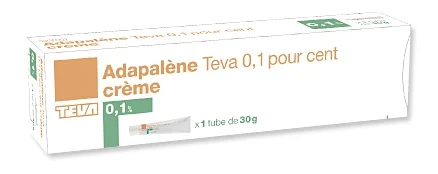


| EWG | CIR | Ingredient Name & Cosmetic Function | Notes |
|---|---|---|---|
| - | - | (Antiacne Agent) | |
| 3 4 | A | (Fragrance, Preservative) |  |
| 2 4 | A | (Fragrance, Preservative) | |
| - | - | Carbomer 934P | |


| EWG | CIR | Ingredient Name & Cosmetic Function | Notes |
|---|---|---|---|
| - | - | (Antiacne Agent) | |
| - | - | Disodium Edetate | |
| 1 | A | (Viscosity Controlling, Viscosity Increasing Agent, Emulsion Stabilising, Gel Forming) | |
| 3 | B | (Solvent, Fragrance, Humectant, Viscosity Decreasing Agent, Skin Conditioning, Viscosity Controlling, Skin-Conditioningagent - Miscellaneous) |  |
Adapalene
1. Definition Adapalene:
Adapalene is a synthetic compound that belongs to the class of medications known as retinoids. It is commonly used in the treatment of acne, as it helps to unclog pores, reduce inflammation, and promote skin cell turnover.2. Use:
Adapalene is primarily used in the formulation of topical treatments for acne, such as gels, creams, and lotions. It is known for its ability to target multiple factors that contribute to acne formation, making it a popular choice among dermatologists and skincare professionals.3. Usage Adapalene:
When using products containing Adapalene, it is important to follow the instructions provided by a healthcare professional or included on the product packaging. Typically, Adapalene should be applied to clean, dry skin once daily, preferably in the evening. It is important to avoid excessive sun exposure while using Adapalene, as it can increase the skin's sensitivity to UV radiation. Additionally, some individuals may experience mild irritation or dryness when first using Adapalene, but these side effects usually subside with continued use.4. References:
- Dreno, B., Thiboutot, D., Gollnick, H., Finlay, A.Y., Layton, A., Leyden, J.J., & Kang, S. (2009). Large-scale worldwide observational study of adherence with acne therapy. International Journal of Dermatology, 48(7), 749-756.
- Thielitz, A., Gollnick, H., & Reinhold, D. (2008). Adapalene as a treatment for acne vulgaris: a retrospective analysis of data from the German Acne Registry. Journal of the European Academy of Dermatology and Venereology, 22(6), 787-794.
- Leyden, J.J., Wortzman, M., & Baldwin, E.K. (2011). A single-center, randomized double-blind, parallel-group study to examine the safety and efficacy of 0.1% Adapalene gel compared to vehicle in the treatment of acne vulgaris in adult females. Journal of Drugs in Dermatology, 10(6), 582-587.
Methylparaben
1. Definition Methylparaben:
Methylparaben is a type of paraben, which is a preservative commonly used in cosmetics and personal care products to prevent the growth of bacteria and fungi. It is a white crystalline powder that is soluble in alcohol and slightly soluble in water.2. Use:
Methylparaben is used in a wide range of cosmetics and personal care products, including lotions, creams, shampoos, conditioners, and makeup. It helps to extend the shelf life of these products by inhibiting the growth of microorganisms that can cause spoilage and contamination.3. Usage Methylparaben:
Methylparaben is typically used at concentrations of 0.1% to 0.5% in cosmetics and personal care products. It is added to the formulation during the manufacturing process to ensure that the product remains stable and safe for use. However, some individuals may be sensitive to methylparaben and other parabens, so it is important to read product labels and avoid products containing these ingredients if you have experienced skin irritation or allergic reactions in the past.4. References:
- Cosmetic Ingredient Review Expert Panel. (2008). Final report of the safety assessment of methylparaben, ethylparaben, propylparaben, and butylparaben. International Journal of Toxicology, 27(4), 1-82.
- SCCS (Scientific Committee on Consumer Safety). (2011). Opinion on parabens. European Commission, Health & Consumers Directorate-General.
- Soni, M. G., Carabin, I. G., & Burdock, G. A. (2005). Safety assessment of esters of p-hydroxybenzoic acid (parabens). Food and Chemical Toxicology, 43(7), 985-1015.
Phenoxyethanol
1. Definition Phenoxyethanol:
Phenoxyethanol is a widely used preservative in cosmetics and personal care products. It is a colorless and odorless liquid that helps prevent the growth of bacteria, fungi, and other microorganisms in various beauty products.2. Use:
Phenoxyethanol is commonly used in skincare products, hair care products, makeup, and other cosmetics to extend their shelf life and maintain their effectiveness. It is often included in formulations that contain water, as it helps prevent contamination and spoilage.3. Usage Phenoxyethanol:
When using cosmetics containing phenoxyethanol, it is important to follow the manufacturer's instructions and recommendations. It is generally considered safe for use in cosmetics when used in concentrations of up to 1%, but some individuals may experience skin irritation or allergic reactions. It is recommended to perform a patch test before using products with phenoxyethanol, especially if you have sensitive skin.4. References:
- Draelos, Z. D. (2010). Cosmetic Formulation of Skin Care Products. John Wiley & Sons.
- Loden, M., & Maibach, H. I. (2000). Dry Skin and Moisturizers: Chemistry and Function. CRC Press.
- Fiume, M. M., Heldreth, B., Bergfeld, W. F., Belsito, D. V., Hill, R. A., Klaassen, C. D., ... & Andersen, F. A. (2016). Safety assessment of phenoxyethanol as used in cosmetics. International Journal of Toxicology, 35(4), 386-419.
Carbomer 934P
Ingredient data is being updated. Please check back later.







