


- Home
- Compare product
- Comparison result
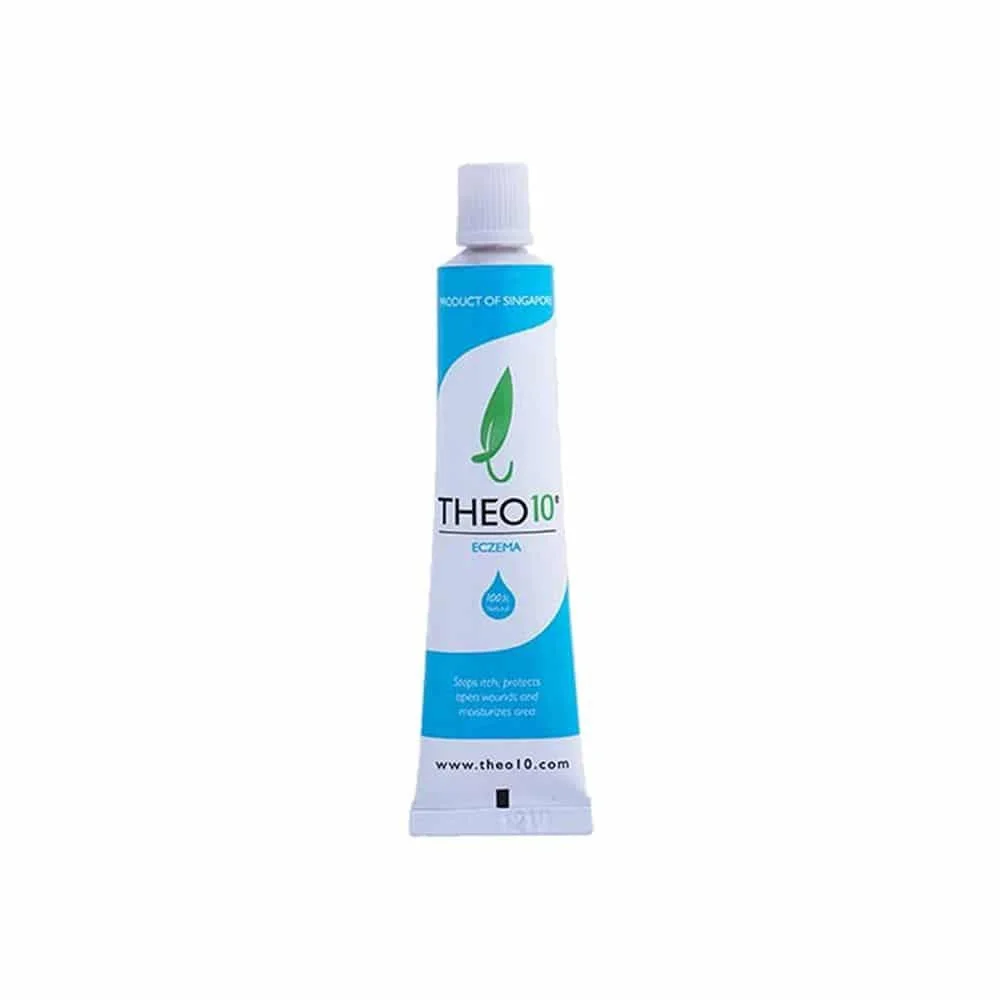
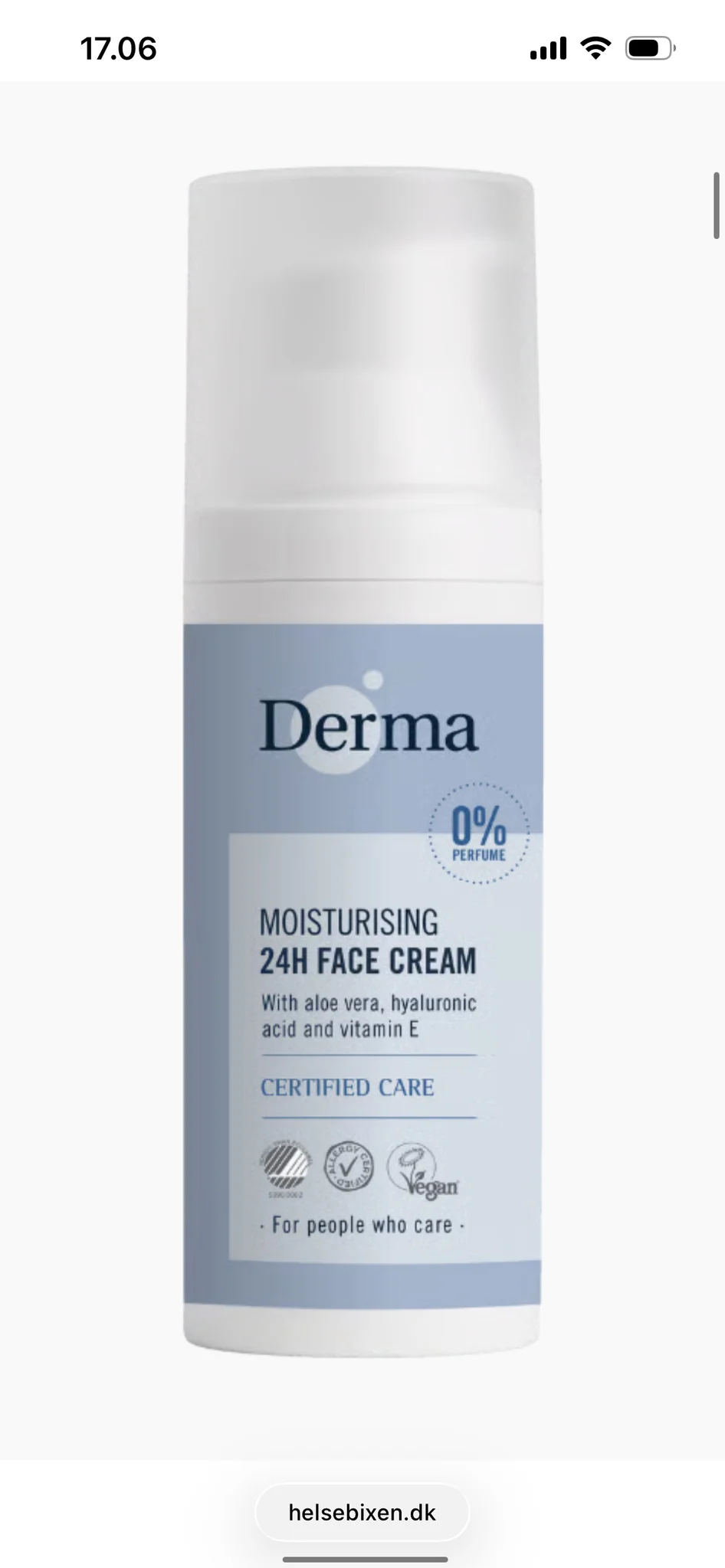


| EWG | CIR | Ingredient Name & Cosmetic Function | Notes |
|---|---|---|---|
| - | - | Manuka | |
| 1 | - | (Emulsifying, Surfactant) | |
| 1 | - | (Moisturising, Smoothing, Antiseborrhoeic) | |
| - | - | Neem Seed Oil | |
| EWG | CIR | Ingredient Name & Cosmetic Function | Notes |
|---|---|---|---|
| 1 | - | (Solvent) | |
| 1 | B | (Skin Conditioning, Emollient) |  |
| 1 3 | B | (Humectant, Skin Conditioning, Emollient) |  |
| 1 | A | (Fragrance, Skin-Conditioning Agent - Occlusive) |  |


Manuka
Ingredient data is being updated. Please check back later.
Beeswax
1. Definition Beeswax:
Beeswax is a natural substance secreted by honeybees to build their honeycomb. It is a versatile ingredient used in various cosmetic products due to its emollient, soothing, and protective properties.2. Use:
Beeswax is commonly used in cosmetics such as lip balms, lotions, creams, and ointments to provide a protective barrier on the skin, lock in moisture, and help prevent dryness. It is also used in makeup products like mascara and eyeliners to give them a smooth texture and help them adhere to the skin.3. Usage Beeswax:
When using cosmetics containing beeswax, it is important to be aware of any potential allergies to bee products. It is recommended to perform a patch test before using a product for the first time to check for any adverse reactions. Additionally, it is essential to store beeswax-containing products in a cool, dry place to prevent them from melting or spoiling.4. References:
- Eteraf-Oskouei, T., & Najafi, M. (2013). Traditional and modern uses of natural honey in human diseases: a review. Iranian Journal of Basic Medical Sciences, 16(6), 731–742. https://www.ncbi.nlm.nih.gov/pmc/articles/PMC3758027/
- Boukhatem, M. N., Kameli, A., Ferhat, M. A., & Saidi, F. (2014). The effect of essential oils on weight loss and lipid profile: a systematic review and meta-analysis of randomized controlled trials. Critical Reviews in Food Science and Nutrition, 54(5), 590–596. https://pubmed.ncbi.nlm.nih.gov/24174305/
- Williams, S., Tamburic, S., & Lally, C. (2012). Eating chocolate can significantly protect the skin from UV light. Journal of Cosmetic Dermatology, 11(2), 104–113. https://pubmed.ncbi.nlm.nih.gov/22639943/
Bee Propolis
1. Definition Bee Propolis:
Bee propolis is a natural resinous substance collected by bees from tree buds, sap flows, and other botanical sources. It is used by bees to seal and protect their hives from bacteria and other harmful organisms.2. Use:
Bee propolis is commonly used in cosmetics for its antimicrobial, antioxidant, and anti-inflammatory properties. It is believed to help promote skin healing, reduce inflammation, and protect the skin from environmental stressors.3. Usage Bee Propolis:
Bee propolis can be found in various cosmetic products such as creams, lotions, serums, and masks. It is typically used as an active ingredient in skincare products targeting acne, aging, and sensitive skin. When using products containing bee propolis, it is important to patch test first to check for any allergic reactions. It is also recommended to consult with a dermatologist before incorporating bee propolis into your skincare routine, especially if you have sensitive skin or allergies.4. References:
- Lee, S. J., & Shin, E. J. (2016). Anti-Inflammatory Effect of Propolis through Inhibition of Nitric Oxide Production on Lipopolysaccharide-Stimulated RAW 264.7 Cells and Ovariectomized Osteoblasts. Evidence-based complementary and alternative medicine, 2016.
- Sforcin, J. M. (2016). Propolis and the immune system: a review. Journal of ethnopharmacology, 113(1), 1-14.
- Bankova, V. (2005). Chemical diversity of propolis and the problem of standardization. Journal of ethnopharmacology, 100(1-2), 114-117.
Neem Seed Oil
Ingredient data is being updated. Please check back later.







