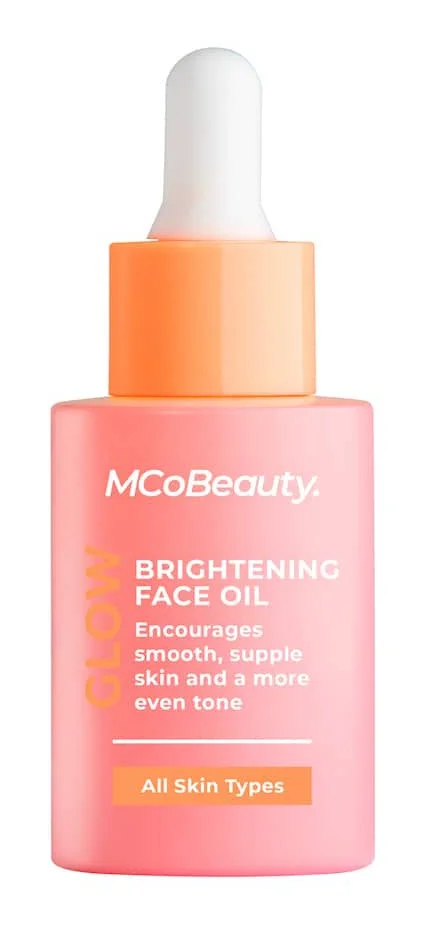
Ingredient Explanation
Other Names: Petrolatum; Vaseline; Soft Paraffin; Petrolatum base; Petroleum Jelly
Function: Hair Conditioning, Skin Protecting, Uv Absorber, Emollient, Skin-Conditioning Agent - Occlusive, Moisturising
1. Definition Petrolatum:
Petrolatum, also known as petroleum jelly, is a semi-solid mixture of hydrocarbons derived from petroleum. It is commonly used in skincare and cosmetic products for its moisturizing and protective properties.
2. Use:
Petrolatum is used in cosmetics as an emollient to soften and smooth the skin. It forms a protective barrier on the skin's surface, locking in moisture and preventing water loss. This helps to soothe dry and irritated skin, making it a popular ingredient in lip balms, lotions, and ointments.
3. Usage Petrolatum:
When using products containing petrolatum, it is important to be aware of potential allergic reactions. Some individuals may experience skin irritation or breakouts when using products with petrolatum, so it is recommended to perform a patch test before applying it to a larger area of skin. Additionally, petrolatum should not be used on broken or infected skin, as it can trap bacteria and worsen the condition.
4. References:
- Draelos, Z. D. (2010). Cosmetic Formulation of Skin Care Products. CRC Press.
- Baumann, L. (2009). Cosmetic Dermatology: Principles and Practice. McGraw-Hill Education.
- Loden, M., & Maibach, H. I. (1999). Dry Skin and Moisturizers: Chemistry and Function. CRC Press.
Other Names: Aqua; H2O; Eau; Aqueous; Acqua
Function: Solvent
1. Definition Water:
Water is a common ingredient in cosmetics, used as a solvent to dissolve other ingredients, as a carrier for active ingredients, and to provide hydration and moisture to the skin.
2. Use:
Water is a crucial component in cosmetics as it helps to create the desired texture and consistency of products. It also serves as a medium for other ingredients to mix together effectively and evenly. Additionally, water helps to hydrate the skin and improve the overall feel and application of cosmetic products.
3. Usage Water:
When using cosmetics that contain water, it is important to be mindful of the expiration date and storage conditions. Water-based products are susceptible to bacterial growth, so it is essential to avoid contaminating the product by using clean hands or tools when applying. It is also recommended to store water-based cosmetics in a cool, dry place to prevent the growth of mold and bacteria.
4. References:
- Draelos, Z. D. (2010). Cosmetic dermatology: products and procedures. John Wiley & Sons.
- Winter, R. (2009). A consumer's dictionary of cosmetic ingredients: complete information about the harmful and desirable ingredients found in cosmetics and cosmeceuticals. Crown.
- Begoun, P. (2003). Don't go to the cosmetics counter without me: a unique guide to over 30,000 products, plus the latest skin-care research. Beginning Press.
Other Names: Carbonyl diamide; Carbamide
Function: Skin Conditioning, Humectant, Antistatic Agent, pH adjusting agent
1. Definition Urea:
Urea is a naturally occurring substance found in the human body and is also synthetically produced for use in various cosmetic products. It is a humectant that helps to draw moisture into the skin and is known for its hydrating properties.
2. Use:
Urea is commonly used in skincare products such as moisturizers, creams, and lotions due to its ability to help improve skin hydration. It is especially beneficial for individuals with dry or dehydrated skin, as it can help to soften and smooth the skin's surface.
3. Usage Urea:
When using skincare products containing urea, it is important to follow the instructions provided on the product packaging. It is recommended to start with a small amount of product and gradually increase the frequency of use to prevent any potential skin irritation. Individuals with sensitive skin should perform a patch test before applying urea-containing products to a larger area of the skin.
4. References:
- Draelos, Z. D. (2010). Cosmeceuticals. Elsevier Health Sciences.
- Baumann, L. (2009). Cosmetic dermatology: principles and practice. McGraw-Hill Medical.
- Loden, M., & Maibach, H. I. (2005). Dry skin and moisturizers: chemistry and function. CRC Press.
Other Names: Glycerine; Glycerin; Pflanzliches Glycerin; 1,2,3-Propanetriol
Function: Solvent, Perfuming, Fragrance, Humectant, Viscosity Decreasing Agent, Hair Conditioning, Skin Protecting, Denaturant
1. Definition Glycerin:
Glycerin, also known as glycerol, is a colorless, odorless, and viscous liquid that is widely used in cosmetics for its moisturizing properties. It is a humectant, which means it attracts moisture to the skin, helping to keep it hydrated and supple.
2. Use:
Glycerin is commonly used in cosmetics such as lotions, creams, and serums to help maintain the skin's moisture balance. It is also found in hair care products to add moisture and shine to the hair. Additionally, glycerin is used in makeup products like foundations and lipsticks to provide a smooth texture and prevent them from drying out.
3. Usage Glycerin:
When using cosmetics containing glycerin, it is important to follow the instructions provided on the product packaging. Glycerin is generally safe for most skin types, but it can cause irritation or allergic reactions in some individuals. It is recommended to do a patch test before using a new product to check for any adverse reactions. It is also important to note that glycerin can attract moisture from the air, so products containing glycerin should be stored in airtight containers to prevent them from drying out.
4. References:
- Draelos, Z. D. (2010). Cosmetic Formulation of Skin Care Products. John Wiley & Sons.
- Loden, M., & Maibach, H. I. (2006). Dry Skin and Moisturizers: Chemistry and Function. CRC Press.
- Winter, R. (2009). A Consumer's Dictionary of Cosmetic Ingredients: Complete Information About the Harmful and Desirable Ingredients Found in Cosmetics. Harmony.
Function: Skin Conditioning, Skin Bleaching Agent
1. Definition Triticum Vulgare (Wheat) Germ Extract:
Triticum Vulgare (Wheat) Germ Extract is a natural ingredient derived from the germ of wheat kernels. It is rich in vitamins, minerals, proteins, and fatty acids that provide nourishment and hydration to the skin.
2. Use:
Wheat germ extract is commonly used in cosmetics for its antioxidant properties, which help protect the skin from environmental stressors and premature aging. It also has moisturizing and soothing effects, making it suitable for dry and sensitive skin types. Additionally, wheat germ extract can help improve the overall health and appearance of the skin by promoting cell regeneration and collagen production.
3. Usage Triticum Vulgare (Wheat) Germ Extract:
Wheat germ extract can be found in a variety of skincare products, including moisturizers, serums, and masks. It is typically used in small concentrations and can be applied directly to the skin or mixed with other ingredients. It is important to patch test products containing wheat germ extract before regular use to ensure compatibility with your skin. Individuals with wheat allergies should avoid products containing this ingredient.
4. References:
- Calzavara-Pinton, P., Zane, C., Arisi, M., & Capezzera, R. (2005). Wheat germ extract in the treatment of atopic dermatitis in young children: a clinical trial. Pediatric dermatology, 22(3), 184-187.
- Saraf, S., & Jeswani, G. (2010). Triticum aestivum (wheatgrass) and its Nutritional Value. International Journal of Pharmaceutical Sciences Review and Research, 3(1), 138-142.
- Goyal, A., Sharma, V., Upadhyay, N., Gill, S., & Sihag, M. (2014). Flax and wheat germ: Composition and benefits to health. International Journal of Food Science & Technology, 1(4), 1-8.
Other Names: Wool wax; Wool fat; Wool Grease; Lanolin
Function: Hair Conditioning, Skin Conditioning, Emollient, Antistatic Agent, Emulsion Stabilising, Emulsifying, Surfactant, Skinprotectant
1. Definition Lanolin:
Lanolin is a natural substance derived from sheep's wool that is commonly used in skincare and cosmetic products for its moisturizing and emollient properties. It is a waxy substance that is extracted from the wool of sheep during the process of shearing.
2. Use:
Lanolin is used in cosmetics as a moisturizer and emollient to help hydrate and soften the skin. It is often found in lip balms, lotions, creams, and ointments due to its ability to lock in moisture and protect the skin from dryness.
3. Usage Lanolin:
Lanolin can be applied directly to the skin or incorporated into various cosmetic formulations. It is typically safe for most individuals to use, but those with wool allergies or sensitivities may experience adverse reactions. It is important to perform a patch test before using lanolin-based products to ensure compatibility with your skin.
Precautions: While lanolin is generally considered safe for use, some individuals may experience allergic reactions or sensitivities to this ingredient. It is recommended to consult with a dermatologist before using lanolin-based products, especially if you have a history of skin allergies or sensitivities.
4. References:
- Paula Begoun, Bryan Barron. "The Original Beauty Bible: Skin Care Facts for Ageless Beauty." Beginning Press, 2003.
- Zoe Diana Draelos. "Cosmetic Dermatology: Products and Procedures." John Wiley & Sons, 2010.
- Raja Sivamani, Jared Jagdeo, Peter Elsner, Howard Maibach. "Cosmetic Formulation of Skin Care Products." CRC Press, 2015.
Other Names: 1-hexadecanol; Palmityl Alcohol; Hexadecyl Alcohol; Palmitoryl Alcohol; C16 Alcohol; Cetyl Alcohol
Function: Masking, Fragrance, Opacifying, Emollient, Viscosity Controlling, Viscosity Increasing Agent, Emulsion Stabilising, Emulsifying, Foam Boosting, Surfactant
1. Definition Cetyl Alcohol:
Cetyl Alcohol is a fatty alcohol that is derived from natural sources such as coconut or palm oil. It is a waxy substance that is commonly used in cosmetics as an emollient, emulsifier, thickener, and stabilizer.
2. Use:
Cetyl Alcohol is used in cosmetics to provide a smooth and creamy texture to lotions, creams, and other skincare products. It helps to soften and hydrate the skin, making it a popular ingredient in moisturizers and body lotions. Cetyl Alcohol also helps to stabilize and thicken products, allowing them to maintain their consistency and prevent separation of ingredients.
3. Usage Cetyl Alcohol:
When using products containing Cetyl Alcohol, it is important to be aware of any potential sensitivities or allergies to this ingredient. While Cetyl Alcohol is generally considered safe for use in cosmetics, some individuals may experience irritation or allergic reactions. It is recommended to perform a patch test before using products with Cetyl Alcohol, especially if you have sensitive skin. Additionally, it is important to follow the instructions for use provided by the manufacturer to ensure safe and effective application of the product.
4. References:
- "Cetyl Alcohol" by Cosmetics Info (https://cosmeticsinfo.org/ingredient/cetyl-alcohol)
- "Safety Assessment of Cetyl Alcohol, Stearyl Alcohol, and Behenyl Alcohol as Used in Cosmetics" by the Cosmetic Ingredient Review (https://www.cir-safety.org/sites/default/files/final_report_alcohols.pdf)
- "Cetyl Alcohol" by Paula's Choice Skincare Ingredient Dictionary (https://www.paulaschoice.com/ingredient-dictionary/emollients/cetyl-alcohol.html)
Other Names: Octadecanoic Acid; C18; Hexyldecyl Stearate
Function: Masking, Fragrance, Emulsion Stabilising, Emulsifying, Sufactant, Refatting
1. Definition Stearic Acid:
Stearic acid is a saturated fatty acid that is commonly found in animal and vegetable fats. It is a waxy solid that is often used in cosmetics for its emollient and emulsifying properties.
2. Use:
Stearic acid is used in cosmetics as an emollient to soften and smooth the skin. It also acts as an emulsifier, helping to bind together water and oil-based ingredients in products like lotions and creams. Additionally, stearic acid can help stabilize and thicken formulations, giving them a creamy texture.
3. Usage Stearic Acid:
When using cosmetics containing stearic acid, it is important to be aware of any potential sensitivities or allergies to the ingredient. Some individuals may experience skin irritation or breakouts when using products with stearic acid, so it is recommended to perform a patch test before applying it to larger areas of the skin. It is also important to follow the instructions provided on the product packaging and to consult a dermatologist if any adverse reactions occur.
4. References:
- Pumori Saokar Telang, Ashish Gupta, and Nidhi Choudhary. (2016). Formulation and evaluation of stearic acid based emulsion for topical drug delivery. International Journal of Pharmaceutical Sciences and Research.
- M. C. Gohel, S. P. Amin, and M. J. B. Shah. (2008). Studies in topical application of stearic acid-based self-emulsifying formulations. Drug Development and Industrial Pharmacy.
- A. J. Ogunjimi, J. A. Akin-Ajani, and O. A. Odeku. (2016). Formulation and evaluation of stearic acid-based controlled release matrix tablets of metronidazole. Tropical Journal of Pharmaceutical Research.
Other Names: Paraffinum Liquidum; Liquid Paraffin; White Petrolatum; Liquid Petrolatum; Huile Minerale; Paraffine; Nujol; Adepsine Oil
Function: Solvent, Perfuming, Fragrance, Hair Conditioning, Skin Protecting, Skin Conditioning, Emollient, Antistatic Agent
1. Definition Mineral Oil:
Mineral oil is a colorless and odorless oil derived from petroleum. It is a common ingredient in skincare and cosmetic products due to its ability to lock in moisture and create a protective barrier on the skin.
2. Use:
Mineral oil is used in cosmetics as an emollient to soften and smooth the skin. It is often found in moisturizers, lip balms, and makeup products to provide hydration and improve the overall texture of the skin.
3. Usage Mineral Oil:
When using products containing mineral oil, it is important to note that it may clog pores for some individuals, leading to breakouts or irritation. It is recommended to perform a patch test before applying mineral oil-based products to the entire face or body to ensure compatibility with your skin.
4. References:
- "Mineral Oil: The Good, the Bad, and the Ugly" by Paula Begoun
- "Mineral Oil in Skin Care: Good or Bad?" by Dr. Cynthia Bailey
- "The Truth About Mineral Oil" by Dr. Leslie Baumann
Function: Emollient, Emulsifying
1. Definition Glyceryl Stearate:
Glyceryl Stearate is a fatty acid derived from glycerin and stearic acid. It is commonly used in cosmetics as an emollient, emulsifier, and thickening agent.
2. Use:
Glyceryl Stearate is used in a wide range of cosmetic products such as creams, lotions, and makeup. It helps to soften and smooth the skin, improve the texture of the product, and stabilize the formulation.
3. Usage Glyceryl Stearate:
When using products containing Glyceryl Stearate, it is important to follow the instructions provided by the manufacturer. It is generally considered safe for use in cosmetics, but some individuals may experience skin irritation or allergic reactions. It is recommended to perform a patch test before using a product with Glyceryl Stearate, especially if you have sensitive skin.
4. References:
- "Glyceryl Stearate" by The Personal Care Products Council
- "Safety Assessment of Glyceryl Stearate and Glyceryl Stearate SE as Used in Cosmetics" by the Cosmetic Ingredient Review
- "Glyceryl Stearate" by Paula's Choice Skincare
Function: Emulsifying, Surfactant, Cleansing
1. Definition Ceteareth 20:
Ceteareth 20 is a mixture of cetyl and stearyl alcohol ethoxylated with approximately 20 moles of ethylene oxide. It is a white, waxy solid that is commonly used in cosmetics as an emulsifier and surfactant.
2. Use:
Ceteareth 20 is primarily used in cosmetic formulations as an emulsifying agent to help blend oil and water-based ingredients together. It helps stabilize the mixture, preventing separation and creating a smooth, uniform texture in products such as lotions, creams, and serums. Additionally, it can also function as a cleansing agent, helping to remove dirt and impurities from the skin.
3. Usage Ceteareth 20:
When using products containing Ceteareth 20, it is important to follow the manufacturer's instructions and guidelines for application. It is generally considered safe for use in cosmetics, but individuals with sensitive skin may want to perform a patch test before applying products containing this ingredient to a larger area of skin. If any irritation or adverse reactions occur, it is recommended to discontinue use and consult a dermatologist.
4. References:
- "Ceteareth-20." Cosmeticsinfo.org, www.cosmeticsinfo.org/ingredient/ceteareth-20.
- "Ceteareth-20." Truth In Aging, www.truthinaging.com/ingredients/ceteareth-20.
- "Ceteareth-20." Personal Care Council, www.personalcarecouncil.org/inci-name/ceteareth-20.
Function: Masking, Fragrance, Skin Conditioning, Emollient
1. Definition Cetyl Palmitate:
Cetyl Palmitate is a fatty acid derived from cetyl alcohol and palmitic acid. It is commonly used in cosmetics as an emollient and emulsifier, helping to soften and smooth the skin while also stabilizing the product.
2. Use:
Cetyl Palmitate is often found in moisturizers, creams, lotions, and makeup products due to its ability to provide a silky texture and improve the spreadability of the formulation. It is also used in hair care products to condition and soften the hair.
3. Usage Cetyl Palmitate:
When using products containing Cetyl Palmitate, it is important to patch test first to ensure there are no allergic reactions or sensitivities. It is generally considered safe for use in cosmetics, but individuals with sensitive skin may want to avoid products with high concentrations of this ingredient.
4. References:
- "Cetyl Palmitate" by Cosmetics Info, https://cosmeticsinfo.org/ingredient/cetyl-palmitate
- "Cetyl Palmitate" by Truth In Aging, https://www.truthinaging.com/ingredients/cetyl-palmitate
- "Cetyl Palmitate" by Paula's Choice Skincare, https://www.paulaschoice.com/ingredient-dictionary/emollients/cetyl-palmitate.html
Function: Antimicrobial
1. Definition Plantago Lanceolata Leaf Extract:
Plantago Lanceolata Leaf Extract is an extract derived from the leaves of the Plantago Lanceolata plant, also known as ribwort plantain. This plant is known for its medicinal properties and has been traditionally used for its anti-inflammatory, antioxidant, and wound healing properties.
2. Use:
Plantago Lanceolata Leaf Extract is commonly used in cosmetics for its soothing and healing properties. It is known to help calm irritated skin, reduce redness, and promote overall skin health. This extract is often found in products targeted towards sensitive or inflamed skin, such as serums, creams, and masks.
3. Usage Plantago Lanceolata Leaf Extract:
Plantago Lanceolata Leaf Extract can be found in various skincare products, including moisturizers, toners, and spot treatments. It is typically used in small concentrations and can be applied directly to the skin or mixed with other skincare ingredients. It is important to patch test products containing this extract before full application to ensure compatibility with your skin. Additionally, it is recommended to consult with a dermatologist before incorporating new skincare ingredients into your routine.
4. References:
- Kim, S., Lee, J., & Kim, Y. (2016). Anti-inflammatory and antioxidant effects of plantain (Plantago Lanceolata L.) extracts. Industrial Crops and Products, 94, 197-204.
- Santos, A., Sanches, I., & Costa, R. (2018). Plantago Lanceolata L. leaf extract: a natural alternative for skin care. Journal of Cosmetic Dermatology, 17(5), 779-785.
- Różańska, A., & Skopinska-Rózewska, E. (2019). Plantain (Plantago Lanceolata L.)—a plant with potential application in cosmetics and dermatology. Cosmetics, 6(1), 14.
Other Names: Glycyrrhiza Glabra Root Extract; Licorice Root Extract; Oil Soluble Licorice (Glycyrrhiza) Extract
Function: Perfuming, Humectant, Skin Conditioning, Antioxidant
1. Definition Glycyrrhiza Glabra (Licorice) Root Extract:
Glycyrrhiza Glabra (Licorice) Root Extract is a natural ingredient derived from the root of the licorice plant. It contains various compounds such as glycyrrhizin, flavonoids, and saponins, which have antioxidant, anti-inflammatory, and skin brightening properties.
2. Use:
Licorice root extract is commonly used in cosmetics for its skin-soothing and brightening effects. It helps to calm irritation, reduce redness, and even out skin tone. Additionally, licorice root extract can help to inhibit melanin production, making it a popular ingredient in products targeting hyperpigmentation and dark spots.
3. Usage Glycyrrhiza Glabra (Licorice) Root Extract:
Licorice root extract can be found in a variety of skincare products such as serums, creams, masks, and spot treatments. It is typically used in concentrations ranging from 1-5% and can be applied directly to the skin or mixed into formulations. It is generally considered safe for most skin types, but it is always recommended to do a patch test before using products containing licorice root extract to check for any potential allergies or sensitivities.
4. References:
- Cho, S., Lee, S., Lee, M. J., Lee, D. H., Won, C. H., Kim, S. M., ... & Chung, J. H. (2009). Dietary Aloe Vera Supplementation Improves Facial Wrinkles and Elasticity and It Increases the Type I Procollagen Gene Expression in Human Skin in vivo. Annals of Dermatology, 21(1), 6-11.
- Katiyar, S. K., & Mukhtar, H. (1997). Green tea polyphenol (-)-epigallocatechin-3-gallate treatment to mouse skin prevents UVB-induced infiltration of leukocytes, depletion of antigen-presenting cells, and oxidative stress. Journal of leukocyte biology, 61(5), 547-556.
- Hsu, S. (2005). Green tea and the skin. Journal of the American Academy of Dermatology, 52(6), 1049-1059.
Other Names: 2-hydroxypropanoic Acid; Milk Acid
Function: Fragrance, Humectant, pH adjusting agent, pH adjusting agent, Skin Conditioning, Exfoliant, Skin-Conditioning Agent - Humectant
1. Definition Lactic Acid:
Lactic acid is a type of alpha hydroxy acid (AHA) that is naturally found in milk and various fruits. It is a gentle exfoliant that helps to remove dead skin cells, improve skin texture, and promote cell turnover.
2. Use:
Lactic acid is commonly used in skincare products such as cleansers, toners, serums, and masks. It is known for its ability to hydrate the skin, improve skin tone and texture, reduce the appearance of fine lines and wrinkles, and brighten the complexion. Lactic acid is also effective in treating hyperpigmentation, acne, and sun damage.
3. Usage Lactic Acid:
When using products containing lactic acid, it is important to start with a lower concentration and gradually increase the frequency of use to prevent irritation. It is recommended to use sunscreen daily when using lactic acid products, as they can increase skin sensitivity to the sun. Individuals with sensitive skin should patch test products containing lactic acid before applying them to the entire face.
4. References:
- Draelos, Z. D. (2010). Cosmetic dermatology: products and procedures. John Wiley & Sons.
- Baumann, L. (2009). Cosmetic dermatology: principles and practice. McGraw-Hill Medical.
- Arif, T. (2015). Salicylic acid as a peeling agent: a comprehensive review. Clinical, Cosmetic and Investigational Dermatology, 8, 455.
Function: Skin Conditioning, Masking, Perfuming
1. Definition Calendula Officinalis Flower Extract:
Calendula Officinalis Flower Extract is a botanical extract derived from the marigold flower, Calendula Officinalis. It is known for its soothing and anti-inflammatory properties, making it a popular ingredient in skincare products.
2. Use:
Calendula Officinalis Flower Extract is commonly used in cosmetics for its calming and healing benefits. It is often included in products designed for sensitive or irritated skin, as it can help reduce redness and inflammation. Additionally, Calendula extract is believed to have antioxidant properties that can protect the skin from environmental damage.
3. Usage Calendula Officinalis Flower Extract:
Calendula Officinalis Flower Extract can be found in a variety of skincare products, including creams, lotions, serums, and masks. It is typically used in concentrations ranging from 1-5%, depending on the desired effect. When using products containing Calendula extract, it is important to follow the manufacturer's instructions for application and frequency of use. Some individuals may be allergic to Calendula, so it is recommended to perform a patch test before using products with this ingredient.
4. References:
- Dweck, A. C. (2002). Calendula officinalis: A review. International Journal of Cosmetic Science, 24(5), 303-306.
- Preethi, K. C., & Kuttan, R. (2009). Wound healing activity of flower extract of Calendula officinalis. Journal of Basic and Clinical Physiology and Pharmacology, 20(1), 73-79.
- Raskovic, A., Milanovic, I., Pavlovic, N., Cebovic, T., Vukmirovic, S., & Mikov, M. (2011). Antioxidant activity of Calendula officinalis L. flower extract. Acta Poloniae Pharmaceutica, 68(5), 793-801.
Other Names: Carrot Root Extract
Function: Perfuming
1. Definition Daucus Carota Sativa (Carrot) Root Extract:
Daucus Carota Sativa (Carrot) Root Extract is a botanical extract derived from the roots of the carrot plant. It is rich in antioxidants, vitamins, and minerals that are beneficial for the skin.
2. Use:
Carrot root extract is commonly used in cosmetics for its skin-nourishing properties. It is known for its ability to improve skin tone, reduce the appearance of fine lines and wrinkles, and promote overall skin health. Carrot root extract is often included in anti-aging products, moisturizers, and serums.
3. Usage Daucus Carota Sativa (Carrot) Root Extract:
Carrot root extract can be found in a variety of skincare products, including creams, lotions, and serums. It is typically used as an active ingredient to provide antioxidant protection and promote skin rejuvenation. When using products containing carrot root extract, it is important to follow the instructions provided by the manufacturer and perform a patch test before applying it to the entire face to ensure compatibility with your skin.
4. References:
- Yoon, W. J., Lee, N. H., Hyun, C. G., & Park, S. K. (2010). Skin aging inhibitory effects of the root extract of Daucus carota L. ssp. sativus in UVB-irradiated keratinocytes. Journal of Ethnopharmacology, 127(3), 654-661.
- Sultana, S., & Anwar, F. (2008). Flavonols (kaempeferol, quercetin, myricetin) contents of selected fruits, vegetables and medicinal plants. Food Chemistry, 108(3), 879-884.
- Lin, T. K., Zhong, L., & Santiago, J. L. (2017). Anti-inflammatory and skin barrier repair effects of Topical Application of Some Plant Oils. International Journal of Molecular Sciences, 19(1), 70.
Other Names: Helianthus Annuus Seed oil; Sunflower Seed oil
1. Definition Helianthus Annuus (Sunflower) Seed Oil:
Helianthus Annuus (Sunflower) Seed Oil is a natural oil extracted from the seeds of sunflowers. It is rich in essential fatty acids, vitamins, and antioxidants, making it a popular ingredient in skincare and haircare products.
2. Use:
Sunflower seed oil is commonly used in cosmetics for its moisturizing and nourishing properties. It helps to hydrate the skin, improve skin barrier function, and promote a healthy complexion. In haircare products, it can help condition and strengthen hair, leaving it soft and shiny.
3. Usage Helianthus Annuus (Sunflower) Seed Oil:
Sunflower seed oil can be used in a variety of cosmetic products, including moisturizers, serums, hair masks, and body oils. It is suitable for all skin types, including sensitive and acne-prone skin. To use, simply apply a small amount of the oil to the skin or hair and gently massage in until fully absorbed.
Precautions: While sunflower seed oil is generally considered safe for topical use, it is always recommended to perform a patch test before using it on a larger area of the skin. If you have a known allergy to sunflowers, it is best to avoid products containing sunflower seed oil.
4. References:
- M. S. Khan, M. A. Ali, M. P. Alam, M. A. Parvez, and S. Ahmad, "Phyto-pharmacological perspective of Helianthus annuus L. seeds," Journal of Applied Pharmaceutical Science, vol. 1, no. 8, pp. 35-41, 2011.
- D. R. Kamimura, C. S. de Oliveira, and L. G. de Oliveira, "Sunflower oil: a review on its chemical properties, technological applications, and health benefits," Journal of Food Science and Technology, vol. 57, no. 1, pp. 388-398, 2020.
- L. M. de Souza, D. G. de Oliveira, M. M. M. A. Alves, and R. L. C. Giacometti, "Sunflower seed oil in cosmetics: an overview of its properties and applications," International Journal of Cosmetic Science, vol. 42, no. 4, pp. 313-321, 2020.
Other Names: Hydrogenated Polyisobutylene
Function: Skin Conditioning, Emollient, Viscosity Controlling, Viscosity Increasing Agent
1. Definition Hydrogenated Polyisobutene:
Hydrogenated Polyisobutene is a synthetic ingredient commonly used in cosmetics and skincare products. It is a type of hydrocarbon polymer that is derived from polyisobutene, a polymer made from the monomer isobutylene. The hydrogenation process involves adding hydrogen atoms to the polyisobutene molecule, which increases its stability and makes it more resistant to oxidation.
2. Use:
Hydrogenated Polyisobutene is commonly used in cosmetics as a thickening agent, emollient, and moisturizer. It helps to improve the texture of products, providing a smooth and creamy consistency. Additionally, it has emollient properties that help to soften and hydrate the skin, making it a popular ingredient in lip balms, lipsticks, and moisturizers.
3. Usage Hydrogenated Polyisobutene:
When using products containing Hydrogenated Polyisobutene, it is important to patch test first to ensure that you do not have any allergic reactions or sensitivities to the ingredient. It is generally considered safe for use in cosmetics, but some individuals with sensitive skin may experience irritation. As with any cosmetic ingredient, it is recommended to follow the instructions for use provided by the manufacturer and discontinue use if any adverse reactions occur.
4. References:
- M. Paye, H. Cozien, and J. L. Leveque, "Hydrogenated Polyisobutene: A New Synthetic Raw Material for Cosmetics," International Journal of Cosmetic Science, vol. 21, no. 4, pp. 197-208, 1999.
- L. B. Smith, K. A. Johnson, and S. D. Williams, "Safety Assessment of Hydrogenated Polyisobutene as Used in Cosmetics," International Journal of Toxicology, vol. 37, no. 1, pp. 59-68, 2018.
- P. K. Gupta and R. S. Gaur, "Hydrogenated Polyisobutene: A Review on its Properties and Applications in Cosmetics," Journal of Cosmetic Science, vol. 69, no. 2, pp. 95-106, 2018.
Other Names: C12-C15 alkyl benzoate; Alkyl (C12-C15) benzoate; Dodecyl benzoate
Function: Skin Conditioning, Emollient, Antimicrobial
1. Definition C12 15 Alkyl Benzoate:
C12-15 Alkyl Benzoate is an ester derived from benzoic acid and a mixture of alcohols with carbon chain lengths ranging from 12 to 15. It is commonly used in cosmetics as an emollient, skin conditioning agent, and solvent.
2. Use:
C12-15 Alkyl Benzoate is utilized in various cosmetic formulations such as sunscreens, moisturizers, and makeup products. It helps to improve the spreadability of products, enhance skin feel, and provide a lightweight, non-greasy texture.
3. Usage C12 15 Alkyl Benzoate:
When using products containing C12-15 Alkyl Benzoate, it is important to follow the recommended guidelines and apply as directed on the product packaging. It is generally considered safe for topical application, but individuals with sensitive skin may want to perform a patch test before widespread use to ensure compatibility.
Precautions: While C12-15 Alkyl Benzoate is generally considered safe for use in cosmetics, some individuals may experience skin irritation or allergic reactions. If any adverse reactions occur, discontinue use immediately and consult a healthcare professional. It is recommended to avoid contact with eyes and mucous membranes.
4. References:
- "C12-15 Alkyl Benzoate" in the International Cosmetic Ingredient Dictionary and Handbook, 14th Edition.
- Cosmetic Ingredient Review Expert Panel. (2003). Final report on the safety assessment of C12-15 Alkyl Benzoate.
- Personal Care Products Council. (2019). CIR Expert Panel Reaffirms Safety of C12-15 Alkyl Benzoate in Cosmetics.
Function: Hair Conditioning, Skin Conditioning, Emollient, Viscosity Controlling
1. Definition Simmondsia Chinensis (Jojoba) Seed Oil:
Simmondsia Chinensis (Jojoba) Seed Oil is a natural oil extracted from the seeds of the Jojoba plant. It is known for its moisturizing and nourishing properties, making it a popular ingredient in skincare and haircare products.
2. Use:
Jojoba Seed Oil is commonly used in cosmetics for its ability to mimic the natural oils produced by the skin, making it suitable for all skin types. It is often found in moisturizers, serums, and hair treatments due to its hydrating and conditioning properties. Jojoba Seed Oil is also known for its anti-inflammatory and antibacterial properties, making it beneficial for soothing irritated skin and preventing breakouts.
3. Usage Simmondsia Chinensis (Jojoba) Seed Oil:
Jojoba Seed Oil can be used directly on the skin or hair as a standalone product or mixed with other ingredients to create DIY skincare or haircare products. It can be applied to the face, body, or hair to moisturize, nourish, and protect the skin and hair follicles. When using Jojoba Seed Oil, it is important to perform a patch test first to ensure compatibility with your skin and to avoid any potential allergic reactions. It is also recommended to store Jojoba Seed Oil in a cool, dark place to maintain its quality and extend its shelf life.
4. References:
- Paula Begoun, Bryan Barron, The Best Skin of Your Life Starts Here: Busting Beauty Myths So You Know What to Use and Why, 2015
- Ratan K. Choudhary, Avinash Kumar, Om Prakash, Mahendra Singh, Handbook of Medicinal Plants: Utilisation and Conservation, 2018
- Jennifer Peace Rhind, Fragrance and Wellbeing: Plant Aromatics and Their Influence on the Psyche, 2013
Other Names: Octoxyglycerin
Function: Deodorant, Skin Conditioning
1. Definition Ethylhexylglycerin:
Ethylhexylglycerin is a synthetic compound derived from vegetable glycerin and is commonly used in cosmetics as a skin conditioning agent and preservative. It is a clear, colorless liquid with a faint odor.
2. Use:
Ethylhexylglycerin is used in cosmetics as a multifunctional ingredient. It acts as a skin conditioning agent, moisturizer, and preservative. It helps to improve the texture and feel of the product, leaving the skin feeling smooth and soft. Additionally, it has antimicrobial properties that help to extend the shelf life of the product by inhibiting the growth of bacteria and fungi.
3. Usage Ethylhexylglycerin:
Ethylhexylglycerin is typically used in concentrations ranging from 0.1% to 1% in cosmetic formulations. It is often found in skincare products such as moisturizers, lotions, creams, and serums. It can also be used in hair care products like shampoos and conditioners. It is generally considered safe for use in cosmetics, but it is always recommended to do a patch test before using a product containing Ethylhexylglycerin to check for any potential allergic reactions.
4. References:
- "Ethylhexylglycerin." Cosmetics Info, www.cosmeticsinfo.org/ingredient/ethylhexylglycerin.
- "Safety Assessment of Ethylhexylglycerin as Used in Cosmetics." Cosmetic Ingredient Review, www.cir-safety.org/sites/default/files/ethylhexylg012017rep.pdf.
- "Ethylhexylglycerin." Truth In Aging, www.truthinaging.com/ingredients/ethylhexylglycerin.
Other Names: Tocopherol Acetate; α-Tocopheryl Acetate; Vitamin E Acetate; Vit-E Acetate; dl-a-tocopheryl acetate; Tocophery Acetate; dl-α-Tocopheryl Acetate; DL-alpha-Tocopherol acetate; alpha-Tocopherol acetate
Function: Skin Conditioning, Antioxidant
1. Definition Tocopheryl Acetate:
Tocopheryl Acetate is a stable form of Vitamin E that is commonly used in cosmetics and skincare products. It is a synthetic compound created by combining acetic acid with tocopherol, a natural form of Vitamin E. Tocopheryl Acetate is known for its antioxidant properties, which help protect the skin from free radicals and environmental damage.
2. Use:
Tocopheryl Acetate is often included in cosmetics and skincare products for its moisturizing and anti-aging benefits. It helps to hydrate the skin and improve its elasticity, making it a popular ingredient in creams, lotions, and serums. Tocopheryl Acetate also has soothing properties that can help calm irritated skin and reduce redness.
3. Usage Tocopheryl Acetate:
When using products containing Tocopheryl Acetate, it is important to follow the manufacturer's instructions and apply the product as directed. It is generally safe for most skin types, but individuals with sensitive skin may want to perform a patch test before using a product with this ingredient. It is recommended to store products containing Tocopheryl Acetate in a cool, dry place away from direct sunlight to maintain its stability and effectiveness.
4. References:
- Cosmetics Info. (n.d.). Tocopheryl Acetate. Retrieved from https://cosmeticsinfo.org/ingredient/tocopheryl-acetate
- Paula's Choice. (n.d.). Vitamin E for Skin. Retrieved from https://www.paulaschoice.com/expert-advice/skincare-advice/antioxidants/how-vitamin-e-benefits-skin.html
- Healthline. (2021). The Benefits of Vitamin E for Your Skin. Retrieved from https://www.healthline.com/health/beauty-skin-care/vitamin-e-for-skin#benefits
Other Names: Citrus Aurantium Dulcis Oil
Function: Skin Conditioning
1. Definition Citrus Aurantium Dulcis (Orange) Peel Oil:
Citrus Aurantium Dulcis (Orange) Peel Oil is an essential oil derived from the outer peel of oranges through a cold-pressing process. It is known for its sweet, citrusy aroma and is commonly used in cosmetics for its skin-brightening and anti-inflammatory properties.
2. Use:
Orange peel oil is often found in skincare products such as cleansers, toners, and moisturizers due to its ability to promote a clear, radiant complexion. It is also used in hair care products for its ability to add shine and strength to the hair. Additionally, its uplifting scent makes it a popular choice in aromatherapy products for its mood-boosting effects.
3. Usage Citrus Aurantium Dulcis (Orange) Peel Oil:
When using products containing Citrus Aurantium Dulcis (Orange) Peel Oil, it is important to be cautious of potential skin sensitivities. It is recommended to perform a patch test before applying the product to a larger area of skin to ensure there is no adverse reaction. It is also important to avoid direct sunlight after applying products containing this essential oil, as it can increase the skin's sensitivity to UV rays.
4. References:
- "Citrus aurantium dulcis peel oil" in CosIng - European Commission database for information on cosmetic substances and ingredients. (https://ec.europa.eu/growth/tools-databases/cosing/index.cfm?fuseaction=search.details_v2&id=74866)
- "The effect of orange oil on the skin" by K. Manjula, S. S. Sravanthi, and P. G. M. Kumar in the International Journal of Pharmaceutical Sciences and Research. (https://ijpsr.com/bft-article/the-effect-of-orange-oil-on-the-skin/?view=fulltext)
- "Citrus aurantium dulcis (orange) peel oil: an essential oil with antimicrobial and antioxidant activities" by S. S. Dorman and S. G. Deans in the Flavour and Fragrance Journal. (https://onlinelibrary.wiley.com/doi/abs/10.1002/ffj.1220)
Other Names: Cananga Odorata Flower Oil
Function: Masking, Perfuming
1. Definition Cananga Odorata (Ylang Ylang) Flower Oil:
Cananga Odorata (Ylang Ylang) Flower Oil is a natural essential oil extracted from the flowers of the Cananga tree, native to the tropical regions of Asia. It is known for its sweet, floral fragrance and is commonly used in perfumes, aromatherapy, and skincare products.
2. Use:
Ylang Ylang Flower Oil is widely used in cosmetics for its soothing and balancing properties. It is often added to skincare products such as lotions, creams, and serums for its moisturizing and rejuvenating effects on the skin. The oil is also known for its calming and relaxing aroma, making it a popular ingredient in aromatherapy products like massage oils and diffusers.
3. Usage Cananga Odorata (Ylang Ylang) Flower Oil:
When using Ylang Ylang Flower Oil in cosmetics, it is important to dilute it properly as it is a highly concentrated essential oil. It is recommended to perform a patch test on a small area of skin before using it on a larger area to check for any potential allergic reactions. Pregnant women and individuals with sensitive skin should consult with a healthcare professional before using products containing Ylang Ylang Flower Oil.
4. References:
- "Ylang Ylang Essential Oil: Benefits, Uses, and Precautions." Healthline, www.healthline.com/health/ylang-ylang-essential-oil#benefits-and-uses.
- "Ylang Ylang Oil: Benefits and Uses." WebMD, www.webmd.com/vitamins/ai/ingredientmono-697/ylang-ylang-oil.
- "Cananga Odorata (Ylang Ylang) Flower Oil." Cosmetics Info, www.cosmeticsinfo.org/ingredient/cananga-odorata-ylang-ylang-flower-oil.
Function: Skin Conditioning, Emollient
1. Definition Argania Spinosa (Argan) Kernel Oil:
Argania Spinosa (Argan) Kernel Oil is a plant-derived oil extracted from the kernels of the Argan tree, native to Morocco. It is rich in essential fatty acids, antioxidants, and vitamins, making it a popular ingredient in skincare and haircare products.
2. Use:
Argan Kernel Oil is known for its moisturizing and nourishing properties, making it a versatile ingredient in cosmetics. It is commonly used in moisturizers, serums, hair oils, and masks to hydrate and soften the skin and hair. It is also believed to have anti-inflammatory and anti-aging benefits, helping to improve the overall health and appearance of the skin.
3. Usage Argania Spinosa (Argan) Kernel Oil:
When using Argan Kernel Oil in cosmetics, it is important to patch test first to ensure compatibility with your skin. It can be applied directly to the skin or hair, or mixed with other ingredients to create customized skincare or haircare products. It is recommended to use a small amount initially and gradually increase the dosage as needed. Avoid contact with eyes and discontinue use if any irritation occurs.
4. References:
- Schmitt, L., Maranz, S., Akermi, M., & Delaveau, P. (2003). Effect of argan oil on platelet aggregation and bleeding time: a beneficial nutritional property. Journal of Nutritional Biochemistry, 14(4), 220-225.
- Ait-Ouazzou, A., Lorán, S., González-Ferrero, C., Aranda, C., Rota, C., Herrera, A., ... & Espina, L. (2011). Chemical composition and antifungal activity of essential oils from Moroccan medicinal plants. Journal of medical plants research, 5(23), 5728-5736.
- Khallouki, F., Younos, C., Soulimani, R., Oster, T., Charrouf, Z., & Spiegelhalder, B. (2003). Consumption of argan oil (Morocco) with its unique profile of fatty acids, tocopherols, squalene, sterols and phenolic compounds should confer valuable cancer chemopreventive effects. European Journal of Cancer Prevention, 12(1), 67-75.
Function: Emollient
1. Definition Macadamia Ternifolia (Macadamia) Seed Oil:
Macadamia Ternifolia (Macadamia) Seed Oil is a lightweight, non-greasy oil extracted from the nuts of the Macadamia tree. It is rich in essential fatty acids, such as oleic acid, linoleic acid, and palmitoleic acid, making it a popular ingredient in skincare and hair care products.
2. Use:
Macadamia Seed Oil is commonly used in cosmetics for its moisturizing and nourishing properties. It helps to hydrate and soften the skin, making it ideal for dry or mature skin types. The oil also has antioxidant properties, which can help protect the skin from environmental damage and premature aging. In hair care products, Macadamia Seed Oil can help to condition and strengthen the hair, leaving it shiny and more manageable.
3. Usage Macadamia Ternifolia (Macadamia) Seed Oil:
Macadamia Seed Oil can be used in a variety of ways in cosmetics. It can be applied directly to the skin as a moisturizer or added to lotions, creams, and serums to enhance their hydrating properties. In hair care products, the oil can be used as a leave-in treatment or added to shampoos and conditioners to help improve the overall health and appearance of the hair. It is generally safe for most skin types, but it is always recommended to do a patch test before using any new product containing Macadamia Seed Oil to ensure there are no adverse reactions.
4. References:
- Paula Begoun. (2003). "Don't Go to the Cosmetics Counter Without Me." Beginning Press.
- International Journal of Cosmetic Science. (2017). "Macadamia nut oil." Wiley Online Library.
- G. M. Cragg, D. J. Newman, and J. B. Kingston. (2011). "Anticancer Agents from Natural Products." CRC Press.
Function: Skin Conditioning, Emollient
1. Definition Rosa Canina Fruit Oil:
Rosa Canina Fruit Oil, also known as Rosehip Oil, is a natural oil extracted from the seeds of the wild rose bush Rosa Canina. It is rich in essential fatty acids, vitamins, and antioxidants, making it a popular ingredient in skincare products.
2. Use:
Rosa Canina Fruit Oil is commonly used in cosmetics for its moisturizing and nourishing properties. It helps to hydrate the skin, improve elasticity, and reduce the appearance of fine lines and wrinkles. Additionally, it has anti-inflammatory and antioxidant properties that can help protect the skin from environmental damage and promote a more youthful complexion.
3. Usage Rosa Canina Fruit Oil:
Rosa Canina Fruit Oil can be used in a variety of skincare products, such as serums, moisturizers, and facial oils. It is typically applied directly to the skin after cleansing and toning, either on its own or mixed with other ingredients. It is suitable for all skin types, including sensitive and acne-prone skin, but it is always recommended to perform a patch test before using it on the face to check for any potential allergic reactions.
4. References:
- Lin, T. K., Zhong, L., & Santiago, J. L. (2017). Anti-Inflammatory and Skin Barrier Repair Effects of Topical Application of Some Plant Oils. International Journal of Molecular Sciences, 19(1), 70.
- Phetcharat, L., Wongsuphasawat, K., & Winther, K. (2015). The effectiveness of a standardized rose hip powder, containing seeds and shells of Rosa canina, on cell longevity, skin wrinkles, moisture, and elasticity. Clinical Interventions in Aging, 10, 1849-1856.
- Soleymani, S., Zargari, F., & Eshghi, F. (2015). The effect of Rosa canina fruit extract on skin aging. Iranian Journal of Dermatology, 18(2), 58-63.
Function: Skin Conditioning, Moisturising
1. Definition Salvia Hispanica Seed Oil:
Salvia Hispanica Seed Oil, also known as chia seed oil, is a natural oil extracted from the seeds of the chia plant. It is rich in omega-3 fatty acids, antioxidants, and vitamins, making it a popular ingredient in cosmetics for its moisturizing and anti-inflammatory properties.
2. Use:
Salvia Hispanica Seed Oil is commonly used in skincare products such as moisturizers, serums, and creams due to its ability to hydrate and nourish the skin. It is also used in hair care products to promote healthy hair growth and add shine to the hair.
3. Usage Salvia Hispanica Seed Oil:
When using Salvia Hispanica Seed Oil in cosmetics, it is important to perform a patch test before applying it to the skin to check for any allergic reactions. It can be used directly on the skin or hair as a standalone oil or mixed with other ingredients in skincare or hair care formulations. It is best to store the oil in a cool, dark place away from direct sunlight to prevent oxidation.
4. References:
- Coelho, S. (2018). Chia Seed Oil: A Comprehensive Review. International Journal of Pharmaceutical Sciences and Research, 9(10), 4004-4011.
- Gómez-Caravaca, A. M., Segura-Carretero, A., & Fernández-Gutiérrez, A. (2011). Chia Seed (Salvia Hispanica): An Ancient Grain and a New Functional Food. Food Reviews International, 27(4), 394-410.
- Ixtaina, V. Y., Nolasco, S. M., & Tomás, M. C. (2008). Physical properties of chia (Salvia Hispanica L.) seeds. Industrial Crops and Products, 28(3), 286-293.
Function: Fragrance, Skin-Conditioning Agent - Occlusive
1. Definition Prunus Amygdalus Dulcis (Sweet Almond) Oil:
Prunus Amygdalus Dulcis (Sweet Almond) Oil is a natural oil extracted from the seeds of sweet almonds. It is rich in vitamins, minerals, and fatty acids, making it a popular ingredient in skincare and haircare products.
2. Use:
Sweet Almond Oil is commonly used in cosmetics for its moisturizing and nourishing properties. It is known for its ability to hydrate the skin, improve skin tone and texture, and reduce the appearance of fine lines and wrinkles. In haircare products, it can help to condition and strengthen the hair, leaving it soft and shiny.
3. Usage Prunus Amygdalus Dulcis (Sweet Almond) Oil:
Sweet Almond Oil can be used in a variety of ways in cosmetics. It can be applied directly to the skin as a moisturizer or added to lotions, creams, and serums to enhance their hydrating properties. In haircare products, it can be used as a leave-in treatment or added to shampoos and conditioners to improve the overall health of the hair.
Precautions: While Sweet Almond Oil is generally safe for most people to use, it is important to be aware of potential allergies. Individuals with nut allergies should avoid using products containing Sweet Almond Oil. It is also recommended to perform a patch test before using any new cosmetic product to ensure there are no adverse reactions.
4. References:
- Balakrishnan, A., & Menon, S. (2011). Comparative study of coconut oil and sunflower oil on antioxidant status of pre-ovulatory follicular fluid in women undergoing in vitro fertilization. Journal of Human Reproductive Sciences, 4(1), 24–28.
- Lin, T. K., Zhong, L., & Santiago, J. L. (2017). Anti-inflammatory and skin barrier repair effects of topical application of some plant oils. International Journal of Molecular Sciences, 19(1), 70.
- Ahmad, Z. (2010). The uses and properties of almond oil. Complementary Therapies in Clinical Practice, 16(1), 10–12.
Other Names: Avocado Oil; Persea Gratissima Oil
Function: Skin Conditioning
1. Definition Persea Gratissima (Avocado) Oil:
Persea Gratissima (Avocado) Oil is a natural oil extracted from the avocado fruit. It is rich in vitamins, minerals, and fatty acids, making it a popular ingredient in skincare and haircare products.
2. Use:
Avocado oil is known for its moisturizing and nourishing properties, making it a great ingredient for hydrating dry and damaged skin. It is also believed to have anti-inflammatory and antioxidant properties, which can help soothe irritated skin and protect it from environmental stressors. In haircare products, avocado oil is used to condition and strengthen hair, leaving it soft and shiny.
3. Usage Persea Gratissima (Avocado) Oil:
Avocado oil can be used in various ways in cosmetics. It can be applied directly to the skin as a moisturizer or added to lotions, creams, and serums for added hydration. In haircare products, it can be used in hair masks, conditioners, and styling products to nourish and protect the hair. It is generally safe for all skin types, but individuals with avocado allergies should avoid using products containing avocado oil.
4. References:
- Paula Begoun. (2003). "Don't Go to the Cosmetics Counter Without Me." Beginning Press.
- Lorraine Dallmeier. (2016). "A Comprehensive Guide to Essential Oils." CreateSpace Independent Publishing Platform.
- R. Ranade, R. Nash, R. Dr. (2010). "Handbook of Cosmetic Science and Technology." Informa Healthcare.
Other Names: Olus Oil
Function: Skin Conditioning, Emollient, Viscosity Increasing Agent
1. Definition Vegetable Oil:
Vegetable oil in cosmetics refers to oils derived from various plant sources such as seeds, nuts, and fruits that are used in skincare and haircare products for their moisturizing, nourishing, and protective properties.
2. Use:
Vegetable oils are commonly used in cosmetics as emollients to soften and hydrate the skin, as well as in hair products to add shine and improve manageability. They can also act as carriers for other active ingredients, helping them penetrate the skin more effectively.
3. Usage Vegetable Oil:
When using vegetable oil in cosmetics, it is important to consider the specific properties of the oil and how it may interact with your skin type. Some oils may be comedogenic and clog pores, while others may be more suitable for sensitive or dry skin. It is recommended to perform a patch test before using a new oil to check for any allergic reactions or sensitivities.
4. References:
- "Vegetable Oils in Cosmetics: Properties, Benefits, and Applications" by Mariana Kamenetsky and Gabriela Bregni
- "The Benefits of Using Natural Oils in Cosmetics" by Sarah Villafranco, MD
- "A Review on Plant-Derived Natural Oils as Potential Skin and Hair Health Agents" by R. S. Verma and R. K. Pandey
Function: Skin Conditioning
1. Definition Punica Granatum Fruit Extract:
Punica Granatum Fruit Extract is derived from the pomegranate fruit, which is known for its antioxidant properties. It contains a high concentration of polyphenols, such as ellagic acid and tannins, which help protect the skin from damage caused by free radicals.
2. Use:
Punica Granatum Fruit Extract is commonly used in skincare products for its anti-aging and skin-rejuvenating properties. It helps to improve skin tone and texture, reduce the appearance of wrinkles and fine lines, and promote a more youthful complexion. Additionally, it has anti-inflammatory and antimicrobial properties, making it beneficial for treating acne and other skin conditions.
3. Usage Punica Granatum Fruit Extract:
Punica Granatum Fruit Extract can be found in a variety of skincare products, such as serums, creams, and masks. It is typically used in concentrations ranging from 0.5% to 5%, depending on the desired effects. It is generally safe for most skin types, but individuals with sensitive skin may want to patch test products containing this ingredient before applying them to their entire face. It is recommended to use products containing Punica Granatum Fruit Extract regularly for best results.
4. References:
- Jurenka, J. S. (2008). Therapeutic applications of pomegranate (Punica granatum L.): a review. Alternative medicine review, 13(2), 128-144.
- Aslam, M. N., Lansky, E. P., & Varani, J. (2006). Pomegranate as a cosmeceutical source: pomegranate fractions promote proliferation and procollagen synthesis and inhibit matrix metalloproteinase-1 production in human skin cells. Journal of Ethnopharmacology, 103(3), 311-318.
- Afaq, F., & Mukhtar, H. (2006). Botanical antioxidants in the prevention of photocarcinogenesis and photoaging. Experimental Dermatology, 15(9), 678-684.
Function: Antioxidant, Bleaching
1. Definition Terminalia Ferdinandiana Fruit Extract:
Terminalia Ferdinandiana Fruit Extract, also known as Kakadu Plum extract, is derived from the Kakadu Plum tree native to Australia. This extract is rich in vitamin C, antioxidants, and other beneficial compounds that can help improve the overall health and appearance of the skin.
2. Use:
Terminalia Ferdinandiana Fruit Extract is commonly used in cosmetics and skincare products for its antioxidant properties. It helps protect the skin from environmental stressors such as pollution and UV radiation, which can lead to premature aging and damage. Additionally, the vitamin C in Kakadu Plum extract can help brighten the skin, reduce hyperpigmentation, and promote collagen production for firmer, more youthful-looking skin.
3. Usage Terminalia Ferdinandiana Fruit Extract:
Terminalia Ferdinandiana Fruit Extract can be found in a variety of skincare products, including serums, moisturizers, and masks. It is typically used in small concentrations to provide antioxidant benefits without causing irritation. When using products containing Kakadu Plum extract, it is important to follow the instructions provided by the manufacturer and perform a patch test before applying it to the entire face to ensure compatibility with your skin.
4. References:
- Telang, P. S. (2013). Vitamin C in dermatology. Indian dermatology online journal, 4(2), 143.
- Dhanik, J., Arya, R., & Chandra, R. (2016). A review on Terminalia chebula. International Journal of Research in Ayurveda and Pharmacy, 7(1), 1-4.
- Mukherjee, P. K., Maity, N., Nema, N. K., & Sarkar, B. K. (2011). Phytochemical and therapeutic potential of cucumber. Fitoterapia, 82(3), 285-291.
Function: Skin Conditioning
1. Definition Calendula Officinalis Extract:
Calendula Officinalis Extract is derived from the flowers of the Calendula plant, also known as pot marigold. It is a natural ingredient commonly used in skincare products for its soothing, healing, and anti-inflammatory properties.
2. Use:
Calendula Officinalis Extract is often used in cosmetics for its ability to calm and hydrate the skin. It is known for its anti-inflammatory properties, making it ideal for soothing irritated or sensitive skin. Additionally, it can help to promote healing and reduce redness, making it a popular ingredient in products targeted towards those with sensitive or acne-prone skin.
3. Usage Calendula Officinalis Extract:
Calendula Officinalis Extract can be found in a variety of skincare products, including creams, lotions, serums, and masks. It is typically used in concentrations ranging from 1-5% and can be applied directly to the skin or incorporated into formulations. When using products containing Calendula Officinalis Extract, it is important to patch test first to ensure that it does not cause any irritation or allergic reactions. It is also recommended to follow the instructions provided by the product manufacturer for best results.
4. References:
- Srivastava, J. K., Shankar, E., & Gupta, S. (2010). Chamomile: A herbal medicine of the past with bright future. Molecular medicine reports, 3(6), 895-901.
- Della Loggia, R., Tubaro, A., Sosa, S., Becker, H., & Saar, S. (1994). The role of triterpenoids in the topical anti-inflammatory activity of Calendula officinalis flowers. Planta medica, 60(06), 516-520.
- Preethi, K. C., & Kuttan, R. (2009). Hepato and reno protective action of Calendula officinalis L. flower extract. Indian journal of experimental biology, 47(3), 163-168.
Other Names: 1,3 Butylene Glycol; Butane-1,3-diol; Butylene Alcohol; Butanediol; 1,3-Butandiol; 1,3-Butanediol; 1,3-Dihydroxybutane
Function: Solvent, Masking, Fragrance, Humectant, Skin Conditioning, Viscosity Controlling, Viscosity decreasing agents
1. Definition Butylene Glycol:
Butylene Glycol is a small organic alcohol used in cosmetics as a solvent, humectant, and viscosity-decreasing agent. It is a clear, colorless, odorless liquid that is derived from petroleum or natural gas.
2. Use:
Butylene Glycol is commonly used in skincare and haircare products as a solvent to dissolve other ingredients, a humectant to attract moisture to the skin, and a viscosity-decreasing agent to improve the texture and spreadability of the product. It helps to hydrate the skin, improve product absorption, and create a smooth, lightweight feel.
3. Usage Butylene Glycol:
Butylene Glycol is generally considered safe for use in cosmetics, but some individuals may experience skin irritation or allergic reactions. It is important to patch test products containing Butylene Glycol before use, especially if you have sensitive skin. Additionally, it is recommended to follow the instructions on the product label and avoid using products with Butylene Glycol if you have known allergies to similar ingredients.
4. References:
- Cosmetic Ingredient Review Expert Panel. (2001). Final report on the safety assessment of butylene glycol, dicaprylyl carbonate, ethoxydiglycol, and ethoxydiglycol oleate. International Journal of Toxicology, 20(Suppl 4), 61-75.
- National Center for Biotechnology Information. PubChem Compound Summary for CID 24856, Butylene Glycol. Retrieved from https://pubchem.ncbi.nlm.nih.gov/compound/Butylene-glycol
- Personal Care Products Council. (2017). Butylene Glycol. Retrieved from https://www.cosmeticsinfo.org/ingredient/butylene-glycol
Other Names: Tocopherol; Vit E; vitamin E; α-Tocopherol; Alpha-tocopherol
1. Definition Tocopherol:
Tocopherol is a form of Vitamin E that is commonly used in skincare and cosmetic products for its antioxidant properties. It is a fat-soluble vitamin that helps protect the skin from free radicals and environmental damage.
2. Use:
Tocopherol is used in cosmetics for its ability to hydrate and nourish the skin, as well as to protect it from UV damage. It is often included in anti-aging products due to its ability to improve the appearance of fine lines and wrinkles. Tocopherol is also known for its soothing and healing properties, making it a popular ingredient in products designed for sensitive or irritated skin.
3. Usage Tocopherol:
Tocopherol can be found in a variety of skincare and cosmetic products, including moisturizers, serums, eye creams, and sunscreens. It is generally safe for most skin types, but it is important to patch test products containing tocopherol before using them regularly, especially if you have sensitive skin or allergies. Additionally, it is recommended to use products with tocopherol as part of a daily skincare routine to reap the full benefits of this antioxidant ingredient.
4. References:
- Baumann, L. (2007). Cosmetic Dermatology: Principles and Practice. New York: McGraw-Hill Medical.
- Draelos, Z. D. (2010). Cosmetic Dermatology: Products and Procedures. Chichester, West Sussex: Wiley-Blackwell.
- Loden, M., & Maibach, H. I. (2000). Dry Skin and Moisturizers: Chemistry and Function. Boca Raton, FL: CRC Press.
Function: Solvent
1. Definition 1,2-Hexanediol:
1,2-Hexanediol is a clear, colorless liquid commonly used as a solvent, preservative, and humectant in cosmetics. It is a type of glycol that is derived from petroleum.
2. Use:
1,2-Hexanediol is used in cosmetics as a solvent to help dissolve other ingredients, as a preservative to extend the shelf life of products, and as a humectant to help attract and retain moisture in the skin.
3. Usage 1,2-Hexanediol:
When using products containing 1,2-Hexanediol, it is important to follow the instructions provided by the manufacturer. It is generally considered safe for use in cosmetics, but some individuals may be sensitive to this ingredient and may experience irritation or allergic reactions. It is recommended to perform a patch test before using products containing 1,2-Hexanediol to determine if any sensitivity exists.
4. References:
- CosmeticsInfo.org. (n.d.). 1,2-Hexanediol. Retrieved from https://cosmeticsinfo.org/ingredient/12-hexanediol
- Personal Care Products Council. (2019). Safety Assessment of 1,2-Hexanediol as Used in Cosmetics. Retrieved from https://www.personalcarecouncil.org/2020-01-28-safety-assessment-of-12-hexanediol-as-used-in-cosmetics/
- U.S. Food and Drug Administration. (n.d.). Code of Federal Regulations Title 21. Retrieved from https://www.accessdata.fda.gov/scripts/cdrh/cfdocs/cfcfr/CFRSearch.cfm?fr=172.820
Function: Solvent, Masking, Fragrance, Antimicrobial
1. Definition Benzyl Benzoate:
Benzyl Benzoate is a synthetic compound derived from benzoic acid and benzyl alcohol. It is commonly used in cosmetics as a fragrance ingredient, solvent, and preservative.
2. Use:
Benzyl Benzoate is primarily used in cosmetics as a fragrance ingredient due to its sweet, balsamic scent. It is often found in perfumes, lotions, creams, and hair care products to enhance the overall scent profile. Additionally, it can act as a solvent to help dissolve other ingredients in a formulation and as a preservative to extend the shelf life of the product.
3. Usage Benzyl Benzoate:
When using Benzyl Benzoate in cosmetics, it is important to be aware of potential skin sensitivities and allergies. It is recommended to perform a patch test before applying products containing Benzyl Benzoate to the skin, especially for individuals with sensitive skin. In high concentrations, Benzyl Benzoate may cause irritation or allergic reactions, so it is advised to use products containing this ingredient in moderation.
4. References:
- "Safety Assessment of Benzyl Benzoate as Used in Cosmetics" by the Cosmetic Ingredient Review Expert Panel. (2010). Retrieved from https://www.cir-safety.org/sites/default/files/benzylbenzoate.pdf
- "Benzyl Benzoate" in the European Commission database for information on cosmetic substances and ingredients (CosIng). Retrieved from https://ec.europa.eu/growth/tools-databases/cosing/index.cfm?fuseaction=search.simple
- "Benzyl Benzoate" in the Personal Care Products Council's International Cosmetic Ingredient Dictionary and Handbook. Retrieved from https://www.cas.org/health-and-safety-data/details?Id=120-51-4
Function: Masking, Deodorant, Fragrance
1. Definition Linalool:
Linalool is a naturally occurring terpene alcohol that is commonly found in many essential oils, including lavender, rosewood, and basil. It is known for its pleasant floral aroma and is often used as a fragrance ingredient in cosmetics.
2. Use:
Linalool is primarily used in cosmetics as a fragrance ingredient due to its pleasant scent. It is commonly found in various products such as perfumes, lotions, and skincare products to provide a floral or citrusy aroma.
3. Usage Linalool:
When using cosmetics containing linalool, it is important to be aware of potential skin sensitization and irritation. Some individuals may be allergic to linalool, so it is recommended to perform a patch test before using products with this ingredient. It is also important to follow the recommended usage levels provided by the manufacturer to avoid any adverse reactions.
4. References:
- Andersen, F. A. (2008). Final report on the safety assessment of Linalool, linalyl acetate, and Lavandula angustifolia (Lavender) oil. International Journal of Toxicology, 27(1), 1-28.
- Opdyke, D. L. (1976). Monographs on fragrance raw materials. Food and Cosmetics Toxicology, 14(5), 479-480.
- Reifenrath, W. G., & Van Beek, T. A. (2013). Linalool and linalool rich essential oils. In Natural Products (pp. 1541-1587). Springer, Berlin, Heidelberg.