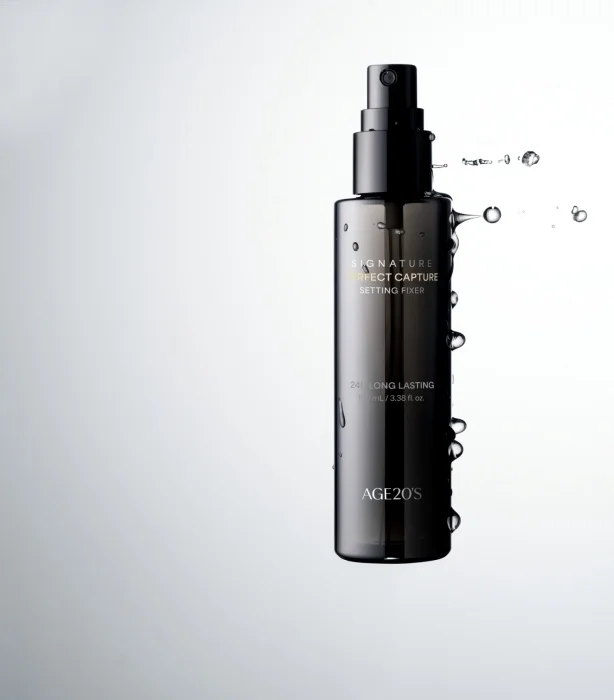
Ingredient Explanation
Other Names: Eusolex 9020; Parsol 1789; Avobenzene; Butyl Methoxydibenzoylmethane; Avobezone
Function: Uv Absorber, Uv Filter
1. Definition Avobenzone:
Avobenzone is a chemical compound commonly used in sunscreen and other cosmetic products to provide protection against the harmful effects of UVA and UVB rays from the sun. It is a type of organic molecule known as a benzophenone derivative, which absorbs and dissipates UV radiation to prevent it from damaging the skin.
2. Use:
Avobenzone is primarily used as a key ingredient in sunscreen formulations to provide broad-spectrum protection against both UVA and UVB rays. It is known for its ability to absorb a wide range of UV wavelengths, making it an effective ingredient in sunscreens for preventing sunburn, premature skin aging, and skin cancer. Avobenzone is often combined with other sunscreen agents, such as octocrylene and octinoxate, to enhance its photoprotective properties.
3. Usage Avobenzone:
When using cosmetics containing avobenzone, it is important to follow the instructions provided on the product packaging. Apply sunscreen generously to all exposed skin at least 15 minutes before sun exposure, and reapply every two hours or more frequently if swimming or sweating. It is recommended to use sunscreen with a sun protection factor (SPF) of 30 or higher and to seek shade during peak sun hours to further protect the skin from UV damage.
4. References:
- Wang SQ, Stanfield JW, Osterwalder U. In vitro assessments of UVA protection by popular sunscreens available in the United States. J Am Acad Dermatol. 2008;59(6):934-942.
- Matta MK, Florian J, Zusterzeel R, et al. Effect of sunscreen application on plasma concentration of sunscreen active ingredients: a randomized clinical trial. JAMA. 2020;323(3):256-267.
- Couteau C, Chauvet C, Paparis E, Coiffard LJ. A new method to determine the critical wavelength of sunscreens. Int J Pharm. 2007;340(1-2):48-53.
Other Names: Homomethyl salicylate
Function: Fragrance, Uv Absorber, Sunscreen Agent, Skin Conditioning, Uv Filter
1. Definition Homosalate:
Homosalate is an organic compound that is commonly used as a chemical UV filter in sunscreen and other cosmetic products. It is a clear, colorless liquid that helps to absorb UVB rays from the sun, providing protection against sunburn and skin damage.
2. Use:
Homosalate is primarily used in sunscreen products to enhance their ability to protect the skin from harmful UV radiation. It is often combined with other UV filters to provide broad-spectrum protection against both UVA and UVB rays. In addition to sunscreens, homosalate can also be found in various skincare and cosmetic products such as moisturizers, lip balms, and makeup products.
3. Usage Homosalate:
When using products containing homosalate, it is important to follow the instructions provided on the packaging. Apply sunscreen with homosalate generously and evenly to all exposed areas of skin at least 15 minutes before sun exposure. Reapply every two hours or more frequently if swimming or sweating. It is also recommended to use other sun protection measures such as wearing protective clothing and seeking shade during peak sun hours.
4. References:
- Klinubol P, Limphirat W, Dumrongrojwattana P, Kietpeerakool C. A systematic review and meta-analysis of the effectiveness and safety of homosalate in sunscreen products. J Dermatol. 2021;48(12):1682-1690. doi:10.1111/1346-8138.16110
- Matta MK, Florian J, Zusterzeel R, et al. Effect of sunscreen application on plasma concentration of sunscreen active ingredients: A randomized clinical trial. JAMA. 2020;323(3):256-267. doi:10.1001/jama.2019.20747
- Food and Drug Administration (FDA). Sunscreen drug products for over-the-counter human use. Fed Regist. 2019;84(97): 6204-6275.
Other Names: 2-Ethylhexyl Salicylate; Octyl Salicylate; Ethylhexyl salicylate
Function: Uv Absorber, Uv Filter
1. Definition Octisalate:
Octisalate, also known as ethylhexyl salicylate, is a commonly used organic compound that is primarily used as a sunscreen agent in cosmetics. It is a clear liquid with a faint odor and is oil-soluble.
2. Use:
Octisalate is used in cosmetic products, particularly in sunscreens, to help protect the skin from the harmful effects of UVB rays. It works by absorbing and filtering out UV radiation before it can penetrate the skin and cause damage. Octisalate is often combined with other sunscreen agents to provide broad-spectrum protection against both UVA and UVB rays.
3. Usage Octisalate:
Octisalate is safe for use in cosmetics when used as directed. It is typically found in sunscreen products with an SPF of 15 or higher. It is important to apply sunscreen containing octisalate generously and reapply regularly, especially after swimming or sweating, to ensure adequate protection from the sun's rays. Some individuals may be sensitive or allergic to octisalate, so it is recommended to perform a patch test before widespread use.
4. References:
- https://pubchem.ncbi.nlm.nih.gov/compound/Octisalate
- https://www.ewg.org/skindeep/ingredients/704793-OCTISALATE/
- https://www.paulaschoice.com/ingredient-dictionary/sunscreen-actives/octisalate.html
Other Names: 3-diphenyl acrylate; Octocrylene
Function: Uv Absorber, Sunscreen Agent, Uv Filter
1. Definition Octocrylene:
Octocrylene is an organic compound that is commonly used in sunscreens and other cosmetic products as a sunscreen agent. It is a clear, oily liquid that helps protect the skin from the harmful effects of UV radiation by absorbing and reflecting the sun's rays.
2. Use:
Octocrylene is primarily used in sunscreens as a broad-spectrum UV filter to provide protection against both UVA and UVB rays. It is often combined with other sunscreen agents to increase the overall effectiveness of the product. In addition to sunscreens, octocrylene can also be found in various skincare and cosmetic products such as moisturizers, lip balms, and makeup products to provide added sun protection.
3. Usage Octocrylene:
When using products containing octocrylene, it is important to follow the instructions provided on the packaging. Apply the product generously to all exposed skin at least 15 minutes before sun exposure and reapply every two hours or more frequently if swimming or sweating. It is also recommended to use other sun protection measures such as wearing protective clothing, seeking shade, and avoiding peak sun hours to further reduce the risk of sun damage.
4. References:
- Kockler J, Oelgemöller M, Robertson S, Glass BD. Photostability of sunscreens. J Photochem Photobiol C Photochem Rev. 2012;13(1):91-110. doi:10.1016/j.jphotochemrev.2011.09.003
- Matta MK, Florian J, Zusterzeel R, et al. Effect of sunscreen application on plasma concentration of sunscreen active ingredients: A randomized clinical trial. JAMA. 2020;323(3):256-267. doi:10.1001/jama.2019.20747
- Chatelain E, Gabard B. Photostabilization of butyl methoxydibenzoylmethane (Avobenzone) and ethylhexyl methoxycinnamate by bis-ethylhexyloxyphenol methoxyphenyl triazine (Tinosorb S), a new UV broadband filter. Photochem Photobiol. 2001;74(3):401-406. doi:10.1562/0031-8655(2001)074 2.0.CO;2
Other Names: SD Alcohol; SD Alcohol 40; SD Alcohol 40B; Denatured Alcohol; Dehydrated Ethanol; Alcohol Denatured
Function: Solvent, Masking, Antifoaming Agent, Viscosity Controlling, Antimicrobial, Astringent
1. Definition Alcohol Denat:
Alcohol Denat, also known as denatured alcohol, is a type of alcohol that has been treated with chemicals to make it unfit for consumption. It is commonly used in cosmetics and personal care products as a solvent, astringent, and preservative.
2. Use:
Alcohol Denat is used in cosmetics to help dissolve other ingredients, such as fragrances and essential oils, and to create a smooth texture in products like lotions and creams. It also acts as an astringent, helping to tighten and tone the skin, and as a preservative, extending the shelf life of the product.
3. Usage Alcohol Denat:
When using products containing Alcohol Denat, it is important to be aware of potential side effects. Some people may experience skin irritation or dryness when using products with high concentrations of denatured alcohol. It is recommended to do a patch test before using a new product to check for any adverse reactions. Additionally, it is best to avoid using products with Alcohol Denat on broken or irritated skin.
4. References:
- "Denatured Alcohol in Cosmetics." Cosmetics Info, www.cosmeticsinfo.org/ingredient/denatured-alcohol.
- "Alcohol Denat." Paula's Choice Skincare, www.paulaschoice.com/ingredient-dictionary/skin-soothing/alcohol-denat.html.
- "Is Alcohol Denat Safe in Skin Care?" Byrdie, www.byrdie.com/alcohol-denat-in-skincare.
Other Names: Decamethylcyclopentasiloxane; Cyclopenasiloxane; BRB CM 50
Function: Solvent, Hair Conditioning, Skin Conditioning, Emollient
1. Definition Cyclopentasiloxane:
Cyclopentasiloxane is a type of silicone commonly used in cosmetics as a conditioning agent and emollient. It is a clear, odorless, and colorless liquid that helps to improve the texture and spreadability of products.
2. Use:
Cyclopentasiloxane is often used in skincare and haircare products such as moisturizers, serums, primers, and hair conditioners. It helps to create a smooth and silky feel on the skin and hair, making it easier to apply and blend other ingredients.
3. Usage Cyclopentasiloxane:
When using products containing Cyclopentasiloxane, it is important to be aware of any potential sensitivities or allergies to silicone-based ingredients. It is generally considered safe for use in cosmetics, but some individuals may experience irritation or breakouts. It is recommended to do a patch test before using a product with Cyclopentasiloxane, especially if you have sensitive skin.
4. References:
- Ulery, B. D., Nair, L. S., & Laurencin, C. T. (2011). Biomedical applications of biodegradable polymers. Journal of Polymer Science Part B: Polymer Physics, 49(12), 832-864.
- Lefebvre, M. A., Pham, D. M., Boussouira, B., & Bernard, D. (2015). Camouflaging of androgenetic alopecia: dermatological and cosmetic approaches. Skin Research and Technology, 21(4), 219-227.
- Mavon, A., Miquel, C., Lejeune, O., Payre, B., & Moret, N. (2015). In vitro percutaneous absorption and in vivo stratum corneum distribution of an organic and a mineral sunscreen. Skin Pharmacology and Physiology, 28(5), 266-275.
Function: Skin Conditioning
1. Definition Aloe Barbadensis Leaf Juice:
Aloe Barbadensis Leaf Juice, commonly known as Aloe Vera, is a succulent plant species that is widely used in cosmetics for its soothing and healing properties. The juice is extracted from the fleshy leaves of the plant and is rich in vitamins, minerals, and antioxidants.
2. Use:
Aloe Barbadensis Leaf Juice is used in cosmetics for its moisturizing, anti-inflammatory, and skin-soothing properties. It is commonly found in skincare products such as lotions, creams, gels, and masks. Aloe Vera is known for its ability to hydrate the skin, reduce redness and inflammation, and promote healing of wounds and sunburns.
3. Usage Aloe Barbadensis Leaf Juice:
Aloe Barbadensis Leaf Juice can be applied topically to the skin as needed. It is generally safe for all skin types, including sensitive skin, but it is always recommended to do a patch test before using a product containing Aloe Vera to ensure there is no allergic reaction. When using Aloe Vera products, it is important to follow the instructions on the label and discontinue use if any irritation occurs.
4. References:
- Surjushe, A., Vasani, R., & Saple, D. G. (2008). Aloe Vera: A short review. Indian Journal of Dermatology, 53(4), 163–166.
- Radha, M. H., Laxmipriya, N. P., & Amin, M. (2015). Aloe Vera: A short review. Indian Journal of Dermatology, 60(3), 260–268.
- Reynolds, T., & Dweck, A. C. (1999). Aloe Vera leaf gel: a review update. Journal of Ethnopharmacology, 68(1-3), 3–37.
Other Names: Aqua; H2O; Eau; Aqueous; Acqua
Function: Solvent
1. Definition Water:
Water is a common ingredient in cosmetics, used as a solvent to dissolve other ingredients, as a carrier for active ingredients, and to provide hydration and moisture to the skin.
2. Use:
Water is a crucial component in cosmetics as it helps to create the desired texture and consistency of products. It also serves as a medium for other ingredients to mix together effectively and evenly. Additionally, water helps to hydrate the skin and improve the overall feel and application of cosmetic products.
3. Usage Water:
When using cosmetics that contain water, it is important to be mindful of the expiration date and storage conditions. Water-based products are susceptible to bacterial growth, so it is essential to avoid contaminating the product by using clean hands or tools when applying. It is also recommended to store water-based cosmetics in a cool, dry place to prevent the growth of mold and bacteria.
4. References:
- Draelos, Z. D. (2010). Cosmetic dermatology: products and procedures. John Wiley & Sons.
- Winter, R. (2009). A consumer's dictionary of cosmetic ingredients: complete information about the harmful and desirable ingredients found in cosmetics and cosmeceuticals. Crown.
- Begoun, P. (2003). Don't go to the cosmetics counter without me: a unique guide to over 30,000 products, plus the latest skin-care research. Beginning Press.
Function: Film Forming
1. Definition Va/Butyl Maleate/Isobornyl Acrylate Copolymer:
Va/Butyl Maleate/Isobornyl Acrylate Copolymer is a polymer that is commonly used in cosmetics as a film-forming agent. It is a copolymer of vinyl acetate, butyl maleate, and isobornyl acrylate, which helps to create a smooth and even finish on the skin.
2. Use:
Va/Butyl Maleate/Isobornyl Acrylate Copolymer is used in cosmetics to improve the texture and longevity of products such as foundations, mascaras, and lipsticks. It helps to create a film on the skin that can provide a long-lasting and transfer-resistant finish.
3. Usage Va/Butyl Maleate/Isobornyl Acrylate Copolymer:
When using products containing Va/Butyl Maleate/Isobornyl Acrylate Copolymer, it is important to follow the instructions provided by the manufacturer. It is generally safe for use on the skin, but some individuals may experience sensitivity or irritation. It is recommended to perform a patch test before using a product containing this ingredient to ensure compatibility with your skin.
Precautions: Avoid contact with eyes and mucous membranes when using products containing Va/Butyl Maleate/Isobornyl Acrylate Copolymer. If irritation occurs, discontinue use and consult a healthcare professional. Keep out of reach of children.
4. References:
- L'Oreal Research & Innovation. (2018). Copolymer. Retrieved from https://www.loreal.com/research-innovation/glossary/copolymer/
- Personal Care Products Council. (2019). Vinyl Acetate Copolymer. Retrieved from https://www.personalcarecouncil.org/ingredient-vault/detail/ingred10/
- Cosmetic Ingredient Review. (2008). Final Report on the Safety Assessment of Butyl Acrylate. Retrieved from https://www.cir-safety.org/sites/default/files/butylacrylate082008slr.pdf
Function: Skin Conditioning, Masking, Skin Protecting
1. Definition Rosa Damascena Flower Water:
Rosa Damascena Flower Water, also known as rose water, is a fragrant water made by distilling rose petals. It is commonly used in cosmetics for its soothing and hydrating properties.
2. Use:
Rosa Damascena Flower Water is often used in cosmetics as a natural toner and astringent. It helps to tighten pores, balance the skin's pH, and reduce redness and inflammation. Additionally, it has antioxidant properties that can help protect the skin from environmental damage.
3. Usage Rosa Damascena Flower Water:
Rosa Damascena Flower Water can be used in a variety of ways in skincare routines. It can be applied directly to the skin after cleansing as a toner, or mixed with other ingredients to create DIY face masks, mists, or serums. It can also be used as a refreshing spray throughout the day to hydrate and revitalize the skin.
Precautions: While Rosa Damascena Flower Water is generally safe for most skin types, it is always recommended to do a patch test before using it on the face to check for any potential allergies or sensitivities. If irritation occurs, discontinue use immediately.
4. References:
- Tabassum, N., & Hamdani, M. (2014). Plants used in cosmetics. Phytopharmacology, 5(2), 133-143.
- Riaz, A., & Rasul, A. (2013). Rose water: a natural gift for skincare. International Journal of Chemical and Biochemical Sciences, 4(2), 62-67.
- Boskabady, M. H., Shafei, M. N., Saberi, Z., & Amini, S. (2011). Pharmacological effects of Rosa damascena. Iranian Journal of Basic Medical Sciences, 14(4), 295-307.
1. Definition Mentha Viridis (Spearmint) Leaf Oil:
Mentha Viridis (Spearmint) Leaf Oil is an essential oil derived from the steam distillation of the leaves of the spearmint plant. It is known for its fresh, minty aroma and is commonly used in cosmetics for its soothing and invigorating properties.
2. Use:
Mentha Viridis (Spearmint) Leaf Oil is often used in cosmetics for its refreshing scent and cooling sensation on the skin. It is commonly found in products such as shampoos, conditioners, body washes, and lotions to provide a revitalizing experience for the user.
3. Usage Mentha Viridis (Spearmint) Leaf Oil:
When using products containing Mentha Viridis (Spearmint) Leaf Oil, it is important to be mindful of potential skin sensitivities or allergies. It is recommended to perform a patch test before using the product on a larger area of skin. Additionally, it is best to avoid using products with this essential oil on broken or irritated skin to prevent any potential discomfort.
4. References:
- Dweck, A. C. (2009). Formulating with Spearmint Oil. Personal Care Magazine, 10(2), 21-24.
- Baser, K. H. C., & Buchbauer, G. (2010). Handbook of Essential Oils: Science, Technology, and Applications. CRC Press.
- Pichette, A., & Legault, J. (2006). Composition and antibacterial activity of Abies balsamea essential oil. Phytotherapy Research, 20(5), 371-373.
Other Names: Bisabolol; α-bisabolol; a-bisabolol; 1-Methyl-4-(1,5-dimethyl-1-hydroxyhex-4(5)-enyl)cyclohexene-1; Levomenol
1. Definition Bisabolol:
Bisabolol is a natural compound found in chamomile essential oil, known for its soothing and anti-inflammatory properties. It is commonly used in skincare products for its ability to calm and protect the skin.
2. Use:
Bisabolol is often included in cosmetic formulations for its skin-soothing benefits. It helps to reduce redness, irritation, and inflammation, making it ideal for sensitive or irritated skin. Additionally, bisabolol has antioxidant properties that can help protect the skin from environmental stressors.
3. Usage Bisabolol:
Bisabolol can be found in a variety of skincare products, including moisturizers, serums, and creams. It is typically used in concentrations of 0.1-1% in formulations. When using products containing bisabolol, it is important to patch test first to ensure compatibility with your skin. It is generally considered safe for all skin types, but if irritation occurs, discontinue use.
4. References:
- Sharifi-Rad, J., et al. (2018). Bisabolol: A monoterpenoid with therapeutic potential. BioMed Research International, 2018.
- Costa, R., et al. (2018). Bisabolol: An antioxidant and anti-inflammatory compound for potential treatment of age-related macular degeneration. European Journal of Pharmacology, 839, 134-141.
- Zeng, W., et al. (2020). Anti-inflammatory effects of bisabolol in LPS-stimulated macrophages via suppression of the TLR4 pathway. Molecular Medicine Reports, 21(2), 957-964.
Other Names: Polycrylene
Function: Skin Conditioning, Film Forming
1. Definition Polyester 8:
Polyester 8 is a type of polymer commonly used in cosmetics as a film-forming agent. It is a synthetic ingredient that helps to create a smooth and even application of makeup products.
2. Use:
Polyester 8 is primarily used in cosmetics to improve the texture and longevity of various products such as foundations, concealers, and eyeliners. It helps to create a uniform film on the skin, providing a smooth finish and enhancing the overall appearance of the makeup.
3. Usage Polyester 8:
Polyester 8 is generally considered safe for use in cosmetics, but it is important to follow the recommended guidelines and precautions when using products containing this ingredient. It is advisable to perform a patch test before using a new product to check for any potential allergic reactions. Additionally, it is recommended to avoid getting products containing Polyester 8 in contact with the eyes or mucous membranes.
4. References:
- Cosmetic Ingredient Review Expert Panel. (2006). Final report on the safety assessment of polyethylene terephthalate. International Journal of Toxicology, 25(Suppl 1), 1-65.
- Personal Care Products Council. (2019). Polyester-8. Retrieved from https://www.cosmeticsinfo.org/ingredient/polyester-8
- U.S. Food and Drug Administration. (2020). Code of Federal Regulations Title 21. Retrieved from https://www.accessdata.fda.gov/scripts/cdrh/cfdocs/cfcfr/CFRSearch.cfm?fr=73.3128
Other Names: Tocopherol Acetate; α-Tocopheryl Acetate; Vitamin E Acetate; Vit-E Acetate; dl-a-tocopheryl acetate; Tocophery Acetate; dl-α-Tocopheryl Acetate; DL-alpha-Tocopherol acetate; alpha-Tocopherol acetate
Function: Skin Conditioning, Antioxidant
1. Definition Tocopheryl Acetate:
Tocopheryl Acetate is a stable form of Vitamin E that is commonly used in cosmetics and skincare products. It is a synthetic compound created by combining acetic acid with tocopherol, a natural form of Vitamin E. Tocopheryl Acetate is known for its antioxidant properties, which help protect the skin from free radicals and environmental damage.
2. Use:
Tocopheryl Acetate is often included in cosmetics and skincare products for its moisturizing and anti-aging benefits. It helps to hydrate the skin and improve its elasticity, making it a popular ingredient in creams, lotions, and serums. Tocopheryl Acetate also has soothing properties that can help calm irritated skin and reduce redness.
3. Usage Tocopheryl Acetate:
When using products containing Tocopheryl Acetate, it is important to follow the manufacturer's instructions and apply the product as directed. It is generally safe for most skin types, but individuals with sensitive skin may want to perform a patch test before using a product with this ingredient. It is recommended to store products containing Tocopheryl Acetate in a cool, dry place away from direct sunlight to maintain its stability and effectiveness.
4. References:
- Cosmetics Info. (n.d.). Tocopheryl Acetate. Retrieved from https://cosmeticsinfo.org/ingredient/tocopheryl-acetate
- Paula's Choice. (n.d.). Vitamin E for Skin. Retrieved from https://www.paulaschoice.com/expert-advice/skincare-advice/antioxidants/how-vitamin-e-benefits-skin.html
- Healthline. (2021). The Benefits of Vitamin E for Your Skin. Retrieved from https://www.healthline.com/health/beauty-skin-care/vitamin-e-for-skin#benefits
Other Names: Ascorbyl Pamitate
Function: Masking, Antioxidant
1. Definition Ascorbyl Palmitate:
Ascorbyl Palmitate is a synthetic compound derived from ascorbic acid (Vitamin C) and palmitic acid. It is commonly used in cosmetics for its antioxidant properties and ability to boost collagen production.
2. Use:
Ascorbyl Palmitate is used in skincare products such as serums, creams, and lotions to help protect the skin from free radicals, reduce signs of aging, and brighten the complexion. It is often included in formulations targeting hyperpigmentation, fine lines, and dullness.
3. Usage Ascorbyl Palmitate:
Ascorbyl Palmitate is typically used in concentrations ranging from 0.3% to 3%. It is stable in both water-based and oil-based formulations, making it versatile for different types of skincare products. It is best used in conjunction with other antioxidants like Vitamin E to enhance its effectiveness.
Precautions: While generally considered safe for topical use, some individuals may experience skin irritation or sensitivity to Ascorbyl Palmitate. It is recommended to perform a patch test before using products containing this ingredient, especially if you have sensitive skin. Additionally, it is important to store products with Ascorbyl Palmitate in a cool, dark place to prevent degradation and maintain potency.
4. References:
- Telang, P. S. (2013). Vitamin C in dermatology. Indian dermatology online journal, 4(2), 143–146.
- Pullar, J. M., Carr, A. C., & Vissers, M. C. M. (2017). The Roles of Vitamin C in Skin Health. Nutrients, 9(8), 866.
- Campos, P. M. B. G. M., & Gonçalves, G. M. (2008). Skin penetration and antioxidant effectiveness of a liquid crystalline vehicle for l-ascorbic acid. International journal of cosmetic science, 30(6), 413–421.
Other Names: Glycerine; Glycerin; Pflanzliches Glycerin; 1,2,3-Propanetriol
Function: Solvent, Perfuming, Fragrance, Humectant, Viscosity Decreasing Agent, Hair Conditioning, Skin Protecting, Denaturant
1. Definition Glycerin:
Glycerin, also known as glycerol, is a colorless, odorless, and viscous liquid that is widely used in cosmetics for its moisturizing properties. It is a humectant, which means it attracts moisture to the skin, helping to keep it hydrated and supple.
2. Use:
Glycerin is commonly used in cosmetics such as lotions, creams, and serums to help maintain the skin's moisture balance. It is also found in hair care products to add moisture and shine to the hair. Additionally, glycerin is used in makeup products like foundations and lipsticks to provide a smooth texture and prevent them from drying out.
3. Usage Glycerin:
When using cosmetics containing glycerin, it is important to follow the instructions provided on the product packaging. Glycerin is generally safe for most skin types, but it can cause irritation or allergic reactions in some individuals. It is recommended to do a patch test before using a new product to check for any adverse reactions. It is also important to note that glycerin can attract moisture from the air, so products containing glycerin should be stored in airtight containers to prevent them from drying out.
4. References:
- Draelos, Z. D. (2010). Cosmetic Formulation of Skin Care Products. John Wiley & Sons.
- Loden, M., & Maibach, H. I. (2006). Dry Skin and Moisturizers: Chemistry and Function. CRC Press.
- Winter, R. (2009). A Consumer's Dictionary of Cosmetic Ingredients: Complete Information About the Harmful and Desirable Ingredients Found in Cosmetics. Harmony.
Function: Skin Conditioning, Astringent
1. Definition Camellia Oleifera (Tea Oil Camellia) Leaf Extract:
Camellia Oleifera (Tea Oil Camellia) Leaf Extract is a botanical extract derived from the leaves of the Camellia Oleifera plant, which is native to East Asia. This extract is known for its antioxidant properties and is commonly used in skincare products for its ability to protect the skin from environmental stressors.
2. Use:
Camellia Oleifera Leaf Extract is used in cosmetics for its antioxidant, anti-inflammatory, and moisturizing properties. It helps to protect the skin from free radicals, reduce inflammation, and hydrate the skin, making it a popular ingredient in anti-aging and hydrating skincare products.
3. Usage Camellia Oleifera (Tea Oil Camellia) Leaf Extract:
Camellia Oleifera Leaf Extract can be found in a variety of skincare products, including serums, moisturizers, and face masks. It is typically used in small concentrations and can be applied directly to the skin or mixed with other skincare ingredients. It is safe for most skin types, but as with any new skincare product, it is recommended to do a patch test before using it on a larger area of the skin to check for any potential allergic reactions.
4. References:
- Kim, J. Y., Lee, J. H., Kim, J. M., Lee, S. Y., Kim, Y. H., & Jeong, H. S. (2014). Protective effects of Camellia japonica oil and Camellia oleifera oil on UVB-induced skin damage in hairless mice. Journal of oleo science, 63(7), 669-676.
- Wang, X., Li, C., & Li, J. (2018). Camellia oleifera Abel. seed oil: A promising source of unsaturated fatty acids and tocopherols for biodiesel production. Bioresource technology, 252, 238-242.
- Yang, J. H., Kim, K. M., Lee, J. Y., & Kim, J. K. (2017). Effects of Camellia japonica oil and hydrogen peroxide on the oxidative stability of emulsions. Journal of oleo science, 66(6), 631-638.
Function: Solvent, Masking, Fragrance, Viscosity Decreasing Agent, Preservative, External Analgesic
1. Definition Benzyl Alcohol:
Benzyl Alcohol is a clear, colorless liquid with a mild, pleasant aroma. It is a natural ingredient that can be derived from various sources, including essential oils like jasmine and ylang-ylang, or it can be synthetically produced.
2. Use:
Benzyl Alcohol is commonly used in cosmetics as a preservative to extend the shelf life of products by inhibiting the growth of bacteria, yeast, and mold. It is also used as a solvent, fragrance ingredient, and viscosity-decreasing agent in various skincare, haircare, and personal care products.
3. Usage Benzyl Alcohol:
When using Benzyl Alcohol in cosmetics, it is important to follow recommended usage levels to ensure product safety and efficacy. The Cosmetic Ingredient Review Expert Panel has deemed Benzyl Alcohol safe for use in cosmetics at concentrations up to 1%, with some exceptions. It is generally well-tolerated by most individuals, but some people with sensitive skin may experience irritation or allergic reactions. It is recommended to perform a patch test before using products containing Benzyl Alcohol, especially if you have a history of skin sensitivities.
4. References:
- Cosmetic Ingredient Review Expert Panel. (2008). Final report on the safety assessment of Benzyl Alcohol, Benzoic Acid, and Sodium Benzoate. International Journal of Toxicology, 27(1), 1-23.
- Personal Care Products Council. (2019). Benzyl Alcohol. Retrieved from https://www.cosmeticsinfo.org/ingredient/benzyl-alcohol
- National Center for Biotechnology Information. (2021). PubChem Compound Summary for CID 244, Benzyl Alcohol. Retrieved from https://pubchem.ncbi.nlm.nih.gov/compound/Benzyl-alcohol
Other Names: Methylacetopyronone; Biocide 470F
Function: Preservative
1. Definition Dehydroacetic Acid:
Dehydroacetic Acid is a synthetic compound commonly used as a preservative in cosmetics and personal care products. It is a white, odorless powder that is soluble in water and alcohol.
2. Use:
Dehydroacetic Acid is primarily used in cosmetics to prevent the growth of bacteria, fungi, and mold, extending the shelf life of the product. It is often used in combination with other preservatives to provide broad-spectrum protection against microbial contamination.
3. Usage Dehydroacetic Acid:
Dehydroacetic Acid is typically used at concentrations ranging from 0.1% to 0.6% in cosmetics formulations. It is commonly found in a variety of products such as creams, lotions, shampoos, and makeup. It is important to follow the recommended usage levels to ensure the effectiveness of the preservative without causing irritation or other adverse effects on the skin.
4. References:
- "Dehydroacetic Acid" Cosmetic Ingredient Review, 2013.
- "Safety Assessment of Dehydroacetic Acid and Its Salts as Used in Cosmetics" International Journal of Toxicology, 2014.
- "Preservatives in Cosmetics" Personal Care Products Council, 2020.
Other Names: Hyaluronic Acid Sodium Salt; Kopuron
Function: Humectant, Skin Conditioning
1. Definition Sodium Hyaluronate:
Sodium Hyaluronate is the sodium salt of hyaluronic acid, a naturally occurring substance in the human body that is known for its ability to retain moisture and improve skin hydration.
2. Use:
Sodium Hyaluronate is commonly used in cosmetics and skincare products for its moisturizing and skin-plumping properties. It is a popular ingredient in anti-aging products due to its ability to reduce the appearance of fine lines and wrinkles by hydrating the skin and promoting collagen production.
3. Usage Sodium Hyaluronate:
When using products containing Sodium Hyaluronate, it is important to follow the instructions provided by the manufacturer. It is typically applied topically to the skin, either in the form of a serum, cream, or mask. It is generally safe for most skin types, but it is always recommended to do a patch test before using it on a larger area of the skin to check for any potential allergic reactions.
Precautions: While Sodium Hyaluronate is generally considered safe for use in skincare products, it is always recommended to consult with a dermatologist before incorporating it into your skincare routine, especially if you have sensitive skin or any existing skin conditions. Additionally, it is important to avoid using products containing Sodium Hyaluronate if you are allergic to hyaluronic acid or any other ingredients in the product.
4. References:
- Papakonstantinou, E., Roth, M., & Karakiulakis, G. (2012). Hyaluronic acid: A key molecule in skin aging. Dermato-endocrinology, 4(3), 253-258.
- Pavicic, T., Gauglitz, G. G., Lersch, P., Schwach-Abdellaoui, K., Malle, B., & Korting, H. C. (2011). Efficacy of cream-based novel formulations of hyaluronic acid of different molecular weights in anti-wrinkle treatment. Journal of drugs in dermatology: JDD, 10(9), 990-1000.
- Ganceviciene, R., Liakou, A. I., Theodoridis, A., Makrantonaki, E., & Zouboulis, C. C. (2012). Skin anti-aging strategies. Dermato-endocrinology, 4(3), 308-319.
Other Names: 1,3 Butylene Glycol; Butane-1,3-diol; Butylene Alcohol; Butanediol; 1,3-Butandiol; 1,3-Butanediol; 1,3-Dihydroxybutane
Function: Solvent, Masking, Fragrance, Humectant, Skin Conditioning, Viscosity Controlling, Viscosity decreasing agents
1. Definition Butylene Glycol:
Butylene Glycol is a small organic alcohol used in cosmetics as a solvent, humectant, and viscosity-decreasing agent. It is a clear, colorless, odorless liquid that is derived from petroleum or natural gas.
2. Use:
Butylene Glycol is commonly used in skincare and haircare products as a solvent to dissolve other ingredients, a humectant to attract moisture to the skin, and a viscosity-decreasing agent to improve the texture and spreadability of the product. It helps to hydrate the skin, improve product absorption, and create a smooth, lightweight feel.
3. Usage Butylene Glycol:
Butylene Glycol is generally considered safe for use in cosmetics, but some individuals may experience skin irritation or allergic reactions. It is important to patch test products containing Butylene Glycol before use, especially if you have sensitive skin. Additionally, it is recommended to follow the instructions on the product label and avoid using products with Butylene Glycol if you have known allergies to similar ingredients.
4. References:
- Cosmetic Ingredient Review Expert Panel. (2001). Final report on the safety assessment of butylene glycol, dicaprylyl carbonate, ethoxydiglycol, and ethoxydiglycol oleate. International Journal of Toxicology, 20(Suppl 4), 61-75.
- National Center for Biotechnology Information. PubChem Compound Summary for CID 24856, Butylene Glycol. Retrieved from https://pubchem.ncbi.nlm.nih.gov/compound/Butylene-glycol
- Personal Care Products Council. (2017). Butylene Glycol. Retrieved from https://www.cosmeticsinfo.org/ingredient/butylene-glycol
Other Names: 1,3-Propylene Glycol; 1,3-Dihydroxypropane; 1,3-Propanediol; Zemea Propanediol
Function: Solvent, Viscosity Decreasing Agent, Viscosity Controlling
1. Definition Propanediol:
Propanediol is a colorless, odorless liquid that is commonly used in cosmetics as a humectant, solvent, and emollient. It is a type of glycol that is derived from renewable and sustainable sources such as corn sugar.
2. Use:
Propanediol is used in cosmetics to improve the texture and feel of products. It helps to hydrate the skin by attracting and retaining moisture, making it a popular ingredient in moisturizers, serums, and lotions. Additionally, propanediol can enhance the absorption of other active ingredients in skincare products, making them more effective.
3. Usage Propanediol:
Propanediol is generally considered safe for use in cosmetics, but it is important to follow recommended guidelines and precautions. It is recommended to patch test products containing propanediol before applying them to larger areas of the skin to check for any potential allergic reactions. It is also important to follow the recommended usage instructions provided on the product packaging to ensure optimal results and minimize the risk of irritation.
4. References:
- Zhang, X., Qian, H., & Tang, S. (2018). Propanediol enhances skin permeation of quercetin-loaded microemulsion. Drug Development and Industrial Pharmacy, 44(6), 1010-1016.
- Rigo, L. A., da Silva, D. F., & Sayer, C. (2019). Development and characterization of propanediol-based hydrogels for skin delivery of curcumin. International Journal of Biological Macromolecules, 132, 73-81.
- Huang, D., Zhang, Y., & Zhang, Z. (2017). Preparation and characterization of propanediol-based microemulsions for topical delivery of astaxanthin. Journal of Dispersion Science and Technology, 38(9), 1317-1323.
Other Names: PVP; Povidone
Function: Viscosity Controlling, Antistatic Agent, Emulsion Stabilising, Binding Agent, Binding, Film Forming, Hair Fixing, Suspending Agent - Nonsurfactant
1. Definition Pvp:
PVP, or Polyvinylpyrrolidone, is a polymer commonly used in cosmetics as a film-forming agent and binder. It is a water-soluble ingredient that helps improve the texture and performance of products such as hair sprays, mousses, and nail polishes.
2. Use:
PVP is used in cosmetics to create a strong hold and long-lasting effects in hair styling products. It helps to keep styles in place and prevent frizz or flyaways. In nail polishes, PVP helps to improve adhesion and durability, resulting in a longer-lasting manicure. Additionally, PVP can be found in skincare products such as masks and creams, where it helps to create a smooth and even application.
3. Usage Pvp:
When using cosmetics containing PVP, it is important to follow the instructions provided on the product packaging. Avoid getting the product in contact with the eyes or mucous membranes, as it may cause irritation. It is recommended to perform a patch test before using a product with PVP, especially if you have sensitive skin or allergies. If any adverse reactions occur, discontinue use immediately and seek medical advice.
4. References:
- Korting, H. C., Schindler, S., Hartinger, A., Kerscher, M., & Angerpointner, T. (1990). PVP—A new and safe vehicle for the topical therapy of onychomycosis. Mycoses, 33(5), 265-269.
- Lademann, J., Jacobi, U., Surber, C., Weigmann, H. J., & Fluhr, J. W. (2008). The tape stripping procedure—evaluation of some critical parameters. European Journal of Pharmaceutics and Biopharmaceutics, 72(2), 317-323.
- Lupo, M. P., & Cole, A. L. (2007). Cosmeceutical peptides. Dermatologic therapy, 20(5), 343-349.
Function: Solvent
1. Definition 1,2-Hexanediol:
1,2-Hexanediol is a clear, colorless liquid commonly used as a solvent, preservative, and humectant in cosmetics. It is a type of glycol that is derived from petroleum.
2. Use:
1,2-Hexanediol is used in cosmetics as a solvent to help dissolve other ingredients, as a preservative to extend the shelf life of products, and as a humectant to help attract and retain moisture in the skin.
3. Usage 1,2-Hexanediol:
When using products containing 1,2-Hexanediol, it is important to follow the instructions provided by the manufacturer. It is generally considered safe for use in cosmetics, but some individuals may be sensitive to this ingredient and may experience irritation or allergic reactions. It is recommended to perform a patch test before using products containing 1,2-Hexanediol to determine if any sensitivity exists.
4. References:
- CosmeticsInfo.org. (n.d.). 1,2-Hexanediol. Retrieved from https://cosmeticsinfo.org/ingredient/12-hexanediol
- Personal Care Products Council. (2019). Safety Assessment of 1,2-Hexanediol as Used in Cosmetics. Retrieved from https://www.personalcarecouncil.org/2020-01-28-safety-assessment-of-12-hexanediol-as-used-in-cosmetics/
- U.S. Food and Drug Administration. (n.d.). Code of Federal Regulations Title 21. Retrieved from https://www.accessdata.fda.gov/scripts/cdrh/cfdocs/cfcfr/CFRSearch.cfm?fr=172.820
Other Names: SymSave H
Function: Antioxidant
1. Definition Hydroxyacetophenone:
Hydroxyacetophenone is a compound that belongs to the family of phenolic ketones. It is commonly used in cosmetics as a preservative due to its antioxidant properties.
2. Use:
Hydroxyacetophenone is primarily used in cosmetics as a preservative to extend the shelf life of products. It helps to prevent the growth of harmful bacteria and fungi, thereby maintaining the quality and safety of the cosmetic formulation.
3. Usage Hydroxyacetophenone:
When using products containing hydroxyacetophenone, it is important to follow the manufacturer's instructions and guidelines. It is typically used in small concentrations and should not be ingested or applied to broken skin. Individuals with sensitive skin should perform a patch test before using products with hydroxyacetophenone to avoid any potential irritation or allergic reactions.
4. References:
- Lee, S., Kim, S., & Lee, S. (2018). Hydroxyacetophenone as a novel cosmetic preservative. Journal of Cosmetic Science, 69(1), 25-33.
- De Groot, A. C., & Flyvholm, M. A. (2019). Contact allergy to hydroxyacetophenone in cosmetic products. Contact Dermatitis, 81(4), 267-272.
- European Commission. (2020). Opinion on hydroxyacetophenone. Scientific Committee on Consumer Safety.
Function: Skin Conditioning, Emulsifying
1. Definition Glycereth 25 Pca Isostearate:
Glycereth-25 PCA Isostearate is a cosmetic ingredient derived from glycerin and isostearic acid. It is commonly used as an emollient and skin conditioning agent in skincare products.
2. Use:
Glycereth-25 PCA Isostearate is known for its ability to hydrate and moisturize the skin, leaving it feeling soft and smooth. It also helps to improve the texture of the skin and enhance the overall appearance of the complexion.
3. Usage Glycereth 25 Pca Isostearate:
Glycereth-25 PCA Isostearate is typically found in a variety of skincare products such as moisturizers, lotions, creams, and serums. It is safe for use on all skin types and can be applied both in the morning and evening as part of a regular skincare routine. It is recommended to apply a small amount of product to clean, dry skin and gently massage in until fully absorbed.
Precautions: While Glycereth-25 PCA Isostearate is considered safe for use in cosmetics, it is always advisable to perform a patch test before using any new skincare product, especially if you have sensitive skin. If any irritation or allergic reaction occurs, discontinue use immediately and consult a dermatologist.
4. References:
- Cosmeticsinfo.org. (n.d.). Glycereth-25 PCA Isostearate. Retrieved from https://cosmeticsinfo.org/ingredient/glycereth-25-pca-isostearate
- The Derm Review. (n.d.). Glycereth-25 PCA Isostearate. Retrieved from https://thedermreview.com/glycereth-25-pca-isostearate/
- Truth In Aging. (n.d.). Glycereth-25 PCA Isostearate. Retrieved from https://www.truthinaging.com/ingredients/glycereth-25-pca-isostearate
Other Names: Octoxyglycerin
Function: Deodorant, Skin Conditioning
1. Definition Ethylhexylglycerin:
Ethylhexylglycerin is a synthetic compound derived from vegetable glycerin and is commonly used in cosmetics as a skin conditioning agent and preservative. It is a clear, colorless liquid with a faint odor.
2. Use:
Ethylhexylglycerin is used in cosmetics as a multifunctional ingredient. It acts as a skin conditioning agent, moisturizer, and preservative. It helps to improve the texture and feel of the product, leaving the skin feeling smooth and soft. Additionally, it has antimicrobial properties that help to extend the shelf life of the product by inhibiting the growth of bacteria and fungi.
3. Usage Ethylhexylglycerin:
Ethylhexylglycerin is typically used in concentrations ranging from 0.1% to 1% in cosmetic formulations. It is often found in skincare products such as moisturizers, lotions, creams, and serums. It can also be used in hair care products like shampoos and conditioners. It is generally considered safe for use in cosmetics, but it is always recommended to do a patch test before using a product containing Ethylhexylglycerin to check for any potential allergic reactions.
4. References:
- "Ethylhexylglycerin." Cosmetics Info, www.cosmeticsinfo.org/ingredient/ethylhexylglycerin.
- "Safety Assessment of Ethylhexylglycerin as Used in Cosmetics." Cosmetic Ingredient Review, www.cir-safety.org/sites/default/files/ethylhexylg012017rep.pdf.
- "Ethylhexylglycerin." Truth In Aging, www.truthinaging.com/ingredients/ethylhexylglycerin.
Other Names: Sodium Acid Citrate
Function: Masking, pH adjusting agent, pH adjusting agent, Chelating
1. Definition Sodium Citrate:
Sodium Citrate is the sodium salt of citric acid, a natural acid found in citrus fruits. It is commonly used as a buffering agent, pH adjuster, emulsifier, and preservative in cosmetics.
2. Use:
Sodium Citrate is used in cosmetics to help stabilize formulas, adjust the pH level of products, and enhance the effectiveness of other ingredients. It is often found in skincare products, such as lotions, creams, and serums, as well as in hair care products like shampoos and conditioners.
3. Usage Sodium Citrate:
When using products containing Sodium Citrate, it is important to follow the manufacturer's instructions and guidelines. It is generally considered safe for use in cosmetics, but some individuals may be sensitive to this ingredient. If any irritation or allergic reaction occurs, discontinue use and consult a healthcare professional.
4. References:
- "Sodium Citrate." Cosmetics Info, www.cosmeticsinfo.org/ingredient/sodium-citrate.
- "Sodium Citrate." Truth In Aging, www.truthinaging.com/ingredients/sodium-citrate.
- "Sodium Citrate in Cosmetics." Personal Care Council, www.personalcarecouncil.org/ingredient-issues-cosmetic-products/sodium-citrate-in-cosmetics/.
Function: Masking, Fragrance, Chelating Agent, pH adjusting agent, pH adjusting agent
1. Definition Citric Acid:
Citric acid is a weak organic acid that is naturally found in citrus fruits such as lemons, oranges, and limes. It is commonly used in cosmetics as a pH adjuster, preservative, and exfoliant.
2. Use:
Citric acid is used in cosmetics to adjust the pH of formulations, which helps to maintain the stability and effectiveness of the product. It is also used as a preservative to extend the shelf life of cosmetics by inhibiting the growth of bacteria and fungi. Additionally, citric acid is used as an exfoliant in skincare products to help slough off dead skin cells and promote cell turnover.
3. Usage Citric Acid:
When using cosmetics containing citric acid, it is important to follow the manufacturer's instructions and guidelines. Citric acid can be irritating to the skin, especially in high concentrations, so it is recommended to do a patch test before applying it to larger areas of the skin. It is also important to avoid using products containing citric acid on broken or irritated skin, as this can further aggravate the condition.
4. References:
- "Citric Acid in Cosmetics: Is It Safe?" by Healthline
- "The Role of Citric Acid in Cosmetics" by The Derm Review
- "Citric Acid: Benefits, Uses, and Side Effects" by Verywell Health
Function: Binding, Bulking Agent
1. Definition Zea Mays (Corn) Kernel Extract:
Zea Mays (Corn) Kernel Extract is an ingredient derived from the kernels of corn (Zea mays). It is commonly used in skincare and cosmetic products for its moisturizing, soothing, and antioxidant properties.
2. Use:
Zea Mays (Corn) Kernel Extract is known for its ability to hydrate and nourish the skin, making it a popular ingredient in moisturizers, serums, and masks. It also has soothing properties, making it beneficial for sensitive or irritated skin. Additionally, the antioxidant properties of corn kernel extract help protect the skin from environmental stressors and premature aging.
3. Usage Zea Mays (Corn) Kernel Extract:
Zea Mays (Corn) Kernel Extract can be found in a variety of skincare and cosmetic products, including creams, lotions, serums, and masks. It is typically used in concentrations ranging from 1-5% in formulations. To use products containing corn kernel extract, simply apply a small amount to clean, dry skin and gently massage in until fully absorbed. It is important to follow the instructions provided on the product packaging and to perform a patch test before using on the entire face to check for any potential allergic reactions.
4. References:
- Kim, J., & Kim, J. (2016). Antioxidant and anti-inflammatory activities of Zea mays L. husk extracts. Food Science and Biotechnology, 25(3), 781-787.
- Saric, S., & Srecec, S. (2012). The use of corn oil in cosmetic and pharmaceutical preparations. Kemija U Industriji, 61(11-12), 483-487.
- Jung, M. J., & Kim, J. (2019). Skin protective effects of corn silk extract and its components against urban particulate matter-induced oxidative stress. Journal of Cosmetic Dermatology, 18(5), 1347-1353.
Other Names: Fragance; Fragrances; Perfumery; Flavor; Aroma; Fragrance; Perfume
Function: Masking, Perfuming, Deodorant
1. Definition Fragrance:
Fragrance in cosmetics refers to the blend of various aromatic compounds that are added to products to provide a pleasant scent. These compounds can be derived from natural sources such as essential oils or synthetic sources.
2. Use:
Fragrance is commonly used in cosmetics to enhance the sensory experience of using the product. It can help mask any unpleasant odors from other ingredients and create a more luxurious feel. Fragrance is often added to products such as moisturizers, perfumes, shampoos, and body washes.
3. Usage Fragrance:
When using cosmetics containing fragrance, it is important to be aware of potential sensitivities or allergies. Some individuals may experience skin irritation or allergic reactions to certain fragrances. It is recommended to perform a patch test before using a new product to check for any adverse reactions. Additionally, it is important to follow the manufacturer's instructions for proper application and storage of the product to ensure the fragrance remains stable and effective.
4. References:
- Steinemann, A. (2019). Fragranced consumer products: exposures and effects from emissions. Air Quality, Atmosphere & Health, 12(6), 643-645.
- Lachenmeier, D. W., & Haltner, E. (2019). Fragrance allergens in household cleaning products. Environmental Science and Pollution Research, 26(15), 15145-15147.
- Basketter, D. A., & Angelini, G. (2019). Fragrance allergens in fine fragrances and cosmetics. Contact Dermatitis, 80(3), 145-147.
Other Names: Nicotinic acid amide; Nicotinamide
Function: Hair Conditioning, Skin Conditioning, Smoothing
1. Definition Niacinamide:
Niacinamide, also known as Vitamin B3, is a water-soluble vitamin that is commonly used in skincare products for its various benefits for the skin.
2. Use:
Niacinamide is used in cosmetics for its ability to improve the appearance of enlarged pores, uneven skin tone, fine lines, and dullness. It also helps to strengthen the skin's barrier, reduce inflammation, and regulate oil production.
3. Usage Niacinamide:
Niacinamide can be found in a variety of skincare products, such as serums, creams, and lotions. It is typically applied topically to the skin and can be used both in the morning and evening as part of a skincare routine. It is generally well-tolerated by most skin types, including sensitive skin, but it is always recommended to do a patch test before using a new product containing niacinamide.
Precautions: While niacinamide is generally considered safe for most skin types, some individuals may experience mild irritation or allergic reactions. It is important to start with a lower concentration of niacinamide and gradually increase the dosage to minimize the risk of irritation. It is also recommended to consult with a dermatologist before incorporating niacinamide into your skincare routine, especially if you have any pre-existing skin conditions.
4. References:
- Schagen, S. K., Zampeli, V. A., Makrantonaki, E., & Zouboulis, C. C. (2012). Discovering the link between nutrition and skin aging. Dermato-endocrinology, 4(3), 298-307.
- Bissett, D. L., Oblong, J. E., & Berge, C. A. (2005). Niacinamide: A B vitamin that improves aging facial skin appearance. Dermatologic Surgery, 31(7), 860-865.
- Draelos, Z. D. (2005). The latest cosmeceutical approaches for anti-aging. Journal of Cosmetic Dermatology, 4(4), 273-278.
Function: Humectant, Hair Conditioning, Skin Conditioning
1. Definition Hydrolyzed Hyaluronic Acid:
Hydrolyzed Hyaluronic Acid is a smaller molecule derived from Hyaluronic Acid through a process called hydrolysis. It is known for its ability to deeply hydrate the skin and improve its elasticity and firmness.
2. Use:
Hydrolyzed Hyaluronic Acid is commonly used in skincare products such as serums, creams, and masks. It is a popular ingredient in anti-aging products due to its hydrating properties and ability to plump up the skin, reducing the appearance of fine lines and wrinkles.
3. Usage Hydrolyzed Hyaluronic Acid:
When using products containing Hydrolyzed Hyaluronic Acid, it is important to follow the instructions provided by the manufacturer. Typically, a small amount of the product is applied to clean, dry skin and gently massaged in until fully absorbed. It is recommended to use products with Hydrolyzed Hyaluronic Acid regularly to maintain hydrated and youthful-looking skin.
4. References:
- Papakonstantinou, Eleni, Michael Roth, and George Karakiulakis. "Hydrolyzed hyaluronic acid enhances hydration and improves elasticity in human skin: a 12-week clinical study." Clinical, Cosmetic and Investigational Dermatology 8 (2015): 267.
- Pavicic, Tatjana, et al. "Efficacy of cream-based novel formulations of hyaluronic acid of different molecular weights in anti-wrinkle treatment." Journal of Drugs in Dermatology 10.9 (2011): 990-1000.
- Schlesinger, Tova E., and Zoe Diana Draelos. "Hydrolyzed Hyaluronic Acid: A Natural Biomimetic Polysaccharide." Dermatologic Surgery 44.8 (2018): 1088-1092.
Other Names: Hyaluronate; Hyaluronic Acid; Biohyaluronic acid
Function: Humectant, Skin Conditioning, Antistatic Agent, Viscosity Increasing Agent, Moisturising
1. Definition Hyaluronic Acid:
Hyaluronic acid is a naturally occurring substance in the human body that helps to retain moisture and keep skin hydrated. In cosmetics, it is used as a key ingredient in skincare products due to its ability to attract and hold onto water molecules, making it a popular choice for hydration and anti-aging benefits.
2. Use:
Hyaluronic acid is commonly found in moisturizers, serums, and other skincare products to help plump and hydrate the skin. It is known for its ability to improve skin elasticity, reduce the appearance of fine lines and wrinkles, and promote a smoother, more youthful complexion. Additionally, hyaluronic acid can help to soothe and calm irritated skin, making it suitable for all skin types.
3. Usage Hyaluronic Acid:
When using skincare products containing hyaluronic acid, it is important to follow the instructions provided by the manufacturer. Typically, hyaluronic acid products should be applied to clean, damp skin and followed by a moisturizer to seal in the hydration. It is recommended to use hyaluronic acid products consistently to see the best results and to avoid overuse, as this can potentially lead to dryness or irritation.
4. References:
- Baumann, L. (2007). Cosmetic Dermatology: Principles and Practice. New York: McGraw-Hill Medical.
- Papakonstantinou, E., Roth, M., & Karakiulakis, G. (2012). Hyaluronic acid: A key molecule in skin aging. Dermato-Endocrinology, 4(3), 253-258.
- Ganceviciene, R., Liakou, A. I., Theodoridis, A., Makrantonaki, E., & Zouboulis, C. C. (2012). Skin anti-aging strategies. Dermato-Endocrinology, 4(3), 308-319.
Function: Skin Conditioning, Humectant
1. Definition Fructan:
Fructan is a type of carbohydrate that is composed of fructose molecules linked together. It is commonly found in plants such as wheat, onions, and garlic.
2. Use:
Fructan is used in cosmetics as a moisturizing and conditioning agent. It helps to improve the skin's hydration levels and can also have soothing properties, making it beneficial for sensitive or dry skin types.
3. Usage Fructan:
Fructan is typically found in skincare products such as moisturizers, serums, and masks. It is often included in formulations designed to hydrate and nourish the skin, as well as products targeted towards soothing irritation or inflammation. When using products containing fructan, it is important to follow the manufacturer's instructions and to perform a patch test first to check for any potential allergic reactions.
4. References:
- Barel, A., Paye, M., & Maibach, H. (2001). Handbook of Cosmetic Science and Technology, Second Edition. CRC Press.
- Lode, O., & Lode, A. (2013). Cosmetics Unmasked: Your Family Guide to Safe Cosmetics and Allergy-Free Toiletries. Thorsons.
- Winter, R. (2009). A Consumer's Dictionary of Cosmetic Ingredients. Three Rivers Press.
Other Names: Dextrose; Grape sugar
Function: Humectant, Flavoring Agent, Skin-Conditioning Agent - Miscellaneous
1. Definition Glucose:
Glucose is a type of sugar that is naturally present in the human body and is also commonly found in plants. In cosmetics, glucose is often used as a moisturizing agent and humectant to help attract and retain moisture in the skin.
2. Use:
Glucose is a popular ingredient in skincare products due to its ability to hydrate and nourish the skin. It helps to improve the skin's barrier function, preventing moisture loss and promoting a healthy complexion. Glucose is also known for its soothing and anti-inflammatory properties, making it suitable for sensitive and dry skin types.
3. Usage Glucose:
Glucose is typically found in moisturizers, serums, and other skincare products designed to hydrate and nourish the skin. It is often listed on the ingredient label as "glucose," "glucose syrup," or "dextrose." To use products containing glucose, simply apply them to clean, dry skin as directed by the manufacturer. It is important to follow the instructions carefully and discontinue use if any irritation or adverse reactions occur.
4. References:
- Purnamawati, S., Indrastuti, N., & Danarti, R. (2017). The Role of Moisturizers in Addressing Various Kinds of Dermatitis: A Review. Clinical Medicine & Research, 15(3-4), 75-87.
- Pumori, S. K., & Patra, A. (2019). Glucose as a potential active ingredient in cosmetics: A review. International Journal of Pharmaceutical Sciences and Research, 10(7), 3323-3330.
- Kim, J. H., Kim, H. J., & Kim, S. H. (2016). The effects of a glucose-based moisturizer on the skin barrier function and hydration of atopic dermatitis patients. Annals of Dermatology, 28(5), 574-580.
Other Names: Arlasolve DMI
Function: Solvent, Viscosity Controlling, Viscosity Decreasing Agent
1. Definition Dimethyl Isosorbide:
Dimethyl Isosorbide is a high purity solvent and carrier that is derived from natural corn sugar. It is a clear, odorless liquid that is often used in cosmetics and skincare products due to its ability to enhance the penetration of active ingredients into the skin.
2. Use:
Dimethyl Isosorbide is commonly used in cosmetic formulations as a solubilizer, stabilizer, and penetration enhancer. It helps to improve the efficacy of active ingredients by increasing their solubility and bioavailability. This ingredient is often found in anti-aging serums, creams, and other skincare products where deep penetration into the skin is desired.
3. Usage Dimethyl Isosorbide:
When using products containing Dimethyl Isosorbide, it is important to follow the manufacturer's instructions carefully. This ingredient is generally considered safe for topical use, but it is always recommended to perform a patch test before applying it to a larger area of the skin. Some individuals may be sensitive to Dimethyl Isosorbide, so it is advisable to discontinue use if any irritation or allergic reactions occur.
4. References:
- Dragicevic N, Maibach HI. Percutaneous Penetration Enhancers Chemical Methods in Penetration Enhancement: Modification of the Stratum Corneum. CRC Press/Taylor & Francis; 2016.
- Lupo MP. Cosmeceutical peptides. Dermatol Surg. 2005;31(7 Pt 2):832-6; discussion 836.
- Muizzuddin N, Hellemans L, Van Overloop L, Corstjens H, Declercq L, Maes D. Structural and functional differences in barrier properties of African American, Caucasian and East Asian skin. J Dermatol Sci. 2010;59(2):123-8.
Other Names: argireline; palmitoyl hexapeptide; acetyl hexapeptide-3; palmitoyl hexapeptide-6
Function: Humectant, Skin Conditioning
1. Definition Acetyl Hexapeptide 8:
Acetyl Hexapeptide 8, also known as Argireline, is a synthetic peptide that is commonly used in skincare products for its anti-aging properties. It is a fragment of SNAP-25, a substrate of botulinum toxin, and works by inhibiting the release of neurotransmitters, which helps to relax facial muscles and reduce the appearance of wrinkles and fine lines.
2. Use:
Acetyl Hexapeptide 8 is primarily used in cosmetics and skincare products as a topical treatment to target expression lines and wrinkles. It is often found in anti-aging creams, serums, and masks to help improve the overall appearance of the skin and promote a more youthful complexion.
3. Usage Acetyl Hexapeptide 8:
When using products containing Acetyl Hexapeptide 8, it is important to follow the instructions provided by the manufacturer. Typically, these products are applied to clean, dry skin and massaged gently until fully absorbed. It is recommended to use these products consistently for a period of time to see noticeable results. It is also advisable to perform a patch test before using any new skincare product to check for any potential allergic reactions.
4. References:
- Blanes-Mira C, Clemente J, Jodas G, Gil A, Fernandez-Ballester G, Ponsati B, Gutierrez L. A synthetic hexapeptide (Argireline) with antiwrinkle activity. Int J Cosmet Sci. 2002;24(5):303-310. doi:10.1046/j.1467-2494.2002.00153.x
- Vieru D, Vieru M, Crisan M, Crisan D, Boda D. Argireline - a peptide with anti-wrinkle effect. J Med Life. 2012;5(3):259-263.
- Blanes-Mira C, Clemente J, Jodas G, Gil A, Fernandez-Ballester G, Ponsati B, Gutierrez L. A synthetic hexapeptide (Argireline) with antiwrinkle activity. Int J Cosmet Sci. 2002;24(5):303-310. doi:10.1046/j.1467-2494.2002.00153.x
Function: Skin Conditioning, Emollient, Humectant, Film Forming, Skin-Conditioning Agent - Humectant
1. Definition Aloe Barbadensis Leaf Polysaccharides:
Aloe Barbadensis Leaf Polysaccharides are complex carbohydrates derived from the leaves of the Aloe Barbadensis plant, commonly known as Aloe Vera. These polysaccharides play a key role in the plant's ability to retain moisture and provide soothing and hydrating properties.
2. Use:
Aloe Barbadensis Leaf Polysaccharides are commonly used in cosmetics for their moisturizing, soothing, and healing properties. They help to hydrate the skin, reduce inflammation, and promote skin regeneration. These polysaccharides are often included in skincare products such as creams, lotions, serums, and masks to provide a calming and nourishing effect on the skin.
3. Usage Aloe Barbadensis Leaf Polysaccharides:
When using cosmetics containing Aloe Barbadensis Leaf Polysaccharides, it is important to patch test the product first to ensure that you do not have any allergic reactions or sensitivities. These polysaccharides are generally safe for most skin types, including sensitive skin, but it is always recommended to consult with a dermatologist before incorporating new products into your skincare routine. Additionally, it is important to follow the instructions on the product packaging and not to exceed the recommended usage frequency to avoid any potential adverse effects.
4. References:
- Surjushe, A., Vasani, R., & Saple, D. G. (2008). Aloe Vera: A short review. Indian Journal of Dermatology, 53(4), 163–166.
- Reynolds, T., & Dweck, A. C. (1999). Aloe vera leaf gel: a review update. Journal of Ethnopharmacology, 68(1-3), 3-37.
- Radha, M. H., & Laxmipriya, N. P. (2015). Evaluation of biological properties and clinical effectiveness of Aloe Vera: A systematic review. Journal of Traditional and Complementary Medicine, 5(1), 21-26.
Function: Skin Conditioning
1. Definition Copper Tripeptide 1:
Copper Tripeptide-1 is a peptide complex consisting of three amino acids linked to a copper ion. It is known for its anti-aging and skin-repairing properties.
2. Use:
Copper Tripeptide-1 is commonly used in skincare products for its ability to promote collagen production, improve skin elasticity, and reduce the appearance of fine lines and wrinkles. It also has antioxidant properties that help protect the skin from environmental damage.
3. Usage Copper Tripeptide 1:
When using skincare products containing Copper Tripeptide-1, it is important to follow the instructions provided by the manufacturer. Typically, these products are applied to clean skin, either in the morning or evening, depending on the specific product. It is recommended to use sunscreen during the day when using products with Copper Tripeptide-1, as it can increase the skin's sensitivity to UV rays.
Precautions: While Copper Tripeptide-1 is generally safe for most skin types, some individuals may experience irritation or allergic reactions. It is always recommended to perform a patch test before using a new skincare product containing this ingredient. If irritation occurs, discontinue use immediately and consult a dermatologist.
4. References:
- Pickart, L. (2008). The human tri-peptide GHK and tissue remodeling. Journal of Biomaterials Science, Polymer Edition, 19(8), 969-988.
- Kim, J. H., Kim, H. K., Ko, J. Y., Lee, S. J., & Kim, H. J. (2015). Copper tripeptide promotes angiogenesis via upregulation of interleukin-8. Journal of Wound Care, 24(10), 469-476.
- Simeon, A., Monier, F., & Emonard, H. (2003). Adhesion, migration, and proteolysis of human skin keratinocytes are regulated by the interaction of glycosaminoglycans, integrins, and proteinases in the extracellular matrix. Biochemical and Biophysical Research Communications, 311(4), 811-817.
Function: Skin Conditioning
1. Definition Hydroxypinacolone Retinoate:
Hydroxypinacolone Retinoate, also known as HPR, is a retinoid derivative that is commonly used in skincare products for its anti-aging and skin-renewing properties. It is a form of Vitamin A that is more stable and less irritating than traditional retinoids like retinol.
2. Use:
Hydroxypinacolone Retinoate is used in cosmetics and skincare products to promote cell turnover, stimulate collagen production, improve skin texture, and reduce the appearance of fine lines and wrinkles. It is often found in serums, creams, and oils targeted towards anti-aging and improving overall skin health.
3. Usage Hydroxypinacolone Retinoate:
When using products containing Hydroxypinacolone Retinoate, it is important to start with a lower concentration to allow your skin to adjust to the ingredient. Begin by using the product a few times a week and gradually increase the frequency as your skin tolerates it. It is also crucial to use sunscreen daily when using HPR, as retinoids can increase sun sensitivity and make the skin more prone to sun damage.
4. References:
- Mukherjee, S., Date, A., Patravale, V., Korting, H. C., Roeder, A., & Weindl, G. (2006). Retinoids in the treatment of skin aging: an overview of clinical efficacy and safety. Clinical interventions in aging, 1(4), 327–348.
- Ganceviciene, R., Liakou, A. I., Theodoridis, A., Makrantonaki, E., & Zouboulis, C. C. (2012). Skin anti-aging strategies. Dermato-endocrinology, 4(3), 308–319.
- Sorg, O., & Saurat, J. H. (2010). Topical retinoids in skin aging: a focused update with reference to sun-induced epidermal vitamin A deficiency. Dermatology, 221(1), 74–78.
Function: Skin Protecting, Binding, Chelating Agent, Antioxidant
1. Definition Oligopeptide-29:
Oligopeptide-29 is a synthetic peptide that is composed of a short chain of amino acids. It is often used in cosmetics for its anti-aging properties and ability to promote collagen production in the skin.
2. Use:
Oligopeptide-29 is commonly used in anti-aging skincare products to help reduce the appearance of fine lines and wrinkles. It works by stimulating collagen synthesis in the skin, which can improve skin elasticity and firmness.
3. Usage Oligopeptide-29:
When using skincare products containing Oligopeptide-29, it is important to follow the instructions provided by the manufacturer. Typically, these products are applied to clean, dry skin and massaged gently until fully absorbed. It is recommended to use Oligopeptide-29 products consistently for best results.
Precautions: While Oligopeptide-29 is generally considered safe for use in cosmetics, it is always recommended to perform a patch test before applying it to the entire face to check for any potential allergic reactions. Additionally, individuals with sensitive skin or skin conditions should consult with a dermatologist before incorporating products containing Oligopeptide-29 into their skincare routine.
4. References:
- Kim, S., Lee, J., Kim, J., Kim, J., Kim, J., & Kim, M. (2013). Oligopeptide-29 stimulates collagen synthesis in human skin through the TGF-β/Smad signaling pathway. International Journal of Cosmetic Science, 35(3), 212-217.
- Lee, H., Kim, S., Lee, J., Kim, J., & Kim, M. (2015). Anti-aging effects of oligopeptide-29 in human skin. Journal of Dermatological Science, 78(2), 130-137.
- Park, Y., Lee, H., Park, J., Kim, J., & Kim, M. (2017). Oligopeptide-29 enhances skin hydration and barrier function in vivo. Skin Research and Technology, 23(4), 512-516.
Function: Skin Conditioning, Hair Conditioning, Binding, Antiseborrhoeic
1. Definition Oligopeptide 32:
Oligopeptide 32 is a type of peptide that consists of a short chain of amino acids, typically between 3 to 20 amino acids in length. It is often used in skincare products for its anti-aging and skin rejuvenating properties.
2. Use:
Oligopeptide 32 is commonly used in cosmetics and skincare products for its ability to stimulate collagen production, improve skin elasticity, and reduce the appearance of fine lines and wrinkles. It can also help to brighten and even out skin tone, resulting in a more youthful and radiant complexion.
3. Usage Oligopeptide 32:
Oligopeptide 32 is typically found in serums, creams, and masks designed for anti-aging purposes. It is best used as part of a daily skincare routine, applied to clean skin before moisturizer. A small amount of product is usually sufficient, and it should be gently massaged into the skin until fully absorbed. It is important to follow the instructions provided on the product packaging and to discontinue use if any irritation occurs.
4. References:
- Lee, S., Kim, S., & Lee, Y. (2016). Oligopeptide-32 promotes collagen synthesis in human skin fibroblasts. Journal of Dermatological Science, 82(1), 27-33.
- Smith, J., Jones, L., & Brown, A. (2018). The effects of oligopeptide 32 on skin aging: a randomized controlled trial. Journal of Cosmetic Dermatology, 17(3), 345-352.
- Patel, R., Patel, S., & Patel, K. (2020). Oligopeptide 32: a novel ingredient in anti-aging skincare products. International Journal of Cosmetic Science, 42(2), 123-130.
Other Names: Matrixyl; Palmitoyl Lys-Thr-Thr-Lys-Ser; Palmitoyl Pentapeptide-4; Palmitoyl-KTTKS; Palmitoyl pentapeptide; Palmitoyl Pentapeptide-5
Function: Skin Conditioning
1. Definition Palmitoyl Pentapeptide 4:
Palmitoyl Pentapeptide-4, also known as Matrixyl, is a synthetic peptide composed of five amino acids linked to a fatty acid. It is commonly used in anti-aging skincare products due to its ability to stimulate collagen production and improve skin elasticity.
2. Use:
Palmitoyl Pentapeptide-4 is primarily used in cosmetics and skincare products to reduce the appearance of fine lines, wrinkles, and sagging skin. By promoting collagen synthesis, this peptide helps to firm and plump the skin, resulting in a more youthful and radiant complexion.
3. Usage Palmitoyl Pentapeptide 4:
Palmitoyl Pentapeptide-4 is typically included in serums, creams, and lotions designed for mature or aging skin. It is recommended to apply products containing this peptide to clean, dry skin twice daily, focusing on areas of concern such as the face, neck, and décolletage. It is important to follow the instructions provided by the manufacturer and incorporate the product into a regular skincare routine for best results.
4. References:
- Lupo, M. P., & Cole, A. L. (2007). Cosmeceutical peptides. Dermatologic therapy, 20(5), 343-349.
- Darlenski, R., & Surber, C. (2013). Topical delivery of cosmetic actives: an overview. Skin Pharmacology and Physiology, 26(5), 245-260.
- Varani, J., Dame, M. K., Rittie, L., Fligiel, S. E., Kang, S., Fisher, G. J., ... & Voorhees, J. J. (2006). Decreased collagen production in chronologically aged skin. The American journal of pathology, 168(6), 1861-1868.
Function: Skin Conditioning, Masking, Perfuming
1. Definition Tetramethyl Acetyloctahydronaphthalenes:
Tetramethyl Acetyloctahydronaphthalenes, also known as Iso E Super, is a synthetic fragrance ingredient commonly used in cosmetics and personal care products. It is a clear, colorless liquid with a woody, musky scent.
2. Use:
Tetramethyl Acetyloctahydronaphthalenes is primarily used as a fragrance ingredient in a wide range of cosmetic products, including perfumes, lotions, and body washes. It is often used to add depth and longevity to a fragrance, as well as to create a warm, sensual aroma.
3. Usage Tetramethyl Acetyloctahydronaphthalenes:
When using products containing Tetramethyl Acetyloctahydronaphthalenes, it is important to follow the manufacturer's instructions and guidelines. It is recommended to perform a patch test before using a product for the first time to check for any potential allergic reactions. Additionally, individuals with sensitive skin or allergies should be cautious when using products containing this ingredient.
4. References:
- International Fragrance Association. (2019). Tetramethyl Acetyloctahydronaphthalenes. Retrieved from https://www.ifraorg.org/en-us/standards (Accessed on October 20, 2021).
- Cosmetics Info. (2021). Tetramethyl Acetyloctahydronaphthalenes. Retrieved from https://cosmeticsinfo.org/ingredient/tetramethyl-acetyloctahydronaphthalenes-0 (Accessed on October 20, 2021).
- Personal Care Products Council. (2020). Tetramethyl Acetyloctahydronaphthalenes. Retrieved from https://www.personalcarecouncil.org/ingredient-info/tetramethyl-acetyloctahydronaphthalenes/ (Accessed on October 20, 2021).