


- Home
- Compare product
- Comparison result

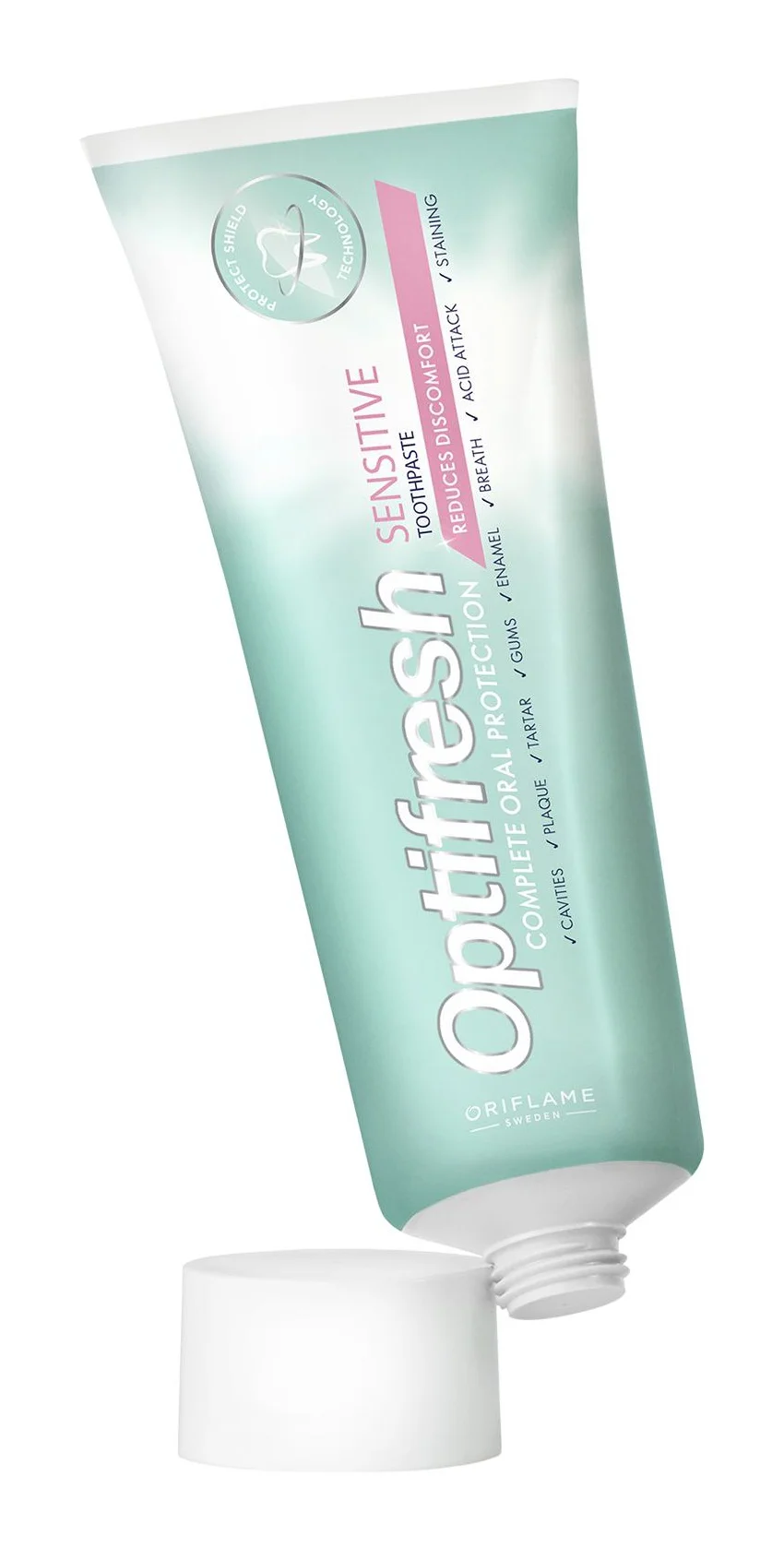


| EWG | CIR | Ingredient Name & Cosmetic Function | Notes |
|---|---|---|---|
| 4 6 | B |   | |
| 1 | - | (Opacifying, pH adjusting agent, Abrasive, Bulking Agent) | |
| 1 | B | | |
| 1 | - | (Skin Conditioning, Masking, Tonic) | |
| EWG | CIR | Ingredient Name & Cosmetic Function | Notes |
|---|---|---|---|
| 1 | - | (Fragrance, Humectant, Skin Conditioning, Flavoring Agent, Plasticizer) | |
| 1 | - | (Solvent) | |
| 1 | A | (Opacifying, Skin Conditioning, Viscosity Controlling, Abrasive, Absorbent, Bulking Agent, Anticaking Agent, Viscosity Increasing Agent) | |
| 1 2 | A | (Solvent, Perfuming, Fragrance, Humectant, Viscosity Decreasing Agent, Hair Conditioning, Skin Protecting, Denaturant ) |  |


Citrus Limon (Lemon) Peel Oil
1. Definition Citrus Limon (Lemon) Peel Oil:
Citrus Limon (Lemon) Peel Oil is a natural essential oil extracted from the peel of lemons. It is known for its refreshing and uplifting citrus scent.2. Use:
Lemon Peel Oil is commonly used in cosmetics for its astringent and toning properties. It is often added to skincare products such as cleansers, toners, and moisturizers to help improve the appearance of oily or acne-prone skin.3. Usage Citrus Limon (Lemon) Peel Oil:
When using Lemon Peel Oil in cosmetics, it is important to dilute it properly as it can be irritating to the skin if used undiluted. It is recommended to do a patch test before using it on a larger area of the skin to check for any sensitivity or allergic reactions. Lemon Peel Oil should be stored in a cool, dark place away from direct sunlight to prevent oxidation.4. References:
- "Lemon Peel Oil: Benefits, Uses, and Side Effects." Healthline, www.healthline.com/health/lemon-peel-oil.
- "Citrus Limon (Lemon) Peel Oil." The Dermatology Review, www.thedermreview.com/citrus-limon-lemon-peel-oil.
- "Lemon Peel Oil." Cosmetics Info, www.cosmeticsinfo.org/ingredient/lemon-peel-oil.
Calcium Carbonate
1. Definition Calcium Carbonate:
Calcium Carbonate is a naturally occurring mineral that is commonly used in cosmetics as a bulking agent, opacifying agent, and abrasive. It is a white, odorless powder with the chemical formula CaCO3.2. Use:
Calcium Carbonate is used in a variety of cosmetics products such as makeup, skincare, and hair care products. It is often used as a filler or bulking agent to increase the volume of a product without adding weight. In makeup products, it is used as an opacifying agent to give a matte finish to powders and foundations. Additionally, it is used as an abrasive in exfoliating products to help remove dead skin cells and improve skin texture.3. Usage Calcium Carbonate:
When using cosmetics containing Calcium Carbonate, it is important to be aware of any potential sensitivities or allergies to the ingredient. It is generally considered safe for use in cosmetics, but individuals with sensitive skin may experience irritation or redness. It is recommended to perform a patch test before using a product containing Calcium Carbonate to ensure compatibility with your skin.4. References:
- “Calcium Carbonate.” CosmeticsInfo.org, www.cosmeticsinfo.org/ingredient/calcium-carbonate.
- Arbo, M. D., et al. “Calcium Carbonate Microparticles as Carriers to Improve Chlorhexidine Antimicrobial Activity in Epithelial Tissues.” Scientific Reports, vol. 9, no. 1, 2019, doi:10.1038/s41598-019-39320-5.
- Ribeiro, L. N. M., et al. “Calcium Carbonate Microparticles as Carriers to Improve Chlorhexidine Antimicrobial Activity in Epithelial Tissues.” Journal of Functional Biomaterials, vol. 9, no. 1, 2018, doi:10.3390/jfb9010002.
Citrus Limon (Lemon) Peel
1. Definition Citrus Limon (Lemon) Peel:
Citrus Limon (Lemon) Peel refers to the outer covering of the lemon fruit, which is rich in antioxidants, vitamins, and minerals. It is commonly used in cosmetics for its brightening, clarifying, and exfoliating properties.2. Use:
Lemon peel is often used in cosmetics to help brighten and even out skin tone, as well as to reduce the appearance of dark spots and hyperpigmentation. Its high vitamin C content helps to stimulate collagen production, promoting healthy, youthful-looking skin. Lemon peel also has astringent properties that can help to tighten pores and reduce excess oil production.3. Usage Citrus Limon (Lemon) Peel:
Lemon peel can be found in a variety of cosmetic products, including face masks, serums, cleansers, and scrubs. It is important to note that lemon peel can be irritating to some individuals, especially those with sensitive skin. It is recommended to perform a patch test before using products containing lemon peel and to avoid using them on broken or irritated skin. Additionally, lemon peel can make the skin more sensitive to sunlight, so it is important to use sunscreen when using products with lemon peel during the day.4. References:
- Dweck, A. C. (2011). Formulating with natural ingredients. Personal Care Magazine, 8(6), 15-19.
- Almeida, I. F., Valentão, P., Andrade, P. B., Seabra, R. M., & Pereira, T. M. (2008). Citrus Limonoids: Antioxidant and Biological Activities. Journal of Agriculture and Food Chemistry, 56(2), 618-630.
- Reuter, J., Wölfle, U., Korting, H. C., & Schempp, C. (2010). Which plant for which skin disease? Part 1: Atopic dermatitis, psoriasis, acne, condyloma and herpes simplex. Journal of the German Society of Dermatology, 8(10), 788-796.
Commiphora Myrrha (Myrrh)
1. Definition Commiphora Myrrha (Myrrh):
Commiphora Myrrha, commonly known as Myrrh, is a resin extracted from the bark of the Myrrh tree. It has been used for centuries in traditional medicine and cosmetics for its aromatic, healing, and preservative properties.2. Use:
Myrrh is commonly used in cosmetics for its anti-inflammatory, antioxidant, and antimicrobial properties. It is often included in skincare products such as creams, lotions, and serums to help soothe irritated skin, reduce the appearance of fine lines and wrinkles, and protect against environmental damage. Myrrh is also used in perfumes and fragrances for its warm, spicy scent.3. Usage Commiphora Myrrha (Myrrh):
When using Myrrh in cosmetics, it is important to dilute it properly to avoid skin irritation. It is recommended to perform a patch test before using products containing Myrrh to check for any allergic reactions. Myrrh should be stored in a cool, dark place to prolong its shelf life and maintain its potency.4. References:
- Ali, B., Al-Wabel, N. A., Shams, S., Ahamad, A., & Khan, S. A. (2015). An updated review of pharmacological activities and phytochemistry of various species of Commiphora. Phytotherapy Research, 29(9), 1274-1299.
- Sharaf, M., El-Ansari, M. A., Saleh, N. A., & El-Massry, K. F. (2016). Chemical composition and biological activities of the essential oil from Commiphora myrrha (Nees) Engl. growing in Egypt. Journal of Essential Oil Bearing Plants, 19(8), 1989-1997.
- Khosravi Dehaghi, N., & Karimi, H. (2019). A review on the therapeutic potential of Commiphora genus. Journal of Traditional and Complementary Medicine, 9(2), 92-98.







