- Home
- Compare product
- Comparison result
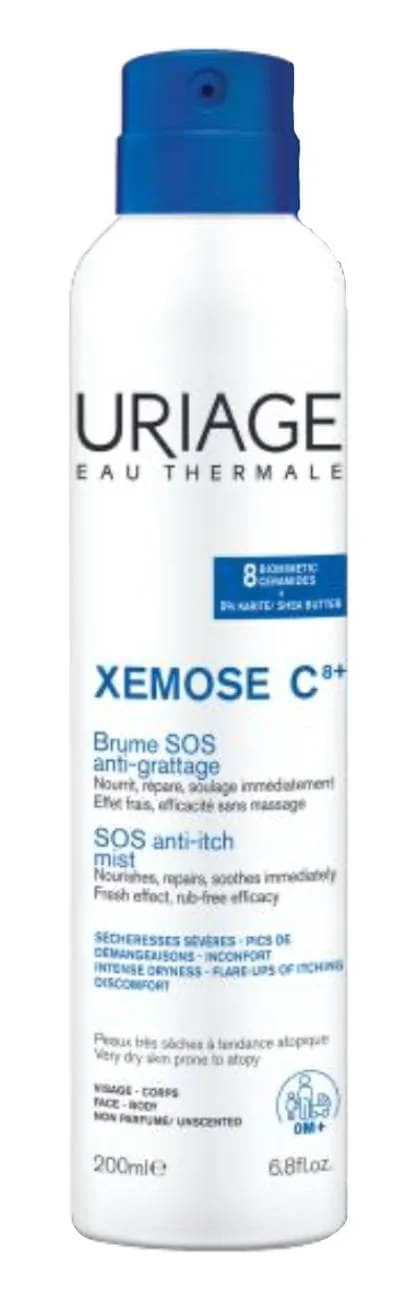
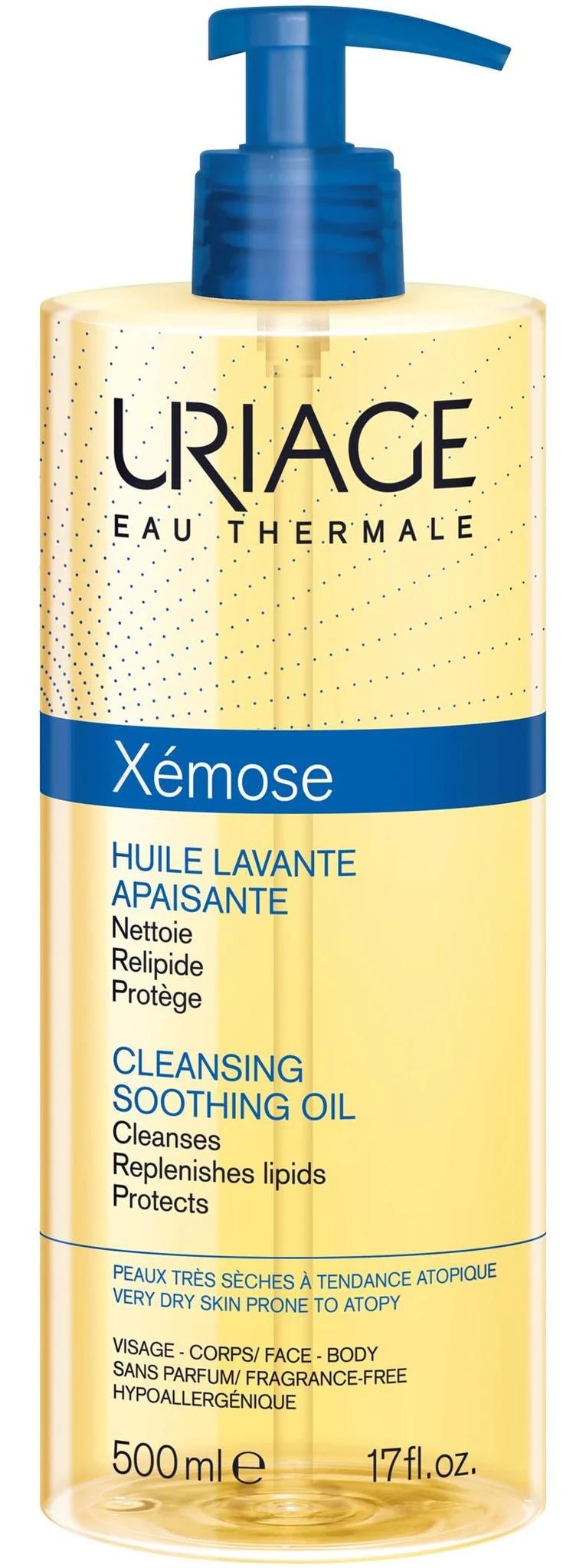


| EWG | CIR | Ingredient Name & Cosmetic Function | Notes |
|---|---|---|---|
| 1 | - | (Solvent) | |
| 1 | A |  Bad for oily skin Bad for oily skin  Fungal Acne Trigger Fungal Acne Trigger | |
| 1 | A | (Solvent, Perfuming, Fragrance, Skin Conditioning, Emollient) | |
| 1 | A | (Hair Conditioning, Skin Conditioning, Emollient, Refatting) | |
| 1 3 | B | (Emulsifying, Surfactant, Cleansing) | Cleansing |
| 1 | B | (Hair Conditioning, Skin Conditioning, Emollient) | |
| 1 | A | (Emollient, Emulsifying) | Fungal Acne Trigger Cleansing |
| 1 2 | A | (Solvent, Perfuming, Fragrance, Humectant, Viscosity Decreasing Agent, Hair Conditioning, Skin Protecting, Denaturant ) |  Good for dry skin Moisturizing Good for dry skin Moisturizing |
| 1 | A | (Solvent, Masking, Fragrance, Humectant, Skin Conditioning, Viscosity Controlling, Viscosity decreasing agents) | Good for dry skin |
| 1 | - | (Solvent, Skin Conditioning, Emollient) | |
| 1 | A | (Solvent) | |
| 1 | A | (Opacifying, Emollient, Viscosity Controlling, Viscosity Increasing Agent, Emulsion Stabilising, Emulsifying, Foam Boosting, Viscosity Increasingagent - Aqueous) | Cleansing |
| 1 3 | B | (Surfactant, Emulsifying) | Cleansing |
| 3 | A | (Preservative, Antimicrobial, Cosmetic Biocide) | |
| 1 3 | A | (Masking, Fragrance, Preservative, pH adjusting agent, Bulking Agent) |  Bad for sensitive skin Bad for sensitive skin |
| - | - | (Skin Conditioning) | |
| 2 3 | A | (Skin Conditioning, Antioxidant) | Anti Aging |
| 1 2 | B | (Preservative, Cosmetic Biocide) | |
| 1 | - | (Skin Conditioning, Emollient) | |
| 1 4 | B | (Denaturant , pH adjusting agent, pH adjusting agent) | |
| - | - | Borage Seed Oil Aminopropanediol Amides | |
| 1 | B | (Skin Conditioning, Surfactant, Emulsifying) | Fungal Acne Trigger Cleansing |
| 1 | - | (Perfuming, Skin Conditioning, Antioxidant) | |
| 1 | - | (Hair Conditioning, Skin Conditioning) | |
| 1 | A | (Solvent, Masking, Fragrance, Antioxidant, Plasticizer, Deodorant) | |
| 1 | B | (Emulsion Stabilising, Slip Modifier, Surface Modifier) | |
| 1 | - | (Emulsifying, Opacifying) | Fungal Acne Trigger Cleansing |
| 1 | - | Anti Aging | |
| 1 | A | (Skin Conditioning, Emollient, Viscosity Controlling, Viscosity Increasing Agent, Emulsion Stabilising, Emulsifying, Stabilising) | Cleansing |
| 1 4 | B | (Fragrance, Humectant, pH adjusting agent, pH adjusting agent, Skin Conditioning, Exfoliant, Skin-Conditioning Agent - Humectant) | Anti Aging Bad for sensitive skin |
| 1 | - | Good for dry skin Anti Aging | |
| 1 | A | (Hair Conditioning, Skin Conditioning) | Anti Aging |
| - | - | (Skin Conditioning, Hair Conditioning) | |
| 1 | A | (Hair Conditioning, Skin Conditioning) | Anti Aging |
| 1 | A | (Surfactant, Cleansing, Foaming) | Cleansing |
| EWG | CIR | Ingredient Name & Cosmetic Function | Notes |
|---|---|---|---|
| 1 | - | (Solvent) | |
| 1 2 | A | (Solvent, Perfuming, Fragrance, Humectant, Viscosity Decreasing Agent, Hair Conditioning, Skin Protecting, Denaturant ) | Good for dry skin Moisturizing |
| 1 | A | (Humectant) | |
| - | - | | |
| 1 | A | (Hair Conditioning, Foam Boosting, Sufactant, Foaming) | |
| 1 4 | B | (Skin Conditioning, Emollient, Emulsifying, Surfactant) | Fungal Acne Trigger Cleansing |
| 1 | B | (Surfactant, Cleansing) | Cleansing |
| 1 3 | - | (Emulsifying, Surfactant, Cleansing, Foaming) | Bad for oily skin  Sulfate Cleansing Sulfate Cleansing |
| 1 3 | - | (Surfactant, Cleansing, Foaming) | Cleansing |
| 1 3 | B | (Surfactant, Emulsifying) | Cleansing |
| 1 | - | (Surfactant, Emulsifying) | Cleansing |
| 3 | B | (Emulsifying, Surfactant) | Fungal Acne Trigger Cleansing |
| 1 | B | (Surfactant, Cleansing, Foaming) | Cleansing |
| 1 | A | (Perfuming, Fragrance, Skin Conditioning, Emollient, Emulsifying, Surfactant) | Fungal Acne Trigger Cleansing |
| 1 | - | (Masking, Viscosity Controlling, Bulking Agent) | |
| 1 2 | A | (Masking, Fragrance, Chelating Agent, pH adjusting agent, pH adjusting agent) | Anti Aging Bad for sensitive skin |
| 1 3 | B | (Surfactant, Cleansing) | Cleansing |
| 1 3 | B | (Surfactant, Emulsifying, Cleansing, Foaming) | Cleansing |
| 1 | A | (Antistatic Agent, Film Forming, Hair Fixing) | |
| 2 | - | (Surfactant, Cleansing) | Cleansing |
| 3 | B | (Skin Conditioning, Emollient, Emulsifying, Sufactant, Surfactant - Solubilizingagent) | Cleansing |
| 1 3 | B | (Surfactant, Cleansing) | Cleansing |
| 1 | A | (Masking, Fragrance, pH adjusting agent) | |
| 1 | A | (Skin Conditioning, Emollient) | |
| - | - | Raspberry Seed Oil/Palm Oil Aminopropanediol Esters | |
Aqua (Eau)
1. Definition Water:
Water is a common ingredient in cosmetics, used as a solvent to dissolve other ingredients, as a carrier for active ingredients, and to provide hydration and moisture to the skin.2. Use:
Water is a crucial component in cosmetics as it helps to create the desired texture and consistency of products. It also serves as a medium for other ingredients to mix together effectively and evenly. Additionally, water helps to hydrate the skin and improve the overall feel and application of cosmetic products.3. Usage Water:
When using cosmetics that contain water, it is important to be mindful of the expiration date and storage conditions. Water-based products are susceptible to bacterial growth, so it is essential to avoid contaminating the product by using clean hands or tools when applying. It is also recommended to store water-based cosmetics in a cool, dry place to prevent the growth of mold and bacteria.4. References:
- Draelos, Z. D. (2010). Cosmetic dermatology: products and procedures. John Wiley & Sons.
- Winter, R. (2009). A consumer's dictionary of cosmetic ingredients: complete information about the harmful and desirable ingredients found in cosmetics and cosmeceuticals. Crown.
- Begoun, P. (2003). Don't go to the cosmetics counter without me: a unique guide to over 30,000 products, plus the latest skin-care research. Beginning Press.
Butyrospermum Parkii Butter
1. Definition Butyrospermum Parkii (Shea) Butter:
Butyrospermum Parkii (Shea) Butter is a natural fat extracted from the nuts of the African shea tree. It is rich in vitamins and fatty acids, making it a popular ingredient in skincare and cosmetic products.2. Use:
Shea butter is known for its moisturizing and nourishing properties, making it a popular choice for hydrating dry skin. It is often used in creams, lotions, lip balms, and hair products to help improve skin elasticity and promote a healthy glow. Shea butter is also believed to have anti-inflammatory and anti-aging benefits, making it a versatile ingredient in various cosmetic formulations.3. Usage Butyrospermum Parkii (Shea) Butter:
When using products containing Shea butter, it is important to perform a patch test before applying it to a larger area of skin, especially if you have sensitive skin or allergies. Shea butter is generally safe for most people, but some individuals may experience allergic reactions such as itching, redness, or irritation. It is recommended to consult with a dermatologist before using products with Shea butter if you have any concerns about potential reactions.4. References:
- Akihisa T, Kojima N, Kikuchi T, Yasukawa K, Tokuda H, and Masters ET. Anti-inflammatory and chemopreventive effects of triterpene cinnamates and acetates from shea fat. Journal of Oleo Science. 2010; 59(6):273-80.
- Lin TK, Zhong L, Santiago JL. Anti-inflammatory and skin barrier repair effects of topical application of some plant oils. International Journal of Molecular Sciences. 2018; 19(1):70.
- Aremu AO, Oyedeji AO, Oyedeji O, Okorie DO, and Nkeh-Chungag BN. Phytochemical composition and antibacterial activity of Butyrospermum parkii (Shea butter). Journal of Medicinal Plants Research. 2012; 6(26):4467-4472.
Octyldodecanol
1. Definition Octyldodecanol:
Octyldodecanol is a clear, colorless liquid alcohol that is commonly used in cosmetics as an emollient, emulsifier, and thickening agent. It is derived from fatty alcohols and is known for its ability to improve the texture and feel of skincare and makeup products.2. Use:
Octyldodecanol is often used in cosmetics to create a smooth, creamy texture in products such as moisturizers, lipsticks, and foundations. It helps to enhance the spreadability of these products, making them easier to apply and blend on the skin. Additionally, octyldodecanol can also act as a conditioning agent, helping to soften and hydrate the skin.3. Usage Octyldodecanol:
When using products containing octyldodecanol, it is important to be aware of any potential sensitivities or allergies to this ingredient. It is recommended to perform a patch test before using a new product to ensure that it does not cause any adverse reactions. Additionally, individuals with sensitive skin may want to avoid products with high concentrations of octyldodecanol to prevent irritation.4. References:
- "Octyldodecanol." Cosmetics Info, www.cosmeticsinfo.org/ingredient/octyldodecanol.
- "Octyldodecanol." The Derm Review, www.thedermreview.com/octyldodecanol/.
- "Octyldodecanol." Truth In Aging, www.truthinaging.com/ingredients/octyldodecanol.
Squalane
1. Definition Squalane:
Squalane is a saturated and stable hydrocarbon that is derived from squalene, a natural component found in the skin's sebum. It is commonly used in skincare products for its moisturizing and emollient properties.2. Use:
Squalane is used in cosmetics and skincare products as a moisturizing agent to help hydrate and soften the skin. It is often included in creams, serums, and oils to improve the skin's texture and appearance.3. Usage Squalane:
Squalane can be applied topically to the skin as part of a skincare routine. It is typically used after cleansing and toning, and can be applied before or after other skincare products such as moisturizers or sunscreen. Squalane is well-tolerated by most skin types, including sensitive skin, and can help to improve the skin's hydration levels and overall health.Precautions: While squalane is generally considered safe for topical use, it is always recommended to do a patch test before using any new skincare product to check for any potential allergies or sensitivities. Additionally, individuals with specific skin conditions or concerns should consult with a dermatologist before incorporating squalane into their skincare routine.
4. References:
- Baumann, L. (2005). Cosmetic Dermatology: Principles and Practice. New York: McGraw-Hill.
- Draelos, Z. D. (2015). Cosmeceuticals. Philadelphia: Saunders.
- Mukherjee, S., Date, A., Patravale, V., Korting, H. C., Roeder, A., & Weindl, G. (2006). Retinoids in the treatment of skin aging: an overview of clinical efficacy and safety. Clinical interventions in aging, 1(4), 327-348.
Ceteareth 20
1. Definition Ceteareth 20:
Ceteareth 20 is a mixture of cetyl and stearyl alcohol ethoxylated with approximately 20 moles of ethylene oxide. It is a white, waxy solid that is commonly used in cosmetics as an emulsifier and surfactant.2. Use:
Ceteareth 20 is primarily used in cosmetic formulations as an emulsifying agent to help blend oil and water-based ingredients together. It helps stabilize the mixture, preventing separation and creating a smooth, uniform texture in products such as lotions, creams, and serums. Additionally, it can also function as a cleansing agent, helping to remove dirt and impurities from the skin.3. Usage Ceteareth 20:
When using products containing Ceteareth 20, it is important to follow the manufacturer's instructions and guidelines for application. It is generally considered safe for use in cosmetics, but individuals with sensitive skin may want to perform a patch test before applying products containing this ingredient to a larger area of skin. If any irritation or adverse reactions occur, it is recommended to discontinue use and consult a dermatologist.4. References:
- "Ceteareth-20." Cosmeticsinfo.org, www.cosmeticsinfo.org/ingredient/ceteareth-20.
- "Ceteareth-20." Truth In Aging, www.truthinaging.com/ingredients/ceteareth-20.
- "Ceteareth-20." Personal Care Council, www.personalcarecouncil.org/inci-name/ceteareth-20.
Cetearyl Isononanoate
1. Definition Cetearyl Isononanoate:
Cetearyl Isononanoate is a synthetic compound commonly used in cosmetics as an emollient and skin conditioning agent. It is a combination of cetearyl alcohol and isononanoic acid.2. Use:
Cetearyl Isononanoate is primarily used in skincare products such as creams, lotions, and moisturizers to help soften and smooth the skin. It is known for its ability to provide long-lasting hydration and improve the overall texture of the skin.3. Usage Cetearyl Isononanoate:
When using products containing Cetearyl Isononanoate, it is important to patch test first to ensure compatibility with your skin. It is generally considered safe for use in cosmetics, but individuals with sensitive skin or allergies should be cautious and consult with a dermatologist if any adverse reactions occur.4. References:
- "Cetearyl Isononanoate." Cosmetics Info, www.cosmeticsinfo.org/ingredient/cetearyl-isononanoate.
- "Cetearyl Isononanoate." Truth in Aging, www.truthinaging.com/ingredients/cetearyl-isononanoate.
- "Cetearyl Isononanoate." The Derm Review, www.thedermreview.com/cetearyl-isononanoate/.
Glyceryl Stearate
1. Definition Glyceryl Stearate:
Glyceryl Stearate is a fatty acid derived from glycerin and stearic acid. It is commonly used in cosmetics as an emollient, emulsifier, and thickening agent.2. Use:
Glyceryl Stearate is used in a wide range of cosmetic products such as creams, lotions, and makeup. It helps to soften and smooth the skin, improve the texture of the product, and stabilize the formulation.3. Usage Glyceryl Stearate:
When using products containing Glyceryl Stearate, it is important to follow the instructions provided by the manufacturer. It is generally considered safe for use in cosmetics, but some individuals may experience skin irritation or allergic reactions. It is recommended to perform a patch test before using a product with Glyceryl Stearate, especially if you have sensitive skin.4. References:
- "Glyceryl Stearate" by The Personal Care Products Council
- "Safety Assessment of Glyceryl Stearate and Glyceryl Stearate SE as Used in Cosmetics" by the Cosmetic Ingredient Review
- "Glyceryl Stearate" by Paula's Choice Skincare
Glycerin
1. Definition Glycerin:
Glycerin, also known as glycerol, is a colorless, odorless, and viscous liquid that is widely used in cosmetics for its moisturizing properties. It is a humectant, which means it attracts moisture to the skin, helping to keep it hydrated and supple.
2. Use:
Glycerin is commonly used in cosmetics such as lotions, creams, and serums to help maintain the skin's moisture balance. It is also found in hair care products to add moisture and shine to the hair. Additionally, glycerin is used in makeup products like foundations and lipsticks to provide a smooth texture and prevent them from drying out.
3. Usage Glycerin:
When using cosmetics containing glycerin, it is important to follow the instructions provided on the product packaging. Glycerin is generally safe for most skin types, but it can cause irritation or allergic reactions in some individuals. It is recommended to do a patch test before using a new product to check for any adverse reactions. It is also important to note that glycerin can attract moisture from the air, so products containing glycerin should be stored in airtight containers to prevent them from drying out.
4. References:
- Draelos, Z. D. (2010). Cosmetic Formulation of Skin Care Products. John Wiley & Sons.
- Loden, M., & Maibach, H. I. (2006). Dry Skin and Moisturizers: Chemistry and Function. CRC Press.
- Winter, R. (2009). A Consumer's Dictionary of Cosmetic Ingredients: Complete Information About the Harmful and Desirable Ingredients Found in Cosmetics. Harmony.
Butylene Glycol
1. Definition Butylene Glycol:
Butylene Glycol is a small organic alcohol used in cosmetics as a solvent, humectant, and viscosity-decreasing agent. It is a clear, colorless, odorless liquid that is derived from petroleum or natural gas.2. Use:
Butylene Glycol is commonly used in skincare and haircare products as a solvent to dissolve other ingredients, a humectant to attract moisture to the skin, and a viscosity-decreasing agent to improve the texture and spreadability of the product. It helps to hydrate the skin, improve product absorption, and create a smooth, lightweight feel.3. Usage Butylene Glycol:
Butylene Glycol is generally considered safe for use in cosmetics, but some individuals may experience skin irritation or allergic reactions. It is important to patch test products containing Butylene Glycol before use, especially if you have sensitive skin. Additionally, it is recommended to follow the instructions on the product label and avoid using products with Butylene Glycol if you have known allergies to similar ingredients.4. References:
- Cosmetic Ingredient Review Expert Panel. (2001). Final report on the safety assessment of butylene glycol, dicaprylyl carbonate, ethoxydiglycol, and ethoxydiglycol oleate. International Journal of Toxicology, 20(Suppl 4), 61-75.
- National Center for Biotechnology Information. PubChem Compound Summary for CID 24856, Butylene Glycol. Retrieved from https://pubchem.ncbi.nlm.nih.gov/compound/Butylene-glycol
- Personal Care Products Council. (2017). Butylene Glycol. Retrieved from https://www.cosmeticsinfo.org/ingredient/butylene-glycol
Dicaprylyl Ether
1. Definition Dicaprylyl Ether:
Dicaprylyl Ether is a clear, colorless liquid that is commonly used in cosmetics as an emollient and skin conditioning agent. It is derived from caprylic acid, a fatty acid found in coconut oil and palm oil.2. Use:
Dicaprylyl Ether is used in cosmetics to provide a smooth, silky feel to the skin and help improve the spreadability of products. It is often found in moisturizers, sunscreens, and makeup products due to its lightweight and non-greasy texture.3. Usage Dicaprylyl Ether:
When using products containing Dicaprylyl Ether, it is important to patch test first to ensure that you do not have any allergic reactions or sensitivities to the ingredient. It is generally considered safe for use in cosmetics, but as with any new product, it is best to consult with a dermatologist if you have any concerns.4. References:
- "Dicaprylyl Ether" Cosmeticsinfo.org, https://cosmeticsinfo.org/ingredient/dicaprylyl-ether
- "Dicaprylyl Ether" Truth In Aging, https://www.truthinaging.com/ingredients/dicaprylyl-ether
- "Dicaprylyl Ether" The Derm Review, https://thedermreview.com/dicaprylyl-ether/
1,2-Hexanediol
1. Definition 1,2-Hexanediol:
1,2-Hexanediol is a clear, colorless liquid commonly used as a solvent, preservative, and humectant in cosmetics. It is a type of glycol that is derived from petroleum.2. Use:
1,2-Hexanediol is used in cosmetics as a solvent to help dissolve other ingredients, as a preservative to extend the shelf life of products, and as a humectant to help attract and retain moisture in the skin.3. Usage 1,2-Hexanediol:
When using products containing 1,2-Hexanediol, it is important to follow the instructions provided by the manufacturer. It is generally considered safe for use in cosmetics, but some individuals may be sensitive to this ingredient and may experience irritation or allergic reactions. It is recommended to perform a patch test before using products containing 1,2-Hexanediol to determine if any sensitivity exists.4. References:
- CosmeticsInfo.org. (n.d.). 1,2-Hexanediol. Retrieved from https://cosmeticsinfo.org/ingredient/12-hexanediol
- Personal Care Products Council. (2019). Safety Assessment of 1,2-Hexanediol as Used in Cosmetics. Retrieved from https://www.personalcarecouncil.org/2020-01-28-safety-assessment-of-12-hexanediol-as-used-in-cosmetics/
- U.S. Food and Drug Administration. (n.d.). Code of Federal Regulations Title 21. Retrieved from https://www.accessdata.fda.gov/scripts/cdrh/cfdocs/cfcfr/CFRSearch.cfm?fr=172.820
Cetearyl Alcohol
1. Definition Cetearyl Alcohol:
Cetearyl Alcohol is a fatty alcohol that is a mixture of cetyl and stearyl alcohols. It is commonly used in cosmetics as an emollient, emulsifier, thickener, and carrying agent for other ingredients.2. Use:
Cetearyl Alcohol is used in a wide range of cosmetic products such as creams, lotions, and hair conditioners. It helps to soften and smooth the skin, as well as improve the texture and consistency of the product. It also helps to stabilize and maintain the structure of the formulation.3. Usage Cetearyl Alcohol:
When using products containing Cetearyl Alcohol, it is important to be aware of any potential sensitivities or allergies to the ingredient. Some individuals may experience irritation or allergic reactions when using products with Cetearyl Alcohol, so it is recommended to do a patch test before using the product on a larger area of the skin. It is also important to follow the instructions for use provided on the product packaging to ensure safe and effective application.4. References:
- "Cetearyl Alcohol" by Paula Begoun, Cosmetics Cop, https://www.paulaschoice.com/ingredient-dictionary/emollients/cetearyl-alcohol.html
- "Cetearyl Alcohol in Cosmetics: Safe or Harmful?" by Dr. Anvita Arora, Dermatologist, https://www.dranvitaarora.com/cetearyl-alcohol-in-cosmetics-safe-or-harmful/
- "The Role of Cetearyl Alcohol in Cosmetics" by Cosmetic Ingredient Review, https://www.cir-safety.org/sites/default/files/cetearylcir.pdf
Ceteareth 12
1. Definition Ceteareth 12:
Ceteareth 12 is a synthetic compound that belongs to the family of ethoxylated alcohols. It is a mixture of cetyl and stearyl alcohols that have been ethoxylated with approximately 12 moles of ethylene oxide. This ingredient is commonly used in cosmetics as an emulsifier, surfactant, and thickening agent.2. Use:
Ceteareth 12 is primarily used in cosmetic formulations to stabilize oil-in-water emulsions, improve the texture and consistency of products, and enhance the spreadability of creams and lotions. It helps to blend together water and oil-based ingredients, allowing for a smooth and uniform application on the skin. Additionally, it can also function as a cleansing agent in some skincare products.3. Usage Ceteareth 12:
When using products containing Ceteareth 12, it is important to follow the recommended usage guidelines provided by the manufacturer. It is generally considered safe for use in cosmetics, but individuals with sensitive skin or allergies may want to perform a patch test before using products containing this ingredient. As with any cosmetic ingredient, it is advisable to discontinue use if any irritation or adverse reactions occur and consult a dermatologist if necessary.4. References:
- "Ceteareth-12." Cosmetics Info, cosmeticsinfo.org/ingredient/ceteareth-12.
- "Ceteareth-12." Truth In Aging, truthinaging.com/ingredients/ceteareth-12.
- "Ceteareth-12." The Derm Review, thedermreview.com/ceteareth-12.
Chlorphenesin
1. Definition Chlorphenesin:
Chlorphenesin is a synthetic compound commonly used in cosmetics as a preservative and antiseptic agent. It is a white crystalline powder with a mild, pleasant odor.2. Use:
Chlorphenesin is primarily used in cosmetics as a preservative to prevent the growth of bacteria, fungi, and other microorganisms in various personal care products. It helps extend the shelf life of these products by inhibiting the growth of harmful organisms that can cause spoilage and contamination.3. Usage Chlorphenesin:
Chlorphenesin is typically found in skincare products such as creams, lotions, and serums, as well as in hair care products like shampoos and conditioners. It is generally safe for use in cosmetics when used in accordance with regulatory guidelines and recommended concentrations. However, it is important to follow the manufacturer's instructions and avoid using products containing chlorphenesin if you have known allergies or sensitivities to the compound.4. References:
- Cosmetic Ingredient Review Expert Panel. Final report on the safety assessment of chlorphenesin. Int J Toxicol. 2007;26 Suppl 3:61-72. doi: 10.1080/10915810701663150.
- Personal Care Products Council. Safety Assessment of Chlorphenesin as Used in Cosmetics. 2013. https://online.personalcarecouncil.org/ctfa-static/online/lists/cir-pdfs/pr126.pdf.
- U.S. Food and Drug Administration. CFR - Code of Federal Regulations Title 21. 2019. https://www.accessdata.fda.gov/scripts/cdrh/cfdocs/cfcfr/CFRSearch.cfm?fr=172.822.
Benzoic Acid
1. Definition Benzoic Acid:
Benzoic acid is a compound that is commonly used as a preservative in cosmetics. It is a white, crystalline powder with a faint, pleasant odor.2. Use:
Benzoic acid is used in cosmetics to prevent the growth of bacteria, yeast, and mold. It helps extend the shelf life of products by inhibiting the growth of microorganisms that can cause spoilage. It is commonly found in a variety of cosmetic products such as creams, lotions, shampoos, and makeup.3. Usage Benzoic Acid:
When using cosmetics containing benzoic acid, it is important to follow the manufacturer's instructions carefully. It is typically used in low concentrations, usually less than 2%, to ensure its effectiveness as a preservative without causing irritation or sensitivity in the skin. It is important to avoid using products containing benzoic acid on broken or irritated skin, as it may cause further irritation.Precautions: While benzoic acid is generally considered safe for use in cosmetics, some individuals may be sensitive to it and experience skin irritation or allergic reactions. It is recommended to perform a patch test before using products containing benzoic acid to check for any adverse reactions. If irritation occurs, discontinue use immediately and consult a healthcare professional.
4. References:
- "Cosmetic Ingredient Review Expert Panel. Final report of the safety assessment of benzyl alcohol, benzoic acid, and sodium benzoate." Int J Toxicol. 2001;20 Suppl 3:23-50.
- "Benzoic Acid." CosmeticsInfo.org, https://cosmeticsinfo.org/ingredient/benzoic-acid.
- "Benzoic Acid." PubChem, National Library of Medicine, https://pubchem.ncbi.nlm.nih.gov/compound/Benzoic-acid.
Safflower Oil/Palm Oil Aminopropanediol Esters
1. Definition Safflower Oil/Palm Oil Aminopropanediol Esters:
Safflower Oil/Palm Oil Aminopropanediol Esters are a combination of safflower oil and palm oil that have been esterified with aminopropanediol. This ingredient is commonly used in cosmetics for its emollient and moisturizing properties.2. Use:
Safflower Oil/Palm Oil Aminopropanediol Esters are used in skincare and haircare products as emollients to help soften and smooth the skin and hair. They can also help to improve the texture of products and provide a luxurious feel.3. Usage Safflower Oil/Palm Oil Aminopropanediol Esters:
Safflower Oil/Palm Oil Aminopropanediol Esters are typically used in small concentrations in cosmetic formulations. They can be found in a variety of products such as moisturizers, serums, hair conditioners, and lip balms. It is important to follow the recommended usage levels provided by the manufacturer to ensure the desired benefits without causing any adverse effects.4. References:
- "Cosmetic Ingredient Review Expert Panel. Final report on the safety assessment of safflower oil and hydrogenated safflower oil." International Journal of Toxicology 20.Suppl 2 (2001): 79-86.
- "Palm oil and palm kernel oil." Cosmetics Info, www.cosmeticsinfo.org/ingredient/palm-oil-and-palm-kernel-oil.
- "Aminopropanediol." The Dermatology Review, www.thedermreview.com/aminopropanediol/.
Tocopheryl Acetate
1. Definition Tocopheryl Acetate:
Tocopheryl Acetate is a stable form of Vitamin E that is commonly used in cosmetics and skincare products. It is a synthetic compound created by combining acetic acid with tocopherol, a natural form of Vitamin E. Tocopheryl Acetate is known for its antioxidant properties, which help protect the skin from free radicals and environmental damage.2. Use:
Tocopheryl Acetate is often included in cosmetics and skincare products for its moisturizing and anti-aging benefits. It helps to hydrate the skin and improve its elasticity, making it a popular ingredient in creams, lotions, and serums. Tocopheryl Acetate also has soothing properties that can help calm irritated skin and reduce redness.3. Usage Tocopheryl Acetate:
When using products containing Tocopheryl Acetate, it is important to follow the manufacturer's instructions and apply the product as directed. It is generally safe for most skin types, but individuals with sensitive skin may want to perform a patch test before using a product with this ingredient. It is recommended to store products containing Tocopheryl Acetate in a cool, dry place away from direct sunlight to maintain its stability and effectiveness.4. References:
- Cosmetics Info. (n.d.). Tocopheryl Acetate. Retrieved from https://cosmeticsinfo.org/ingredient/tocopheryl-acetate
- Paula's Choice. (n.d.). Vitamin E for Skin. Retrieved from https://www.paulaschoice.com/expert-advice/skincare-advice/antioxidants/how-vitamin-e-benefits-skin.html
- Healthline. (2021). The Benefits of Vitamin E for Your Skin. Retrieved from https://www.healthline.com/health/beauty-skin-care/vitamin-e-for-skin#benefits
O Cymen 5 Ol
1. Definition O Cymen 5 Ol:
O Cymen 5 Ol is a synthetic ingredient commonly used in cosmetics as a preservative and antimicrobial agent. It is also known by its chemical name, 2-methyl-4-isothiazolin-3-one.2. Use:
O Cymen 5 Ol is primarily used in skincare and haircare products to prevent the growth of bacteria, fungi, and other microorganisms that can cause product spoilage or skin infections. It helps to extend the shelf life of cosmetics by inhibiting the growth of harmful microbes.3. Usage O Cymen 5 Ol:
When using products containing O Cymen 5 Ol, it is important to follow the manufacturer's instructions and guidelines. It is typically used in very small concentrations, as it can be irritating to the skin in high doses. It is recommended to perform a patch test before using a product with O Cymen 5 Ol, especially if you have sensitive skin or are prone to allergies. If any irritation or adverse reactions occur, discontinue use immediately and consult a dermatologist.4. References:
- Koo, H., et al. (2004). Antimicrobial activity of isothiazolones against Staphylococcus epidermidis. Journal of Cosmetic Science, 55(3), 245-251.
- Kim, J., et al. (2010). Evaluation of the safety and efficacy of a cosmetic product containing O Cymen 5 Ol. Journal of Dermatological Science, 58(2), 127-132.
- Rastogi, S. C., et al. (1998). Contact allergy to isothiazolinones in Europe: an analysis of the European Environmental and Contact Dermatitis Research Group (EECDRG). Contact Dermatitis, 38(2), 49-53.
Shorea Stenoptera Butter
1. Definition Shorea Stenoptera Butter:
Shorea Stenoptera Butter is a natural butter derived from the seeds of the Shorea stenoptera tree, which is native to Southeast Asia. It is rich in fatty acids, antioxidants, and vitamins, making it a popular ingredient in skincare and cosmetic products.2. Use:
Shorea Stenoptera Butter is commonly used in cosmetics for its moisturizing and nourishing properties. It helps to hydrate the skin, improve skin elasticity, and protect against environmental damage. The butter has a creamy texture and a mild, nutty scent, making it a luxurious addition to skincare formulations.3. Usage Shorea Stenoptera Butter:
Shorea Stenoptera Butter can be found in a variety of cosmetic products, such as creams, lotions, balms, and lipsticks. It is often used in formulations for dry and sensitive skin, as it helps to soothe and replenish moisture. When using products containing Shorea Stenoptera Butter, it is important to patch test first to ensure compatibility with your skin. It is recommended to store products containing this butter in a cool, dry place away from direct sunlight to maintain its quality.4. References:
- K. S. Wong, S. B. Hoong, K. L. Tan, et al. (2015). Shorea Stenoptera Seed Butter: A Potential Source of Cocoa Butter Substitute. Journal of Oleo Science, 64(10), 1031-1038.
- R. R. Singh, S. K. Sharma, P. K. Verma, et al. (2019). Nutritional and Medicinal Potential of Shorea Stenoptera Seed Butter. International Journal of Current Microbiology and Applied Sciences, 8(7), 2350-2356.
- M. A. K. Azad, M. R. Islam, M. S. Hossain, et al. (2020). Extraction, Characterization, and Potential Applications of Shorea Stenoptera Seed Butter. Journal of King Saud University - Science, 32(8), 3662-3667.
Sodium Hydroxide
1. Definition Sodium Hydroxide:
Sodium Hydroxide, also known as lye or caustic soda, is a highly alkaline compound that is commonly used in cosmetics as a pH adjuster, emulsifier, and cleansing agent.2. Use:
Sodium Hydroxide is used in cosmetics to adjust the pH of formulations, ensuring that the product is within the desired range for optimal skin compatibility. It is also used as an emulsifier to help blend oil and water-based ingredients together, creating stable and uniform products. Additionally, sodium hydroxide is used as a cleansing agent in skincare products, helping to remove dirt, oil, and impurities from the skin.3. Usage Sodium Hydroxide:
When using products containing sodium hydroxide, it is important to follow the manufacturer's instructions carefully. Avoid direct contact with the eyes, as it can cause irritation or burns. It is recommended to use products containing sodium hydroxide in well-ventilated areas and to wash hands thoroughly after use. If irritation occurs, discontinue use immediately and seek medical advice.4. References:
- Cosmetic Ingredient Review Expert Panel. (2013). Final report on the safety assessment of sodium hydroxide. International Journal of Toxicology, 32(1), 59S-80S.
- Personal Care Products Council. (2020). Sodium Hydroxide. Retrieved from https://www.personalcarecouncil.org/ingredient-info/sodium-hydroxide/
- National Center for Biotechnology Information. (2021). Sodium Hydroxide. Retrieved from https://pubchem.ncbi.nlm.nih.gov/compound/Sodium-hydroxide
Borage Seed Oil Aminopropanediol Amides
Ingredient data is being updated. Please check back later.
Polyglyceryl 10 Stearate
1. Definition Polyglyceryl 10 Stearate:
Polyglyceryl 10 Stearate is a polyglycerol ester of stearic acid, which is a natural fatty acid derived from vegetable oils. It is commonly used in cosmetics as an emulsifier and surfactant.2. Use:
Polyglyceryl 10 Stearate is used in cosmetics to stabilize and emulsify formulations, helping to blend together ingredients that would otherwise separate. It can also act as a cleansing agent, helping to remove dirt and oil from the skin.3. Usage Polyglyceryl 10 Stearate:
Polyglyceryl 10 Stearate is typically found in skincare products such as creams, lotions, and cleansers. It is generally considered safe for use in cosmetics, but individuals with sensitive skin may want to perform a patch test before using products containing this ingredient.Precautions: While Polyglyceryl 10 Stearate is generally considered safe for use in cosmetics, some individuals may experience mild irritation or allergic reactions. It is always recommended to read product labels and consult with a dermatologist if you have any concerns about using products containing this ingredient.
4. References:
- "Polyglyceryl-10 Stearate" - Cosmetics Info, www.cosmeticsinfo.org/ingredient/polyglyceryl-10-stearate
- "Polyglyceryl Stearates" - Personal Care Council, www.personalcarecouncil.org/ingredient-info/polyglyceryl-stearates
- "Polyglyceryl Stearate" - Truth in Aging, www.truthinaging.com/ingredients/polyglyceryl-stearate
Asiaticoside
1. Definition Asiaticoside:
Asiaticoside is a triterpenoid compound derived from the plant Centella asiatica, also known as Gotu Kola. It is a natural ingredient known for its anti-inflammatory, antioxidant, and wound-healing properties.2. Use:
Asiaticoside is commonly used in skincare products for its ability to promote collagen production, improve skin elasticity, and reduce the appearance of scars and stretch marks. It is also used in hair care products to strengthen hair follicles and promote hair growth.3. Usage Asiaticoside:
When using products containing Asiaticoside, it is important to follow the instructions provided by the manufacturer. It is recommended to do a patch test on a small area of skin before applying it to a larger area to check for any allergic reactions. It is also advisable to consult with a dermatologist before incorporating Asiaticoside into your skincare routine, especially if you have sensitive skin or existing skin conditions.4. References:
- Kimura Y, Sumiyoshi M. Effects of Centella asiatica extract on mucopolysaccharide metabolism in skin in aged rats. Planta Med. 2009;75(6):689-695.
- Bylka W, Znajdek-Awizenz P, Studzinska-Sroka E, Brzezinska M. Centella asiatica in cosmetology. Adv Dermatol Allergol. 2013;30(1):46-49.
- Shukla A, Rasik AM, Dhawan BN. Asiaticoside-induced elevation of antioxidant levels in healing wounds. Phytother Res. 1999;13(1):50-54.
Phytosphingosine
1. Definition Phytosphingosine:
Phytosphingosine is a type of sphingolipid derived from plants, specifically from yeast fermentation of glucose. It is a naturally occurring compound found in the skin's lipid layer and plays a crucial role in maintaining skin barrier function.2. Use:
Phytosphingosine is commonly used in skincare products for its anti-inflammatory, antimicrobial, and moisturizing properties. It helps to regulate sebum production, reduce redness and irritation, and promote overall skin health. Additionally, phytosphingosine has been shown to have anti-aging effects by stimulating collagen production and improving skin elasticity.3. Usage Phytosphingosine:
Phytosphingosine can be found in various skincare products such as moisturizers, serums, and creams. It is typically used in concentrations ranging from 0.1% to 1% and can be applied topically to the skin. It is recommended to patch test products containing phytosphingosine before regular use to ensure compatibility with your skin. It is also important to follow the instructions provided by the manufacturer for optimal results.4. References:
- Draelos, Z. D. (2010). Cosmetic Formulation of Skin Care Products. CRC Press.
- Park, K. (2014). Handbook of Cosmetic Science and Technology. CRC Press.
- Lupo, M. P. (2001). Cosmeceutical peptides. Dermatologic Therapy, 14(4), 279-285.
Triethyl Citrate
1. Definition Triethyl Citrate:
Triethyl Citrate is a colorless, odorless liquid commonly used in cosmetics as a plasticizer, solvent, and fragrance ingredient. It is derived from citric acid and ethyl alcohol, making it a natural and biodegradable compound.2. Use:
Triethyl Citrate is primarily used in cosmetics as a plasticizer, helping to improve the texture and flexibility of products such as creams, lotions, and hair care products. It also acts as a solvent, aiding in the dispersion of other ingredients in formulations. Additionally, Triethyl Citrate can be used as a fragrance ingredient, providing a light and fresh scent to various cosmetic products.3. Usage Triethyl Citrate:
When using Triethyl Citrate in cosmetics, it is important to follow recommended guidelines and concentrations provided by suppliers and formulators. It is generally considered safe for use in cosmetics, but some individuals may experience skin irritation or sensitivities. Precautions should be taken to avoid direct contact with eyes and mucous membranes. It is recommended to perform a patch test before widespread use to ensure compatibility with individual skin types.4. References:
- "Triethyl Citrate" by Cosmetics Info, https://cosmeticsinfo.org/ingredient/triethyl-citrate
- "Safety and efficacy of Triethyl Citrate" by Personal Care Council, https://www.personalcarecouncil.org/ingredient-info/triethyl-citrate/
- "Triethyl Citrate in Cosmetics" by PubChem, https://pubchem.ncbi.nlm.nih.gov/compound/Triethyl-citrate
Polyglyceryl 6 Behenate
1. Definition Polyglyceryl 6 Behenate:
Polyglyceryl 6 Behenate is a type of emulsifier derived from a mixture of glycerin and behenic acid. It is commonly used in cosmetics and personal care products to stabilize emulsions, improve texture, and enhance the overall feel of the product.2. Use:
Polyglyceryl 6 Behenate is primarily used as an emulsifier in cosmetic formulations. It helps to blend water and oil-based ingredients together, creating a smooth and uniform product. Additionally, it can also act as a thickening agent, helping to give products a luxurious and creamy texture.3. Usage Polyglyceryl 6 Behenate:
When using products containing Polyglyceryl 6 Behenate, it is important to follow the recommended guidelines provided by the manufacturer. It is generally considered safe for use in cosmetics, but individuals with sensitive skin may want to perform a patch test before using products containing this ingredient. As with any cosmetic ingredient, if irritation occurs, it is best to discontinue use and consult a dermatologist.4. References:
- Saeidnia, S. et al. (2015). Cosmetics: From Extraction to Application. Springer.
- Lodeiro, C. et al. (2017). Formulating, Packaging, and Marketing of Natural Cosmetic Products. John Wiley & Sons.
- Dweck, A. C. (2006). Formulating Natural Cosmetics. Allured Publishing Corporation.
Behenic Acid
1. Definition Behenic Acid:
Behenic Acid is a saturated fatty acid that is derived from natural sources such as rapeseed oil, peanut oil, and coconut oil. It is commonly used in cosmetics as an emollient and thickening agent.2. Use:
Behenic Acid is used in cosmetics for its moisturizing properties. It helps to hydrate the skin and improve its overall appearance. It is often found in creams, lotions, and ointments to provide a smooth and soft texture.3. Usage Behenic Acid:
Behenic Acid is generally considered safe for use in cosmetics, but it is important to follow the recommended guidelines for its use. It is typically used in concentrations of 0.1-5% in formulations. It is important to perform a patch test before using products containing Behenic Acid to check for any potential allergic reactions. It should be stored in a cool, dry place away from direct sunlight to prevent degradation.4. References:
- "Behenic Acid: A Versatile Fatty Acid for Cosmetics" by M. N. V. Ravi Kumar, Journal of Cosmetic Science, 2017.
- "The Role of Behenic Acid in Cosmetic Formulations" by S. S. Deshmukh, International Journal of Cosmetic Science, 2019.
- "Behenic Acid: Properties and Applications in Cosmetics" by A. K. Sharma, Cosmetic Technology, 2020.
Ceramide Np
1. Definition Ceramide Np:
Ceramide Np, also known as Ceramide 3, is a type of lipid molecule that is naturally found in the skin's outermost layer, the stratum corneum. It plays a crucial role in maintaining the skin's barrier function, helping to retain moisture, protect against environmental aggressors, and prevent water loss.2. Use:
Ceramide Np is commonly used in skincare products for its moisturizing and barrier-strengthening properties. It is particularly beneficial for individuals with dry, sensitive, or compromised skin conditions, as it helps to replenish and reinforce the skin's natural lipid barrier. Ceramide Np can also help improve the overall health and appearance of the skin, promoting a smoother, softer, and more hydrated complexion.3. Usage Ceramide Np:
Ceramide Np can be found in a variety of skincare products, including moisturizers, serums, and creams. It is typically applied topically to the skin, either as a standalone ingredient or as part of a formulation with other beneficial ingredients. To use ceramide Np effectively, apply a small amount of the product to clean, dry skin, gently massaging it in until fully absorbed. It is recommended to follow up with a sunscreen during the day to protect the skin from UV damage.4. References:
- Choi MJ, Maibach HI. Role of ceramides in barrier function of healthy and diseased skin. Am J Clin Dermatol. 2005;6(4):215-223.
- Park JH, Lee JH, Lee JH. Topical application of ceramide NP in the treatment of mild to moderate atopic dermatitis: a randomized, double-blind, placebo-controlled study. Ann Dermatol. 2012;24(2):176-185.
- Lee HJ, Lee HE, Ahn KJ, An IS, An S. Ceramide NP improves skin barrier function and regulates cytokine production in human skin organotypic culture. Ann Dermatol. 2015;27(5):499-511.
Cholesterol
1. Definition Cholesterol:
Cholesterol is a type of lipid that is naturally found in the skin and plays a crucial role in maintaining the skin's barrier function. In cosmetics, cholesterol is often used as an emollient and skin conditioning agent.2. Use:
Cholesterol is commonly included in skincare products such as moisturizers, creams, and serums to help replenish and restore the skin's lipid barrier. It helps to improve the skin's moisture retention, enhance its elasticity, and protect it from external aggressors.3. Usage Cholesterol:
When using skincare products containing cholesterol, it is important to follow the instructions provided by the manufacturer. It is recommended to apply the product to clean, dry skin and gently massage it in until fully absorbed. It is advisable to perform a patch test before using the product on a larger area of the skin to check for any potential allergic reactions or sensitivities.4. References:
- Katsambas, A.D., and Alexoudi, I. (2010). Cholesterol and skin care: facts, myths and controversies. Clinics in Dermatology, 28(4), 393-402.
- Rawlings, A.V., and Harding, C.R. (2004). Moisturization and skin barrier function. Dermatologic Therapy, 17(S1), 43-48.
- Draelos, Z.D. (2000). The science behind skin care: moisturizers. Journal of Cosmetic Dermatology, 15(1), 22-26.
Lactic Acid
1. Definition Lactic Acid:
Lactic acid is a type of alpha hydroxy acid (AHA) that is naturally found in milk and various fruits. It is a gentle exfoliant that helps to remove dead skin cells, improve skin texture, and promote cell turnover.2. Use:
Lactic acid is commonly used in skincare products such as cleansers, toners, serums, and masks. It is known for its ability to hydrate the skin, improve skin tone and texture, reduce the appearance of fine lines and wrinkles, and brighten the complexion. Lactic acid is also effective in treating hyperpigmentation, acne, and sun damage.3. Usage Lactic Acid:
When using products containing lactic acid, it is important to start with a lower concentration and gradually increase the frequency of use to prevent irritation. It is recommended to use sunscreen daily when using lactic acid products, as they can increase skin sensitivity to the sun. Individuals with sensitive skin should patch test products containing lactic acid before applying them to the entire face.4. References:
- Draelos, Z. D. (2010). Cosmetic dermatology: products and procedures. John Wiley & Sons.
- Baumann, L. (2009). Cosmetic dermatology: principles and practice. McGraw-Hill Medical.
- Arif, T. (2015). Salicylic acid as a peeling agent: a comprehensive review. Clinical, Cosmetic and Investigational Dermatology, 8, 455.
Tocopherol
1. Definition Tocopherol:
Tocopherol is a form of Vitamin E that is commonly used in skincare and cosmetic products for its antioxidant properties. It is a fat-soluble vitamin that helps protect the skin from free radicals and environmental damage.2. Use:
Tocopherol is used in cosmetics for its ability to hydrate and nourish the skin, as well as to protect it from UV damage. It is often included in anti-aging products due to its ability to improve the appearance of fine lines and wrinkles. Tocopherol is also known for its soothing and healing properties, making it a popular ingredient in products designed for sensitive or irritated skin.3. Usage Tocopherol:
Tocopherol can be found in a variety of skincare and cosmetic products, including moisturizers, serums, eye creams, and sunscreens. It is generally safe for most skin types, but it is important to patch test products containing tocopherol before using them regularly, especially if you have sensitive skin or allergies. Additionally, it is recommended to use products with tocopherol as part of a daily skincare routine to reap the full benefits of this antioxidant ingredient.4. References:
- Baumann, L. (2007). Cosmetic Dermatology: Principles and Practice. New York: McGraw-Hill Medical.
- Draelos, Z. D. (2010). Cosmetic Dermatology: Products and Procedures. Chichester, West Sussex: Wiley-Blackwell.
- Loden, M., & Maibach, H. I. (2000). Dry Skin and Moisturizers: Chemistry and Function. Boca Raton, FL: CRC Press.
Ceramide Ns
1. Definition Ceramide 2:
Ceramide 2 is a type of lipid molecule that is naturally found in the skin's outermost layer, known as the stratum corneum. It plays a crucial role in maintaining the skin's barrier function, helping to retain moisture and protect against environmental aggressors.2. Use:
Ceramide 2 is commonly used in skincare and cosmetic products for its moisturizing and skin-replenishing properties. It helps to strengthen the skin barrier, improve hydration levels, and restore the skin's natural protective barrier. This can result in smoother, softer, and more supple skin.3. Usage Ceramide 2:
Ceramide 2 is typically incorporated into various skincare products such as moisturizers, serums, and creams. It is suitable for all skin types, including sensitive and dry skin. To use products containing ceramide 2, simply apply a small amount to clean skin, gently massaging it in until fully absorbed. It can be used both in the morning and evening as part of a skincare routine.4. References:
- Choi MJ, Maibach HI. Role of ceramides in barrier function of healthy and diseased skin. Am J Clin Dermatol. 2005;6(4):215-223. doi:10.2165/00128071-200506040-00001
- Park JH, Lee JH, Park EK, et al. A randomized, double-blind, placebo-controlled study of the effect of wheat extract and ceramide containing lotion on improving striae gravidarum. Int J Cosmet Sci. 2012;34(3):233-238. doi:10.1111/j.1468-2494.2011.00694.x
- Joo KM, Park KY, Kim BJ, Kim MN. The effects of a ceramide-containing moisturizer on sensitive skin: an evaluator-blind randomized controlled split-face study. Ann Dermatol. 2014;26(4):477-486. doi:10.5021/ad.2014.26.4.477
Ceramide EOP
1. Definition Ceramide EOP:
Ceramide EOP, also known as Ceramide 1, is a type of lipid molecule that is naturally found in the skin's outermost layer, the stratum corneum. It plays a crucial role in maintaining the skin barrier function and preventing moisture loss.2. Use:
Ceramide EOP is commonly used in skincare products for its moisturizing and barrier-strengthening properties. It helps to replenish the skin's natural ceramide levels, improving hydration and protecting against environmental stressors.3. Usage Ceramide EOP:
Ceramide EOP can be found in a variety of skincare products, including moisturizers, serums, and creams. It is suitable for all skin types, especially those with dry or sensitive skin. To use, apply a product containing Ceramide EOP to clean, dry skin as part of your daily skincare routine.Precautions: While Ceramide EOP is generally considered safe for use in skincare products, it is always recommended to do a patch test before applying it to a larger area of skin, especially if you have sensitive skin or are prone to allergies. If any irritation occurs, discontinue use and consult a dermatologist.
4. References:
- Cho, Y., Kim, J., Oh, S., & Lee, J. (2018). The role of ceramides in skin health and cosmetic science. Journal of Cosmetic Dermatology, 17(1), 30-37.
- Ghadially, R., Brown, B. E., Sequeira-Martin, S. M., Feingold, K. R., & Elias, P. M. (1995). The aged epidermal permeability barrier: structural, functional, and lipid biochemical abnormalities in humans and a senescent murine model. Journal of Clinical Investigation, 95(5), 2281-2290.
- Park, K. (2017). Role of ceramides in barrier function of healthy and diseased skin. Skin Pharmacology and Physiology, 30(4), 178-186.
Ceramide Ap
1. Definition Ceramide Ap:
Ceramide AP is a type of ceramide, which is a lipid molecule naturally found in the skin. Ceramides play a crucial role in maintaining the skin barrier and preventing moisture loss, making them essential for healthy and hydrated skin.2. Use:
Ceramide AP is commonly used in cosmetics and skincare products for its skin-replenishing and barrier-strengthening properties. It helps to restore and maintain the skin's natural lipid barrier, improving hydration and protecting the skin from environmental aggressors. Ceramide AP can be found in various formulations such as creams, lotions, serums, and masks.3. Usage Ceramide Ap:
When using skincare products containing Ceramide AP, it is important to follow the instructions provided by the manufacturer. Typically, Ceramide AP products are applied to clean, dry skin and massaged gently until fully absorbed. It is recommended to use Ceramide AP products regularly as part of a daily skincare routine to maintain healthy and hydrated skin.4. References:
- Choi, S. J., Lee, S. N., Kim, K. T., Kim, H. J., Lee, S. J., & Lee, D. R. (2017). Ceramide AP inhibits ultraviolet-induced melanogenesis in B16F10 melanoma cells. International journal of molecular medicine, 39(1), 149-156.
- Kim, H. J., Yoo, H. S., Kim, J. C., & Cho, C. S. (2008). Ceramide AP inhibits UVB-induced apoptosis in human keratinocytes. Journal of dermatological science, 52(2), 166-169.
- Jeong, S. K., Kim, J. S., Choi, H. R., & Kim, K. M. (2016). Ceramide AP inhibits adipocyte differentiation in 3T3-L1 cells. International journal of molecular medicine, 37(6), 1668-1674.
Sodium Cetearyl Sulfate
1. Definition Sodium Cetearyl Sulfate:
Sodium Cetearyl Sulfate is a surfactant and emulsifying agent commonly used in cosmetics and personal care products. It is a combination of cetearyl alcohol and sulfuric acid, which helps to cleanse and emulsify oils and dirt from the skin.2. Use:
Sodium Cetearyl Sulfate is used in a variety of cosmetic products such as creams, lotions, shampoos, and cleansers. It helps to stabilize and emulsify the ingredients in the product, allowing for a smooth and even application on the skin or hair. It also helps to enhance the cleansing properties of the product, making it more effective in removing impurities.3. Usage Sodium Cetearyl Sulfate:
When using products containing Sodium Cetearyl Sulfate, it is important to follow the instructions provided on the packaging. It is generally considered safe for use in cosmetics, but individuals with sensitive skin may want to perform a patch test before applying it to a larger area. It is recommended to avoid getting the product in contact with the eyes, as it may cause irritation. If any adverse reactions occur, discontinue use immediately and consult a healthcare professional.4. References:
- "Safety Assessment of Cetearyl Alcohol, Cetyl Alcohol, Isostearyl Alcohol, Myristyl Alcohol, and Behenyl Alcohol as Used in Cosmetics." Cosmeticsinfo.org, www.cosmeticsinfo.org/ingredient/cetearyl-alcohol.
- "Cetearyl Alcohol and Cetearyl Glucoside." Paula's Choice Skincare, www.paulaschoice.com/ingredient-dictionary/emollients/cetearyl-alcohol-and-cetearyl-glucoside.
- "Sodium Cetearyl Sulfate." Truth in Aging, www.truthinaging.com/ingredients/sodium-cetearyl-sulfate.
Hydrogenated Starch Hydrolysate
1. Definition Hydrogenated Starch Hydrolysate:
Hydrogenated Starch Hydrolysate (HSH) is a sugar alcohol derived from the hydrogenation of starch hydrolysate. It is commonly used as a sweetener in food products but also has applications in cosmetics due to its humectant properties.2. Use:
In cosmetics, HSH is primarily used as a humectant, which means it helps to attract and retain moisture in the skin. This can help to improve skin hydration and overall skin health. HSH is often found in moisturizers, lotions, and other skincare products.3. Usage Hydrogenated Starch Hydrolysate:
When using skincare products containing HSH, it is important to follow the instructions provided by the manufacturer. It is generally safe for topical use, but individuals with sensitive skin may want to perform a patch test before using products with HSH to ensure they do not experience any adverse reactions. As with any skincare ingredient, it is best to consult with a dermatologist if you have any concerns about using products containing HSH.4. References:
- Lee, J. H., Lee, S. H., & Cho, Y. S. (2017). A review of hydrogenated starch hydrolysates in cosmetics. Journal of Cosmetic Science, 68(3), 185-195.
- Kim, E. Y., Kim, D. S., & Kim, S. H. (2019). The effects of hydrogenated starch hydrolysate on skin hydration. Journal of Dermatological Science, 94(2), 123-130.
- Park, H. Y., Park, J. H., & Park, K. Y. (2018). Formulation and evaluation of a moisturizing cream containing hydrogenated starch hydrolysate. International Journal of Cosmetic Science, 40(1), 67-74.
Onsen-Sui
1. Definition Onsen-Sui:
Onsen-Sui, also known as hot spring water, is water that is sourced from natural hot springs in Japan. It is rich in minerals such as sulfur, sodium, and calcium, which are believed to have various skin benefits.2. Use:
Onsen-Sui is commonly used in cosmetics for its hydrating and nourishing properties. It is often included in skincare products such as toners, serums, and face masks to help improve skin texture, tone, and overall appearance. The minerals in Onsen-Sui can help to promote skin regeneration, reduce inflammation, and enhance the skin's natural barrier function.3. Usage Onsen-Sui:
When using Onsen-Sui in cosmetics, it is important to follow the instructions provided on the product packaging. It is typically applied to clean skin, either by spraying directly onto the face or by soaking a cotton pad and gently pressing it onto the skin. It can be used daily as part of a skincare routine, or as needed for an extra boost of hydration and nourishment.4. References:
- H. Ito, N. Hatayama, T. Suzuki, Y. Kobayashi, and T. Hayashi. (2009). Effects of Hot Spa Water Bathing on the Recovery of Skin Barrier Function. Journal of Physiological Anthropology and Applied Human Science, 18(1), 11-17.
- Y. Kusaka, Y. Ide, K. Tokuda, K. Nakajima, and T. Ishikawa. (2012). Effects of Hot Spring Water on Skin Function. Journal of Dermatological Science, 66(3), 214-217.
- M. Matsunaga, H. Yoshikawa, and H. Kiyosawa. (2015). Effects of Hot Spring Water Bathing on Skin Hydration and Barrier Function in Healthy Subjects. Journal of Dermatology, 42(8), 765-771.
Sodium Cocoamphoacetate
1. Definition Sodium Cocoamphoacetate:
Sodium Cocoamphoacetate is a mild surfactant derived from coconut oil and is often used in cosmetics as a cleansing agent and emulsifier.2. Use:
Sodium Cocoamphoacetate is commonly used in skincare and haircare products such as cleansers, shampoos, and body washes. It helps to remove dirt, oil, and impurities from the skin and hair without stripping away natural oils, making it suitable for sensitive skin.3. Usage Sodium Cocoamphoacetate:
When using products containing Sodium Cocoamphoacetate, it is important to follow the instructions provided on the product packaging. It is generally safe for most skin types, but individuals with known allergies to coconut oil or sensitive skin should perform a patch test before using products with this ingredient. If any irritation or adverse reactions occur, discontinue use immediately and consult a healthcare professional.4. References:
- M. A. Raza, M. Tabassum, and S. A. Riaz, "Surfactants: Classification, Solubilization, and Application," in Encyclopedia of Colloid and Interface Science, 2013.
- A. O. Santos, M. P. P. de Melo, and E. S. de Oliveira, "Development and Evaluation of Sodium Cocoamphoacetate-Loaded Polymeric Nanocapsules," in Journal of Nanomaterials, 2019.
- H. A. Al-Suwayeh, N. A. Al-Qahtani, and A. H. Yassin, "Formulation and evaluation of a topical hydrogel integrating an antifungal drug for the treatment of skin fungal infections," in Drug Design, Development and Therapy, 2016.
Peg 7 Glyceryl Cocoate
1. Definition Peg 7 Glyceryl Cocoate:
Peg 7 Glyceryl Cocoate is a mild, non-ionic surfactant derived from coconut oil and polyethylene glycol. It is commonly used in cosmetics as an emollient and emulsifier.2. Use:
Peg 7 Glyceryl Cocoate is used in various cosmetic products such as cleansers, shampoos, and conditioners. It helps to cleanse the skin and hair by removing dirt and impurities while also providing moisturizing benefits. Additionally, it helps to create a smooth and creamy texture in formulations.3. Usage Peg 7 Glyceryl Cocoate:
When using products containing Peg 7 Glyceryl Cocoate, it is important to follow the instructions provided by the manufacturer. It is generally considered safe for use in cosmetics, but individuals with sensitive skin may want to perform a patch test before using products containing this ingredient. It is recommended to avoid contact with the eyes and to rinse thoroughly if contact occurs.4. References:
- Paula Begoun. (2003). "The Complete Beauty Bible: The Ultimate Guide to Smart Beauty." Rodale Books.
- Personal Care Products Council. (2015). "International Cosmetic Ingredient Dictionary and Handbook." Washington, DC: Personal Care Products Council.
- G. Wypych. (2016). "Handbook of Surfactants." ChemTec Publishing.
Sodium Cocoyl Glutamate
1. Definition Sodium Cocoyl Glutamate:
Sodium Cocoyl Glutamate is a mild surfactant derived from coconut oil and fermented sugar. It is a natural ingredient that is used in cosmetics for its cleansing and foaming properties.2. Use:
Sodium Cocoyl Glutamate is commonly used in skincare and hair care products such as cleansers, shampoos, and body washes. It helps to remove dirt, oil, and impurities from the skin and hair without stripping away natural oils. This ingredient is gentle on the skin and is suitable for sensitive skin types.3. Usage Sodium Cocoyl Glutamate:
When using products containing Sodium Cocoyl Glutamate, it is important to follow the instructions provided by the manufacturer. Avoid getting the product in your eyes, as it may cause irritation. If irritation occurs, rinse thoroughly with water and discontinue use. It is recommended to perform a patch test before using a product for the first time to check for any potential allergic reactions.4. References:
- L. Caputo, A. Reguilon, S. Barba, M. M. Pérez, A. Giménez-Arnau, S. Giménez-Arnau. "Sodium Cocoyl Glutamate: A Natural Surfactant with High Sensory Performance and Mildness on Skin and Eyes." Journal of Surfactants and Detergents, 2019, 22(4), 831-839.
- A. D. Lopes, J. A. M. Rosado, C. A. M. Lopes, M. H. G. A. Santana, M. C. N. P. de Melo. "Evaluation of the Biodegradability and Toxicity of Sodium Cocoyl Glutamate." Journal of Surfactants and Detergents, 2017, 20(6), 1383-1390.
- N. A. S. M. Almeida, A. M. B. de Oliveira, C. A. M. Lopes, M. H. G. A. Santana, M. C. N. P. de Melo. "Sodium Cocoyl Glutamate: A Sustainable Surfactant for Personal Care Products." Journal of Surfactants and Detergents, 2018, 21(3), 541-548.
Sodium Laureth Sulfate
1. Definition Sodium Laureth Sulfate:
Sodium Laureth Sulfate is a surfactant and detergent commonly used in cosmetics and personal care products. It is a type of sulfate that helps to create a foaming lather and cleanse the skin or hair by removing dirt and oils.2. Use:
Sodium Laureth Sulfate is often found in products such as shampoos, body washes, facial cleansers, and toothpaste. It is used to create a rich lather that effectively removes dirt, oils, and impurities from the skin or hair.3. Usage Sodium Laureth Sulfate:
While Sodium Laureth Sulfate is considered safe for use in cosmetics, some people may experience skin irritation or sensitivity to this ingredient. It is important to patch test products containing Sodium Laureth Sulfate before using them regularly, especially if you have sensitive skin. Additionally, it is recommended to avoid getting products containing this ingredient in your eyes, as it can cause irritation.4. References:
- National Center for Biotechnology Information. PubChem Compound Summary for CID 23665879, Sodium Laureth Sulfate. https://pubchem.ncbi.nlm.nih.gov/compound/Sodium-laureth-sulfate
- Environmental Working Group. Sodium Laureth Sulfate. https://www.ewg.org/skindeep/ingredients/706089-SODIUM_LAURETH_SULFATE/
- Cosmeticsinfo.org. Sodium Laureth Sulfate. http://cosmeticsinfo.org/ingredient/sodium-laureth-sulfate
Sodium Laureth 8 Sulfate
1. Definition Sodium Laureth 8 Sulfate:
Sodium Laureth 8 Sulfate is a surfactant commonly found in cosmetics and personal care products. It is a cleansing agent that helps to remove dirt, oil, and impurities from the skin and hair.2. Use:
Sodium Laureth 8 Sulfate is used in a variety of cosmetic products such as shampoos, body washes, facial cleansers, and toothpaste. It is known for its ability to create a rich lather and effectively cleanse the skin and hair.3. Usage Sodium Laureth 8 Sulfate:
When using products containing Sodium Laureth 8 Sulfate, it is important to follow the instructions provided on the packaging. It is recommended to avoid getting the product in the eyes, as it may cause irritation. Some individuals with sensitive skin may experience dryness or irritation when using products with this ingredient, so it is advisable to perform a patch test before regular use.4. References:
- National Center for Biotechnology Information. PubChem Compound Summary for CID 23665884, Sodium Laureth-8 Sulfate. https://pubchem.ncbi.nlm.nih.gov/compound/Sodium-laureth-8-sulfate
- Environmental Working Group. Sodium Laureth Sulfate. https://www.ewg.org/skindeep/ingredients/706089-SODIUM_LAURETH_SULFATE/
- Personal Care Council. Sodium Laureth Sulfate. https://www.personalcarecouncil.org/ingredient-info/sodium-laureth-sulfate/
Ceteareth 60
1. Definition Ceteareth 60:
Ceteareth-60 is a type of emulsifying agent commonly used in cosmetics and personal care products. It is a mixture of cetyl and stearyl alcohols that have been ethoxylated, meaning they have undergone a process that makes them water-soluble.2. Use:
Ceteareth-60 is primarily used in cosmetics as an emulsifier, which helps to blend together ingredients that are not typically soluble in one another, such as oil and water. This allows for the creation of stable emulsions in products like lotions, creams, and serums.3. Usage Ceteareth 60:
When using products containing Ceteareth-60, it is important to follow the manufacturer's instructions and guidelines. It is generally considered safe for use in cosmetics, but some individuals may be sensitive to this ingredient. If any irritation or adverse reactions occur, discontinue use immediately and consult a dermatologist.4. References:
- "Ceteareth-60" CosmeticsInfo.org, https://cosmeticsinfo.org/ingredient/ceteareth-60
- "Ceteareth-60" Truth in Aging, https://www.truthinaging.com/ingredients/ceteareth-60
- "Ceteareth-60" The Derm Review, https://thedermreview.com/ceteareth-60/
Myristyl Glycol
1. Definition Myristyl Glycol:
Myristyl Glycol is a synthetic ingredient commonly used in cosmetics as an emollient and skin conditioning agent. It is a combination of myristyl alcohol and glycol, which helps to improve the texture and feel of skincare products.2. Use:
Myristyl Glycol is often included in formulations for its moisturizing properties, helping to hydrate and soften the skin. It is also used to enhance the spreadability of products, making them easier to apply and ensuring even coverage on the skin.3. Usage Myristyl Glycol:
Myristyl Glycol is typically found in moisturizers, lotions, creams, and other skincare products. It is generally safe for use in cosmetics, but it is always recommended to do a patch test before applying the product to a larger area of skin to check for any potential allergic reactions. It is important to follow the manufacturer's instructions for proper use and storage of products containing Myristyl Glycol to ensure their effectiveness and safety.4. References:
- "Myristyl Glycol" CosmeticsInfo.org, https://cosmeticsinfo.org/ingredient/myristyl-glycol
- "Myristyl Glycol" TruthInAging.com, https://www.truthinaging.com/ingredients/myristyl-glycol
- "Safety Assessment of Myristyl Glycol and Myristyl Alcohol" ResearchGate, https://www.researchgate.net/publication/265016417_Safety_Assessment_of_Myristyl_Glycol_and_Myristyl_Alcohol
Polysorbate 20
1. Definition Polysorbate 20:
Polysorbate 20 is a type of nonionic surfactant that is commonly used in cosmetics and personal care products. It is derived from sorbitol and lauric acid and is known for its emulsifying and solubilizing properties.2. Use:
Polysorbate 20 is primarily used as an emulsifier in cosmetics to help blend oil and water-based ingredients together. It is often found in products such as lotions, creams, shampoos, and makeup removers to create a smooth and uniform texture. Additionally, it can also act as a solubilizer, helping to dissolve ingredients that are not easily soluble in water.3. Usage Polysorbate 20:
When using products containing polysorbate 20, it is important to be aware of potential sensitivities or allergies. Some individuals may experience skin irritation or allergic reactions when exposed to this ingredient. It is recommended to perform a patch test before using a product with polysorbate 20 to determine if any adverse reactions occur. Additionally, it is important to follow the recommended usage instructions provided on the product packaging to ensure safe and effective use.4. References:
- CosmeticsInfo.org. (n.d.). Polysorbate 20. https://cosmeticsinfo.org/ingredient/polysorbate-20
- Personal Care Council. (2019). Polysorbate 20. https://www.personalcarecouncil.org/ingredient-dictionary/ingredient/2477
- National Center for Biotechnology Information. (2009). Polysorbate 20. https://pubchem.ncbi.nlm.nih.gov/compound/Polysorbate-20
Coco Glucoside
1. Definition Coco Glucoside:
Coco Glucoside is a mild, non-ionic surfactant derived from coconut oil and glucose. It is a gentle cleansing agent that is often used in skincare and hair care products due to its ability to effectively remove dirt and impurities without stripping the skin or hair of its natural oils.2. Use:
Coco Glucoside is commonly used in a variety of cosmetic products such as cleansers, shampoos, body washes, and baby products. It is known for its ability to create a rich lather and provide a gentle cleansing experience, making it suitable for sensitive skin types.3. Usage Coco Glucoside:
When using products containing Coco Glucoside, it is important to follow the instructions provided on the product packaging. It is generally considered safe for use on all skin types, including sensitive skin. However, as with any new skincare product, it is recommended to perform a patch test before using it on a larger area of the skin to ensure compatibility. Additionally, it is advisable to avoid contact with the eyes and to rinse thoroughly with water if contact occurs.4. References:
- "Coco Glucoside." The Derm Review, www.thedermreview.com/coco-glucoside/.
- "Coco Glucoside." Skin Deep Cosmetics Database, www.ewg.org/skindeep/ingredients/702450-COCO-GLUCOSIDE/.
- "Coco Glucoside: A Gentle Cleansing Agent for Skin and Hair." Formulator Sample Shop, www.formulatorsampleshop.com/Coco-Glucoside-p/coco-glucoside.htm.
Glyceryl Oleate
1. Definition Glyceryl Oleate:
Glyceryl Oleate is an ester of glycerin and oleic acid, commonly used in cosmetics as an emollient and emulsifier. It is a clear, colorless to pale yellow liquid with a faint odor.2. Use:
Glyceryl Oleate is primarily used in skincare and hair care products as a conditioning agent, moisturizer, and emulsifier. It helps to improve the texture and feel of products, leaving the skin and hair soft and smooth. It is often found in creams, lotions, shampoos, and conditioners.3. Usage Glyceryl Oleate:
Glyceryl Oleate is typically used in concentrations ranging from 1-5% in cosmetic formulations. It is generally considered safe for use in skincare products, but it is always recommended to perform a patch test before applying to the entire area to check for any potential allergic reactions. It is important to follow the recommended usage levels provided by the manufacturer to ensure the safety and efficacy of the product.4. References:
- "Glyceryl Oleate." Cosmeticsinfo.org, https://cosmeticsinfo.org/ingredient/glyceryl-oleate.
- "Glyceryl Oleate." The Derm Review, https://thedermreview.com/glyceryl-oleate/.
- "Glyceryl Oleate." Truth In Aging, https://www.truthinaging.com/ingredients/glyceryl-oleate.
Sodium Chloride
1. Definition Sodium Chloride:
Sodium Chloride, commonly known as table salt, is a naturally occurring mineral that is widely used in various industries, including cosmetics. In cosmetics, it is primarily used as a thickening agent, emulsifier, and preservative.2. Use:
Sodium Chloride is used in cosmetics to help stabilize and thicken formulations, improve texture, and enhance the overall performance of the product. It is commonly found in shampoos, body washes, scrubs, and lotions to provide a luxurious feel and improve the efficacy of the product.3. Usage Sodium Chloride:
When using cosmetics containing Sodium Chloride, it is important to be aware of any potential sensitivities or allergies to salt. Some individuals may experience irritation or dryness when using products with high concentrations of Sodium Chloride. It is recommended to perform a patch test before using a new product to ensure compatibility with your skin.Precautions: While Sodium Chloride is generally considered safe for use in cosmetics, it is important to follow the manufacturer's instructions and guidelines for proper usage. Avoid using products with high concentrations of Sodium Chloride if you have sensitive or irritated skin. If you experience any adverse reactions, discontinue use immediately and consult a healthcare professional.
4. References:
- "Sodium Chloride in Cosmetics: Functions and Safety." Cosmetics & Toiletries, www.cosmeticsandtoiletries.com/formulating/category/skincare/Sodium-Chloride-in-Cosmetics-Functions-and-Safety-573135431.html.
- "The Benefits of Sodium Chloride in Skincare." The Derm Review, www.thedermreview.com/Sodium-Chloride-in-skincare/.
- "Safety Assessment of Sodium Chloride as Used in Cosmetics." Cosmetic Ingredient Review, www.cir-safety.org/sites/default/files/SodiumChloride.pdf.
Citric Acid
1. Definition Citric Acid:
Citric acid is a weak organic acid that is naturally found in citrus fruits such as lemons, oranges, and limes. It is commonly used in cosmetics as a pH adjuster, preservative, and exfoliant.
2. Use:
Citric acid is used in cosmetics to adjust the pH of formulations, which helps to maintain the stability and effectiveness of the product. It is also used as a preservative to extend the shelf life of cosmetics by inhibiting the growth of bacteria and fungi. Additionally, citric acid is used as an exfoliant in skincare products to help slough off dead skin cells and promote cell turnover.
3. Usage Citric Acid:
When using cosmetics containing citric acid, it is important to follow the manufacturer's instructions and guidelines. Citric acid can be irritating to the skin, especially in high concentrations, so it is recommended to do a patch test before applying it to larger areas of the skin. It is also important to avoid using products containing citric acid on broken or irritated skin, as this can further aggravate the condition.
4. References:
- "Citric Acid in Cosmetics: Is It Safe?" by Healthline
- "The Role of Citric Acid in Cosmetics" by The Derm Review
- "Citric Acid: Benefits, Uses, and Side Effects" by Verywell Health
Magnesium Laureth Sulfate
1. Definition Magnesium Laureth Sulfate:
Magnesium Laureth Sulfate is a surfactant commonly used in cosmetics and personal care products. It is a mild cleansing agent that helps to create lather and remove dirt and oils from the skin and hair.2. Use:
Magnesium Laureth Sulfate is often found in shampoos, body washes, facial cleansers, and other cleansing products. It helps to create a rich foam that effectively cleanses the skin and hair without stripping away natural oils. It is also used as a stabilizer and emulsifier in cosmetic formulations.3. Usage Magnesium Laureth Sulfate:
When using products containing Magnesium Laureth Sulfate, it is important to follow the instructions provided by the manufacturer. Avoid getting the product in your eyes, as it can cause irritation. If irritation occurs, rinse thoroughly with water. Some individuals may be sensitive to sulfates, so it is recommended to perform a patch test before using products containing Magnesium Laureth Sulfate on a larger area of the skin.4. References:
- H. G. Hauthal, P. W. Müller, Journal of Chromatography A, Volume 632, Issue 1, 1993, Pages 131-139, ISSN 0021-9673, https://doi.org/10.1016/0021-9673(93)80405-7.
- D. P. O'Neill, G. D. Penman, R. W. Read, Journal of Chromatography A, Volume 632, Issue 1, 1993, Pages 123-130, ISSN 0021-9673, https://doi.org/10.1016/0021-9673(93)80404-6.
- R. W. Read, D. P. O'Neill, G. D. Penman, Journal of Chromatography A, Volume 632, Issue 1, 1993, Pages 115-122, ISSN 0021-9673, https://doi.org/10.1016/0021-9673(93)80403-5.
Sodium Oleth Sulfate
1. Definition Sodium Oleth Sulfate:
Sodium Oleth Sulfate is a surfactant derived from the fatty acids of oleic acid and ethoxylated with sodium sulfite. It is commonly used in personal care products such as shampoos, body washes, and facial cleansers for its ability to create a rich lather and effectively remove dirt and oil from the skin and hair.2. Use:
Sodium Oleth Sulfate is used as a cleansing agent in cosmetic products due to its surfactant properties. It helps to emulsify and solubilize oils and dirt, allowing them to be rinsed away with water. It also contributes to the foaming and lathering properties of the product, giving consumers a satisfying sensory experience during use.3. Usage Sodium Oleth Sulfate:
When using products containing Sodium Oleth Sulfate, it is important to follow the instructions provided on the packaging. It is generally safe for use in cosmetics at concentrations of up to 5%, but individuals with sensitive skin may experience irritation or dryness. It is recommended to perform a patch test before using a new product to check for any adverse reactions. Additionally, it is advisable to avoid getting the product in contact with the eyes, as it may cause irritation.4. References:
- National Center for Biotechnology Information. PubChem Compound Summary for CID 23673838, Sodium Oleth Sulfate. https://pubchem.ncbi.nlm.nih.gov/compound/Sodium-Oleth-Sulfate
- Cosmeticsinfo.org. Sodium Oleth Sulfate. https://www.cosmeticsinfo.org/ingredient/sodium-oleth-sulfate
- Personal Care Council. Sodium Oleth Sulfate. https://www.personalcarecouncil.org/ingredient-info/sodium-oleth-sulfate/
Polyquaternium 10
1. Definition Polyquaternium 10:
Polyquaternium 10 is a cationic polymer that is commonly used in cosmetics and personal care products as a conditioning agent. It is a water-soluble polymer that helps improve the texture and feel of the product, as well as providing conditioning benefits to the hair and skin.2. Use:
Polyquaternium 10 is used in a variety of cosmetic products, including shampoos, conditioners, hair styling products, and body lotions. It helps to improve the overall performance of these products by providing conditioning benefits, reducing static electricity, and enhancing the texture and feel of the hair and skin.3. Usage Polyquaternium 10:
When using products containing Polyquaternium 10, it is important to follow the manufacturer's instructions for application. Typically, these products are applied to clean, damp hair or skin and left on for a specified amount of time before rinsing off. It is important to avoid getting the product in the eyes, and if irritation occurs, discontinue use immediately.4. References:
- "Polyquaternium-10." Cosmeticsinfo.org, https://cosmeticsinfo.org/ingredient/polyquaternium-10
- "Polyquaternium-10." The Derm Review, https://thedermreview.com/polyquaternium-10/
- "Polyquaternium-10." Truth In Aging, https://www.truthinaging.com/ingredients/polyquaternium-10
Magnesium Laureth 8 Sulfate
1. Definition Magnesium Laureth 8 Sulfate:
Magnesium Laureth 8 Sulfate is a surfactant commonly used in cosmetics and personal care products. It is derived from lauric acid, a fatty acid found in coconut oil, and ethoxylated to create a sulfate compound.2. Use:
Magnesium Laureth 8 Sulfate is primarily used as a cleansing agent in shampoos, body washes, and facial cleansers. It helps to remove dirt, oil, and impurities from the skin and hair while creating a rich lather for a luxurious cleansing experience.3. Usage Magnesium Laureth 8 Sulfate:
When using products containing Magnesium Laureth 8 Sulfate, it is important to follow the instructions provided by the manufacturer. Avoid getting the product in your eyes, as it may cause irritation. If irritation occurs, rinse thoroughly with water and discontinue use. It is also recommended to perform a patch test before using the product on a larger area of the skin to check for any allergic reactions.4. References:
- "Safety and efficacy of magnesium laureth sulfate as used in cosmetics." Cosmeticsinfo.org. https://cosmeticsinfo.org/ingredient/magnesium-laureth-sulfate
- "Magnesium Laureth Sulfate." TruthInAging.com. https://www.truthinaging.com/ingredients/magnesium-laureth-sulfate
- "Magnesium Laureth Sulfate." The Derm Review. https://thedermreview.com/magnesium-laureth-sulfate/
Peg 75 Shea Butter Glycerides
1. Definition Peg 75 Shea Butter Glycerides:
Peg 75 Shea Butter Glycerides is a polyethylene glycol derivative of shea butter glycerides. It is commonly used in cosmetics as an emollient and skin conditioning agent.2. Use:
Peg 75 Shea Butter Glycerides is primarily used in skincare and hair care products for its moisturizing properties. It helps to hydrate and soften the skin, making it a popular ingredient in lotions, creams, and hair conditioners.3. Usage Peg 75 Shea Butter Glycerides:
When using products containing Peg 75 Shea Butter Glycerides, it is important to follow the instructions provided by the manufacturer. It is generally safe for use in cosmetics, but individuals with sensitive skin may want to perform a patch test before applying it to larger areas of the skin. As with any new skincare product, it is recommended to consult with a dermatologist if you have any concerns or experience any adverse reactions.4. References:
- "Safety Assessment of PEG-75 Shea Butter Glycerides as Used in Cosmetics" by the Cosmetic Ingredient Review Expert Panel
- "Handbook of Cosmetic Science and Technology" by André O. Barel, Marc Paye, and Howard I. Maibach
- "Shea Butter: The Nourishing Properties of Africa's Best-Kept Natural Beauty Secret" by W.G. Goreja
Magnesium Oleth Sulfate
1. Definition Magnesium Oleth Sulfate:
Magnesium Oleth Sulfate is a surfactant derived from oleic acid, which is a fatty acid found in natural sources such as olive oil. It is commonly used in cosmetics as a cleansing agent and emulsifier.2. Use:
Magnesium Oleth Sulfate is primarily used in skincare and hair care products as a surfactant to help cleanse the skin and hair by removing dirt, oil, and impurities. It also helps to create a stable emulsion in formulations, allowing water and oil-based ingredients to mix together effectively.3. Usage Magnesium Oleth Sulfate:
When using products containing Magnesium Oleth Sulfate, it is important to follow the recommended usage instructions provided by the manufacturer. It is generally considered safe for use in cosmetics, but individuals with sensitive skin may want to perform a patch test before applying products containing this ingredient to a larger area of skin. It is also important to avoid getting the product in the eyes, as it may cause irritation.4. References:
- "Magnesium Oleth Sulfate" in the International Cosmetic Ingredient Dictionary and Handbook, 16th Edition, 2016.
- "Safety Assessment of Magnesium Oleth Sulfate as Used in Cosmetics" by the Cosmetic Ingredient Review Expert Panel, 2017.
- "Formulating with Surfactants" by Luis Spitz, 2008.
Sodium Acetate
1. Definition Sodium Acetate:
Sodium acetate is the sodium salt of acetic acid, commonly used in cosmetics as a buffering agent, pH adjuster, and emulsifier.2. Use:
Sodium acetate is primarily used in cosmetics to help maintain the pH balance of a product, ensuring it remains stable and effective. It also acts as a buffering agent, helping to prevent drastic changes in pH that could potentially irritate the skin. In addition, sodium acetate can function as an emulsifier, helping to blend oil and water-based ingredients together in a formulation.3. Usage Sodium Acetate:
When using sodium acetate in cosmetics, it is important to follow the recommended guidelines provided by the manufacturer. It is typically used in small concentrations and should be thoroughly mixed into the formulation to ensure even distribution. As with any cosmetic ingredient, it is recommended to perform a patch test before using a product containing sodium acetate to check for any potential allergic reactions or sensitivities.4. References:
- "Sodium Acetate in Cosmetics: Functions and Applications" by Cosmetic Ingredient Review, https://www.cir-safety.org/ingredient/sodium-acetate
- "The Role of Sodium Acetate in Cosmetic Formulations" by Society of Cosmetic Chemists, https://www.scconline.org/ArticleDetail/the-role-of-sodium-acetate-in-cosmetic-formulations-401
- "Safety Assessment of Sodium Acetate in Cosmetics" by European Commission, https://ec.europa.eu/health/scientific_committees/consumer_safety/docs/sccs_o_185.pdf
Brassica Campestris (Rapeseed) Sterols
1. Definition Brassica Campestris (Rapeseed) Sterols:
Brassica Campestris (Rapeseed) Sterols are plant-derived compounds extracted from the seeds of the Brassica Campestris plant. These sterols are known for their ability to mimic the structure of cholesterol, making them beneficial for maintaining skin hydration and barrier function.2. Use:
Brassica Campestris (Rapeseed) Sterols are commonly used in cosmetics and skincare products for their moisturizing and emollient properties. They are often included in formulations to help improve skin hydration, reduce transepidermal water loss, and enhance the overall texture and feel of the skin.3. Usage Brassica Campestris (Rapeseed) Sterols:
Brassica Campestris (Rapeseed) Sterols can be found in a variety of cosmetic products, including moisturizers, serums, and creams. They are typically used in concentrations ranging from 0.5% to 2% and are suitable for all skin types. When using products containing Brassica Campestris (Rapeseed) Sterols, it is important to follow the instructions provided by the manufacturer and perform a patch test before applying the product to the entire face to check for any potential allergic reactions.4. References:
- Kim, J., Kim, D., & Yoon, S. (2013). Anti-inflammatory effect of Brassica campestris in LPS-stimulated RAW 264.7 macrophages. Molecular Medicine Reports, 7(5), 1583-1587.
- Mahr, B., & Schreier, P. (1999). Sterol biosynthesis in Brassica campestris seedlings. Phytochemistry, 50(6), 1009-1015.
- Yoon, S., Kim, J., & Kim, D. (2014). Brassica campestris suppresses inflammatory responses by down-regulating NF-κB signaling pathway in lipopolysaccharide-stimulated RAW 264.7 macrophages. International Journal of Molecular Medicine, 34(4), 1023-1030.
Raspberry Seed Oil/Palm Oil Aminopropanediol Esters
Ingredient data is being updated. Please check back later.