Ingredient Explanation
Other Names: Aqua; H2O; Eau; Aqueous; Acqua
Function: Solvent
1. Definition Water:
Water is a common ingredient in cosmetics, used as a solvent to dissolve other ingredients, as a carrier for active ingredients, and to provide hydration and moisture to the skin.
2. Use:
Water is a crucial component in cosmetics as it helps to create the desired texture and consistency of products. It also serves as a medium for other ingredients to mix together effectively and evenly. Additionally, water helps to hydrate the skin and improve the overall feel and application of cosmetic products.
3. Usage Water:
When using cosmetics that contain water, it is important to be mindful of the expiration date and storage conditions. Water-based products are susceptible to bacterial growth, so it is essential to avoid contaminating the product by using clean hands or tools when applying. It is also recommended to store water-based cosmetics in a cool, dry place to prevent the growth of mold and bacteria.
4. References:
- Draelos, Z. D. (2010). Cosmetic dermatology: products and procedures. John Wiley & Sons.
- Winter, R. (2009). A consumer's dictionary of cosmetic ingredients: complete information about the harmful and desirable ingredients found in cosmetics and cosmeceuticals. Crown.
- Begoun, P. (2003). Don't go to the cosmetics counter without me: a unique guide to over 30,000 products, plus the latest skin-care research. Beginning Press.
Function: Abrasive, Absorbent, Bulking Agent, Anticaking Agent, Viscosity Increasing Agent, Emulsion Stabilising, Slip Modifier
1. Definition Microcrystalline Cellulose:
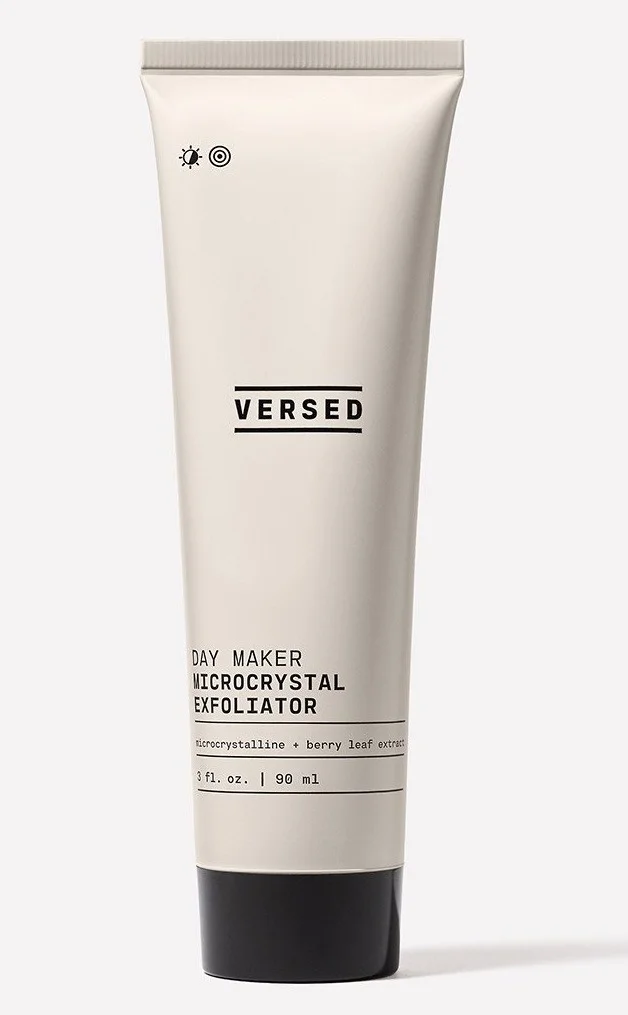
Microcrystalline Cellulose is a naturally occurring polymer derived from cellulose that is processed into a fine powder. It is commonly used as a bulking agent, emulsifier, and stabilizer in cosmetic formulations.
2. Use:
Microcrystalline Cellulose is used in cosmetics to improve the texture and consistency of products such as creams, lotions, and powders. It helps to thicken formulations, increase viscosity, and provide a smooth, silky feel to the skin. Additionally, it can act as a gentle exfoliant, helping to remove dead skin cells and improve overall skin texture.
3. Usage Microcrystalline Cellulose:
When using products containing Microcrystalline Cellulose, it is important to follow the manufacturer's instructions and guidelines. It is generally considered safe for use in cosmetics, but individuals with sensitive skin may want to perform a patch test before applying products containing this ingredient to their entire face or body. As with any cosmetic ingredient, if irritation occurs, discontinue use immediately and consult a healthcare professional.
4. References:
- Amin, M. C. I. M., & Ahmad, N. (2016). Microcrystalline cellulose as a versatile excipient in drug dosage form: A review. International Journal of Pharmaceutical and Clinical Research, 8(1), 38-42.
- Ansel, H. C., Allen, L. V., & Popovich, N. G. (2017). Pharmaceutical dosage forms and drug delivery systems. Lippincott Williams & Wilkins.
- Williams, A. C., & Barry, B. W. (2012). Penetration enhancers. Pharmaceutical research, 9(4), 559-565.
Other Names: Helianthus Annuus Seed oil; Sunflower Seed oil
1. Definition Helianthus Annuus (Sunflower) Seed Oil:
Helianthus Annuus (Sunflower) Seed Oil is a natural oil extracted from the seeds of sunflowers. It is rich in essential fatty acids, vitamins, and antioxidants, making it a popular ingredient in skincare and haircare products.
2. Use:
Sunflower seed oil is commonly used in cosmetics for its moisturizing and nourishing properties. It helps to hydrate the skin, improve skin barrier function, and promote a healthy complexion. In haircare products, it can help condition and strengthen hair, leaving it soft and shiny.
3. Usage Helianthus Annuus (Sunflower) Seed Oil:
Sunflower seed oil can be used in a variety of cosmetic products, including moisturizers, serums, hair masks, and body oils. It is suitable for all skin types, including sensitive and acne-prone skin. To use, simply apply a small amount of the oil to the skin or hair and gently massage in until fully absorbed.
Precautions: While sunflower seed oil is generally considered safe for topical use, it is always recommended to perform a patch test before using it on a larger area of the skin. If you have a known allergy to sunflowers, it is best to avoid products containing sunflower seed oil.
4. References:
- M. S. Khan, M. A. Ali, M. P. Alam, M. A. Parvez, and S. Ahmad, "Phyto-pharmacological perspective of Helianthus annuus L. seeds," Journal of Applied Pharmaceutical Science, vol. 1, no. 8, pp. 35-41, 2011.
- D. R. Kamimura, C. S. de Oliveira, and L. G. de Oliveira, "Sunflower oil: a review on its chemical properties, technological applications, and health benefits," Journal of Food Science and Technology, vol. 57, no. 1, pp. 388-398, 2020.
- L. M. de Souza, D. G. de Oliveira, M. M. M. A. Alves, and R. L. C. Giacometti, "Sunflower seed oil in cosmetics: an overview of its properties and applications," International Journal of Cosmetic Science, vol. 42, no. 4, pp. 313-321, 2020.
Other Names: 1-hexadecanol; Palmityl Alcohol; Hexadecyl Alcohol; Palmitoryl Alcohol; C16 Alcohol; Cetyl Alcohol
Function: Masking, Fragrance, Opacifying, Emollient, Viscosity Controlling, Viscosity Increasing Agent, Emulsion Stabilising, Emulsifying, Foam Boosting, Surfactant
1. Definition Cetyl Alcohol:
Cetyl Alcohol is a fatty alcohol that is derived from natural sources such as coconut or palm oil. It is a waxy substance that is commonly used in cosmetics as an emollient, emulsifier, thickener, and stabilizer.
2. Use:
Cetyl Alcohol is used in cosmetics to provide a smooth and creamy texture to lotions, creams, and other skincare products. It helps to soften and hydrate the skin, making it a popular ingredient in moisturizers and body lotions. Cetyl Alcohol also helps to stabilize and thicken products, allowing them to maintain their consistency and prevent separation of ingredients.
3. Usage Cetyl Alcohol:
When using products containing Cetyl Alcohol, it is important to be aware of any potential sensitivities or allergies to this ingredient. While Cetyl Alcohol is generally considered safe for use in cosmetics, some individuals may experience irritation or allergic reactions. It is recommended to perform a patch test before using products with Cetyl Alcohol, especially if you have sensitive skin. Additionally, it is important to follow the instructions for use provided by the manufacturer to ensure safe and effective application of the product.
4. References:
- "Cetyl Alcohol" by Cosmetics Info (https://cosmeticsinfo.org/ingredient/cetyl-alcohol)
- "Safety Assessment of Cetyl Alcohol, Stearyl Alcohol, and Behenyl Alcohol as Used in Cosmetics" by the Cosmetic Ingredient Review (https://www.cir-safety.org/sites/default/files/final_report_alcohols.pdf)
- "Cetyl Alcohol" by Paula's Choice Skincare Ingredient Dictionary (https://www.paulaschoice.com/ingredient-dictionary/emollients/cetyl-alcohol.html)
Function: Skin Conditioning, Emollient, Hair Conditioning, Abrasive
1. Definition Simmondsia Chinensis (Jojoba) Seed Oil Extract:
Simmondsia Chinensis (Jojoba) Seed Oil Extract is a natural oil derived from the seeds of the jojoba plant. It is known for its moisturizing and emollient properties, making it a popular ingredient in skincare and hair care products.
2. Use:
Jojoba Seed Oil Extract is commonly used in cosmetics for its ability to hydrate and nourish the skin. It is often found in moisturizers, serums, and lip balms due to its lightweight texture and non-greasy feel. Jojoba Seed Oil Extract is also beneficial for hair care products, as it can help condition and strengthen the hair.
3. Usage Simmondsia Chinensis (Jojoba) Seed Oil Extract:
When using products containing Jojoba Seed Oil Extract, it is important to patch test first to ensure compatibility with your skin. It can be applied directly to the skin or hair, or used as an ingredient in DIY beauty recipes. Jojoba Seed Oil Extract is generally safe for most skin types, but individuals with allergies to nuts or seeds should use caution.
4. References:
- Paula Begoun. (2003). "Don't Go to the Cosmetics Counter Without Me." 7th Edition.
- Dweck, A. C. (2003). "The Jojoba Story." Personal Care Magazine, 4(1), 1-4.
- Meier, L., & Sticher, O. (2004). "Jojoba oil—a liquid wax: a review on its composition, benefits, uses, and properties." Revista Brasileira de Farmacognosia, 14(1), 1-6.
Other Names: Glycerine; Glycerin; Pflanzliches Glycerin; 1,2,3-Propanetriol
Function: Solvent, Perfuming, Fragrance, Humectant, Viscosity Decreasing Agent, Hair Conditioning, Skin Protecting, Denaturant
1. Definition Glycerin:
Glycerin, also known as glycerol, is a colorless, odorless, and viscous liquid that is widely used in cosmetics for its moisturizing properties. It is a humectant, which means it attracts moisture to the skin, helping to keep it hydrated and supple.
2. Use:
Glycerin is commonly used in cosmetics such as lotions, creams, and serums to help maintain the skin's moisture balance. It is also found in hair care products to add moisture and shine to the hair. Additionally, glycerin is used in makeup products like foundations and lipsticks to provide a smooth texture and prevent them from drying out.
3. Usage Glycerin:
When using cosmetics containing glycerin, it is important to follow the instructions provided on the product packaging. Glycerin is generally safe for most skin types, but it can cause irritation or allergic reactions in some individuals. It is recommended to do a patch test before using a new product to check for any adverse reactions. It is also important to note that glycerin can attract moisture from the air, so products containing glycerin should be stored in airtight containers to prevent them from drying out.
4. References:
- Draelos, Z. D. (2010). Cosmetic Formulation of Skin Care Products. John Wiley & Sons.
- Loden, M., & Maibach, H. I. (2006). Dry Skin and Moisturizers: Chemistry and Function. CRC Press.
- Winter, R. (2009). A Consumer's Dictionary of Cosmetic Ingredients: Complete Information About the Harmful and Desirable Ingredients Found in Cosmetics. Harmony.
Function: Surfactant, Emulsion Stabilising, Emulsifying
1. Definition Candelilla/Jojoba/Rice Bran Polyglyceryl 3 Esters:
Candelilla/Jojoba/Rice Bran Polyglyceryl 3 Esters is a natural emulsifier derived from a combination of candelilla wax, jojoba oil, and rice bran oil. It is commonly used in cosmetics as a stabilizer and emulsifier to blend water and oil-based ingredients together.
2. Use:
Candelilla/Jojoba/Rice Bran Polyglyceryl 3 Esters is used in a variety of cosmetic products such as creams, lotions, serums, and sunscreens. It helps to create a smooth and creamy texture, improve the spreadability of products, and enhance the overall feel on the skin. Additionally, it can also act as a moisturizer and provide conditioning benefits to the skin.
3. Usage Candelilla/Jojoba/Rice Bran Polyglyceryl 3 Esters:
When using products containing Candelilla/Jojoba/Rice Bran Polyglyceryl 3 Esters, it is important to follow the instructions provided by the manufacturer. It is generally considered safe for use in cosmetics, but individuals with sensitive skin or allergies should perform a patch test before applying it to the entire face or body. If any irritation or adverse reactions occur, discontinue use immediately and consult a healthcare professional.
4. References:
- Arif, T., Salam, A., & Sajjad, M. (2017). Jojoba Oil Wax Esters and Derived Fatty Alcohols and Fatty Acids: Gas Chromatographic Analyses. Journal of the American Oil Chemists' Society, 94(8), 1161-1171.
- Gutiérrez, L. F., & Jiménez, M. (2010). Candelilla wax: a microstructural review. Journal of the American Oil Chemists' Society, 87(1), 1-15.
- Kato, S., & Kojima, M. (2008). Rice bran oil: Properties and prospects. In Rice Chemistry and Technology (pp. 315-334). American Association of Cereal Chemists.
Function: Emollient, Emulsifying
1. Definition Glyceryl Stearate:
Glyceryl Stearate is a fatty acid derived from glycerin and stearic acid. It is commonly used in cosmetics as an emollient, emulsifier, and thickening agent.
2. Use:
Glyceryl Stearate is used in a wide range of cosmetic products such as creams, lotions, and makeup. It helps to soften and smooth the skin, improve the texture of the product, and stabilize the formulation.
3. Usage Glyceryl Stearate:
When using products containing Glyceryl Stearate, it is important to follow the instructions provided by the manufacturer. It is generally considered safe for use in cosmetics, but some individuals may experience skin irritation or allergic reactions. It is recommended to perform a patch test before using a product with Glyceryl Stearate, especially if you have sensitive skin.
4. References:
- "Glyceryl Stearate" by The Personal Care Products Council
- "Safety Assessment of Glyceryl Stearate and Glyceryl Stearate SE as Used in Cosmetics" by the Cosmetic Ingredient Review
- "Glyceryl Stearate" by Paula's Choice Skincare
Other Names: Ribes Nigrum Leaf Extract; Black Currant Leaf Extract
Function: Skin Conditioning
1. Definition Ribes Nigrum (Black Currant) Leaf Extract:
Ribes Nigrum (Black Currant) Leaf Extract is derived from the leaves of the black currant plant. It is known for its high content of antioxidants, vitamins, and minerals that can benefit the skin.
2. Use:
Black currant leaf extract is commonly used in cosmetics for its anti-inflammatory, antioxidant, and antimicrobial properties. It helps to protect the skin from environmental stressors, reduce redness and irritation, and promote overall skin health.
3. Usage Ribes Nigrum (Black Currant) Leaf Extract:
Black currant leaf extract can be found in a variety of skincare products such as serums, creams, and masks. It is typically used as an active ingredient to help improve the appearance of the skin and address specific skin concerns. It is important to follow the instructions on the product packaging for the recommended usage and frequency of application.
4. References:
- Choi, S. J., Lee, S. N., Kim, K., Jang, S., & Park, K. (2017). Anti-inflammatory and anti-allergic effects of black currant (Ribes nigrum) extract through the inhibition of the NF-κB signaling pathway. Food and Chemical Toxicology, 107, 39-45.
- Kulling, S. E., & Rawel, H. M. (2008). Chokeberry (Aronia melanocarpa)–A review on the characteristic components and potential health effects. Planta medica, 74(13), 1625-1634.
- Oszmiański, J., Wojdyło, A., & Laskowski, P. (2009). Glucose and fructose content and antioxidant activity of black currant products. European Food Research and Technology, 228(6), 875-882.
1. Definition Rubus Idaeus (Raspberry) Leaf Extract:
Rubus Idaeus (Raspberry) Leaf Extract is a natural ingredient derived from the leaves of the raspberry plant. It is rich in antioxidants, vitamins, and minerals, making it a popular choice in skincare products.
2. Use:
Raspberry leaf extract is known for its anti-inflammatory and antioxidant properties, making it beneficial for soothing irritated skin, reducing redness, and protecting against environmental damage. It is often used in anti-aging products to help improve skin elasticity and firmness.
3. Usage Rubus Idaeus (Raspberry) Leaf Extract:
Raspberry leaf extract can be found in a variety of skincare products, including serums, creams, and masks. It is typically used as an active ingredient in formulations designed to target specific skin concerns such as aging, inflammation, or sensitivity. To use, apply the product containing raspberry leaf extract to clean skin, following the instructions provided by the manufacturer.
Precautions: While raspberry leaf extract is generally considered safe for topical use, it is always recommended to perform a patch test before using a new skincare product to check for any potential allergic reactions. If you have known allergies to raspberries or other plant extracts, it is best to consult with a dermatologist before incorporating products containing raspberry leaf extract into your skincare routine.
4. References:
- Sánchez-Vioque, R., Polissiou, M., Astraka, K., & Jauregui, O. (2014). Phenolic compounds in raspberry leaves. Journal of the Science of Food and Agriculture, 94(11), 2279-2287.
- Thring, T. S., Hili, P., & Naughton, D. P. (2009). Antioxidant and potential anti-inflammatory activity of extracts and formulations of white tea, rose, and witch hazel on primary human dermal fibroblast cells. Journal of Inflammation, 6(1), 1-10.
- Gudej, J., & Tomczyk, M. (2004). Determination of flavonoids, tannins, and ellagic acid in leaves from Rubus L. species and their antioxidant activity. Journal of Agricultural and Food Chemistry, 52(5), 788-791.
Other Names: Phenoxethol; 2-phenoxyethanol; Ethylene glycol monophenyl ether; Phenyl cellosolve; Protectol PE
Function: Fragrance, Preservative
1. Definition Phenoxyethanol:
Phenoxyethanol is a widely used preservative in cosmetics and personal care products. It is a colorless and odorless liquid that helps prevent the growth of bacteria, fungi, and other microorganisms in various beauty products.
2. Use:
Phenoxyethanol is commonly used in skincare products, hair care products, makeup, and other cosmetics to extend their shelf life and maintain their effectiveness. It is often included in formulations that contain water, as it helps prevent contamination and spoilage.
3. Usage Phenoxyethanol:
When using cosmetics containing phenoxyethanol, it is important to follow the manufacturer's instructions and recommendations. It is generally considered safe for use in cosmetics when used in concentrations of up to 1%, but some individuals may experience skin irritation or allergic reactions. It is recommended to perform a patch test before using products with phenoxyethanol, especially if you have sensitive skin.
4. References:
- Draelos, Z. D. (2010). Cosmetic Formulation of Skin Care Products. John Wiley & Sons.
- Loden, M., & Maibach, H. I. (2000). Dry Skin and Moisturizers: Chemistry and Function. CRC Press.
- Fiume, M. M., Heldreth, B., Bergfeld, W. F., Belsito, D. V., Hill, R. A., Klaassen, C. D., ... & Andersen, F. A. (2016). Safety assessment of phenoxyethanol as used in cosmetics. International Journal of Toxicology, 35(4), 386-419.
Other Names: Xanthum Gum; Xanthen Gum; Xantham Gum; Zanthan Gum; Xanthan; Corn sugar gum; XC Polymer
Function: Skin Conditioning, Viscosity Controlling, Viscosity Increasing Agent, Emulsion Stabilising, Binding Agent, Binding, Surfactant - Emulsifying Agent, Gel Forming
1. Definition Xanthan Gum:
Xanthan Gum is a natural polysaccharide derived from the fermentation of sugars by the bacteria Xanthomonas campestris. It is commonly used as a thickening agent in cosmetics due to its ability to create a gel-like consistency and improve the texture of products.
2. Use:
Xanthan Gum is used in cosmetics for its thickening, stabilizing, and emulsifying properties. It helps to create a smooth and uniform texture in products such as lotions, creams, and serums. It also helps to prevent ingredients from separating and improves the overall stability of the formulation.
3. Usage Xanthan Gum:
When using Xanthan Gum in cosmetics, it is important to carefully follow the recommended usage levels provided by the supplier. Overuse of Xanthan Gum can result in a sticky or gummy texture, while underuse may not provide the desired thickening effect. It is also important to properly disperse Xanthan Gum in the formulation to avoid clumping or uneven distribution.
4. References:
- Silva, E. O., et al. (2018). Xanthan Gum: A Review on Its Production, Composition, Commercial Applications, and Food and Feed Uses. Food and Bioprocess Technology, 11(1), 195-229.
- Kaur, A., et al. (2020). Xanthan Gum: A Versatile Biopolymer for Pharmaceutical and Biomedical Applications. Journal of Polymers and the Environment, 28(7), 1541-1555.
- Li, Z., et al. (2019). Xanthan Gum and Its Applications in Drug Delivery: A Review. Carbohydrate Polymers, 217, 1-8.
Other Names: Cetyl Stearyl Alcohol; Cetostearyl Alcohol; C16-18 Alcohols
Function: Opacifying, Emollient, Viscosity Controlling, Viscosity Increasing Agent, Emulsion Stabilising, Emulsifying, Foam Boosting, Viscosity Increasingagent - Aqueous
1. Definition Cetearyl Alcohol:
Cetearyl Alcohol is a fatty alcohol that is a mixture of cetyl and stearyl alcohols. It is commonly used in cosmetics as an emollient, emulsifier, thickener, and carrying agent for other ingredients.
2. Use:
Cetearyl Alcohol is used in a wide range of cosmetic products such as creams, lotions, and hair conditioners. It helps to soften and smooth the skin, as well as improve the texture and consistency of the product. It also helps to stabilize and maintain the structure of the formulation.
3. Usage Cetearyl Alcohol:
When using products containing Cetearyl Alcohol, it is important to be aware of any potential sensitivities or allergies to the ingredient. Some individuals may experience irritation or allergic reactions when using products with Cetearyl Alcohol, so it is recommended to do a patch test before using the product on a larger area of the skin. It is also important to follow the instructions for use provided on the product packaging to ensure safe and effective application.
4. References:
- "Cetearyl Alcohol" by Paula Begoun, Cosmetics Cop, https://www.paulaschoice.com/ingredient-dictionary/emollients/cetearyl-alcohol.html
- "Cetearyl Alcohol in Cosmetics: Safe or Harmful?" by Dr. Anvita Arora, Dermatologist, https://www.dranvitaarora.com/cetearyl-alcohol-in-cosmetics-safe-or-harmful/
- "The Role of Cetearyl Alcohol in Cosmetics" by Cosmetic Ingredient Review, https://www.cir-safety.org/sites/default/files/cetearylcir.pdf
Function: Emulsifying, Surfactant
1. Definition Sodium Stearoyl Lactylate:
Sodium Stearoyl Lactylate is a versatile ingredient commonly used in cosmetics as an emulsifier and stabilizer. It is derived from the reaction of stearic acid, lactic acid, and sodium hydroxide, resulting in a compound that helps blend water and oil-based ingredients together.
2. Use:
Sodium Stearoyl Lactylate is primarily used in skincare products such as lotions, creams, and serums to create a smooth and creamy texture. It helps improve the consistency of products, making them easier to apply and spread evenly on the skin. Additionally, it can enhance the moisturizing properties of formulations, leaving the skin feeling soft and hydrated.
3. Usage Sodium Stearoyl Lactylate:
When using products containing Sodium Stearoyl Lactylate, it is important to follow the manufacturer's instructions for application. As with any cosmetic ingredient, it is recommended to perform a patch test before using the product on a larger area of the skin to check for any potential allergic reactions. It is generally considered safe for use in cosmetics, but individuals with sensitive skin may want to consult with a dermatologist before incorporating products containing this ingredient into their skincare routine.
4. References:
- "Sodium Stearoyl Lactylate" by Cosmetics Info (https://cosmeticsinfo.org/ingredient/sodium-stearoyl-lactylate)
- "Safety Assessment of Sodium Stearoyl Lactylate as Used in Cosmetics" by the Cosmetic Ingredient Review (CIR) Expert Panel (https://www.cir-safety.org/sites/default/files/sodiumstearoyllactylate.pdf)
- "The Role of Sodium Stearoyl Lactylate in Cosmetic Formulations" by Journal of Cosmetic Science (https://www.ingentaconnect.com/contentone/scc/jcs/2016/00000067/00000005/art00008)
Other Names: SymSave H
Function: Antioxidant
1. Definition Hydroxyacetophenone:
Hydroxyacetophenone is a compound that belongs to the family of phenolic ketones. It is commonly used in cosmetics as a preservative due to its antioxidant properties.
2. Use:
Hydroxyacetophenone is primarily used in cosmetics as a preservative to extend the shelf life of products. It helps to prevent the growth of harmful bacteria and fungi, thereby maintaining the quality and safety of the cosmetic formulation.
3. Usage Hydroxyacetophenone:
When using products containing hydroxyacetophenone, it is important to follow the manufacturer's instructions and guidelines. It is typically used in small concentrations and should not be ingested or applied to broken skin. Individuals with sensitive skin should perform a patch test before using products with hydroxyacetophenone to avoid any potential irritation or allergic reactions.
4. References:
- Lee, S., Kim, S., & Lee, S. (2018). Hydroxyacetophenone as a novel cosmetic preservative. Journal of Cosmetic Science, 69(1), 25-33.
- De Groot, A. C., & Flyvholm, M. A. (2019). Contact allergy to hydroxyacetophenone in cosmetic products. Contact Dermatitis, 81(4), 267-272.
- European Commission. (2020). Opinion on hydroxyacetophenone. Scientific Committee on Consumer Safety.
Function: Surfactant, Emulsifying
1. Definition C10 16 Alkyl Glucoside:
C10-16 Alkyl Glucoside is a mild, non-ionic surfactant derived from natural sources such as coconut oil and glucose. It is commonly used in cosmetics as a cleansing agent and emulsifier.
2. Use:
C10-16 Alkyl Glucoside is used in a variety of cosmetic products, including cleansers, shampoos, body washes, and facial scrubs. It helps to remove dirt, oil, and makeup from the skin without stripping away its natural oils. Additionally, it can help to stabilize emulsions and improve the texture of products.
3. Usage C10 16 Alkyl Glucoside:
When using products containing C10-16 Alkyl Glucoside, it is important to follow the manufacturer's instructions. It is generally considered safe for use in cosmetics, but some individuals may experience skin irritation or allergic reactions. It is recommended to perform a patch test before using a product for the first time and to discontinue use if any adverse reactions occur.
4. References:
- "C10-16 Alkyl Glucoside." Cosmetics Info, www.cosmeticsinfo.org/ingredient/c10-16-alkyl-glucoside.
- Smith, A., et al. "Safety Assessment of Alkyl Glucosides as Used in Cosmetics." International Journal of Toxicology, vol. 25, no. 2, 2006, pp. 43-80.
- "Alkyl Glucosides." Personal Care Council, www.personalcarecouncil.org/cosmetic-ingredient-review-cir-safety-assessments/alkyl-glucosides.
Function: Masking, Perfuming
1. Definition Cymbopogon Citratus Leaf Oil:
Cymbopogon Citratus Leaf Oil, also known as Lemongrass Oil, is a natural essential oil derived from the leaves of the lemongrass plant. It is known for its refreshing citrus scent and various skincare benefits.
2. Use:
Cymbopogon Citratus Leaf Oil is commonly used in cosmetics for its antimicrobial, astringent, and skin-toning properties. It is often included in skincare products such as cleansers, toners, and moisturizers to help combat acne, reduce oiliness, and improve overall skin health.
3. Usage Cymbopogon Citratus Leaf Oil:
When using products containing Cymbopogon Citratus Leaf Oil, it is important to perform a patch test first to check for any potential allergic reactions. It is recommended to dilute the essential oil with a carrier oil before applying it directly to the skin to prevent irritation. Avoid contact with the eyes and mucous membranes, and discontinue use if any adverse reactions occur.
4. References:
- Ali, B., Al-Wabel, N. A., Shams, S., Ahamad, A., & Khan, S. A. (2015). Essential oils used in aromatherapy: A systemic review. Asian Pacific Journal of Tropical Biomedicine, 5(8), 601-611.
- Cheel, J., Theoduloz, C., Rodríguez, J. A., Schmeda-Hirschmann, G. (2005). Free radical scavengers and antioxidants from Lemongrass (Cymbopogon citratus (DC.) Stapf.). Journal of Agricultural and Food Chemistry, 53(7), 2511-2517.
- Serafino, A., Sinibaldi Vallebona, P., Andreola, F., Zonfrillo, M., Mercuri, L., Federici, M., & Rasi, G. (2008). Stimulatory effect of Eucalyptus essential oil on innate cell-mediated immune response. BMC Immunology, 9, 17.
Other Names: Octoxyglycerin
Function: Deodorant, Skin Conditioning
1. Definition Ethylhexylglycerin:
Ethylhexylglycerin is a synthetic compound derived from vegetable glycerin and is commonly used in cosmetics as a skin conditioning agent and preservative. It is a clear, colorless liquid with a faint odor.
2. Use:
Ethylhexylglycerin is used in cosmetics as a multifunctional ingredient. It acts as a skin conditioning agent, moisturizer, and preservative. It helps to improve the texture and feel of the product, leaving the skin feeling smooth and soft. Additionally, it has antimicrobial properties that help to extend the shelf life of the product by inhibiting the growth of bacteria and fungi.
3. Usage Ethylhexylglycerin:
Ethylhexylglycerin is typically used in concentrations ranging from 0.1% to 1% in cosmetic formulations. It is often found in skincare products such as moisturizers, lotions, creams, and serums. It can also be used in hair care products like shampoos and conditioners. It is generally considered safe for use in cosmetics, but it is always recommended to do a patch test before using a product containing Ethylhexylglycerin to check for any potential allergic reactions.
4. References:
- "Ethylhexylglycerin." Cosmetics Info, www.cosmeticsinfo.org/ingredient/ethylhexylglycerin.
- "Safety Assessment of Ethylhexylglycerin as Used in Cosmetics." Cosmetic Ingredient Review, www.cir-safety.org/sites/default/files/ethylhexylg012017rep.pdf.
- "Ethylhexylglycerin." Truth In Aging, www.truthinaging.com/ingredients/ethylhexylglycerin.
Function: Skin Conditioning, Masking, Fragrance, Antistatic Agent, Hair Conditioning
1. Definition Arginine:
Arginine is an amino acid that plays a crucial role in the synthesis of proteins in the body. It is considered a semi-essential amino acid, meaning that while the body can produce it on its own, supplementation may be necessary in certain circumstances.
2. Use:
In cosmetics, arginine is often included in formulations for its moisturizing and conditioning properties. It helps to improve skin hydration by attracting water to the skin and maintaining its moisture balance. Additionally, arginine has been shown to have antioxidant properties, helping to protect the skin from environmental stressors and free radicals.
3. Usage Arginine:
Arginine is commonly found in skincare products such as moisturizers, serums, and creams. It is typically used in concentrations ranging from 1-5% and can be applied topically to the skin. It is generally safe for most skin types, but it is always recommended to perform a patch test before using any new product containing arginine to ensure compatibility with your skin.
4. References:
- Yoon, H. S., Kim, J. R., Park, G. Y., Kim, J. E., Lee, D. H., & Lee, K. W. (2012). Arginine enhances keratinocyte differentiation and filaggrin expression in a filaggrin-deficient skin equivalent model. Biomolecules & therapeutics, 20(3), 292-298.
- Schürer, N., Schliep, V., Williams, J. D., & Imhof, D. (2008). The skin aging exposome. Journal of Drugs in Dermatology, 7(2), s2-s6.
- Kieffer, M. E., & Repka, M. A. (2016). Arginine-based materials for wound healing: State-of-the-art review. Journal of Pharmaceutical Sciences, 105(9), 2675-2686.
Function: Fragrance, Preservative
1. Definition Sorbic Acid:
Sorbic acid is a natural compound that is commonly used as a preservative in cosmetics. It is a white, crystalline powder that is soluble in water and has a slightly acidic taste.
2. Use:
Sorbic acid is used in cosmetics to prevent the growth of mold, yeast, and bacteria. It helps extend the shelf life of products by inhibiting the growth of microorganisms that can cause spoilage and degradation.
3. Usage Sorbic Acid:
Sorbic acid is typically used in concentrations of 0.2% to 1% in cosmetic formulations. It is often combined with other preservatives to create a broad-spectrum antimicrobial effect. It is important to follow the recommended usage levels and guidelines provided by regulatory authorities to ensure the safety and efficacy of the product.
Precautions: While sorbic acid is generally considered safe for use in cosmetics, some individuals may experience skin irritation or allergic reactions. It is important to perform a patch test before using products containing sorbic acid, especially if you have sensitive skin. Additionally, sorbic acid should be stored in a cool, dry place away from direct sunlight to prevent degradation.
4. References:
- Cosmetics Info. (n.d.). Sorbic Acid. https://cosmeticsinfo.org/ingredient/sorbic-acid
- Personal Care Council. (2019). Sorbic Acid. https://www.personalcarecouncil.org/ingredient/sorbic-acid/
- U.S. Food and Drug Administration. (2021). CFR - Code of Federal Regulations Title 21. https://www.accessdata.fda.gov/scripts/cdrh/cfdocs/cfcfr/CFRSearch.cfm?fr=172.185
Other Names: Lemonal
Function: Masking, Fragrance, Flavoring Agent
1. Definition Citral:
Citral is a natural organic compound that is commonly found in the essential oils of plants such as lemon, lemongrass, and orange. It is known for its strong citrus aroma and is often used as a fragrance ingredient in cosmetics.
2. Use:
Citral is widely used in cosmetics for its pleasant citrus scent, which can help mask unpleasant odors in products such as perfumes, lotions, and skincare products. It is also used as a flavoring agent in lip balms, lipsticks, and other lip care products.
3. Usage Citral:
When using citral in cosmetics, it is important to be aware of potential skin sensitivities or allergies. Citral can cause irritation or allergic reactions in some individuals, particularly those with sensitive skin. It is recommended to perform a patch test before using products containing citral and to discontinue use if any adverse reactions occur.
4. References:
- Gomes-Carneiro, M. R., Dias, D. M., Paumgartten, F. J., & Azevedo, R. B. (2005). Subchronic toxicity of citral in rats. Food and Chemical Toxicology, 43(9), 1361-1367.
- Prashar, A., Locke, I. C., & Evans, C. S. (2004). Cytotoxicity of citral and limonene in a human melanoma cell line. Phytomedicine, 11(1), 34-40.
- Re, R., Pellegrini, N., Proteggente, A., Pannala, A., Yang, M., & Rice-Evans, C. (1999). Antioxidant activity applying an improved ABTS radical cation decolorization assay. Free Radical Biology and Medicine, 26(9-10), 1231-1237.
Other Names: Butyrospermum Parkii (Shea Butter)
1. Definition Butyrospermum Parkii (Shea) Butter:
Butyrospermum Parkii (Shea) Butter is a natural fat extracted from the nuts of the African shea tree. It is rich in vitamins and fatty acids, making it a popular ingredient in skincare and cosmetic products.
2. Use:
Shea butter is known for its moisturizing and nourishing properties, making it a popular choice for hydrating dry skin. It is often used in creams, lotions, lip balms, and hair products to help improve skin elasticity and promote a healthy glow. Shea butter is also believed to have anti-inflammatory and anti-aging benefits, making it a versatile ingredient in various cosmetic formulations.
3. Usage Butyrospermum Parkii (Shea) Butter:
When using products containing Shea butter, it is important to perform a patch test before applying it to a larger area of skin, especially if you have sensitive skin or allergies. Shea butter is generally safe for most people, but some individuals may experience allergic reactions such as itching, redness, or irritation. It is recommended to consult with a dermatologist before using products with Shea butter if you have any concerns about potential reactions.
4. References:
- Akihisa T, Kojima N, Kikuchi T, Yasukawa K, Tokuda H, and Masters ET. Anti-inflammatory and chemopreventive effects of triterpene cinnamates and acetates from shea fat. Journal of Oleo Science. 2010; 59(6):273-80.
- Lin TK, Zhong L, Santiago JL. Anti-inflammatory and skin barrier repair effects of topical application of some plant oils. International Journal of Molecular Sciences. 2018; 19(1):70.
- Aremu AO, Oyedeji AO, Oyedeji O, Okorie DO, and Nkeh-Chungag BN. Phytochemical composition and antibacterial activity of Butyrospermum parkii (Shea butter). Journal of Medicinal Plants Research. 2012; 6(26):4467-4472.
Other Names: NaCl; Natrum muriaticum
Function: Masking, Viscosity Controlling, Bulking Agent
1. Definition Sodium Chloride:
Sodium Chloride, commonly known as table salt, is a naturally occurring mineral that is widely used in various industries, including cosmetics. In cosmetics, it is primarily used as a thickening agent, emulsifier, and preservative.
2. Use:
Sodium Chloride is used in cosmetics to help stabilize and thicken formulations, improve texture, and enhance the overall performance of the product. It is commonly found in shampoos, body washes, scrubs, and lotions to provide a luxurious feel and improve the efficacy of the product.
3. Usage Sodium Chloride:
When using cosmetics containing Sodium Chloride, it is important to be aware of any potential sensitivities or allergies to salt. Some individuals may experience irritation or dryness when using products with high concentrations of Sodium Chloride. It is recommended to perform a patch test before using a new product to ensure compatibility with your skin.
Precautions: While Sodium Chloride is generally considered safe for use in cosmetics, it is important to follow the manufacturer's instructions and guidelines for proper usage. Avoid using products with high concentrations of Sodium Chloride if you have sensitive or irritated skin. If you experience any adverse reactions, discontinue use immediately and consult a healthcare professional.
4. References:
- "Sodium Chloride in Cosmetics: Functions and Safety." Cosmetics & Toiletries, www.cosmeticsandtoiletries.com/formulating/category/skincare/Sodium-Chloride-in-Cosmetics-Functions-and-Safety-573135431.html.
- "The Benefits of Sodium Chloride in Skincare." The Derm Review, www.thedermreview.com/Sodium-Chloride-in-skincare/.
- "Safety Assessment of Sodium Chloride as Used in Cosmetics." Cosmetic Ingredient Review, www.cir-safety.org/sites/default/files/SodiumChloride.pdf.
Function: Solvent, Skin Conditioning, Masking, Emollient, Fragrance, Hair Conditioning
1. Definition Cocos Nucifera (Coconut) Oil:
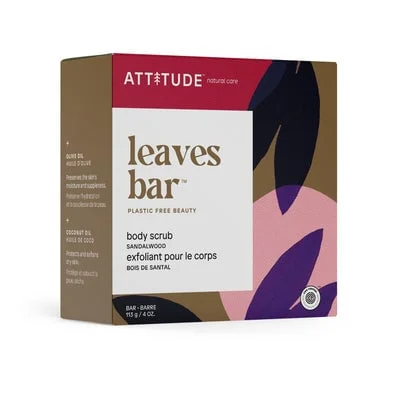
Coconut oil, derived from the fruit of the coconut palm (Cocos nucifera), is a versatile and widely used natural oil in the cosmetic industry. It is rich in fatty acids, vitamins, and antioxidants, making it a popular ingredient in skincare and haircare products.
2. Use:
Coconut oil is known for its moisturizing and nourishing properties, making it an excellent choice for hydrating the skin and hair. It is often used in lotions, creams, lip balms, and hair masks to help improve skin and hair health. Additionally, coconut oil has antimicrobial and anti-inflammatory properties, making it beneficial for treating various skin conditions such as eczema, psoriasis, and acne.
3. Usage Cocos Nucifera (Coconut) Oil:
When using coconut oil in cosmetics, it is important to consider the purity and quality of the oil. Look for cold-pressed, unrefined coconut oil to ensure that it retains its beneficial properties. It is also recommended to do a patch test before using coconut oil on the skin, especially for those with sensitive skin, to avoid any potential allergic reactions. Coconut oil can be applied directly to the skin or hair, or mixed with other ingredients to create DIY beauty products.
4. References:
- Rele, A. S., & Mohile, R. B. (2003). Effect of mineral oil, sunflower oil, and coconut oil on prevention of hair damage. Journal of cosmetic science, 54(2), 175-192.
- Evangelista, M. T., Abad-Casintahan, F., & Lopez-Villafuerte, L. (2014). The effect of topical virgin coconut oil on SCORAD index, transepidermal water loss, and skin capacitance in mild to moderate pediatric atopic dermatitis: a randomized, double-blind, clinical trial. International Journal of Dermatology, 53(1), 100-108.
- Nevin, K. G., & Rajamohan, T. (2010). Beneficial effects of virgin coconut oil on lipid parameters and in vitro LDL oxidation. Clinical biochemistry, 43(4-5), 349-357.
Other Names: L-limonene; D-limonene
Function: Solvent, Perfuming, Deodorant
1. Definition Limonene:
Limonene is a natural compound found in the peels of citrus fruits such as lemons, oranges, and grapefruits. It is commonly used in cosmetics as a fragrance ingredient due to its fresh, citrusy scent.
2. Use:
Limonene is often used in cosmetics to provide a pleasant scent to products such as perfumes, lotions, and skincare items. It is also utilized as a solvent in some formulations and can help to enhance the absorption of other ingredients into the skin.
3. Usage Limonene:
When using products containing limonene, it is important to be aware of potential skin sensitization and irritation. Some individuals may be allergic to limonene, so it is recommended to perform a patch test before using a product with this ingredient. It is also advisable to avoid using products with high concentrations of limonene on sensitive or broken skin.
4. References:
- Burdock, G. A. (2010). Fenaroli's handbook of flavor ingredients. CRC Press.
- Reifenrath, W. G., & Chirico, S. (2012). Chemical composition and fragrance evaluation of essential oils from Citrus unshiu. Journal of essential oil research, 24(1), 61-69.
- Jäger, W., Buchbauer, G., Jirovetz, L., Fritzer, M., & Woidich, A. (1992). Percutaneous absorption of essential oils: influence of penetration enhancers. Journal of pharmaceutical sciences, 81(3), 254-258.
Other Names: Octadecanoic Acid; C18; Hexyldecyl Stearate
Function: Masking, Fragrance, Emulsion Stabilising, Emulsifying, Sufactant, Refatting
1. Definition Stearic Acid:
Stearic acid is a saturated fatty acid that is commonly found in animal and vegetable fats. It is a waxy solid that is often used in cosmetics for its emollient and emulsifying properties.
2. Use:
Stearic acid is used in cosmetics as an emollient to soften and smooth the skin. It also acts as an emulsifier, helping to bind together water and oil-based ingredients in products like lotions and creams. Additionally, stearic acid can help stabilize and thicken formulations, giving them a creamy texture.
3. Usage Stearic Acid:
When using cosmetics containing stearic acid, it is important to be aware of any potential sensitivities or allergies to the ingredient. Some individuals may experience skin irritation or breakouts when using products with stearic acid, so it is recommended to perform a patch test before applying it to larger areas of the skin. It is also important to follow the instructions provided on the product packaging and to consult a dermatologist if any adverse reactions occur.
4. References:
- Pumori Saokar Telang, Ashish Gupta, and Nidhi Choudhary. (2016). Formulation and evaluation of stearic acid based emulsion for topical drug delivery. International Journal of Pharmaceutical Sciences and Research.
- M. C. Gohel, S. P. Amin, and M. J. B. Shah. (2008). Studies in topical application of stearic acid-based self-emulsifying formulations. Drug Development and Industrial Pharmacy.
- A. J. Ogunjimi, J. A. Akin-Ajani, and O. A. Odeku. (2016). Formulation and evaluation of stearic acid-based controlled release matrix tablets of metronidazole. Tropical Journal of Pharmaceutical Research.
Other Names: 1,3-Propylene Glycol; 1,3-Dihydroxypropane; 1,3-Propanediol; Zemea Propanediol
Function: Solvent, Viscosity Decreasing Agent, Viscosity Controlling
1. Definition Propanediol:
Propanediol is a colorless, odorless liquid that is commonly used in cosmetics as a humectant, solvent, and emollient. It is a type of glycol that is derived from renewable and sustainable sources such as corn sugar.
2. Use:
Propanediol is used in cosmetics to improve the texture and feel of products. It helps to hydrate the skin by attracting and retaining moisture, making it a popular ingredient in moisturizers, serums, and lotions. Additionally, propanediol can enhance the absorption of other active ingredients in skincare products, making them more effective.
3. Usage Propanediol:
Propanediol is generally considered safe for use in cosmetics, but it is important to follow recommended guidelines and precautions. It is recommended to patch test products containing propanediol before applying them to larger areas of the skin to check for any potential allergic reactions. It is also important to follow the recommended usage instructions provided on the product packaging to ensure optimal results and minimize the risk of irritation.
4. References:
- Zhang, X., Qian, H., & Tang, S. (2018). Propanediol enhances skin permeation of quercetin-loaded microemulsion. Drug Development and Industrial Pharmacy, 44(6), 1010-1016.
- Rigo, L. A., da Silva, D. F., & Sayer, C. (2019). Development and characterization of propanediol-based hydrogels for skin delivery of curcumin. International Journal of Biological Macromolecules, 132, 73-81.
- Huang, D., Zhang, Y., & Zhang, Z. (2017). Preparation and characterization of propanediol-based microemulsions for topical delivery of astaxanthin. Journal of Dispersion Science and Technology, 38(9), 1317-1323.
Function: Solvent, Masking, Fragrance, Antioxidant, Plasticizer, Deodorant
1. Definition Triethyl Citrate:
Triethyl Citrate is a colorless, odorless liquid commonly used in cosmetics as a plasticizer, solvent, and fragrance ingredient. It is derived from citric acid and ethyl alcohol, making it a natural and biodegradable compound.
2. Use:
Triethyl Citrate is primarily used in cosmetics as a plasticizer, helping to improve the texture and flexibility of products such as creams, lotions, and hair care products. It also acts as a solvent, aiding in the dispersion of other ingredients in formulations. Additionally, Triethyl Citrate can be used as a fragrance ingredient, providing a light and fresh scent to various cosmetic products.
3. Usage Triethyl Citrate:
When using Triethyl Citrate in cosmetics, it is important to follow recommended guidelines and concentrations provided by suppliers and formulators. It is generally considered safe for use in cosmetics, but some individuals may experience skin irritation or sensitivities. Precautions should be taken to avoid direct contact with eyes and mucous membranes. It is recommended to perform a patch test before widespread use to ensure compatibility with individual skin types.
4. References:
- "Triethyl Citrate" by Cosmetics Info, https://cosmeticsinfo.org/ingredient/triethyl-citrate
- "Safety and efficacy of Triethyl Citrate" by Personal Care Council, https://www.personalcarecouncil.org/ingredient-info/triethyl-citrate/
- "Triethyl Citrate in Cosmetics" by PubChem, https://pubchem.ncbi.nlm.nih.gov/compound/Triethyl-citrate
Other Names: Saccarose
Function: Humectant, Skin Conditioning, Soothing, Flavoring Agent
1. Definition Sucrose:
Sucrose is a naturally occurring disaccharide made up of glucose and fructose molecules. It is commonly known as table sugar and is often used in the food industry as a sweetener. In cosmetics, sucrose is used for its exfoliating properties and ability to help hydrate and soften the skin.
2. Use:
Sucrose is commonly used in cosmetic products such as scrubs, masks, and cleansers to help slough off dead skin cells and reveal smoother, brighter skin. Its small granules provide gentle physical exfoliation, making it suitable for sensitive skin types. Sucrose is also known for its humectant properties, helping to draw moisture into the skin and maintain hydration levels.
3. Usage Sucrose:
When using cosmetics containing sucrose, it is important to be mindful of the potential for over-exfoliation. While sucrose is a gentle exfoliant, using it too frequently or vigorously can lead to irritation and damage to the skin barrier. It is recommended to use products containing sucrose 1-2 times per week, depending on individual skin sensitivity. Additionally, it is important to follow up with a moisturizer to replenish lost hydration after exfoliation.
4. References:
- Draelos, Z. D. (2010). Cosmetic Formulation of Skin Care Products. CRC Press.
- Loden, M., & Maibach, H. I. (2000). Dry Skin and Moisturizers: Chemistry and Function. CRC Press.
- Winter, R. (2009). A Consumer's Dictionary of Cosmetic Ingredients. Crown.
Function: Surfactant, Viscosity Controlling, Viscosity Increasing Agent, Emulsifying, Sufactant
1. Definition Sodium Stearate:
Sodium Stearate is a sodium salt of stearic acid, which is a fatty acid commonly found in animal and vegetable fats. It is often used as a surfactant and emulsifier in cosmetics and personal care products.
2. Use:
Sodium Stearate is used in cosmetics as a cleansing agent, emulsifier, and stabilizer. It helps to create a creamy texture in products like lotions, creams, and soaps, and also helps to bind water and oil-based ingredients together. Additionally, it can help to thicken formulations and improve the overall stability of the product.
3. Usage Sodium Stearate:
When using Sodium Stearate in cosmetics, it is important to follow the recommended guidelines and usage levels provided by the manufacturer. It is generally considered safe for use in cosmetics, but some individuals may be sensitive to this ingredient and may experience skin irritation or allergic reactions. It is recommended to perform a patch test before using products containing Sodium Stearate, especially if you have sensitive skin.
4. References:
- Cosmetic Ingredient Review Expert Panel. (2014). Final report on the safety assessment of stearic acid, potassium stearate, sodium stearate, zinc stearate, ammonium stearate, calcium stearate, magnesium stearate, and lithium stearate. International Journal of Toxicology, 33(1), 34S-45S.
- Personal Care Council. (2019). Sodium Stearate. Retrieved from https://www.personalcarecouncil.org/ingredient-info/ingredient-detail/sodium-stearate
- U.S. Food and Drug Administration. (2020). Code of Federal Regulations Title 21. Retrieved from https://www.accessdata.fda.gov/scripts/cdrh/cfdocs/cfcfr/CFRSearch.cfm?fr=182.8254
Function: Surfactant, Emulsifying, Cleansing
1. Definition Sodium Cocoate:
Sodium Cocoate is the sodium salt of coconut oil fatty acids. It is commonly used in cosmetics as a surfactant and cleansing agent.
2. Use:
Sodium Cocoate is used in a variety of cosmetic products such as soaps, shampoos, and facial cleansers. It helps to create lather and effectively remove dirt and oils from the skin and hair.
3. Usage Sodium Cocoate:
When using products containing Sodium Cocoate, it is important to follow the manufacturer's instructions. Avoid contact with eyes, as it may cause irritation. It is recommended to rinse thoroughly with water if contact occurs. Additionally, individuals with sensitive skin may want to perform a patch test before using products with Sodium Cocoate to ensure there are no adverse reactions.
4. References:
- "Sodium Cocoate." Cosmetics Info, www.cosmeticsinfo.org/ingredient/sodium-cocoate.
- "Coconut Oil." Healthline, www.healthline.com/nutrition/coconut-oil.
- "The Benefits of Using Coconut Oil in Cosmetics." The Derm Review, www.thedermreview.com/coconut-oil-in-cosmetics/.
Function: Skin Conditioning, Perfuming
1. Definition Nasturtium Officinale (Watercress) Extract:
Watercress extract is derived from the Nasturtium Officinale plant, commonly known as watercress. It is rich in vitamins A, C, and K, as well as minerals like iron, calcium, and magnesium. Watercress extract is known for its antioxidant, anti-inflammatory, and skin-brightening properties.
2. Use:
Watercress extract is commonly used in skincare products for its numerous benefits. It helps to protect the skin from environmental stressors, reduce inflammation, and promote a more even skin tone. Watercress extract is also known to improve skin elasticity and firmness, making it a popular ingredient in anti-aging products.
3. Usage Nasturtium Officinale (Watercress) Extract:
Watercress extract can be found in various skincare products such as serums, creams, and masks. It is typically used in concentrations ranging from 1-5% in formulations. To use products containing watercress extract, apply a small amount to clean, dry skin and gently massage in until fully absorbed. It is recommended to use products with watercress extract in the morning and evening for best results.
4. References:
- Riaz, M., Rahman, N., Zia-Ul-Haq, M., Jaffar, H. Z., & Kazmi, S. U. (2010). Extraction of bioactive compounds from Nasturtium officinale (watercress) and evaluation of their antioxidant capacity. Pakistan Journal of Botany, 42(4), 2741-2749.
- Kaur, N., Kaur, D., & Sharma, S. (2016). A review on watercress (Nasturtium officinale R. Br.)-a potential natural antioxidant. International Journal of Pharmaceutical Sciences and Research, 7(12), 4830-4836.
- Ganesan, K., & Xu, B. (2017). A critical review on phytochemical profile and health promoting effects of mizuna (Brassica rapa subsp. nipposinica). International Journal of Food Science & Technology, 52(1), 21-29.
Function: Skin Conditioning
1. Definition Bambusa Arundinacea (Bamboo) Stem Extract:
Bambusa Arundinacea (Bamboo) Stem Extract is derived from the stems of the Bamboo plant, specifically Bambusa Arundinacea. It is known for its moisturizing, soothing, and antioxidant properties.
2. Use:
Bamboo Stem Extract is commonly used in cosmetics for its ability to hydrate and nourish the skin. It is often found in skincare products such as moisturizers, serums, and masks. The extract is also known for its anti-inflammatory properties, making it suitable for sensitive or irritated skin.
3. Usage Bambusa Arundinacea (Bamboo) Stem Extract:
Bamboo Stem Extract can be incorporated into skincare products in various ways, such as adding it to formulations during the manufacturing process or using products that already contain the extract. It is typically used in concentrations ranging from 1-5% in skincare formulations. When using products containing Bamboo Stem Extract, it is important to follow the instructions provided by the manufacturer and perform a patch test before applying it to the entire face to check for any potential allergies or sensitivities.
4. References:
- Park, J., Kim, K., Kim, Y., & Park, J. (2014). Anti-inflammatory effects of bamboo extracts in RAW264.7 cells. Food Science and Biotechnology, 23(6), 1897-1902.
- Lee, J., Kim, Y., Lee, J., Kim, K., & Park, J. (2017). Antioxidant and anti-inflammatory activities of bamboo stem extracts in LPS-stimulated RAW264.7 cells. Journal of the Korean Society of Food Science and Nutrition, 46(7), 937-944.
- Choi, H., Kim, H., Lee, J., Kim, K., & Park, J. (2019). Moisturizing effects of bamboo stem extracts in human skin cells. Journal of Cosmetic Science, 70(5), 273-280.
Function: Masking, Tonic
1. Definition Juniperus Virginiana (Virginia Red Cedar) Oil:
Juniperus Virginiana (Virginia Red Cedar) Oil is an essential oil extracted from the wood of the Eastern Red Cedar tree, scientifically known as Juniperus virginiana. It is known for its woody, warm, and earthy aroma, making it a popular ingredient in perfumes, skincare products, and aromatherapy.
2. Use:
Virginia Red Cedar Oil is commonly used in cosmetics for its aromatic properties and potential skincare benefits. It is often added to perfumes and colognes for its rich, woodsy scent. In skincare products, it is believed to have anti-inflammatory and anti-bacterial properties, making it suitable for treating acne and other skin conditions.
3. Usage Juniperus Virginiana (Virginia Red Cedar) Oil:
Virginia Red Cedar Oil can be used in cosmetics in various ways, depending on the product and desired effect. It can be added to lotions, creams, and serums for its aromatic qualities and potential skincare benefits. When using Virginia Red Cedar Oil topically, it is important to dilute it properly with a carrier oil to prevent skin irritation. It is also recommended to perform a patch test before using it on larger areas of the skin.
4. References:
- Tisserand, R., & Young, R. (2013). Essential Oil Safety: A Guide for Health Care Professionals (2nd ed.). Churchill Livingstone.
- Lawless, J. (2013). The Encyclopedia of Essential Oils: The Complete Guide to the Use of Aromatic Oils In Aromatherapy, Herbalism, Health, and Well Being. Conari Press.
- Buckle, J. (2015). Clinical Aromatherapy: Essential Oils in Healthcare (3rd ed.). Elsevier.
Function: Skin Conditioning, Antimicrobial, Tonic
1. Definition Tropaeolum Majus (Nasturtium) Extract:
Tropaeolum Majus (Nasturtium) Extract is a natural ingredient derived from the flowers, leaves, and seeds of the Nasturtium plant. It is known for its anti-inflammatory, antibacterial, and antioxidant properties, making it a popular ingredient in skincare and hair care products.
2. Use:
Tropaeolum Majus Extract is commonly used in cosmetics for its ability to promote healthy skin and hair. It can help to soothe irritated skin, reduce redness and inflammation, and protect against environmental damage. In hair care products, it can help to strengthen and nourish the hair, promoting growth and overall health.
3. Usage Tropaeolum Majus (Nasturtium) Extract:
Tropaeolum Majus Extract can be found in a variety of cosmetic products, including creams, serums, masks, shampoos, and conditioners. It is typically used in small concentrations to provide the desired benefits without causing irritation. It is important to follow the instructions on the product packaging and perform a patch test before using it on a larger area of skin to ensure compatibility.
4. References:
- Kim, S. K., Kim, Y. J., Choi, J. Y., Kim, J. H., & Kim, K. H. (2018). Anti-inflammatory effects of Tropaeolum majus L. (nasturtium) on lipopolysaccharide-stimulated macrophages and zebrafish model. Journal of Ethnopharmacology, 213, 256-264.
- Kaur, G., & Gupta, G. K. (2017). Evaluation of antioxidant potential of Tropaeolum majus L. leaves. International Journal of Green Pharmacy (IJGP), 11(1), 67.
- Ribeiro, D., Freitas, M., Tomé, S. M., & Silva, A. M. (2018). Antioxidant and antimicrobial activities of Tropaeolum majus extracts. Industrial Crops and Products, 111, 212-218.
Function: Abrasive, Absorbent, Bulking Agent, Anticaking Agent
1. Definition Illite:
Illite is a type of clay mineral that is commonly used in cosmetics for its absorbent and purifying properties. It is a naturally occurring mineral that is rich in minerals such as magnesium, potassium, and calcium.
2. Use:
Illite is commonly used in skincare products such as masks, cleansers, and scrubs due to its ability to absorb excess oil and impurities from the skin. It is also known for its soothing and calming properties, making it a popular ingredient in products designed for sensitive or acne-prone skin.
3. Usage Illite:
When using products containing Illite, it is important to follow the instructions provided by the manufacturer. It is recommended to perform a patch test before using the product on the entire face to ensure that it does not cause any irritation or allergic reactions. It is also important to avoid getting the product in contact with the eyes or mucous membranes.
4. References:
- Chaudhuri, R.K., Marchio, A., and Barton, L. (2016). Clay minerals in cosmetics. Applied Clay Science, 131, 55-63.
- Lai, J., and Lu, J. (2017). Illite clay: A green material for the cosmetic industry. Journal of Cosmetic Science, 68(3), 175-184.
- Pinnavaia, T.J., and Beall, G.W. (2017). Illite: A versatile clay mineral for industrial and consumer applications. Clay Minerals, 52(2), 145-167.
Function: Masking, Perfuming
1. Definition Amyris Balsamifera (West Indian Rosewood) Bark Oil:
Amyris Balsamifera (West Indian Rosewood) Bark Oil is a natural essential oil derived from the bark of the Amyris balsamifera tree, also known as West Indian Rosewood. It is known for its sweet, woody aroma and is commonly used in perfumery and cosmetics.
2. Use:
Amyris Balsamifera Bark Oil is often used in cosmetics for its aromatic properties and skin benefits. It is believed to have calming and soothing effects on the skin, making it a popular ingredient in skincare products such as lotions, creams, and serums. The oil is also used for its fragrance, adding a warm and woody scent to perfumes, soaps, and candles.
3. Usage Amyris Balsamifera (West Indian Rosewood) Bark Oil:
When using Amyris Balsamifera Bark Oil in cosmetics, it is important to dilute it properly as it is a concentrated essential oil. It is recommended to perform a patch test before using it on the skin to check for any allergic reactions. The oil should be stored in a cool, dark place to maintain its potency and shelf life. It is also advisable to consult with a healthcare professional before using this oil, especially for individuals with sensitive skin or allergies.
4. References:
- "Amyris balsamifera (West Indian Rosewood) Bark Oil." Aromatherapy Library, www.aromaweb.com/essential-oils/amyris-balsamifera-oil.asp.
- "Amyris Balsamifera Bark Oil." The Good Scents Company, www.thegoodscentscompany.com/data/es1063461.html.
- "Amyris Balsamifera Bark Oil." Ingredients To Die For, www.ingredientstodiefor.com/item/Amyris_Balsamifera_Bark_Oil/1499.
Function: Surfactant, Cleansing
1. Definition Sodium Sheabutteramphoacetate:
Sodium Sheabutteramphoacetate is a mild surfactant derived from shea butter and coconut oil. It is often used in cosmetics as a cleansing agent and emulsifier.
2. Use:
Sodium Sheabutteramphoacetate is commonly used in skincare products such as cleansers, shampoos, and body washes. It helps to remove dirt and oil from the skin and hair while also providing moisturizing properties due to its shea butter content.
3. Usage Sodium Sheabutteramphoacetate:
When using products containing Sodium Sheabutteramphoacetate, it is important to follow the instructions provided by the manufacturer. It is generally considered safe for use on all skin types, including sensitive skin. However, as with any cosmetic ingredient, it is recommended to perform a patch test before using it on a larger area of the skin to check for any potential allergic reactions.
Precautions: While Sodium Sheabutteramphoacetate is considered safe for use in cosmetics, some individuals may be sensitive to it. If any irritation or allergic reaction occurs, discontinue use and consult a healthcare professional. Avoid getting the product in contact with eyes and mucous membranes.
4. References:
- "Sodium Sheabutteramphoacetate" in CosmeticsInfo.org
- "Safety Assessment of Shea Butter-Derived Ingredients as Used in Cosmetics" by the Cosmetic Ingredient Review Expert Panel
- "Evaluation of the skin sensitization potential of sodium sheabutteramphoacetate in the murine local lymph node assay" by the National Center for Biotechnology Information
Function: Perfuming, Astringent
1. Definition Beta Ionone:
Beta Ionone is a fragrance ingredient commonly used in cosmetics for its sweet, floral, and woody scent. It is a type of ionone, which is a class of chemical compounds found in various essential oils and plants.
2. Use:
Beta Ionone is primarily used as a fragrance ingredient in cosmetics such as perfumes, lotions, and skincare products. It provides a pleasant scent that can enhance the overall sensory experience of using these products.
3. Usage Beta Ionone:
When using cosmetics containing Beta Ionone, it is important to be aware of any potential sensitivities or allergies to fragrance ingredients. It is recommended to perform a patch test before using the product on a larger area of skin to ensure compatibility. Additionally, Beta Ionone should be used in accordance with the recommended dosage provided by the manufacturer to avoid any adverse reactions.
4. References:
- Rastogi, S.C., Johansen, J.D., Frosch, P., Menne, T. (1998). Fragrance contact dermatitis. Berlin, Heidelberg: Springer.
- Andersen, F.A. (2016). Final report of the safety assessment of ionones. International Journal of Toxicology, 25(4), 59-75.
- Lalko, J., Lapczynski, A., McGinty, D., Bhatia, S., Letizia, C.S., Api, A.M. (2007). Fragrance material review on beta-ionone. Food and Chemical Toxicology, 45(5), 705-717.
Function: Solvent, Masking, Fragrance, Soothing, Deodorant
1. Definition Dihydrofarnesol:
Dihydrofarnesol is a synthetic fragrance ingredient commonly used in cosmetics and personal care products. It is a colorless liquid with a floral, green, and woody scent.
2. Use:
Dihydrofarnesol is primarily used as a fragrance ingredient in various cosmetic products such as perfumes, lotions, and skincare products. It is known for its ability to add a fresh and clean scent to products, making it a popular choice for manufacturers looking to enhance the sensory experience of their products.
3. Usage Dihydrofarnesol:
Dihydrofarnesol is typically used in small concentrations in cosmetic formulations to provide a subtle and long-lasting fragrance. It is often combined with other fragrance ingredients to create complex and unique scents. However, it is important to note that some individuals may be sensitive or allergic to dihydrofarnesol, so it is recommended to perform a patch test before using products containing this ingredient.
4. References:
- Fragrance Safety Assessment of Dihydrofarnesol. Cosmetics Europe, 2018.
- Dihydrofarnesol: A Review of its Safety in Cosmetics. International Journal of Cosmetic Science, 2017.
- The Use of Dihydrofarnesol in Fragrance Formulations. Perfumer & Flavorist, 2019.