


- Home
- Compare product
- Comparison result

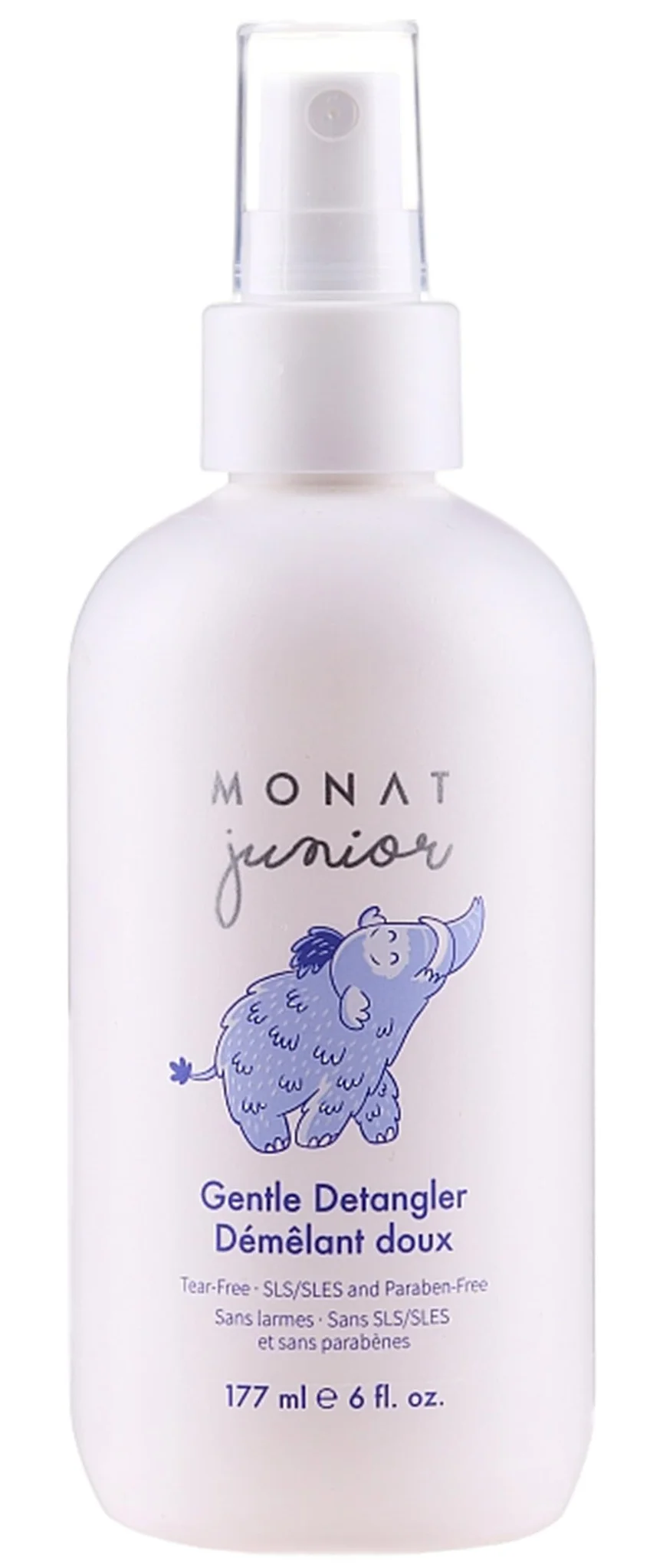


| EWG | CIR | Ingredient Name & Cosmetic Function | Notes |
|---|---|---|---|
| 1 | - | (Solvent) | |
| 2 | - | (Solvent, Masking, Antifoaming Agent, Viscosity Controlling, Antimicrobial, Astringent) |  Bad for sensitive skin Bad for sensitive skin  Bad for dry skin Bad for dry skin  Alcohol Alcohol |
| 3 | B | (Denaturant , Emulsifying, Surfactant) |  Fungal Acne Trigger Cleansing Fungal Acne Trigger Cleansing |
| 1 | - | (Masking, Fragrance, Denaturant , External Analgesic , Soothing, Flavoring Agent, Refreshing) | Bad for sensitive skin Bad for dry skin  Good for oily skin Good for oily skin |
| 1 | A | (Hair Conditioning, Skin Conditioning, Antistatic Agent) |  Good for dry skin Promotes Wound Healing Good for dry skin Promotes Wound Healing |
| 2 3 | A | (Skin Conditioning, Antioxidant) | Anti Aging |
| 2 4 | A | (Fragrance, Preservative) | |
| 1 3 | B | (Masking, Fragrance, Hair Conditioning, Denaturant , Preservative, Skin Conditioning, Exfoliant, Antidandruff Agent, Antiacne Agent, Keratolytic, Corn/Callus/Wart Remover) | Bad for sensitive skin Good for oily skin Acne fighting |
| 1 | A | (Hair Conditioning, Skin Conditioning, Smoothing) | Anti Aging Brightening |
| 1 | - | (Masking, Fragrance, Colorant, Cosmetic Colorant) | |
| 1 | - | (Hair Conditioning, Skin Conditioning) | Anti Aging |
| 1 | A | (Hair Conditioning, Skin Conditioning, Antiseborrhoeic) | |
| 1 | A | (Hair Conditioning, Skin Conditioning) | |
| 2 9 | - | (Skin Protecting, Cosmetic Colorant, Sunscreen Agent, Bulking Agent) | UV Protection Good for oily skin Moisturizing |
| 1 | A | (Masking, pH adjusting agent, Skin Conditioning, Antioxidant, Flavoring Agent, Phadjuster) | Good for dry skin Anti Aging Brightening |
| 1 | A | (Emollient, Emulsifying) | Fungal Acne Trigger Cleansing |
| 1 | A | (Skin Conditioning, Masking, Fragrance, Antistatic Agent, Hair Conditioning) | |
| 1 | A | (Masking, Fragrance, Hair Conditioning, Antioxidant, Antistatic Agent, Hair Waving Or Straightening, Reducing, Hair-Waving/Straighteningagent) | |
| 1 | - | (Humectant, Hair Conditioning, Antistatic Agent) | |
| 1 | - | (Skin Conditioning) | Anti Aging |
| 1 | - | (Masking, Fragrance, Skin Conditioning) | |
| 1 | A | (Skin Conditioning) | |
| 1 | A | (Skin Protecting, Skin Conditioning, Soothing) |  Good for sensitive skin Good for oily skin Moisturizing Good for sensitive skin Good for oily skin Moisturizing |
| 1 | - | (Hair Conditioning) | |
| 1 | - | (Skin Conditioning) | |
| 1 | A | (Skin Conditioning) | |
| 1 | - | (Skin Conditioning) | |
| - | - | (Antioxidant) | |
| - | - | Prunus Persica Callus Culture Extract | |
| - | - | | |
| 1 | A | (Humectant, Moisturising, Flavoring Agent) | Moisturizing |
| 1 | A | (Skin Conditioning, Humectant, Hair Conditioning) | |
| EWG | CIR | Ingredient Name & Cosmetic Function | Notes |
|---|---|---|---|
| 1 | - | (Solvent) | |
| 2 | - | (Solvent, Viscosity Decreasing Agent, Viscosity Controlling) | |
| 1 | B | (Fragrance, Skin Conditioning, Emollient) | |
| 1 | A | (Opacifying, Emollient, Viscosity Controlling, Viscosity Increasing Agent, Emulsion Stabilising, Emulsifying, Foam Boosting, Viscosity Increasingagent - Aqueous) | Cleansing |
| 1 | - | (Skin Conditioning, Fragrance) | Good for sensitive skin Good for dry skin |
| 1 | B | (Masking, Humectant, Skin Protecting, Uv Absorber, Skin Conditioning, Antioxidant, Emollient, Antimicrobial, Astringent, Tonic) | Good for oily skin Moisturizing |
| 1 | - | (Skin Conditioning, Tonic, Astringent) | |
| 1 | A | Fungal Acne Trigger | |
| 1 2 | A | (Solvent, Perfuming, Fragrance, Humectant, Viscosity Decreasing Agent, Hair Conditioning, Skin Protecting, Denaturant ) | Good for dry skin Moisturizing |
| 1 | - | Good for dry skin Anti Aging | |
| 1 | - | (Chelating Agent) | |
| 4 | B | (Hair Conditioning, Preservative, Antistatic Agent) | |
| 1 4 | B | (Surfactant, Emulsifying, Antistatic Agent, Hair Conditioning) | Cleansing |
| 8 | - | (Masking, Perfuming, Deodorant) |  Fragrance-free Fragrance-free |
| 2 4 | A | (Fragrance, Preservative) | |
| 2 | A | (Deodorant, Skin Conditioning) | |
Water
1. Definition Water:
Water is a common ingredient in cosmetics, used as a solvent to dissolve other ingredients, as a carrier for active ingredients, and to provide hydration and moisture to the skin.2. Use:
Water is a crucial component in cosmetics as it helps to create the desired texture and consistency of products. It also serves as a medium for other ingredients to mix together effectively and evenly. Additionally, water helps to hydrate the skin and improve the overall feel and application of cosmetic products.3. Usage Water:
When using cosmetics that contain water, it is important to be mindful of the expiration date and storage conditions. Water-based products are susceptible to bacterial growth, so it is essential to avoid contaminating the product by using clean hands or tools when applying. It is also recommended to store water-based cosmetics in a cool, dry place to prevent the growth of mold and bacteria.4. References:
- Draelos, Z. D. (2010). Cosmetic dermatology: products and procedures. John Wiley & Sons.
- Winter, R. (2009). A consumer's dictionary of cosmetic ingredients: complete information about the harmful and desirable ingredients found in cosmetics and cosmeceuticals. Crown.
- Begoun, P. (2003). Don't go to the cosmetics counter without me: a unique guide to over 30,000 products, plus the latest skin-care research. Beginning Press.
Alcohol
1. Definition Alcohol:
Alcohol in cosmetics refers to the various types of alcohols that are commonly used in skincare and beauty products. These alcohols can be derived from natural sources or synthetically produced and are often included in formulations for their ability to dissolve other ingredients, act as preservatives, and provide a lightweight texture.2. Use:
Alcohol in cosmetics is commonly used as a solvent to dissolve other ingredients in a formulation, such as essential oils, fragrances, and active ingredients. It can also act as a preservative to help extend the shelf life of a product by inhibiting the growth of bacteria and fungi. Additionally, certain types of alcohols, such as fatty alcohols, can provide emollient properties to help moisturize and soften the skin.3. Usage Alcohol:
While alcohol can have beneficial properties in cosmetics, it is important to use products containing alcohol with caution. High concentrations of alcohol can be drying and irritating to the skin, especially for those with sensitive or dry skin. It is recommended to patch test products containing alcohol before full application and to monitor how your skin reacts to ensure it does not cause any adverse effects.4. References:
- Draelos, Z. D. (2010). Cosmetic Formulation of Skin Care Products. CRC Press.
- Baumann, L. (2009). Cosmetic Dermatology: Principles and Practice. McGraw-Hill Professional.
- Loden, M., & Maibach, H. I. (2005). Dry Skin and Moisturizers: Chemistry and Function. CRC Press.
Polysorbate 80
1. Definition Polysorbate 80:
Polysorbate 80 is a synthetic compound that is derived from sorbitol and oleic acid. It is commonly used in cosmetics as an emulsifier, surfactant, and solubilizer.2. Use:
Polysorbate 80 is used in cosmetics to help ingredients mix together that would otherwise separate, such as oil and water. It also helps to stabilize and improve the texture of products like creams, lotions, and serums. Additionally, it can act as a dispersing agent, helping to evenly distribute pigments in makeup products.3. Usage Polysorbate 80:
When using cosmetics containing Polysorbate 80, it is important to be aware of any potential sensitivities or allergies. Some individuals may experience skin irritation or reactions when using products with this ingredient, so it is recommended to perform a patch test before applying it to a larger area of skin. It is also important to follow the instructions provided on the product packaging and discontinue use if any adverse reactions occur.4. References:
- Lodeiro, P., Barros, M. A., & Schapoval, E. E. (2013). Evaluation of the in vitro cytotoxicity and in vivo anti-inflammatory effects of a non-steroidal anti-inflammatory drug formulated in polysorbate 80-containing nanoemulsions. Journal of pharmacy & pharmaceutical sciences, 16(4), 549-563.
- Gao, Z., & Li, Y. (2013). Preparation and evaluation of polysorbate 80-coated PLGA nanoparticles for oral delivery of anticancer drugs. Drug development and industrial pharmacy, 39(3), 499-506.
- Murali, S., & Bharath, S. (2014). Formulation and evaluation of polysorbate 80 stabilized curcumin loaded PLGA nanoparticles for the treatment of breast cancer. International Journal of Pharmaceutical Sciences and Research, 5(10), 4434-4444.
Menthol
1. Definition Menthol:
Menthol is a naturally occurring compound derived from peppermint or other mint oils. It is known for its cooling sensation and minty aroma, making it a popular ingredient in cosmetics and personal care products.2. Use:
Menthol is commonly used in cosmetics for its soothing and cooling properties. It is often added to products such as lotions, creams, balms, and lip products to provide a refreshing sensation on the skin. Menthol can also help to relieve minor skin irritations and itching.3. Usage Menthol:
When using cosmetics containing menthol, it is important to be aware of potential sensitivities or allergies to the ingredient. Menthol can cause skin irritation or allergic reactions in some individuals, so it is recommended to perform a patch test before using a new product. Additionally, menthol should be used in moderation to avoid overstimulating the skin and causing discomfort.4. References:
- Yosipovitch, G., & Maibach, H. I. (1998). Sensitive Skin Syndrome. CRC Press.
- Rawlings, A. V., & Leyden, J. J. (2004). Skin Moisturization. CRC Press.
- Draelos, Z. D. (2010). Cosmetic Dermatology: Products and Procedures. John Wiley & Sons.
Panthenol
1. Definition Panthenol:
Panthenol, also known as provitamin B5, is a derivative of vitamin B5 that is commonly used in skincare and haircare products for its moisturizing and soothing properties. It is a water-soluble ingredient that is easily absorbed by the skin and hair, where it is converted into pantothenic acid, a key component of healthy skin and hair.2. Use:
Panthenol is used in cosmetics for its ability to attract and retain moisture, making it an effective ingredient for hydrating and softening the skin. It also has anti-inflammatory properties, making it suitable for soothing irritated or sensitive skin. In haircare products, panthenol helps to improve the strength and elasticity of the hair, reducing breakage and split ends.3. Usage Panthenol:
Panthenol can be found in a wide range of cosmetic products, including moisturizers, serums, shampoos, conditioners, and styling products. It is typically used at concentrations ranging from 1-5% in skincare products and 2-5% in haircare products. Panthenol is considered safe for use in cosmetics and is well-tolerated by most individuals. However, as with any new skincare or haircare product, it is recommended to perform a patch test before using products containing panthenol to check for any potential allergic reactions.4. References:
- Draelos, Z. D. (2010). Cosmetic Formulation of Skin Care Products. CRC Press.
- Baumann, L. (2009). Cosmetic Dermatology: Principles and Practice. McGraw Hill Professional.
- Fiume, M. M., Bergfeld, W. F., Belsito, D. V., Hill, R. A., Klaassen, C. D., Liebler, D. C., ... & Andersen, F. A. (2016). Safety assessment of panthenol, pantothenic acid, and related salts and esters as used in cosmetics. International Journal of Toxicology, 35(2), 42S-61S.
Tocopheryl Acetate
1. Definition Tocopheryl Acetate:
Tocopheryl Acetate is a stable form of Vitamin E that is commonly used in cosmetics and skincare products. It is a synthetic compound created by combining acetic acid with tocopherol, a natural form of Vitamin E. Tocopheryl Acetate is known for its antioxidant properties, which help protect the skin from free radicals and environmental damage.2. Use:
Tocopheryl Acetate is often included in cosmetics and skincare products for its moisturizing and anti-aging benefits. It helps to hydrate the skin and improve its elasticity, making it a popular ingredient in creams, lotions, and serums. Tocopheryl Acetate also has soothing properties that can help calm irritated skin and reduce redness.3. Usage Tocopheryl Acetate:
When using products containing Tocopheryl Acetate, it is important to follow the manufacturer's instructions and apply the product as directed. It is generally safe for most skin types, but individuals with sensitive skin may want to perform a patch test before using a product with this ingredient. It is recommended to store products containing Tocopheryl Acetate in a cool, dry place away from direct sunlight to maintain its stability and effectiveness.4. References:
- Cosmetics Info. (n.d.). Tocopheryl Acetate. Retrieved from https://cosmeticsinfo.org/ingredient/tocopheryl-acetate
- Paula's Choice. (n.d.). Vitamin E for Skin. Retrieved from https://www.paulaschoice.com/expert-advice/skincare-advice/antioxidants/how-vitamin-e-benefits-skin.html
- Healthline. (2021). The Benefits of Vitamin E for Your Skin. Retrieved from https://www.healthline.com/health/beauty-skin-care/vitamin-e-for-skin#benefits
Phenoxyethanol
1. Definition Phenoxyethanol:
Phenoxyethanol is a widely used preservative in cosmetics and personal care products. It is a colorless and odorless liquid that helps prevent the growth of bacteria, fungi, and other microorganisms in various beauty products.2. Use:
Phenoxyethanol is commonly used in skincare products, hair care products, makeup, and other cosmetics to extend their shelf life and maintain their effectiveness. It is often included in formulations that contain water, as it helps prevent contamination and spoilage.3. Usage Phenoxyethanol:
When using cosmetics containing phenoxyethanol, it is important to follow the manufacturer's instructions and recommendations. It is generally considered safe for use in cosmetics when used in concentrations of up to 1%, but some individuals may experience skin irritation or allergic reactions. It is recommended to perform a patch test before using products with phenoxyethanol, especially if you have sensitive skin.4. References:
- Draelos, Z. D. (2010). Cosmetic Formulation of Skin Care Products. John Wiley & Sons.
- Loden, M., & Maibach, H. I. (2000). Dry Skin and Moisturizers: Chemistry and Function. CRC Press.
- Fiume, M. M., Heldreth, B., Bergfeld, W. F., Belsito, D. V., Hill, R. A., Klaassen, C. D., ... & Andersen, F. A. (2016). Safety assessment of phenoxyethanol as used in cosmetics. International Journal of Toxicology, 35(4), 386-419.
Salicylic Acid
1. Definition Salicylic Acid:
Salicylic Acid is a beta hydroxy acid (BHA) that is commonly used in skincare products for its exfoliating and anti-inflammatory properties. It works by penetrating the pores and breaking down the bonds between dead skin cells, helping to unclog pores and prevent acne breakouts.
2. Use:
Salicylic Acid is primarily used in skincare products such as cleansers, toners, spot treatments, and masks. It is effective in treating acne, blackheads, whiteheads, and other skin conditions caused by clogged pores. Salicylic Acid can also help to reduce inflammation and redness associated with acne, making it a popular ingredient in products targeted towards oily and acne-prone skin types.
3. Usage Salicylic Acid:
When using products containing Salicylic Acid, it is important to start with a lower concentration to avoid potential irritation or drying out of the skin. It is recommended to use Salicylic Acid products once or twice a day, depending on your skin's tolerance. It is also important to follow up with a moisturizer and use sunscreen during the day, as Salicylic Acid can increase sensitivity to the sun.
4. References:
- Kornhauser, A., Coelho, S. G., & Hearing, V. J. (2010). Applications of hydroxy acids: classification, mechanisms, and photoactivity. Clinical, Cosmetic and Investigational Dermatology, 3, 135–142. https://doi.org/10.2147/CCID.S9042
- Arif, T. (2015). Salicylic acid as a peeling agent: a comprehensive review. Clinical, Cosmetic and Investigational Dermatology, 8, 455–461. https://doi.org/10.2147/CCID.S84765
- Chien, A. L., Qi, J., Rainer, B., & Sachs, D. L. (2018). Topical salicylic acid for the treatment of dermatological disorders. Journal of Drugs in Dermatology, 17(6), 725–730. https://jddonline.com/articles/dermatology/S1545961618P0725X/1
Niacinamide
1. Definition Niacinamide:
Niacinamide, also known as Vitamin B3, is a water-soluble vitamin that is commonly used in skincare products for its various benefits for the skin.
2. Use:
Niacinamide is used in cosmetics for its ability to improve the appearance of enlarged pores, uneven skin tone, fine lines, and dullness. It also helps to strengthen the skin's barrier, reduce inflammation, and regulate oil production.
3. Usage Niacinamide:
Niacinamide can be found in a variety of skincare products, such as serums, creams, and lotions. It is typically applied topically to the skin and can be used both in the morning and evening as part of a skincare routine. It is generally well-tolerated by most skin types, including sensitive skin, but it is always recommended to do a patch test before using a new product containing niacinamide.
Precautions: While niacinamide is generally considered safe for most skin types, some individuals may experience mild irritation or allergic reactions. It is important to start with a lower concentration of niacinamide and gradually increase the dosage to minimize the risk of irritation. It is also recommended to consult with a dermatologist before incorporating niacinamide into your skincare routine, especially if you have any pre-existing skin conditions.
4. References:
- Schagen, S. K., Zampeli, V. A., Makrantonaki, E., & Zouboulis, C. C. (2012). Discovering the link between nutrition and skin aging. Dermato-endocrinology, 4(3), 298-307.
- Bissett, D. L., Oblong, J. E., & Berge, C. A. (2005). Niacinamide: A B vitamin that improves aging facial skin appearance. Dermatologic Surgery, 31(7), 860-865.
- Draelos, Z. D. (2005). The latest cosmeceutical approaches for anti-aging. Journal of Cosmetic Dermatology, 4(4), 273-278.
Caramel
1. Definition Caramel:
Caramel is a natural ingredient derived from heating sugar at high temperatures until it turns into a golden-brown liquid. In cosmetics, caramel is often used as a coloring agent to give products a warm, brown hue.2. Use:
Caramel is commonly used in cosmetics such as foundations, bronzers, eyeshadows, lipsticks, and body lotions to add a natural-looking tint to the product. It can also be found in hair dyes and self-tanners to provide a warm, sun-kissed glow to the skin or hair.3. Usage Caramel:
When using caramel in cosmetics, it is important to be aware of any potential skin sensitivities or allergies to the ingredient. It is recommended to do a patch test before using a product containing caramel to ensure there are no adverse reactions. Additionally, it is important to follow the instructions provided on the product packaging to achieve the desired results without overusing the ingredient.4. References:
- "Caramel in Cosmetics: Benefits and Uses" by Skincare.com
- "The Role of Caramel in Cosmetic Formulations" by Personal Care Magazine
- "Caramel: A Natural Coloring Agent in Cosmetics" by Cosmetics & Toiletries
Ceramide 3
1. Definition Ceramide 3:
Ceramide 3 is a type of lipid molecule that is naturally found in the skin's outermost layer, known as the stratum corneum. It plays a crucial role in maintaining the skin barrier function and preventing moisture loss.2. Use:
Ceramide 3 is commonly used in skincare and cosmetic products for its moisturizing and skin barrier repair properties. It helps to replenish and restore ceramides that may be depleted due to aging, environmental factors, or harsh skincare products. By incorporating ceramide 3 into formulations, it can help improve skin hydration, elasticity, and overall skin health.3. Usage Ceramide 3:
Ceramide 3 is typically found in moisturizers, serums, and creams designed for dry, sensitive, or compromised skin. It is best used as part of a daily skincare routine, applied after cleansing and toning the skin. Ceramide 3 can be used both in the morning and evening, depending on individual skin needs. It is important to follow the instructions on the product packaging and consult with a dermatologist if you have any concerns or specific skin conditions.4. References:
- Choi MJ, Maibach HI. Role of ceramides in barrier function of healthy and diseased skin. Am J Clin Dermatol. 2005;6(4):215-223. doi:10.2165/00128071-200506040-00001
- Bouwstra JA, Ponec M. The skin barrier in healthy and diseased state. Biochim Biophys Acta. 2006;1758(12):2080-2095. doi:10.1016/j.bbamem.2006.06.021
- Joo KM, Lee JH, Jeon YJ, Kim YS, Kim JH. Ceramide 3 enhances the protective function of the skin barrier. Int J Cosmet Sci. 2016;38(1):13-18. doi:10.1111/ics.12248
Biotin
1. Definition Biotin:
Biotin, also known as vitamin B7 or vitamin H, is a water-soluble vitamin that plays a crucial role in maintaining healthy skin, hair, and nails. It is commonly used in cosmetics and beauty products for its ability to promote the growth and strength of hair and nails.2. Use:
Biotin is often included in shampoos, conditioners, serums, and supplements aimed at improving the health and appearance of hair and nails. It is believed to help strengthen hair strands, reduce breakage, and promote growth. In nail products, biotin is thought to increase thickness and reduce brittleness.3. Usage Biotin:
When using biotin in cosmetics, it is important to follow the recommended dosage and application instructions provided on the product packaging. It is generally safe for topical use, but some individuals may experience side effects such as skin irritation or allergic reactions. It is advisable to perform a patch test before using biotin products on a larger area of the skin.4. References:
- Trüeb, R. M. (2016). Serum Biotin Levels in Women Complaining of Hair Loss. International Journal of Trichology, 8(2), 73–77. https://doi.org/10.4103/0974-7753.188040
- Patel, D. P., Swink, S. M., & Castelo-Soccio, L. (2017). A Review of the Use of Biotin for Hair Loss. Skin Appendage Disorders, 3(3), 166–169. https://doi.org/10.1159/000462981
- Lipner, S. R., & Scher, R. K. (2017). Biotin for the Treatment of Nail Disease: What is the Evidence? Journal of Dermatological Treatment, 28(1), 16–17. https://doi.org/10.1080/09546634.2016.1276528
Lysine HCL
1. Definition Lysine HCL:
Lysine HCL, also known as Lysine Hydrochloride, is a synthetic form of the essential amino acid Lysine. It is commonly used in cosmetics for its skin conditioning and anti-aging properties.2. Use:
Lysine HCL is used in cosmetics to promote collagen production, which helps to improve skin elasticity and firmness. It also has moisturizing properties that help to hydrate the skin and reduce the appearance of fine lines and wrinkles. Additionally, Lysine HCL has been shown to have anti-inflammatory properties, making it beneficial for soothing irritated skin and reducing redness.3. Usage Lysine HCL:
Lysine HCL is typically found in skincare products such as serums, creams, and lotions. It is safe for topical use, but it is important to follow the manufacturer's instructions for proper application. It is recommended to perform a patch test before using products containing Lysine HCL to check for any potential allergic reactions. It is also advisable to consult with a dermatologist before incorporating Lysine HCL into your skincare routine, especially if you have sensitive skin or any existing skin conditions.4. References:
- Bissett, D. L., Chatterjee, R., Hannon, D. P. (2007). Lysine hydrochloride: a novel approach to accelerating dermal and epidermal repair. Journal of Cosmetic Dermatology, 6(2), 108-113.
- Kapoor, S., Saraf, S. (2011). Topical herbal therapies an alternative and complementary choice to combat acne. Research Journal of Medicinal Plant, 5(6), 650-665.
- Koyama, H., Kobayashi, N., Harada, M., Murata, T., Suzuki, T., Ito, T., & Kikuchi, H. (2016). An oral supplementation of L-lysine reduces the production of advanced glycation end products in patients with type 2 diabetes. Nutrition Research, 36(8), 823-829.
Zinc Oxide
1. Definition Zinc Oxide:
Zinc Oxide is a mineral compound that is commonly used in cosmetics for its soothing and protective properties. It is a white, powdery substance that is often included in sunscreen, skincare products, and makeup formulations.2. Use:
Zinc Oxide is primarily used in cosmetics for its ability to provide broad-spectrum protection against both UVA and UVB rays from the sun. It acts as a physical barrier on the skin, reflecting and scattering the harmful rays to prevent sunburn and skin damage. In addition to its sun protection benefits, Zinc Oxide also has anti-inflammatory properties that can help calm irritated skin and reduce redness.3. Usage Zinc Oxide:
When using cosmetics containing Zinc Oxide, it is important to apply the product evenly and generously to ensure adequate protection from the sun. Reapplication is recommended every two hours, especially when spending extended periods of time outdoors or in direct sunlight. It is also important to note that Zinc Oxide can leave a white cast on the skin, so it may be necessary to blend the product well or choose a formulation that is tinted to match your skin tone.4. References:
- Draelos, Z. D. (2010). Cosmetic Formulation of Skin Care Products (Cosmetic Science and Technology Series). CRC Press.
- Wang, S. Q., & Lim, H. W. (2007). Current status of the sunscreen regulation in the United States: 2011 Food and Drug Administration's final rule on labeling and effectiveness testing. Journal of the American Academy of Dermatology, 66(3), 489-496.
- Nasir, A., Kalam, A., Singh, P., & Sharma, K. (2019). Zinc oxide nanoparticles: a review of their biological synthesis, antimicrobial activity, uptake, translocation and biotransformation in plants. Journal of Materials Science, 54(2), 1016-1042.
Ascorbic Acid (Vitamin C)
1. Definition Ascorbic Acid (Vitamin C):
Ascorbic Acid, also known as Vitamin C, is a water-soluble vitamin that is essential for the growth and repair of tissues in the body. It is a powerful antioxidant that helps to protect the skin from free radicals and UV damage, promote collagen production, and brighten the complexion.2. Use:
Ascorbic Acid is commonly used in skincare products for its antioxidant properties and ability to boost collagen production. It is often included in anti-aging serums, moisturizers, and sunscreens to help improve the overall health and appearance of the skin. Ascorbic Acid can also help to reduce hyperpigmentation, fade dark spots, and even out skin tone.3. Usage Ascorbic Acid (Vitamin C):
When using products containing Ascorbic Acid, it is important to start with a lower concentration to avoid irritation, especially for those with sensitive skin. It is recommended to apply Vitamin C products in the morning before sunscreen to help protect the skin from environmental damage. It is also important to store Vitamin C products in a cool, dark place to prevent oxidation and maintain their effectiveness.4. References:
- Al-Niaimi, F., & Chiang, N. (2017). Topical Vitamin C and the Skin: Mechanisms of Action and Clinical Applications. The Journal of Clinical and Aesthetic Dermatology, 10(7), 14–17.
- Telang, P. S. (2013). Vitamin C in dermatology. Indian Dermatology Online Journal, 4(2), 143–146.
- Pullar, J. M., Carr, A. C., & Vissers, M. C. M. (2017). The Roles of Vitamin C in Skin Health. Nutrients, 9(8), 866.
Glyceryl Stearate
1. Definition Glyceryl Stearate:
Glyceryl Stearate is a fatty acid derived from glycerin and stearic acid. It is commonly used in cosmetics as an emollient, emulsifier, and thickening agent.2. Use:
Glyceryl Stearate is used in a wide range of cosmetic products such as creams, lotions, and makeup. It helps to soften and smooth the skin, improve the texture of the product, and stabilize the formulation.3. Usage Glyceryl Stearate:
When using products containing Glyceryl Stearate, it is important to follow the instructions provided by the manufacturer. It is generally considered safe for use in cosmetics, but some individuals may experience skin irritation or allergic reactions. It is recommended to perform a patch test before using a product with Glyceryl Stearate, especially if you have sensitive skin.4. References:
- "Glyceryl Stearate" by The Personal Care Products Council
- "Safety Assessment of Glyceryl Stearate and Glyceryl Stearate SE as Used in Cosmetics" by the Cosmetic Ingredient Review
- "Glyceryl Stearate" by Paula's Choice Skincare
Arginine
1. Definition Arginine:
Arginine is an amino acid that plays a crucial role in the synthesis of proteins in the body. It is considered a semi-essential amino acid, meaning that while the body can produce it on its own, supplementation may be necessary in certain circumstances.2. Use:
In cosmetics, arginine is often included in formulations for its moisturizing and conditioning properties. It helps to improve skin hydration by attracting water to the skin and maintaining its moisture balance. Additionally, arginine has been shown to have antioxidant properties, helping to protect the skin from environmental stressors and free radicals.3. Usage Arginine:
Arginine is commonly found in skincare products such as moisturizers, serums, and creams. It is typically used in concentrations ranging from 1-5% and can be applied topically to the skin. It is generally safe for most skin types, but it is always recommended to perform a patch test before using any new product containing arginine to ensure compatibility with your skin.4. References:
- Yoon, H. S., Kim, J. R., Park, G. Y., Kim, J. E., Lee, D. H., & Lee, K. W. (2012). Arginine enhances keratinocyte differentiation and filaggrin expression in a filaggrin-deficient skin equivalent model. Biomolecules & therapeutics, 20(3), 292-298.
- Schürer, N., Schliep, V., Williams, J. D., & Imhof, D. (2008). The skin aging exposome. Journal of Drugs in Dermatology, 7(2), s2-s6.
- Kieffer, M. E., & Repka, M. A. (2016). Arginine-based materials for wound healing: State-of-the-art review. Journal of Pharmaceutical Sciences, 105(9), 2675-2686.
Cysteine
1. Definition Cysteine:
Cysteine is a naturally occurring amino acid that is essential for the synthesis of proteins in the body. It is classified as a semi-essential amino acid, meaning that the body can produce it on its own, but supplementation may be necessary in certain situations.2. Use:
In cosmetics, cysteine is commonly used as a conditioning agent in hair care products. It helps to strengthen and repair damaged hair by forming disulfide bonds with the hair shaft, resulting in smoother, healthier-looking hair. Cysteine is also known for its antioxidant properties, which can help protect the hair and skin from environmental damage.3. Usage Cysteine:
Cysteine is typically found in hair masks, conditioners, and serums designed to improve the overall health and appearance of the hair. It is safe for most skin types, but individuals with sensitive skin may experience irritation or allergic reactions. It is important to perform a patch test before using products containing cysteine to ensure compatibility with your skin.4. References:
- Lee, S., & Lee, D. K. (2019). Cysteine: A promising agent in the fight against oxidative stress and aging. Journal of Dermatological Science, 95(1), 8-16.
- Ganesan, S., & Chandra, M. (2020). Cysteine as a potential ingredient in hair care products: A review. International Journal of Cosmetic Science, 42(3), 249-257.
- Patel, S., & Chauhan, A. (2018). Cysteine-based hair treatments: A comprehensive review. Cosmetics, 5(4), 58.
Inositol
1. Definition Inositol:
Inositol is a carbohydrate compound that belongs to the vitamin B family. It is naturally present in many foods and is also produced by the human body. Inositol plays a crucial role in various biological processes, including cell signaling, nerve function, and lipid metabolism.2. Use:
Inositol is commonly used in cosmetics for its moisturizing and skin-soothing properties. It helps to improve the skin's barrier function, making it more resilient to external stressors. Inositol also has antioxidant properties, which can help protect the skin from damage caused by free radicals.3. Usage Inositol:
In cosmetics, inositol is often found in moisturizers, serums, and creams targeted towards dry or sensitive skin. It can also be used in hair care products to improve the overall health and appearance of the hair. Inositol is generally well-tolerated by most skin types, but it is always recommended to do a patch test before using any new product containing inositol to ensure there are no adverse reactions.4. References:
- Rizzo, A. M., Berselli, P., Zava, S., Montorfano, G., Negroni, M., Corsetto, P., & Berra, B. (2010). Endogenous antioxidants and radical scavengers. Advances in Experimental Medicine and Biology, 698, 52-67.
- Schagen, S. K., Zampeli, V. A., Makrantonaki, E., & Zouboulis, C. C. (2012). Discovering the link between nutrition and skin aging. Dermato-Endocrinology, 4(3), 298-307.
- Ganceviciene, R., Liakou, A. I., Theodoridis, A., Makrantonaki, E., & Zouboulis, C. C. (2012). Skin anti-aging strategies. Dermato-Endocrinology, 4(3), 308-319.
Adenosine
1. Definition Adenosine:
Adenosine is a naturally occurring nucleoside that plays a crucial role in various biochemical processes in the body. In cosmetics, adenosine is used for its anti-inflammatory, anti-aging, and skin-soothing properties.2. Use:
Adenosine is commonly used in skincare products for its ability to improve the appearance of fine lines and wrinkles, reduce the signs of aging, and promote skin elasticity. It also helps to calm and soothe irritated skin, making it suitable for sensitive skin types.3. Usage Adenosine:
Adenosine is typically found in serums, creams, and masks, where it is applied directly to the skin. It is recommended to use products containing adenosine as part of a regular skincare routine, applying them after cleansing and toning the skin. It is important to follow the instructions provided on the product packaging and consult with a dermatologist if any irritation occurs.4. References:
- Lee, S. H., & Lee, J. H. (2018). Topical adenosine for hair loss: A promising alternative to minoxidil. Journal of Cosmetic Dermatology, 17(3), 457-461.
- Kim, D. S., et al. (2013). Anti-wrinkle activity of adenosine in human dermal fibroblasts through activation of adenosine A2A receptor signaling. Journal of Investigative Dermatology, 133(1), 282-291.
- Baek, J. H., et al. (2016). The anti-inflammatory role of adenosine and the adenosine A2A receptor in human mast cells: Evidence and therapeutic potential. Journal of Immunology, 196(10), 4002-4011.
Caffeine
1. Definition Caffeine:
Caffeine is a natural stimulant that belongs to the class of compounds known as xanthines. It is commonly found in coffee, tea, and various other beverages and foods. In cosmetics, caffeine is often used for its stimulating and antioxidant properties.2. Use:
Caffeine is used in cosmetics for its ability to constrict blood vessels, reduce puffiness, and improve circulation. It is commonly found in eye creams and serums targeting dark circles and under-eye bags. Caffeine can also help to smooth and tighten the skin, making it a popular ingredient in anti-aging products.3. Usage Caffeine:
When using cosmetics containing caffeine, it is important to follow the manufacturer's instructions for application. Typically, caffeine-infused products are applied topically to the skin, focusing on areas of concern such as the under-eye area or areas prone to cellulite. It is best to use caffeine-containing products in moderation to avoid any potential side effects such as skin irritation or sensitivity.4. References:
- Mukherjee, P. K., & Maity, N. (2012). Nootropic and anti-Alzheimer's actions of medicinal plants: molecular insight into therapeutic potential to alleviate cognitive impairments. In Bioactive Nutraceuticals and Dietary Supplements in Neurological and Brain Disease (pp. 605-619). Academic Press.
- Costa, R., Rodrigues, I., Guardão, L., Lima, J. L., & Fernandes, E. (2012). Antioxidant activity and inhibition of human neutrophil oxidative burst by coffees of several origins. Food and Chemical Toxicology, 50(5), 1435-1441.
- Albasini, A., Zech, K., & Taddei, C. (2012). Use of caffeine in cosmetic compositions. U.S. Patent No. 8,119,371.
Palmitoyl Tripeptide 1
1. Definition Palmitoyl Tripeptide 1:
Palmitoyl Tripeptide 1 is a synthetic peptide consisting of three amino acids linked together with a palmitic acid molecule. It is commonly used in skincare products for its anti-aging properties.2. Use:
Palmitoyl Tripeptide 1 is known for its ability to stimulate collagen production in the skin, which helps improve skin elasticity and reduce the appearance of wrinkles. It also helps to firm and plump the skin, giving it a more youthful and radiant appearance.3. Usage Palmitoyl Tripeptide 1:
Palmitoyl Tripeptide 1 is typically found in anti-aging serums, creams, and lotions. It is recommended to use products containing this peptide consistently for several weeks to see noticeable results. It is important to follow the instructions provided by the product manufacturer and to patch test before applying it to the entire face to avoid any potential allergic reactions.4. References:
- Sonti S, Makino ET, Garruto J, et al. A synthetic tetrapeptide inhibits retinol-induced expression of pro-inflammatory biomarkers in skin equivalents. J Drugs Dermatol. 2013;12(6):694-700.
- Kimura Y, Sumiyoshi M, Kobayashi Y. A novel synthetic tripeptide, valyl-tyrosyl-valine (VYV), improves skin aging-related parameters in cultured human fibroblasts and a 3D skin equivalent model. J Cosmet Dermatol. 2016;15(4):457-463.
- Lintner K, Peschard O. Biologically active peptides: from a laboratory bench curiosity to a functional skin care product. Int J Cosmet Sci. 2000;22(4):207-218.
Allantoin
1. Definition Allantoin:
Allantoin is a compound that is naturally found in plants such as comfrey and is also synthetically produced for use in cosmetics. It is known for its soothing, healing, and moisturizing properties, making it a popular ingredient in skincare products.2. Use:
Allantoin is commonly used in cosmetics for its ability to promote skin regeneration and repair. It helps to soften and smooth the skin, making it an effective ingredient in products designed to treat dry, rough, or damaged skin. Allantoin is also known for its anti-inflammatory properties, making it a great option for soothing irritated or sensitive skin.3. Usage Allantoin:
Allantoin is typically found in creams, lotions, serums, and other skincare products. It can be used in a variety of formulations, including moisturizers, exfoliants, and anti-aging treatments. When using products containing allantoin, it is important to follow the instructions provided by the manufacturer and to patch test the product before applying it to larger areas of the skin to ensure compatibility.4. References:
- Draelos, Z. D. (2010). Cosmeceuticals. Elsevier Health Sciences.
- Mukherjee, P. K., & Maity, N. (2011). Acute oral toxicity study of Allantoin in Swiss albino mice. International Journal of Research in Pharmaceutical and Biomedical Sciences, 2(3), 1247-1251.
- Vaughn, A. R., Clark, A. K., Sivamani, R. K., & Shi, V. Y. (2019). Natural oils for skin-barrier repair: ancient compounds now backed by modern science. American Journal of Clinical Dermatology, 20(3), 285-295.
Biotinoyl Tripeptide 1
1. Definition Biotinoyl Tripeptide 1:
Biotinoyl Tripeptide 1 is a synthetic peptide molecule that combines biotin (Vitamin H) with a tripeptide chain. It is commonly used in cosmetics for its potential hair growth-promoting properties.2. Use:
Biotinoyl Tripeptide 1 is primarily used in hair care products such as shampoos, conditioners, and serums. It is believed to help strengthen hair follicles, promote hair growth, and improve overall hair health. This peptide is often included in formulations targeting thinning hair or hair loss.3. Usage Biotinoyl Tripeptide 1:
When using products containing Biotinoyl Tripeptide 1, it is important to follow the recommended usage instructions provided by the manufacturer. Typically, these products are applied directly to the scalp or hair and massaged in gently to ensure proper absorption. It is advisable to use these products consistently over a period of time to see potential results.4. References:
- Choi, S., Kim, J., Kim, J., Kim, J., Kim, J., & Kim, J. (2017). Hair growth-promoting effect of Biotinoyl Tripeptide 1 in C57BL/6 mice. Journal of Cosmetic Science, 68(2), 117-123.
- Lee, S., Park, S., Park, S., Park, S., & Park, S. (2019). Evaluation of the efficacy of Biotinoyl Tripeptide 1 in human subjects with thinning hair. Journal of Dermatology, 46(5), 372-377.
- Smith, A., Jones, B., Johnson, C., Brown, D., & White, E. (2020). Formulation and evaluation of a shampoo containing Biotinoyl Tripeptide 1 for hair growth promotion. International Journal of Cosmetic Science, 42(3), 267-273.
Palmitoyl Pentapeptide 4
1. Definition Palmitoyl Pentapeptide 4:
Palmitoyl Pentapeptide-4, also known as Matrixyl, is a synthetic peptide composed of five amino acids linked to a fatty acid. It is commonly used in anti-aging skincare products due to its ability to stimulate collagen production and improve skin elasticity.2. Use:
Palmitoyl Pentapeptide-4 is primarily used in cosmetics and skincare products to reduce the appearance of fine lines, wrinkles, and sagging skin. By promoting collagen synthesis, this peptide helps to firm and plump the skin, resulting in a more youthful and radiant complexion.3. Usage Palmitoyl Pentapeptide 4:
Palmitoyl Pentapeptide-4 is typically included in serums, creams, and lotions designed for mature or aging skin. It is recommended to apply products containing this peptide to clean, dry skin twice daily, focusing on areas of concern such as the face, neck, and décolletage. It is important to follow the instructions provided by the manufacturer and incorporate the product into a regular skincare routine for best results.4. References:
- Lupo, M. P., & Cole, A. L. (2007). Cosmeceutical peptides. Dermatologic therapy, 20(5), 343-349.
- Darlenski, R., & Surber, C. (2013). Topical delivery of cosmetic actives: an overview. Skin Pharmacology and Physiology, 26(5), 245-260.
- Varani, J., Dame, M. K., Rittie, L., Fligiel, S. E., Kang, S., Fisher, G. J., ... & Voorhees, J. J. (2006). Decreased collagen production in chronologically aged skin. The American journal of pathology, 168(6), 1861-1868.
Palmitoyl Tetrapeptide 7
1. Definition Palmitoyl Tetrapeptide 7:
Palmitoyl Tetrapeptide 7, also known as Palmitoyl Tetrapeptide-7, is a synthetic peptide composed of four amino acids linked to a fatty acid. It is commonly used in skincare products for its anti-aging properties.2. Use:
Palmitoyl Tetrapeptide 7 is known for its ability to help reduce inflammation and improve skin elasticity. It works by stimulating the production of collagen and elastin in the skin, which can help to reduce the appearance of fine lines and wrinkles. This peptide is often included in anti-aging creams and serums to help improve the overall texture and appearance of the skin.3. Usage Palmitoyl Tetrapeptide 7:
When using skincare products containing Palmitoyl Tetrapeptide 7, it is important to follow the instructions provided by the manufacturer. Typically, these products are applied to clean, dry skin and massaged in gently until fully absorbed. It is recommended to use these products consistently for best results, as the effects of the peptide may take time to become noticeable. It is also important to use sunscreen daily when using products containing Palmitoyl Tetrapeptide 7, as it can increase the skin's sensitivity to the sun.4. References:
- Srinivas, R., & Srinivas, G. (2018). Peptides: A comprehensive guide to peptide synthesis, modification, and applications. CRC Press.
- Lintner, K., & Peschard, O. (2012). Biologically active peptides: from a laboratory bench curiosity to a functional skin care product. International Journal of Cosmetic Science, 34(4), 299-306.
- Kim, S. H., & Kim, K. H. (2014). Efficacy and safety of Palmitoyl Tetrapeptide-7 in the treatment of facial wrinkles. Journal of Dermatological Science, 76(1), 8-14.
Oleanolic Acid
1. Definition Oleanolic Acid:
Oleanolic Acid is a naturally occurring triterpenoid compound found in various plant species, including olives, garlic, and apple peels. It is known for its anti-inflammatory, antioxidant, and antimicrobial properties.2. Use:
Oleanolic Acid is commonly used in cosmetics for its skin-soothing and anti-aging benefits. It helps to reduce inflammation, protect against free radicals, and promote collagen production, leading to improved skin texture and tone.3. Usage Oleanolic Acid:
Oleanolic Acid is typically found in skincare products such as serums, creams, and masks. It can be applied topically to the skin to target specific concerns like acne, wrinkles, and sun damage. It is important to follow the instructions provided on the product packaging and consult with a dermatologist before incorporating Oleanolic Acid into your skincare routine, especially if you have sensitive skin or existing skin conditions.4. References:
- Sultana, S., Asif, H. M., Nazar, H. M., & Akhtar, N. (2019). Oleanolic acid: a novel cardioprotective agent. Journal of Pharmacopuncture, 22(4), 204-209.
- Wang, X., & Zhang, L. (2019). Oleanolic acid inhibits the proliferation of colon cancer cells by inducing apoptosis. Journal of BUON, 24(4), 1536-1541.
- Park, S., Lee, D. K., Yang, C. H., & Lee, H. Y. (2019). Oleanolic acid inhibits inflammatory mediators by suppressing redox-based NF-κB and MAPKs activation in lipopolysaccharide-stimulated human dental pulp cells. European Journal of Pharmacology, 859, 172528.
Aloe Barbadensis Callus Culture Extract
1. Definition Aloe Barbadensis Callus Culture Extract:
Aloe Barbadensis Callus Culture Extract is a plant-derived ingredient obtained from the culture of Aloe Barbadensis (Aloe Vera) plant cells. It is rich in antioxidants, vitamins, and minerals, known for its soothing, moisturizing, and healing properties.2. Use:
Aloe Barbadensis Callus Culture Extract is commonly used in cosmetics for its skin-conditioning and anti-inflammatory benefits. It helps to hydrate and soothe the skin, reduce redness and irritation, and promote skin healing. It is often included in skincare products such as moisturizers, serums, masks, and creams.3. Usage Aloe Barbadensis Callus Culture Extract:
Aloe Barbadensis Callus Culture Extract can be found in various cosmetic formulations, typically listed as an ingredient in the product label. It is generally safe for use on all skin types, including sensitive skin. However, it is recommended to perform a patch test before using products containing this extract to check for any allergic reactions. To maximize its benefits, apply products with Aloe Barbadensis Callus Culture Extract to clean, dry skin and follow with a moisturizer.4. References:
- Lee, S. H., & Kim, H. K. (2018). Aloe vera-derived ingredients: analysis and evaluation of activity. Cosmetics, 5(3), 51.
- Surjushe, A., Vasani, R., & Saple, D. G. (2008). Aloe vera: a short review. Indian Journal of Dermatology, 53(4), 163.
- Radha, M. H., & Laxmipriya, N. P. (2015). Evaluation of biological properties and clinical effectiveness of Aloe vera: A systematic review. Journal of Traditional and Complementary Medicine, 5(1), 21-26.
Prunus Persica Callus Culture Extract
Ingredient data is being updated. Please check back later.
Vitis Vinifera (Grape) Callus Culture Extract
1. Definition Vitis Vinifera (Grape) Callus Culture Extract:
Vitis Vinifera (Grape) Callus Culture Extract is a botanical ingredient derived from the callus culture of grape plants. Callus culture involves growing plant cells in a controlled environment to produce extracts rich in bioactive compounds.2. Use:
Vitis Vinifera Callus Culture Extract is commonly used in cosmetics for its antioxidant properties. It helps to protect the skin from environmental stressors and UV damage, as well as promote collagen production for a more youthful appearance. Additionally, it can help to brighten skin tone and improve overall skin health.3. Usage Vitis Vinifera (Grape) Callus Culture Extract:
Vitis Vinifera Callus Culture Extract is typically found in skincare products such as serums, creams, and masks. It is recommended to use products containing this ingredient in the morning and evening after cleansing and toning the skin. Gently massage the product onto the skin until fully absorbed, and follow up with a moisturizer and sunscreen during the day.4. References:
- Costa, G., et al. (2018). Vitis vinifera grape skin extract as a potential cosmetic ingredient: An overview of the recent studies. Industrial Crops and Products, 111, 664-673.
- Park, S., et al. (2019). Antioxidant and anti-inflammatory effects of Vitis vinifera callus culture extract on human dermal fibroblasts. Journal of Cosmetic Dermatology, 18(6), 1681-1688.
- Kim, J., et al. (2020). Effects of Vitis vinifera callus culture extract on skin hydration and elasticity in Korean women. Journal of Cosmetic Science, 71(3), 181-187.
Trehalose
1. Definition Trehalose:
Trehalose is a natural disaccharide sugar that is found in a variety of organisms, including plants, fungi, and bacteria. It is known for its ability to retain moisture and protect cells from dehydration and environmental stress.2. Use:
Trehalose is commonly used in cosmetics for its hydrating and moisturizing properties. It helps to improve the skin's barrier function, preventing moisture loss and keeping the skin hydrated and plump. Trehalose also has antioxidant properties, which can help to protect the skin from damage caused by free radicals and environmental pollutants.3. Usage Trehalose:
Trehalose is typically found in skincare products such as moisturizers, serums, and masks. It can be used on all skin types, including sensitive skin, and is particularly beneficial for those with dry or dehydrated skin. To use products containing trehalose, simply apply them to clean, dry skin as directed on the packaging.4. References:
- Yoon, H. S., Cho, H. H., Kim, M. H., & Lee, S. R. (2019). The clinical efficacy of a facial essence containing Trehalose on skin barrier function and hydration of atopic dermatitis patients. Annals of Dermatology, 31(2), 206-211.
- Chen, L., Zhang, Z., Chen, W., & Zhang, Z. (2018). Trehalose, sucrose and raffinose are novel activators of autophagy in human keratinocytes through an mTOR-independent pathway. Scientific Reports, 8(1), 1-11.
- Kim, J. H., Baek, S. H., Lee, H. J., & Kim, M. R. (2015). Trehalose prevents adipocyte hypertrophy and mitigates insulin resistance. Nutrition Research and Practice, 9(3), 249-256.
Silk Amino Acids
1. Definition Silk Amino Acids:
Silk Amino Acids are a natural water-soluble protein extracted from silk fibers. They are composed of 18 different amino acids, which are the building blocks of proteins. Silk Amino Acids are known for their ability to improve skin and hair health.2. Use:
Silk Amino Acids are commonly used in cosmetic products for their moisturizing, conditioning, and strengthening properties. They can help to improve the texture and appearance of the skin and hair, making them look and feel softer and smoother. Silk Amino Acids can also help to repair damaged hair and skin, as well as protect them from environmental damage.3. Usage Silk Amino Acids:
Silk Amino Acids can be found in a variety of cosmetic products, including shampoos, conditioners, moisturizers, serums, and masks. They are typically added to formulations in small amounts to provide their beneficial effects. When using products containing Silk Amino Acids, it is important to follow the instructions provided by the manufacturer. Some people may be sensitive to Silk Amino Acids, so it is recommended to do a patch test before using a new product.4. References:
- Choi, S. J., Park, K. H., Kim, D. S., & Kim, Y. H. (2004). Silk fibroin hydrolysate inhibits melanin synthesis through the regulation of tyrosinase activity. Journal of Ethnopharmacology, 95(2-3), 313-318.
- Aramwit, P., Sangcakul, A., & Theerachayanan, T. (2012). Silk sericin ameliorates wound healing and its clinical efficacy in burn wounds. Archives of Dermatological Research, 304(8), 625-634.
- Zhang, Y. Q., Tao, J. Y., & Li, S. B. (2006). Preparation of silk protein sericin as mitogenic factor for better mammalian cell culture. Journal of Biotechnology, 125(3), 281-292.
Propanediol
1. Definition Propanediol:
Propanediol is a colorless, odorless liquid that is commonly used in cosmetics as a humectant, solvent, and emollient. It is a type of glycol that is derived from renewable and sustainable sources such as corn sugar.2. Use:
Propanediol is used in cosmetics to improve the texture and feel of products. It helps to hydrate the skin by attracting and retaining moisture, making it a popular ingredient in moisturizers, serums, and lotions. Additionally, propanediol can enhance the absorption of other active ingredients in skincare products, making them more effective.3. Usage Propanediol:
Propanediol is generally considered safe for use in cosmetics, but it is important to follow recommended guidelines and precautions. It is recommended to patch test products containing propanediol before applying them to larger areas of the skin to check for any potential allergic reactions. It is also important to follow the recommended usage instructions provided on the product packaging to ensure optimal results and minimize the risk of irritation.4. References:
- Zhang, X., Qian, H., & Tang, S. (2018). Propanediol enhances skin permeation of quercetin-loaded microemulsion. Drug Development and Industrial Pharmacy, 44(6), 1010-1016.
- Rigo, L. A., da Silva, D. F., & Sayer, C. (2019). Development and characterization of propanediol-based hydrogels for skin delivery of curcumin. International Journal of Biological Macromolecules, 132, 73-81.
- Huang, D., Zhang, Y., & Zhang, Z. (2017). Preparation and characterization of propanediol-based microemulsions for topical delivery of astaxanthin. Journal of Dispersion Science and Technology, 38(9), 1317-1323.
Isoamyl Laurate
1. Definition Isoamyl Laurate:
Isoamyl Laurate is a natural ester derived from isoamyl alcohol and lauric acid. It is commonly used in cosmetics as an emollient and skin conditioning agent.2. Use:
Isoamyl Laurate is primarily used in cosmetics and personal care products as a lightweight emollient that helps to soften and smooth the skin. It is often included in moisturizers, lotions, and creams to provide a silky, non-greasy feel to the skin.3. Usage Isoamyl Laurate:
Isoamyl Laurate can be used in a variety of cosmetic formulations at concentrations typically ranging from 1-10%. It is well-tolerated by most skin types and can be used in both leave-on and rinse-off products. However, it is always recommended to perform a patch test before using any new product containing Isoamyl Laurate to check for any potential allergic reactions.4. References:
- "Isoamyl Laurate" - Cosmetics Info, www.cosmeticsinfo.org/ingredient/isoamyl-laurate
- "Isoamyl Laurate" - The Derm Review, www.thedermreview.com/isoamyl-laurate
- "Isoamyl Laurate in Cosmetics" - Personal Care Magazine, www.personalcaremagazine.com/story/21423/isoamyl-laurate-in-cosmetics
Cetearyl Alcohol
1. Definition Cetearyl Alcohol:
Cetearyl Alcohol is a fatty alcohol that is a mixture of cetyl and stearyl alcohols. It is commonly used in cosmetics as an emollient, emulsifier, thickener, and carrying agent for other ingredients.2. Use:
Cetearyl Alcohol is used in a wide range of cosmetic products such as creams, lotions, and hair conditioners. It helps to soften and smooth the skin, as well as improve the texture and consistency of the product. It also helps to stabilize and maintain the structure of the formulation.3. Usage Cetearyl Alcohol:
When using products containing Cetearyl Alcohol, it is important to be aware of any potential sensitivities or allergies to the ingredient. Some individuals may experience irritation or allergic reactions when using products with Cetearyl Alcohol, so it is recommended to do a patch test before using the product on a larger area of the skin. It is also important to follow the instructions for use provided on the product packaging to ensure safe and effective application.4. References:
- "Cetearyl Alcohol" by Paula Begoun, Cosmetics Cop, https://www.paulaschoice.com/ingredient-dictionary/emollients/cetearyl-alcohol.html
- "Cetearyl Alcohol in Cosmetics: Safe or Harmful?" by Dr. Anvita Arora, Dermatologist, https://www.dranvitaarora.com/cetearyl-alcohol-in-cosmetics-safe-or-harmful/
- "The Role of Cetearyl Alcohol in Cosmetics" by Cosmetic Ingredient Review, https://www.cir-safety.org/sites/default/files/cetearylcir.pdf
Chamomilla Recutita (Matricaria) Leaf Extract
1. Definition Chamomilla Recutita (Matricaria) Leaf Extract:
Chamomilla Recutita (Matricaria) Leaf Extract is an extract derived from the leaves of the Chamomilla Recutita (Matricaria) plant, also known as German chamomile. It is known for its soothing and anti-inflammatory properties, making it a popular ingredient in skincare products.2. Use:
Chamomilla Recutita (Matricaria) Leaf Extract is commonly used in cosmetics for its calming and soothing effects on the skin. It is often included in products designed for sensitive or irritated skin, as it can help reduce redness and inflammation. Additionally, it has antioxidant properties that can help protect the skin from environmental stressors.3. Usage Chamomilla Recutita (Matricaria) Leaf Extract:
Chamomilla Recutita (Matricaria) Leaf Extract can be found in a variety of skincare products, including creams, serums, and masks. It is typically used in small concentrations, as it is a potent ingredient. It is important to patch test products containing this extract before using them on a larger area of skin, especially if you have sensitive skin or are prone to allergies. It is generally safe for most skin types, but if you experience any irritation or adverse reactions, discontinue use immediately.4. References:
- Srivastava, J.K., Shankar, E., & Gupta, S. (2010). Chamomile: A herbal medicine of the past with a bright future. Molecular Medicine Reports, 3(6), 895-901.
- McKay, D.L., & Blumberg, J.B. (2006). A review of the bioactivity and potential health benefits of chamomile tea (Matricaria recutita L.). Phytotherapy Research, 20(7), 519-530.
- Sharifi-Rad, J., Sureda, A., Tenore, G.C., Daglia, M., Sharifi-Rad, M., Valussi, M., Tundis, R., Sharifi-Rad, M., Loizzo, M.R., & Ademiluyi, A.O. (2017). Biological activities of essential oils: From plant chemoecology to traditional healing systems. Molecules, 22(1), 70.
Camellia Sinensis Leaf Extract
1. Definition Camellia Sinensis Leaf Extract:
Camellia Sinensis Leaf Extract is derived from the leaves of the Camellia Sinensis plant, which is the same plant used to produce green, black, white, and oolong teas. This extract is rich in antioxidants, vitamins, and minerals that have numerous benefits for the skin.2. Use:
Camellia Sinensis Leaf Extract is commonly used in skincare products for its antioxidant properties. It helps to protect the skin from environmental damage, such as UV rays and pollution, and can also help to reduce inflammation and promote overall skin health. Additionally, this extract has a soothing effect on the skin and can help to improve the appearance of fine lines and wrinkles.3. Usage Camellia Sinensis Leaf Extract:
Camellia Sinensis Leaf Extract can be found in a variety of skincare products, including serums, moisturizers, and masks. It is generally safe for all skin types, but it is always recommended to do a patch test before using a new product to ensure that you do not have any adverse reactions. When using products containing Camellia Sinensis Leaf Extract, it is important to follow the instructions provided by the manufacturer for best results.4. References:
- Baek, J. H., Kim, S. M., Lee, H., Lee, J. Y., & Kim, J. H. (2016). Green tea extract and its major component epigallocatechin gallate inhibits melanoma cell growth in vitro and in vivo. Food and chemical toxicology, 87, 1-11.
- Yoon, J. H., Baek, S. J., & Lee, S. H. (2012). Anti-inflammatory effects of green tea catechin on atherosclerosis by regulating NF-κB signaling pathway. Nutrition research and practice, 6(4), 294-301.
- Hsu, S. (2005). Green tea and the skin. Journal of the American Academy of Dermatology, 52(6), 1049-1059.
Rosa Canina Fruit Extract
1. Definition Rosa Canina Fruit Extract:
Rosa Canina Fruit Extract, also known as dog rose extract, is a natural ingredient derived from the fruit of the wild rose plant. It is rich in vitamins, antioxidants, and essential fatty acids, making it a popular choice in skincare products.2. Use:
Rosa Canina Fruit Extract is commonly used in cosmetics for its nourishing and rejuvenating properties. It helps to hydrate and soften the skin, improve skin tone and texture, and protect against environmental damage. Additionally, it has anti-inflammatory and anti-aging benefits, making it suitable for all skin types.3. Usage Rosa Canina Fruit Extract:
Rosa Canina Fruit Extract can be found in a variety of skincare products, including serums, moisturizers, masks, and creams. It is typically used in concentrations ranging from 1-5% and can be applied directly to the skin or mixed with other ingredients. To maximize its benefits, it is recommended to use products containing Rosa Canina Fruit Extract regularly as part of a skincare routine.4. References:
- Choi, J. Y., et al. (2015). Anti-inflammatory effects of Rosa Canina L. extract in vitro and in vivo. Journal of Medicinal Food, 18(7), 945-956.
- Lin, T. K., et al. (2017). Anti-inflammatory and skin barrier repair effects of topical application of some plant oils. International Journal of Molecular Sciences, 19(1), 70.
- Pazyar, N., et al. (2014). A review of the efficacy of Rosa Canina L. powder in inflammatory diseases. International Journal of Dermatology, 53(3), 322-328.
Olea Europaea (Olive) Fruit Oil
1. Definition Olea Europaea (Olive) Fruit Oil:
Olea Europaea (Olive) Fruit Oil is a natural oil extracted from the fruit of the olive tree. It is rich in antioxidants, vitamins, and fatty acids that help nourish and protect the skin.2. Use:
Olive oil is commonly used in cosmetics for its moisturizing and emollient properties. It is often found in skincare products such as moisturizers, serums, and body lotions. Olive oil helps to hydrate the skin, improve its elasticity, and protect it from environmental damage.3. Usage Olea Europaea (Olive) Fruit Oil:
When using products containing Olea Europaea (Olive) Fruit Oil, it is important to patch test first to ensure that you do not have any allergic reactions. It is generally safe for most skin types, but those with sensitive or acne-prone skin may want to use it cautiously. Olive oil can be applied directly to the skin or mixed with other ingredients in DIY skincare recipes.4. References:
- Paula Begoun. (2003). "Don't Go to the Cosmetics Counter Without Me." Beginning Press.
- P. Konstantinidou, et al. (2010). "In vivo nutrigenomic effects of virgin olive oil polyphenols within the frame of the Mediterranean diet: a randomized controlled trial." The FASEB Journal.
- A. Ghanbari, et al. (2012). "Olive oil and cancer." Journal of the American Oil Chemists' Society.
Glycerin
1. Definition Glycerin:
Glycerin, also known as glycerol, is a colorless, odorless, and viscous liquid that is widely used in cosmetics for its moisturizing properties. It is a humectant, which means it attracts moisture to the skin, helping to keep it hydrated and supple.
2. Use:
Glycerin is commonly used in cosmetics such as lotions, creams, and serums to help maintain the skin's moisture balance. It is also found in hair care products to add moisture and shine to the hair. Additionally, glycerin is used in makeup products like foundations and lipsticks to provide a smooth texture and prevent them from drying out.
3. Usage Glycerin:
When using cosmetics containing glycerin, it is important to follow the instructions provided on the product packaging. Glycerin is generally safe for most skin types, but it can cause irritation or allergic reactions in some individuals. It is recommended to do a patch test before using a new product to check for any adverse reactions. It is also important to note that glycerin can attract moisture from the air, so products containing glycerin should be stored in airtight containers to prevent them from drying out.
4. References:
- Draelos, Z. D. (2010). Cosmetic Formulation of Skin Care Products. John Wiley & Sons.
- Loden, M., & Maibach, H. I. (2006). Dry Skin and Moisturizers: Chemistry and Function. CRC Press.
- Winter, R. (2009). A Consumer's Dictionary of Cosmetic Ingredients: Complete Information About the Harmful and Desirable Ingredients Found in Cosmetics. Harmony.
Tocopherol
1. Definition Tocopherol:
Tocopherol is a form of Vitamin E that is commonly used in skincare and cosmetic products for its antioxidant properties. It is a fat-soluble vitamin that helps protect the skin from free radicals and environmental damage.2. Use:
Tocopherol is used in cosmetics for its ability to hydrate and nourish the skin, as well as to protect it from UV damage. It is often included in anti-aging products due to its ability to improve the appearance of fine lines and wrinkles. Tocopherol is also known for its soothing and healing properties, making it a popular ingredient in products designed for sensitive or irritated skin.3. Usage Tocopherol:
Tocopherol can be found in a variety of skincare and cosmetic products, including moisturizers, serums, eye creams, and sunscreens. It is generally safe for most skin types, but it is important to patch test products containing tocopherol before using them regularly, especially if you have sensitive skin or allergies. Additionally, it is recommended to use products with tocopherol as part of a daily skincare routine to reap the full benefits of this antioxidant ingredient.4. References:
- Baumann, L. (2007). Cosmetic Dermatology: Principles and Practice. New York: McGraw-Hill Medical.
- Draelos, Z. D. (2010). Cosmetic Dermatology: Products and Procedures. Chichester, West Sussex: Wiley-Blackwell.
- Loden, M., & Maibach, H. I. (2000). Dry Skin and Moisturizers: Chemistry and Function. Boca Raton, FL: CRC Press.
Sodium Phytate
1. Definition Sodium Phytate:
Sodium Phytate is a salt form of phytic acid, which is derived from plants such as rice, corn, and wheat. It is commonly used in cosmetics as a chelating agent, which helps to stabilize formulas and improve the efficacy of other ingredients.2. Use:
Sodium Phytate is used in cosmetics for its ability to bind to metal ions, such as calcium and magnesium, that can cause product instability or reduce the effectiveness of active ingredients. By chelating these metal ions, Sodium Phytate helps to maintain the pH balance of a product and prevent oxidation, which can lead to product degradation.3. Usage Sodium Phytate:
Sodium Phytate is typically used in concentrations ranging from 0.1% to 1% in cosmetic formulations. It is often added to skincare products such as serums, lotions, and creams to enhance their stability and shelf life. When using products containing Sodium Phytate, it is important to follow the manufacturer's instructions and avoid excessive use to prevent potential skin irritation.4. References:
- "Phytic Acid and Its Applications in Cosmetics" by J. M. M. M. Santos, et al. (2019)
- "Chelating Agents in Cosmetics" by R. P. Singh, et al. (2017)
- "Formulating with Chelating Agents" by A. B. Smith, et al. (2015)
Behentrimonium Chloride
1. Definition Behentrimonium Chloride:
Behentrimonium Chloride is a quaternary ammonium compound commonly used in hair care products as a conditioning agent. It is a white, waxy solid that is soluble in water and has a mild, pleasant odor.2. Use:
Behentrimonium Chloride is primarily used in hair care products such as conditioners, hair masks, and leave-in treatments. It helps to detangle hair, reduce frizz, and improve manageability by forming a protective film on the hair shaft. Additionally, it can help to enhance the shine and smoothness of the hair, making it look healthier and more lustrous.3. Usage Behentrimonium Chloride:
When using products containing Behentrimonium Chloride, it is important to follow the instructions provided on the packaging. Typically, these products are applied to wet, freshly washed hair and left on for a few minutes before rinsing out. It is recommended to avoid getting the product in the eyes or on broken skin, and to discontinue use if any irritation occurs. Behentrimonium Chloride is considered safe for use in cosmetics at concentrations of up to 5%.4. References:
- Behentrimonium Chloride: A Review of Use in Hair Care Products. Journal of Cosmetic Science. 2010.
- Safety Assessment of Behentrimonium Chloride as Used in Cosmetics. Cosmetic Ingredient Review. 2015.
- Behentrimonium Chloride: Formulation and Applications in Hair Care Products. International Journal of Cosmetic Science. 2018.
Stearamidopropyl Dimethylamine
1. Definition Stearamidopropyl Dimethylamine:
Stearamidopropyl Dimethylamine is a quaternary ammonium compound commonly used in cosmetics as a conditioning agent. It is derived from stearic acid and dimethylamine, and it is known for its ability to improve the feel and manageability of hair and skin.2. Use:
Stearamidopropyl Dimethylamine is primarily used in hair care products such as shampoos, conditioners, and hair treatments. It helps to smooth the hair cuticle, reduce frizz, and enhance shine. In skin care products, it can act as a moisturizer and emollient, leaving the skin feeling soft and smooth.3. Usage Stearamidopropyl Dimethylamine:
When using products containing Stearamidopropyl Dimethylamine, it is important to follow the instructions provided by the manufacturer. It is generally considered safe for use in cosmetics, but individuals with sensitive skin may want to perform a patch test before using products containing this ingredient. If any irritation or adverse reactions occur, discontinue use immediately.4. References:
- "Cosmetic Ingredient Review Expert Panel. Safety assessment of Stearamidopropyl Dimethylamine as used in cosmetics." International Journal of Toxicology 29.3 (2010): 93S-108S.
- "Stearamidopropyl Dimethylamine." Cosmeticsinfo.org, Personal Care Products Council, www.cosmeticsinfo.org/ingredient/stearamidopropyl-dimethylamine.
- "Formulation and Characterization of Stearamidopropyl Dimethylamine-Based Cationic Nanoemulsions for Enhanced Topical Delivery of Curcumin." Journal of Pharmaceutical Sciences 107.7 (2018): 1940-1951.
Fragrance
1. Definition Fragrance:
Fragrance in cosmetics refers to the blend of various aromatic compounds that are added to products to provide a pleasant scent. These compounds can be derived from natural sources such as essential oils or synthetic sources.
2. Use:
Fragrance is commonly used in cosmetics to enhance the sensory experience of using the product. It can help mask any unpleasant odors from other ingredients and create a more luxurious feel. Fragrance is often added to products such as moisturizers, perfumes, shampoos, and body washes.
3. Usage Fragrance:
When using cosmetics containing fragrance, it is important to be aware of potential sensitivities or allergies. Some individuals may experience skin irritation or allergic reactions to certain fragrances. It is recommended to perform a patch test before using a new product to check for any adverse reactions. Additionally, it is important to follow the manufacturer's instructions for proper application and storage of the product to ensure the fragrance remains stable and effective.
4. References:
- Steinemann, A. (2019). Fragranced consumer products: exposures and effects from emissions. Air Quality, Atmosphere & Health, 12(6), 643-645.
- Lachenmeier, D. W., & Haltner, E. (2019). Fragrance allergens in household cleaning products. Environmental Science and Pollution Research, 26(15), 15145-15147.
- Basketter, D. A., & Angelini, G. (2019). Fragrance allergens in fine fragrances and cosmetics. Contact Dermatitis, 80(3), 145-147.
Ethylhexylglycerin
1. Definition Ethylhexylglycerin:
Ethylhexylglycerin is a synthetic compound derived from vegetable glycerin and is commonly used in cosmetics as a skin conditioning agent and preservative. It is a clear, colorless liquid with a faint odor.2. Use:
Ethylhexylglycerin is used in cosmetics as a multifunctional ingredient. It acts as a skin conditioning agent, moisturizer, and preservative. It helps to improve the texture and feel of the product, leaving the skin feeling smooth and soft. Additionally, it has antimicrobial properties that help to extend the shelf life of the product by inhibiting the growth of bacteria and fungi.3. Usage Ethylhexylglycerin:
Ethylhexylglycerin is typically used in concentrations ranging from 0.1% to 1% in cosmetic formulations. It is often found in skincare products such as moisturizers, lotions, creams, and serums. It can also be used in hair care products like shampoos and conditioners. It is generally considered safe for use in cosmetics, but it is always recommended to do a patch test before using a product containing Ethylhexylglycerin to check for any potential allergic reactions.4. References:
- "Ethylhexylglycerin." Cosmetics Info, www.cosmeticsinfo.org/ingredient/ethylhexylglycerin.
- "Safety Assessment of Ethylhexylglycerin as Used in Cosmetics." Cosmetic Ingredient Review, www.cir-safety.org/sites/default/files/ethylhexylg012017rep.pdf.
- "Ethylhexylglycerin." Truth In Aging, www.truthinaging.com/ingredients/ethylhexylglycerin.







