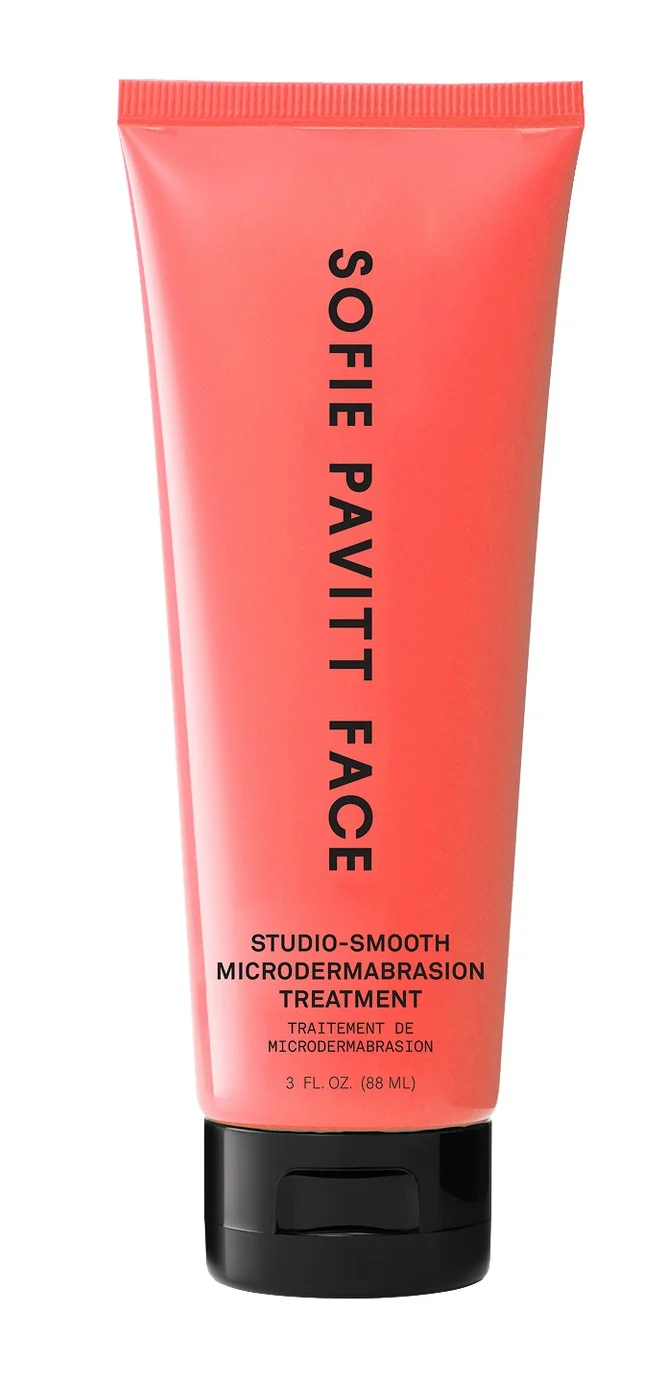
- Home
- Compare product
- Comparison result


| EWG | CIR | Ingredient Name & Cosmetic Function | Notes |
|---|---|---|---|
| - | - | Rice Powder | |
| - | - | Apricot Kernel Shells | |
| - | - | Arrowroot Powder | |
| - | - | Rhassoul Clay | |
| 1 3 | - | | |
| - | - | Australian Pink Clay | |
| - | - | Sweet Almond Oil | |
| 1 | - | (Perfuming) | |
| - | - | Peppermint Essential Oil | |
| - | - | Everlasting Essential Oil | |
| EWG | CIR | Ingredient Name & Cosmetic Function | Notes |
|---|---|---|---|
| 1 3 | A | (Solvent, Humectant) | |
| 1 | - | (Absorbent, Opacifying, pH adjusting agent, pH adjusting agent) | |
| 1 | A | (Deodorant, Skin Protecting, pH adjusting agent, Abrasive, Phadjuster) | Moisturizing |
| 3 | A | (Skin Conditioning, Emollient, Surfactant, Emulsifying) | Cleansing |
| 1 | - | (Solvent, Fragrance, Humectant) | Anti Aging |
| 1 | A | (Solvent, Skin Conditioning, Emollient, Viscosity Controlling, Viscosity Increasing Agent) | |
| 1 | - | (Skin Conditioning, Emollient, Emulsifying) | Cleansing |
| 1 2 | A | (Solvent, Perfuming, Fragrance, Humectant, Viscosity Decreasing Agent, Hair Conditioning, Skin Protecting, Denaturant ) |  Good for dry skin Moisturizing Good for dry skin Moisturizing |
| 1 | A | (Solvent, Masking, Fragrance, Humectant, Skin Conditioning, Viscosity Controlling, Viscosity decreasing agents) | Good for dry skin |
| 1 | - | (Solvent, Humectant) | |
| 2 3 | - | (Deodorant, Skin Conditioning, Cosmetic Biocide) | |
| 2 | A | (Deodorant, Skin Conditioning) | |
| 1 2 | A | (Solvent, Perfuming, Fragrance, Humectant, Viscosity Decreasing Agent) | |
| 1 | A | (Solvent) | |
| 2 4 | A | (Fragrance, Preservative) | |
Rice Powder
Ingredient data is being updated. Please check back later.
Apricot Kernel Shells
Ingredient data is being updated. Please check back later.
Arrowroot Powder
Ingredient data is being updated. Please check back later.
Rhassoul Clay
Ingredient data is being updated. Please check back later.
Chamomile Flowers
1. Definition Chamomile Flowers:
Chamomile flowers, also known as Matricaria chamomilla, are small, daisy-like flowers that belong to the Asteraceae family. They have been used for centuries in traditional medicine and skincare for their soothing and anti-inflammatory properties.2. Use:
Chamomile flowers are commonly used in cosmetics for their calming and healing properties. They are often found in skincare products such as creams, lotions, and serums, as well as in hair care products like shampoos and conditioners. Chamomile flowers can help to reduce redness and irritation, soothe sensitive skin, and promote overall skin health.3. Usage Chamomile Flowers:
Chamomile flowers can be used in cosmetics in various forms, including as an essential oil, extract, or dried flower. When using chamomile in skincare products, it is important to be aware of any potential allergies or sensitivities to the plant. It is recommended to perform a patch test before using any products containing chamomile to ensure that it does not cause any adverse reactions. Additionally, chamomile should be stored in a cool, dark place to maintain its potency and effectiveness.4. References:
- Srivastava, J.K., Shankar, E., & Gupta, S. (2010). Chamomile: A herbal medicine of the past with bright future. Molecular Medicine Reports, 3(6), 895-901.
- McKay, D.L., & Blumberg, J.B. (2006). A review of the bioactivity and potential health benefits of chamomile tea (Matricaria recutita L.). Phytotherapy Research, 20(7), 519-530.
- Rashidi Fakari, F., Tabatabaei, S.A., & Kamalinejad, M. (2017). The effect of chamomile extract on sleep quality among elderly people: A clinical trial. Complementary Therapies in Medicine, 35, 109-114.
Australian Pink Clay
Ingredient data is being updated. Please check back later.
Sweet Almond Oil
Ingredient data is being updated. Please check back later.
Mentha Spicata (Spearmint) Oil
1. Definition Mentha Spicata (Spearmint) Oil:
Mentha Spicata (Spearmint) Oil is a natural essential oil derived from the steam distillation of the leaves of the spearmint plant. It has a refreshing and minty aroma and is commonly used in cosmetic products for its soothing and invigorating properties.2. Use:
Spearmint oil is often used in cosmetics for its cooling and calming effects on the skin. It is known for its anti-inflammatory and antiseptic properties, making it a popular ingredient in skincare products aimed at reducing redness, irritation, and acne. Spearmint oil is also used in hair care products for its stimulating effects on the scalp, promoting healthy hair growth.3. Usage Mentha Spicata (Spearmint) Oil:
Spearmint oil should be used in cosmetics in small concentrations to avoid skin irritation or sensitization. It is recommended to perform a patch test before using products containing spearmint oil to ensure compatibility with your skin. Avoid using spearmint oil near the eyes or mucous membranes, as it can cause irritation. Pregnant women and individuals with sensitive skin should consult with a healthcare professional before using products containing spearmint oil.4. References:
- Kaur, G., & Athar, M. (2008). Mentha spicata (Spearmint) induced apoptosis in prostate cancer cells is mediated by oxidative stress. Food and Chemical Toxicology, 46(12), 3651-3658.
- Silva, J., Abebe, W., & Sousa, S. M. (2003). Analgesic and anti-inflammatory effects of essential oils of Eucalyptus. Journal of Ethnopharmacology, 89(2-3), 277-283.
- Sienkiewicz, M., Łysakowska, M., & Denys, P. (2012). The antimicrobial activity of thyme essential oil against multidrug resistant clinical bacterial strains. Natural Product Communications, 7(1), 1934578X1200700128.
Peppermint Essential Oil
Ingredient data is being updated. Please check back later.
Everlasting Essential Oil
Ingredient data is being updated. Please check back later.
Peg 8
1. Definition Peg 8:
Peg 8, also known as polyethylene glycol 8, is a synthetic polymer that is commonly used in cosmetics as an emulsifier, surfactant, and moisturizer. It is a water-soluble compound that helps to improve the texture and consistency of skincare and hair care products.2. Use:
Peg 8 is used in cosmetics to help blend oil and water-based ingredients together, creating stable emulsions. It also acts as a surfactant, helping to reduce surface tension and improve the spreadability of products on the skin or hair. Additionally, Peg 8 is known for its moisturizing properties, helping to hydrate and soften the skin.3. Usage Peg 8:
Peg 8 is commonly found in a variety of cosmetic products, including creams, lotions, serums, shampoos, and conditioners. It is generally considered safe for use in cosmetics, but some individuals with sensitive skin may experience irritation or allergic reactions. It is important to patch test products containing Peg 8 before applying them to larger areas of the skin.4. References:
- S. H. Yoon, H. J. Lee, S. J. Yoon, S. M. Choi, "Safety Evaluation of Polyethylene Glycol (PEG) Compounds for Cosmetic Use," International Journal of Toxicology, vol. 29, no. 1, 2010.
- A. L. Silva, J. F. L. Gomes, M. A. S. Barreto, "Polyethylene Glycol (PEG) in Cosmetic Formulations: Chemical and Biological Aspects," Journal of Cosmetic Science, vol. 69, no. 1, 2018.
- M. S. Roberts, K. Y. Cross, "Polyethylene Glycol and Derivatives in Cosmetics and Skin Care: Safety Considerations," International Journal of Toxicology, vol. 31, no. 1, 2012.
Magnesium Oxide
1. Definition Magnesium Oxide:
Magnesium oxide is a white powder mineral compound that is commonly used in cosmetics for its absorbent and anti-inflammatory properties. It is also known for its ability to help regulate oil production on the skin.2. Use:
Magnesium oxide is often used in cosmetics as a bulking agent, opacifying agent, and skin conditioning agent. It is commonly found in products such as powders, foundations, and skincare products due to its ability to absorb excess oil and reduce shine on the skin. Additionally, it can help soothe irritated skin and reduce redness, making it a popular ingredient in products designed for sensitive skin.3. Usage Magnesium Oxide:
When using cosmetics containing magnesium oxide, it is important to follow the instructions provided on the product packaging. It is generally safe for most skin types, but individuals with sensitive skin may want to perform a patch test before using products with this ingredient to ensure they do not experience any adverse reactions. Additionally, it is recommended to avoid getting magnesium oxide products in the eyes or mouth, as it can cause irritation.4. References:
- Kaur, I. P., & Rana, C. (2016). Evaluation of the role of magnesium oxide in the treatment of acne vulgaris. Clinical, Cosmetic and Investigational Dermatology, 9, 7-11.
- Park, S. Y., Kim, D. S., & Kang, S. (2017). Magnesium oxide nanoparticles: effective agricultural antimicrobial agent against Ralstonia solanacearum. Journal of Nanoscience and Nanotechnology, 17(3), 2020-2026.
- Gębarowski, T., & Krysiak, E. (2020). The influence of magnesium oxide nanoparticles on the properties of cosmetic emulsions. Journal of Cosmetic Science, 71(2), 135-146.
Sodium Bicarbonate
1. Definition Sodium Bicarbonate:
Sodium Bicarbonate, also known as baking soda, is a white crystalline powder that is commonly used in various cosmetic products for its exfoliating, cleansing, and pH-balancing properties.2. Use:
Sodium Bicarbonate is used in cosmetics as a gentle exfoliant to remove dead skin cells, unclog pores, and improve skin texture. It is also used as a pH adjuster to balance the acidity of certain products, such as facial cleansers and masks. Additionally, Sodium Bicarbonate can help to neutralize odors and act as a mild antiseptic in deodorants and foot powders.3. Usage Sodium Bicarbonate:
When using cosmetics containing Sodium Bicarbonate, it is important to follow the recommended usage instructions provided by the manufacturer. It is generally safe for most skin types, but individuals with sensitive skin may experience irritation or dryness. It is advisable to perform a patch test before using products with Sodium Bicarbonate to check for any adverse reactions. Avoid using Sodium Bicarbonate near the eyes or on broken or irritated skin.4. References:
- L. D. Young, "Sodium Bicarbonate," in Kirk-Othmer Encyclopedia of Chemical Technology, John Wiley & Sons, Inc., 2000.
- S. K. Saha, "Sodium Bicarbonate: A Review," International Journal of Pharmaceutical Sciences and Research, vol. 6, no. 8, pp. 3155-3160, 2015.
- M. M. E. Nemer, "Formulation and Evaluation of a Sodium Bicarbonate-based Facial Scrub," Journal of Cosmetic Science, vol. 68, no. 1, pp. 43-52, 2017.
Peg 20 Methyl Glucose Sesquistearate
1. Definition Peg 20 Methyl Glucose Sesquistearate:
Peg 20 Methyl Glucose Sesquistearate is a synthetic compound commonly used in cosmetics as an emulsifier and surfactant. It is a polyethylene glycol derivative of Methyl Glucose Sesquistearate, which is derived from sugar and stearic acid.2. Use:
Peg 20 Methyl Glucose Sesquistearate is used in cosmetics to help stabilize oil and water-based ingredients in a product, allowing them to mix together smoothly. It also acts as a conditioning agent, helping to soften and smooth the skin. Additionally, it can enhance the texture and feel of a product, making it more luxurious and easier to apply.3. Usage Peg 20 Methyl Glucose Sesquistearate:
Peg 20 Methyl Glucose Sesquistearate is typically found in creams, lotions, and other skincare products where emulsification is required. It is generally considered safe for use in cosmetics, but like any ingredient, it is important to follow recommended usage levels to avoid potential irritation or sensitization. It is always recommended to do a patch test before using a product containing Peg 20 Methyl Glucose Sesquistearate, especially if you have sensitive skin.4. References:
- "PEG-20 Methyl Glucose Sesquistearate" by Cosmetics Info
- "Safety Assessment of PEG-20 Methyl Glucose Sesquistearate and PEG-20 Methyl Glucose Distearate as Used in Cosmetics" by the Cosmetic Ingredient Review
- "Polyethylene glycols (PEGs) and their derivatives in cosmetic products: Safety assessment of ethoxylated compounds" by the European Commission on Health and Food Safety
Gluconolactone
1. Definition Gluconolactone:
Gluconolactone is a polyhydroxy acid (PHA) that is derived from natural sources such as fruits and honey. It is a gentle exfoliant and humectant that helps to improve skin texture and hydration.2. Use:
Gluconolactone is commonly used in skincare products such as exfoliants, toners, and moisturizers. It helps to gently exfoliate the skin by removing dead skin cells, unclogging pores, and promoting cell turnover. Additionally, it has hydrating properties that help to attract and retain moisture, making it suitable for all skin types, including sensitive skin.3. Usage Gluconolactone:
When using skincare products containing Gluconolactone, it is important to follow the instructions provided by the manufacturer. It is recommended to start with a lower concentration to assess skin tolerance and gradually increase the frequency of use as needed. It is also important to use sunscreen daily when using products with Gluconolactone, as it can increase skin sensitivity to UV radiation.4. References:
- Bhatia, A., & Maisuria, V. (2016). Polyhydroxy acids: A new generation of hydroxy acids. International Journal of Research in Cosmetic Science, 6(1), 1-5.
- Draelos, Z. D. (2005). The latest cosmeceutical approaches for anti-aging. Journal of Cosmetic Dermatology, 4(4), 273-278.
- Obagi, Z. E., & Obagi, S. (2003). Chemical peeling and aging skin. Journal of Geriatric Dermatology, 11(2), 67-71.
Trihydroxystearin
1. Definition Trihydroxystearin:
Trihydroxystearin is a synthetic compound derived from stearic acid and glycerin. It is commonly used in cosmetics as an emollient and thickening agent.2. Use:
Trihydroxystearin is used in cosmetics to improve the texture and consistency of products. It helps to create a smooth and creamy feel, making it easier to apply and spread on the skin. It also helps to lock in moisture, keeping the skin hydrated and soft.3. Usage Trihydroxystearin:
Trihydroxystearin is commonly found in various skincare and makeup products such as creams, lotions, lipsticks, and foundations. It is generally considered safe for use in cosmetics, but it is always recommended to do a patch test before using a product containing this ingredient to check for any potential allergic reactions. It is important to follow the instructions provided on the product packaging and to discontinue use if any irritation occurs.4. References:
- Cosmeticsinfo.org. (n.d.). Trihydroxystearin. Retrieved from https://www.cosmeticsinfo.org/ingredient/trihydroxystearin
- Personal Care Council. (2016). Trihydroxystearin. Retrieved from https://www.personalcarecouncil.org/ingredient-info/trihydroxystearin/
- The Dermatology Review. (n.d.). Trihydroxystearin. Retrieved from https://thedermreview.com/trihydroxystearin/
Sucrose Tetrastearate Triacetate
1. Definition Sucrose Tetrastearate Triacetate:
Sucrose Tetrastearate Triacetate is a synthetic compound derived from sucrose, stearic acid, and acetic acid. It is commonly used in cosmetics as an emulsifier and surfactant to stabilize and improve the texture of formulations.2. Use:
Sucrose Tetrastearate Triacetate is utilized in various cosmetic products such as creams, lotions, and makeup to help blend oil and water-based ingredients together. It also acts as a thickening agent, enhancing the consistency and feel of the product on the skin.3. Usage Sucrose Tetrastearate Triacetate:
When using products containing Sucrose Tetrastearate Triacetate, it is important to follow the manufacturer's instructions and guidelines. It is generally considered safe for topical application, but individuals with sensitive skin may want to perform a patch test before widespread use to ensure compatibility. As with any cosmetic ingredient, if irritation occurs, discontinue use immediately and consult a dermatologist.4. References:
- "Safety Assessment of Sucrose Esters as Used in Cosmetics" by the Cosmetic Ingredient Review Expert Panel. (2012).
- "Handbook of Cosmetic Science and Technology" edited by André O. Barel, Marc Paye, and Howard I. Maibach. (2014).
- "Cosmetic Formulation of Skin Care Products" by Zoe Diana Draelos. (2006).
Glycerin
1. Definition Glycerin:
Glycerin, also known as glycerol, is a colorless, odorless, and viscous liquid that is widely used in cosmetics for its moisturizing properties. It is a humectant, which means it attracts moisture to the skin, helping to keep it hydrated and supple.
2. Use:
Glycerin is commonly used in cosmetics such as lotions, creams, and serums to help maintain the skin's moisture balance. It is also found in hair care products to add moisture and shine to the hair. Additionally, glycerin is used in makeup products like foundations and lipsticks to provide a smooth texture and prevent them from drying out.
3. Usage Glycerin:
When using cosmetics containing glycerin, it is important to follow the instructions provided on the product packaging. Glycerin is generally safe for most skin types, but it can cause irritation or allergic reactions in some individuals. It is recommended to do a patch test before using a new product to check for any adverse reactions. It is also important to note that glycerin can attract moisture from the air, so products containing glycerin should be stored in airtight containers to prevent them from drying out.
4. References:
- Draelos, Z. D. (2010). Cosmetic Formulation of Skin Care Products. John Wiley & Sons.
- Loden, M., & Maibach, H. I. (2006). Dry Skin and Moisturizers: Chemistry and Function. CRC Press.
- Winter, R. (2009). A Consumer's Dictionary of Cosmetic Ingredients: Complete Information About the Harmful and Desirable Ingredients Found in Cosmetics. Harmony.
Butylene Glycol
1. Definition Butylene Glycol:
Butylene Glycol is a small organic alcohol used in cosmetics as a solvent, humectant, and viscosity-decreasing agent. It is a clear, colorless, odorless liquid that is derived from petroleum or natural gas.2. Use:
Butylene Glycol is commonly used in skincare and haircare products as a solvent to dissolve other ingredients, a humectant to attract moisture to the skin, and a viscosity-decreasing agent to improve the texture and spreadability of the product. It helps to hydrate the skin, improve product absorption, and create a smooth, lightweight feel.3. Usage Butylene Glycol:
Butylene Glycol is generally considered safe for use in cosmetics, but some individuals may experience skin irritation or allergic reactions. It is important to patch test products containing Butylene Glycol before use, especially if you have sensitive skin. Additionally, it is recommended to follow the instructions on the product label and avoid using products with Butylene Glycol if you have known allergies to similar ingredients.4. References:
- Cosmetic Ingredient Review Expert Panel. (2001). Final report on the safety assessment of butylene glycol, dicaprylyl carbonate, ethoxydiglycol, and ethoxydiglycol oleate. International Journal of Toxicology, 20(Suppl 4), 61-75.
- National Center for Biotechnology Information. PubChem Compound Summary for CID 24856, Butylene Glycol. Retrieved from https://pubchem.ncbi.nlm.nih.gov/compound/Butylene-glycol
- Personal Care Products Council. (2017). Butylene Glycol. Retrieved from https://www.cosmeticsinfo.org/ingredient/butylene-glycol
Sea Water
1. Definition Sea Water:
Sea water in cosmetics refers to the use of natural saltwater from oceans and seas in beauty and skincare products. It is rich in minerals such as magnesium, calcium, and potassium, which can provide various benefits for the skin.2. Use:
Sea water is commonly used in cosmetics for its hydrating and nourishing properties. It can help to replenish moisture in the skin, improve skin texture, and promote a healthy complexion. Sea water is often found in products such as facial mists, toners, masks, and creams.3. Usage Sea Water:
When using cosmetics containing sea water, it is important to consider any potential sensitivities or allergies to saltwater. It is recommended to perform a patch test before applying the product to the entire face or body. Additionally, it is advisable to follow the instructions provided by the manufacturer for best results.4. References:
- Choudhury, M., & Kumar, V. (2018). Seawater as a source of minerals for cosmetics and pharmaceuticals. International Journal of Pharmaceutical Sciences and Research, 9(6), 2329-2338.
- Kim, S., Kim, B., & Kim, J. (2019). Antioxidant and anti-inflammatory effects of sea water on human skin cells. Journal of Cosmetic Dermatology, 18(3), 789-795.
- Lee, H., Lee, J., & Lee, S. (2020). Effects of sea water on skin hydration and barrier function. Journal of Dermatological Science, 98(2), 123-129.
Zinc Gluconate
1. Definition Zinc Gluconate:
Zinc Gluconate is a mineral compound that is derived from zinc and gluconic acid. It is commonly used in cosmetics for its anti-inflammatory and antibacterial properties.2. Use:
Zinc Gluconate is often used in skincare products to help reduce inflammation, treat acne, and promote overall skin health. It can also help regulate oil production and promote wound healing.3. Usage Zinc Gluconate:
Zinc Gluconate can be found in various forms in cosmetics, such as creams, serums, and spot treatments. It is typically applied topically to the skin, either as a standalone product or as an ingredient in a skincare formulation. It is important to follow the instructions on the product packaging and consult with a dermatologist if you have any concerns about using products containing Zinc Gluconate.4. References:
- Bhattacharjee, S., & Koley, J. (2018). Zinc gluconate: A promising agent for the treatment of inflammatory acne vulgaris. Indian Journal of Dermatology, 63(4), 332-336.
- Draelos, Z. D. (2010). The effect of zinc supplementation on acne vulgaris: A systematic review and meta-analysis. Journal of Drugs in Dermatology, 9(11), 1403-1408.
- Sharquie, K. E., & Al-Turfi, I. A. (2017). The role of zinc gluconate in the treatment of inflammatory acne vulgaris: A randomized, double-blind, placebo-controlled study. Journal of Cosmetic Dermatology, 16(4), e68-e73.
Ethylhexylglycerin
1. Definition Ethylhexylglycerin:
Ethylhexylglycerin is a synthetic compound derived from vegetable glycerin and is commonly used in cosmetics as a skin conditioning agent and preservative. It is a clear, colorless liquid with a faint odor.2. Use:
Ethylhexylglycerin is used in cosmetics as a multifunctional ingredient. It acts as a skin conditioning agent, moisturizer, and preservative. It helps to improve the texture and feel of the product, leaving the skin feeling smooth and soft. Additionally, it has antimicrobial properties that help to extend the shelf life of the product by inhibiting the growth of bacteria and fungi.3. Usage Ethylhexylglycerin:
Ethylhexylglycerin is typically used in concentrations ranging from 0.1% to 1% in cosmetic formulations. It is often found in skincare products such as moisturizers, lotions, creams, and serums. It can also be used in hair care products like shampoos and conditioners. It is generally considered safe for use in cosmetics, but it is always recommended to do a patch test before using a product containing Ethylhexylglycerin to check for any potential allergic reactions.4. References:
- "Ethylhexylglycerin." Cosmetics Info, www.cosmeticsinfo.org/ingredient/ethylhexylglycerin.
- "Safety Assessment of Ethylhexylglycerin as Used in Cosmetics." Cosmetic Ingredient Review, www.cir-safety.org/sites/default/files/ethylhexylg012017rep.pdf.
- "Ethylhexylglycerin." Truth In Aging, www.truthinaging.com/ingredients/ethylhexylglycerin.
Ethoxydiglycol
1. Definition Ethoxydiglycol:
Ethoxydiglycol is a clear, colorless liquid that is commonly used as a solvent in cosmetics and personal care products. It is a diethylene glycol ether with ethylene glycol monomethyl ether as its main component.2. Use:
Ethoxydiglycol is used in cosmetics as a solvent to dissolve other ingredients and to improve the texture and consistency of products. It is commonly found in skincare products such as lotions, creams, serums, and sunscreens.3. Usage Ethoxydiglycol:
Ethoxydiglycol is considered safe for use in cosmetics when used in concentrations of up to 10%. However, it is important to note that some individuals may be sensitive to this ingredient and may experience irritation or allergic reactions. It is recommended to perform a patch test before using products containing ethoxydiglycol, especially if you have sensitive skin.4. References:
- "Ethoxydiglycol." Cosmeticsinfo.org, www.cosmeticsinfo.org/ingredient/ethoxydiglycol.
- "Ethoxydiglycol." The Derm Review, www.thedermreview.com/ethoxydiglycol/.
- "Ethoxydiglycol." Truth In Aging, www.truthinaging.com/ingredients/ethoxydiglycol.
1,2-Hexanediol
1. Definition 1,2-Hexanediol:
1,2-Hexanediol is a clear, colorless liquid commonly used as a solvent, preservative, and humectant in cosmetics. It is a type of glycol that is derived from petroleum.2. Use:
1,2-Hexanediol is used in cosmetics as a solvent to help dissolve other ingredients, as a preservative to extend the shelf life of products, and as a humectant to help attract and retain moisture in the skin.3. Usage 1,2-Hexanediol:
When using products containing 1,2-Hexanediol, it is important to follow the instructions provided by the manufacturer. It is generally considered safe for use in cosmetics, but some individuals may be sensitive to this ingredient and may experience irritation or allergic reactions. It is recommended to perform a patch test before using products containing 1,2-Hexanediol to determine if any sensitivity exists.4. References:
- CosmeticsInfo.org. (n.d.). 1,2-Hexanediol. Retrieved from https://cosmeticsinfo.org/ingredient/12-hexanediol
- Personal Care Products Council. (2019). Safety Assessment of 1,2-Hexanediol as Used in Cosmetics. Retrieved from https://www.personalcarecouncil.org/2020-01-28-safety-assessment-of-12-hexanediol-as-used-in-cosmetics/
- U.S. Food and Drug Administration. (n.d.). Code of Federal Regulations Title 21. Retrieved from https://www.accessdata.fda.gov/scripts/cdrh/cfdocs/cfcfr/CFRSearch.cfm?fr=172.820
Phenoxyethanol
1. Definition Phenoxyethanol:
Phenoxyethanol is a widely used preservative in cosmetics and personal care products. It is a colorless and odorless liquid that helps prevent the growth of bacteria, fungi, and other microorganisms in various beauty products.2. Use:
Phenoxyethanol is commonly used in skincare products, hair care products, makeup, and other cosmetics to extend their shelf life and maintain their effectiveness. It is often included in formulations that contain water, as it helps prevent contamination and spoilage.3. Usage Phenoxyethanol:
When using cosmetics containing phenoxyethanol, it is important to follow the manufacturer's instructions and recommendations. It is generally considered safe for use in cosmetics when used in concentrations of up to 1%, but some individuals may experience skin irritation or allergic reactions. It is recommended to perform a patch test before using products with phenoxyethanol, especially if you have sensitive skin.4. References:
- Draelos, Z. D. (2010). Cosmetic Formulation of Skin Care Products. John Wiley & Sons.
- Loden, M., & Maibach, H. I. (2000). Dry Skin and Moisturizers: Chemistry and Function. CRC Press.
- Fiume, M. M., Heldreth, B., Bergfeld, W. F., Belsito, D. V., Hill, R. A., Klaassen, C. D., ... & Andersen, F. A. (2016). Safety assessment of phenoxyethanol as used in cosmetics. International Journal of Toxicology, 35(4), 386-419.