


- Home
- Compare product
- Comparison result
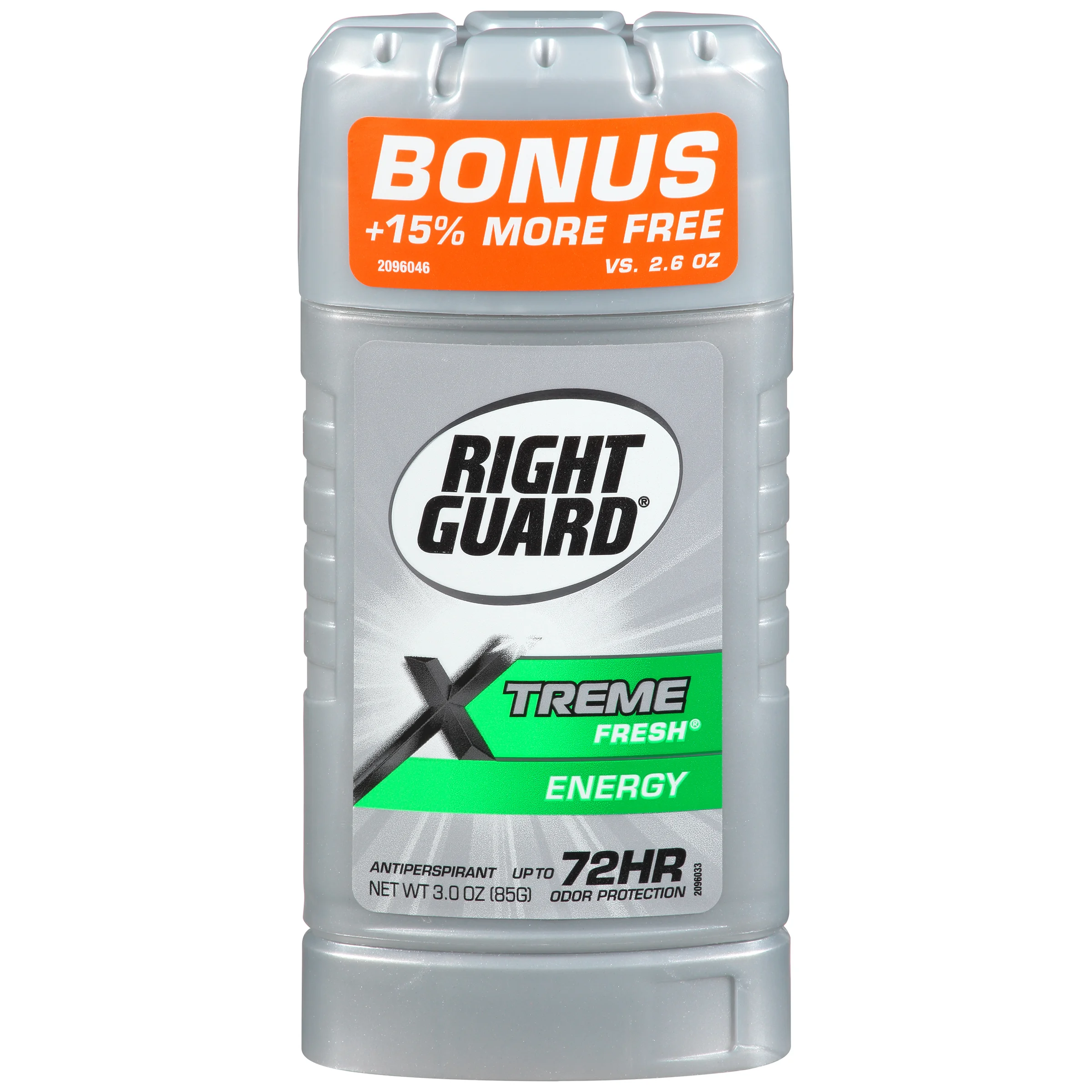
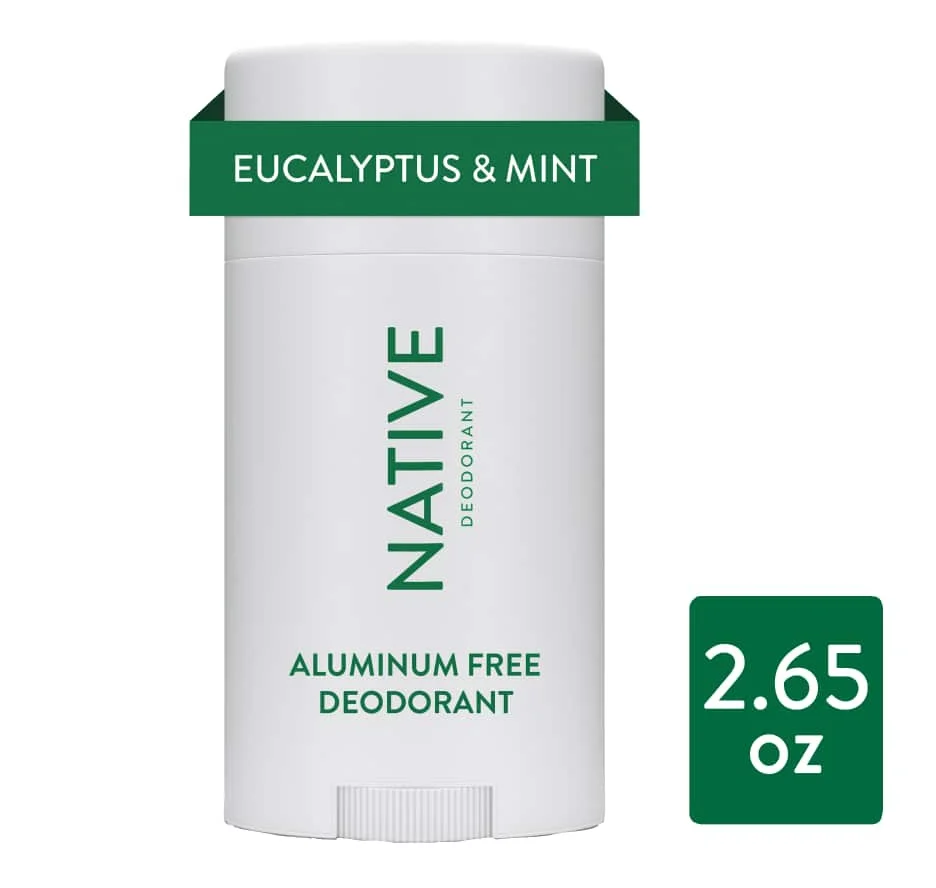


| EWG | CIR | Ingredient Name & Cosmetic Function | Notes |
|---|---|---|---|
| 2 3 | - | (Cosmetic Astringent, Deodorant, Antiperspirant Agent) | |
| EWG | CIR | Ingredient Name & Cosmetic Function | Notes |
|---|---|---|---|
| 1 | A | (Solvent, Masking, Perfuming, Skin Conditioning, Emollient) | |
| 1 | B | (Skin Conditioning, Emollient) | |
| 1 | - | (Absorbent, Opacifying, pH adjusting agent, pH adjusting agent) | |
| 1 | A | (Viscosity Increasing Agent) | |



Aluminum Zirconium Trichlorohydrex Gly
1. Definition Aluminum Zirconium Trichlorohydrex Gly:
Aluminum Zirconium Trichlorohydrex Gly is a common ingredient found in antiperspirants and deodorants. It is a type of aluminum salt that helps to reduce sweat and odor by forming a temporary plug in the sweat ducts.2. Use:
Aluminum Zirconium Trichlorohydrex Gly is primarily used as an active ingredient in antiperspirants to control sweating. It works by blocking the sweat glands and reducing the amount of sweat that is produced. This ingredient is also used in deodorants to help mask body odor.3. Usage Aluminum Zirconium Trichlorohydrex Gly:
When using products containing Aluminum Zirconium Trichlorohydrex Gly, it is important to follow the instructions provided on the packaging. It is typically applied to clean, dry skin in the underarm area. It is recommended to avoid using these products on broken or irritated skin. Some individuals may experience skin irritation or allergies when using products containing this ingredient, so it is important to discontinue use if any adverse reactions occur.4. References:
- National Center for Biotechnology Information. PubChem Compound Summary for CID 16730315, Aluminum zirconium trichlorohydrex gly. https://pubchem.ncbi.nlm.nih.gov/compound/16730315
- Cosmetic Ingredient Review. Final report on the safety assessment of aluminum zirconium tetrachlorohydrex gly. https://journals.sagepub.com/doi/abs/10.3109/10915819909025045
- Personal Care Products Council. Aluminum Zirconium Trichlorohydrex Gly. https://www.cosmeticsinfo.org/ingredient/aluminum-zirconium-trichlorohydrex-gly
Caprylic/ Capric Triglyceride
1. Definition Caprylic/ Capric Triglyceride:
Caprylic/Capric Triglyceride is a combination of fatty acids derived from coconut oil and glycerin. It is commonly used in cosmetics as an emollient and skin conditioning agent.2. Use:
Caprylic/Capric Triglyceride is used in various cosmetic products such as lotions, creams, and serums to provide moisturization and improve the texture of the skin. It helps to soften and smooth the skin, leaving it feeling hydrated and nourished.3. Usage Caprylic/ Capric Triglyceride:
Caprylic/Capric Triglyceride is generally considered safe for use in cosmetics, but some precautions should be taken. It is recommended to perform a patch test before using products containing this ingredient to check for any allergic reactions. Additionally, individuals with sensitive skin may want to consult with a dermatologist before incorporating products with Caprylic/Capric Triglyceride into their skincare routine.4. References:
- "Caprylic/Capric Triglyceride." Cosmetics Info, www.cosmeticsinfo.org/ingredient/capryliccapric-triglyceride.
- "Caprylic/Capric Triglyceride." The Derm Review, www.thedermreview.com/caprylic-capric-triglyceride/.
- "Caprylic/Capric Triglyceride." Truth in Aging, www.truthinaging.com/ingredients/capryliccapric-triglyceride.
Stearyl Behenate
1. Definition Stearyl Behenate:
Stearyl Behenate is a white, waxy substance that is derived from the esterification of stearyl alcohol and behenic acid. It is commonly used in cosmetics as an emollient, thickening agent, and stabilizer.2. Use:
Stearyl Behenate is primarily used in cosmetics as a thickening agent to give products a smooth texture and improve their spreadability. It also acts as an emollient, helping to soften and moisturize the skin. Additionally, it can be used as a stabilizer to prevent products from separating or spoiling.3. Usage Stearyl Behenate:
Stearyl Behenate is found in a variety of cosmetic products, including creams, lotions, lipsticks, and sunscreens. It is generally considered safe for use in cosmetics, but as with any ingredient, it is important to follow the manufacturer's instructions and guidelines for use. It is recommended to perform a patch test before using products containing Stearyl Behenate to check for any potential allergic reactions.4. References:
- "Stearyl Behenate." Cosmetics Info, www.cosmeticsinfo.org/ingredient/stearyl-behenate.
- M. S. Kumar, S. R. Annapurna, and S. S. S. S. Siva, "Formulation and evaluation of cosmetic creams containing natural ingredients," International Journal of Research in Pharmaceutical and Biomedical Sciences, vol. 3, no. 3, pp. 1062-1070, 2012.
- A. M. Al-Saidan, "Cosmetic compositions containing a stearyl behenate emulsion," US Patent 6,635,202, 2003.
Magnesium Oxide
1. Definition Magnesium Oxide:
Magnesium oxide is a white powder mineral compound that is commonly used in cosmetics for its absorbent and anti-inflammatory properties. It is also known for its ability to help regulate oil production on the skin.2. Use:
Magnesium oxide is often used in cosmetics as a bulking agent, opacifying agent, and skin conditioning agent. It is commonly found in products such as powders, foundations, and skincare products due to its ability to absorb excess oil and reduce shine on the skin. Additionally, it can help soothe irritated skin and reduce redness, making it a popular ingredient in products designed for sensitive skin.3. Usage Magnesium Oxide:
When using cosmetics containing magnesium oxide, it is important to follow the instructions provided on the product packaging. It is generally safe for most skin types, but individuals with sensitive skin may want to perform a patch test before using products with this ingredient to ensure they do not experience any adverse reactions. Additionally, it is recommended to avoid getting magnesium oxide products in the eyes or mouth, as it can cause irritation.4. References:
- Kaur, I. P., & Rana, C. (2016). Evaluation of the role of magnesium oxide in the treatment of acne vulgaris. Clinical, Cosmetic and Investigational Dermatology, 9, 7-11.
- Park, S. Y., Kim, D. S., & Kang, S. (2017). Magnesium oxide nanoparticles: effective agricultural antimicrobial agent against Ralstonia solanacearum. Journal of Nanoscience and Nanotechnology, 17(3), 2020-2026.
- Gębarowski, T., & Krysiak, E. (2020). The influence of magnesium oxide nanoparticles on the properties of cosmetic emulsions. Journal of Cosmetic Science, 71(2), 135-146.







