


- Home
- Compare product
- Comparison result
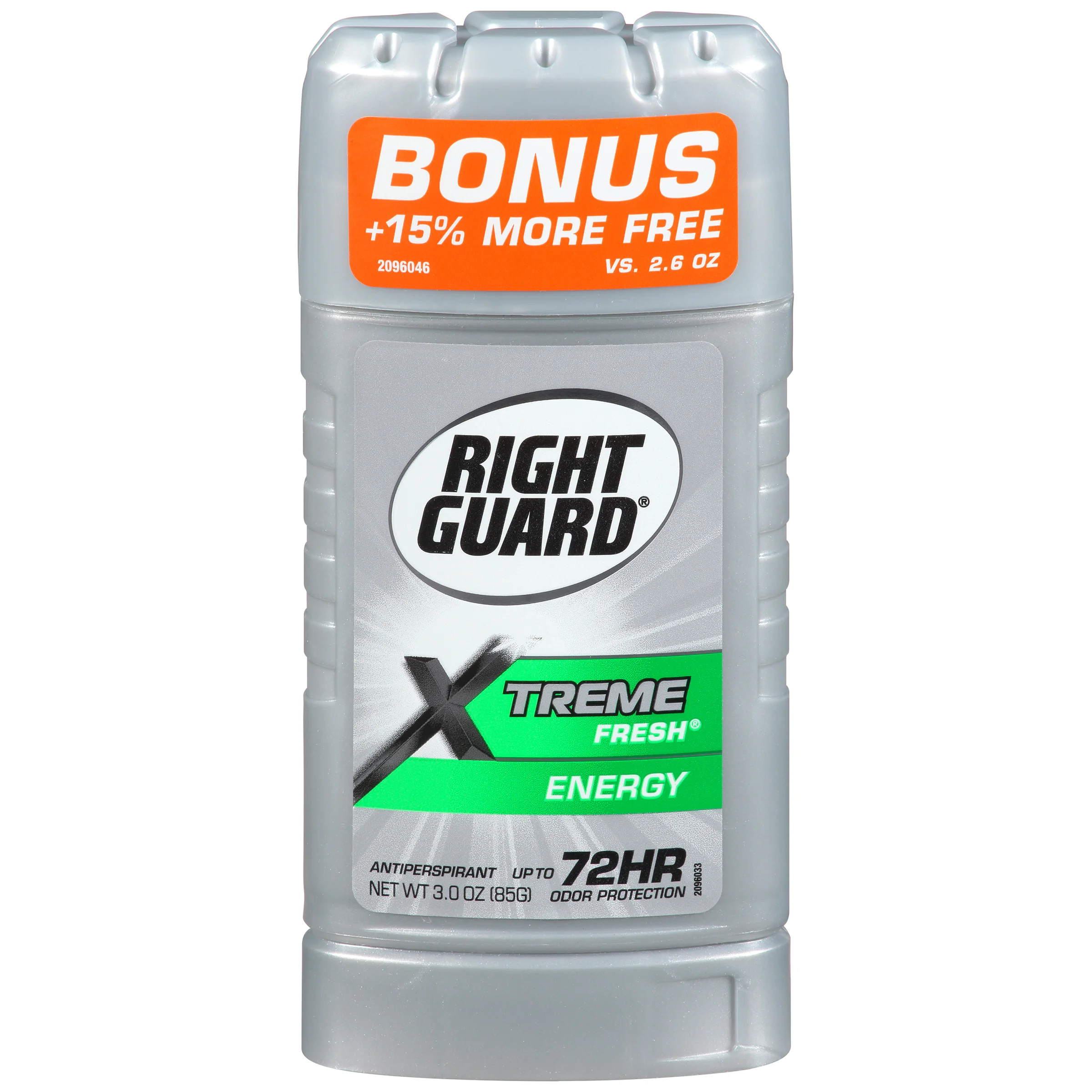


| EWG | CIR | Ingredient Name & Cosmetic Function | Notes |
|---|---|---|---|
| 2 3 | - | (Cosmetic Astringent, Deodorant, Antiperspirant Agent) | |
| EWG | CIR | Ingredient Name & Cosmetic Function | Notes |
|---|---|---|---|
| - | - | Organic Arrowroot Powder | |
| 1 | A | (Solvent, Skin Conditioning, Masking, Emollient, Fragrance, Hair Conditioning) |   |
| 1 | A | (Deodorant, Skin Protecting, pH adjusting agent, Abrasive, Phadjuster) | |
| 1 | - | (Emollient, Skin-Conditioning Agent - Occlusive) | |

Aluminum Zirconium Trichlorohydrex Gly
1. Definition Aluminum Zirconium Trichlorohydrex Gly:
Aluminum Zirconium Trichlorohydrex Gly is a common ingredient found in antiperspirants and deodorants. It is a type of aluminum salt that helps to reduce sweat and odor by forming a temporary plug in the sweat ducts.2. Use:
Aluminum Zirconium Trichlorohydrex Gly is primarily used as an active ingredient in antiperspirants to control sweating. It works by blocking the sweat glands and reducing the amount of sweat that is produced. This ingredient is also used in deodorants to help mask body odor.3. Usage Aluminum Zirconium Trichlorohydrex Gly:
When using products containing Aluminum Zirconium Trichlorohydrex Gly, it is important to follow the instructions provided on the packaging. It is typically applied to clean, dry skin in the underarm area. It is recommended to avoid using these products on broken or irritated skin. Some individuals may experience skin irritation or allergies when using products containing this ingredient, so it is important to discontinue use if any adverse reactions occur.4. References:
- National Center for Biotechnology Information. PubChem Compound Summary for CID 16730315, Aluminum zirconium trichlorohydrex gly. https://pubchem.ncbi.nlm.nih.gov/compound/16730315
- Cosmetic Ingredient Review. Final report on the safety assessment of aluminum zirconium tetrachlorohydrex gly. https://journals.sagepub.com/doi/abs/10.3109/10915819909025045
- Personal Care Products Council. Aluminum Zirconium Trichlorohydrex Gly. https://www.cosmeticsinfo.org/ingredient/aluminum-zirconium-trichlorohydrex-gly
Organic Arrowroot Powder
Ingredient data is being updated. Please check back later.
(Organic) Coconut Oil*
1. Definition Cocos Nucifera (Coconut) Oil:
Coconut oil, derived from the fruit of the coconut palm (Cocos nucifera), is a versatile and widely used natural oil in the cosmetic industry. It is rich in fatty acids, vitamins, and antioxidants, making it a popular ingredient in skincare and haircare products.2. Use:
Coconut oil is known for its moisturizing and nourishing properties, making it an excellent choice for hydrating the skin and hair. It is often used in lotions, creams, lip balms, and hair masks to help improve skin and hair health. Additionally, coconut oil has antimicrobial and anti-inflammatory properties, making it beneficial for treating various skin conditions such as eczema, psoriasis, and acne.3. Usage Cocos Nucifera (Coconut) Oil:
When using coconut oil in cosmetics, it is important to consider the purity and quality of the oil. Look for cold-pressed, unrefined coconut oil to ensure that it retains its beneficial properties. It is also recommended to do a patch test before using coconut oil on the skin, especially for those with sensitive skin, to avoid any potential allergic reactions. Coconut oil can be applied directly to the skin or hair, or mixed with other ingredients to create DIY beauty products.4. References:
- Rele, A. S., & Mohile, R. B. (2003). Effect of mineral oil, sunflower oil, and coconut oil on prevention of hair damage. Journal of cosmetic science, 54(2), 175-192.
- Evangelista, M. T., Abad-Casintahan, F., & Lopez-Villafuerte, L. (2014). The effect of topical virgin coconut oil on SCORAD index, transepidermal water loss, and skin capacitance in mild to moderate pediatric atopic dermatitis: a randomized, double-blind, clinical trial. International Journal of Dermatology, 53(1), 100-108.
- Nevin, K. G., & Rajamohan, T. (2010). Beneficial effects of virgin coconut oil on lipid parameters and in vitro LDL oxidation. Clinical biochemistry, 43(4-5), 349-357.
Baking Soda
1. Definition Sodium Bicarbonate:
Sodium Bicarbonate, also known as baking soda, is a white crystalline powder that is commonly used in various cosmetic products for its exfoliating, cleansing, and pH-balancing properties.2. Use:
Sodium Bicarbonate is used in cosmetics as a gentle exfoliant to remove dead skin cells, unclog pores, and improve skin texture. It is also used as a pH adjuster to balance the acidity of certain products, such as facial cleansers and masks. Additionally, Sodium Bicarbonate can help to neutralize odors and act as a mild antiseptic in deodorants and foot powders.3. Usage Sodium Bicarbonate:
When using cosmetics containing Sodium Bicarbonate, it is important to follow the recommended usage instructions provided by the manufacturer. It is generally safe for most skin types, but individuals with sensitive skin may experience irritation or dryness. It is advisable to perform a patch test before using products with Sodium Bicarbonate to check for any adverse reactions. Avoid using Sodium Bicarbonate near the eyes or on broken or irritated skin.4. References:
- L. D. Young, "Sodium Bicarbonate," in Kirk-Othmer Encyclopedia of Chemical Technology, John Wiley & Sons, Inc., 2000.
- S. K. Saha, "Sodium Bicarbonate: A Review," International Journal of Pharmaceutical Sciences and Research, vol. 6, no. 8, pp. 3155-3160, 2015.
- M. M. E. Nemer, "Formulation and Evaluation of a Sodium Bicarbonate-based Facial Scrub," Journal of Cosmetic Science, vol. 68, no. 1, pp. 43-52, 2017.







