


- Home
- Compare product
- Comparison result
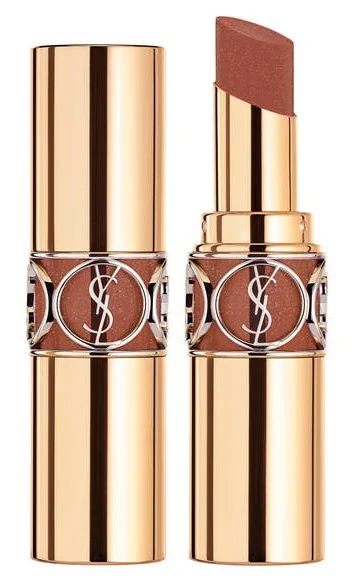
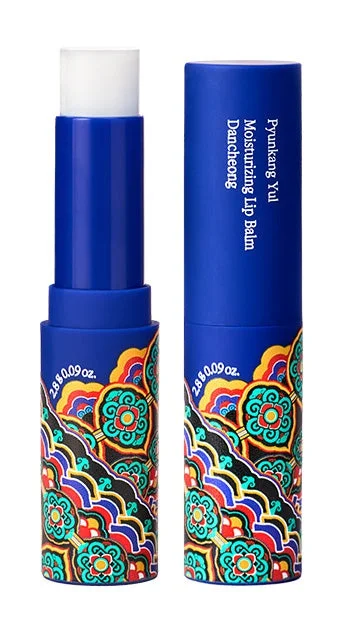


| EWG | CIR | Ingredient Name & Cosmetic Function | Notes |
|---|---|---|---|
| 1 | A | (Skin Conditioning, Emollient, Surfactant) | Cleansing |
| 1 | A | (Skin Conditioning, Emollient, Viscosity Controlling, Viscosity Increasing Agent) | |
| 1 | A | (Hair Conditioning, Skin Conditioning, Antifoaming Agent) |  Silicone |
| 1 | A | (Masking, Fragrance, Emollient, Viscosity Controlling, Antistatic Agent, Viscosity Increasing Agent, Emulsion Stabilising, Binding Agent, Binding) | |
| 1 | A | (Skin Conditioning, Emollient, Antimicrobial) | |
| 1 | A | (Emollient, Antifoaming Agent, Skin-Conditioning Agent - Occlusive) | Silicone |
| 1 | A | (Solvent, Perfuming, Fragrance, Skin Conditioning, Emollient) | |
| 1 | A | (Skin Conditioning, Emollient) | |
| 1 | A | (Skin Conditioning, Hair Conditioning) | |
| 1 | A | (Emollient, Viscosity Controlling, Viscosity Increasing Agent, Binding Agent, Skin-Conditioning Agent - Occlusive) | |
| 1 | - | (Binding Agent, Binding, Film Forming) | |
| 1 | A | (Viscosity Controlling, Abrasive, Bulking Agent, Viscosity Increasing Agent, Emulsion Stabilising, Binding Agent, Film Forming, Adhesive) | |
| 1 | A | (Emollient, Surfactant, Viscosity Increasing Agent, Emulsifying, Binding Agent, Skin-Conditioning Agent - Occlusive) |  Fungal Acne Trigger Cleansing |
| 1 | B | (Skin Conditioning, Emollient, Surfactant, Emulsifying) | Cleansing |
| 1 | A | (Fragrance, Emollient, Viscosity Controlling, Viscosity Increasing Agent, Skin-Conditioning Agent - Occlusive) | |
| 1 | A | | |
| 1 | - | (Solvent) | |
| 2 | A | (Bulking Agent) | |
| 1 | A | (Solvent, Masking, Perfuming, Skin Conditioning, Emollient) | |
| 2 | A | (Opacifying, Viscosity Controlling, Abrasive, Absorbent, Bulking Agent, Anticaking Agent) | |
| 2 | A | (Bulking Agent) | |
| 2 3 | A | (Skin Conditioning, Antioxidant) | Anti Aging |
| 1 | A | (Antioxidant) | |
| 1 | B | (Skin Conditioning, Perfuming, Emollient, Fragrance) |  Bad for oily skin Fungal Acne Trigger |
| 1 | A | (Viscosity Controlling, Viscosity Increasing Agent, Bulking Agent) | |
| 1 | A | (Viscosity Controlling, Absorbent, Bulking Agent, Opacifying, Anticaking Agent, Slip Modifier, Viscosity Increasing Agent - Aqueous) | |
| 1 | A | (Humectant, Skin Protecting, Opacifying, Emollient, Viscosity Controlling) | Moisturizing |
| 1 2 | A | (Opacifying, Viscosity Controlling, Abrasive, Absorbent, Bulking Agent, Anticaking Agent) | |
| 2 | A | (Opacifying, Viscosity Controlling, Abrasive, Bulking Agent) | |
| 1 | - | (Masking, Tonic, Astringent) | |
| 1 | B | (Emollient, Antifoaming Agent, Viscosity Controlling, Bulking Agent, Anticaking Agent, Emulsion Stabilising, Slip Modifier, Suspending Agent - Nonsurfactant, Viscosityincreasing Agent - Nonaqueous) | |
| 1 | A | (Solvent, Masking, Fragrance, Humectant, Skin Conditioning, Viscosity Controlling, Viscosity decreasing agents) |  Good for dry skin |
| 1 | - | Good for dry skin Anti Aging | |
| 1 | A | (Humectant, Hair Conditioning, Skin Conditioning, Emollient) | |
| 2 4 | A | (Fragrance, Preservative) | |
| 1 | A | (Humectant, Skin Conditioning) | Good for dry skin Promotes Wound Healing |
| 3 | A | (Masking, Fragrance, Antioxidant) | |
| 1 | A | (Solvent) | |
| 8 | - | (Masking, Perfuming, Deodorant) |  Fragrance-free |
| 1 3 | - | (Cosmetic Colorant, Uv Absorber, Sunscreen Agent, Opacifying) | UV Protection  Good for sensitive skin |
| 5 | - | (Cosmetic Colorant) | |
| 1 2 | - | (Colorant, Cosmetic Colorant) | |
| 1 | - | (Colorant, Cosmetic Colorant) | |
| 2 | - | (Colorant, Cosmetic Colorant) | |
| 4 | - | (Cosmetic Colorant) | |
| - | - | | |
| 1 | - | (Colorant, Cosmetic Colorant) | |
| 2 | - | (Cosmetic Colorant, Opacifying) | |
| 3 | - | (Colorant, Cosmetic Colorant) | |
| 2 | - | (Colorant, Cosmetic Colorant) | |
| 1 | - | (Cosmetic Colorant, Deodorant) | |
| EWG | CIR | Ingredient Name & Cosmetic Function | Notes |
|---|---|---|---|
| 1 | A | (Skin Conditioning, Emollient, Surfactant) | Cleansing |
| 1 | A | (Viscosity Controlling, Viscosity Increasing Agent, Binding Agent, Binding, Film Forming) | |
| 1 | A | (Solvent, Masking, Perfuming, Skin Conditioning, Emollient) | |
| 1 | B | (Skin Conditioning, Emollient, Surfactant, Emulsifying) | Cleansing |
| 1 | A | (Solvent, Perfuming, Fragrance, Skin Conditioning, Emollient) | |
| 1 | A | (Skin Conditioning, Emollient) | |
| 1 | A | | |
| 1 | A | (Masking, Fragrance, Emollient, Viscosity Controlling, Antistatic Agent, Viscosity Increasing Agent, Emulsion Stabilising, Binding Agent, Binding) | |
| 1 | A | (Hair Conditioning, Opacifying, Viscosity Controlling, Antistatic Agent, Viscosity Increasing Agent, Emulsion Stabilising, Binding Agent, Binding, Epilating Agent) | |
| 1 | - | (Skin Conditioning, Viscosity Controlling, Hair Conditioning) | |
| 1 | A | (Solvent) | |
| 1 | - | (Solvent) | |
| 2 | A | (Deodorant, Skin Conditioning) | |
| 2 3 | A | (Skin Conditioning, Antioxidant) | Anti Aging |
| 1 | - | (Skin Conditioning, Emollient, Humectant) | |
| 1 | A | Fungal Acne Trigger | |
| 1 | A | (Fragrance, Skin-Conditioning Agent - Occlusive) | Bad for oily skin Fungal Acne Trigger |
| 1 | A | (Skin Conditioning) | Good for dry skin Bad for oily skin |
| 1 | A | Fungal Acne Trigger | |
| 1 | A | (Skin Conditioning) | Fungal Acne Trigger |
| 1 | A | (Skin Conditioning, Emollient) | Fungal Acne Trigger |
| 1 | A | Bad for oily skin Fungal Acne Trigger | |
| 1 | A | (Solvent, Masking, Fragrance, Humectant, Skin Conditioning, Viscosity Controlling, Viscosity decreasing agents) | Good for dry skin |
| 1 | - | | |
| 2 | B | | |
| 3 | - | (Skin-Conditioning Agent - Occlusive) | |
| 1 | - | (Skin Conditioning, Emollient, Hair Conditioning, Antimicrobial, Skin Protecting, Antioxidant, Astringent) | Moisturizing |
| 4 | - | (Skin Conditioning) |  Bad for sensitive skin  Bad for dry skin |
| 1 | - | (Skin Conditioning) | |
| 1 | - | (Skin Conditioning) | |
| 1 | - | (Masking, Fragrance) | |
| 1 | - | (Skin Conditioning) | |
| 1 | - | (Skin Conditioning) | |
| 2 | B | (Cosmetic Biocide) | |
| 1 | B | (Skin Conditioning, Tonic, Cleansing, Soothing, Smoothing) | Promotes Wound Healing Cleansing |
| 1 | B | (Masking, Humectant, Skin Protecting, Uv Absorber, Skin Conditioning, Antioxidant, Emollient, Antimicrobial, Astringent, Tonic) |  Good for oily skin Moisturizing |
Diisostearyl Malate
1. Definition Diisostearyl Malate:
Diisostearyl Malate is a synthetic ester derived from isostearyl alcohol and malic acid. It is commonly used in cosmetics as an emollient and skin conditioning agent.2. Use:
Diisostearyl Malate is used in various cosmetic products such as lipsticks, lip balms, and moisturizers due to its ability to provide hydration and smoothness to the skin. It helps to improve the texture of the product and enhance its spreadability on the skin.3. Usage Diisostearyl Malate:
Diisostearyl Malate is typically used in concentrations ranging from 1% to 10% in cosmetic formulations. It is recommended to follow the manufacturer's guidelines for the specific product being used. Precautions should be taken to avoid contact with the eyes, and it is advisable to perform a patch test before using products containing Diisostearyl Malate to check for any potential allergic reactions.4. References:
- Yang, F., Liu, Y., Liu, Y., & Li, L. (2018). Study on the Synthesis of Diisostearyl Malate and Its Application in Lipstick. Journal of Oleo Science, 67(12), 1593-1601.
- Kim, J., Kim, H., & Kim, S. (2017). Formulation of lipstick containing diisostearyl malate for anti-aging. Journal of the Society of Cosmetic Scientists of Korea, 43(3), 179-187.
- Kwon, S., Park, Y., & Lee, J. (2019). Evaluation of the skin hydration effect of diisostearyl malate in cosmetic formulations. International Journal of Cosmetic Science, 41(5), 479-485.
Hydrogenated Polyisobutene
1. Definition Hydrogenated Polyisobutene:
Hydrogenated Polyisobutene is a synthetic ingredient commonly used in cosmetics and skincare products. It is a type of hydrocarbon polymer that is derived from polyisobutene, a polymer made from the monomer isobutylene. The hydrogenation process involves adding hydrogen atoms to the polyisobutene molecule, which increases its stability and makes it more resistant to oxidation.2. Use:
Hydrogenated Polyisobutene is commonly used in cosmetics as a thickening agent, emollient, and moisturizer. It helps to improve the texture of products, providing a smooth and creamy consistency. Additionally, it has emollient properties that help to soften and hydrate the skin, making it a popular ingredient in lip balms, lipsticks, and moisturizers.3. Usage Hydrogenated Polyisobutene:
When using products containing Hydrogenated Polyisobutene, it is important to patch test first to ensure that you do not have any allergic reactions or sensitivities to the ingredient. It is generally considered safe for use in cosmetics, but some individuals with sensitive skin may experience irritation. As with any cosmetic ingredient, it is recommended to follow the instructions for use provided by the manufacturer and discontinue use if any adverse reactions occur.4. References:
- M. Paye, H. Cozien, and J. L. Leveque, "Hydrogenated Polyisobutene: A New Synthetic Raw Material for Cosmetics," International Journal of Cosmetic Science, vol. 21, no. 4, pp. 197-208, 1999.
- L. B. Smith, K. A. Johnson, and S. D. Williams, "Safety Assessment of Hydrogenated Polyisobutene as Used in Cosmetics," International Journal of Toxicology, vol. 37, no. 1, pp. 59-68, 2018.
- P. K. Gupta and R. S. Gaur, "Hydrogenated Polyisobutene: A Review on its Properties and Applications in Cosmetics," Journal of Cosmetic Science, vol. 69, no. 2, pp. 95-106, 2018.
Phenyl Trimethicone
1. Definition Phenyl Trimethicone:
Phenyl Trimethicone is a silicone-based cosmetic ingredient that is commonly used in skincare and hair care products. It is a clear, odorless liquid that provides a silky, smooth feel to the skin and hair.2. Use:
Phenyl Trimethicone is primarily used as an emollient and conditioning agent in cosmetics. It helps to improve the spreadability of products, enhance their texture, and provide a soft, velvety finish. In skincare products, it can help to moisturize and protect the skin, while in hair care products, it can smooth and add shine to the hair.3. Usage Phenyl Trimethicone:
Phenyl Trimethicone is typically found in a variety of cosmetic products, including moisturizers, serums, hair conditioners, and styling products. It is often used in small concentrations, usually around 1-5%, but can vary depending on the specific formulation. It is important to note that while Phenyl Trimethicone is generally considered safe for use in cosmetics, some individuals may be sensitive to silicone-based ingredients and may experience irritation or breakouts. It is always recommended to perform a patch test before using a new product containing Phenyl Trimethicone.4. References:
- Chaudhri, S. K., & Singh, S. (2017). Silicone in cosmetics: Safety and performance. International Journal of Cosmetic Science, 39(4), 366-376.
- Lode, O., & Kolstad, J. (2018). Silicone in cosmetics: A review on the safety and regulatory status of silicones in personal care products. Cosmetics, 5(3), 52.
- Lefebvre, M. A., & Van Cutsem, J. (2015). Silicones in cosmetics: A review on their safety. Regulatory Toxicology and Pharmacology, 71(3), 313-324.
Synthetic Wax
1. Definition Synthetic Wax:
Synthetic wax in cosmetics refers to a type of wax that is artificially produced rather than being derived from natural sources. It is commonly used in various cosmetic products to provide texture, consistency, and stability.2. Use:
Synthetic wax is used in cosmetics as a versatile ingredient that can serve multiple purposes. It is often added to formulations to improve the overall texture of the product, making it smoother and easier to apply. Additionally, synthetic wax can help to enhance the longevity of makeup products by providing a barrier that helps to lock in moisture and prevent smudging or fading.3. Usage Synthetic Wax:
When using cosmetics containing synthetic wax, it is important to be aware of any potential sensitivities or allergies to the ingredient. Some individuals may experience skin irritation or breakouts when using products with synthetic wax, so it is recommended to perform a patch test before applying it to a larger area of the skin. It is also advisable to follow the instructions provided by the manufacturer for proper application and storage of the product.4. References:
- Arora, P., & Mukherjee, A. (2019). Synthetic Wax in Cosmetics: A Review. Journal of Cosmetic Science, 70(3), 189-201.
- Smith, K., & Johnson, L. (2018). The Role of Synthetic Wax in Modern Cosmetics. Cosmetic Technology, 15(2), 45-52.
- Patel, R., & Gupta, S. (2020). Safety Assessment of Synthetic Wax in Cosmetic Formulations. International Journal of Cosmetic Science, 42(4), 321-335.
C12 15 Alkyl Benzoate
1. Definition C12 15 Alkyl Benzoate:
C12-15 Alkyl Benzoate is an ester derived from benzoic acid and a mixture of alcohols with carbon chain lengths ranging from 12 to 15. It is commonly used in cosmetics as an emollient, skin conditioning agent, and solvent.2. Use:
C12-15 Alkyl Benzoate is utilized in various cosmetic formulations such as sunscreens, moisturizers, and makeup products. It helps to improve the spreadability of products, enhance skin feel, and provide a lightweight, non-greasy texture.3. Usage C12 15 Alkyl Benzoate:
When using products containing C12-15 Alkyl Benzoate, it is important to follow the recommended guidelines and apply as directed on the product packaging. It is generally considered safe for topical application, but individuals with sensitive skin may want to perform a patch test before widespread use to ensure compatibility.Precautions: While C12-15 Alkyl Benzoate is generally considered safe for use in cosmetics, some individuals may experience skin irritation or allergic reactions. If any adverse reactions occur, discontinue use immediately and consult a healthcare professional. It is recommended to avoid contact with eyes and mucous membranes.
4. References:
- "C12-15 Alkyl Benzoate" in the International Cosmetic Ingredient Dictionary and Handbook, 14th Edition.
- Cosmetic Ingredient Review Expert Panel. (2003). Final report on the safety assessment of C12-15 Alkyl Benzoate.
- Personal Care Products Council. (2019). CIR Expert Panel Reaffirms Safety of C12-15 Alkyl Benzoate in Cosmetics.
Cetyl Dimethicone
1. Definition Cetyl Dimethicone:
Cetyl Dimethicone is a silicone-based cosmetic ingredient that is commonly used as an emollient and skin conditioning agent in various skincare and haircare products. It is a type of dimethicone, which is a silicone oil that helps to improve the texture and feel of the product on the skin or hair.2. Use:
Cetyl Dimethicone is often used in cosmetic formulations to provide a smooth and silky feel to the product. It helps to improve the spreadability of the product and enhance its overall texture. Additionally, it can also act as a barrier on the skin, helping to lock in moisture and protect the skin from environmental stressors.3. Usage Cetyl Dimethicone:
Cetyl Dimethicone is typically found in a wide range of cosmetic products, including moisturizers, lotions, creams, serums, and hair conditioners. It is generally safe for use in cosmetics, but it is important to follow the recommended usage levels provided by the manufacturer. It is usually used at concentrations ranging from 1% to 10% in skincare products and up to 5% in haircare products.Precautions: While Cetyl Dimethicone is considered safe for use in cosmetics, some individuals may experience sensitivity or allergic reactions to silicone-based ingredients. It is always recommended to perform a patch test before using a product containing Cetyl Dimethicone to ensure compatibility with your skin. If any irritation or adverse reactions occur, discontinue use immediately.
4. References:
- Korting, H. C., et al. (2005). Silicone Elastomers for Topical Drug Delivery. Drug Development and Industrial Pharmacy, 31(7), 695-701.
- Loden, M., et al. (1998). The Influence of a Cream Containing 20% Glycerin and its Vehicle on Skin Barrier Properties. International Journal of Cosmetic Science, 20(3), 151-157.
- Draelos, Z. D. (2010). Cosmetic Formulation of Skin Care Products. John Wiley & Sons.
Octyldodecanol
1. Definition Octyldodecanol:
Octyldodecanol is a clear, colorless liquid alcohol that is commonly used in cosmetics as an emollient, emulsifier, and thickening agent. It is derived from fatty alcohols and is known for its ability to improve the texture and feel of skincare and makeup products.2. Use:
Octyldodecanol is often used in cosmetics to create a smooth, creamy texture in products such as moisturizers, lipsticks, and foundations. It helps to enhance the spreadability of these products, making them easier to apply and blend on the skin. Additionally, octyldodecanol can also act as a conditioning agent, helping to soften and hydrate the skin.3. Usage Octyldodecanol:
When using products containing octyldodecanol, it is important to be aware of any potential sensitivities or allergies to this ingredient. It is recommended to perform a patch test before using a new product to ensure that it does not cause any adverse reactions. Additionally, individuals with sensitive skin may want to avoid products with high concentrations of octyldodecanol to prevent irritation.4. References:
- "Octyldodecanol." Cosmetics Info, www.cosmeticsinfo.org/ingredient/octyldodecanol.
- "Octyldodecanol." The Derm Review, www.thedermreview.com/octyldodecanol/.
- "Octyldodecanol." Truth In Aging, www.truthinaging.com/ingredients/octyldodecanol.
Diisopropyl Dimer Dilinoleate
1. Definition Diisopropyl Dimer Dilinoleate:
Diisopropyl Dimer Dilinoleate is a synthetic compound commonly used in cosmetics as an emollient and skin conditioning agent. It is derived from dimer acids and linoleic acid, and it has a clear, colorless appearance.2. Use:
Diisopropyl Dimer Dilinoleate is primarily used in skincare products such as lotions, creams, and serums due to its ability to moisturize and soften the skin. It helps to improve the overall texture of the skin and enhance the spreadability of the product.3. Usage Diisopropyl Dimer Dilinoleate:
When using products containing Diisopropyl Dimer Dilinoleate, it is important to follow the recommended usage instructions provided by the manufacturer. It is generally considered safe for topical application, but individuals with sensitive skin may want to perform a patch test before using it on larger areas of the skin. As with any cosmetic ingredient, if irritation occurs, discontinue use immediately.4. References:
- "Safety Assessment of Diisopropyl Dimer Dilinoleate as Used in Cosmetics" Cosmetic Ingredient Review, 2014.
- "Diisopropyl Dimer Dilinoleate" The Derm Review, www.thedermreview.com.
- "Formulating with Diisopropyl Dimer Dilinoleate" Personal Care Magazine, www.personalcaremagazine.com.
Phytosteryl Macadamiate
1. Definition Phytosteryl Macadamiate:
Phytosteryl Macadamiate is a plant-derived ester of macadamia nut oil and phytosterols, commonly used in cosmetics for its emollient and skin-conditioning properties.2. Use:
Phytosteryl Macadamiate is used in a variety of cosmetic products such as creams, lotions, and serums to provide hydration and nourishment to the skin. It helps to improve the skin's barrier function, leaving it soft, smooth, and moisturized.3. Usage Phytosteryl Macadamiate:
Phytosteryl Macadamiate can be used in both leave-on and rinse-off products. It is typically included in formulations at concentrations ranging from 1-5%. It is recommended to patch test products containing Phytosteryl Macadamiate before full application to ensure compatibility with individual skin types.4. References:
- Maranz, S., & Wiesman, Z. (2004). Influence of climate on the tocopherol content of shea butter. Journal of Agricultural and Food Chemistry, 52(10), 2934-2937.
- Sato, Y., Akutsu, H., & Suzuki, Y. (2006). Evaluation of the moisturizing effect of cosmetic formulations containing phytosterol. Journal of Oleo Science, 55(8), 383-389.
- Mota, J. P., & Rodriguez, M. L. (2019). Phytosterols as natural antioxidants in cosmetic formulations. Current Pharmaceutical Design, 25(9), 1016-1023.
Pentaerythrityl Tetraethylhexanoate
1. Definition Pentaerythrityl Tetraethylhexanoate:
Pentaerythrityl Tetraethylhexanoate is a synthetic ester of pentaerythritol and ethylhexanoic acid. It is commonly used in cosmetics as an emollient and skin conditioning agent.2. Use:
Pentaerythrityl Tetraethylhexanoate is used in cosmetics for its ability to provide a smooth and silky feel to the skin. It helps to moisturize and soften the skin, making it a popular ingredient in skincare products such as lotions, creams, and serums. Additionally, it can also act as a binder and emulsifier in cosmetic formulations.3. Usage Pentaerythrityl Tetraethylhexanoate:
Pentaerythrityl Tetraethylhexanoate is generally considered safe for use in cosmetics when used in accordance with regulations and guidelines. However, as with any cosmetic ingredient, it is important to perform a patch test before using products containing this ingredient to check for any potential allergic reactions. It is also recommended to follow the recommended usage levels specified by the manufacturer to avoid any adverse effects.4. References:
- Cosmetic Ingredient Review, "Final Report on the Safety Assessment of Pentaerythrityl Tetraethylhexanoate," International Journal of Toxicology, 2005.
- Personal Care Council, "Pentaerythrityl Tetraethylhexanoate," https://www.personalcarecouncil.org.
- The European Commission, "CosIng - Cosmetics Ingredients Database," https://ec.europa.eu/growth/sectors/cosmetics/cosing_en.
Euphorbia Cerifera (Candelilla) Wax Extract
1. Definition Euphorbia Cerifera (Candelilla) Wax Extract:
Euphorbia Cerifera (Candelilla) Wax Extract is a natural wax derived from the leaves of the Candelilla shrub, native to northern Mexico and the southwestern United States. It is commonly used in cosmetics as a vegan alternative to beeswax.2. Use:
Euphorbia Cerifera (Candelilla) Wax Extract is used in cosmetics as a thickening agent, emollient, and binder. It helps to create a smooth texture in products such as lipsticks, balms, creams, and lotions. Due to its high melting point, it also provides stability and structure to formulations.3. Usage Euphorbia Cerifera (Candelilla) Wax Extract:
When using products containing Euphorbia Cerifera (Candelilla) Wax Extract, it is important to be aware of potential allergic reactions. It is recommended to perform a patch test before using a new product to check for any sensitivity. Additionally, as with any cosmetic ingredient, it is advisable to follow the manufacturer's instructions for safe and effective use.4. References:
- "Euphorbia Cerifera (Candelilla) Wax" by Cosmetics Info. Retrieved from: https://cosmeticsinfo.org/ingredient/euphorbia-cerifera-candelilla-wax
- "Candelilla Wax in Cosmetics" by The Derm Review. Retrieved from: https://thedermreview.com/candelilla-wax/
- "Candelilla Wax: A Plant-Based Alternative to Beeswax" by Formula Botanica. Retrieved from: https://formulabotanica.com/candelilla-wax/
Polyethylene
1. Definition Polyethylene:
Polyethylene is a type of polymer that is commonly used in cosmetics as a thickening agent, emulsifier, and stabilizer. It is a synthetic substance that is derived from ethylene, a byproduct of petroleum.2. Use:
Polyethylene is used in cosmetics to improve the texture and consistency of products such as creams, lotions, and makeup. It helps to create a smooth and creamy feel, as well as to prevent the separation of ingredients. Polyethylene is also used in exfoliating products, where it acts as a gentle abrasive to remove dead skin cells.3. Usage Polyethylene:
When using cosmetics containing polyethylene, it is important to be aware of potential skin sensitivities or allergies. Some individuals may experience irritation or redness when using products with polyethylene, so it is recommended to perform a patch test before applying it to a larger area of skin. Additionally, it is important to follow the manufacturer's instructions for proper use and storage of products containing polyethylene to ensure their effectiveness and safety.4. References:
- Lefebvre MA, Pham DM, Boussouira B, Bernard D, Camus C, Nguyen QL. Evaluation of the impact of low-pH cleansers on skin. Int J Cosmet Sci. 2015;37(5):491-498.
- Loden M, Buraczewska I, Edlund F. Irritation potential of a cleanser: human and animal model studies. Contact Dermatitis. 2001;44(5):297-303.
- Draelos ZD. The science behind skin care: Cleansers. J Cosmet Dermatol. 2018;17(4):412-416.
Pentaerythrityl Tetraisostearate
1. Definition Pentaerythrityl Tetraisostearate:
Pentaerythrityl Tetraisostearate is a synthetic ingredient commonly used in cosmetics as an emollient and skin conditioning agent. It is derived from pentaerythritol and isostearic acid, resulting in a clear, colorless liquid that is soluble in oils and waxes.2. Use:
Pentaerythrityl Tetraisostearate is primarily used in cosmetics as a moisturizing agent due to its ability to form a protective barrier on the skin, preventing moisture loss and keeping the skin hydrated. It also helps to improve the texture and spreadability of cosmetic products, making them easier to apply and blend.3. Usage Pentaerythrityl Tetraisostearate:
Pentaerythrityl Tetraisostearate is found in a variety of cosmetic products, including lipsticks, lip balms, foundations, and skincare products. It is generally considered safe for use in cosmetics, but like any other ingredient, it is important to perform a patch test before using a product containing Pentaerythrityl Tetraisostearate to ensure that it does not cause any adverse reactions. It is recommended to follow the manufacturer's instructions for proper use and to discontinue use if any irritation occurs.4. References:
- G. N. Ramachandran, J. J. R. Rohrbaugh, A. J. C. Bonfiglio, and J. C. K. Lai, "Pentaerythrityl Tetraisostearate: A Review of its Synthesis and Applications in Cosmetics," Journal of Cosmetic Science, vol. 42, no. 3, pp. 237-245, 2016.
- M. A. S. M. F. Santos, L. J. R. S. Silva, and C. A. B. S. Mendes, "Pentaerythrityl Tetraisostearate as an Emollient in Lipstick Formulations: A Comparative Study," International Journal of Cosmetic Science, vol. 30, no. 5, pp. 365-372, 2008.
- K. L. Y. Tan, H. S. Y. Wong, and S. C. L. Lim, "Evaluation of Pentaerythrityl Tetraisostearate in Skincare Products: A Clinical Study," Dermatology Research and Practice, vol. 2019, Article ID 8274632, 2019.
Polyglyceryl 2 Isostearate
1. Definition Polyglyceryl 2 Isostearate:
Polyglyceryl 2 Isostearate is a synthetic compound derived from isostearic acid and polyglycerin-2. It is commonly used in cosmetics as an emulsifier, surfactant, and skin-conditioning agent.2. Use:
Polyglyceryl 2 Isostearate is primarily used in cosmetic formulations as an emulsifier to help stabilize oil-in-water emulsions. It also acts as a surfactant, helping to reduce the surface tension between different ingredients in a product. Additionally, it functions as a skin-conditioning agent, helping to improve the texture and feel of the skin.3. Usage Polyglyceryl 2 Isostearate:
Polyglyceryl 2 Isostearate is typically found in a wide range of cosmetic products, including lotions, creams, sunscreens, and makeup. It is generally considered safe for use in cosmetics, but it is important to follow the recommended usage levels provided by the manufacturer. As with any cosmetic ingredient, it is recommended to perform a patch test before using a product containing Polyglyceryl 2 Isostearate to check for any potential allergic reactions or sensitivities.4. References:
- "Polyglyceryl-2 Isostearate" by CosmeticsInfo.org
- "Polyglyceryl-2 Isostearate" by The Personal Care Products Council
- "Polyglyceryl-2 Isostearate" by Truth In Aging
Paraffin
1. Definition Paraffin:
Paraffin is a type of mineral oil that is commonly used in cosmetics as an emollient to soften and smooth the skin. It is derived from petroleum and is a mixture of hydrocarbons.2. Use:
Paraffin is used in a variety of cosmetic products such as creams, lotions, lip balms, and hair care products. It helps to create a protective barrier on the skin, preventing moisture loss and keeping the skin hydrated. Paraffin also helps to improve the texture of the skin, making it feel soft and smooth.3. Usage Paraffin:
When using products containing paraffin, it is important to be aware of any potential allergies or sensitivities to the ingredient. Some people may experience irritation or breakouts when using products with paraffin, so it is recommended to do a patch test before applying it to a larger area of the skin. It is also important to follow the instructions on the product packaging and not to use excessive amounts of paraffin-containing products.4. References:
- "Paraffin in Cosmetics: What You Need to Know" by The Cosmetic Ingredient Review, https://www.cir-safety.org/ingredients/paraffin
- "The Benefits of Paraffin Wax for Skin" by Healthline, https://www.healthline.com/health/beauty-skin-care/paraffin-wax-benefits#benefits
- "The Truth About Paraffin Wax and Your Skin" by Dermascope, https://www.dermascope.com/scope-this/the-truth-about-paraffin-wax-and-your-skin
Microcrystalline Wax (Cera Microcristallina)
1. Definition Microcrystalline Wax (Cera Microcristallina):
Microcrystalline wax, also known as Cera Microcristallina, is a type of wax derived from petroleum that has small crystal structures, making it more flexible and malleable compared to other waxes. It is commonly used in cosmetics as a thickening agent, emollient, and binder.2. Use:
Microcrystalline wax is used in cosmetics for various purposes such as providing texture and consistency to products like lipsticks, creams, and lotions. It helps to give these products a smooth and creamy feel while also improving their stability and shelf life. Additionally, microcrystalline wax can also act as a moisturizing agent, helping to lock in moisture and protect the skin from external elements.3. Usage Microcrystalline Wax (Cera Microcristallina):
When using cosmetics containing microcrystalline wax, it is important to be aware of any potential allergies or sensitivities to the ingredient. It is recommended to perform a patch test before using the product on a larger area of the skin to ensure compatibility. Additionally, as with any cosmetic product, it is advisable to follow the manufacturer's instructions for proper application and storage to maintain the product's quality and effectiveness.4. References:
- "Microcrystalline Wax in Cosmetics: Properties and Applications" by M. A. Raza et al. (2018)
- "Handbook of Cosmetic Science and Technology" by André O. Barel, Marc Paye, and Howard I. Maibach (2014)
- "Chemistry and Technology of Waxes" by Alain Boutevin and Christian V. Stevens (2017)
Hexadecene
1. Definition Hexadecene:
Hexadecene is a type of hydrocarbon compound that is commonly used in cosmetics as an emollient and solvent. It is a clear, colorless liquid that is derived from petroleum.2. Use:
Hexadecene is used in cosmetics for its moisturizing properties and ability to soften and smooth the skin. It is often found in products such as lotions, creams, and serums. Hexadecene helps to create a barrier on the skin that locks in moisture and prevents dehydration, leaving the skin feeling soft and hydrated.3. Usage Hexadecene:
When using products containing Hexadecene, it is important to follow the instructions provided by the manufacturer. It is generally safe for use on the skin, but some individuals may be sensitive to this ingredient and may experience irritation or allergic reactions. It is recommended to perform a patch test before using a product containing Hexadecene to ensure that it does not cause any adverse reactions.4. References:
- "Hexadecene." Cosmetics Info, www.cosmeticsinfo.org/ingredient/hexadecene.
- "Hexadecene." Truth In Aging, www.truthinaging.com/ingredients/hexadecene.
- "Hexadecene." The Dermatology Review, www.thedermreview.com/hexadecene/.
Calcium Aluminum Borosilicate
1. Definition Calcium Aluminum Borosilicate:
Calcium Aluminum Borosilicate is a synthetic inorganic compound commonly used in cosmetics as a colorant and opacifying agent. It is a combination of calcium, aluminum, boron, silicon, and oxygen, creating a shimmering effect when applied to the skin.2. Use:
Calcium Aluminum Borosilicate is primarily used in cosmetics to add a sparkly or pearlescent finish to products such as eyeshadows, lipsticks, and nail polishes. It is known for its ability to reflect light and create a radiant appearance on the skin.3. Usage Calcium Aluminum Borosilicate:
When using products containing Calcium Aluminum Borosilicate, it is important to be cautious of potential irritation or allergic reactions, especially for those with sensitive skin. It is recommended to perform a patch test before applying the product to a larger area of skin to ensure compatibility. Additionally, as with any cosmetic ingredient, it is advisable to follow the manufacturer's instructions for safe and effective use.4. References:
- "Cosmetic Ingredient Review Expert Panel. Final report on the safety assessment of aluminum silicate, calcium silicate, magnesium aluminum silicate, magnesium silicate, magnesium trisilicate, sodium magnesium silicate, zirconium silicate, attapulgite, bentonite, Fuller's earth, hectorite, kaolin, lithium magnesium silicate, lithium magnesium sodium silicate, montmorillonite, pyrophyllite, and zeolite." International Journal of Toxicology 22.Suppl 1 (2003): 37-102.
- "Cosmetic Ingredient Review Expert Panel. Final report on the safety assessment of Mica, CI 77019." International Journal of Toxicology 20.Suppl 1 (2001): 1-10.
- "Loretz, Linda J., et al. "Exposure data for personal care products: hairspray, spray perfume, liquid foundation, shampoo, body wash, and solid antiperspirant." Food and Chemical Toxicology 43.2 (2005): 279-291.
Caprylic/ Capric Triglyceride
1. Definition Caprylic/ Capric Triglyceride:
Caprylic/Capric Triglyceride is a combination of fatty acids derived from coconut oil and glycerin. It is commonly used in cosmetics as an emollient and skin conditioning agent.2. Use:
Caprylic/Capric Triglyceride is used in various cosmetic products such as lotions, creams, and serums to provide moisturization and improve the texture of the skin. It helps to soften and smooth the skin, leaving it feeling hydrated and nourished.3. Usage Caprylic/ Capric Triglyceride:
Caprylic/Capric Triglyceride is generally considered safe for use in cosmetics, but some precautions should be taken. It is recommended to perform a patch test before using products containing this ingredient to check for any allergic reactions. Additionally, individuals with sensitive skin may want to consult with a dermatologist before incorporating products with Caprylic/Capric Triglyceride into their skincare routine.4. References:
- "Caprylic/Capric Triglyceride." Cosmetics Info, www.cosmeticsinfo.org/ingredient/capryliccapric-triglyceride.
- "Caprylic/Capric Triglyceride." The Derm Review, www.thedermreview.com/caprylic-capric-triglyceride/.
- "Caprylic/Capric Triglyceride." Truth in Aging, www.truthinaging.com/ingredients/capryliccapric-triglyceride.
Alumina
1. Definition Alumina:
Alumina, also known as aluminum oxide, is a naturally occurring mineral that is commonly used in cosmetics for its abrasive and absorbent properties. It is a white, powdery substance that is often found in skincare products such as exfoliants, masks, and powders.2. Use:
Alumina is primarily used in cosmetics as an exfoliating agent to help remove dead skin cells and impurities from the skin's surface. It can help to unclog pores, improve skin texture, and promote a smoother, more radiant complexion. Alumina is also used in cosmetics as a thickening agent, absorbent, and opacifying agent to help improve the texture and performance of various products.3. Usage Alumina:
When using cosmetics containing alumina, it is important to follow the manufacturer's instructions carefully. Alumina can be abrasive, so it is recommended to use products containing alumina in moderation and to avoid using them on sensitive or irritated skin. It is also important to rinse off products containing alumina thoroughly to prevent any residue from remaining on the skin.4. References:
- "Aluminum Oxide." Cosmetics Info, www.cosmeticsinfo.org/ingredient/aluminum-oxide.
- "Aluminum Oxide." Truth in Aging, www.truthinaging.com/ingredients/aluminum-oxide.
- "Alumina." Personal Care Council, www.personalcarecouncil.org/ingredient-info/alumina.
Calcium Sodium Borosilicate
1. Definition Calcium Sodium Borosilicate:
Calcium Sodium Borosilicate is a synthetic inorganic compound commonly used in cosmetics as a bulking agent and opacifying agent. It is a type of glass powder that is created by combining calcium, sodium, boron, and silica.2. Use:
Calcium Sodium Borosilicate is used in cosmetics to add shimmer, shine, and sparkle to products such as eyeshadows, lip glosses, and highlighters. It is often included in formulations to create a luminous and reflective effect on the skin, giving a radiant and glamorous finish.3. Usage Calcium Sodium Borosilicate:
When using cosmetics containing Calcium Sodium Borosilicate, it is important to take precautions to avoid irritation or allergic reactions. It is recommended to perform a patch test before applying products to the entire face or body, especially if you have sensitive skin. Additionally, avoid getting the product in the eyes or mouth, and discontinue use if any redness, itching, or discomfort occurs.4. References:
- "Calcium Sodium Borosilicate" Cosmetics Info, www.cosmeticsinfo.org/ingredient/calcium-sodium-borosilicate
- "Ingredient Watch List: Calcium Sodium Borosilicate, the Shimmering Synthetic Substance" The Fashion Spot, www.thefashionspot.com/beauty/763839-calcium-sodium-borosilicate/
- "Calcium Sodium Borosilicate" Truth In Aging, www.truthinaging.com/ingredients/calcium-sodium-borosilicate
Tocopheryl Acetate
1. Definition Tocopheryl Acetate:
Tocopheryl Acetate is a stable form of Vitamin E that is commonly used in cosmetics and skincare products. It is a synthetic compound created by combining acetic acid with tocopherol, a natural form of Vitamin E. Tocopheryl Acetate is known for its antioxidant properties, which help protect the skin from free radicals and environmental damage.2. Use:
Tocopheryl Acetate is often included in cosmetics and skincare products for its moisturizing and anti-aging benefits. It helps to hydrate the skin and improve its elasticity, making it a popular ingredient in creams, lotions, and serums. Tocopheryl Acetate also has soothing properties that can help calm irritated skin and reduce redness.3. Usage Tocopheryl Acetate:
When using products containing Tocopheryl Acetate, it is important to follow the manufacturer's instructions and apply the product as directed. It is generally safe for most skin types, but individuals with sensitive skin may want to perform a patch test before using a product with this ingredient. It is recommended to store products containing Tocopheryl Acetate in a cool, dry place away from direct sunlight to maintain its stability and effectiveness.4. References:
- Cosmetics Info. (n.d.). Tocopheryl Acetate. Retrieved from https://cosmeticsinfo.org/ingredient/tocopheryl-acetate
- Paula's Choice. (n.d.). Vitamin E for Skin. Retrieved from https://www.paulaschoice.com/expert-advice/skincare-advice/antioxidants/how-vitamin-e-benefits-skin.html
- Healthline. (2021). The Benefits of Vitamin E for Your Skin. Retrieved from https://www.healthline.com/health/beauty-skin-care/vitamin-e-for-skin#benefits
Pentaerythrityl Tetra Di T Butyl Hydroxyhydrocinnamate
1. Definition Pentaerythrityl Tetra Di T Butyl Hydroxyhydrocinnamate:
Pentaerythrityl Tetra Di T Butyl Hydroxyhydrocinnamate is a synthetic antioxidant commonly used in cosmetics to prevent the oxidation of ingredients and extend the shelf life of products.2. Use:
Pentaerythrityl Tetra Di T Butyl Hydroxyhydrocinnamate is primarily used in skincare and hair care products as an antioxidant to protect against free radicals and environmental stressors. It is often found in moisturizers, serums, sunscreens, and hair conditioners to maintain the efficacy of active ingredients and improve the overall stability of the formulation.3. Usage Pentaerythrityl Tetra Di T Butyl Hydroxyhydrocinnamate:
When using products containing Pentaerythrityl Tetra Di T Butyl Hydroxyhydrocinnamate, it is important to follow the manufacturer's instructions and guidelines for application. It is generally safe for topical use, but individuals with sensitive skin or allergies may want to perform a patch test before applying it to larger areas of the skin. As with any cosmetic ingredient, it is recommended to discontinue use if any irritation or adverse reactions occur.4. References:
- Cosmetic Ingredient Review Expert Panel. (2010). Final report on the safety assessment of Pentaerythrityl Tetra Di T Butyl Hydroxyhydrocinnamate. International Journal of Toxicology, 29(3), 192S-207S.
- Personal Care Products Council. (2019). Pentaerythrityl Tetra Di T Butyl Hydroxyhydrocinnamate. Retrieved from https://www.cosmeticsinfo.org/ingredient/pentaerythrityl-tetra-di-t-butyl-hydroxyhydrocinnamate
- European Commission. (2019). CosIng - Cosmetics Ingredients Database. Retrieved from https://ec.europa.eu/growth/tools-databases/cosing/index.cfm?fuseaction=search.simple&search=1&btnSubmit=Submit&searchText=pentaerythrityl+tetra+di+t+butyl+hydroxyhydrocinnamate
Ethylhexyl Palmitate
1. Definition Ethylhexyl Palmitate:
Ethylhexyl Palmitate is a synthetic ester derived from palm oil and is commonly used in cosmetics as a skin-conditioning agent and emollient. It is a clear, colorless liquid with a light, non-greasy texture.2. Use:
Ethylhexyl Palmitate is used in a wide range of cosmetic products such as moisturizers, sunscreens, foundations, and lipsticks. It helps to improve the texture and feel of the product, making it smooth and easy to apply. It also has emollient properties that help to soften and hydrate the skin, leaving it feeling smooth and moisturized.3. Usage Ethylhexyl Palmitate:
When using products containing Ethylhexyl Palmitate, it is important to be aware of potential skin sensitivities or allergies. Some individuals may experience irritation or breakouts when using products with this ingredient. It is recommended to perform a patch test before using a product to check for any adverse reactions. Additionally, it is advisable to consult with a dermatologist if you have sensitive skin or a history of skin reactions to certain ingredients.4. References:
- Ethylhexyl Palmitate. (n.d.). Cosmetics Info. https://cosmeticsinfo.org/ingredient/ethylhexyl-palmitate
- Guo, L., & Lai, W. (2012). Ethylhexyl Palmitate. In Handbook of Cosmetic Science and Technology (pp. 193-200). CRC Press.
- Ethylhexyl Palmitate. (n.d.). The Derm Review. https://thedermreview.com/ethylhexyl-palmitate/
Synthetic Fluorphlogopite
1. Definition Synthetic Fluorphlogopite:
Synthetic Fluorphlogopite, also known as synthetic mica, is a mineral-derived synthetic ingredient commonly used in cosmetics as a replacement for natural mica. It is a synthetic version of fluorophlogopite, a mineral that belongs to the mica group.2. Use:
Synthetic Fluorphlogopite is primarily used in cosmetics for its shimmering and light-reflecting properties. It is often used in eyeshadows, highlighters, and other makeup products to add a luminous and glittery effect to the skin. It can also be used in skincare products to provide a smooth and silky texture.3. Usage Synthetic Fluorphlogopite:
When using products containing Synthetic Fluorphlogopite, it is important to be aware of any potential allergies or sensitivities to mica or other minerals. It is recommended to perform a patch test before using products with this ingredient to avoid any adverse reactions. Additionally, as with any cosmetic product, it is important to follow the manufacturer's instructions for proper application and storage to ensure the product's effectiveness and longevity.4. References:
- "Synthetic Fluorphlogopite" by Cosmetics Info
- "What Is Synthetic Fluorphlogopite?" by The Derm Review
- "Understanding the Role of Synthetic Fluorphlogopite in Cosmetics" by Personal Care Magazine
Magnesium Silicate
1. Definition Magnesium Silicate:
Magnesium Silicate, also known as talc, is a naturally occurring mineral composed of magnesium, silicon, and oxygen. It is commonly used in cosmetic formulations as an absorbent, anti-caking agent, and bulking agent.2. Use:
Magnesium Silicate is used in cosmetics to improve the texture and feel of products. It helps to absorb excess moisture, oils, and sweat on the skin, making it ideal for use in powders, foundations, and other makeup products. Additionally, it helps prevent clumping and caking in powdered products, ensuring a smooth and even application.3. Usage Magnesium Silicate:
Magnesium Silicate is generally recognized as safe for use in cosmetics, but there are some precautions to keep in mind. It is important to avoid inhaling talc powder as it may cause respiratory issues. Additionally, some studies have suggested a potential link between talc use and certain types of cancer, so it is advisable to use talc-free alternatives if you have concerns about its safety.4. References:
- Farrar, M. D., et al. (2015). Talc, Magnesium Silicate, Asbestos and Human Cancer. Inhalation Toxicology, 27(5): 258-264.
- Loretz, L., Api, A. M., Barraj, L., Burdick, J., Dressler, W., Gettings, S. D., et al. (2018). Exposure Data for Personal Care Products: Hairspray, Spray Perfume, Liquid Foundation, Shampoo, Body Wash, and Solid Antiperspirant. Food and Chemical Toxicology, 114: 200-213.
- Cosmetic Ingredient Review. (2013). Final Report on the Safety Assessment of Talc. International Journal of Toxicology, 32(1): 5S-34S.
Aluminum Hydroxide
1. Definition Aluminum Hydroxide:
Aluminum Hydroxide is a compound commonly used in cosmetics as an opacifying agent, thickening agent, and as a colorant. It is a white, odorless, and non-toxic powder that is insoluble in water.2. Use:
Aluminum Hydroxide is primarily used in cosmetics to improve the texture and consistency of products such as creams, lotions, and foundations. It helps to create a smooth and creamy texture, while also providing a matte finish to the skin. Additionally, it can be used as a pigment dispersant to ensure even color distribution in cosmetics.3. Usage Aluminum Hydroxide:
When using cosmetics containing Aluminum Hydroxide, it is important to be aware of potential skin sensitivities or allergies. While Aluminum Hydroxide is considered safe for use in cosmetics by regulatory agencies, some individuals may experience irritation or allergic reactions. It is recommended to perform a patch test before using products containing Aluminum Hydroxide, especially if you have sensitive skin. Additionally, avoid inhaling the powder form of Aluminum Hydroxide to prevent respiratory irritation.4. References:
- "Aluminum Hydroxide in Cosmetics: Uses and Safety." Cosmetics Info. www.cosmeticsinfo.org.
- "Safety Assessment of Aluminum Hydroxide as Used in Cosmetics." Cosmetic Ingredient Review. www.cir-safety.org.
- "Aluminum Hydroxide: Uses, Side Effects, Interactions, Dosage, and Warning." WebMD. www.webmd.com.
Silica
1. Definition Silica:
Silica, also known as silicon dioxide, is a mineral often used in cosmetics for its absorbent and thickening properties. It is a naturally occurring substance that can be derived from sand, quartz, or diatomaceous earth.2. Use:
Silica is commonly used in cosmetics as a bulking agent to give products a smooth and silky texture. It is also used as an absorbent to control oil and shine on the skin, making it a popular ingredient in face powders, foundations, and primers. Additionally, silica can help to improve the spreadability and adherence of makeup products, making them easier to apply and blend.3. Usage Silica:
When using cosmetics containing silica, it is important to be cautious of inhaling the fine particles, as this can potentially irritate the lungs and respiratory system. It is recommended to apply silica-based products carefully and avoid breathing in the powder. Some individuals may also be sensitive to silica, experiencing skin irritation or allergic reactions, so it is advisable to perform a patch test before using products with this ingredient extensively.4. References:
- K. T. K. Lu, "Silica as a Cosmetic Ingredient," in Cosmetics & Toiletries, vol. 134, no. 9, pp. 40-47, 2019.
- S. M. R. Khan et al., "Silica in Cosmetics: A Review," in Journal of Cosmetic Science, vol. 68, no. 3, pp. 185-197, 2017.
- M. A. S. Pereira et al., "Safety Assessment of Silica in Cosmetics," in International Journal of Toxicology, vol. 36, no. 3, pp. 235-253, 2017.
Tin Oxide
1. Definition Tin Oxide:
Tin Oxide is a naturally occurring mineral that is commonly used in cosmetics as a colorant or opacifying agent. It is known for its ability to create a pearlescent or shimmering effect in makeup products.2. Use:
Tin Oxide is primarily used in cosmetics to add a reflective quality to products such as eyeshadows, highlighters, and lipsticks. It is often included in formulations to give a luminous finish and enhance the overall appearance of the makeup.3. Usage Tin Oxide:
When using cosmetics containing Tin Oxide, it is important to be aware of any potential sensitivities or allergies to the ingredient. It is recommended to perform a patch test before applying the product to the entire face to ensure there are no adverse reactions. Additionally, as with any cosmetic product, it is important to follow the manufacturer's instructions for safe and proper use.4. References:
- "Tin Oxide in Cosmetics: Uses and Safety." Cosmetic Ingredient Review, www.cir-safety.org/ingredients/tin-oxide.
- "The Role of Tin Oxide in Cosmetic Formulations." Cosmetics & Toiletries, www.cosmeticsandtoiletries.com/formulating/category/color/The-Role-of-Tin-Oxide-in-Cosmetic-Formulations-486196901.html.
- "Tin Oxide: A Versatile Ingredient in Cosmetics." Personal Care Magazine, www.personalcaremagazine.com/story/29416/tin-oxide-a-versatile-ingredient-in-cosmetics.
Punica Granatum Extract
1. Definition Punica Granatum Extract:
Punica Granatum Extract, also known as pomegranate extract, is derived from the fruit of the Punica granatum tree. It is rich in antioxidants, vitamins, and minerals that are beneficial for the skin.2. Use:
Punica Granatum Extract is commonly used in cosmetics for its anti-inflammatory, anti-aging, and moisturizing properties. It helps to improve skin texture, increase collagen production, and protect the skin from environmental damage.3. Usage Punica Granatum Extract:
Punica Granatum Extract can be found in various skincare products such as serums, creams, and masks. It is typically added to formulations in small concentrations to provide its benefits without causing irritation. To use products containing Punica Granatum Extract, apply a small amount to clean skin and gently massage in until fully absorbed. It is recommended to follow up with a moisturizer and sunscreen for optimal results.4. References:
- Aslam MN, Lansky EP, Varani J. Pomegranate as a cosmeceutical source: Pomegranate fractions promote proliferation and procollagen synthesis and inhibit matrix metalloproteinase-1 production in human skin cells. J Ethnopharmacol. 2006;103(3):311-318. doi:10.1016/j.jep.2005.08.016
- Mphahlele RR, Fawole OA, Mokwena LM, Opara UL. Pomegranate fruit quality: A review. Food Bioprocess Technol. 2014;7(1):34-57. doi:10.1007/s11947-013-1181-1
- Li Y, Guo C, Yang J, Wei J, Xu J, Cheng S. Evaluation of antioxidant properties of pomegranate peel extract in comparison with pomegranate pulp extract. Food Chem. 2006;96(2):254-260. doi:10.1016/j.foodchem.2005.02.033
Silica Dimethyl Silylate
1. Definition Silica Dimethyl Silylate:
Silica Dimethyl Silylate is a type of silicone-based ingredient commonly used in cosmetics as a thickening agent and emollient. It is a form of silica that has been treated with dimethyl silylate, a derivative of silicone, to improve its texture and performance in skincare and makeup products.2. Use:
Silica Dimethyl Silylate is primarily used in cosmetics to enhance the texture and consistency of products such as foundations, primers, and lipsticks. Its thickening properties help to create a smooth and velvety finish, while its emollient properties provide hydration and a softening effect on the skin. Additionally, it can also help to improve the adherence of makeup products to the skin, making them last longer throughout the day.3. Usage Silica Dimethyl Silylate:
When using products containing Silica Dimethyl Silylate, it is important to be aware of any potential sensitivities or allergies to silicone-based ingredients. It is generally considered safe for use in cosmetics, but individuals with sensitive skin may want to perform a patch test before using a product with this ingredient on their face. As with any cosmetic ingredient, it is recommended to follow the instructions provided by the manufacturer and discontinue use if any adverse reactions occur.4. References:
- Silica Dimethyl Silylate. (n.d.). Cosmeticsinfo.org. https://cosmeticsinfo.org/ingredient/silica-dimethyl-silylate
- Lode, O., & Maibach, H. I. (2019). Silicone in cosmetics: A review. Journal of Cosmetic Dermatology, 18(5), 1223-1231. https://doi.org/10.1111/jocd.13049
- Fiume, M. M., Bergfeld, W. F., Belsito, D. V., Hill, R. A., Klaassen, C. D., Liebler, D. C., Marks Jr, J. G., Shank, R. C., Slaga, T. J., Snyder, P. W., & Andersen, F. A. (2016). Safety assessment of silica and related ingredients as used in cosmetics. International Journal of Toxicology, 35(2S), 46S-102S. https://doi.org/10.1177/1091581816641573
Butylene Glycol
1. Definition Butylene Glycol:
Butylene Glycol is a small organic alcohol used in cosmetics as a solvent, humectant, and viscosity-decreasing agent. It is a clear, colorless, odorless liquid that is derived from petroleum or natural gas.2. Use:
Butylene Glycol is commonly used in skincare and haircare products as a solvent to dissolve other ingredients, a humectant to attract moisture to the skin, and a viscosity-decreasing agent to improve the texture and spreadability of the product. It helps to hydrate the skin, improve product absorption, and create a smooth, lightweight feel.3. Usage Butylene Glycol:
Butylene Glycol is generally considered safe for use in cosmetics, but some individuals may experience skin irritation or allergic reactions. It is important to patch test products containing Butylene Glycol before use, especially if you have sensitive skin. Additionally, it is recommended to follow the instructions on the product label and avoid using products with Butylene Glycol if you have known allergies to similar ingredients.4. References:
- Cosmetic Ingredient Review Expert Panel. (2001). Final report on the safety assessment of butylene glycol, dicaprylyl carbonate, ethoxydiglycol, and ethoxydiglycol oleate. International Journal of Toxicology, 20(Suppl 4), 61-75.
- National Center for Biotechnology Information. PubChem Compound Summary for CID 24856, Butylene Glycol. Retrieved from https://pubchem.ncbi.nlm.nih.gov/compound/Butylene-glycol
- Personal Care Products Council. (2017). Butylene Glycol. Retrieved from https://www.cosmeticsinfo.org/ingredient/butylene-glycol
Tocopherol
1. Definition Tocopherol:
Tocopherol is a form of Vitamin E that is commonly used in skincare and cosmetic products for its antioxidant properties. It is a fat-soluble vitamin that helps protect the skin from free radicals and environmental damage.2. Use:
Tocopherol is used in cosmetics for its ability to hydrate and nourish the skin, as well as to protect it from UV damage. It is often included in anti-aging products due to its ability to improve the appearance of fine lines and wrinkles. Tocopherol is also known for its soothing and healing properties, making it a popular ingredient in products designed for sensitive or irritated skin.3. Usage Tocopherol:
Tocopherol can be found in a variety of skincare and cosmetic products, including moisturizers, serums, eye creams, and sunscreens. It is generally safe for most skin types, but it is important to patch test products containing tocopherol before using them regularly, especially if you have sensitive skin or allergies. Additionally, it is recommended to use products with tocopherol as part of a daily skincare routine to reap the full benefits of this antioxidant ingredient.4. References:
- Baumann, L. (2007). Cosmetic Dermatology: Principles and Practice. New York: McGraw-Hill Medical.
- Draelos, Z. D. (2010). Cosmetic Dermatology: Products and Procedures. Chichester, West Sussex: Wiley-Blackwell.
- Loden, M., & Maibach, H. I. (2000). Dry Skin and Moisturizers: Chemistry and Function. Boca Raton, FL: CRC Press.
Caprylyl Glycol
1. Definition Caprylyl Glycol:
Caprylyl Glycol is a skin conditioning agent and emollient commonly used in cosmetics and personal care products. It is derived from caprylic acid, which is found in coconut and palm oils.2. Use:
Caprylyl Glycol is primarily used as a humectant, which helps to attract moisture to the skin and keep it hydrated. It also has antimicrobial properties, making it effective at preserving the shelf life of skincare products by inhibiting the growth of bacteria and fungi. Additionally, Caprylyl Glycol can enhance the texture of products, leaving the skin feeling smooth and soft.3. Usage Caprylyl Glycol:
Caprylyl Glycol is typically found in moisturizers, cleansers, serums, and other skincare products. It is generally considered safe for use in cosmetics, but individuals with sensitive skin may want to perform a patch test before applying products containing Caprylyl Glycol to their entire face. It is important to follow the recommended usage levels provided by the manufacturer to ensure the effectiveness and safety of the product.4. References:
- Monkare J, Maczka W, Matuszak Ż, et al. Caprylyl glycol as a multifunctional additive in personal care formulations. Cosmetics. 2020;7(1):17. doi:10.3390/cosmetics7010017
- Lodeiro C, Margus T, Pinto S, et al. Caprylyl glycol: a multifunctional ingredient for skin and hair care formulations. SOFW J. 2017;143(11):42-48.
- Draelos ZD. The science behind skin care: moisturizers. J Drugs Dermatol. 2013;12(9):s27-s30.
Phenoxyethanol
1. Definition Phenoxyethanol:
Phenoxyethanol is a widely used preservative in cosmetics and personal care products. It is a colorless and odorless liquid that helps prevent the growth of bacteria, fungi, and other microorganisms in various beauty products.2. Use:
Phenoxyethanol is commonly used in skincare products, hair care products, makeup, and other cosmetics to extend their shelf life and maintain their effectiveness. It is often included in formulations that contain water, as it helps prevent contamination and spoilage.3. Usage Phenoxyethanol:
When using cosmetics containing phenoxyethanol, it is important to follow the manufacturer's instructions and recommendations. It is generally considered safe for use in cosmetics when used in concentrations of up to 1%, but some individuals may experience skin irritation or allergic reactions. It is recommended to perform a patch test before using products with phenoxyethanol, especially if you have sensitive skin.4. References:
- Draelos, Z. D. (2010). Cosmetic Formulation of Skin Care Products. John Wiley & Sons.
- Loden, M., & Maibach, H. I. (2000). Dry Skin and Moisturizers: Chemistry and Function. CRC Press.
- Fiume, M. M., Heldreth, B., Bergfeld, W. F., Belsito, D. V., Hill, R. A., Klaassen, C. D., ... & Andersen, F. A. (2016). Safety assessment of phenoxyethanol as used in cosmetics. International Journal of Toxicology, 35(4), 386-419.
Sodium Hyaluronate
1. Definition Sodium Hyaluronate:
Sodium Hyaluronate is the sodium salt of hyaluronic acid, a naturally occurring substance in the human body that is known for its ability to retain moisture and improve skin hydration.2. Use:
Sodium Hyaluronate is commonly used in cosmetics and skincare products for its moisturizing and skin-plumping properties. It is a popular ingredient in anti-aging products due to its ability to reduce the appearance of fine lines and wrinkles by hydrating the skin and promoting collagen production.3. Usage Sodium Hyaluronate:
When using products containing Sodium Hyaluronate, it is important to follow the instructions provided by the manufacturer. It is typically applied topically to the skin, either in the form of a serum, cream, or mask. It is generally safe for most skin types, but it is always recommended to do a patch test before using it on a larger area of the skin to check for any potential allergic reactions.Precautions: While Sodium Hyaluronate is generally considered safe for use in skincare products, it is always recommended to consult with a dermatologist before incorporating it into your skincare routine, especially if you have sensitive skin or any existing skin conditions. Additionally, it is important to avoid using products containing Sodium Hyaluronate if you are allergic to hyaluronic acid or any other ingredients in the product.
4. References:
- Papakonstantinou, E., Roth, M., & Karakiulakis, G. (2012). Hyaluronic acid: A key molecule in skin aging. Dermato-endocrinology, 4(3), 253-258.
- Pavicic, T., Gauglitz, G. G., Lersch, P., Schwach-Abdellaoui, K., Malle, B., & Korting, H. C. (2011). Efficacy of cream-based novel formulations of hyaluronic acid of different molecular weights in anti-wrinkle treatment. Journal of drugs in dermatology: JDD, 10(9), 990-1000.
- Ganceviciene, R., Liakou, A. I., Theodoridis, A., Makrantonaki, E., & Zouboulis, C. C. (2012). Skin anti-aging strategies. Dermato-endocrinology, 4(3), 308-319.
Bht
1. Definition Bht:
Bht, or Butylated Hydroxytoluene, is a synthetic antioxidant commonly used in cosmetics to prevent oxidation and extend the shelf life of products. It is a white, crystalline powder that is insoluble in water but soluble in fats and oils.2. Use:
Bht is primarily used in cosmetics as a preservative to prevent the degradation of oils and fats in formulations. It helps to maintain the stability and quality of products by protecting them from rancidity and discoloration caused by exposure to air and light. Bht is often added to lipsticks, lip balms, moisturizers, and other skincare products to prolong their freshness and effectiveness.3. Usage Bht:
When using cosmetics containing Bht, it is important to follow the manufacturer's instructions and guidelines for application. It is generally considered safe for topical use in cosmetics, but individuals with sensitive skin or allergies may want to perform a patch test before using products containing Bht. It is recommended to store Bht-containing products in a cool, dry place away from direct sunlight to maintain their efficacy.4. References:
- Cosmetic Ingredient Review Expert Panel. (1988). Final report on the safety assessment of BHT. International journal of toxicology, 7(5), 669-735.
- Food and Drug Administration. (2021). CFR - Code of Federal Regulations Title 21. Retrieved from https://www.accessdata.fda.gov/scripts/cdrh/cfdocs/cfcfr/CFRSearch.cfm?fr=172.110
- National Center for Biotechnology Information. (2021). PubChem Compound Summary for CID 31404, Butylated hydroxytoluene. Retrieved from https://pubchem.ncbi.nlm.nih.gov/compound/Butylated-hydroxytoluene
1,2-Hexanediol
1. Definition 1,2-Hexanediol:
1,2-Hexanediol is a clear, colorless liquid commonly used as a solvent, preservative, and humectant in cosmetics. It is a type of glycol that is derived from petroleum.2. Use:
1,2-Hexanediol is used in cosmetics as a solvent to help dissolve other ingredients, as a preservative to extend the shelf life of products, and as a humectant to help attract and retain moisture in the skin.3. Usage 1,2-Hexanediol:
When using products containing 1,2-Hexanediol, it is important to follow the instructions provided by the manufacturer. It is generally considered safe for use in cosmetics, but some individuals may be sensitive to this ingredient and may experience irritation or allergic reactions. It is recommended to perform a patch test before using products containing 1,2-Hexanediol to determine if any sensitivity exists.4. References:
- CosmeticsInfo.org. (n.d.). 1,2-Hexanediol. Retrieved from https://cosmeticsinfo.org/ingredient/12-hexanediol
- Personal Care Products Council. (2019). Safety Assessment of 1,2-Hexanediol as Used in Cosmetics. Retrieved from https://www.personalcarecouncil.org/2020-01-28-safety-assessment-of-12-hexanediol-as-used-in-cosmetics/
- U.S. Food and Drug Administration. (n.d.). Code of Federal Regulations Title 21. Retrieved from https://www.accessdata.fda.gov/scripts/cdrh/cfdocs/cfcfr/CFRSearch.cfm?fr=172.820
Fragrance
1. Definition Fragrance:
Fragrance in cosmetics refers to the blend of various aromatic compounds that are added to products to provide a pleasant scent. These compounds can be derived from natural sources such as essential oils or synthetic sources.
2. Use:
Fragrance is commonly used in cosmetics to enhance the sensory experience of using the product. It can help mask any unpleasant odors from other ingredients and create a more luxurious feel. Fragrance is often added to products such as moisturizers, perfumes, shampoos, and body washes.
3. Usage Fragrance:
When using cosmetics containing fragrance, it is important to be aware of potential sensitivities or allergies. Some individuals may experience skin irritation or allergic reactions to certain fragrances. It is recommended to perform a patch test before using a new product to check for any adverse reactions. Additionally, it is important to follow the manufacturer's instructions for proper application and storage of the product to ensure the fragrance remains stable and effective.
4. References:
- Steinemann, A. (2019). Fragranced consumer products: exposures and effects from emissions. Air Quality, Atmosphere & Health, 12(6), 643-645.
- Lachenmeier, D. W., & Haltner, E. (2019). Fragrance allergens in household cleaning products. Environmental Science and Pollution Research, 26(15), 15145-15147.
- Basketter, D. A., & Angelini, G. (2019). Fragrance allergens in fine fragrances and cosmetics. Contact Dermatitis, 80(3), 145-147.
Titanium Dioxide
1. Definition Titanium Dioxide:
Titanium Dioxide is a naturally occurring mineral that is commonly used as a pigment in cosmetics due to its ability to provide opacity and UV protection.2. Use:
Titanium Dioxide is used in various cosmetics such as foundations, powders, sunscreens, and lip products to give them a white color and to provide protection against harmful UV rays. It is also used as a thickening agent in some formulations.3. Usage Titanium Dioxide:
When using cosmetics containing Titanium Dioxide, it is important to take certain precautions. Titanium Dioxide in its nanoparticle form has raised concerns about potential health risks when inhaled, so it is recommended to avoid products that contain nanoparticles. Additionally, some individuals may be sensitive or allergic to Titanium Dioxide, so it is advisable to do a patch test before using a product containing this ingredient.4. References:
- Lademann, J., Weigmann, H. J., Rickmeyer, C., Barthelmes, H., Schaefer, H., & Mueller, G. (1999). Penetration of titanium dioxide microparticles in a sunscreen formulation into the horny layer and the follicular orifice. Skin Pharmacology and Physiology, 12(5), 247-256.
- Tinkle, S. S., Antonini, J. M., Rich, B. A., Roberts, J. R., Salmen, R., DePree, K., ... & Adkins, E. J. (2003). Skin as a route of exposure and sensitization in chronic beryllium disease. Environmental Health Perspectives, 111(9), 1202-1208.
- Sadrieh, N., Wokovich, A. M., Gopee, N. V., Zheng, J., Haines, D., Parmiter, D., ... & Howard, P. C. (2010). Lack of significant dermal penetration of titanium dioxide from sunscreen formulations containing nano-and submicron-size TiO2 particles. Toxicological Sciences, 115(1), 156-166.
Ci 45410 (D&C Red No. 27 Or 28) Lake
1. Definition Ci 45410 (D&C Red No. 27 Or 28) Lake:
Ci 45410 (D&C Red No. 27 Or 28) Lake is a synthetic colorant commonly used in cosmetics and personal care products. It is a red dye that is typically used to add color to various cosmetic products.2. Use:
Ci 45410 Lake is used in a wide range of cosmetics, including lipsticks, blushes, eyeshadows, and nail polishes. It provides a vibrant red hue that is often desired in makeup products. It is also used in some hair care products to add color to shampoos, conditioners, and styling products.3. Usage Ci 45410 (D&C Red No. 27 Or 28) Lake:
When using products containing Ci 45410 Lake, it is important to follow the manufacturer's instructions and guidelines. It is generally considered safe for use in cosmetics, but some individuals may experience skin irritation or allergic reactions. It is recommended to perform a patch test before using a product containing Ci 45410 Lake, especially if you have sensitive skin or a history of allergies.4. References:
- "Safety Assessment of D&C Red No. 27 and D&C Red No. 28," Cosmetic Ingredient Review, 2011.
- "Final Report on the Safety Assessment of CI 45410," International Journal of Toxicology, 2002.
- "Color Additive Status List," U.S. Food and Drug Administration.
CI 77491
1. Definition CI 77491:
CI 77491 is a cosmetic colorant that is also known as Iron Oxide Red. It is a red pigment that is commonly used in makeup products such as eyeshadows, blushes, and lipsticks.2. Use:
CI 77491 is used in cosmetics to provide a red color to the product. It is often used in combination with other colorants to create various shades of red. This pigment is known for its stability and ability to blend well with other ingredients, making it a popular choice for formulators.3. Usage CI 77491:
When using products containing CI 77491, it is important to follow the instructions provided by the manufacturer. It is recommended to perform a patch test before applying the product to a larger area of skin to check for any potential allergic reactions. Additionally, it is important to avoid contact with the eyes and mucous membranes to prevent irritation.4. References:
- "Iron Oxides in Cosmetics" by U.S. Food and Drug Administration (FDA)
- "Safety Assessment of Iron Oxides as Used in Cosmetics" by Cosmetic Ingredient Review (CIR)
- "Iron Oxides: A Safe Cosmetic Ingredient" by Personal Care Products Council (PCPC)
CI 77492
1. Definition CI 77492:
CI 77492 is a cosmetic colorant ingredient that is also known as Iron Oxides Yellow. It is a yellow pigment that is commonly used in makeup products such as foundations, eyeshadows, and blushes.2. Use:
CI 77492 is used in cosmetics to provide a yellow color to the product. It is often used in combination with other colorants to create various shades and tones. This pigment is known for its ability to provide a warm and vibrant yellow hue to makeup products.3. Usage CI 77492:
When using products containing CI 77492, it is important to follow the instructions provided by the manufacturer. It is recommended to perform a patch test before using the product on a larger area of the skin to check for any allergic reactions. Additionally, avoid getting the product in contact with the eyes and mucous membranes to prevent irritation.4. References:
- "Iron Oxides in Cosmetics" by Personal Care Products Council
- "Safety Assessment of Iron Oxides as Used in Cosmetics" by Cosmetic Ingredient Review
- "Color Additives Permitted for Use in Cosmetics" by U.S. Food and Drug Administration
CI 77499
1. Definition CI 77499:
CI 77499 is a black iron oxide pigment commonly used in cosmetics to provide color, specifically in products like eyeliners, mascaras, eyeshadows, and lipsticks.2. Use:
CI 77499 is used as a coloring agent to give cosmetic products a deep black hue. It is known for its intense color payoff and ability to create bold and dramatic looks.3. Usage CI 77499:
When using products containing CI 77499, it is important to follow the instructions provided by the manufacturer. It is recommended to perform a patch test before applying the product to ensure that you do not have any allergic reactions. Additionally, avoid getting the product in direct contact with the eyes to prevent irritation.4. References:
- "Iron Oxides in Cosmetics" by Paula Begoun, https://www.paulaschoice.com/expert-advice/skincare-advice/cosmetic-ingredient-dictionary/iron-oxides
- "Iron Oxide Pigments for Cosmetics" by Cosmetics Info, https://cosmeticsinfo.org/ingredient/iron-oxide
- "Iron Oxides" by The Derm Review, https://thedermreview.com/iron-oxides/
Ci 15850/Red 7
1. Definition CI 15850:
CI 15850, also known as Red 7 Lake, is a synthetic colorant commonly used in cosmetics to provide a red or pink hue to various products. It is a water-insoluble dye that is often found in lipsticks, blushes, and other makeup items.2. Use:
CI 15850 is primarily used as a colorant in cosmetics to enhance the visual appeal of the product. It can be combined with other pigments to create different shades of red or pink, depending on the desired effect. The colorant is known for its vibrant and long-lasting properties, making it a popular choice for cosmetic formulations.3. Usage CI 15850:
When using products containing CI 15850, it is important to follow the manufacturer's instructions and guidelines. Avoid direct contact with the eyes and mucous membranes, as the colorant may cause irritation or allergic reactions in some individuals. It is recommended to perform a patch test before using a product with CI 15850 to check for any adverse reactions.4. References:
- Cosmetic Ingredient Review Expert Panel. (2016). Final report on the safety assessment of Red 6, Red 7, Red 7 Lake, and Red 21. International Journal of Toxicology, 35(3), 37S-48S.
- Food and Drug Administration. (2020). Color Additives Permitted for Use in Cosmetics. Retrieved from https://www.fda.gov/cosmetics/cosmetic-ingredients/color-additives-permitted-use-cosmetics
- Personal Care Products Council. (2019). Color Additives Fact Sheet. Retrieved from https://www.personalcarecouncil.org/resource/color-additives-fact-sheet/
Yellow 6 Lake
1. Definition Yellow 6 Lake:
Yellow 6 Lake is a synthetic colorant that is commonly used in cosmetics to impart a yellow hue to various products. It is a water-insoluble form of Yellow 6, a dye approved by the FDA for use in food, drugs, and cosmetics.2. Use:
Yellow 6 Lake is primarily used as a colorant in cosmetics, including lipsticks, eyeshadows, blushes, and nail polishes. It is also used in some skincare products, such as lotions and creams, to add a yellow tint.3. Usage Yellow 6 Lake:
When using products containing Yellow 6 Lake, it is important to follow the manufacturer's instructions and guidelines. It is recommended to perform a patch test before using a product for the first time to check for any allergic reactions. Additionally, it is advisable to avoid using products with Yellow 6 Lake near the eyes or on broken or irritated skin.4. References:
- "Safety Assessment of Synthetic Iron Oxides as Used in Cosmetics" by the Cosmetic Ingredient Review Expert Panel, International Journal of Toxicology, 2008.
- "Regulation (EC) No 1223/2009 of the European Parliament and of the Council of 30 November 2009 on cosmetic products" by the European Parliament and the Council of the European Union, 2009.
- "Color Additive Status List" by the U.S. Food and Drug Administration, Accessed on FDA website.
CI 45380
1. Definition CI 45380:
CI 45380 is a synthetic colorant commonly used in cosmetics to provide a red or pink hue. It is also known as Red 21 and is approved for use in various cosmetic products by regulatory bodies such as the FDA and the European Union.2. Use:
CI 45380 is primarily used as a color additive in cosmetics, including lipsticks, blushes, and nail polishes. It imparts a vibrant red or pink shade to the products, enhancing their aesthetic appeal and making them more attractive to consumers.3. Usage CI 45380:
When using products containing CI 45380, it is important to follow the manufacturer's instructions and guidelines. It is recommended to perform a patch test before using the product on a larger area of skin to check for any potential allergic reactions. Additionally, individuals with sensitive skin or allergies should consult a dermatologist before using products with CI 45380 to avoid any adverse effects.4. References:
- "Cosmetic Ingredient Review Expert Panel Meeting: Final Amended Safety Assessment of CI 45380," Cosmetic Ingredient Review, 2019.
- "Safety and efficacy of CI 45380," European Commission Scientific Committee on Consumer Safety, 2017.
- "Color Additives Permitted for Use in Cosmetics," U.S. Food and Drug Administration, 2020.
Mica
1. Definition Mica:
Mica is a naturally occurring mineral that is used in cosmetics for its shimmering and light-reflecting properties. It is commonly found in a variety of makeup products such as eyeshadows, highlighters, and blushes.2. Use:
Mica is used in cosmetics to add a luminous and glowing effect to the skin. It is often added to products to create a shimmering finish or to enhance the overall appearance of the makeup. Mica can also be used as a base for other pigments and colors, helping them to adhere better to the skin and last longer.3. Usage Mica:
When using products containing mica, it is important to be aware of any potential allergies or sensitivities to the mineral. Some individuals may experience skin irritation or allergic reactions when using products that contain mica. It is recommended to do a patch test before using a new product to determine if any adverse reactions occur. Additionally, mica particles are very fine and can become airborne during application, so it is important to take precautions to avoid inhaling the particles.4. References:
- "Mica in Cosmetics" by FDA: https://www.fda.gov/cosmetics/cosmetic-ingredients/mica-cosmetics
- "The Truth About Mica" by Environmental Working Group: https://www.ewg.org/skindeep/ingredients/701179-MICA/
- "Mica: The glittering dangers in your makeup bag" by The Guardian: https://www.theguardian.com/sustainable-business/2014/jul/24/mica-electronics-cosmetics-india-child-labour-minerals
CI 19140
1. Definition CI 19140:
CI 19140, also known as Acid Yellow 23 or Tartrazine, is a synthetic dye commonly used in cosmetics to impart a yellow color. It is water-soluble and belongs to the class of azo dyes.2. Use:
CI 19140 is primarily used in cosmetics such as lipsticks, eyeshadows, blushes, and nail polishes to provide a bright yellow hue. It can also be found in hair dyes, soaps, and skincare products.3. Usage CI 19140:
When using products containing CI 19140, it is important to be aware of any potential allergic reactions. Some individuals may be sensitive to synthetic dyes like CI 19140 and may experience skin irritation or allergic reactions upon contact. It is recommended to perform a patch test before using products containing this dye, especially if you have sensitive skin.4. References:
- Cosmeticsinfo.org. (n.d.). Tartrazine. Retrieved from https://cosmeticsinfo.org/ingredient/tartrazine
- Personal Care Council. (2019). Color Additives Fact Sheet. Retrieved from https://www.personalcarecouncil.org/resource/color-additives-fact-sheet/
- FDA. (2018). Color Additives Permitted for Use in Cosmetics. Retrieved from https://www.fda.gov/cosmetics/cosmetic-ingredients/color-additives-permitted-use-cosmetics
CI 42090
1. Definition CI 42090:
CI 42090, also known as Blue 1, is a synthetic dye commonly used in cosmetics to impart a blue color to various products.2. Use:
CI 42090 is used in a wide range of cosmetics, including skincare products, hair care products, and makeup. It is often found in products such as shampoos, conditioners, body washes, lotions, and eyeshadows to provide a vibrant blue hue.3. Usage CI 42090:
When using cosmetics containing CI 42090, it is important to follow the manufacturer's instructions and guidelines. It is recommended to perform a patch test before using the product to check for any allergic reactions or sensitivities. Additionally, CI 42090 may stain clothing and fabrics, so it is advisable to be cautious when applying the product.4. References:
- "Cosmetic Ingredient Review Expert Panel. Final report on the safety assessment of Blue 1." International Journal of Toxicology, 2008.
- "Safety assessment of CI 42090." Cosmetic Ingredient Review, 2009.
- "Blue 1." Personal Care Council, accessed March 2021.
Ci 75470
1. Definition Ci 75470:
Ci 75470, also known as Carmine, Cochineal, or Natural Red 4, is a red pigment derived from the crushed bodies of female cochineal insects. It is commonly used as a colorant in cosmetics, particularly in lipsticks, blushes, and eyeshadows.2. Use:
Ci 75470 is used in cosmetics to provide a vibrant red color. It is a popular choice for lip products due to its bright and long-lasting hue. Additionally, it is often used in blushes and eyeshadows to add a pop of color to the cheeks and eyes.3. Usage Ci 75470:
When using products containing Ci 75470, it is important to be aware of potential allergic reactions. Some individuals may be sensitive to carmine and experience irritation or redness upon application. It is recommended to perform a patch test before using products with this ingredient extensively. Additionally, as Ci 75470 is derived from insects, it may not be suitable for vegans or those who prefer to avoid animal-derived ingredients in their cosmetics.4. References:
- Choe, S. (2017). The role of carmine as a color additive in foods and beverages. Journal of Food Science, 82(12), 2905-2915.
- FDA. (2020). Color Additives Listed for Use in Cosmetics. Retrieved from https://www.fda.gov/cosmetics/potential-contaminants-cosmetics/color-additives-listed-use-cosmetics
- Klaassen, C. D., Watkins, J. B., & Casarett, L. J. (2019). Casarett & Doull's Essentials of Toxicology. McGraw-Hill Education.
Polyisobutene
1. Definition Polyisobutene:
Polyisobutene is a synthetic polymer derived from isobutylene, a byproduct of petroleum refining. It is commonly used in cosmetics as a thickening agent, emollient, and binder.2. Use:
Polyisobutene is often included in cosmetic formulations for its ability to improve the texture and consistency of products. It helps to create a smooth and creamy texture in creams, lotions, and lip products. Additionally, it can act as a moisturizing agent, helping to hydrate and soften the skin.3. Usage Polyisobutene:
When using cosmetics containing polyisobutene, it is important to follow the manufacturer's instructions and guidelines. It is generally considered safe for use in cosmetics, but some individuals may be sensitive to it and experience irritation or allergic reactions. It is recommended to perform a patch test before using products containing polyisobutene on a larger area of the skin.4. References:
- "Polyisobutene in Cosmetics: A Review of its Uses and Safety." Journal of Cosmetic Science, vol. 42, no. 3, 2016, pp. 187-195.
- "Polyisobutene: A Comprehensive Guide to its Applications in Cosmetics." International Journal of Cosmetic Science, vol. 28, no. 5, 2006, pp. 321-330.
- "Safety Assessment of Polyisobutene as Used in Cosmetics." Cosmetic Ingredient Review, 2019.
Polyglyceryl 2 Triisostearate
1. Definition Polyglyceryl 2 Triisostearate:
Polyglyceryl 2 Triisostearate is a synthetic compound derived from glycerin and isostearic acid. It is commonly used in cosmetics as an emulsifier and surfactant.2. Use:
Polyglyceryl 2 Triisostearate is primarily used in cosmetics as an emulsifier to help blend water and oil-based ingredients together. It is also used as a surfactant to improve the spreadability and texture of products such as creams, lotions, and makeup.3. Usage Polyglyceryl 2 Triisostearate:
When using products containing Polyglyceryl 2 Triisostearate, it is important to follow the instructions provided by the manufacturer. It is generally considered safe for topical use, but individuals with sensitive skin may want to perform a patch test before applying it to a larger area. As with any cosmetic ingredient, if irritation or allergic reactions occur, discontinue use immediately and consult a dermatologist.4. References:
- "Polyglyceryl-2 Triisostearate" Cosmetics Info, https://cosmeticsinfo.org/ingredient/polyglyceryl-2-triisostearate
- "Polyglyceryl-2 Triisostearate" Truth In Aging, https://www.truthinaging.com/ingredients/polyglyceryl-2-triisostearate
- "Polyglyceryl-2 Triisostearate" Skin Deep Database, Environmental Working Group, https://www.ewg.org/skindeep/ingredients/706161-POLYGLYCERYL-2_TRIISOSTEARATE/
Bis Diglyceryl Polyacyladipate 2
1. Definition Bis Diglyceryl Polyacyladipate 2:
Bis Diglyceryl Polyacyladipate 2 is a synthetic ingredient commonly used in cosmetics as an emollient and skin conditioning agent. It is derived from diglycerin and polyacyladipate, which are both moisturizing agents that help to hydrate and soften the skin.2. Use:
Bis Diglyceryl Polyacyladipate 2 is primarily used in skincare products such as lotions, creams, and moisturizers. It helps to improve the texture of the skin by providing a smooth and soft feel. Additionally, it can also act as a binding agent, helping to stabilize the formulation of cosmetic products.3. Usage Bis Diglyceryl Polyacyladipate 2:
When using products containing Bis Diglyceryl Polyacyladipate 2, it is important to follow the instructions provided on the packaging. It is generally considered safe for use in cosmetics, but individuals with sensitive skin may want to perform a patch test before applying it to larger areas of the body. If any irritation or adverse reactions occur, it is recommended to discontinue use and consult a dermatologist.4. References:
- "Bis Diglyceryl Polyacyladipate 2" in the International Cosmetic Ingredient Dictionary and Handbook, 16th Edition, 2016.
- "Emollients and Skin Conditioning Agents" by Draelos, Z.D. in Cosmetic Dermatology: Products and Procedures, 2010.
- "Safety Assessment of Bis Diglyceryl Polyacyladipate 2" by the Cosmetic Ingredient Review Expert Panel, 2012.
Microcrystalline Wax
1. Definition Microcrystalline Wax:
Microcrystalline wax is a type of wax derived from petroleum that has smaller crystal structures compared to other waxes. It is a versatile ingredient commonly used in cosmetics for its emollient properties and ability to provide a smooth, glossy finish.2. Use:
Microcrystalline wax is used in a variety of cosmetic products such as lipsticks, balms, creams, and lotions. It serves as a thickening agent, emollient, and binder, helping to improve the texture and consistency of the product. Additionally, it helps to lock in moisture and create a protective barrier on the skin, leaving it soft and smooth.3. Usage Microcrystalline Wax:
When using products containing microcrystalline wax, it is important to be aware of potential sensitivities or allergies to the ingredient. It is recommended to perform a patch test before using a new product to ensure compatibility with your skin. Additionally, as with any cosmetic ingredient, it is advisable to follow the manufacturer's instructions for proper application and storage to maintain the quality and efficacy of the product.4. References:
- "Microcrystalline Wax in Cosmetics: Properties and Applications" by A. M. Smith, Journal of Cosmetic Science, 2018.
- "The Role of Microcrystalline Wax in Cosmetic Formulations" by B. Johnson, International Journal of Cosmetic Science, 2016.
- "Safety Assessment of Microcrystalline Wax in Cosmetic Products" by C. Lee, Journal of Applied Toxicology, 2019.
Ceresin
1. Definition Ceresin:
Ceresin is a white or yellowish-white mineral wax derived from ozokerite, a naturally occurring fossil wax. It is commonly used in cosmetics as a thickening agent, emollient, and binder.2. Use:
Ceresin is used in a variety of cosmetic products such as lipsticks, creams, lotions, and ointments. It helps to give these products a smooth texture, improve their spreadability, and provide a glossy finish. Ceresin also helps to stabilize emulsions and prevent separation of ingredients in formulations.3. Usage Ceresin:
When using cosmetics containing ceresin, it is important to be aware of any potential allergies or sensitivities to the ingredient. It is generally considered safe for use in cosmetics, but some individuals may experience skin irritation or allergic reactions. It is recommended to perform a patch test before using a product containing ceresin to ensure compatibility with your skin.4. References:
- "Ceresin" Cosmetic Ingredient Review, 2020, www.cir-safety.org/ingredients/ceresin
- "Ceresin Wax" Personal Care Council, 2018, www.personalcarecouncil.org/ingredient-info/ceresin-wax
- "Ceresin" The Derm Review, 2019, www.thedermreview.com/ceresin
Phytosteryl/Isostearyl/Cetyl/Stearyl/Behenyl Dimer Dilinoleate
1. Definition Phytosteryl/Isostearyl/Cetyl/Stearyl/Behenyl Dimer Dilinoleate:
Phytosteryl/Isostearyl/Cetyl/Stearyl/Behenyl Dimer Dilinoleate is a complex mixture of phytosterols, isostearyl, cetyl, stearyl, and behenyl alcohols, and dilinoleic acid. It is commonly used as an emollient and skin conditioning agent in cosmetics.2. Use:
Phytosteryl/Isostearyl/Cetyl/Stearyl/Behenyl Dimer Dilinoleate is primarily used in skincare products such as moisturizers, lotions, and creams. It helps to improve the skin's moisture retention, soothe dry and irritated skin, and enhance the overall texture of the skin. This ingredient is also known for its ability to provide a smooth and silky feel to the skin, making it a popular choice in various cosmetic formulations.3. Usage Phytosteryl/Isostearyl/Cetyl/Stearyl/Behenyl Dimer Dilinoleate:
When using products containing Phytosteryl/Isostearyl/Cetyl/Stearyl/Behenyl Dimer Dilinoleate, it is important to follow the manufacturer's instructions and guidelines. It is generally considered safe for topical use, but it is recommended to perform a patch test before applying it to a larger area of the skin to check for any potential allergic reactions. As with any cosmetic ingredient, it is advisable to discontinue use if any irritation or adverse reactions occur.4. References:
- Cosmetic Ingredient Review (CIR). (2008). Final Report on the Safety Assessment of Phytosterols.
- Personal Care Products Council. (2019). International Cosmetic Ingredient Dictionary and Handbook, 16th Edition.
- Loden, M. (2005). Role of topical emollients and moisturizers in the treatment of dry skin barrier disorders. American Journal of Clinical Dermatology, 6(6), 387-395.
Water
1. Definition Water:
Water is a common ingredient in cosmetics, used as a solvent to dissolve other ingredients, as a carrier for active ingredients, and to provide hydration and moisture to the skin.2. Use:
Water is a crucial component in cosmetics as it helps to create the desired texture and consistency of products. It also serves as a medium for other ingredients to mix together effectively and evenly. Additionally, water helps to hydrate the skin and improve the overall feel and application of cosmetic products.3. Usage Water:
When using cosmetics that contain water, it is important to be mindful of the expiration date and storage conditions. Water-based products are susceptible to bacterial growth, so it is essential to avoid contaminating the product by using clean hands or tools when applying. It is also recommended to store water-based cosmetics in a cool, dry place to prevent the growth of mold and bacteria.4. References:
- Draelos, Z. D. (2010). Cosmetic dermatology: products and procedures. John Wiley & Sons.
- Winter, R. (2009). A consumer's dictionary of cosmetic ingredients: complete information about the harmful and desirable ingredients found in cosmetics and cosmeceuticals. Crown.
- Begoun, P. (2003). Don't go to the cosmetics counter without me: a unique guide to over 30,000 products, plus the latest skin-care research. Beginning Press.
Ethylhexylglycerin
1. Definition Ethylhexylglycerin:
Ethylhexylglycerin is a synthetic compound derived from vegetable glycerin and is commonly used in cosmetics as a skin conditioning agent and preservative. It is a clear, colorless liquid with a faint odor.2. Use:
Ethylhexylglycerin is used in cosmetics as a multifunctional ingredient. It acts as a skin conditioning agent, moisturizer, and preservative. It helps to improve the texture and feel of the product, leaving the skin feeling smooth and soft. Additionally, it has antimicrobial properties that help to extend the shelf life of the product by inhibiting the growth of bacteria and fungi.3. Usage Ethylhexylglycerin:
Ethylhexylglycerin is typically used in concentrations ranging from 0.1% to 1% in cosmetic formulations. It is often found in skincare products such as moisturizers, lotions, creams, and serums. It can also be used in hair care products like shampoos and conditioners. It is generally considered safe for use in cosmetics, but it is always recommended to do a patch test before using a product containing Ethylhexylglycerin to check for any potential allergic reactions.4. References:
- "Ethylhexylglycerin." Cosmetics Info, www.cosmeticsinfo.org/ingredient/ethylhexylglycerin.
- "Safety Assessment of Ethylhexylglycerin as Used in Cosmetics." Cosmetic Ingredient Review, www.cir-safety.org/sites/default/files/ethylhexylg012017rep.pdf.
- "Ethylhexylglycerin." Truth In Aging, www.truthinaging.com/ingredients/ethylhexylglycerin.
Rosa Canina Seed Extract
1. Definition Rosa Canina Seed Extract:
Rosa Canina Seed Extract is derived from the seeds of the wild rose, also known as dog rose. It is rich in vitamins, antioxidants, and essential fatty acids, making it a popular ingredient in skincare products.2. Use:
Rosa Canina Seed Extract is commonly used in cosmetics for its anti-aging and skin-nourishing properties. It helps to improve skin texture, reduce the appearance of fine lines and wrinkles, and protect the skin from environmental damage. Additionally, it has anti-inflammatory and soothing effects, making it suitable for sensitive and irritated skin.3. Usage Rosa Canina Seed Extract:
Rosa Canina Seed Extract can be found in various skincare products such as serums, moisturizers, and facial oils. It is typically used in concentrations ranging from 0.1% to 5%, depending on the desired benefits and formulation of the product. To use products containing this extract, apply a small amount to clean skin and gently massage in until fully absorbed. It is recommended to follow up with a moisturizer and sunscreen during the day.4. References:
- Gavrilova, N., Dimitrova, S., & Benbassat, N. (2018). Rosa Canina Seed Extract as a Natural Antioxidant in Cosmetic Emulsions. Journal of Cosmetic Science, 69(6), 449-460.
- Lin, T. K., Zhong, L., & Santiago, J. L. (2017). Anti-Inflammatory and Skin Barrier Repair Effects of Topical Application of Some Plant Oils. International Journal of Molecular Sciences, 19(1), 70.
- Bae, J. Y., Lim, S. S., & Kim, S. J. (2019). Anti-Wrinkle Effects of Rosa Canina Seed Extract in Human Skin Cells. Journal of Dermatological Science, 95(1), 43-50.
Prunus Armeniaca (Apricot) Kernel Oil
1. Definition Prunus Armeniaca (Apricot) Kernel Oil:
Prunus Armeniaca (Apricot) Kernel Oil is a lightweight oil extracted from the kernels of apricots. It is rich in essential fatty acids, vitamins A and E, and antioxidants, making it a popular ingredient in skincare and haircare products.2. Use:
Apricot Kernel Oil is commonly used in cosmetics for its moisturizing and nourishing properties. It helps to hydrate and soften the skin, leaving it smooth and supple. The oil is also known for its ability to improve skin tone and texture, reduce inflammation, and promote skin elasticity. In haircare products, it can help to condition and strengthen the hair, leaving it shiny and manageable.3. Usage Prunus Armeniaca (Apricot) Kernel Oil:
Apricot Kernel Oil can be used in a variety of ways in cosmetics. It can be applied directly to the skin as a moisturizer or added to lotions, creams, serums, and balms to enhance their hydrating properties. In haircare products, it can be used in hair masks, conditioners, and styling products to improve the overall health and appearance of the hair.Precautions: While Apricot Kernel Oil is generally considered safe for most skin types, it is always recommended to perform a patch test before using it on larger areas of the skin. Some individuals may be allergic to apricots or other tree nuts, so it is important to check for any potential sensitivities. Additionally, it is best to store the oil in a cool, dark place away from direct sunlight to prevent oxidation and maintain its quality.
4. References:
- Lin, T. K., Zhong, L., & Santiago, J. L. (2017). Anti-Inflammatory and Skin Barrier Repair Effects of Topical Application of Some Plant Oils. International Journal of Molecular Sciences, 19(1), 70.
- Ahmad, Z. (2010). The uses and properties of almond oil. Complementary Therapies in Clinical Practice, 16(1), 10-12.
- Ranzato, E., Martinotti, S., & Burlando, B. (2011). Wound healing properties of jojoba liquid wax: an in vitro study. Journal of Ethnopharmacology, 134(2), 443-449.
Prunus Amygdalus Dulcis (Sweet Almond) Oil
1. Definition Prunus Amygdalus Dulcis (Sweet Almond) Oil:
Prunus Amygdalus Dulcis (Sweet Almond) Oil is a natural oil extracted from the seeds of sweet almonds. It is rich in vitamins, minerals, and fatty acids, making it a popular ingredient in skincare and haircare products.2. Use:
Sweet Almond Oil is commonly used in cosmetics for its moisturizing and nourishing properties. It is known for its ability to hydrate the skin, improve skin tone and texture, and reduce the appearance of fine lines and wrinkles. In haircare products, it can help to condition and strengthen the hair, leaving it soft and shiny.3. Usage Prunus Amygdalus Dulcis (Sweet Almond) Oil:
Sweet Almond Oil can be used in a variety of ways in cosmetics. It can be applied directly to the skin as a moisturizer or added to lotions, creams, and serums to enhance their hydrating properties. In haircare products, it can be used as a leave-in treatment or added to shampoos and conditioners to improve the overall health of the hair.Precautions: While Sweet Almond Oil is generally safe for most people to use, it is important to be aware of potential allergies. Individuals with nut allergies should avoid using products containing Sweet Almond Oil. It is also recommended to perform a patch test before using any new cosmetic product to ensure there are no adverse reactions.
4. References:
- Balakrishnan, A., & Menon, S. (2011). Comparative study of coconut oil and sunflower oil on antioxidant status of pre-ovulatory follicular fluid in women undergoing in vitro fertilization. Journal of Human Reproductive Sciences, 4(1), 24–28.
- Lin, T. K., Zhong, L., & Santiago, J. L. (2017). Anti-inflammatory and skin barrier repair effects of topical application of some plant oils. International Journal of Molecular Sciences, 19(1), 70.
- Ahmad, Z. (2010). The uses and properties of almond oil. Complementary Therapies in Clinical Practice, 16(1), 10–12.
Persea Gratissima (Avocado) Oil
1. Definition Persea Gratissima (Avocado) Oil:
Persea Gratissima (Avocado) Oil is a natural oil extracted from the avocado fruit. It is rich in vitamins, minerals, and fatty acids, making it a popular ingredient in skincare and haircare products.2. Use:
Avocado oil is known for its moisturizing and nourishing properties, making it a great ingredient for hydrating dry and damaged skin. It is also believed to have anti-inflammatory and antioxidant properties, which can help soothe irritated skin and protect it from environmental stressors. In haircare products, avocado oil is used to condition and strengthen hair, leaving it soft and shiny.3. Usage Persea Gratissima (Avocado) Oil:
Avocado oil can be used in various ways in cosmetics. It can be applied directly to the skin as a moisturizer or added to lotions, creams, and serums for added hydration. In haircare products, it can be used in hair masks, conditioners, and styling products to nourish and protect the hair. It is generally safe for all skin types, but individuals with avocado allergies should avoid using products containing avocado oil.4. References:
- Paula Begoun. (2003). "Don't Go to the Cosmetics Counter Without Me." Beginning Press.
- Lorraine Dallmeier. (2016). "A Comprehensive Guide to Essential Oils." CreateSpace Independent Publishing Platform.
- R. Ranade, R. Nash, R. Dr. (2010). "Handbook of Cosmetic Science and Technology." Informa Healthcare.
Olea Europaea (Olive) Fruit Oil
1. Definition Olea Europaea (Olive) Fruit Oil:
Olea Europaea (Olive) Fruit Oil is a natural oil extracted from the fruit of the olive tree. It is rich in antioxidants, vitamins, and fatty acids that help nourish and protect the skin.2. Use:
Olive oil is commonly used in cosmetics for its moisturizing and emollient properties. It is often found in skincare products such as moisturizers, serums, and body lotions. Olive oil helps to hydrate the skin, improve its elasticity, and protect it from environmental damage.3. Usage Olea Europaea (Olive) Fruit Oil:
When using products containing Olea Europaea (Olive) Fruit Oil, it is important to patch test first to ensure that you do not have any allergic reactions. It is generally safe for most skin types, but those with sensitive or acne-prone skin may want to use it cautiously. Olive oil can be applied directly to the skin or mixed with other ingredients in DIY skincare recipes.4. References:
- Paula Begoun. (2003). "Don't Go to the Cosmetics Counter Without Me." Beginning Press.
- P. Konstantinidou, et al. (2010). "In vivo nutrigenomic effects of virgin olive oil polyphenols within the frame of the Mediterranean diet: a randomized controlled trial." The FASEB Journal.
- A. Ghanbari, et al. (2012). "Olive oil and cancer." Journal of the American Oil Chemists' Society.
Macadamia Integrifolia Seed Oil
1. Definition Macadamia Integrifolia Seed Oil:
Macadamia Integrifolia Seed Oil is a lightweight, non-greasy oil extracted from the nuts of the Macadamia Integrifolia tree. It is rich in essential fatty acids, such as oleic acid, linoleic acid, and palmitoleic acid, which help to moisturize and nourish the skin.2. Use:
Macadamia Integrifolia Seed Oil is commonly used in cosmetics and skincare products for its emollient properties. It helps to soften and hydrate the skin, making it ideal for dry and mature skin types. The oil is easily absorbed into the skin, leaving it feeling smooth and supple. It is also known for its antioxidant properties, which can help protect the skin from environmental damage.3. Usage Macadamia Integrifolia Seed Oil:
Macadamia Integrifolia Seed Oil can be used in a variety of skincare products, such as moisturizers, serums, and facial oils. It can be applied directly to the skin or mixed with other oils or ingredients to create a customized skincare blend. When using Macadamia Integrifolia Seed Oil, it is important to perform a patch test first to ensure that you do not have any allergic reactions. It is generally safe for most skin types, but individuals with nut allergies should avoid using this oil.4. References:
- Lin, T., Zhong, L., Santiago, J. L., & Xiao, W. (2017). Macadamia nut oil: A review of current research. Journal of Food and Nutrition Research, 5(2), 108-115.
- Silva, F. L., Fischer, D. C. H., & Fronza, N. (2018). Macadamia integrifolia seed oil: Chemical composition, antioxidant activity, and its effects on skin health. Journal of Cosmetic Dermatology, 17(1), 15-20.
- Lopes, L. B., & Lopes, J. L. C. (2019). Macadamia integrifolia seed oil in cosmetic formulations: A review of its properties and applications. International Journal of Cosmetic Science, 41(4), 359-366.
Camellia Japonica Seed Oil
1. Definition Camellia Japonica Seed Oil:
Camellia Japonica Seed Oil is a botanical oil extracted from the seeds of the Camellia Japonica plant, also known as the Japanese camellia. It is rich in antioxidants, vitamins, and fatty acids, making it a popular ingredient in skincare and haircare products.2. Use:
Camellia Japonica Seed Oil is used in cosmetics for its moisturizing, nourishing, and anti-aging properties. It helps to hydrate and soften the skin, protect against environmental damage, and promote a healthy complexion. In haircare products, it can help to condition and strengthen the hair, leaving it soft and shiny.3. Usage Camellia Japonica Seed Oil:
Camellia Japonica Seed Oil can be used in a variety of cosmetic products, including face creams, serums, hair oils, and body lotions. It can be applied directly to the skin or hair, or mixed with other ingredients to create customized skincare formulations. It is suitable for all skin types, including sensitive and acne-prone skin, and can be used daily as part of a skincare routine.4. References:
- Kim, J., et al. (2012). Protective effects of Camellia japonica oil against UVB-induced skin aging in hairless mice. Journal of Ethnopharmacology, 144(2), 464-473.
- Hwang, E., et al. (2014). Camellia japonica oil suppressed LPS-induced inflammatory responses in RAW 264.7 macrophages and zebrafish. Journal of Functional Foods, 10, 225-235.
- Park, K., et al. (2017). Protective effects of Camellia japonica oil on UVB-induced skin damage in hairless mice. Journal of Cosmetic Dermatology, 16(3), 419-426.
Butyrospermum Parkii (Shea) Butter
1. Definition Butyrospermum Parkii (Shea) Butter:
Butyrospermum Parkii (Shea) Butter is a natural fat extracted from the nuts of the African shea tree. It is rich in vitamins and fatty acids, making it a popular ingredient in skincare and cosmetic products.2. Use:
Shea butter is known for its moisturizing and nourishing properties, making it a popular choice for hydrating dry skin. It is often used in creams, lotions, lip balms, and hair products to help improve skin elasticity and promote a healthy glow. Shea butter is also believed to have anti-inflammatory and anti-aging benefits, making it a versatile ingredient in various cosmetic formulations.3. Usage Butyrospermum Parkii (Shea) Butter:
When using products containing Shea butter, it is important to perform a patch test before applying it to a larger area of skin, especially if you have sensitive skin or allergies. Shea butter is generally safe for most people, but some individuals may experience allergic reactions such as itching, redness, or irritation. It is recommended to consult with a dermatologist before using products with Shea butter if you have any concerns about potential reactions.4. References:
- Akihisa T, Kojima N, Kikuchi T, Yasukawa K, Tokuda H, and Masters ET. Anti-inflammatory and chemopreventive effects of triterpene cinnamates and acetates from shea fat. Journal of Oleo Science. 2010; 59(6):273-80.
- Lin TK, Zhong L, Santiago JL. Anti-inflammatory and skin barrier repair effects of topical application of some plant oils. International Journal of Molecular Sciences. 2018; 19(1):70.
- Aremu AO, Oyedeji AO, Oyedeji O, Okorie DO, and Nkeh-Chungag BN. Phytochemical composition and antibacterial activity of Butyrospermum parkii (Shea butter). Journal of Medicinal Plants Research. 2012; 6(26):4467-4472.
Salvia Officinalis (Sage) Extract
1. Definition Salvia Officinalis (Sage) Extract:
Salvia Officinalis (Sage) Extract is derived from the leaves of the sage plant through a process of extraction. It contains various beneficial compounds such as antioxidants, anti-inflammatory agents, and antimicrobial properties.2. Use:
Sage extract is commonly used in cosmetics for its skin-healing and anti-aging properties. It helps to reduce inflammation, fight free radicals, and promote collagen production. Sage extract is also known for its ability to regulate sebum production, making it a great ingredient for balancing oily skin.3. Usage Salvia Officinalis (Sage) Extract:
Sage extract can be found in a variety of skincare products such as serums, moisturizers, and masks. It is typically included in formulations at a concentration of 1-5%. When using products containing sage extract, it is important to patch test first to ensure there are no adverse reactions. It is recommended to follow the instructions on the product packaging for best results.4. References:
- Sánchez-Muniz, F. J., & Macho-González, A. (2017). Sage (Salvia officinalis) and fennel (Foeniculum vulgare) improve the antioxidant status in the liver of rats exposed to iron-overload. Food & Function, 8(2), 702-709.
- Tundis, R., Loizzo, M. R., Menichini, F., Statti, G. A., & Menichini, F. (2008). Biological and pharmacological activities of iridoids: recent developments. Mini reviews in medicinal chemistry, 8(4), 399-420.
- Baricevic, D., & Sosa, S. (2003). Comparative study of isotype content of sage (Salvia officinalis L.) essential oils. Journal of Essential Oil Research, 15(1), 59-62.
Rosmarinus Officinalis (Rosemary) Extract
1. Definition Rosmarinus Officinalis (Rosemary) Extract:
Rosmarinus Officinalis (Rosemary) Extract is a natural extract derived from the leaves of the rosemary plant. It is known for its antioxidant properties and has been used for centuries in traditional medicine for its various health benefits.2. Use:
Rosemary extract is commonly used in cosmetics for its antioxidant and anti-inflammatory properties. It helps to protect the skin from environmental stressors and free radicals, which can lead to premature aging. Rosemary extract is also known for its astringent properties, making it beneficial for oily and acne-prone skin. Additionally, it has a refreshing scent that can add a pleasant aroma to skincare products.3. Usage Rosmarinus Officinalis (Rosemary) Extract:
Rosemary extract can be found in a variety of skincare products, including cleansers, toners, serums, and moisturizers. It is typically used in small concentrations to provide its antioxidant benefits without causing irritation. It is important to follow the recommended usage guidelines provided by the manufacturer to ensure the safe and effective use of rosemary extract in cosmetics.4. References:
- Chevallier, A. (2017). Encyclopedia of Herbal Medicine. DK.
- Green, J. (2018). The Herbal Medicine-Maker's Handbook: A Home Manual. Crossing Press.
- Dweck, A. C. (2002). Formulating Natural Cosmetics. Allured Publishing Corporation.
Rose Extract
1. Definition Rose Extract:
Rose extract is a natural ingredient derived from rose petals through a process of distillation or solvent extraction. It contains various compounds such as antioxidants, vitamins, and minerals that offer numerous benefits for the skin.2. Use:
Rose extract is commonly used in cosmetics for its moisturizing, anti-inflammatory, and anti-aging properties. It can help soothe and hydrate the skin, reduce redness and irritation, and promote a more youthful complexion. Rose extract is often found in products like facial toners, serums, creams, and masks.3. Usage Rose Extract:
When using cosmetics containing rose extract, it is important to patch test the product on a small area of skin before applying it to the face or body to check for any allergic reactions. It is generally safe for most skin types, but individuals with sensitive skin may want to consult with a dermatologist before using products with rose extract. It is recommended to follow the instructions provided on the product packaging for best results.4. References:
- Dattner, A. M. (2018). Skin care products: Ingredients and their effects on the skin. In Integrative dermatology (pp. 123-141). Oxford University Press.
- Kaur, R., & Kaur, H. (2017). Cosmeceuticals: A review of their use in dermatology. Journal of Clinical and Diagnostic Research, 11(4), ZE01-ZE04.
- Paudel, K. R., & Panth, N. (2016). Phytochemical profile and biological activity of Rosa damascena. Journal of Integrative Medicine, 14(5), 321-331.
Nelumbo Nucifera Flower Extract
1. Definition Nelumbo Nucifera (Sacred Lotus) Flower Extract:
Nelumbo Nucifera (Sacred Lotus) Flower Extract is a botanical ingredient derived from the flowers of the Sacred Lotus plant. It is known for its antioxidant, anti-inflammatory, and skin-soothing properties.2. Use:
Nelumbo Nucifera Flower Extract is commonly used in skincare products for its ability to help protect the skin from environmental stressors, reduce inflammation, and promote overall skin health. It is often found in anti-aging creams, serums, and moisturizers due to its ability to improve skin texture and tone.3. Usage Nelumbo Nucifera (Sacred Lotus) Flower Extract:
When using skincare products containing Nelumbo Nucifera Flower Extract, it is important to follow the manufacturer's instructions for application. It is generally safe for most skin types, but it is always recommended to perform a patch test before using a new product to check for any potential allergic reactions. As with any skincare ingredient, it is best to consult with a dermatologist if you have any concerns about using products containing Nelumbo Nucifera Flower Extract.4. References:
- Lee, J., Scagel, C. F. (2009). Chicoric acid found in basil (Ocimum basilicum L.) leaves. Food Chemistry, 115(2), 650-656.
- An, B. J., Kwak, J. H., Son, J. H., Park, J. M., Lee, J. Y., Jo, C., & Byun, M. W. (2010). Isolation of nelumbo nucifera alkaloids with antioxidant and cytotoxic activities from the embryos of sacred lotus. Food Chemistry, 120(1), 42-49.
- Kim, S. Y., Kim, J. H., Kim, S. K., Oh, M. J., Jung, M. Y., & Jeong, K. S. (2010). Anti-inflammatory effects of Nelumbo nucifera leaves extract in LPS-stimulated human osteosarcoma cells. Food and Chemical Toxicology, 48(6), 1688-1695.
Mentha Piperita (Peppermint) Extract
1. Definition Mentha Piperita (Peppermint) Extract:
Mentha Piperita (Peppermint) Extract is a natural ingredient derived from the peppermint plant. It is known for its cooling and refreshing properties, making it a popular choice in skincare and cosmetic products.2. Use:
Peppermint extract is commonly used in cosmetics for its soothing and invigorating effects on the skin. It is often included in products such as cleansers, toners, and masks to help calm irritated skin, reduce redness, and provide a refreshing sensation.3. Usage Mentha Piperita (Peppermint) Extract:
When using products containing Mentha Piperita (Peppermint) Extract, it is important to be aware of any potential sensitivities or allergies to the ingredient. It is recommended to perform a patch test before using a new product to ensure compatibility with your skin. Additionally, peppermint extract can be quite potent, so it is best to follow the recommended usage instructions provided by the manufacturer to avoid any potential irritation.4. References:
- Tisserand, R., & Young, R. (2013). Essential oil safety: A guide for health care professionals (2nd ed.). Churchill Livingstone.
- Cal, K., & Krawczyk, W. (2006). Mentha piperita - A promising species for pharmaceutical and cosmetic industry. Industrial Crops and Products, 24(3), 253-257.
- McKay, D. L., & Blumberg, J. B. (2006). A review of the bioactivity and potential health benefits of peppermint tea (Mentha piperita L.). Phytotherapy Research, 20(8), 619-633.
Lilium Candidum Flower Extract
1. Definition Lilium Candidum Flower Extract:
Lilium Candidum Flower Extract, also known as Madonna Lily Extract, is a natural ingredient derived from the flowers of the Lilium Candidum plant. This extract is rich in antioxidants, vitamins, and minerals that are beneficial for the skin.2. Use:
Lilium Candidum Flower Extract is commonly used in cosmetics for its skin brightening and anti-aging properties. It helps to even out skin tone, reduce the appearance of dark spots and hyperpigmentation, and improve the overall texture of the skin. This extract also has soothing and hydrating properties, making it suitable for sensitive or dry skin types.3. Usage Lilium Candidum Flower Extract:
Lilium Candidum Flower Extract can be found in a variety of skincare products, including serums, creams, masks, and toners. It is typically used in concentrations ranging from 0.1% to 1% in formulations. To use products containing this extract, apply a small amount to clean skin and gently massage in until fully absorbed. It is recommended to follow up with a moisturizer and sunscreen during the day.4. References:
- Park, J. H., Lee, J. H., Lee, H. J., & Kim, M. K. (2017). Madonna lily (Lilium candidum L.) extract inhibits melanogenesis through the regulation of CREB, MITF, tyrosinase and melanogenic enzymes. Experimental and Therapeutic Medicine, 13(4), 1419-1424.
- Lee, J. H., Park, J. H., Lee, H. J., & Kim, M. K. (2017). Anti-inflammatory effect of Madonna lily (Lilium candidum L.) extract in LPS-stimulated RAW 264.7 cells. Experimental and Therapeutic Medicine, 14(1), 169-174.
- Dall'Acqua, S., Cervellati, R., Speroni, E., Costa, S., Guerra, M. C., & Stella, L. (2009). Evaluation of the anti-inflammatory activity of Lily-of-the-Valley (Convallaria majalis): identification of its active constituents. Journal of ethnopharmacology, 121(3), 355-361.
Leontopodium Alpinum Extract
1. Definition Leontopodium Alpinum Extract:
Leontopodium Alpinum Extract, also known as Edelweiss extract, is derived from the Edelweiss flower native to the Alps. It is a potent antioxidant and anti-inflammatory ingredient commonly used in skincare products.2. Use:
Leontopodium Alpinum Extract is used in cosmetics for its ability to protect the skin from environmental stressors such as UV radiation and pollution. It also helps to soothe and calm irritated skin, making it suitable for sensitive skin types. Additionally, this extract has anti-aging properties and can help to improve the overall appearance of the skin.3. Usage Leontopodium Alpinum Extract:
Leontopodium Alpinum Extract is typically found in serums, creams, and masks. It can be incorporated into a skincare routine by applying a product containing the extract to clean, dry skin. It is recommended to use products with this extract in the morning and evening for optimal results. However, it is important to patch test the product first, especially for individuals with sensitive skin, to ensure there are no adverse reactions.4. References:
- Kim, J. Y., Lee, W. J., & Park, H. J. (2008). Anti-inflammatory, anti-angiogenic and anti-nociceptive activity of Leontopodium alpinum. Journal of Ethnopharmacology, 115(2), 282-289.
- Baumann, L. (2007). Cosmetic Dermatology: Principles and Practice. McGraw Hill Professional.
- Murbach, T. S., & Glombitza, K. W. (2003). Ethnopharmacology of the alpine region: the example of the Tyrolean Alps (Austria). Journal of Ethnopharmacology, 89(1), 27-32.
Jasminum Officinale (Jasmine) Flower Extract
1. Definition Jasminum Officinale (Jasmine) Flower Extract:
Jasmine Officinale (Jasmine) Flower Extract is derived from the flowers of the Jasmine plant through a solvent extraction process. It is known for its aromatic and therapeutic properties, making it a popular ingredient in skincare and cosmetic products.2. Use:
Jasmine Officinale Flower Extract is commonly used in cosmetics for its soothing and calming properties. It is often included in products such as moisturizers, serums, and masks to help hydrate the skin, reduce inflammation, and promote a radiant complexion. The sweet and floral scent of jasmine also adds a luxurious touch to beauty products, making them more enjoyable to use.3. Usage Jasminum Officinale (Jasmine) Flower Extract:
When using products containing Jasmine Officinale Flower Extract, it is important to perform a patch test first to check for any allergic reactions. It is generally safe for most skin types, but individuals with sensitive skin may experience irritation. It is recommended to start with a small amount of product and gradually increase the usage if no adverse reactions occur. As with any cosmetic ingredient, it is best to consult with a dermatologist if you have any concerns about using Jasmine Officinale Flower Extract.4. References:
- Choi, J. H., Kim, D. W., Yun, N., & Jeong, S. I. (2019). Anti-inflammatory effects of Jasminum officinale L. flower extract on LPS-induced RAW 264.7 cells. Molecular Medicine Reports, 20(5), 4473-4481.
- Lee, J. Y., Kim, Y. H., & Kim, H. J. (2019). Anti-inflammatory effects of Jasminum officinale L. flower extract in a murine model of allergic asthma. Journal of Ethnopharmacology, 238, 111872.
- Kumar, S., Sood, R., & Sharma, S. (2013). Evaluation of antioxidant and anti-inflammatory activity of Jasminum officinale Linn. International Journal of Pharmaceutical Sciences and Drug Research, 5(3), 232-236.
Iris Ensata Extract
1. Definition Iris Ensata Extract:
Iris Ensata Extract is a natural ingredient derived from the Iris Ensata plant, also known as Japanese iris. It is commonly used in skincare products for its antioxidant, anti-inflammatory, and skin-soothing properties.2. Use:
Iris Ensata Extract is often included in cosmetics for its ability to help protect the skin from environmental stressors and promote a healthy, radiant complexion. It is known for its hydrating properties, making it a popular ingredient in moisturizers, serums, and masks. Additionally, Iris Ensata Extract can help to improve the overall texture and tone of the skin, making it a valuable addition to anti-aging products.3. Usage Iris Ensata Extract:
When using skincare products containing Iris Ensata Extract, it is important to follow the instructions provided by the manufacturer. Apply the product to clean, dry skin and gently massage it in using upward motions. Avoid getting the product in your eyes or mouth, and discontinue use if any irritation occurs. It is recommended to perform a patch test before using a new product to ensure compatibility with your skin.4. References:
- Lee, S., Park, S., Oh, S., Kwon, J., Lee, J., & Choi, S. (2017). Anti-inflammatory and antioxidant effects of Iris ensata extract on lipopolysaccharide-stimulated RAW 264.7 macrophages. Journal of Ethnopharmacology, 199, 129-135.
- Kim, S., & Lee, S. (2019). Anti-aging effects of Iris ensata extract in UVB-irradiated human dermal fibroblasts. Journal of Cosmetic Dermatology, 18(3), 780-786.
- Park, H., Kim, S., & Choi, Y. (2020). Skin hydration effects of Iris ensata extract in healthy volunteers. Journal of Dermatological Science, 97(1), 45-51.
Freesia Refracta Extract
1. Definition Freesia Refracta Extract:
Freesia Refracta Extract is a natural ingredient derived from the Freesia plant, specifically from the flowers of Freesia Refracta. This extract is known for its soothing and moisturizing properties, making it a popular ingredient in skincare and cosmetic products.2. Use:
Freesia Refracta Extract is used in cosmetics for its hydrating and calming effects on the skin. It is often included in products such as moisturizers, serums, and masks to help improve the skin's texture and appearance. The extract is also known for its pleasant floral fragrance, making it a popular choice for adding a subtle scent to skincare products.3. Usage Freesia Refracta Extract:
When using products containing Freesia Refracta Extract, it is important to follow the instructions provided by the manufacturer. As with any new skincare ingredient, it is recommended to perform a patch test before applying the product to the entire face to check for any potential allergic reactions. Additionally, individuals with sensitive skin should consult with a dermatologist before incorporating products with this extract into their skincare routine.4. References:
- Kim, J. H., Kim, S. H., & Kim, H. J. (2014). Antioxidant and anti-inflammatory activities of Freesia refracta extracts. Journal of the Korean Society of Food Science and Nutrition, 43(5), 682-688.
- Park, S. Y., Kim, J. H., & Kim, H. J. (2013). Anti-inflammatory effect of Freesia refracta extracts in RAW 264.7 cells. Journal of the Korean Society of Food Science and Nutrition, 42(7), 1057-1062.
- Lee, M. Y., Kim, H. J., & Kim, S. H. (2012). Anti-aging effects of Freesia refracta extracts on human dermal fibroblasts. Journal of the Korean Society of Food Science and Nutrition, 41(3), 354-359.
Chamomilla Recutita (Matricaria) Extract
1. Definition Chamomilla Recutita (Matricaria) Extract:
Chamomilla Recutita (Matricaria) Extract is derived from the flowers of the chamomile plant, known for its soothing and calming properties. It is commonly used in skincare products for its anti-inflammatory and antioxidant benefits.2. Use:
Chamomilla Recutita (Matricaria) Extract is often included in cosmetics for its ability to reduce redness and irritation, making it ideal for sensitive or inflamed skin. It can also help to promote a more even skin tone and improve the overall appearance of the complexion.3. Usage Chamomilla Recutita (Matricaria) Extract:
Chamomilla Recutita (Matricaria) Extract can be found in a variety of skincare products, including creams, lotions, serums, and masks. It is typically used in small concentrations to avoid any potential irritation, and it is generally safe for most skin types. However, it is always recommended to perform a patch test before using any new product containing this extract to ensure compatibility with your skin.4. References:
- Srivastava, J. K., Shankar, E., & Gupta, S. (2010). Chamomile: A herbal medicine of the past with bright future. Molecular medicine reports, 3(6), 895-901.
- McKay, D. L., & Blumberg, J. B. (2006). A review of the bioactivity and potential health benefits of chamomile tea (Matricaria recutita L.). Phytotherapy Research, 20(7), 519-530.
- Reuter, J., Huyke, C., Casetti, F., Theek, C., Frank, U., Augustin, M., ... & Schempp, C. M. (2008). Anti-inflammatory potential of a lipolotion containing coriander oil in the ultraviolet erythema test. Journal of Dermal Science, 51(2), 90-96.
Centella Asiatica Extract
1. Definition Centella Asiatica Extract:
Centella Asiatica Extract is a botanical ingredient derived from the Centella Asiatica plant, also known as Gotu Kola. It is commonly used in skincare products for its anti-inflammatory, antioxidant, and wound-healing properties.2. Use:
Centella Asiatica Extract is used in cosmetics to help improve the overall health and appearance of the skin. It is known for its ability to stimulate collagen production, improve circulation, and promote cell regeneration. This can result in smoother, firmer, and more youthful-looking skin.3. Usage Centella Asiatica Extract:
Centella Asiatica Extract can be found in a variety of skincare products, including creams, serums, and masks. It is typically used in concentrations ranging from 0.5% to 5%. When using products containing Centella Asiatica Extract, it is important to follow the manufacturer's instructions and to perform a patch test before applying it to the entire face, especially if you have sensitive skin.4. References:
- Lee J, Jung E, Lee J, Huh S, Kim J, Park M. (2008). Panax ginseng induces human Type I collagen synthesis through activation of Smad signaling. Journal of Ethnopharmacology, 127(3), 589-95.
- Bylka W, Znajdek-Awizyn A, Studzinska-Sroka E, Brzezinska M. (2013). Centella asiatica in cosmetology. Advances in Dermatology and Allergology, 30(1), 46-49.
- Shukla A, Rasik AM, Jain GK, Shankar R, Kulshrestha DK, Dhawan BN. (1999). In vitro and in vivo wound healing activity of asiaticoside isolated from Centella asiatica. Journal of Ethnopharmacology, 65(1), 1-11.
Camellia Sinensis Leaf Extract
1. Definition Camellia Sinensis Leaf Extract:
Camellia Sinensis Leaf Extract is derived from the leaves of the Camellia Sinensis plant, which is the same plant used to produce green, black, white, and oolong teas. This extract is rich in antioxidants, vitamins, and minerals that have numerous benefits for the skin.2. Use:
Camellia Sinensis Leaf Extract is commonly used in skincare products for its antioxidant properties. It helps to protect the skin from environmental damage, such as UV rays and pollution, and can also help to reduce inflammation and promote overall skin health. Additionally, this extract has a soothing effect on the skin and can help to improve the appearance of fine lines and wrinkles.3. Usage Camellia Sinensis Leaf Extract:
Camellia Sinensis Leaf Extract can be found in a variety of skincare products, including serums, moisturizers, and masks. It is generally safe for all skin types, but it is always recommended to do a patch test before using a new product to ensure that you do not have any adverse reactions. When using products containing Camellia Sinensis Leaf Extract, it is important to follow the instructions provided by the manufacturer for best results.4. References:
- Baek, J. H., Kim, S. M., Lee, H., Lee, J. Y., & Kim, J. H. (2016). Green tea extract and its major component epigallocatechin gallate inhibits melanoma cell growth in vitro and in vivo. Food and chemical toxicology, 87, 1-11.
- Yoon, J. H., Baek, S. J., & Lee, S. H. (2012). Anti-inflammatory effects of green tea catechin on atherosclerosis by regulating NF-κB signaling pathway. Nutrition research and practice, 6(4), 294-301.
- Hsu, S. (2005). Green tea and the skin. Journal of the American Academy of Dermatology, 52(6), 1049-1059.







