


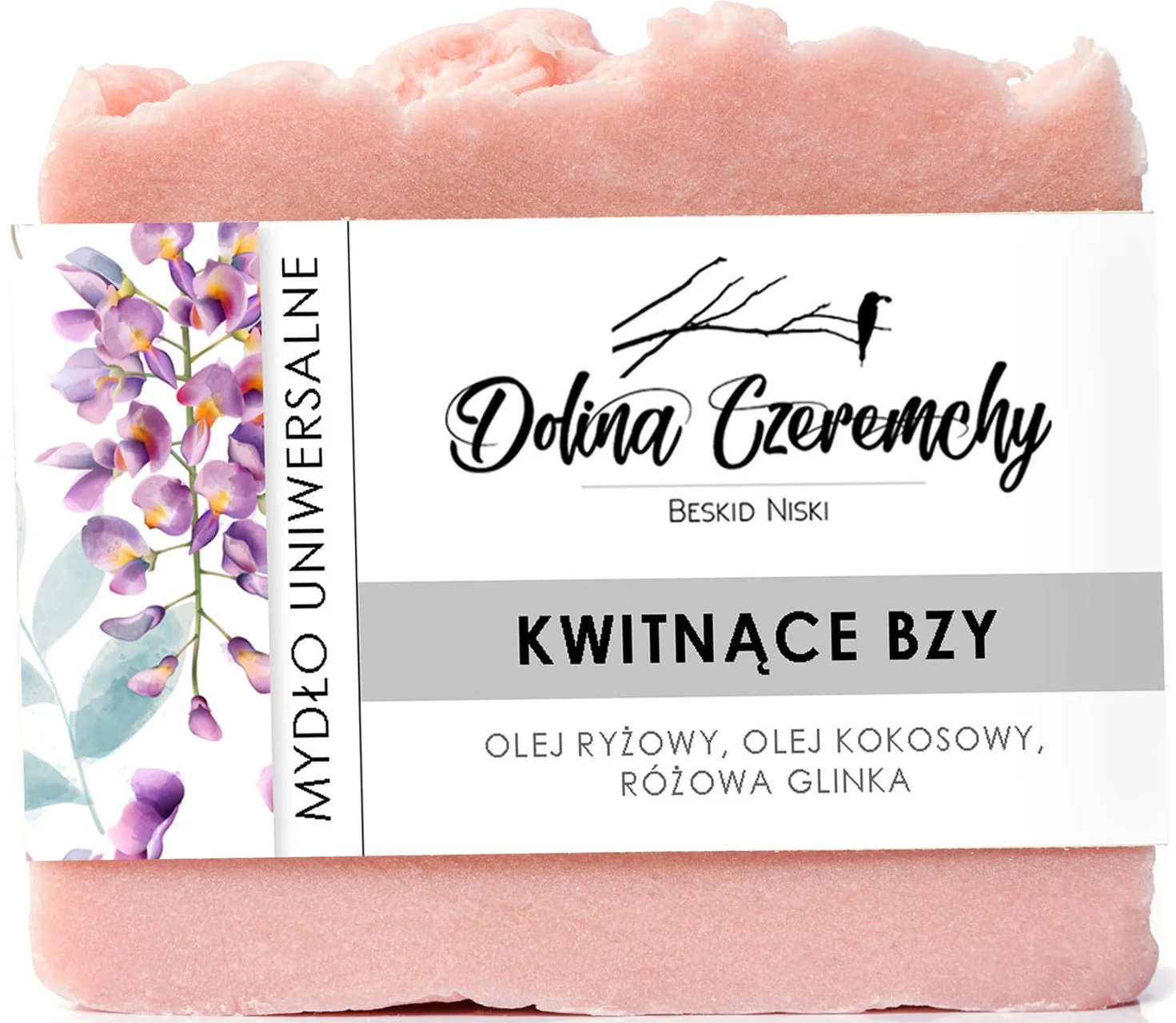
Analysis locked
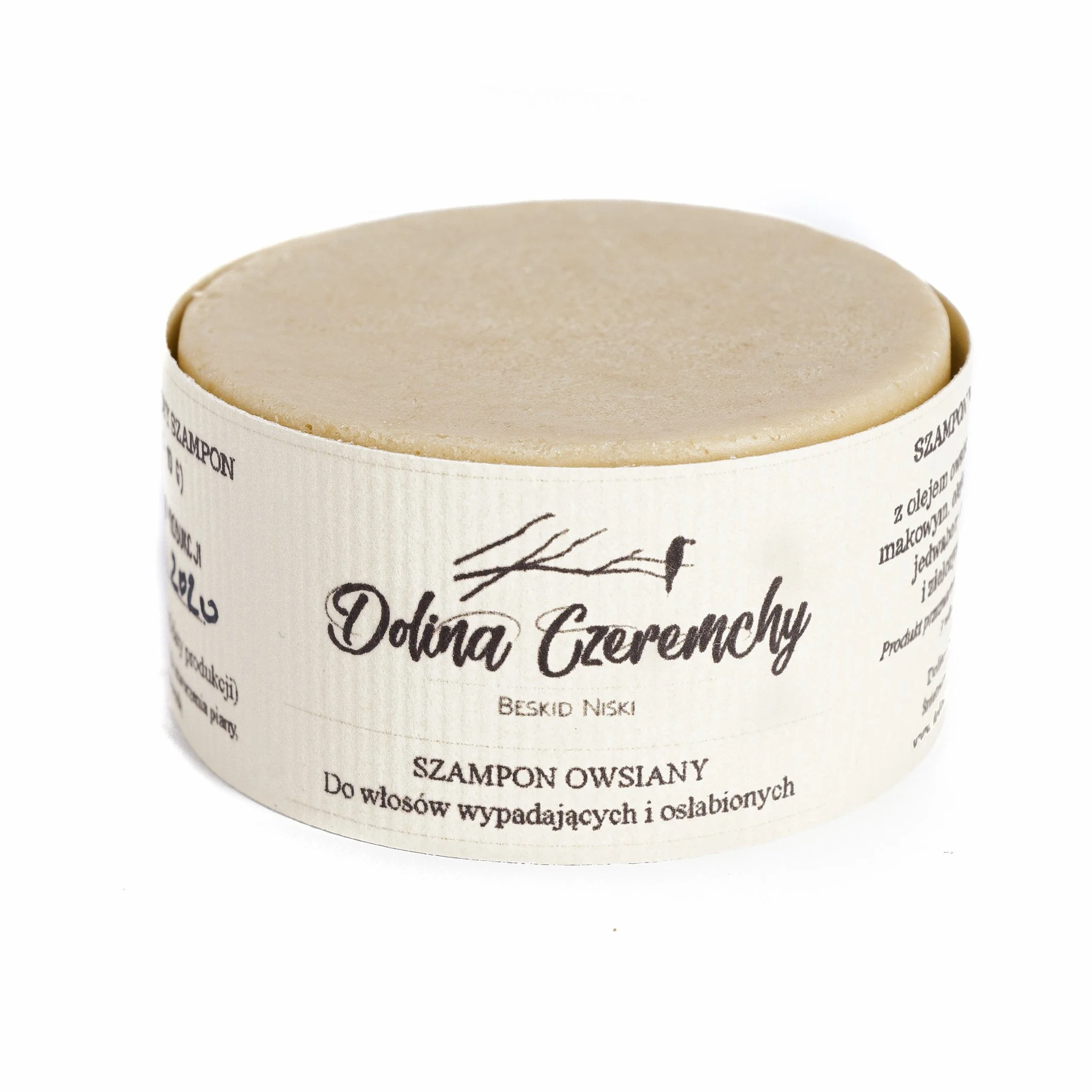
How well does your skin match with Dolina Czeremchy Universal Soap - Liliac Flower?
Login to see detailsOr continue via
Quick 1-minute survey • Completely free
Ingredients
Analysis results of Ingredients


Ingredient List
| EWG | CIR | Ingredient Name & Cosmetic Function | Notes |
|---|---|---|---|
| 1 | A | (Surfactant, Emulsifying, Cleansing) | |
| - | - | Sodium Shea Butterate (Cleansing, Surfactant - Cleansing Agent) | |
| 1 | A | (Surfactant, Viscosity Controlling, Viscosity Increasing Agent, Emulsifying, Sufactant) | |
| 1 | A | (Skin Conditioning, Emollient, Viscosity Increasing Agent) |  |



Dolina Czeremchy Universal Soap - Liliac Flower - Ingredient Explanation
Sodium Cocoate
1. Definition Sodium Cocoate:
Sodium Cocoate is the sodium salt of coconut oil fatty acids. It is commonly used in cosmetics as a surfactant and cleansing agent.2. Use:
Sodium Cocoate is used in a variety of cosmetic products such as soaps, shampoos, and facial cleansers. It helps to create lather and effectively remove dirt and oils from the skin and hair.3. Usage Sodium Cocoate:
When using products containing Sodium Cocoate, it is important to follow the manufacturer's instructions. Avoid contact with eyes, as it may cause irritation. It is recommended to rinse thoroughly with water if contact occurs. Additionally, individuals with sensitive skin may want to perform a patch test before using products with Sodium Cocoate to ensure there are no adverse reactions.4. References:
- "Sodium Cocoate." Cosmetics Info, www.cosmeticsinfo.org/ingredient/sodium-cocoate.
- "Coconut Oil." Healthline, www.healthline.com/nutrition/coconut-oil.
- "The Benefits of Using Coconut Oil in Cosmetics." The Derm Review, www.thedermreview.com/coconut-oil-in-cosmetics/.
Sodium Shea Butterate
Ingredient data is being updated. Please check back later.
Sodium Olivate
1. Definition Sodium Olivate:
Sodium Olivate is the sodium salt of olive oil, produced by saponification of olive oil with sodium hydroxide. It is a natural surfactant and emulsifier commonly used in cosmetics and personal care products.2. Use:
Sodium Olivate is used in skincare products such as soaps, cleansers, and shampoos for its cleansing and moisturizing properties. It helps to gently cleanse the skin without stripping it of its natural oils, leaving it feeling soft and hydrated. Sodium Olivate also has antioxidant properties that can help protect the skin from environmental damage.3. Usage Sodium Olivate:
When using products containing Sodium Olivate, it is important to follow the instructions provided by the manufacturer. Avoid getting the product in your eyes, as it may cause irritation. If irritation occurs, discontinue use and consult a healthcare professional. Store products containing Sodium Olivate in a cool, dry place away from direct sunlight to maintain their effectiveness.4. References:
- "Olive oil-based surfactants for personal cleansing: A review" by A. Gallego-Juárez, A. M. Rodríguez-Hernández, and J. M. Calderón-Santiago
- "Olive oil and skin barrier function" by M. Tsoutsos, A. Zampeli, and E. Panayiotides
- "Olive oil in skin care: An ancient ingredient with modern benefits" by R. Lindeque and S. G. van Vuuren
Sodium Canolate
1. Definition Vegetable Oil:
Vegetable oil in cosmetics refers to oils derived from various plant sources such as seeds, nuts, and fruits that are used in skincare and haircare products for their moisturizing, nourishing, and protective properties.2. Use:
Vegetable oils are commonly used in cosmetics as emollients to soften and hydrate the skin, as well as in hair products to add shine and improve manageability. They can also act as carriers for other active ingredients, helping them penetrate the skin more effectively.3. Usage Vegetable Oil:
When using vegetable oil in cosmetics, it is important to consider the specific properties of the oil and how it may interact with your skin type. Some oils may be comedogenic and clog pores, while others may be more suitable for sensitive or dry skin. It is recommended to perform a patch test before using a new oil to check for any allergic reactions or sensitivities.4. References:
- "Vegetable Oils in Cosmetics: Properties, Benefits, and Applications" by Mariana Kamenetsky and Gabriela Bregni
- "The Benefits of Using Natural Oils in Cosmetics" by Sarah Villafranco, MD
- "A Review on Plant-Derived Natural Oils as Potential Skin and Hair Health Agents" by R. S. Verma and R. K. Pandey
Review
Didn't find
the information you need?





Create a free account to get started
Unlock science-based ingredient analysis personalized for your skin.
Already have an account? Log in
We protect your privacy. We never send spam.