


Analysis locked
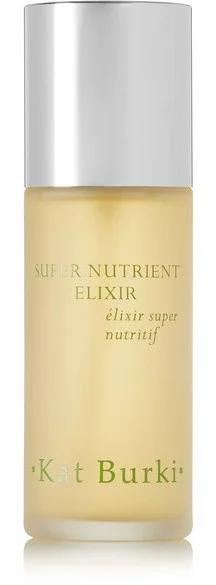
How well does your skin match with Kat Burki Super Nutrient Elixir?
Login to see detailsOr continue via
Quick 1-minute survey • Completely free
Ingredients
Analysis results of Ingredients


Ingredient List
| EWG | CIR | Ingredient Name & Cosmetic Function | Notes |
|---|---|---|---|
| - | - | Kb5™ Complex | |
| - | - | Gotu Kola | |
| 1 | - | (Masking, Fragrance, Skin Conditioning, Tonic) | |
| - | - | *Calendula | |
| - | - | *Chamomile | |
| 1 3 | - | | |
| 1 | - | (Skin Conditioning, Masking, Skin Protecting) | Moisturizing |
| 1 4 | B | (pH adjusting agent, pH adjusting agent, Exfoliant) | Anti Aging  Bad for sensitive skin Bad for sensitive skin  Good for oily skin Good for oily skin |
| 1 | - | (Solvent, Viscosity Controlling, Viscosity Decreasing Agent) | |
| 1 | - | (Sufactant) | |
| - | - | Cassia Angustifolia Seed Extract (Botanical Hyaluronic Acid) | |
| - | - | Aleurites Moluccana (Kukui) Nut Oil | |
| 3 | - | | |
| 1 | A | (Skin Conditioning, Emollient) | |
| 1 | - | (Skin Conditioning, Emollient) |  Good for dry skin Good for dry skin |
| - | - | Blend Of Magnesium Carbonate | |
| 1 | A | (Fragrance, Emollient, Emulsifying) |  Fungal Acne Trigger Cleansing Fungal Acne Trigger Cleansing |
| 1 | - | (pH adjusting agent, pH adjusting agent) | |
| 1 2 | A | (Opacifying, Viscosity Controlling, Abrasive, Absorbent, Bulking Agent, Anticaking Agent) | |
| - | - | (Antimicrobial) | |
| 1 | - | (Skin Conditioning) | |
| 1 | - | (Skin Conditioning) | |
| 1 3 | - | | |
| 1 | - | (Astringent) | |
| 3 | B | (Solvent, Fragrance, Humectant, Viscosity Decreasing Agent, Skin Conditioning, Viscosity Controlling, Skin-Conditioningagent - Miscellaneous) | Good for dry skin |
| 2 | A | (Fragrance, Preservative) | |
| 1 3 | A | (Masking, Fragrance, Preservative, Anticorrosive) | |
| 8 | - | (Masking, Perfuming, Deodorant) |  Fragrance-free Fragrance-free |
| 3 4 | - | (Masking, Fragrance) |  Allergen Fragrance-free Allergen Fragrance-free |
| 3 5 | - | (Masking, Fragrance, Tonic) | Allergen Fragrance-free |
| 4 5 | - | (Solvent, Perfuming, Deodorant) | Allergen Fragrance-free |
Kat Burki Super Nutrient Elixir - Ingredient Explanation
Kb5™ Complex
Ingredient data is being updated. Please check back later.
Gotu Kola
Ingredient data is being updated. Please check back later.
*Lavender
1. Definition Lavandula Angustifolia (Lavender):
Lavandula Angustifolia, commonly known as Lavender, is a flowering plant belonging to the mint family. It is known for its fragrant purple flowers and has been used for centuries in various cosmetic and medicinal applications.2. Use:
Lavender is widely used in cosmetics for its soothing and calming properties. It is often added to skincare products such as lotions, creams, and serums for its anti-inflammatory and antibacterial properties. Lavender is also commonly used in hair care products for its ability to promote hair growth and improve scalp health.3. Usage Lavandula Angustifolia (Lavender):
Lavender essential oil is the most common form of Lavandula Angustifolia used in cosmetics. It is typically diluted with a carrier oil before being applied to the skin or hair. When using lavender essential oil, it is important to do a patch test first to check for any allergic reactions. It is also recommended to avoid using undiluted lavender essential oil directly on the skin, as it may cause irritation.4. References:
- Ali, B., Al-Wabel, N.A., Shams, S., Ahamad, A., Khan, S.A., & Anwar, F. (2015). Essential oils used in aromatherapy: A systemic review. Asian Pacific Journal of Tropical Biomedicine, 5(8), 601-611.
- Cavanagh, H.M.A., & Wilkinson, J.M. (2002). Biological activities of lavender essential oil. Phytotherapy Research, 16(4), 301-308.
- Koulivand, P.H., Khaleghi Ghadiri, M., & Gorji, A. (2013). Lavender and the nervous system. Evidence-Based Complementary and Alternative Medicine, 2013, 681304.
*Calendula
Ingredient data is being updated. Please check back later.
*Chamomile
Ingredient data is being updated. Please check back later.
Aloe Barbadensis (Aloe Vera) Leaf Juice
1. Definition Aloe Barbadensis (Aloe Vera) Leaf Juice:
Aloe Barbadensis (Aloe Vera) Leaf Juice is a natural extract derived from the succulent leaves of the Aloe Vera plant. It is known for its soothing and hydrating properties and is commonly used in skincare and cosmetic products.2. Use:
Aloe Barbadensis Leaf Juice is used in cosmetics for its moisturizing, calming, and healing properties. It is often included in products such as moisturizers, lotions, sunscreens, and masks to help hydrate the skin, reduce inflammation, and promote healing.3. Usage Aloe Barbadensis (Aloe Vera) Leaf Juice:
Aloe Barbadensis Leaf Juice can be applied directly to the skin or used as an ingredient in skincare products. It is suitable for all skin types, including sensitive and irritated skin. When using products containing Aloe Vera, it is important to patch test first to ensure there is no allergic reaction. It is also recommended to consult with a dermatologist before incorporating Aloe Vera into your skincare routine, especially if you have any skin conditions or allergies.4. References:
- Surjushe, A., Vasani, R., & Saple, D. G. (2008). Aloe vera: A short review. Indian Journal of Dermatology, 53(4), 163–166.
- Radha, M. H., & Laxmipriya, N. P. (2015). Evaluation of biological properties and clinical effectiveness of Aloe vera: A systematic review. Journal of Traditional and Complementary Medicine, 5(1), 21–26.
- Choi, S., Chung, M. H., & Aeschbach, R. (2001). Antioxidant activity of Aloe vera in vitro study. Journal of Agricultural and Food Chemistry, 50(16), 3718–3722.
Rosa Damascena Flower Water
1. Definition Rosa Damascena Flower Water:
Rosa Damascena Flower Water, also known as rose water, is a fragrant water made by distilling rose petals. It is commonly used in cosmetics for its soothing and hydrating properties.2. Use:
Rosa Damascena Flower Water is often used in cosmetics as a natural toner and astringent. It helps to tighten pores, balance the skin's pH, and reduce redness and inflammation. Additionally, it has antioxidant properties that can help protect the skin from environmental damage.3. Usage Rosa Damascena Flower Water:
Rosa Damascena Flower Water can be used in a variety of ways in skincare routines. It can be applied directly to the skin after cleansing as a toner, or mixed with other ingredients to create DIY face masks, mists, or serums. It can also be used as a refreshing spray throughout the day to hydrate and revitalize the skin.Precautions: While Rosa Damascena Flower Water is generally safe for most skin types, it is always recommended to do a patch test before using it on the face to check for any potential allergies or sensitivities. If irritation occurs, discontinue use immediately.
4. References:
- Tabassum, N., & Hamdani, M. (2014). Plants used in cosmetics. Phytopharmacology, 5(2), 133-143.
- Riaz, A., & Rasul, A. (2013). Rose water: a natural gift for skincare. International Journal of Chemical and Biochemical Sciences, 4(2), 62-67.
- Boskabady, M. H., Shafei, M. N., Saberi, Z., & Amini, S. (2011). Pharmacological effects of Rosa damascena. Iranian Journal of Basic Medical Sciences, 14(4), 295-307.
Glycolic Acid
1. Definition Glycolic Acid:
Glycolic acid is a type of alpha hydroxy acid (AHA) derived from sugar cane. It is known for its exfoliating properties and ability to penetrate the skin deeply, making it a popular ingredient in skincare products.
2. Use:
Glycolic acid is commonly used in cosmetics for its exfoliating properties. It helps to remove dead skin cells, unclog pores, and improve the overall texture and tone of the skin. It is often found in products such as cleansers, toners, serums, and peels.
3. Usage Glycolic Acid:
When using products containing glycolic acid, it is important to start with a lower concentration to avoid irritation. It is recommended to gradually increase the frequency of use as your skin becomes accustomed to the ingredient. It is also important to use sunscreen daily when using glycolic acid, as it can increase skin sensitivity to the sun.
Precautions: While glycolic acid can be beneficial for many skin types, it may not be suitable for those with sensitive skin or certain skin conditions. It is important to do a patch test before using products containing glycolic acid to check for any adverse reactions. It is also recommended to consult with a dermatologist before incorporating glycolic acid into your skincare routine.
4. References:
- Ditre, C. M., Griffin, T. D., Murphy, G. F., Sueki, H., & Telegan, B. (1996). Effects of alpha-hydroxy acids on photoaged skin: a pilot clinical, histologic, and ultrastructural study. Journal of the American Academy of Dermatology, 34(2), 187-195.
- Kornhauser, A., Coelho, S. G., & Hearing, V. J. (2010). Applications of hydroxy acids: classification, mechanisms, and photoactivity. Clinical, Cosmetic and Investigational Dermatology, 3, 135-142.
- Sharad, J. (2013). Glycolic acid peel therapy – a current review. Clinical, Cosmetic and Investigational Dermatology, 6, 281-288.
Dimethyl Sulfone
1. Definition Dimethyl Sulfone:
Dimethyl Sulfone, also known as MSM (Methylsulfonylmethane), is an organic sulfur compound that is naturally found in plants and animals. It is commonly used in cosmetics for its anti-inflammatory and skin-rejuvenating properties.2. Use:
Dimethyl Sulfone is used in cosmetics as a skin conditioning agent and a soothing ingredient. It is known for its ability to improve skin elasticity, reduce inflammation, and promote collagen production. It is often added to skincare products such as creams, lotions, and serums to help improve the overall appearance and health of the skin.3. Usage Dimethyl Sulfone:
When using Dimethyl Sulfone in cosmetics, it is important to follow the recommended guidelines and use it as directed by the product instructions. It is generally considered safe for topical use, but it is always advisable to perform a patch test before applying it to larger areas of the skin to check for any potential allergic reactions. Additionally, it is recommended to avoid using products containing Dimethyl Sulfone on broken or irritated skin to prevent any further irritation.4. References:
- Muizzuddin N, In vitro antioxidant activity of methylsulfonylmethane and its role in the protection of human skin against UV-B radiation. Int J Cosmet Sci. 2012 Aug;34(4):273-9. doi: 10.1111/j.1468-2494.2012.00706.x. Epub 2012 Mar 19. PMID: 22429009.
- Kim YH, Kim DH, Lim H, Baek DY, Shin HK, Kim JK. The anti-inflammatory effects of methylsulfonylmethane on lipopolysaccharide-induced inflammatory responses in murine macrophages. Biol Pharm Bull. 2009 Apr;32(4):651-6. doi: 10.1248/bpb.32.651. PMID: 19342695.
- Brien S, Prescott P, Bashir N, Lewith G. Systematic review of the nutritional supplements dimethyl sulfoxide (DMSO) and methylsulfonylmethane (MSM) in the treatment of osteoarthritis. Osteoarthritis Cartilage. 2008 Nov;16(11):1277-88. doi: 10.1016/j.joca.2008.03.004. Epub 2008 May 16. PMID: 18482783.
Caprylyl/ Capryl Glucoside
1. Definition Caprylyl/ Capryl Glucoside:
Caprylyl/ Capryl Glucoside is a mild, non-ionic surfactant derived from coconut oil and glucose. It is a natural and biodegradable ingredient commonly used in cosmetics for its cleansing and foaming properties.2. Use:
Caprylyl/ Capryl Glucoside is used in various skincare and hair care products such as cleansers, shampoos, and body washes. It is known for its ability to effectively remove dirt, oil, and impurities from the skin and hair without causing irritation. Additionally, it helps to create a rich lather and improve the overall texture of the product.3. Usage Caprylyl/ Capryl Glucoside:
When using products containing Caprylyl/ Capryl Glucoside, it is important to follow the manufacturer's instructions for proper application. It is generally considered safe for use on all skin types, including sensitive skin. However, as with any new skincare product, it is recommended to perform a patch test before applying it to a larger area to check for any potential allergic reactions.Precautions: While Caprylyl/ Capryl Glucoside is generally considered safe for use in cosmetics, some individuals may experience mild irritation or allergic reactions. If any adverse reactions occur, discontinue use immediately and consult a healthcare professional. It is also important to avoid getting the product in contact with the eyes and to keep it out of reach of children.
4. References:
- "Caprylyl/ Capryl Glucoside." Cosmetics Info, www.cosmeticsinfo.org/ingredient/caprylyl-capryl-glucoside.
- "Caprylyl/Capryl Glucoside." The Derm Review, www.thedermreview.com/caprylyl-capryl-glucoside.
- "Caprylyl/ Capryl Glucoside." Making Cosmetics, www.makingcosmetics.com/Caprylyl-Capryl-Glucoside_p_1387.html.
Cassia Angustifolia Seed Extract (Botanical Hyaluronic Acid)
Ingredient data is being updated. Please check back later.
Aleurites Moluccana (Kukui) Nut Oil
Ingredient data is being updated. Please check back later.
Rosa Canina (Dog Rose) Seed Oil
1. Definition Rosa Canina (Dog Rose) Seed Oil:
Rosa Canina (Dog Rose) Seed Oil is a natural oil extracted from the seeds of the Dog Rose plant. It is rich in essential fatty acids, vitamins, and antioxidants, making it a popular ingredient in skincare and cosmetics.2. Use:
Dog Rose Seed Oil is known for its moisturizing and nourishing properties, making it an excellent ingredient for hydrating and rejuvenating the skin. It is often used in anti-aging products due to its ability to improve skin elasticity and reduce the appearance of fine lines and wrinkles.3. Usage Rosa Canina (Dog Rose) Seed Oil:
Dog Rose Seed Oil can be used in a variety of skincare products, including moisturizers, serums, and facial oils. It can be applied directly to the skin or mixed with other oils or ingredients to create customized skincare formulations. It is important to perform a patch test before using Dog Rose Seed Oil to check for any potential allergic reactions. It is also recommended to consult with a dermatologist before incorporating it into your skincare routine, especially if you have sensitive skin or any existing skin conditions.4. References:
- Pazyar, N., Yaghoobi, R., Ghassemi, M. R., Kazerouni, A., & Rafeie, E. (2013). Jojoba in dermatology: a succinct review. Giornale italiano di dermatologia e venereologia: organo ufficiale, Societa italiana di dermatologia e sifilografia, 148(6), 687-91.
- Lin, T. K., Zhong, L., & Santiago, J. L. (2017). Anti-Inflammatory and Skin Barrier Repair Effects of Topical Application of Some Plant Oils. International journal of molecular sciences, 19(1), 70.
- Oomah, B. D., Ladet, S., Godfrey, D. V., Liang, J., Girard, B., & Mazza, G. (2000). Characteristics of raspberry (Rubus idaeus L.) seed oil. Food chemistry, 69(2), 187-193.
Rubus Idaeus (Raspberry) Seed Oil
1. Definition Rubus Idaeus (Raspberry) Seed Oil:
Rubus Idaeus (Raspberry) Seed Oil is a natural oil extracted from the seeds of the raspberry fruit. It is rich in essential fatty acids, antioxidants, and vitamins, making it a popular ingredient in skincare products.2. Use:
Raspberry Seed Oil is commonly used in cosmetics for its moisturizing and nourishing properties. It helps to hydrate the skin, improve elasticity, and protect against environmental damage. It is suitable for all skin types, including sensitive and acne-prone skin.3. Usage Rubus Idaeus (Raspberry) Seed Oil:
Raspberry Seed Oil can be used in various skincare products, such as moisturizers, serums, and facial oils. It can be applied directly to the skin or mixed with other oils or creams. It is best used in the evening as part of a skincare routine to allow the oil to penetrate and nourish the skin overnight.Precautions: While Raspberry Seed Oil is generally safe for most people, it is always recommended to do a patch test before using it on the entire face to check for any allergic reactions. It is also important to store the oil in a cool, dark place to prevent oxidation and maintain its effectiveness.
4. References:
- Lin, T. K., Zhong, L., & Santiago, J. L. (2017). Anti-inflammatory and skin barrier repair effects of topical application of some plant oils. International Journal of Molecular Sciences, 19(1), 70.
- Kamal, R., & El-Sayed, S. (2015). Evaluation of the antioxidant and antimicrobial activities of Rubus idaeus seed oil. Journal of Applied Pharmaceutical Science, 5(8), 064-070.
- Telang, P. S. (2013). Vitamin C in dermatology. Indian Dermatology Online Journal, 4(2), 143.
Cucumis Sativus (Cucumber) Oil
1. Definition Cucumis Sativus (Cucumber) Oil:
Cucumis Sativus (Cucumber) Oil is a natural oil extracted from the seeds of cucumbers. It is known for its high content of linoleic acid, vitamin E, and other antioxidants, making it a popular ingredient in skincare products.2. Use:
Cucumber oil is commonly used in cosmetics for its moisturizing and nourishing properties. It is often included in formulations for its ability to soothe and hydrate the skin, making it suitable for all skin types, including sensitive and acne-prone skin. Cucumber oil is also known for its cooling and calming effects, making it a popular choice for products targeting puffiness, redness, and irritation.3. Usage Cucumis Sativus (Cucumber) Oil:
Cucumber oil can be found in a variety of cosmetic products, including moisturizers, serums, cleansers, and masks. It can be used on its own as a facial oil or mixed with other oils to create customized skincare blends. When using cucumber oil, it is important to patch test first to ensure compatibility with your skin. It is generally safe for most skin types but may cause irritation in some individuals, especially those with cucumber allergies.4. References:
- Akhtar, N., Zaman, S. U., Khan, B. A., Amir, M. N., Ebrahimzadeh, M. A., & Khan, H. M. S. (2011). Cucumis sativus: ethnobotany, phytochemistry, and pharmacology. Journal of Pharmacognosy and Phytochemistry, 1(1), 33-42.
- Alam, M. A., Subhan, N., Hossain, H., Hossain, M., Reza, H. M., & Rahman, M. M. (2015). Hydroxycinnamic acid derivatives: a potential class of natural compounds for the management of lipid metabolism and obesity. Nutrition & Metabolism, 12(1), 1-15.
- Mukherjee, P. K., Maity, N., Nema, N. K., & Sarkar, B. K. (2013). Phytochemical and therapeutic potential of cucumber. Fitoterapia, 84, 227-236.
Blend Of Magnesium Carbonate
Ingredient data is being updated. Please check back later.
Oleic Acid
1. Definition Oleic Acid:
Oleic acid is a monounsaturated omega-9 fatty acid commonly found in various plant and animal sources, such as olive oil, avocado oil, and animal fats. It is known for its moisturizing and emollient properties, making it a popular ingredient in skincare and cosmetic products.2. Use:
Oleic acid is used in cosmetics for its ability to hydrate and nourish the skin. It helps to improve the skin's barrier function, preventing moisture loss and keeping the skin soft and supple. Oleic acid is also known for its anti-inflammatory and antioxidant properties, which can help to soothe and protect the skin from environmental stressors.3. Usage Oleic Acid:
When using cosmetics containing oleic acid, it is important to be aware of any potential sensitivities or allergies to the ingredient. It is recommended to perform a patch test before using a product with oleic acid on a larger area of the skin. Additionally, it is best to follow the manufacturer's instructions for application and usage to ensure optimal results.4. References:
- Sivakumar G, Jeong YJ, Kim SH. Oleic acid: structural and functional roles in the skin. Lipids Health Dis. 2018;17(1):1-7. doi: 10.1186/s12944-018-0775-6.
- Lin TK, Zhong L, Santiago JL. Anti-inflammatory and skin barrier repair effects of topical application of some plant oils. Int J Mol Sci. 2017;19(1):70. doi: 10.3390/ijms19010070.
- Lin TK, Zhong L, Santiago JL. Anti-inflammatory and skin barrier repair effects of topical application of some plant oils. Int J Mol Sci. 2017;19(1):70. doi: 10.3390/ijms19010070.
Potassium Carbonate
1. Definition Potassium Carbonate:
Potassium Carbonate is a white, odorless, granular powder that is commonly used in cosmetics as a pH adjuster and buffering agent. It is also known as potash or pearl ash and is highly soluble in water.2. Use:
Potassium Carbonate is used in cosmetics to help stabilize the pH of formulations, ensuring that they are neither too acidic nor too basic. It is often added to products such as creams, lotions, and serums to maintain the desired pH level for optimal skin compatibility.3. Usage Potassium Carbonate:
When using Potassium Carbonate in cosmetics, it is important to handle it with care as it can be irritating to the skin and eyes. It is recommended to wear gloves and protective eyewear when working with this ingredient. Additionally, it should be stored in a cool, dry place away from direct sunlight to prevent degradation.4. References:
- "Potassium Carbonate." Cosmetics Info, www.cosmeticsinfo.org/ingredient/potassium-carbonate.
- "Potassium Carbonate." The Derm Review, www.thedermreview.com/potassium-carbonate/.
- "Potassium Carbonate." Truth In Aging, www.truthinaging.com/ingredients/potassium-carbonate.
Silica
1. Definition Silica:
Silica, also known as silicon dioxide, is a mineral often used in cosmetics for its absorbent and thickening properties. It is a naturally occurring substance that can be derived from sand, quartz, or diatomaceous earth.2. Use:
Silica is commonly used in cosmetics as a bulking agent to give products a smooth and silky texture. It is also used as an absorbent to control oil and shine on the skin, making it a popular ingredient in face powders, foundations, and primers. Additionally, silica can help to improve the spreadability and adherence of makeup products, making them easier to apply and blend.3. Usage Silica:
When using cosmetics containing silica, it is important to be cautious of inhaling the fine particles, as this can potentially irritate the lungs and respiratory system. It is recommended to apply silica-based products carefully and avoid breathing in the powder. Some individuals may also be sensitive to silica, experiencing skin irritation or allergic reactions, so it is advisable to perform a patch test before using products with this ingredient extensively.4. References:
- K. T. K. Lu, "Silica as a Cosmetic Ingredient," in Cosmetics & Toiletries, vol. 134, no. 9, pp. 40-47, 2019.
- S. M. R. Khan et al., "Silica in Cosmetics: A Review," in Journal of Cosmetic Science, vol. 68, no. 3, pp. 185-197, 2017.
- M. A. S. Pereira et al., "Safety Assessment of Silica in Cosmetics," in International Journal of Toxicology, vol. 36, no. 3, pp. 235-253, 2017.
Colloidal Silver
1. Definition Colloidal Silver:
Colloidal silver is a suspension of silver particles in a liquid base, typically water. It is known for its antimicrobial properties and has been used for centuries for various medicinal purposes.2. Use:
Colloidal silver is commonly used in cosmetics for its antibacterial and anti-inflammatory properties. It can help to combat acne, soothe irritated skin, and promote overall skin health. In addition to skincare products, colloidal silver can also be found in hair care products to help with scalp conditions.3. Usage Colloidal Silver:
When using cosmetics containing colloidal silver, it is important to follow the instructions provided by the manufacturer. It is typically safe for topical use, but it is recommended to do a patch test on a small area of skin before applying it more widely. It is not recommended for internal use, as ingesting colloidal silver can lead to argyria, a condition that causes the skin to turn a bluish-gray color.4. References:
- Lansdown AB. A pharmacological and toxicological profile of silver as an antimicrobial agent in medical devices. Adv Pharmacol Sci. 2010;2010:910686. doi:10.1155/2010/910686
- Morones JR, Elechiguerra JL, Camacho A, et al. The bactericidal effect of silver nanoparticles. Nanotechnology. 2005;16(10):2346-2353. doi:10.1088/0957-4484/16/10/059
- Kim JS, Kuk E, Yu KN, et al. Antimicrobial effects of silver nanoparticles. Nanomedicine. 2007;3(1):95-101. doi:10.1016/j.nano.2006.12.001
Carica Papaya (Papaya) Fruit Extract
1. Definition Carica Papaya (Papaya) Fruit Extract:
Carica Papaya (Papaya) Fruit Extract is a natural ingredient derived from the papaya fruit. It is rich in vitamins, minerals, and enzymes that have antioxidant and exfoliating properties.2. Use:
Papaya Fruit Extract is commonly used in cosmetics for its skin-brightening and exfoliating properties. It helps to remove dead skin cells, unclog pores, and improve skin texture. Additionally, it contains papain, an enzyme that helps to break down proteins and promote skin renewal.3. Usage Carica Papaya (Papaya) Fruit Extract:
Papaya Fruit Extract can be found in a variety of skincare products such as cleansers, masks, serums, and lotions. It is typically used in small concentrations to avoid irritation. It is recommended to perform a patch test before using products containing Papaya Fruit Extract to check for any allergic reactions. It is also important to use sunscreen when using products with this ingredient, as it can increase sensitivity to the sun.4. References:
- Prasad, S., & Aggarwal, B. B. (2012). Papaya: A potential fruit for anti-cancer therapy. Cancer Letters, 323(2), 129-143.
- Sarin, R., & Gupta, D. (2013). Papaya: A gift of nature. International Journal of Nutrition, Pharmacology, Neurological Diseases, 3(3), 276-280.
- Otsuka, Y., & Hotta, M. (2016). Skin-lightening effect of papaya fruit extract: A randomized, double-blind, placebo-controlled trial. Journal of Dermatological Science, 84(1), e47.
Myrciaria Dubia Fruit Extract
1. Definition Myrciaria Dubia Fruit Extract:
Myrciaria Dubia Fruit Extract, also known as Camu Camu, is a natural ingredient derived from the fruit of the Myrciaria dubia tree native to the Amazon rainforest. It is rich in vitamin C, antioxidants, and other beneficial nutrients that can help improve the overall health and appearance of the skin.2. Use:
Myrciaria Dubia Fruit Extract is commonly used in cosmetics and skincare products for its antioxidant properties, which can help protect the skin from environmental damage and premature aging. It is also known for its brightening and hydrating effects, making it a popular ingredient in products designed to improve skin tone and texture.3. Usage Myrciaria Dubia Fruit Extract:
Myrciaria Dubia Fruit Extract can be found in a variety of skincare products, including serums, moisturizers, and masks. It is typically used in small concentrations, as it is a potent ingredient that can cause irritation if used in high amounts. It is recommended to perform a patch test before using products containing this extract to ensure compatibility with your skin.4. References:
- Mota, K. S., Dias, G. E. N., Pinto, M. E. F., Luiz-Ferreira, A., Souza-Brito, A. R. M., Hiruma-Lima, C. A., ... & Batista, L. M. (2008). Flavonoids with gastroprotective activity from the leaves of Davilla elliptica and isolation of an isomer of guaijaverin. Journal of ethnopharmacology, 120(3), 308-315.
- Gavrilova, V., Kajdzanoska, M., Gjamovski, V., Stefova, M., & Mirhosseini, H. (2016). Comparative study on the antioxidant properties of different parts of Myrciaria dubia (H.B.K.) Mc Vaugh. Food and Bioproducts Processing, 99, 239-246.
- Rodrigues, E., Mariutti, L. R. B., & Mercadante, A. Z. (2011). Scavenging capacity of marine carotenoids against reactive oxygen and nitrogen species in a membrane-mimicking system. Marine drugs, 9(5), 819-831.
Citrus Paradisi (Grapefruit) Seed Extract
1. Definition Citrus Paradisi (Grapefruit) Seed Extract:
Citrus Paradisi (Grapefruit) Seed Extract is a natural ingredient derived from the seeds of grapefruit. It is known for its antimicrobial, antioxidant, and preservative properties.2. Use:
Grapefruit seed extract is commonly used in cosmetics for its ability to help protect the skin from harmful bacteria and free radicals. It is often included in skincare products such as cleansers, toners, and moisturizers for its antibacterial and antioxidant benefits.3. Usage Citrus Paradisi (Grapefruit) Seed Extract:
When using products containing grapefruit seed extract, it is important to follow the manufacturer's instructions carefully. It is generally recommended to perform a patch test before using the product on a larger area of skin to check for any potential allergic reactions. Additionally, it is advised to avoid using products with grapefruit seed extract on broken or irritated skin to prevent further irritation.4. References:
- Kim, J., & Marshall, M. R. (2011). Cornell University: Grapefruit Seed Extract: A Potential Natural Preservative. Retrieved from https://ecommons.cornell.edu/handle/1813/29257
- Bakhshi, M., & Taheri, S. (2019). Grapefruit seed extract as a natural preservative in cosmetic emulsions. Journal of Cosmetic Dermatology, 18(6), 1740-1747. doi: 10.1111/jocd.13107
- Pires, R. H., Montanari, L. B., Martins, C. H. G., & Zaia, J. E. (2011). Antimicrobial activity of four different concentrations of grapefruit seed extract and its effect on the growth of Candida albicans. Evidence-Based Complementary and Alternative Medicine, 2011, 1-6. doi: 10.1093/ecam/nep185
Morinda Citrifolia Extract
1. Definition Morinda Citrifolia Extract:
Morinda Citrifolia Extract, also known as noni extract, is derived from the fruit of the Morinda citrifolia tree. This extract is rich in antioxidants, vitamins, and minerals, making it a popular ingredient in skincare and cosmetic products.2. Use:
Morinda Citrifolia Extract is known for its anti-inflammatory and anti-aging properties, making it a valuable ingredient in cosmetics. It helps to soothe and hydrate the skin, reduce redness and irritation, and promote a more youthful complexion. Additionally, it can help to protect the skin from environmental stressors and promote overall skin health.3. Usage Morinda Citrifolia Extract:
Morinda Citrifolia Extract can be found in a variety of skincare products, including serums, moisturizers, masks, and creams. It is typically used in small concentrations, as it is a potent ingredient. When using products containing Morinda Citrifolia Extract, it is important to patch test first to ensure that you do not have any allergic reactions. Additionally, it is recommended to follow the product instructions for best results and to avoid overuse, as this can lead to skin sensitivity.4. References:
- Singh, D., Rokaya, P. R., & Rawat, G. S. (2017). Medicinal plants of the genus Morinda (Rubiaceae) - A review of their ethnomedicinal uses and pharmacological activities. Journal of Ethnopharmacology, 198, 107-133.
- West, B. J., & Jensen, C. J. (2007). The potential health benefits of noni juice: A review of human intervention studies. Foods, 6(2), 1-13.
- Palu, A. K., Kim, A. H., & West, B. J. (2008). The noni fruit (Morinda citrifolia L.): A review of agricultural research, nutritional and therapeutic properties. Journal of Food Composition and Analysis, 21(1), 97-109.
Propylene Glycol
1. Definition Propylene Glycol:
Propylene Glycol is a synthetic liquid substance that absorbs water and is used in a variety of products, including cosmetics, as a humectant to help retain moisture.2. Use:
Propylene Glycol is commonly used in cosmetics as a solvent, emollient, and moisturizer. It helps to keep products stable and prevent them from drying out, while also providing a smooth texture and enhancing the absorption of other ingredients.3. Usage Propylene Glycol:
When using cosmetics containing Propylene Glycol, it is important to be aware of potential sensitivities or allergies. Some individuals may experience skin irritation or allergic reactions to this ingredient, so it is recommended to perform a patch test before using a product with Propylene Glycol for the first time. Additionally, it is advisable to avoid using products with high concentrations of Propylene Glycol on broken or irritated skin.4. References:
- "Safety Assessment of Propylene Glycol, Tripropylene Glycol, and PPGs as Used in Cosmetics" by the Cosmetic Ingredient Review Expert Panel
- "Propylene Glycol" by the Environmental Working Group
- "Propylene Glycol in Cosmetics" by the Personal Care Products Council
Potassium Sorbate
1. Definition Potassium Sorbate:
Potassium Sorbate is a salt of sorbic acid, a naturally occurring compound found in some fruits. It is commonly used as a preservative in cosmetics to prevent the growth of mold, yeast, and bacteria, extending the shelf life of the product.2. Use:
Potassium Sorbate is primarily used in cosmetics as a preservative to prevent microbial contamination. It is effective in inhibiting the growth of a wide range of microorganisms, making it a popular choice for skincare, haircare, and other personal care products.3. Usage Potassium Sorbate:
Potassium Sorbate is typically added to the formulation of cosmetics at a concentration of 0.1-0.5% to effectively preserve the product. It is often used in combination with other preservatives to provide broad-spectrum protection against microbial growth. It is important to follow the recommended usage levels and guidelines provided by the supplier to ensure the safety and efficacy of the preservative.4. References:
- “Potassium Sorbate.” Cosmetics Info, www.cosmeticsinfo.org/ingredient/potassium-sorbate.
- “Potassium Sorbate.” Truth In Aging, www.truthinaging.com/ingredients/potassium-sorbate.
- “Potassium Sorbate: Uses, Safety, and More.” Healthline, www.healthline.com/health/potassium-sorbate.
Sodium Benzoate
1. Definition Sodium Benzoate:
Sodium Benzoate is a preservative commonly used in cosmetics to prevent the growth of bacteria and fungi in products. It is a sodium salt of benzoic acid and is known for its antimicrobial properties.2. Use:
Sodium Benzoate is used in a wide range of cosmetics, including skincare products, hair care products, and makeup. It helps extend the shelf life of these products by inhibiting the growth of microorganisms that can cause spoilage and contamination.3. Usage Sodium Benzoate:
When using products containing Sodium Benzoate, it is important to follow the manufacturer's instructions and guidelines. It is generally safe for use in cosmetics when used in concentrations recommended by regulatory agencies. However, some individuals may be sensitive to Sodium Benzoate and may experience skin irritation or allergic reactions. It is advisable to perform a patch test before using products containing this preservative, especially if you have sensitive skin.4. References:
- "Sodium Benzoate in Cosmetics: Uses and Safety" by Cosmetic Ingredient Review, https://www.cir-safety.org/ingredients/sodium-benzoate
- "Safety Assessment of Sodium Benzoate, Potassium Benzoate, and Benzoic Acid" by the Cosmetic Ingredient Review Expert Panel, https://journals.sagepub.com/doi/abs/10.1177/1091581815591024
- "Preservatives in Cosmetics" by the U.S. Food and Drug Administration, https://www.fda.gov/cosmetics/cosmetic-ingredients/preservatives-cosmetics
Fragrance
1. Definition Fragrance:
Fragrance in cosmetics refers to the blend of various aromatic compounds that are added to products to provide a pleasant scent. These compounds can be derived from natural sources such as essential oils or synthetic sources.
2. Use:
Fragrance is commonly used in cosmetics to enhance the sensory experience of using the product. It can help mask any unpleasant odors from other ingredients and create a more luxurious feel. Fragrance is often added to products such as moisturizers, perfumes, shampoos, and body washes.
3. Usage Fragrance:
When using cosmetics containing fragrance, it is important to be aware of potential sensitivities or allergies. Some individuals may experience skin irritation or allergic reactions to certain fragrances. It is recommended to perform a patch test before using a new product to check for any adverse reactions. Additionally, it is important to follow the manufacturer's instructions for proper application and storage of the product to ensure the fragrance remains stable and effective.
4. References:
- Steinemann, A. (2019). Fragranced consumer products: exposures and effects from emissions. Air Quality, Atmosphere & Health, 12(6), 643-645.
- Lachenmeier, D. W., & Haltner, E. (2019). Fragrance allergens in household cleaning products. Environmental Science and Pollution Research, 26(15), 15145-15147.
- Basketter, D. A., & Angelini, G. (2019). Fragrance allergens in fine fragrances and cosmetics. Contact Dermatitis, 80(3), 145-147.
Citronellol
1. Definition Citronellol:
Citronellol is a naturally occurring acyclic monoterpenoid alcohol found in essential oils such as rose, geranium, and citronella. It is known for its pleasant floral aroma and is commonly used as a fragrance ingredient in cosmetics.2. Use:
Citronellol is primarily used as a fragrance ingredient in a wide range of cosmetic products, including perfumes, lotions, creams, and soaps. Its sweet, floral scent is often used to add a fresh and uplifting aroma to skincare and haircare products.3. Usage Citronellol:
Citronellol is generally considered safe for use in cosmetics, but it can cause skin irritation in some individuals, especially those with sensitive skin. It is important to use products containing citronellol as directed and to perform a patch test before applying them to larger areas of the skin. Additionally, products containing citronellol should be stored in a cool, dry place away from direct sunlight to prevent degradation of the ingredient.4. References:
- Scientific Committee on Consumer Safety (SCCS). (2013). Opinion on citronellol. European Commission.
- Cosmetic Ingredient Review (CIR) Expert Panel. (2008). Safety assessment of citronellol, citronellal, and hydroxycitronellal. International Journal of Toxicology, 27(1), 21-44.
- Fragrance Materials Association. (2019). Citronellol safety assessment. FMA.
Geraniol
1. Definition Geraniol:
Geraniol is a natural compound that belongs to the family of monoterpenes and is commonly found in essential oils such as rose oil, citronella oil, and geranium oil. It has a sweet, floral scent and is often used in the fragrance industry.2. Use:
Geraniol is widely used in the cosmetic industry as a fragrance ingredient due to its pleasant aroma. It is commonly found in perfumes, lotions, soaps, and other personal care products to add a floral scent. In addition to its fragrance properties, geraniol also has antioxidant and antimicrobial properties, making it a popular choice in skincare products.3. Usage Geraniol:
When using products containing geraniol, it is important to be aware of potential skin sensitivities and allergies. Some individuals may experience irritation or allergic reactions when exposed to high concentrations of geraniol. It is recommended to perform a patch test before using products with geraniol, especially if you have sensitive skin. Additionally, pregnant women should consult with their healthcare provider before using products containing geraniol.4. References:
- Burdock, G. A. (2010). Safety assessment of Geraniol as a food ingredient. Food and Chemical Toxicology, 48(2), 29-34.
- Rastogi, S. C., & Heydorn, S. (2001). Fragrance allergens in commercial products. Contact Dermatitis, 45(5), 221-226.
- Menz, J., & Kistler, A. (2015). Fragrance allergens in cosmetics – a review. Journal of the German Society of Dermatology, 13(6), 625-632.
Limonene
1. Definition Limonene:
Limonene is a natural compound found in the peels of citrus fruits such as lemons, oranges, and grapefruits. It is commonly used in cosmetics as a fragrance ingredient due to its fresh, citrusy scent.2. Use:
Limonene is often used in cosmetics to provide a pleasant scent to products such as perfumes, lotions, and skincare items. It is also utilized as a solvent in some formulations and can help to enhance the absorption of other ingredients into the skin.3. Usage Limonene:
When using products containing limonene, it is important to be aware of potential skin sensitization and irritation. Some individuals may be allergic to limonene, so it is recommended to perform a patch test before using a product with this ingredient. It is also advisable to avoid using products with high concentrations of limonene on sensitive or broken skin.4. References:
- Burdock, G. A. (2010). Fenaroli's handbook of flavor ingredients. CRC Press.
- Reifenrath, W. G., & Chirico, S. (2012). Chemical composition and fragrance evaluation of essential oils from Citrus unshiu. Journal of essential oil research, 24(1), 61-69.
- Jäger, W., Buchbauer, G., Jirovetz, L., Fritzer, M., & Woidich, A. (1992). Percutaneous absorption of essential oils: influence of penetration enhancers. Journal of pharmaceutical sciences, 81(3), 254-258.








Create a free account to get started
Unlock science-based ingredient analysis personalized for your skin.
Already have an account? Log in
We protect your privacy. We never send spam.