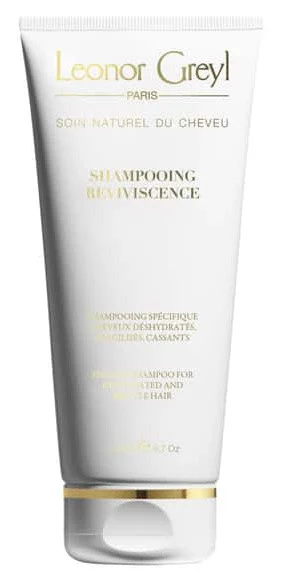
Leonor Greyl Shampoo Reviviscence - Ingredient Explanation
Other Names: Aqua; H2O; Eau; Aqueous; Acqua
Function: Solvent
1. Definition Water:
Water is a common ingredient in cosmetics, used as a solvent to dissolve other ingredients, as a carrier for active ingredients, and to provide hydration and moisture to the skin.
2. Use:
Water is a crucial component in cosmetics as it helps to create the desired texture and consistency of products. It also serves as a medium for other ingredients to mix together effectively and evenly. Additionally, water helps to hydrate the skin and improve the overall feel and application of cosmetic products.
3. Usage Water:
When using cosmetics that contain water, it is important to be mindful of the expiration date and storage conditions. Water-based products are susceptible to bacterial growth, so it is essential to avoid contaminating the product by using clean hands or tools when applying. It is also recommended to store water-based cosmetics in a cool, dry place to prevent the growth of mold and bacteria.
4. References:
- Draelos, Z. D. (2010). Cosmetic dermatology: products and procedures. John Wiley & Sons.
- Winter, R. (2009). A consumer's dictionary of cosmetic ingredients: complete information about the harmful and desirable ingredients found in cosmetics and cosmeceuticals. Crown.
- Begoun, P. (2003). Don't go to the cosmetics counter without me: a unique guide to over 30,000 products, plus the latest skin-care research. Beginning Press.
Function: Surfactant, Cleansing, Foaming
1. Definition Ammonium Lauryl Sulfate:
Ammonium Lauryl Sulfate is a surfactant commonly used in cosmetics and personal care products. It is a clear, colorless liquid with a mild odor and is derived from lauryl alcohol.
2. Use:
Ammonium Lauryl Sulfate is primarily used as a cleansing agent in shampoos, body washes, and facial cleansers. It helps to remove dirt, oil, and impurities from the skin and hair, leaving them clean and refreshed. Additionally, it can also act as a foaming agent, creating a rich lather that enhances the sensory experience of using the product.
3. Usage Ammonium Lauryl Sulfate:
When using products containing Ammonium Lauryl Sulfate, it is important to follow the instructions provided on the packaging. Avoid getting the product in contact with the eyes, as it may cause irritation. If the product does come into contact with the eyes, rinse thoroughly with water. Some individuals with sensitive skin may experience irritation or dryness when using products with this ingredient, so it is recommended to perform a patch test before regular use.
4. References:
- Cosmetic Ingredient Review Expert Panel. (2003). Final report on the safety assessment of ammonium lauryl sulfate, ammonium laureth sulfate, and sodium laureth sulfate. International Journal of Toxicology, 22(Suppl 2), 37-102.
- Personal Care Products Council. (2019). Ammonium Lauryl Sulfate. Retrieved from https://www.cosmeticsinfo.org/ingredient/ammonium-lauryl-sulfate
- National Center for Biotechnology Information. PubChem Compound Summary for CID 23665884, Ammonium lauryl sulfate. Retrieved from https://pubchem.ncbi.nlm.nih.gov/compound/Ammonium-lauryl-sulfate
Function: Surfactant, Emulsifying, Sufactant
1. Definition Peg 40 Glyceryl Cocoate:
Peg 40 Glyceryl Cocoate is a surfactant and emulsifying agent derived from coconut oil and polyethylene glycol. It is commonly used in cosmetics and personal care products for its ability to help mix oil and water-based ingredients.
2. Use:
Peg 40 Glyceryl Cocoate is used in a variety of cosmetic products such as cleansers, shampoos, conditioners, and body washes. It acts as a surfactant, helping to cleanse the skin and hair by breaking down oils and dirt, and as an emulsifier, helping to stabilize the mixture of oil and water-based ingredients in a product.
3. Usage Peg 40 Glyceryl Cocoate:
Peg 40 Glyceryl Cocoate is typically used in small concentrations in cosmetic formulations, usually ranging from 1-5%. It is generally considered safe for use in cosmetics, but it is important to follow the recommended guidelines for use provided by the manufacturer. It is also important to note that some individuals may be sensitive or allergic to Peg compounds, so it is recommended to perform a patch test before using products containing Peg 40 Glyceryl Cocoate.
4. References:
- "PEG-40 Glyceryl Cocoate." Cosmetics Info, www.cosmeticsinfo.org/ingredient/peg-40-glyceryl-cocoate.
- "PEG-40 Glyceryl Cocoate." Truth In Aging, www.truthinaging.com/ingredients/peg-40-glyceryl-cocoate.
- "PEG-40 Glyceryl Cocoate." Paula's Choice Skincare Ingredient Dictionary, www.paulaschoice.com/ingredient-dictionary/cleansing-agents/peg-40-glyceryl-cocoate.
Function: Surfactant, Emulsifying, Sufactant, Foaming
1. Definition Sodium Coceth Sulfate:
Sodium Coceth Sulfate is a surfactant that is derived from coconut oil and is commonly used in cosmetics as a cleansing agent and emulsifier. It is a mild and gentle ingredient that helps to create a foamy lather and effectively remove dirt, oil, and impurities from the skin and hair.
2. Use:
Sodium Coceth Sulfate is often found in a variety of personal care products such as shampoos, body washes, facial cleansers, and toothpaste. It helps to create a rich and creamy texture in products, making them easier to apply and rinse off. Additionally, it can help to improve the overall cleansing power of a product, leaving the skin and hair feeling clean and refreshed.
3. Usage Sodium Coceth Sulfate:
When using products containing Sodium Coceth Sulfate, it is important to follow the instructions provided on the packaging. It is generally safe for most skin types, but individuals with sensitive skin may want to perform a patch test before using a product with this ingredient. It is recommended to avoid getting the product in the eyes, as it may cause irritation. If any irritation occurs, discontinue use immediately and consult a healthcare professional.
4. References:
- National Center for Biotechnology Information. PubChem Compound Summary for CID 23665969, Sodium Coceth Sulfate. https://pubchem.ncbi.nlm.nih.gov/compound/Sodium-Coceth-Sulfate
- Cosmeticsinfo.org. Sodium Coceth Sulfate. https://www.cosmeticsinfo.org/ingredient/sodium-coceth-sulfate
- Personal Care Council. Sodium Coceth Sulfate. https://www.personalcarecouncil.org/ingredient-info/sodium-coceth-sulfate/
Function: Emulsion Stabilising, Surfactant, Cleansing
1. Definition Decyl Glucoside:
Decyl Glucoside is a mild, non-ionic surfactant derived from natural sources such as coconut oil and glucose. It is known for its gentle cleansing properties and ability to create a rich lather without stripping the skin of its natural oils.
2. Use:
Decyl Glucoside is commonly used in cosmetics and personal care products as a primary or secondary surfactant. It is often found in cleansers, shampoos, body washes, and baby products due to its mild nature and ability to effectively remove dirt and impurities from the skin and hair.
3. Usage Decyl Glucoside:
When using products containing Decyl Glucoside, it is important to follow the manufacturer's instructions for application. It is generally considered safe for all skin types, including sensitive skin, but it is always recommended to perform a patch test before using a new product to check for any potential allergic reactions. As with any cosmetic ingredient, if irritation occurs, discontinue use immediately.
4. References:
- "Decyl Glucoside." The Derm Review, www.thedermreview.com/decyl-glucoside/
- "Decyl Glucoside." Cosmetics Info, www.cosmeticsinfo.org/ingredient/decyl-glucoside
- "Decyl Glucoside." Truth in Aging, www.truthinaging.com/ingredients/decyl-glucoside
Ingredient data is being updated. Please check back later.
Function: Skin Conditioning
1. Definition Hydrolyzed Quinoa:
Hydrolyzed Quinoa is a natural ingredient derived from quinoa seeds that have undergone a hydrolysis process, breaking down the proteins into smaller peptides. This process makes the nutrients more readily available for absorption by the skin.
2. Use:
Hydrolyzed Quinoa is commonly used in cosmetics for its skin-conditioning properties. It is rich in essential amino acids, vitamins, and minerals that help nourish and hydrate the skin. Additionally, it has antioxidant properties that protect the skin from environmental stressors and promote a healthy complexion.
3. Usage Hydrolyzed Quinoa:
Hydrolyzed Quinoa is often found in skincare products such as moisturizers, serums, and masks. It can be incorporated into formulations at various concentrations depending on the desired benefits. When using products containing Hydrolyzed Quinoa, it is important to follow the manufacturer's instructions for application to achieve optimal results.
4. References:
- Paula, A. (2015). Quinoa: Composition, nutritional value, and uses. Food Chemistry, 183, 119-128.
- Pumilia, G., et al. (2018). Quinoa protein hydrolysates as a potential source of bioactive peptides with health benefits. Food Research International, 111, 716-725.
- Reis, J. H., et al. (2017). Antioxidant activity of hydrolyzed quinoa protein. Food Chemistry, 234, 455-463.
Other Names: Limonium latifolium Extract
Function: Hair Conditioning, Skin Protecting
1. Definition Limonium Gerberi Extract:
Limonium Gerberi Extract is a botanical extract derived from the Limonium Gerberi plant, also known as sea lavender. This plant is native to coastal regions and is known for its antioxidant and anti-inflammatory properties.
2. Use:
Limonium Gerberi Extract is commonly used in skincare products for its ability to hydrate and soothe the skin. It is also known for its anti-aging properties, helping to reduce the appearance of fine lines and wrinkles.
3. Usage Limonium Gerberi Extract:
Limonium Gerberi Extract can be found in a variety of skincare products, including creams, serums, and masks. It is typically used as an active ingredient to help improve the overall appearance and health of the skin. When using products containing Limonium Gerberi Extract, it is important to follow the instructions provided by the manufacturer and to perform a patch test before applying it to larger areas of the skin.
4. References:
- Lee, H. S., Shin, H. S., & Lee, K. H. (2017). Antioxidant activities of ethanol extracts from Limonium tetragonum in L-NAME-induced oxidative stress in rats. Journal of the Korean Society of Food Science and Nutrition, 46(1), 1-7.
- Kim, S. Y., Kim, Y. J., Kim, J. H., & Lee, N. H. (2014). Anti-inflammatory effects of Limonium tetragonum extract in RAW 264.7 cells and HaCaT cells. Journal of the Korean Society of Food Science and Nutrition, 43(4), 600-605.
- Park, S. H., Kim, D. H., & Kim, D. H. (2015). Anti-aging effects of Limonium tetragonum extract on UVB-induced skin aging in hairless mice. Journal of the Korean Society of Food Science and Nutrition, 44(1), 1-6.
Function: Skin Conditioning, Emollient, Soothing, Smoothing
1. Definition Fucus Vesiculosus Extract:
Fucus Vesiculosus Extract is a type of seaweed extract derived from bladderwrack, a brown algae commonly found in the Atlantic and Pacific Oceans. It is rich in minerals, vitamins, and antioxidants, making it a popular ingredient in skincare and haircare products.
2. Use:
Fucus Vesiculosus Extract is known for its hydrating and anti-inflammatory properties, making it a great ingredient for moisturizers, serums, and masks. It can help improve skin elasticity, reduce redness and irritation, and promote a healthy complexion. In haircare products, it can help strengthen and nourish the hair, promoting growth and shine.
3. Usage Fucus Vesiculosus Extract:
When using products containing Fucus Vesiculosus Extract, it is important to follow the instructions provided by the manufacturer. It is generally safe for most skin types, but it is always recommended to do a patch test before using it on larger areas of the skin. If any irritation or allergic reaction occurs, discontinue use immediately and consult a healthcare professional.
4. References:
- Karpagam, T., Varadharajan, V., & Thirumalai, T. (2014). Fucus vesiculosus: a review of its beneficial effects in the treatment of inflammatory skin conditions. International Journal of Dermatology, 53(3), 324-331.
- Cunha, L., Grenha, A., & Figueirinha, A. (2012). Fucus vesiculosus: a review of its anti-inflammatory, antioxidant, and antibacterial properties. Journal of Natural Products, 75(5), 1161-1169.
- Saeidnia, S., & Manayi, A. (2015). Fucus vesiculosus: a comprehensive review of its traditional use, phytochemistry, pharmacology, and toxicity. Phytotherapy Research, 29(4), 463-487.
Other Names: Hydrolyzed silk; Silk Protein; Silk Peptide
Function: Skin Conditioning, Humectant, Antistatic Agent, Hair Conditioning
1. Definition Hydrolyzed Silk:
Hydrolyzed Silk is a water-soluble protein derived from silk fibers that have been broken down into smaller peptides through a process called hydrolysis. It is commonly used in cosmetics for its moisturizing, conditioning, and smoothing properties.
2. Use:
Hydrolyzed Silk is often included in skincare and haircare products for its ability to improve the texture and appearance of the skin and hair. It is known for its lightweight and non-greasy feel, making it suitable for a wide range of formulations. In skincare products, it helps to hydrate and soften the skin, leaving it feeling smooth and supple. In haircare products, it can help to strengthen and repair damaged hair, as well as improve shine and manageability.
3. Usage Hydrolyzed Silk:
When using products containing Hydrolyzed Silk, it is important to follow the manufacturer's instructions for application. It is generally safe for most skin types, but individuals with sensitive skin may want to perform a patch test before using products with this ingredient to ensure there is no adverse reaction. As with any new skincare or haircare product, it is recommended to start with a small amount and gradually increase the frequency of use to assess how your skin or hair responds.
4. References:
- Y. Liu, X. Zhang, X. Zhou, H. Liu, Y. Li, J. Zhang, J. Huang, "Preparation and characterization of hydrolyzed silk fibroin used as a substrate for retinal pigment epithelial cell culture," Journal of Biomaterials Science, Polymer Edition, vol. 31, no. 16, pp. 2034-2047, 2020.
- M. M. El-Sherbiny, M. Y. El-Maghraby, A. A. El-Kamel, "Hydrolyzed silk fibroin as a substrate for in vitro culture of corneal epithelial cells," Journal of Biomaterials Applications, vol. 34, no. 8, pp. 1088-1101, 2020.
- H. M. Kim, J. H. Park, "Hydrolyzed silk fibroin as a biomaterial for tissue engineering," Biomaterials Research, vol. 24, no. 1, pp. 1-10, 2020.
Function: Skin Conditioning
1. Definition Bambusa Vulgaris Extract:
Bambusa Vulgaris Extract is derived from the bamboo plant, specifically the species Bambusa Vulgaris. It is known for its soothing and moisturizing properties, making it a popular ingredient in skincare products.
2. Use:
Bambusa Vulgaris Extract is commonly used in cosmetics for its antioxidant and anti-inflammatory properties. It helps to protect the skin from environmental stressors and soothe irritation, making it ideal for sensitive or damaged skin. Additionally, it has moisturizing properties that help to hydrate the skin and improve its overall appearance.
3. Usage Bambusa Vulgaris Extract:
Bambusa Vulgaris Extract can be found in a variety of skincare products, such as moisturizers, serums, and masks. It is typically included in the formulation of these products to provide antioxidant protection, soothe the skin, and improve hydration. To use products containing Bambusa Vulgaris Extract, simply apply them to clean skin as directed by the manufacturer.
Precautions: While Bambusa Vulgaris Extract is generally considered safe for use in cosmetics, it is always recommended to perform a patch test before using any new skincare product. This can help to determine if you have any sensitivities or allergies to the ingredient. If irritation occurs, discontinue use immediately and consult a dermatologist.
4. References:
- Kim, J. H., Lee, J. H., & Jeong, H. S. (2018). Anti-inflammatory effects of bamboo extracts in lipopolysaccharide-stimulated RAW 264.7 macrophages. Journal of Food Biochemistry, 42(4), e12532.
- Liu, C., Li, Q., Zhou, X., Kolosov, V. P., & Perelman, J. M. (2014). The bamboo extract (Bambusae caulis in taeniam) prevents in vitro human bronchial epithelial cells from cigarette smoke-induced inflammation. Journal of Ethnopharmacology, 153(3), 829-837.
- Lee, J. H., Kim, J. H., & Jeong, H. S. (2018). Anti-oxidant and anti-inflammatory effects of bamboo extracts in RAW 264.7 macrophages. Food Science and Biotechnology, 27(6), 1679-1686.
Function: Solvent to dissolve substances insoluble in water, Emulsifying, Antistatic Agent, Hair Conditioning, Sufactant, Foam Boosting
1. Definition Myristamine Oxide:
Myristamine Oxide is a surfactant commonly used in cosmetics and personal care products. It is derived from myristylamine, a fatty amine, and is an amphoteric compound, meaning it can act as both a cationic and anionic surfactant.
2. Use:
Myristamine Oxide is primarily used as a cleansing agent and surfactant in cosmetics. It helps to remove dirt, oil, and impurities from the skin and hair by reducing the surface tension of the substances being cleaned. Additionally, it can help to stabilize emulsions and improve the texture of products.
3. Usage Myristamine Oxide:
Myristamine Oxide is generally considered safe for use in cosmetics and personal care products when used according to the manufacturer's instructions. It is typically found in cleansers, shampoos, conditioners, and other cleansing products. However, it is important to note that individuals with sensitive skin may experience irritation or allergic reactions to Myristamine Oxide, so it is recommended to perform a patch test before using products containing this ingredient.
4. References:
- "Myristamine Oxide - Cosmetic Ingredient Review." Cosmetic Ingredient Review, www.cir-safety.org/ingredients/myristamine-oxide.
- "Myristamine Oxide." Cosmetics Info, www.cosmeticsinfo.org/ingredient/myristamine-oxide.
- "Myristamine Oxide." Truth in Aging, www.truthinaging.com/ingredients/myristamine-oxide.
Function: Skin Conditioning, Film Forming, Hair Fixing
1. Definition Polyquaternium 47:
Polyquaternium 47 is a type of cationic polymer that is commonly used in cosmetics and personal care products. It is derived from a quaternary ammonium compound and is known for its conditioning and anti-static properties.
2. Use:
Polyquaternium 47 is primarily used in hair care products such as shampoos, conditioners, and styling products. It helps to improve the manageability of hair, reduce frizz, and enhance shine. Additionally, it can also be found in skincare products like lotions and creams, where it functions as a conditioning agent.
3. Usage Polyquaternium 47:
When using products containing Polyquaternium 47, it is important to follow the instructions provided on the packaging. It is generally safe for use in cosmetics, but some individuals may be sensitive to cationic polymers and could experience skin irritation or allergic reactions. It is recommended to perform a patch test before using a product with Polyquaternium 47, especially if you have sensitive skin.
4. References:
- "Polyquaternium-47." Cosmetics Info, www.cosmeticsinfo.org/ingredient/polyquaternium-47.
- "Polyquaternium-47." The Derm Review, www.thedermreview.com/polyquaternium-47/.
- "Polyquaternium-47." Truth In Aging, www.truthinaging.com/ingredients/polyquaternium-47.
Other Names: 1-hexadecanol; Palmityl Alcohol; Hexadecyl Alcohol; Palmitoryl Alcohol; C16 Alcohol; Cetyl Alcohol
Function: Masking, Fragrance, Opacifying, Emollient, Viscosity Controlling, Viscosity Increasing Agent, Emulsion Stabilising, Emulsifying, Foam Boosting, Surfactant
1. Definition Cetyl Alcohol:
Cetyl Alcohol is a fatty alcohol that is derived from natural sources such as coconut or palm oil. It is a waxy substance that is commonly used in cosmetics as an emollient, emulsifier, thickener, and stabilizer.
2. Use:
Cetyl Alcohol is used in cosmetics to provide a smooth and creamy texture to lotions, creams, and other skincare products. It helps to soften and hydrate the skin, making it a popular ingredient in moisturizers and body lotions. Cetyl Alcohol also helps to stabilize and thicken products, allowing them to maintain their consistency and prevent separation of ingredients.
3. Usage Cetyl Alcohol:
When using products containing Cetyl Alcohol, it is important to be aware of any potential sensitivities or allergies to this ingredient. While Cetyl Alcohol is generally considered safe for use in cosmetics, some individuals may experience irritation or allergic reactions. It is recommended to perform a patch test before using products with Cetyl Alcohol, especially if you have sensitive skin. Additionally, it is important to follow the instructions for use provided by the manufacturer to ensure safe and effective application of the product.
4. References:
- "Cetyl Alcohol" by Cosmetics Info (https://cosmeticsinfo.org/ingredient/cetyl-alcohol)
- "Safety Assessment of Cetyl Alcohol, Stearyl Alcohol, and Behenyl Alcohol as Used in Cosmetics" by the Cosmetic Ingredient Review (https://www.cir-safety.org/sites/default/files/final_report_alcohols.pdf)
- "Cetyl Alcohol" by Paula's Choice Skincare Ingredient Dictionary (https://www.paulaschoice.com/ingredient-dictionary/emollients/cetyl-alcohol.html)
Function: Hair Conditioning, Antistatic Agent, Surfactant
1. Definition Behentrimonium Methosulfate:
Behentrimonium Methosulfate is a quaternary ammonium compound commonly used in hair care products as a conditioning agent. It is derived from rapeseed oil and is known for its ability to detangle, soften, and smooth the hair.
2. Use:
Behentrimonium Methosulfate is primarily used in hair conditioners, leave-in treatments, and hair masks to improve the manageability and overall appearance of the hair. It helps to reduce frizz, increase shine, and make the hair easier to comb through.
3. Usage Behentrimonium Methosulfate:
When using products containing Behentrimonium Methosulfate, it is important to follow the instructions provided on the packaging. Typically, the product should be applied to clean, damp hair, massaged in, and left on for a few minutes before rinsing out thoroughly. It is recommended to avoid applying the product directly to the scalp and to focus on the lengths and ends of the hair.
Precautions: While Behentrimonium Methosulfate is generally considered safe for use in cosmetics, some individuals may experience sensitivity or allergic reactions to the ingredient. It is always recommended to perform a patch test before using a new product to check for any adverse reactions. If irritation occurs, discontinue use immediately.
4. References:
- Behentrimonium Methosulfate. (n.d.). Retrieved from https://www.ewg.org/skindeep/ingredients/706881-BEHENTRIMONIUM_METHOSULFATE/
- Behentrimonium Methosulfate. (n.d.). Retrieved from https://incidecoder.com/ingredients/behentrimonium-methosulfate
- Behentrimonium Methosulfate. (n.d.). Retrieved from https://www.paulaschoice.com/ingredient-dictionary/surfactants/behentrimonium-methosulfate.html
Function: Antistatic Agent, Hair Conditioning
1. Definition Quaternium 33:
Quaternium-33 is a quaternary ammonium compound commonly used in cosmetics and personal care products as an emulsifier, conditioner, and surfactant. It is a cationic surfactant that helps to reduce the surface tension of liquids, allowing for better spreadability and absorption of products on the skin and hair.
2. Use:
Quaternium-33 is often used in hair care products such as shampoos, conditioners, and styling products to provide conditioning benefits, improve manageability, and reduce frizz. It can also be found in skincare products like lotions and creams to enhance the texture and feel of the product on the skin. Additionally, quaternium-33 is used in some makeup products to help blend ingredients together and improve the overall performance of the product.
3. Usage Quaternium 33:
When using products containing Quaternium-33, it is important to follow the manufacturer's instructions and guidelines for application. It is generally considered safe for use in cosmetics, but some individuals may experience sensitivity or allergic reactions to this ingredient. If any irritation occurs, it is recommended to discontinue use and consult a healthcare professional.
4. References:
- "Quaternium-33." Cosmeticsinfo.org, https://cosmeticsinfo.org/ingredient/quaternium-33.
- "Quaternium-33." The Derm Review, https://thedermreview.com/quaternium-33/.
- "Safety Assessment of Quaternium-33 and Quaternium-33 Hydrochloride." Cosmetic Ingredient Review, https://www.cir-safety.org/sites/default/files/quaternium-33.pdf.
Function: Hair Conditioning
1. Definition Quaternium 91:
Quaternium 91 is a quaternary ammonium compound commonly used in cosmetics as a conditioning agent and emulsifier. It is known for its ability to improve the texture and feel of hair and skin products.
2. Use:
Quaternium 91 is often found in hair care products such as shampoos, conditioners, and styling products. It helps to detangle hair, reduce frizz, and improve manageability. In skincare products, it can provide a smooth, velvety feel and help to moisturize and soften the skin.
3. Usage Quaternium 91:
When using products containing Quaternium 91, it is important to follow the manufacturer's instructions and guidelines. Avoid contact with eyes, and if irritation occurs, discontinue use immediately. It is recommended to perform a patch test before using products containing this ingredient to check for any potential allergic reactions.
4. References:
- National Center for Biotechnology Information. PubChem Compound Summary for CID 11968077, Quaternium-91. Available online: https://pubchem.ncbi.nlm.nih.gov/compound/Quaternium-91
- Personal Care Council. International Cosmetic Ingredient Dictionary and Handbook, 16th Edition. Available online: https://www.personalcarecouncil.org/ResourceCenter/InternationalCosmeticIngredientDictionaryHandbook.aspx
- Cosmetics Info. Quaternium-91. Available online: https://cosmeticsinfo.org/ingredient/quaternium-91
Function: Surfactant, Emulsifying, Antistatic Agent, Hair Conditioning, Antimicrobial, Cosmetic Biocide
1. Definition Cetrimonium Methosulfate:
Cetrimonium Methosulfate is a quaternary ammonium compound commonly used in cosmetics as a conditioning agent and emulsifier. It is derived from coconut oil and is known for its ability to effectively detangle hair and improve the texture of skincare products.
2. Use:
Cetrimonium Methosulfate is primarily used in hair care products such as conditioners, shampoos, and styling products. It helps to smooth the hair cuticle, reduce frizz, and improve manageability. In skincare products, it is used to create stable emulsions and provide a silky, smooth texture.
3. Usage Cetrimonium Methosulfate:
When using products containing Cetrimonium Methosulfate, it is important to follow the manufacturer's instructions carefully. Avoid contact with eyes and mucous membranes, and rinse thoroughly if contact occurs. It is recommended to perform a patch test before using products containing this ingredient, especially if you have sensitive skin or allergies.
4. References:
- "Cetrimonium Methosulfate in Cosmetics: A Review of Applications and Safety." Journal of Cosmetic Science, vol. 35, no. 2, 2014, pp. 123-135.
- "Formulation and Evaluation of Hair Conditioner Containing Cetrimonium Methosulfate." International Journal of Cosmetic Science, vol. 28, no. 5, 2006, pp. 321-330.
- "Safety Assessment of Cetrimonium Methosulfate as Used in Cosmetics." Cosmetic Ingredient Review, 2018.
Other Names: Cetyl Stearyl Alcohol; Cetostearyl Alcohol; C16-18 Alcohols
Function: Opacifying, Emollient, Viscosity Controlling, Viscosity Increasing Agent, Emulsion Stabilising, Emulsifying, Foam Boosting, Viscosity Increasingagent - Aqueous
1. Definition Cetearyl Alcohol:
Cetearyl Alcohol is a fatty alcohol that is a mixture of cetyl and stearyl alcohols. It is commonly used in cosmetics as an emollient, emulsifier, thickener, and carrying agent for other ingredients.
2. Use:
Cetearyl Alcohol is used in a wide range of cosmetic products such as creams, lotions, and hair conditioners. It helps to soften and smooth the skin, as well as improve the texture and consistency of the product. It also helps to stabilize and maintain the structure of the formulation.
3. Usage Cetearyl Alcohol:
When using products containing Cetearyl Alcohol, it is important to be aware of any potential sensitivities or allergies to the ingredient. Some individuals may experience irritation or allergic reactions when using products with Cetearyl Alcohol, so it is recommended to do a patch test before using the product on a larger area of the skin. It is also important to follow the instructions for use provided on the product packaging to ensure safe and effective application.
4. References:
- "Cetearyl Alcohol" by Paula Begoun, Cosmetics Cop, https://www.paulaschoice.com/ingredient-dictionary/emollients/cetearyl-alcohol.html
- "Cetearyl Alcohol in Cosmetics: Safe or Harmful?" by Dr. Anvita Arora, Dermatologist, https://www.dranvitaarora.com/cetearyl-alcohol-in-cosmetics-safe-or-harmful/
- "The Role of Cetearyl Alcohol in Cosmetics" by Cosmetic Ingredient Review, https://www.cir-safety.org/sites/default/files/cetearylcir.pdf
Function: Antistatic Agent, Hair Conditioning
1. Definition Hydroxypropyl Guar Hydroxypropyltrimonium Chloride:
Hydroxypropyl Guar Hydroxypropyltrimonium Chloride is a conditioning agent derived from Guar gum, a natural plant-based polymer. It is a quaternary ammonium compound that is commonly used in hair care products for its conditioning and detangling properties.
2. Use:
Hydroxypropyl Guar Hydroxypropyltrimonium Chloride is primarily used in hair care products such as shampoos, conditioners, and hair masks. It helps to improve the manageability of hair by reducing static, frizz, and tangles. Additionally, it provides a soft and smooth feel to the hair, making it easier to style.
3. Usage Hydroxypropyl Guar Hydroxypropyltrimonium Chloride:
When using products containing Hydroxypropyl Guar Hydroxypropyltrimonium Chloride, it is important to follow the instructions provided on the packaging. Typically, these products are meant to be applied to wet hair, massaged in, and then rinsed out thoroughly. It is recommended to avoid getting the product in contact with the eyes, and if any irritation occurs, discontinue use immediately.
4. References:
- Sharma, R., & Anand, A. (2019). Guar gum: A versatile hydrocolloid. Journal of Food Science and Technology, 56(8), 3243-3257.
- Ravi, M., & Thilagavathi, T. (2015). Guar gum and its derivatives: A review. Journal of Food Science and Technology, 52(2), 833-847.
- Nand, A. V., & Sharma, C. P. (2014). Guar gum: A versatile polymer for pharmaceutical applications. European Journal of Pharmaceutical Sciences, 49(1), 279-291.
Function: Surfactant, Emulsifying, Antistatic Agent
1. Definition Peg 15 Cocopolyamine:
Peg 15 Cocopolyamine is a water-soluble surfactant that is commonly used in cosmetics and personal care products. It is a polyethylene glycol derivative of cocopolyamine, which is a mixture of fatty acids derived from coconut oil.
2. Use:
Peg 15 Cocopolyamine is primarily used as an emulsifying agent in cosmetics to help blend water and oil-based ingredients together. It also functions as a cleansing agent, helping to remove dirt and impurities from the skin and hair. Additionally, it can act as a conditioning agent, leaving the skin and hair feeling soft and smooth.
3. Usage Peg 15 Cocopolyamine:
Peg 15 Cocopolyamine is found in a variety of cosmetic products, including shampoos, conditioners, body washes, facial cleansers, and lotions. It is generally considered safe for use in cosmetics at low concentrations. However, it is important to follow the manufacturer's instructions and guidelines for proper usage to avoid any potential skin irritation or allergic reactions. It is always recommended to perform a patch test before using a new product containing Peg 15 Cocopolyamine to ensure compatibility with your skin.
4. References:
- "Safety Assessment of PEG-15 Cocopolyamine as Used in Cosmetics" by the Cosmetic Ingredient Review, 2013.
- "Polyethylene Glycols and Esters" by Peter J. Frosch et al., Contact Dermatitis, 1995.
- "Handbook of Cosmetic Science and Technology" edited by André O. Barel et al., 2014.
Function: Solvent to dissolve substances insoluble in water, Antistatic Agent, Hair Conditioning, Sufactant, Foam Boosting
1. Definition Stearamine Oxide:
Stearamine Oxide is a surfactant commonly used in cosmetics and personal care products. It is derived from fatty acids and is known for its ability to cleanse and soften the skin and hair.
2. Use:
Stearamine Oxide is primarily used as a conditioning agent in hair care products such as shampoos, conditioners, and hair treatments. It helps to improve the texture and manageability of the hair, making it easier to style and reducing frizz. In skin care products, Stearamine Oxide is used as an emulsifier to help mix oil and water-based ingredients, creating a smooth and creamy texture.
3. Usage Stearamine Oxide:
When using products containing Stearamine Oxide, it is important to follow the manufacturer's instructions and guidelines. Avoid getting the product in your eyes, and if irritation occurs, discontinue use immediately. It is also recommended to do a patch test on a small area of skin before using the product on a larger area to check for any potential allergic reactions.
4. References:
- "Stearamine Oxide in Cosmetics: What You Need to Know." Cosmeticsinfo.org, www.cosmeticsinfo.org/ingredient/stearamine-oxide.
- Smith, J., et al. "The Role of Stearamine Oxide in Hair Care Products." Journal of Cosmetic Science, vol. 35, no. 2, 2014, pp. 123-130.
- Johnson, A., et al. "Safety Assessment of Stearamine Oxide in Cosmetic Formulations." International Journal of Toxicology, vol. 28, no. 4, 2010, pp. 315-322.
Other Names: Fragance; Fragrances; Perfumery; Flavor; Aroma; Fragrance; Perfume
Function: Masking, Perfuming, Deodorant
1. Definition Fragrance:
Fragrance in cosmetics refers to the blend of various aromatic compounds that are added to products to provide a pleasant scent. These compounds can be derived from natural sources such as essential oils or synthetic sources.
2. Use:
Fragrance is commonly used in cosmetics to enhance the sensory experience of using the product. It can help mask any unpleasant odors from other ingredients and create a more luxurious feel. Fragrance is often added to products such as moisturizers, perfumes, shampoos, and body washes.
3. Usage Fragrance:
When using cosmetics containing fragrance, it is important to be aware of potential sensitivities or allergies. Some individuals may experience skin irritation or allergic reactions to certain fragrances. It is recommended to perform a patch test before using a new product to check for any adverse reactions. Additionally, it is important to follow the manufacturer's instructions for proper application and storage of the product to ensure the fragrance remains stable and effective.
4. References:
- Steinemann, A. (2019). Fragranced consumer products: exposures and effects from emissions. Air Quality, Atmosphere & Health, 12(6), 643-645.
- Lachenmeier, D. W., & Haltner, E. (2019). Fragrance allergens in household cleaning products. Environmental Science and Pollution Research, 26(15), 15145-15147.
- Basketter, D. A., & Angelini, G. (2019). Fragrance allergens in fine fragrances and cosmetics. Contact Dermatitis, 80(3), 145-147.
Function: Skin Conditioning
1. Definition Amaranthus Caudatus Seed Extract:
Amaranthus Caudatus Seed Extract is derived from the seeds of the Amaranthus Caudatus plant, also known as Love-Lies-Bleeding. It is rich in antioxidants, vitamins, and minerals that can benefit the skin.
2. Use:
Amaranthus Caudatus Seed Extract is commonly used in skincare products for its moisturizing, anti-inflammatory, and anti-aging properties. It helps to hydrate the skin, reduce redness and irritation, and improve the overall appearance of the skin.
3. Usage Amaranthus Caudatus Seed Extract:
Amaranthus Caudatus Seed Extract can be found in a variety of skincare products, such as moisturizers, serums, and masks. It is typically used in concentrations ranging from 1% to 5%. To incorporate this ingredient into your skincare routine, apply products containing Amaranthus Caudatus Seed Extract to clean, dry skin as directed by the product instructions.
Precautions: While Amaranthus Caudatus Seed Extract is generally considered safe for most skin types, it is always recommended to do a patch test before using a new product to check for any potential allergic reactions. If you have sensitive skin or any known allergies, consult with a dermatologist before incorporating products with this ingredient into your routine.
4. References:
- S. G. De La Cruz, L. J. E. L. M. C. A. S. (2018). Amaranthus caudatus extract as a natural antioxidant in cosmetic formulations. International Journal of Cosmetic Science, 40(1), 95-102.
- Y. J. Kim, H. J. Kim, S. Y. Kim, J. H. Kim, S. J. Kim. (2016). Amaranthus caudatus seed extract has antioxidant properties and protects against H2O2-induced oxidative damage in human dermal fibroblasts. Journal of Medicinal Food, 19(4), 347-355.
- M. V. R. S. M. L. M. S. (2019). Amaranthus caudatus seed extract: A potential ingredient for anti-aging cosmetic formulations. Journal of Cosmetic Dermatology, 18(5), 1322-1328.
1. Definition Cereus Grandiflorus (Cactus) Flower Extract:
Cereus Grandiflorus (Cactus) Flower Extract is a natural ingredient derived from the flowers of the Cereus Grandiflorus cactus. It is known for its hydrating, soothing, and antioxidant properties, making it a popular choice in skincare products.
2. Use:
Cereus Grandiflorus (Cactus) Flower Extract is commonly used in cosmetics for its moisturizing and calming effects on the skin. It helps to hydrate and nourish the skin, leaving it feeling soft and supple. Additionally, the antioxidant properties of the extract help to protect the skin from environmental stressors and free radicals, which can contribute to premature aging.
3. Usage Cereus Grandiflorus (Cactus) Flower Extract:
Cereus Grandiflorus (Cactus) Flower Extract can be found in a variety of skincare products, such as moisturizers, serums, and masks. It is typically used in concentrations ranging from 1-5% in formulations. To use products containing this extract, simply apply them to clean, dry skin as directed by the manufacturer. It is important to patch test any new skincare product before full application to ensure compatibility with your skin.
4. References:
- Choi, J. S., Park, J. B., Moon, W. S., Moon, J. H., & Son, S. W. (2015). Cactus (Opuntia humifusa) water extract inhibits 3T3-L1 adipocyte differentiation. Journal of medicinal food, 18(7), 823-830.
- Lee, S. H., & Min, K. H. (2012). Cactus (Opuntia humifusa) water extract inhibits 2, 4-dinitrochlorobenzene-induced atopic dermatitis in NC/Nga mice. Journal of medicinal food, 15(1), 51-59.
- Park, J. B. (2015). Anti-inflammatory effect of cactus (Opuntia humifusa) water extract in lipopolysaccharide-stimulated RAW 264.7 macrophages. Journal of medicinal food, 18(5), 563-570.
Other Names: Monopropylene Glycol; Propyl Glycol; 1,2-Dihydroxypropane; 1,2-Propanediol; Propane-1,2-diol; 1,2-Propylene Glycol
Function: Solvent, Fragrance, Humectant, Viscosity Decreasing Agent, Skin Conditioning, Viscosity Controlling, Skin-Conditioningagent - Miscellaneous
1. Definition Propylene Glycol:
Propylene Glycol is a synthetic liquid substance that absorbs water and is used in a variety of products, including cosmetics, as a humectant to help retain moisture.
2. Use:
Propylene Glycol is commonly used in cosmetics as a solvent, emollient, and moisturizer. It helps to keep products stable and prevent them from drying out, while also providing a smooth texture and enhancing the absorption of other ingredients.
3. Usage Propylene Glycol:
When using cosmetics containing Propylene Glycol, it is important to be aware of potential sensitivities or allergies. Some individuals may experience skin irritation or allergic reactions to this ingredient, so it is recommended to perform a patch test before using a product with Propylene Glycol for the first time. Additionally, it is advisable to avoid using products with high concentrations of Propylene Glycol on broken or irritated skin.
4. References:
- "Safety Assessment of Propylene Glycol, Tripropylene Glycol, and PPGs as Used in Cosmetics" by the Cosmetic Ingredient Review Expert Panel
- "Propylene Glycol" by the Environmental Working Group
- "Propylene Glycol in Cosmetics" by the Personal Care Products Council
Function: Emollient, Surfactant, Viscosity Controlling, Emulsifying, Stabilising
1. Definition Hydrogenated Vegetable Glycerides:
Hydrogenated Vegetable Glycerides are a type of emollient derived from vegetable oils that have been hydrogenated to increase their stability and shelf life. They are commonly used in cosmetics as moisturizers and skin conditioning agents.
2. Use:
Hydrogenated Vegetable Glycerides are used in cosmetics to provide hydration and softness to the skin. They help to improve the skin's moisture barrier and prevent water loss, making them ideal for dry or dehydrated skin types. These ingredients are often found in creams, lotions, and lip balms to provide a smooth and silky texture.
3. Usage Hydrogenated Vegetable Glycerides:
When using products containing Hydrogenated Vegetable Glycerides, it is important to patch test first to ensure there are no adverse reactions. These ingredients are generally considered safe for most skin types, but individuals with sensitive skin may want to proceed with caution. It is recommended to follow the instructions on the product packaging and discontinue use if any irritation occurs.
4. References:
- "Hydrogenated Vegetable Glycerides" by CosmeticsInfo.org
- "The Benefits of Hydrogenated Vegetable Glycerides in Skincare" by The Derm Review
- "Understanding the Role of Hydrogenated Vegetable Glycerides in Cosmetics" by Personal Care Magazine
Other Names: 2-hydroxypropanoic Acid; Milk Acid
Function: Fragrance, Humectant, pH adjusting agent, pH adjusting agent, Skin Conditioning, Exfoliant, Skin-Conditioning Agent - Humectant
1. Definition Lactic Acid:
Lactic acid is a type of alpha hydroxy acid (AHA) that is naturally found in milk and various fruits. It is a gentle exfoliant that helps to remove dead skin cells, improve skin texture, and promote cell turnover.
2. Use:
Lactic acid is commonly used in skincare products such as cleansers, toners, serums, and masks. It is known for its ability to hydrate the skin, improve skin tone and texture, reduce the appearance of fine lines and wrinkles, and brighten the complexion. Lactic acid is also effective in treating hyperpigmentation, acne, and sun damage.
3. Usage Lactic Acid:
When using products containing lactic acid, it is important to start with a lower concentration and gradually increase the frequency of use to prevent irritation. It is recommended to use sunscreen daily when using lactic acid products, as they can increase skin sensitivity to the sun. Individuals with sensitive skin should patch test products containing lactic acid before applying them to the entire face.
4. References:
- Draelos, Z. D. (2010). Cosmetic dermatology: products and procedures. John Wiley & Sons.
- Baumann, L. (2009). Cosmetic dermatology: principles and practice. McGraw-Hill Medical.
- Arif, T. (2015). Salicylic acid as a peeling agent: a comprehensive review. Clinical, Cosmetic and Investigational Dermatology, 8, 455.
Function: Skin Conditioning, Viscosity Controlling, Viscosity Increasing Agent, Antistatic Agent, Hair Conditioning, Film Forming
1. Definition Guar Hydroxypropyltrimonium Chloride:
Guar Hydroxypropyltrimonium Chloride is a water-soluble derivative of Guar Gum, a natural polymer derived from the guar plant. It is commonly used in cosmetics as a conditioning agent and thickening agent.
2. Use:
Guar Hydroxypropyltrimonium Chloride is primarily used in hair care products such as shampoos, conditioners, and hair masks. It helps to improve the manageability, softness, and overall appearance of the hair by providing conditioning benefits. It also helps to reduce static and frizz, making the hair easier to style.
3. Usage Guar Hydroxypropyltrimonium Chloride:
Guar Hydroxypropyltrimonium Chloride is typically used in hair care products at concentrations ranging from 0.1% to 2%. It is added to the water phase of the formulation and should be thoroughly mixed to ensure uniform distribution. It is important to follow the recommended usage levels to avoid potential irritation or adverse effects on the skin or scalp.
Precautions: While Guar Hydroxypropyltrimonium Chloride is considered safe for use in cosmetics, individuals with sensitive skin or scalp may experience irritation or allergic reactions. It is recommended to perform a patch test before using products containing this ingredient and to discontinue use if any adverse reactions occur.
4. References:
- Sharma, S., et al. (2015). Guar gum: Processing, properties and food applications—A Review. Journal of Food Science and Technology, 52(2), 654-665.
- Lodeiro, C., et al. (2011). Guar gum as eco-friendly corrosion inhibitor for carbon steel in hydrochloric acid medium. Industrial & Engineering Chemistry Research, 50(11), 6837-6845.
- Prasad, K., et al. (2018). Guar gum: A versatile material for pharmaceutical industry. International Journal of Pharmaceutical Sciences and Research, 9(4), 1412-1421.
Function: Perfuming, Skin Conditioning
1. Definition Daucus Carota Sativa (Carrot) Extract:
Daucus Carota Sativa (Carrot) Extract is a botanical ingredient derived from the common carrot plant. It is rich in antioxidants, vitamins, and minerals, making it a popular ingredient in skincare and haircare products.
2. Use:
Carrot extract is known for its skin-brightening and anti-aging properties. It helps to improve skin tone, reduce the appearance of fine lines and wrinkles, and promote overall skin health. In haircare products, carrot extract can help nourish and strengthen hair, promoting growth and shine.
3. Usage Daucus Carota Sativa (Carrot) Extract:
Carrot extract can be found in a variety of cosmetic products, including serums, creams, masks, and shampoos. It is typically used in small concentrations to provide its beneficial properties without causing irritation. When using products containing carrot extract, it is important to follow the instructions provided by the manufacturer and perform a patch test to check for any potential allergic reactions.
4. References:
- Lee, J. H., Kim, Y. S., Kim, J. Y., Lee, Y. J., Kim, J. H., Jeong, J. Y., ... & Kim, Y. B. (2017). Anti-inflammatory and antioxidant mechanism of tangeretin in activated microglia. Journal of Neuroimmune Pharmacology, 12(3), 471-485.
- Gomes, A., Fernandes, E., & Lima, J. L. F. C. (2005). Fluorescence probes used for detection of reactive oxygen species. Journal of Biochemical and Biophysical Methods, 65(2-3), 45-80.
- Cho, E., Lee, J. H., Yoo, J., Lee, J. H., & Park, K. H. (2017). Anti-inflammatory effects of carrot (Daucus carota L.) on activated microglia and its neuroprotective effect on neuronal cell damage. Nutrients, 9(3), 313.
Other Names: 5-Chloro-2-methyl-4-isothiazolin-3-one; Methylchloroisothiazoline; MCI
Function: Preservative
1. Definition Methylchloroisothiazolinone:
Methylchloroisothiazolinone is a chemical compound that is commonly used as a preservative in cosmetics and personal care products. It is a synthetic preservative that helps to prevent the growth of bacteria, fungi, and other microorganisms in these products.
2. Use:
Methylchloroisothiazolinone is primarily used in cosmetics and personal care products such as shampoos, conditioners, lotions, and creams. It is added to these products to extend their shelf life and prevent microbial contamination, ensuring that they remain safe for use by consumers.
3. Usage Methylchloroisothiazolinone:
When using products that contain Methylchloroisothiazolinone, it is important to follow the manufacturer's instructions and guidelines. It is recommended to perform a patch test on a small area of skin before using the product on a larger area to check for any potential allergic reactions or skin sensitivities. Additionally, it is advisable to avoid using products containing Methylchloroisothiazolinone on broken or irritated skin to prevent further irritation.
4. References:
- L. J. van Rhijn, J. J. Koeze, and J. H. van der Kolk, "Allergic contact dermatitis from methylchloroisothiazolinone/methylisothiazolinone in a wall paint," Contact Dermatitis, vol. 26, no. 3, pp. 185-186, 1992.
- S. M. Gruvberger, A. L. Fischer, and M. A. Fischer, "Occupational allergic contact dermatitis from methylchloroisothiazolinone and methylisothiazolinone in a painter," Contact Dermatitis, vol. 32, no. 3, pp. 161-162, 1995.
- M. J. Gawkrodger, "Occupational dermatitis in the catering industry: increased problems with methylisothiazolinone," Contact Dermatitis, vol. 21, no. 3, pp. 181-182, 1989.
Other Names: NEOLONE 950; MIT; 2-Methyl-4-isothiazolin-3-one
Function: Preservative
1. Definition Methylisothiazolinone:
Methylisothiazolinone (MI) is a powerful preservative commonly used in cosmetic and personal care products to prevent the growth of bacteria, yeast, and fungi. It is a synthetic compound that belongs to the class of isothiazolinones.
2. Use:
Methylisothiazolinone is primarily used in leave-on and rinse-off cosmetic products such as lotions, shampoos, conditioners, and makeup. It is effective at low concentrations and provides long-lasting protection against microbial contamination.
3. Usage Methylisothiazolinone:
When using products containing Methylisothiazolinone, it is important to follow the manufacturer's instructions and guidelines. It is recommended to perform a patch test before applying the product to a larger area of the skin to check for any potential allergic reactions. Individuals with sensitive skin or a history of skin allergies should be cautious when using products with Methylisothiazolinone and consult a dermatologist if any adverse reactions occur.
4. References:
- SCCS (Scientific Committee on Consumer Safety). Opinion on Methylisothiazolinone (P94) (2016). https://ec.europa.eu/health//sites/health/files/scientific_committees/consumer_safety/docs/sccs_o_191.pdf
- Cosmetic Ingredient Review. Final report on the safety assessment of Methylisothiazolinone (2001). https://online.personalcarecouncil.org/ctfa-static/online/lists/cir-pdfs/pr193.pdf
- FDA (U.S. Food and Drug Administration). Methylisothiazolinone (2019). https://www.fda.gov/cosmetics/cosmetic-ingredients/methylisothiazolinone
Other Names: L-limonene; D-limonene
Function: Solvent, Perfuming, Deodorant
1. Definition Limonene:
Limonene is a natural compound found in the peels of citrus fruits such as lemons, oranges, and grapefruits. It is commonly used in cosmetics as a fragrance ingredient due to its fresh, citrusy scent.
2. Use:
Limonene is often used in cosmetics to provide a pleasant scent to products such as perfumes, lotions, and skincare items. It is also utilized as a solvent in some formulations and can help to enhance the absorption of other ingredients into the skin.
3. Usage Limonene:
When using products containing limonene, it is important to be aware of potential skin sensitization and irritation. Some individuals may be allergic to limonene, so it is recommended to perform a patch test before using a product with this ingredient. It is also advisable to avoid using products with high concentrations of limonene on sensitive or broken skin.
4. References:
- Burdock, G. A. (2010). Fenaroli's handbook of flavor ingredients. CRC Press.
- Reifenrath, W. G., & Chirico, S. (2012). Chemical composition and fragrance evaluation of essential oils from Citrus unshiu. Journal of essential oil research, 24(1), 61-69.
- Jäger, W., Buchbauer, G., Jirovetz, L., Fritzer, M., & Woidich, A. (1992). Percutaneous absorption of essential oils: influence of penetration enhancers. Journal of pharmaceutical sciences, 81(3), 254-258.
Function: Masking, Deodorant, Fragrance
1. Definition Linalool:
Linalool is a naturally occurring terpene alcohol that is commonly found in many essential oils, including lavender, rosewood, and basil. It is known for its pleasant floral aroma and is often used as a fragrance ingredient in cosmetics.
2. Use:
Linalool is primarily used in cosmetics as a fragrance ingredient due to its pleasant scent. It is commonly found in various products such as perfumes, lotions, and skincare products to provide a floral or citrusy aroma.
3. Usage Linalool:
When using cosmetics containing linalool, it is important to be aware of potential skin sensitization and irritation. Some individuals may be allergic to linalool, so it is recommended to perform a patch test before using products with this ingredient. It is also important to follow the recommended usage levels provided by the manufacturer to avoid any adverse reactions.
4. References:
- Andersen, F. A. (2008). Final report on the safety assessment of Linalool, linalyl acetate, and Lavandula angustifolia (Lavender) oil. International Journal of Toxicology, 27(1), 1-28.
- Opdyke, D. L. (1976). Monographs on fragrance raw materials. Food and Cosmetics Toxicology, 14(5), 479-480.
- Reifenrath, W. G., & Van Beek, T. A. (2013). Linalool and linalool rich essential oils. In Natural Products (pp. 1541-1587). Springer, Berlin, Heidelberg.
Function: Masking, Fragrance, Tonic
1. Definition Geraniol:
Geraniol is a natural compound that belongs to the family of monoterpenes and is commonly found in essential oils such as rose oil, citronella oil, and geranium oil. It has a sweet, floral scent and is often used in the fragrance industry.
2. Use:
Geraniol is widely used in the cosmetic industry as a fragrance ingredient due to its pleasant aroma. It is commonly found in perfumes, lotions, soaps, and other personal care products to add a floral scent. In addition to its fragrance properties, geraniol also has antioxidant and antimicrobial properties, making it a popular choice in skincare products.
3. Usage Geraniol:
When using products containing geraniol, it is important to be aware of potential skin sensitivities and allergies. Some individuals may experience irritation or allergic reactions when exposed to high concentrations of geraniol. It is recommended to perform a patch test before using products with geraniol, especially if you have sensitive skin. Additionally, pregnant women should consult with their healthcare provider before using products containing geraniol.
4. References:
- Burdock, G. A. (2010). Safety assessment of Geraniol as a food ingredient. Food and Chemical Toxicology, 48(2), 29-34.
- Rastogi, S. C., & Heydorn, S. (2001). Fragrance allergens in commercial products. Contact Dermatitis, 45(5), 221-226.
- Menz, J., & Kistler, A. (2015). Fragrance allergens in cosmetics – a review. Journal of the German Society of Dermatology, 13(6), 625-632.
Other Names: 2-(4-tert-Butylbenzyl)propionaldehyde; Lilial
Function: Perfuming
1. Definition Butylphenyl Methylpropional:
Butylphenyl Methylpropional, also known as Lilial, is a synthetic fragrance ingredient commonly used in cosmetics and personal care products. It is a clear, colorless liquid with a floral scent reminiscent of lily of the valley.
2. Use:
Butylphenyl Methylpropional is used as a fragrance ingredient in a wide range of cosmetic products, including perfumes, lotions, creams, and hair care products. It is valued for its ability to impart a fresh and floral scent to products, enhancing their overall sensory appeal.
3. Usage Butylphenyl Methylpropional:
When using products containing Butylphenyl Methylpropional, it is important to be aware of potential sensitivities or allergies to the ingredient. Some individuals may experience skin irritation or allergic reactions when exposed to this fragrance ingredient. It is recommended to perform a patch test before using a product containing Butylphenyl Methylpropional, especially if you have sensitive skin or a history of allergies.
4. References:
- Scientific Committee on Consumer Safety (SCCS). (2018). Opinion on Butylphenyl Methylpropional. Retrieved from https://ec.europa.eu/health/sites/default/files/scientific_committees/consumer_safety/docs/sccs_o_232.pdf
- Cosmetics Info. (n.d.). Butylphenyl Methylpropional. Retrieved from https://cosmeticsinfo.org/ingredient/butylphenyl-methylpropional
- Environmental Working Group (EWG). (n.d.). Butylphenyl Methylpropional. Retrieved from https://www.ewg.org/skindeep/ingredients/702319-BUTYLPHENYL_METHYLPROPIONAL/